


 购物车
购物车 个人中心
个人中心
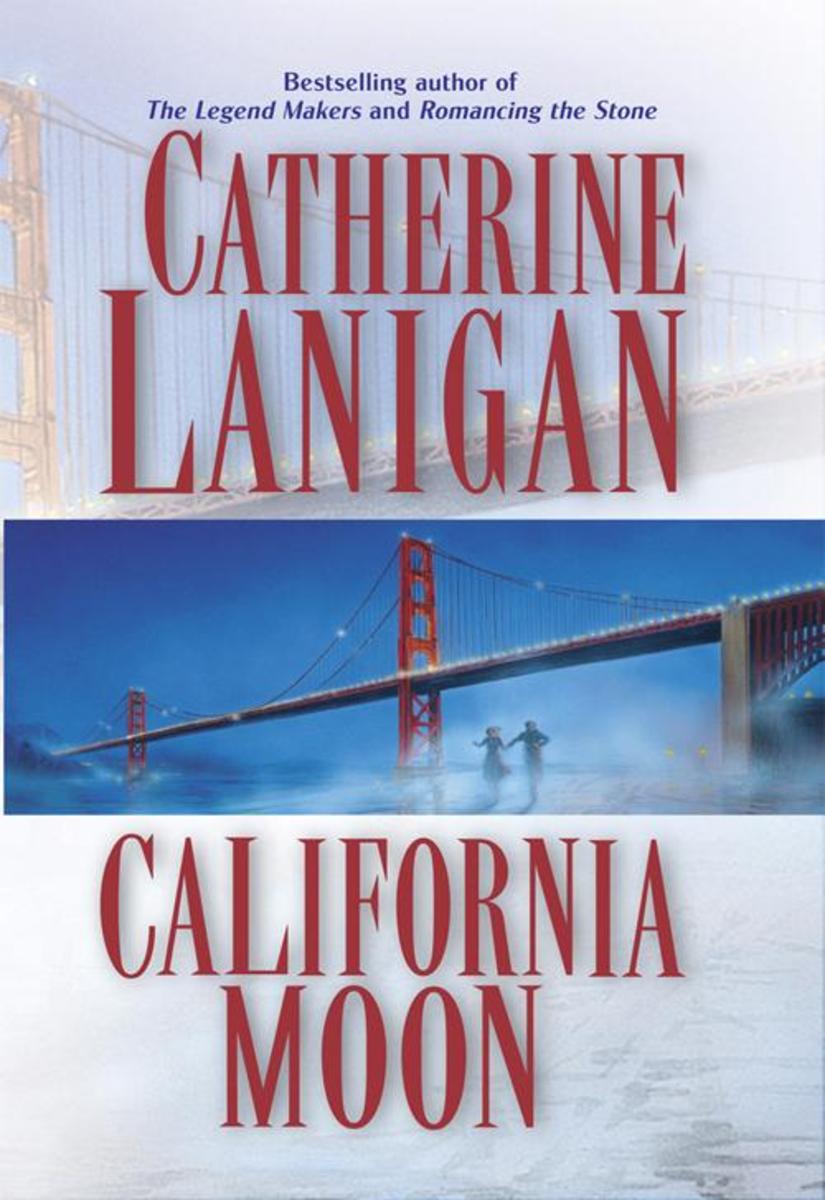
California Moon
¥51.50
Shannon Riley is a dedicated nurse with a secret past. Her patient -- comatose after a deadly beating -- is Gabe Turner, the prime suspect in his friend's drug-related murder. Gabe awakens and flees from the hospital to California, taking Shannon hostage as he tries to understand the mystery threatening his life. Pursued by the law and by ruthless men who want them dead, they play a dangerous game with no clear rules -- but many truths will be revealed under the California moon.

Dare She Date Again? (Mills & Boon Medical)
¥22.07
DARE SHE DATE AGAIN? Single mum and paramedic Samantha Doxtator was broken-hearted after losing her husband. Now she’s finally following her dream to become an air ambulance pilot… after mentoring paramedic trainee George Atavik! Since nearly losing his life in a plane crash George doesn’t hold back on life – or on the sparks flying between him and Samantha. Does she dare risk her fragile heart for one last chance at happiness?
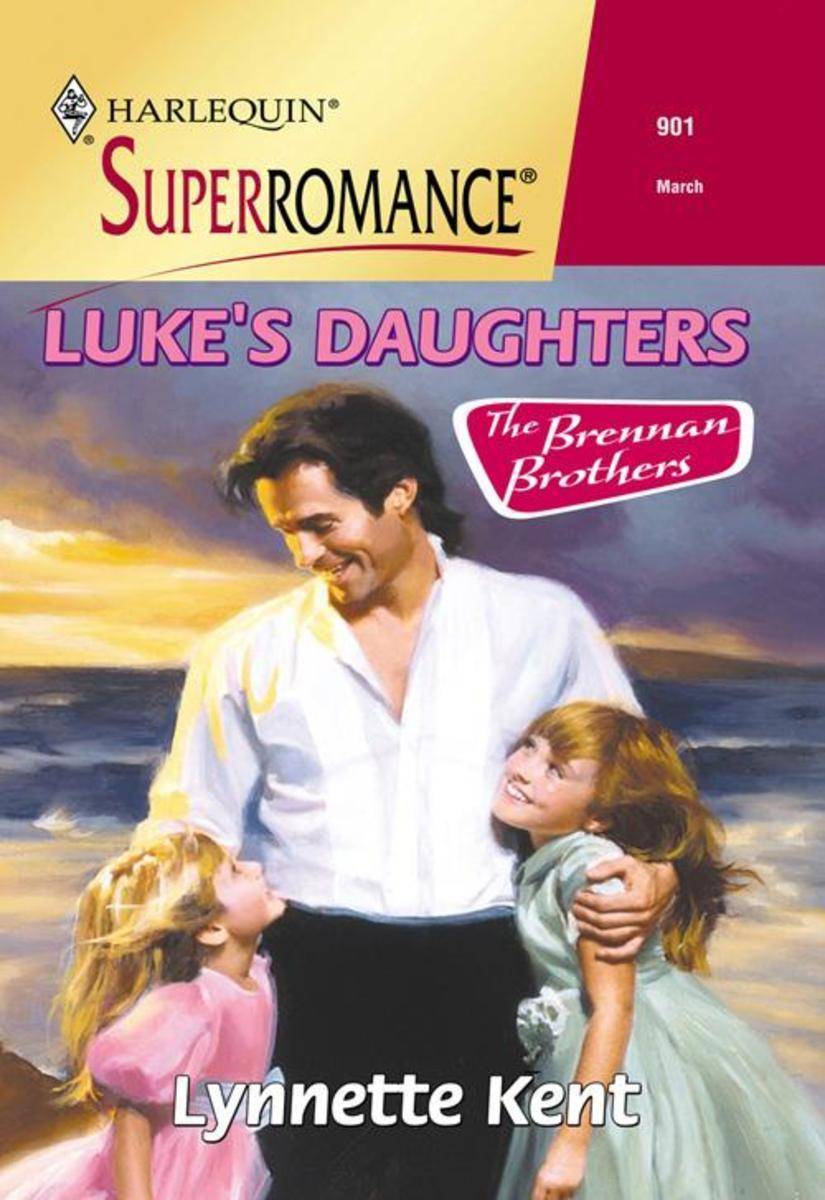
Luke's Daughters (Mills & Boon Vintage Superromance)
¥31.10
The Brennan Brothers His family belong to his brother now… Luke Brennan met Sarah Randolph on the worst day of his life. His brother's wedding day. The bride was Luke's ex-wife; the flower girls, Luke's daughters. Six years ago when Matt Brennan was reported missing in action and presumed dead, Luke had married Matt's heartbroken fiancée to give her unborn child a name. Gradually the marriage of convenience grew into something more…and a second baby was born. Then Matt returned to claim his family. Now only Sarah knows how much effort it takes for Luke to step away from his life–and his daughters. Only she knows how much he hurts. And only she can begin to fill the emptiness in his heart. If he'll let her…
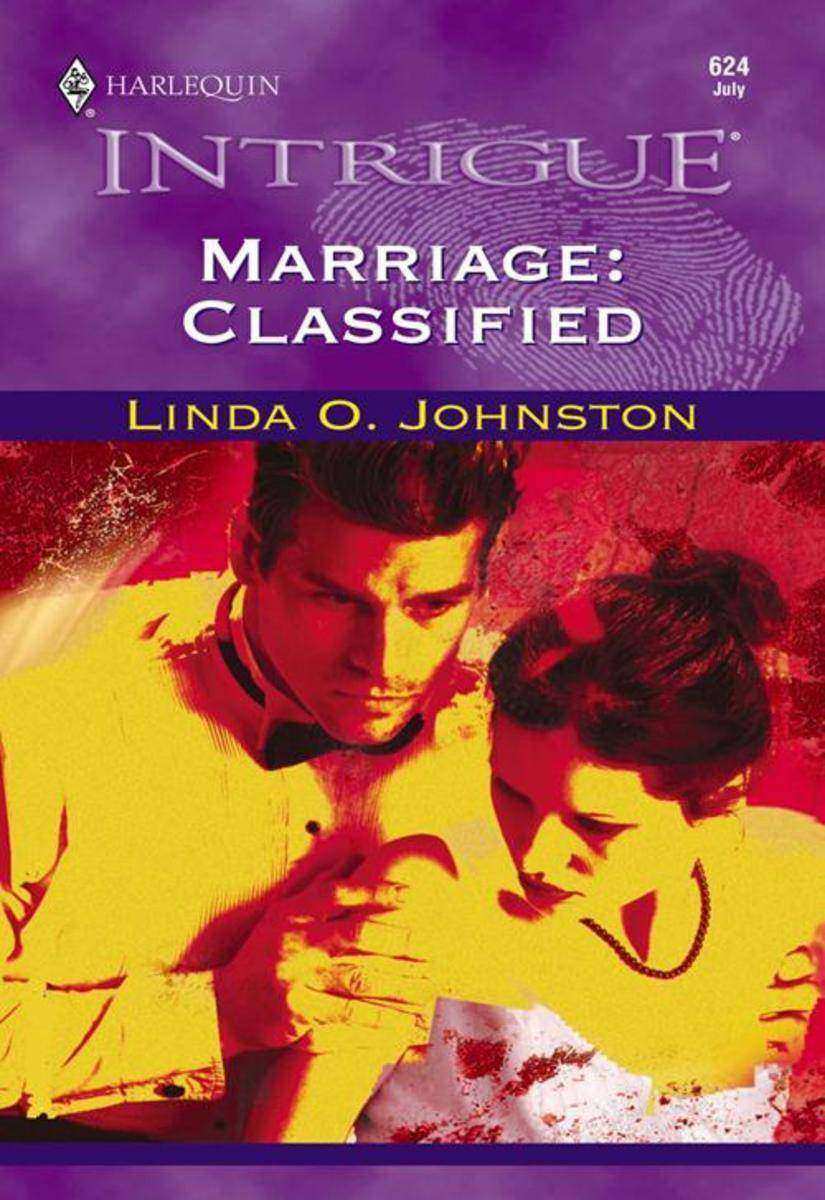
Marriage: Classified (Mills & Boon Intrigue)
¥31.10
Their marriage had been a set-up, their wedded bliss an act… but the feelings Detective Jordan Dawes had for his new bride, Sara, were never part of the plan. Now, thanks to the work of an elusive serial killer, Jordan was coping with an in-name-only wife who couldn't remember her own name and the unpleasant task of telling Sara her father was dead. Not the best way to start off a supposed lifetime of happiness. But was Sara's amnesia for real or just a ploy to keep the killer at bay? Either way, could Jordan keep the danger from infiltrating Sara's hazy world…and from destroying their chances at a real happily-ever-after?
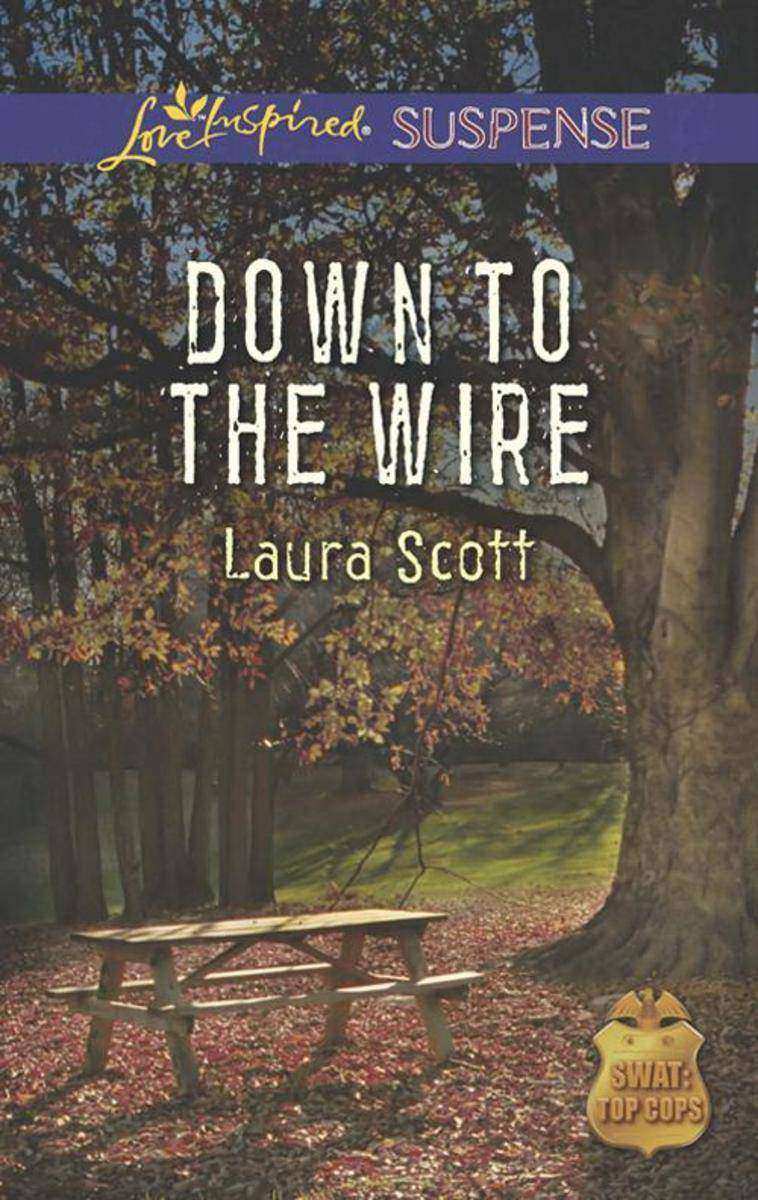
Down to the Wire (Mills & Boon Love Inspired Suspense) (SWAT: Top Cops, Book 2)
¥31.10
LAWMAN TO THE RESCUE Who placed the bomb under schoolteacher Tess Collins's classroom desk–and why? There's only one man who can save Tess–SWAT cop Declan Shaw. Her survival depends on him defusing the bomb and protecting her from an unknown enemy. He can't afford to be distracted by the alluring beauty who was his onetime high school crush. But keeping her safe soon becomes more than just a job for the highly trained explosives expert. And it'll take all his professional skills to catch the madman targeting Tess before it's too late. SWAT: TOP COPS–Love in the line of duty
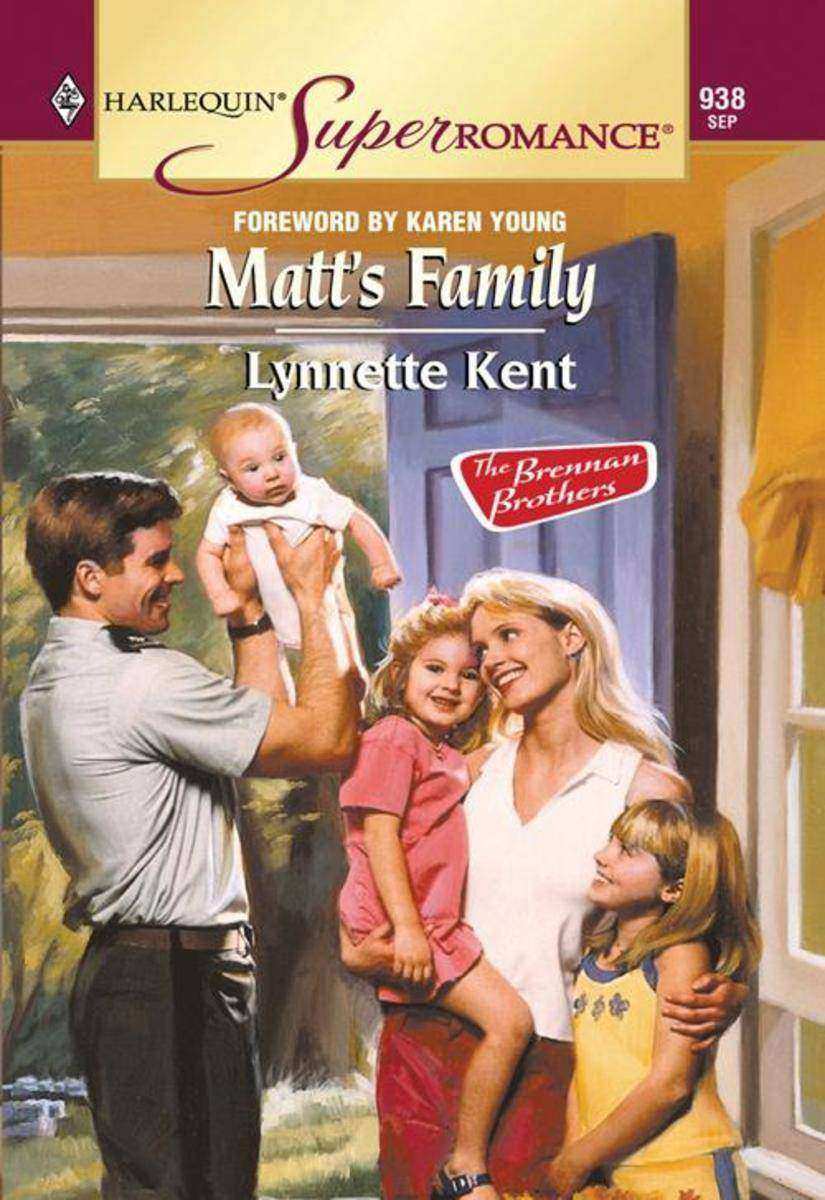
Matt's Family (Mills & Boon Vintage Superromance)
¥31.10
She loved one Brennan–but she married the other… Kristen had known the Brennan boys forever. She'd loved Luke as a friend, but she'd been in love with Matt for as long as she could remember. Then, just before her eighteenth birthday, the army posted Matt to Africa. Months later the dreaded telegram arrived: Missing, presumed dead. Young, scared and pregnant, Kristen turned to her friend Luke. Together they agreed that getting married would be best for her baby. Slowly Luke and Kristen turned their marriage of convenience into a real one, and a second baby was born. Then five years later, Matt Brennan–the man she'd never stopped loving–came home… Matt's Family is the second book in Lynnette Kent's compelling THE BRENNAN BROTHERS family saga.

Forever Wife And Mother (Mills & Boon Cherish)
¥31.10
Gabe Ryland knew he was attracted to Caprice the moment she arrived at his rural resort. But she was beautiful and sophisticated–exactly the sort of woman he refused to let into his heart again! Caprice was equally determined not to fall for Gabe. She'd come hoping to discover the truth about her father's past. Yet she found Gabe and his little girl, Willow, irresistible. If only she could convince Gabe to trust in love once more…

His Favorite Cowgirl (Mills & Boon American Romance) (Glades County Cowboys, Boo
¥31.10
You Can Go Home Again A stint as ranch manager on the Circle P may be the perfect way for Hank Judd to reconnect with his ten-year-old daughter. And selling his former girlfriend's family ranch will provide the cash he needs to restart his failed real-estate business. He just has to resist falling for the girl next door all over again. Kelly Tompkins needs to sell her grandfather's ranch quickly to pay for his medical expenses and get back to Texas before she loses her chance at a promotion. Hank is the last person she wants to see, but she can't deny she needs his help. But spending time with the boy who let her down twelve years ago may unearth a heartache that has never truly healed….

His Reluctant Cinderella (Mills & Boon Cherish)
¥31.10
"It's like a fairy tale…" Castor Rafferty, London's notorious vice-CEO of glamorous Rafferty's Stores, might have a reputation to uphold, but he's determined to protect his independence. He needs a convenient girlfriend, but his reluctant Cinderella–gorgeous single mom Clara Castleton–doesn't seem to be falling for his charms! Clara isn't looking for Prince Charming–only for a life where she's in control. But there's something about Raff that makes her want to open her heart…and to believe in a happy ending after all!
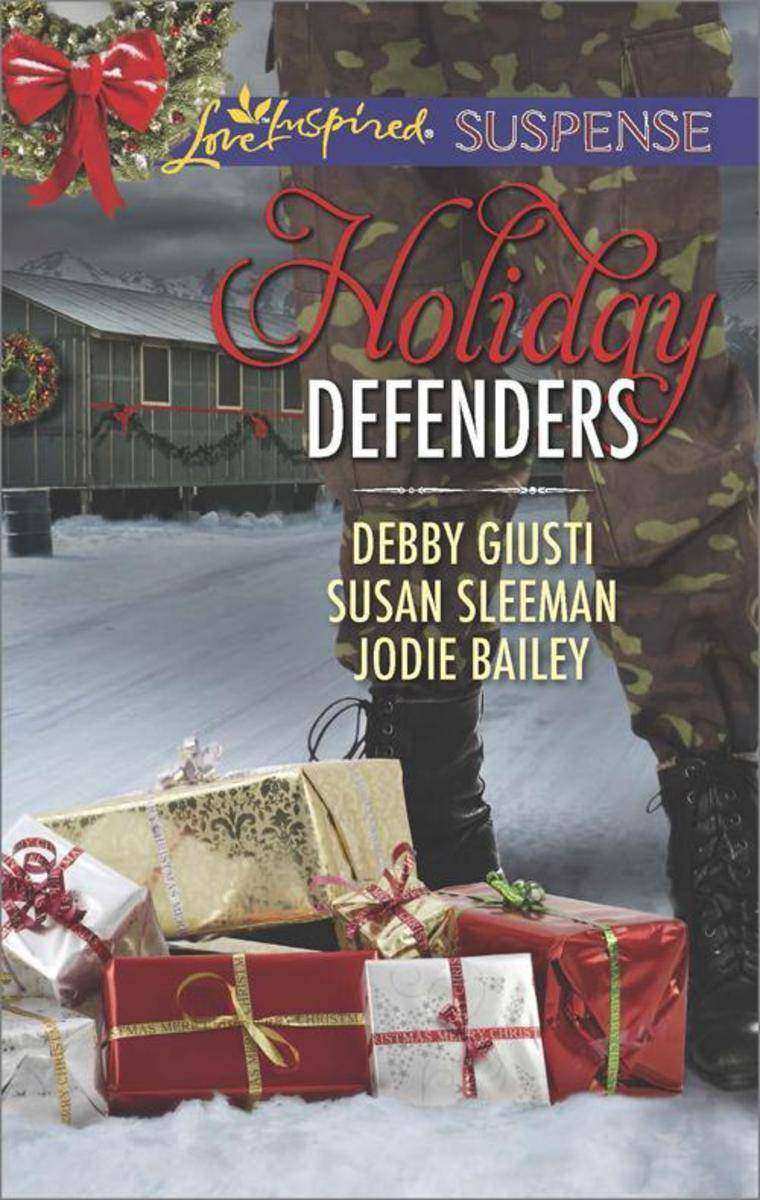
Holiday Defenders: Mission: Christmas Rescue / Special Ops Christmas / Homefront
¥31.10
This holiday season, three military men of honor must do everything they can to save Christmas Mission: Christmas Rescue by Debby Giusti On the run from a killer, Elizabeth Tate must accept U.S. Army captain Nick Fontaine's protection for the sake of her young niece and nephew. Now her life is in the hands of the very man who broke her heart years ago. Special Ops Christmas by Susan Sleeman Researcher Claire Reed's top secret project is stolen, putting her at risk of being kidnapped to unlock it. Her undercover bodyguard—her former love, Green Beret Travis Chapman—is on his most dangerous mission yet. Homefront Holiday Hero by Jodie Bailey When someone tries to kill the daughter of a military official, U.S. Army major Tyler Rainey must keep Kelly Walters from harm…while guarding his own heart against very unexpected feelings.

Just Friends To . . . Just Married (Mills & Boon Cherish)
¥21.09
Kimberly Albert has always yearned for stability. Her boyfriend's just walked out and she's craving the one man who's always been there for her: her best friend, Jaxon Gideon. Jax has loved her forever yet he's had to stand by and watch her live her life without him. Now he has decided that if he can't have Kim in his life, he wants her out of it! But Kim is starting to see a new side to Jax…a much more irresistibly sexy side…and she likes what she sees! Kim just has to prove to Jax that their friendship could be so much more.…

Justin
¥39.24
Sweet dreams had been all that lovely Shelby Jacobs had ever given Justin Ballenger. He'd loved her, wanted to marry her… and his sweet dreams had blown away. A Ballenger wasn't good enough for Shelby…she'd broken their engagement and flaunted her rich society lover in Justin's face. He vowed never again to be vulnerable to his beautiful Texas rose. Shelby had never stopped loving dark, intense Justin, and seeing him only deepened her feelings. She was sure he despised her, but she knew he needed to hear the truth about the past. She was risking everything, but the heart of her lonesome cowboy was more than worth it…

Kindergarten Cupids (Mills & Boon Silhouette)
¥31.10
It was betrayal of the worst kind. Her husband. His wife. A clandestine affair that had torn apart their families and left them to pick up the pieces–after a tragic accident revealed the scandalous truth. Widow and widower. Neither wanted anything to do with each other, but their sons had been best friends…before…. Now, Mardi Sinclair was financially strapped with a son and grandfather to care for, and Cain Templar was struggling as a single dad. Out of the needs of their young sons, they married. But would their own adult yearnings force them to realize that perhaps this union was the true love of a lifetime?
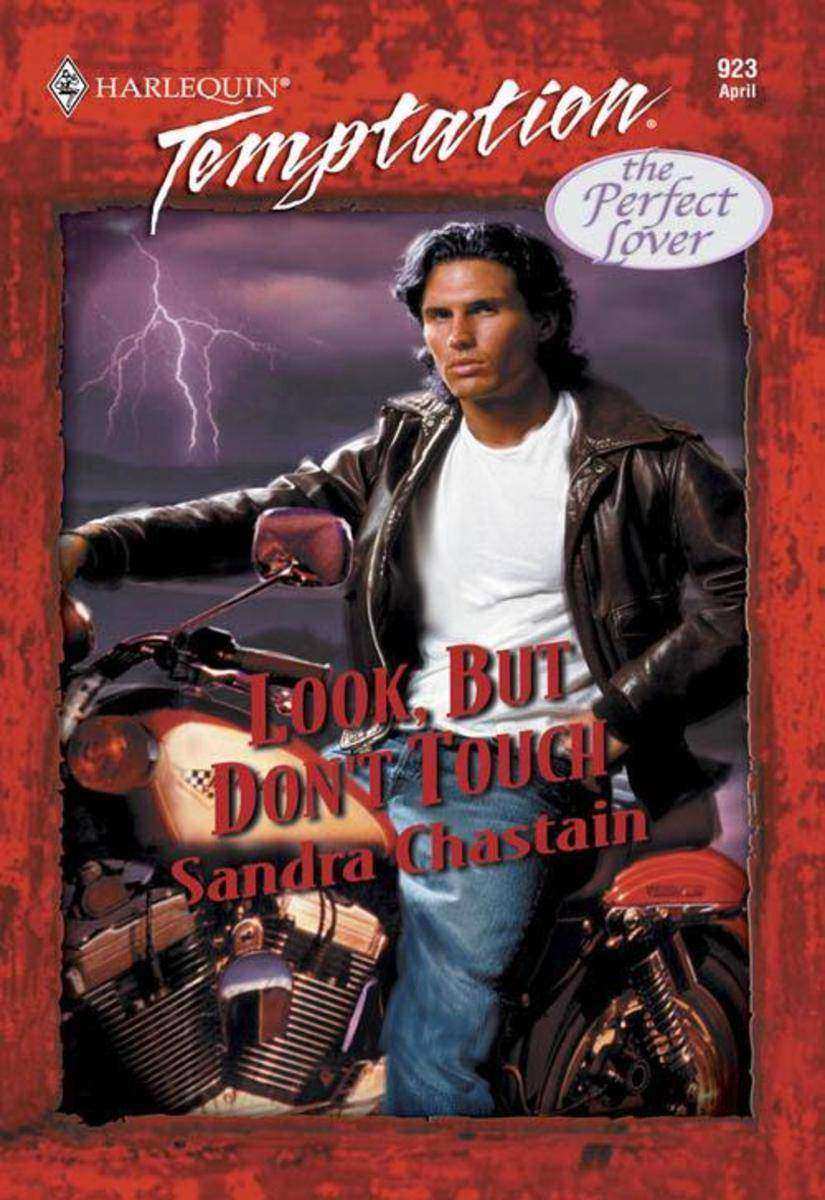
Look, But Don't Touch (Mills & Boon Temptation)
¥20.01
Photographer Cat McCade has no problem admitting she has a weakness for half-naked men. After all, she's gained national recognition for her men's underwear ads. Still, she's always very careful not to let any man get too close–until she has a fateful run-in with Texas Ranger Jesse Dane. And then she can't get him out of his clothes fast enough.… Jesse Dane is a loner–and likes it that way. Only, since he shared a one-night stand with a sexy stranger, he's been out of sorts, suddenly wanting more.… So when he learns he's getting a new assignment–to serve as a bodyguard to powerful businessman Sterling Szachon's new photographer– he's relieved. Until he realizes that the body he'll be guarding is the one that shared his bed…
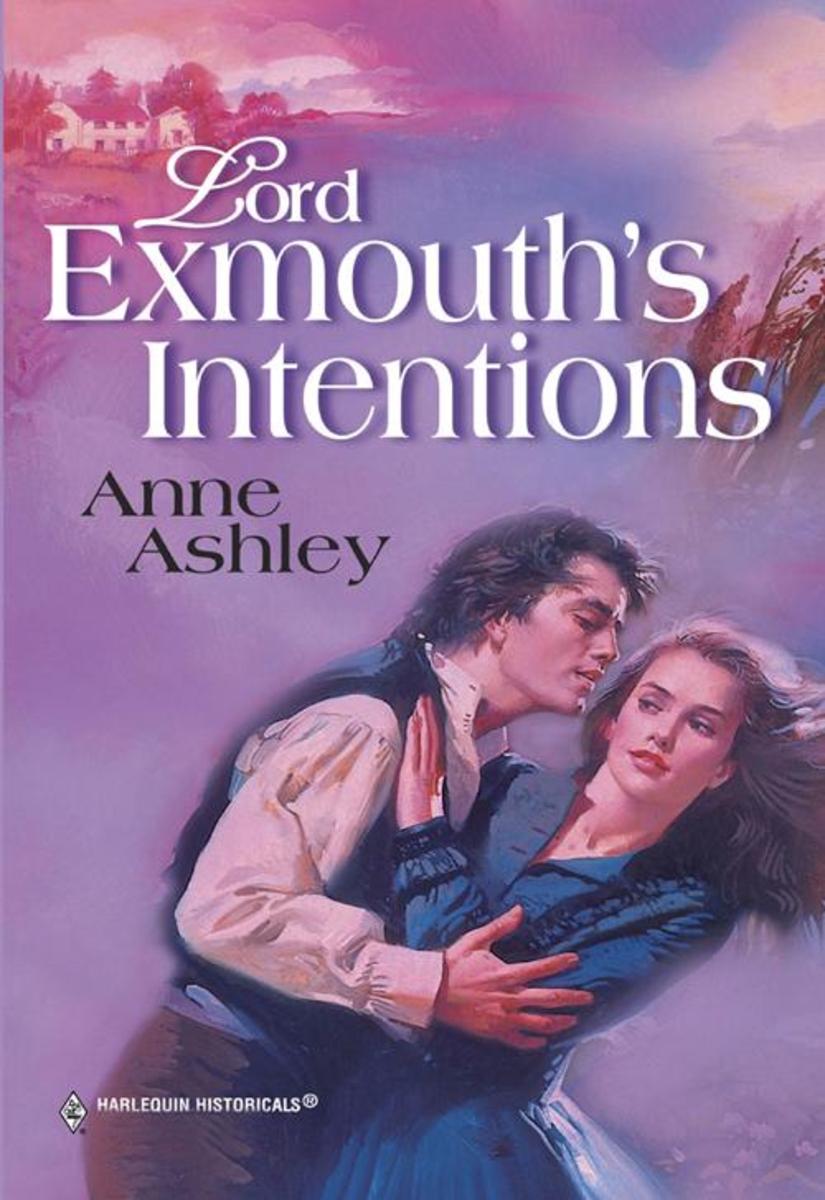
Lord Exmouth's Intentions (Mills & Boon Historical)
¥39.24
A young woman disappears. A husband is suspected of murder. Stirring times for all the neighborhood. Demure vicar's daughter Robina Percival has relished her Season in Town–a definite change for the better after her somewhat straitened situation at home. But what is she to make of Daniel, Lord Exmouth? A widower with two daughters to raise, he appears to be in the market for a wife. Discovering that she has more spirit than she realized, Robina holds back from encouraging her potential suitor. How can she be sure he hasn't buried his heart with his beautiful wife? Regency Drama Intrigue, mischief…and marriage The Steepwood Scandal
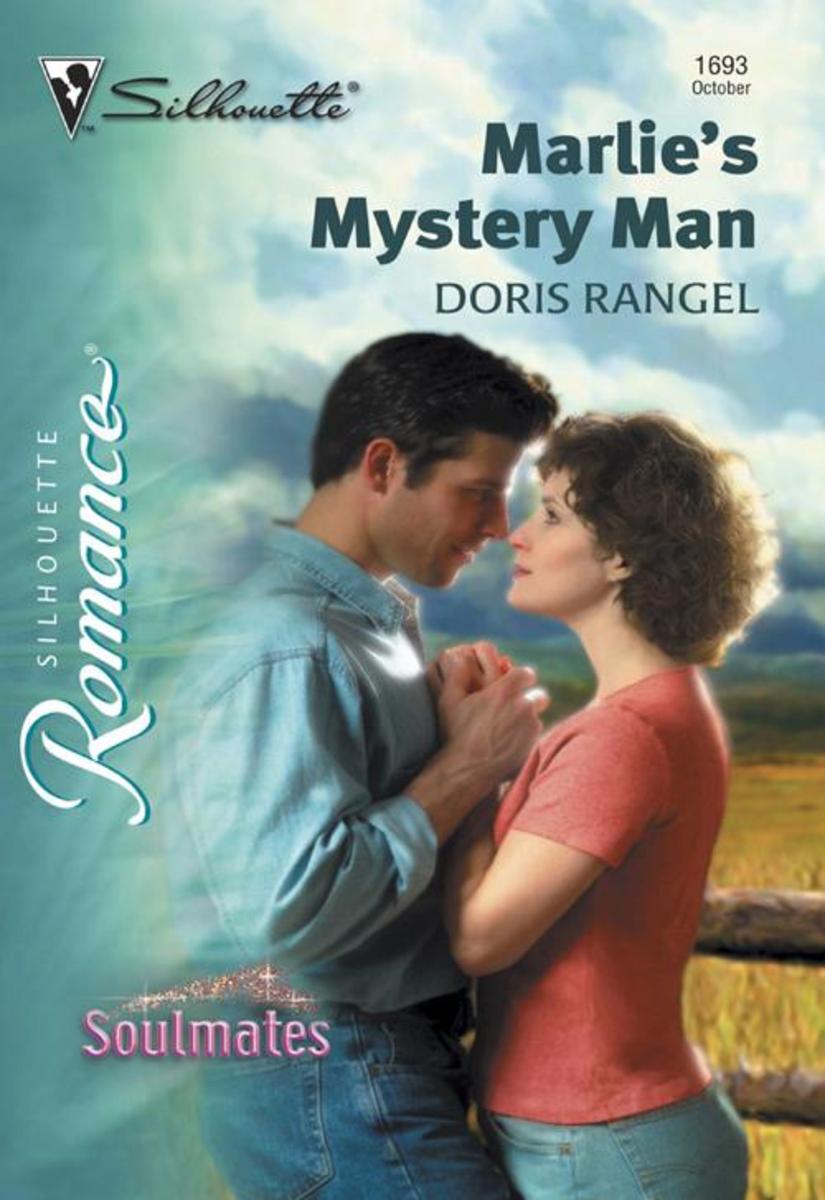
Marlie's Mystery Man (Mills & Boon Silhouette)
¥31.10
To: Grammie From: Marlie Re: I'M FALLING FOR TWO MEN-SORT OF! Gram, Something strange has happened on my summer vacation–there are two Caid Matthews in my life! One Caid–the one only I can see and hear–is romantic and sexy, with a wicked sense of humor. The other is intensely passionate and determined to get what he wants: me! Both give knee-weakening kisses, and I'm falling for each of them…for different reasons. But I can't be happy with just half a man–so how can I get the two halves to reunite and become the perfect, whole man for me to love? HELP!
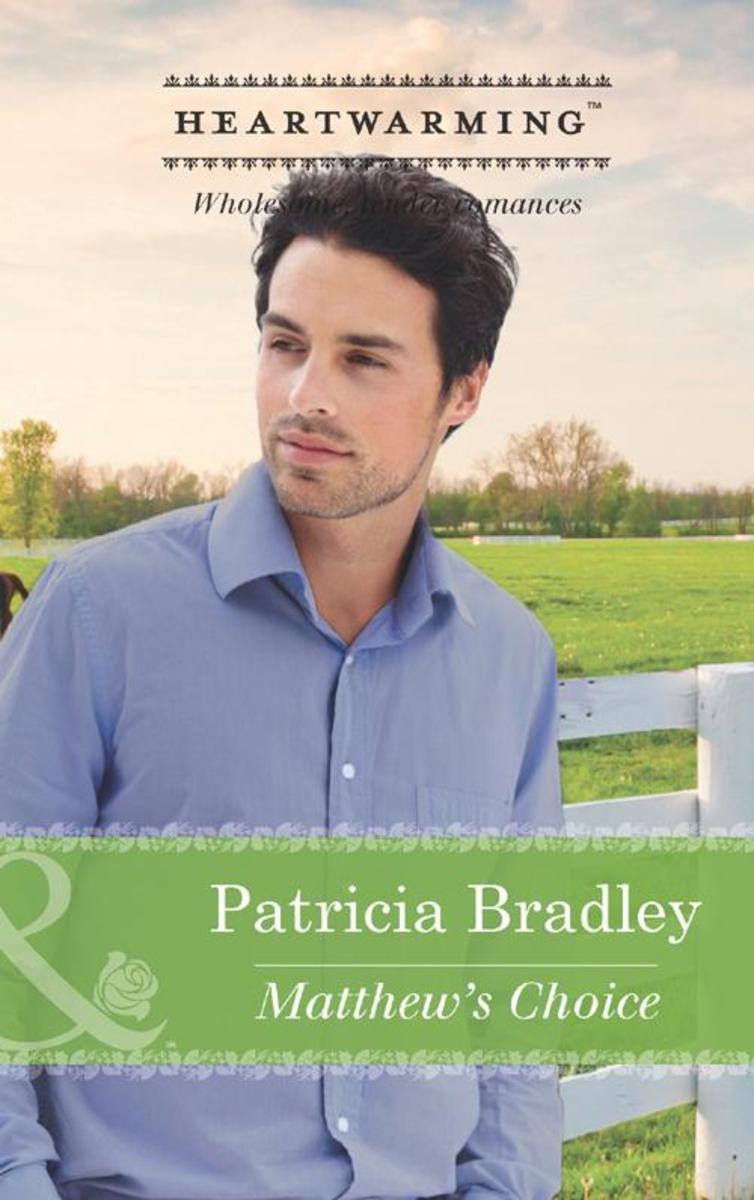
Matthew's Choice (Mills & Boon Heartwarming)
¥31.10
He left it all behind. Until now. It's New Year's Eve, and for Matt Jefferies, life is perfect. The penthouse, the career–even the perfect soon-to-be-fiancée. But then Matt's troubled past knocks on his door. And once Allie Carson says hello, everything changes. Allie broke up with Matt years ago, when he turned "that kid from Beaker Street" into a cold, corporate city slicker. It went against what she loved about him–and the small-town life she could never leave. Now, with Matt's estranged family facing desperate times, it's time for him to come home. And to choose between the man Matt's become…and the woman who never stopped loving him.

Midnight Wedding (Mills & Boon Cherish)
¥31.10
Holly Dent needs protection–but Jack Armour's suggestion isn't quite what she had in mind. Although they've only just met, Jack insists the best way to keep Holly safe is by making her his wife! He claims his motives are purely chivalrous, that their marriage will be strictly temporary. But is Jack fooling himself? Their secret midnight wedding is followed by a passionate wedding night, and everything becomes a little more complicated….

Mission: Marriage (Mills & Boon Cherish)
¥20.01
Lea is turning thirty, and the alarm is ringing on her biological clock. But how does a woman with just one ex-boyfriend under her belt learn to find Mr. Right? Tom may be a serial dater with no interest in settling down, but he's perfect as a dating consultant to help Lea find her flirting feet! Only, when their "practice date" leads to more than one "practice kiss," Lea and Tom find they have to look again at what they really want…
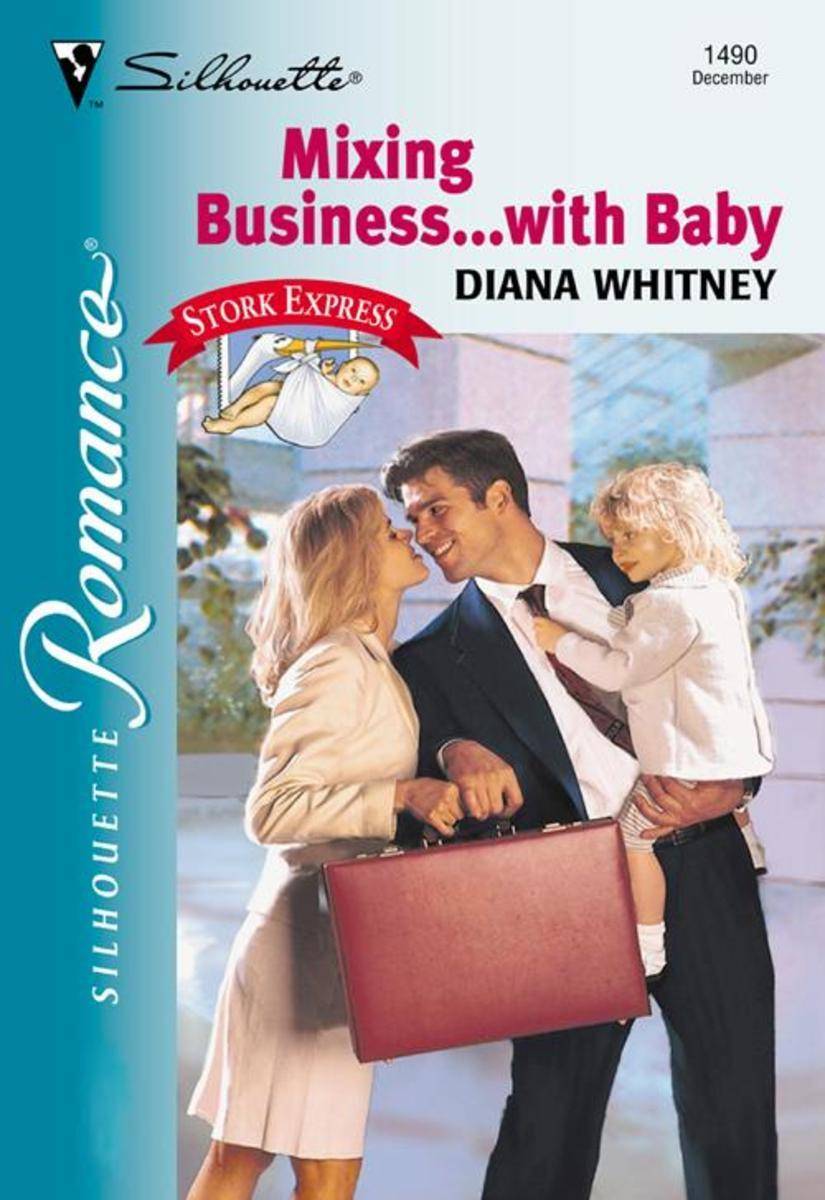
Mixing Business...With Baby (Mills & Boon Silhouette)
¥31.10
Successful, handsome Rick Blaine wanted to know everything about his lovely new employee Catrina Mitchell. What did she like? What made her laugh? But when Rick learned Catrina's daughter was the source of joy in Catrina's luscious brown eyes, his racing heart came to a screeching halt. Having a little girl look up at him with hopeful eyes scared him to death. Children were a lifetime commitment–and he was a confirmed bachelor. But Catrina wasn't so easy to forget…. Should Rick start mixing business with romance–and both with a baby?
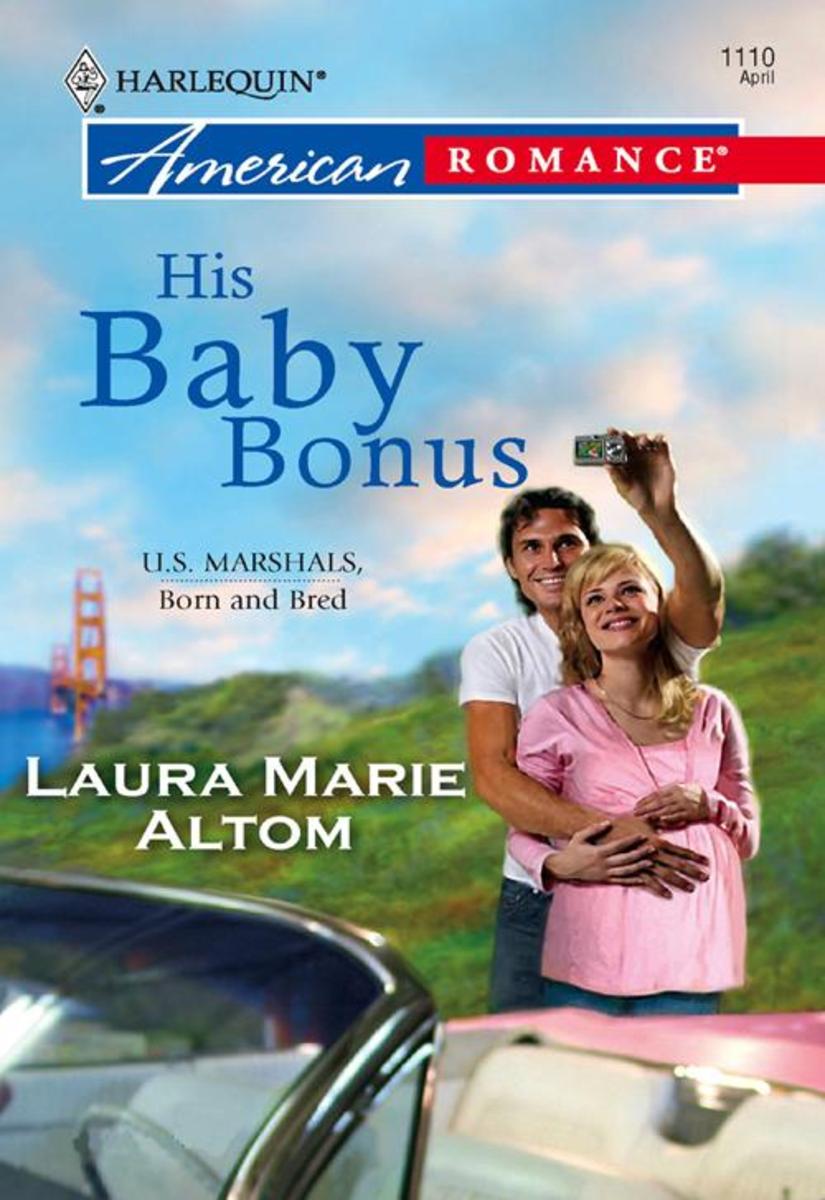
His Baby Bonus (Mills & Boon American Romance)
¥31.10
The Way To A Man's Heart? Ms. Grade Sherwood–eight months pregnant and counting!–is on the run from her mobster ex-husband and the U.S. Marshals who are supposed to be protecting her. No one is going to keep Gracie from winning the Culinary Art Invitational cooking competition–her one chance at making a fresh start for her and the baby. After a close call, U.S. Marshal Beauregard Logue finally convinces Gracie to stay close to him–which basically means he's become her personal taster! Gracie has to stay focused on the contest, and on her pregnancy, but it's hard to concentrate with a big handsome marshal asking her for seconds. Gracie's falling for Beau, but have those feelings grown out of love or out of fear? And is this marshal willing to take on


