


 购物车
购物车 个人中心
个人中心

Mara Dyer 3. R?zbunarea
¥81.67
Pornind de la celebra sentin?? dostoievskian? – ?Dac? Dumnezeu nu exist?, atunci totul este permis" – unii au depl?ns declinul autorit??ilor religioase ?i al idealurilor morale, iar al?ii au conchis c? singurul principiu de via?? care ne r?m?ne este cel al luptei pentru supravie?uire, observ? Fromm. Ca r?spuns la bulversarea valorilor din secolul trecut, cartea de fa?? aduce argumente filosofice ?i socio-psihanalitice pentru o ?ntoarcere a omului la sine, pentru o nou? "art? de a tr?i". Etica "umanist?", propus? de Fromm, se vrea o alternativ? la etica "autoritar?", motivat? de culp? ?i supunere tem?toare. Noua moral? se va ghida, astfel, dup? gradul ?n care reu?im s? ne actualiz?m poten?ialul - acesta va fi criteriul ?n func?ie de care vom decide ce ne este permis sau interzis din punct de vedere moral. C?ci, ?n loc de a ne trata propria persoan? ca pe o marf? (dup? cum ne ?ncurajeaz? "orientarea mercantil?" de ast?zi), menirea noastr? va fi s? ne realiz?m poten?ialul. "Binele" este, astfel, redefinit ca afirmare a vie?ii ?i actualizare a posibilit??ilor umane, iar "r?ul" este echivalat cu degradarea puterilor noastre omene?ti.?

Dezleg?nd misterele na?terii ?i mor?ii... ?
¥29.76
Un ghid complet pentru femeile care doresc s? r?m?n? ?ns?rcinate. Con?ine aspectele medicale, sociale, psihologice ?i sexuale ale unei astfel de ?ncerc?ri ?i este relatat? cu umor ?i compasiune, ?n stilul unei discu?ii cu o bun? prieten? care a trecut prin toate acestea. Analiz?nd cantitatea imens? de informa?ii – uneori contradictorii, frecvent alarmiste ?i adeseori descurajante – culese de pe internet, de la rude ?i prietene, ?i din c?r?i, autoarea ne d? o veste bun?: lucrurile nu sunt at?t de stresante cum par s? fie.Pornind de la ultimele studii din domeniu, cartea abordeaz? problemele esen?iale legate de sarcin?:cum s? te preg?te?ti fizic ?i mental c?nd vrei s? r?m?i ?ns?rcinat?;cum s? discu?i cu rudele, prietenii ?i partenerul t?u;cum s? treci peste marea triste?e a unei pierderi de sarcin? spontane.De asemenea, afli:cum s? ?tii c?nd ai ovula?ie, c?nd s? faci sex;cum s?-?i programezi sarcina;cum s?-?i maximizezi ?ansele de a r?m?ne gravid?;cum s? determini probabilitatea de a avea b?iat sau fat?;care este cea mai bun? diet? prenatal?.Ce e adev?rat ?i ce e fals ?n toate aspectele ?ncerc?rii de a deveni mam?, de la perioada optim? pentru sex, la problemele legate de stres ?i la alegerea unei alimenta?ii care s? duc? la cre?terea fertilit??ii… ?i nu numai at?t!?Aceast? carte este exact?, lini?titoare ?i foarte amuzant?! O recomand c?lduros!“ – Dr. Christiane Northrup, obstetrician ginecolog, autoare a c?r?ilor Women’s Bodies, Women’s Wisdom ?i The Wisdom of Menopause

Dieta de 17 zile. Rezultate rapide cu un plan medical special conceput
¥73.49
Poemele lui Marius Aldea sunt inteligent-fanteziste i dau o senzaie de prospeime, dei refolosete, frecvent, i mijloace de seducie inventate de Nichita Stnescu, Emil Brumaru, Mircea Dinescu. Marius Aldea are o plcere de a scrie care face ca tot ce mprumut s devin al lui.“ – Alex tefnescu Marius tefan Aldea face parte din plutonul tinerilor poei crora li se flfie de generaia imediat anterioar, ns nu li se deloc de generaiile vechi. Vd i prevd o promoie de poei lucizi i cultivai printre care compozitorul Simfoniei frnei va strluci. Pentru c are umor, deci i permite s fie cinic, i pentru c izbutete nite metafore trsnite, dar fluente, nu rscutate. Apoi ochiul su este flmnd i precis, nu hoinrete pe firmament pn se ntoarce cu albul n sus. Viteza, claritatea i subtilitatea artei lui monteaz un spectacol inteligent – un deliciu pentru durii ca el, care, de fapt, ascund un suflet sensibil n spatele rictusului sceptic. Un romantic de factur excelent este Marius, adic dintre aceia cu witz, care muc tot, iar apoi se muc pe ei nii. Irezistibil poezia asta ca un roman scris la col de strad de un designer care tie exact ce vrea de la manechinele lui.“ – Felix Nicolau Marius tefan Aldea are atta energie poetic, nct exist riscul s supratensioneze Sistemul Naional de Distribuie a Literaturii. Dar cum SNDL nu exist dect n imaginaia noastr, nu v rmne, dragi cititori, dect s v conectai singuri la aceast surs de energie. E simplu: deschidei cartea lui Marius i citii puin. Dac nu suntei purttori de mnui izolante i cizme de cauciuc, ar trebui ca n secunda a doua s fii scuturai zdravn, iar minile s vi se ncleteze pe carte. E doar unul dintre efectele pe care l are poezia bun asupra omului.“ – Robert erban

Frumuse?e prin detoxifiere
¥81.67
Alexandra, o adolescent? rebel?, este trimis? de p?rin?i s? ??i petreac? vacan?a de var? ?ntr-un sat din Transilvania, pentru a fi ?ndep?rtat? de o iubire considerat? imoral?. Odat? ajuns? ?n V., ea este atras? de pove?tile localnicilor legate de o crim? s?v?r?it? ?n urm? cu mai mult de un veac: contesa Aneke fusese acuzat? de incest ?i vr?jitorie ?i ucis? ?n p?dure. Alexandra porne?te pe urmele contesei, hot?r?t? s? afle ce s-a ?nt?mplat cu adev?rat. Castelul ascunde mistere la fiecare col?… Pe m?sur? ce fapte ?i personaje stranii ies la iveal?, Alexandra ??i d? seama c? are ?n comun cu frumoasa vr?jitoare mai mult dec?t ?i-ar fi imaginat, inclusiv iubirea ei secret? ?i interzis?. Va reu?i Alexandra s? salveze aceast? iubire ?i ?n final propria via??, sau va avea soarta tragic? a Anekei?Dou? lumi distincte se ?ntrep?trund: lumea adolescen?ilor de azi, cu Facebook, concerte rock, tatuaje ?i pierce-uri, ?i lumea contesei disp?rute, cu intrigi de curte ?i pove?ti uitate.Un mistery romance ?n tonuri ?ntunecate despre incest, supersti?ii, tr?d?ri, secrete, legende transmise peste veacuri.

Labirintul lumii ?i raiul inimii
¥57.14
Cafeaua fierbinte coboar i urc n acelai timp, ceaca se umple, pereii rotunzi se nclzesc, Tante Dante (din prun) simte cldura i se trezete, Nea Tza simte n nri aburul cafelei i deschide ochii, midiile snt deja fierbini, Tante Dante ateapt cuminte, n prun, s fie servit. De ani de zile, n fiecare diminea, mblnzitorul privete amuzat cum cafeaua fierbinte readuce la via imaginea inscripionat pe ceaca de cafea, mblnzitorul privete cum, simind cldura cafelei, Tante Dante i Nea Tza ncep s se mite de fiecare dat dup acelai scenariu, adresndu-i din fotografia aceea fierbinte aceleai cuvinte, de ani i ani de zile:— Bun dimineaa, Tante Dante!— Bune midii, Nea Tza!“

Paint the Roses Red
¥40.79
Time is running out. Alice only has one year left to win her bet with the Bandersnatch, or be trapped as a prisoner in his garden forever. And Alice isn’t the only one losing heart. The Queen continues to steal peoples hearts, and the refugees from Neverland are the latest victims. For some reason, Alice can’t put them back and Adam refuses to leave Wonderland until they stop her. The pressure is on for Alice to keep the magic books from falling into the wrong hands. The clock is ticking and failure means none of the stolen hearts will be returned, Adam will remain trapped behind the mirror, and Alice will be forgotten in the Bandersnatch’s garden. Forever.
![The Great Gatsby: [Illustrated Edition]](https://platform-permanent.ddimg.cn/pt-media-info-soa-resource/digital/product/45/58/1901164558_ii_cover.jpg?version=0832d2ce-311d-4565-840c-ce0f1d045466)
The Great Gatsby: [Illustrated Edition]
¥28.04
The Great Gatsby is a 1925 novel written by American author F. Scott Fitzgerald that follows a cast of characters living in the fictional town of West Egg on prosperous Long Island in the summer of 1922. The story primarily concerns the young and mysterious millionaire Jay Gatsby and his quixotic passion and obsession for the beautiful former debutante Daisy Buchanan. Considered to be Fitzgerald's magnum opus, The Great Gatsby explores themes of decadence, idealism, resistance to change, social upheaval, and excess, creating a portrait of the Jazz Age or the Roaring Twenties that has been described as a cautionary tale regarding the American Dream. Fitzgerald—inspired by the parties he had attended while visiting Long Island's north shore—began planning the novel in 1923, desiring to produce, in his words, "something new—something extraordinary and beautiful and simple and intricately patterned." Progress was slow, with Fitzgerald completing his first draft following a move to the French Riviera in 1924. The Great Gatsby received mixed reviews and sold poorly; in its first year, the book sold only 20,000 copies. Fitzgerald died in 1940, believing himself to be a failure and his work forgotten. However, the novel experienced a revival during World War II, and became a part of American high school curricula and numerous stage and film adaptations in the following decades. Today, The Great Gatsby is widely considered to be a literary classic and a contender for the title "Great American Novel". In 1998 the Modern Library editorial board voted it the 20th century's best American novel and second best English-language novel of the same time period.
![The Scarlet Letter: [Illustrated Edition]](https://platform-permanent.ddimg.cn/pt-media-info-soa-resource/digital/product/45/60/1901164560_ii_cover.jpg?version=88d21f3a-29bd-480e-9e50-c70af3cfb162)
The Scarlet Letter: [Illustrated Edition]
¥27.71
The Scarlet Letter is an 1850 romantic work of fiction in a historical setting, written by Nathaniel Hawthorne, and is considered to be his magnum opus. Set in 17th-century Puritan Boston, Massachusetts, during the years 1642 to 1649, it tells the story of Hester Prynne, who conceives a daughter through an affair and struggles to create a new life of repentance and dignity. Throughout the book, Hawthorne explores themes of legalism, sin, and guilt. The experience of Hester and Dimmesdale recalls the story of Adam and Eve because, in both cases, sin results in expulsion and suffering. But it also results in knowledge – specifically, in knowledge of what it means to be immoral. For Hester, the Scarlet Letter is a physical manifestation of her sin and reminder of her painful solitude. She contemplates casting it off to obtain her freedom from an oppressive society and a checkered past as well as the absence of God. Because the society excludes her, she considers the possibility that many of the traditions held up by the Puritan culture are untrue and are not designed to bring her happiness.As for Dimmesdale, the "cheating minister", his sin gives him "sympathies so intimate with the sinful brotherhood of mankind, so that his chest vibrate[s] in unison with theirs." His eloquent and powerful sermons derive from this sense of empathy. The narrative of the Reverend Arthur Dimmesdale is quite in keeping with the oldest and most fully authorized principles in Christian thought. His "Fall" is a descent from apparent grace to his own damnation; he appears to begin in purity but he ends in corruption. The subtlety is that the minister's belief is his own cheating, convincing himself at every stage of his spiritual pilgrimage that he is saved. The rose bush's beauty forms a striking contrast to all that surrounds it – as later the beautifully embroidered scarlet "A" will be held out in part as an invitation to find "some sweet moral blossom" in the ensuing, tragic tale and in part as an image that "the deep heart of nature" (perhaps God) may look more kind on the errant Hester and her child than her Puritan neighbors do. Throughout the work, the nature images contrast with the stark darkness of the Puritans and their systems.Chillingworth's misshapen body reflects (or symbolizes) the anger in his soul, which builds as the novel progresses, similar to the way Dimmesdale's illness reveals his inner turmoil. The outward man reflects the condition of the heart; an observation thought to be inspired by the deterioration of Edgar Allan Poe, whom Hawthorne "much admired".
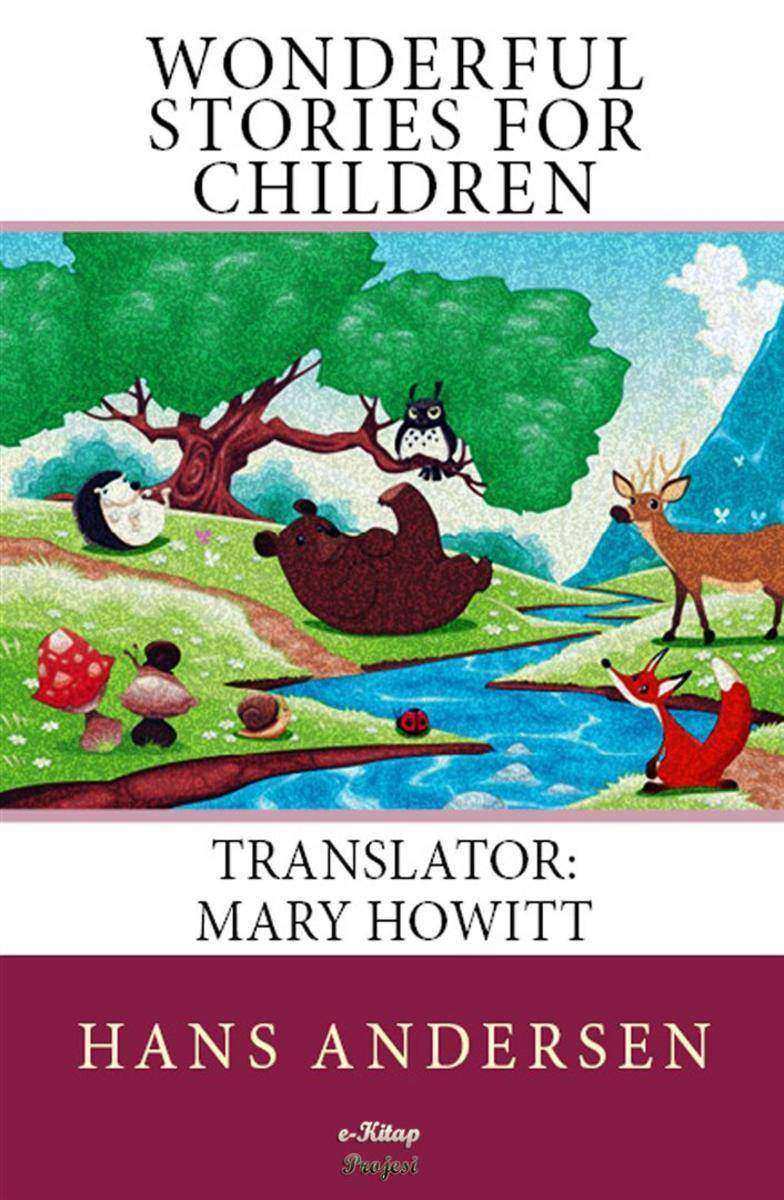
Wonderful Stories for Children
¥19.05
STORIES:?OLE LUCKOIE, (SHUT-EYE.)?MONDAY.?TUESDAY.?WEDNESDAY.?THURSDAY.?FRIDAY.?SATURDAY.?SUNDAY.?THE DAISY.?THE NAUGHTY BOY.?TOMMELISE.?THE ROSE-ELF.?THE GARDEN OF PARADISE.?A NIGHT IN THE KITCHEN.?LITTLE IDA'S FLOWERS.?THE CONSTANT TIN SOLDIER.?THE STORKS.??There is nobody in all this world who knows so many tales as Ole Luckoie! He can tell tales! In an evening, when a child sits so nicely at the table, or on its little stool, Ole Luckoie comes. He comes so quietly into the house, for he walks without shoes; he opens the door without making any noise, and then he flirts sweet milk into the children's eyes; but so gently, so very gently, that they cannot keep their eyes open, and, therefore, they never see him; he steals softly behind them and blows gently on their necks, and thus their heads become heavy. ??Oh yes! But then it does them no harm; for Ole Luckoie means nothing but kindness to the children, he only wants to amuse them; and the best thing that can be done is for somebody to carry them to bed, where they may lie still and listen to the tales that he will tell them.
The Dunwich Horror
¥9.00
In H.P. Lovecraft’s, "The Dunwich Horror", we are told the story of Wilbur Whateley, the son of a deformed albino mother and an unknown father (alluded to in passing by the mad Old Whateley as "Yog-Sothoth"), and the strange events surrounding his birth and precocious development. Wilbur matures at an abnormal rate, reaching manhood within a decade. All the while, his sorcerer grandfather indoctrinates him into certain dark rituals and the study of witchcraft.

Kay?p Halkan?n S?rr?
¥18.56
Yazar, bandan geen gizemli olaylar okuyucusuyla paylamaktadr.Yazar yal bir kadn tesadüfen kaldrmda baygn vaziyette bulur hastaneye kaldrr fakat daha sonra hastane odasnda brakr ve mutsuz ekilde Bodrum’a geri dner. ünkü yaynevlerinden bekledii ilgiyi grmez.Doktor hemire ve hastalar kadn ok sever ve sahip karlar.Yal kadna daha sonra devlet sahip kar ve onu bir huzur evine yatrr. Yal kadn orada da ok sevilir. Fakat huzur evi müdürü kadndan üphelenir. Yazar ise bir türlü istedii eseri yazamamaktadr. stelik ok sevdii ruh eine kavuamamaktadr. Bütün skntlarn zecek gü yal kadndr fakat yazar bunu bilmez. Fakat yazarn kader dngüsü deimek üzeredir ve yal kadn onu kendisine doru arr.Yazar balarda bununla mücadele etmeye alr fakat daha sonra pes eder. stanbul’a doru yolculuk yapmaya karar verir. Yolculuk esnasnda rüyasnda gerilim ve gizemli olaylar grür bilmedii ey aslnda bu olaylarn gerekte yaanddr. Yal kadn düündüü kii deildir.Yazarn gizemli bir ekilde tant yal kadnn srlar vardr. Yazar gerek grevi iin armaktadr.Aslnda yazar kayp halkadan birisidir.
The Descendant
¥9.00
"The Descendant" is a story fragment by American horror fiction writer H. P. Lovecraft, believed to have been written in 1927.[1] It was first published in the journal Leaves in 1938, after Lovecraft's death.

Dagon
¥9.00
The story is the testament of a tortured, morphine-addicted man who relates an incident that occurred during his service as an officer during World War I. In the unnamed narrator's account, his cargo ship is captured by an Imperial German sea-raider in "one of the most open and least frequented parts of the broad Pacific"
The Crawling Chaos
¥9.00
"The Crawling Chaos" is a short story by American writers H. P. Lovecraft and Winifred V. Jackson (first published April 1921 in the United Cooperative. As in their other collaboration, "The Green Meadow", the tale was credited to "Elizabeth Berkeley" (Jackson) and "Lewis Theobald, Jun" (Lovecraft). The story begins with the narrator describing the effects of opium and the fantastical vistas it can inspire. The narrator then tells of his sole experience with opium in which he was accidentally administered an overdose by a doctor during the "year of the plague".
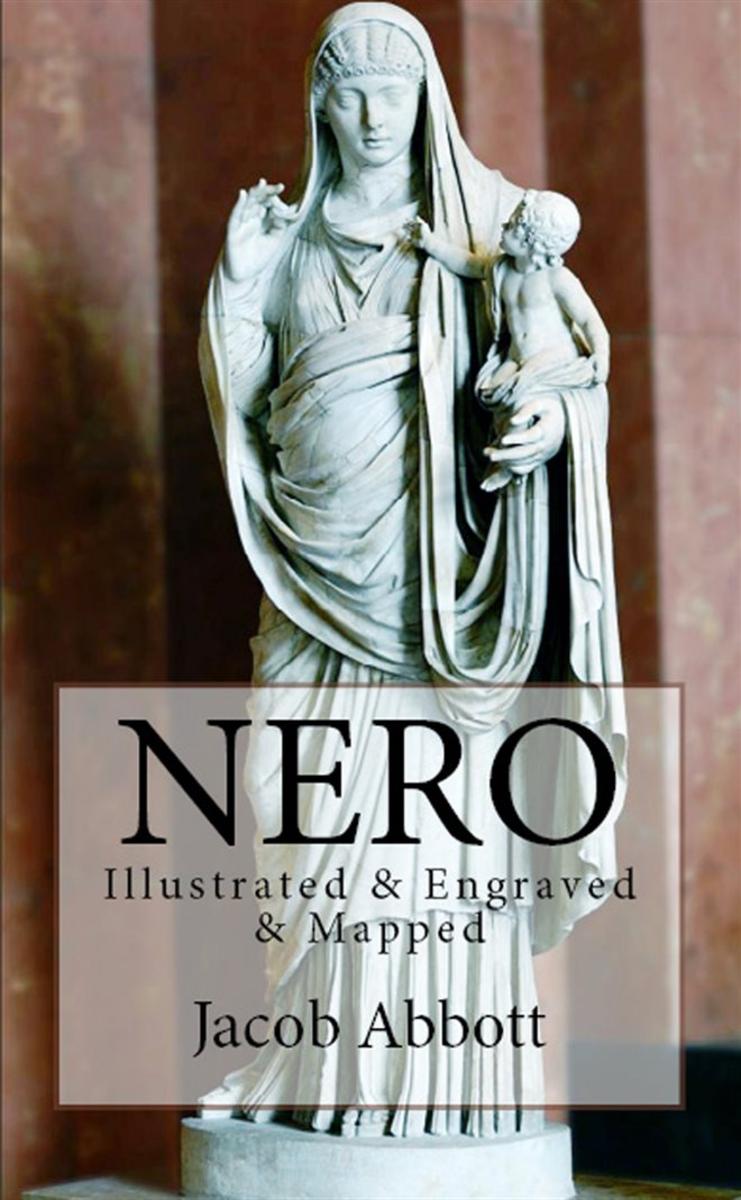
Nero
¥27.88
IN ancient times, when the city of Rome was at the height of its power and splendor, it was the custom, as it is in fact now with the inhabitants of wealthy capitals, for the principal families to possess, in addition to their city residences, rural villas for summer retreats, which they built in picturesque situations, at a little distance from the city, sometimes in the interior of the country, and sometimes upon the seashore. There were many attractive places of resort of this nature in the neighborhood of Rome. Among them was Antium.??The beauty and the salubrity of Antium made it a very attractive place of summer resort for the people of Rome; and in process of time, when the city attained to an advanced stage of opulence and luxury, the Roman noblemen built villas there, choosing situations, in some instances, upon the natural terraces and esplanades of the promontory, which looked off over the sea, and in others cool and secluded retreats in the valleys, on the land. It was in one of these villas that NERO was born.??NERO's father belonged to a family which had enjoyed for several generations a considerable degree of distinction among the Roman nobility, though known by a somewhat whimsical name. The family name was Brazenbeard, or, to speak more exactly, it was Aheno-barbus, which is the Latin equivalent for that word. ?
The Colour Out of Space
¥9.00
"The Colour Out of Space" is a first-person narrative written from the perspective of an unnamed surveyor from Boston. In order to prepare for the construction of a new reservoir in Massachusetts, he surveys a rural area that is to be flooded near Lovecraft's fictional town of Arkham. He comes across a mysterious patch of land, an abandoned five-acre farmstead, which is completely devoid of all life.
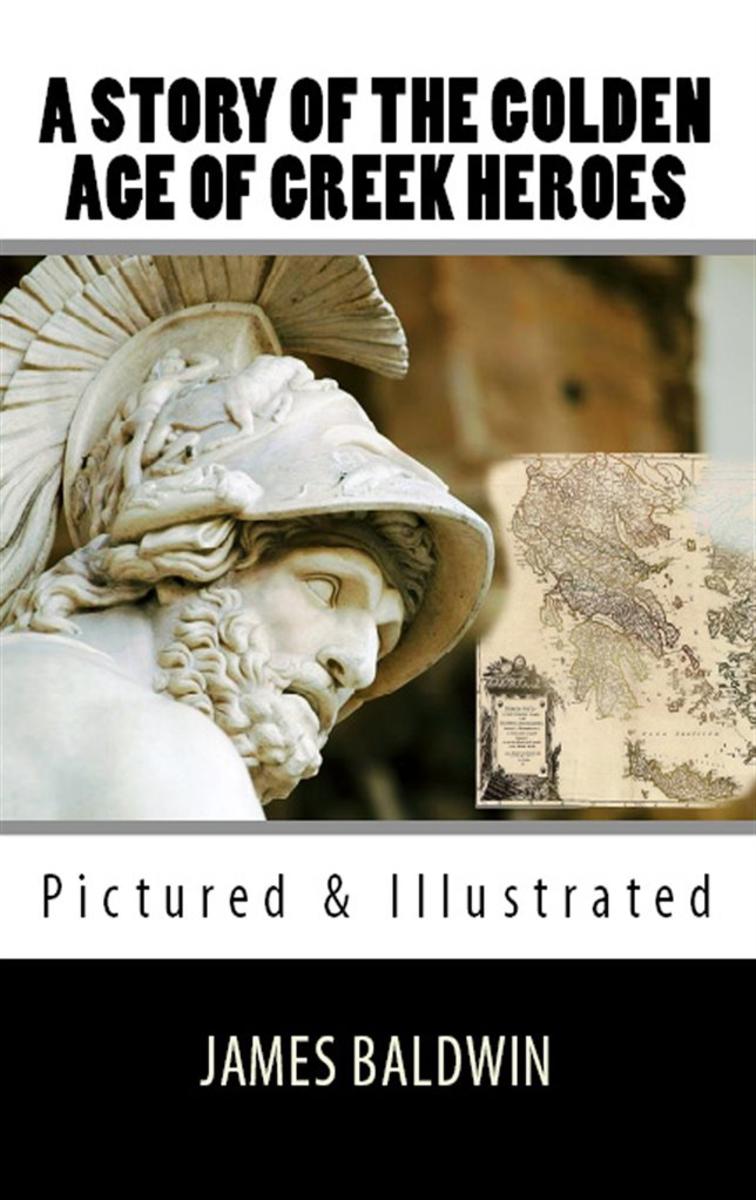
A Story of the Golden Age of Greek Heroes: Pictured & Illustrated
¥28.29
YOU have heard of Homer, and of the two wonderful poems, the Iliad and the Odyssey, which bear his name. No one knows whether these poems were composed by Homer, or whether they are the work of many different poets. And, in fact, it matters very little about their authorship. Everybody agrees that they are the grandest poems ever sung or written or read in this world; and yet, how few persons, comparatively, have read them, or know any thing about them except at second-hand! ? Homer commences his story, not at the beginning, but "in the midst of things;" hence, when one starts out to read the Iliad without having made some special preparation beforehand, he finds it hard to understand, and is tempted, in despair, to stop at the end of the first book. Many people are, therefore, content to admire the great masterpiece of poetry and story-telling simply because others admire it, and not because they have any personal acquaintance with it.? Now, it is not my purpose to give you a "simplified version" of the Iliad or the Odyssey. There are already many such versions; but the best way for you, or any one else, to read Homer, is to read Homer. If you do not understand Greek, you can read him in one of the many English translations. You will find much of the spirit of the original in the translations by Bryant, by Lord Derby, and by old George Chapman, as well as in the admirable prose rendering by Butcher and Lang; but you can get none of it in any so-called simplified version.??My object in writing this "Story of the Golden Age" has been to pave the way, if I dare say it, to an enjoyable reading of Homer, either in translations or in the original. I have ta-ken the various legends relating to the causes of the Trojan war, and, by assuming certain privileges never yet denied to story-tellers, have woven all into one continuous narrative, ending where Homer's story begins. The hero of the Odyssey—a character not always to be admired or commended—is my hero. And, in telling the story of his boyhood and youth, I have taken the opportunity to repeat, for your enjoyment, some of the most beautiful of the old Greek myths. If I have, now and then, given them a coloring slightly different from the original, you will remember that such is the right of the story-teller, the poet, and the artist. The essential features of the stories remain unchanged. I have, all along, drawn freely from the old tragedians, and now and then from Homer himself; nor have I thought it necessary in every instance to mention authorities, or to apologize for an occasional close imitation of some of the best translations. The pictures of old Greek life have, in the main, been derived from the Iliad and the Odyssey, and will, I hope, help you to a better understanding of those poems when you come to make acquaintance directly with them.??Should you become interested in the "Story of the Golden Age," as it is here related, do not be disappointed by its somewhat abrupt ending; for you will find it continued by the master-poet of all ages, in a manner both inimitable and unapproachable. If you are pleased with the discourse of the porter at the gate, how much greater shall be your delight when you stand in the palace of the king, and hearken to the song of the royal minstrel! ?
The Book
¥9.00
"The Book" is an unfinished short story by American horror fiction writer H. P. Lovecraft, believed to have been written in late 1933. It was first published in the journal Leaves in 1938, after Lovecraft's death. In the story fragment, the narrator is given an ancient book by a strange bookseller, and when he takes it home and examines it, weird and sinister events ensue.
America First: —100 Stories from Our History—
¥23.54
WHEN children advance beyond the nursery age, no story is so wonderful as a true story. Fiction to them is never as appealing as fact. I have often been faced with the inquiry: whether or not a story is a true one. The look of gratification, when told that "it actually happened," was most satisfying to me as a story-teller.??The nearer a story is to the life and traditions of the child, the more eagerly it is attended. True stories about our own people, about our neighbors and friends, and about our own country at large, are more interesting than true stories of remote places and people. We naturally are interested in our own affairs, and the nearer they are to us the greater the interest we feel.??That history is just a long, thrilling story of the trials and triumphs of pioneers and patriots is well known to those who have had to do with the teaching of history to youthful minds. That the dry recital of political and governmental history does not interest children is also well known. History should be made vital, vibrant, and personal if we expect children to be stirred by its study.?To gratify the love of children for the dramatic and picturesque, to satisfy them with stories that are true, and to make them familiar with the great characters in the history of their own country, is the purpose of this volume.??It is hoped that through appeal to youthful love of adventure, this collection of stories, covering the entire range of American history, will stimulate the ambition and strengthen the patriotism of those young citizens whose education has been the constant concern of the author for many years.
Fairy Stories and Fables
¥28.29
The longer stories in this book are called Fairy Stories, because that is the name by which such tales are always known to children; and yet only a very few contain any direct reference to fairies. The most of them have to do with talking animals and with strange incidents and transformations such as have always delighted the childish fancy. They have been drawn from a variety of sources; and liberty has been taken to make such changes in the narratives as seemed most necessary to adapt them to the understanding and needs of the children of our own time and country. ??Free renderings, they may be called, of some of the most popular folktales of foreign lands. The Three Bears, Tom Thumb, Jack and the Beanstalk, and Tom Tit Tot are old English favorites dressed in modern garb; Little Red Riding Hood, Puss in Boots, Princet and the Golden Blackbird, and Drakesbill and his Friends are variants of the well-known French versions by Perrault, Marelles, and Sebillot; Little Tuppen and The Three Goats named Bruse are from Norwegian sources; and the rest are founded upon German originals. In the retelling of these tales care has been taken to avoid whatever might distress the most sensitive child as well as everything that could give a wrong bias to his moral nature or distort his perception of the beautiful and the true.
Fifty Famous People: "A Book of Short Stories"
¥28.29
ONE of the best things to be said of the stories in this volume is that, although they are not biographical, they are about real persons who actually lived and performed their parts in the great drama of the world's history. Some of these persons were more famous than others, yet all have left enduring "footprints on the sands of time" and their names will not cease to be remembered. ??In each of the stories there is a basis of truth and an ethical lesson which cannot fail to have a wholesome influence; and each possesses elements of interest which, it is believed, will go far towards proving the fallibility of the doctrine that children find delight only in tales of the imaginative and unreal. The fact that there are a few more than fifty famous people mentioned in the volume may be credited to the author's wish to give good measure.??SAVING THE BIRDS?ONE day in spring four men were riding on horseback along a country road. These men were lawyers, and they were going to the next town to attend court.?There had been a rain, and the ground was very soft. Water was dripping from the trees, and the grass was wet.?The four lawyers rode along, one behind another; for the pathway was narrow, and the mud on each side of it was deep. They rode slowly, and talked and laughed and were very jolly.?As they were passing through a grove of small trees, they heard a great fluttering over their heads and a feeble chirping in the grass by the roadside.? "Stith! stith! stith!" came from the leafy branches above them.?"Cheep! cheep! cheep!" came from the wet grass.?"What is the matter here?" asked the first lawyer, whose name was Speed.?"Oh, it's only some old robins!" said the second lawyer, whose name was Hardin. "The storm has blown two of the little ones out of the nest. They are too young to fly, and the mother bird is making a great fuss about it."?"What a pity! They'll die down there in the grass," said the third lawyer, whose name I forget.?"Oh, well! They're nothing but birds," said Mr. Hardin. "Why should we bother?"? "Yes, why should we?" said Mr. Speed.?The three men, as they passed, looked down and saw the little birds fluttering in the cold, wet grass. They saw the mother robin flying about, and crying to her mate.?Then they rode on, talking and laughing as before. In a few minutes they had forgotten about the birds.?But the fourth lawyer, whose name was Abraham Lincoln, stopped. He got down from his horse and very gently took the little ones up in his big warm hands.


