


 购物车
购物车 个人中心
个人中心

Breaking Up with God
¥129.07
I broke up with God. The breakup was devastating. It was like a divorce when all the friends you had as a couple are forced to choose sides and end up not choosing yours. Sarah Sentilles's relationship with God was not casual. When it began to unravel she was in the ordination process to become an Episcopal priest, a youth minister at a church, and a doctoral student in theology at Harvard. You might say they were engaged and that the wedding was all planned. Calling it off would be more than a little awkward. But in the studying of the religion she'd been raised on and believed wholeheartedly, one day she woke up and realized . . . it was over. In this powerful memoir of faith, Sentilles reveals how deep our ties to God can be, and how devastating they can be to break. Without God to mold herself to and without religion as her *, who was she and what was her purposeHer relationship with God had been connected to everything her family, her friends, her vocation, the places she frequented, the language she used, and her way of being in the world.Not unlike after a divorce, she had to reorient her life and face a future that felt darkly unfamiliar. But this beautiful, brave book is surprisingly filled with hope, a coming-out story that lets others know it's safe to come out too, and that there's light on the other side.
Inner Gardening
¥84.16
Whether you're a first-time gardener or a veteran, you'll find something to inspire you in this beautifully written book that reveals the myriad ways in which working in a garden can enhance your life and deepen your connection to the world.Season by season, Diane Dreher leads you through a journey of peace and renewal. A monthly set of gardening tasks helps you plan, design, and care for your garden, along with illuminating details of gardening history, lore, and tradition. But here you'll also find ways to tend your own inner garden: how to plant seeds of ideas and dreams, weed out bad habits, and design new challenges one step at a time. Brimming with life-enhancing strategies and filled with words of wisdom that will invigorate your spirit, Inner Gardening is a book to treasure and use every day, indoors and out.
City of Secrets
¥84.16
On the night of Monday, May 4, 1998, in Vatican territory, the bodies of the commander of the Swiss Guard, his wife, and a young lance corporal were found in the barracks of the picturesque force entrusted with protecting the pope. It was the worst bloodbath to take place in more than a century in the heart of the supreme authority of the world's one billion Catholics. Four hours later, the Vatican announced that the lance corporal, twenty-three-year-old Cdric Tornay, had shot the couple, then committed suicide in "a fit of madness" brought on by frustration with the unit's discipline -- a conclusion it reaffirmed after a nine-month internal inquiry.But as John Follain's hard-hitting expose shows, the official report was a travesty, a tissue of suppositions, contradictions, and omissions. Based on an exhaustive three-year investigation, City of Secrets reveals how the Vatican, the oldest and most secretive autocracy in the world, staged an elaborate plot to obstruct justice -- and hide the scandals it dared not confess.
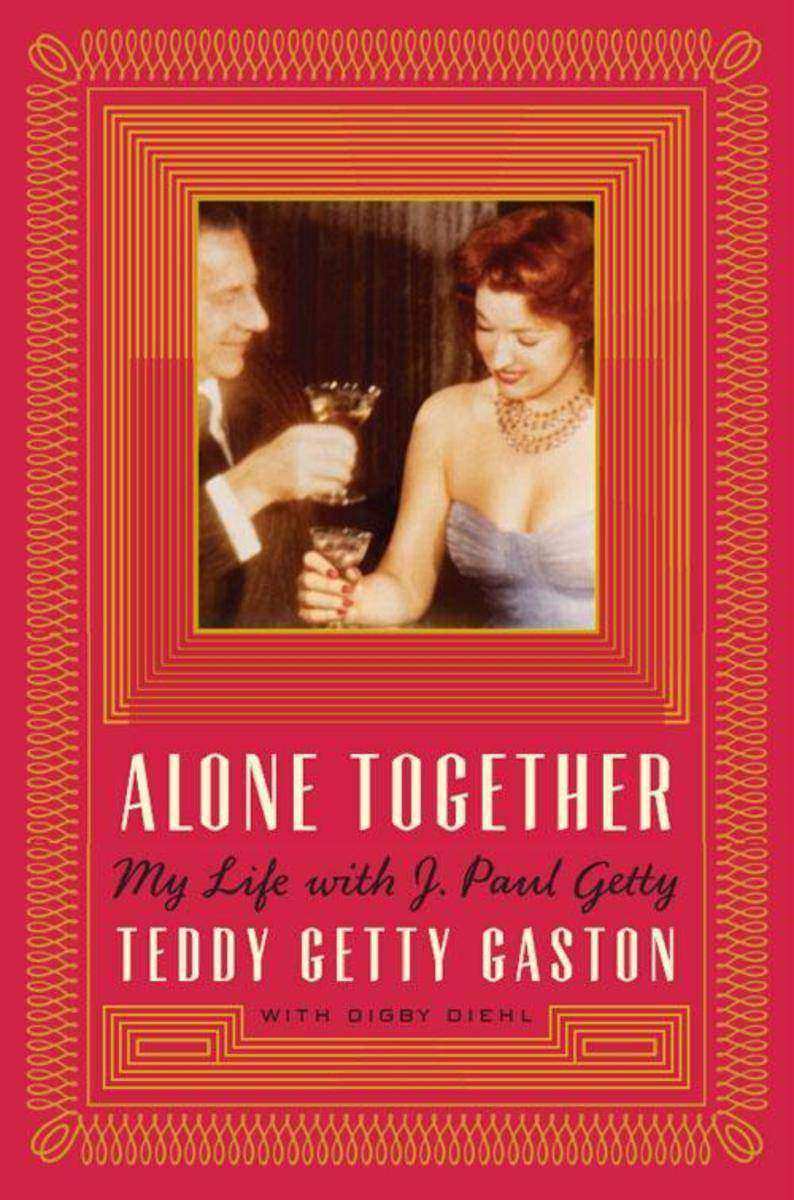
Alone Together
¥149.48
It was 1935. Flame-haired Teddy Lynch finished singing "Alone Together" at the swanky nightclub the New Yorker and left the stage to find a charming stranger at her friends' table. It was Jean Paul Getty, enigmatic oil tycoon and America's first billionaire. In her passionate, unflinchingly honest memoir of two outsize lives entwined, Theodora "Teddy" Getty Gaston—now one hundred years old—reveals the glamorous yet painful story of her marriage to Getty. As formidable as he was, Teddy was equally strong-minded and flamboyant, and their clutches and clashes threw off sparks. She knew the vulnerable side of Getty—he underwent painful plastic surgery and suffered terrible phobias—that few, if any, saw. A vivid love story, Alone Together is also a fascinating glimpse into the twentieth century from the vantage point of one of its most remarkable couples. This is how the other half lived—dinner dances, satin gowns, beach houses, hotel suites, first-class cabins on the Queen Mary. Teddy's extra-ordinary life story moves from the glittering nightclubs of 1930s New York City to Mussolini's Italy, where she was imprisoned by the fascist regime, to California in the golden postwar years, where Paul and Teddy socialized with movie stars and the elite. But life with one of the world's richest men wasn't all glitz and glamour. Though terrifically charismatic in person, Getty grew more miserly as his wealth increased. Worse, he often left Teddy and their son, Timothy, behind for years at a time while he built planes for the war effort in the 1940s or brokered oil deals—he was the first American to lease mineral rights in Saudi Arabia, which made him, at his death, the richest man in the world. Even when Timothy was diagnosed with a brain tumor, Getty complained about medical bills and failed to return to the United States to support his wife and son. When Timothy died at age twelve, the marriage was already falling apart. Teddy's unrelenting spirit, her valiant friendship, and her winning lack of vanity transform what could have been a sob story into a nuanced portrait of a brilliant but stubbornly difficult man and the family he loved but left behind, as well as an enchanting view into a bygone era. This was a life lived from the heart.
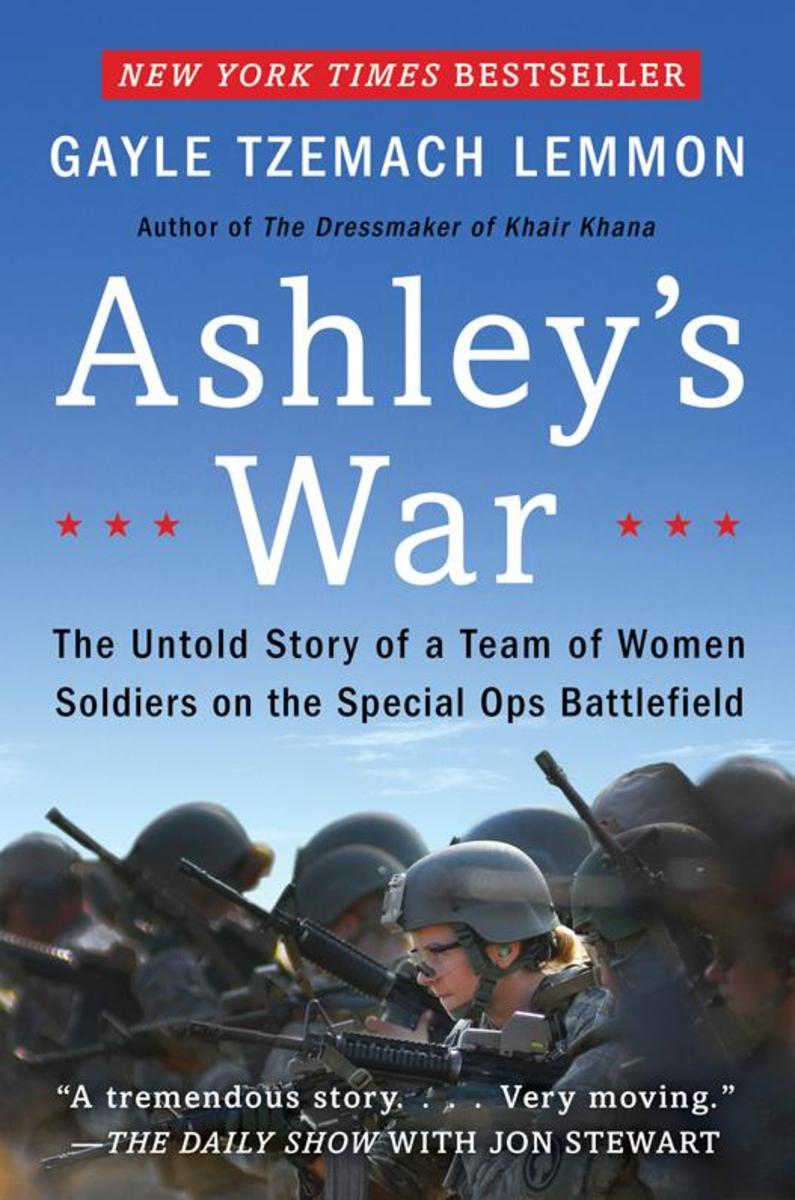
Ashley's War
¥88.56
In 2010 the U.S. Army Special Operations Command created Cultural Support Teams, a pilot program to put women on the battle field alongside Army Rangers, Green Berets, Navy SEALs, and other special operations teams on sensitive missions in Afghanistan. The idea was that women could access places and people that had remained out of reach and could build relationships woman to woman in ways that male soldiers in a conservative, traditional country could not. Though officially banned from combat, female soldiers could be "attached" to different teams, and for the first time women throughout the Army, the National Guard, and the Reserves heard the call to join male soldiers on special ops missions. Each had her own reason for wanting to serve alongside America's finest fighters for wanting, as the recruiting poster advertised, "to be part of history."In Ashley's War, Gayle Tzemach Lemmon uses exhaustive firsthand reporting and a finely tuned understanding of the complexities of war to tell the story of CST-2, a unit of women handpicked from across the Army, and of the remarkable hero at its heart: First Lieutenant Ashley White. Lemmon reveals how First Lieutenant White and the pioneers of CST-2 worked to earn the respect of combat-tested special operations warriors and illuminates the very human stakes of their battlefield successes. Transporting readers into the little-known world of the CSTs, a community of fierce women bound together by valor, danger, and the desire to serve, Ashley's War is a gripping combat narrative and a testament to the unbreakable bond of friendship born of war.
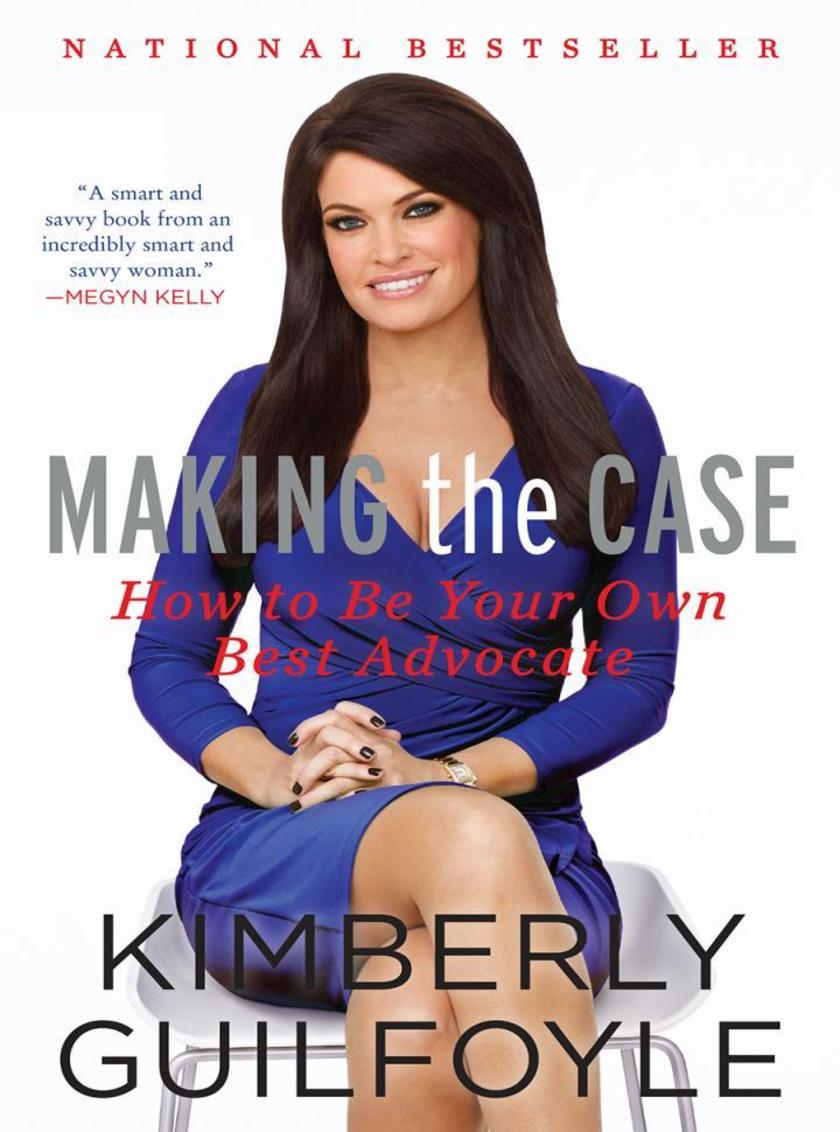
Making the Case
¥88.56
After an eleven-year-old Kimberly Guilfoyle lost her mother to leukemia, her dad wanted her to become as resilient and self-empowered as she could be. He wisely taught her to build a solid case for the things she wanted. Creating a strong logical argument was the best way to ensure she could always meet her needs. That childhood lesson led her to become the fearless advocate and quick-thinking spitfire she is today. In Making the Case, Guilfoyle interweaves stories and anecdotes from her life and career with practical advice that can help you win arguments, get what you want, help others along the way, and come out ahead in any situation.Learning how to state your case effectively is not just important for lawyers it's something every person should know how to do, no matter what stage of life they are in. From landing her dream job right out of school, switching careers seamlessly midstream, and managing personal finances for greater growth and stability to divorcing amicably and teaching her young child to advocate for himself, Guilfoyle has been there and done it. Now she shares those stories, showing you how to organize your thoughts and plans, have meaningful discussions with the people around you, and achieve your goals in all aspects of your life. You'll also learn the tips and strategies that make the best advocates so successful, some of which come directly from courtroom scenarios where the stakes are highest.Told in her winning and humorous voice, Guilfoyle's experiences and the wisdom drawn from them are a ready guide to help you reach your potential and live a fulfilling and happy life at work and at home.

Daddy, Stop Talking!
¥94.10
Last Will & Testament of Adam CarollaI, Adam Carolla, being of beaten-down mind, declare this to be my Last Will and Testament. I revoke all wills and addendums previously made by me. (You guys never did listen, anyway.) Article II appoint the rest of the world's unappreciated dads as Personal Representatives to administer this Will. I bequeath to them the right to crack a couple cold ones in the garage after working their asses off all week and ask that they be permitted to watch all the porn they like and not have to change diapers and get dragged to every preschool "graduation" and PTA meeting. Article IITo my wife, I leave a safe-deposit box, the sole content of which is a note reading "Get a job. I'm dead," and my best wishes on trying to keep up with the unending demands of our houses, cars, dog, and kids.Article IIII devise, bequeath, and give my kids this book, Daddy, Stop Talking. Since you guys were the death of me, I leave you these pages of wisdom. But no cash, cars, or property. You've got to earn those. On that note, I further demand that the following message be placed on the marker of my grave: "You're All on Your Own Now. Enjoy."
HarperCollins e-books
¥140.08
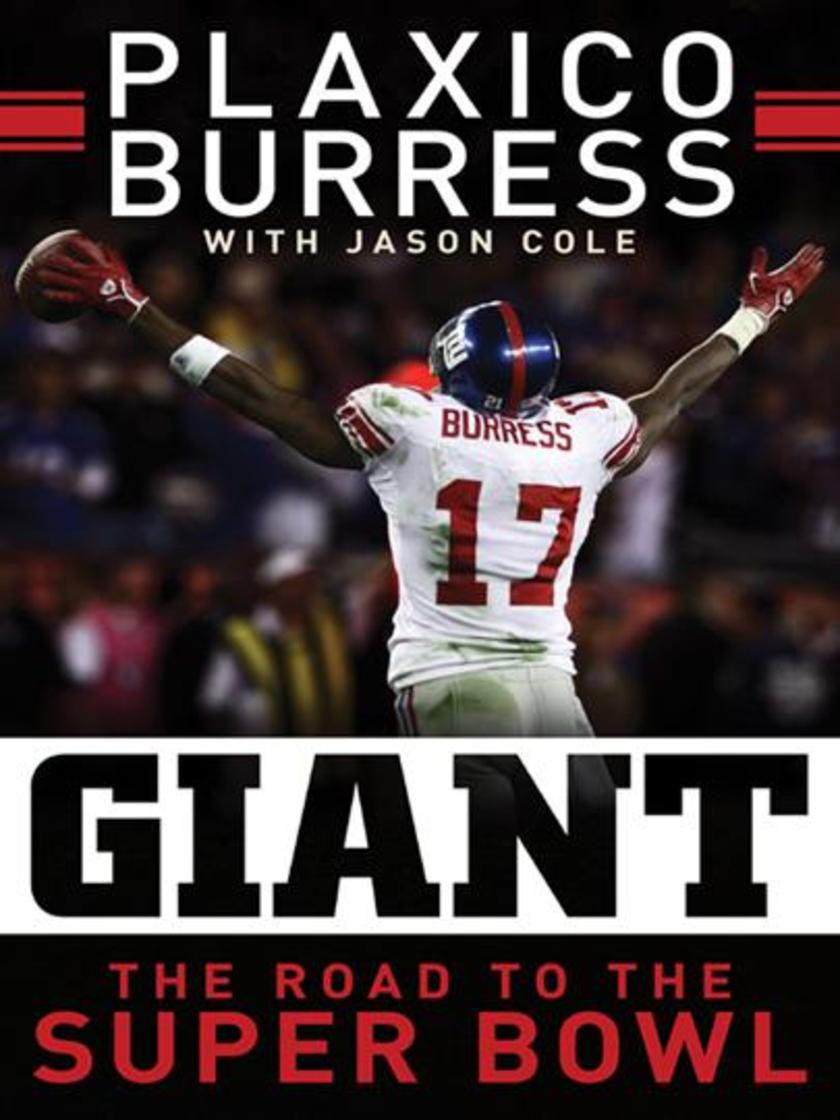
In Giant, Plaxico Burress takes you into the locker room, onto the practice field, and into the huddle, providing a flat-out-honest look at life on and off the field with the New York Giants and at the making of a champion. Throughout the 2007 season, Plaxico battled near-crippling injuries, and despite rarely practicing, being heavily bandaged, and on serious painkillers, he led the New York Giants in receptions, yards, and touchdowns. He continued to play through pain in the playoffs, only to be further injured before Super Bowl XLII. Playing the arrogant Patriots who were inviting the Giants to their victory party before the game was over Plaxico concealed a significant injury that might have changed the outcome of the game if the Pats had known.When he first joined the Giants, Plaxico expected to be the go-to guy for the young quarterback Eli Manning. What he didn't expect was the media and fan scrutiny that was heaped on Manning as they battled to win games.What Plaxico also didn't expect was the difficult relationship he had with head coach Tom Coughlin, who was a stickler for discipline and who would fine players for even the mildest offenses. For five years Plaxico had played for the laid-back Bill Cowher and the Pittsburgh Steelers. In contrast, within weeks of joining the Giants, Plaxico and Coughlin were butting heads, and the fines followed. But there to make things a little easier were friends like Jeremy Shockey and Amani Toomer, nearly polar opposites. With Shock, everything was always full-tilt and his mouth would usually get him into trouble. Toomer was the easygoing elder statesman at times absentminded, but a brilliant receiver. And in 2007, Manning, with Plaxico's advice and support, would rise above the scrutinizing media and come into his own, and Coach Coughlin would relax his grip somewhat and let the team breathe. The results were obvious.It's all here. The ups and downs, the trash-talking, the sweat and blood, and what it takes to be the best.
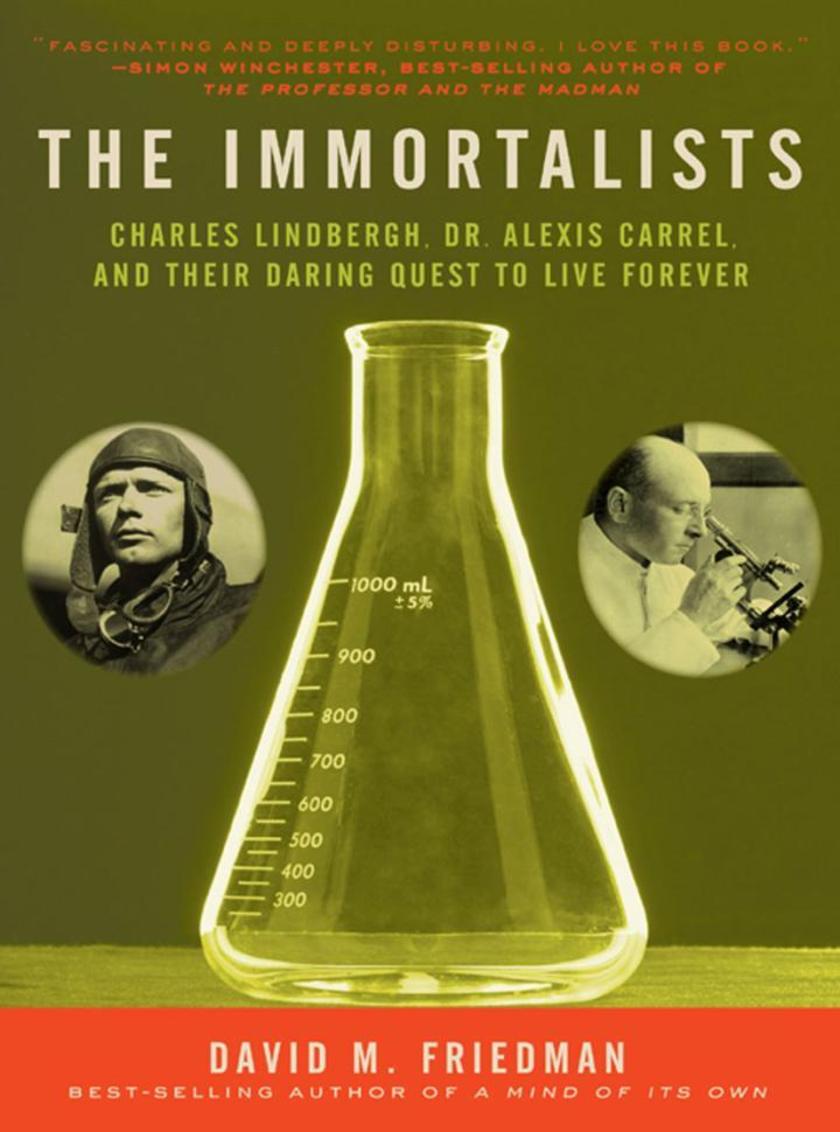
The Immortalists
¥95.39
His historic career as an aviator made Charles Lindbergh one of the most famous men of the twentieth century, the subject of best-selling biographies and a hit movie, as well as the inspiration for a dance step the Lindy Hop that he himself was too shy to try. But for all the attention lavished on Lindbergh, one story has remained untold until now: his macabre scientific collaboration with Dr. Alexis Carrel. This oddest of couples one a brilliant Nobel Prize-winning surgeon turned social engineer, the other a failed dirt farmer turned hero of the skies joined forces in 1930 driven by a shared and secret dream: to conquer death and attain immortality. Part Frankenstein, part The Professor and the Madman, and all true, The Immortalists is the remarkable story of how two men of prodigious achievement and equally large character flaws challenged nature's oldest rule, with consequences personal, professional, and political that neither man anticipated.

SuperSense
¥83.03
The majority of the world's population is religious or believes in supernatural phenomena. In the United States, nine out of every ten adults believe in God, and a recent Gallup poll found that about three out of four Americans believe in some form of telepathy, ghosts, or past lives. Where does such supernatural thinking come fromAre we indoctrinated by our parents, churches, and media, or do such beliefs originate somewhere elseIn SuperSense, award-winning cognitive scientist Bruce M. Hood reveals the science behind our beliefs in the supernatural. Superstitions are common. Many of us cross our fingers, knock on wood, step around black cats, and avoid walking under ladders. John McEnroe refused to step on the white lines of a tennis court between points. Wade Boggs insisted on eating a chicken dinner before every Boston Red Sox game. President Barack Obama played a game of basketball the morning of his victory in the Iowa primary and continued the tradition on every subsequent election day.Supernatural thinking includes loftier beliefs as well, such as the sentimental value we place on photos of loved ones, wedding rings, and teddy bears. It also includes spiritual beliefs and the hope for an afterlife. But in this modern, scientific age, why do we hold on to these behaviors and beliefs?It turns out that belief in things beyond what is rational or natural is common to humans and appears very early in childhood. In fact, according to Hood, this "super sense" is something we're born with to develop and is essential to the way we learn to understand the world. We couldn't live without it!Our minds are designed from the very start to think there are unseen patterns, forces, and essences inhabiting the world, and it is unlikely that any effort to get rid of supernatural beliefs, or the superstitious behaviors that accompany them, will be successful. These common beliefs and sacred values are essential in binding us together as a society because they help us to see ourselves connected to each other at a deeper level.
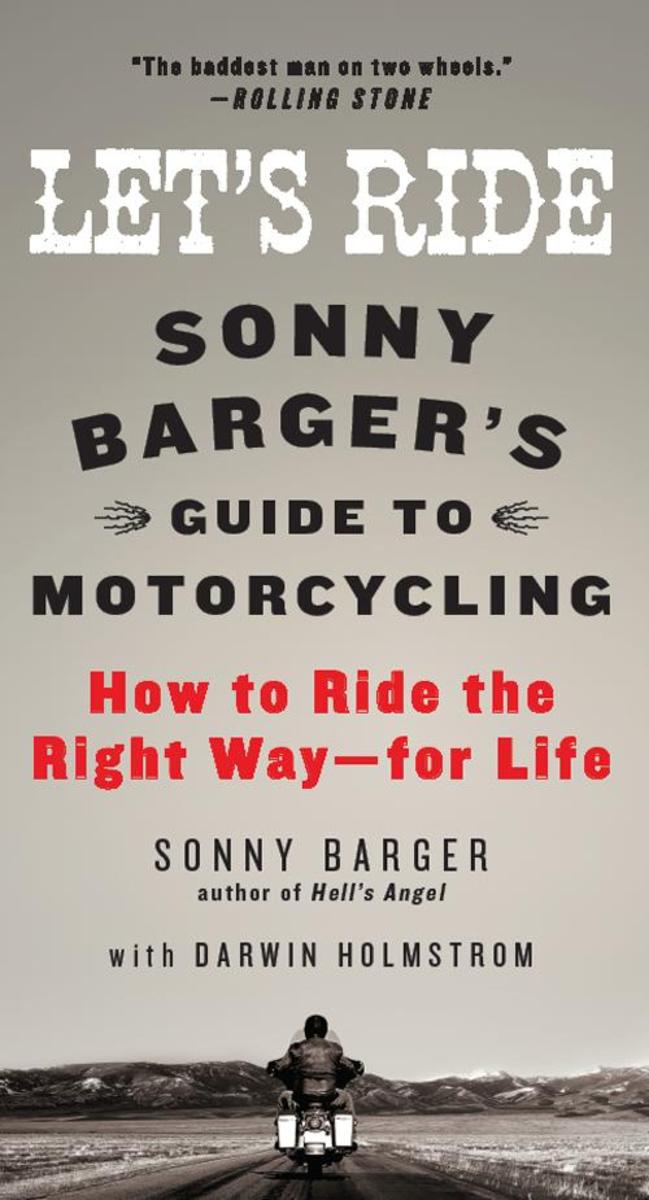
Let's Ride
¥83.03
The Ultimate Motorcycle Guide By the Author Of The New York Times Bestselling Memoir Hell's Angel Let's Ride is a nuts-and-bolts guide to mastering the art of motorcycling. From choosing the right bike to sharpening riding techniques, Sonny Barger mines his lifetime of experience to provide advice and wisdom that will help fellow riders new and veteran alike survive the dangers of motorcycling. Let's Ride is the only book of its kind: an essential resource covering every aspect of motorcycle riding and ownership. Chapters include: Why RideDissecting the Beast: the Anatomy of a Motorcycle Types of Bikes Fundamentals of Riding Evaluating a Used Motorcycle Buying a Bike Advanced Riding Techniques Living with a Motorcycle Learn how to ride the right way from an American legend.
Freedom
¥88.56
There are few men who are as quintessentially American as Sonny Barger. He is patriotic a veteran who loves his country. He is independent choosing his own path on his motorcycle, living life on his own terms. He is outspoken he has boldly criticized injustices in American law and society despite the backlash this has evoked from the establishment. Yet the element that he finds most important, most sacred, most American, is freedom.In Freedom, Sonny articulates many of the principles he employs in his own life. Whether he is regarded as a leader, a rebel, a revolutionary, a criminal, or a soldier, Sonny's outlook has been influenced not just by school but by the military, prison, and his experiences riding with the world's most notorious motorcycle club. It was on these various journeys that he learned the lessons that are most important in his life and the qualities he respects when he sees them in others:IndependenceCustomize Yourself; Originals Don't Come Off an Assembly LineToughnessTemper the Steel to Forge a Strong BladeFairness Treat Me Good, I'll Treat You Better; Treat Me Bad, I'll Treat You Worse Presented in the form of fifty credos, this book gives Sonny Barger's perspective on how to live a life that embodies the most fundamental of American virtues: freedom.
The Elements of Story
¥95.39
Most writing books dwell on common issues of style and grammar. Yet most writers also confront complex problems of story design.This 50-rule guide by Francis Flaherty, a New York Times editor, offers much-needed solutions and sage advice to address these concerns. "Sometimes, say things sideways," Flaherty writes. "The reader will be grateful." "White is whitest on black," he observes. "Let contrast work for you." Through such hard-won, story-level insights, sprinkled with examples from real stories and leavened with a good dose of newsroom memoir, The Elements of Story merits a spot on every writer's shelf.
The Inner Experience
¥88.56
Now in paperback, revised and redesigned: This is Thomas Merton's last book, in which he draws on both Eastern and Western traditions to explore the hot topic of contemplation/meditation in depth and to show how we can practice true contemplation in everyday life. Never before published except as a series of articles (one per chapter) in an academic journal, this book on contemplation was revised by Merton shortly before his untimely death. The material bridges Merton's early work on Catholic monasticism, mysticism, and contemplation with his later writing on Eastern, especially Buddhist, traditions of meditation and spirituality. This book thus provides a comprehensive understanding of contemplation that draws on the best of Western and Eastern traditions. Merton was still tinkering with this book when he died; it was the book he struggled with most during his career as a writer. But now the Merton Legacy Trust and experts have determined that the book makes such a valuable contribution as his major comprehensive presentation of contemplation that they have allowed its publication.
HarperCollins e-books
¥136.12
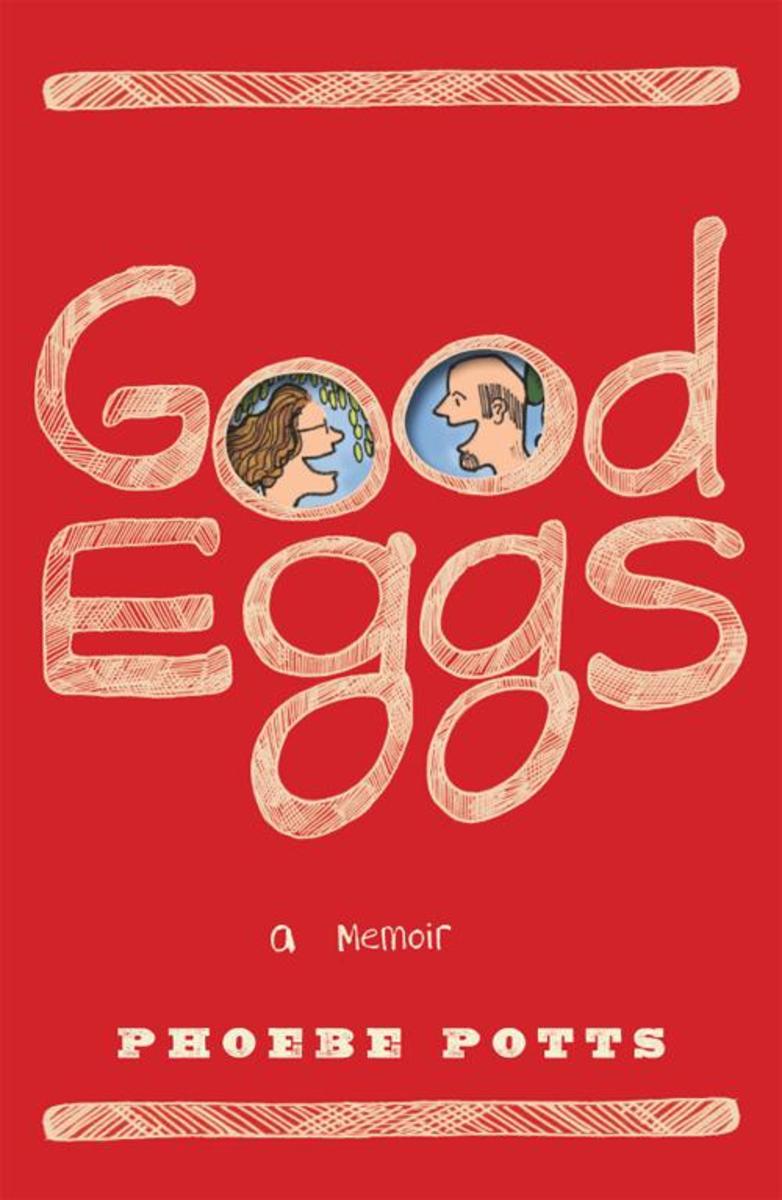
In the tradition of the acclaimed graphic memoirs Fun Home and Persepolis comes a funny, insightful, and deeply moving book about learning to appreciate what we have when we can't seem to get what we want. For Phoebe Potts, the path to maternal fulfillment has not been easy. All her friends seem to get pregnant, but she can't conceive for all her trying. As Phoebe and her husband, Jeff, navigate the emotionally and physically fraught world of fertility experts, she takes stock of what matters in the rest of her life and reflects on the winding journey to her true calling as an artist. From her days as an amateur union organizer in Texas to her spiral into paralyzing depression in Mexico; from her soul-shrinking, all-for-the-benefits stint as an administrative assistant at a fancy university in Cambridge to her flirtation with rabbinical school, Phoebe illuminates the bumpy road to vocational and personal contentment. Her wonderful, hilarious, and utterly original drawings capture the truly good eggs an unforgettably nutty mother; a devoted husband; a team of therapists, hairdressers, and landladies; friends; and a sidekick housecat that together expand the definition of what really makes a family.
Strange Things Happen
¥83.03
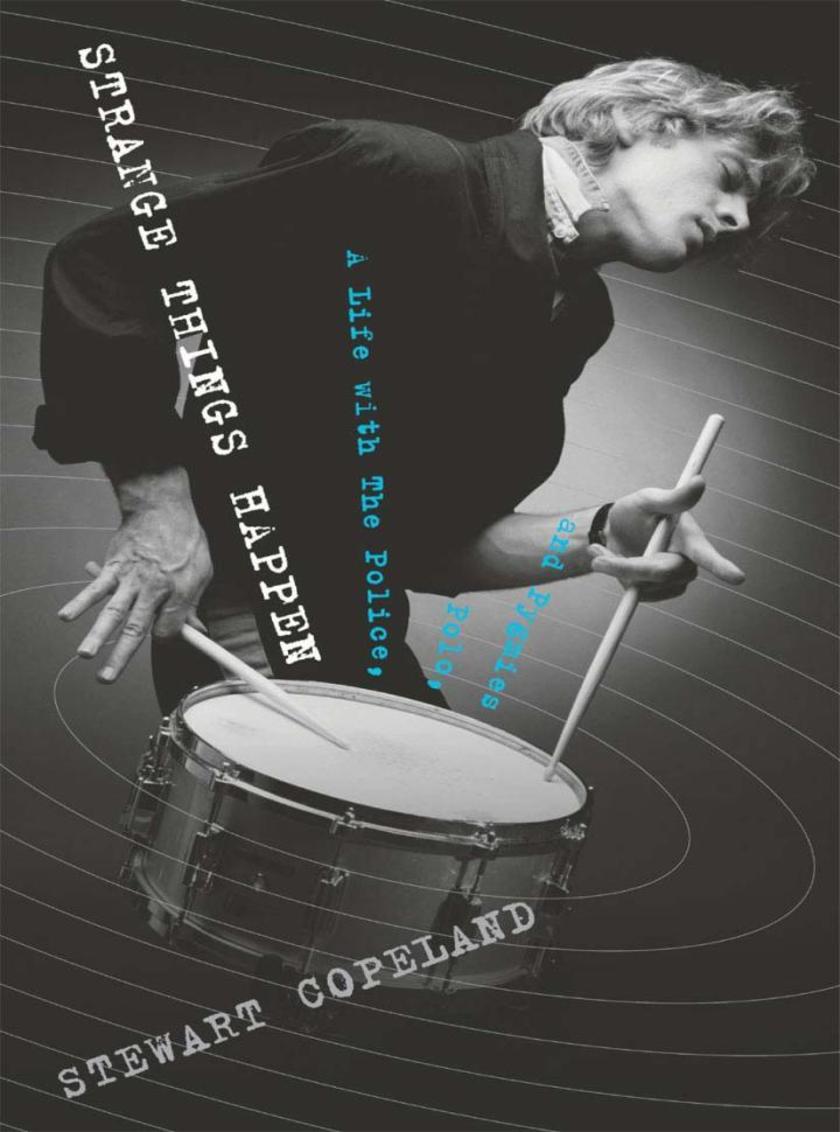
When Stewart Copeland gets dressed, he has an identity crisis. Should he put on "leather pants, hostile shirts, and pointy shoes"Or wear something more appropriate to the "tax-paying, property-owning, investment-holding lotus eater" his success has allowed him to becomeThis dilemma is at the heart of Copeland's vastly entertaining memoir-in-stories, Strange Things Happen. The world knows Copeland as the drummer for The Police, one of the most successful bands in rock history. But they may not know as much about his childhood in the Middle East as the son of a CIA agent. Or be aware of his film-making adventures with the Pygmies in the deepest reaches of the Congo, and his passion for polo (Brideshead Revisited on horses). In Strange Things Happen we move from Copeland's remarkable childhood to the formation of The Police, their rise to stardom, and the settled-down life that followed. It ends with a behind-the-scenes view of The Police's extraordinarily successful reunion tour. It's a book of amazing anecdotes, all completely true, which take us backstage in a life that is fully lived.
Motherpeace
¥110.71
For over a decade, Motherpeace has been an inspiration and oracle for women all over the world. Motherpeace recovers the positive, nurturing peace-oriented values of prepatriarchal times, and brilliantly combines art, history, mythology, folklore, philosophy, and comparative religion with an informed spiritual and feminist perspective.Vicki Noble challenges us to celebrate our ancient peaceful heritage and to reclaim our right as a people to a life without war. The book is a vision of hope and transformation, made even more powerful by the vibrant pictorial images of the seventy-eight Motherpeace tarot cards.Motherpeace shows how traditional myths and symbols can provide ideas and images for understanding the meaning and power of the Goddess for women and men today.

HarperCollins e-books
¥134.46
With It's My America Too, Ben Ferguson, the voice of America's youth and the host of The Ben Ferguson Show, one of the country's fastest-growing syndicated radio shows, delivers his views on all the issues, from politics to current affairs to popular culture. Everyone wants to know what Ferguson will say next and here's your chance.Ben Ferguson is a conservative who is also an independent thinker unafraid to take contrary positions. In It's My America Too, the twenty-two-year-old media star shoots from the hip and the lip on numerous topics. Ferguson tells us why he thinks the voting age should be lowered to sixteen; who the "New Minority" is the twenty-something men and women who are overworked, underpaid, overmarketed, and drastically underrepresented; why politicians talk about and at young adults, but never to them; how he feels about everything from homeschooling to sex, NASCAR, and George W. Bush; and much more.Ferguson's message is clear. He is not on a campaign to reform liberals and turn them into right-wing Republicans. He is presenting his views on American society and challenging those who do not agree with him to an open debate. Some will not agree with his political and religious views. What he hopes to accomplish, with both his radio show and this book, is to energize future generations about politics. The way to do this is through open communication. He is encouraging his generation (and even some in previous generations) to get involved and be heard.Hip and forthright, funny yet never pedantic, Ferguson offers a fresh viewpoint and insights on topics such as "What the Republican Party can learn from Bill Clinton"; "Why anti-Americanism is our problem"; and "Dubya: my favorite redneck." He reveals a positive outlook on the economy, offers his opinions on bias in the media, and also includes chapters on Donald Rumsfeld, affirmative action, and the values instilled in him by his mother and father.Ferguson's pride in his country, in his religious beliefs, and in his choices reflects his vision of the American dream. He is informed and determined to make a difference. Youthful as he is, he has a unique perspective not only on America and its history, but also on current events and issues. You may applaud his opinions or perhaps you will disagree with them. But for those of you who are angered by this book, Ferguson instructs: "Don't just get mad. Do something about it."

Don't Try This at Home
¥88.56
Step into the booth. Check your judgments at the curtain. Close your eyes. Listen: you can hear the voices of the visitors who sat here before you: some of the most twisted, drug-addled, deviant, lonely, lost, brilliant characters ever to be caught on film. What do you have to offer the booth?
The Meaning of the Dead Sea Scrolls
¥138.41
The Dead Sea Scrolls, found in caves near the Dead Sea fifteen miles east of Jerusalem from 1947 to 1956, include the oldest existing biblical manu*s and the remarkable texts of the purist Jewish community at Qumran. The discovery of the scrolls has added dramatically to our understanding of the varieties of Judaism at the time of Jesus and the rise of Christianity, but has also prompted heated debate about the nature of these religions. As the monumental task of transcribing and translating the Dead Sea Scrolls is finally completed, people around the world are taking stock of the significance of these ancient documents. In this book, two of the world's leading experts on the scrolls reveal the complete and fascinating story in all its detail: the amazing discovery, the intense controversies, and the significant revelations. Drawing together all the evidence, this timely book explores: The discovery and dating of the scrolls Their relationship to the Hebrew Bible, Apocrypha, and New Testament Their messianic and apocalyptic messages The identity, nature, and theology of the Qumran community The nonbiblical scrolls Controversies surrounding the scrolls This comprehensive, up-to-date guide is the definitive introduction to all aspects of the scrolls, including their teachings, the community that created them, the world of Judaism, the origins of Christianity, our understanding of Jesus and the New Testament. Featuring photos of the original texts, the sites, and the scholars who deciphered them, and including illustrative passages from the scrolls, The Meaning of the Dead Sea Scrolls presents the most complete and accurate scholarship on the Dead Sea Scrolls available today.
Two Awesome Hours
¥94.10
Whether we love our jobs or not, the amount of work on our plate has reached unsustainable levels. We start each workday anxious about how we will get it all done, and which important tasks will have to be sacrificed again so we can keep our heads above water. We often respond to our out-of-control to-do lists by focusing on being more efficient trying to get more done in less time.According to Josh Davis, Ph.D., we're going about it the wrong way. The answer is not to get more done faster, but rather to create the conditions for at least two awesome hours of peak productivity each day.Neuroscience and psychology research is revealing what those conditions are. Drawing on this research, Davis explains that our minds operate according to complex factors that, when leveraged the right way, can make us truly effective. Davis shows us five deceptively simple strategies to create the conditions for incredible productivity and to restore sanity and balance to our lives: Maximize the moments in our day when we are between tasks, intentionally choosing what to tackle next Schedule tasks based on their cognitive and emotional demands Learn how to direct attention Feed and move our bodies for short-term benefit Identify how our environment affects our focus and alertness We are capable of impressive feats of comprehension, motivation, and performance when our psychological and biological systems are functioning optimally. Two Awesome Hours will show us how to be our most productive every day.


