


 购物车
购物车 个人中心
个人中心
Implementing Cisco Networking Solutions
¥80.65
Learn the art of designing, implementing, and managing Cisco's networking solutions on datacenters, wirelessly, security and mobility to set up an Enterprise network. About This Book ? Implement Cisco's networking solutions on datacenters and wirelessly, Cloud, Security, and Mobility ? Leverage Cisco IOS to manage network infrastructures. ? A practical guide that will show how to troubleshoot common issues on the network. Who This Book Is For This book is targeted at network designers and IT engineers who are involved in designing, configuring, and operating enterprise networks, and are in taking decisions to make the necessary network changes to meet newer business needs such as evaluating new technology choices, enterprise growth, and adding new services on the network. The reader is expected to have a general understanding of the fundamentals of networking, including the OSI stack and IP addressing. What You Will Learn ? Understand the network lifecycle approach ? Get to know what makes a good network design ? Design components and technology choices at various places in the network (PINS) ? Work on sample configurations for network devices in the LAN/ WAN/ DC, and the wireless domain ? Get familiar with the configurations and best practices for securing the network ? Explore best practices for network operations In Detail Most enterprises use Cisco networking equipment to design and implement their networks. However, some networks outperform networks in other enterprises in terms of performance and meeting new business demands, because they were designed with a visionary approach. The book starts by describing the various stages in the network lifecycle and covers the plan, build, and operate phases. It covers topics that will help network engineers capture requirements, choose the right technology, design and implement the network, and finally manage and operate the network. It divides the overall network into its constituents depending upon functionality, and describe the technologies used and the design considerations for each functional area. The areas covered include the campus wired network, wireless access network, WAN choices, datacenter technologies, and security technologies. It also discusses the need to identify business-critical applications on the network, and how to prioritize these applications by deploying QoS on the network. Each topic provides the technology choices, and the scenario, involved in choosing each technology, and provides configuration guidelines for configuring and implementing solutions in enterprise networks. Style and approach A step-by-step practical guide that ensures you implement Cisco solutions such as enterprise networks, cloud, and data centers, on small-to-large organizations.

Apache Mesos Cookbook
¥63.21
Over 50 recipes on the core features of Apache Mesos and running big data frameworks in Mesos About This Book ? Learn to install and configure Mesos to suit the needs of your organization ? Follow step-by-step instructions to deploy application frameworks on top of Mesos, saving you many hours of research and trial and error ? Use this practical guide packed with powerful recipes to implement Mesos and easily integrate it with other application frameworks Who This Book Is For This book is for system administrators, engineers, and big data programmers. Basic experience with big data technologies such as Hadoop or Spark would be useful but is not essential. A working knowledge of Apache Mesos is expected. What You Will Learn ? Set up Mesos on different operating systems ? Use the Marathon and Chronos frameworks to manage multiple applications ? Work with Mesos and Docker ? Integrate Mesos with Spark and other big data frameworks ? Use networking features in Mesos for effective communication between containers ? Configure Mesos for high availability using Zookeeper ? Secure your Mesos clusters with SASL and Authorization ACLs ? Solve everyday problems and discover the best practices In Detail Apache Mesos is open source cluster sharing and management software. Deploying and managing scalable applications in large-scale clustered environments can be difficult, but Apache Mesos makes it easier with efficient resource isolation and sharing across application frameworks. The goal of this book is to guide you through the practical implementation of the Mesos core along with a number of Mesos supported frameworks. You will begin by installing Mesos and then learn how to configure clusters and maintain them. You will also see how to deploy a cluster in a production environment with high availability using Zookeeper. Next, you will get to grips with using Mesos, Marathon, and Docker to build and deploy a PaaS. You will see how to schedule jobs with Chronos. We’ll demonstrate how to integrate Mesos with big data frameworks such as Spark, Hadoop, and Storm. Practical solutions backed with clear examples will also show you how to deploy elastic big data jobs. You will find out how to deploy a scalable continuous integration and delivery system on Mesos with Jenkins. Finally, you will configure and deploy a highly scalable distributed search engine with ElasticSearch. Throughout the course of this book, you will get to know tips and tricks along with best practices to follow when working with Mesos. Style and approach This step-by-step guide is packed with powerful recipes on using Apache Mesos and shows its integration with containers and big data frameworks.
AWS Tools for PowerShell 6
¥80.65
Leverage the power of PowerShell to bring the best out of your AWS infrastructure About This Book ? A collection of real-world-tested Powershell *s that can be used to manage your Windows server efficiently ? Follow step-by-step processes to solve your problems with Windows servers using AWS tools ? Design examples that work in the Amazon free usage tier, which lets you run the Windows platform on cloud Who This Book Is For This book will be useful for (but not limited to) Windows System administrators, cloud engineers, architects, DevOps engineers, and all those who want to accomplish tasks on the AWS Public Cloud using PowerShell. What You Will Learn ? Install the AWS Tools for PowerShell 6 ? Understand key services provided by Amazon Web services (AWS) ? Understand the Virtual Private Cloud ? Use PowerShell 6 for AWS Identity and Access Management (IAM) ? Use PowerShell 6 for AWS Elastic Compute Cloud (EC2) ? Use PowerShell 6 for AWS Simple Storage Service (S3) ? Use PowerShell 6 for AWS Relational Database Service (RDS) ? Build fault-tolerant and highly-available applications using PowerShell 6 In Detail AWS Tools for PowerShell 6 shows you exactly how to automate all the aspects of AWS. You can take advantage of the amazing power of the cloud, yet add powerful *s and mechanisms to perform common tasks faster than ever before. This book expands on the Amazon documentation with real-world, useful examples and production-ready *s to automate all the aspects of your new cloud platform. It will cover topics such as managing Windows with PowerShell, setting up security services, administering database services, and deploying and managing networking. You will also explore advanced topics such as PowerShell authoring techniques, and configuring and managing storage and content delivery. By the end of this book, you will be able to use Amazon Web Services to automate and manage Windows servers. You will also have gained a good understanding of automating the AWS infrastructure using simple coding. Style and approach This step-by-step guide starts with simple examples then expands to full-blown administrative tasks leading to the efficient management of Windows servers. Each topic covers a section related to Amazon Web Services products, and the examples are built on one another to deliver a comprehensive library of *s for administrators.

Full Stack Web Development with Raspberry Pi 3
¥63.21
Discover how to build full stack web applications with the Raspberry Pi 3 About This Book ? Leverage JavaScript, HTML5, and Cloud APIs to create visual representations and interactive web pages. ? Learn to install and use a Node.js-based web framework to develop Raspberry Pi 3-powered web applications. ? A step-by-step guide that will cover from setting up a embedded system to developing embedded, device-powered interactive web applications. Who This Book Is For This book is aimed at hobbyist, enthusiasts, and developers eager to develop embedded device-powered web applications. Prior programming experience with JavaScript, HTML5, and Node.JS will be beneficial. What You Will Learn ? Get up and running with your Raspberry Pi ? Go full stack! Learn about the end-to-end development process for web applications, right from the OS up to the actual HTML web interface ? Discover that JavaScript is one of the fastest growing languages today, and is the only language that can be used both on a browser and server. This book will empower you to develop in a complete JavaScript stack ? See that the IoT is everywhere!Connect your application to the outside world. Make use of sensors in your Raspberry Pi to give your application an edge, and unleash the full power of the Internet of Things ? Build a rich UI with beautiful charts and data visualizations that can run on any browser ? Make your software data-driven. Learn how to utilize SQLite to collect and analyze data from multiple systems In Detail Modern web technology and portable computing together have enabled huge advances in the Internet of Things (IoT) space,as well as in areas such as machine learning and big data. The Raspberry Pi is a very popular portable computer for running full stack web applications. This book will empower you to master this rapidly evolving technology to develop complex web applications and interfaces. This book starts by familiarizing you with the various components that make up the web development stack and that will integrate into your Raspberry Pi-powered web applications. It also introduces the Raspberry Pi computer and teach you how to get up and running with a brand new one. Next, this book introduces you to the different kinds of sensor you’ll use to make your applications; using these skills, you will be able to create full stack web applications and make them available to users via a web interface. Later, this book will also teach you how to build interactive web applications using JavaScript and HTML5 for the visual representation of sensor data. Finally, this book will teach you how to use a SQLite database to store and retrieve sensor data from multiple Raspberry Pi computers. By the end of this book you will be able to create complex full stack web applications on the Raspberry Pi 3 and will have improved your application’s performance and usability. Style and approach Step-by-step instructions on developing a full stack web application and deploying it to the Cloud.
Salesforce Lightning Reporting and Dashboards
¥90.46
Learn how to build advanced reports and dashboards in Salesforce Lightning experience About This Book ? Visualize and create advanced reports and dashboards using Lightning Experience ? Improve overall business efficiency with advanced and effective reports and dashboards ? Understand and create custom reports and dashboards Who This Book Is For This book is targeted at Salesforce.com administrators, business analysts, and managers who use Salesforce.com for their daily job and want to learn in depth about Salesforce Reporting and Dashboard in Lightning Experience. Readers should have a basic knowledge of Salesforce, such as: Accounts, Contacts, Leads, Opportunities and custom objects. What You Will Learn ? Navigate in Salesforce.com within the Lightning Experience user interface ? Secure and share your reports and dashboards with other users ? Create, manage, and maintain reports using Report Builder ? Learn how the report type can affect the report generated ? Explore the report and dashboard folder and the sharing model ? Create reports with multiple formats and custom report types ? Explore various dashboard features in Lightning Experience ? Use Salesforce1, including accessing reports and dashboards In Detail Built on the Salesforce App Cloud, the new Lightning Experience combines the new Lightning Design System, Lightning App Builder, and Lightning Components to enable anyone to quickly and easily create modern enterprise apps. The book will start with a gentle introduction to the basics of Salesforce reports and dashboards. It will also explain how to access reports in depth. Then you will learn how to create and manage reports, to use Schedule Report, and create advanced report configurations. The next section talks about dashboards and will enable you to understand and compare various types of dashboard component and how you can benefit the most from each of them. Then we move on to advanced topics and explain tips and tricks related to reports and dashboards, including reporting snapshots, report parameters, and collaboration. Finally, we will discuss how to access dashboards and reports from the Salesforce1 mobile app. Style and approach This comprehensive guide covers the advanced features of the all new Salesforce Lightning concepts and communicates them through a practical approach to explore the underlying concepts of how, when, and why to use them.
R Deep Learning Cookbook
¥80.65
Powerful, independent recipes to build deep learning models in different application areas using R libraries About This Book ? Master intricacies of R deep learning packages such as mxnet & tensorflow ? Learn application on deep learning in different domains using practical examples from text, image and speech ? Guide to set-up deep learning models using CPU and GPU Who This Book Is For Data science professionals or analysts who have performed machine learning tasks and now want to explore deep learning and want a quick reference that could address the pain points while implementing deep learning. Those who wish to have an edge over other deep learning professionals will find this book quite useful. What You Will Learn ? Build deep learning models in different application areas using TensorFlow, H2O, and MXnet. ? Analyzing a Deep boltzmann machine ? Setting up and Analysing Deep belief networks ? Building supervised model using various machine learning algorithms ? Set up variants of basic convolution function ? Represent data using Autoencoders. ? Explore generative models available in Deep Learning. ? Discover sequence modeling using Recurrent nets ? Learn fundamentals of Reinforcement Leaning ? Learn the steps involved in applying Deep Learning in text mining ? Explore application of deep learning in signal processing ? Utilize Transfer learning for utilizing pre-trained model ? Train a deep learning model on a GPU In Detail Deep Learning is the next big thing. It is a part of machine learning. It's favorable results in applications with huge and complex data is remarkable. Simultaneously, R programming language is very popular amongst the data miners and statisticians. This book will help you to get through the problems that you face during the execution of different tasks and Understand hacks in deep learning, neural networks, and advanced machine learning techniques. It will also take you through complex deep learning algorithms and various deep learning packages and libraries in R. It will be starting with different packages in Deep Learning to neural networks and structures. You will also encounter the applications in text mining and processing along with a comparison between CPU and GPU performance. By the end of the book, you will have a logical understanding of Deep learning and different deep learning packages to have the most appropriate solutions for your problems. Style and approach Collection of hands-on recipes that would act as your all-time reference for your deep learning needs
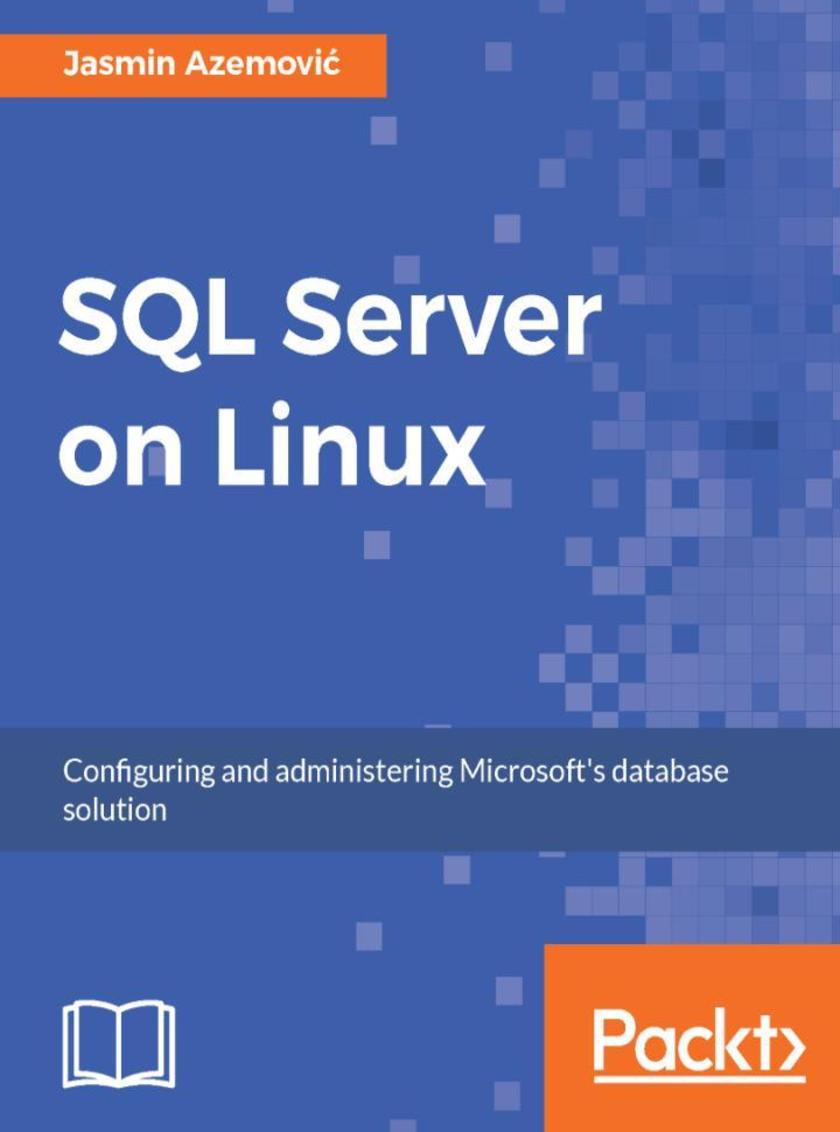
SQL Server on Linux
¥71.93
Bring the performance and security of SQL Server to Linux About This Book ? Design and administer your SQL Server solution on the open source Linux platform ? Install, configure, and fine-tune your database application for maximum performance ? An easy-to-follow guide teaching you how to implement various SQL Server CTP 2.x offerings on Linux—from installation to administration Who This Book Is For This book is for the Linux users who want to learn SQL Server on their favorite Linux distributions. It is not important if you are experienced database user or a beginner as we are starting from scratch. However, it is recommended that you have basic knowledge about relational models. More advanced readers can pick the chapters of their interest and study specific topics immediately. Users from Windows platform can also benefit from this book to expand their frontiers and become equally efficient on both platforms. What You Will Learn ? Install and set up SQL Server CTP 2.x on Linux ? Create and work with database objects using SQL Server on Linux ? Configure and administer SQL Server on Linux-based systems ? Create and restore database back-ups ? Protect sensitive data using the built-in cryptographic features ? Optimize query execution using indexes ? Improve query execution time by more than 10x using in-memory OLTP ? Track row-versioning using temporal tables In Detail Microsoft's launch of SQL Server on Linux has made SQL Server a truly versatile platform across different operating systems and data-types, both on-premise and on-cloud. This book is your handy guide to setting up and implementing your SQL Server solution on the open source Linux platform. You will start by understanding how SQL Server can be installed on supported and unsupported Linux distributions. Then you will brush up your SQL Server skills by creating and querying database objects and implementing basic administration tasks to support business continuity, including security and performance optimization. This book will also take you beyond the basics and highlight some advanced topics such as in-memory OLTP and temporal tables. By the end of this book, you will be able to recognize and utilize the full potential of setting up an efficient SQL Server database solution in your Linux environment. Style and approach This book follows a step-by-step approach to teach readers the concepts of SQL Server on Linux using the bash command line and SQL programming language trough examples which can easily be adapted and applied in your own solutions.
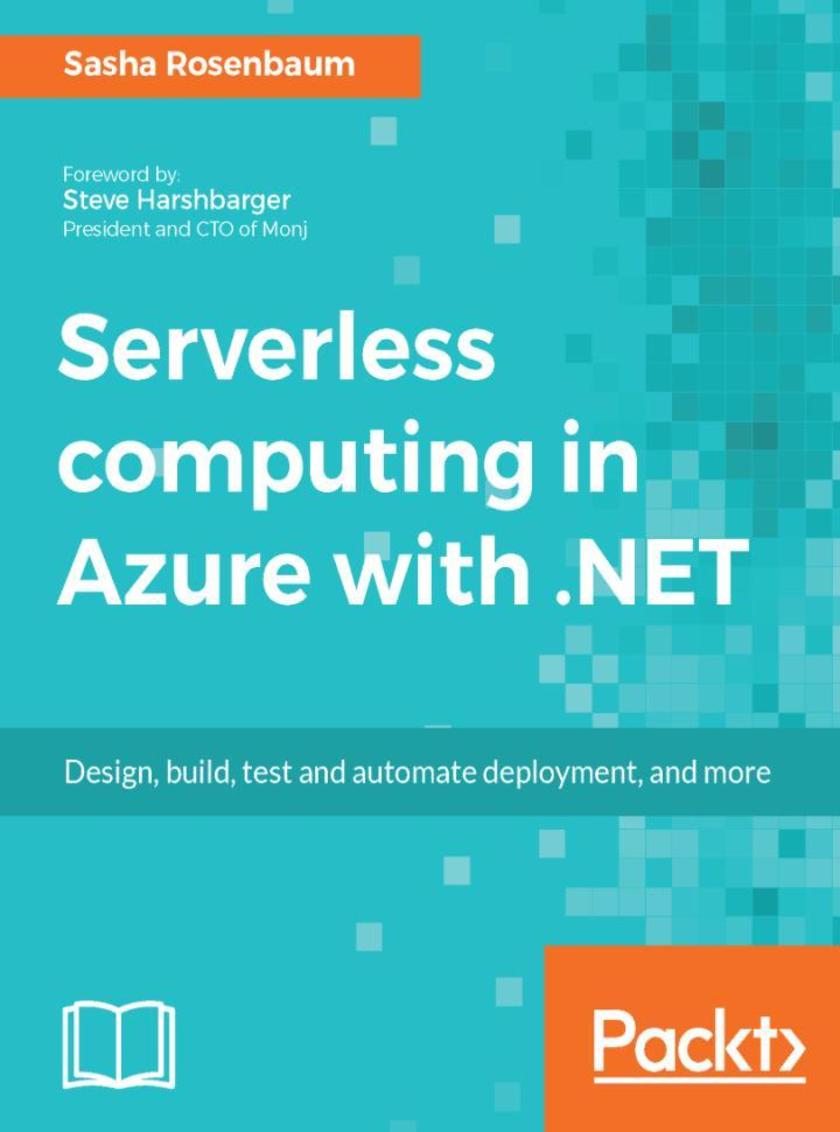
Serverless computing in Azure with .NET
¥90.46
Harness the power of the Cloud, leveraging the speed and scale of Azure Serverless computing About This Book ? Take advantage of the agility, scale, and cost-effectiveness of the cloud using Azure Serverless compute ? Build scalable, reliable, and cost-effecient applications with Serverless architecture and .NET ? Learn to use Azure functions to their fullest potential in .NET Who This Book Is For This book is for .NET developers who would like to learn about serverless architecture. Basic C# programming knowledge is assumed. What You Will Learn ? Understand the best practices of Serverless architecture ? Learn how how to deploy a Text Sentiment Evaluation application in an Azure Serverless environment ? Implement security, identity, and access control ? Take advantage of the speed of deployment in the cloud ? Configure application health monitoring, logging, and alerts ? Design your application to ensure cost effectiveness, high availability, and scale In Detail Serverless architecture allows you to build and run applications and services without having to manage the infrastructure. Many companies have started adopting serverless architecture for their applications to save cost and improve scalability. This book will be your companion in designing Serverless architecture for your applications using the .NET runtime, with Microsoft Azure as the cloud service provider. You will begin by understanding the concepts of Serverless architecture, its advantages and disadvantages. You will then set up the Azure environment and build a basic application using a sample text sentiment evaluation function. From here, you will be shown how to run services in a Serverless environment. We will cover the integration with other Azure and 3rd party services such as Azure Service Bus, as well as configuring dependencies on NuGet libraries, among other topics. After this, you will learn about debugging and testing your Azure functions, and then automating deployment from source control. Securing your application and monitoring its health will follow from there, and then in the final part of the book, you will learn how to Design for High Availability, Disaster Recovery and Scale, as well as how to take advantage of the cloud pay-as-you-go model to design cost-effective services. We will finish off with explaining how azure functions scale up against AWS Lambda, Azure Web Jobs, and Azure Batch compare to other types of compute-on-demand services. Whether you’ve been working with Azure for a while, or you’re just getting started, by the end of the book you will have all the information you need to set up and deploy applications to the Azure Serverless Computing environment. Style and approach This step-by-step guide shows you the concepts and features of Serverless architecture in Azure with .NET.
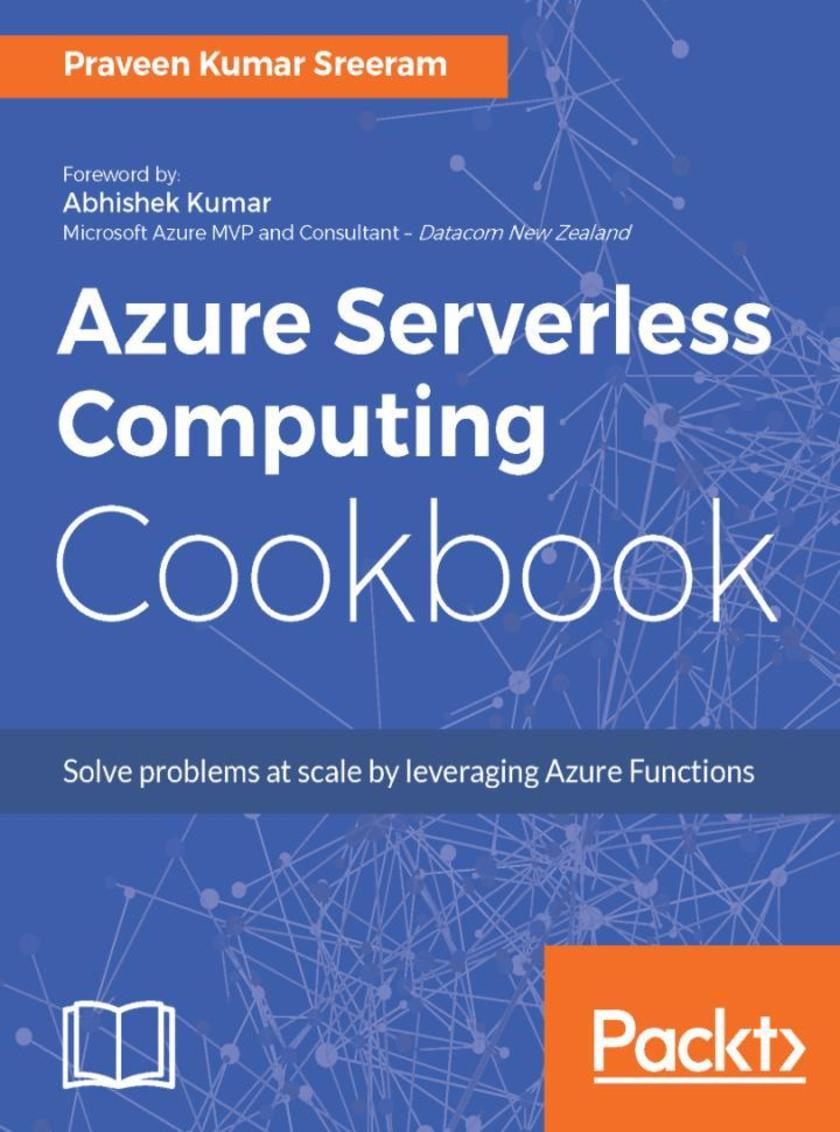
Azure Serverless Computing Cookbook
¥80.65
Over 50 recipes to help you build applications hosted on Serverless architecture using Azure Functions. About This Book ? Enhance Azure Functions with continuous deployment using Visual Studio Team Services ? Learn to deploy and manage cost-effective and highly available serverless applications using Azure Functions ? This recipe-based guide will teach you to build a robust serverless environment Who This Book Is For If you are a Cloud administrator, architect, or developer who wants to build scalable systems and deploy serverless applications with Azure functions, then this book is for you. Prior knowledge and hands-on experience with core services of Microsoft Azure is required. What You Will Learn ? Develop different event-based handlers supported by serverless architecture supported by Microsoft Cloud Platform – Azure ? Integrate Azure Functions with different Azure Services to develop Enterprise-level applications ? Get to know the best practices in organizing and refactoring the code within the Azure functions ? Test, troubleshoot, and monitor the Azure functions to deliver high-quality, reliable, and robust cloud-centric applications ? Automate mundane tasks at various levels right from development to deployment and maintenance ? Learn how to develop statefulserverless applications and also self-healing jobs using DurableFunctions In Detail Microsoft provides a solution to easily run small segment of code in the Cloud with Azure Functions. Azure Functions provides solutions for processing data, integrating systems, and building simple APIs and microservices. The book starts with intermediate-level recipes on serverless computing along with some use cases on benefits and key features of Azure Functions. Then, we’ll deep dive into the core aspects of Azure Functions such as the services it provides, how you can develop and write Azure functions, and how to monitor and troubleshoot them. Moving on, you’ll get practical recipes on integrating DevOps with Azure functions, and providing continuous integration and continous deployment with Visual Studio Team Services. It also provides hands-on steps and tutorials based on real-world serverless use cases, to guide you through configuring and setting up your serverless environments with ease. Finally, you’ll see how to manage Azure functions, providing enterprise-level security and compliance to your serverless code architecture. By the end of this book, you will have all the skills required to work with serverless code architecture, providing continuous delivery to your users. Style and approach This recipe-based guide explains the different features of Azure Function by taking a real-world application related to a specific domain. You will learn how to implement automation and DevOps and discover industry best practices to develop applications hosted on serverless architecture using Azure functions.

拆走醫院的炸彈 (新訂版)
¥31.47
《拆走醫院的炸彈》以40個關於醫生、病人、護士及家屬的真實個案,改編成活潑生動的故事去講述醫患關係,出版未足半年初版3000冊已售罄,反應理想。 本書文字簡短精練,盡量保留病房內外、醫生護士與病人及家屬之間衝突中的言行,其中也有病房內外的特殊用語、有趣代號甚或爛gag等,生動傳神。 其實人的一生總離不開醫院、醫生與護士。不過,由於種種言語、心理、行為上的誤會、誤解、矛盾、衝突,醫患之間始終不容易建立起互信、互諒的關係,因此醫院內「炸彈」處處!如何拆彈?! 細閱本書,讀者除了可看到病房眾生相外,更可嘗試代入角色,想像一下炸彈引爆前的凝重、爆發一刻的顫震,以及爆後心理的忐忑。本書更試圖從第三者的角度,提出「拆彈」的忠告與實踐良策。可讀之餘,發人深省。 《拆走醫院的炸彈》新版除了保留了故事、沙龍照片、勵志金句外,在內容上也作出了修訂;特別的是更換上新裝。今次伊利沙伯醫院破天荒邀請到醫管局主席胡定旭、香港防癌會主席高永文醫生,聯同一眾演藝界明星名人葛民輝、羅蘭、廖安麗,以及譚玉瑛一起粉墨登場,角色扮演醫生、病人、護士及家屬,拍攝封面及內頁照片;星光熠熠,令人耳目一新!

小學生寫字字典
¥55.51
本書從提高小學生寫字能力的角度出發,以香港教育局課程發展處中國語文教育組編訂的《香港小學學習字詞表》為基礎,參考衆多小學語文教材,精選350個小學階段使用頻率、構字構詞能力強的漢字,從偏旁、筆畫、筆順等方面對漢字逐一解構,幫助小學生掌握正確的漢字書寫規則。

粵語語法講義
¥80.69
本書運用現代語言學方法,將粵語作為一個完整的語言系統,從詞彙、詞法、句法等方面,全面論述粵語語法上的種種表現,兼論粵語音系和各種拼音系統的異同。一方面可作為研究和學習粵語的教材,讓讀者對粵語的語言特點有較為完整的認識,;另一方面,以讀者熟悉的具體語言事實來說明比較抽象的理論,做到既能介紹粵語特色,又能普及語言學基本概念,亦適合所有對粵語有興趣的普通讀者閱讀。

中文大作戰:修辭篇
¥37.77
本書精選小學生8種常用修辭法,包括:比喻、擬人、排比、反復、設問、反問、誇張、對偶等,提供3百多條測試題目,輔以淺白的文字加以解說,幫助學生讀者把握運用有關修辭的用法。為增添閱讀趣味,本書加入了生動的故事,幽默的漫畫和形式豐富的遊戲,務求做到「學」與「樂」統一。

腎病治療與中醫調養
¥73.33
重點探討慢性腎病中西治療比較及配合,並清楚列出容易產生的併發症,慢性腎衰竭的狀況,提供實用診治和個人調養方法。提供中藥藥饍、食療、生活方式調護,並輔以簡易的菜餚、湯水等食譜,讀者可以自行烹調食用。

貫古通今 融東會西:扎根史學五十年
¥125.49
香港中文大歷史系成立於1963年,至2013年已經歷了五十年。在這五十年的歲月中,歷史系的前賢和師輩奠下了嚴肅的學術風氣與扎實的研究根基。莘莘學子,遂得以承傳錢穆、牟潤孫、全漢昇、嚴耕望、王德昭、孫國棟等眾多史學名宿的治學精神。 為了慶祝歷史系踏入金禧之年,我們邀請校友撰文論述前輩老師的個人風骨、學術成就、治史理念、研究心得及教學旨趣等,編成此書以總結五十年來歷史系前賢的開創、耕耘之功及治史業績,好讓後輩繼往開來,延續並發展創系以來的理念和精神。
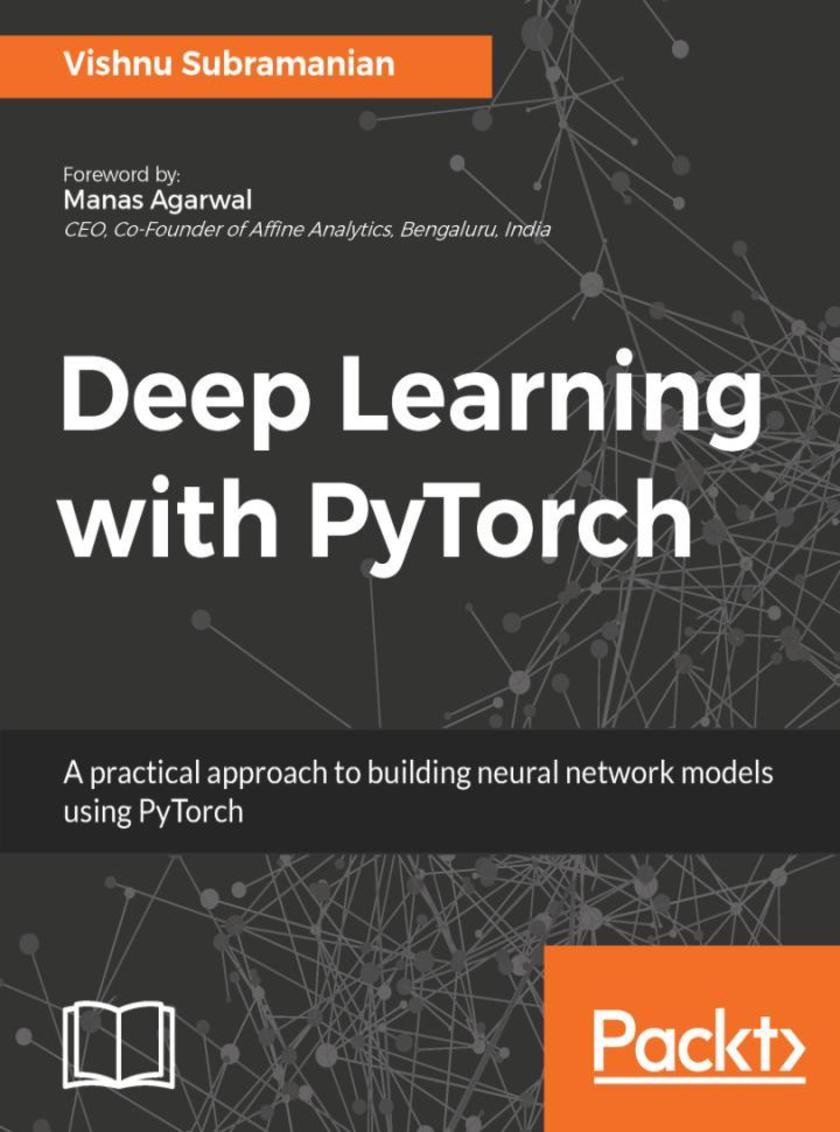
Deep Learning with PyTorch
¥73.02
Build neural network models in text, vision and advanced analytics using PyTorch About This Book ? Learn PyTorch for implementing cutting-edge deep learning algorithms. ? Train your neural networks for higher speed and flexibility and learn how to implement them in various scenarios; ? Cover various advanced neural network architecture such as ResNet, Inception, DenseNet and more with practical examples; Who This Book Is For This book is for machine learning engineers, data analysts, data scientists interested in deep learning and are looking to explore implementing advanced algorithms in PyTorch. Some knowledge of machine learning is helpful but not a mandatory need. Working knowledge of Python programming is expected. What You Will Learn ? Use PyTorch for GPU-accelerated tensor computations ? Build custom datasets and data loaders for images and test the models using torchvision and torchtext ? Build an image classifier by implementing CNN architectures using PyTorch ? Build systems that do text classification and language modeling using RNN, LSTM, and GRU ? Learn advanced CNN architectures such as ResNet, Inception, Densenet, and learn how to use them for transfer learning ? Learn how to mix multiple models for a powerful ensemble model ? Generate new images using GAN’s and generate artistic images using style transfer In Detail Deep learning powers the most intelligent systems in the world, such as Google Voice, Siri, and Alexa. Advancements in powerful hardware, such as GPUs, software frameworks such as PyTorch, Keras, Tensorflow, and CNTK along with the availability of big data have made it easier to implement solutions to problems in the areas of text, vision, and advanced analytics. This book will get you up and running with one of the most cutting-edge deep learning libraries—PyTorch. PyTorch is grabbing the attention of deep learning researchers and data science professionals due to its accessibility, efficiency and being more native to Python way of development. You'll start off by installing PyTorch, then quickly move on to learn various fundamental blocks that power modern deep learning. You will also learn how to use CNN, RNN, LSTM and other networks to solve real-world problems. This book explains the concepts of various state-of-the-art deep learning architectures, such as ResNet, DenseNet, Inception, and Seq2Seq, without diving deep into the math behind them. You will also learn about GPU computing during the course of the book. You will see how to train a model with PyTorch and dive into complex neural networks such as generative networks for producing text and images. By the end of the book, you'll be able to implement deep learning applications in PyTorch with ease. Style and approach An end-to-end guide that teaches you all about PyTorch and how to implement it in various scenarios.
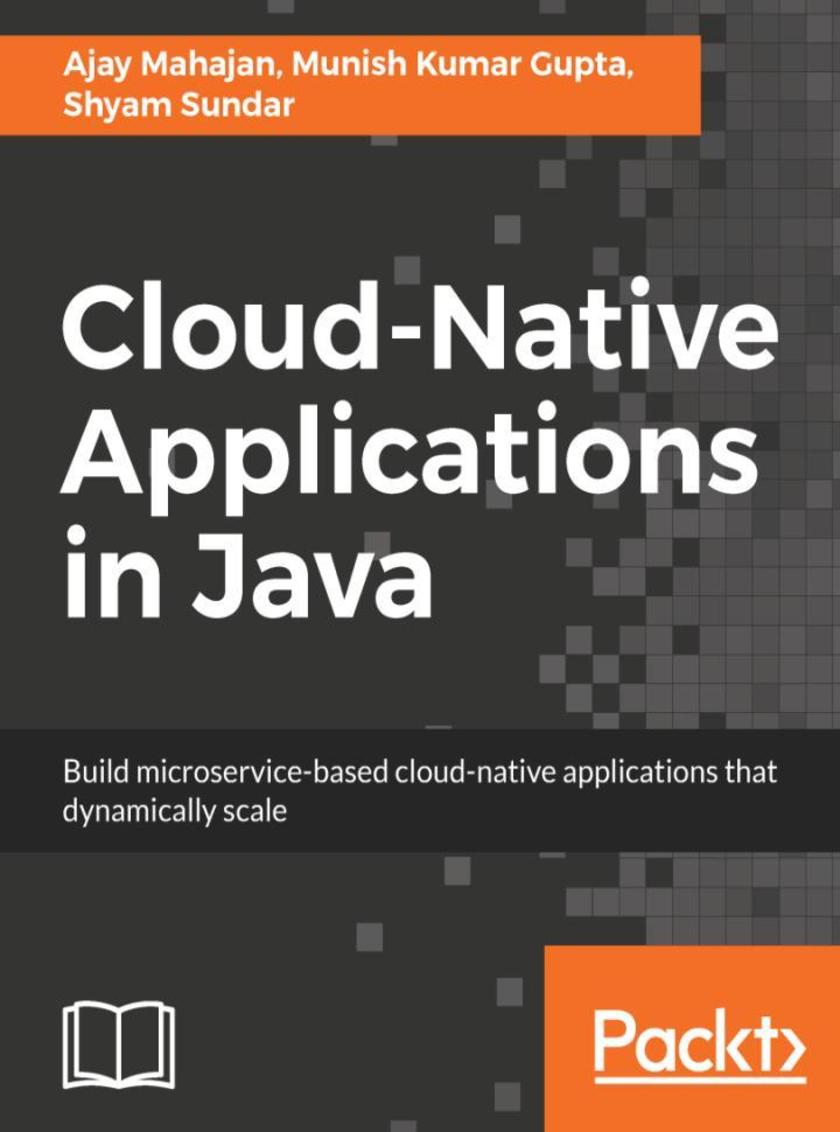
Cloud-Native Applications in Java
¥90.46
Highly available microservice-based web apps for Cloud with Java About This Book ? Take advantage of the simplicity of Spring to build a full-fledged application ? Let your applications run faster while generating smaller cloud service bills ? Integrate your application with various tools such as Docker and ElasticSearch and use specific tools in Azure and AWS Who This Book Is For Java developers who want to build secure, resilient, robust and scalable applications that are targeted for cloud based deployment, will find this book helpful. Some knowledge of Java, Spring, web programming and public cloud providers (AWS, Azure) should be sufficient to get you through the book. What You Will Learn ? See the benefits of the cloud environment when it comes to variability, provisioning, and tooling support ? Understand the architecture patterns and considerations when developing on the cloud ? Find out how to perform cloud-native techniques/patterns for request routing, RESTful service creation, Event Sourcing, and more ? Create Docker containers for microservices and set up continuous integration using Jenkins ? Monitor and troubleshoot an application deployed in the cloud environment ? Explore tools such as Docker and Kubernetes for containerization and the ELK stack for log aggregation and visualization ? Use AWS and Azure specific tools to design, develop, deploy, and manage applications ? Migrate from monolithic architectures to a cloud native deployment In Detail Businesses today are evolving so rapidly that they are resorting to the elasticity of the cloud to provide a platform to build and deploy their highly scalable applications. This means developers now are faced with the challenge of building build applications that are native to the cloud. For this, they need to be aware of the environment, tools, and resources they’re coding against. If you’re a Java developer who wants to build secure, resilient, robust, and scalable applications that are targeted for cloud-based deployment, this is the book for you. It will be your one stop guide to building cloud-native applications in Java Spring that are hosted in On-prem or cloud providers - AWS and Azure The book begins by explaining the driving factors for cloud adoption and shows you how cloud deployment is different from regular application deployment on a standard data centre. You will learn about design patterns specific to applications running in the cloud and find out how you can build a microservice in Java Spring using REST APIs You will then take a deep dive into the lifecycle of building, testing, and deploying applications with maximum automation to reduce the deployment cycle time. Gradually, you will move on to configuring the AWS and Azure platforms and working with their APIs to deploy your application. Finally, you’ll take a look at API design concerns and their best practices. You’ll also learn how to migrate an existing monolithic application into distributed cloud native applications. By the end, you will understand how to build and monitor a scalable, resilient, and robust cloud native application that is always available and fault tolerant. Style and approach Filled with examples, this book will build you an entire cloud-native application through its course and will stop at each point and explain in depth the functioning and design considerations that will make a robust, highly available application
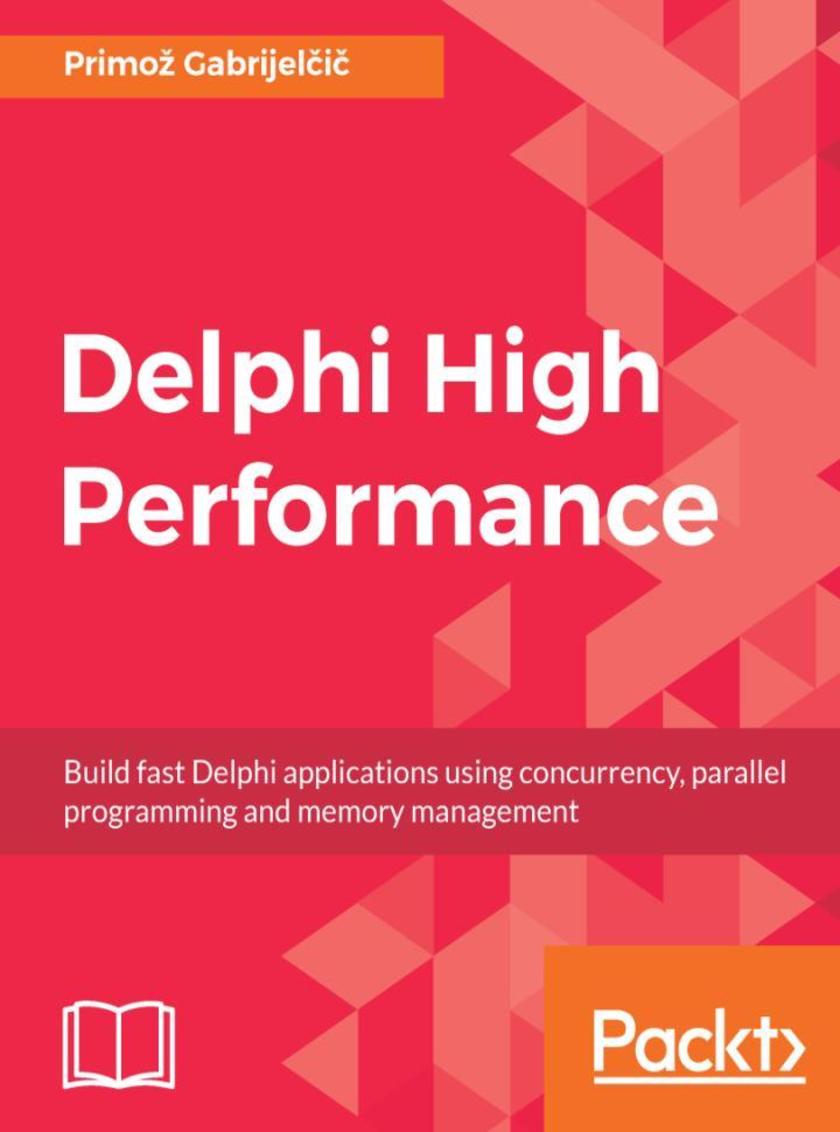
Delphi High Performance
¥81.74
Build fast, scalable, and high performing applications with Delphi About This Book ? Build efficient and concurrent applications in Delphi with focused examples ? Identify performance bottlenecks and apply the correct algorithm to increase the performance of applications. ? Delve into parallel programming and memory management to optimize your code Who This Book Is For This book is for Delphi developers who would like to build high performance applications with Delphi. Prior knowledge of Delphi is assumed. What You Will Learn ? Find performance bottlenecks and easily mitigate them ? Discover different approaches to fix algorithms ? Understand parallel programming and work with various tools included with Delphi ? Master the RTL for code optimization ? Explore memory managers and their implementation ? Leverage external libraries to write better performing programs In Detail Delphi is a cross-platform Integrated Development Environment (IDE) that supports rapid application development for Microsoft Windows, Apple Mac OS X, Google Android, iOS, and now Linux with RAD Studio 10.2. This book will be your guide to build efficient high performance applications with Delphi. The book begins by explaining how to find performance bottlenecks and apply the correct algorithm to fix them. It will teach you how to improve your algorithms before taking you through parallel programming. You’ll then explore various tools to build highly concurrent applications. After that, you’ll delve into improving the performance of your code and master cross-platform RTL improvements. Finally, we’ll go through memory management with Delphi and you’ll see how to leverage several external libraries to write better performing programs. By the end of the book, you’ll have the knowledge to create high performance applications with Delphi. Style and approach This book will take a step-by-step approach with focused examples to teach you how to increase the performance of applications.
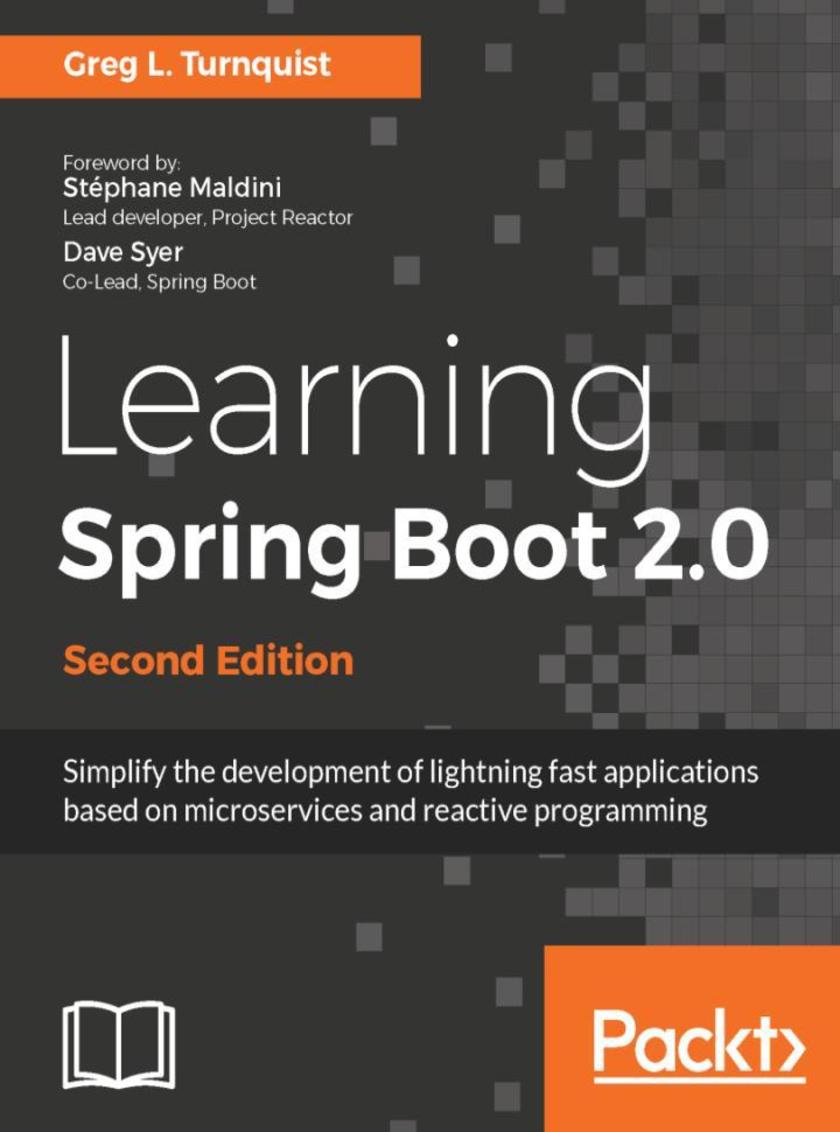
Spring Boot 2.0 Cookbook - Second Edition
¥81.74
Take your application development skills to the next level by implementing Spring Boot features effectively About This Book ? This collection of effective recipes serves as guidelines for Spring Boot application development ? Get up to date with features of the latest version of Spring Boot 2.0 ? Tips and tricks to improve your efficiency through the stages of software development Who This Book Is For This book is for Java Developers who have good knowledge and understanding of Spring and Java application development. What You Will Learn ? Get to know Spring Boot Starters and create custom auto-configurations ? Work with custom annotations that enable bean activation ? Use DevTools to easily develop and debug applications ? Learn the effective testing techniques by integrating Cucumber and Spock ? Observe an eternal application configuration using Consul ? Move your existing Spring Boot applications to the cloud ? Use Hashicorp Consul and Netflix Eureka for dynamic Service Discovery ? Understand the various mechanisms that Spring Boot provides to examine an application’s health In Detail The Spring framework provides great flexibility for Java development, which also results in tedious configuration work. Spring Boot addresses the configuration difficulties of Spring and makes it easy to create standalone, production-grade Spring-based applications. This practical guide makes the existing development process more efficient. Spring Boot Cookbook 2.0 Second Edition smartly combines all the skills and expertise to efficiently develop, test, deploy, and monitor applications using Spring Boot on premise and in the cloud. We start with an overview of the important Spring Boot features you will learn to create a web application for a RESTful service. Learn to fine-tune the behavior of a web application by learning about custom routes and asset paths and how to modify routing patterns. Address the requirements of a complex enterprise application and cover the creation of custom Spring Boot starters. This book also includes examples of the new and improved facilities available to create various kinds of tests introduced in Spring Boot 1.4 and 2.0, and gain insights into Spring Boot DevTools. Explore the basics of Spring Boot Cloud modules and various Cloud starters to make applications in “Cloud Native” and take advantage of Service Discovery and Circuit Breakers. Style and approach This practical guide follows a recipe-based approach and provides extremely helpful guidelines to build, configure, and customize your Spring Boot applications.
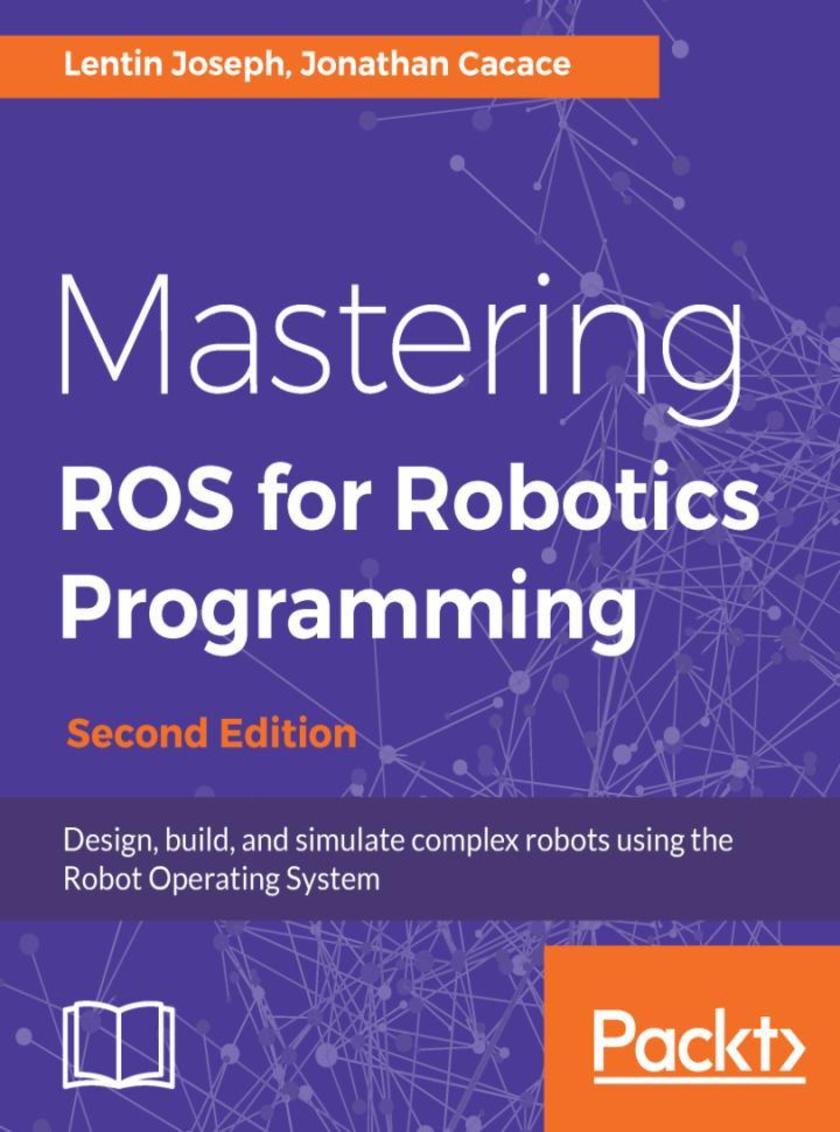
Mastering ROS for Robotics Programming - Second Edition
¥90.46
Discover best practices and troubleshooting solutions when working on ROS About This Book ? Develop complex robotic applications using ROS to interface robot manipulators and mobile robots ? Gain insight into autonomous navigation in mobile robots and motion planning in robot manipulators ? Discover best practices and troubleshooting solutions Who This Book Is For If you are a robotics enthusiast or researcher who want to learn more about building robot applications using ROS, this book is for you. In order to learn from this book, you should have a basic knowledge of ROS, GNU/Linux, and C++ programming concepts. The book is also excellent for programmers who want to explore the advanced features of ROS. What You Will Learn ? Create a robot model with a seven-DOF robotic arm and a differential wheeled mobile robot ? Work with Gazebo and V-REP robotic simulator ? Implement autonomous navigation in differential drive robots using SLAM and AMCL packages ? Explore the ROS Pluginlib, ROS nodelets, and Gazebo plugins ? Interface I/O boards such as Arduino, robot sensors, and high-end actuators ? Simulate and motion plan an ABB and universal arm using ROS Industrial ? Explore the latest version of the ROS framework ? Work with the motion planning of a seven-DOF arm using MoveIt! In Detail In this day and age, robotics has been gaining a lot of traction in various industries where consistency and perfection matter. Automation is achieved via robotic applications and various platforms that support robotics. The Robot Operating System (ROS) is a modular software platform to develop generic robotic applications. This book focuses on the most stable release of ROS (Kinetic Kame), discusses advanced concepts, and effectively teaches you programming using ROS. We begin with aninformative overview of the ROS framework, which will give you a clear idea of how ROS works. During the course of this book, you’ll learn to build models of complex robots, and simulate and interface the robot using the ROS MoveIt! motion planning library and ROS navigation stacks. Learn to leverage several ROS packages to embrace your robot models. After covering robot manipulation and navigation, you’ll get to grips with the interfacing I/O boards, sensors, and actuators of ROS. Vision sensors are a key component of robots, and an entire chapter is dedicated to the vision sensor and image elaboration, its interface in ROS and programming. You’ll also understand the hardware interface and simulation of complex robots to ROS and ROS Industrial. At the end of this book, you’ll discover the best practices to follow when programming using ROS. Style and approach This is a simplified guide to help you learn and master advanced topics in ROS using hands-on examples.
Fixing Bad UX Designs
¥73.02
A practical guide filled with case studies and easy solutions to solve the most common user experience issues About This Book ? Understand and fix the pain points of a bad UX design to ensure greater customer satisfaction. ? Correct UX issues at various stages of a UX Design with the help of different methodologies for fixing bad UXs ? See best practices and established principles in UX with case studies illustrating these practices and principles Who This Book Is For This book is for anyone confronted with a poorly designed UX. It is ideal for UX professionals who want to solve problems with existing UX designs, and UX designers who want to enhance their designs or analyze and rectify where they went wrong. What You Will Learn ? Learn about ROI and metrics in UX ? Understand the importance of getting stakeholders involved ? Learn through real cases how to fix bad UX ? Identify and fix UX issues using different methodologies ? Learn how to turn insights and finding into practical UX solutions ? Learn to validate, test and measure the UX solutions implemented ? Learn about UX refactoring In Detail Have your web applications been experiencing more hits and less conversions? Are bad designs consuming your time and money? This book is the answer to these problems. With intuitive case studies, you’ll learn to simplify, fix, and enhance some common, real-world application designs. You’ll look at the common issues of simplicity, navigation, appearance, maintenance, and many more. The challenge that most UX designers face is to ensure that the UX is user-friendly. In this book, we address this with individual case studies starting with some common UX applications and then move on to complex applications. Each case study will help you understand the issues faced by a bad UX and teach you to break it down and fix these problems. As we progress, you’ll learn about the information architecture, usability testing, iteration, UX refactoring, and many other related features with the help of various case studies. You’ll also learn some interesting UX design tools with the projects covered in the book. By the end of the book, you’ll be armed with the knowledge to fix bad UX designs and to ensure great customer satisfaction for your applications. Style and approach This book takes a practical approach, with case studies, best practices, and practical solutions to bad design


