


 购物车
购物车 个人中心
个人中心
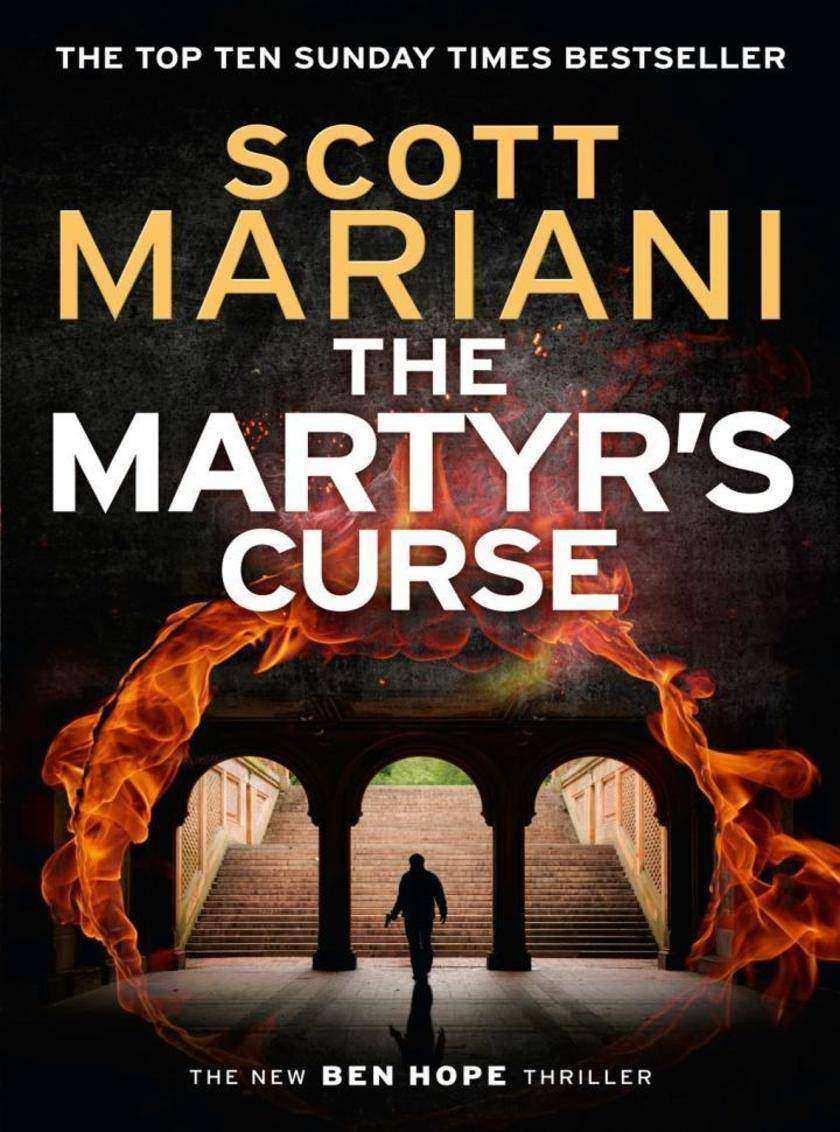
The Martyr’s Curse (Ben Hope, Book 11)
¥58.86
THE EXHILARATING AND ADDICTIVE NEW THRILLER BY THE MASTER BESTSELLER SCOTT MARIANI. AN ANCIENT CURSE. A SHOCKING MASSACRE. A THREAT TO UNLEASH THE ULTIMATE DISASTER. Could Ben Hope have found peace at last? That’s the question he’s asking himself after his wanderings through Europe have led him to a remote medieval monastery in the French Alps. A haven of serenity, a place he wants to remain. But wherever Ben goes, trouble is never too far behind. When a team of merciless killers invade his newfound sanctuary and slaughter the innocent monks, Ben’s revenge quest quickly draws him into a bewildering mystery of stolen treasure, deception and murder. What is the truth behind the cache of gold bullion apparently hidden for centuries under the monastery? What is the significance of an ancient curse dating back to a cruel heretic burning in medieval times? What are the real ambitions of the enigmatic leader of an organisation of doomsday ‘preppers’ calling themselves Exercitus Paratorum: the Army of the Prepared? As he works to unravel the clues, Ben is confronted with a terrifying reality that threatens to devastate the world and reshape the whole of our future. The race is on to prevent the ultimate disaster, and there’s only one man who can do it. BEN HOPE is one of the most celebrated action adventure heroes in British fiction and Scott Mariani is the author of numerous bestsellers. Join the ever-growing legion of readers who get breathless with anticipation when the countdown to the new Ben Hope thriller begins…
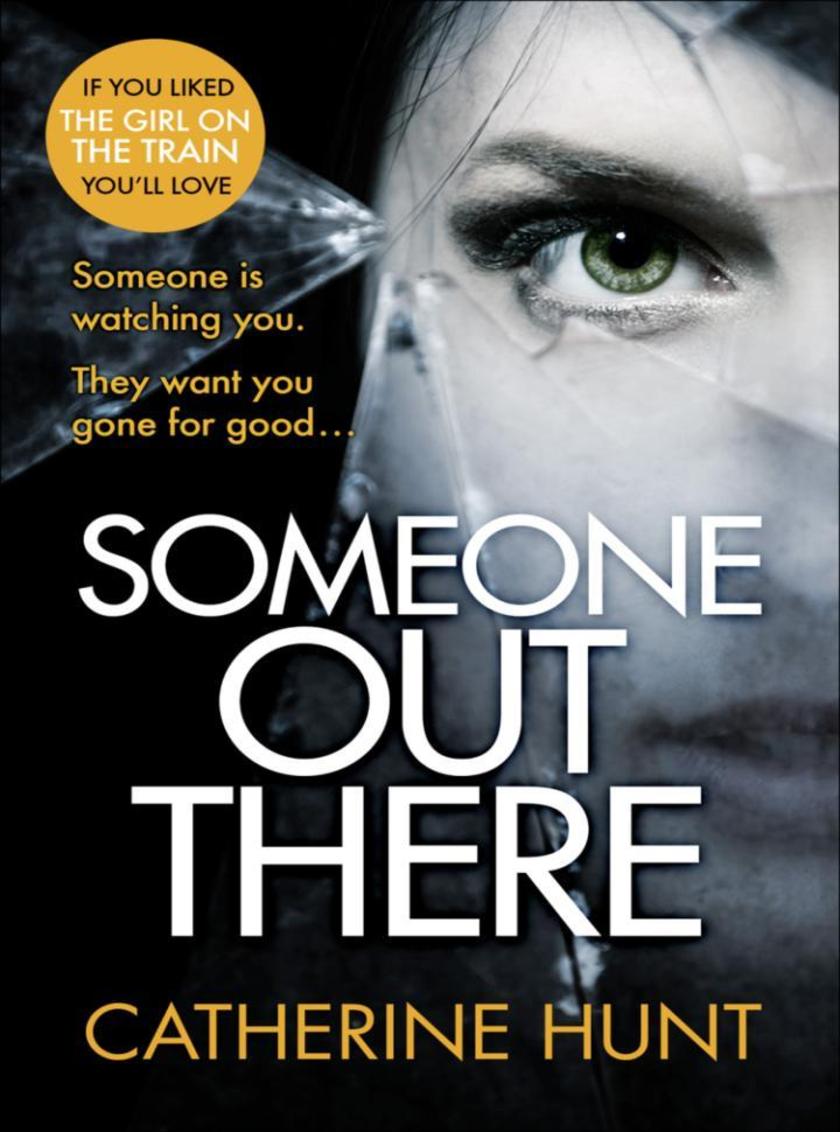
Someone Out There
¥61.51
A story of obsession, revenge and deceit, of a woman caught up in terrifying circumstances. Perfect for fans of The Girl on the Train, by Paula Hawkins, and The Lie by C. L. Taylor. Laura Maxwell appears to have it all – perfect career, perfect husband, perfect life. But how well do you really know the people around you? All it takes is one tiny crack to shatter the whole fa?ade. A series of accidents causes Laura to believe that someone is deliberately targeting her, trying to harm her. Fear starts to pervade every part of her life, affecting her work and her marriage, and she feels increasingly isolated. If no one believes Laura’s story, who will be there to protect her when her attacker closes in for the kill?
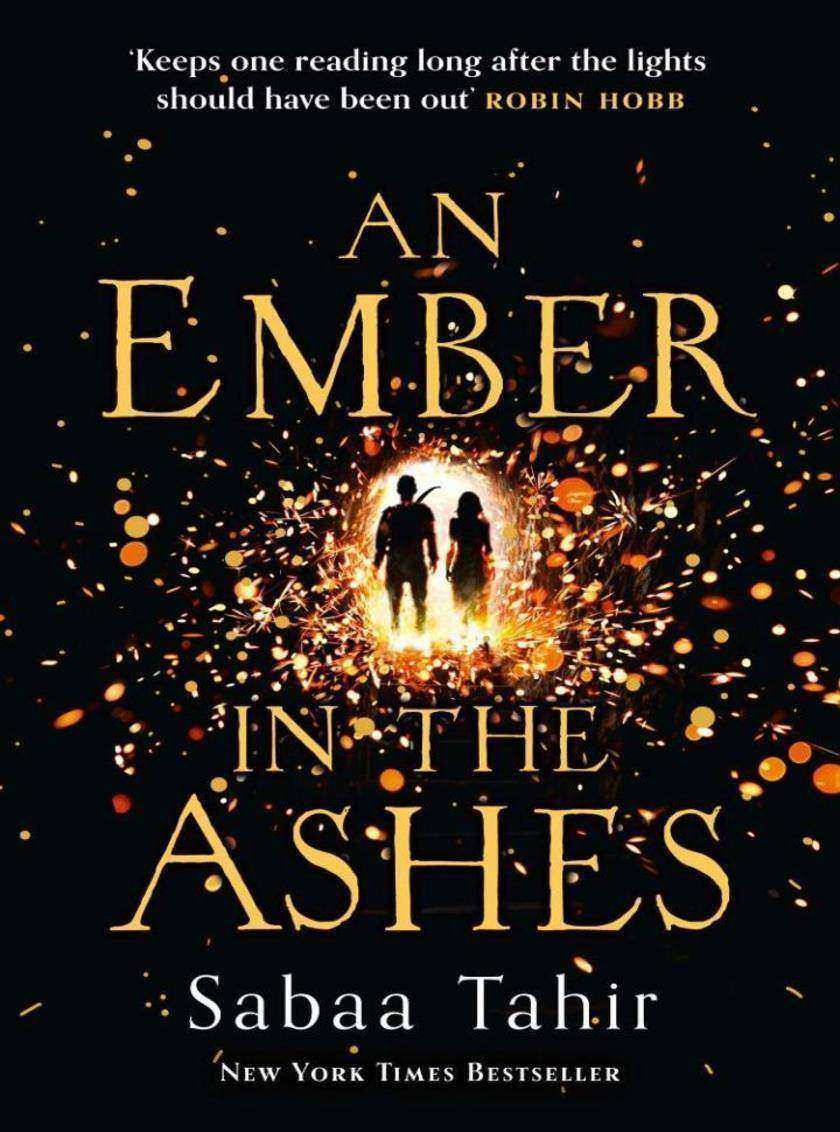
An Ember in the Ashes (An Ember in the Ashes, Book 1)
¥61.51
‘Tahir spins a captivating, heart-pounding fantasy’ Us Weekly Read the explosive New York Times bestselling debut that’s captivated readers worldwide. Set to be a major motion picture, An Ember in the Ashes is the book everyone is talking about. What if you were the spark that could ignite a revolution? For years Laia has lived in fear. Fear of the Empire, fear of the Martials, fear of truly living at all. Born as a Scholar, she’s never had much of a choice. For Elias it’s the opposite. He has seen too much on his path to becoming a Mask, one of the Empire’s elite soldiers. With the Masks’ help the Empire has conquered a continent and enslaved thousands of Scholars, all in the name of power. When Laia’s brother is taken she must force herself to help the Resistance, the only people who have a chance of saving him. She must spy on the Commandant, ruthless overseer of Blackcliff Academy. Blackcliff is the training ground for Masks and the very place that Elias is planning to escape. If he succeeds, he will be named deserter. If found, the punishment will be death. But once Laia and Elias meet, they find that their destinies are intertwined and that their choices will change the fate of the Empire. In the ashes of a broken world one person can make a difference. One voice in the dark can be heard. The price of freedom is always high and this time that price might demand everything, even life itself.

The Vagrant
¥66.22
The Vagrant is his name. He has no other. Years have passed since humanity’s destruction emerged from the Breach. Friendless and alone he walks across a desolate, war-torn landscape. As each day passes the world tumbles further into depravity, bent and twisted by the new order, corrupted by the Usurper, the enemy, and his infernal horde. His purpose is to reach the Shining City, last bastion of the human race, and deliver the only weapon that may make a difference in the ongoing war. What little hope remains is dying. Abandoned by its leader, The Seven, and its heroes, The Seraph Knights, the last defences of a once great civilisation are crumbling into dust. But the Shining City is far away and the world is a very dangerous place.
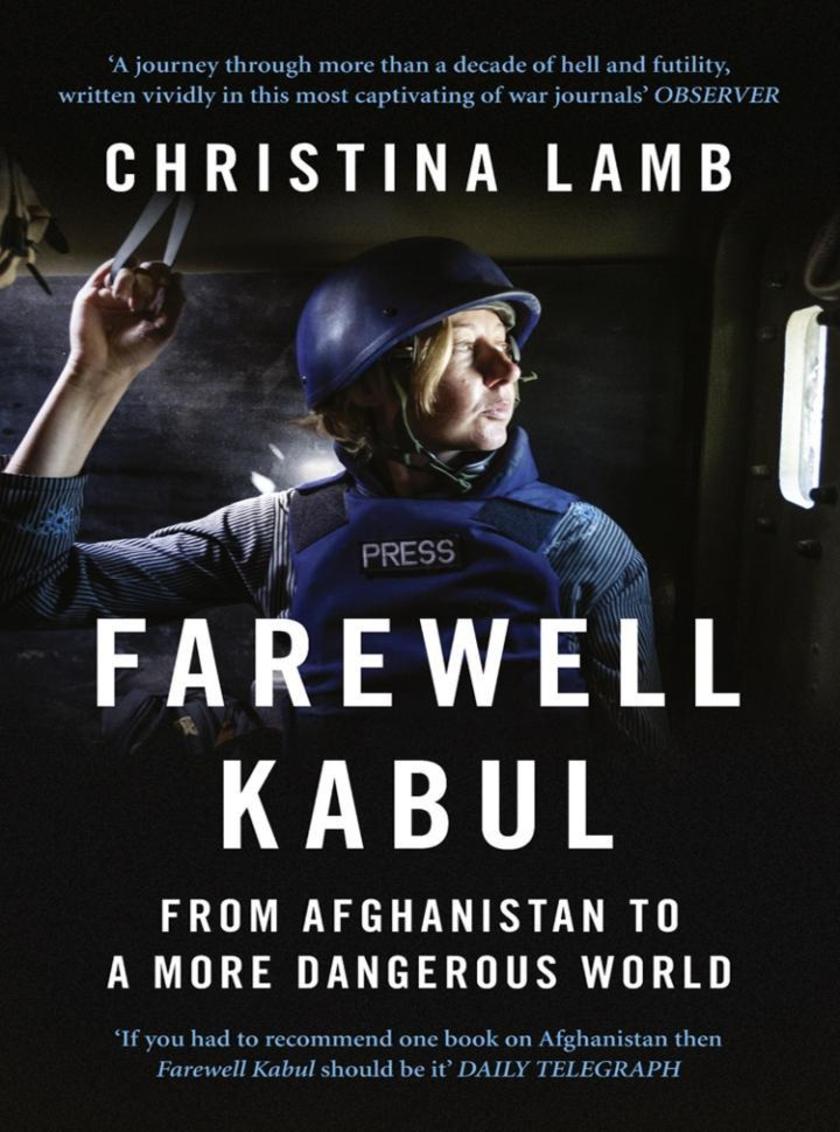
Farewell Kabul: From Afghanistan To A More Dangerous World
¥81.03
From the award-winning co-author of ‘I Am Malala’, this book asks just how the might of NATO, with 48 countries and 140,000 troops on the ground, failed to defeat a group of religious students and farmers? How did it go so wrong? Twenty-seven years ago, Christina Lamb left Britain to become a journalist in Pakistan. She crossed the Hindu Kush into Afghanistan with mujaheddin fighting the Russians and fell unequivocally in love with this fierce country of pomegranates and war, a relationship which has dominated her adult life. Since 2001, Lamb has watched with incredulity as the West fought a war with its hands tied, committed too little too late, failed to understand local dynamics and turned a blind eye as their Taliban enemy was helped by their ally Pakistan. Farewell Kabul tells how success was turned into defeat in the longest war fought by the United States in its history and by Britain since the Hundred Years War. It has been a fiasco which has left Afghanistan still one of the poorest nations on earth, the Taliban undefeated, and nuclear armed Pakistan perhaps the most dangerous place on earth. With unparalleled access to all key decision-makers in Afghanistan, Pakistan, London and Washington, from heads of state and generals as well as soldiers on the ground, Farewell Kabul tells how this happened. In Afghanistan, Lamb has travelled far beyond Helmand – from the caves of Tora Bora in the south to the mountainous bad lands of Kunar in the east; from Herat, city of poets and minarets in the west, to the very poorest province of Samangan in the north. She went to Guantánamo, met Taliban in Quetta, visited jihadi camps in Pakistan and saw bin Laden’s house just after he was killed. Saddest of all, she met women who had been made role models by the West and had then been shot, raped or forced to flee the country. This deeply personal book not only shows the human cost of political failure but explains how short-sighted encouragement of jihadis to fight the Russians, followed by prosecution of ill-thoughtout wars, has resulted in the spread of terrorism throughout the Islamic world

All That Glitters (Geek Girl, Book 4)
¥51.50
“My name is Harriet Manners, and I have always been a geek.” The fourth book in the award-winning GEEK GIRL series.

50 Years of Golfing Wisdom
¥110.46
John Jacobs is one of golf's all-time great teachers, a true legend of the game who has passed on his words of wisdom to thousands of amateurs as well as to some of the world's greatest players over the last 50 years. Now, for the first time ever, the pick of his collective wisdom has been brought together in one seminal volume. When the likes of Butch Harmon and David Leadbetter heap praise on your methods and credit you with having helped shape the way they learnt their craft and how they applied those teachings, you know that you must be one of the most important and influential figures in the world of golf. Not only a great teacher, John Jacobs was also good enough to play in the Ryder Cup and beat the best in the game. Those who witnessed his memorable victory over Grand Slam winner Gary Player in the final of the South African Matchplay Championship knew they were in the presence of someone special – a talent that was able to use all his experience as a top-level player and move seamlessly into the world of golf teaching. 50 Years of Golfing Wisdom features all the lessons and advice that made Jacobs the original, and many say still the ultimate, golfing guru. Every department of the game receives the Jacobs treatment – from the fundamentals of grip and swing, to problem solving and curing your bad shots, to instruction on hitting every shot from the longest drive to the shortest putt, including everything in between. Simple, easy to understand, effective advice on how to maximize your potential and play your best golf – this may just be the only golf instruction book you'll ever need.
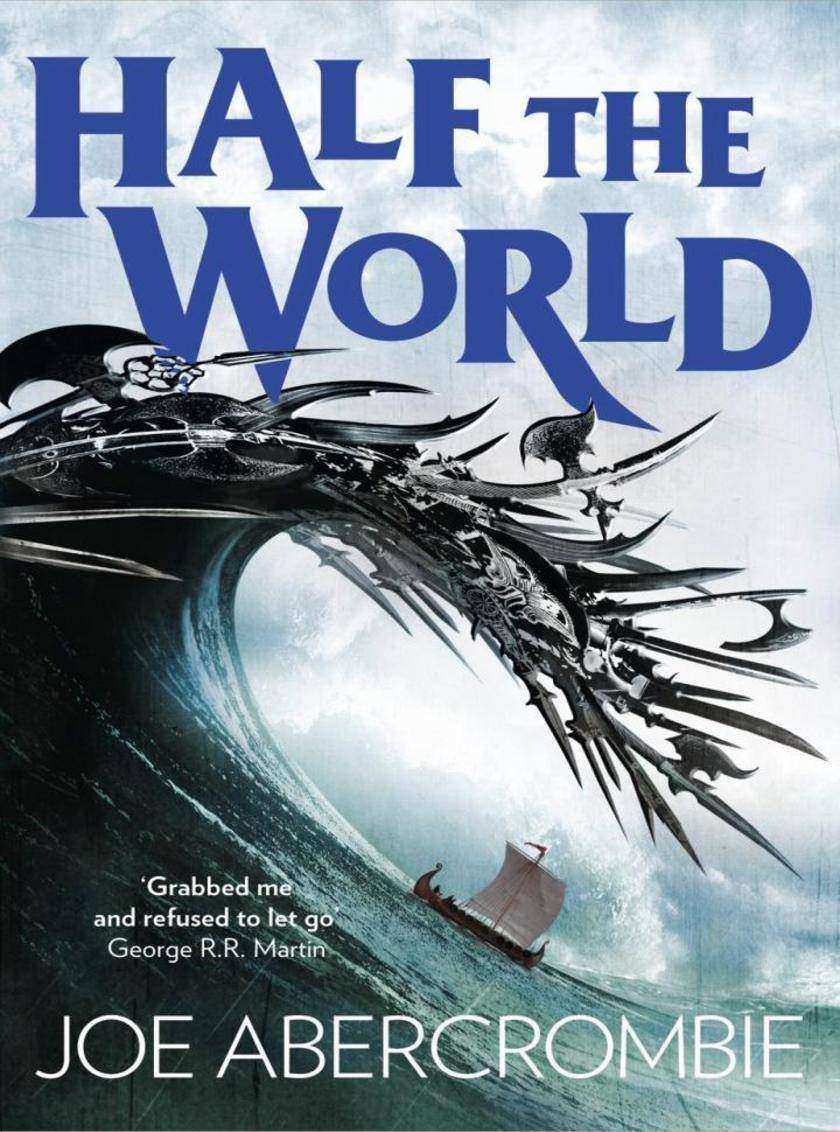
Half the World (Shattered Sea, Book 2)
¥66.22
‘Grabbed me and refused to let go’ George R.R. Martin SOMETIMES A GIRL IS TOUCHED BY MOTHER WAR Thorn lives to fight. But she has been named murderer by the very man who trained her to kill. SOMETIMES A GIRL BECOMES A WARRIOR Fate traps her in the schemes of Father Yarvi, sending her across half the world to seek allies against the ruthless High King. SOMETIMES A WARRIOR BECOMES A WEAPON Beside her is Brand, a young warrior who hates to kill. A failure in his eyes and hers, he has one chance at redemption. AND WEAPONS ARE MADE FOR ONE PURPOSE Must Thorn be a tool in other hands or can she carve her own path? Is there a place beyond legend for a woman with a blade?
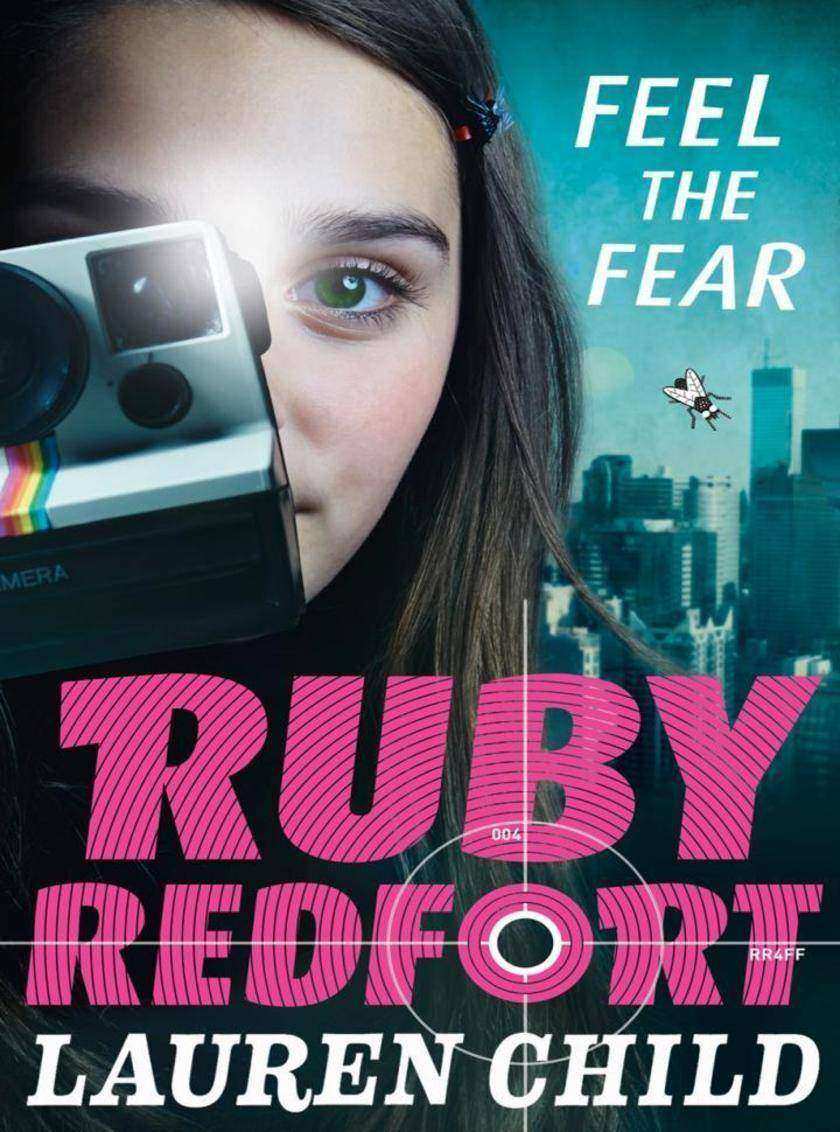
Feel the Fear (Ruby Redfort, Book 4)
¥51.50
Ruby Redfort: Undercover agent, code-cracker and thirteen-year-old genius.

The Empty Throne (The Last Kingdom Series, Book 8)
¥65.16
The eighth novel in Bernard Cornwell’s number one bestselling series on the making of England and the fate of his great hero, Uhtred of Bebbanburg. In the battle for power, there can be only one ruler. England is fractured, torn apart more by internal fighting than the threat of Viking invasion. The ruler of Mercia is dying, leaving no legitimate heir. His wife is a formidable fighter and great leader, but no woman has ever ruled over an English kingdom. And she is without her strongest warrior and champion, Uhtred of Bebbanburg. So the scene is set for an explosive battle between elders and warriors for an empty throne. The vacant throne leaves a dangerous opportunity for the rival West Saxons to seize Mercia. But Edward of Wessex is distracted by the succession of his own throne, with two heirs claiming the right to be West Saxon king. And while the kingdoms are in disarray, the Vikings, this time coming from the west, will go on the rampage once more. The very future of England hangs in the balance. A hero is needed, a hero who can destroy the threat to Mercia, a hero who will ultimately decide the fate of a nation…
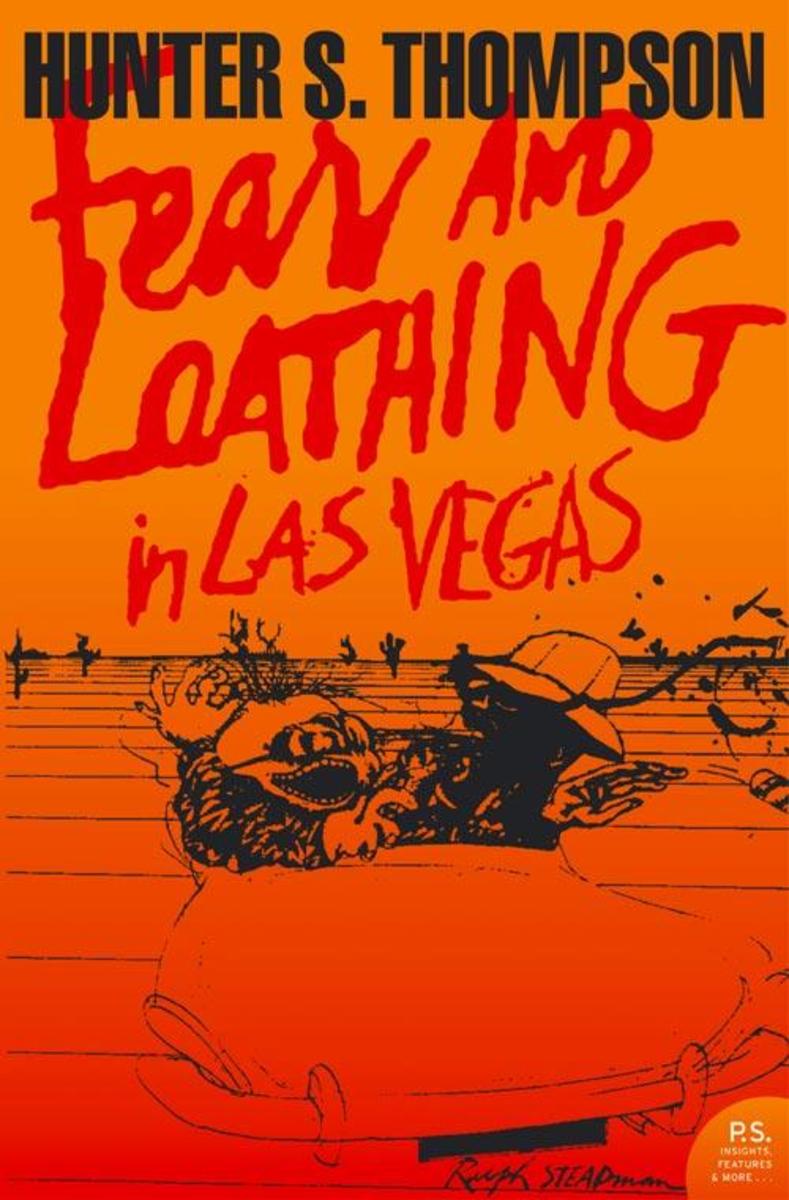
Fear and Loathing in Las Vegas (Harper Perennial Modern Classics)
¥66.22
‘We were somewhere around Barstow on the edge of the desert when the drugs began to take hold. I remember saying something like, “I feel a bit lightheaded; maybe you should drive …”’ Hunter S. Thompson is roaring down the desert highway to Las Vegas with his attorney, the Samoan, to find the dark side of the American Dream. Armed with a drug arsenal of stupendous proportions, the duo engage in a surreal succession of chemically enhanced confrontations with casino operators, police officers and assorted Middle Americans. This stylish reissue of Hunter S. Thompson’s iconic masterpiece, a controversial bestseller when it appeared in 1971, features the brilliant Ralph Steadman illustrations of the original. It brings to a new generation the hallucinatory humour and nightmare terror of Hunter S. Thompson’s musings on the collapse of the American Dream.
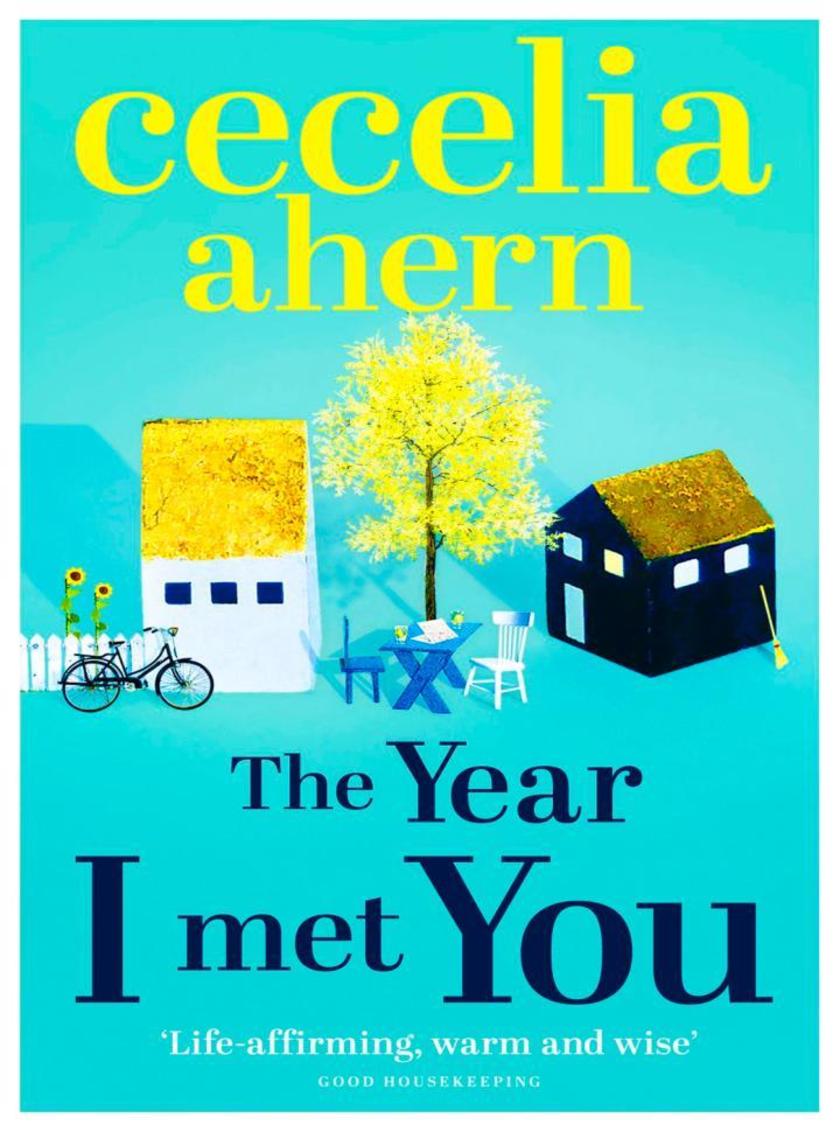
The Year I Met You
¥58.86
*Winner of the Irish Popular Fiction Book of the Year* A thoughtful, captivating and ultimately uplifting novel from this uniquely talented author Jasmine loves two things: her sister and her work. And when her work is taken away she has no idea who she is. Matt loves two things: his family and the booze. Without them, he hits rock bottom. One New Year’s Eve, two people’s paths collide. Both have time on their hands; both are at a crossroads. But as the year unfolds, through moonlit nights and suburban days, an unlikely friendship slowly starts to blossom. Sometimes you have to stop still in order to move on… Original and poignant, The Year I Met You will make you laugh, cry and celebrate life.
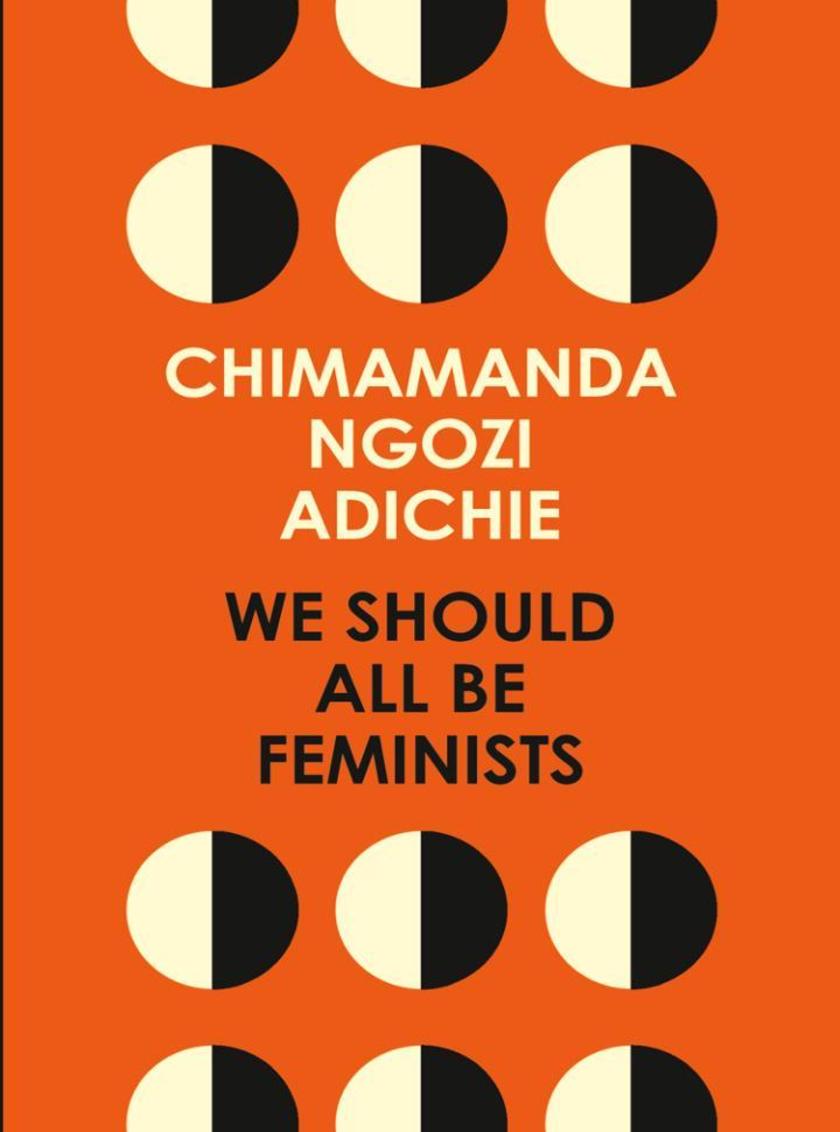
We Should All Be Feminists
¥36.99
A personal and powerful essay from Chimamanda Ngozi Adichie, the bestselling author of Americanah and Half of a Yellow Sun, based on her 2013 TEDx Talk of the same name.
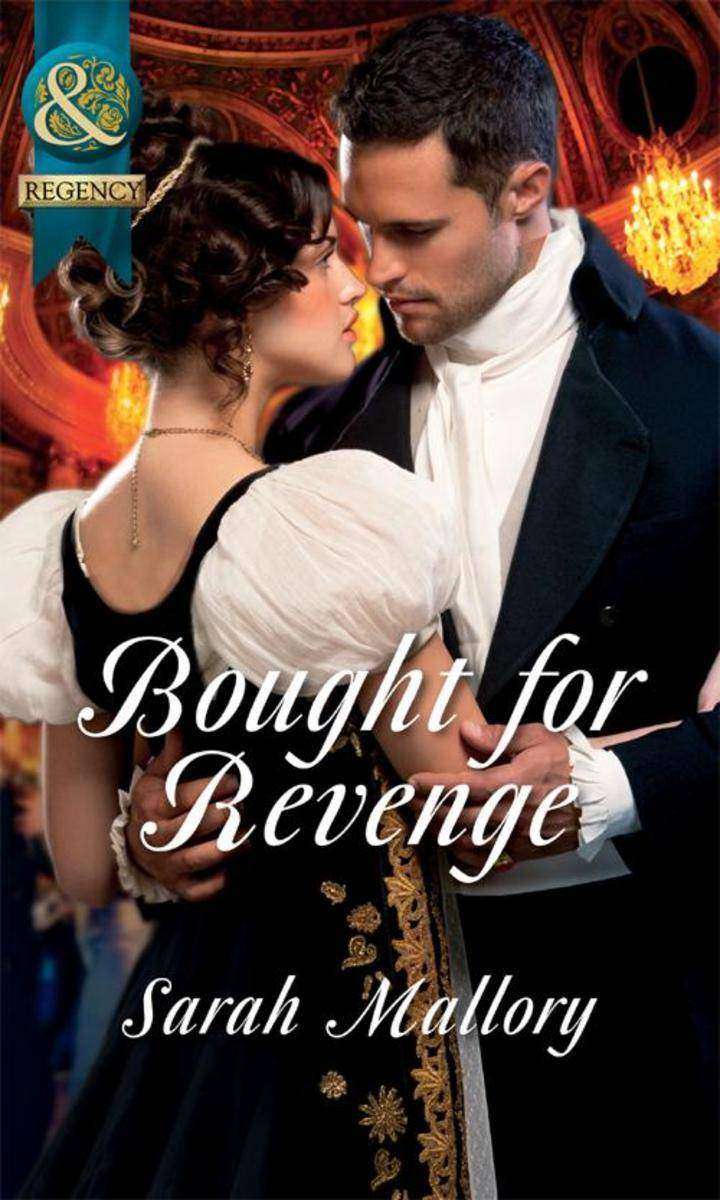
Bought for Revenge (Mills & Boon Historical)
¥38.36
A SOLDIER’S RETURN Major Lucas Blackstone has survived Waterloo and come home uninjured while many of his loyal men have not. His body might be whole and still handsome, but as he returns to the burnt-out shell of what was once his family mansion his soul is dark and troubled. Bright-eyed debutante Annabelle Havenham has no idea her fate is in his hands. His plans to settle old scores could mean her ruin. Is he villain enough to do it? Especially when Annabelle’s innocence has started to melt his black heart…
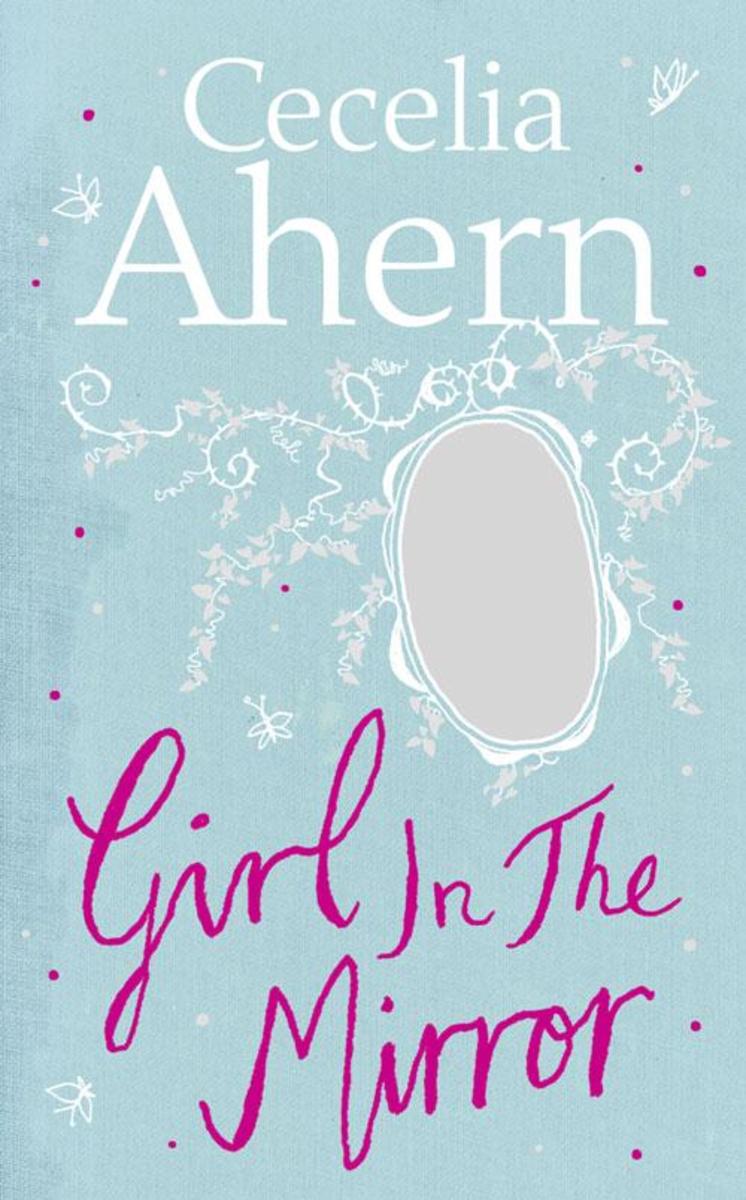
Girl in the Mirror: Two Stories
¥23.25
Two powerful and unforgettable short stories from the Number One bestselling author
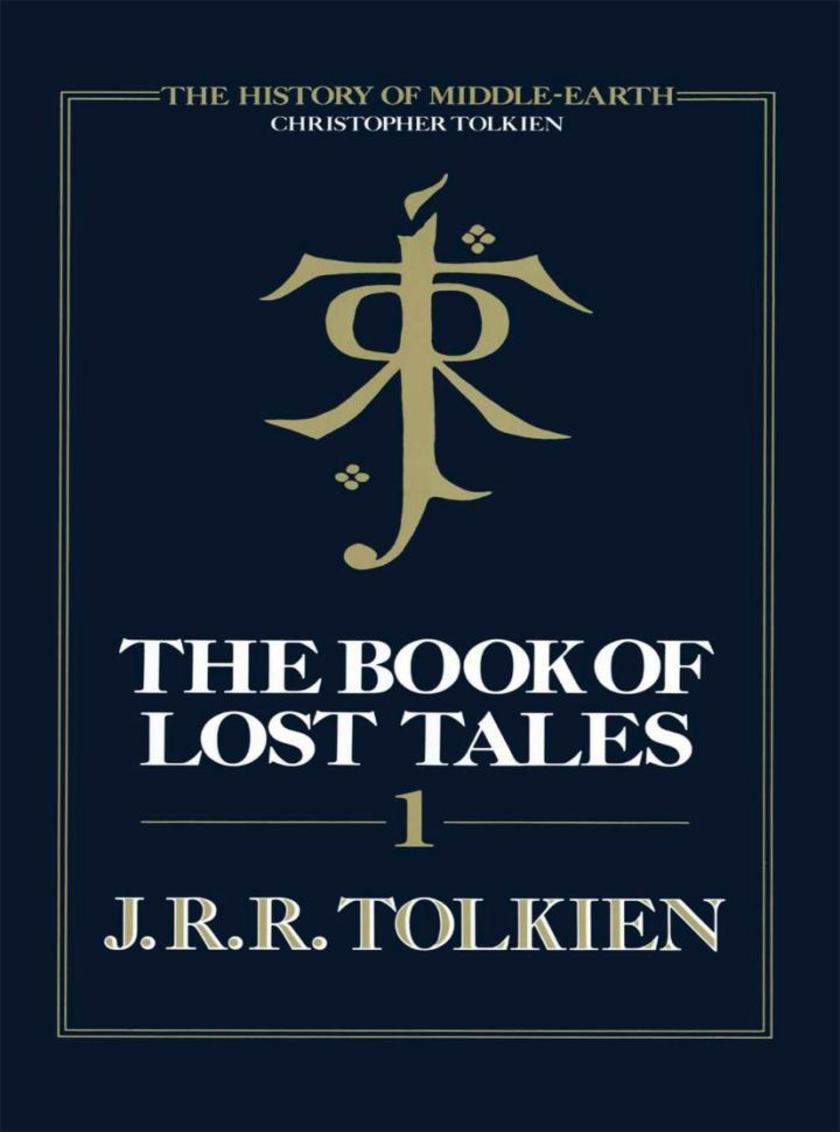
The Book of Lost Tales 1 (The History of Middle-earth, Book 1)
¥67.69
The first of a two-book set that contains the early myths and legends which led to the writing of Tolkien’s epic tale of war, The Silmarillion. The Book of Lost Tales stands at the beginning of the entire conception of Middle-earth and Valinor for the Tales were the first form of the myths and legends that came to be called The Silmarillion. Embedded in English legend and English association, they are set in the narrative frame of a great westward voyage over the Ocean by a mariner named Eriol to the lonely Isle where the Elves dwelt; from them he learned their true history, the Lost Tales of Elfinesse. In the Tales are found the earliest accounts of Gods and Elves, Dwarves, Balrogs and Orcs; of the Silmarils and the Two Trees of Valinor; of the geography and cosmology of Tolkien’s invented world. This series of fascinating books has now been repackaged to complement the distinctive and classic style of the ‘black cover’ A-format paperbacks of The Hobbit, The Lord of the Rings, The Silmarillion and Unfinished Tales.
The Emperor of All Maladies
¥65.94
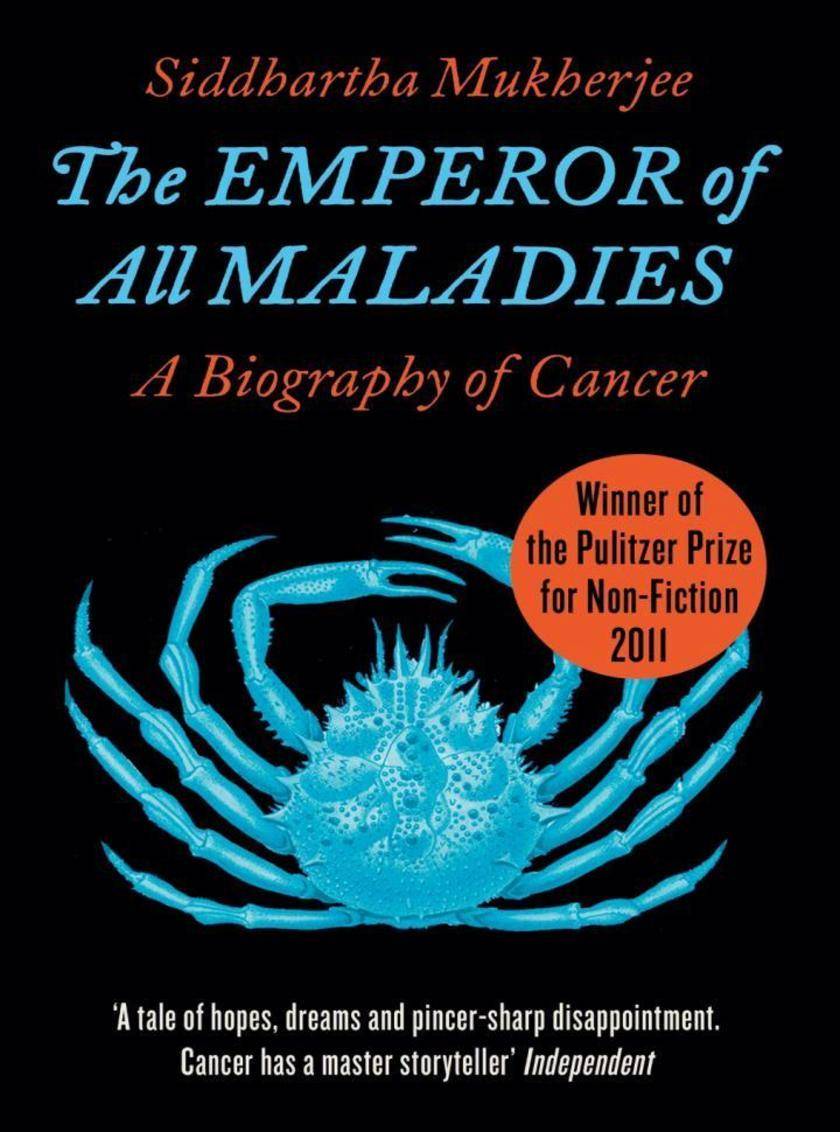
A magnificent, beautifully written biography of cancer - from its first documented appearances thousands of years ago through the epic battles to cure, control and conquer it to a radical new understanding of its essence. In The Emperor of All Maladies, Siddhartha Mukherjee, doctor, researcher and award-winning science writer, examines cancer with a cellular biologist’s precision, a historian’s perspective, and a biographer’s passion. The result is an astonishingly lucid and eloquent chronicle of a disease humans have lived with - and perished from - for more than five thousand years. The story of cancer is a story of human ingenuity, resilience and perseverance, but also of hubris, arrogance and misperception, all leveraged against a disease that, just three decades ago, was thought to be easily vanquished in an all-out ‘war against cancer’. Mukherjee recounts centuries of discoveries, setbacks, victories and deaths, told through the eyes of predecessors and peers, training their wits against an infinitely resourceful adversary. From the Persian Queen Atossa, whose Greek slave cut off her malignant breast, to the nineteeth-century recipient of primitive radiation and chemotherapy and Mukherjee’s own leukemia patient, Carla, The Emperor of All Maladies is about the people who have soldiered through toxic, bruising, and draining regimes to survive and to increase the store of human knowledge. Riveting and magesterial, The Emperor of All Maladies provides a fascinating glimpse into the future of cancer treatments and a brilliant new perspective on the way doctors, scientists, philosophers and lay people have observed and understood the human body for millennia.
The Billionaire's Fair Lady (Mills & Boon Cherish)
¥30.90
Hot-shot lawyer Mike Templeton is intrigued when actress-turned-waitress Roxy O’Brien rocks up to his office with a scandalous inheritance claim that could save his practice… After an uptown makeover Roxy feels every inch the heiress – but can she resist her intoxicating lawyer or will she be in danger of losing her heart?

Her Rocky Mountain Protector (Mills & Boon Cherish) (Rocky Mountain Brides, Book
¥30.90
Brooding ex-soldier Grady Fletcher plans to keep his mind occupied. Single mum Gina Williams is usually wary around men, but she knows that beneath Grady’s gruff exterior lies a trustworthy man. So when Gina’s son goes missing he’s the only person she’ll trust – a man whose survival instinct is as strong as his heart…
Surprised by Joy
¥65.16
This autobiography of C.S.Lewis’s early life, focusing on the spiritual crisis which was to determine the shape of his entire life, now repackaged and rebranded as a key title in the C.S. Lewis Signature Classics range. “In the Trinity Term of 1929 I gave in, and admitted that God was God…perhaps the most dejeced and reluctant convert in all England.” Thus C.S. Lewis describes memorably the crisis of his conversion in his famous autobiography. Lewis was for many years an atheist, and in Surprised by Joy he vividly describes the spiritual quest which eventually convinced him of the truth and reality of the Christian faith.
Big Bang
¥80.25
The bestselling author of Fermat’s Last Theorem and The Code Book tells the story of the brilliant minds that deciphered the mysteries of the Big Bang. A fascinating exploration of the ultimate question: how was our universe created? Albert Einstein once said: ‘The most incomprehensible thing about the universe is that it is comprehensible.’ Simon Singh believes geniuses like Einstein are not the only people able to grasp the physics that govern the universe. We all can. As well as explaining what the Big Bang theory actually is and why cosmologists believe it is an accurate de*ion of the origins of the universe, this book is also the fascinating story of the scientists who fought against the established idea of an eternal and unchanging universe. Simon Singh, renowned for making difficult ideas much less daunting than they first seem, is the perfect guide for this journey. Everybody has heard of the Big Bang Theory. But how many of us can actually claim to understand it? With characteristic clarity and a narrative peppered with anecdotes and personal histories of those who have struggled to understand creation, Simon Singh has written the story of the most important theory ever.


