


 购物车
购物车 个人中心
个人中心
Adrift in the Wilds, Or the Adventures of Two Shipwrecked Boys
¥8.09
Classic adventure novel. According to Wikipedia: "Edward Sylvester Ellis (April 11, 1840 – June 20, 1916) was an American author who was born in Ohio and died at Cliff Island, Maine. Ellis was a teacher, school administrator, and journalist, but his most notable work was that that he performed as author of hundreds of dime novels that he produced under his name and a number of noms de plume. Notable works by Ellis include The Huge Hunter, or the Steam Man of the Prairies and Seth Jones, or the Captives of the Frontier. Internationally, Edward S. Ellis is probably best known for his Deerhunter novels widely read by young boys up to the 1950s (together with works by James Fenimore Cooper and Karl May). In the mid-1880s, after a fiction-writing career of some thirty years, Ellis eventually turned his pen to more serious works of biography, history, and persuasive writing."
In the Irish Brigade
¥8.09
Historical novel, set in the early 18th century. From the Preface: "For records of the doings of some of the regiments of the Irish Brigade, during the years 1706-1710, I am indebted to the painstaking account of the Irish Brigade in the service of France, by J. C. O'Callaghan; while the accounts of the war in Spain are drawn from the official report, given in Boyer's Annals of the Reign of Queen Anne, which contains a mine of information of the military and civil events of the time." According to Wikipedia: "George Alfred Henty (8 December 1832 - 16 November 1902), referred to as G. A. Henty, was a prolific English novelist, special correspondent, and Imperialist born in Trumpington, Cambridgeshire, England. He is best known for his historical adventure stories that were popular in the late 19th century. His works include Out on the Pampas (1871), The Young Buglers (1880), With Clive in India (1884) and Wulf the Saxon (1895)."
The Phantom of the River
¥8.09
Classic adventure novel. According to Wikipedia: "Edward Sylvester Ellis (April 11, 1840 – June 20, 1916) was an American author who was born in Ohio and died at Cliff Island, Maine. Ellis was a teacher, school administrator, and journalist, but his most notable work was that that he performed as author of hundreds of dime novels that he produced under his name and a number of noms de plume. Notable works by Ellis include The Huge Hunter, or the Steam Man of the Prairies and Seth Jones, or the Captives of the Frontier. Internationally, Edward S. Ellis is probably best known for his Deerhunter novels widely read by young boys up to the 1950s (together with works by James Fenimore Cooper and Karl May). In the mid-1880s, after a fiction-writing career of some thirty years, Ellis eventually turned his pen to more serious works of biography, history, and persuasive writing."
Two Boys in Wyoming, A Tale of Adventure
¥8.09
Classic adventure novel. According to Wikipedia: "Edward Sylvester Ellis (April 11, 1840 – June 20, 1916) was an American author who was born in Ohio and died at Cliff Island, Maine. Ellis was a teacher, school administrator, and journalist, but his most notable work was that that he performed as author of hundreds of dime novels that he produced under his name and a number of noms de plume. Notable works by Ellis include The Huge Hunter, or the Steam Man of the Prairies and Seth Jones, or the Captives of the Frontier. Internationally, Edward S. Ellis is probably best known for his Deerhunter novels widely read by young boys up to the 1950s (together with works by James Fenimore Cooper and Karl May). In the mid-1880s, after a fiction-writing career of some thirty years, Ellis eventually turned his pen to more serious works of biography, history, and persuasive writing."

Homiles on the Gospel of St. John and the Epistle of the Hebrews
¥8.09
According to Wikipedia: "Saint John Chrysostom (c. 347–407, Greek: Ιω?ννη? ο Χρυσ?στομο?), archbishop of Constantinople, was an important Early Church Father. He is known for his eloquence in preaching and public speaking, his denunciation of abuse of authority by both ecclesiastical and political leaders, the Divine Liturgy of St. John Chrysostom, and his ascetic sensibilities. After his death (or, according to some sources, during his life) he was given the Greek surname chrysostomos, meaning "golden mouthed", rendered in English as Chrysostom.
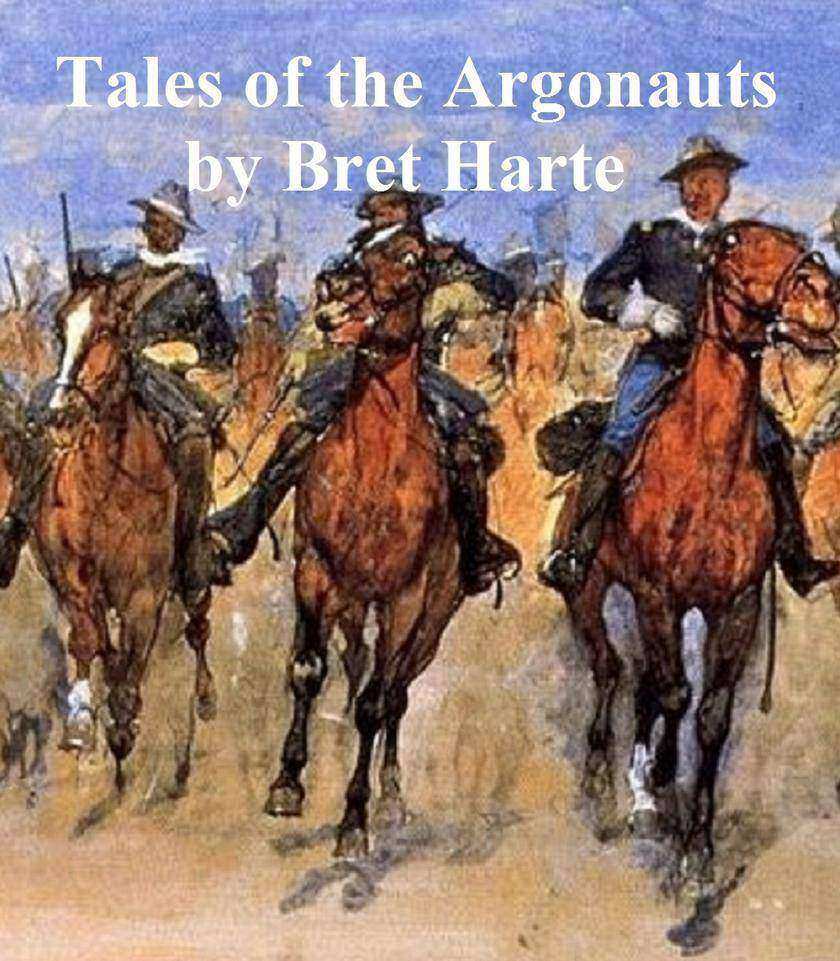
Tales of the Argonauts
¥8.09
Collection of western stories, including: The Rose of Tuolumne, A Passage in the Life of Mr. John Oakhurst; Wan Lee, the Pagan; How Old Man Plunkett Went Home, The Fool of Five Forks, Baby Sylvester, An Episode of Fiddletown, and a Jersey Centenarian. According to Wikipedia: "Bret Harte (August 25, 1836[2] – May 6, 1902) was an American author and poet, best remembered for his accounts of pioneering life in California. He was born in Albany, New York. ... He moved to California in 1853, later working there in a number of capacities, including miner, teacher, messenger, and journalist. He spent part of his life in the northern California coast town now known as Arcata, then just a mining camp on Humboldt Bay. His first literary efforts, including poetry and prose, appeared in The Californian, an early literary journal edited by Charles Henry Webb. In 1868 he became editor of The Overland Monthly, another new literary magazine, but this one more in tune with the pioneering spirit of excitement in California. His story, "The Luck of Roaring Camp," appeared in the magazine's second edition, propelling Harte to nationwide fame... Determined to pursue his literary career, in 1871 he and his family traveled back East, to New York and eventually to Boston, where he contracted with the publisher of The Atlantic Monthly for an annual salary of $10,000, "an unprecedented sum at the time." His popularity waned, however, and by the end of 1872 he was without a publishing contract and increasingly desperate. He spent the next few years struggling to publish new work (or republish old), delivering lectures about the gold rush, and even selling an advertising jingle to a soap company. In 1878 Harte was appointed to the position of United States Consul in the town of Krefeld, Germany and then to Glasgow in 1880. In 1885 he settled in London. During the thirty years he spent in Europe, he never abandoned writing, and maintained a prodigious output of stories that retained the freshness of his earlier work. He died in England in 1902 of throat cancer and is buried at Frimley."
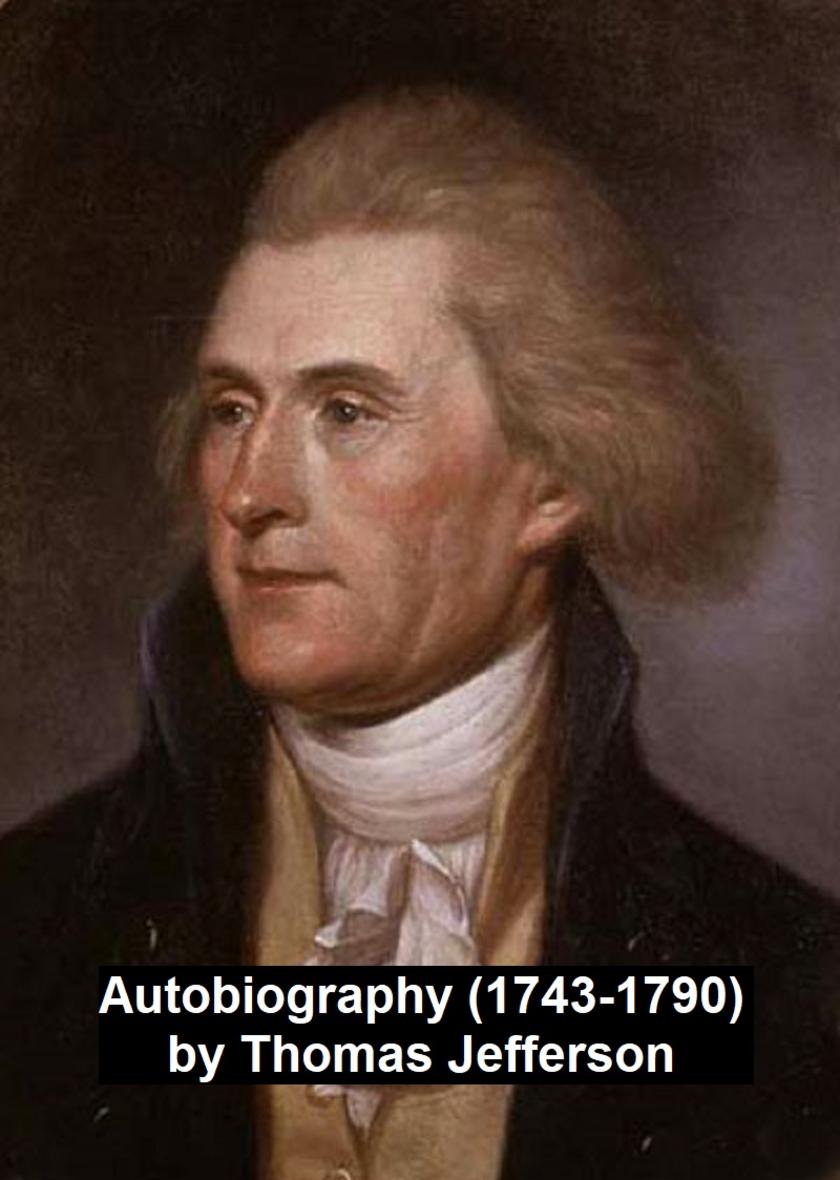
Autobiography (1743-1790)
¥8.09
According to Wikipedia: "Thomas Jefferson (April 13, 1743 – July 4, 1826)[1] was the third President of the United States (1801–1809), the principal author of the Declaration of Independence (1776), and one of the most influential Founding Fathers for his promotion of the ideals of republicanism in the United States. Major events during his presidency include the Louisiana Purchase (1803) and the Lewis and Clark Expedition (1804–1806). As a political philosopher, Jefferson was a man of the Enlightenment and knew many intellectual leaders in Britain and France. He idealized the independent yeoman farmer as exemplar of republican virtues, distrusted cities and financiers, and favored states' rights and a strictly limited federal government. Jefferson supported the separation of church and state[2] and was the author of the Virginia Statute for Religious Freedom (1779, 1786). He was the eponym of Jeffersonian democracy and the co-founder and leader of the Democratic-Republican Party, which dominated American politics for a quarter-century. Jefferson served as the wartime Governor of Virginia (1779–1781), first United States Secretary of State (1789–1793) and second Vice President (1797–1801). A polymath, Jefferson achieved distinction as, among other things, a horticulturist, statesman, architect, archaeologist, inventor, and founder of the University of Virginia."
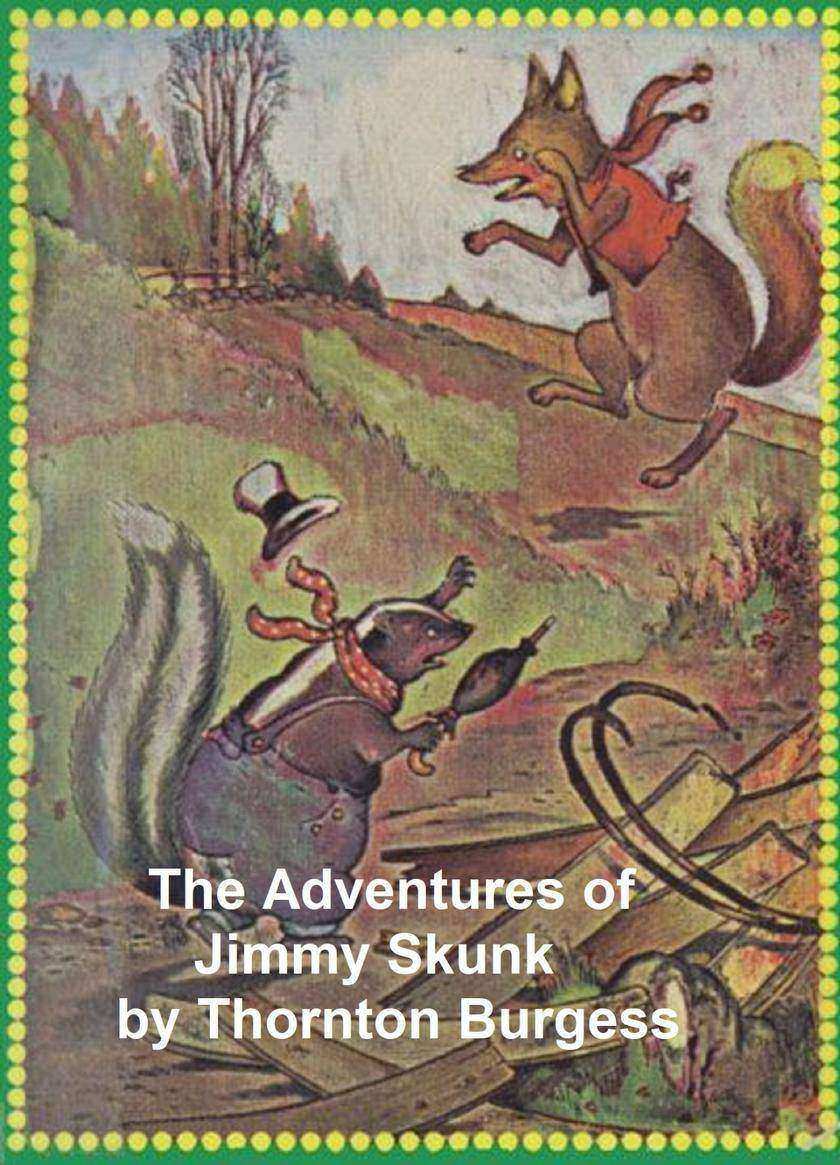
The Adventures of Jimmy Skunk, Illustrated
¥8.09
With 8 black-and-white illustations. According to Wikipedia: "Thornton Waldo Burgess (January 14, 1874 – June 5, 1965). Born in Sandwich, Cape Cod, Massachusetts, he was a conservationist and author of children's stories. Thornton Waldo Burgess loved the beauty of nature and its living creatures so much that he wrote about them for 50 years. By the time he retired, he had written more than 170 books and 15,000 stories for daily columns in newspapers."
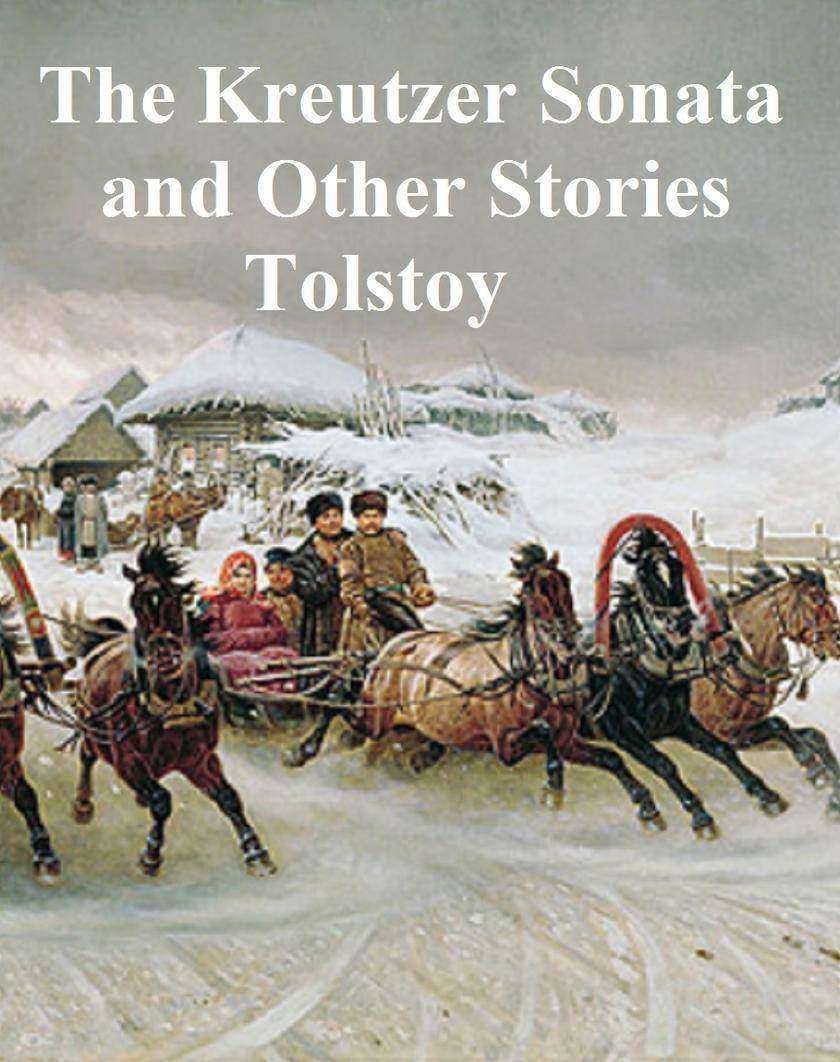
The Kreutzer Sonata and Other Stories
¥8.09
Five classic Tolstoy stories: The Kreutzer Sonata, Ivan the Fool, A Lost Opportunity, Polikushka, and The Candle. According to Wikipedia: "Leo Tolstoy, or Count Lev Nikolayevich Tolstoy (1828 – 1910) was a Russian writer widely regarded as one of the greatest of all novelists. His masterpieces War and Peace and Anna Karenina stand, in their scope, breadth and vivid depiction of 19th-century Russian life, at the very peak of realist fiction."

Bonnie Prince Charlie
¥8.09
Historical novel about the Jacobite Rising in Scotland in 1746. According to Wikipedia: "George Alfred Henty (8 December 1832 - 16 November 1902), referred to as G. A. Henty, was a prolific English novelist, special correspondent, and Imperialist born in Trumpington, Cambridgeshire, England. He is best known for his historical adventure stories that were popular in the late 19th century. His works include Out on the Pampas (1871), The Young Buglers (1880), With Clive in India (1884) and Wulf the Saxon (1895)"
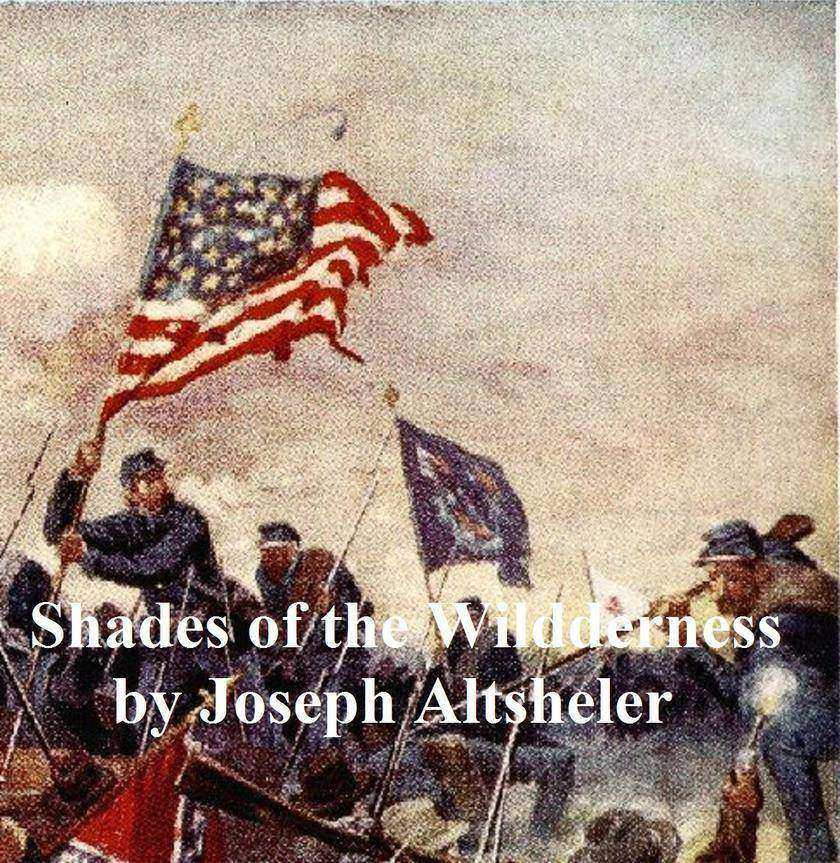
The Shades of the Wilderness
¥8.09
Historical novel from the Civil War series. "The Shades of the Wilderness" is the seventh volume of the Civil War Series, of which the predecessors have been "The Guns of Bull Run," "The Guns of Shiloh," "The Scouts of Stonewall," "The Sword of Antietam", "The Star of Gettysburg" and "The Rock of Chickamauga." The romance in this story reverts to the Southern side and deals with the fortunes of Harry Kenton and his friends. It takes them on the retreat from Gettysburg, gives the hero a short period of social life in Richmond, describes the great battles of the Wilderness and Spottsylvania, and ends with the deadlock in the trenches before Petersburg. According to Wikipedia: "Joseph Alexander Altsheler (1862 - 1919), was an American author of popular juvenile historical fiction. Altsheler was born in Three Springs, Kentucky to Joseph and Louise Altsheler. In 1885, he took a job at the Louisville Courier-Journal as a reporter and later, an editor. He started working for the New York World in 1892, first as the paper's Hawaiian correspondent and then as the editor of the World's tri-weekly magazine. Due to a lack of suitable stories, he began writing children's stories for the magazine."
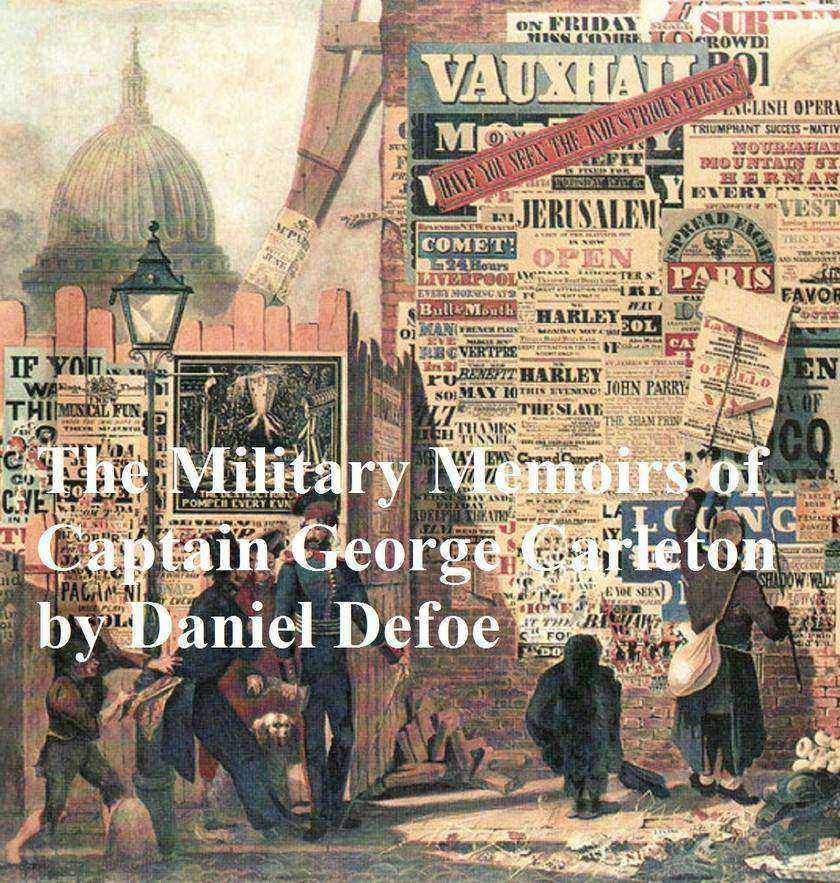
The Military Memoirs of Captain George Carleton
¥8.09
Fictionalized history or historical novel in the form of memoirs. The To the Reader begins: "The Author of these Memoirs began early to distinguish himself in martial Affairs, otherwise he could not have seen such Variety of Actions both by Sea and Land. After the last Dutch War he went into Flanders, where he not only serv'd under the Command of his Highness the Prince of Orange, whilst he was Generalissimo of the Dutch Forces, but likewise all the time he reign'd King of Great Britain. Most of the considerable Passages and Events, which happened during that time, are contained in the former Part of this Book." According to Wikipedia: Daniel Defoe (1659/1661 [?] — 1731), born Daniel Foe, was an English writer, journalist, and pamphleteer, who gained enduring fame for his novel Robinson Crusoe. Defoe is notable for being one of the earliest practitioners of the novel, as he helped to popularise the form in Britain, and is even referred to by some as one of the founders of the English novel. A prolific and versatile writer, he wrote more than five hundred books, pamphlets, and journals on various topics (including politics, crime, religion, marriage, psychology and the supernatural). He was also a pioneer of economic journalism."
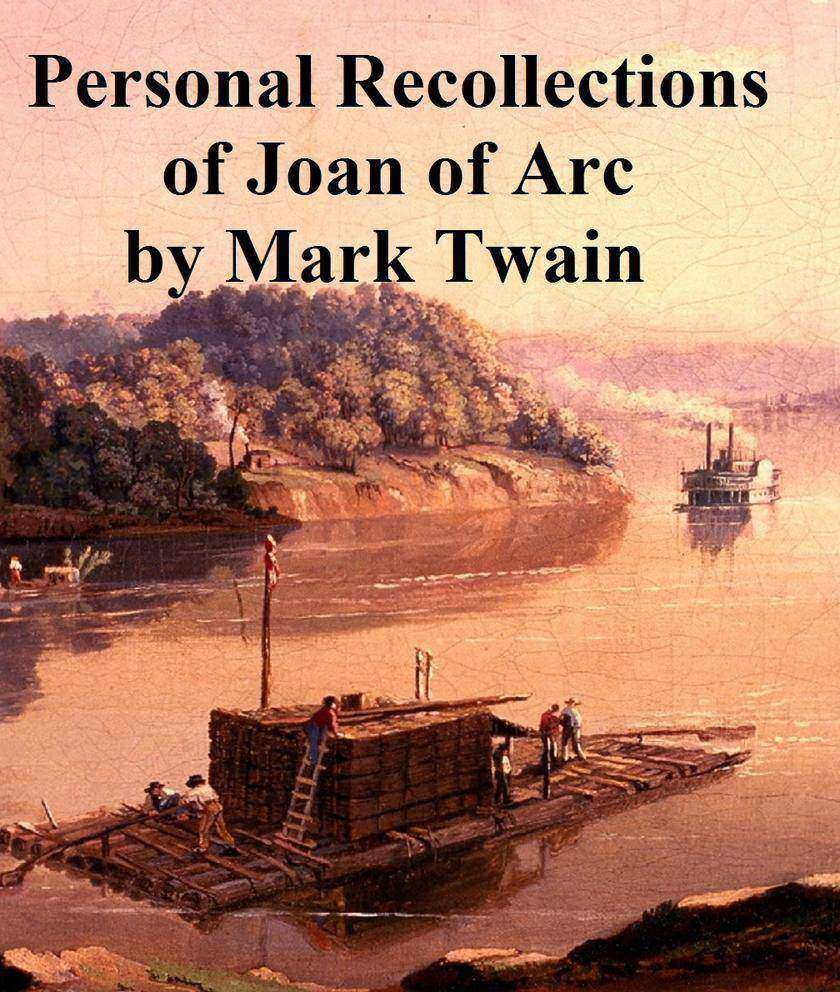
Personal Recollections of Joan of Arc
¥8.09
Fictionalized history. According to Wikipedia: "Samuel Langhorne Clemens (1835 – 1910), better known by the pen name Mark Twain, was an American author and humorist. Twain is most noted for his novels Adventures of Huckleberry Finn, which has since been called the Great American Novel and The Adventures of Tom Sawyer. He is extensively quoted. During his lifetime, Twain became a friend to presidents, artists, industrialists and European royalty. Twain enjoyed immense public popularity, and his keen wit and incisive satire earned him praise from both critics and peers. American author William Faulkner called Twain "the father of American literature."
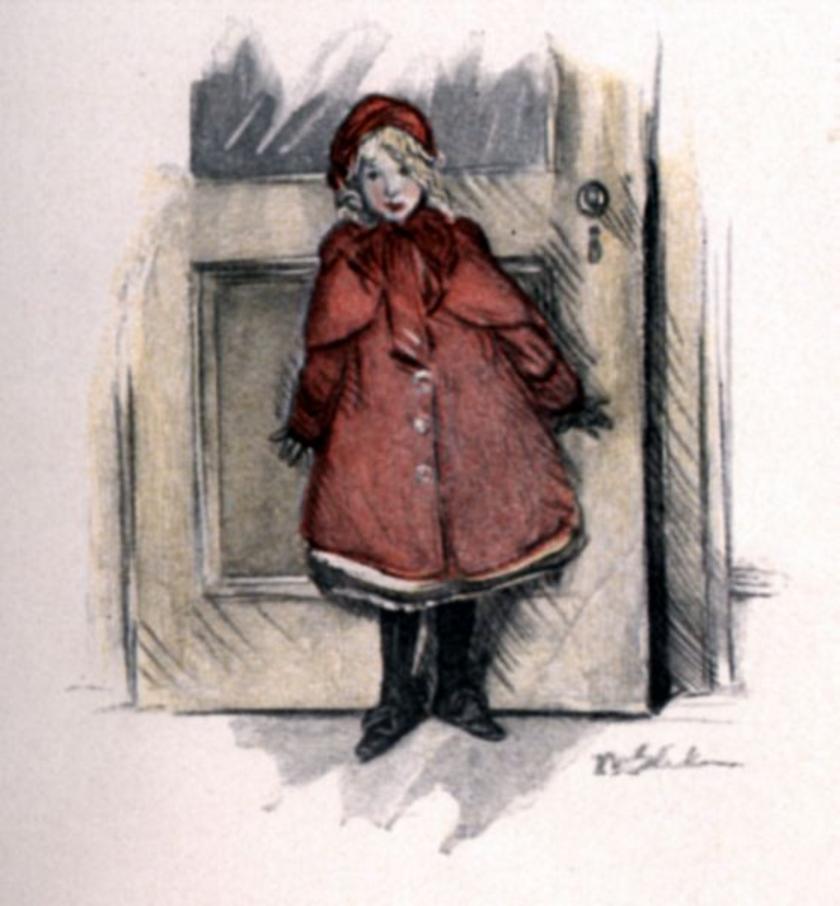
Santa Claus's Partner (Illustrated)
¥8.09
According to Wikipedia: "Thomas Nelson Page (April 23, 1853 – November 1, 1922) was a lawyer and American writer. He also served as the U.S. ambassador to Italy during the administration of President Woodrow Wilson, including the important period of World War I."
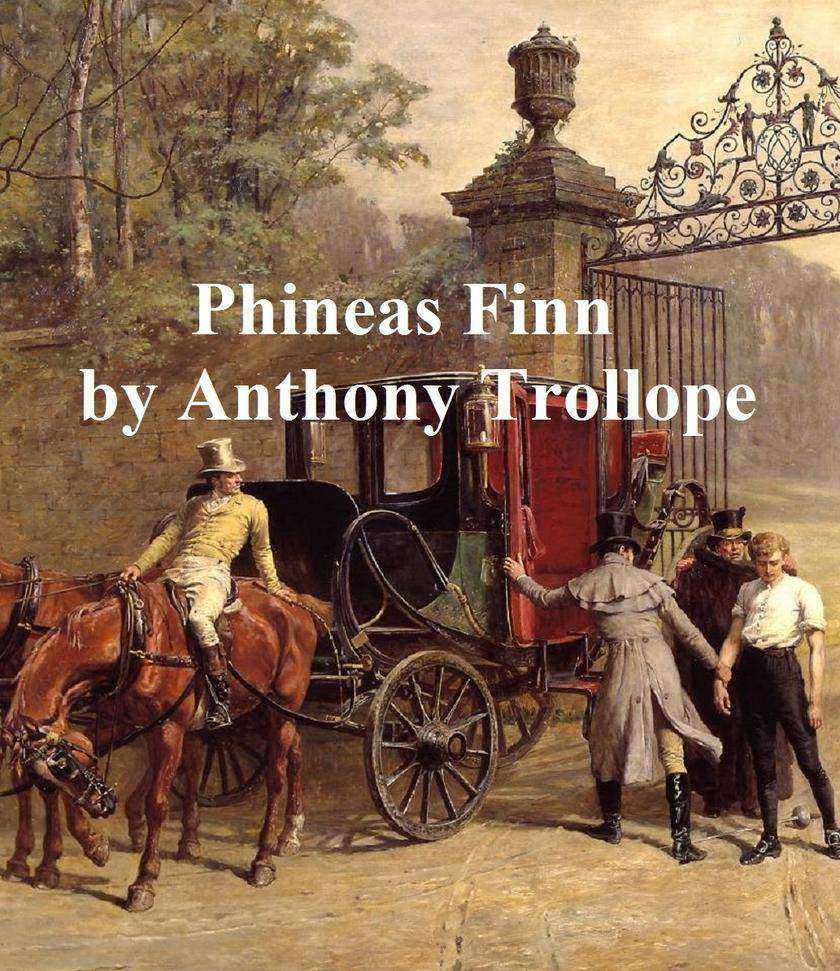
Phineas Finn
¥8.09
First published in serial form in "St. Paul's Magazine" beginning in 1867 and in book form in 1869. The books of the Palliser series are: Can You Forgive Her? Phineas Finn, The Eustace Diamonds, Phineas Redux, The Prime Minister, and The Duke's Children. According to Wikipedia: "Anthony Trollope ( 1815 – 1882 ) became one of the most successful, prolific and respected English novelists of the Victorian era. Some of Trollope's best-loved works, known as the Chronicles of Barsetshire, revolve around the imaginary county of Barsetshire; he also wrote penetrating novels on political, social, and gender issues and conflicts of his day. Trollope has always been a popular novelist. Noted fans have included Sir Alec Guinness (who never travelled without a Trollope novel), former British Prime Ministers Harold Macmillan and Sir John Major, economist John Kenneth Galbraith, American novelists Sue Grafton and Dominick Dunne and soap opera writer Harding Lemay. Trollope's literary reputation dipped somewhat during the last years of his life, but he regained the esteem of critics by the mid-twentieth century. "Of all novelists in any country, Trollope best understands the role of money. Compared with him even Balzac is a romantic." — W. H. Auden"

Los Cuatro Jinetes del Apocalipsis
¥8.09
Según Wikipedia: "Vicente Blasco Ibá?ez (29 de enero de 1867 - 28 de enero de 1928) fue un novelista realista espa?ol que escribía en espa?ol, guionista y ocasionalmente director de cine. Nacido en Valencia, hoy es más conocido en el mundo de habla inglesa. para su novela de la Primera Guerra Mundial, Los cuatro jinetes del apocalipsis, filmada en 1921 como Los cuatro jinetes del Apocalipsis, fue filmada nuevamente en 1962, reiniciada en la Segunda Guerra Mundial. Sin embargo, en su tiempo fue un autor de best-sellers dentro y fuera de Espa?a, y también conocido por sus controvertidas actividades políticas. Mientras que Sangre y arena y Los cuatro jinetes del apocalipsis son sus novelas más populares, especialmente fuera de Espa?a, sus novelas valencianas como La barraca y Ca?as y barro son los más valorados por los estudiosos
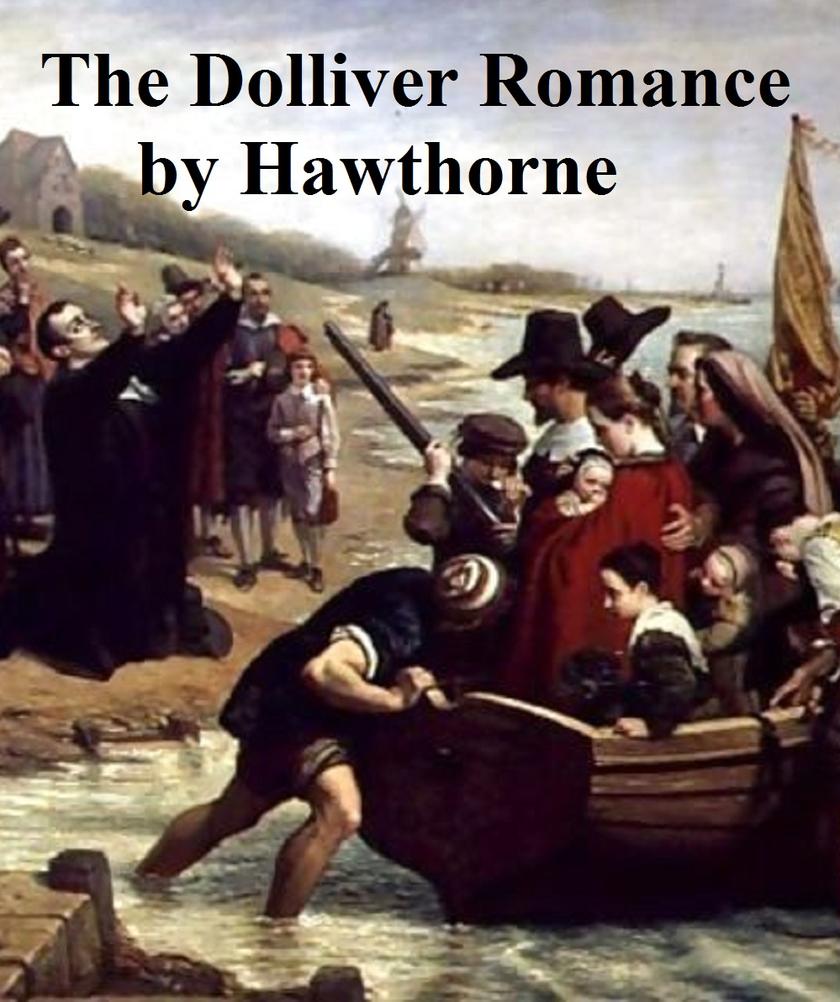
The Dolliver Romance
¥8.09
Fragments of an unfinished novel. According to Wikipedia: "Nathaniel Hawthorne (1804 –1864) was an American novelist and short story writer... Much of Hawthorne's writing centers around New England and many feature moral allegories with a Puritan inspiration. His fiction works are considered part of the Romantic movement and, more specifically, dark romanticism. His themes often center on the inherent evil and sin of humanity and his works often have moral messages and deep psychological complexity. His published works include novels, short stories, and a biography of his friend Franklin Pierce."
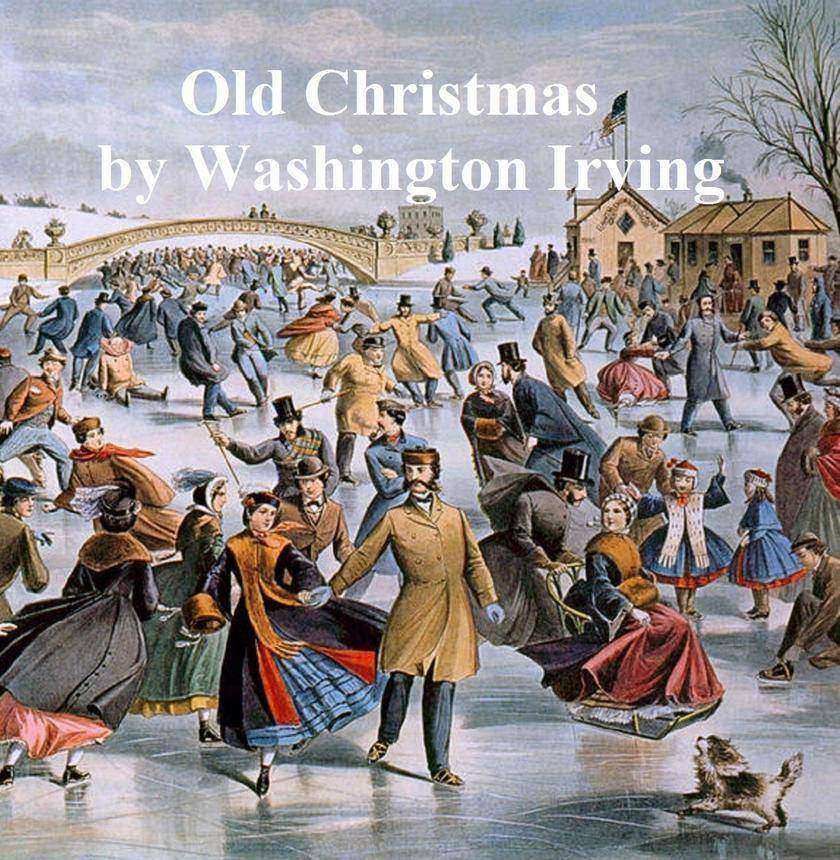
Old Christmas
¥8.09
According to Wikipedia: "Washington Irving (April 3, 1783 – November 28, 1859) was an American author, essayist, biographer and historian of the early 19th century. He was best known for his short stories "The Legend of Sleepy Hollow" and "Rip Van Winkle", both of which appear in his book The Sketch Book of Geoffrey Crayon, Gent. His historical works include biographies of George Washington, Oliver Goldsmith and Muhammad, and several histories of 15th-century Spain dealing with subjects such as Christopher Columbus, the Moors, and the Alhambra. Irving also served as the U.S. minister to Spain from 1842 to 1846. He made his literary debut in 1802 with a series of observational letters to the Morning Chronicle, written under the pseudonym Jonathan Oldstyle. After moving to England for the family business in 1815, he achieved international fame with the publication of The Sketch Book of Geoffrey Crayon, Gent. in 1819. He continued to publish regularly—and almost always successfully—throughout his life, and completed a five-volume biography of George Washington just eight months before his death, at age 76, in Tarrytown, New York."
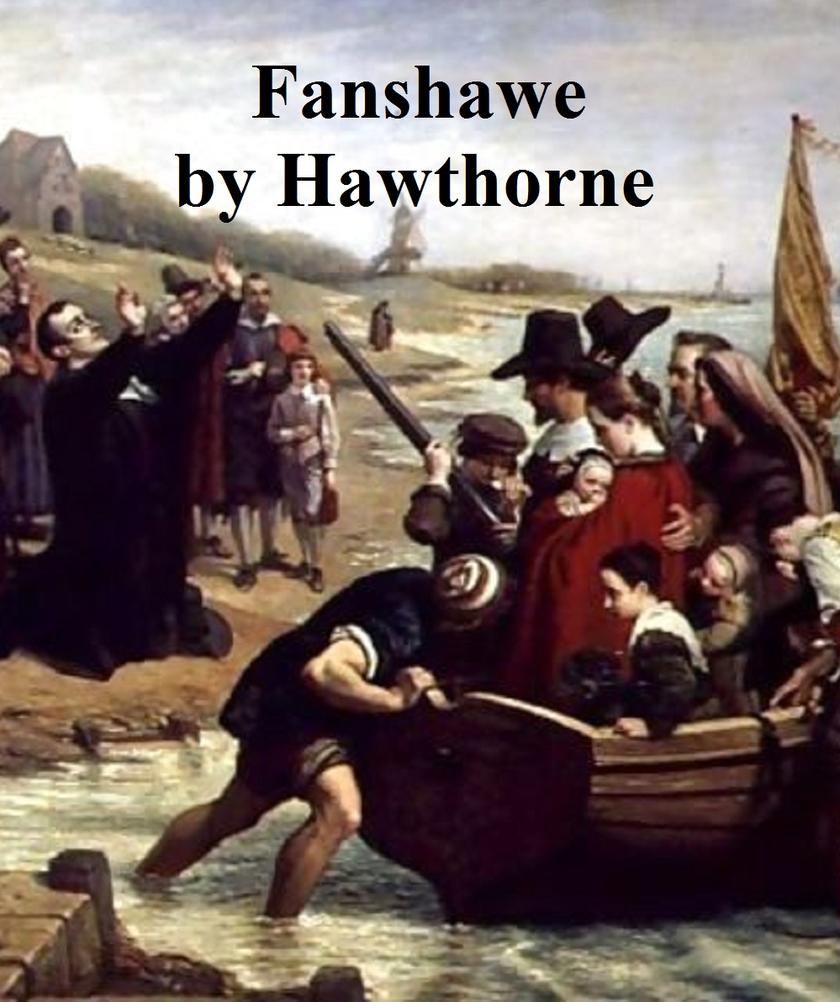
Fanshawe
¥8.09
Hawthorne's first "romance", first published three years after he graduated from Bowdoin College. According to Wikipedia: "Nathaniel Hawthorne (1804 –1864) was an American novelist and short story writer... Much of Hawthorne's writing centers around New England and many feature moral allegories with a Puritan inspiration. His fiction works are considered part of the Romantic movement and, more specifically, dark romanticism. His themes often center on the inherent evil and sin of humanity and his works often have moral messages and deep psychological complexity. His published works include novels, short stories, and a biography of his friend Franklin Pierce."
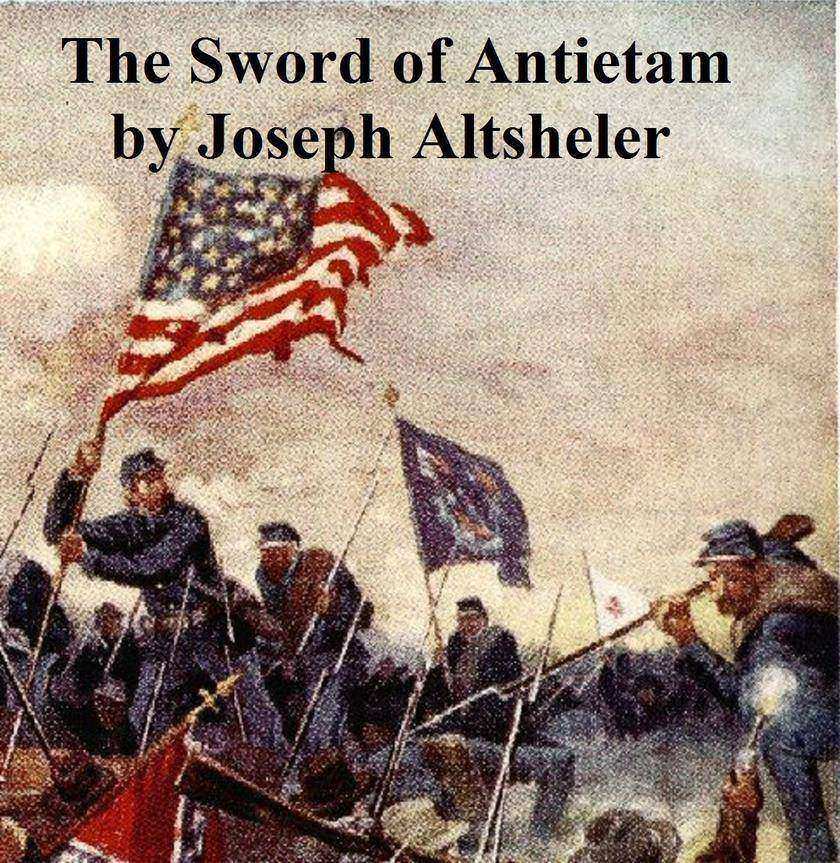
The Sword of Antietam
¥8.09
Historical novel from the Civil War series. "The Sword of Antietam" tells a complete story, but it is one in the chain of Civil War romances, begun in "The Guns of Bull Run" and continued through "The Guns of Shiloh" and "The Scouts of Stonewall." The young Northern hero, Dick Mason, and his friends are in the forefront of the tale. According to Wikipedia: "Joseph Alexander Altsheler (1862 - 1919), was an American author of popular juvenile historical fiction. Altsheler was born in Three Springs, Kentucky to Joseph and Louise Altsheler. In 1885, he took a job at the Louisville Courier-Journal as a reporter and later, an editor. He started working for the New York World in 1892, first as the paper's Hawaiian correspondent and then as the editor of the World's tri-weekly magazine. Due to a lack of suitable stories, he began writing children's stories for the magazine."
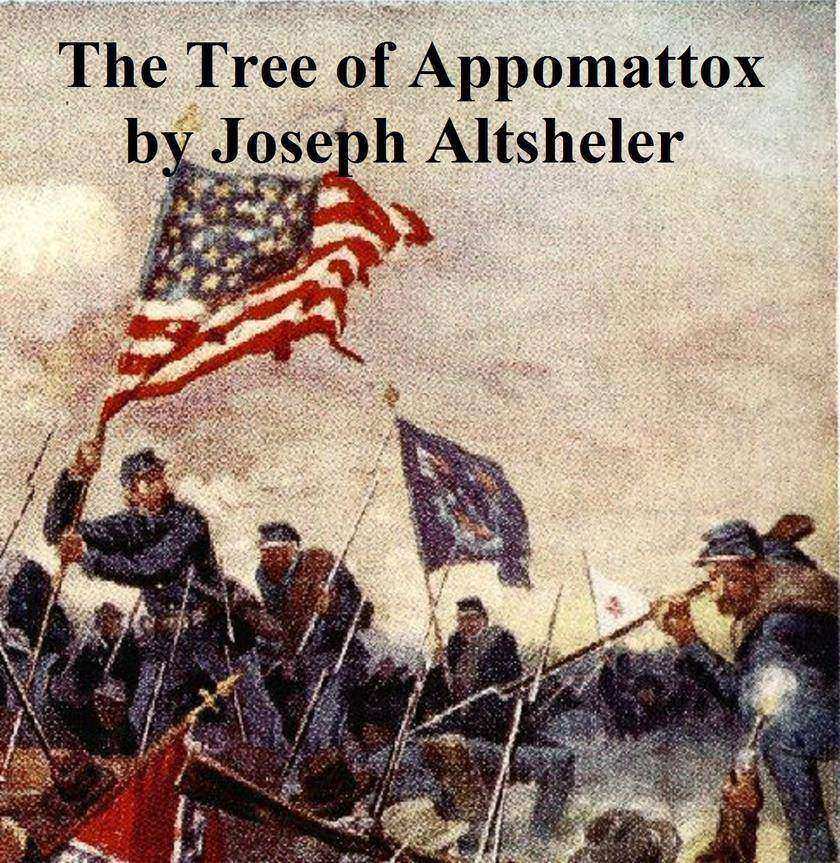
The Tree of Appomattox
¥8.09
Historical novel from the Civil War series. "The Tree of Appomattox" concludes the series of connected romances dealing with the Civil War, begun in "The Guns of Bull Run," and continued successively through "The Guns of Shiloh," "The Scouts of Stonewall," "The Sword of Antietam," "The Star of Gettysburg," "The Rock of Chickamauga" and "The Shades of the Wilderness" to the present volume. According to Wikipedia: "Joseph Alexander Altsheler (1862 - 1919), was an American author of popular juvenile historical fiction. Altsheler was born in Three Springs, Kentucky to Joseph and Louise Altsheler. In 1885, he took a job at the Louisville Courier-Journal as a reporter and later, an editor. He started working for the New York World in 1892, first as the paper's Hawaiian correspondent and then as the editor of the World's tri-weekly magazine. Due to a lack of suitable stories, he began writing children's stories for the magazine."


