


 购物车
购物车 个人中心
个人中心
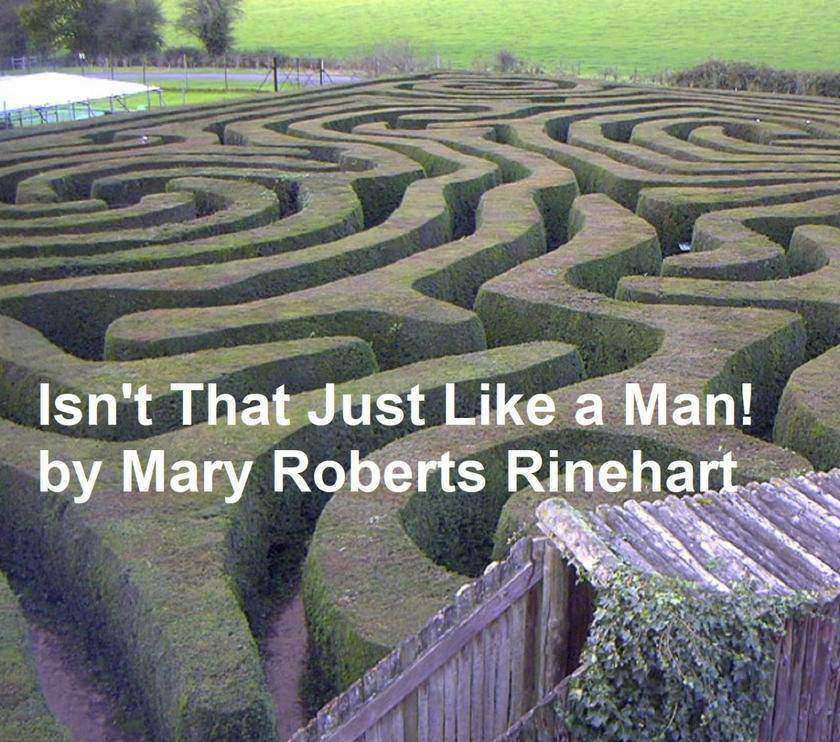
Isn't That Just Like a Man!
¥8.09
Humorous essay.According to Wikipedia: "Mary Roberts Rinehart (August 12, 1876-September 22, 1958) was a prolific author often called the American Agatha Christie.[1] She is considered the source of the phrase "The butler did it", although she did not actually use the phrase herself, and also considered to have invented the "Had-I-But-Known" school of mystery writing.... Rinehart wrote hundreds of short stories, poems, travelogues and special articles. Many of her books and plays, such as The Bat (1920) were adapted for movies, such as The Bat (1926), The Bat Whispers (1930), and The Bat (1959). While many of her books were best-sellers, critics were most appreciative of her murder mysteries. Rinehart, in The Circular Staircase (1908), is credited with inventing the "Had-I-But-Known" school of mystery writing. The Circular Staircase is a novel in which "a middle-aged spinster is persuaded by her niece and nephew to rent a country house for the summer. The house they choose belonged to a bank defaulter who had hidden stolen securities in the walls. The gentle, peace-loving trio is plunged into a series of crimes solved with the help of the aunt. This novel is credited with being the first in the "Had-I-But-Known" school."[3] The Had-I-But-Known mystery novel is one where the principal character (frequently female) does less than sensible things in connection with a crime which have the effect of prolonging the action of the novel. Ogden Nash parodied the school in his poem Don't Guess Let Me Tell You: "Sometimes the Had I But Known then what I know now I could have saved at least three lives by revealing to the Inspector the conversation I heard through that fortuitous hole in the floor." The phrase "The butler did it", which has become a cliché, came from Rinehart's novel The Door, in which the butler actually did do it, although that exact phrase does not actually appear in the work."
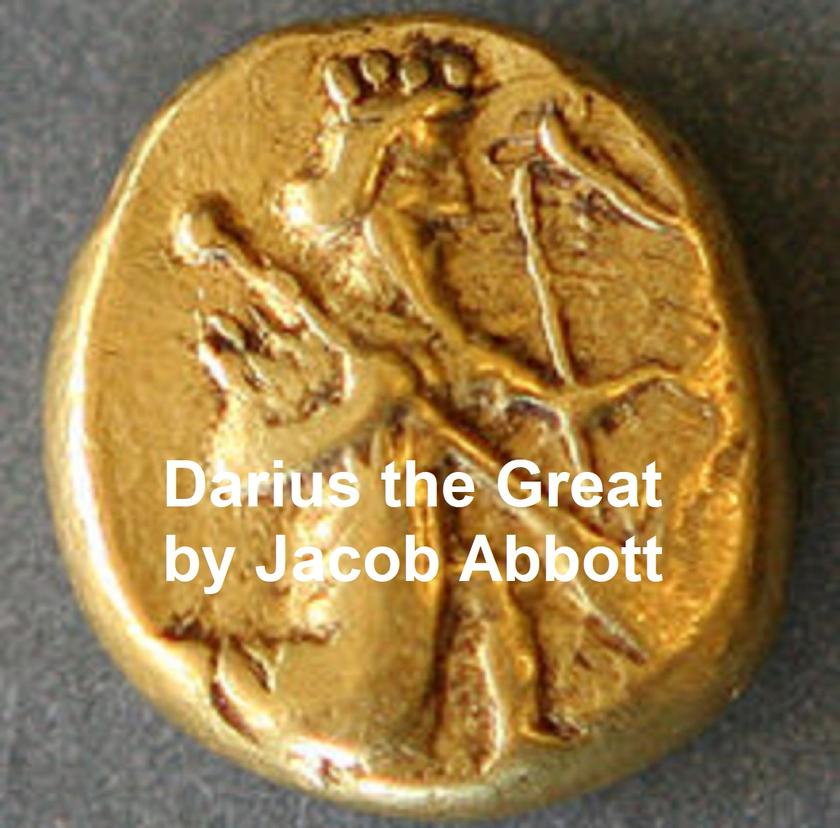
Darius the Great
¥8.09
According to Wikipedia: "Jacob Abbott (November 14, 1803 – October 31, 1879) was an American writer of children's books. Abbott was born at Hallowell, Maine to Jacob and Betsey Abbott. He graduated from Bowdoin College in 1820; studied at Andover Theological Seminary in 1821, 1822, and 1824; was tutor in 1824-1825, and from 1825 to 1829 was professor of mathematics and natural philosophy at Amherst College; was licensed to preach by the Hampshire Association in 1826; founded the Mount Vernon School for Young Ladies in Boston in 1829, and was principal of it in 1829-1833; was pastor of Eliot Congregational Church (which he founded), at Roxbury, Massachusetts in 1834-1835; and was, with his brothers, a founder, and in 1843-1851 a principal of Abbott's Institute, and in 1845-1848 of the Mount Vernon School for Boys, in New York City. He was a prolific author, writing juvenile fiction, brief histories, biographies, religious books for the general reader, and a few works in popular science. He died in Farmington, Maine, where he had spent part of his time after 1839, and where his brother, Samuel Phillips Abbott, founded the Abbott School."

The Fair God
¥8.09
A Tale of the Conquest of Mexico. According to Wikipedia: "Lewis "Lew" Wallace (April 10, 1827 – February 15, 1905) was a lawyer, governor, Union general in the American Civil War, American statesman, and author, best remembered for his historical novel Ben-Hur: A Tale of the Christ… Wallace's most notable service came in July 1864, at the Battle of Monocacy, part of the Valley Campaigns of 1864... Wallace participated in the military commission trial of the Lincoln assassination conspirators as well as the court-martial of Henry Wirz, commandant of the Andersonville prison camp. He resigned from the army on November 30, 1865. Late in the war, he directed secret efforts by the government to help the Mexicans remove the French occupation forces who had seized control of Mexico in 1864. He continued in those efforts more publicly after the war and was offered a major general's commission in the Mexican army after his resignation from the U.S. Army. Multiple promises by the Mexican revolutionaries were never delivered, which forced Wallace into deep financial debt. Wallace held a number of important political posts during the 1870s and 1880s. He served as governor of New Mexico Territory from 1878 to 1881, and as U.S. Minister to the Ottoman Empire from 1881 to 1885... While serving as governor, Wallace completed the novel that made him famous: Ben-Hur: A Tale of the Christ (1880). It grew to be the best-selling American novel of the 19th century. The book has never been out of print and has been filmed four times."

Xerxes
¥8.09
According to Wikipedia: "Jacob Abbott (November 14, 1803 – October 31, 1879) was an American writer of children's books. Abbott was born at Hallowell, Maine to Jacob and Betsey Abbott. He graduated from Bowdoin College in 1820; studied at Andover Theological Seminary in 1821, 1822, and 1824; was tutor in 1824-1825, and from 1825 to 1829 was professor of mathematics and natural philosophy at Amherst College; was licensed to preach by the Hampshire Association in 1826; founded the Mount Vernon School for Young Ladies in Boston in 1829, and was principal of it in 1829-1833; was pastor of Eliot Congregational Church (which he founded), at Roxbury, Massachusetts in 1834-1835; and was, with his brothers, a founder, and in 1843-1851 a principal of Abbott's Institute, and in 1845-1848 of the Mount Vernon School for Boys, in New York City. He was a prolific author, writing juvenile fiction, brief histories, biographies, religious books for the general reader, and a few works in popular science. He died in Farmington, Maine, where he had spent part of his time after 1839, and where his brother, Samuel Phillips Abbott, founded the Abbott School."

The Way of All Flesh
¥8.09
According to Wikipedia: "The Way of All Flesh (1903) is a semi-autobiographical novel by Samuel Butler that attacks Victorian-era hypocrisy.[1] Written between 1873 and 1884, it traces four generations of the Pontifex family. Butler dared not publish it during his lifetime, but when it was published it was accepted as part of the general reaction against Victorianism. In 1998, the Modern Library ranked The Way of All Flesh twelfth on its list of the 100 best English-language novels of the 20th century."
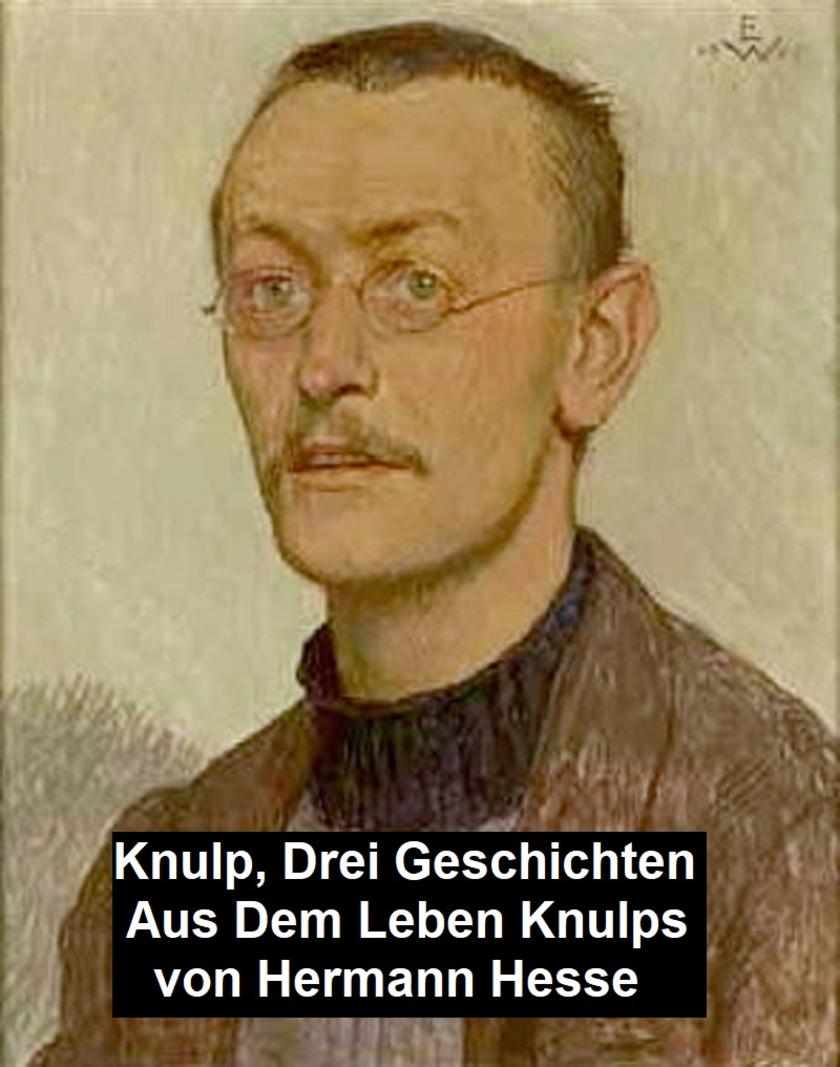
Knulp, Drei Geschichten aus dem Leben Knulps
¥8.09
Klassischer Roman im Original Deutsch, erstmals 1915 erschienen. Nach Wikipedia: "Knulp ist ein 1915 in Deutschland erschienener Roman von Hermann Hesse. Der Roman, der in Form von drei Erz?hlungen erscheint, dreht sich um den Charakter von Knulp , ein Aussteiger, der st?ndig wandert, auf Freunde angewiesen ist und sich weigert, sich an eine bestimmte Arbeit, einen Ort oder eine Person zu binden, gegen Ende des Romans geht ein desillusionierter und schwacher Knulp in den Wald, wo er ein Gespr?ch beginnt Englisch: www.mjfriendship.de/en/index.php?op...39&Itemid=32 In diesem Gespr?ch fragt Knulp Gott, warum er, Knulp, nichts Wichtiges im Leben getan hat und dass er ein erfolgreicher Arzt oder Künstler gewesen sein k?nnte, er h?tte heiraten und sich friedlich niederlassen k?nnen. Knulp fragt Gott und fragt ihn nach dem Sinn seines Daseins. W?hrend des Gespr?chs beginnt Knulp, Gottes Antwort zu h?ren: Gott sagt, dass er Knulp nicht zu diesen Dingen gemacht hat, sondern dass er wollte, dass er Freude in das Leben der Menschen bringt und macht sie fühlen sich "hom Es ist ein Mangel an Freiheit. "Nach dieser Antwort von Gott erf?hrt Knulp ein Gefühl des Friedens. Der Roman endet damit, dass Knulp seine letzte Passage aus dieser Welt mit einem Sinn für Zweck akzeptiert. "" Hermann Hesse (2. Juli 1877 - 9. August 1962) war ein in Deutschland geborener Schweizer Dichter, Romancier und Maler. Im Jahr 1946 erhielt er den Nobelpreis für Literatur. Zu seinen bekanntesten Werken z?hlen Steppenwolf, Siddhartha und The Glass Bead Game (auch bekannt als Magister Ludi), die alle die Suche nach Authentizit?t, Selbsterkenntnis und Spiritualit?t untersuchen. "
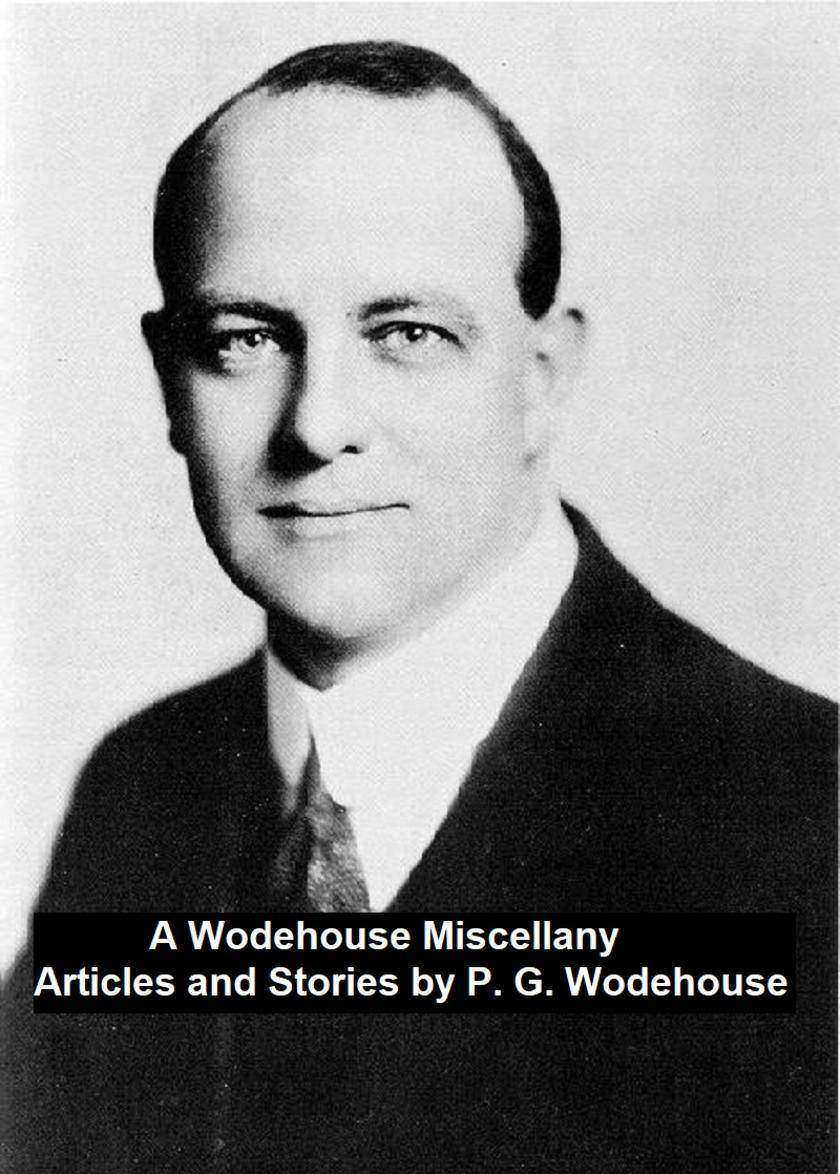
A Wodehouse Miscellany Articles and Stories
¥8.09
This collection of articles, poems, and stories includes: Some Aspects of Game-Captaincy, An Unfinished Collection, The New Advertising, the Secret Pleasures of Reginald, My Battle with Drink, In Defense of Astigmatism, Photographers and Me, A Plea for Indoor Golf, The Alarming Spread of Poetry, My Life as a Dramatic Critic, The Agonies of Writing a Musical Comedy, On the Writing of Lyrics, The Past Theatrical Season, Damon and Pythias, The Hounted Tram, When Papa Swore in Hindustani; Tom, Dick, and Harry; Jeeves Takes Charge, and Disentangling Old Duggie. According to Wikipedia: "Sir Pelham Grenville Wodehouse (15 October 1881 – 14 February 1975) was an English writer whose body of work includes novels, collections of short stories, and musical theatre. Wodehouse enjoyed enormous popular success during a career of more than seventy years and his prolific writings continue to be widely read. Despite the political and social upheavals that occurred during his life, much of which was spent in France and the United States, Wodehouse's main canvas remained that of pre-war English upper-class society, reflecting his birth, education, and youthful writing career. An acknowledged master of English prose, Wodehouse has been admired both by contemporaries such as Hilaire Belloc, Evelyn Waugh and Rudyard Kipling and by modern writers such as Stephen Fry, Douglas Adams, Salman Rushdie, Zadie Smith and Terry Pratchett. Journalist and writer Christopher Hitchens commented, "there is not, and never will be, anything to touch him." Best known today for the Jeeves and Blandings Castle novels and short stories, Wodehouse was also a playwright and lyricist who was part author and writer of 15 plays and of 250 lyrics for some 30 musical comedies, many of them produced in collaboration with Jerome Kern and Guy Bolton. He worked with Cole Porter on the musical Anything Goes (1934), wrote the lyrics for the hit song "Bill" in Kern's Show Boat (1927), wrote lyrics to Sigmund Romberg's music for the Gershwin – Romberg musical Rosalie (1928), and collaborated with Rudolf Friml on a musical version of The Three Musketeers (1928)."
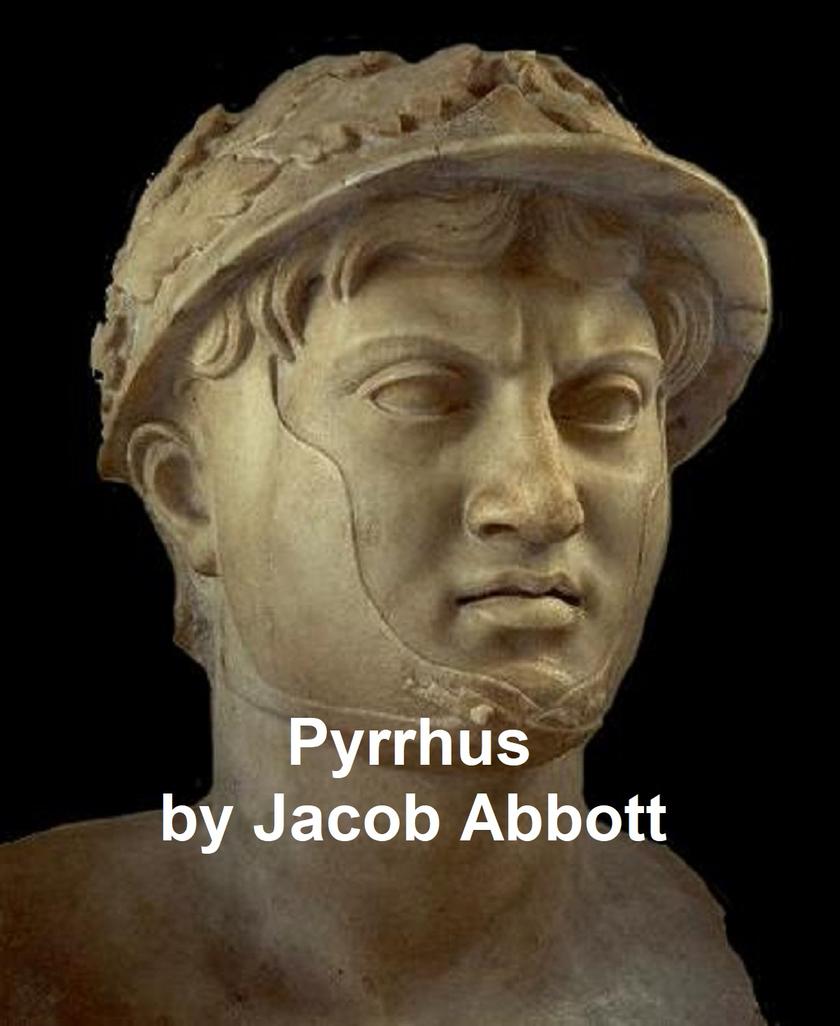
Pyrrhus
¥8.09
According to Wikipedia: "Pyrrhus or Pyrrhos (319/318 BC—272 BC) was a Greek general and statesman of the Hellenistic era. He was king of the Greek tribe of Molossians, of the royal Aeacid house (from ca. 297 BC), and later he became King of Epirus (306-302, 297-272 BC) and Macedon (288-284, 273-272 BC). He was one of the strongest opponents of early Rome. Some of his battles, though successful, cost him heavy losses, from which the term "Pyrrhic victory" was coined. He is the subject of one of Plutarch's Parallel Lives."
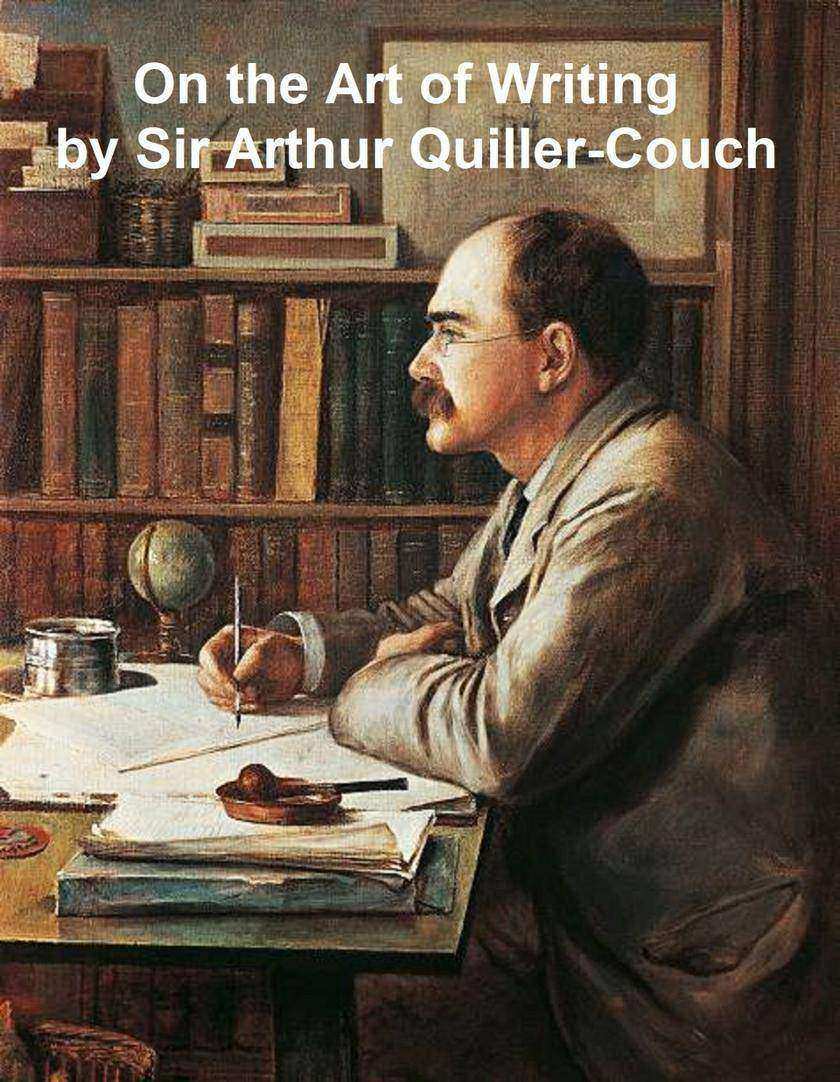
On the Art of Writing
¥8.09
Series of lectures delivered at the University of Cambridge in 1913. According to Wikipedia: "Sir Arthur Thomas Quiller-Couch (21 November 1863 – 12 May 1944) was a British writer, who published under the pen name of Q. He is primarily remembered for the monumental Oxford Book Of English Verse 1250–1900 (later extended to 1918), and for his literary criticism. He guided the taste of many who never met him, including American writer Helene Hanff, author of 84 Charing Cross Road, its sequel, Q's Legacy; and the putatively fictional Horace Rumpole via John Mortimer, his literary amanuensis."
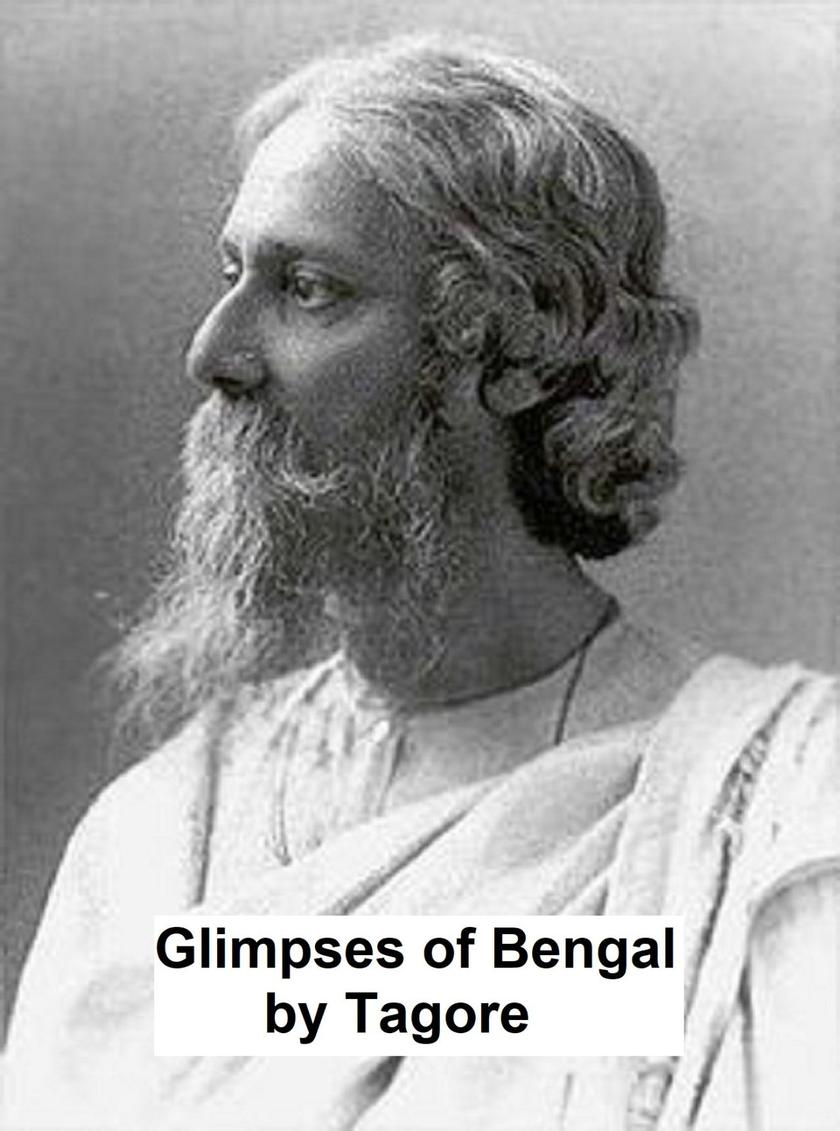
Glimpses of Bengal
¥8.09
According to Wikipedia: "Rabindranath Tagore (7 May 1861 – 7 August 1941), sobriquet Gurudev, was a Bengali poet, novelist, musician, painter and playwright who reshaped Bengali literature and music. As author of Gitanjali and its "profoundly sensitive, fresh and beautiful verse", he was the first non-European who was awarded the Nobel Prize for Literature in 1913. His poetry in translation was viewed as spiritual, and this together with his mesmerizing persona gave him a prophet-like aura in the west. His "elegant prose and magical poetry" still remain largely unknown outside the confines of Bengal."
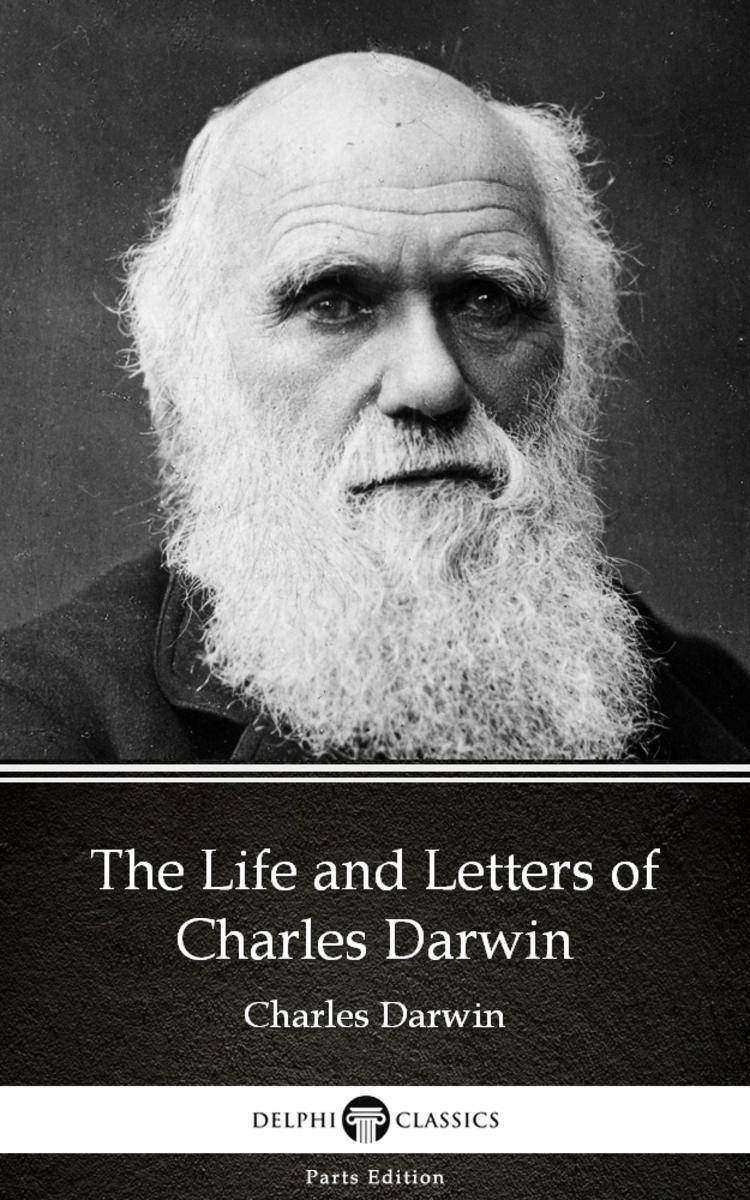
The Life and Letters of Charles Darwin by Charles Darwin - Delphi Classics (Illu
¥8.09
This eBook features the unabridged text of ‘The Life and Letters of Charles Darwin by Charles Darwin - Delphi Classics (Illustrated)’ from the bestselling edition of ‘The Complete Works of Charles Darwin’. Having established their name as the leading publisher of classic literature and art, Delphi Classics produce publications that are individually crafted with superior formatting, while introducing many rare texts for the first time in digital print. The Delphi Classics edition of Darwin includes original annotations and illustrations relating to the life and works of the author, as well as individual tables of contents, allowing you to navigate eBooks quickly and easily. eBook features: * The complete unabridged text of ‘The Life and Letters of Charles Darwin by Charles Darwin - Delphi Classics (Illustrated)’ * Beautifully illustrated with images related to Darwin’s works * Individual contents table, allowing easy navigation around the eBook * Excellent formatting of the text Please visit www.delphiclassics.com to learn more about our wide range of titles
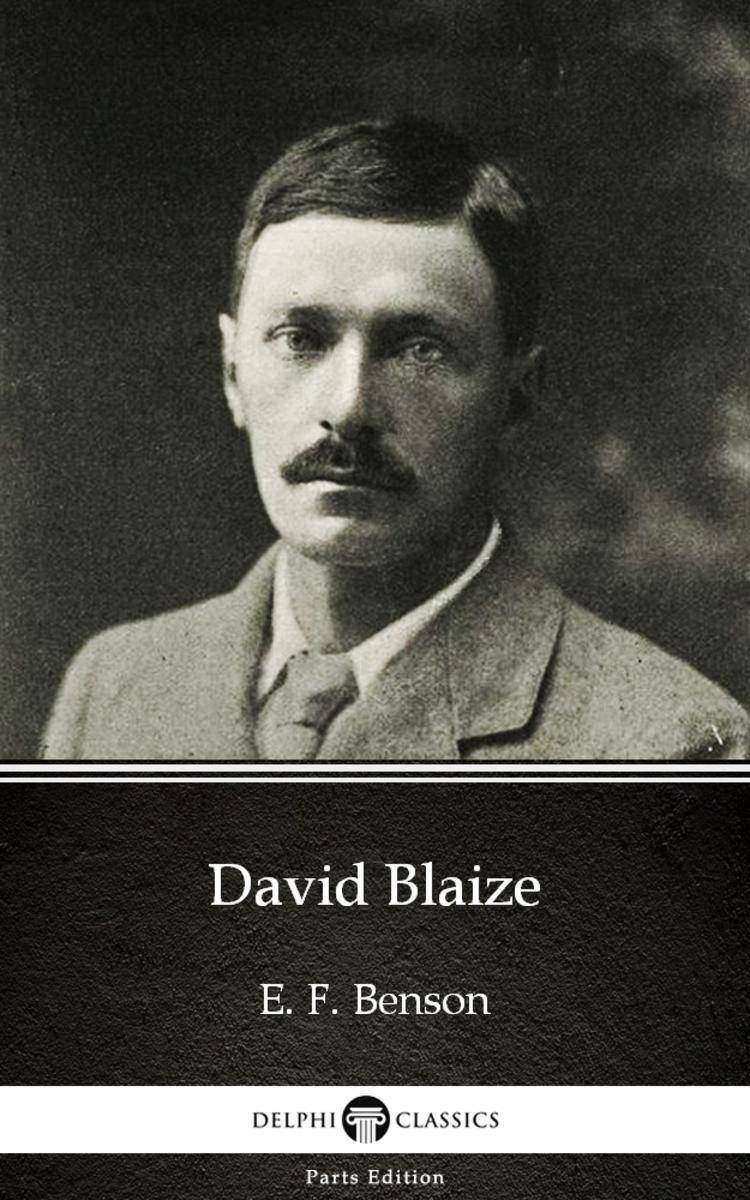
David Blaize by E. F. Benson - Delphi Classics (Illustrated)
¥8.09
This eBook features the unabridged text of ‘David Blaize by E. F. Benson - Delphi Classics (Illustrated)’ from the bestselling edition of ‘The Collected Works of E. F. Benson’. Having established their name as the leading publisher of classic literature and art, Delphi Classics produce publications that are individually crafted with superior formatting, while introducing many rare texts for the first time in digital print. The Delphi Classics edition of Benson includes original annotations and illustrations relating to the life and works of the author, as well as individual tables of contents, allowing you to navigate eBooks quickly and easily. eBook features: * The complete unabridged text of ‘David Blaize by E. F. Benson - Delphi Classics (Illustrated)’ * Beautifully illustrated with images related to Benson’s works * Individual contents table, allowing easy navigation around the eBook * Excellent formatting of the text Please visit www.delphiclassics.com to learn more about our wide range of titles
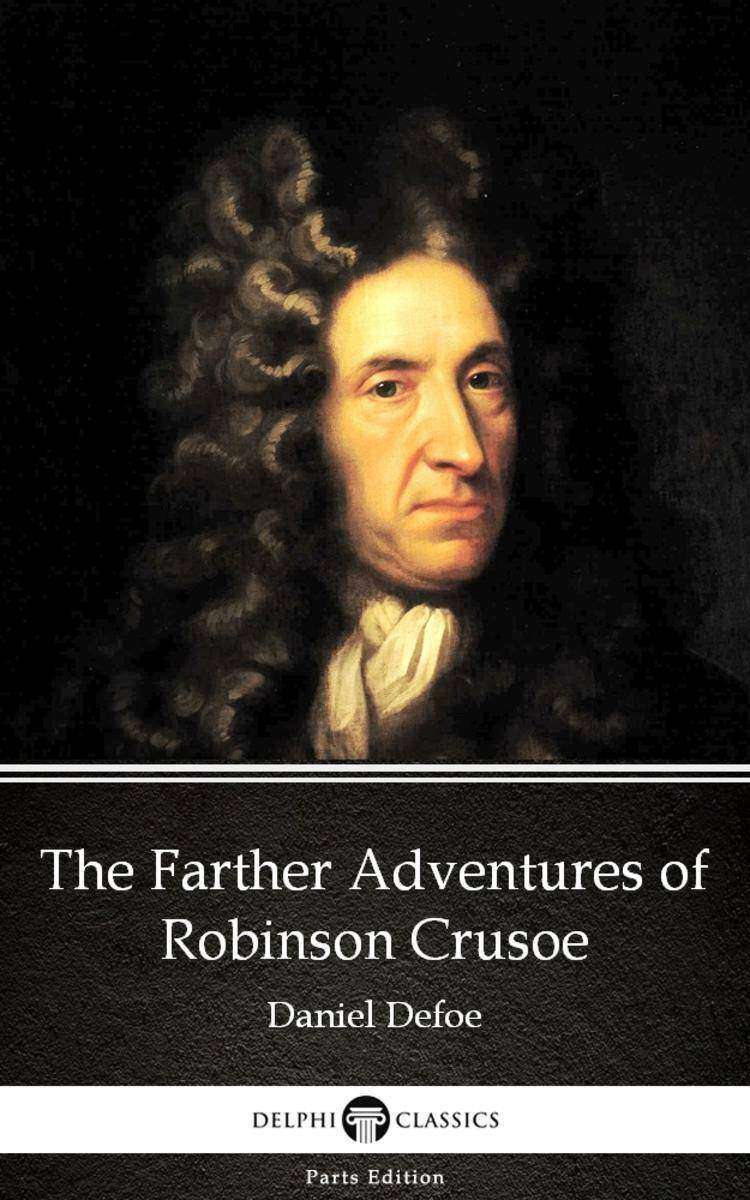
The Farther Adventures of Robinson Crusoe by Daniel Defoe - Delphi Classics (Ill
¥8.09
This eBook features the unabridged text of ‘The Farther Adventures of Robinson Crusoe by Daniel Defoe - Delphi Classics (Illustrated)’ from the bestselling edition of ‘The Complete Works of Daniel Defoe’. Having established their name as the leading publisher of classic literature and art, Delphi Classics produce publications that are individually crafted with superior formatting, while introducing many rare texts for the first time in digital print. The Delphi Classics edition of Defoe includes original annotations and illustrations relating to the life and works of the author, as well as individual tables of contents, allowing you to navigate eBooks quickly and easily. eBook features: * The complete unabridged text of ‘The Farther Adventures of Robinson Crusoe by Daniel Defoe - Delphi Classics (Illustrated)’ * Beautifully illustrated with images related to Defoe’s works * Individual contents table, allowing easy navigation around the eBook * Excellent formatting of the text Please visit www.delphiclassics.com to learn more about our wide range of titles

Colonel Jack by Daniel Defoe - Delphi Classics (Illustrated)
¥8.09
This eBook features the unabridged text of ‘Colonel Jack by Daniel Defoe - Delphi Classics (Illustrated)’ from the bestselling edition of ‘The Complete Works of Daniel Defoe’. Having established their name as the leading publisher of classic literature and art, Delphi Classics produce publications that are individually crafted with superior formatting, while introducing many rare texts for the first time in digital print. The Delphi Classics edition of Defoe includes original annotations and illustrations relating to the life and works of the author, as well as individual tables of contents, allowing you to navigate eBooks quickly and easily. eBook features: * The complete unabridged text of ‘Colonel Jack by Daniel Defoe - Delphi Classics (Illustrated)’ * Beautifully illustrated with images related to Defoe’s works * Individual contents table, allowing easy navigation around the eBook * Excellent formatting of the text Please visit www.delphiclassics.com to learn more about our wide range of titles

The Consolidator by Daniel Defoe - Delphi Classics (Illustrated)
¥8.09
This eBook features the unabridged text of ‘The Consolidator by Daniel Defoe - Delphi Classics (Illustrated)’ from the bestselling edition of ‘The Complete Works of Daniel Defoe’. Having established their name as the leading publisher of classic literature and art, Delphi Classics produce publications that are individually crafted with superior formatting, while introducing many rare texts for the first time in digital print. The Delphi Classics edition of Defoe includes original annotations and illustrations relating to the life and works of the author, as well as individual tables of contents, allowing you to navigate eBooks quickly and easily. eBook features: * The complete unabridged text of ‘The Consolidator by Daniel Defoe - Delphi Classics (Illustrated)’ * Beautifully illustrated with images related to Defoe’s works * Individual contents table, allowing easy navigation around the eBook * Excellent formatting of the text Please visit www.delphiclassics.com to learn more about our wide range of titles
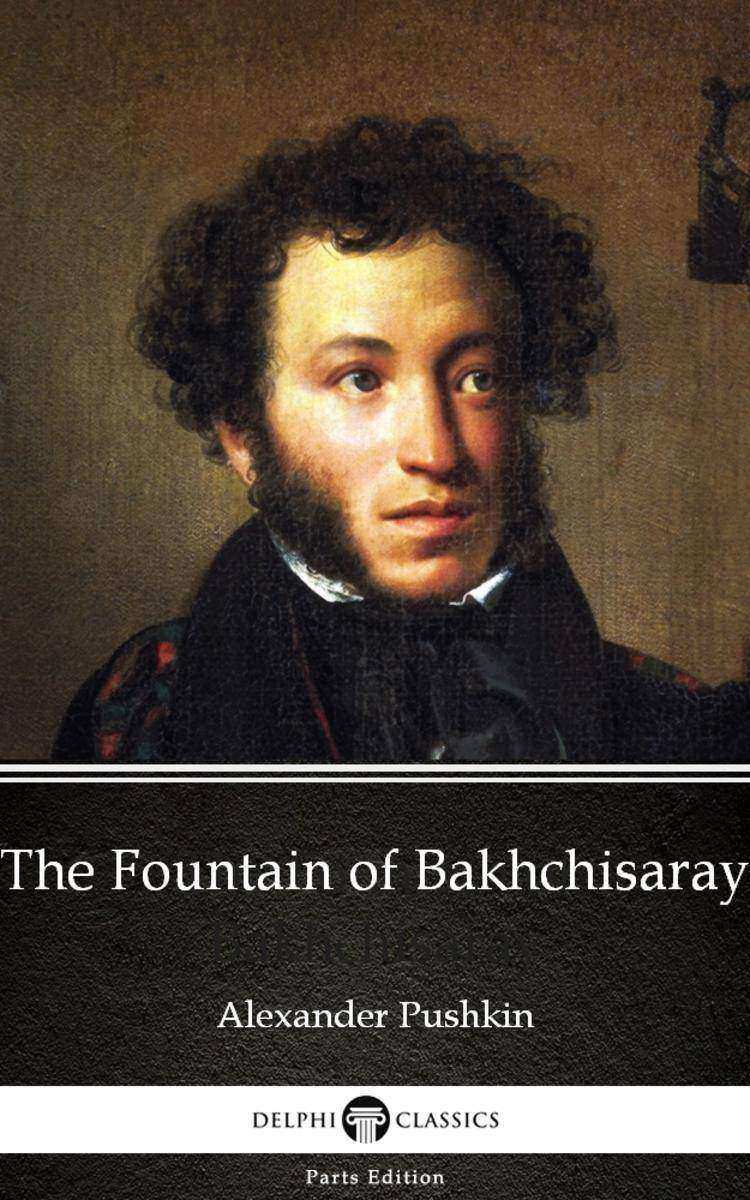
The Fountain of Bakhchisaray by Alexander Pushkin - Delphi Classics (Illustrated
¥8.09
This eBook features the unabridged text of ‘The Fountain of Bakhchisaray by Alexander Pushkin - Delphi Classics (Illustrated)’ from the bestselling edition of ‘The Collected Works of Alexander Pushkin’. Having established their name as the leading publisher of classic literature and art, Delphi Classics produce publications that are individually crafted with superior formatting, while introducing many rare texts for the first time in digital print. The Delphi Classics edition of Pushkin includes original annotations and illustrations relating to the life and works of the author, as well as individual tables of contents, allowing you to navigate eBooks quickly and easily. eBook features: * The complete unabridged text of ‘The Fountain of Bakhchisaray by Alexander Pushkin - Delphi Classics (Illustrated)’ * Beautifully illustrated with images related to Pushkin’s works * Individual contents table, allowing easy navigation around the eBook * Excellent formatting of the text Please visit www.delphiclassics.com to learn more about our wide range of titles
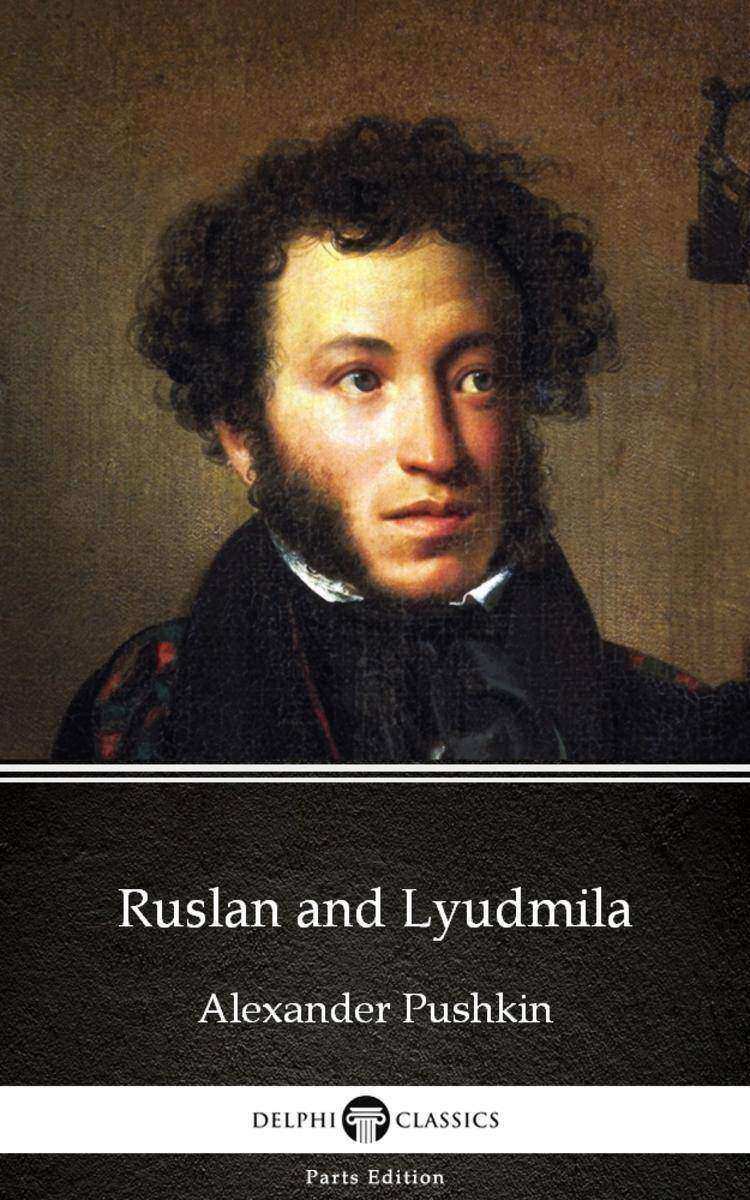
Ruslan and Lyudmila by Alexander Pushkin - Delphi Classics (Illustrated)
¥8.09
This eBook features the unabridged text of ‘Ruslan and Lyudmila by Alexander Pushkin - Delphi Classics (Illustrated)’ from the bestselling edition of ‘The Collected Works of Alexander Pushkin’. Having established their name as the leading publisher of classic literature and art, Delphi Classics produce publications that are individually crafted with superior formatting, while introducing many rare texts for the first time in digital print. The Delphi Classics edition of Pushkin includes original annotations and illustrations relating to the life and works of the author, as well as individual tables of contents, allowing you to navigate eBooks quickly and easily. eBook features: * The complete unabridged text of ‘Ruslan and Lyudmila by Alexander Pushkin - Delphi Classics (Illustrated)’ * Beautifully illustrated with images related to Pushkin’s works * Individual contents table, allowing easy navigation around the eBook * Excellent formatting of the text Please visit www.delphiclassics.com to learn more about our wide range of titles
Marie by Alexander Pushkin - Delphi Classics (Illustrated)
¥8.09
This eBook features the unabridged text of ‘Marie by Alexander Pushkin - Delphi Classics (Illustrated)’ from the bestselling edition of ‘The Collected Works of Alexander Pushkin’. Having established their name as the leading publisher of classic literature and art, Delphi Classics produce publications that are individually crafted with superior formatting, while introducing many rare texts for the first time in digital print. The Delphi Classics edition of Pushkin includes original annotations and illustrations relating to the life and works of the author, as well as individual tables of contents, allowing you to navigate eBooks quickly and easily. eBook features: * The complete unabridged text of ‘Marie by Alexander Pushkin - Delphi Classics (Illustrated)’ * Beautifully illustrated with images related to Pushkin’s works * Individual contents table, allowing easy navigation around the eBook * Excellent formatting of the text Please visit www.delphiclassics.com to learn more about our wide range of titles
The Captain’s Daughter by Alexander Pushkin - Delphi Classics (Illustrated)
¥8.09
This eBook features the unabridged text of ‘The Captain’s Daughter by Alexander Pushkin - Delphi Classics (Illustrated)’ from the bestselling edition of ‘The Collected Works of Alexander Pushkin’. Having established their name as the leading publisher of classic literature and art, Delphi Classics produce publications that are individually crafted with superior formatting, while introducing many rare texts for the first time in digital print. The Delphi Classics edition of Pushkin includes original annotations and illustrations relating to the life and works of the author, as well as individual tables of contents, allowing you to navigate eBooks quickly and easily. eBook features: * The complete unabridged text of ‘The Captain’s Daughter by Alexander Pushkin - Delphi Classics (Illustrated)’ * Beautifully illustrated with images related to Pushkin’s works * Individual contents table, allowing easy navigation around the eBook * Excellent formatting of the text Please visit www.delphiclassics.com to learn more about our wide range of titles
Boris Godunov by Alexander Pushkin - Delphi Classics (Illustrated)
¥8.09
This eBook features the unabridged text of ‘Boris Godunov by Alexander Pushkin - Delphi Classics (Illustrated)’ from the bestselling edition of ‘The Collected Works of Alexander Pushkin’. Having established their name as the leading publisher of classic literature and art, Delphi Classics produce publications that are individually crafted with superior formatting, while introducing many rare texts for the first time in digital print. The Delphi Classics edition of Pushkin includes original annotations and illustrations relating to the life and works of the author, as well as individual tables of contents, allowing you to navigate eBooks quickly and easily. eBook features: * The complete unabridged text of ‘Boris Godunov by Alexander Pushkin - Delphi Classics (Illustrated)’ * Beautifully illustrated with images related to Pushkin’s works * Individual contents table, allowing easy navigation around the eBook * Excellent formatting of the text Please visit www.delphiclassics.com to learn more about our wide range of titles
Life's Handicap: Being Stories of Mine Own People
¥8.09
Dodo Collections brings you another classic from Rudyard Kipling, ‘Life's Handicap: Being Stories of Mine Own People'. ? Subtitled 'Being Stories of Mine Own People', Kipling wrote that these tales are 'from all places and all sorts of people'. ? Kipling's works of fiction include The Jungle Book (1894), Kim (1901), and many short stories, including "The Man Who Would Be King" (1888). His poems include "Mandalay" (1890), "Gunga Din" (1890), "The Gods of the Copybook Headings" (1919), "The White Man's Burden" (1899), and "If—" (1910). He is regarded as a major innovator in the art of the short story; his children's books are classics of children's literature; and one critic described his work as exhibiting "a versatile and luminous narrative gift". ? Kipling was one of the most popular writers in England, in both prose and verse, in the late 19th and early 20th centuries. Henry James said: "Kipling strikes me personally as the most complete man of genius (as distinct from fine intelligence) that I have ever known." In 1907, he was awarded the Nobel Prize in Literature, making him the first English-language writer to receive the prize, and its youngest recipient to date Among other honours, he was sounded out for the British Poet Laureateship and on several occasions for a knighthood, all of which he declined.


