


 购物车
购物车 个人中心
个人中心
Posterior Analytics
¥40.79
All instruction given or received by way of argument proceeds from pre-existent knowledge. This becomes evident upon a survey of all the species of such instruction. The mathematical sciences and all other speculative disciplines are acquired in this way, and so are the two forms of dialectical reasoning, syllogistic and inductive; for each of these latter make use of old knowledge to impart new, the syllogism assuming an audience that accepts its premisses, induction exhibiting the universal as implicit in the clearly known particular. Again, the persuasion exerted by rhetorical arguments is in principle the same, since they use either example, a kind of induction, or enthymeme, a form of syllogism.
On Prophesying by Dreams
¥40.79
As to the divination which takes place in sleep, and is said to be based on dreams, we cannot lightly either dismiss it with contempt or give it implicit confidence. The fact that all persons, or many, suppose dreams to possess a special significance, tends to inspire us with belief in it, as founded on the testimony of experience; and indeed that divination in dreams should, as regards some subjects, be genuine, is not incredible, for it has a show of reason; from which one might form a like opinion also respecting all other dreams.
On Sense and the Sensible
¥40.79
Having now definitely considered the soul, by itself, and its several faculties, we must next make a survey of animals and all living things, in order to ascertain what functions are peculiar, and what functions are common, to them. What has been already determined respecting the soul must be assumed throughout. The remaining parts of our subject must be now dealt with, and we may begin with those that come first.
On Sophistical Refutations
¥40.79
Let us now discuss sophistic refutations, i.e. what appear to be refutations but are really fallacies instead. Some reasonings are genuine, while others seem to be so but are not, is evident. This happens with arguments, as also elsewhere, through a certain likeness between the genuine and the sham.
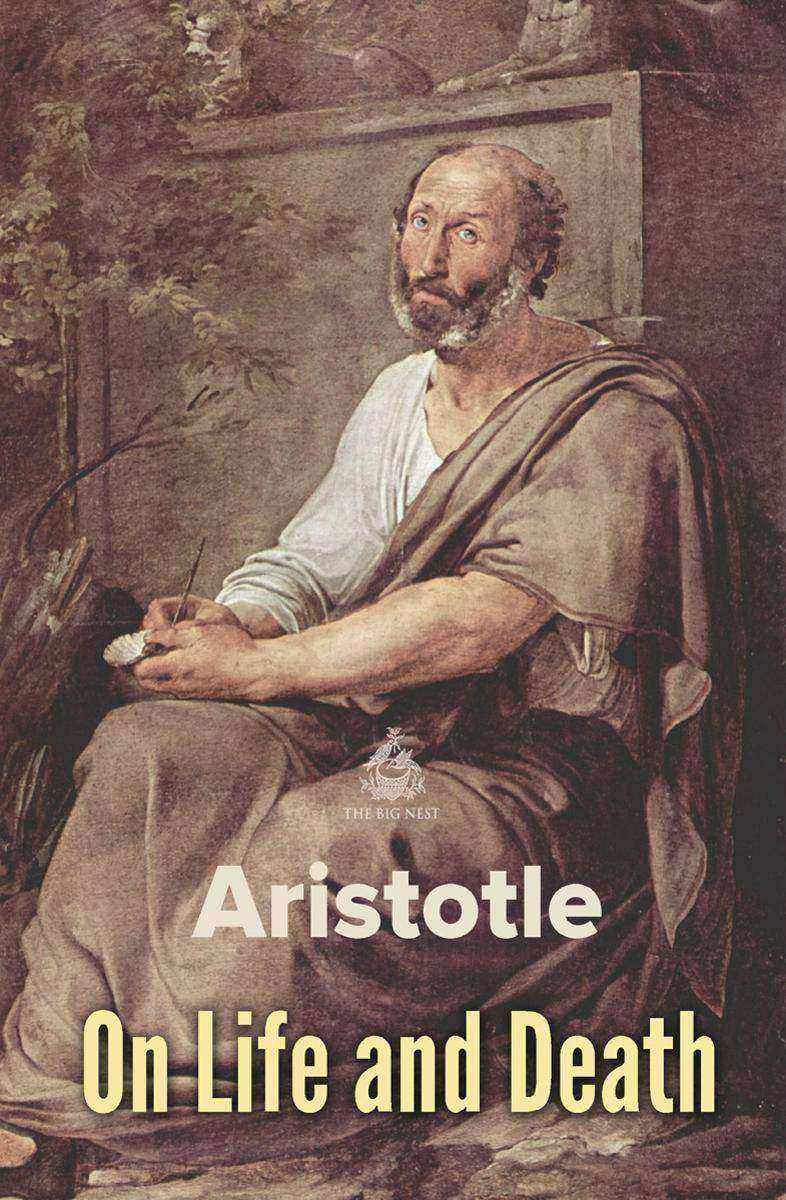
On Life and Death
¥40.79
We must now treat of youth and old age and life and death. We must probably also at the same time state the causes of respiration as well, since in some cases living and the reverse depend on this.
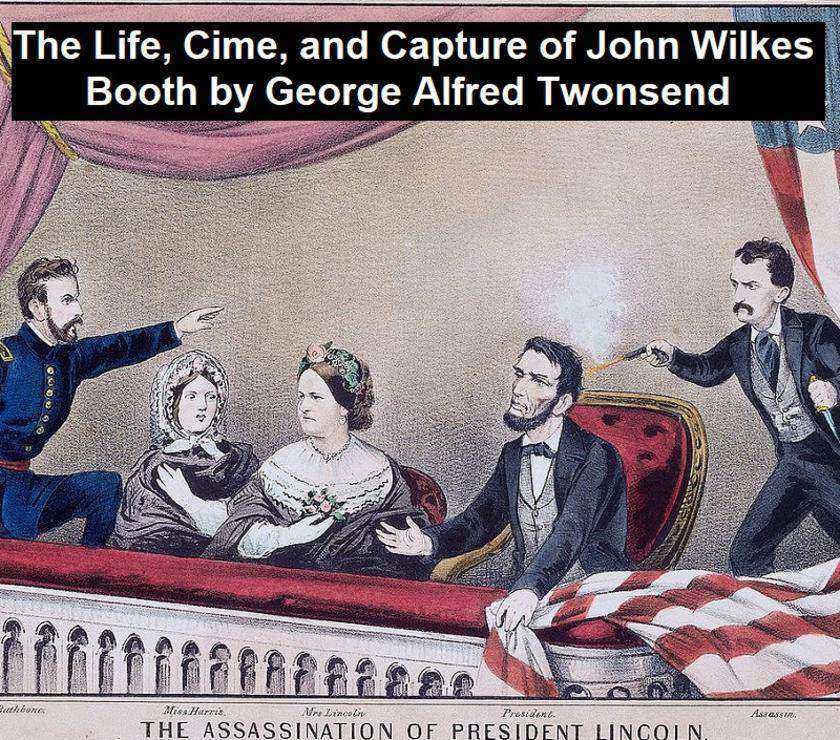
The Life, Crimes, and Capture of John Wilkes Booth
¥8.09
Account of the assassination of Abraham Lincoln, first published in 1865. According to Wikipedia: "George Alfred Townsend (January 30, 1841 – April 15, 1914), was a noted war correspondent during the American Civil War, and a later novelist. Townsend wrote under the pen name "Gath", which was derived by adding an "H" to his initials, and inspired by the biblical passage II Samuel 1:20, "Tell it not in Gath, publish it not in the streets of Askalon"... He is considered to have been the youngest correspondent of the war. In 1865, Townsend was Washington correspondent for the New York World, covering the assassination of Abraham Lincoln and its aftermath. His daily reports filed between April 17 – May 17 were published later in 1865 as a book, The Life, Crime, and Capture of John Wilkes Booth."
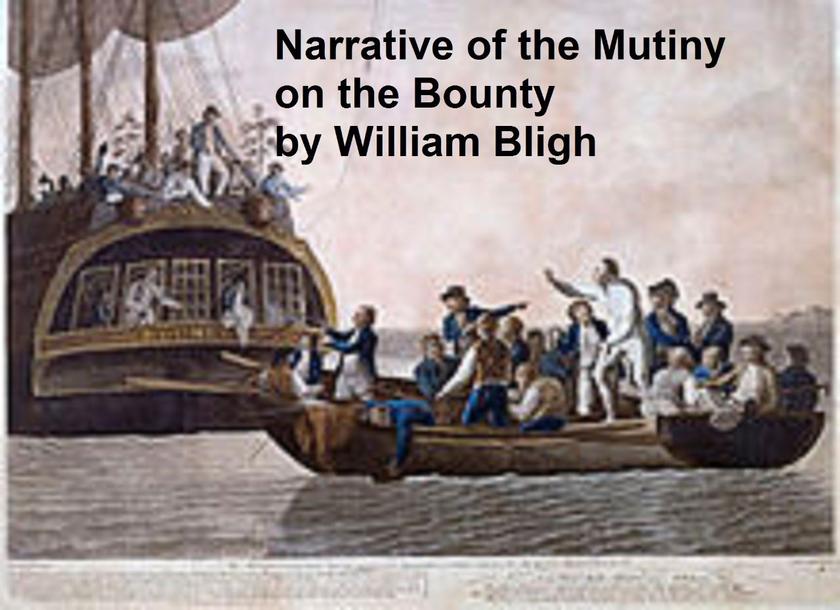
Narrative of the Mutiny on the Bounty
¥8.09
According to Wikipedia: "Vice Admiral William Bligh, (9 September 1754 – 7 December 1817) was an officer of the British Royal Navy and a colonial administrator. A historic mutiny occurred during his command of HMS Bounty in 1789; Bligh and his loyal men made a remarkable voyage to Timor, after being set adrift in the Bounty's launch by the mutineers. Fifteen years after the Bounty mutiny, he was appointed Governor of New South Wales in Australia, with orders to clean up the corrupt rum trade of the New South Wales Corps, resulting in the so-called Rum Rebellion."
Afghanistan
¥8.09
First published in the 19th century. Written by a brigadier general from the U.S. The book begins: "In universal history there is no more interesting subject for the consideration of the political student than the record of Russian progress through Central Asia. In one sense this advance is a practical reestablishment or extension of the influence of the Aryan race in countries long dominated by peoples of Turki or Mongolian origin; in another sense it has resulted in a transition from the barbarism or rude forms of Asiatic life to the enlightenment and higher moral development of a European age. In a religious sense it embodies a crusade against Oriental fanaticism; and it is a curious feature of the Anglo-Russian dispute, that upon a question of temporal gain, the greatest Christian nation finds itself allied with the followers of Buddha and Mahomet against Russia under the Banner of the Cross."
British Political Leaders
¥8.09
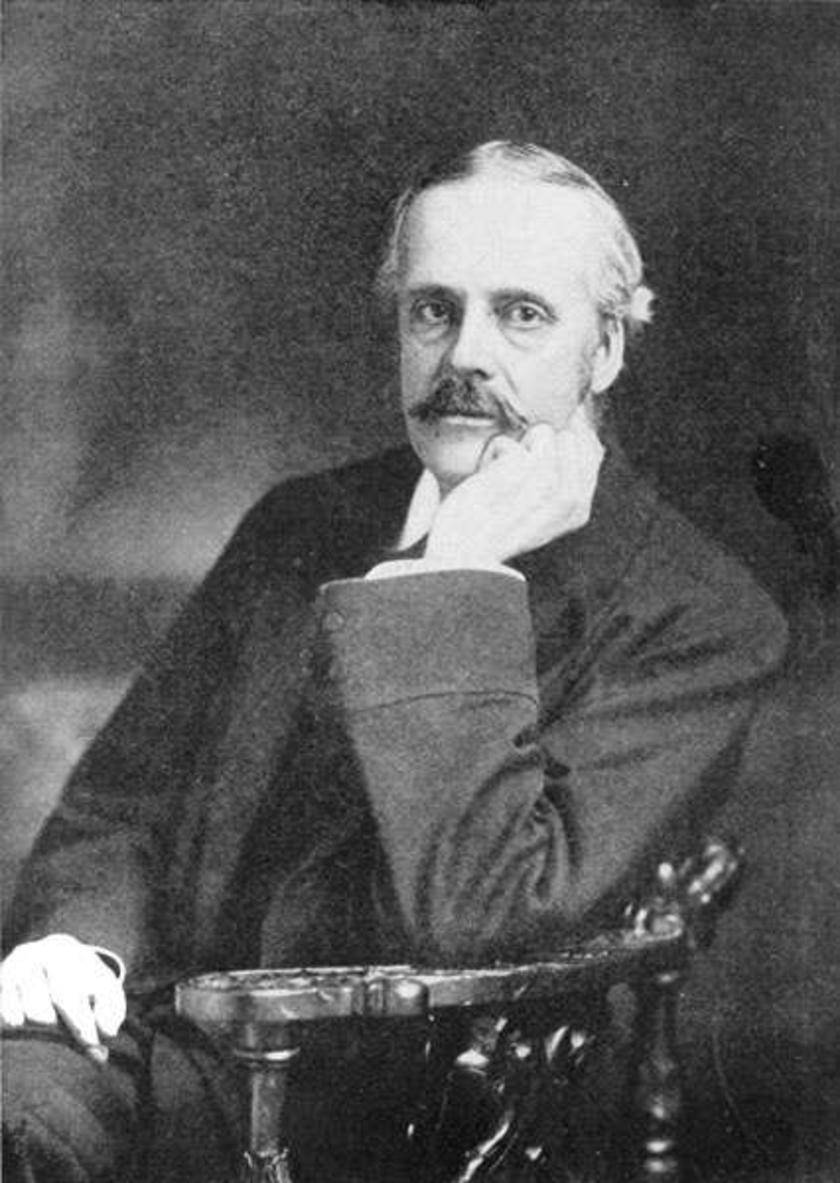
First published in 1903. Biographies of Balfour, Lord Salisbury, Lord Rosebery, Chamberlain, Labourchere, Morley, Burns, Hicks-Beach, Redmond,Harcourt, Bryce, Campbell-Bannerman, and the Earl of Aberdeen.
History of the Zulu War
¥8.09
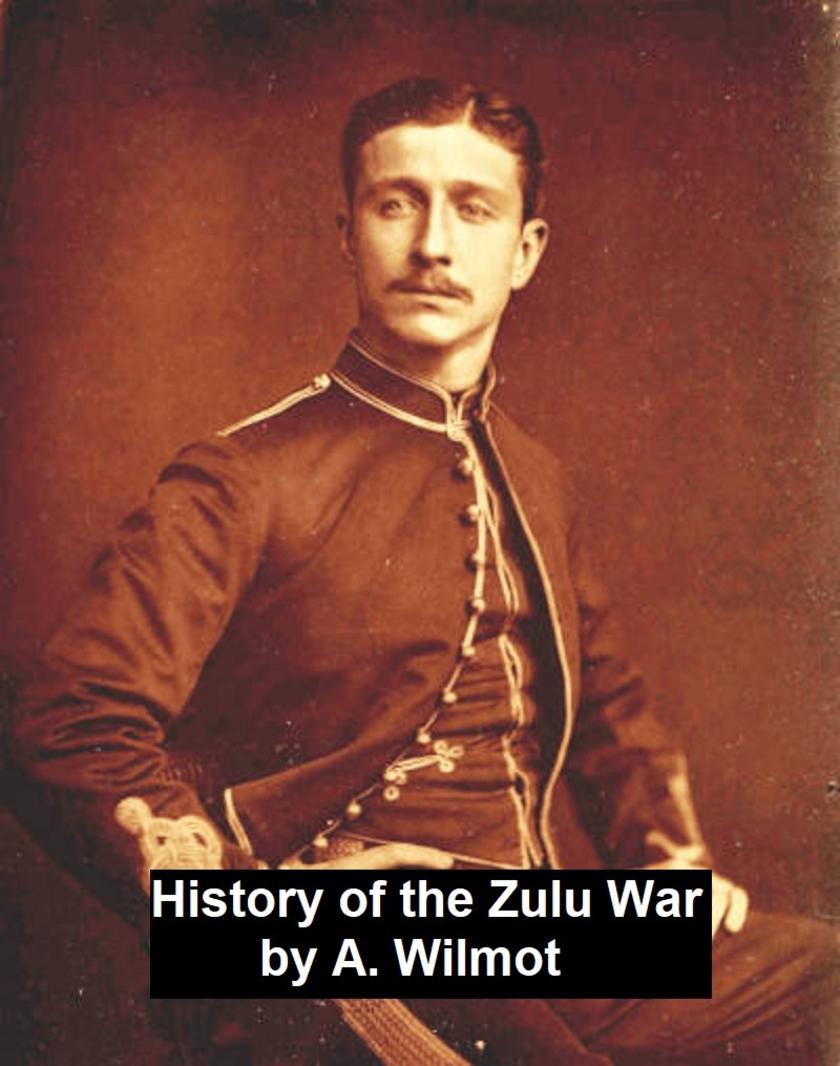
First published in 1880. According to Wikipedia: "The Anglo-Zulu War was fought in 1879 between the British Empire and the Zulu Kingdom. Following Lord Carnarvon's successful introduction of federation in Canada, it was thought that similar political effort, coupled with military campaigns, might succeed with the African kingdoms, tribal areas and Boer republics in South Africa. In 1874, Sir Henry Bartle Frere was sent to South Africa as High Commissioner for the British Empire to bring such plans into being. Among the obstacles were the presence of the independent states of the South African Republic and the Kingdom of Zululand and its army.[6] Frere, on his own initiative, without the approval of the British government[7][8] and with the intent of instigating a war with the Zulu, had presented an ultimatum on 11 December 1878, to the Zulu king Cetshwayo with which the Zulu king could not comply.[9] Cetshwayo did not comply and Bartle Frere sent Lord Chelmsford to invade Zululand.[10] The war is notable for several particularly bloody battles, including a stunning opening victory by the Zulu at Isandlwana, as well as for being a landmark in the timeline of imperialism in the region. The war eventually resulted in a British victory and the end of the Zulu nation's independence."
Afghanistan - A Country Study
¥8.09
Based on research completed in 1997. Originally published by the Federal Research Division of the Library of Congress as part of the Country Studies/Area Handbook Series sponsored by the U.S. Department of the Army between 1986 and 1998. Each study offers a comprehensive description and analysis of the country or region's historical setting, geography, society, economy, political system, and foreign policy.

Predicting the Soviet Invasion of Afghanistan
¥8.09
Originally published by the CIA, as an unclassified public document. Douglas MacEachin served as CIA's Deputy Director for Intelligence from 1993 to 1995 during his thirty-two year career at CIA. Mr. MacEachin was an officer-in-residence at Harvard University's John F. Kennedy School of Government, from 1995 to 1997, subsequently becoming a senior at the Kennedy School.
The Witch Mania
¥8.09
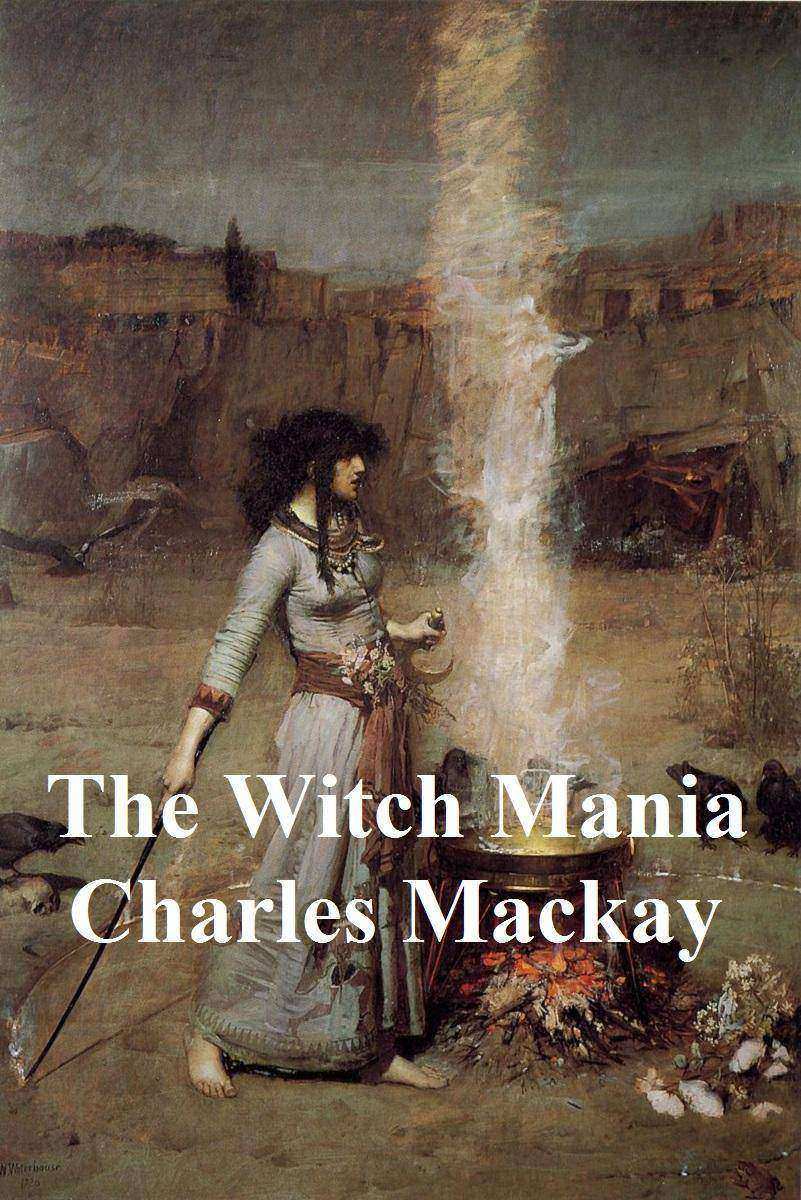
Excerpt from Memoirs of Extraordinary Popular Delusions. The essay begins: "The belief that disembodied spirits may be permitted to revisit this world, has its foundation upon that sublime hope of immortality, which is at once the chief solace and greatest triumph of our reason. Even if revelation did not teach us, we feel that we have that within us which shall never die; and all our experience of this life but makes us cling the more fondly to that one repaying hope. But in the early days of "little knowledge," this grand belief became the source of a whole train of superstitions, which, in their turn, became the fount from whence flowed a deluge of blood and horror. Europe, for a period of two centuries and a half, brooded upon the idea, not only that parted spirits walked the earth to meddle in the affairs of men, but that men had power to summon evil spirits to their aid to work woe upon their fellows. An epidemic terror seized upon the nations; no man thought himself secure, either in his person or possessions, from the machinations of the devil and his agents. Every calamity that befell him, he attributed to a witch."
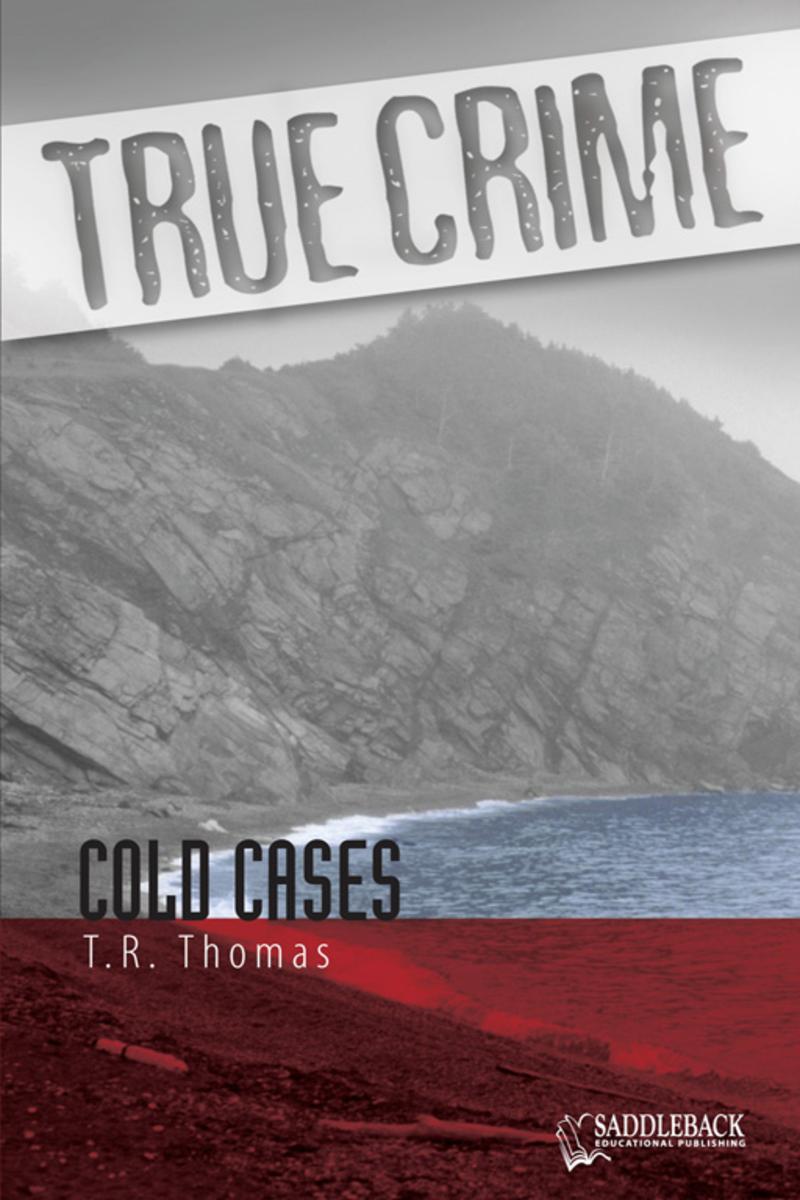
Cold Cases
¥97.69
Bursting with facts, these books will truly enthrall struggling readers. Nonfiction titles cover high-interest topics both creepy and utterly terrifying. Each title is thoroughly researched and includes an introduction, five chapters, an epilogue, glossary, and index. On-the-scene photography captures students' imagination and spurs further reading. These are books that struggling readers will not put down! This title explores highly publicized cold cases when will justice be served? The five chapters describe the lives of Chandra Levy, JonBenet Ramsey, Natalee Holloway, Jam Master Jay, and engaged couple Lindsay Cutshall and Jason Allen.
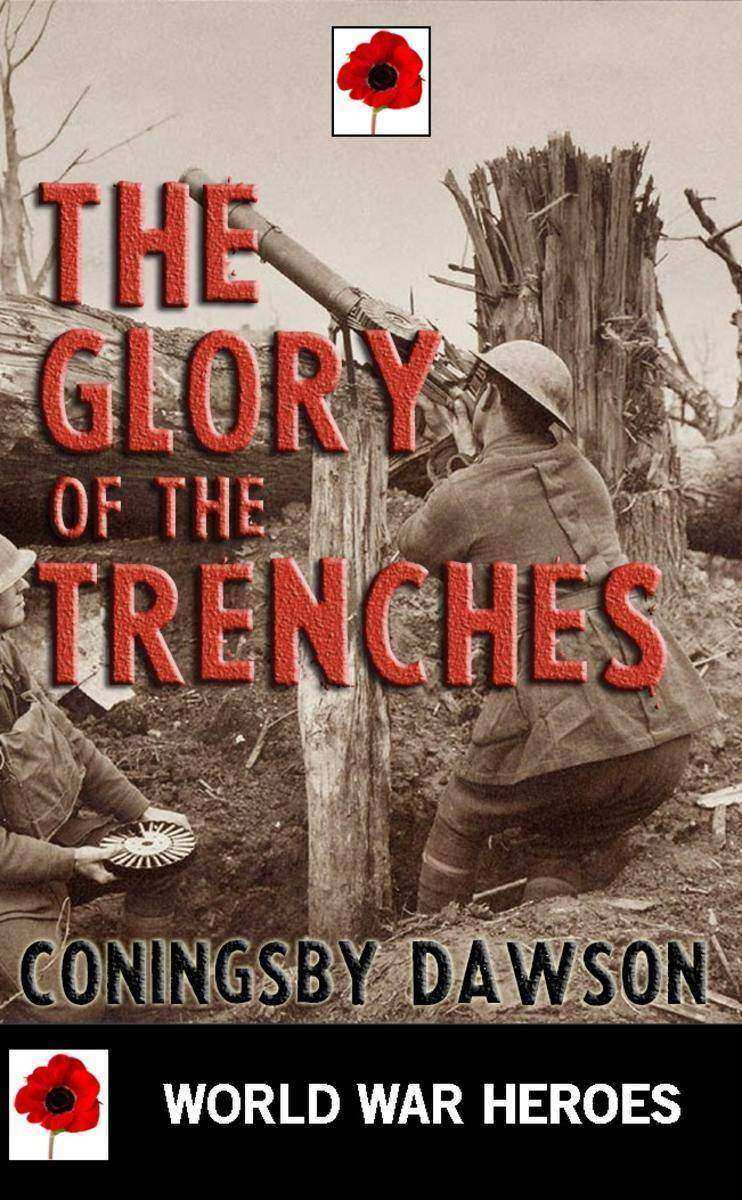
The Glory of the Trenches
¥8.09
In 1914, Coningsby Dawson went to Ottawa, saw Sir Sam Hughes, and was offered a commission in the Canadian Field Artillery on the completion of his training at the Royal Military College of Canada, at Kingston, Ontario. "His long training at Kingston had been very severe. It included besides the various classes which he attended a great deal of hard exercise, long rides or foot marches over frozen roads before breakfast, and so forth."
Selenium Testing Tools Cookbook - Second Edition
¥80.65
Over 90 recipes to help you build and run automated tests for your web applications with Selenium WebDriverAbout This BookLearn to leverage the power of Selenium WebDriver with simple examples that illustrate real-world problems and their workaroundsExplains the testing of mobile applications with Appium for mobile platforms such as iOS and AndroidA pragmatic manual with engaging recipes and attractive screenshots to test your web applications efficiently Who This Book Is For This book is intended for software quality assurance/testing professionals, software project managers, or software developers with prior experience in using Selenium and Java to test web-based applications. This books also provides examples for C#, Python and Ruby users.What You Will LearnUnderstand how the locators work and use various locator methods to build reliable testsBuild reliable and maintainable tests with the Selenium WebDriver APIUse the PageFactory pattern to build a robust and easy to maintain test frameworkBuild data-driven tests and extend Selenium API to implement custom steps and checksIntegrate and use ATDD/BDD tools such as Cucumber, SpecFlow, Capybara, and Behave with the Selenium WebDriver APISet up iPhone/iPad and Android simulators and devices to test your mobile web application with AppiumSet up Selenium Grid for faster and parallel running of tests, increasing test coverage and reducing test execution time for cross-browser testingBuild extended Selenium WebDriver tests for additional coverage In Detail This book is an incremental guide that will help you learn and use the advanced features of the Selenium toolset including the WebDriver API in various situations to build a reliable test automation. You start off by setting up the test development environment and gain tips on the advanced locater strategy and the effective use of the Selenium WebDriver API. After that, the use of design patterns such as data - driven tests and PageFactory are demonstrated. You will then be familiarised with extending Selenium WebDriver API by implementing custom tasks and setting up your own distributed environment to run tests in parallel for cross-browser testing. Finally, we give you some tips on integrating Selenium WebDriver with other popular tools and testing mobile applications. By the end of this book, you will have learned enough to solve complex testing issues on your own.Style and approach This recipe-based guide covers real-life scenarios of testing your web apps with Selenium. Each recipe begins with a short introduction and key concepts along with illustrated examples of use cases, and ends with detailed but informative de*ions of the inner workings of the example.

Scala Data Analysis Cookbook
¥80.65
Navigate the world of data analysis, visualization, and machine learning with over 100 hands-on Scala recipesAbout This BookImplement Scala in your data analysis using features from Spark, Breeze, and ZeppelinScale up your data anlytics infrastructure with practical recipes for Scala machine learningRecipes for every stage of the data analysis process, from reading and collecting data to distributed analytics Who This Book Is For This book shows data scientists and analysts how to leverage their existing knowledge of Scala for quality and scalable data analysis.What You Will LearnFamiliarize and set up the Breeze and Spark libraries and use data structuresImport data from a host of possible sources and create dataframes from CSVClean, validate and transform data using Scala to pre-process numerical and string dataIntegrate quintessential machine learning algorithms using Scala stackBundle and scale up Spark jobs by deploying them into a variety of cluster managersRun streaming and graph analytics in Spark to visualize data, enabling exploratory analysis In Detail This book will introduce you to the most popular Scala tools, libraries, and frameworks through practical recipes around loading, manipulating, and preparing your data. It will also help you explore and make sense of your data using stunning and insightfulvisualizations, and machine learning toolkits. Starting with introductory recipes on utilizing the Breeze and Spark libraries, get to grips withhow to import data from a host of possible sources and how to pre-process numerical, string, and date data. Next, you’ll get an understanding of concepts that will help you visualize data using the Apache Zeppelin and Bokeh bindings in Scala, enabling exploratory data analysis. iscover how to program quintessential machine learning algorithms using Spark ML library. Work through steps to scale your machine learning models and deploy them into a standalone cluster, EC2, YARN, and Mesos. Finally dip into the powerful options presented by Spark Streaming, and machine learning for streaming data, as well as utilizing Spark GraphX.Style and approach This book contains a rich set of recipes that covers the full spectrum of interesting data analysis tasks and will help you revolutionize your data analysis skills using Scala and Spark.
Billy Lynn's Long Halftime Walk
¥94.10
A finalist for the National Book Award! A ferocious firefight with Iraqi insurgents at the battle of Al-Ansakar Canal three minutes and forty-three seconds of intense warfare caught on tape by an embedded Fox News crew has transformed the eight surviving men of Bravo Squad into America most sought-after heroes. For the past two weeks, the Bush administration has sent them on a media-intensive nationwide Victory Tour to reinvigorate public support for the war. Now, on this chilly and rainy Thanksgiving, the Bravos are guests of America Team, the Dallas Cowboys, slated to be part of the halftime show alongside the superstar pop group Destiny's Child. Among the Bravos is the Silver Star winning hero of Al-Ansakar Canal, Specialist William Lynn, a nineteen-year-old Texas native. Amid clamoring patriots sporting flag pins on their lapels and Support Our Troops bumper stickers on their cars, the Bravos are thrust into the company of the Cowboys' hard-nosed businessman/owner and his coterie of wealthy colleagues; a luscious born-again Cowboys cheerleader; a veteran Hollywood producer; and supersized pro players eager for a vicarious taste of war. Among these faces Billy sees those of his family his worried sisters and broken father and Shroom, the philosophical sergeant who opened Billy mind and died in his arms at Al-Ansakar. Over the course of this day, Billy will begin to understand difficult truths about himself, his country, his struggling family, and his brothers-in-arms soldiers both dead and alive. In the final few hours before returning to Iraq, Billy will drink and brawl, yearn for home and mourn those missing, face a heart-wrenching decision, and discover pure love and a bitter wisdom far beyond his years. Poignant, riotously funny, and exquisitely heartbreaking, Billy Lynn Long Halftime Walk is a devastating portrait of our time, a searing and powerful novel that cements Ben Fountain reputation as one of the finest writers of his generation.

Earth is our Business
¥24.44
Earth is our Business takes forward the argument of Polly Higgins’ first book, Eradicating Ecocide. This book proposes new Earth law, but it is also about something more than law: it advocates a new form of leadership which places the health and well-being of people and planet first. Polly Higgins shows how law can provide the tools and be a bridge to a new way of doing business. She argues, in fact, that Earth is the business of us all, not the exclusive preserve of the executives of the world’s top corporations. Expanding on the proposal in her first book to make Ecocide an international crime, this book sets out the institutional framework for sustainable development and international environmental governance. It proposes new rules of the game to transform our economies, energy supplies and political landscape in a radical, but practical, way. The implications of Polly Higgins’ proposal are far-reaching and profound. Like her award-winning first book, Earth is our Business is written for anyone who is engaging in the new and emerging discourse about the future of our planet and sustainable development. Instead of merely examining the problem, Earth is our Business sets out a solution: new rules of the game. They are, says Polly Higgins, a new set of laws based on the sacredness of all life. Included as appendices are a draft Ecocide Act, a proposal for revising World Bank investment rules, and the indictment used in the mock Ecocide Trial held in the UK Supreme Court in September 2011.
The Teaching Of Reality
¥24.44
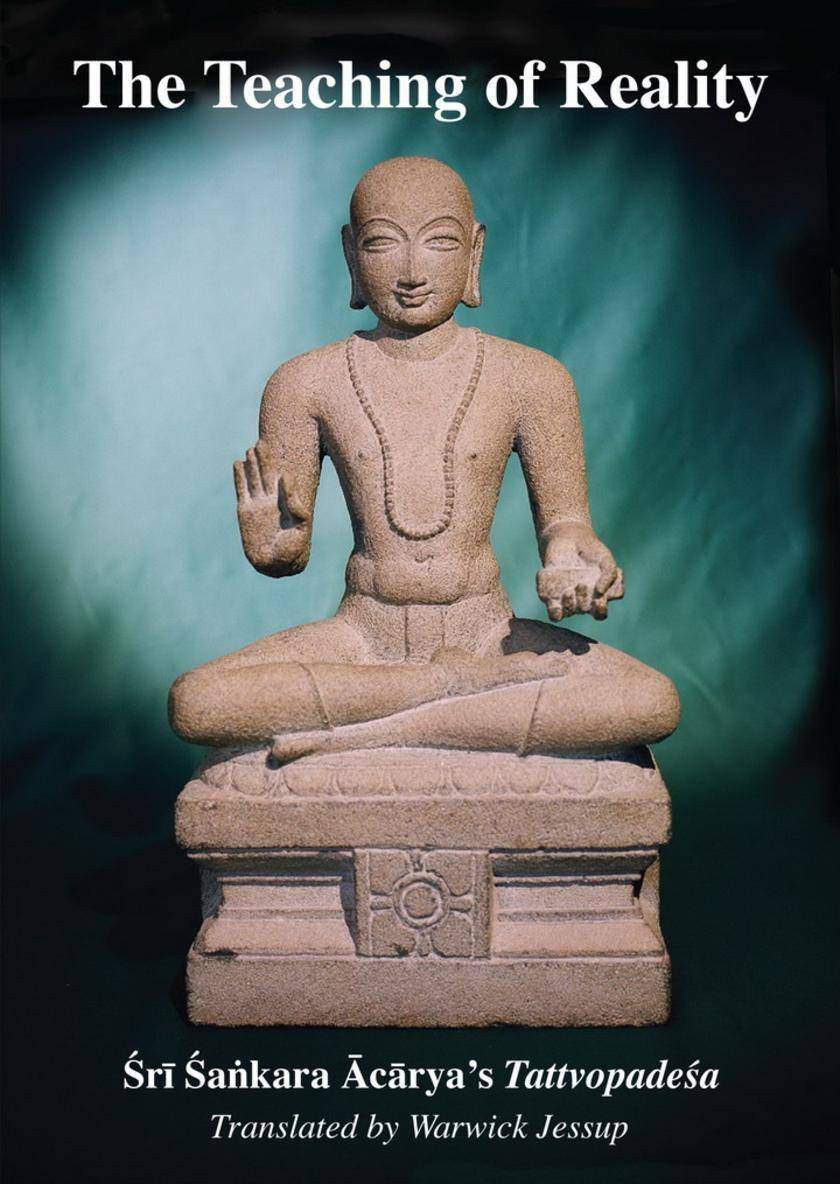
The Teaching of Reality is, as far as we know, the first translation into English of Tattvopade?a, a work attributed to the great spiritual teacher ?ankara. The text reveals the full significance of the great sentence ‘You are That’ (tat twam asi), which is said to convey the essence of the entire teaching of the Upanishads and to be the key to Advaita, the philosophy of non-duality. The reader is led through a systematic process enabling the real Self to be realised in practice.
Harper Perennial
¥94.10
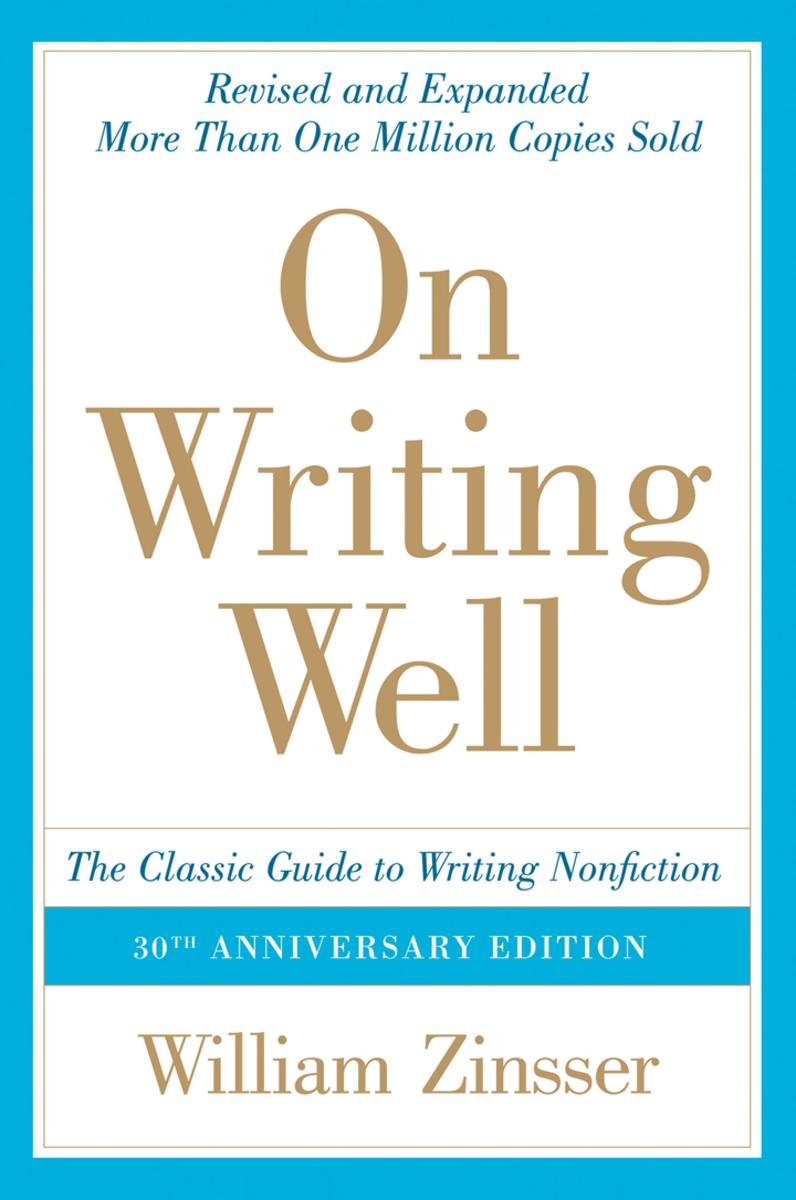
On Writing Well has been praised for its sound advice, its clarity and the warmth of its style. It is a book for everybody who wants to learn how to write or who needs to do some writing to get through the day, as almost everybody does in the age of e-mail and the Internet. Whether you want to write about people or places, science and technology, business, sports, the arts or about yourself in the increasingly popular memoir genre, On Writing Well offers you fundamental priciples as well as the insights of a distinguished writer and teacher. With more than a million copies sole, this volume has stood the test of time and remains a valuable resource for writers and would-be writers.


