


 购物车
购物车 个人中心
个人中心
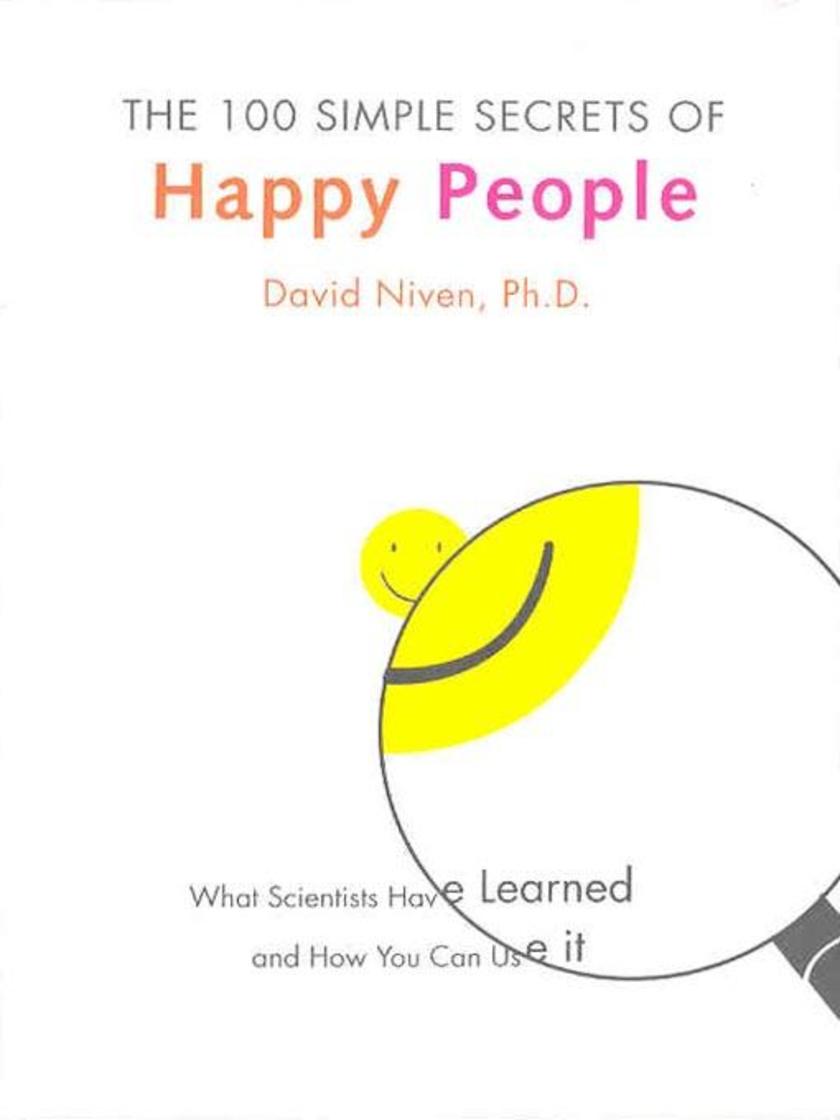
The 100 Simple Secrets of Happy People
¥77.49
Scientists and academics have spent entire careers investigating what makes people happy. But hidden in obscure scholarly journals and reports, their research is all too often inaccessible to ordinary people. Now the bestselling author of the 100 Simple Secrets series distills the scientific findings of over a thousand of the most important studies on happiness into easy-to-digest nuggets of advice. Each of the hundred practices is illustrated with a clear example and illuminated by a straightforward explanation of the science behind it to show you how to transform a ho-hum existence into a full and happy life. Believe in yourself: Across all ages, and all groups, a solid belief in one's own abilities increases life satisfaction by about 40 percent, and makes us happier both in our home lives and in our work lives. Turn off your TV: Watching too much TV can triple our hunger for more possessions, while reducing our personal contentment by about 5 percent for every hour a day we watch.
A Passion For the Possible
¥71.94
Discover your own extraordinary gifts and live every day with passionNow you can explore and expand your own unique possibilities on all four levels of your being--the physical, psychological, symbolic, and spiritual--using the practical and creative tools in this remarkable guide. In her most deeply transforming book to date, Houston leads you on a profound journey of self-discovery and shows how you can courageously commit to experiencing your real potential.
Win the Crowd
¥94.10
Would You Like to Become More Commanding, Convincing, And Charismatic?In this book, Steve Cohen, master magician and star of the long-running Chamber Magic show in New York City, will reveal the secrets of all great showmen and magicians how to persuade, influence, and charm, and ultimately accomplish the things you've always wanted to do. As Cohen writes, "You'll discover how to take over a room, read people, and build anticipation to a feverish pitch so people are burning to hear what you have to say."Win the Crowd will teach you Steve Cohen's Maxims of Magic, simple rules you can use to take charge of practically any situation, from on-the-job disagreements to dating to important cocktail parties. The Maxims of Magic will wash away insecurities and hesitations, and replace them with confidence, poise, and leadership. What's more, Steve Cohen will show you: How to Create a Magic Moment. Capturing people's imaginations and attention so they listen carefully to every word you say. How to Command a Room. Showing everyone in the room that you are speaking right to them, making them all feel unique and completely focused on you. How to Read People. Learning to sense what people are feeling and thinking as you speak, what they want from you, and how to make them feel like they are getting it. Misdirection. The most important trick in all of magic getting inside people's heads, and directing what they are thinking at every minute. When you strip away the sleight of hand tricks, magicians are essentially masters of attracting and holding attention and impressing audiences, exactly the psychological secrets you need to be successful in life and business.
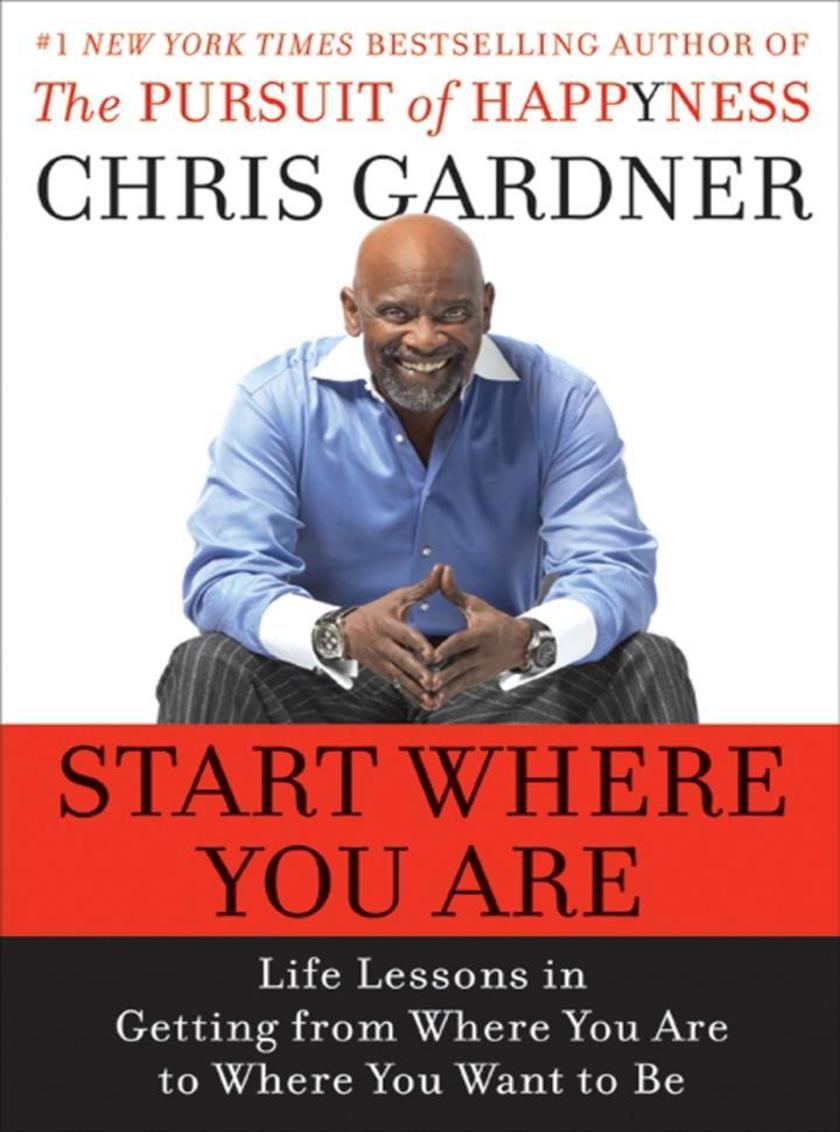
Start Where You Are
¥90.51
Ever since the story of his transformation from homeless, single and struggling father to millionaire became known the world over, Chris Gardner --whose life story both inspired the movie The Pursuit of Happyness and became a #1 New York Times bestseller by the same name--has been inundated with two questions: How Did You Do It and How Can I Do it Too?Gardner's power-packed, transformational reply is the basis of this long-anticipated book. As a departure from standard self-help tomes that promise overnight riches and exclusive secrets for success, Gardner avoids any tilt toward magical thinking by staying with real issues and solutions impacting individuals in all walks of life. If you've had the rug pulled out from under you, or have been dealing with the loss of a home, a job, a health or financial crisis, or simply can't find the motivation to pursue new challenges,Start Where You Are abounds with life lessons that offer hope and provide a road map for starting anew. This is also the book for anyone ready to launch a personal, professional undertaking, or break generational cycles that hem in their potential. Taking stock of his own credos, including The Cavalry Aint Coming, Find Your Button,and Seek the Furthest Star-- Gardner's 44 life lessons are earthy, soulful, and always accessible. With an array of stories from the author's own life, as well as from those he has known or admired, both famous and not,Start Where You Are has arrived just in time to embolden and encourage all of us, even in our era of great global change, reminding us of the infinite resources we already have in our collective pursuit of happyness, and spurring us on in only one direction - forward!
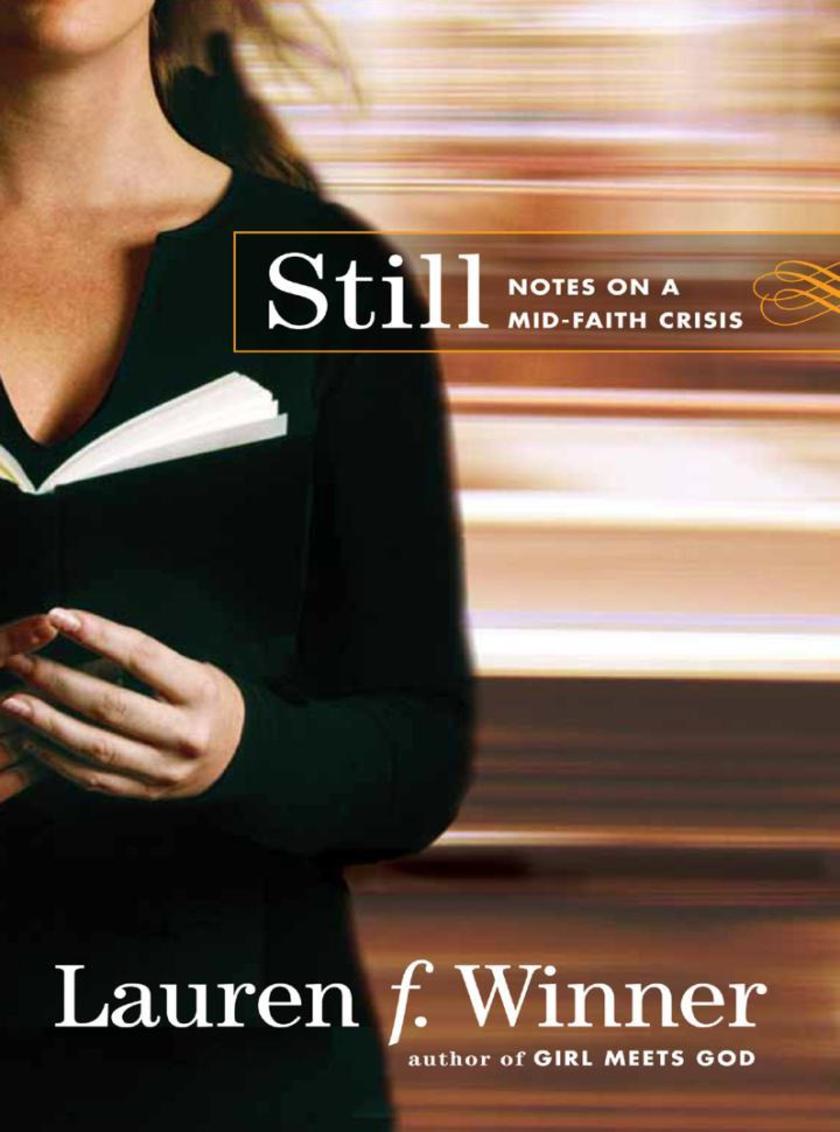
Still
¥101.00
In the critically acclaimed memoir Girl Meets God, Lauren F. Winner chronicled her sojourn from Judaism to Christianity. Now, in Still: Notes on a Mid-Faith Crisis, Winner describes how experiences of loss and failure unexpectedly slam her into a wall of doubt and spiritual despair: My belief has faltered, my sense of God’s closeness has grown strained, my efforts at living in accord with what I take to be the call of the gospel have come undone.”Witty, relatable, and fiercely honest, Winner lays bare her experience of what she calls the middle” of the spiritual life. In elegant and spare prose, she explores why in the midst of the overwhelming anxiety, loneliness, and boredom of her deepest questioning about where (or if) God is the Christian story still explains who she is better than any other story she’s ever known. Still is an absorbing meditation combining literary grace with spiritual wisdom. It is sure to resonate with anyone looking to sustain a spiritual life in the midst of real life.
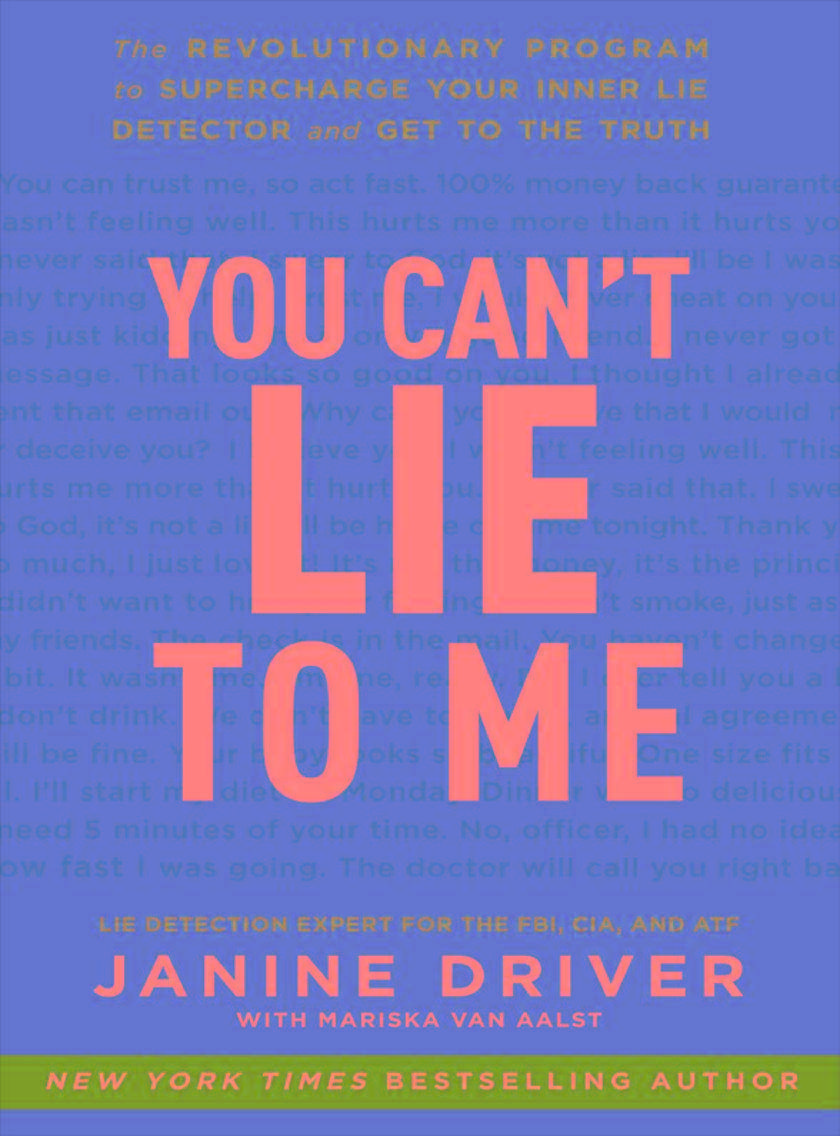
You Can't Lie to Me
¥94.10
What if you could increase your salary by 15 percent, kick problems and worries to the curb, and get a better night's rest simply by learning how to detect a lie the moment it starts (or even before)What if you had an easy-to-use test that tipped you off the instant someone held something back from youAn innate lie detector so powerful it becomes an unconscious skill, applicable with any person, in any situation, to help you act fast before what began as an innocent white lie suddenly takes hold of you, your paycheck, or your happinessNo machine built to date has proven more effective than a well-trained human lie detector, says world-renowned body language expert Janine Driver, a former federal law enforcement investigator who has trained agents at the ATF, CIA, and FBI. Today, Driver teaches people like you to supercharge your internal BS Barometer quickly and accurately so you can protect yourself from liars and manipulators. You Can't Lie to Me will change the way you look at job applicants, coworkers, dates, salespeople, money managers anyone from whom you want and deserve the truth while simultaneously strengthening and deepening your relationships with your siblings, children, friends, and lovers. Driver distills nearly two decades of behind-the-scenes knowledge, cutting-edge science, and relatable case studies into a simple, powerful five-step program.Whether it's with your teenager, spouse, mechanic, or fellow board member, and whether you are communicating face-to-face or through phone calls, e-mails, texts, Facebook posts, or handwritten notes, you will have all the tools and confidence you need to spot deception. More important, you will recognize the truth as you build the caring, authentic connections that make life worth living.In You Can't Lie to Me learn how to perfect your inner lie detector ( BS Barometer) and ban liars from your life, so you can feel more confident and create stronger, more trusting relationships. Lie detection expert Janine Driver delivers a step-by-step, foolproof program to:outsmart disloyal coworkers and beat them to theplum promotions protect your children from predators and guard agingloved ones and their nest eggs from unscrupulous con artists hire honest employees whose resumes and experienceyou can trust say yes to honest partners and avoid lying cheaters Get your boss's attention with these little tips save thousands of dollars each year using rich people's #1 trick
Second Acts
¥84.16
Second Acts is a guide to reinventing your life. Whether you wish to change careers, move to a more desirable part of the country, start a business, write a novel, or drop everything to pursue a life dream, Stephen Pollan offers a powerful message ofhope and guidance that has benefited his own clients.Through a series of exercises, you will develop a comprehensive "*" for your second act a step-by-step action plan that will lead you to the life you've always wanted.
What Mama Couldn't Tell Us About Love
¥84.16
"Mama," writes Brenda Richardson, "you taught me how a black woman could survive and prevail in this world...but because you never learned yourself, you couldn't tell me how to make love work...I don't mean any disrespect, Mama, but...now I have children of my own. And in a loud revolutionary voice, I declare to the universe: the pain stops here." Clinical psychologist Dr. Brenda Wade and coauthor Brenda Richardson ask their African American sisters to consider this question: "What lessons about love and intimacy were passed down from your foremothers to you?" In this provocative rethinking of the African American woman's experience, the authors suggest that African American women share an emotional legacy that began when their ancestors were dragged in chains to the "New" World and continued as their descendants suffered through the violence and humiliation of the Jim Crow period and later racism. Indeed, they argue, the long shadow cast by these historical events impacts romantic practice, lives can be transformed once there is a true understanding of the power of inherited beliefs. What Mama Couldn't Tell Us About Love shows how important it is to grieve and make peace with this brutal history. As you will see in this remarkable uplifting book, it is possible to use the positive messages inherent in the African American experience to create a better life. Learn from the "Sisters Spirits"--well-known African Americans whose stories enliven these pages--as you move toward emotional freedom. Listen to the words of the spirituals interspersed in the text, enhance the coping skills and strengths your forebears harnessed to help them survive and prevail, and believe that emotional emancipation is your birthright. Mama may not have told you all this in so many words--but there is no doubt that she would want to see you take these last steps toward freedom and abundant love.
The 21-Day Consciousness Cleanse
¥94.10
Now, in her most practical and pre*ive book to date, bestselling author Debbie Ford delivers a three-part process that empowers us to let go of toxic thoughts and destructive behaviors and discover the deep peace that resides within. The first 7 days are a life-changing release of everything from the past that depletes our vitality and holds us back. When we purge these old emotions like hardened grief, bitter resentments, deadening regrets, and outdated beliefs we begin to feel a new passion for life. During the next 7 days, standing in the present, Ford has us take an honest look at where and who we are today. We'll observe everything and notice what is and what is not working. Standing firmly inside the present moment, we realize our own strength and the ability to respond to the calling of our soul. The final week brings the most exhilarating transformation as we look into the future and discover who we want to be from this day forward.The 21-Day Consciousness Cleanse carries us on an incredible personal journey that will open our eyes to all that we are and all that we desire to be. We transform our consciousness and unlock purpose, meaning, and passion in our life.

Ground Truth: 3 Para Return to Afghanistan
¥45.62
Afghanistan, 2008. After their eighteen-month epic tour of Helmand Province, the troops of 3 Para are back. This time, the weight of experience weighs heavily on their shoulders. In April 2006 the elite 3 Para Battle Group was despatched to Helmand Province, Afghanistan, on a tour that has become a legend. All that summer the Paras were subjected to relentless Taliban attacks in one of the most gruelling campaigns fought by British troops in modern times. Two years later the Paras are back in the pounding heat of the Afghanistan front lines. The conflict has changed. The enemy has been forced to adopt new weaponry and tactics. But how much progress are we really making in the war against the insurgents? And is there an end in sight? In this searing account of 3 Para’s return, bestselling author Patrick Bishop combines gripping, first-person accounts of front-line action with an unflinching look at the hard realities of our involvement in Afghanistan. Writing from a position of exclusive access alongside the Paras, he reveals the ‘ground truth’ of the mission our soldiers have been given. It’s a sombre picture. But shining out from it are stories of courage, comradeship and humour, as well as a gripping account of an epic humanitarian operation through Taliban-infested country to deliver a vitally needed turbine to the Kajaki Dam. Frank, action-packed and absorbing, ‘Ground Truth’ is a timely and important book that will set the agenda for discussion of the Afghan conflict for years to come.
The Zimzum of Love
¥94.10
There is a mysterious, indescribable, complex exchange that can happen in the space between you and your partner. You find each other. Your centers of gravity expand as your lives become more and more entwined. You create space for this other person to thrive while they're doing the same for you. This creates a flow of energy in the space between you. This energy field is at the heart of marriage. It flows in the space between you, space that exists nowhere else in the universe. You can become more familiar with how this energy field works. You can develop language between you to identify what's happening in the space between you. You can sharpen your abilities to assess it. You can act in certain ways to increase the flow. You can identify what's blocking the flow, and then you can overcome those barriers. Years into your marriage, you can continue to intensify this energetic flow between you.It is risky to give yourself to another. There are no guarantees, and there are lots of ways for it to fall apart and break your heart. But the upside is infinite. from The Zimzum of LoveNew York Times bestselling author Rob Bell and his wife, Kristen Bell, explore a whole new way of understanding our most intimate and powerful relationship: marriage. The concepts behind The Zimzum of Love open ways for us to transform and deepen how we love.
Silence
¥94.10
One of the world's most beloved teachers and Zen masters shares a profound, concise, and practical guide to understanding and developing our most powerful inner resource silence to help us find happiness, purpose, and peace.We spend a lot of our lives searching for happiness, running from one thing to another, worrying about the past and being anxious about the future. All the while the world around us is overflowing with the wonder and contentment we seek. This beauty calls to us every day, yet we rarely are in the position to listen. If we don't have silence in ourselves, if our minds and our bodies are full of noise, we can't hear beauty's call.In Silence, Thich Nhat Hanh guides us on a path to cultivate the calm within ourselves and experience the profound power of quiet amid our noisy everyday lives.The gift of silence doesn't require hours upon hours of solitary meditation or an existing practice of any kind. With mindfulness comes the stillness we need to come home to ourselves and discover who we are and what we truly want.Combining powerful stories, timeless wisdom, and simple mindfulness techniques, Thich Nhat Hanh shows us that silence is at the heart of the happiness we seek.
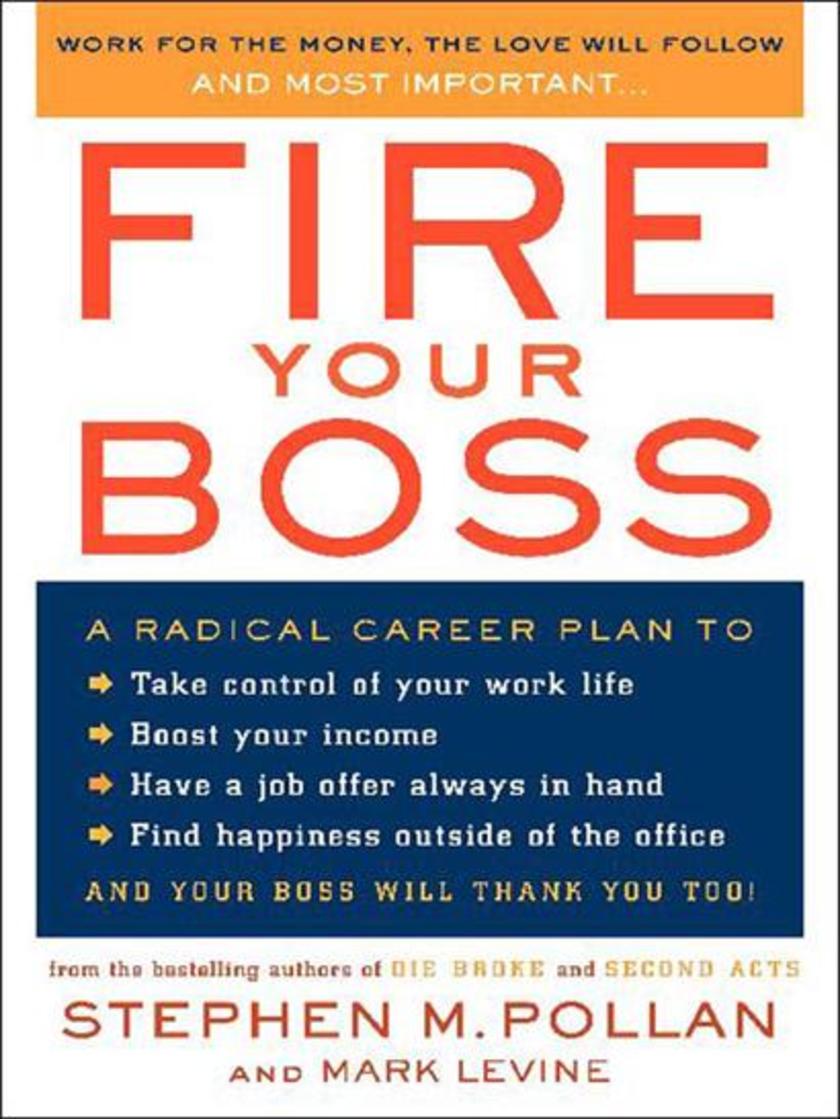
Fire Your Boss
¥77.49
Fire Your Boss And Hire Yourself.ImpossibleNot according to nationally bestselling author Stephen M. Pollan. As he says in this new and empowering book, "You don't have to accept your current work situation. You can be in control of your job and your stream of income, so you're never again subject to the whims, prejudices, moods, or circumstances of your so-called boss."In today's difficult work environment, gone are the days of finding satisfaction through your job, gone is the time when your job was secure, and gone are the days when your employer cared about you. This new environment requires new rules, and Pollan has provided surprisingly fresh and intriguing methods for finding "success" on the job.Pollan's bold and unique message begins with the idea that you must "fire your boss." By this he means you can no longer rely on your manager or your company for economic security. Instead, you must put yourself in charge of your working life. In this thought-provoking and counterintuitive career guide, Pollan presents a seven-step program and a series of exercises that give you the confidence, power, and will to achieve the life of your dreams.Once you have changed your mind-set and learned the new rules of the game, you can start the process of moving to a richer, more enriching, and more enjoyable life. And the best part about itYour boss will love you for it.
Embracing Fear
¥78.32
It's Time to Take Back Your Life Fear takes many forms dread panic anxiety self consciousness superstition and negativity and manifests itself in many ways avoidance procrastination judgment control and agitation to name just a few. Whether we are afraid of the dark or being alone of failure or commitment of public speaking or flying fear dominates our lives affecting nearly every decision we make. Combining compelling stories from the author's twenty five year practice examples from his own struggles with addiction and depression and practical exercises and tools Embracing Fear does not pretend to teach the impossible and eliminate fear but rather shows us that once we understand it we can live beyond its tyrannical control. Instead of repressing or ignoring the voices of panic and dread we learn that it is only through facing exploring accepting and responding to fear that we free ourselves from its paralyzing grip.
The Eyes of the Heart
¥77.49
From critically acclaimed author and Pulitzer Prize runner-up Frederick Buechner comes another powerfully honest memoir, The Eyes of the Heart. Full of poinant insights into his most personal relationships, this moving account traces how the author was shaped as much by his family's secrets as by its celebrations.Within the innermost chambers of his consciousness, Buechner, in his characteristically self-searching style, explores the mysteries and truths behind his deepest connections to family, friends, and mentors. Extraordinarily moving, this memoir follows not chronology but the converging paths of Buechner's imagination and memory.Buechner invites us into his library-his own Magic Kingdom, Surrounded by his beloved books and treasures, we discover how they serve as the gateway to Buechner's mind and heart. He draws the reader into his recollections, moving seamlessly from reminiscence to contemplation. Buechner recounts events such as the tragic suicide of his father and its continual fallout on his life, intimate and little-known details about his deep friendship with the late poet James Merrill, and his ongoing struggle to understand the complexities of his relationship to his mother.This cast of characters comprised of Buechner's relatives and loved ones is brought to vibrant life by his peerless writing and capacity to probe the depths of his own consciousness. Buechner visits his past with an honest eye and a heart open to the most painful and life-altering of realizations. heartbreaking and enlightening, The Eyes of the Heart is a treasure for any who have ever pondered the meaning and mystery of their own past.As "one of our finest writers," according to author Annie Dillard, Frederick Buechner provides yet another chapter in the tale of his life in this gripping memoir tracing the complicated roots and path of his inner life and family, with their multitude of intersections." The Eyes of the Heart stands as a touching testimonial to the significance of kinship to the author as well as to the legions of readers who have come to regard him as one of their own.

Brendan
¥77.49
An acclaimed author interweaves history and legend to re-create the life of a complex man of faith fifteen hundred years ago. Winner of the 1987 Christianity and Literature Book Award for Belles-Lettres.
Speak What We Feel
¥72.93
Four Unexpected Prophets Who Shine Light into the Darkness
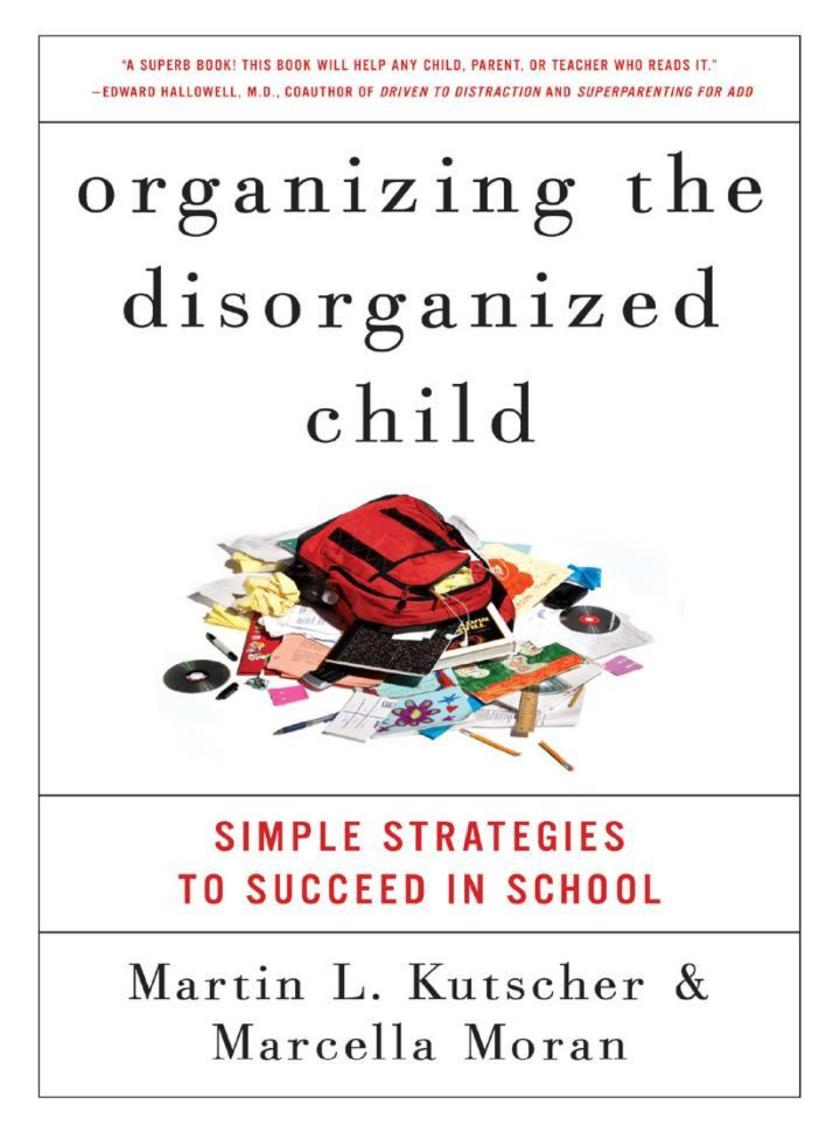
Organizing the Disorganized Child
¥77.49
Organizing the Disorganized Child explains: How to solve the messy-backpack problem (page 28). Step-by-step tips to help your child improve study skills (page 96). Which school supplies work best for different types of children (page 26). Methods for note taking (page 99). Techniques for time management (page 72). Strategies to refine morning and nighttime routines that will help the entire family (page 128).
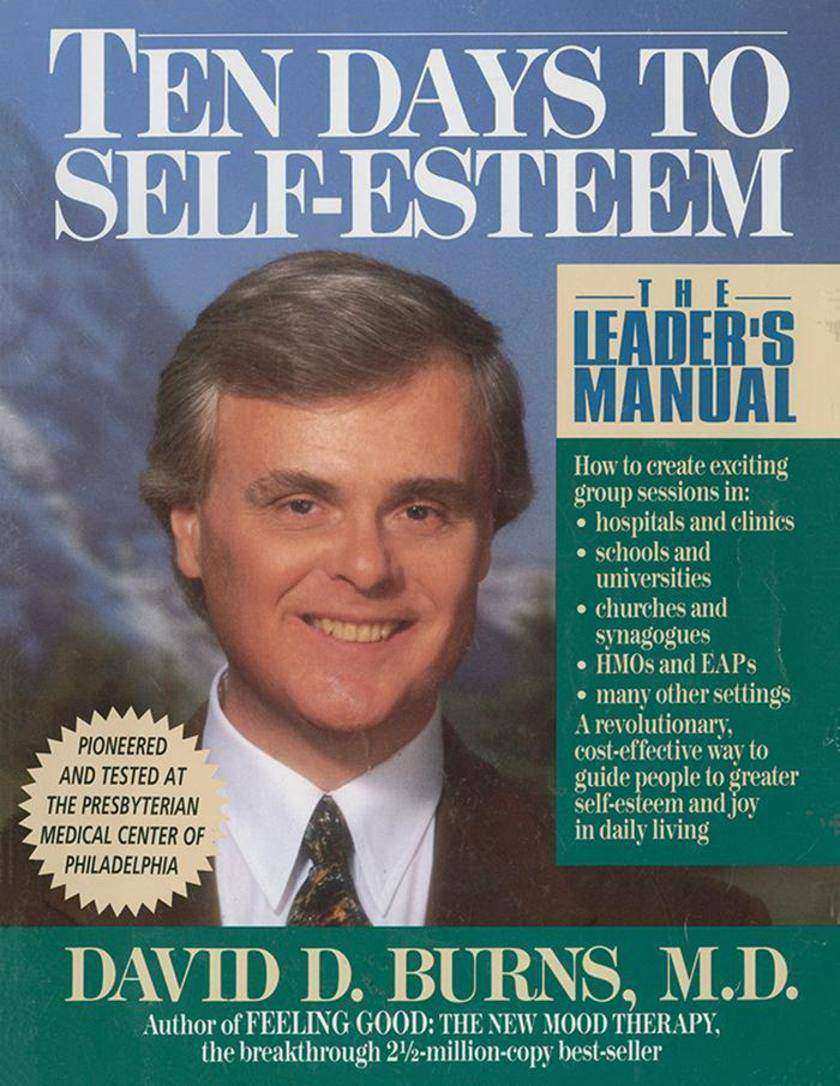
Ten Days to Self-Esteem
¥105.17
Do you wake up dreading the dayDo you feel ciscouraged with what you've accomplished in lifeDo you want greater self-esteem, productivity, and joy in daily livingIf so, you will benefit from this revolutionary way of brightening your moods without drugs or lengthy therapy. All you need is your own common sense and the easy-to-follow methods revealed in this book by one of the country's foremost authorities on mood and personal relationship problems. In Ten Days to Self-esteem, Dr. David Burns presents innovative, clear, and compassionate methods that will help you identify the causes of your mood slumps and develop a more positive outlook on life. You will learn that You feel the way you think: Negative feelings like guilt, anger, and depression do not result from the bad things that happen to you, but from the way you think about these events. This simple but revolutionary idea can change your life! You can change the way you feel: You will discover why you get depressed and learn how to brighten your outlook when you're in a slump. You can enjoy greater happiness, productivity, and intimacy—without drugs or lengthy therapy. Can a self-help book do all thisStudies show that two thirds of depressed readers of Dr. Burns's classic bestseller, Feeling Good: The New Mood Therapy, experienced dramatic felief in just four weeks without psychotherapy or antidepressant medications. Three-year follow-up studies revealed that readers did not relapse but continued to enjoy their positive outlook. Ten Days to Self-esteem offers a powerful new tool that provides hope and healing in ten easy steps. The methods are based on common sense and are not difficult to apply. Research shows that they really work! Feeling good feels wonderful. You owe it to yourself to feel good!
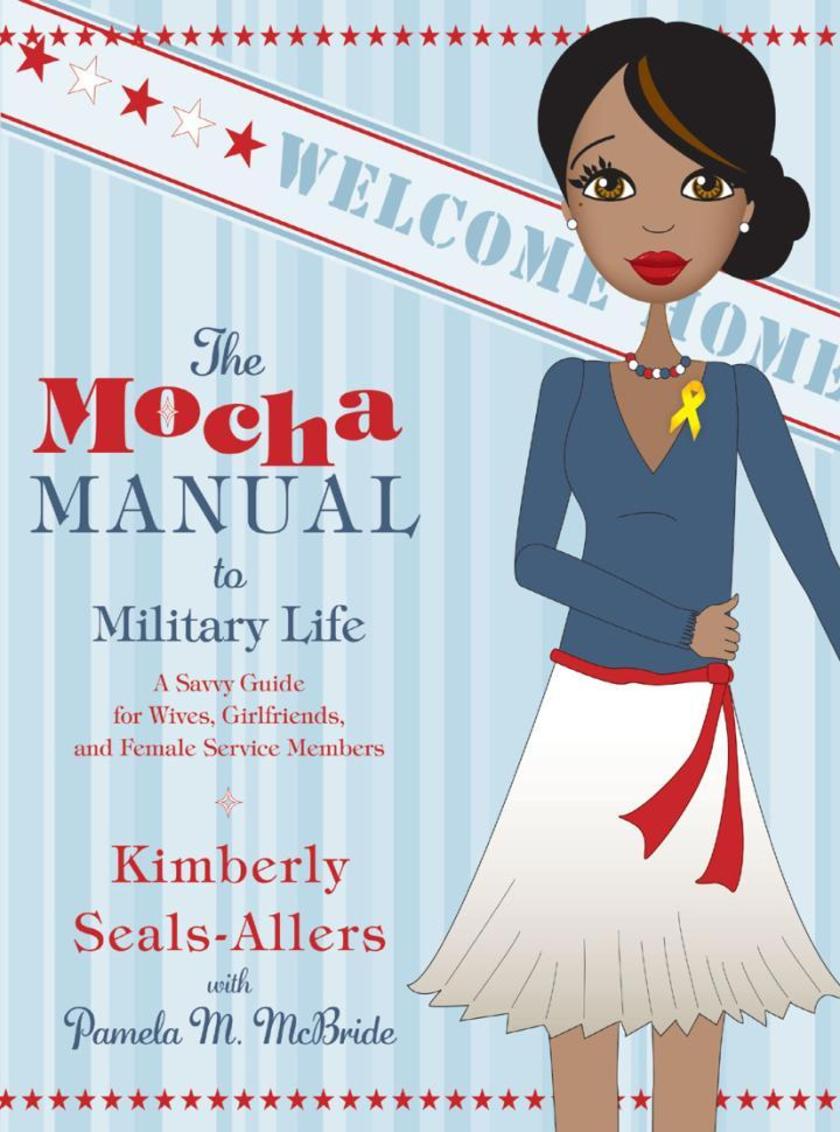
The Mocha Manual to Military Life
¥90.77
From Kimberly Seals-Allers, the creator of the Mocha Manual series, and coauthor Pamela McBride, a seasoned military wife, comes the ultimate guide to life, love, and logistics for military spouses, girlfriends, and female service members. Whether you're just beginning to date a military man and pondering the ins and outs of a long-distance relationship as he moves from base to base or you're a newly wed military wife, The Mocha Manual to Military Life has a host of tips for optimizing your romance. Beyond matters of the heart, the book also offers advice on everything from how to thrive during deployment to how to master military protocol to how to best build friendships among military wives. Accessible and witty, The Mocha Manual to Military Life is a fresh and timely must-read for all women but particularly African American and Latina women affected by military service. Written in the same informative tone as the other books in the Mocha Manual series, with sidebars and testimony from women who have experience navigating military life, this book is sure to be essential reading for all women engaged in some form or fashion with the military.
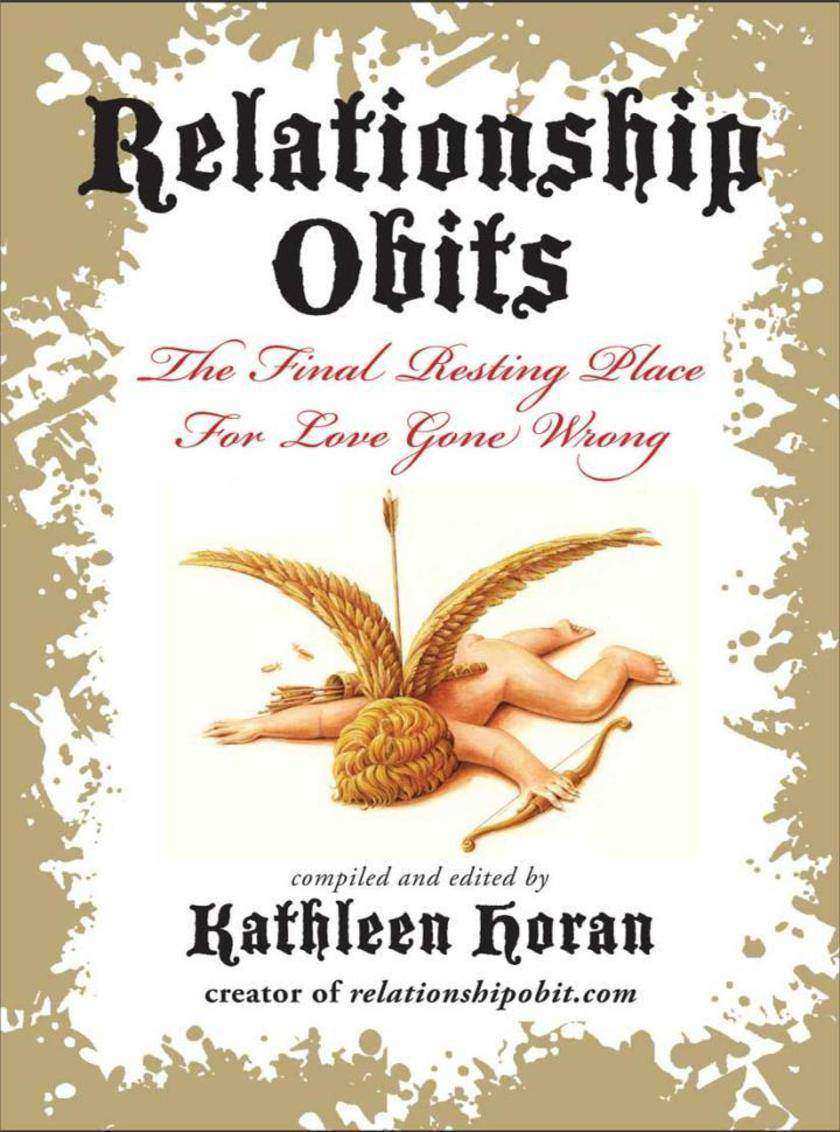
Relationship Obits
¥83.03
Because We All Have a Relationship We Need to Put to Rest From your basic lying, cheating, no-good scum to those relationships that were doomed from the start (they were married to different people), to a man who faked his death, Relationship Obits is a voyeuristic romp through the unexplored underbelly of love and life. Kathleen Horan founded relationshipobit.com when a big breakup was followed two weeks later by the death of her father. Writing her father's obituary made her wonder what it would be like to write one for the end of her relationship. The Web site was born and thousands began to put their love to rest online. This collection is at times hilarious, raw, shocking, and poignant a true celebration of love in all its manifestations.


