


 购物车
购物车 个人中心
个人中心
Deceptively Delicious
¥110.71
It has become common knowledge that childhood obesity rates are increasing every year. But the rates continue to rise. And between busy work schedules and the inconvenient truth that kids simply refuse to eat vegetables and other healthy foods, how can average parents ensure their kids are getting the proper nutrition and avoiding bad eating habitsAs a mother of three, Jessica Seinfeld can speak for all parents who struggle to feed their kids right and deal nightly with dinnertime fiascos. As she wages a personal war against sugars, packaged foods, and other nutritional saboteurs, she offers appetizing alternatives for parents who find themselves succumbing to the fastest and easiest (and least healthy) choices available to them. Her modus operandiHer book is filled with traditional recipes that kids love, except they're stealthily packed with veggies hidden in them so kids don't even know! With the help of a nutritionist and a professional chef, Seinfeld has developed a month's worth of meals for kids of all ages that includes, for example, pureed cauliflower in mac and cheese, and kale in spaghetti and meatballs. She also provides revealing and humorous personal anecdotes, tear out shopping guides to help parents zoom through the supermarket, and tips on how to deal with the kid that "must have" the latest sugar bomb cereal. But this book also contains much more than recipes and tips. By solving problems on a practical level for parents, Seinfeld addresses the big picture issues that surround childhood obesity and its long term (and ruinous) effects on the body. With the help of a prominent nutritionist, her book provides parents with an arsenal of information related to kids' nutrition so parents understand why it's important to throw in a little avocado puree into their quesadillas. She discusses the critical importance of portion size, and the specific elements kids simply must have (as opposed to adults) in order to flourish now and in the future: protein, calcium, vitamins, and Omega 3 and 6 fats. Jessica Seinfeld's book is practical, easy to read, and a godsend for any parent that wants their kids to be healthy for a long time to come.
Born to Be Brad
¥99.65
Join Brad on his wild ride as he transforms from a small-town boy into a big-time Hollywood fashionistaFans know Brad Goreski as the fun-loving, bow-tie-wearing celebrity stylist. They have watched the reality star climb his way through the ranks of the fashion world, as he transformed himself from an assistant stylist into a full-fledged style icon. Along the way, they have experienced his near-fashion disasters and red-carpet victories.But what they might not know is that Brad's first clients were his Barbie dolls or that he grew up in a small town far removed from the glitz of Hollywood. His love of glamour, sparkles, and costume jewelry set him apart from the other boys at school. In spite of this, he embraced his differences and followed his passion. Landing an internship and later a job at Vogue helped the young Brad break into the competitive fashion world and eventually capture the hearts of millions as the quirky and endearing assistant on The Rachel Zoe Project.Now, for the first time ever, Brad reveals the moving story of his road to success, and offers a glimpse into his world today, filled with insider access to the countless red carpets and awards shows he has worked across the globe. Of course, Brad also shares his fashion advice, style tips, and tricks to help you look your best. Part style guide, part memoir, and full of inspiration, Born to Be Brad will delight both loyal fans and newcomers alike.
The Toltec Art of Life and Death
¥90.77
From the beloved teacher of spiritual wisdom and author of the phenomenal New York Times and international bestseller The Four Agreements comes a profound new spiritual masterwork. Don Miguel Ruiz has been lauded the world over for his deep integrity, insight, and wisdom. Now in The Toltec Art of Life and Death he takes readers on a mystical personal journey, introducing us to an even greater level of spiritual teaching and awareness.In 2002, Don Miguel Ruiz suffered a near-fatal heart attack that left him in a coma on the verge of death for nine weeks. The journey he undertook while suspended between this world and the next forms the heart of this autobiographical novel, a profound and mystical tale of spiritual struggle. As his body lies unconscious, Ruiz travels in his dreams and encounters the people, ideas, and events that have shaped him, illuminating the eternal struggle between life unending energy and truth and death matter and subjective knowledge in which we are all called to engage. The Toltec Art of Life and Death invites readers into the mind of a master seeker, offering an unparalleled and intimate glimpse into the development of a soul. In this culmination of a lifetime's learning, Ruiz shares with readers the innermost workings of his singular heart and mind, summoning us to grapple with timeless insights drawn from ancient Toltec wisdom that are the essence of transformation and freedom.
The Gift of Failure
¥90.51
NEW YORK TIMES BESTSELLERIn the tradition of Paul Tough's How Children Succeed and Wendy Mogel's The Blessing of a Skinned Knee, this groundbreaking manifesto focuses on the critical school years when parents must learn to allow their children to experience the disappointment and frustration that occur from life's inevitable problems so that they can grow up to be successful, resilient, and self-reliant adults. Modern parenting is defined by an unprecedented level of overprotectiveness: parents who rush to school at the whim of a phone call to deliver forgotten assignments, who challenge teachers on report-card disappointments, mastermind children's friendships, and interfere on the playing field. As teacher and writer Jessica Lahey explains, even though these parents see themselves as being highly responsive to their children's well-being, they aren't giving them the chance to experience failure - or the opportunity to learn to solve their own problems. Overparenting has the potential to ruin a child's confidence and undermine their education, Lahey reminds us. Teachers don't just teach reading, writing, and arithmetic. They teach responsibility, organization, manners, restraint, and foresight - important life skills children carry with them long after they leave the classroom. Providing a path toward solutions, Lahey lays out a blueprint with targeted advice for handling homework, report cards, social dynamics, and sports. Most importantly, she sets forth a plan to help parents learn to step back and embrace their children's failures. Hard-hitting yet warm and wise, The Gift of Failure is essential for parents, educators, and psychologists nationwide who want to help children succeed.

Fight Back and Win
¥88.33
Voted by her peers as one of the best lawyers in America, and described by Time magazine as "one of the nation's most effective advocates of family rights and feminist causes," Allred has devoted her career to fighting for civil rights and has won hundreds of millions of dollars for victims of abuse. She has taken on countless institutions to promote equality, including the Boy Scouts, the Friars Club, and the United States Senate. And as the attorney for numerous high-profile clients including Nicole Brown Simpson's family, actress Hunter Tylo, and Amber Frey, Scott Peterson's girlfriend Allred has helped victims assert and protect their rights. Throughout her memoir, Allred offers colorful sometimes shocking examples of self-empowerment from her personal and professional life. Presenting nearly fifty of her most memorable cases, Allred takes us deep inside the justice system to show how it's possible to win even in the face of staggering odds. Her inspiring true stories serve to remind us that winning justice depends on the righ-teousness of the cause and an individual's willingness to stand up, speak out, and fight back. Fight Back and Win is a powerful testament to Gloria Allred's trailblazing career and the battles she has fought alongside countless brave individuals to win justice for us all.
HarperCollins e-books
¥110.77
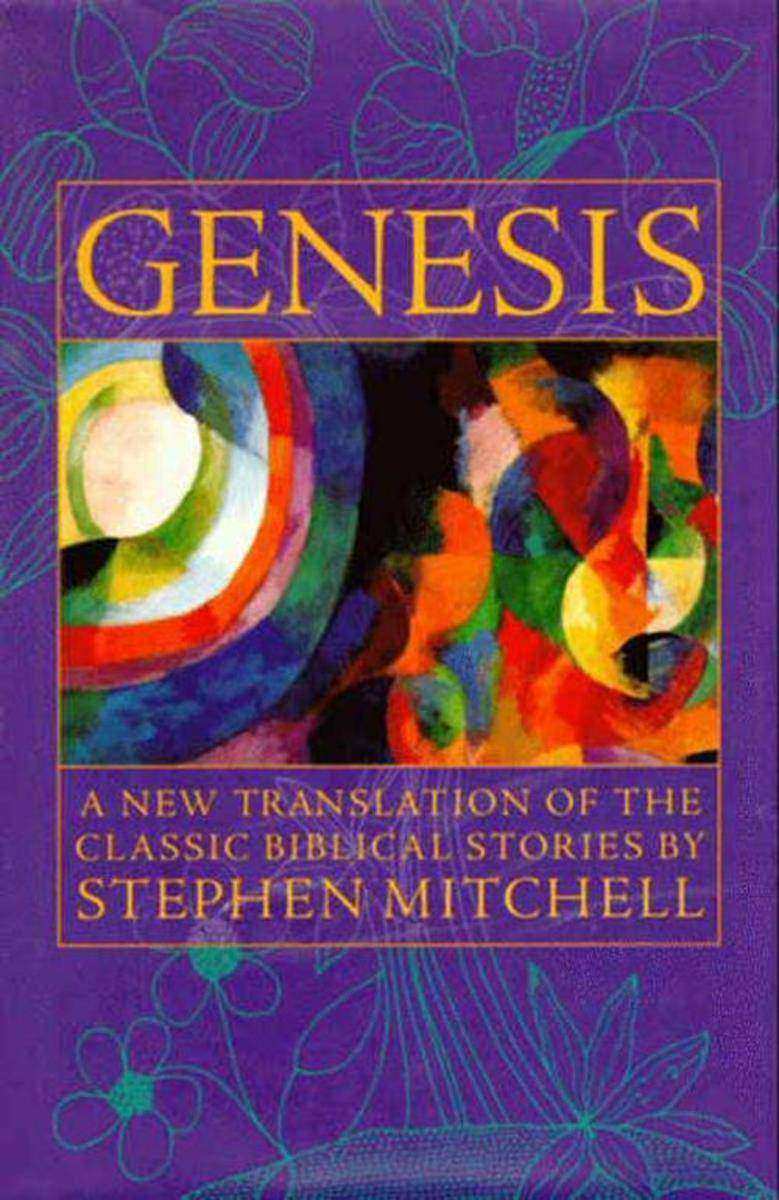
In this highly acclaimed translation, Stephen Mitchell conveys in English the simplicity, dignity and powerful earthiness of the original Hebrew. More than just interpreting it, he also separates stories that were combined by scribes centuries after they were written, explaining their sources and omitting all verses that are recognized as scribal additions. Like removing coat after coat of lacquer from a once-vibrant masterpiece, this allows readers to appreciate the clarity of the original tales.Genesis is an extraordinarily beautiful book that is accessible in a way that no other translation has ever been. It will shed new light on readers' understanding of this seminal work of sacred *ure.
Mothers' Miracles
¥90.79
The authors of Christmas Miracles deliver true stories that show just how enduring a mother's remarkable love can be.
How Could You Do That?!
¥78.55
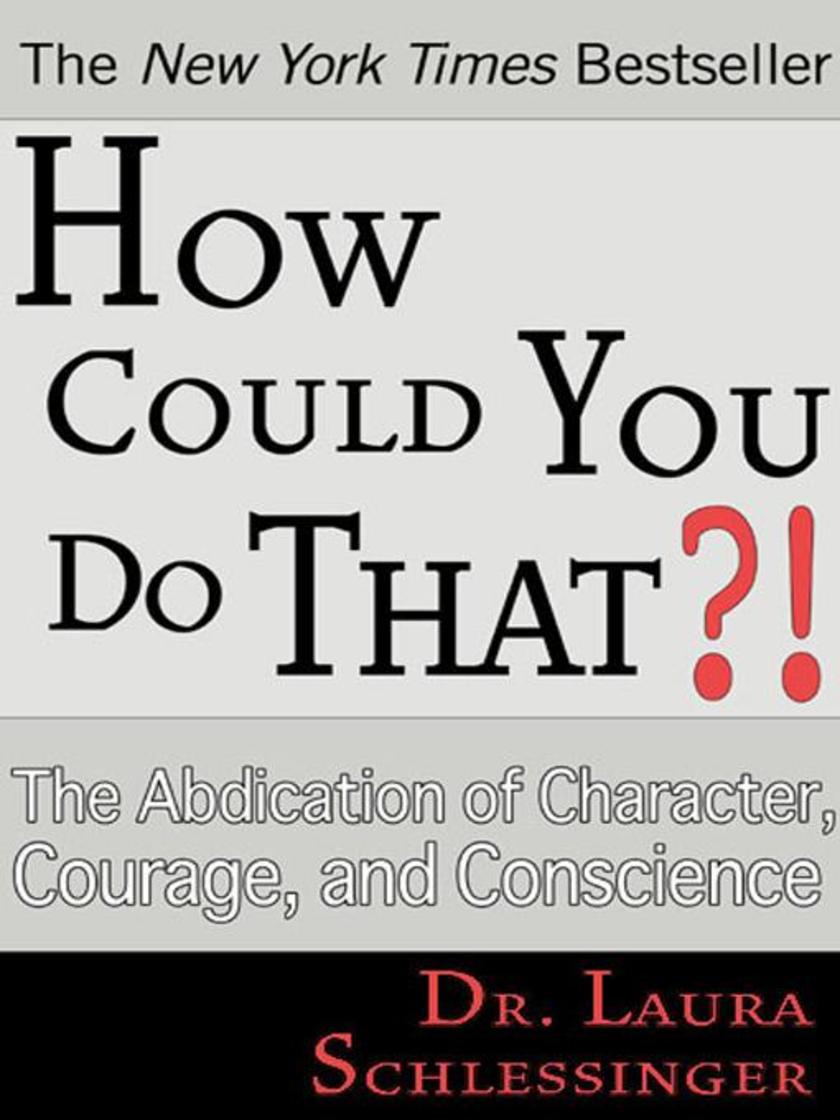
How Could You Do That?! illustrates Dr. Laura Schlessinger's philosophy of personal responsibility through her usually provocative but always stimulating moral dialogues with callers about everyday ethical dilemmas.In her lively pull-no-punches style, Dr. Laura takes on the moral dilemmas of our time: from the mindless pursuit of pleasure and immediate gratification to taking the easy way out when those actions produce ugly or uncomfortable life-altering consequences. She demonstrates in no uncertain terms that personal values are never someone else's reponsibility but your own, and why choosing not to honor them actually compounds unhappiness. Finally she explains that by disciplining self-indulgence and rising above temptation we can discover the infinite pleasures, the true happiness, of the moral high ground.Dr. Laura delivers not only a compelling argument for an ethical approach to life but also an invaluable inspiration to rebuilding character, conscience, and courage. Here is a work that can make a genuine difference in the quality of your own life and the lives of those we love.
Stop Whining, Start Living
¥77.49
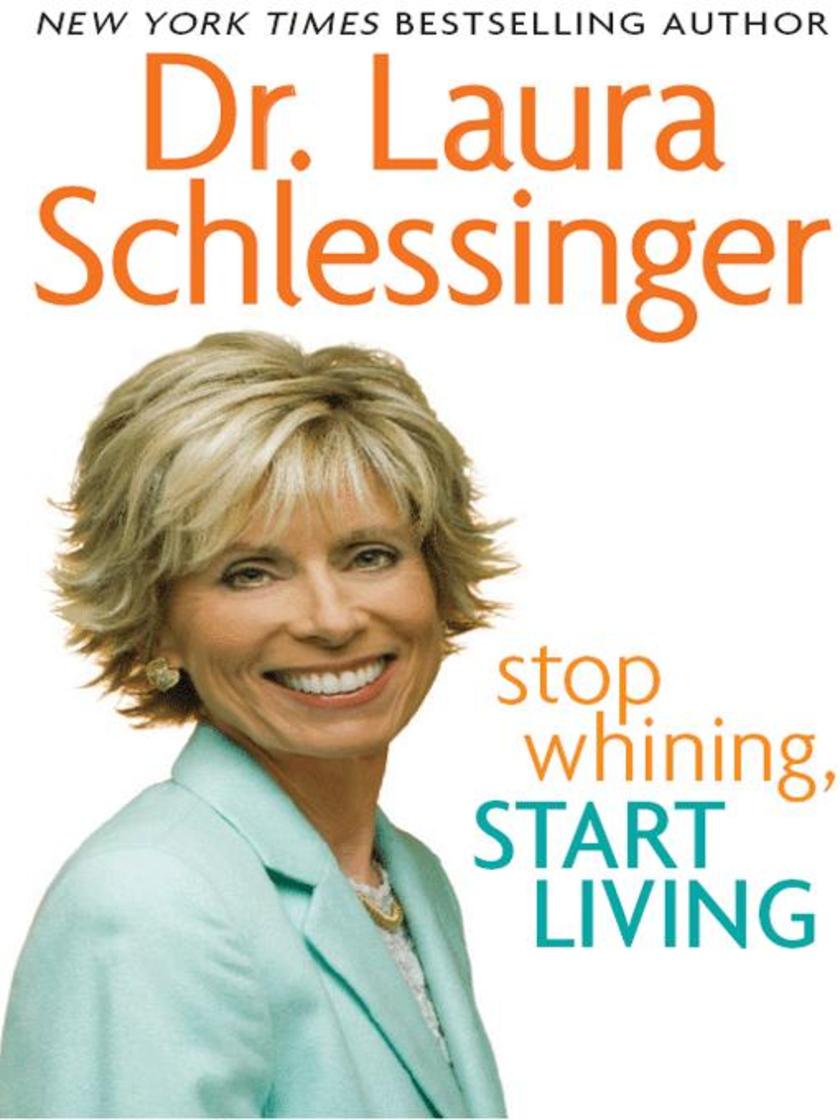
Living life is about action: courageous, benevolent, worthy, Wise, and productive action. Start living with some help from Dr. Laura Schlessinger.Dr. Laura Schlessinger agrees that there are things worth whining about. A certain amount of whining allows for venting of reasonable pain, disappointment, fear, frustration, or rage. However, staying stuck in whining mode can become a lifelong problem. This is where Dr. Laura steps in with Stop Whining, Start Living to help folks conquer the temptation to retreat from living life to the fullest.Illustrated by calls and letters from members of Dr. Laura's huge international audience, Stop Whining, Start Living features testimonials from real people facing real challenges. These folks have benefited enormously from Dr. Laura's powerful lessons.Stop Whining, Start Living gives readers the jump start they need to break out of reactive mode and get proactive, moving in the direction of a joyful, meaningful, fulfilling, and purposeful future. Everyone can use a kick in the pants sometimes, and Dr. Laura, who "preaches, teaches, and nags" to millions every day on her radio program, is here to deliver it!
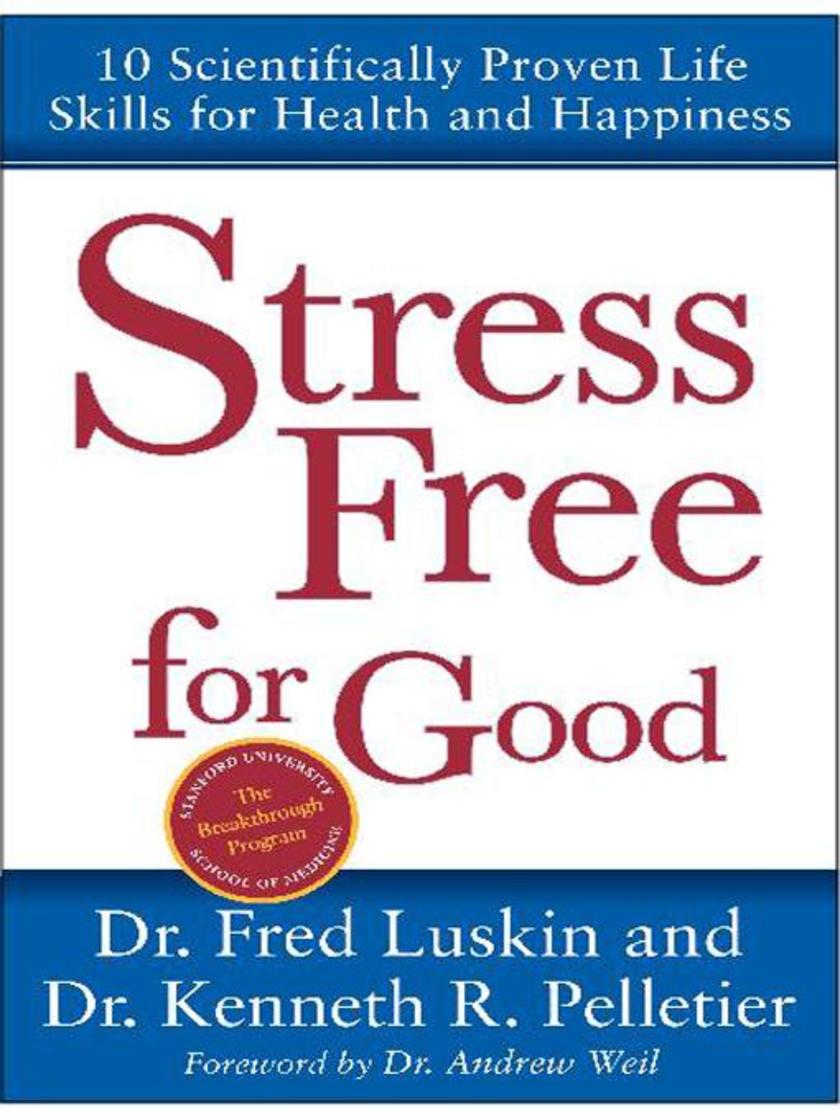
Stress Free for Good
¥88.56
Ten Minutes to Learn One Minute to Practice Ten Seconds to WorkImagine if you could . . . Radically reduce stress Increase your physical vitality Improve your quality of life Now you can. We live in an age of stress. Each day at work and at home as we struggle to take care of the basics, constant stress significantly affects our ability to lead healthy and happy lives. We struggle with stomach pain, headaches, mood swings, fatigue, depression, high blood pressure, and even heart failure. Not only does stress damage our physical and emotional well-being, but our relationships and productivity suffer as well. What, if anything, can we do to stop this cycleThere is a multitude of books, magazine features, TV programs, videotapes, meditation classes, and seminars, all aimed at stopping stress. But until now there has never been a scientifically based program that not only starts working within seconds but also creates a foundation to help remove stress and the symptoms associated with it from your life for good. Dr. Fred Luskin and Dr. Kenneth R. Pelletier spent years at the Stanford University School of Medicine developing ten proven skills for eliminating the stress, anxiety, and pain that occur in daily life. Delivering skills that have been honed and tested among a diverse group of Americans, Stress Free for Good is easy to use and starts working immediately. Offering more than just the promise of breaking even and eliminating daily stress, these ten skills provide a foundation for living a healthier and happier life. This is not only a practical and accessible guide to conquering the stress in our lives once and for all, it is also the last stress aid you will ever need.
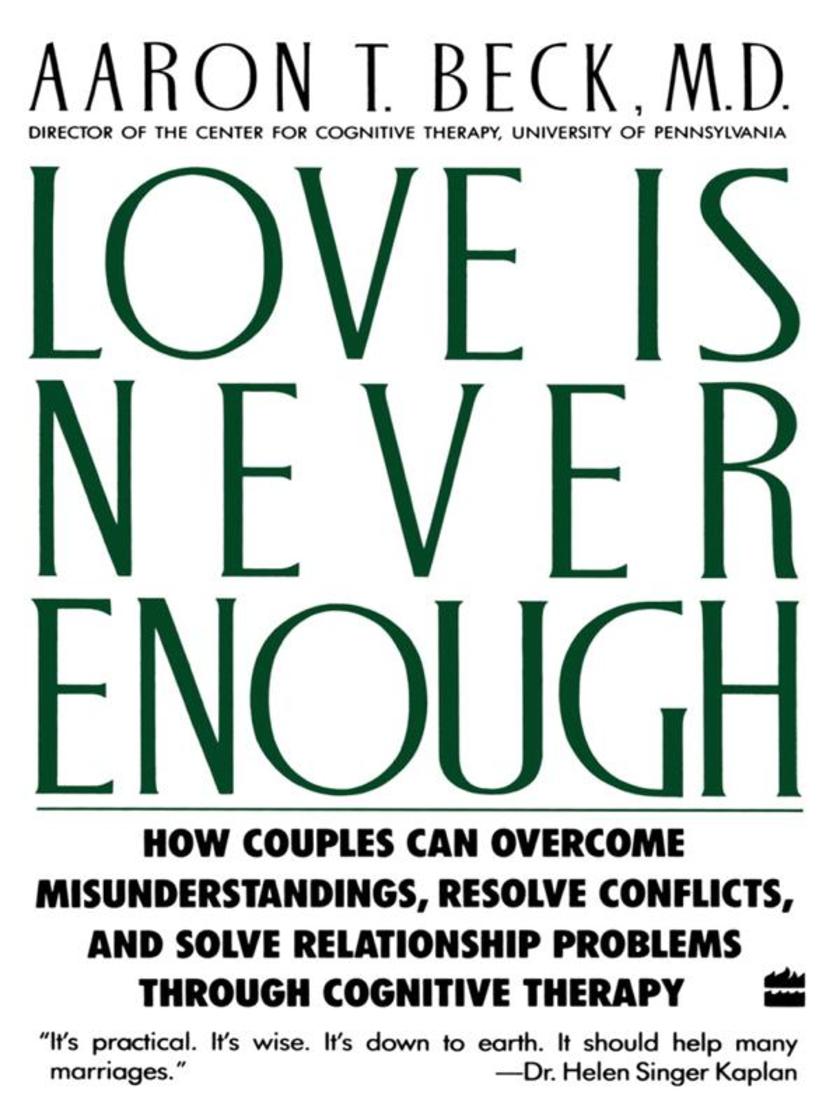
Love Is Never Enough
¥83.03
With eloquence and accessibility, Dr. Aaron T. Beck analyzes the actual dialogue of troubled couples to illuminate the most common problems in marriage--the power of negative thinking, disillusionment, rigid rules and expectations, and miscommunication.
A Time to Grieve
¥94.10
A collection of truly comforting, down-to-earth thoughts and meditations -- including the authentic voices of survivors -- for anyone grieving the loss of a loved one.
Addiction and Grace
¥90.77
Addiction and Grace offers an inspiring and hope–filled vision for those who desire to explore the mystery of who and what they really are. May examines the "processes of attachment" that lead to addiction and describes the relationship between addiction and spiritual awareness. He also details the various addictions from which we can suffer, not only to substances like alcohol and drugs, but to work, sex, performance, responsibility, and intimacy. Drawing on his experience as a psychiatrist working with the chemically dependent, May emphasizes that addiction represents an attempt to assert complete control over our lives. Addiction and Grace is a compassionate and wise treatment of a topic of major concern in these most addictive of times, one that can provide a critical yet hopeful guide to a place of freedom based on contemplative spirituality.
HarperCollins e-books
¥121.80
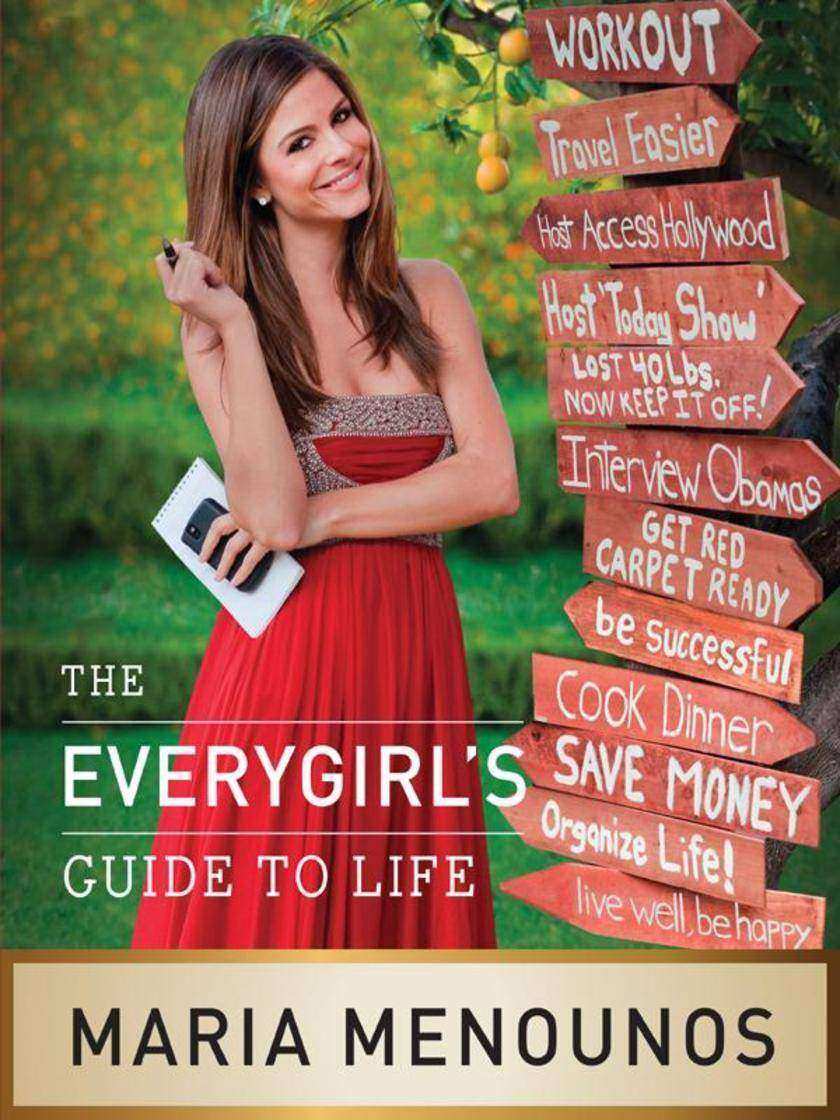
Raised by working-class immigrant parents and later exposed to Hollywood's most elite experts in every field, Access Hollywood's, Today's, and Nightly News's reporter Maria Menounos reveals her EveryGirl secrets on everything: her systems to organize life, manage time, and ascend the ladder of success; her lazy woman's workout; her weight-loss tips (how she lost forty pounds and kept it off); and her guide to styling yourself like the stars a self-proclaimed EveryGirl, Maria often does her own hair and makeup for celebrity events.In The EveryGirl's Guide to Life, Maria shares personal experiences and photos from her life and professional journey as well as the various mantras, mottos, and philosophies she's adopted from the world's most impressive women. She gives advice on health, career, relationships, renovations, recreation, and more. From your carpet to the red carpet, Maria teaches the EveryGirl on a budget how to do it all, while living a healthier and happier life.
The President's Devotional
¥105.17
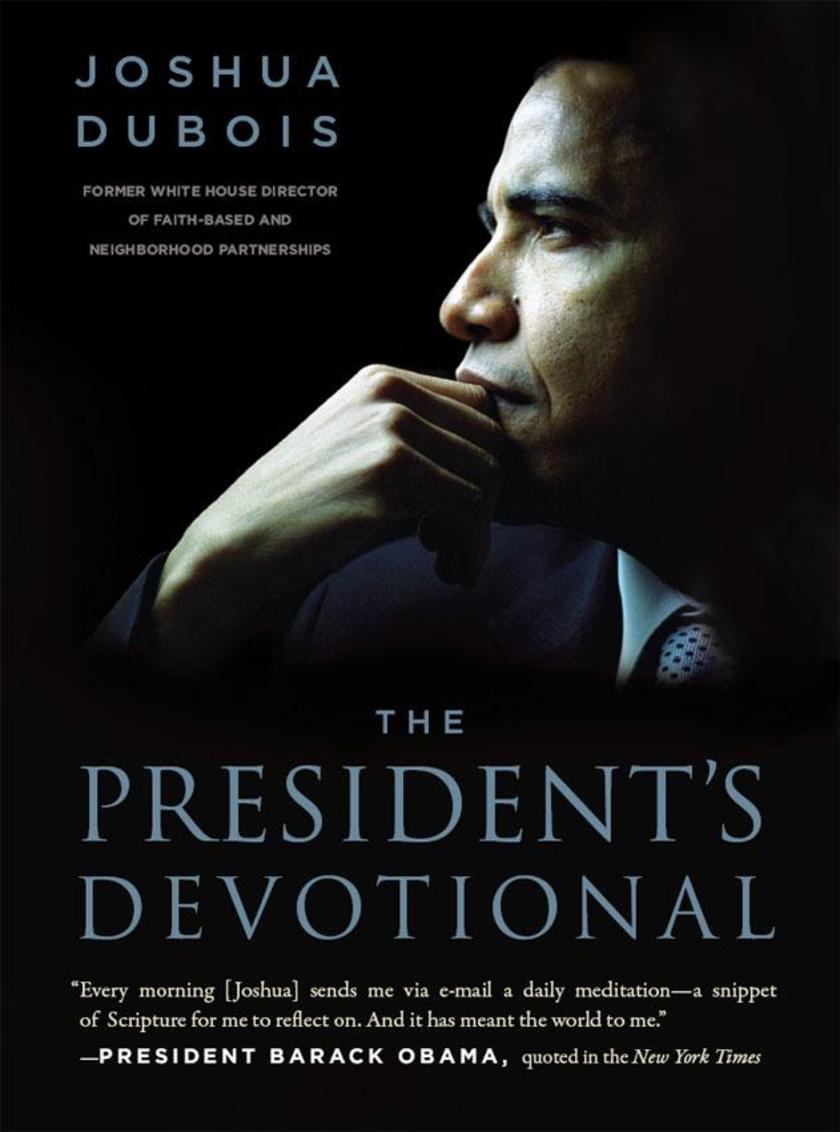
In the heat of Barack Obama's first presidential campaign, staff member DuBois recognized the wear and tear on his boss and asked the senator if he could e-mail a devotional to him each day. When Obama responded positively, DuBois prepared a short e-mail for the future president to read first thing every morning, short snippets of *ure, inspirational stories, quotes, and prayers to provide counsel, encouragement, and inspiration, which the president himself has stated meant the world to him.Through his years of working closely with the president, DuBois learned many life-changing lessons as well as gained an inside view on the faith and values of President Obama. DuBois now provides 365 of the best readings and prayers he sent the president; in addition, each month DuBois offers a longer meditation on the spiritual lessons he learned by accompanying the president as he faced many historic moments and challenges two elections, meeting Billy Graham, the Sandy Hook shootings, and more. By spending time each day with The President's Devotional, we are reminded what is most important in life, that we are not alone in our efforts, and what our true mission is in the world.
Got What It Takes?
¥83.93
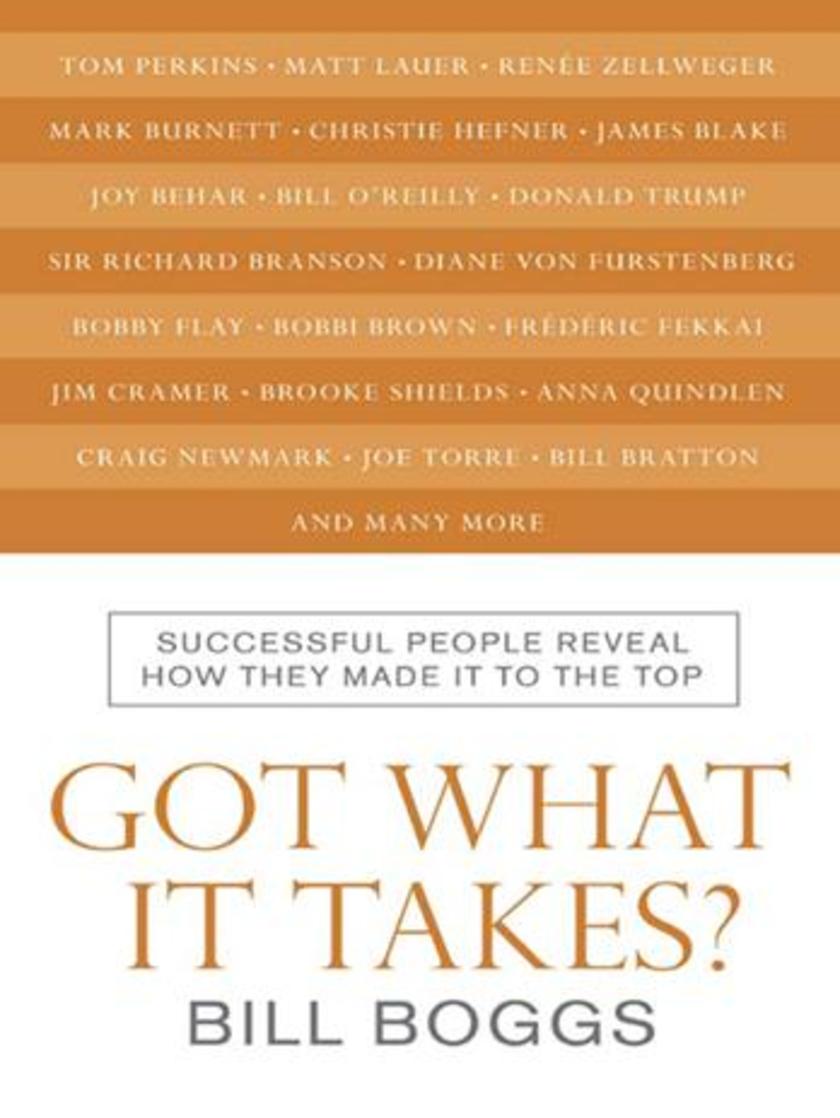
Beyond talent, what factors have determined and defined the careers of well-known individualsTrainingRisk-takingLuckEmmy Award-winning interviewer Bill Boggs shares success secrets he uncovered in candid conversations with 44 leaders in entertainment and the arts, sports, fashion, the business world, and more, including: Mark Burnett, Craig Newmark (Craigslist.com), Matt Lauer, Anna Quindlen, Rene Zellweger, Sir Richard Branson, Bobby Flay, Brooke Shields, Diane von Furstenberg, Norman Lear, Donald Trump, and Joe Torre, among others. They reveal crucial influences, how they deal with adversity and stress, and the choices they made that helped them to prevail in their careers and in their lives. This is an inside view of what makes the most successful people tick and a lessons-in-life career guide from accomplished stars at the top of their game.
HarperCollins e-books
¥145.69
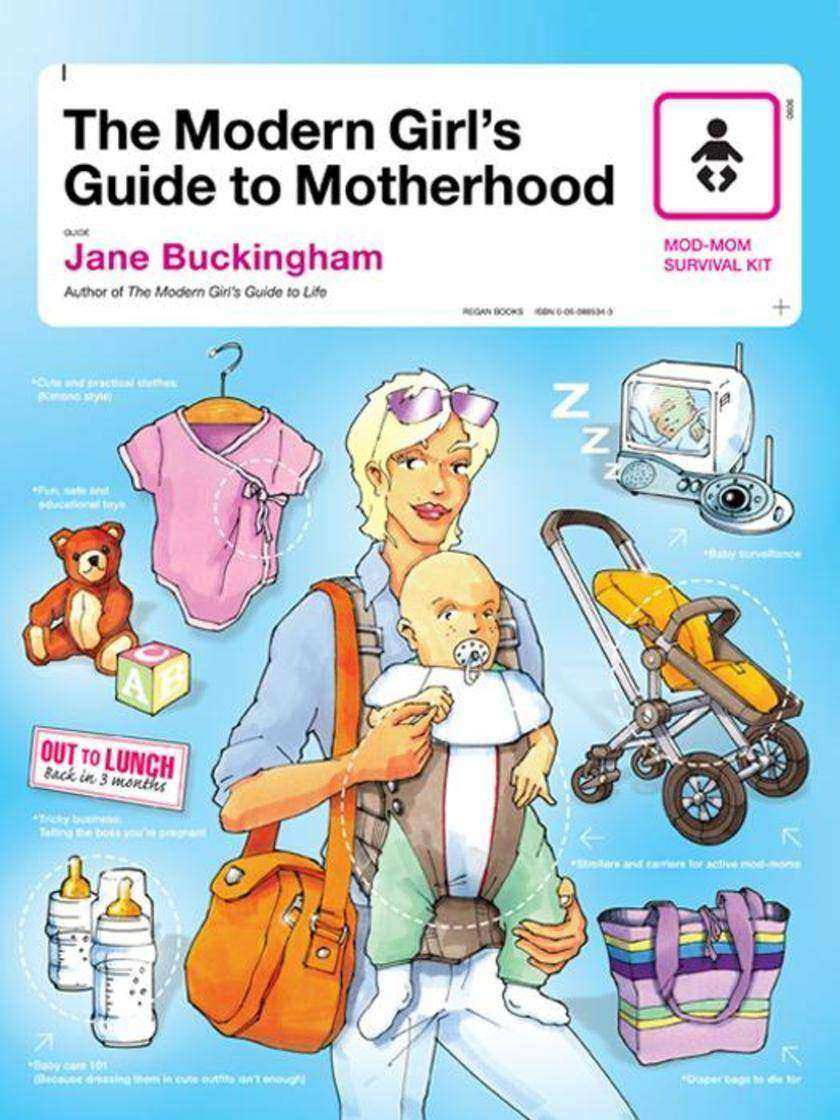
From the author of the bestselling The Modern Girl's Guide to Life comes a must-have book for the young mom, including best-kept secrets, practical advice, and multiple solutions for problems from birth to age four Just when you thought you could cook (hey, one meal counts), clean (if the queen was coming), and seduce a man (well, long enough to get married), life throws you a curveball that makes all of your previous ineptitudes in life pale in comparison. With the appearance of one little extra line on a pregnancy test, you're thrown into a world of covering up leaks on shirts and taking a pacifier away from a two-year-old who has the grip of a pit bull.In this funny, smart, and honest book, Jane Buckingham cuts through the clutter to give you simple information and practical advice for navigating the different stages of motherhood. From how to get your child to sleep and how to wean, to how to get him off the pacifier and how to stop his tantrums, this book will help moms feel in the know and in control! Some of Buckingham's favorite tips: If your baby has a hard time feeding because of a stuffy nose, turn on the shower to steam up the bathroom and feed her there. Put your children's paints in an empty egg carton -- it's the perfect size, and there's no mess to clean up when you're done. Use an old raincoat with the arms cut off as a smock. You should buy a new car seat, rather than borrowing a friend's old car seat, as there are constant safety upgrades. Also, be sure you are the person registered to that car seat (send in that registration card!) so that you'll be notified in case of a recall. Keep the three-day rule in mind: Almost any bad habit can be broken in three days. Granted, they may be tough, torturous days, but you can do it! The Modern Girl's Guide to Motherhood helps modern moms do it all with love, style, and flair!
HarperCollins e-books
¥145.91
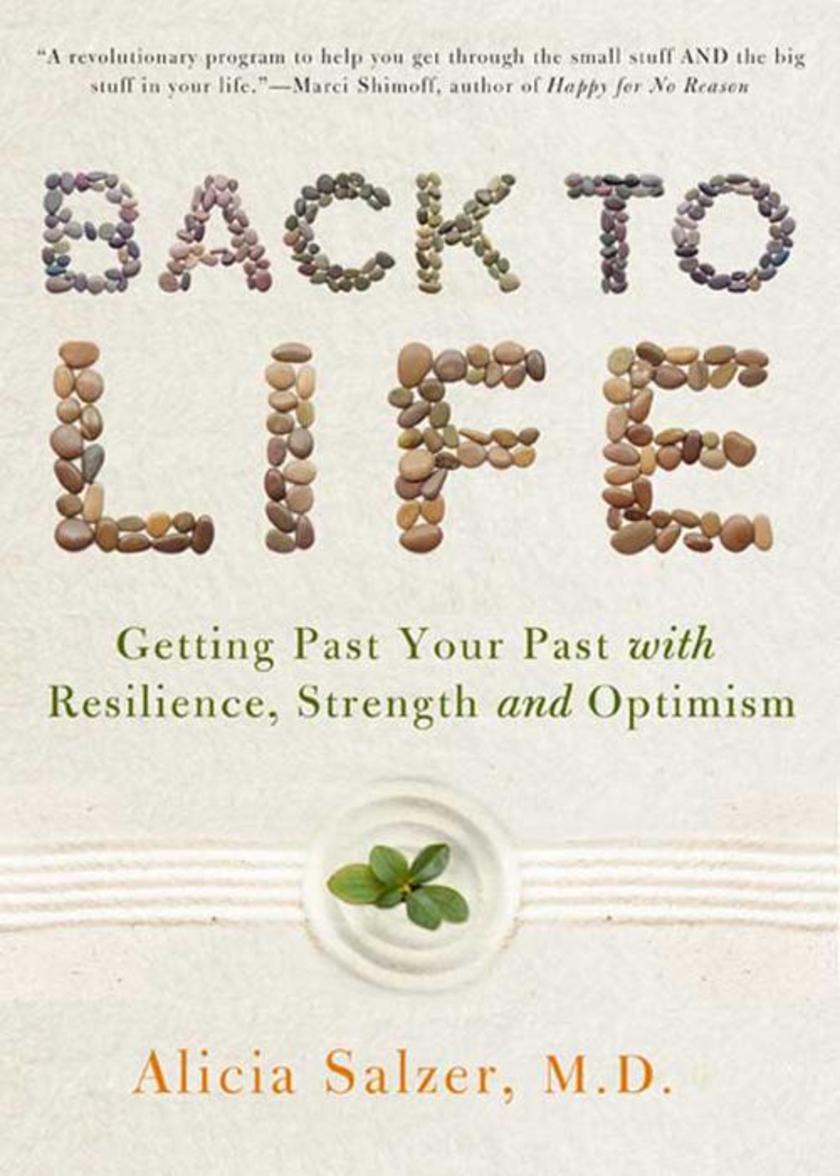
Back to Life is a feel-good approach to overcoming that lets you try on the skills of the heroes you most admire. From icons of survival like Rosa Parks and Nelson Mandela to contemporary heroes like Michael J. Fox and Elizabeth Edwards, this book allows you to see what resilient survivors actually do when they feel lousy.This is a revolutionary approach to feeling better, rooted in the science of positive psychology and resilience theory, and would help anyone get a dose of soul food into their emotional diet; but these techniques are specially tailored to those trying to overcome traumas big and small from Big-T Traumas, such as combat, abuse, and bereavement, to challenges one might think of as little-t traumas, like breakups, betrayals, job loss, health problems, and financial hardships. After years of working in the trenches of psychiatry, it became clear to Dr. Alicia Salzer that we needed some new methods to help people overcome, since the old methods often proved too painful for many to bear. It's all about being in the present and focusing on the future no retelling and revisiting the past, no opening Pandora's box, no picking at old scabs. Back to Life is a creative and empowering way to learn the habits of resilient survivors while getting to know what you stand for, what makes you happy, and what emotions you need in your diet in order to thrive. In this book you will create a "holistic pillbox" of ten stones each symbolizing a healthy new way of coping that you can utilize when your past rears its head.The truth is, there have always been people in our midst who remain positive and passionate despite enormous challenges while others just get stuck. This is the secret playbook of those people, and it's full of accessible and fun exercises to help you try on the rose-colored glasses of those survivors we so admire.
Avon
¥84.16
Alexandra Stoddard, world famous interior decorator, author and lecturer, originally opened the eyes of millions to the beauty and grace of simplicity in her phenomenal bestseller Living a Beautiful Life and the books that followed. Now, in Making Choices, she teaches us to widen our horizons by helping us feel the pleasure, satifaction, and joy of creative decision making and self-reliance and to discover our inner being, our own destiny, the lifestyle that is ours, and the art of living in the light of self-expression and fulfillment.
Nanny 911
¥101.00
Regain control of your children with simple, direct, nanny-tested measures!Is your life chaoticAre your kids running the showDo you feel like you're more of a zookeeper than a parent?Take heart, America. When your family's in trouble, Nanny 911 is there on the double. Because brats are not born, they're made. No one knows that better than Deborah Carroll and Stella Reid Nanny Deb and Nanny Stella the stars of the overnight hit television show on the Fox network. Each week, up to ten million viewers tune in to see the nannies take charge and transform one family's utter chaos into serenity. No matter how loud the tantrums or how clueless the parents, Nanny Deb and Nanny Stella help them become the families they always wanted to be.Now the nannies share their remarkable wisdom with millions of overwhelmed parents desperate for foolproof parenting advice at their fingertips. They'll show that parents need to change their behavior first because when there are no consequences for naughty behavior, kids quickly realize there's no reason for the naughtiness to stop. And when mom and dad just don't know what to do, the kids take over. You'll learn how to confront problems head-on, with firm but loving discipline, effective communication, and the implementation of clear House Rules.Nanny 911 is the perfect sourcebook for dealing with everyday problems that have escalated to levels that are out of control.For parenting emergencies call 911. Nanny 911, that is.With a Foreword by Head Nanny Lilian Sperling
Your Adolescent
¥123.45
Parents, teachers, and mental health workers will find the answersto these- and many other-questions in this forthright yet compassionate guide to helping your adolescent through the tumultuous teen years. From peer pressure and self-esteem to experimentation with sex, alcohol, and drugs, this invaluable resource covers a wide range of pratical issues. Here as well is information on more serious obstacles to a teen's development that may require professional intervention, such as depression, eating disorders, substance abuse, and disruptive behavorial disorders. As surely as every child will become a teen, every person that must relate to a teen will find this book a reliable, indespensable guide to the ups and downs of adolecence.


