


 购物车
购物车 个人中心
个人中心
A Year of Living Consciously
¥83.03
Embrace Each DayWe all want to live authentic, self-aware, and successful lives. How do we go about itWhere do we beginIn a daily map full of wisdom, inspirational quotes, and transformational exercises, bestselling author and psychotherapist Gay Hendricks sets us on a fantastic journey to personal and relationship success. In bite-size portions, Hendricks encourages understanding, self-awareness, and honesty-all vital elements in a conscious life. A Year of Living Consciously teaches us to relish the journey that results in greater self-esteem and emotional literacy, achievements that can only come from leading an examined life. Quotes from historical and literary figures reinforce the timeless importance of honesty and self-knowledge. By helping us see, comprehend, and ultimately embrace the secrets we often hide from ourselves. A Year of Living Consciously brings us into accord to create clearer understanding, genuine change, and self-realization.
Parenting Through Crisis
¥84.16
In this companion to her bestselling Kids are Worth It!, parenting educator Barbara Coloroso shows how parents can help children find a way through grief and sorrow during the difficult times of death, illness, divorce, and other upheavals. She offers concrete, compassionate ideas for supporting children as they navigate the emotional ups and downs that accompany loss, assisting them in developing their own constructive ways of responding to what life hands them. At the heart of her approach is what she calls the T.A.0. of Family -- Time, Affection, and Optimism -- coupled with her deep understanding of how people move through grief. Barbara Coloroso's clear answers to difficult questions are enriched by uplifting humor and insightful anecdotes from her own experiences as a Franciscan nun, mother of three, and her thirty years as a parenting educator. With this Guide in hand, parents can feel assured that they are responding with wisdom and love when children need them most.

Live Like a Hot Chick
¥94.10
You are a hot chick; Now start living like one!Jodi Lipper and Cerina Vincent are back to give you the savvy self-assurance you need to find the perfect balance between work and play. You are a Hot Chick (an empowered, confident woman) who deserves every juicy bit of goodness that life has to offer. Lipper and Vincent help you conquer insecurities and replace them with a positive body image, balanced diet, and smart exercise plan; teach you how to be powerful and feminine (at work) no matter what you do for a living; inspire you to let your hair down and kick up your four-inch heels by creating a heyday that is daring, bold, and unforgettable; and, finally, how to balance it all. Live Like a Hot Chick will motivate you to go out there and get the absolute best that life has to offer, which is exactly what a Hot Chick like you deserves.
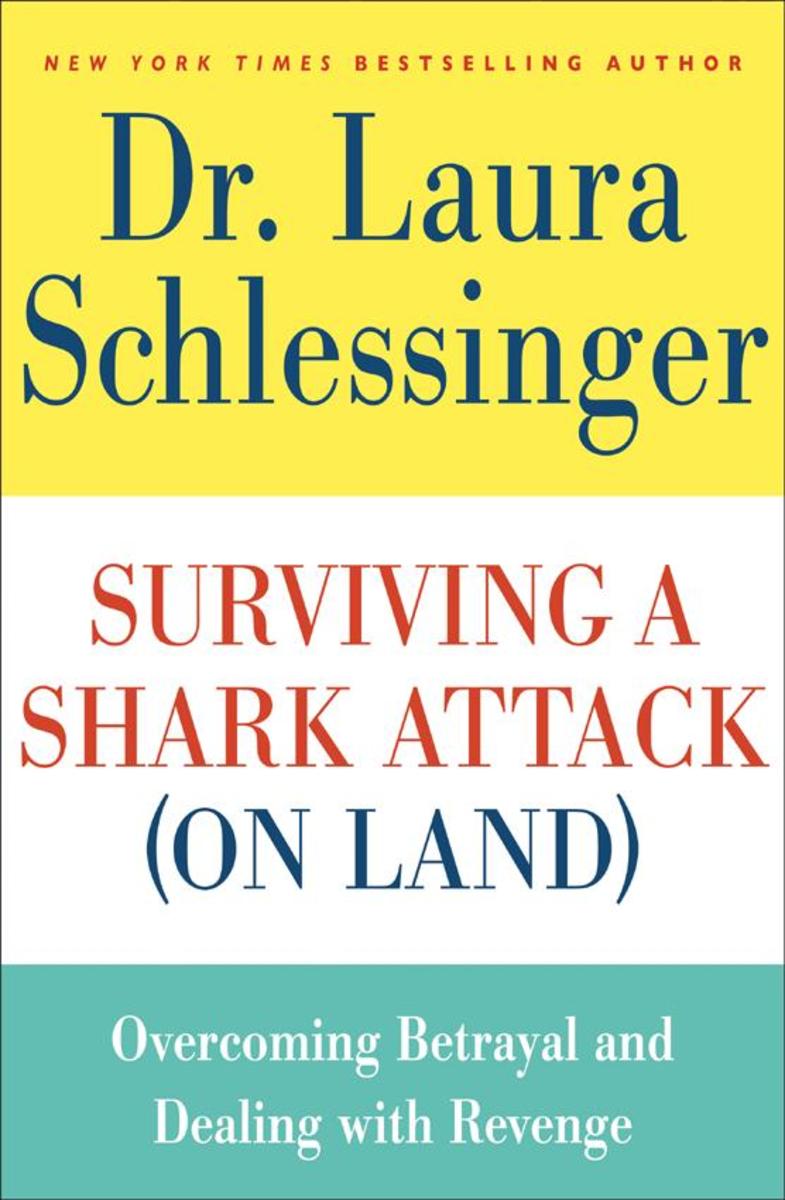
Surviving a Shark Attack (On Land)
¥83.92
With her trademark no-nonsense approach and building on the principles developed during her long career as a licensed therapist, New York Times bestselling author Dr. Laura shows readers how to survive enemies traitors, backstabbers, and saboteurs at work and at home. In her previous New York Times bestsellers, author and renowned radio host Dr. Laura Schlessinger has helped countless men and women become better husbands, wives, parents, and people. She's helped them cope with grief; encouraged them to be moral, compassionate, and considerate individuals; shown them how to handle adversity; and set them on the path to understanding and living happy, well-adjusted lives.Now, in this long-awaited book, Dr. Laura turns to an emotionally explosive subject that has touched all our lives: betrayal and the desire for revenge. And for the first time, she shares her own personal experiences with betrayal, humiliation, and pain, which have led her to a powerful desire for revenge. Intimate and honest, Dr. Laura connects with her readers as never before and puts this subject into context: I concluded that betrayals are frightening, destructive, painful, humiliating, demoralizing, and so very, very hard to repair. Betrayals undermine people, relationships (marriages and families), institutions (churches, schools, businesses, government, politics) everything. The entire fabric of humanity depends upon people depending upon each other for their word, honesty, and loyalty. Millions of Dr. Laura's listeners struggle with the idea of taking revenge and how to accept when it cannot be achieved. For many who have been betrayed, justice may never be served, she reminds us. Empathetic yet never saccharine, direct yet never harsh, Dr. Laura encourages readers to explore their feelings and learn to get beyond them, supplying tools they can use to achieve fulfilling, contented lives free of rancor and the need to settle scores.Powerful and thought-provoking, Surviving a Shark Attack (on Land) gives readers the emotional defenses they need to overcome the worst life will throw at them, whether it's a cheating spouse, a lying sibling, or a ruthless colleague.
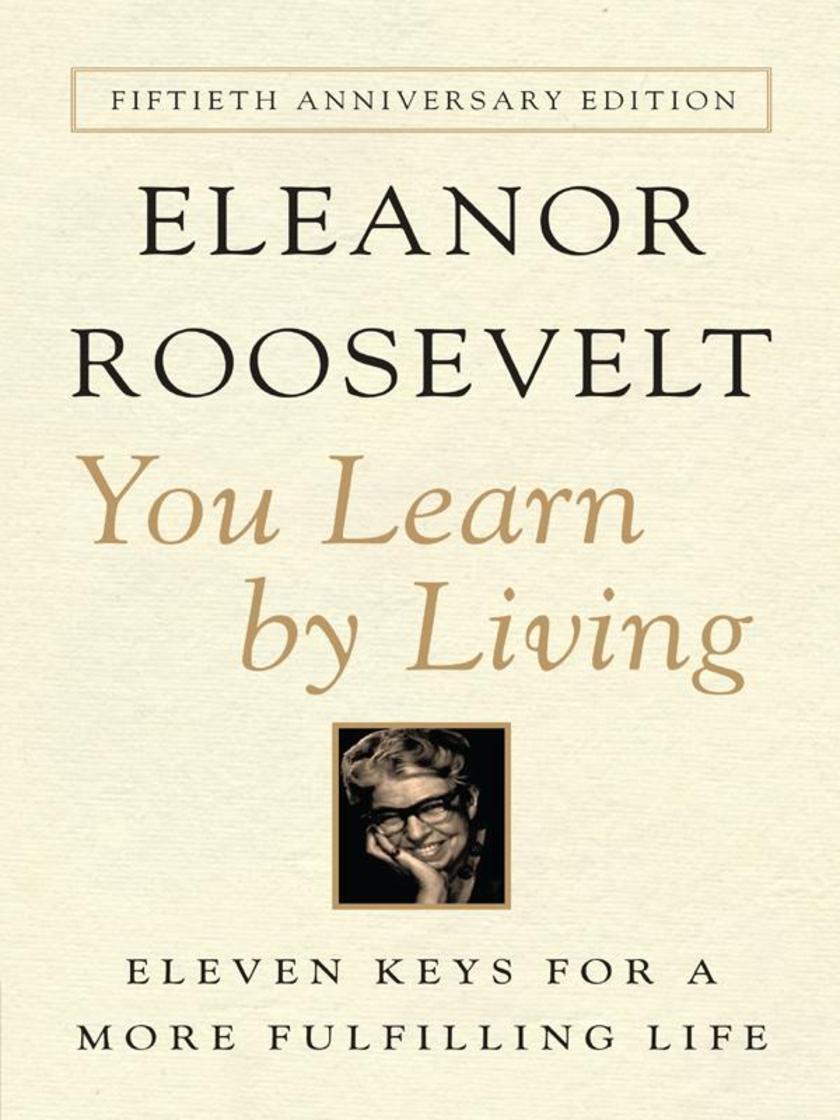
You Learn By Living
¥88.56
One of the most beloved figures of the twentieth century, First Lady Eleanor Roosevelt remains a role model for a life well lived. At the ageof seventy-six, Roosevelt penned this simple guide to living a fuller life. nowback in print, You Learn by Living is a powerful volume of enduring commonsenseideas and heartfelt values. offering her own philosophy on living, Eleanor takes readers on a path to compassion, confidence, maturity, civicstewardship, and more. her keys to a fulfilling lifeLearning to Learn Fear—the Great Enemy The Uses of Time The Difficult Art of Maturity Readjustment is Endless Learning to Be Usefulthe Right to Be an Individual How to Get the Best Out of People ?Facing Responsibility How Everyone Can Take Part in Politics Learningto Be a Public Servant Informed by her personal experiences as a daughter, wife, parent, anddiplomat, this book is a window into Eleanor Roosevelt herself and a troveof timeless wisdom that resonates in any era.
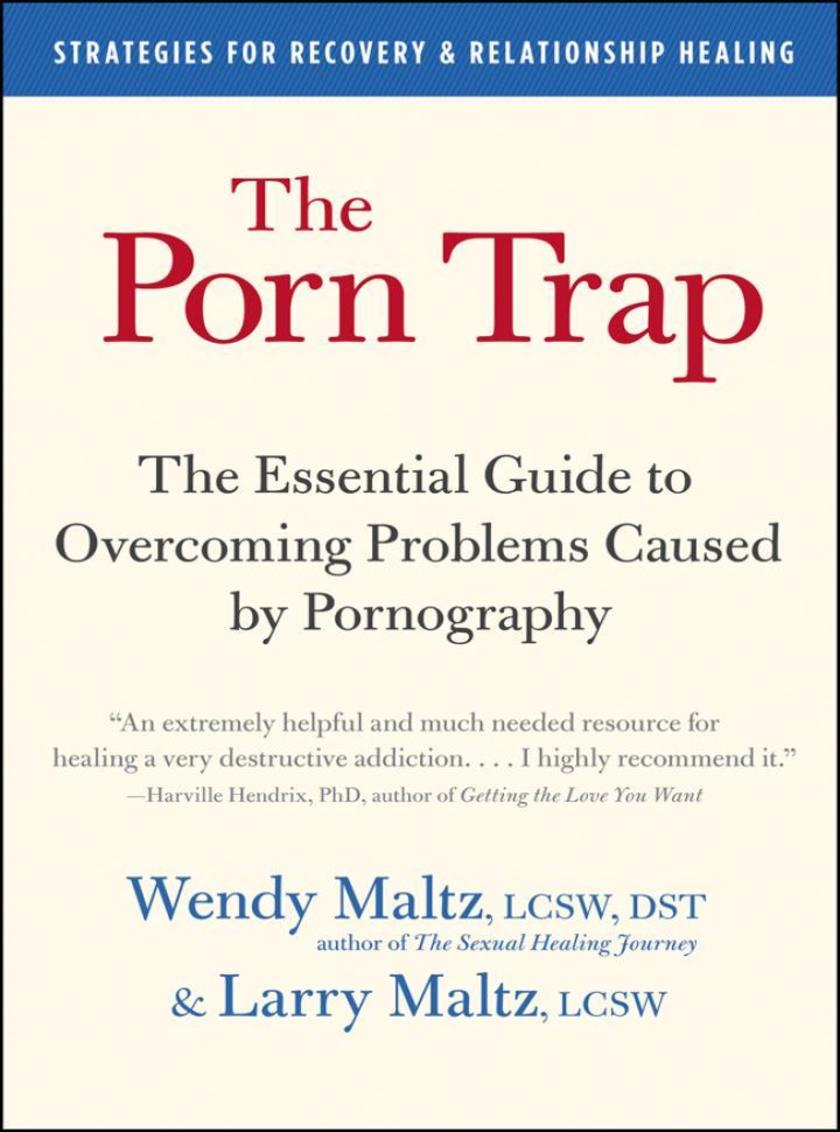
The Porn Trap
¥94.10
Breaking the silence, removing the shame In this highly acclaimed recovery guide, renowned sex and relationship therapists Wendy and Larry Maltz shed new light on the compelling nature and destructive power of today's instantly available pornography. Weaving together poignant real-life stories with innovative exercises, checklists, and expert advice, this groundbreaking resource provides a comprehensive program for understanding and healing porn addiction and other serious consequences of porn use. The Porn Trap will help you to: Decide whether it's time to quit using porn Learn how to stop using porn and deal with cravings Improve self-esteem and personal integrity Heal an intimate relationship harmed by porn use Develop a healthy sex life'
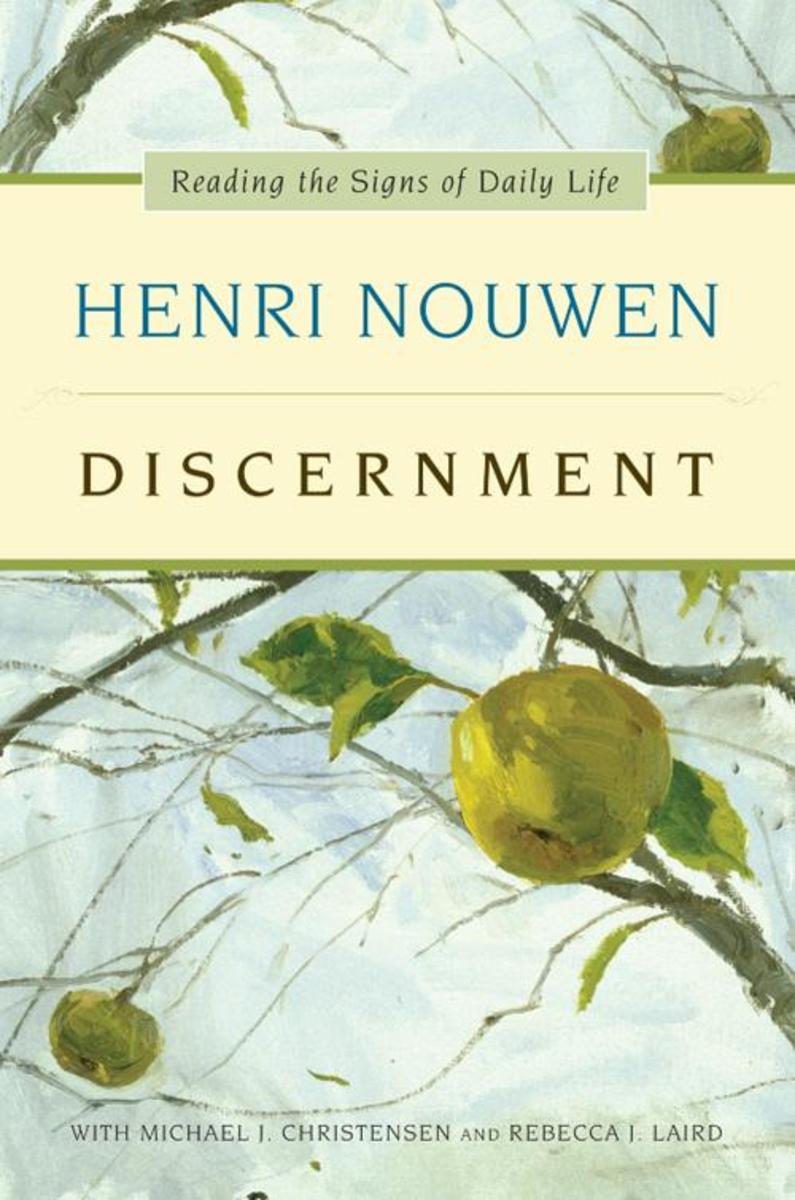
Discernment
¥99.65
Henri Nouwen, the world-renowned spiritual guide and counselor, understood the spiritual life as a journey of faith and transformation that is deepened by accountability, community, and relationships. Though Henri counseled many people during his lifetime, his principles of discernment were never collected into a single volume. Now, in association with the Nouwen Legacy Trust, Michael Christensen one of Nouwen's longtime students and Rebecca Laird have taken his coursework, journals, and unpublished writings and created the definitive resource on spiritual discernment.This is the third book of a series. Spiritual Direction explores our core questions about the spiritual life as Nouwen acts as spiritual director, opening the door to personal transformation. In Spiritual Formation, Nouwen offers guidance on spiritual development as dynamic movements from fear to love. In this final book, Discernment, Nouwen teaches us how to read the "signs of the times" in daily life in order to make decisions that are ultimately guided by God. Nouwen emphasizes listening to the Word of God in our hearts, in the Bible, in the community of faith, and in the voice of the poor. Nouwen's thoughts on discernment begin to answer one of the biggest questions we face: what should I do with my life?
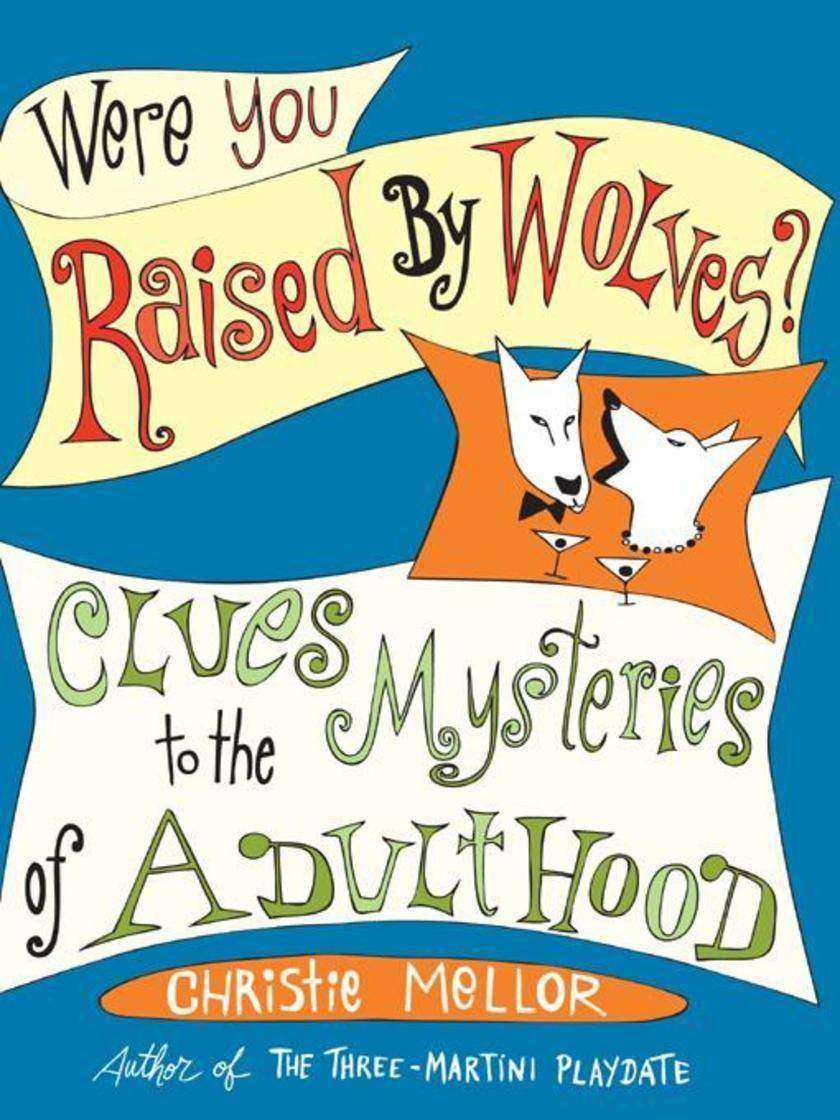
Were You Raised by Wolves?
¥78.55
Perhaps, in your parents' eagerness to smooth life's bumpy road, they took such good care of you that you never learned how to be a self-sufficient human being. And now here you are, all grown up. What nextYou may think you don't really need to know how to make a proper cup of coffee. You've never given much thought to your listening skills, or how one goes about saving money, or stocking a bar. But knowing these things will really make you a much more well-rounded and all-around more charming and useful person, one who is more apt to be invited over for dinner. In fact, a lot of us might benefit from having a few gentle hints about housekeeping, habits, and behavior lobbed in our general direction. With advice and information ranging from How to Boil an Egg to How to Go a Whole Day Without Spending Money in chapters as diverse as the Upside of Being Single and Lonely and the Hangover: Badge of Courage or Waste of a DayWere You Raised by Wolveswill help you come away more confident about important issues such as where the hell to put those flowers somebody brought over last night. So let's all of us embrace our adulthood, shall weIf your mother still chews your food for you and your dad still fills your gas tank, it's time to put on those big boy pants and jump into the deep end of the pool where the grown-ups swim.
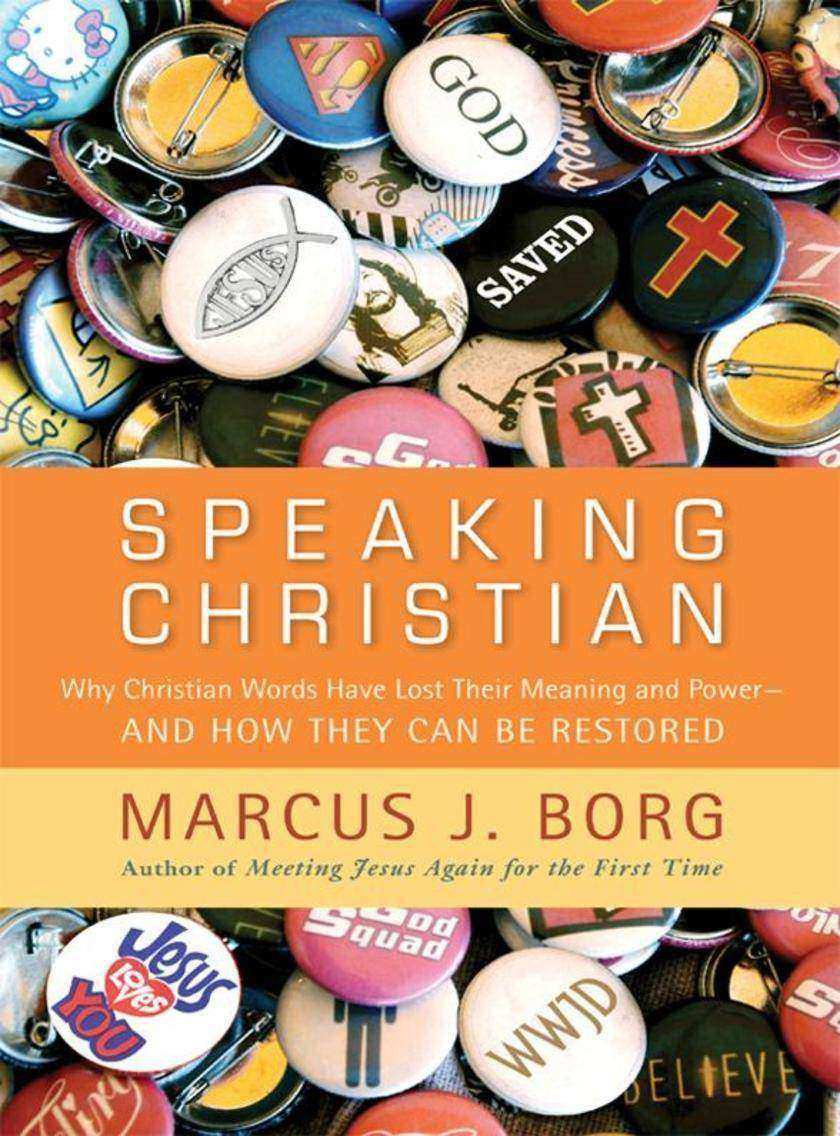
Speaking Christian
¥88.56
Modern Christians are steeped in a language so distorted that it has become a stumbling block to the religion, says internationally renowned Bible scholar Marcus J. Borg. Borg argues that Christianity’s important words, and the sacred texts and stories in which those words are embedded, have been narrowed by a modern framework for the faith that emphasizes sin, forgiveness, Jesus dying for our sins, and the afterlife. Here, Borg employs the “historical-metaphorical” method for understanding Christian language that can restore for us these words of power and transformation. For example, ?Redemption: now narrowly understood as Jesus saving us from sins so we can go to heaven, but in the Bible it refers to being set free from slavery. ?Savior: now refers to Jesus as the one who saves us from our sins, but in the Bible it has a rich and wonderful variety of meanings having nothing to do with the afterlife. ?Sacrifice: now refers to Jesus’s death on the cross as payment for our sins, but in the Bible it is never about substitutionary payment for sin. In Speaking Christian, Borg delivers a language for twenty-first-century Christians that grounds the faith in its deep and rich original roots and allows it once again to transform our lives.
Stop Being Your Symptoms and Start Being Yourself
¥94.10
Do you suffer from ongoing pain or other chronic medical symptoms such as fatigue, lower back pain, arthritis, acid indigestion, insomnia, or migrainesDo you feel as though your symptoms are taking over your lifeThirty percent of the population suffers from chronic debilitating illnesses and pain that respond only partially to conventional medicine, but this doesn't mean that there is no relief in sight. Dr. Arthur Barsky, psychiatrist and pioneer in the field of mind-body medicine, has found that changing the way you think about your illness can have a remarkable effect on how you experience your symptoms. The groundbreaking program he offers in Stop Being Your Symptoms and Start Being Yourself teaches patients to master the five psychological factors that make chronic symptoms persist through hundreds of exercises, worksheets, and patient examples. You may not be able to completely eliminate your medical symptoms, but it is possible to control your symptoms rather than letting them control you and this book shows you how.

Don't Panic Third Edition
¥99.65
The authority on panic and anxiety newly revised and expandedAre you one of the more than nineteen million Americans who suffer from anxietyDon't panic. Newly revised and expanded, this edition offers a straightforward and remarkably effective self-help program for overcoming panic and coping with anxious fears. With insight and compassion, Reid Wilson, Ph.D., demystifies anxiety attacks and provides indispensable advice, including: how a panic attack happens, what causes it, and how it can affect your life how to recognize, manage, and control the moment of panic how to control the chronic muscle tensions that increase anxiety how to conquer fear and face problems with confidence how to decide which medication is right for you how to establish reachable goals and rediscover the joy of living
The Woman's Comfort Book
¥99.65
With over 200 pre*ions for giving yourself a break, this book helps the reader to sort out guilty feelings about self nurture and to define her comfort/self nurture needs.In this book the author delivers a host of creative and comforting programmes like the self care schedule, creative selfishness, creating a comfort network, body delights, a personal sanctuary, the comfort journal, bathing pleasures and comfort rituals. Organised by topic and cross referenced throughout, this guidebook is designed to appeal to women of all ages. The new edition has been revised and updated for modern women.
Release Your Brilliance
¥110.71
Each of us is born brilliant. Then we spend the rest of our lives having our brilliance buried by people, circumstances, and experiences. Eventually, we forget that we ever had genius and special talents, and our brilliance is locked away in a vault deep within. So we settle for who we are, instead of striving for who we were meant to be. Release Your Brilliance provides the combination to the vault where your brilliance is kept. After struggling for thirty-two years with disillusion, defeat, and despair, author Simon T. Bailey cracked the code to personal transformation, turning his life around and becoming a highly successful entrepreneur, respected family man and community leader. Using the metaphor that we're all diamonds in the rough, Simon shares the four key steps to cut and polish the gem that is you in order to reawaken your genius, reignite your internal light, and release your potential. He guides your transformation with interactive tools such as Personal Appraisal exercises, Diamond Polishing action steps, and true stories of Living Diamonds. Join the thousands of individuals and organizations worldwide who've sat down with Simon and learned to create lasting change and release their brilliance!
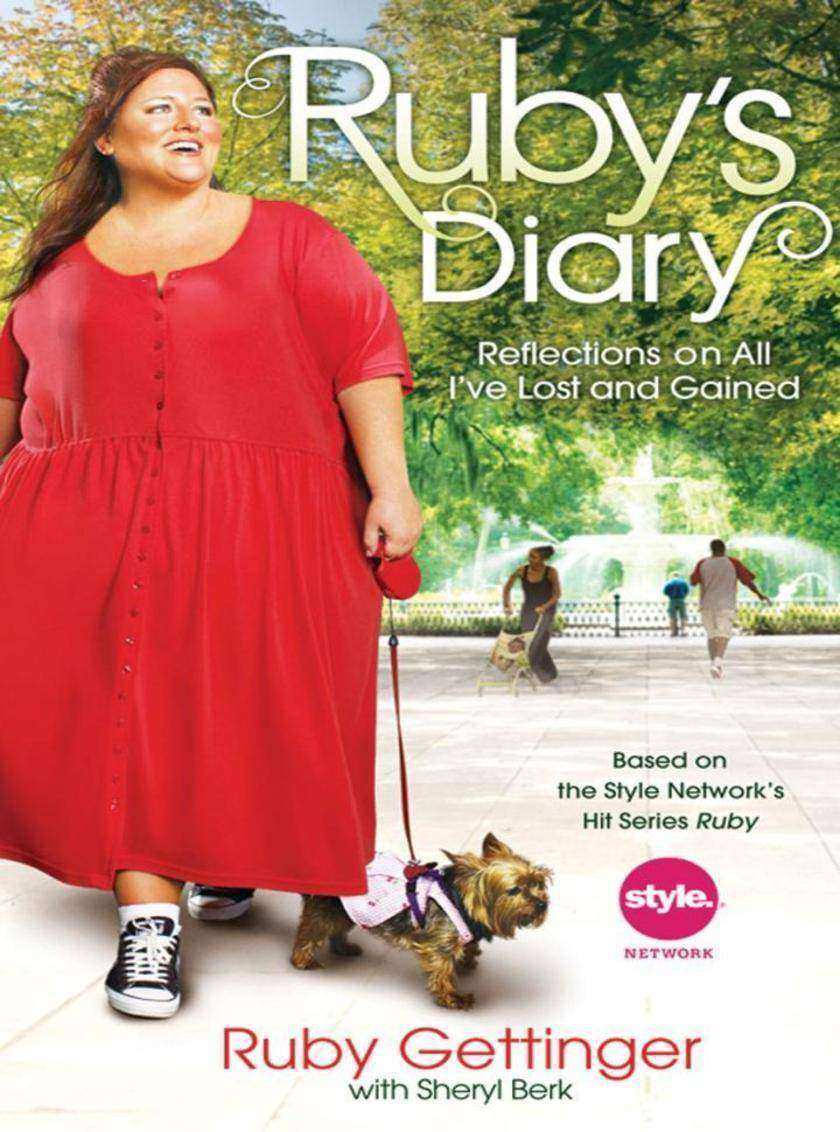
Ruby's Diary
¥121.80
Ruby Gettinger, the endearing and beloved star of The Style Network's hit reality show Ruby, reveals the most private aspects of her life-altering journey to conquer morbid obesity and to attain health and happiness in this inspirational book based on her personal diary From the debut of The Style Network's number one reality show Ruby, viewers fell in love with its sweet and spirited Southern star, and remain mesmerized by her public mission to overcome her inner conflicts and win her ongoing battle with weight.At her heaviest, Ruby weighed more than 700 pounds. Although she wasn't quite sure how she got to this point or why one thing was clear: it was killing her. Her doctor warned that her diabetes was raging out of control and that she could die at any moment. Vowing to change her life to save it, Ruby made a genuine commitment to uncover all of the underlying physical and psychological causes of her food addiction an act of courage that has helped her lose nearly 400 pounds so far! To support her on this difficult path, Ruby has kept a journal of her experiences, including intimate reflections, surprising discoveries, and current fears, hopes, and dreams, many of which she shares here.Filled with honesty, optimism, and classic "Rubyisms" as well as revealing insights from her friends, family, and team of experts, Ruby's Diary is a remarkable record of one determined woman's complex challenges and her many laudable achievements. Ruby's perseverance is not only an example to all those battling their own weight and addiction issues, it is an example to all those grappling with personal obstacles of any kind. Anyone not in love with Ruby just hasn't met her yet!
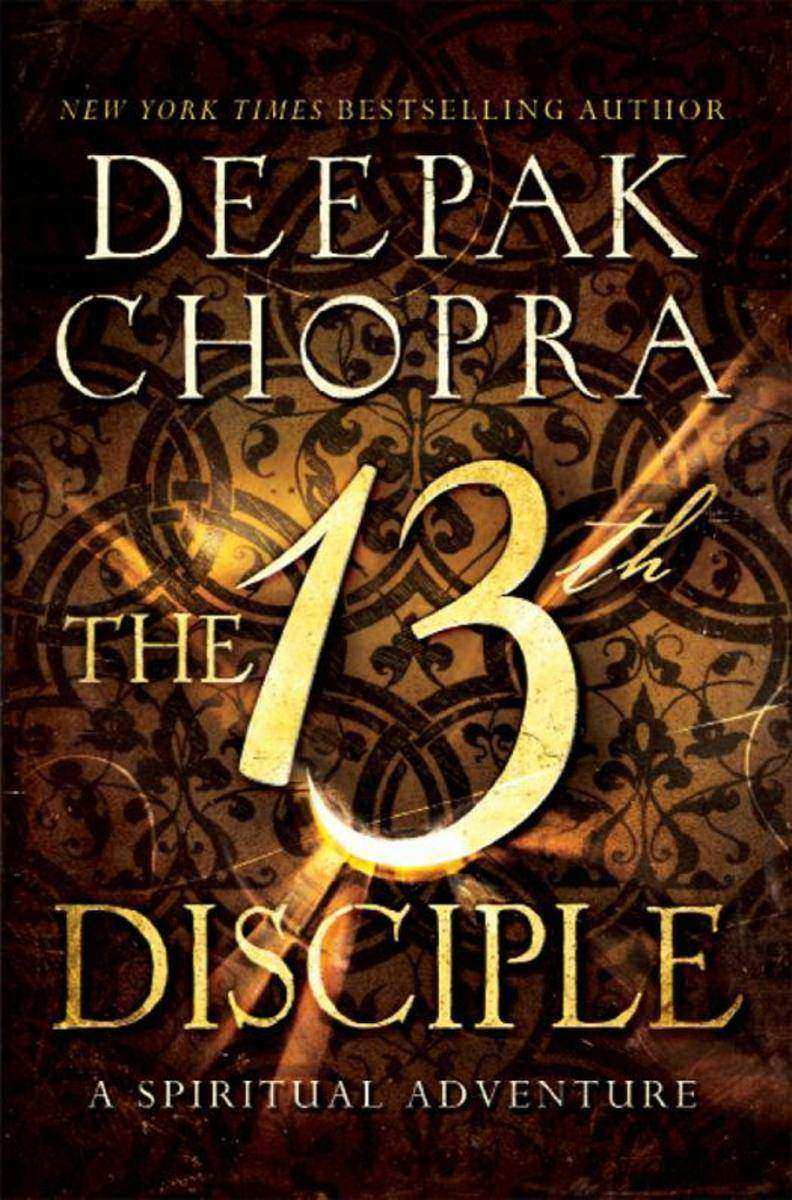
The 13th Disciple
¥90.51
From Deepak Chopra comes a spiritual adventure story about Christ's forgotten disciple, an ancient mystery school, and the timeless power of faith.Before suddenly disappearing from her cloister, Sister Margaret Thomas McGeary leaves behind a solid gold reliquary, which her niece Mare dis-covers tucked away among Sister Margaret's belongings. This is from the thirteenth disciple, a handwritten note says, follow it where it leads, setting into motion a millennia-old mystery about the final and truest disciple of Christ. As Mare searches for her lost aunt, she begins to realize that the reliquary contains a secret that could very well change the history of Christianity and forever redefine what it means to be a person of faith.Joining Mare in her quest is a ragtag and reluctant group of sinners and skeptics Frank, a journalist eager to break the story; Lilith, an eccentric mother of two who knows more than she's letting on; Galen, a misanthrope with a hidden past; and Jimmy, a hospital orderly whose faith sustains him even in the darkest hours. Together, they try to make sense of the reliquary and its mysterious contents. But are they ready for what they learn about the reliquary or themselvesWeaving together masterful storytelling, page-turning intrigue, and biblical and religious scholarship, Deepak Chopra reveals illuminating truths about Jesus, his followers, and, ultimately, belief itself. Like his previous New York Times bestselling novels Buddha and Jesus, The 13th Disciple invites readers to know and experience religion in a new and breathtaking way.
A Spiritual Formation Journal
¥78.60
Spiritual study groups have never been more popular among Christians of all denominations. Coming together to study, pray, and plan ways to serve the community can spark new ideas and deeper reflection in each member of the group. A Spiritual Formation Journal, designed specifically to complement both individual and small group contemplation, is the perfect place to further explore these ideas and carry them into our everyday lives.As part of Renovar's popular collection of resource books, A Spiritual Formation Journal is uniquely designed with an emphasis on five great Christian traditions: Contemplative, the Prayer-Filled Life; Holiness, the Virtuous Life; Charismatic, the Spirit-Empowered Life; Social Justice, the Compassionate Life; and Evangelical, the Word-Centered Life. Divided into weekly sections, the journal offers an inviting space for written reflection and prayer as well as inspiring quotes, thought-provoking questions, evaluation exercises, and group worksheets to encourage the examination and celebration of spiritual growth.

Surprised by Scripture
¥99.65
Bishop, Bible scholar, and bestselling author N. T. Wright here provides a series of case studies on how to apply the Bible to the pressing issues of today. Among the topics Wright addresses are the intersection of religion and science, why women should be allowed to be ordained, what we get wrong and how we can do better when Christians engage in politics, why the Christian belief in heaven means we should be at the forefront of the environmental movement, and many more.Wright fearlessly wades through the difficult issues facing us. Readers will find new models for understanding how to affirm the Bible in today's world as well as encouragement and renewed energy for deepening our faith and engaging with the culture around us.

The Diaper-Free Baby
¥94.10
Imagine infants free from painful diaper rash, new parenthood without thousands of dollars wasted in diapering costs, toilet training that is natural and noncoercive, and, most important, happier babies and parentsAs Christine Gross-Loh reveals in her progressive, enlightening book, all this is possible and more. Infants are born with the ability to communicate their need to "go," just as they communicate hunger or sleepiness. Gross-Loh, a mother of two children who were diaper-free at eighteen and fifteen months, uses the tenets of "elimination communication," or EC, to teach parents how to identify and respond to their baby or toddler's natural cues. Unlike the all-or-nothing approach of some parenting books, The Diaper-Free Baby addresses three categories of parents: full-time, part-time, and occasional EC'ers. Parents can practice EC as much or as little as fits their family and lifestyle. A support group within a book, The Diaper-Free Baby also includes inspiring testimonials throughout every chapter. Parents who have successfully practiced EC identify common struggles, share experiences and problem-solving tips, and provide encouragement for those new to the technique. Their motivational stories together with Gross-Loh's practical advice will appeal to all parents interested in a fresh alternative to traditional toilet training.
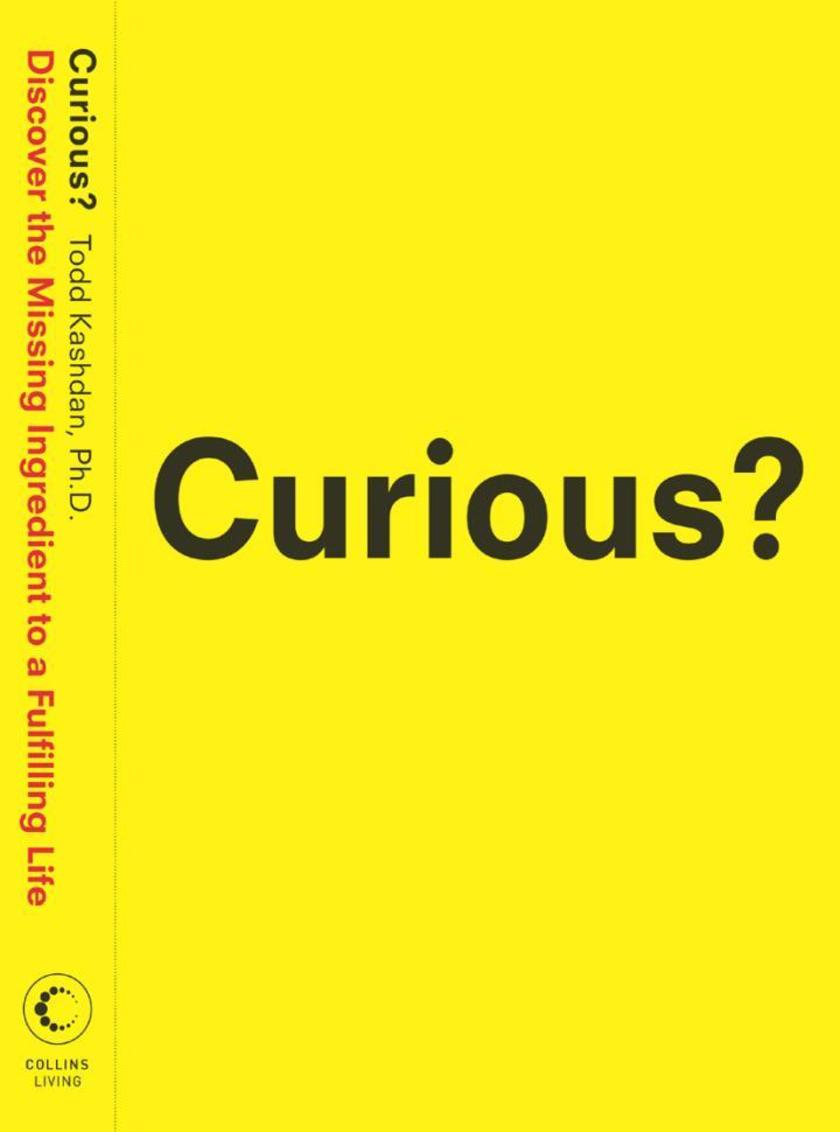
Curious?
¥94.10
Dead cats. That's the image many people conjure up when you mention curiosity. An image perpetuated by a dusty old proverb that has long represented the extent of our understanding of the term. This book might not put the proverb to rest, but it will flip it upside down: far from killing anything, curiosity breathes new life into almost everything it touches.In CuriousDr. Todd Kashdan offers a profound new message missing from so many books on happiness: the greatest opportunities for joy, purpose, and personal growth don't, in fact, happen when we're searching for happiness. They happen when we are mindful, when we explore what's novel, and when we live in the moment and embrace uncertainty. Positive events last longer and we can extract more pleasure and meaning from them when we are open to new experiences and relish the unknown.Dr. Kashdan uses science, story, and practical exercises to show you how to become what he calls a curious explorer a person who's comfortable with risk and challenge and who functions optimally in an unstable, unpredictable world. Here's a blueprint for building lasting, meaningful relationships, improving health, increasing creativity, and boosting productivity. Aren't you curious to know more?

The Allure of Gentleness
¥90.51
When called upon to explain their faith, Christians do not always feel equipped to do so particularly when some of the most difficult questions arise. In The Allure of Gentleness, esteemed teacher and author Dallas Willard not only assures us of the truth and reasonableness of the Christian faith, but also explores why reason and logic are not enough: to explain Jesus's message, we must also be like Jesus, characterized by love, humility, and gentleness.Based on a series of talks and lectures on apologetics given by the late author and edited by his daughter, Becky Heatley, this book constitutes Dallas Willard's most thorough presentation on how to defend the Christian faith for the twenty-first century. This beautiful model of life, this allure of gentleness, Willard tells us, is the foundation for making the most compelling argument for Christ, one that will assure others that the Christian faith is not only true but the answer to our deepest desires and hopes.
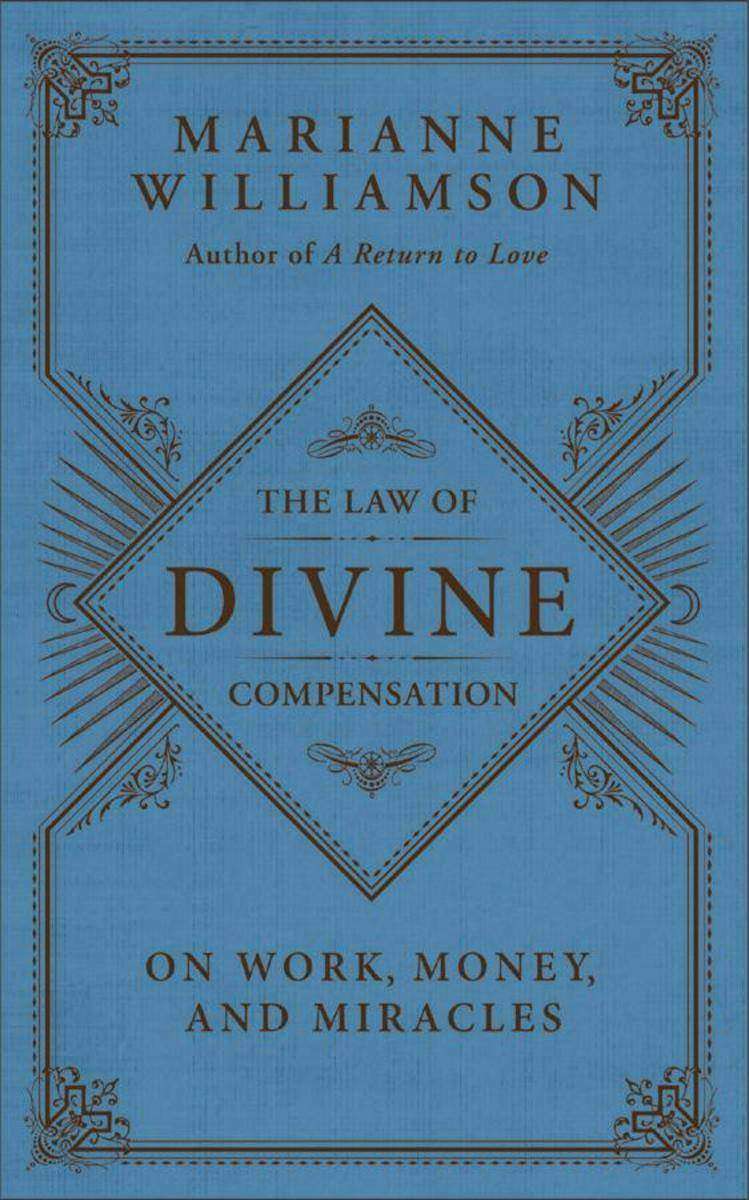
The Law of Divine Compensation
¥94.10
Unleash the Divine Power of Abundance Author, activist, and spiritual leader Marianne Williamson is often considered one of the defining voices for a new generation of spiritual seekers.Spirituality and Health Williamson focuses on what defines meaningful work and how our jobs can be an extension of our spirituality. As she teaches . . . the sense of endless possibility to reshape our lives unfolds.Huffington Post The Law of Divine Compensation assures us that everything will be all right since the universe is set up to work for us. . . . We are challenged to believe that miracles do happen and what is lacking can become abundant.Spirituality and Practice


