


 购物车
购物车 个人中心
个人中心
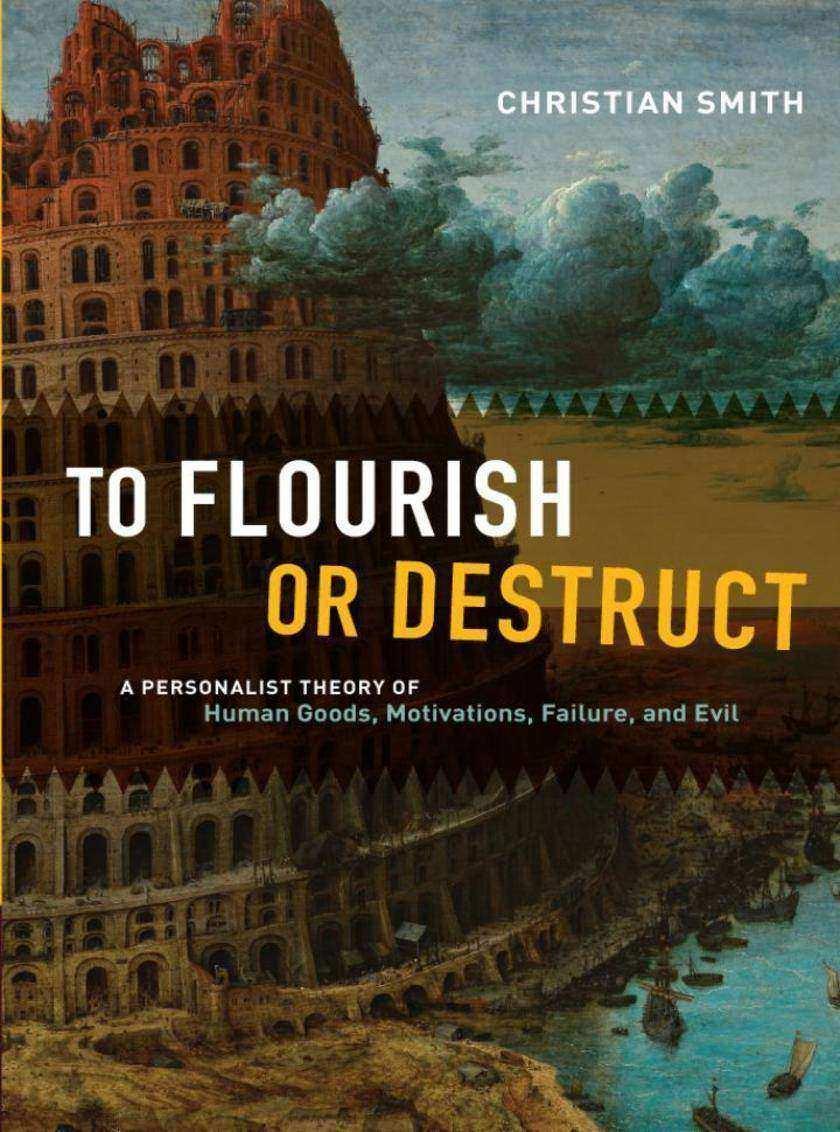
To Flourish or Destruct
¥370.82
In his 2010 book What Is a Person?, Christian Smith argued that sociology had for too long neglected this fundamental question. Prevailing social theories, he wrote, do not adequately "e;capture our deep subjective experience as persons, crucial dimensions of the richness of our own lived lives, what thinkers in previous ages might have called our 'souls' or 'hearts.'"e; Building on Smith's previous work, To Flourish or Destruct examines the motivations intrinsic to this subjective experience: Why do people do what they doHow can we explain the activity that gives rise to all human social life and social structuresSmith argues that our actions stem from a motivation to realize what he calls natural human goods: ends that are, by nature, constitutionally good for all human beings. He goes on to explore the ways we can and do fail to realize these ends-a failure that can result in varying gradations of evil. Rooted in critical realism and informed by work in philosophy, psychology, and other fields, Smith's ambitious book situates the idea of personhood at the center of our attempts to understand how we might shape good human lives and societies.
Wasting a Crisis
¥370.82
The recent financial crisis led to sweeping reforms that inspired countless references to the financial reforms of the New Deal. Comparable to the reforms of the New Deal in both scope and scale, the 2,300-page Dodd-Frank Act of 2010-the main regulatory reform package introduced in the United States-also shared with New Deal reforms the assumption that the underlying cause of the crisis was misbehavior by securities market participants, exacerbated by lax regulatory oversight.With Wasting a Crisis, Paul G. Mahoney offers persuasive research to show that this now almost universally accepted narrative of market failure-broadly similar across financial crises-is formulated by political actors hoping to deflect blame from prior policy errors. Drawing on a cache of data, from congressional investigations, litigation, regulatory reports, and filings to stock quotes from the 1920s and '30s, Mahoney moves beyond the received wisdom about the financial reforms of the New Deal, showing that lax regulation was not a substantial cause of the financial problems of the Great Depression. As new regulations were formed around this narrative of market failure, not only were the majority largely ineffective, they were also often counterproductive, consolidating market share in the hands of leading financial firms. An overview of twenty-first-century securities reforms from the same analytic perspective, including Dodd-Frank and the Sarbanes-Oxley Act of 2002, shows a similar pattern and suggests that they too may offer little benefit to investors and some measurable harm.
Making "e;Nature"e;
¥370.82
Making "e;Nature"e; is the first book to chronicle the foundation and development of Nature, one of the world's most influential scientific institutions. Now nearing its hundred and fiftieth year of publication, Nature is the international benchmark for scientific publication. Its contributors include Charles Darwin, Ernest Rutherford, and Stephen Hawking, and it has published many of the most important discoveries in the history of science, including articles on the structure of DNA, the discovery of the neutron, the first cloning of a mammal, and the human genome.But how did Nature become such an essential institutionIn Making "e;Nature,"e; Melinda Baldwin charts the rich history of this extraordinary publication from its foundation in 1869 to current debates about online publishing and open access. This pioneering study not only tells Nature's story but also sheds light on much larger questions about the history of science publishing, changes in scientific communication, and shifting notions of "e;scientific community."e; Nature, as Baldwin demonstrates, helped define what science is and what it means to be a scientist.
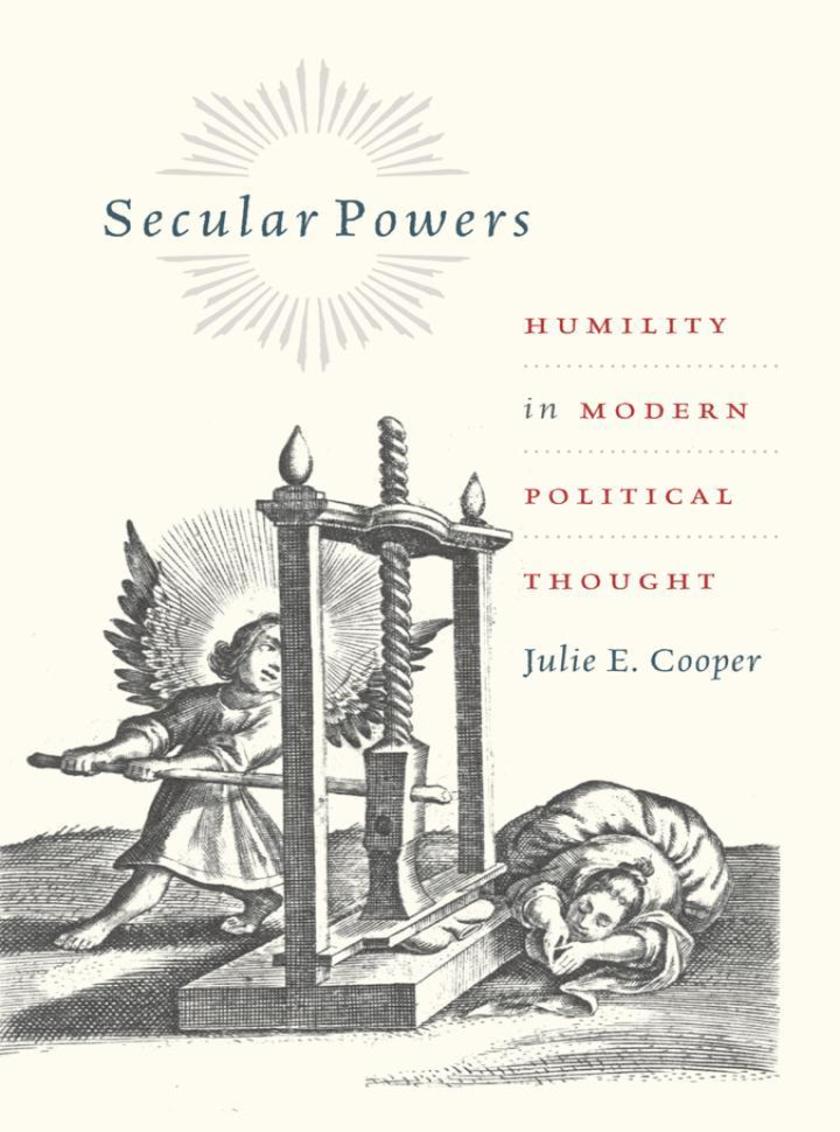
Secular Powers
¥329.62
Secularism is usually thought to contain the project of self-deification, in which humans attack God's authority in order to take his place, freed from all constraints. Julie E. Cooper overturns this conception through an incisive analysis of the early modern justifications for secular politics. While she agrees that secularism is a means of empowerment, she argues that we have misunderstood the sources of secular empowerment and the kinds of strength to which it aspires.Contemporary understandings of secularism, Cooper contends, have been shaped by a limited understanding of it as a shift from vulnerability to power. But the works of the foundational thinkers of secularism tell a different story. Analyzing the writings of Hobbes, Spinoza, and Rousseau at the moment of secularity's inception, she shows that all three understood that acknowledging one's limitations was a condition of successful self-rule. And while all three invited humans to collectively build and sustain a political world, their invitations did not amount to self-deification. Cooper establishes that secular politics as originally conceived does not require a choice between power and vulnerability. Rather, it challenges us-today as then-to reconcile them both as essential components of our humanity.
Rhetoric of Pregnancy
¥288.41
It is a truth widely acknowledged that if you're pregnant and can afford one, you're going to pick up a pregnancy manual. From What to Expect When You're Expecting to Pregnancy for Dummies, these guides act as portable mentors for women who want advice on how to navigate each stage of pregnancy. Yet few women consider the effect of these manuals-how they propel their readers into a particular system of care or whether the manual they choose reflects or contradicts current medical thinking.Using a sophisticated rhetorical analysis, Marika Seigel works to deconstruct pregnancy manuals while also identifying ways to improve communication about pregnancy and healthcare. She traces the manuals' evolution from early twentieth-century tomes that instructed readers to unquestioningly turn their pregnancy management over to doctors, to those of the women's health movement that encouraged readers to engage more critically with their care, to modern online sources that sometimes serve commercial interests as much as the mother's.The first book-length study of its kind, The Rhetoric of Pregnancy is a must-read for both users and designers of our prenatal systems-doctors and doulas, scholars and activists, and anyone interested in encouraging active, effective engagement.
Foundations of Natural Morality
¥288.41
Recent years have seen a renaissance of interest in the relationship between natural law and natural rights. During this time, the concept of natural rights has served as a conceptual lightning rod, either strengthening or severing the bond between traditional natural law and contemporary human rights. Does the concept of natural rights have the natural law as its foundation or are the two ideas, as Leo Strauss argued, profoundly incompatible?With The Foundations of Natural Morality, S. Adam Seagrave addresses this controversy, offering an entirely new account of natural morality that compellingly unites the concepts of natural law and natural rights. Seagrave agrees with Strauss that the idea of natural rights is distinctly modern and does not derive from traditional natural law. Despite their historical distinctness, however, he argues that the two ideas are profoundly compatible and that the thought of John Locke and Thomas Aquinas provides the key to reconciling the two sides of this long-standing debate. In doing so, he lays out a coherent concept of natural morality that brings together thinkers from Plato and Aristotle to Hobbes and Locke, revealing the insights contained within these disparate accounts as well as their incompleteness when considered in isolation. Finally, he turns to an examination of contemporary issues, including health care, same-sex marriage, and the death penalty, showing how this new account of morality can open up a more fruitful debate.
Tunguska, or the End of Nature
¥288.41
On June 30, 1908, a mysterious explosion erupted in the skies over a vast woodland area of Siberia. Known as the Tunguska Event, it has been a source of wild conjecture over the past century, attributed to causes ranging from meteors to a small black hole to antimatter. In this imaginative book, Michael Hampe sets four fictional men based on real-life scholars-a physicist (Gunter Hasinger and Steven Weinberg), a philosopher (Paul Feyerabend), a biologist (Adolf Portmann), and a mathematician (Alfred North Whitehead)-adrift on the open ocean, in a dense fog, to discuss what they think happened. The result is a playful and highly illuminating exploration of the definition of nature, mankind's role within it, and what its end might be.?Tunguska, Or the End of Nature uses its four-man setup to tackle some of today's burning issues-such as climate change, environmental destruction, and resource management-from a diverse range of perspectives. With a kind of foreboding, it asks what the world was like, and will be like, without us, whether we are negligible and the universe random, whether nature can truly be explained, whether it is good or evil, or whether nature is simply a thought we think. This is a profoundly unique work, a thrillingly interdisciplinary piece of scholarly literature that probes the mysteries of nature and humans alike.?
Contesting Nietzsche
¥311.96
In this groundbreaking work, Christa Davis Acampora offers a profound rethinking of Friedrich Nietzsche's crucial notion of the agon. Analyzing an impressive array of primary and secondary sources and synthesizing decades of Nietzsche scholarship, she shows how the agon, or contest, organized core areas of Nietzsche's philosophy, providing a new appreciation of the subtleties of his notorious views about power. By focusing so intensely on this particular guiding interest, she offers an exciting, original vantage from which to view this iconic thinker: Contesting Nietzsche.?Though existence-viewed through the lens of Nietzsche's agon-is fraught with struggle, Acampora illuminates what Nietzsche recognized as the agon's generative benefits. It imbues the human experience with significance, meaning, and value. Analyzing Nietzsche's elaborations of agonism-his remarks on types of contests, qualities of contestants, and the conditions in which either may thrive or deteriorate-she demonstrates how much the agon shaped his philosophical projects and critical assessments of others. The agon led him from one set of concerns to the next, from aesthetics to metaphysics to ethics to psychology, via Homer, Socrates, Saint Paul, and Wagner. In showing how one obsession catalyzed so many diverse interests, Contesting Nietzsche sheds fundamentally new light on some of this philosopher's most difficult and paradoxical ideas.
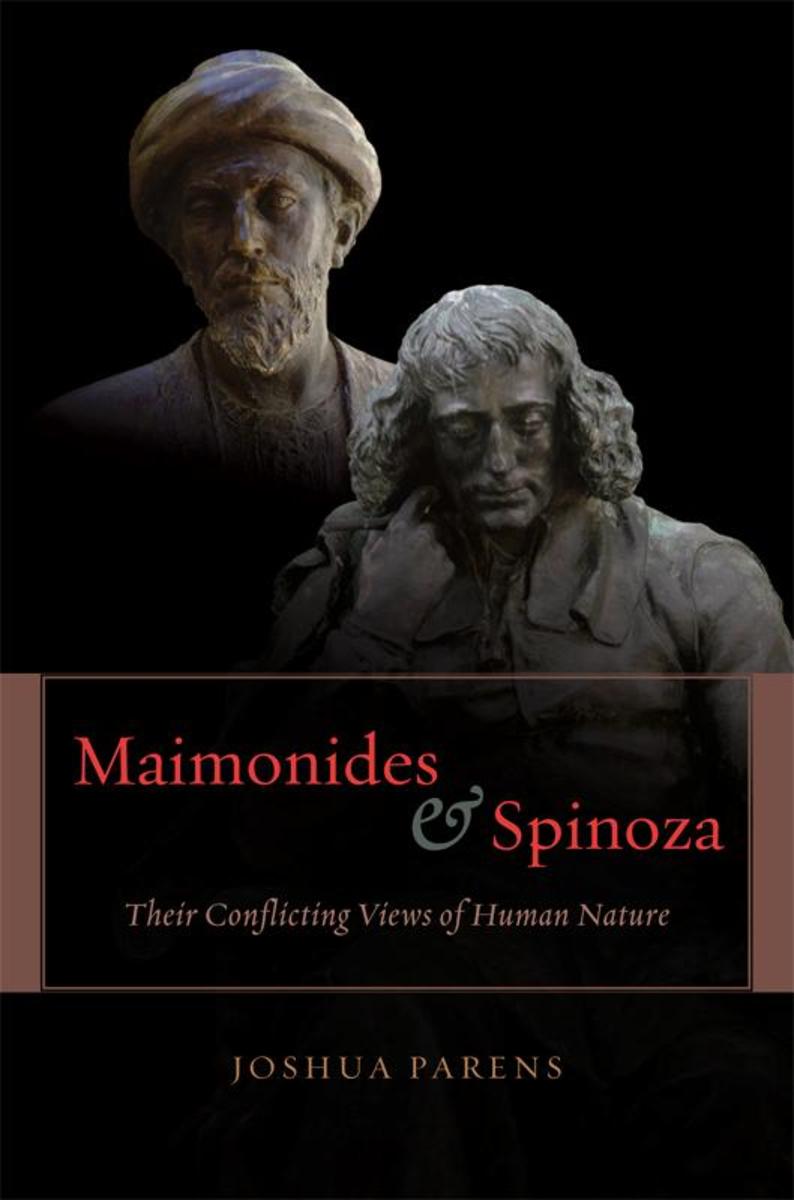
Maimonides and Spinoza
¥353.16
Until the last century, it was generally agreed that Maimonides was a great defender of Judaism, and Spinoza-as an Enlightenment advocate for secularization-among its key opponents. However, a new scholarly consensus has recently emerged that the teachings of the two philosophers were in fact much closer than was previously thought. In his perceptive new book, Parens sets out to challenge the now predominant view of Maimonides as a protomodern forerunner to Spinoza-and to show that a chief reason to read Maimonides is in fact to gain distance from our progressively secularized worldview.Turning the focus from Spinoza's oft-analyzed Theologico-Political Treatise, this book has at its heart a nuanced analysis of his theory of human nature in the Ethics. Viewing this work in contrast to Maimonides's Guide of the Perplexed, it makes clear that Spinoza can no longer be thought of as the founder of modern Jewish identity, nor should Maimonides be thought of as having paved the way for a modern secular worldview. Maimonides and Spinoza dramatically revises our understanding of both philosophers.
Animal Personalities
¥394.36
Ask anyone who has owned a pet and they'll assure you that, yes, animals have personalities. And science is beginning to agree. Researchers have demonstrated that both domesticated and nondomesticated animals-from invertebrates to monkeys and apes-behave in consistently different ways, meeting the criteria for what many define as personality. But why the differences, and how are personalities shaped by genes and environmentHow did they evolveThe essays in Animal Personalities reveal that there is much to learn from our furred and feathered friends.?The study of animal personality is one of the fastest-growing areas of research in behavioral and evolutionary biology. Here Claudio Carere and Dario Maestripieri, along with a host of scholars from fields as diverse as ecology, genetics, endocrinology, neuroscience, and psychology, provide a comprehensive overview of the current research on animal personality. Grouped into thematic sections, chapters approach the topic with empirical and theoretical material and show that to fully understand why personality exists, we must consider the evolutionary processes that give rise to personality, the ecological correlates of personality differences, and the physiological mechanisms underlying personality variation.
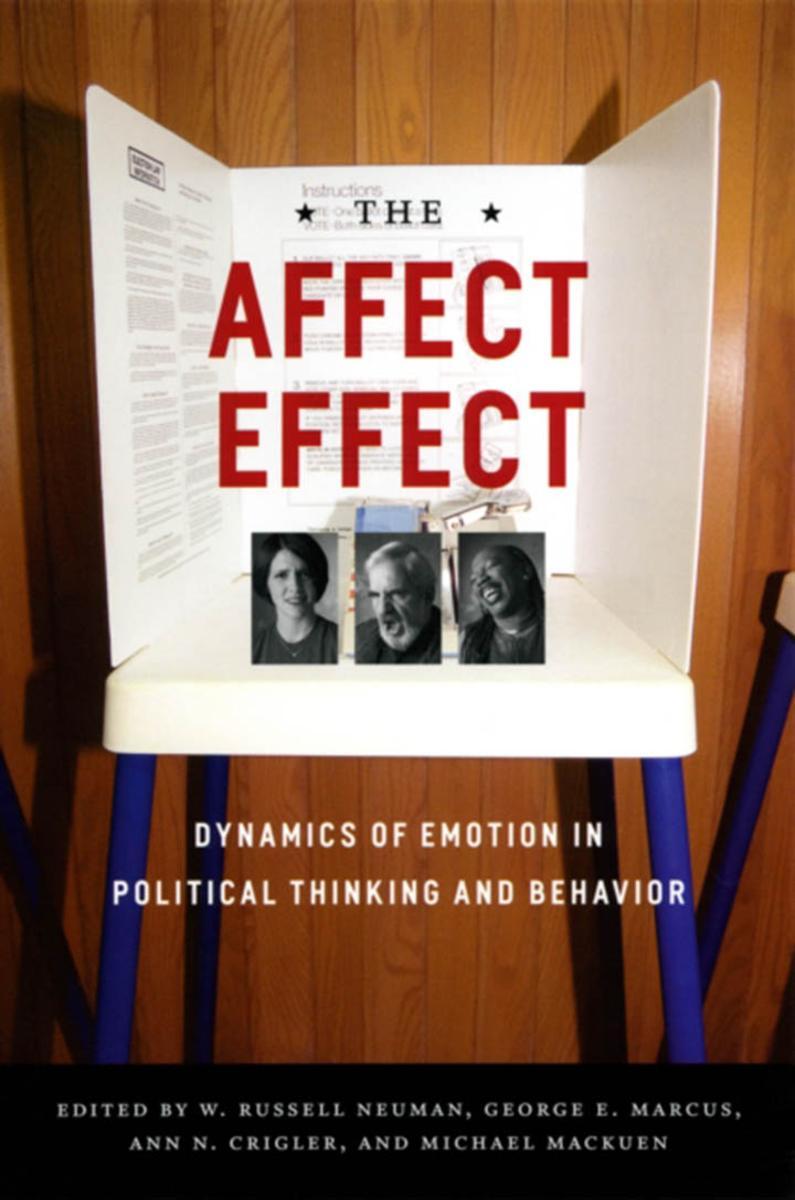
THE Affect Effect
¥265.87
two sections branch out to explore how politics work at the societal level and suggest the next steps in modeling, research, and political activity itself. Opening up new paths of inquiry in an exciting new field, this volume will appeal not only to scholars of American politics and political behavior, but also to anyone interested in political psychology and sociology.
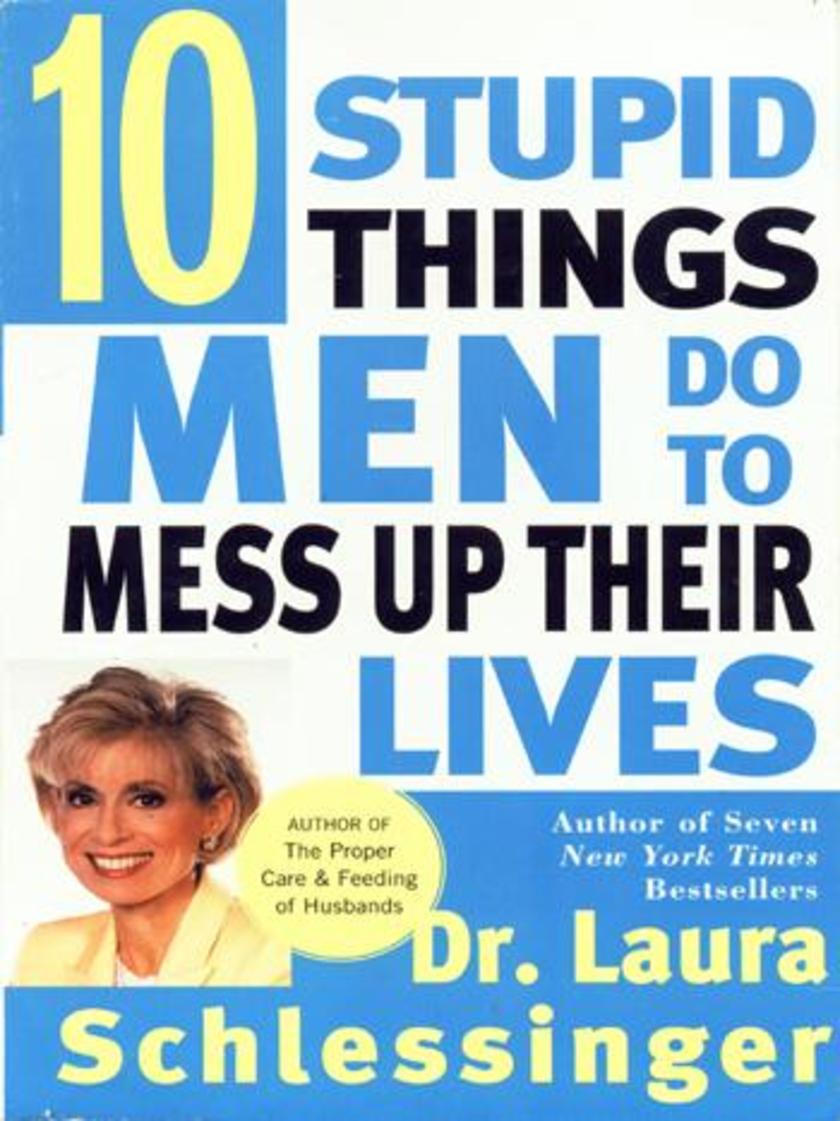
Ten Stupid Things Men Do to Mess Up Their Lives
¥77.49
For every woman who wants to know what her man is thinking. Internationally syndicated radio superhost and columnist, controversial psycho-therapist, and author of the break-out New York Times bestsellers How Could You Do That?! and Ten Stupid Things Women Do to Mess Up Their Lives, Dr. Laura Schlessinger is back with Ten Stupid Things Men Do to Mess Up Their Lives. In ten vital, compelling chapters, Dr. Laura speaks her mind on: Stupid Chivalry By getting involved with the wrong woman (weak, flaky, damaged, needy, desperate, stupid, untrustworthy, immature, etc.) you think that your love will save/transform her.Stupid Independence Unwilling to admit "need" for bonding and intimacy, you hide in excesses of work, play, drink, drugs, porn, and meaningless sex. Stupid Ambition Unable to comfortably and proudly accept your inherent importance to society and family as husband and father, you bow to the false idols of money, toys, power, and status. Stupid Strength Uncomfortable with feeling weak, vulnerable, useless, powerless, or rejected, you use intimidation, force, or passive-aggressiveness to regain control. Stupid Sex Taking an attraction, opportunity, or erection as a "sign," you measure your masculinity and power by sexual conquests, infidelities, and orgasms. Stupid Matrimony Lacking a mature sense of the purpose, meaning, or value of marriage, you realize too late you've gone down the aisle with the wrong woman for the wrong reasons and feel helpless to "fix it." Stupid HusbandingThinking that marriage is the honorable discharge from loving courtship, you continue to live as though you were single and your "mommy-wife" will take care of everything else. Stupid ParentingBelieving that only women/mothers nurture children, you withdraw from hands-on parenting to assert your masculine importance, missing out on the true "soul food" of a child's hug. Stupid BoyishnessHaving not yet worked out a comfortable emotional and social understanding with your mother, you form relationships with women that become geared to avenge, resolve, or protect you from your ties to Mommy. Stupid Machismo Understanding the true and meaningful difference between being male and a man, you can become a man.
Global Pigeon
¥247.21
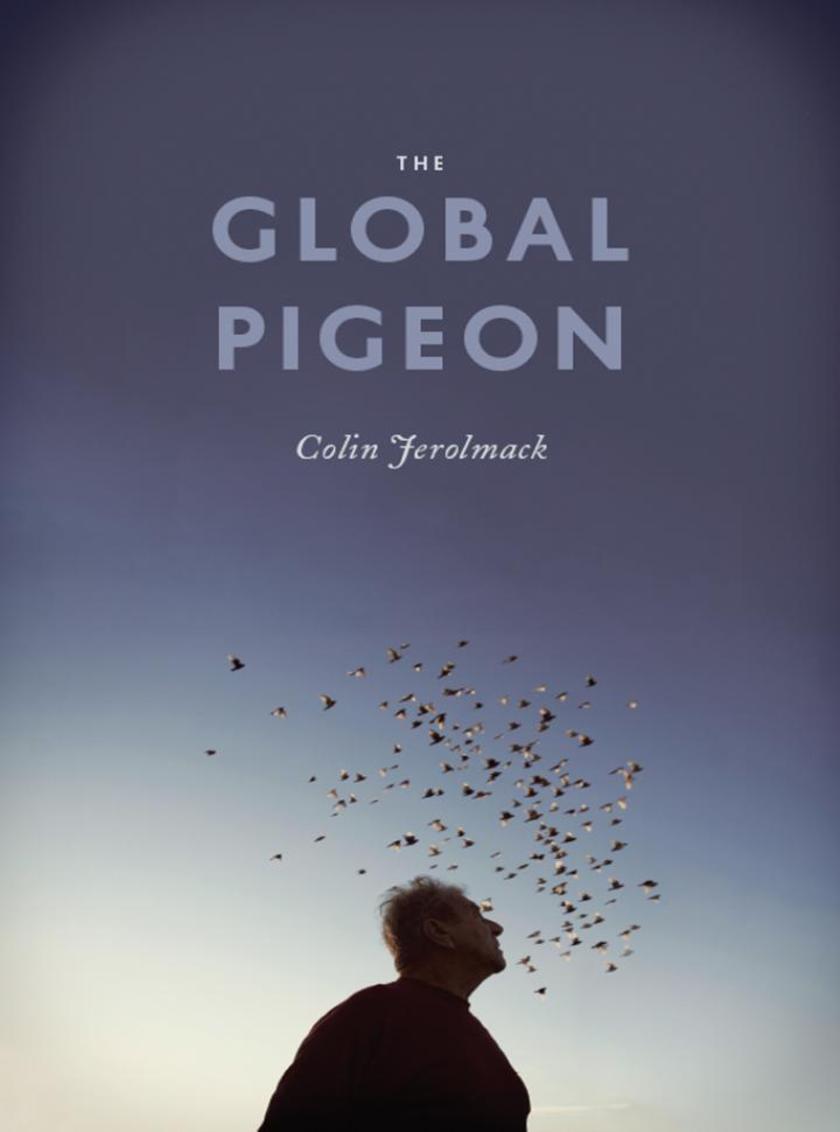
The pigeon is the quintessential city bird. Domesticated thousands of years ago as a messenger and a source of food, its presence on our sidewalks is so common that people consider the bird a nuisance-if they notice it at all. Yet pigeons are also kept for pleasure, sport, and profit by people all over the world, from the "e;pigeon wars"e; waged by breeding enthusiasts in the skies over Brooklyn to the Million Dollar Pigeon Race held every year in South Africa.Drawing on more than three years of fieldwork across three continents, Colin Jerolmack traces our complex and often contradictory relationship with these versatile animals in public spaces such as Venice's Piazza San Marco and London's Trafalgar Square and in working-class and immigrant communities of pigeon breeders in New York and Berlin. By exploring what he calls "e;the social experience of animals,"e; Jerolmack shows how our interactions with pigeons offer surprising insights into city life, community, culture, and politics. Theoretically understated and accessible to interested readers of all stripes, The Global Pigeon is one of the best and most original ethnographies to be published in decades.
Early Antiquity
¥759.29
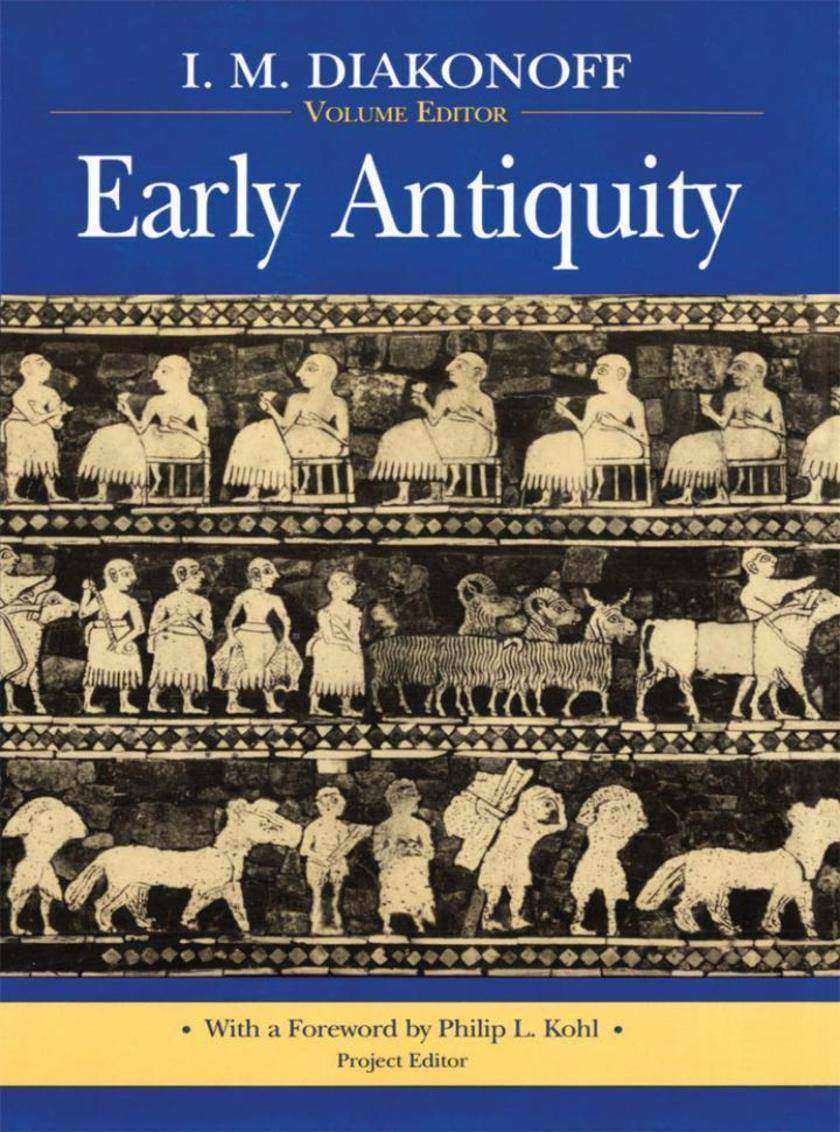
The internationally renowned Assyriologist and linguist I.M. Diakonoff has gathered the work of Soviet historians inthis survey of the earliest history of the ancient Near East,Central Asia, India, and China. Diakonoff and hiscolleagues, nearly all working within the general Marxisthistoriographic tradition, offer a comprehensive, accessiblesynthesis of historical knowledge from the beginnings ofagriculture through the advent of the Iron Age and the Greekcolonization in the Mediterranean and the Black Sea areas.Besides discussing features of Soviet historicalscholarship of the ancient world, the essays treat thehistory of early Mesopotamia and the course of PharaonicEgyptian civilization and developments in ancient India andChina from the Bronze Age into the first millennium B.C.Additional chapters are concerned with the early history ofSyria, Phoenicia, and Palestine, the Hittite civilization,the Creto-Mycenaean world, Homeric Greece, and the Phoenicianand Greek colonization.This volume offers a unified perspective on earlyantiquity, focusing on the economic and social relations ofproduction. Of immense value to specialists, the book willalso appeal to general readers.I. M. Diakonoff is a senior research scholar of ancienthistory at the Institute of Oriental Studies, LeningradAcademy of Sciences. Philip L. Kohl is professor ofanthropology at Wellesley College.
Personal Knowledge
¥206.01
The publication of Personal Knowledge in 1958 shook the science world, as Michael Polanyi took aim at the long-standing ideals of rigid empiricism and rule-bound logic. Today, Personal Knowledge remains one of the most significant philosophy of science books of the twentieth century, bringing the crucial concepts of "e;tacit knowledge"e; and "e;personal knowledge"e; to the forefront of inquiry.In this remarkable treatise, Polanyi attests that our personal experiences and ways of sharing knowledge have a profound effect on scientific discovery. He argues against the idea of the wholly dispassionate researcher, pointing out that even in the strictest of sciences, knowing is still an art, and that personal commitment and passion are logically necessary parts of research. In our technological age where fact is split from value and science from humanity, Polanyi's work continues to advocate for the innate curiosity and scientific leaps of faith that drive our most dazzling ingenuity.For this expanded edition, Polyani scholar Mary Jo Nye set the philosopher-scientist's work into contemporary context, offering fresh insights and providing a helpful guide to critical terms in the work. Used in fields as diverse as religious studies, chemistry, economics, and anthropology, Polanyi's view of knowledge creation is just as relevant to intellectual endeavors today as when it first made waves more than fifty years ago.
Richard Rorty
¥158.92
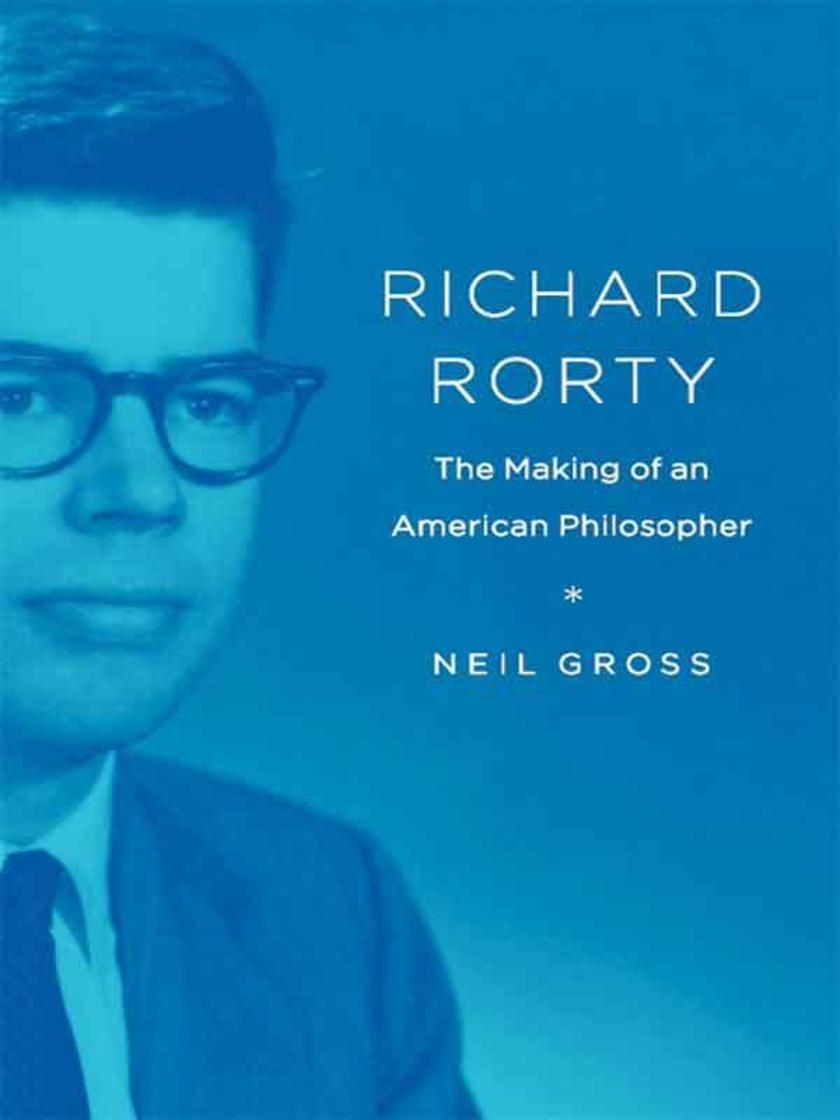
On his death in 2007, Richard Rorty was heralded by the New York Times as "e;one of the world's most influential contemporary thinkers."e; Controversial on the left and the right for his critiques of objectivity and political radicalism, Rorty experienced a renown denied to all but a handful of living philosophers. In this masterly biography, Neil Gross explores the path of Rorty's thought over the decades in order to trace the intellectual and professional journey that led him to that prominence.The child of a pair of leftist writers who worried that their precocious son "e;wasn't rebellious enough,"e; Rorty enrolled at the University of Chicago at the age of fifteen. There he came under the tutelage of polymath Richard McKeon, whose catholic approach to philosophical systems would profoundly influence Rorty's own thought. Doctoral work at Yale led to Rorty's landing a job at Princeton, where his colleagues were primarily analytic philosophers. With a series of publications in the 1960s, Rorty quickly established himself as a strong thinker in that tradition-but by the late 1970s Rorty had eschewed the idea of objective truth altogether, urging philosophers to take a "e;relaxed attitude"e; toward the question of logical rigor. Drawing on the pragmatism of John Dewey, he argued that philosophers should instead open themselves up to multiple methods of thought and sources of knowledge-an approach that would culminate in the publication of Philosophy and the Mirror of Nature, one of the most seminal and controversial philosophical works of our time.In clear and compelling fashion, Gross sets that surprising shift in Rorty's thought in the context of his life and social experiences, revealing the many disparate influences that contribute to the making of knowledge. As much a book about the growth of ideas as it is a biography of a philosopher, Richard Rorty will provide readers with a fresh understanding of both the man and the course of twentieth-century thought.
The Easter Moment
¥109.31
The Easter Moment tells the moving story of Spong's friendship with a young physician dying of cancer and how that relationship shed new light on the years of study the author has devoted to the great mystery of what actually happened on that long-ago Easter when the whole history of the human race was changed. Spong is willing to ask tough and searching questions and to come up with startling and significant answers to what happened after death that first fateful Easter, and what that means for thinking about life after death today.
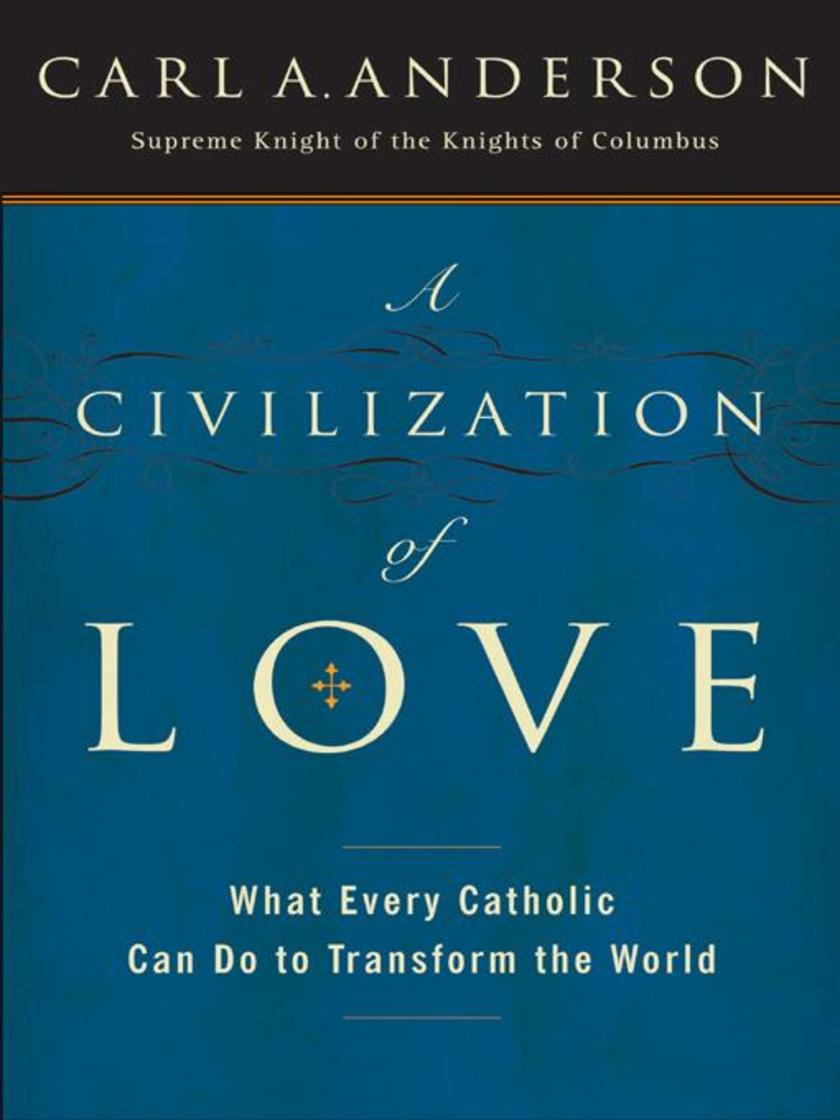
A Civilization of Love
¥83.03
Carl Anderson, Supreme Knight of the Knights of Columbus, surveys the exciting and history-changing ideas of Pope John Paul II in A Civilization of Love. By popularizing not only John Paul's vision but also that of his successor, Benedict XVI, Anderson hopes to inspire Christians to work toward creating a civilization of love. In such a civilization every person is a child of God. We are all intrinsically valuable. The battle today is between the culture of death (where people are judged by their social or economic value) and the culture of life. Anderson pushes aside religious differences in order to spread a message of hope to those who are weary of the constant turmoil of modern society. While he does specifically challenge Christians to take an active role in their faith, you do not have to be a Christian to participate in the movement toward a civilization of love.By embracing the culture of life and standing with those most marginalized and deemed "useless" or a "burden" on modern society, Christians can change the tone and direction of our culture. Anderson demonstrates that regardless of our differences, we can come together on the centrality of loving and caring for others. He brings a message of inclusion and hope in the midst of a clash of civilizations and provides a road map for helping Christians understand their role in the world.

The Sensory-Sensitive Child
¥77.49
In a book likely to transform how parents manage many of their child's daily struggles, Drs. Smith and Gouze explain the central and frequently unrecognized role that sensory processing problems play in a child's emotional and behavioral difficulties. Practicing child psychologists, and themselves parents of children with sensory integration problems, their message is innovative, practical, and, above all, full of hope.A child with sensory processing problems overreacts or underreacts to sensory experiences most of us take in stride. A busy classroom, new clothes, food smells, sports activities, even hugs can send such a child spinning out of control. The result can be heartbreaking: battles over dressing, bathing, schoolwork, social functions, holidays, and countless other events. In addition, the authors say, many childhood psychiatric disorders may have an unidentified sensory component.Readers Will Learn: The latest scientific knowledge about sensory integration How to recognize sensory processing problems in children and evaluate the options for treatment How to prevent conflicts by viewing the child's world through a "sensory lens" Strategies for handling sensory integration challenges at home, at school, and in twenty-first century kid culture The result: a happier childhood, a more harmonious family, and a more cooperative classroom. This thoroughly researched, useful, and compassionate guide will help families start on a new path of empowerment and success.

Bad Childhood---Good Life
¥94.10
In her most important book yet, Dr. Laura Schlessinger shows men and women that they can have a Good Life no matter how Bad their Childhood was.For each of us, there is a connection between our early family dynamics and experiences and our current attitudes and decisions. Many of the people Dr. Laura has helped did not realize how their histories impacted their adult lives, or how their choices in people, repetitive situations, and decisions -- even their emotional reactions -- were connected to those early negative experiences, playing a major role in their current unhappiness. Dr. Laura will help you realize that no matter what circumstances you came from or currently live in, you are ultimately responsible for how you react to them. The acceptance of this basic truth is the source of your power to secure the Good Life you long for. In her signature straightforward style, with real-life examples, Dr. Laura shows you what you will gain by not being satisfied with an identity as a victim, or even as a survivor -- you should strive to be a victor! In Bad Childhood -- Good Life, Dr. Laura will guide you to accept the truth of the assaults on your psyche and soul, understand your unique coping style and how it impacts your daily thoughts and actions, and help you embrace a life of more peace and happiness.
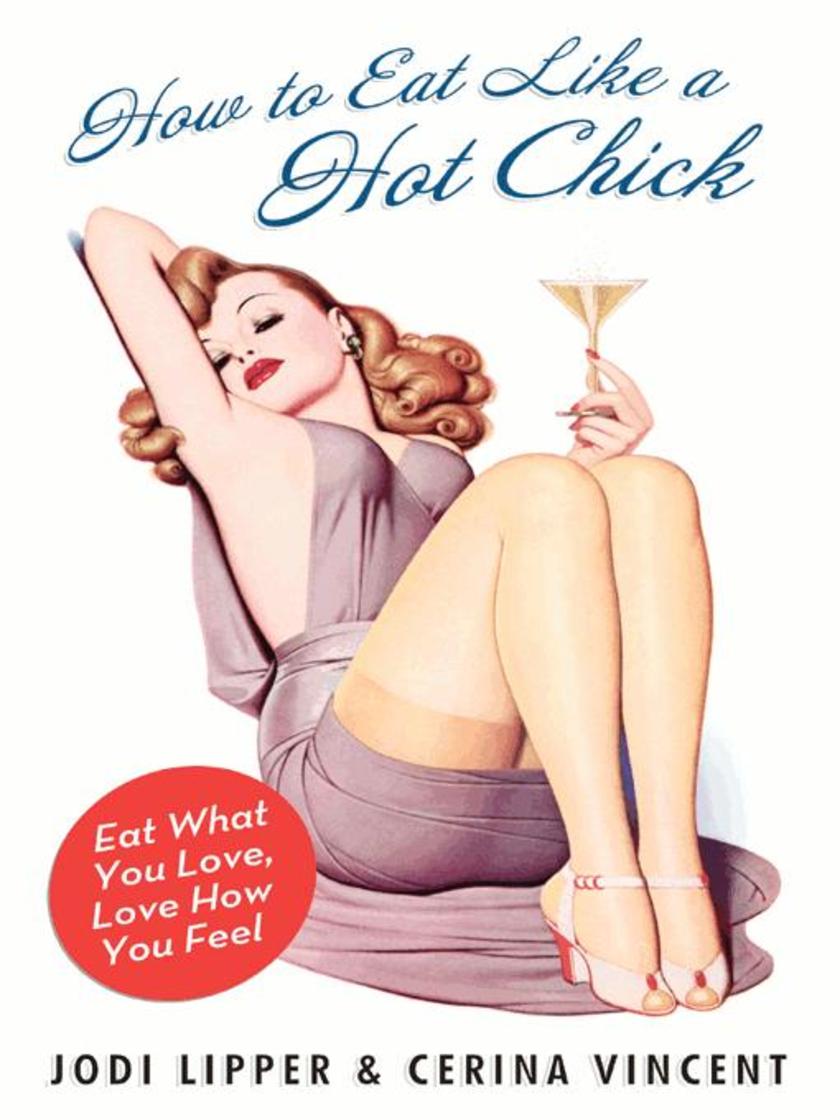
How to Eat Like a Hot Chick
¥84.16
Chocolate cake for breakfast and a pound of spinach for dinnerLooking and feeling your best has never been so easy, so guiltless or so much fun!Let's be honest, ladies, are you tired of hearing about the eating habits of airbrushed celebritiesDo you want to feel sexy as you slide into your favorite jeans, but you're too confused by the complicated diet plans out thereWell, here is the antidote to all of that nonsense!With saucy wit and goodwill to spare, Lipper and Vincent reveal their tricks for how you can overcome any food obstacle, from which cocktails will keep you light on your feet past midnight to how you can stay on track when you're down in the dumps (or if you just got dumped). They'll teach you how to eat the foods you love with confidence, make smarter choices, and wake up your inner Hot Chick once and for all.It's time to end the vicious dieting cycle with this straightforward and hilarious guide to enjoying your food, embracing your body and celebrating yourself like only a true Hot Chick can.


