


 购物车
购物车 个人中心
个人中心
Second Acts
¥84.16
Second Acts is a guide to reinventing your life. Whether you wish to change careers, move to a more desirable part of the country, start a business, write a novel, or drop everything to pursue a life dream, Stephen Pollan offers a powerful message ofhope and guidance that has benefited his own clients.Through a series of exercises, you will develop a comprehensive "*" for your second act a step-by-step action plan that will lead you to the life you've always wanted.
What Mama Couldn't Tell Us About Love
¥84.16
"Mama," writes Brenda Richardson, "you taught me how a black woman could survive and prevail in this world...but because you never learned yourself, you couldn't tell me how to make love work...I don't mean any disrespect, Mama, but...now I have children of my own. And in a loud revolutionary voice, I declare to the universe: the pain stops here." Clinical psychologist Dr. Brenda Wade and coauthor Brenda Richardson ask their African American sisters to consider this question: "What lessons about love and intimacy were passed down from your foremothers to you?" In this provocative rethinking of the African American woman's experience, the authors suggest that African American women share an emotional legacy that began when their ancestors were dragged in chains to the "New" World and continued as their descendants suffered through the violence and humiliation of the Jim Crow period and later racism. Indeed, they argue, the long shadow cast by these historical events impacts romantic practice, lives can be transformed once there is a true understanding of the power of inherited beliefs. What Mama Couldn't Tell Us About Love shows how important it is to grieve and make peace with this brutal history. As you will see in this remarkable uplifting book, it is possible to use the positive messages inherent in the African American experience to create a better life. Learn from the "Sisters Spirits"--well-known African Americans whose stories enliven these pages--as you move toward emotional freedom. Listen to the words of the spirituals interspersed in the text, enhance the coping skills and strengths your forebears harnessed to help them survive and prevail, and believe that emotional emancipation is your birthright. Mama may not have told you all this in so many words--but there is no doubt that she would want to see you take these last steps toward freedom and abundant love.
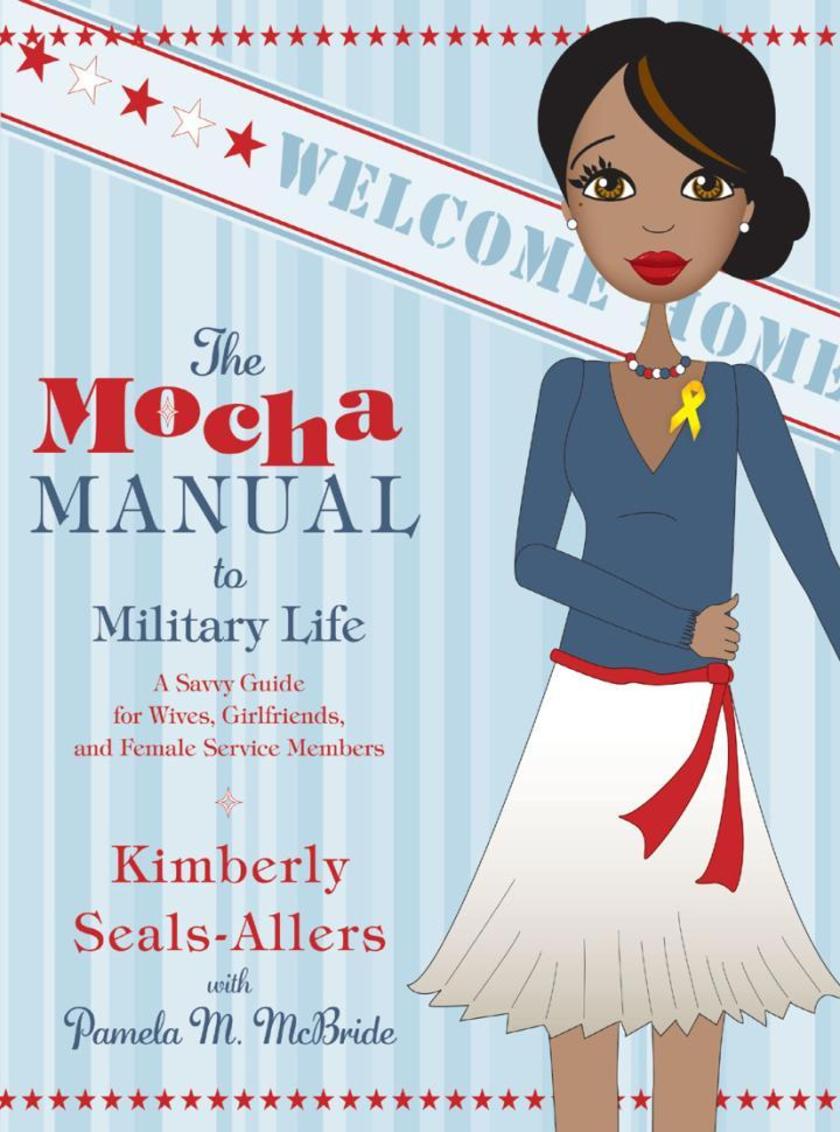
The Mocha Manual to Military Life
¥90.77
From Kimberly Seals-Allers, the creator of the Mocha Manual series, and coauthor Pamela McBride, a seasoned military wife, comes the ultimate guide to life, love, and logistics for military spouses, girlfriends, and female service members. Whether you're just beginning to date a military man and pondering the ins and outs of a long-distance relationship as he moves from base to base or you're a newly wed military wife, The Mocha Manual to Military Life has a host of tips for optimizing your romance. Beyond matters of the heart, the book also offers advice on everything from how to thrive during deployment to how to master military protocol to how to best build friendships among military wives. Accessible and witty, The Mocha Manual to Military Life is a fresh and timely must-read for all women but particularly African American and Latina women affected by military service. Written in the same informative tone as the other books in the Mocha Manual series, with sidebars and testimony from women who have experience navigating military life, this book is sure to be essential reading for all women engaged in some form or fashion with the military.
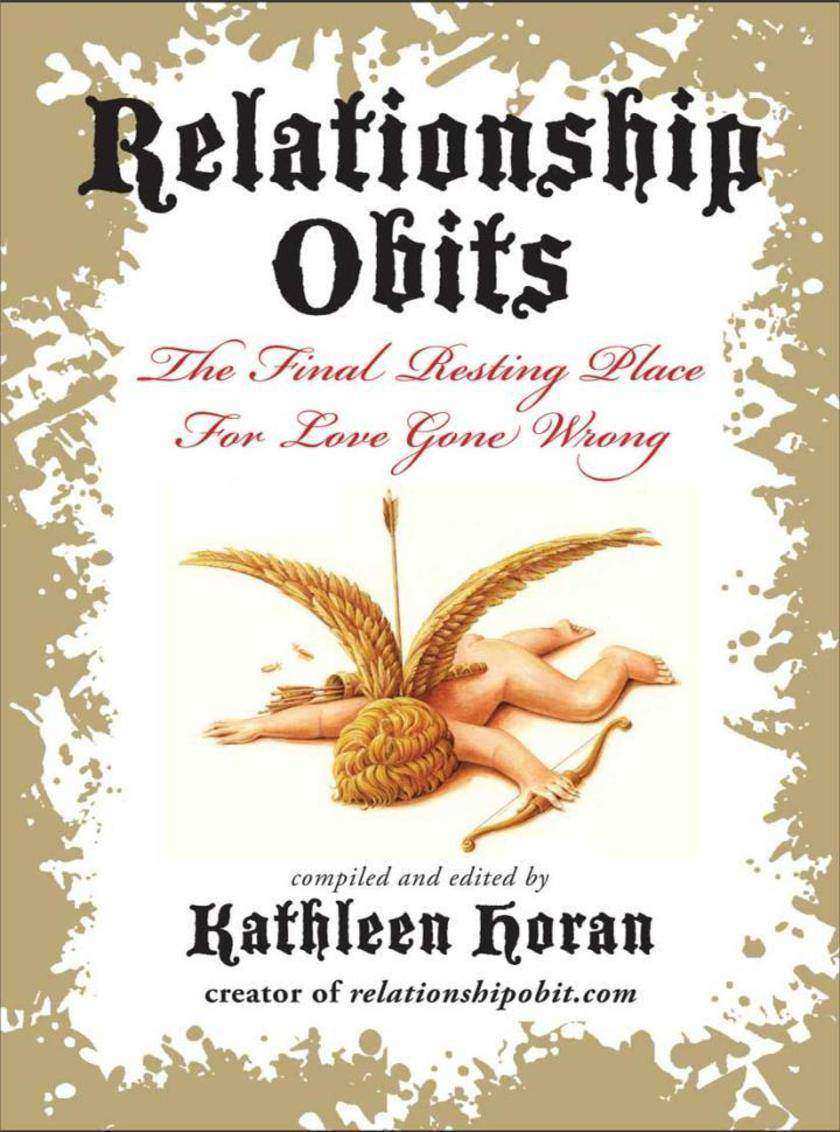
Relationship Obits
¥83.03
Because We All Have a Relationship We Need to Put to Rest From your basic lying, cheating, no-good scum to those relationships that were doomed from the start (they were married to different people), to a man who faked his death, Relationship Obits is a voyeuristic romp through the unexplored underbelly of love and life. Kathleen Horan founded relationshipobit.com when a big breakup was followed two weeks later by the death of her father. Writing her father's obituary made her wonder what it would be like to write one for the end of her relationship. The Web site was born and thousands began to put their love to rest online. This collection is at times hilarious, raw, shocking, and poignant a true celebration of love in all its manifestations.
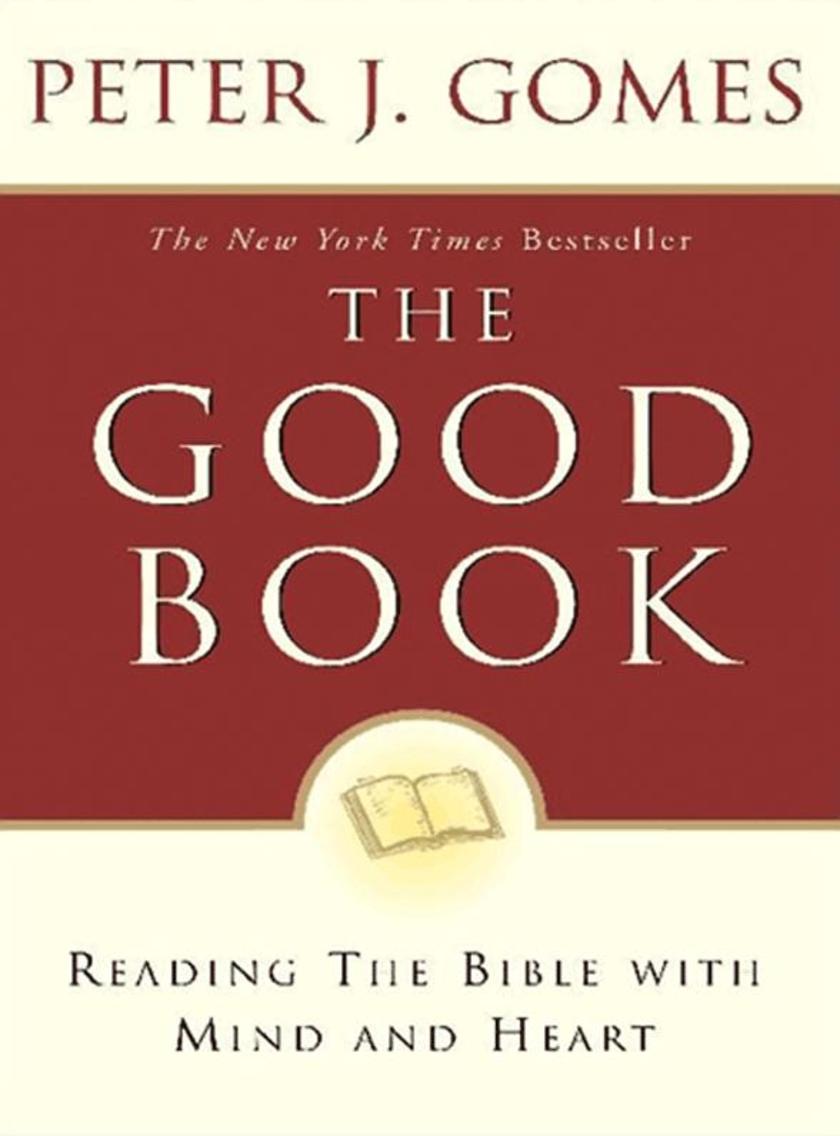
Good Book
¥94.10
"The Bible and the social and moral consequences that derive from its interpretation are all too important to be left in the hands of the pious or the experts, and too significant to be ignored and trivialized by the uninformed and indifferent.
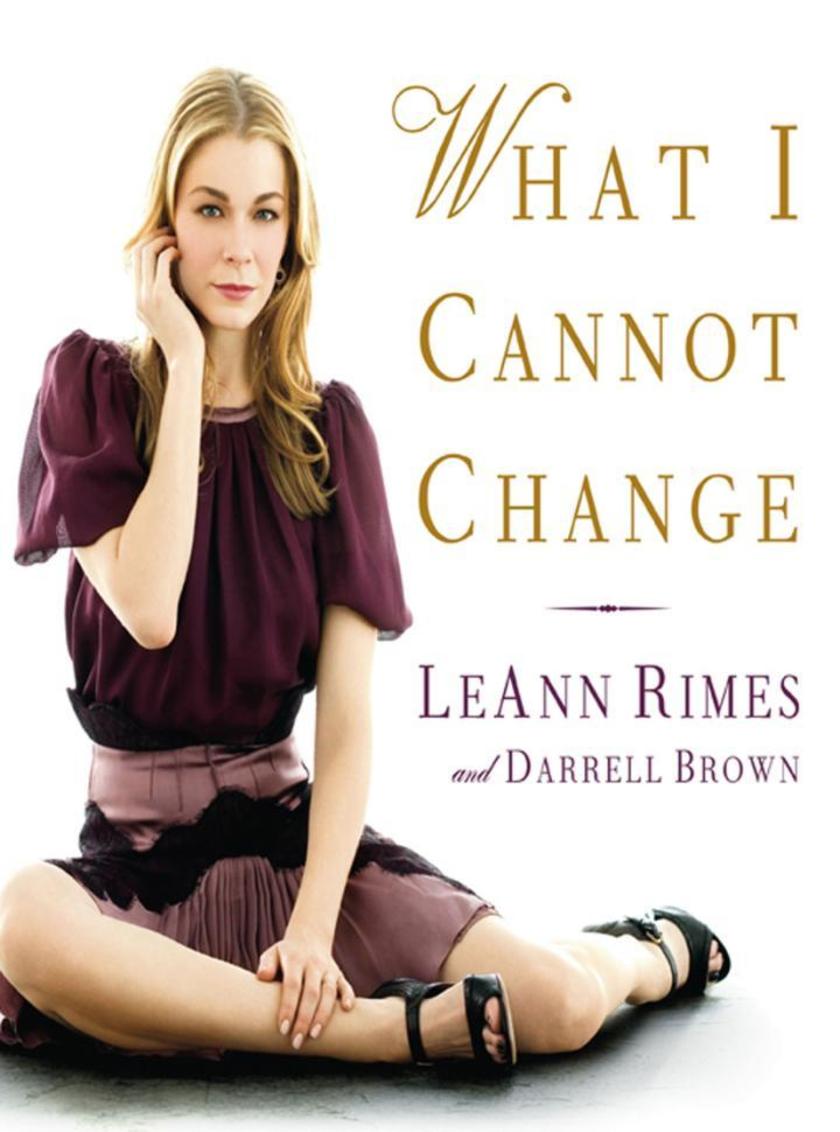
What I Cannot Change
¥95.39
Billboard hits come and go, but once in a blue moon a song comes along that captures people's hearts and stands the test of time. Country / Pop sensation LeAnn Rimes' "What I Cannot Change" released to radio in August 2008 and immediately topped the charts. The song's simple message of peace and acceptance speaks to people from all walks of life: I will learn to let go what I cannot change I will learn to forgive what I cannot change I will learn to love what I cannot change But I will change, I will change Whatever I, whenever I can The book WHAT I CANNOT CHANGE is an elegant counterpart to the song that will include an introduction by Rimes, lyrics, interior photographs, stories from people who have experienced their own journeys of change, and an accompanying CD. With a charming 6 x 6 format, this special book will make a wonderful gift-not only for Rimes' enormous and devoted fan base, but also for casual admirers of this deeply inspiring song.
The Sermon on the Mount
¥88.56
What did Jesus teachDistilled from years of study and lecture, affirmed by nearly a million readers over the last fifty years, Emmet Fox's answer in The Sermon on the Mount is simple. The Bible is a "textbook of metaphysics" and the teachings of Jesus express--without dogma--a practical approach for the development of the soul and for the shaping of our lives into what we really wish them to be. For Fox, Jesus was "no sentimental dreamer, no mere dealer in empty platitudes, but the unflinching realist that only a great mystic can be."In his most popular work, Emmet Fox shows how to: Understand the true nature of divine wisdom. Tap into the power of prayer. Develop a completely integrated and fully expressed personality. Transform negative attitudes into life-affirming beliefs. Claim our divine right to the full abundance of life.
Ruthless Trust
¥83.03
In his sequel to The Ragamuffin Gospel bestselling author Brennan Manning shows how true and radical trust in God can transform our lives
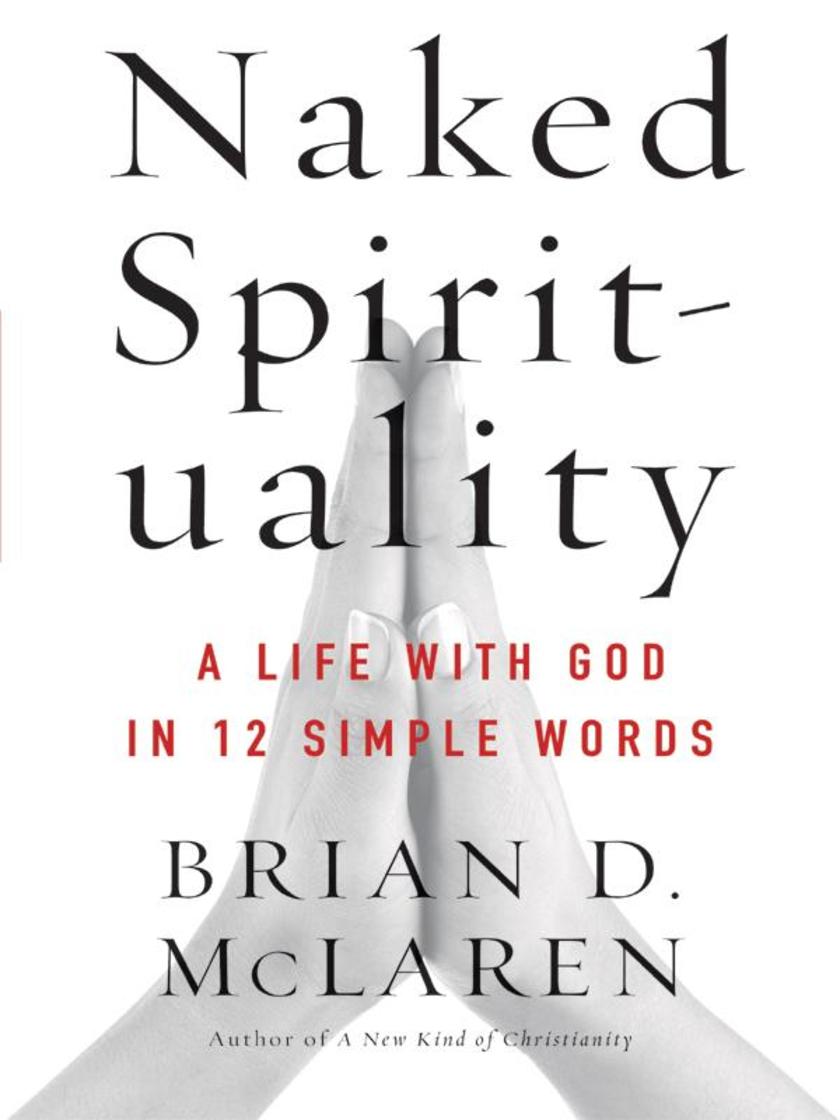
Naked Spirituality
¥83.03
Christianity is in crisis. Many sincere Christians feel their traditional Christian practices are in danger of becoming irrelevant, empty rituals. In his previous book A New Kind of Christianity, Brian D. McLaren offered new biblical models for how we understand the central ideas of a faith that provides hope for restoring and reinvigorating the power of the gospels to transform us and our communities.In Naked Spirituality, McLaren takes his prophetic work a step further by confronting how the lack of a simple, doable, durable spirituality undermines the very transformation God is calling us to undergo. As a result, our religious structures become tools to maintain the status quo and not catalysts for personal and social change. McLaren presents a four-stage framework for understanding the spiritual life, and he unfolds spiritual practices appropriate to each stage. Each practice is rooted in a simple word: here, thanks, O, sorry, help, please, when, no, why, behold, yes, and silence. Naked Spirituality offers accessible, practical wisdom for living a truly spiritual life. Staying true to Jesus's core message while engaging faithfully with our postmodern world, McLaren presents a proven spiritual program for engaging in and sustaining a meaningful relationship with God.
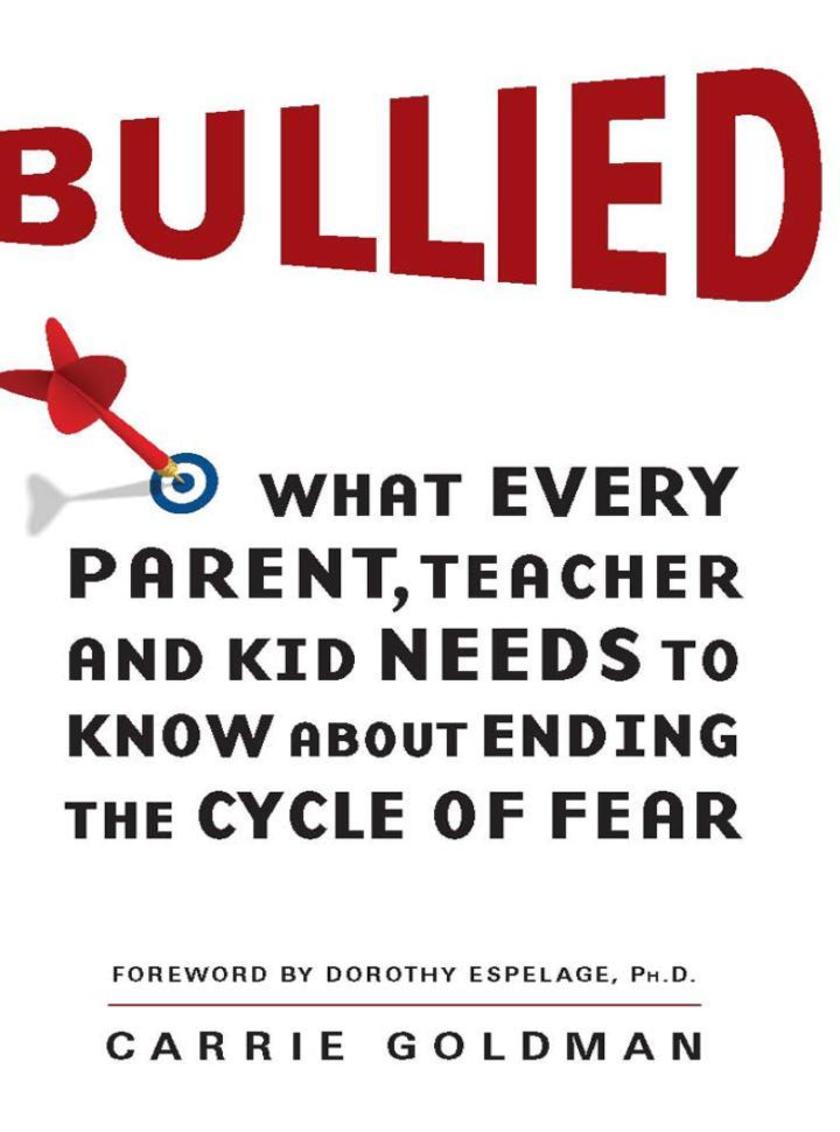
Bullied
¥99.65
Winner of National Parenting Publications Award and Mom's Choice Award!Everybody knows how it feels to be ostracized, isolated or taunted, but most of us are at a loss when it comes to knowing how to make it better. In Carrie Goldman's groundbreaking book, Bullied, she offers concrete solutions for parents, teachers, and kids on how to effectively respond to painful situations whether it is normal social conflict or more serious bullying.Goldman's warm, engaging style combines the real-life stories of bullies, victims, bystanders, and their parents with the most cutting edge scientific research to provide a thorough analysis of cruelty in our culture. She explores how the pop culture permeates homes and schools, often impacting the way kids view those who are different from the accepted norm.Bullied comprehensively addresses issues such as: The media's influence on aggression and bullying How to prevent cyberbullying, or how to manage cyberbullying once it has begun How to safely shift from being a bystander into a witness or an ally Effects of bullying on the brain, both for bullies and for victims Steps to take with the school if you are being bullied or sexually harassed A comprehensive look at restorative justice as a non-punitive response to bullying Techniques to help you deal with verbal taunting in the moment it is happening Identifying the difference between normal social drama and bullying Knowing when to ask for help and how to access effective help The mother of a bullied first grader, Goldman's inspiring true story triggered an outpouring of support from online communities around the world. Bullied is a research-based book born from Goldman's blog post about the ridicule her daughter suffered for bringing a Star Wars thermos to school a story that went viral on Facebook and Twitter before exploding everywhere, from CNN.com and Yahoo.com to sites all around the world. More than 200 people were interviewed for the book, including parents, teachers, kids, social workers, authors, celebrities, researchers, psychologists, actors, actresses, and school administrators. It is a wealth of knowledge packaged in a fascinating read.
That's Not What I Meant!
¥94.10
At home, on the job, in a personal relationship, it's often not what you say but how you say it that counts.Deborah Tannen revolutionized our thinking about relationships between women and men in her #1 bestseller You Just Don't Understand. In That's Not What I Meant!, the internationally renowned sociolinguist and expert on communication demonstrates how our conversational signals voice level, pitch and intonation, rhythm and timing, even the simple turns of phrase we choose are powerful factors in the success or failure of any relationship. Regional speech characteristics, ethnic and class backgrounds, age, and individual personality all contribute to diverse conversational styles that can lead to frustration and misplaced blame if ignored but provide tools to improve relationships if they are understood.At once eye-opening, astute, and vastly entertaining, Tannen's classic work on interpersonal communication will help you to hear what isn't said and to recognize how your personal conversational style meshes or clashes with others. It will give you a new understanding of communication that will enable you to make the adjustments that can save a conversation . . . or a relationship.
Why Suicide?
¥83.03
According to the American Foundation for Suicide Prevention, in our lifetimes 80 percent of us will have some up-close experience with the suicide of someone we know. And more than 20 percent of us will have a family member die by suicide. Journalist Eric Marcus knows this better than most people. In 1970, his father took his life at the age of 44. In 2008, his 49-year-old sister-in-law took her life as well.In a completely revised and updated edition of the landmark original Why Suicide ?, Eric Marcus offers thoughtful answers to scores of questions about this complex, painful issue, from how to recognize the signs of someone who is suicidal to strategies for coping in the aftermath of a loved one's death.No matter what the circumstances, those of us who are affected by suicide are left with difficult and disturbing questions: Why did they do itWas it my faultWhat should I tell people when they ask what happenedIs someone who attempts suicide likely to try againWhat should I do if I'm thinking of killing myselfDrawing from his own experience, as well as interviews with people who have been touched by suicide, Eric Marcus cuts through the veil of silence and misunderstanding to bring clarity, reassurance, and comfort to those who so desperately need it.
Finding Your Way Home
¥90.51
What does it mean to feel at home, truly present with ourselves, comfortable with our choices, and alive to the possibilities of conscious changeHow can we develop inner balance and connection, keeping our boundaries clear while opening our hearts to those we loveWith practical wisdom and insight, Melody Beattie addresses these questions, encouraging us to reach a higher level of living and loving, and showing us how to be at home with ourselves wherever we are in the world, at whatever stage of life.Through true stories and take-action exercises, including journaling, visualizations, affirmations, meditations, and prayers, Beattie provides the essential tools to help us discover our own sense of home. Accessible and illuminating, Finding Your Way Home is a soul-searching look at how not to be victimized by ourselves'or other people. Beattie urges us to discover new levels of integrity, to break through barriers that have blocked us for too long. This is a powerful and challenging book about buying back our souls and learning to live a life guided by spirit.
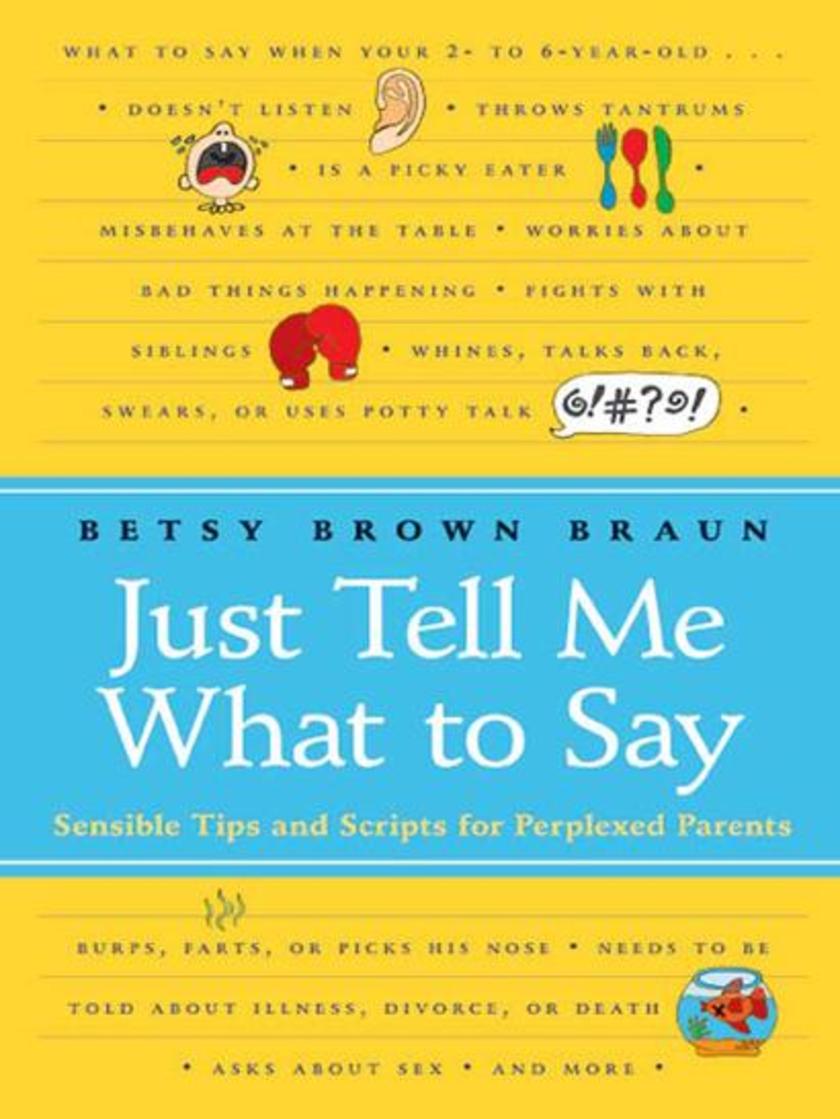
Just Tell Me What to Say
¥88.56
Parents are often perplexed by their children's typical behaviors and inevitable questions. This down-to-earth guide provides "Tips and Scripts" for handling everything from sibling rivalry and the food wars to questions about death, divorce, sex, and "whyyyy?" Betsy Brown Braun blends humor with her expertise as a child development specialist, popular parent educator, and mother of triplets. Whatever your dilemma or child's question from "How did the baby get in your tummy?" to "What does 'dead' mean?" to "It's not fair!" Betsy offers the tools and confidence you need to explain the world to your growing child.
The Gospel According to Dogs
¥67.09
Bestselling author of The Gospel According to Peanuts Robert Short reveals what man's best friend can teach us about life. Dogs do much more than just keep us company and give us love and attention they are models for how we can live better lives as humans. From humility and obedience to singleness of purpose and unconditional love, Short shows us how we can learn from the remarkable qualities of dogs. Using examples from more than forty classic comic strips, including Peanuts, Blondie, Family Circus, Luann, Mother Goose Grimm, Fred Basset, and more, as well as charming photographs of real dogs, The Gospel According to Dogs is a delight-fully entertaining book for dog lovers, comic enthusiasts, and anyone looking for reassuring wisdom for the good life.
Journey to the Heart
¥90.77
In the spirit of her bestselling The Language of Letting Go, one of America's most beloved inspirational writers guides us on a sacred journey as we learn to expand our creativity, embrace our powers, and open our hearts.Writing with the same warmth, honesty, and compassion that has attracted such a loyal following, Melody Beattie now charts a new path toward spiritual growth and renewal. In 365 insightful and delightfully warm daily reflections, Journey to the Heart will inspire us all to discover our true purpose in the world and learn to connect even more deeply with ourselves, the creative force, and the magic and mystery in the world around and within us.
Gifts of the Spirit
¥112.23
Drawing on the wisdom of teacher from the world's great religious traditions, including Robert Thurman, Sharon Salzberg, Ram Dass, Mother Mary Clare Vincent, Joan Halifax, and Rabbi Jonathan Omer-Man, Gifts of the Spirit deepens our appreciation of such everyday routines as waking up, eating, and working, as well as the abundant rewards of enjoying music, gardening, walking, and being with others. Vivid de*ions of rituals from around the world help us find new spiritual meaning in life's key passages. Discover everyday spiritual riches through: Zen arts of cooking and eating Jewwish and Native American coming-of-age rituals Bedouin rules of hospitality and friendship Mindful approached to pregnancy and birth Ancient Christian practices that nurture the dying Shaker philosophies of daily work and craft The Buddhist way to a peaceful night's sleep
What Brothers Think, What Sistahs Know
¥79.16
From the author of The Sistahs' Rules and her husband comes a Men Are from Mars, Women Are from Venus for African Americans.Denene Millner's sassy, shrewd reaction to The Rules became a bestseller. The Sistahs' Rules spent six months on the BlackBoard list. Then, proving the value of her own advice about dating and mating, Denene married Brother Mr. Right, Nick Chiles. Once she'd laid claim to his heart, she took a really long look at his head to find out what his words and actions really meant. Together they decided to go boldly where few couples dare: inside the minds of a sistah and a brotha to reveal the real deal on what Black men think of commitment, monogamy, and other mysteries--and what sistahs know about staying true to themselves.What Brothers Think, What Sistahs Know is the first book for African Americans that decodes the inscrutable ways of the opposite sex. In this funny, honest, provocative book, Millner and Chiles step across the great divide to create--once and for all--real understanding between sistahs and brothers. They give the real deal on:* The perfect date* Why brothers think all sistahs are angry* Why so many men could run down Michael Johnson in an effort to escape commitment* Whether it's fair for sistahs to scream when brothers chase white girls* Why good sex matters What Brothers Think, What Sistahs Know covers everything from first dates to lasting commitments, from myths and misunderstandings between brothas and sistahs to the kind of communication that fosters love and respect. It reveals, for the very first time, the motivations and fears coursing through that warm-blooded animal on the other side of the bed.
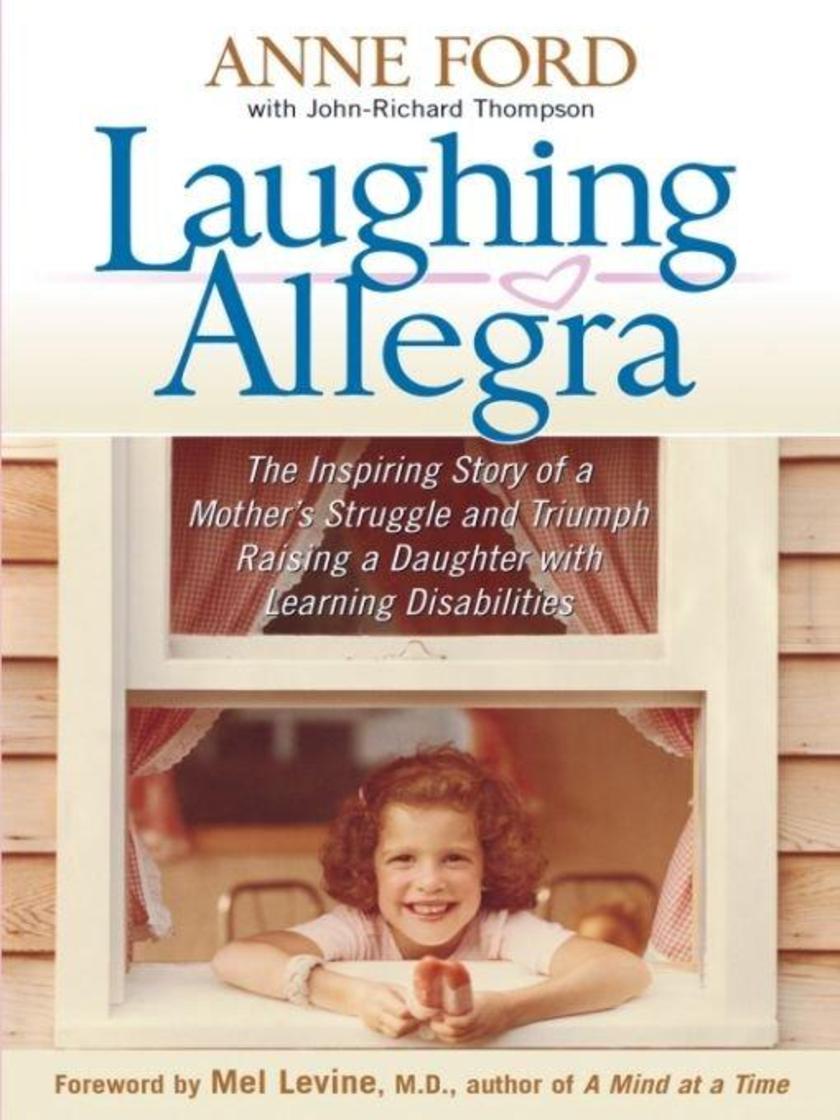
Laughing Allegra
¥93.88
When Anne Ford, great-granddaughter of Henry Ford, learned that her four-year-old daughter Allegra’s “differences” were the result of severe learning disabilities, she faced a challenge that neither money nor position could ease. Desperate for answers, Anne sought out doctors, teachers, counselors, and others who could help her build a support network for herself and her daughter, while fighting the many common misconceptions and myths about learning disabilities. Now, in this fiercely honest and compelling memoir, Anne tells her story, writing movingly of her feelings as the mother of a learning disabled child. “I grew to accept that life is filled with uncertainty and that answers to the most simple, yet profound, questions such as ‘What is wrong with my daughter?’ can be elusive. I learned to be self-reliant in ways I never had before. I learned that every spark of optimism and hope was something to be nurtured and treasured because sometimes they were the only comfort available. And I learned that worry had entered my life.” In time, Anne Ford saw her daughter grow into a vibrant, loving, and independent adult with a passion for ice skating and a commitment to help other disabled children. Allegra Ford, now 32, lives independently and supported this book’s publication so “it could help other kids.” Anne’s experience led her to become a tireless activist on behalf of children and families faced with LD, including her service as Chairman of the Board of the National Center for Learning Disabilities from 1989 to 2001, and the writing of this book with John-Richard Thompson, an award-winning playwright and novelist. In addition to Anne’s personal story, Laughing Allegra includes four invaluable special sections: ?Answers to the most commonly asked questions about LD ?A resource guide on where to find help ?A discussion from a mother’s perspective on the challenges of homework, money, relationships, the work- place, and planning as the LD child and parents age ?A section on “Siblings and Secrets,” new in this paperback edition, inspired by Anne’s conversations with readers during her hardcover book tour.
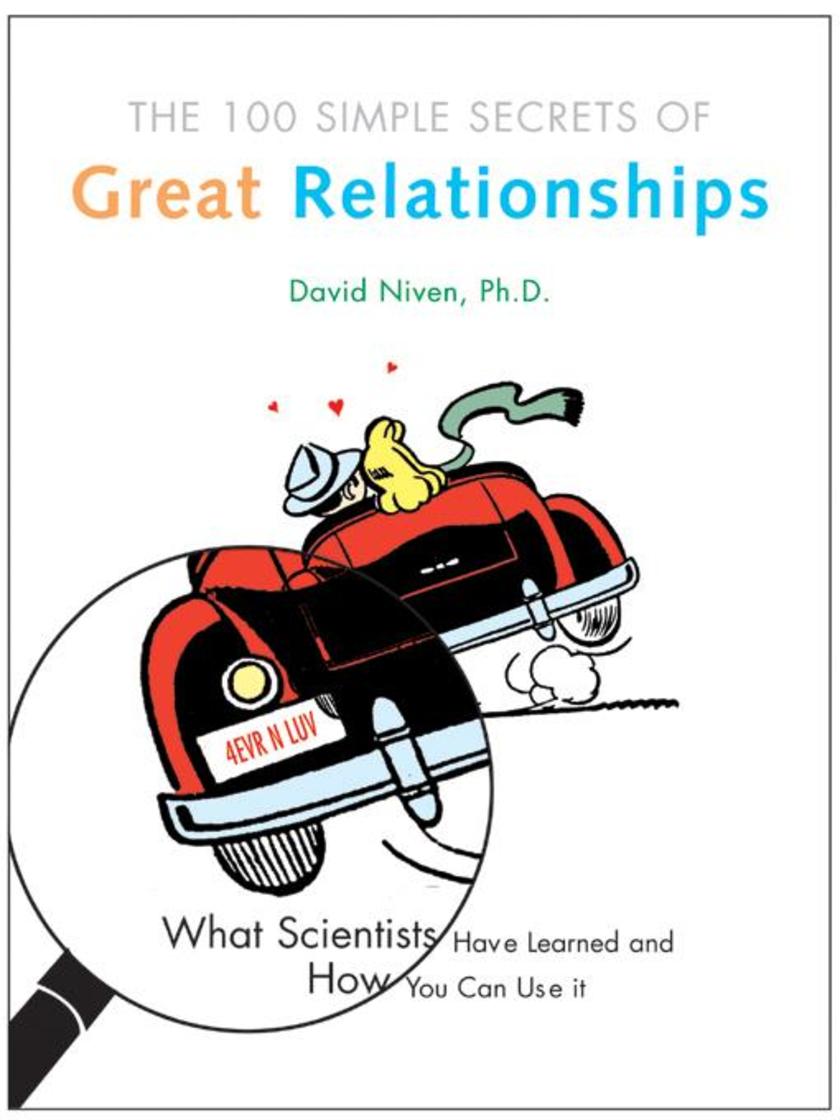
100 Simple Secrets of Great Relationships
¥77.49
What are the essential qualities of a great relationshipWhat do people in healthy and happy relationships do differentlyScientists and academics have spent entire careers investigating the nature of relationships, dating, and marriage, yet their findings are inaccessible to ordinary people, hidden in obscure journals read only by other academics. Now the bestselling author of the 100 Simple Secrets series has collected the most current and significant data from more than a thousand studies on relationships and spells out the key findings in plain English. The advice is not based on one person's unique experiences or opinions, but offers for the first time the research of noted scientists studying the lives and loves of average Americans. Each of the findings is accompanied by a true story that shows the results in action. Love is hard to calculate: Researchers have proven that a partner's age, income, education, and religion are unrelated factors in the likelihood of relationship satisfaction. Always trying to win can lead to a major loss: People who feel a sense of competition with their partner are 37 percent less likely to feel that their relationship is satisfying. leave the past in the past: More than 40 percent of people report that jealousy over a previous relationship is a source of conflict in their current relationship.
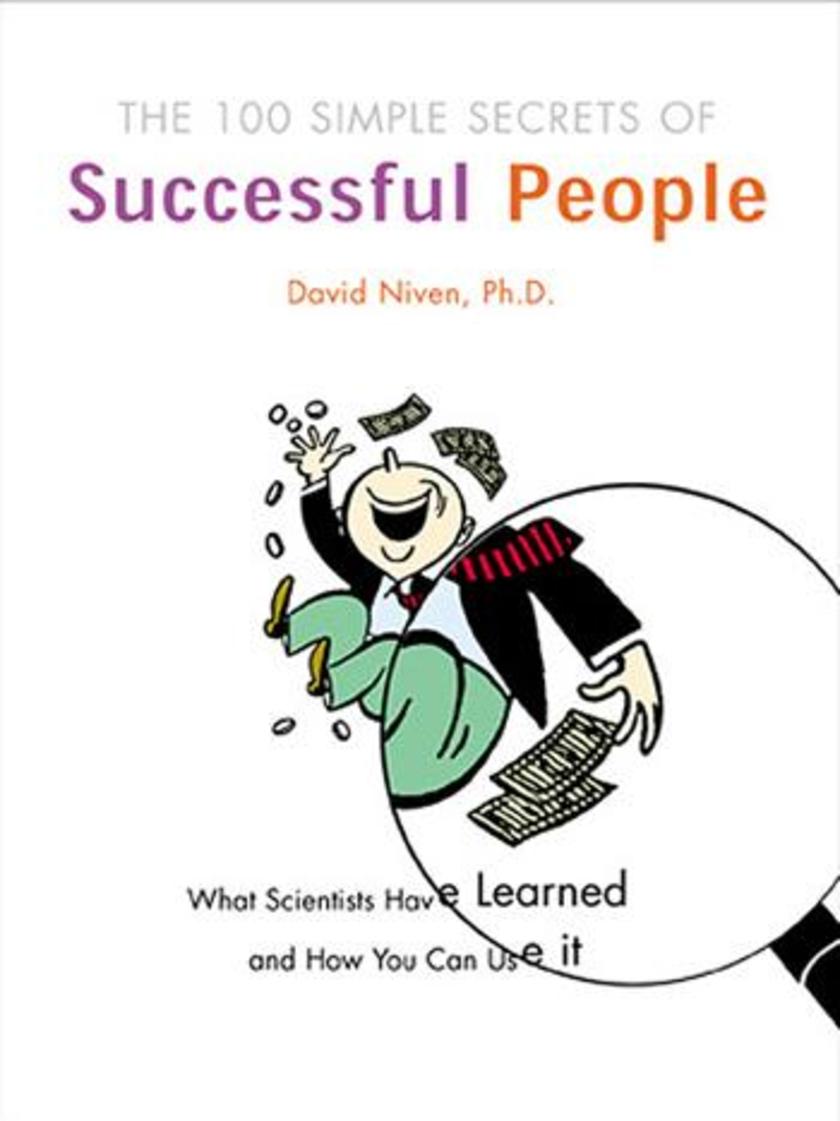
The 100 Simple Secrets of Successful People
¥77.49
What are the keys to successScientists have studied the traits, beliefs, and practices of successful people in all walks of life. But the answers they find wind up in stuffy academic journals aimed at other scientists. The 100 Simple Secrets of Successful People takes the best and most important research results from over a thousand studies and spells out the key findings in ways we can all understand. Each entry contains advice based on those findings, a real life example of what to do or not to do, and a telling statistic based on scientific research.


