


 购物车
购物车 个人中心
个人中心
The Call of Cthulhu
¥8.09
"The Call of Cthulhu" is one of H. P. Lovecraft's best-known short stories. Written in the summer of 1926, it was first published in Weird Tales, February 1928. It is the only story written by Lovecraft in which the extraterrestrial entity Cthulhu himself makes a major appearance. It is written in a documentary style, with three independent narratives linked together by the device of a narrator discovering notes left by a deceased relative. The narrator pieces together the whole truth and disturbing significance of the information he possesses, illustrating the story's first line: "The most merciful thing in the world, I think, is the inability of the human mind to correlate all its contents. We live on a placid island of ignorance in the midst of black seas of infinity; and it was not meant that we should voyage far."

Analiza Financiara pe intelesul tuturor
¥48.97
Aceasta carte se adreseaza nu numai specialistilor in economie, ci tuturor celor interesati sa inteleaga filosofia din spatele analizei financiare. Scrisa intr-un limbaj accesibil publicului larg, cartea ofera peste 50 de exemple si studii de caz practice, inspirate din experienta personala a autorului. Autorul se foloseste de premisa data pentru a face o descriere practica nonconformista a activitatii bancare, dar si a anumitor comportamente antreprenoriale, in scopul educarii si dezvoltarii personale a cititorului. Pentru tinerii absolventi de studii economice, aflati la inceputul carierei, cartea reprezinta un indrumar unic, intr-o piata dominata de scrieri pur teoretice. Cosmin BAIU are o experienta vasta in domeniul economic. Lucreaza de peste 20 ani in cadrul unor companii bancare de top la nivel european, ocupand multiple pozitii de management executiv, inclusiv membru al mai multor Comitete de Credit. Domnul BAIU are o experienta ce imbina activitatea de analiza a riscului cu activitatea de vanzare retail si corporate, ceea ce ii permite o viziune de ansamblu, unica, a lumii financiar-bancare.
The Great Gatsby
¥13.51
In 1922, F. Scott Fitzgerald announced his decision to write "something new--something extraordinary and beautiful and simple + intricately patterned." That extraordinary, beautiful, intricately patterned, and above all, simple novel became The Great Gatsby, arguably Fitzgerald's finest work and certainly the book for which he is best known. A portrait of the Jazz Age in all of its decadence and excess, Gatsby captured the spirit of the author's generation and earned itself a permanent place in American mythology. Self-made, self-invented millionaire Jay Gatsby embodies some of Fitzgerald's--and his country's--most abiding obsessions: money, ambition, greed, and the promise of new beginnings. "Gatsby believed in the green light, the orgiastic future that year by year recedes before us. It eluded us then, but that's no matter--tomorrow we will run faster, stretch out our arms farther.... And one fine morning--" Gatsby's rise to glory and eventual fall from grace becomes a kind of cautionary tale about the American Dream. It's also a love story, of sorts, the narrative of Gatsby's quixotic passion for Daisy Buchanan. The pair meet five years before the novel begins, when Daisy is a legendary young Louisville beauty and Gatsby an impoverished officer. They fall in love, but while Gatsby serves overseas, Daisy marries the brutal, bullying, but extremely rich Tom Buchanan. After the war, Gatsby devotes himself blindly to the pursuit of wealth by whatever means--and to the pursuit of Daisy, which amounts to the same thing. "Her voice is full of money," Gatsby says admiringly, in one of the novel's more famous descriptions. His millions made, Gatsby buys a mansion across Long Island Sound from Daisy's patrician East Egg address, throws lavish parties, and waits for her to appear. When she does, events unfold with all the tragic inevitability of a Greek drama, with detached, cynical neighbor Nick Carraway acting as chorus throughout. Spare, elegantly plotted, and written in crystalline prose, The Great Gatsby is as perfectly satisfying as the best kind of poem. * * * "Now we have an American masterpiece in its final form: the original crystal has shaped itself into the true diamond. This is the novel as Fitzgerald wished it to be, and so it is what we have dreamed of, sleeping and waking." -- James Dickey * * * The Great Gatsby is a novel by the American author F. Scott Fitzgerald. First published on April 10, 1925, it is set on Long Island's North Shore and in New York City during the summer of 1922. The novel takes place following the First World War. American society enjoyed prosperity during the "roaring" 1920s as the economy soared. At the same time, Prohibition, the ban on the sale and manufacture of alcohol as mandated by the Eighteenth Amendment, made millionaires out of bootleggers. After its republishing in 1945 and 1953, it quickly found a wide readership and is today widely regarded as a paragon of the Great American Novel, and a literary classic. The Great Gatsby has become a standard text in high school and university courses on American literature in countries around the world, and is ranked second in the Modern Library's lists of the 100 Best Novels of the 20th Century. --Wikipedia
?ntre diavol ?i dorin??
¥7.36
Doamnele din ?nalta societate vorbesc ?ncontinuu, de?i pe ?optite, despre cel mai celebru rebel din Londra – decadent, depravat, interzis. Jack Dodger, c?ndva orfanul de pe str?zi, este acum ?nst?ritul proprietar al celui mai exclusivist club pentru domni din Londra. Nu exist? pl?cere pe care el s? n-o fi ?ncercat ?i nici p?cat pe care s? nu-l pun? la dispozi?ia gentlemenilor care ?i frecventeaz? clubul. Olivia, ducesa de Lovingdon, nu ar alege niciodat? s? fie ?n preajma unui asemenea tic?los. Astfel c?, ?n momentul ?n care Jack este numit unicul mo?tenitor al averii ducelui, frumoasa lady cu educa?ie aleas? este scandalizat?, c?ci acum Olivia este nevoit? s?-?i ?mpart? mult iubitul c?min cu acest b?rbat ?ngrozitor. ?ns? dispre?ul de ghea?? al Oliviei nu poate rivaliza cu farmecul periculos al lui Jack. Atingerea lui ?i treze?te dorin?a. S?rutul lui ?i cere predarea. ?i de?i ea se va str?dui s?-l ?in? departe de inim?, trupul ei, t?njind dup? pl?cerea divin?, n-o va l?sa s?-l alunge. La r?ndul lui, Jack va descoperi ?n Olivia femeia care ?l va ?mbl?nzi ?i ?l va face s? simt? o dragoste care nu cunoa?te limite.
Magia ordinii. Senza?ionala metod? japonez? de a-?i elibera ?i organiza casa
¥57.14
2 milioane de exemplare v?ndute Transform?-?i locuin?a ?ntr-un spa?iu ordonat ?i permanent curat cu incredibila metod? KonMari, aplic?nd trei principii de baz?: simplific?, organizeaz? ?i depoziteaz?. Pentru a reu?i s?-?i ordonezi locuin?a, trebuie s?-?i organizezi ac?iunile ?ntr-o succesiune corect?, s? p?strezi numai obiectele care-?i sunt cu adev?rat dragi ?i s? faci totul dintr-odat? ?i repede. Dup? aceea, pentru tot restul vie?ii, nu va mai fi nevoie dec?t s? alegi ce s? p?strezi ?i ce s? arunci. Metoda KonMari nu ??i va transforma doar spa?iul de locuit. Dup? ce ai f?cut ordine ?n cas?, vei constata c? ?ntreaga ta via?? se va schimba. Vei c?p?ta mai mult? ?ncredere ?n tine, succesul te va ?nso?i, vei avea mai mult? energie ?i te vei sim?i mai motivat s? duci via?a pe care ?i-o dore?ti. De asemenea, vei dob?ndi curajul s? la?i ?n urm? aspectele negative ale vie?ii tale: vei recunoa?te o rela?ie care-?i face r?u ?i ?i vei pune cap?t; anxietatea te va p?r?si ?i, ?n sf?r?it, vei sc?dea ?n greutate. ?Kondo ne provoac? s? ne ?ntreb?m dac? obiectele care ne ?nconjoar? servesc unui scop. Ne fac s? avans?m ?n via?? sau ne ?in ata?a?i de trecut?“ – USA Today
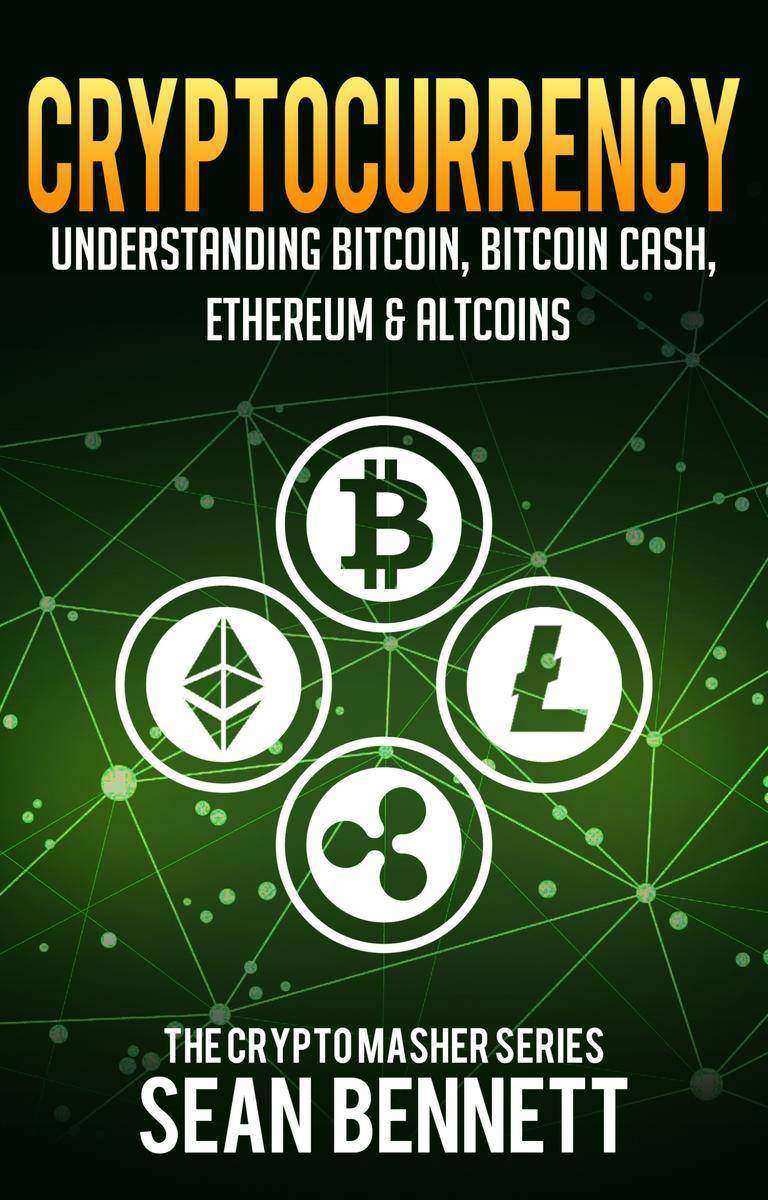
Cryptocurrency:Understanding Bitcoin, Bitcoin Cash, Ethereum & Altcoins
¥32.62
Cryptocurrencies have been referred to as ‘Digital Gold’. No wonder as they have continued to rise and beat expectations! Cryptocurrencies are a growing trend and have been on the rise over the past several years. There are a growing number of online businesses that accept cryptocurrencies as a form of payment, such as Bitcoin. With the growing world of cryptocurrencies, it can seem confusing with all the options you have. This book is here to help you understand the various cryptocurrencies currently serving the market. In this book you will learn about: ? What are Cryptocurrencies? The History of Cryptocurrencies? Cryptocurrency and Currency? What is Blockchain? How to Store Cryptocurrency? Sending and Receiving Currency? Investing in Cryptocurrencies? Trading Cryptocurrencies? Virtual Profits and Actual Profits? FOMO FUD? Risk Management? ICOs Not only will it cover this, you will also learn about: ? A Guide for Bitcoin, Bitcoin Cash, Ethererum, Litecoin Altcoins? The Future of Cryptocurrencies There are endless opportunities when it comes to cryptocurrencies, so why not get involved now. They can be great investment opportunities, and they are a great way to impress your friends. Get this book today and learn the basics of the world of cryptocurrencies. Start learning more about cryptocurrency! Enjoy the second book in the series from Cryptomasher! What are you waiting for? Take control of your financial future, go ahead and purchase the book!
Amores encontrados
¥31.88
Miriam y Jose Manuel, dos hermanos de padres poco presentes. La primera, como hermana mayor se siente enteramente responsable de la vida que ella adora como a un hijo propio. Miriam inicia una relación con un joven profesor de la universidad de su hermano; es en adelante donde sus vidas se harán tan complicadas al punto de llevarlos a tomar o aceptar decisiones que, sin importar cual caminos tomen, todos llegan a un mismo destino. El amor de hermanos, la amistad, la pasión, la inmadurez, el arrebato y el perdón son algunos de los ingredientes de esta corta pero sustanciosa novela.

Ducele p?c?tului
¥7.36
R?v??itor de chipe?, orgolios, lipsit de scrupule, Valentin Napier, duce de Montgomery, este b?rbatul despre care vorbe?te toat? Londra. Cu faima lui de crai ?i de ?antajist, Montgomery a revenit din exil ?i este hot?r?t s? se r?zbune pe cei care l-au nedrept??it. ?ns? descoperirea pe care o va face ?n propriul dormitor ?l va determina s?-?i schimbe cu totul planurile…Fiica bastard? a unei lady din lumea bun? londonez?, menajera Bridget Crumbs este o femeie inteligent?, curajoas? ?i extrem de loial?. C?nd mama ei ajunge ?inta unei escrocherii, Bridget se angajeaz? ?n casa ducelui de Montgomery ?n speran?a de a g?si probele incriminatoare pe care acesta le de?ine ? ?i ajunge s? descopere ceva mult mai periculos.Montgomery este peste poate de uimit ?i intrigat de ?nnebunitor de preten?ioasa ?i surprinz?tor de istea?a Bridget, pe care o g?se?te spion?nd ?n camerele lui. ?n ciuda str?daniilor ei, Bridget nu poate rezista farmecului acestui duce p?c?tos. Cei doi ?ncep un adev?rat joc de-a ?oarecele ?i pisica ?i ajung s? descopere ?n cur?nd c? am?ndoi au secrete bine ascunse ?i c? nici unul din ei nu este a?a infam ? sau de inocent ? cum pare.

N?o me deixe sozinha
¥8.18
“?s vezes, tudo o que uma pessoa mais precisa é de alguém para lhe proteger”A vida de um sargento de polícia muda completamente quando ele é abordado por uma linda mo?a chamada Paula. Apesar de a mo?a ser-lhe totalmente desconhecida, o policial aceita a mo?a em sua casa em troca de companhia e felicidade.Mas Paula guarda segredos que poder?o colocar tudo a perder.

?ntoarcerea ?n Eclipse Bay
¥7.36
Bunicii lor s-au uracirc;t din toat? inima. La fel ?i ta?ii lor. ?i, pentru c? reprezint? urm?toarea genera?ie din familie Harte ?i Madison, toat? lumea se a?teapt? ca ?i Hannah ?i Rafe s? se urasc?. Hannah Harte, de?in?toarea unei companii de succes ce organizeaz? nun?i, este o femeie cu o viziune sceptic? asupra c?s?toriei. Dar contrar opiniei celor din jur, eaicirc;?i aminte?te de noaptea petrecut? pe plaj? cu mult timpicircn urm? cu Rafe, cacircnd el s-a dovedit a fi mai mult decacirct b?iatul cu reputa?ie proast? din familia Madison. Iar Rafe ?i aduce aminte, la racircndul s?u, de gestul plin de curaj al lui Hannah, care a demonstrat c? spiritul s?u aprig ?i sincer era mai puternic decacirc;t orice vrajb? istoric? dintre familiile lor, salvacircndu-l de o condamnare aproape sigur? la icircnchisoare. Adu?i icirc;mpreun? de o mo?tenire surprinz?toare dup? ani ntregi icircn care vie?ile lor au urmat drumuri separate, Rafe ?i Hannah se icircntorc icircn Eclipse Bay ?i la ostilit??ile care icircnc? le mai despart ?i le leag? familiile. ?i descoper? un lucru icircn acela?i timpicircncacircnt?tor ?i extrem de tulbur?tor: sentimentele care se nasc icircntre ei pot fi mai presus de secrete, tr?d?ri ?i rivalit??i

Suge-o, Andrei! ?nc? o poveste semi-amuzant?
¥68.34
Continuarea bestsellerului 2015 Suge-o, Ramona! Singurul mod ?n care po?i s? afli dac? ai reu?it s? ui?i cu adev?rat o persoan? pe care c?ndva o iubeai cu toat? puterea ta este s? te ?nt?lne?ti cu ea, s-o prive?ti ?n ochi ?i s? nu-?i dore?ti s-o iei ?n bra?e. Abia dac? reu?e?ti lucrul ?sta po?i s? spui c? e?ti preg?tit s? treci mai departe. Mul?i dintre noi, dac? nu to?i, am avut o poveste de iubire care ne-a dat lumea peste cap ?i ne-a f?cut sufletul s? zburde de fericire ori s? urle de durere. O persoan? care ne-a b?ntuit g?ndurile ani ?ntregi ?i pe care cu greu am reu?it s? ne-o scoatem din suflet. O persoan? pe care am c?utat-o ?n fiecare rela?ie nou? ?i care ne-a l?sat cicatrici invizibile, dar ad?nci. ?ncerc?nd s-o uite pe Anemona, Andrei are tot felul de aventuri, unele amuzante, altele neobi?nuite. Dar, ?n realitate, el nu caut? pe altcineva. C?utarea lui este o c?utare de sine. ?i de fiecare dat? se reg?se?te ?n alt? persoan?, ?n mod diferit. O carte care te va face s? z?mbe?ti, s? r?zi ?n hohote, s? te g?nde?ti la propria rela?ie sau, pur ?i simplu, s? te miri ce mare-i gr?dina Domnului! Ca s? te conving c? merit? s? cite?ti aceast? carte, uite ni?te p?reri despre primul volum, Suge-o Ramona!: ?Cu greu pot s? m? adun dup? ?cartea? asta. Scris? ca o list? de cump?r?turi, are exact aceea?i ?n?elegere a sensurilor pe care o poate atinge pisica mea c?nd se holbeaz? proste?te pe geam.“ – Ana ?O carte demn? de toaleta public?, risip? de resurse ?i energie. Spun carte fiindc? are tr?s?turile fizice ale unei c?r?i. Con?inutul ei este ?ns? o simpl? degringolad?.“ – Wickle Tickle ?Vi s-a ?nt?mplat s? v? vin? s? vomita?i dup? ce citi?i un fragment dintr-o ?carte?? Mie nu (p?n? acum). Mi-am pierdut un minut din via?? citind asta... ?i acum ochii mei s?ngereaz?...“ – Ione Butterfly ?B?i, ce pot s? zic, mie mi s-a p?rut ok.“ – Andrei Ciobanu ?Deci asta faci tu la Bucure?ti? Au aflat vecinii c? ai scris o carte ?i m?-ntreab? cum se cheam?. Ce le spun? Apropo, vrei s?-?i trimit ni?te salat? de vinete?“ – Alfred, mama lui Andrei

Az Arab lánya
¥57.55
Megrendít és fordulatos”Gamal, a szaúdi királyi család tagja, megkapja élete legnagyobb feladatát: fel kell nevelnie magyar szerelmétl született gyermekét, Annát – nem is akárhol: saját hazájában, Szaúd-Arábiában. A család nem nézi jó szemmel a házasságon kívüli kislány érkezését. De ha ez nem lenne elég, a sors még egy megoldhatatlannak tn kihívást küld Gamalnak.Vajon képes egy apa egyenlséget tenni gyermekei kztt, amikor azt a vallási tradíciók szerint nem is volna szabad Lehet boldog egy ilyen zord világban egy ártatlan kislány, akinek már születésekor megpecsételdik a sorsa Mire képes az apai szív Mire képes egy mostohaA hatalmas sikert aratott Az Arab és Az Arab szeretje cím írásokban megismertük egy szívbemarkoló szerelem trténetét.BORSA BROWN legújabb regényében, Az Arab lánya els ktetében a korábbi részek folytatásaként a gyermek Anna élete bontakozik ki, mikzben édesapja, Gamal lelke is új életre kel.A szerzn külnleges, szókimondó, ugyanakkor érzelmes és szenvedélyes, erotikában bvelked írásai az olvasók kedvenceivé váltak. Az írón a már megszokott stílusban folytatja a trténetet, mely ismét érzelmi magasságokba és mélységekbe juttat bennünket.

De vorb? cu Emma
¥16.27
Cine am fi noi f?r? dragoste? Cum ar fi dragostea f?r? noi? ?ntr-o lume a iubirii ?i a pove?tilor de via??, Emma, femeia rebel? ?i inocent? ?n acela?i timp, caut? r?spunsuri la propriile ?ntreb?ri. O ajut? s? le g?seasc? Greg, b?rbatul creator ?i omul ei de ?ncredere, al?turi de care tr?ie?te bucurii ?i dezam?giri, redate ?n dialoguri ?i reflec?ii. L?ng? el, ea e cald? ca o ploaie de var? sau rece ca un sloi de ghea??. Conflictul pe muchie genereaz? tr?irile femeii – ale Emmei, ?i, implicit, ipostazele ?n care ea riposteaz? sau ?ncheie armisti?ii. Cu siguran?? ?ns?, nu exist? o alt? cale de mijloc dec?t dragostea. — M? iube?ti? — Mai mult dec?t vreodat?. — ?i totu?i pleci. — Da! Pentru c? m? la?i s? fac asta... Emmei ?i este team? de singur?tate. Ea vrea s? r?d? cu el din acela?i motiv. Ea ?ine minte s?ruturile pe care nu i le-a dat. Ea vrea s? fie fericit? ?n patul lui. Ea ?tie c? cele mai bune vinuri se beau ?n doi. Ea caut? s? construiasc? poduri peste ne?n?elegerile din trecut. Ea vrea s? mearg? descul? pe malul m?rii. Sunt momente c?nd revine la acea ?mbr??i?are din trecut, la plimb?rile nocturne, la momentele ?n care a r?s ?i la cele ?n care a suferit. ?i momente ?n care ??i poart? g?ndul undeva departe sau se bucur? fericit? de prezent. Iubindu-l pe Greg sau tr?indu-?i emo?iile. Ea caut? un loc sfin?it de dragoste. Ea se ?ntoarce mereu la el. Citind De vorb? cu Emma, tr?ie?ti ?mpreun? cu personajul propria ta poveste de via??. Emma te provoac? s? g?se?ti calea spre sufletul t?u ?i te cheam? ?ntr-o lume ?n care lini?tea, nebunia ?i iubirea adev?rat? sunt un tot ?ntreg. Fie c? e?ti femeie ?i o ?n?elegi, fie c? e?ti b?rbat ?i cau?i calea spre inima ei, ai nevoie de r?spunsuri. Le g?se?ti ?n dialoguri ?i printre r?ndurile scrise de el sau tr?ite de ea. P?n? la urm?, po?i fi chiar tu Emma, cu experien?ele ?i pove?tile tale de dragoste. Empatiz?nd cu ea tacit, vei ajunge s? o la?i s? poarte ?i s? consume c?teva dintre zbucium?rile tale. La finalul acestei c?r?i, vei ?mbr??isa mai mult ?mp?carea cu tine ?ns??i, te vei sim?i mai senin?, mai preg?tit? s? accep?i, s? ?n?elegi ?i s? iube?ti. Vei fi gata s? ?ncepi un nou capitol ?n via?a ta. Pentru c? temerile, tr?irile ?i visurile Emmei sunt ?i ale tale. Iar dac? Emma le dep??e?te, le vei dep??i ?i tu. Ia-?i o cafea fierbinte, retrage-te ?n col?ul t?u de lume, las? un ora? pustiu ?n spate, deschide cartea ?i stai de vorb? cu tine. ?Vrei o rela?ie bun?? Fii bun. Vrei un partener care s? te sus?in?? Sus?ine ?i tu. ?ntr-o rela?ie, reciprocitatea nu are limite. urma urmei, rela?iile pe care le-ai avut ?nainte, tot ce ai tr?it, ce ai suferit ?i de ce te-ai bucurat trebuie s? fie o c?t de mic? lec?ie pentru ceea ce ai acum. S? ?n?elegi c? dac? pierzi, o faci nu doar din vina lui. S? ajungi la cincizeci de ani ?in?ndu-l de m?n? pe omul pe care ?l iube?ti nu este un dar sau o predestinare. Este munc?. Un efort zilnic, a c?rui greutate nici nu o observi dac? totul se imparte la doi ?i totul e facut la timp. Cau?i re?ete, prescrip?ii, recomand?ri pentru o rela?ie perfect?? Pentru omul potrivit? Fii tu ?n primul r?nd persoana potrivit?. Dac? nu e?ti, tinde s? fii. Dac? gre?e?ti, recunoa?te. Dac? nu ?tii, ?ntreab?. Dac? vezi c? se rupe, ia ?i ?ndreapt?. Une?te. Vorbe?te. Construie?te. Ascult?. Repar?. F? ceva. ?i asta se refer? la ambii. Este greu s? oferi? S? devii un bun prieten? S? ai mai mult? r?bdare? S? fii mai bun? S? z?mbe?ti mai des? S? oferi devotament? S? ier?i c?nd trebuie? S? ceri iertare? Dac? vrei o re?et? bun?, nu trebuie dec?t s? le une?ti pe toate ?n acela?i ?ntreg, pe care unii ferici?i ?l numesc rela?ie.“

SS 1: The Unlikely Death of Heinrich Himmler (Text Only)
¥65.24
Hugh Thomas is a surgeon and forensic expert of international repute. His 1979 book, The Murder of Rudolf Hess, caused a world-wide furore as it alleged that the prisoner in Spandau Gaol was not Rudolf Hess. His second book Hess: A Tale of Two Murders precipitated a six month Scotland Yard inquiry which saw its report immediately suppressed.

A Right Ambition (Text Only)
¥66.61
The origins of this book lie in its predecessor, Heroes and Contemporaries, published by my good friends at Collins in 1983. It was then felt that these present memoirs and observations would represent an interim collection of writings before I embark upon the story of my complete cricketing career.There is such intense interest in the lives and performances of public figures that one would need to be a recluse of hermit-like proclivity to avoid revealing personal details, opinions and beliefs. The trick is to try to satisfy that interest without leaving oneself entirely naked and I have not, as far as I know, committed myself in this book on race, religion, sex, politics or on the cricket correspondents of popular newspapers. A Right Ambition starts where every book on cricket should begin, with a small boy’s wish to wield a bat. It ends, like all good fairy stories, with that small boy having grown up to join an England team which won back the Ashes from Australia and with his joy and delight at having been able to play the game in so many wonderful places and to have made so many lasting friends.
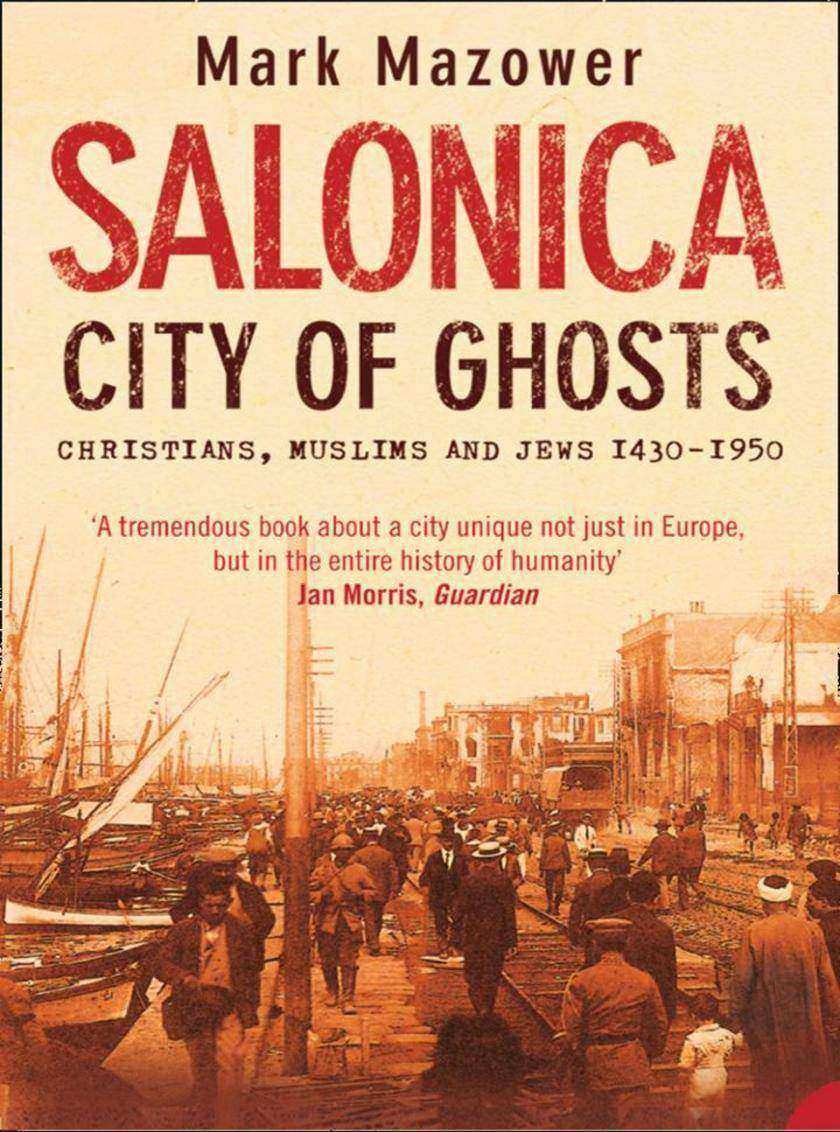
Salonica, City of Ghosts: Christians, Muslims and Jews (Text Only)
¥77.01
Mark Mazower is the author of ‘Inside Hitler's Greece’ (Yale), ‘Dark Continent’ (Penguin Press) and ‘The Balkans’ (Weidenfeld). He is professor of history at Birkbeck College, University of London.
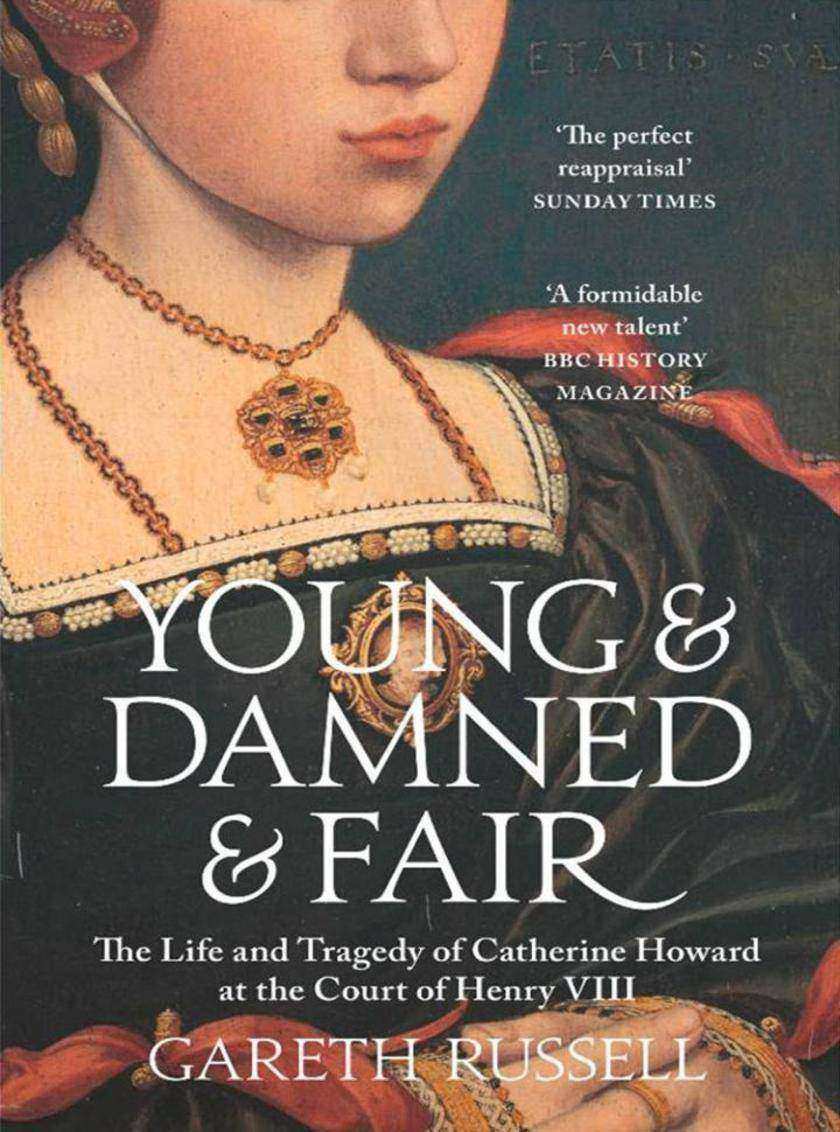
Young and Damned and Fair: The Life and Tragedy of Catherine Howard at the Court
¥73.58
Gareth Russell was a student at Down High Grammar School in Northern Ireland before studying Modern History at Saint Peter's College at the University of Oxford. A playwright, novelist and historian, he writes the blog The Confessions of a Ci-Devant, which profiles his historical research and artistic interests. He has written for the Sunday Times, Tatler and the Irish News. He is the author of the novels ‘Popular’ and ‘The Immaculate Deception’.
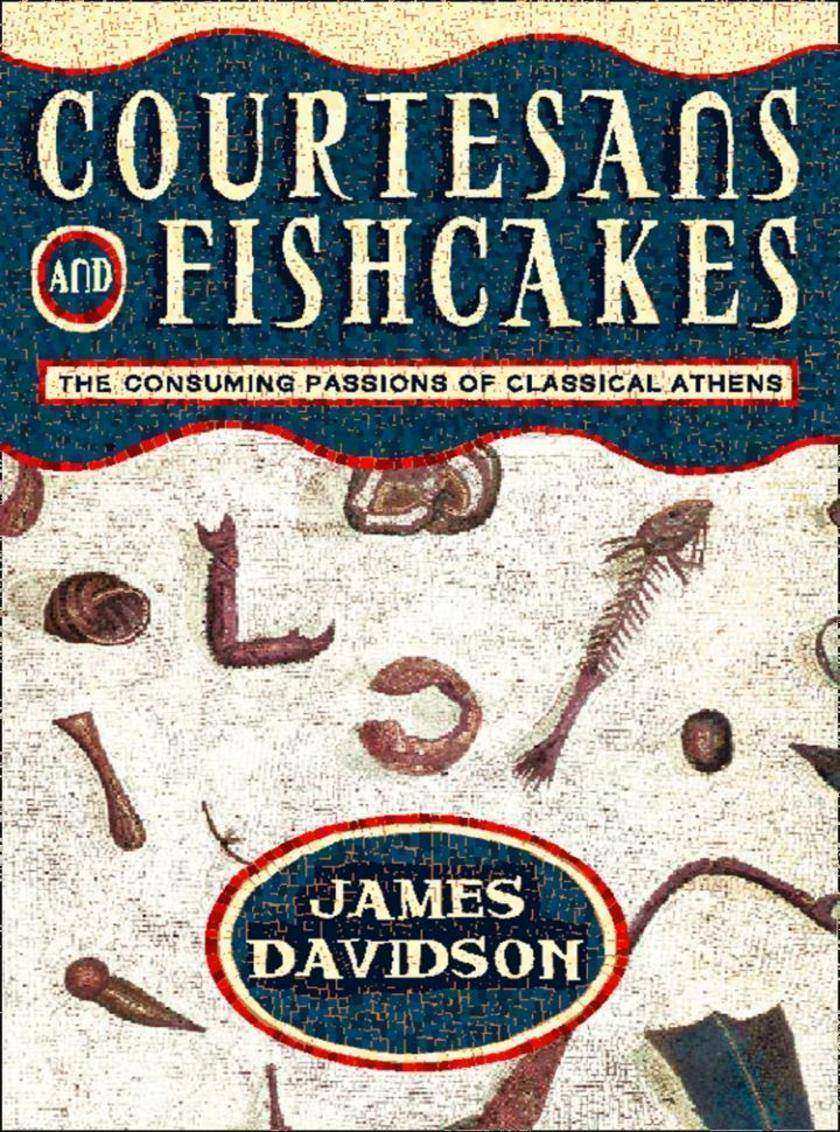
Courtesans and Fishcakes: The Consuming Passions of Classical Athens (Text Only)
¥81.52
James Davidson lectures in ancient history and the classical languages at the University of Warwick. He was previously a Fellow of Trinity College, Oxford.
Food Combining for Health: The bestseller that has changed millions of lives
¥66.22
DORIS GRANT was Dr Hay's first emissary in the UK. A true pioneer in the natural health field, she helped to revolutionise the way we eat and was extremely influential in the early -- and continued -- popularity of the food combining system. JEAN JOICE worked as a radio and television producer specialising in health topics and has written extensively about herbs. She is co-author of the Food Combining for Health Cookbook.

Love Parisienne: The French Woman’s Guide to Love and Passion
¥70.44
Florence Besson has been a journalist for Elle magazine for fifteen years, covering a wide variety of social issues, many related to romantic relationships. It seemed only right to celebrate the Parisian ways of love. Claire Steinlen is a journalist at Clés magazine and the author of a book on marriage, 10 Bonnes (ou mauvaises) raisons de se marier. She combines her life as a woman, wife and mother of four with humour, curiosity, eroticism and love, of course. Eva Amor is a lawyer, but she spends most of her time giving relationship advice to her single and married friends…and is always ready for a laugh.

Twist: Creative Ideas to Reinvent Your Baking
¥125.18
Martha Collison is the youngest ever baker on The Great British Bake Off – she made it all the way to the quarter finals whilst studying for her AS Levels! Martha is a self-taught baker who started cooking at the age of eight – the result of her brave parents letting her loose in the kitchen and enjoying the (sometimes mixed) results. Since then her baking repertoire has grown no end, and she now balances studying part-time for her A Levels with writing and testing recipes for various purposes, including a monthly column in Waitrose Weekend as well as her own blog. She loves spending time with her family, and is passionate about helping with charitable campaigns including #NoChildTaken with Tearfund.


