


 购物车
购物车 个人中心
个人中心
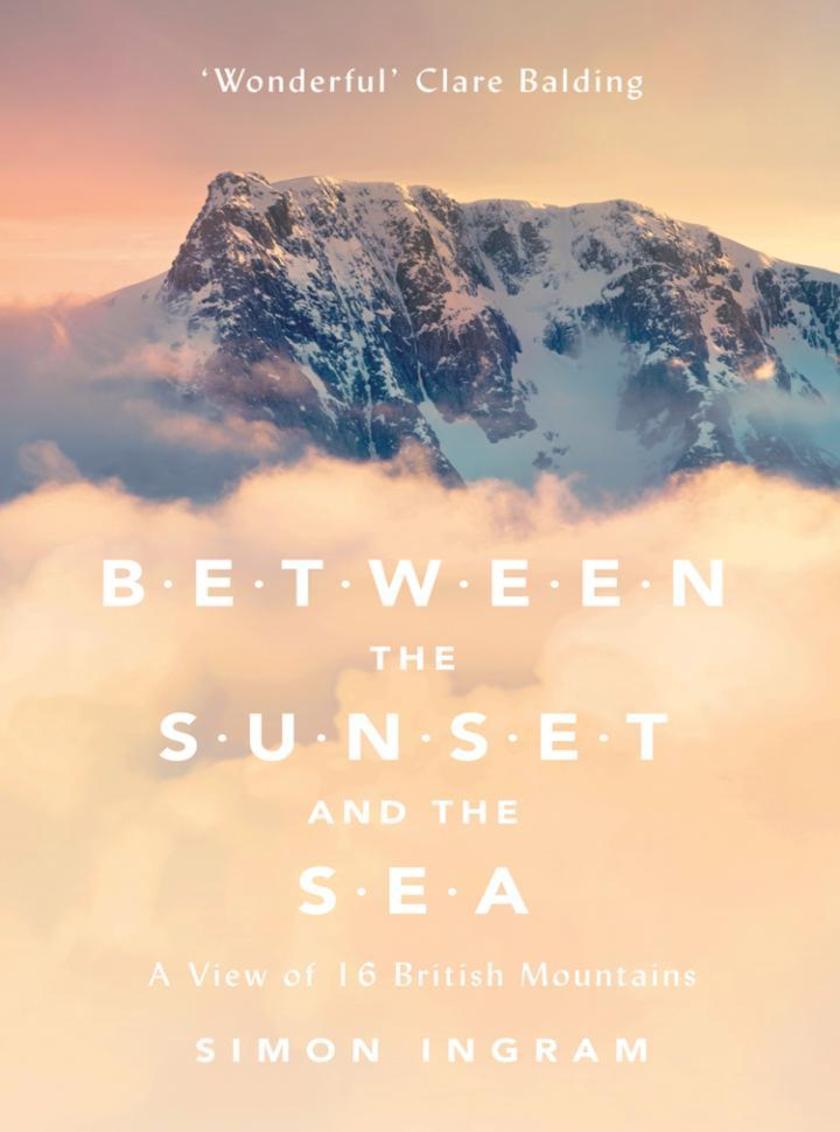
Between the Sunset and the Sea: A View of 16 British Mountains
¥73.58
‘I watched the mirror for a last view, for now, of the frozen mountains of Glen Coe. As the road bent and the outline of Buachaille Etive Mor slid into sight, I did what I always did, and always would. I felt for that flutter of awe and that indefinable, unmistakable quickening of the pulse.’ In the late 18th century, mountains shifted from being universally reviled to becoming the most inspiring things on earth. Simply put, the monsters became muses – and an entire artistic movement was born. This movement became a love affair, the love affair became an obsession, and gradually but surely, obsession became lifestyle as mountains became stitched into the fabric of the British cultural tapestry. In his compelling new book, Simon Ingram explores how mountains became such a preoccupation for the modern western imagination, weaving his own adventures into a powerful narrative which provides a kind of experiential hit list for people who don’t have the time nor the will to climb a thousand mountains. For some of these mountains, the most amazing thing about them might be the journey they’ve taken to get here. Others, the tales of science, endeavour and art that have played out on their slopes. The mythology they’re drenched in. The history they’ve seen. The genius they’ve inspired. The danger that draws people to them. The life that clusters around them, human and otherwise. The extreme weather they conjure. The adventure they fuel. The way that some raise the hairs on the back of your neck, and trigger powerful, strange emotions. And moreover, what they’re like to be amidst, under, on – just what that indefinable quality is that the British mountains wield which takes possession of you so powerfully, and never goes away. Ingram takes us high into the rafters of Britain’s most forbidding, unflinching and unchanging wild places through all the seasons of the year – from the first blush of spring to the deepest, darkest bite of the mountain winter. From Beinn Dearg to Ben Nevis, he takes us on a journey spanning sixteen of Britain’s most evocative mountainous landscapes, and what they mean to us today.
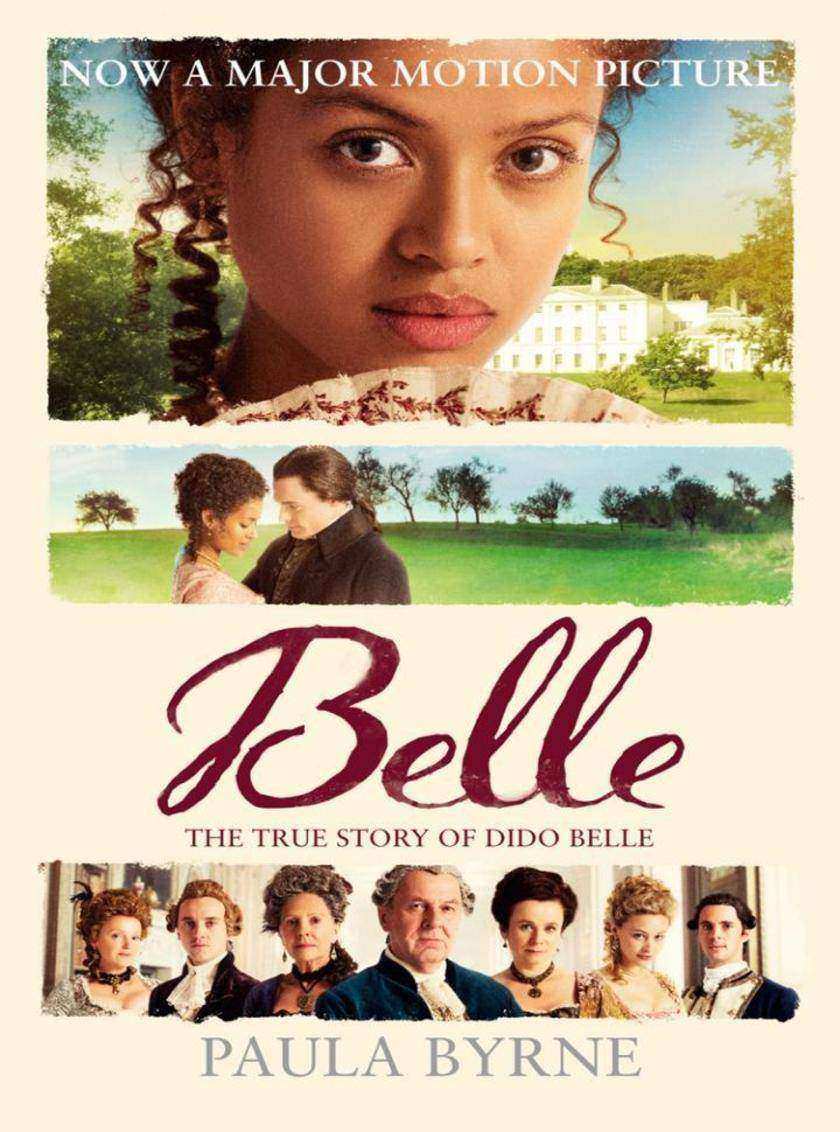
Belle: The True Story of Dido Belle
¥66.22
The inspiration behind the powerful new film starring Gugu Mbatha-Raw, Tom Wilkinson and Emily Watson, this is the story of Dido Belle, whose adoption by an aristocratic family challenged the conventions of 18th century England. In one of the most famous portraits in the world, a pretty girl walks through the grounds of Kenwood House, a vision of aristocratic refinement. But the eye is drawn to the beautiful woman on her right. Pointing at her own cheek, she playfully acknowledges her remarkable position in eighteenth-century society. For Dido Belle was the illegitimate, mixed-race daughter of a Royal Navy captain and a slave woman, adopted by the Earl of Mansfield. As Lord Chief Justice of England he would preside over the notorious Zong case – the drowning of 142 slaves by an unscrupulous shipping company. His ruling provided the legal underpinning to the abolition of slavery in Britain. From the privileged yet unequal lives of Dido and her cousin Elizabeth, to the horrific treatment of African slaves, Paula Byrne – the bestselling author of ‘The Real Jane Austen’ – vividly narrates the story of a family that defied convention, the legal trial that exposed the cruelties of slavery and the woman who challenged notions of race at the highest rank.
Fifty Great Things to Come Out of the Midlands
¥9.71
Celebrate the heart of Britain in this fun and informative mini-ebook. Rugby, Walkers Crisps, Conkers. These are just a handful of the many great things to have come out of the Midlands. In this celebratory list, journalist and loyal Midlander Robert Shore counts down fifty of the best gifts the Midlands has given the world. Knowledge no Midlander – nay, Brit! – should be without. From the author of Bang in the Middle.
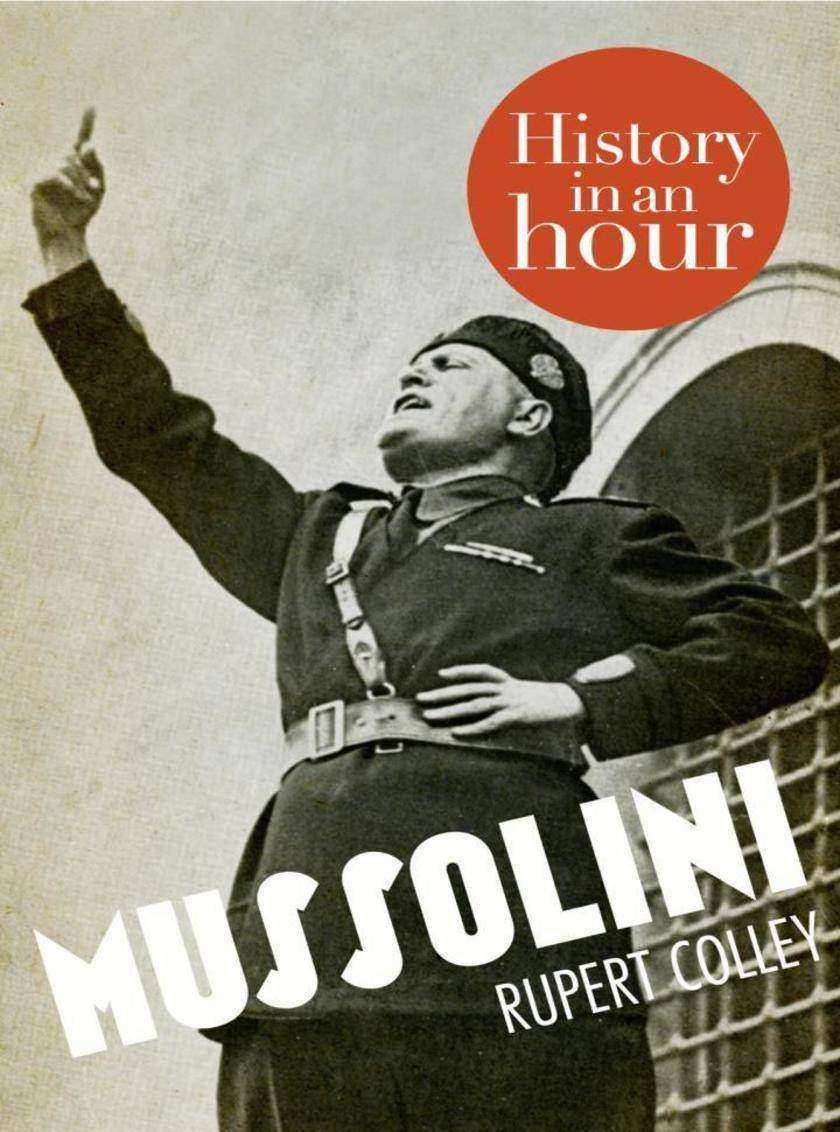
Mussolini: History in an Hour
¥18.05
Love history? Know your stuff with History in an Hour. ‘Il Duce’, Benito Mussolini, was one of the key figures in the creation of fascism. Famed for his dictatorial style, his political cunning and admired – initially – by Hitler, Mussolini led the National Fascist Party and ruled Italy as Prime Minister from 1922 until his ousting in 1943. In so doing, he paved the way towards Italy’s defeat in World War Two, and some of the 20th century’s most destructive ideologies and practices. Following expulsion from Italian Socialist Party, Mussolini denounced all efforts of class conflict, and instead later commanded a Fascist March on Rome to become the youngest Prime Minister in Italian history. Thereafter he set about dismantling the apparatus of democracy and initiated what would become known as the one-party totalitarian state. With World War II came defeat, humiliation and his bloody deposing. Explaining his ideologies, policies, actions and flaws, ‘Mussolini: History in an Hour’ is the concise life of the man whose ideas helped create some of the worst horrors of the modern history. Love history? Know your stuff with History in an Hour…
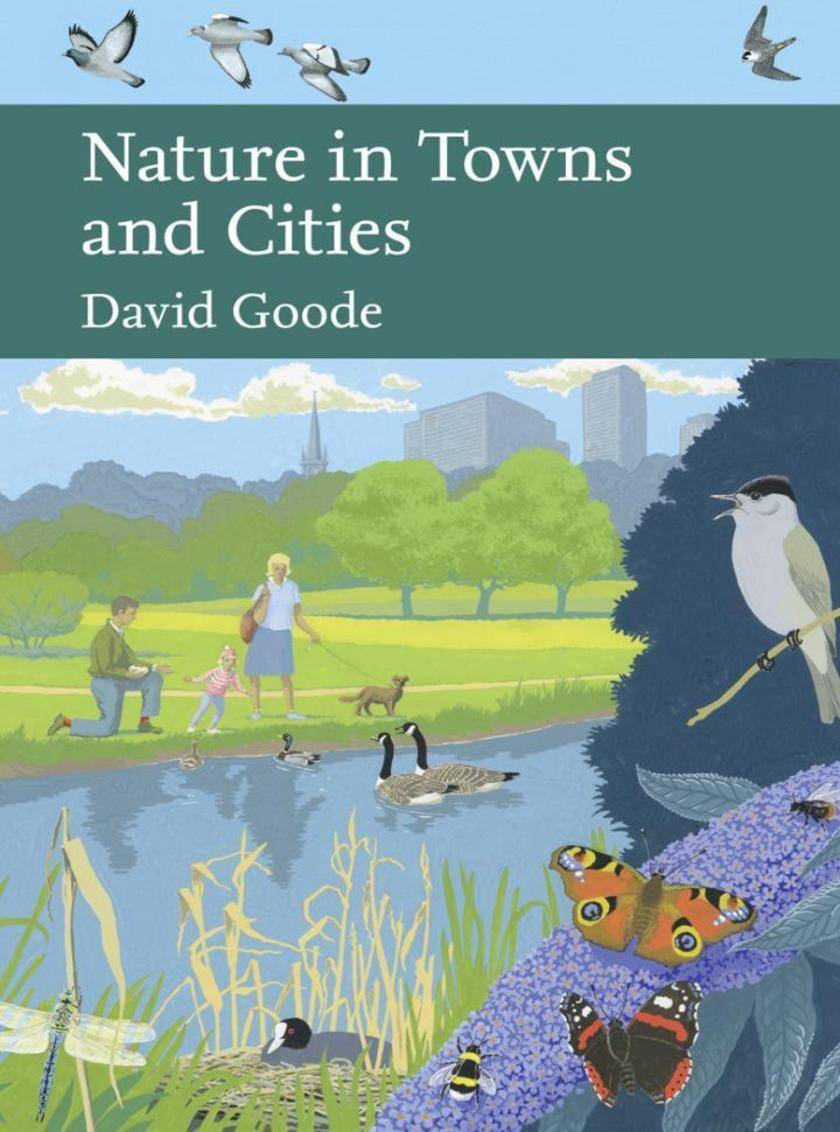
Nature in Towns and Cities (Collins New Naturalist Library, Book 127)
¥269.78
The latest in the New Naturalist series documents the parks and green spaces unique to Britain's cities – and the wildlife that has flourished in these habitats. Not since Richard Fitter’s landmark publication in 1945, ‘London’s Natural History’ – volume 3 in the New Naturalist series – has there been a comprehensive guide to urban natural history. Since then there have been major advances in the conservation of nature in our towns and cities, and there is even more to say about how animals and plants have adapted, in varying degrees, to urbanisation. But this is not merely an exploration of natural history within the urban environment – David Goode uses his knowledge of urban ecology to describe the range of habitats and species which exist within urban areas, and shows how our understanding is being applied to encourage a greater variety of nature into towns and cities. He illustrates how an ecological approach can be incorporated within planning and design to create a range of habitats from tiny oases to extensive new urban woodland and wetlands.
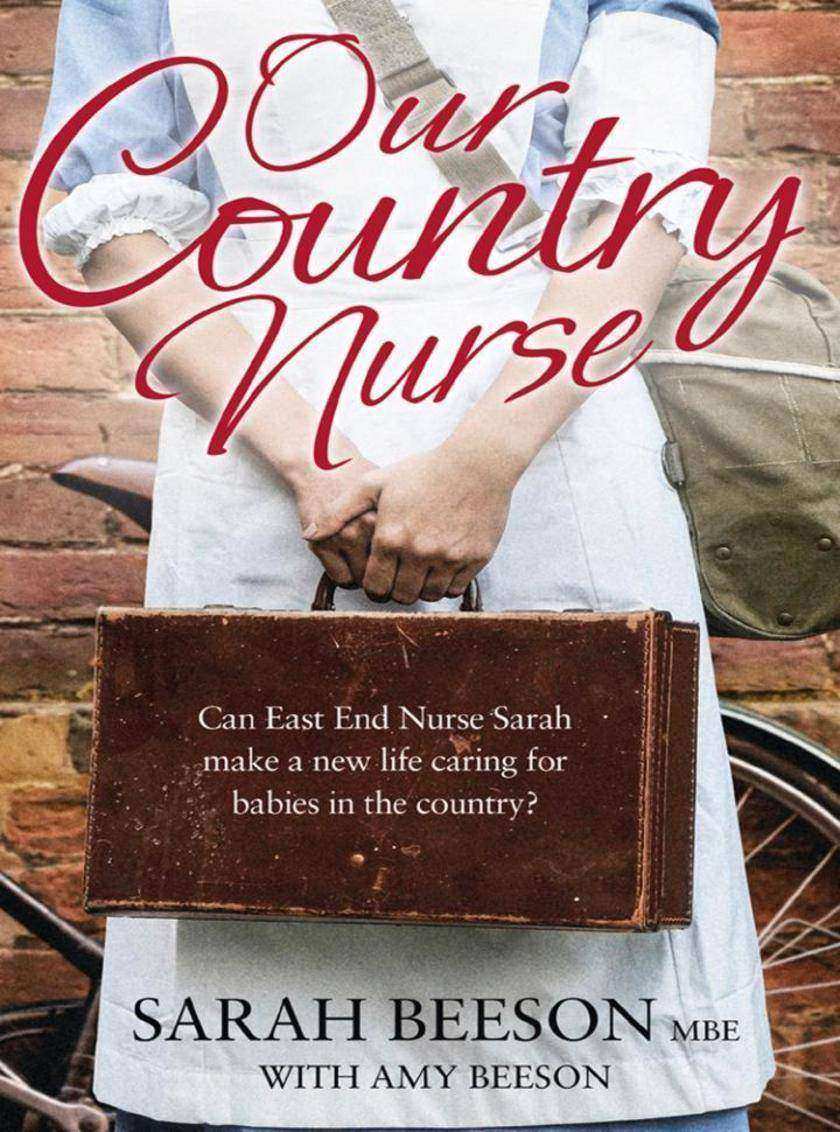
Our Country Nurse
¥37.08
All seems tranquil as newly qualified Health Visitor Sarah motors into a small Kentish hilltop village in her new green mini. She’s barely out of the car when she’s called to assist the midwife with a bride who’s gone into labour in the middle of her own wedding reception. And so her adventures begin… As a health visitor Nurse Sarah is as green as grass but she puts her best foot into wellies and braves the mad dogs, killer ganders and muddy tracks of the farming community. Despite set-backs young Sarah is determined to help the mums she meets, from struggling young mothers in unmodernised farmhouses, to doyennes of the county dinner party set who slave over stuffed olive hors-d'oeuvres. Village life in 1970s isn’t always quite the Good Life Sarah’s been expecting; her attempts at self-sufficiency and cider making lead to drunk badgers and spirited house parties – but will it be the clergyman, the vet or the young doctor that win Sarah’s heart. During her first year in Kent, Nurse Sarah Hill get stuck in – reuniting families and helping mums in the midst of community full of ancient feuds, funny little ways and just a bit of magic.

Labrador: The Story of the World’s Favourite Dog
¥66.22
Sunday Times Bestseller ‘Passionate and well-researched’ Tatler ‘A must-read’ Independent A social history of Labradors, and how they have become the world’s most beloved dogs, by writer, presenter and long-time dog lover Ben Fogle. Labradors are the most popular breed of dog in the world. Not only a great family companion, they also excel at hunting, tracking, retrieving, guiding and rescuing. But where did the breed originally come from? How did it develop? When did black, yellow and chocolate Labradors first appear? Did they really all come from Labrador in Canada and are they really all related to just one dog? In this first history of the Labrador, Ben Fogle goes in search of what makes Labradors so special. Their extraordinary companionship, intelligence, work ethic and loyalty is captured by Ben as he weaves the story of the breed into his own story of his beloved Inca. Ben visits Canada, discovers hair-raising stories of early Labrador exploits and uncovers stories of RNIB Labradors and Labradors at war, Labradors as working dogs and every other manifestation of the Labrador’s character. Exploring their origin, early characteristics, their use as gun dogs, as therapy dogs, as police dogs, as search and rescue dogs and last – and absolutely not least – as family pets, Ben tells the story of a dog breed which has captured our imagination and love for hundreds of years.
Ancient Greece (Collins Gem)
¥36.79
From theatre to politics, no other single civilisation has influenced the Western world more profoundly than that of ancient Greece. From the roots of democracy to philosophy and mathematics, it’s fascinating to learn how much western civilisation has stemmed from that of ancient Greece. This book offers an introduction to the lives of the ancient Greeks, their mythologies and traditions and their culture and learning. With colour illustrations supporting a clear, informative and engaging text, this guide is a perfect companion for both adults and children alike. Includes: ? Geography – map of Greece ? History – the different civilizations from the Minoans through to the Hellenistic period ? Religion – gods, festivals, oracles and muses ? Mythology – Homer's Odyssey, the Minotaur, Icarus ? Daily life in Ancient Greece – everyday life for all levels of society; the jobs, family life, leisure activities ? Politics – democracy and the Athenian council ? Learning and knowledge – philosophy, science, mathematics, medicine and literature ? War – important wars; the army and navy ? Greece Today – temples, archaeology and the monuments that can still be seen today
Ancient Rome (Collins Gem)
¥38.36
From the Colosseum to Hadrian’s Wall, Gem Ancient Rome shows us how Rome’s vast empire laid the foundations of today’s civilisation. From aqueducts to baths, from gladiators to emperors, the fascinating history of and mythology of ancient Rome are brought to life in this entertaining and highly-readable guide. With their sophisticated army, monuments and roads, the Romans literally paved the way to modern Europe. Learn about the hand-to-hand combat at gladiatorial shows, rediscover the myths and legends of the Roman gods and find out how and why Rome became the conquering superpower that it did. History will come to life in this engaging and comprehensive introduction to one of the most fascinating and influential places the world has ever known. Includes: ? Geography – map of the Roman Empire ? History – a timeline with the accomplishments of the emperors ? Culture – what the Romans did for us ? Religion – Gods and Festivals ? Mythology – Virgil's Aeneid, Romulus and Remus ? Daily life in Ancient Greece – different levels in society, the jobs, family life, leisure activities ? Politics – transition from Republic to Dictatorship ? Learning and knowledge – Law, Science, Architecture, Literature, Art ? War – important wars, the Empire, the army and navy ? Rome Today – temples, archaeology, and modern tourist sites
Beyond Belief
¥90.77
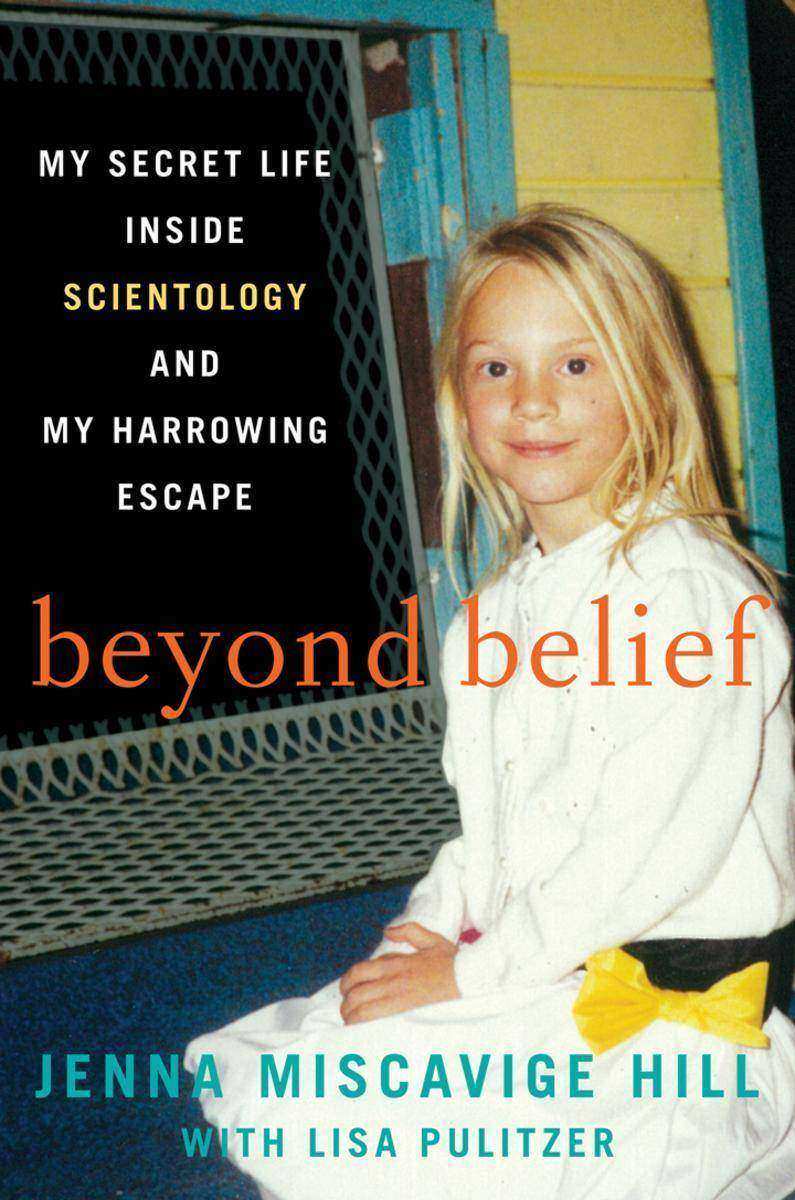
Jenna Miscavige Hill was raised to obey. As the niece of the Church of Scientology leader David Miscavige, she grew up at the center of this highly controversial and powerful organization. But at twenty-one, Jenna made a daring break, risking everything she had ever known and loved to leave Scientology once and for all. Now she speaks out about her life, the Church, and her dramatic escape, going deep inside a religion that, for decades, has been the subject of fierce debate and speculation worldwide. Piercing the veil of secrecy that has long shrouded the world of Scientology, this insider reveals unprecedented firsthand knowledge of the religion, its obscure rituals, and its mysterious leader David Miscavige. From her prolonged separation from her parents as a small child to being indoctrinated to serve the greater good of the Church, from her lack of personal freedoms to the organization emphasis on celebrity recruitment, Jenna goes behind the scenes of Scientology oppressive and alienating culture, detailing an environment rooted in control in which the most devoted followers often face the harshest punishments when they fall out of line. Addressing some of the Church most notorious practices in startling detail, she also describes a childhood of isolation and neglect a childhood that, painful as it was, prepared her for a tough life in the Church most devoted order, the Sea Org. Despite this hardship, it is only when her family approaches dissolution and her world begins to unravel that she is finally able to see the patterns of stifling conformity and psychological control that have ruled her life. Faced with a heartbreaking choice, she mounts a courageous escape, but not before being put through the ultimate test of family, faith, and love. At once captivating and disturbing, Beyond Belief is an eye-opening exploration of the limits of religion and the lengths to which one woman went to break free.
OpenCV with Python Blueprints
¥71.93
Design and develop advanced computer vision projects using OpenCV with PythonAbout This BookProgram advanced computer vision applications in Python using different features of the OpenCV libraryPractical end-to-end project covering an important computer vision problemAll projects in the book include a step-by-step guide to create computer vision applications Who This Book Is For This book is for intermediate users of OpenCV who aim to master their skills by developing advanced practical applications. Readers are expected to be familiar with OpenCV’s concepts and Python libraries. Basic knowledge of Python programming is expected and assumed.What You Will LearnGenerate real-time visual effects using different filters and image manipulation techniques such as dodging and burningRecognize hand gestures in real time and perform hand-shape analysis based on the output of a Microsoft Kinect sensorLearn feature extraction and feature matching for tracking arbitrary objects of interestReconstruct a 3D real-world scene from 2D camera motion and common camera reprojection techniquesTrack visually salient objects by searching for and focusing on important regions of an imageDetect faces using a cascade classifier and recognize emotional expressions in human faces using multi-layer peceptrons (MLPs)Recognize street signs using a multi-class adaptation of support vector machines (SVMs)Strengthen your OpenCV2 skills and learn how to use new OpenCV3 features In Detail OpenCV is a native cross platform C++ Library for computer vision, machine learning, and image processing. It is increasingly being adopted in Python for development. OpenCV has C++/C, Python, and Java interfaces with support for Windows, Linux, Mac, iOS, and Android. Developers using OpenCV build applications to process visual data; this can include live streaming data from a device like a camera, such as photographs or videos. OpenCV offers extensive libraries with over 500 functions This book demonstrates how to develop a series of intermediate to advanced projects using OpenCV and Python, rather than teaching the core concepts of OpenCV in theoretical lessons. Instead, the working projects developed in this book teach the reader how to apply their theoretical knowledge to topics such as image manipulation, augmented reality, object tracking, 3D scene reconstruction, statistical learning, and object categorization. By the end of this book, readers will be OpenCV experts whose newly gained experience allows them to develop their own advanced computer vision applications.Style and approach This book covers independent hands-on projects that teach important computer vision concepts like image processing and machine learning for OpenCV with multiple examples.

Preventing Miscarriage Rev Ed
¥90.77
A Reassuring and Informative Guide That Offers New Hope For Expectant Parents Along with inspiring accounts of women who have delivered healthy babies after years of heartbreak, Dr. Jonathan Scher provides the latest medical information on preventing recurrent miscarriages, including why couples with "unexplained infertility" actually may be suffering repeat pregnancy loss due to failure of the embryo to implant in the womb, important immunological and tissue tests that may explain or prevent miscarriage, emerging treatments such as heparin and I.V.I.G., updated resources, and much more.

Healing Anxiety Naturally
¥90.77
Feeling anxious or stressedIf So, you are not alone. More people suffer from anxiety than any other mental health problem. However, few receive adequate help, and until recently the only choice for many has been to suffer in silence or take synthetic, often addictive tranquilizers and pills. Finally, there is a way to treat your anxiety that is safe, natural, and medically proven. In Healing Anxiety Naturally, leading psychiatrist and bestselling author Harold H. Bloomfield, M.D., presents a revolutionary selfhealing program using nature's own pharmacy of extraordinary herbal remedies, including: Kava a natural tranquilizer that can often replace Valium-like drugs Valerian improves sleep quality and naturally relieves insomnia Hypericum, or St.-John's-Wort the herbal remedy for depression and anxiety Ginkgo the brain booster and antidote to aging Milk Thistle the best protection for your liver These herbs are inexpensive, available without a pre*ion, and free of the side effects and addiction potential of artificial pills. Clear, informative, and based on the most up-to-date scientific findings, Healing Anxiety Naturally will help you relieve stress, promote sleep, and maximize performance. Put an end to anxiety today!

The Holy Vote
¥90.77
Not since the Civil War has the United States been so polarized, politically and ideologically. At the heart of this fracture is a fascinating, paradoxical marriage between our country's politics and religions.In The Holy Vote, Ray Suarez explores the advent of this polarization and how it is profoundly changing the way we live our lives. With hands-on reporting, Suarez explores the attitudes and beliefs of the people behind the voting numbers and how the political divide is manifesting itself across the country. The reader will come to a greater understanding of what Americans believe, and how this belief structure fuels the debates that dominate the issues on our evening news broadcasts.
Telling Secrets
¥77.49
With eloquence, candor, and simplicity, a celebrated author tells the story of his father's alcohol abuse and suicide and traces the influence of this secret on his life as a son, father, husband, minister, and writer.

The Song of the Seed
¥72.93
From the bestselling author of Seasons of Your Heart and A Tree Full of Angels, a lyric, loving, and inspiring approach to communion with God based on Benetictine spirituality.
From This Day Forward
¥94.10
After thirty years together, Cokie and Steve Roberts know something about marriage and after thirty distinguished years in journalism, they know how to write about it.In From This Day Forward, Cokie and Steve weave their personal stories of matrimony into a wider reflection on the state of marriage in American today.Here they write with the same conversational style that catapulted Cokie's We Are Our Mother's Daughters to the top of the New York Times bestseller list. They ruminate on their early worries about their different faiths -- she's Catholic, he's Jewish -- and describe their wedding day at Cokie's childhood home. They discuss the struggle to balance careers and parenthood, and how they compromise when they disagree. They also tell the stories of other American marriages: that of John and Abigail Adams, and those pioneers, slaves and immigrants. They offer stories of broken marriages as well, of contemporary families living through the "divorce revolution". Taken together, these tales reveal the special nature of the wedding bond in America. Wise and funny, this book is more than an endearing chronicle of a loving marriage -- it is a story of all husbands and wives, and how they support and strengthen each other.

Prescriptions for Living
¥84.16
As a physician who has cared for and counseled innumerable patients, Bernie S. Siegel embraces a philosophy that is at the forefront of a society grappling with medical ethics and spiritual issues. His books Love, Medicine, and Miracles (1986), Peace, Love and Healing (1989), and How to Live Between Office Visits (1993) have broken new ground in the field of healing. Over a span of twenty years, other physicians have become increasingly receptive to his message. Bernie's efforts have now turned toward humanizing medical care and medical education, and he continues to travel extensively with his wife, Bobbie, to speak at and run workshops, sharing his techniques and experiences. Bernie and Bobbie have five children and six grandchildren (so far). "This book is a continuation of the work I began when I became Bernie. It is a collection of stories about how to deal with life's difficulties. Most of the people in these stories have not had the great wake-up call; that is, they are mot facing life-threatening illnesses. So in a sense, this book is preventive medicine. It is a pre*ion for living that gives you effective and healthy ways of dealing with the adversity that occurs in everyone's life. I want to help you learn to accept your morality before something catastrophic brings you face-to-face with the end of your life." -- From the Introduction

Black Pearls for Parents
¥78.55
Meditations, Affirmations, and Inspirations for African-American Parents Eric. V Copage's Black Pearls became an instant best-seller and was the winner of the Blackboard African-American Bestsellers award for best non-fiction book of 1994. Now he has created a book of inspirational thoughts, practical advice and pearls of wisdom specifically for African-American parents. The 365 quotes that begin each day's entry range from African proverbs to wisdom and insight from Ida B Wells, Martin Luther King, Jr, Maya Angelou, Oprah Winfrey, Willie Mays, Marva Collins and Martin Wright Edelman, among hundreds of other diverse and accomplished people of African descentEach day's entry covers a topic that affects parents (and their children) - including Role Models, Friends , Procrastination, Affection, Priorities, Independence, Stress, Faith, and hundreds more. From the daily inspirations and specific actions that will provide guidance, comfort and inspiration to African-American parents as they deal with the pressures and joys of raising children in today's world.Copyright 1995 by Eric Copage
Permission to Parent
¥94.10
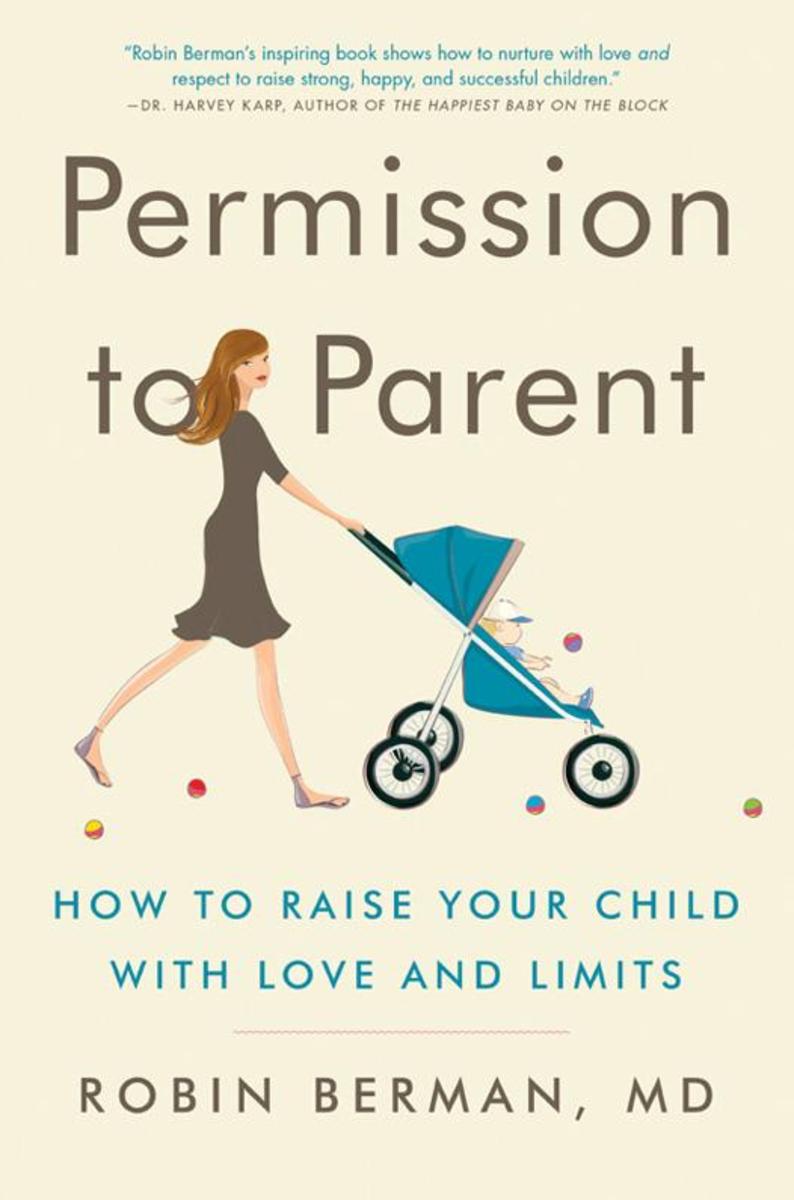
Parental anxiety is at an all-time high, and with parenting styles swinging from attachment parenting to that of "Tiger Moms," Robin Berman, MD, inspires mothers and fathers to find a graceful place in the middle.Children used to be seen and not heard, but now they are at the center of their parents' universe. Parents today seem skittish about asserting their authority. They indulge in their children's demands and tantrums, and enter into endless negotiations, all for fear of hurting their children's feelings. Sadly, this indulgence is creating a generation of psychologically fragile individuals, and it undermines the very self-esteem it seeks to build. In between these parenting extremes lies a better way to raise thriving, well-adjusted children.Parents need to know that it is not only OK but essential to be in charge. Children with too much power often become anxious, and not allowing children to work through negative emotions leads to a lack of resilience later in their lives.Permission to Parent teaches parents to be comfortable setting boundaries while maintaining a loving connection, fostering self-esteem, respect, and emotional maturity. Children need limits more than they need indulgences, time more than schedules, and love more than stuff.Robin Berman, MD, provides the tools for great parenting by drawing from her extensive clinical experience and wisdom collected from seasoned therapists, revered teachers, and role-model parents. Permission to Parent strikes the perfect balance of advice, anecdote, and research to be an essential parenting guide.
Crazy Time
¥88.56
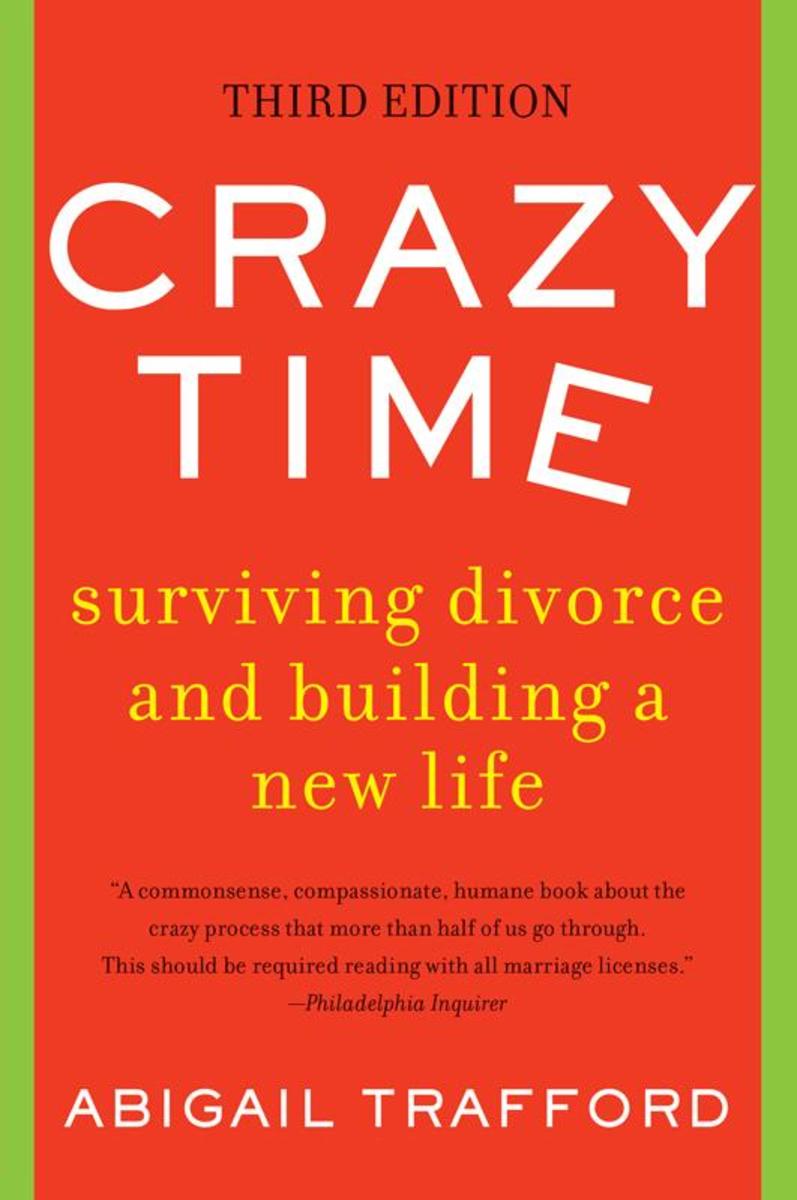
Thoroughly revised and updated for a new generation, the essential guide for men and women to help them weather the turmoil of divorce and build rich, rewarding livesThere is nothing easy about the breakup of a marriage, from coping with loss and failure to dealing with the uncertainty of the future. In this intelligent and insightful book, Abigail Trafford charts this emotional journey, identifying the common phases in the evolution from marriage to separation to divorce and eventually to a new life.Based upon her personal experience, extensive research, and interviews with hundreds of divorced men and women, Trafford offers individuals a better understanding of their own experiences and the message that they are not alone in their pain and confusion. Crazy Time is also an investment in the future Trafford reveals the telltale signs of a marriage in crisis and discusses what determines whether a relationship will survive over time.This revised edition includes the most up-to-date research on the effects of divorce in adults' and children's lives, addresses the special challenges of becoming single again in the age of the Internet, and broadens the experience of divorce to include the breakup of all committed relationships. For anyone who has divorced, or is considering taking that step, Crazy Time offers a sense of hope and confidence that this transition is not only an ending but can also be a valuable beginning.


