


 购物车
购物车 个人中心
个人中心
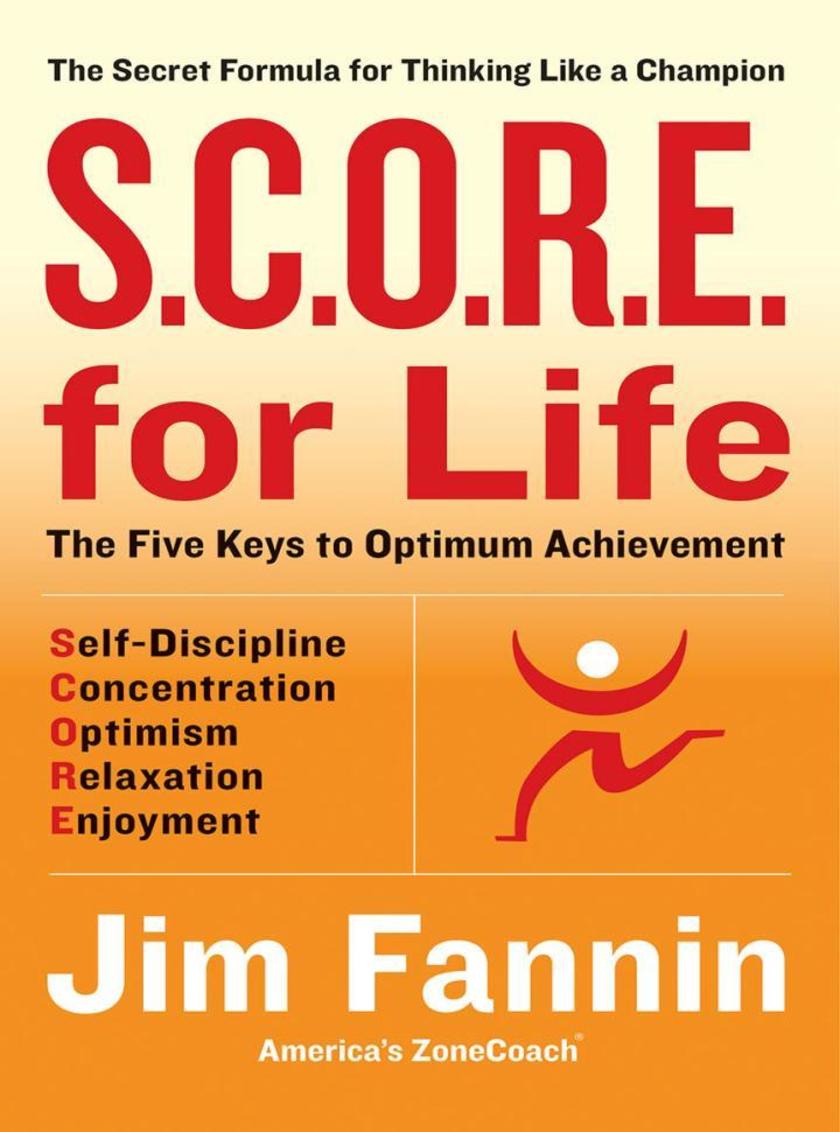
S.C.O.R.E. for Life
¥134.68
Have you ever choked during a performanceHave you ever been told how much talent you have, yet you're not reaching itAre you self-conscious or doubtful during performancesDoes your level of concentration fluctuate wildlyDo you feel overwhelmed at timesWe all dream of overcoming our challenges. We dream of the perfect job, achieving new wealth, of living the life we choose in harmony with the people we love. For many of us, the dream stops there. We wonder what leads some extraordinary people to confront and exceed their goals and compete at the highest level, while others run in place, distracted by fears and a sense of intimidation. We seek the insights that will liberate us from anxiety and self-doubt. In this book, Jim Fannin shares a collection of ideas and daily exercises that transform everyday performers into true champions. Using the secrets of Fannin's time-tested S.C.O.R.E. System (Self-Discipline, Concentration, Optimism, Relaxation, and Enjoyment), S.C.O.R.E. for Life shows you how to balance and apply these five principles in every arena of life. The result: more moments, days, and years performing and thinking in the state of flow we call the "Zone," and more of the results and success that matter. Every chapter includes reader-friendly tests and exercises, like the "90-Second Rule" (a lesson in discipline) and "The Palm Tree Versus the Oak Tree" (a lesson in adaptability). For more than thirty years, Jim Fannin has coached hundreds of top-performing athletes and business leaders, who testify to what the S.C.O.R.E. System can do. It is a tried and proven blueprint for realizing our extraordinary human potential and overcoming the fears and worries that hold us back. With commitment and consistent use of this success formula, you will blaze new paths to personal and professional achievement.
The Magic Of Christmas Miracles
¥90.79
Last holiday season, Christmas Miracles touched the hearts of thousands with its inspiring true stories of real people and their miraculous encounters. With The Magic of Christmas Miracles we have a second collection of amazing true stories of people whose lives were forever changed by small, yet wondrous, Yuletide events. Among them are:The Red Cap: Santa leaves behind a calling card to convince a doubting child.Epiphany: A walk in the woods with an angel gives a lonely woman new hope.Lost at Sea: Two racing yachtsmen put aside rivalry in a dramatic Christmas Day rescue in the Indian Ocean.Fly Away Home: A private plane carrying an unconscious pilot lands safely in an empty field.. . . and many more to brighten the spirit. The Magic of Christmas Miracles will uplift readers' hearts for this and many future holiday seasons.

AskMen.com Presents From the Bar to the Bedroom
¥95.39
Gentlemen, start your engines. From the Bar to the Bedroom is the definitive go to book for anyone in need of guidance when it comes to bedding the fairer sex, from approaching the woman one wishes to take home to dazzling her once she's there. Divided into 11 rules, the book begins by helping men learn the fundamentals of confidence and conversation. It moves on to instruct men on the virtues of foreplay, the importance of having a sex friendly bachelor pad, ways they can pick up women at the gym or at the office, and the variety of techniques and tricks they can use to make her night unforgettable. With tasteful line drawings, loads of tips, and a friendly, humorous tone, it is essential reading for everyone from the novice who wants to enter the game to the player who wants to polish his moves.
The Invitation
¥88.56
Shared by word of mouth, e-mailed from reader to reader, recited over the radio, and read aloud at thousands of retreats and conferences, "The Invitation" has changed the lives of people everywhere. In this bestselling book, Oriah expands on the wisdom found within her beloved prose poem, which presents a powerful challenge to all who long to live an authentic life.In a world of endless small talk, constant traffic jams, and overburdened schedules, "The Invitation" opens the door to a new way of life -- a way of intimacy, honesty, and peace with ourselves, others, and the world around us. Oriah invites us to embrace the varieties of human experience, from desire and commitment to sorrow and betrayal, and to open ourselves to all that is possible. The Invitation is an invaluable guide to overcoming the obstacles that stand in our way and to discovering the true beauty that life has to offer. Accept the invitation and open yourself to a more meaningful life.
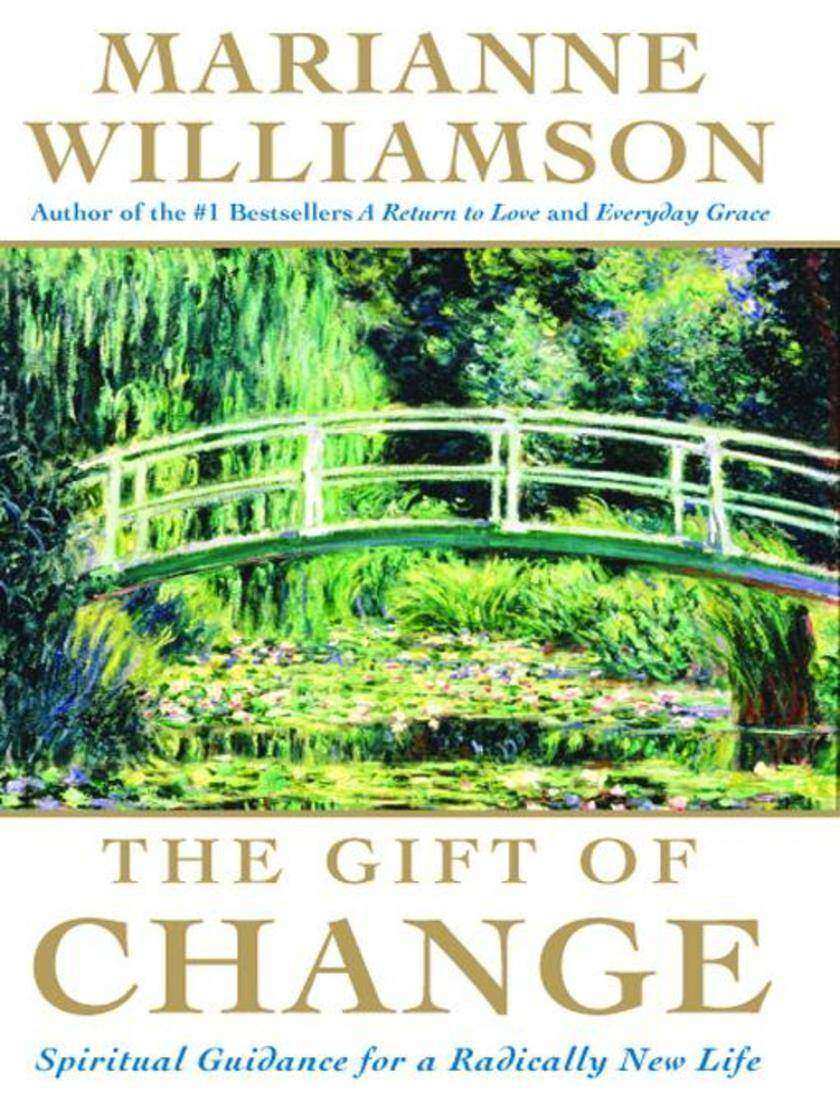
The Gift of Change
¥94.10
Bestselling author of Return to Love and Law of Divine Compensation, Marianne Williamson shows people how to live without fear or worry in The Gift of Change. The time in which we now live is more difficult and stressful than people are willing to admit. We live with an abiding sense of collective anxiety. Williamson shows how we are paralyzed in our current state of fear and anger because we are not facing and dealing with the true causes of our anxieties and fears. Williamson reveals that fear and worry do not need to be the only tools in our tool box for dealing with problems in the world. As we learn to trust God and the love that surrounds us and guides us, we will see that what causes us pain is an opportunity for growth, healing, and miracles that can transform us and our world. Williamson delivers hope and healing as she illuminates ten basic changes that each of us can make as we learn to view the world through the eyes of love instead of fear.
Happily Ever After
¥100.77
Find Your Inner Princess and Live Happily Ever After Don't let anyone tell you true love is a fairy tale. You can find the romance of your dreams, and this book will tell you how.In Happily Ever After, author Wendy Paris offers a contemporary spin on ten classic fairy tales, going behind the scenes with these legendary romantic heroines to show what they did to live happily ever after. Contrary to popular belief, fairy-tale heroines are not weak and passive. They are noble, brave, optimistic women who know that the formula for success in a chaotic world is to hold fast to their own beliefs despite what fate happens to throw their way. Ultimately, it is their character that saves them, not the prince on the white horse.Take Cinderella, for example. Despite having a less than ideal job, she didn't let bitterness and regret give her an ulcer, bad skin, and frown wrinkles. She knew "cinder maid" was a job title, not a life de*ion.She didn't hide in her carriage, crying, "I can't go to the ball by myself! Everyone will think I'm a loser! " She had the courage to attend a party alone. At the stroke of midnight, she didn't cling to the prince's hand and wail, "Save me from my miserable life!" She had the confidence to know that if he liked her, he'd come calling.This humorous, heartfelt book shows women how to focus on their strengths and character rather than resort to manipulative strategies to "land" a man. The perfect antidote to negative dating guides that just don't work, Happily Ever After offers practical, empowering advice that's been proven effective for the last 500 years and is still relevant today.
Smart-Wiring Your Baby's Brain
¥84.16
Has science shoved parents out of the nurseryJudging from the steady stream of headlines, one would think biologists have discovered a gene for every aspect of behavior. Now, Winifred Conkling reassures us that there's still room to help our children reach their personal best. In clear, compassionate language, Conkling tells parents how to make practical use of the latest research on early brain development, offering invaluable advice on how to: Create a nurturing environment in which you child can grow cognitively Encourage movement and motor development Stimulate speech and language development Foster a child's emotional health and personal identity Make toy and food choices appropriate to each stage of development With specific, sound advice; readable charts and timetables; and clear, easy-to-understand language, Winifred Conkling translates the latest scientific discoveries into useful ways to help your child live up to his or her fullest potential.
HarperCollins e-books
¥140.08
In April 2005, Ashley Smith made headlines around the globe when she miraculously talked her way out of the hands of alleged courthouse killer Brian Nichols after he took her hostage for seven hours in her suburban Atlanta apartment. In this moving, inspirational memoir, the 26-year-old widowed mother of a six-year-old girl shares for the first time the little-known details of her traumatic ordeal, and expands on how her faith and the bestselling book The Purpose-Driven? Life helped her survive and bring the killer's murderous rampage to a peaceful end.Just as she told her 6'1", 210-pound captor that his ultimate "purpose" in life was to end up spending the rest of his life in prison, preaching the teachings of Jesus Christ to his fellow inmates, Smith believes her own purpose is to spread that message of love to the rest of us. Juxtaposing the minute-by-minute tale of her experience with the never-before-told tragedies and triumphs of her own life, Unlikely Angel is a gripping tale of downfall and redemption, involving addiction, violence, death, loss, faith, and love. It is a story that will leave no reader untouched.
The Perfect Storm: A True Story of Men Against the Sea
¥66.22
The worst storm in history seen from the wheelhouse of a doomed fishing trawler; a mesmerisingly vivid account of a natural hell from a perspective that offers no escape. The ‘perfect storm’ is a once-in-a-hundred-years combination: a high pressure system from the Great Lakes, running into storm winds over an Atlantic island – Sable Island – and colliding with a weather system from the Caribbean: Hurricane Grace. This is the story of that storm, told through the accounts of individual fishing boats caught up in the maelstrom, their families waiting anxiously for news of their return, the rescue services scrambled to save them. It is the story of the old battle between the fisherman and the sea, between man and Nature, that awesome and capricious power which can transform the surface of the Atlantic into an impossible tumult of water walls and gaping voids, with the capacity to break an oil tanker in two. In spare, lyrical prose ‘The Perfect Storm’ describes what happened when the Andrea Gail looked into the wrathful face of the perfect storm.
I'm Ok, You're Ok
¥90.77
Transactional Analysis delineates three observable ego-states (Parent, Adult, and Child) as the basis for the content and quality of interpersonal communication. "Happy childhood" notwithstanding, says Harris, most of us are living out the Not ok feelings of a defenseless child, dependent on ok others (parents) for stroking and caring. At some stage early in our lives we adopt a "position" about ourselves and others that determines how we feel about everything we do. And for a huge portion of the population, that position is "I'm Not OK -- You're OK." This negative "life position," shared by successful and unsuccessful people alike, contaminates our rational Adult capabilities, leaving us vulnerable to inappropriate emotional reactions of our Child and uncritically learned behavior programmed into our Parent. By exploring the structure of our personalities and understanding old decisions, Harris believes we can find the freedom to change our lives.
Gifts from Eykis
¥95.39
How would an intelligent visitor from another planet react to life on EarthWould we welcome that visitor's presence and viewsAre we ready for such an open exchangeWeaving together science fiction, spirituality, and philosophy with wisdom, humor, and plain common sense, Wayne Dyer tells the story of two peaceful beings from different worlds who work together to enhance the well-being of all.The gifts that Eykis brings to the people of Earth help them see themselves in a new light, and compel them to rethink their negative actions. Her insightful offerings will move you to new emotions, new behaviors, and a new understanding of humankind's limitless possibilities.
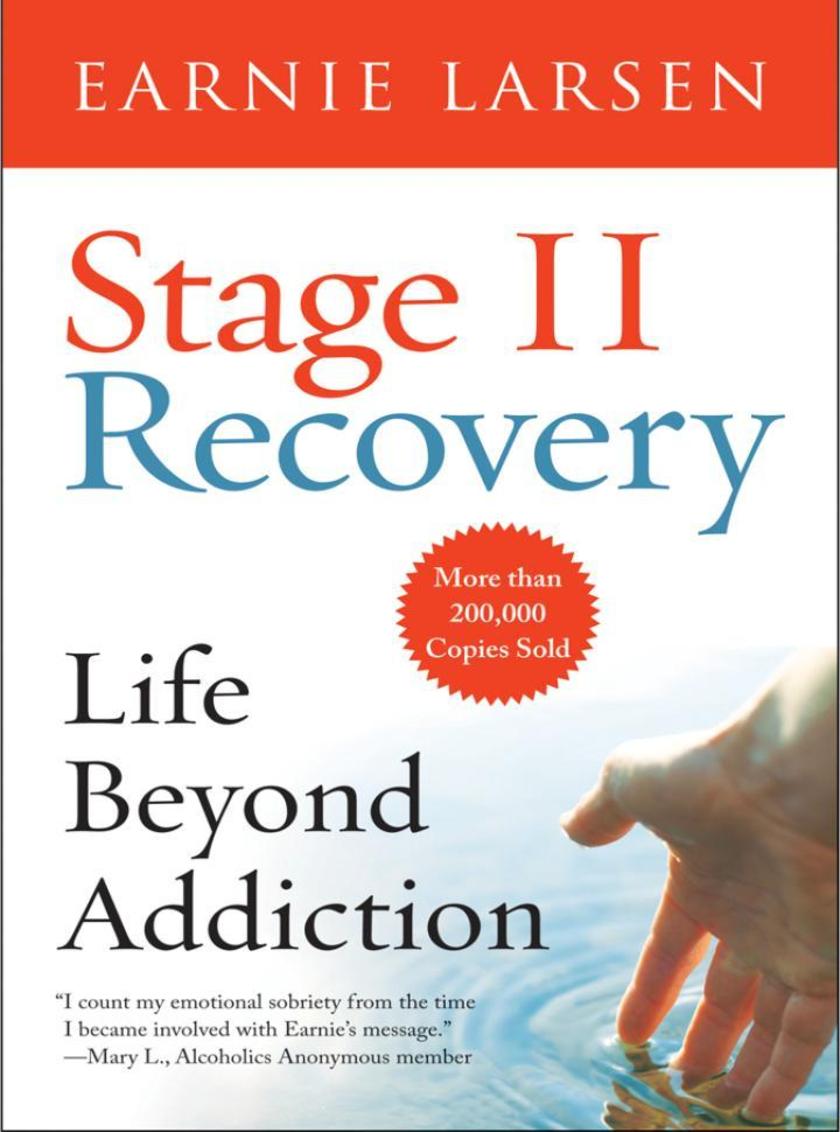
Stage II Recovery
¥94.10
Sustained abstinence from an addiction is only the first stage of recovery; real recovery begins with Stage II--the rebuilding of the life that was saved in Stage I.
Is This Your Child?
¥106.61
IS THIS YOUR CHILDThese are the major symptoms of potentially unrecognized allergies. Does your child suffer from any of the following Allergic Nose Rub Eye Circles Red Ears Red Cheeks Eye Wrinkles Aggression Lack of Alertness Mottled Tongue In this breakthrough book, Dr. Doris Rapp offers a simple yet effective approach to handling "problem" children. Is This Your Childshows parents how to identify the common foods, chemicals, or common allergic substances that could be the culprits that cause some children or adults to feel unwell or act inappropriately. If your child is always sick, hyperactive, a slow learner, or cranky, the first question you should ask is not "What drug should be prescribed?" or "What have I done wrong as a parent?" Instead, find out the cause. Dr. Rapp gives sensible suggestions about how these reactions to foods and environmental factors can be recognized, prevented, and treated. With this information, many affected children should feel, act, behave, and learn better. If you can detect unsuspected environmental illness in your child--or yourself--you can change your lives so you're more content, happy, and free of illness.
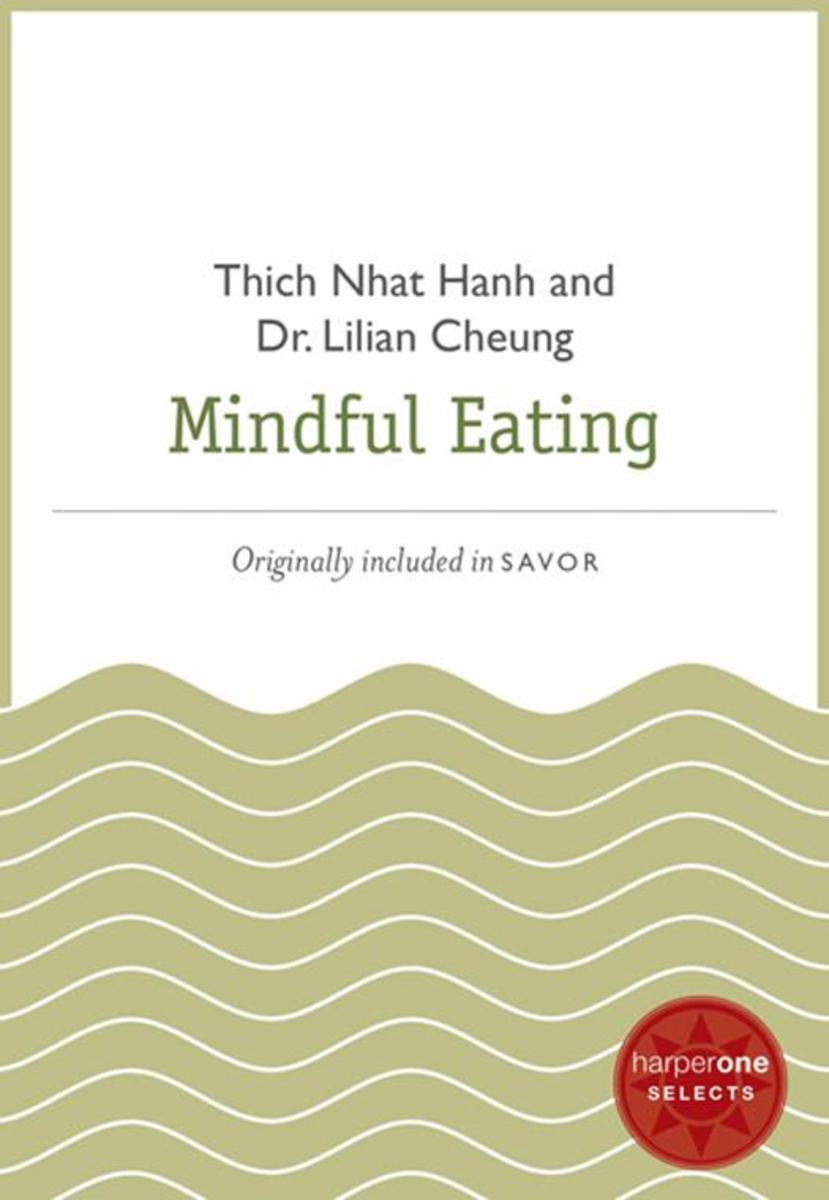
Mindful Eating
¥21.73
Common sense tells us that to lose weight, we must eat less and exercise more. But somehow we get stalled. We start on a weight loss program with good intentions but we cannot stay on track. Neither the countless numbers of fad diets, nor the annual spending of $50 billion on weight loss efforts are helping us feel better or lose weight. With Mindful Eating, world-renowned Zen master Thich Nhat Hanh and Harvard nutritionist Dr. Lilian Cheung join together to show us how to end our struggles with weight once and for all.
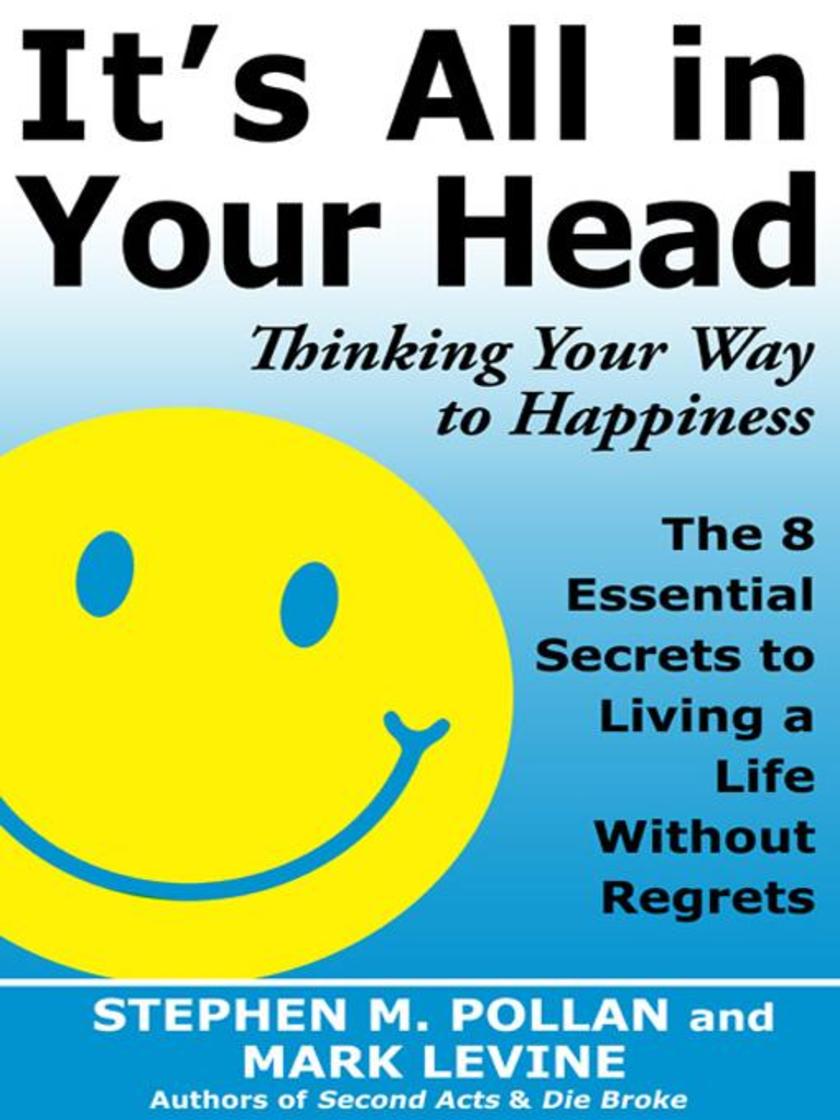
It's All in Your Head
¥90.77
Here are the simple truths that motivate people of any age to find and accept lasting happiness, illustrated with the stories of real people, and illuminated with the observations of spiritual leaders and great philosophers. For more than three decades, attorney, financial consultant, and life coach Stephen M. Pollan has been advising clients and readers on the business of living everything from home buying and employment contracts to marriage and parenting. He has taught his clients and readers to Die Broke (use assets rather than build up an estate), to stage Second Acts (reinvent their lives), and, most recently, to Fire Your Boss (take charge of their own work lives).Throughout these books, Pollan stresses that attitudes as well as actions are essential to success. Indeed, over the years he realized that the happiest and most successful people he'd met were also those who were the most energetic and exuberant, regardless of their age. By noting these attributes and incorporating them in his own life, Pollan came to understand that our attitudes are not just one element of succeeding at the business of living, they are in fact the foundation of leading a happy life. Attitude is everything.Those attitudes most essential to our deepest satisfaction and happiness reflect what our spiritual leaders and philosophers from every major tradition have taught us. We don't have to look to external forces to validate us and give us self-worth. We already have within us all we need to find fulfillment and lead happy, satisfying lives lives without regrets. To finally be happy we need to accept responsibility for our own happiness. When we know the secrets are already inside us, all we have to do is start living them. With this book, we can begin now.

CONNECT
¥140.08
It doesn't take long to understand why The Wall Street Journal calls Keith Harrell "a star with attitude." Keith Harrell, a.k.a. Dr. Attitude, helps you along on your path to success. Keith is a bestselling author, performance coach, and nationally acclaimed motivational speaker recognized for his innovative and enlightening presentations to Fortune 500 companies like Coca-Cola, IBM, Microsoft, and Southwest Airlines. His bestselling book, Attitude is Everything, helped readers improve their attitudes to impact the bottom line.In Attitude is Everything, Keith taught readers to gain control of their careers and their lives by turning positive attitudes into successful actions. But attitude is only half the equation. Once you have super motivated employees, you need them to CONNECT to the company's goals and its mission to achieve maximum success. Success is built on connections we make with people and ideas. Whether it's connecting with customers to improve their service experience, or connecting with the strategic business plan and objectives for the coming year, the foundation for success starts with CONNECT. Here in Connect, Keith Harrell and Hattie Hill reveal the seven core competencies needed to connect individuals and organizations in order to heighten productivity and to maximize personal and professional success.Commit to win Open up to opportunities Notice what's needed and do what's necessary Navigate by your purposeExecute ethicallyChallenge your challenges Transcend beyond your best
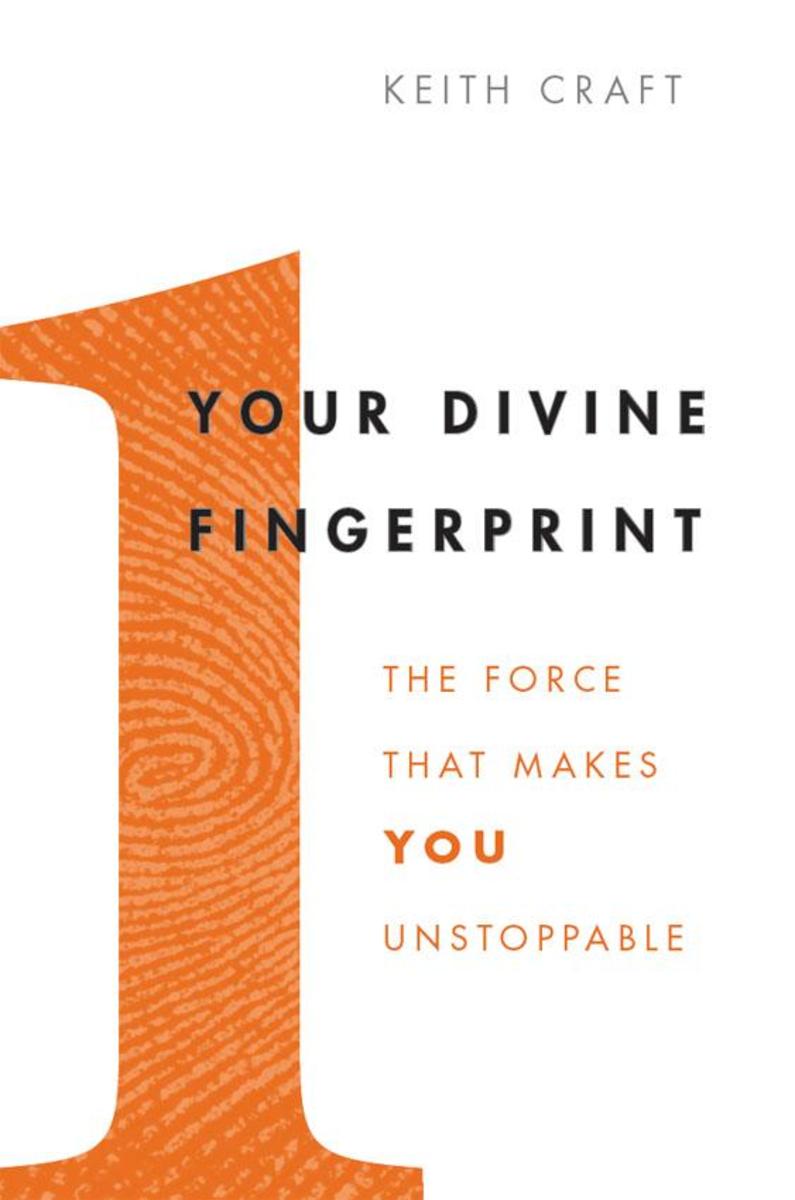
Your Divine Fingerprint
¥84.16
That which makes you different, makes you great!When he was fourteen, Keith Craft looked at his right hand and realized that he had a fingerprint that nobody else had and that no one else ever would. God had made him unique. Today Keith Craft believes the glory of God is literally revealed in the individual fingerprint that He has given us. In Your Divine Fingerprint, Craft teaches you how to identify, amplify, and celebrate your uniqueness and your connection to God.You connect with God when you turn a defining moment into a miracle moment by making a decision and then taking action. When you understand the power you have to choose how a moment will affect you, you can then begin to define the moment instead of the moment defining you. And by taking action, you get nearer to fully living the greatness that God has given you and has given to no one else the 1% you have that no one else has.Pastor Keith Craft wants you to realize your greatness. He wants to give you the tools to overcome your blind spots, to find your winning edge, and to become the greatest thing you can be for the rest of the world a servant leader. He wants to challenge you to believe not only that God created you but that God has a great purpose for your life. When you believe this, your life turns from natural to supernatural. And you start to live the blessed life that God wants you to live!
The Sweetness of Life
¥84.28
A celebration of the small, sweet moments that make life worth living and the importance of taking the time to savor them
Following Our Bliss
¥90.77
Renowned journalist Don Lattin, longtime reporter for the San Francisco Examiner and more recently the San Francisco Chronicle, interprets the American spiritual and religious landscape since the 60s with insight, wit, and telling reporting. What David Brooks did for the American social and commercial landscape in the bestselling Bobos In Paradise, he does for the spiritual landscape, showing how the 60s have had a profound transformative impact in every area of spirituality. This is the first comprehensive look at the spiritual legacy of the 60s and 70s, as seen through the lives of those raised amid some of the eras wildest experimentation.
Home Team Advantage
¥90.77
Over the past decade, the stakes in youth sports have reached startling heights; the pressure to win often eclipses the desire to have fun. Sports injuries have increased tenfold; aggression on and off the field between kids, parents, and coaches is at a fever pitch; and drug and alcohol use among young athletes is on the rise. While there are plenty of books that help the best-intentioned parent, most of them are written by men, for men. They do not address concerns specific to mothers, nor empower them to confidently step onto the out-of-control playground to assume whatever role they choose spectator, advocate, administrator, coach, fund-raiser, or team mom.Home Team Advantage is an essential resource manual that will inspire women to confidently tackle some of the issues preventing their kids from enjoying sports. Brooke de Lench authoritatively covers issues ranging from ensuring playing time and confronting out-of-control coaches to countering the "winning at all costs" mentality. Packed with real-life anecdotes and information from experts, Home Team Advantage provides constructive, practical, and forward-thinking advice to help mothers understand the critical role they can play in putting the words fun, game, and play back into youth sports.
When Parents Hurt
¥94.10
This unique book supports parents who are struggling with the heartache of having a teenager or an adult child who is troubled, angry, or distant. Such rifts can cause unspeakable sorrow that parents too often must bear alone. Psychologist and parent Coleman, Ph.D., offers insight, empathy, and perspective to those who have lost the opportunity to be the parent they desperately wanted to be and who are mourning the loss of a harmonious relationship with their child. Through case examples and healing exercises, Dr. Coleman helps parents: Reduce anger, guilt, and shame Learn how temperament, the teen years, their own or a partner's mistakes, and divorce can strain the parent-child bond Come to terms with their own and their child's imperfections Maintain self-esteem through difficult times Develop strategies for rebuilding the relationship or move toward acceptance of what can't be changed Understand how society's high expectations of parents contribute to the risk of parental wounds By helping parents recognize what they can do, and let go of what they cannot, Dr. Coleman helps families develop more positive ways of healing themselves and relating to each other.


