


 购物车
购物车 个人中心
个人中心
Mastering ServiceStack
¥80.65
Utilize ServiceStack as the rock solid foundation of your distributed systemAbout This BookTake advantage of the various data providers to access authentication and authorization, sessions, cache, and databaseLeverage asynchronous processing for decoupling components to ease scalingMonitor and tune the performance of your distributed system Who This Book Is For Mastering ServiceStack is targeted at developers who have already implemented web services with ASMX, WCF, or ServiceStack and want to gain more insight into the possibilities ServiceStack has to offer to build distributed systems of all scales.What You Will LearnDesign a prudent and resilient API, following the RESTful designUnderstand the internal processing chain and utilize the provided hooksIncorporate ServiceStack as a full service provider to your existing distributed systemLeverage the power of asynchronous processing and add message queues to your architectureAnalyze and tune the performance of your service In Detail Mastering ServiceStack covers real-life problems that occur over the lifetime of a distributed system and how to solve them by deeply understanding the tools of ServiceStack. Distributed systems is the enterprise solution that provide flexibility, reliability, scaling, and performance. ServiceStack is an outstanding tool belt to create such a system in a frictionless manner, especially sophisticated designed and fun to use. The book starts with an introduction covering the essentials, but assumes you are just refreshing, are a very fast learner, or are an expert in building web services. Then, the book explains ServiceStack's data transfer object patterns and teach you how it differs from other methods of building web services with different protocols, such as SOAP and SOA. It also introduces more low-level details such as how to extend the User Auth, message queues and concepts on how the technology works. By the end of this book, you will understand the concepts, framework, issues, and resolutions related to ServiceStack.Style and approach A step-by-step approach that follows the natural requirements of a distributed system in a conversational style.
Learning IPython for Interactive Computing and Data Visualization - Second Editi
¥71.93
Get started with Python for data analysis and numerical computing in the Jupyter notebookAbout This BookLearn the basics of Python in the Jupyter NotebookAnalyze and visualize data with pandas, NumPy, matplotlib, and seabornPerform highly-efficient numerical computations with Numba, Cython, and ipyparallel Who This Book Is For This book targets students, teachers, researchers, engineers, analysts, journalists, hobbyists, and all data enthusiasts who are interested in analyzing and visualizing real-world datasets. If you are new to programming and data analysis, this book is exactly for you. If you're already familiar with another language or analysis software, you will also appreciate this introduction to the Python data analysis platform. Finally, there are more technical topics for advanced readers. No prior experience is required; this book contains everything you need to know.What You Will LearnInstall Anaconda and code in Python in the Jupyter NotebookLoad and explore datasets interactivelyPerform complex data manipulations effectively with pandasCreate engaging data visualizations with matplotlib and seabornSimulate mathematical models with NumPyVisualize and process images interactively in the Jupyter Notebook with scikit-imageAccelerate your code with Numba, Cython, and IPython.parallelExtend the Notebook interface with HTML, JavaScript, and D3 In Detail Python is a user-friendly and powerful programming language. IPython offers a convenient interface to the language and its analysis libraries, while the Jupyter Notebook is a rich environment well-adapted to data science and visualization. Together, these open source tools are widely used by beginners and experts around the world, and in a huge variety of fields and endeavors. This book is a beginner-friendly guide to the Python data analysis platform. After an introduction to the Python language, IPython, and the Jupyter Notebook, you will learn how to analyze and visualize data on real-world examples, how to create graphical user interfaces for image processing in the Notebook, and how to perform fast numerical computations for scientific simulations with NumPy, Numba, Cython, and ipyparallel. By the end of this book, you will be able to perform in-depth analyses of all sorts of data.Style and approach This is a hands-on beginner-friendly guide to analyze and visualize data on real-world examples with Python and the Jupyter Notebook.
Windows PowerShell for .NET Developers - Second Edition
¥90.46
Efficiently administer and maintain your development environment with Windows PowerShellAbout This BookExplore *ing and automation techniques with Windows PowerShellGain concrete knowledge of Windows PowerShell *ing to perform professional level *ingDiscover the benefits of the Configuration Management Platform with this step-by-step guide that includes real-world *ing examples Who This Book Is For If you are an IT professional or developer who has worked on the .Net platform and you want to learn automation using Windows PowerShell, then this book is for you. This self-start guide takes you from the basics and gradually moves to an intermediate level to show you how to perform professional *ing.What You Will LearnUnderstand the concepts of building PowerShell *s and the basics of programmingManage the LYNC, Exchange, and SharePoint platformsCreate a Pull server using a SMB file share and HTTP and HTTPSUse .NET classes in Windows PowerShell and C# to manage Exchange OnlineUse PowerShell in C# to manage Exchange Online and work with .NET classes in PowerShellAutomate LYNC clients, consuming Client Server Object Models to administrate SharePoint Online In Detail Windows PowerShell 5.0 for .NET Developers is your self-start guide to performing automation using Windows PowerShell. This book will help you to understand the PowerShell syntax and grammar and will also teach you techniques to remove the rough edges of manual deployments. Packed with PowerShell *s and sample C# codes to automate tasks, it also includes real-world scenarios such as administrating office servers to help you save time and perform deployments swiftly and efficiently. The book begins with the Windows PowerShell basics, explores the significant features of Windows Management Framework 5.0, covers the basic concepts of Desired State Configuration and the importance of idempotent deployments. By the end of the book, you will have a good understanding of Windows PowerShell’s features and will be able to automate your tasks and manage configuration effectively.Style and approach This is an easy-to-follow step-by-step guide with text-enabled screenshots. Each topic is explained with codes and examples. It also includes multiple approaches for a number of tasks to let you choose the best one for you depending on your scenario.

Implementing NetScaler VPX? - Second Edition
¥71.93
Implement the new features of Citrix NetScaler 11 to optimize and deploy secure web services on multiple virtualization platformsAbout This BookLearn how to design, set up, and deploy NetScaler VPX along with the new Jumbo frames in a virtual environment using your GUI as well as your CLI for both public and private clouds to make all your web applications faster and more secureEnrich your networking skills utilizing the new features of AAA by following the instructions to optimize network trafficA step-by-step guide that will show you how to work with the latest NetScaler, 11, by implementing its new features using sample scenarios and real-world examples Who This Book Is For This book is for Citrix administrators who are just getting started with NetScaler, have some basic networking skills This book does not require prior experience of NetScaler.What You Will LearnConfigure different VPN solutions and learn about ICA Proxy, Unified Gateway and SSL VPNSet up load balancing for SharePoint, Exchange, Lync, SQL and other Citrix componentsGain insights into traffic management with NetScaler, Wireshark, and Citrix InsightProtect your web services with an application firewall, HTTP, DOS, and AAAOptimize traffic using front-end optimization, caching, and compressionDeploy a high availability environmentUse NetScaler in public cloud providers such as Azure or AmazonAdvance your network knowledge of TCP and SSL optimization In Detail With a large demand for responsive websites and availability of services, IT administrators are faced with an ever-rising need for services that are optimized for speed. NetScaler VPX is a software-based virtual appliance that provides users with the comprehensive NetScaler feature set. Implementing apps and cloud-based services is much easier with its increased service performance and integrated security features. This book will give you an insight into all the new features that NetScaler VPXhas to offer. Starting off with the basics, you will learn how to set NetScaler up and configure it in a virtual environment including the new features available in version 11, such as unified gateway and portal theme customization. Next, the book will cover how to deploy NetScalar on Azure and Amazon, and you will also discover how to integrate it with an existing Citrix infrastructure. Next, you will venture into other topics such as load balancing Microsoft and Citrix solutions, configuring different forms of high availability Global Server Load Balancing (GSLB), and network optimization. You will also learn how to troubleshoot and analyze data using NetScaler's extensive array of features. Finally, you will discover how to protect web services using an application firewall and will get to grips with other features such as HTTP, DOS, and AAA.Style and approach This easy-to-follow guide is full of detailed step-by step-instructions on how to implement the key components in NetScaler, using real-world examples and sample scenarios.
Big Questions from Little People
¥138.41
Illuminating and essential, Big Questions from Little People is a timeless gift, a handbook for curious children and their perplexed parents. Many of the questions children ask in the course of growing up can stump even the best educated adult: Why can't I tickle myselfAre we all relatedWho named all the citiesDo aliens existWhat makes me meIs it okay to eat a wormWho invented chocolateIf the universe started from nothing, how did it become somethingHow do you fall in loveWho is GodHow do chefs get ideas for recipesWhy are some people meanThis charming and informative collection has been compiled from schoolchildren's actual questions, which are answered by the world's greatest experts, including Mary Roach, Richard Dawkins, Philip Pullman, Bear Grylls, David Eagleman, Philippa Gregory, Noam Chomsky, and Mario Batali.
Learning PowerShell DSC
¥90.46
Get started with the fundamentals of PowerShell DSC and utilize its power to automate deployment and configuration of your serversAbout This BookCreate flexible and maintainable deployments using DSC configuration *s that stand the test of timeExplore the in depth details of the core architecture, concepts, and practices used by PowerShell DSCA step-by-step guide that shows you how to start using and taking advantage of PowerShell DSC Who This Book Is For This book is intended for system administrators, developers, or engineers who are responsible for configuration management and automation and wish to learn PowerShell Desired State Configuration for efficient management, configuration and deployment of systems and applications.What You Will LearnUnderstand configuration management and why you need itCraft flexible, reusable, and maintainable configuration *s for thousands of serversCreate custom DSC resources to manage any application or server settingApply configuration data to deploy applications to different environmentsUtilize DSC push deployments to test your configuration *s and custom DSC resourcesInstall, configure and use DSC pull serversRun a Windows MSI packageDeploy a website In Detail Windows PowerShell is a task-based command-line shell and *ing language designed especially for system administration. PowerShell DSC is a new management platform that enables you to deploy and manage configuration data for software services and manage the environment in which these services run. This book begins with an overview of the basics of PowerShell DSC by covering the architecture and components of the Desired Sate Configuration. It will then familiarize you with the set of PowerShell language extensions and new PowerShell commands. It will help you understand and create DSC configurations with the help of practical examples, and to create DSC custom resources for your custom applications. Finally, you will learn to deploy a real world application using PowerShell DSC. By the end of the book, you will have better knowledge about the powerful Desired State Configuration platform, which helps you to achieve continuous delivery, and efficient management and easy deployment of data for systems.Style and approach This book is an in-depth guide to using PowerShell DSC, full of real-world experiences and best practices using PowerShell DSC. The topics are explained and build on one another other to provide a holistic learning experience. At the end, all the features learned will be used to create a real world application deployment using DSC.
Internet of Things with Arduino Blueprints
¥71.93
Develop interactive Arduino-based Internet projects with Ethernet and WiFiAbout This BookBuild Internet-based Arduino devices to make your home feel more secureLearn how to connect various sensors and actuators to the Arduino and access data from InternetA project-based guide filled with schematics and wiring diagrams to help you build projects incrementally Who This Book Is For This book is intended for those who want to learn more about Arduino and make Internet-based interactive projects with Arduino. If you are an experienced software developer who understands the basics of electronics, then you can quickly learn how to build the Arduino projects explained in this book.What You Will LearnMake a powerful Internet controlled relay with an embedded web server to monitor and control your home electrical appliancesBuild a portable Wi-Fi signal strength sensor to give haptic feedback about signal strength to the userMeasure water flow speed and volume with liquid flow sensors and record real-time readingsSecure your home with motion-activated Arduino security cameras and upload images to the cloudImplement real-time data logging of a solar panel voltage with Arduino cloud connectorsTrack locations with GPS and upload location data to the cloudControl a garage door light with your Twitter feedControl infrared enabled devices with IR remote and Arduino In Detail Arduino is a small single-chip computer board that can be used for a wide variety of creative hardware projects. The hardware consists of a simple microcontroller, board, and chipset. It comes with a Java-based IDE to allow creators to program the board. Arduino is the ideal open hardware platform for experimenting with the world of the Internet of Things. This credit card sized Arduino board can be used via the Internet to make more useful and interactive Internet of things projects. Internet of Things with Arduino Blueprints is a project-based book that begins with projects based on IoT and cloud computing concepts. This book covers up to eight projects that will allow devices to communicate with each other, access information over the Internet, store and retrieve data, and interact with users—creating smart, pervasive, and always-connected environments. It explains how wired and wireless Internet connections can be used with projects and the use of various sensors and actuators. The main aim of this book is to teach you how Arduino can be used for Internet-related projects so that users are able to control actuators, gather data from various kinds of sensors, and send and receive data wirelessly across HTTP and TCP protocols. Finally, you can use these projects as blueprints for many other IoT projects and put them to good use. By the end of the book, you will be an expert in the use of IoT with Arduino to develop a set of projects that can relate very well to IoT applications in the real world.Style and approach Every chapter in this book clearly explains how to assemble components through easy-to-follow steps on while laying out important concepts, code snippets, and expected output results so that you can easily end up with a successful project where you can also enhance or modify the project according to your requirements.
Web Development with MongoDB and NodeJS - Second Edition
¥71.93
Build an interactive and full-featured web application from scratch using Node.js and MongoDBAbout This BookConfigure your development environment to use Node.js and MongoDBUse Node.js to connect to a MongoDB database and perform data manipulationsA practical guide with clear instructions to design and develop a complete web application from start to finish Who This Book Is For This book is designed for JavaScript developers of any skill level that want to get up and running using Node.js and MongoDB to build full-featured web applications. A basic understanding of JavaScript and HTML is the only requirement for this book.What You Will LearnConfigure your development environment to use Node.js and MongoDBWrite and configure a web server using Node.js powered by the Express.js frameworkBuild dynamic HTML pages using the Handlebars template enginePersist application data using MongoDB and Mongoose ODMTest your code using automated testing tools such as the Mocha frameworkDeploy the development environment to the cloud using services such as Heroku, Amazon Web Services, and Microsoft AzureExplore Single-Page application frameworks to take your web applications to the next level In Detail Node.js and MongoDB are quickly becoming one of the most popular tech stacks for the web. Powered by Google's V8 engine, Node.js caters to easily building fast, scalable network applications while MongoDB is the perfect fit as a scalable, high-performance, open source NoSQL database solution. Using these two technologies together, web applications can be built quickly and easily and deployed to the cloud with very little difficulty. The book will begin by introducing you to the groundwork needed to set up the development environment. Here, you will quickly run through the steps necessary to get the main application server up and running. Then you will see how to use Node.js to connect to a MongoDB database and perform data manipulations. From here on, the book will take you through integration with third-party tools for interaction with web apps. It then moves on to show you how to use controllers and view models to generate reusable code that will reduce development time. Toward the end of the book, we will cover tests to properly execute the code and some popular frameworks for developing web applications. By the end of the book, you will have a running web application developed with MongoDB and Node.js along with it's popular frameworks.Style and approach An easy guide to Node.js and MongoDB, which will quickly introduce you to the relevant concepts by taking you through the different steps involved in building a full-fledged web application.
Team Foundation Server 2015 Customization
¥71.93
Take your expertise to the next level by unraveling various techniques to customize TFS 2015About This BookLearn how to efficiently modify your TFS-specific dashboards for complex server pluginsFind out the pros and cons of various extension points and customizations in TFSA fast-paced guide with highly concentrated information on TFS customizations Who This Book Is For This book is intended for anyone with experience with TFS, and in particular, those intermediate users who want to add more value to their organization by making its TFS users more productive. The book requires basic coding skills.What You Will LearnCustomize TFS 2015 dashboard and administer various componentsConfigure board cards, swim lanes, and columnsExplore the types of changes that can be made on the TFS process templatesCreate your own custom control for the Web and client work item formsBuild up new check-in policiesGet to grips with your personal server plugins and their usesCustomize both XAML builds and the new build systemSchedule jobs for more complicated business rules to run on a scheduleExtend your TFS possibilities with service hooks and VSO extensions In Detail Team Foundation Server is an efficacious collaboration tools that will allow you to share code, track records, software, all in a single package. Integrate it with your existing IDE or editor and let your team work in a flexible environment that adapts to projects of all shapes and sizes. Explore what gives you the edge over other developers by knowing the tips and quick fixes of customizing TFS. Effectively minimize the time users spend interacting with TFS so that they can be more productive. In this book you will quickly cover lots of TFS extension points, from the very basic task of customizing and configuring dashboards to customizing automated builds and check-in policies. You will learn how to create dashboards in TFS 2015, as well as add tiles, graphs, and more useful modifications. You'll perform customizations that make TFS work for you by streamlining your team’s boards. You'll cast modifications to the process template and learn the tips and tricks required to make efficient and valuable uses of your team’s board. From team-specific dashboards to complex server plugins, everything is covered in this concentrated guide to aid your knowledge. Delving deep, this book covers the pros and cons of check-in policies, as well as their proper debugging and deployment strategies. After that you will learn about advanced XAML builds and TFS jobs to further experiment with the activities of your jobs on your system. Finally, you will learn about service hooks and the amazing utility of .VSO extensions to help you create new extensions and explore new levels of customization.Style and approach This is an easy-to-follow guide with clearly explained and demonstrated examples.

WordPress Search Engine Optimization - Second Edition
¥80.65
A complete guide to dominating search engines with your WordPress siteAbout This BookEverything you need to get your WordPress site to the top of search engines and bring thousands of new customers to your blog or businessLearn everything from keyword research and link building to customer conversions, in this complete guidePacked with real-word examples to help get your site noticed on Google, Yahoo, and Bing Who This Book Is For This book is for anyone who runs any of the over 90,000,000 WordPress installations throughout the world. If you can login to your WordPress website, you can implement most of the tips in this book without any coding experience.What You Will LearnThe elements that search engines use to rank websites—and how to optimize your site for premium placementHarness social media sites to extend the reach of your site and gain more visitorsDiscover the high-volume, high-value search phrases that customers use when searching for your products or servicesAvoid dangerous black-hat optimization techniques and the people who advocate and purvey themBuild high-quality, high-value links from other websites to raise your rankings in search enginesCreate optimized and engaging content that both search engines and readers will loveAvoid common SEO mistakes that can get your site penalized by search engines In Detail WordPress is a powerful platform for creating feature-rich and attractive websites but, with a little extra tweaking and effort, your WordPress site can dominate search engines and bring thousands of new customers to your business. WordPress Search Engine Optimization will show you the secrets that professional SEO companies use to take websites to the top of search results. You'll take your WordPress site to the next level; you'll brush aside even the stiffest competition with the advanced tutorials in this book.Style and approach This is a practical, hands-on book based around sound SEO techniques specifically applied to WordPress. Each chapter starts with a brief overview of the important concepts then quickly moves into practical step-by-step actions you can take immediately. Throughout the book, you'll get clear instructions and detailed screenshots, so you can see exactly what to do each step of the way.
Mastering Python Forensics
¥71.93
Master the art of digital forensics and analysis with PythonAbout This BookLearn to perform forensic analysis and investigations with the help of Python, and gain an advanced understanding of the various Python libraries and frameworksAnalyze Python *s to extract metadata and investigate forensic artifactsThe writers, Dr. Michael Spreitzenbarth and Dr. Johann Uhrmann, have used their experience to craft this hands-on guide to using Python for forensic analysis and investigations Who This Book Is For If you are a network security professional or forensics analyst who wants to gain a deeper understanding of performing forensic analysis with Python, then this book is for you. Some Python experience would be helpful.What You Will LearnExplore the forensic analysis of different platforms such as Windows, Android, and vSphereSemi-automatically reconstruct major parts of the system activity and time-lineLeverage Python ctypes for protocol decodingExamine artifacts from mobile, Skype, and browsersDiscover how to utilize Python to improve the focus of your analysisInvestigate in volatile memory with the help of volatility on the Android and Linux platforms In Detail Digital forensic analysis is the process of examining and extracting data digitally and examining it. Python has the combination of power, expressiveness, and ease of use that makes it an essential complementary tool to the traditional, off-the-shelf digital forensic tools. This book will teach you how to perform forensic analysis and investigations by exploring the capabilities of various Python libraries. The book starts by explaining the building blocks of the Python programming language, especially ctypes in-depth, along with how to automate typical tasks in file system analysis, common correlation tasks to discover anomalies, as well as templates for investigations. Next, we’ll show you cryptographic algorithms that can be used during forensic investigations to check for known files or to compare suspicious files with online services such as VirusTotal or Mobile-Sandbox. Moving on, you’ll learn how to sniff on the network, generate and analyze network flows, and perform log correlation with the help of Python *s and tools. You’ll get to know about the concepts of virtualization and how virtualization influences IT forensics, and you’ll discover how to perform forensic analysis of a jailbroken/rooted mobile device that is based on iOS or Android. Finally, the book teaches you how to analyze volatile memory and search for known malware samples based on YARA rules.Style and approach This easy-to-follow guide will demonstrate forensic analysis techniques by showing you how to solve real-word-scenarios step by step.
Getting Started with Python Data Analysis
¥63.21
Learn to use powerful Python libraries for effective data processing and analysisAbout This BookLearn the basic processing steps in data analysis and how to use Python in this area through supported packages, especially Numpy, Pandas, and MatplotlibCreate, manipulate, and analyze your data to extract useful information to optimize your systemA hands-on guide to help you learn data analysis using Python Who This Book Is For If you are a Python developer who wants to get started with data analysis and you need a quick introductory guide to the python data analysis libraries, then this book is for you.What You Will LearnUnderstand the importance of data analysis and get familiar with its processing stepsGet acquainted with Numpy to use with arrays and array-oriented computing in data analysisCreate effective visualizations to present your data using MatplotlibProcess and analyze data using the time series capabilities of PandasInteract with different kind of database systems, such as file, disk format, Mongo, and RedisApply the supported Python package to data analysis applications through examplesExplore predictive analytics and machine learning algorithms using Scikit-learn, a Python library In Detail Data analysis is the process of applying logical and analytical reasoning to study each component of data. Python is a multi-domain, high-level, programming language. It’s often used as a *ing language because of its forgiving syntax and operability with a wide variety of different eco-systems. Python has powerful standard libraries or toolkits such as Pylearn2 and Hebel, which offers a fast, reliable, cross-platform environment for data analysis. With this book, we will get you started with Python data analysis and show you what its advantages are. The book starts by introducing the principles of data analysis and supported libraries, along with NumPy basics for statistic and data processing. Next it provides an overview of the Pandas package and uses its powerful features to solve data processing problems. Moving on, the book takes you through a brief overview of the Matplotlib API and some common plotting functions for DataFrame such as plot. Next, it will teach you to manipulate the time and data structure, and load and store data in a file or database using Python packages. The book will also teach you how to apply powerful packages in Python to process raw data into pure and helpful data using examples. Finally, the book gives you a brief overview of machine learning algorithms, that is, applying data analysis results to make decisions or build helpful products, such as recommendations and predictions using scikit-learn.Style and approach This is an easy-to-follow, step-by-step guide to get you familiar with data analysis and the libraries supported by Python. Topics are explained with real-world examples wherever required.
PrimeFaces Theme Development
¥63.21
Create, package, and customize stunning themes using PrimeFacesAbout This BookBuild PrimeFaces themes that meet the industry standardsCustomize your themes for mobile web applications with PrimeFaces MobileA precise, example-oriented guide to help you create interesting themes using the PrimeFaces tools Who This Book Is For If you are a Web Designer who wants to create and modify PrimeFaces themes then this book is for you. Basic knowledge of JSF, CSS, and HTML is assumed.What You Will LearnUse Maven to create JSF ProjectsCreate a custom theme using JQuery UI toolsPackage your theme for distribution and use your PrimeFaces-based web applications as drop in librariesDevelop additional dynamic look and feel elements that themes do not already supplyApply look and feel elements dynamically to views without causing page refreshesReduce code repetition by applying page templates to your JSF project In Detail Developing stunning themes for web applications has never been easier! PrimeFaces delivers a powerful set of features that enables JSF developers to create and customize awesome themes on the web. It is very easy to use because it comes as a single JAR file and requires no mandatory XML configuration. With more than 30 out-of-the-box themes, jQuery integration, a mobile UI toolkit, Ajax Push technology, and much more, PrimeFaces takes JSF application development to a whole new level! This book is a hands-on example-rich guide to creating and customizing PrimeFaces themes using available tools. Beginning with creating a JSF project and integrating the PrimeFaces library, this book will introduce you to the features of theme components, how these are structured, and how PrimeFaces uses JQuery UI to apply a theme to your application. You will learn to examine and change the CSS rules and get creative by setting standard icons and adding new icons to them. You will use a combination of JavaScript and CSS to enhance your application with help of scheduler component and go on to adapt and package your custom theme so that it is compatible with the Resource Manager. Finally, you will explore PrimeFaces mobile apps, ensuring themes are compatible with your mobile applications best practices for theme design.Style and approach This book is a concise, hands-on guide to developing PrimeFaces themes, working from the ground up with examples in each topic implemented in a web application. You will be encouraged to explore areas of your own interest without the requirement to stick to the letter of the chapter.

What Mama Taught Me
¥84.16
Millions of viewers of Tony Brown's Journal, the longest-running series on PBS, know Tony Brown as an advocate for self-reliance and self-enrichment. Now, in his most personal book yet, he introduces us to the woman who brought him up and taught him the seven core values he lives by to this day: reality, knowledge, race, history, truth, patience, and love. What Mama Taught Me states that only by understanding one's place in the world can one become free in mind and spirit, which is the path to true success. Brown argues that by following other people's rules, we betray ourselves and our desires, resulting in a vicious cycle of disconnection, unhappiness, and spiritual death. Enhanced by the homespun storytelling he heard as a child, this is Brown's personal recipe for achievement, imparting values that provide a blueprint for reaching success and happiness -- on one's own terms.

Re-Claiming the Bible for a Non-Religious World
¥94.10
For two hundred years, scholars have been analyzing one of the most important books ever written the Bible and overturning much of what we once thought we knew. Everyday Christians, however, are not privy to this deeper conversation. It is for these people that renowned bishop and author John Shelby Spong presents Re-Claiming the Bible for a Non-Religious World, a book designed to take readers into the contemporary academic debate about the Bible.A definitive voice for progressive Christianity, Spong frees readers from a literal view of the Bible. He opens the possibility that some of the characters in the New Testament are imaginary composites or even literary creations such as Joseph, the earthly father of Jesus; Judas Iscariot; Nicodemus; the Samaritan woman by the well; and Lazarus who was raised from the dead. He presents the Bible as an ever-changing and always growing story. He demonstrates that it is possible to be both a deeply committed Christian and an informed twenty-first-century citizen.In this thorough, substantive guide, Spong explores the origin and essential meaning of each of the individual books in the Bible, examining the background, the context, the level of authenticity and even the trustworthiness of the messages found there. He explains why these particular books, written between two and three thousand years ago, came to be regarded as authoritative and preserved as sacred; he traces the pathway that biblical religion has traveled as it evolved through the centuries, and he shows how people have misused many of these texts in the service of their prejudices.Reaching far beyond the familiar Sunday-school stories that have provided the content of most people’s biblical knowledge, Spong’s journey into the heart of the Bible is his attempt to call his readers into their own journeys into the mystery of God. One does not,” he asserts, have to twist one’s brain into a first-century pretzel in order to take the Bible seriously in this increasingly non-religious world.”

Emergency
¥95.11
Featuring all new material not included in the print edition, including: two deleted chapters, the contents of Neil's Bugout Bag, a disaster survival cheat sheet on how to survive 35 catastrophic events, and ten emergency-preparedness myths that can kill you.Terrorist attacks. Natural disasters. Domestic crackdowns. Economic collapse. Riots. Wars. Disease. Starvation.What can you do when it all hits the fanYou can learn to be self-sufficient and survive without the system.**I've started to look at the world through apocalypse eyes.** So begins Neil Strauss's harrowing new book: his first full-length worksince the international bestseller The Game, and one of the most original-and provocative-narratives of the year.After the last few years of violence and terror, of ethnic and religious hatred, of tsunamis and hurricanes and now of world financial meltdown Strauss, like most of his generation, came to the sobering realization that, even in America, anything can happen. But rather than watch helplessly, he decided to do something about it. And so he spent three years traveling through a country that's lost its sense of safety, equipping himself with the tools necessary to save himself and his loved ones from an uncertain future. With the same quick wit and eye for cultural trends that marked The Game, The Dirt, and How to Make Love Like a Porn Star, Emergency traces Neil's white-knuckled journey through today's heart of darkness, as he sets out to move his life offshore, test his skills in the wild, and remake himself as a gun-toting, plane-flying, government-defying survivor. It's a tale of paranoid fantasies and crippling doubts, of shady lawyers and dangerous cult leaders, of billionaire gun nuts and survivalist superheroes, of weirdos, heroes, and ordinary citizens going off the grid.It's one man's story of a dangerous world–and how to stay alive in it.Before the next disaster strikes, you're going to want to read this book. And you'll want to do everything it suggests. Because tomorrow doesn't come with a guarantee...
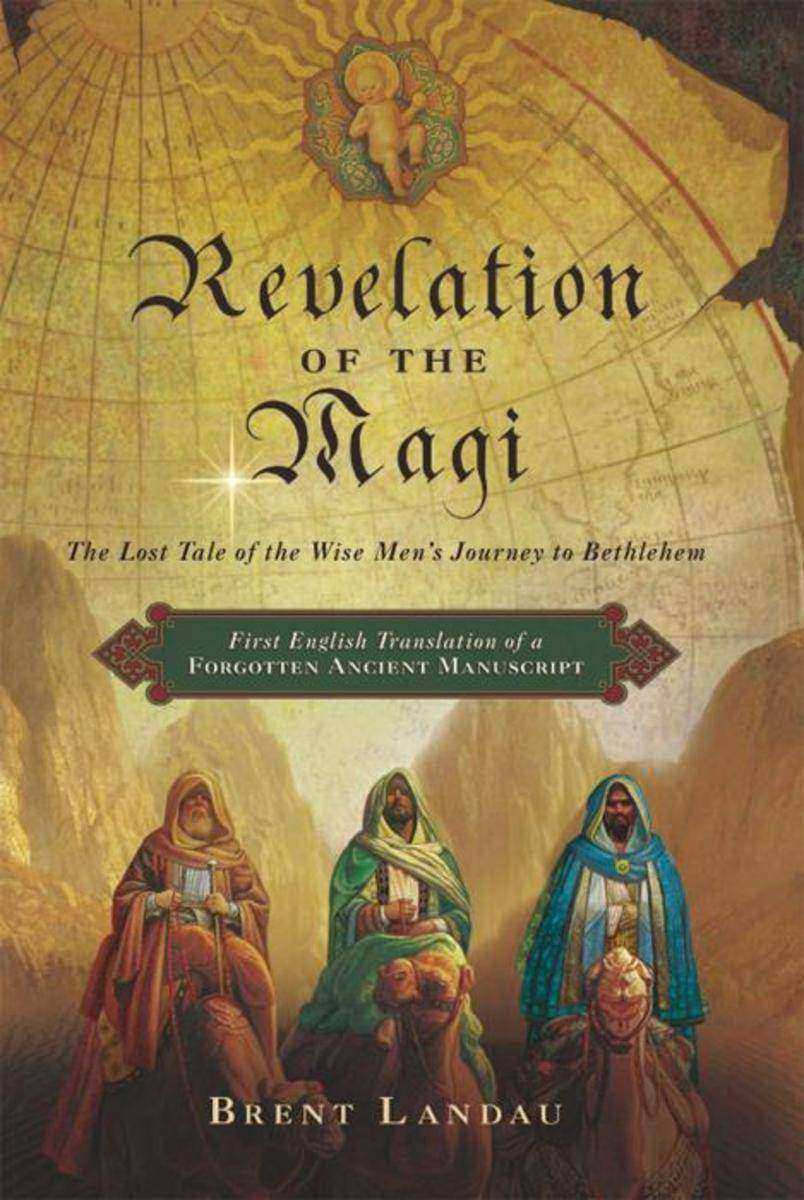
HarperCollins e-books
¥128.70
Each Christmas, adults and children alike delight at the story of the kings from the East who followed the star to Bethlehem to offer gifts to the newborn Christ. While this familiar tale is recorded in the Gospel of Matthew, another little-known version later emerged that claimed to be the eyewitness account of the wise men. This ancient manu* has lain hidden for centuries in the vaults of the Vatican Library, but through the determined persistence of a young scholar, Brent Landau, this astonishing discovery has been translated into English for the very first time as the Revelation of the Magi. Everything we know about the wise men is based on only a few verses from the Bible. With the Revelation of the Magi, we can now read the story from the Magi's perspective. Readers will learn of the Magi's prophecies of God's incarnation from the beginning of time, their startling visitation in the form of a star, the teachings they receive from the baby Jesus, and the wise men's joyous return to their homeland to spread the good news. This ancient version of the Christmas story is guaranteed to astonish and delight. It will also raise larger questions of the significance and meaning of Christ's birth, and the mission to spread the good news to every corner of the globe. All the drama and intrigue of the brief de*ion of Jesus's birth in the Bible is filled out in greater, more colorful detail, offering for the first time the complete story of these beloved characters.

HarperCollins e-books
¥140.08
Where did Beyonc get her groove?Where did Lance Armstrong get his drive?Where did Steven Spielberg get his creative vision?Every success story begins with . . . Mom When Stephanie Hirsch gave birth to her son, she began to think about the kind of person she'd like him to be: generous, family oriented, loving, courageous, and professionally accomplished maybe he'd turn out like Steven Spielberg! But what, she wondered, had Spielberg's mother done so well?What started out as one conversation with Steven Spielberg's mom became a quest to interview the mothers of some of the most talented artists, brilliant journalists, and dedicated athletes of our time.Mother Nurture is an inspiring collection of fifty-two stories filled with commonsense advice and memorable personal tales from caring mothers whose children have reached the apex of their fields, from sports, politics, and music to literature, entertainment, and business.If you're expecting, or a parent, or you just want to thank the woman who raised you, Mother Nurture is both the perfect antidote to piles of contradictory parenting advice and a celebration of the gift of motherhood.
Dey Street Books
¥95.11
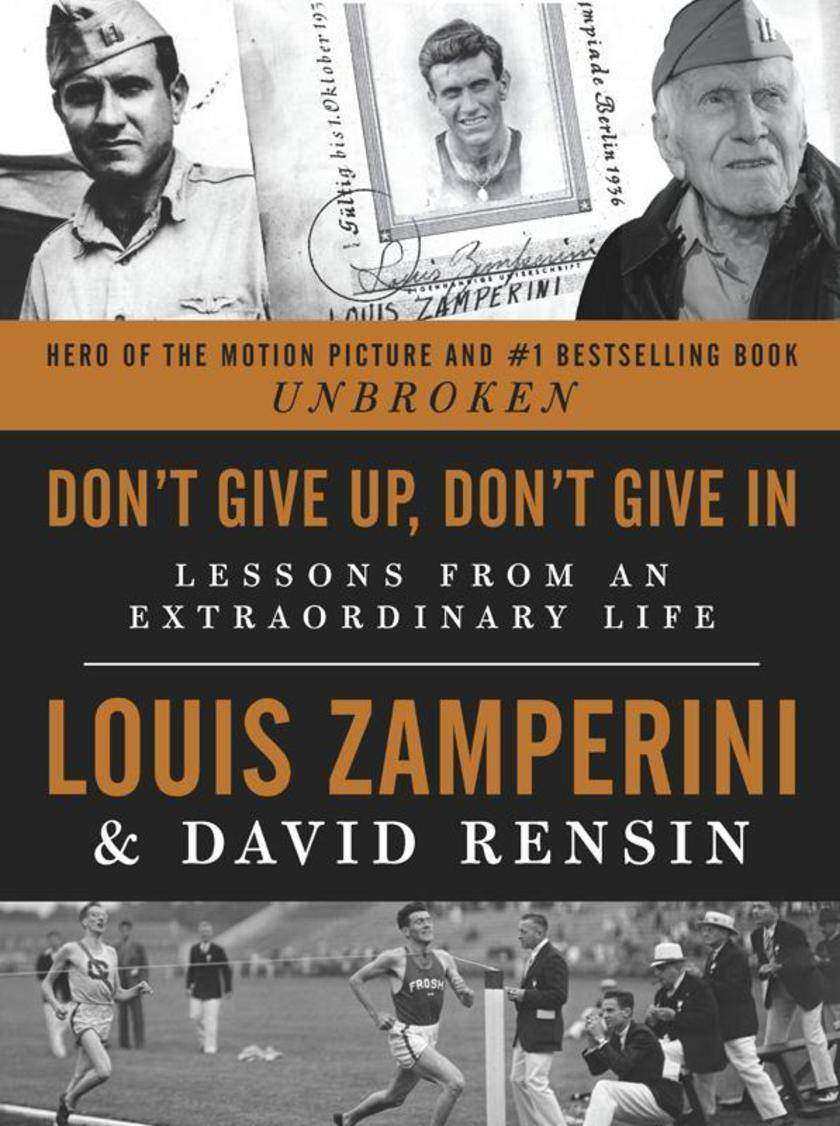
Champion. Survivor. Hero. Legend. Completed just two days before Louis Zamperini's death at age 97, Don't Give Up, Don't Give In shares a lifetime of wisdom, insight, and humor from one of America's most inspiring lives. Zamperini's story has touched millions through Laura Hillenbrand's biography Unbroken, soon to be a major motion picture directed by Angelina Jolie. Now, in his own words, Louis Zamperini reveals, with warmth and great charm, the essential values and lessons that sustained him throughout his remarkable journey. He was a youthful troublemaker from California who turned his life around to become a 1936 Olympian and a world-class miler at the University of Southern California. Putting aside his superstar track career, Louis Zamperini volunteered for the army before Pearl Harbor and was thrust into the violent combat of World War II as a B-24 bombardier. While on a rescue mission, his plane went down in the middle of the Pacific Ocean, where he survived, against all odds, drifting two thousand miles in a small raft for forty-seven days. His struggle was only beginning: Zamperini was captured by the Japanese and, for more than two years, he courageously endured torture and psychological abuse in a series of prisoner-of-war camps. He returned home to face more dark hours, but in 1949 Zamperini's life was transformed by a spiritual rebirth that would guide him through the next sixty-five years of his long and happy life. Cowritten with longtime collaborator David Rensin, Louis Zamperini's Don't Give Up, Don't Give In is an extraordinary last testament that captures the wisdom of a life lived to the fullest. A son of Italian immigrants, Louis Zamperini (1917–2014) was a U.S. Olympic runner, World War II bombardier, and POW survivor. After the war, he returned to the United States to found the Victory Boys Camp for at-risk youth and became an inspirational speaker. Zamperini's story was told in his 2003 autobiography Devil at My Heels, as well as in Laura Hillenbrand's 2010 biography Unbroken. David Rensin worked closely with Louis Zamperini for many years and cowrote Devil at My Heels, as well as fifteen other books, including five New York Times bestsellers.
Anam Cara
¥94.10
Discover the Celtic Circle of Belonging John O'Donohue, poet, philosopher, and scholar, guides you through the spiritual landscape of the Irish imagination. In Anam Cara, Gaelic for "soul friend," the ancient teachings, stories, and blessings of Celtic wisdom provide such profound insights on the universal themes of friendship, solitude, love, and death as: Light is generous The human heart is never completely born Love as ancient recognition The body is the angel of the soul Solitude is luminous Beauty likes neglected places The passionate heart never ages To benatural is to be holy Silence is the sister of the divine Death as an invitation to freedom

How to Raise a Child with a High EQ
¥88.56
Studies show that emotional intelligence -- the social and emotional skills that make up what we call character -- is more important to your child's success than the cognitive intelligence measured by IQ. And unlike IQ, emotional intelligence can be developed in kids at all stages.Filled with games, checklists and practical parenting techniques, How to Raise a Child with a High EQ will help your child to cope with -- and overcome -- the emotional stress of modern times and the normal problems of growing up.


