


 购物车
购物车 个人中心
个人中心
Ready, Set, Grow!
¥88.56
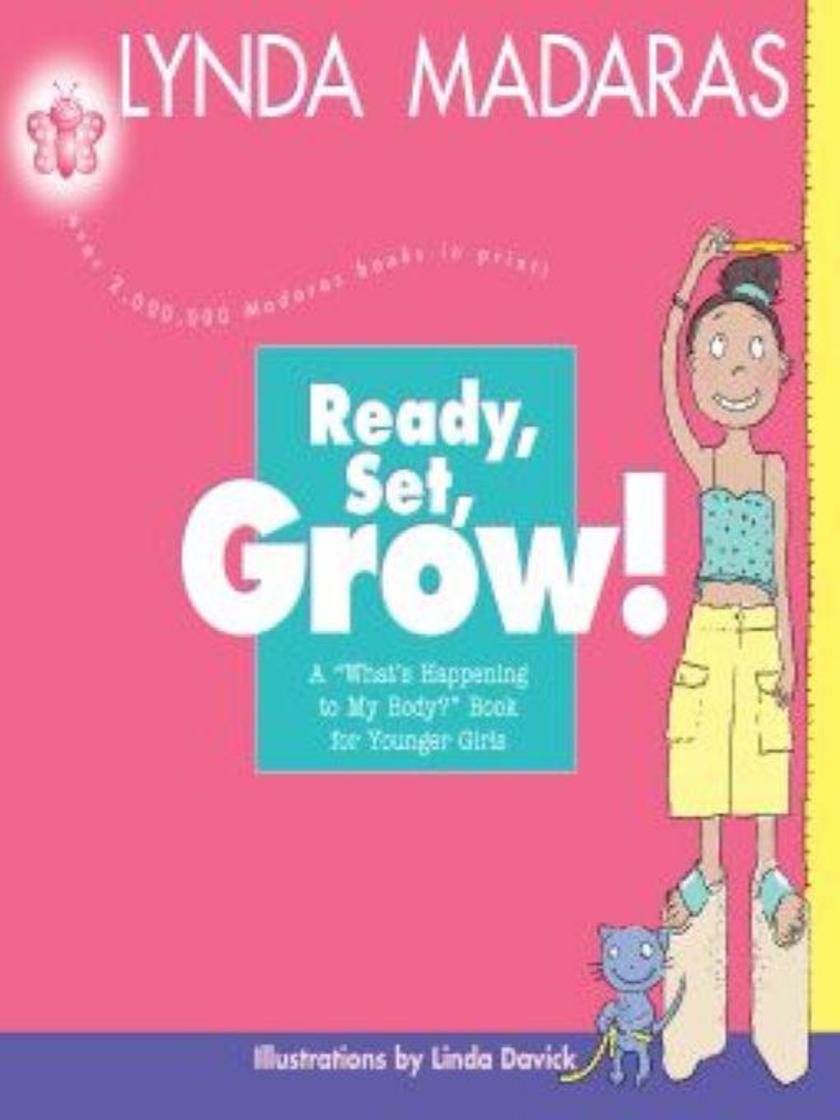
Ready, Set, Grow!Young girls before the onset of puberty have a curiosity abouttheir soon-to-be changing bodiesthat needs addressing in a simplerway than for their older sisters. In Madaras's proven, trust-worthy,friendly voice and style, this entirelynew book now brings them thesame kind of thoughtful, down-toearthinformation but at a readingand comprehension level that's just right for them.Responding throughout to reallifequestions and observationsfrom younger girls, Madarasexplores the changes that arehappening, or about to happen, tothem, including: the developmentof breasts, body hair, and bodyfat; the changes in their reproductiveorgans, both inside and out;their first period and all the complexfeelings surrounding it; theunwelcome appearance of acneand new body odors; and, perhapsmost important, how to respectand celebrate their unique bodies,even when the outside world isnot always so accepting.Lively cartoon drawings throughoutmake the book not only helpful,but fun to read, too.
Sleepless in America
¥83.03
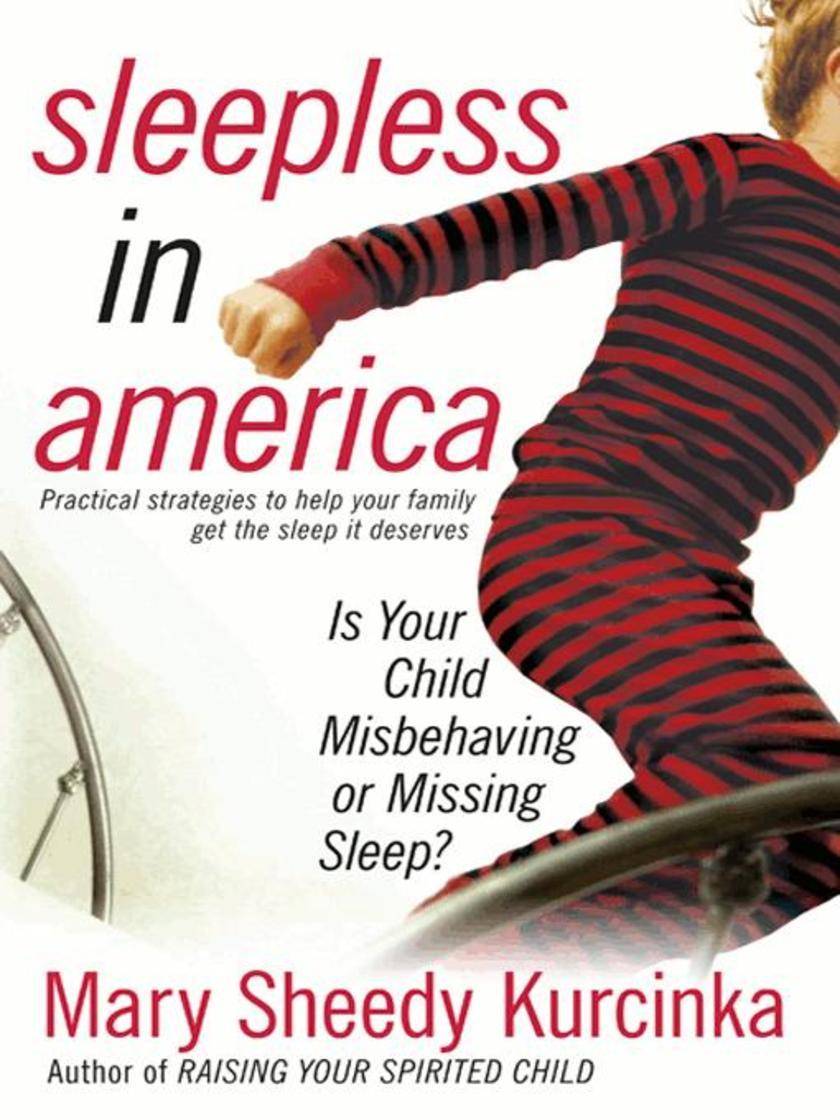
Does your child Refuse to cooperate in the morningGet into trouble for not listening"Lose it" over seemingly insignificant issuesSeem to resist sleepAn estimated 69 percent of American infants, children, and teens are sleep deprived. Studies have shown that sleep deficits can contribute to hyperactivity, distraction, forgetfulness, learning problems, illness, accidents, and disruptive behaviors. Often what our misbehaving kids really need isn't more "consequences" or more medication but more sleep.Sleepless in America offers weary and frustrated parents a helping hand and an exciting new approach to managing challenging behaviors by integrating research on stress, sleep, and temperament with practical strategies and a five-step approach that enables parents to help their "tired and wired" children get the sleep they so desperately need.

HarperCollins e-books
¥147.25
Avery Johnson is a coach, a teacher, and sometimes even a preacher, but most of all, he is a motivator, driving his team with the same fiery passion that allowed him to earn his championship credentials as an NBA player. Growing up in New Orleans's Lafitte Housing Project, he was never the biggest, fastest, or strongest, but by the strength of his will and character, he persevered. Now he offers the lessons he learned on his journey from the bottom of the bayou to the heights of success in this inspiring book. Aspire Higher is the essential game plan for reaching your goals. Johnson begins by outlining what it takes to get to the top: determination and discipline provide the foundation that allows you to make the right decisions, on the basketball court or in the boardroom. The goal isn't just to be successful, however; it's also about caring for other people along the way. I care about you more than I care about winning, Johnson often tells his players.Avery Johnson's personal and professional experiences illuminate crucial lessons, inspiring readers just as he has inspired teammates and players. His spirited message is for anyone looking for the tools and secrets of success in business, school, sports, and more anyone looking to aspire higher.
HarperOne
¥116.25
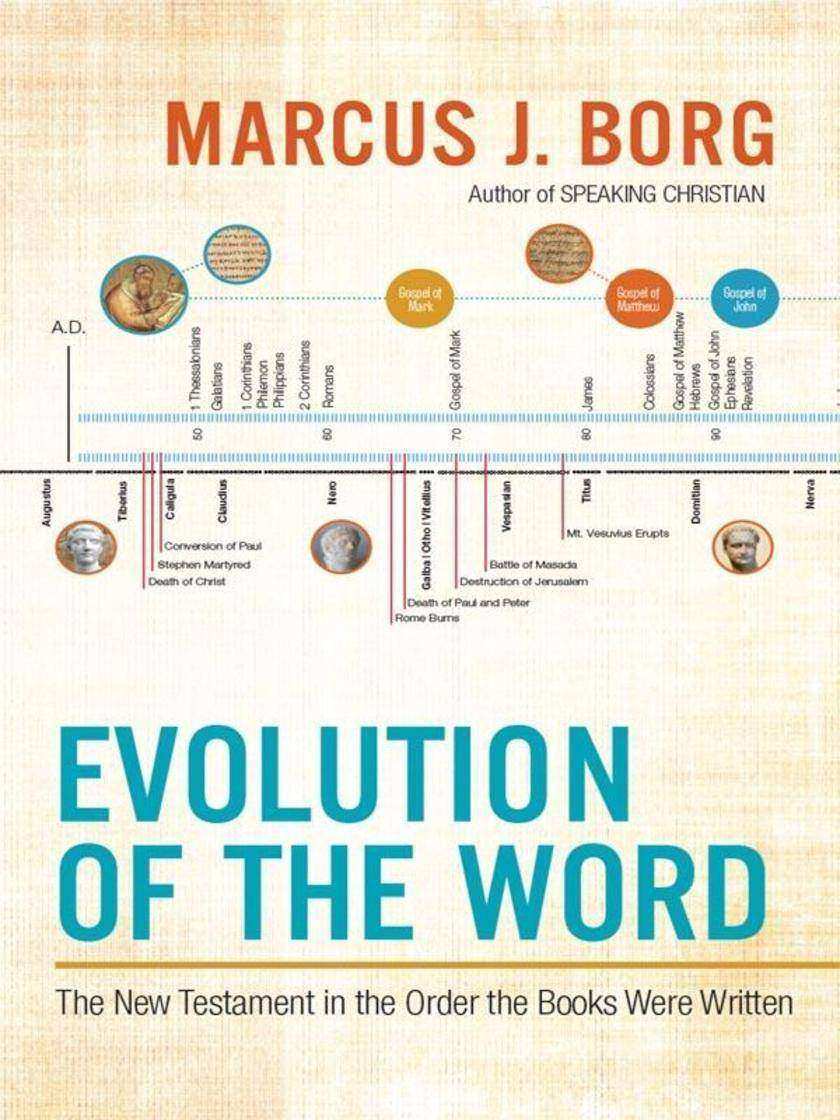
Everyone knows the New Testament begins with the Gospel of Matthew, but how many know Matthew was actually one of the later books to be written(It wasn't even the first Gospel!) But Evolution of the Word is not your typical New Testament.Marcus J. Borg, esteemed Bible scholar and bestselling author, shakes up the order of the New Testament as we know it by putting the books in a completely new order the order in which they were written. By doing so, Evolution of the Word allows us to read these documents in their historical context. For the first time, see how the core ideas of Christianity took shape and developed over time.Borg surveys what we know of the Jewish community of Jesus followers who passed on their stories orally. Into this context emerges the apostle Paul, whose seven authentic letters become the first collected writings that would later become the New Testament. Borg offers helpful introductions for each book so that as we read through these biblical documents, spanning over a century in time, we see afresh what concerns and pressures shaped this movement as it evolved into a new religion.In this groundbreaking format, Borg reveals how a radical and primitive apocalyptic Jewish faith slowly became more comfortable with the world, less Jewish, and more pre- occupied with maintaining power and control. Evolution of the Word promises to change forever how we think about this historic work.
Gossip
¥84.16
The critically acclaimed author of Good-bye and Amen, Leeway Cottage, and More Than You Know returns with a sharply perceptive and emotionally resonant novel about all the ways we talk about one another, the sometimes fine line between showing concern and doing damage, and the difficulty of knowing the true obligations of friendshipGossipBeth Gutcheon "Did you know that the origin of the word gossip in English is 'god-sibling'It's the talk between people who are godparents to the same child, people who have a legitimate loving interest in the person they talk about. It's talk that weaves a net of support and connection beneath the people you want to protect."Loviah "Lovie" French owns a small, high-end dress shop on Manhattan's Upper East Side. Renowned for her taste and discretion, Lovie is the one to whom certain women turn when they need "just the thing" for major life events baptisms and balls, weddings and funerals or when they just want to dish in the dressing room. Among the people who depend on Lovie's confidence are her two best friends since boarding school: Dinah Wainwright and Avis Metcalf. Outspoken and brimming with confidence, Dinah made a name for herself as a columnist covering the doings of New York's wealthiest and most fabulous. Shy, proper Avis, in many ways Dinah's opposite, rose to prominence in the art world with her quiet manners, hard work, and precise judgment. Despite the deep affection they both feel for Lovie, they have been more or less allergic to each other since a minor incident decades earlier that has been remembered and resented with what will prove to be unimaginable consequences. These uneasy acquaintances become unwillingly bound to each other when Dinah's favorite son and Avis's only daughter fall in love and marry. On the surface, Nick and Grace are the perfect match a playful, romantic, buoyant, and beautiful pair. But their commitment will be strained by time and change: career setbacks, reckless choices, the birth of a child, jealousies, and rumor. At the center of their orbit is Lovie, who knows everyone's secrets and manages them as wisely as she can. Which is not wisely enough, as things turn out a fact that will have a shattering effect on all their lives.An astute chronicler of everything that makes us human, Beth Gutcheon delivers her most powerful and emotionally devastating novel to date. Gossip is a tale of intimacy and betrayal, trust and fidelity, friendship, competition, and motherhood that explores the myriad ways we use and abuse "information" about others be it true, false, or imagined to sustain, and occasionally destroy, one another.
Kids, Parents, and Power Struggles
¥88.56
End Those Power Struggles and Begin Connecting with Your ChildNoted family educator Mary Sheedy Kurcinka struck a national chord with her bestselling Raising Your Spirited Child. Now she hits upon another crucial parenting topic: coping with the everyday challenges of disciplining your child, while understanding the issues behind his or her behavior. In Kids, Parents, and Power Struggles, she offers unique approaches to solving the daily, and often draining, power struggles between you and your child. Kurcinka views these conflicts as rich opportunities to teach your child essential life skills, like how to deal with strong emotions and problem solve. With her successful strategies, you'll be able to identify the trigger situations that set off these struggles and get to the root of the emotions and needs of you and your child.

Shop Smart, Save More
¥78.55
These days the cost of food and other basic necessities is going through the roof. Teri Gault's groundbreaking website, <"http://www.thegrocerygame.com/">www.TheGroceryGame.com, has already helped millions save serious money. And now she shares the secrets to sensible shopping in one essential volume, so you can feed your family and take care of their needs for thousands of dollars a year less! Shop Smart, Save More provides step-by-step instructions on how to: find and shop the right stores decode "Everyday Low Prices" and other grocery store lingo master the science of coupons organize your shopping list stockpile effectively recognize bogus "bargains" and anticipate real sales go green for less green . . . and much, much more!
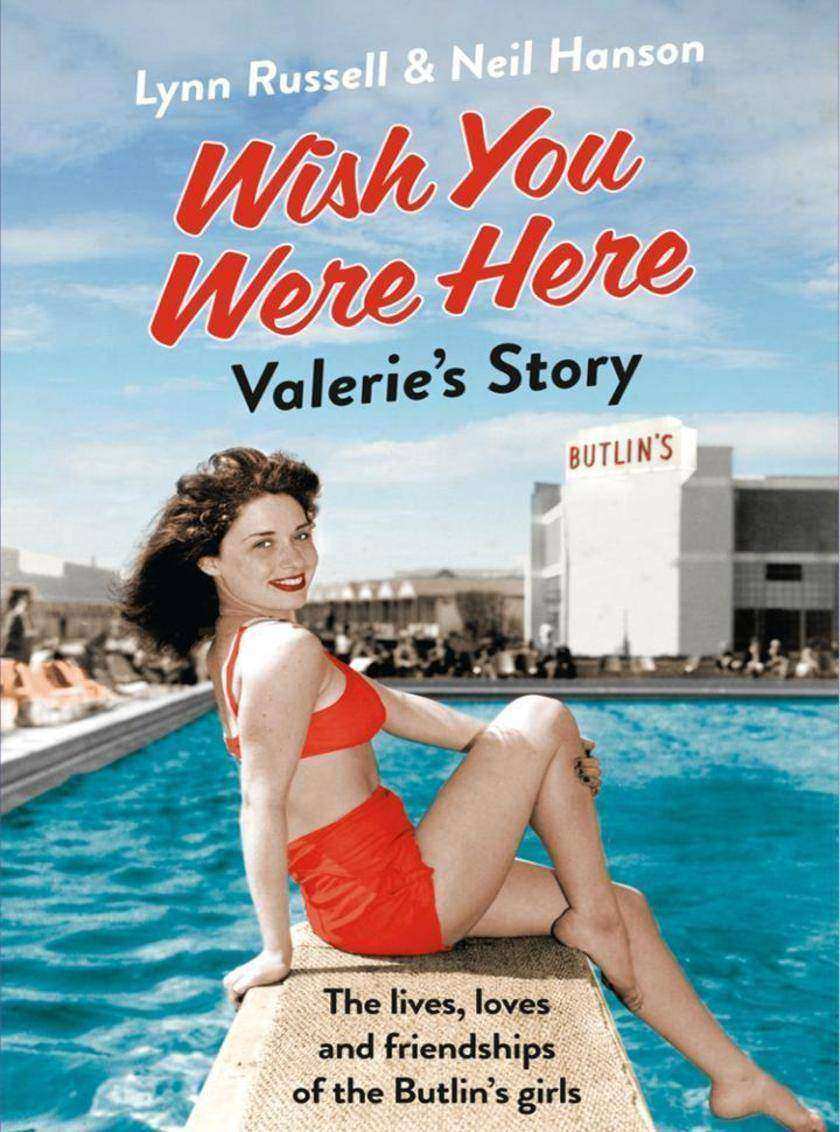
Valerie’s Story (Individual stories from WISH YOU WERE HERE!, Book 3)
¥11.77
One of seven touching true stories from Wish You Were Here!, the tale of Butlin’s holiday camps. ‘When I got to the camp I felt as if I’d suddenly walked into Utopia – it was so colourful, so warm, so friendly. There were lights across the roads, there were banners fluttering in the breeze… There seemed to be laughter coming from every building.’ With grey post-WWII skies hanging low over Britain, factories lining the streets and smoke stacks dotting the horizon, there was one way that ordinary families could escape: the ever-cheerful holiday camps of Butlin’s. When Billy Butlin founded his holiday camps in 1936, they were bastions of community spirit and havens of luxury. Here, for one week, wives and mothers were freed from the toil and drudgery of housework, children ran free through the grounds, fathers and husbands hung up their work clothes. Ever-helpful redcoats were on hand all hours of the day, dinner halls ready with plentiful food for old and young alike, bars stocked to quench any level of thirst, ballrooms waiting to be flooded with shiny shoes, rustling dresses and peals of laughter. And, as the sun went down on another exhausting, happy day, a chorus line was ready to sing holidaymakers back to their beds. Rich in period detail and highly evocative, Wish You Were Here! follows the lives of seven of the camps’ key figures through the highs and lows of the holiday season: from redcoats searching for stardom to young families who returned year after year, to pensioners who rediscovered an inner youth. The laughter and tears, the loves and losses, and the fun and friendships that have lasted a lifetime – it's all here. Funny, moving and heartwarming, they are tales of swimming pools and sing-a-longs, Glamorous Grannies and bicycle rides, and of a community spirit that burned brightly in a much-loved British institution.
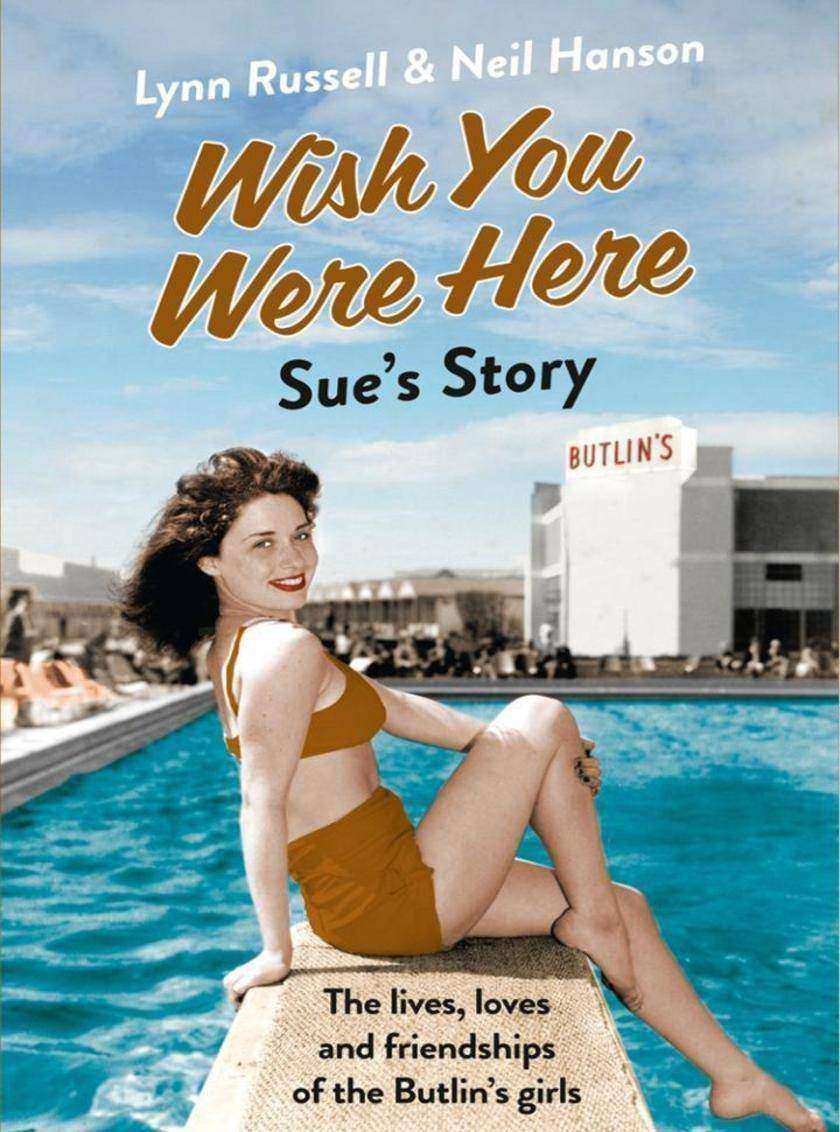
Sue’s Story (Individual stories from WISH YOU WERE HERE!, Book 5)
¥11.77
One of seven touching true stories from Wish You Were Here!, the tale of Butlin’s holiday camps. ‘When I got to the camp I felt as if I’d suddenly walked into Utopia – it was so colourful, so warm, so friendly. There were lights across the roads, there were banners fluttering in the breeze… There seemed to be laughter coming from every building.’ With grey post-WWII skies hanging low over Britain, factories lining the streets and smoke stacks dotting the horizon, there was one way that ordinary families could escape: the ever-cheerful holiday camps of Butlin’s. When Billy Butlin founded his holiday camps in 1936, they were bastions of community spirit and havens of luxury. Here, for one week, wives and mothers were freed from the toil and drudgery of housework, children ran free through the grounds, fathers and husbands hung up their work clothes. Ever-helpful redcoats were on hand all hours of the day, dinner halls ready with plentiful food for old and young alike, bars stocked to quench any level of thirst, ballrooms waiting to be flooded with shiny shoes, rustling dresses and peals of laughter. And, as the sun went down on another exhausting, happy day, a chorus line was ready to sing holidaymakers back to their beds. Rich in period detail and highly evocative, Wish You Were Here! follows the lives of seven of the camps’ key figures through the highs and lows of the holiday season: from redcoats searching for stardom to young families who returned year after year, to pensioners who rediscovered an inner youth. The laughter and tears, the loves and losses, and the fun and friendships that have lasted a lifetime – it's all here. Funny, moving and heartwarming, they are tales of swimming pools and sing-a-longs, Glamorous Grannies and bicycle rides, and of a community spirit that burned brightly in a much-loved British institution.
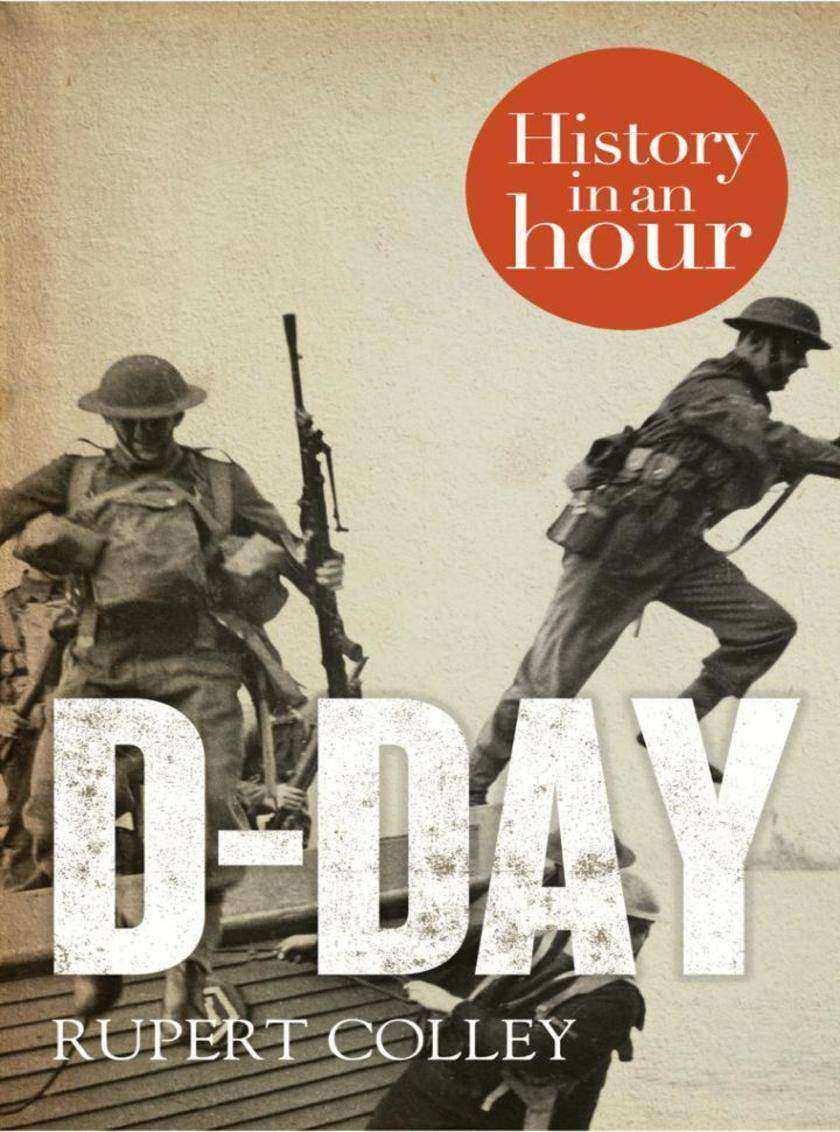
D-Day: History in an Hour
¥18.05
Love history? Know your stuff with History in an Hour. Midnight, Tuesday 6 June 1944: the beginning of D-Day, the operation to invade Nazi-occupied Western Europe and initiate the final phase of World War II. A vast undertaking, it involved 12,000 aircraft and an amphibious assault of almost 7,000 vessels. 160,000 troops would cross the English Channel during Operation Overlord, paving the way for more than three million allied troops to enter France by the end of August 1944. Forces from the United Kingdom, the United States, Canada, the Free French and Poland all heavily participated, alongside contingents from Belgium, Greece, the Netherlands, and Norway, They capitalised on the element of surprise achieved due to bad weather and the success of Operation Bodyguard – a feat of massive deception to convince Hitler that the landings would hit Pas-de-Calais. In just over a year, the war would be won. ‘D-Day: History in an Hour’ is the story of how the largest military operation in history had been planned, practised and executed. Love history? Know your stuff with History in an Hour…
The Lost Ark of the Covenant: The Remarkable Quest for the Legendary Ark
¥81.03
Professor Tudor Parfitt, a real-life British Indiana Jones, has made the biggest discovery of the last 3,000 years – the secret location of the fabled Ark of the Covenant. In 2006, he made an incredible journey to its final resting place and in February 2008 he will reveal this to the world. This is the amazing story of his quest. This is the real-life account of Professor Tudor Parfitt's remarkable discovery – of the lost Ark of the Covenant that disappeared from the Temple of Jerusalem centuries ago. The holiest object in the world, the Ark of the Old Testament contains the tablets of law sacred to Judaism, Christianity and Islam. Scholar, orientalist and adventurer, Parfitt embarked on an incredible journey to discover where the Ark is hidden, and when he reveals his discovery history books will be rewritten forever. Parfitt's quest took him on an incredible detective trail across the Middle East and Africa. His search led him to ancient documents and codes in Oxford and Jerusalem, and even to discoveries in modern genetic science, for clues to take him closer to the Ark. But some people didn't want the Ark to be found. In the wilder reaches of the Yemen he narrowly escaped being kidnapped by Islamist fugitives. In Africa he was shot at, ambushed and arrested. Amongst crossing paths with a motley crowd of mystics, holy men, charlatans and politicians, he encountered a strange tribe in the mysterious lands of the Limpopo River who claimed that they knew the Ark's final resting place. When Parfitt finally set eyes on the Ark, it wasn't at all where he expected. His revelation of its whereabouts will cause an international story with an effect on Judaism, Islam and Christianity that may be the most controversial in history.

The Irish Are Coming
¥80.25
In the sequel to his bestselling JFK in Ireland, the Emerald Isle’s favourite son delves into his country’s past to celebrate the Irish people who through their skills and endeavours helped make the British Isles great. In ‘The Irish Are Coming’ Ryan Tubridy takes a journey into Ireland’s past to unearth the many amazing, and altogether fascinating, contributions the Irish have made to everyday British life; whether it be making us laugh (Graham Norton), thrilling us with their acting (Peter O’Toole), or dazzling us with their audacious adventuring (Earnest Shackleton). Just as Stuart Maconie has celebrated in his own unique way all that is great about his North of England roots, so Ryan Tubridy makes a passionate case for the magnificent contribution Ireland has made to its nearest neighbour.
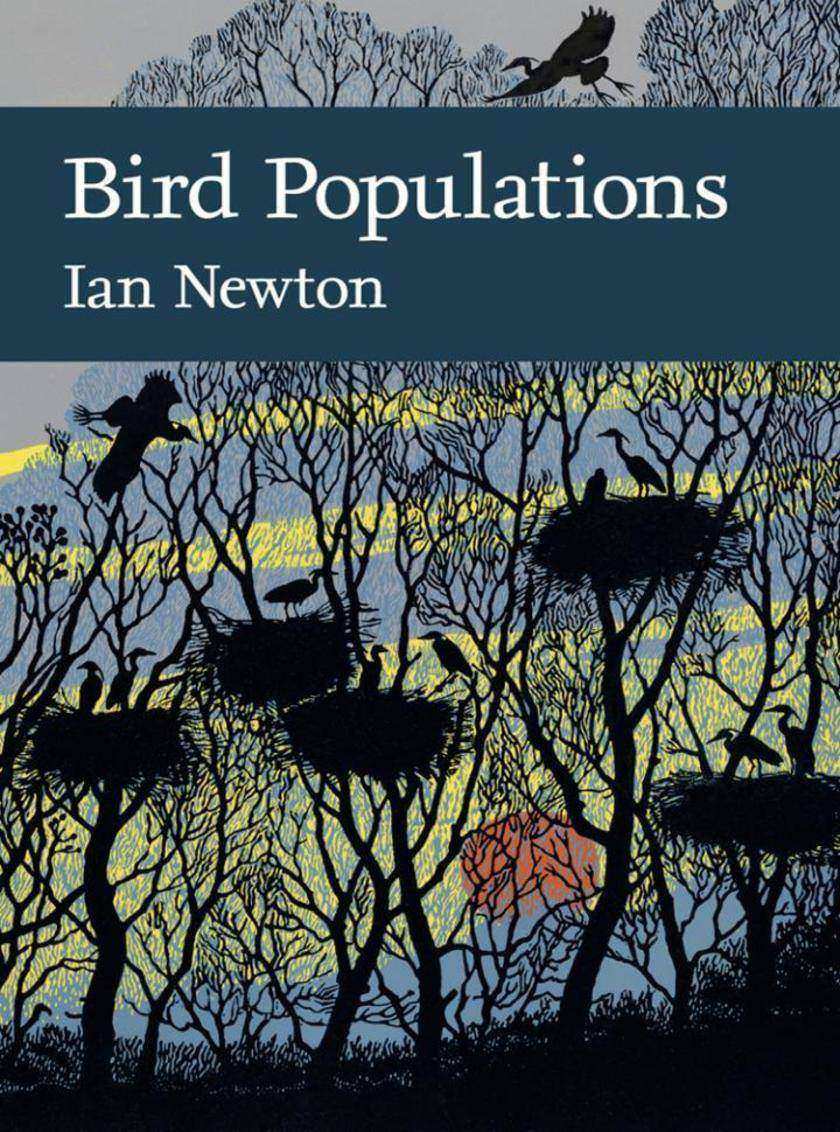
Bird Populations (Collins New Naturalist Library, Book 124)
¥229.16
Earlier naturalists formed the impression that bird numbers remained more or less stable through time. In the years since these words were written, however, changes have occurred in the landscapes of the British Isles and in the seas around our coasts, causing bird populations to fluctuate in an unprecedented way. In Ian Newton’s latest New Naturalist volume, he explores bird populations and why their numbers vary in the way they do, from year to year or from place to place. He addresses the various factors that we know limit bird numbers – food supplies and other resources, competitors, predators, parasites and pathogens, and various human impacts. The combination of a rapidly expanding human population, a predominantly utilitarian attitude to land, central government policy on land use, and increasing mechanisation have combined to promote more massive changes in land use – and hence in bird habitats – in recent decades than at any comparable period previously. These developments have in turn brought huge changes in bird populations, as some species dependent on the old landscapes declined, and others benefiting from the changes increased. Over the same period, changing public attitudes to wildlife, protective legislation and a growing network of nature reserves allowed previously scarce bird species to recover from past onslaughts, while climate warming has promoted further changes. In this seminal new work, Ian Newton sets out to explain why different bird species are distributed in the numbers that they are, and have changed over the years in the way that they have. He emphasises the factors that influence bird numbers, rather than the numbers themselves, thus providing a much-needed overview which is necessary if we are to successfully manage bird populations, whether for conservation reasons, for sustainable hunting or for crop protection. The continued monitoring of bird numbers can also alert us to impending environmental problems. In addition, the regular watching and study of birds now provides a source of recreation and pleasure for very large numbers of people, who would find a world with fewer birds a poorer place.
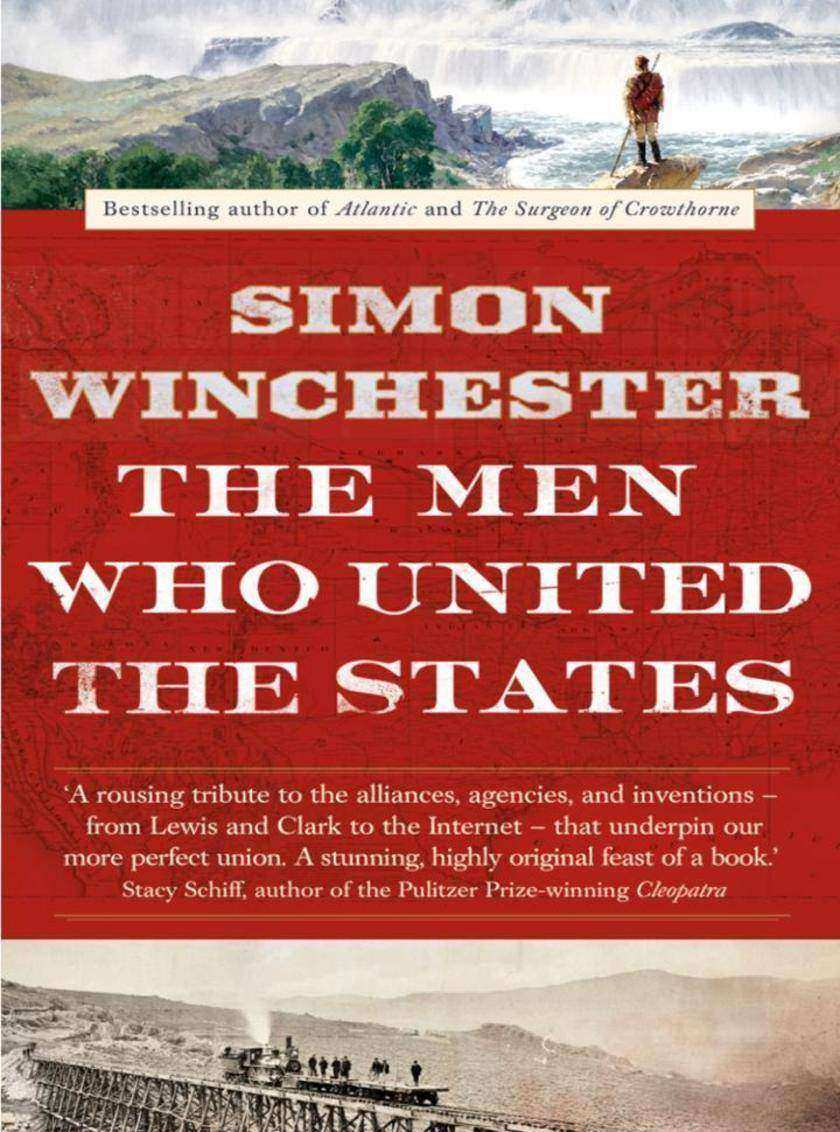
The Men Who United the States
¥73.58
From bestselling author Simon Winchester, the extraordinary story of how America was united into a single nation. For more than two centuries, E pluribus unum – out of many, one – has been featured on America’s official government seals and stamped on its currency. But how did America become ‘one nation, indivisible’? In this monumental history, Simon Winchester addresses this question, introducing the fearless trailblazers whose achievements forged and unified America. Winchester follows in the footsteps of America’s most essential explorers, thinkers, and innovators. He treks vast swaths of territory, introducing these fascinating pioneers – some, such as Washington and Jefferson, Lewis and Clark being familiar, some forgotten, some hardly known – who played a pivotal role in creating today’s United States. Throughout, he ponders whether the historic work of uniting the States has succeeded, and to what degree. ‘The Men Who United the States’ is a fresh, lively, and erudite look at the way in which the most powerful nation on earth came together, from one of our most entertaining, probing, and insightful observers.
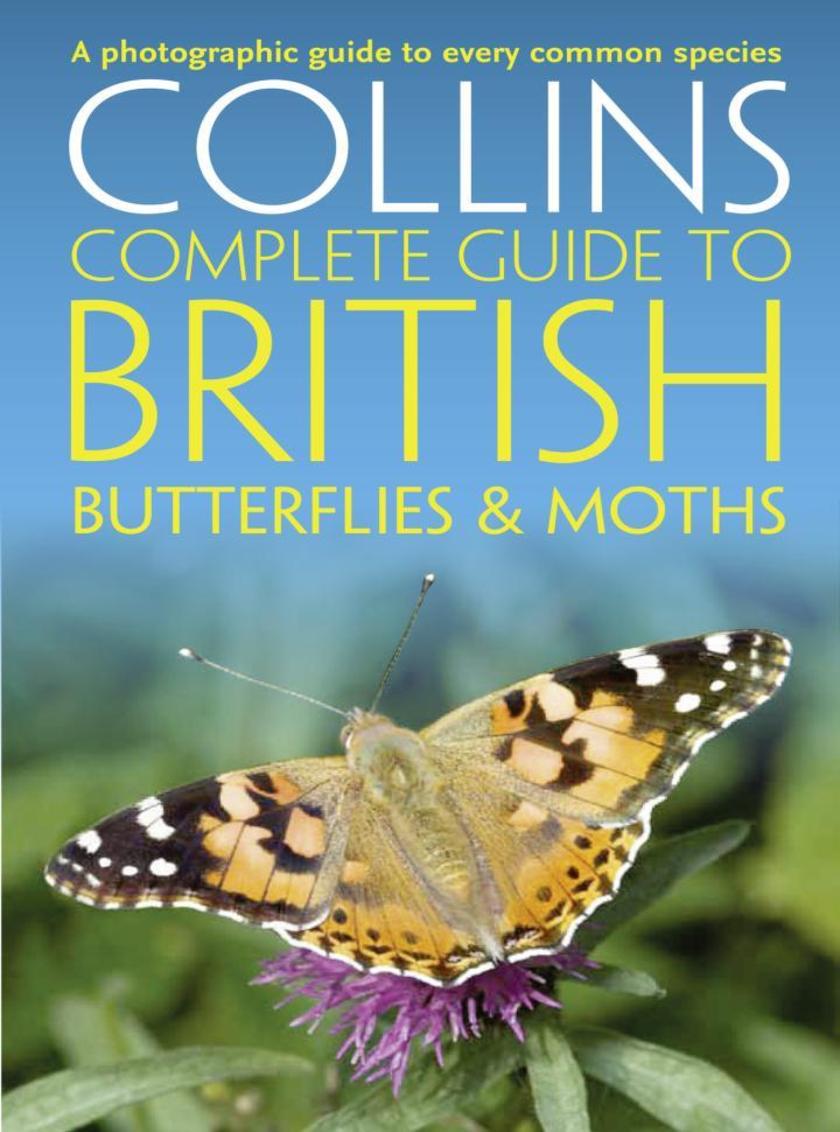
British Butterflies and Moths (Collins Complete Guides)
¥147.35
A comprehensive and fully illustrated guide, this book is the definitive photographic reference guide for anyone interested in butterflies and moths found in Britain and Ireland. Every species that occurs regularly in Britain and Ireland is included, along with a section dealing with the ‘rarest of the rare’ – extinct species or very rare immigrants. There follows the main section of the book, which covers our larger moths; every species that occurs regularly in Britain and Ireland is mentioned.
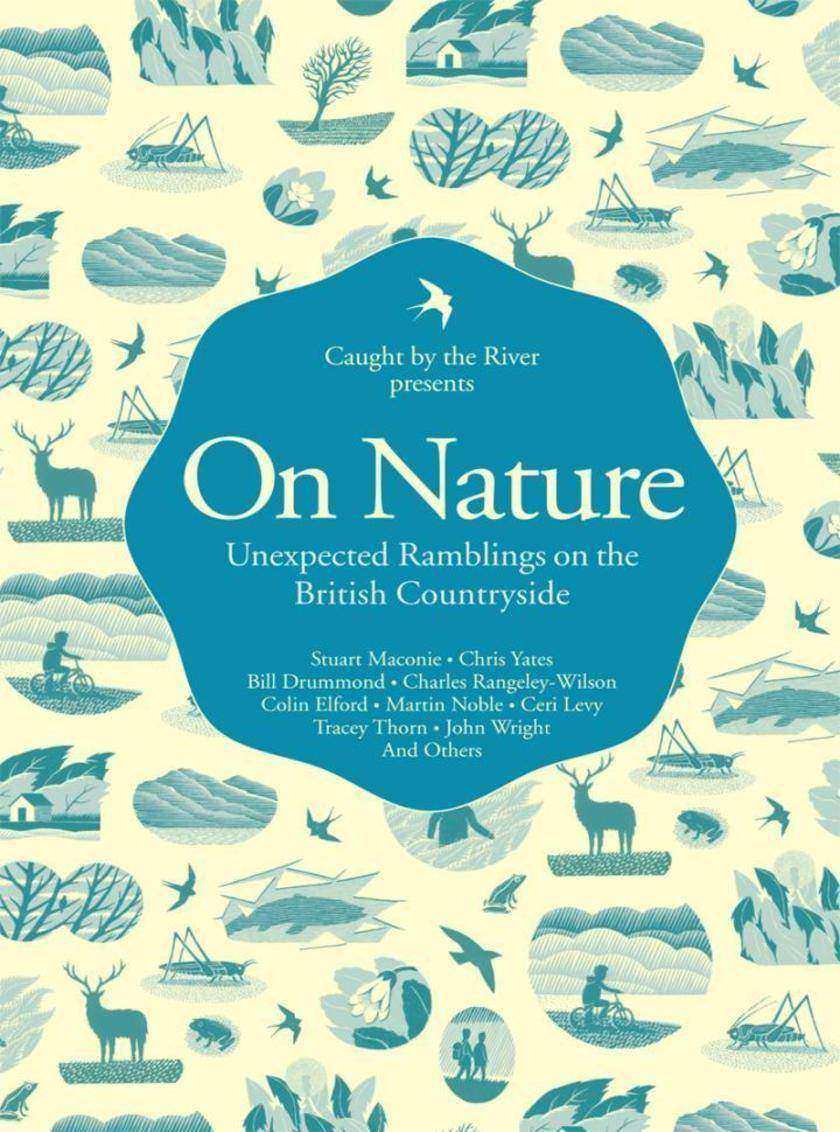
On Nature: Unexpected Ramblings on the British Countryside
¥154.12
A diverse and entertaining collection of writing examining and celebrating the British Countryside, from falconry to foraging and from the musings of a nighttime angler to tips for seasonal drinking. LAND Stuart Maconie (Radio 2) on hill walking / Wainwright walks Nick Small (CAUGHT BY THE RIVER regular) how to get nature into your garden, no matter how urban it is Richard King (Loops magazine editor) on the Winter Solstice and on the Summer Solstice John Wright (www.wild-food.net/ on the basics of getting started in foraging Bill Drummond (Damsons in Distress) Dan Kieran (Crap Towns/I Fought The Law) on falconry RIVER / INLAND WATERS John Andrews (CAUGHT BY THE RIVER regular) on winter pike fishing Jon Berry (CAUGHT BY THE RIVER regular) writing about the night from a fishermen's perspective, the sounds, shadows, the hallucinatory effects of sleep deprivation when the sun rises COASTLINE Ian Vince (The Lie of the Land) on the Jurassic coast and fossils Martin Noble (British Sea Power) the Exmoor to Dartmoor coastal walk Nick Hand (http://www.slowcoast.co.uk/) on what you see when cycling the entire coastline of the UK Michael Smith (BBC4 Drivetime) on the coastline in the north of England ISLAND LIFE Sarah Boden (The Observer) on fleeing London to move and become a sheep farmer on Eigg
Dartmoor (Collins New Naturalist Library, Book 111)
¥385.34
New Naturalist Dartmoor explores the complex and fascinating history of one of southern England's greatest National Parks, an area of enormous interest to naturalists and tourists alike. Dartmoor is said to be the loneliest wilderness in England. This has been said more often of Dartmoor than any other part of our country. Traditionally in the world of fiction as well as that of fact, Dartmoor has been renowned as a vast and empty moorland area, the property of nature rather than of man. It has always been the public's idea of a lonely place. Not many generations ago it was regarded with a certain amount of awe and nowadays it is one of our most important centres of recreation, an island in upland England of abundant interest to the naturalist. In 1951 it became a National Park, one of the first of several places that have been so designated in Great Britain, helping to conserve and promote both its beauty and cultural heritage. Spanning miles of open moorland, whilst also hiding small secluded river valleys, rare plants and endangered birds, Dartmoor is a place of variety, and has evolved in the public's mind from a forbidding place to that of romance and mystery. In the latest addition to the long-running New Naturalist series, Ian Mercer sets out to explore every aspect of this important area of southern Devon. Focusing not only on its extensive history and physical landscape, but also its cultural place within Great Britain, this is both a comprehensive and engaging look at the wild and rugged landscape that has inspired so many poets, painters and musicians over countless centuries.

Grass and Grassland (Collins New Naturalist Library, Book 48)
¥456.66
The use of natural and seeded grass pastures for the feeding of livestock and other unfamiliar uses for the ubiquitous grass family are described in this succinct and beautifully illustrated work. This edition is exclusive to newnaturalists.com The New Naturalist series has already covered many facets of the interrelationship between man and nature, but the grass family is probably the most important man in the whole plant kingdom - just how important is shown in this book. Dr. Moore, the Principal of Seale Hayne Agricultural College in Devon, is our leading authority on grasses and their utilization. His special interest is the use of natural and seeded grass pastures for the feeding of livestock. Striking advances have been made in recent years in the improvement of such pastures and Dr. Moore deals very fully with this vital link in the feeding of the human race; but he also covers that other equally important role of the grass family in our economy, the cultivation of cereal crops for the production of grain. Grass lawns and playing fields form a centre-piece in most British gardens and public parks and there is a chapter on these, but the horticultural value of grasses as ornamental plants in herbaceous borders and woodland gardens is less well known. These and many other unfamiliar uses for the ubiquitous grass family are described in this succinct and beautifully illustrated work.

Pesticides and Pollution (Collins New Naturalist Library, Book 50)
¥456.66
Pesticides and Pollution examines the problems of pollution of air, land, river, and the sea, by herbicides, pesticides, sewage, industrial effluents, gases, radiation, leakages, over-drainage, mistakes and mismanagement, in Britain today. From an objective and scientific standpoint, Dr. Mellanby examines the problems of pollution of air, land, river, and the sea, by herbicides, pesticides, sewage, industrial effluents, gases, radiation, leakages, over-drainage, mistakes and mismanagement, in Britain to-day. He sets out to placate neither farmers nor naturalists, but to explain in each case what is happening, to point to both dangers and practical necessities, and to discuss what steps should be taken. Dr. Mellanby is Director of the Nature Conservancy's Monks Wood Experimental Station, was head of the Entomology department at Rothamsted, and for many years before that did research in medical entomology both in Britain and the tropics.
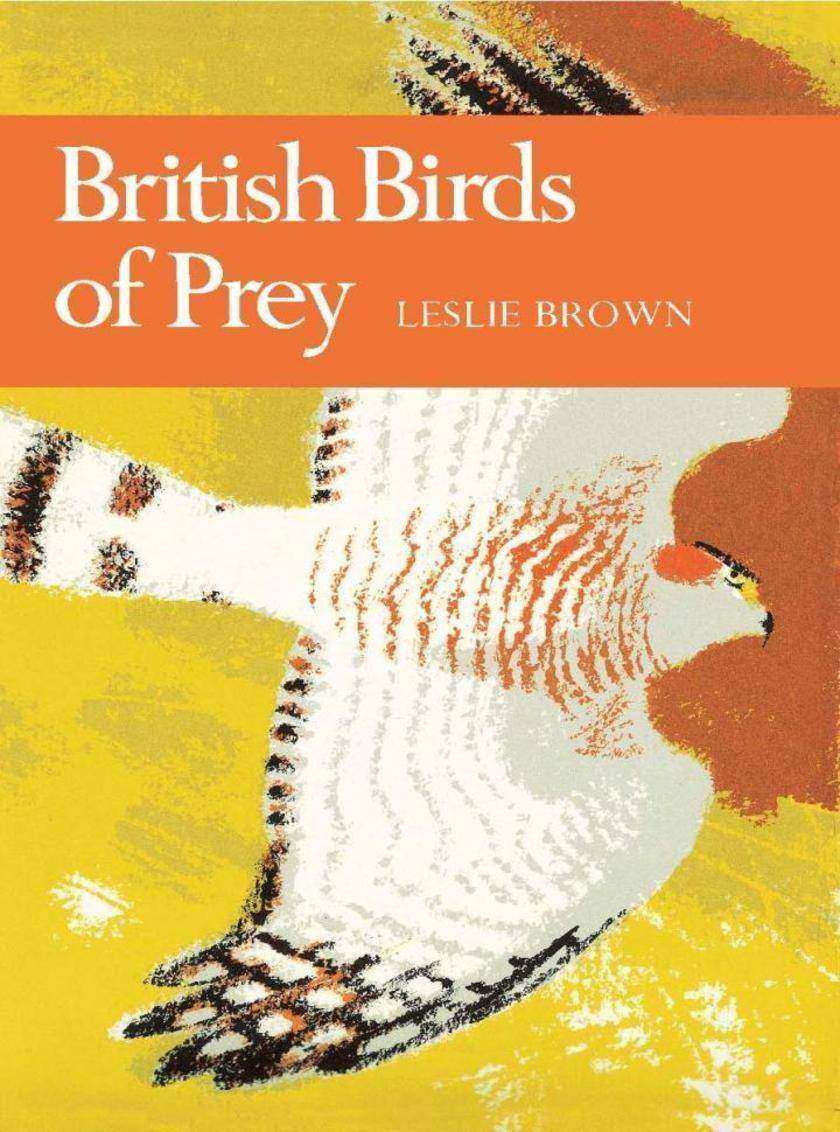
British Birds of Prey (Collins New Naturalist Library, Book 60)
¥456.66
Leslie Brown's account of our 15 resident, 7 vagrant and 2 migrant species of eagles, falcons, hawks and vultures in Britain presents a great mass of scientific information about our birds of prey in a manner as attractive to the general reader as to the dedicated ornithologist. The diurnal raptors are among the most arresting and dramatic of British bird species, from the magnificent and immense golden eagle of the Highlands to the more widespread but equally spectacular peregrine falcon and the frequent and adaptable kestrel of motorways and urban ledges. Leslie Brown's account of our 15 resident, 7 vagrant and 2 migrant species of eagles, falcons, hawks and vultures in Britain presents a great mass of scientific information about these birds in a manner as attractive to the general reader as to the dedicated ornithologist. Each of the resident species is discussed in detail - its status, past and present; its feeding and hunting behaviour; its life history; its breeding behaviour; migration and the threats to its survival. Then the biology of the birds of prey, changes in their habitat and status, their food habits, breeding behaviour, their territories and populations are examined in depth in separate chapters. An acknowledged world authority on birds of prey - co-author with Dean Amadon of Eagles, Hawks and Falcons of the World, and author of many other books besides - Leslie Brown is immensely enthusiastic; and the many tables, maps, figures and bibliography are all indicative of the thoroughness of his research. Also illustrated with 40 superb black and white photographs.

Birds Britannia
¥132.53
Birds and bird lore provide a fascinating window onto our social and cultural history, and can tell us much about our changing relationship with the British landscape, our people and society. We Brits love our birds. They hold a special place in our hearts – whether it's the sound of birdsong on a spring morning, the sight of a Barn Owl hunting on a summer's evening, or a Robin perched on our garden spade. In this book, Stephen Moss focusses on some of our most beloved and charismatic birds. He explores their fascinating biology, and their place in the evolving culture and history of the British people. The author delves into the worlds of Sea Birds (Puffin, Sea Eagle and Gannet), Water Birds (Kingfisher, Swan and Avocet), Countryside Birds (Red Grouse, Nightingale and Skylark ) and Town & Garden Birds (Robin, House Sparrow and Magpie), weaving their stories together to tell four very different stories about the changing face of Britain.


