


 购物车
购物车 个人中心
个人中心
Grouse (Collins New Naturalist Library, Book 107)
¥231.22
With less than twenty species worldwide and only four British and Irish species, the grouse is surprisingly well-known. Its habitats are diverse and relatively remote – ranging from deep forests, through open moorland, to Scotland’s highest peaks. ‘Grouse: The Natural History of British and Irish Species’ covers four of the most emblematic species of our upland regions. Collectively they have the most fascinating life histories of any bird group, individually they have their own stories to tell: the ptarmigan is a resident of our highest mountain areas, the black grouse is famous for its extraordinary mating displays, the capercaillie is one of our largest birds and the red grouse, whilst no-longer one of the few British endemics, is one of the most heavily researched species. All four face similar problems, including habitat loss, predators, pests, disease and food shortage. This is compounded by issues of managed animal populations and controversy surrounding the commercial worth of grouse. This volume in the New Naturalist series, written by two of the world's leading grouse specialists, offers a fascinating insight into the natural history and biology of these birds, including aspects of their behaviour, the historical relevance of their names, the reasons behind population fluctuations and international conservation efforts.

Southern England (Collins New Naturalist Library, Book 108)
¥231.22
Illustrated with beautifully detailed photographs throughout, New Naturalist Southern England comprehensively explores the formation of these wonderful landscapes that are so universally admired. Most people share an enthusiasm for beautiful and breathtaking scenery, explored variously through the physical challenge of climbing to the top of the tallest mountains or the joy of viewing the work of a painter; but while easy to admire from a distance, such landscapes are usually difficult to explain in words. Harnessing recent developments in computer technology, the latest New Naturalist volume uses the most up-to-date and accurate maps, diagrams and photographs to analyse the diverse landscapes of Southern England. Peter Friend highlights the many famous and much loved natural landscapes of the southern half of England, ranging from the Chalk Downs to the bays of Cornwall, Devon and Dorset, and provides detailed explanations for the wide variety of natural events and processes that have caused such an exciting range of surroundings. Setting apart the topography that has resulted from natural rather than man-made occurrences, Friend focuses on each region individually, from East Anglia to London and the Thames Valley, and explains the history and development of their land structures through detailed de*ions and colourful diagrams.
The New Naturalists (Collins New Naturalist Library, Book 82)
¥228.28
A history of the most successful, significant and long-running natural history series in the world. A history of the most successful, significant and long-running natural history series in the world. In 1995 Collins published the 82nd volume in the New Naturalist series to coincide with its 50th anniversary. Ten years on, Peter Marren has revised this fascinating account of the series. He covers the illustrious careers of its authors, how each title was conceived and received, and includes plates of the sketches and roughs of the jackets. It also gives behind-the-scenes details of the also-rans and the books-that-never-were. This will appeal to the collector's market - it has a lengthy appendix dedicated to collecting the series with advice on how to spot a good edition, and a star rating according to scarcity - and will mark the 60th anniversary of the publication of the first new naturalist title. Peter Marren is a trained ecologist who worked as a woodland scientist, conservation officer and author-editor with the Natural Conservancy Council between 1977 and 1992. He has written numerous book and articles and contributes regularly to British Wildlife.

Dry Store Room No. 1: The Secret Life of the Natural History Museum (Text Only)
¥80.25
This edition does not include illustrations. ‘Dry Store Room No. 1’ is an intimate biography of the Natural History Museum, celebrating the eccentric personalities who have peopled it and capturing the wonders of scientific endeavour, academic rigour and imagination. Behind the public fa?ade of any great museum there lies a secret domain: one of unseen galleries, locked doors, priceless specimens and hidden lives.Through the stories of the numerous eccentric individuals whose long careers have left their mark on the study of evolutionary science, Richard Fortey, former senior paleaontologist at London's Natural History Museum, celebrates the pioneering work of the Museum from its inception to the present day. He delves into the feuds, affairs, scandals and skulduggery that have punctuated its long history, and formed a backdrop to extraordinary scientific endeavour from Darwin to the present day. He explores the staying power and adaptability of the Museum as it responds to changes wrought by advances in technology and molecular biology – 'spare' bones from an extinct giant bird suddenly become cutting-edge science with the new knowledge that DNA can be extracted from them, and ancient fish are tested with the latest equipment that is able to measure rises in pollution. 'Dry Store Room No.1’ is a fascinating and affectionate account of a hidden world of untold treasures, where every fragment tells a story about time past, by a scientist who combines rigorous professional learning with a gift for prose that sparkles with wit and literary sensibility. Note that it has not been possible to include the same picture content that appeared in the original print version.

A Packhorse Called Rachel
¥24.44
A story of courage, fear and defiance based on the authors own personal experience. A Pack Horse Called Rachel is the remarkable tale of a young woman, half Jewish, caught in the extraordinarily brutal world of France in 1944. Rachel moves through the pages of the book with her faithful dog Nourse, touching lives as her work with the Maquis based in the Auvergne takes her perilously close to danger on a day to day basis.The story is based on personal experience, the de*ion of historical events is as true as memory will allow, it is an elegantly written story capturing first hand Kellermann’s painful and lonely life as a resistance fighter within the ‘Maquis’, amidst the harsh beauty of the Auvergne. Beset by the freezing cold climate prevailing in winter, the Vichy traitors amongst the normal French Population and the hostility of ordinary people afraid for their own lives. Rachel overcomes the initial animosity and mistrust of the lecherous and alcoholic farmer Raboullet on whom she comes to rely; the wrath of the Gestapo, the betrayal of St Pré, a full and passionate love affair, tragic loss and yet she survives. Marcel Kellermann notes, with de*ive talent, and intricate detail that only someone especially observant could recall. From the opening raid to the closing trial, the book gives an incisive view, as we understand the mind and soul of the resistance better with each page. This is the story of a young woman paralleled with the struggle of a nation as it regains its courage to fight back.

Bread for the Journey
¥94.10
When beloved author Henri Nouwen set out to record this daybook of totally new reflections, he suddenly found himself on "a true spiritual adventure." For in these 366 original, interlocking morsels of daily wisdom, Nouwen provides both sustenance and a trail for us to follow, as he unveils, to his own surprise, his personal map of faith. From the delicate interplay of human experience to the surrender to Christ and the embrace of Christian community, that journey of Christian spirituality is explored and celebrated here in each eloquent, thought–provoking passage, "The table is one of the most intimate places in our lives. It is there that we give ourselves to one another. When we say, 'Take some more, let me serve you another plate, let me pour you another glass, don't be shy, enjoy it,' we say a lot more than our words express. We invite our friends to become part of our lives. We want them to be nurtured by the same food and drink that nurture us. We desire communion.... Every breakfast, lunch, or dinner can become a time of growing communion with one another." Intimately personal and inspiring, Bread for the Journey is a daily feast of fresh insight into the challenges and deep joys of a life lived in close communion with God. Nouwen is a wise, loving companion who invites us along as he finds joy in the community of loss, true freedom in forgiveness of others, and hope in surprising places. Each daily meditation is a stepping–stone along a path of private discovery, offering Nouwen's seasoned yet fresh ideas on kindness, love, suffering, and prayer, the Church as God's people, and the importance of Jesus in one's life–reflecting, as a whole, Nouwen's own 'personal creed.' Bread for the Journey brims with daily nourishment and guidance for devoted followers and new friends alike –– food for thought on a yearlong journey of discovery and faith.
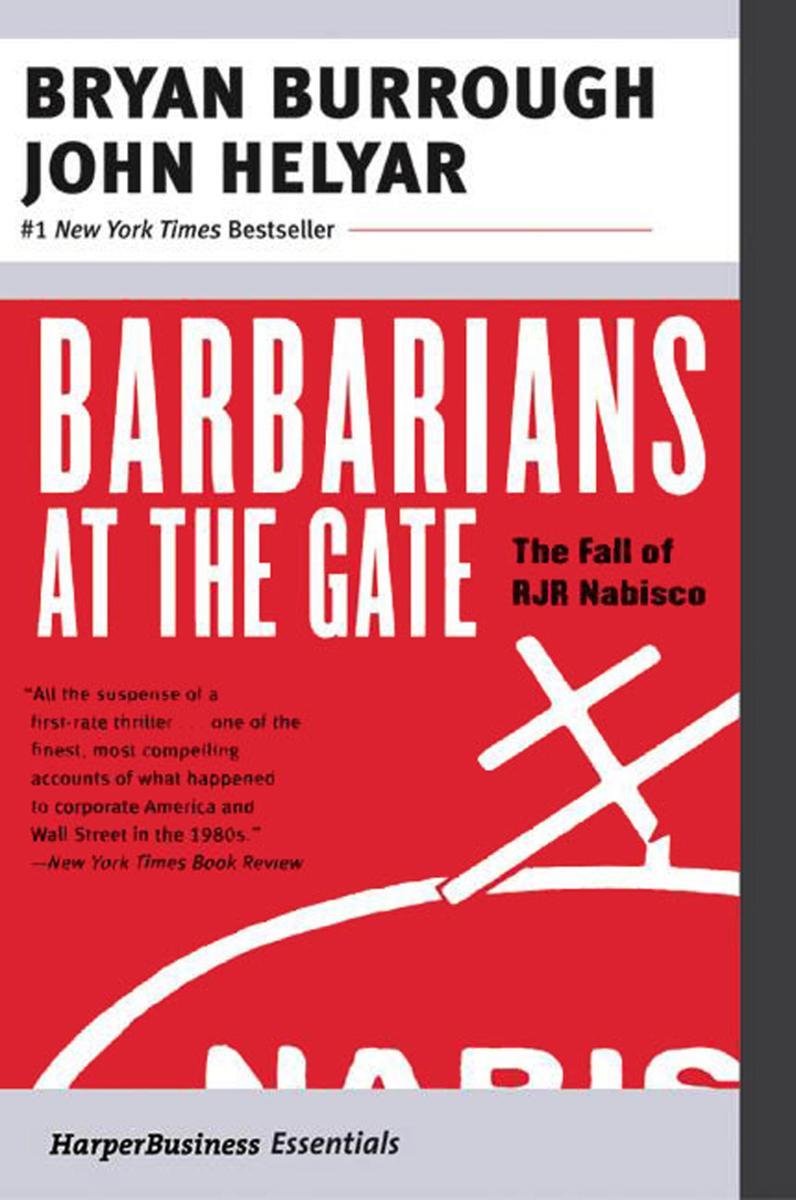
Barbarians at the Gate
¥100.71
Barbarians at the Gate has been called one of the most influential business books of all time -- the definitive account of the largest takeover in Wall Street history. Bryan Burrough and John Helyar's gripping account of the frenzy that overtook Wall Street in October and November of 1988 is the story of deal makers and publicity flaks, of strategy meetings and society dinners, of boardrooms and bedrooms -- giving us not only a detailed look at how financial operations at the highest levels are conducted but also a richly textured social history of wealth at the twilight of the Reagan era. Barbarians at the Gate -- a business narrative classic -- is must reading for everyone interested in the way today's world really works.
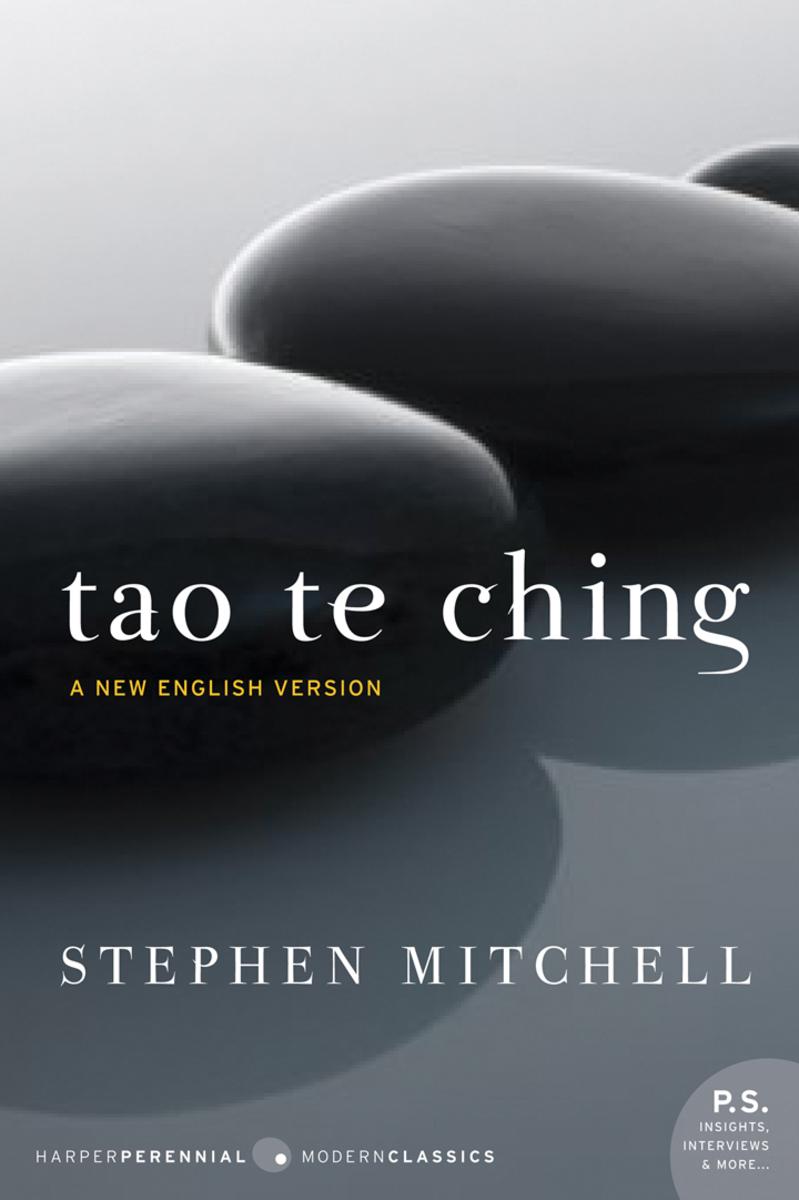
Tao Te Ching
¥83.03
Lao-tzu's Tao Te Ching, or Book of the Way, is the classic manual on the art of living and one of the wonders of the world. In eighty-one brief chapters, the Tao Te Ching llods at the basic predicatment of being alive and gives advice that imparts balance and perspective, a serene and generous spirit. This book is about wisdom in action. It teaches how wo work for the good with the efforless skill that comes from being in accord with the Tao (the basic principle of the universe) and applies equally to good government and sexual love, to childrearing, business, and ecology. The Tao Te Ching is the most widely traslated book in world literature, after the Bible. Yet the gemlike lucidity of the original has eluded most previous translations, and they have obscured some of its central ideas. Now the Tao Te ching has been rendered into English by the eminent scholar and traslator Stephen Mitchell. Mr. Mitchell's Dropping Ashes on the Buddha is a modern Zen classic, and his translations of Rilke and of the Book of Job have already been called definitive for our time.

Web Scraping with Python
¥63.21
Successfully scrape data from any website with the power of PythonAbout This BookA hands-on guide to web scraping with real-life problems and solutionsTechniques to download and extract data from complex websitesCreate a number of different web scrapers to extract information Who This Book Is For This book is aimed at developers who want to use web scraping for legitimate purposes. Prior programming experience with Python would be useful but not essential. Anyone with general knowledge of programming languages should be able to pick up the book and understand the principals involved.What You Will LearnExtract data from web pages with simple Python programmingBuild a threaded crawler to process web pages in parallelFollow links to crawl a websiteDownload cache to reduce bandwidthUse multiple threads and processes to scrape fasterLearn how to parse JavaScript-dependent websitesInteract with forms and sessionsSolve CAPTCHAs on protected web pagesDiscover how to track the state of a crawl In Detail The Internet contains the most useful set of data ever assembled, largely publicly accessible for free. However, this data is not easily reusable. It is embedded within the structure and style of websites and needs to be carefully extracted to be useful. Web scraping is becoming increasingly useful as a means to easily gather and make sense of the plethora of information available online. Using a simple language like Python, you can crawl the information out of complex websites using simple programming. This book is the ultimate guide to using Python to scrape data from websites. In the early chapters it covers how to extract data from static web pages and how to use caching to manage the load on servers. After the basics we'll get our hands dirty with building a more sophisticated crawler with threads and more advanced topics. Learn step-by-step how to use Ajax URLs, employ the Firebug extension for monitoring, and indirectly scrape data. Discover more scraping nitty-gritties such as using the browser renderer, managing cookies, how to submit forms to extract data from complex websites protected by CAPTCHA, and so on. The book wraps up with how to create high-level scrapers with Scrapy libraries and implement what has been learned to real websites.Style and approach This book is a hands-on guide with real-life examples and solutions starting simple and then progressively becoming more complex. Each chapter in this book introduces a problem and then provides one or more possible solutions.
VMware vSphere Troubleshooting
¥90.46
Gain expertise in troubleshooting most common issues to implement vSphere environments with easeAbout This BookPlan, analyze, and design effective solutions for your vSphere environmentTroubleshoot problems related to vSphere performanceFamiliarize yourself with the advanced troubleshooting conceptsand become an xpert level administrator Who This Book Is For The books is intended for mid-level System Engineers and System Integrators who want to learn VMware power tools to troubleshoot and manage the vSphere infrastructure. Good knowledge level and understanding of virtualization is expected.What You Will LearnConfigure vSphere management assistant and troubleshooting toolsUse troubleshooting tools to monitor performance and troubleshoot different issuesLearn how to troubleshoot High Availability and other commonly known problems with clusters such as insufficient resources, failing heartbeatsUse Direct Console User Interface (DCUI) to verify configurationDiagnose storage issues including iSCSI, NFS and VMFS problemsManage vSphere Network Virtual and Distributed Switches, Trunks, VLANSMonitor and shape network traffic, configure routes and DNSQuickly resolve common day-to-day problems by analysing logs of VMware vSphere hosts and VMware vCenter ServerDebug and resolve commonly known vSphere Cluster problems In Detail VMware vSphere is the leading server virtualization platform with consistent management for virtual data centers. It enhances troubleshooting skills to diagnose and resolve day to day problems in your VMware vSphere infrastructure environment. This book will provide you practical hands-on knowledge of using different performance monitoring and troubleshooting tools to manage and troubleshoot the vSphere infrastructure. It begins by introducing systematic approach for troubleshooting different problems and show casing the troubleshooting techniques. You will be able to use the troubleshooting tools to monitor performance, and troubleshoot issues related to Hosts and Virtual Machines. Moving on, you will troubleshoot High Availability, storage I/O control problems, virtual LANS, and iSCSI, NFS, VMFS issues. By the end of this book, you will be able to analyze and solve advanced issues related to vShpere environment such as vcenter certificates, database problems, and different failed state errors.Style and approach A step-by-step guide full of real world scenarios that will enhance advanced knowledge, skills, and abilities to achieve competence in troubleshooting the VMware vSphere environment. Basic concepts of vSphere and the most common vSphere infrastructure problems are explained with practical solutions to resolve it.
PhoneGap 4 Mobile Application Development Cookbook
¥90.46
Build real-world hybrid mobile applications using the robust PhoneGap development platformAbout This BookGet to grips with the usage of PhoneGap and its command-line interfaceLearn to use numerous plugins to access several hardware capabilitiesStep-by-step instructions on creating captivating mobile applications using popular frameworks Who This Book Is For If you are a developer who wants to get started with mobile application development using PhoneGap, then this book is for you. Previous experience with data mining libraries will help, but is not mandatory. A basic understanding of web technologies such as HTML, CSS, and JavaScript is a must.What You Will LearnSet up a development environment to develop PhoneGap applicationsGenerate, build, and run applications using the PhoneGap command-line interfaceInstall plugins from the command line to add native capabilities to your applicationCall the JavaScript API of plugins and hook into native eventsManipulate DOM using zepto and xuijsDevelop a user interface using jQuery Mobile and the Ionic frameworkGet accustomed to using the PhoneGap Build service In Detail Developing mobile applications often feels intimidating. Especially when building cross-platform application. We have to learn a specific programming language to build an application for each platform. PhoneGap makes cross-platform mobile application development faster and easier by using web technologies such as HTML5, CSS, and JavaScript. This book gives you practical lessons on how to build a world class mobile application using PhoneGap. Whether you are a brand new to mobile application development, a web developer expert, or a seasoned mobile application developer, this book will guide you through creating hybrid mobile applications. Starting with setting up a development environment, the book moves on to utilizing a new PhoneGap command-line tool, installing plugins, and designing your application. It then moves on to concepts such as file system, storage, and local database, the book effectively lays a solid base for advanced topics. By working through the steps in each chapter, you will quickly master the features of PhoneGap. By the end of the book, you will be able to successfully build a highly functional, real-world hybrid mobile application using PhoneGap.Style and approach And easy-to-follow guide full of practical examples of real-world mobile application. Each topic is explained step by step with detailed explanations on each concept.

Amazon S3 Essentials
¥63.21
Get started with Amazon S3 for virtually unlimited cloud and Internet storageAbout This BookFamiliarize yourself with the concepts of Amazon S3Understand basic operations of bucket, folders, and objects using Amazon S3 SDK JavaLeverage the power of Amazon S3 to effectively store and retrieve data Who This Book Is For This book is intended for System Engineers/ Developers, Software Architects, Project managers, and users who want to explore Amazon S3 SDK Java. If you want to learn about Amazon S3 quickly, then this book is for you. Basic knowledge of Java programming is expected.What You Will LearnStart with the basic concepts of Amazon S3 to get you goingUse Copy Object and Multipart Copy Object for objects of different sizesUnderstand how to use the amazon management console for Amazon S3Learn how to use the AWS SDK of Java and consume the Amazon S3Get to grips with managing the bucket life cycleConfigure CORS to share resources to a different domainDiscover how to develop and deploy the static website on Amazon S3 using different services of Amazon In Detail Amazon Simple Storage Service (Amazon S3), provides developers and IT teams with secure, durable, and highly-scalable object storage. Amazon S3 is easy to use, with a simple web services interface to store and retrieve any amount of data from anywhere on the web. S3 is automatically web scalable and responds to the requirements of your application and traffic, and therefore offers a key element to help companies deal dynamically with any spike in traffic for their application (such as a free e-book offer). This book starts with the basics of the Amazon S3 and its features, and you will quickly get an understanding how to use the Amazon Management Console for Amazon S3 which is the simplest way to manage Amazon S3. Next, we will cover basic operations on bucket, folder, objects. Once the basic operations are understood, you will know how to use Amazon S3 using Java SDK. Following that, you will learn about Copy Objects and Multipart copy objects for large objects size. You will also learn to manage the life cycle of bucket and how to share resources to the different domain by configuring CORS. The book will then guide you through the development and deployment of a static website on Amazon S3 using different services of Amazon. By the end of the book, you will be able to create a scalable application using Amazon S3.Style and approach This fast-paced book is a pragmatic guide to writing Amazon S3 applications. Each chapter is blended beautifully with lucid concepts and pertinent examples.
MariaDB Essentials
¥54.49
Quickly get up to speed with MariaDB—the leading, drop-in replacement for MySQL, through this practical tutorialAbout This BookGet to know the basic SQL queries so you can quickly start using MariaDBTake control of your data through the advanced features of MariaDBExploit the full potential of MariaDB’s exclusive features through quick, practical examples Who This Book Is For If you don't know the SQL language, but you want to quickly jump into the SQL world and learn how to use MariaDB, or if you already know how to use MySQL but you want to go further, then this book is ideal for you.What You Will LearnInstall and configure MariaDBCreate databases, tables, and indexesImport and export data from and to external filesWork with views and virtual columnsCreate, read, update, and delete records in your databaseUse dynamic columnsSet up a powerful full-text search systemAccess your external data from MariaDB through the CONNECT engine In Detail This book will take you through all the nitty-gritty parts of MariaDB, right from the creation of your database all the way to using MariaDB’s advanced features. At the very beginning, we show you the basics, that is, how to install MariaDB. Then, we walk you through the databases and tables of MariaDB, and introduce SQL in MariaDB. You will learn about all the features that have been added in MariaDB but are absent in MySQL. Moving on, you’ll learn to import and export data, views, virtual columns, and dynamic columns in MariaDB. Then, you’ll get to grips with full-text searches and queries in MariaDb. You’ll also be familiarized with the CONNECT storage engine. At the end of the book, you’ll be introduced to the community of MariaDB.Style and approach This is a complete guide that uses concrete examples to help you understand and exploit the full potential of MariaDB.

Double the Love
¥24.44
The beautiful Ariana Dancer is orphaned and has led a cheerless life in London with her disagreeable Guardian, Uncle Konstantin Bardici. He has shown little interest in his niece and she has been left very much to her own devices. One day Uncle Konstantin suggests that Ariana marry an Albanian Prince – one who is seeking an English wife and who claims to have fallen in love with her portrait – and it does not take much to persuade her to agree. Even before she sets out for Albania, she begins to dream of romance and her lonely heart ensures that she quickly fancies herself in love with a man she has never seen. She is sure in her heart that she will find everlasting happiness with Prince Stefan of Dukka in the depths of Albania.! But the journey she must take to fulfil her dreams is longer and more treacherous than she could ever have imagined. When she and her hapless maid are kidnapped en route to Castle Dukka by brigands, the rosy future she dreamed of becomes bitterly compromised. Soon life in the wild mountains begins to exert an unexpected pull, while the King of the Brigands turns out to possess an irresistible charm. Ariana discovers that love can have a double meaning and that image is not all that it seems. Forced to choose between honour and passion and faced with the responsibility of deciding life or death for the man she loves, she bravely makes the ultimate sacrifice. Even then Ariana’s torment is not over – Find out how Ariana unexpectedly finds all that she has been seeking, and more, in this exciting and unusual romantic tale by BARBARA CARTLAND

The Viscount's Revenge
¥24.44
The handsome Viscount Trent finally makes up his mind to accede to the pleadings of his family and get married. He is twenty-seven and for a long time they have been begging him to take a wife and produce an heir to his illustrious title, his famous stately home and his vast estate. On the whole he finds debutantes extremely boring and has enjoyed a number of affaires-de-coeur with older married women. However there is one girl, Marigold Marlow, he considers outstanding and she is the acknowledged great beauty of the Season. As she is so beautiful, the Viscount is convinced that Marigold will make him a perfect wife, but he is astonished when, having proposed to her, she tells him that she has not quite made up her mind. She will let him know on Wednesday if she accepts his proposal of marriage. As the Viscount expects her to fall immediately into his arms, he is surprised, but content to wait until Wednesday for her answer, which he is certain will be ‘yes’. As he drives away from Marigold’s house, a young girl holding a white Pekingese in her arms begs him to give her a lift to London. He sees no reason to refuse and finds as they drive off that she is Salvia, a cousin of the beautiful Marigold. He then learns that Marigold has her eyes on the son of the Duke of Northerncliff, who is seriously ill. In fact if he dies as expected, she intends to marry his heir as one day soon he will be a Duke. Feeling surprised and angry, he is even more astonished to learn that Marigold is cruel to animals and that Salvia is running away because she is so unkind to her dog as well as to her. How the Viscount dreams up a way to avenge himself on Marigold and, if the Duke does recover, how he can escape marrying her as he has now changed his mind. How the Viscount’s plan succeeds. And how Salvia takes London by storm, faces appalling danger and finally finds the love of her life is all told in this unusual story by BARBARA CARTLAND.
The Problem of Pain
¥78.32
If God is good and all-powerful, why does he allow his creatures to suffer painAnd what about the suffering of animals, who neither deserve pain nor can be improved by itThe greatest Christian thinker of our time sets out to disentangle these knotty issues. With his signature wealth of compassion and insight, C. S. Lewis offers answers to these crucial questions and shares his hope and wisdom to help heal a world hungering for a true understanding of human nature.

Weight of Glory
¥78.32
Addressing some of the most difficult issues we face in our day-to-day lives, C. S. Lewis ardent and timeless words provide an unparalleled path to greater spiritual understanding. Considered by many to be his most moving address, The Weight of Glory extols a compassionate vision of Christianity and includes lucid and compelling discussions on forgiveness and faith.
How to Read Novels Like a Professor
¥88.56
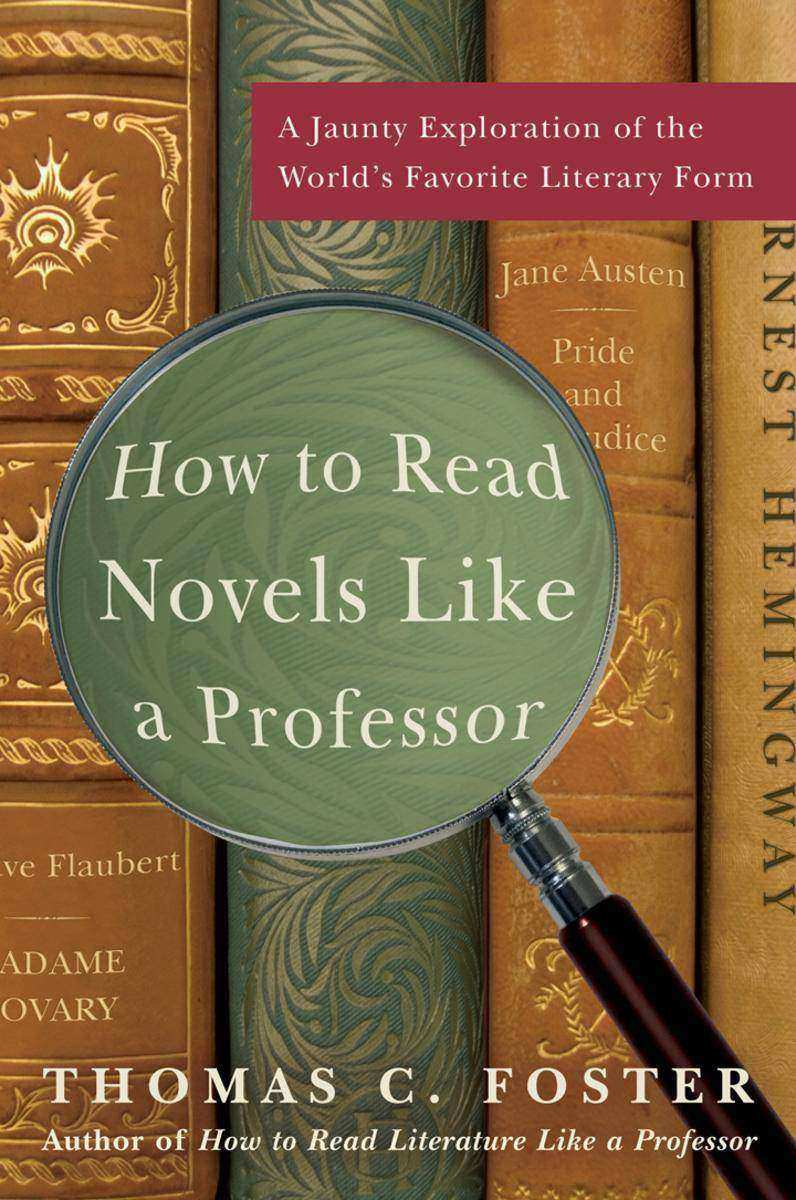
Of all the literary forms, the novel is arguably the most discussed . . . and fretted over. From Miguel de Cervantes's Don Quixote to the works of Jane Austen, F. Scott Fitzgerald, Ernest Hemingway, and today's masters, the novel has grown with and adapted to changing societies and technologies, mixing tradition and innovation in every age throughout history. Thomas C. Foster the sage and scholar who ingeniously led readers through the fascinating symbolic codes of great literature in his first book, How to Read Literature Like a Professor now examines the grammar of the popular novel. Exploring how authors' choices about structure point of view, narrative voice, first page, chapter construction, character emblems, and narrative (dis)continuity create meaning and a special literary language, How to Read Novels Like a Professor shares the keys to this language with readers who want to get more insight, more understanding, and more pleasure from their reading.

Inventions and their inventors 1750-1920
¥24.44
Our everyday lives are continually influenced by inventors whose ideas have led to commercial products available in most high streets across the civilised world. For the most part these creative individuals have remained relatively unknown. Yet some of the companies set up by the successful inventors survive to this day albeit with company names no longer associated with the original idea. Volume 1 of this two volume set documents some of the key inventions from the ‘Spinning Jenny’ invented by Hargraves in the late eighteenth century, to some of the most commercially successful ideas of the early 20th century.

Kiss from a Stranger
¥24.44
Horrified when her beloved dog, Rufus, is caught in a cruel snare while out walking in the estate of Arrow Castle, local Parson’s daughter Shenda is at first relieved when a handsome stranger comes to poor Rufus’s rescue and then at once she is abashed and confused when he claims a kiss – Shenda’s very first – as his reward. But then she is told that her father has been killed by a savage bull and that she must leave the family’s Vicarage forthwith. Penniless Shenda is obliged to take a job at Arrow Castle as a seamstress, where she stumbles across a letter from one of Napoleon Bonaparte’s spies to Society beauty Lucille Gratton, ‘the most beautiful Lady in England’, who is staying at The Castle. Reporting the discovery to the Earl, she finds that he is no other than her ‘gentleman stranger’ and just as she realises that she is falling in love with the heroic Earl of Arrow, she is embroiled in a counter-espionage plot that puts her young life – and her love for the Earl – in deadly peril.
A Prayer for Owen Meany
¥56.07
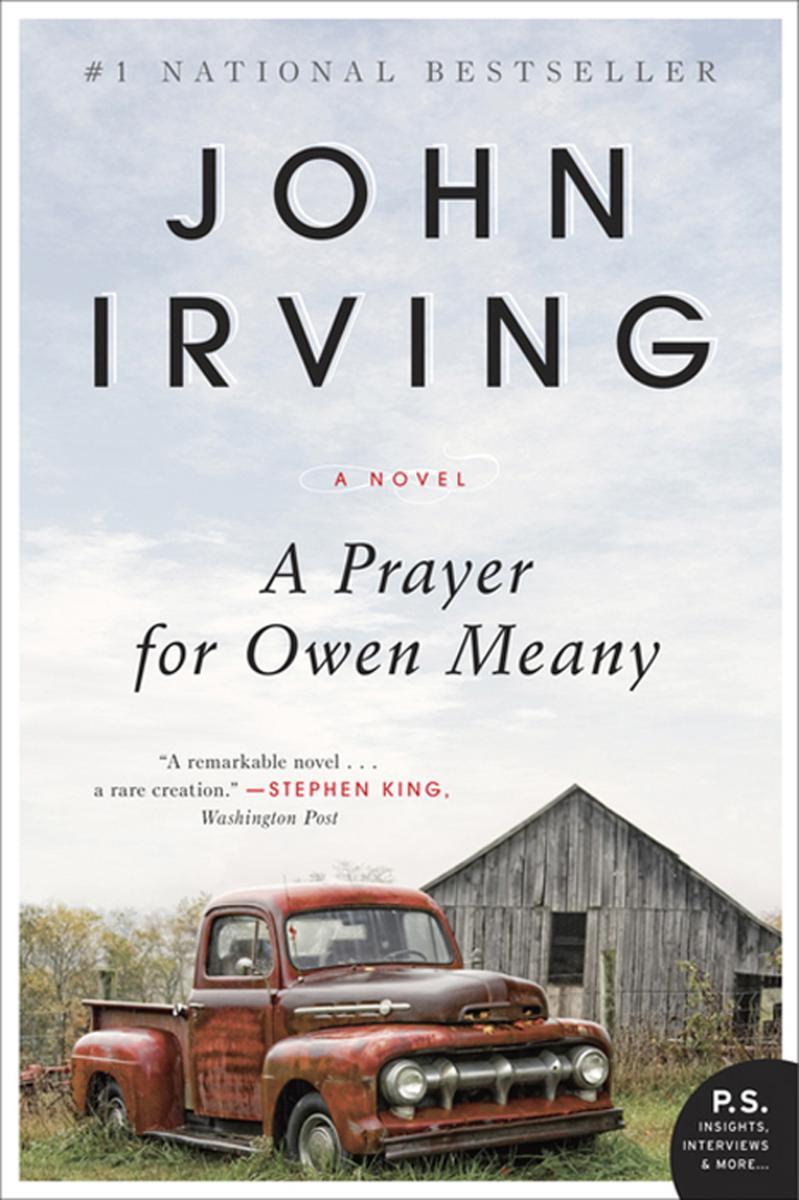
I am doomed to remember a boy with a wrecked voice not because of his voice, or because he was the smallest person I ever knew, or even because he was the instrument of my mother's death, but because he is the reason I believe in God; I am a Christian because of Owen Meany. In the summer of 1953, two eleven-year-old boys best friends are playing in a Little League baseball game in Gravesend, New Hampshire. One of the boys hits a foul ball that kills the other boy's mother. The boy who hits the ball doesn't believe in accidents; Owen Meany believes he is God's instrument. What happens to Owen after that 1953 foul ball is extraordinary.


