


 购物车
购物车 个人中心
个人中心

Fighter: The True Story of the Battle of Britain
¥66.22
Summer, 1940: western Europe has been conquered, and all that stands between Hitler and the invasion of England is the matter of air supremacy. And the RAF… Hitler’s top-secret Directive No. 16, July 1940: ‘The English air force must be beaten down to such an extent, that it can no longer muster any power of attack worth mentioning against the German advance.’ ‘Fighter’ is Len Deighton’s thrilling history of the ensuing Battle of Britain – the aerial combat between the RAF and the Luftwaffe that was fought over the summer of 1940. Ex-RAF pilot Deighton has written a balanced study of strategies and tactics that also expertly recounts the development of the aeroplanes that fought each other in the skies – the Spitfires and Messerschmitts – and of radar. Behind the strategies and tactics, and in the cockpits of the aeroplanes, are the men brought vividly to life by Deighton’s skill as a novelist.

Pirates (Collins Gem)
¥38.36
An entertaining and authoritative introduction to the world of piracy – history comes to life through a compelling factual narrative and enlightening illustrations.
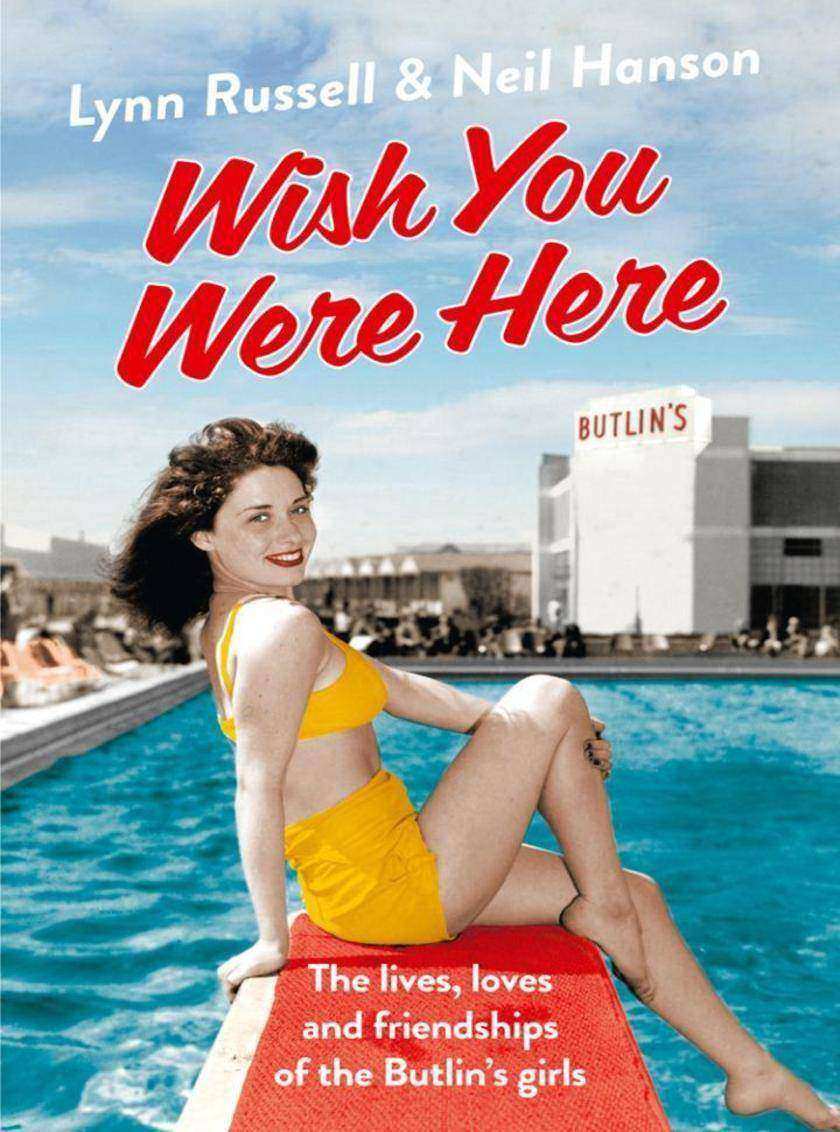
Wish You Were Here!
¥58.86
Touching true stories from the heyday of the Butlin’s holiday camps. ‘When I got to the camp I felt as if I’d suddenly walked into Utopia – it was so colourful, so warm, so friendly. There were lights across the roads, there were banners fluttering in the breeze… There seemed to be laughter coming from every building.’ With grey post-WWII skies hanging low over Britain, factories lining the streets and smoke stacks dotting the horizon, there was one way that ordinary families could escape: the ever-cheerful holiday camps of Butlin’s. When Billy Butlin founded his holiday camps in 1936, they were bastions of community spirit and havens of luxury. Here, for one week, wives and mothers were freed from the toil and drudgery of housework, children ran free through the grounds, fathers and husbands hung up their work clothes. Ever-helpful redcoats were on hand all hours of the day, dinner halls ready with plentiful food for old and young alike, bars stocked to quench any level of thirst, ballrooms waiting to be flooded with shiny shoes, rustling dresses and peals of laughter. And, as the sun went down on another exhausting, happy day, a chorus line was ready to sing holidaymakers back to their beds. Rich in period detail and highly evocative, Wish You Were Here! tells the story of seven women who worked as redcoats in Butlin’s Golden Age. It’s all here: Knobbly Knees and Glamourous Grannies, the laughter and tears, hardships and heartbreaks, loves and losses of their lives in and out of the holiday camps, and above all the lifelong friendships they formed with each other and those who also worked or holidayed there. Funny, moving and heartwarming, these are the timeless tales of a community spirit that burned brightly in a much-loved British institution.
The Moral State We’re In
¥72.30
A study of the moral state of the nation – the acid test of this being how we treat the weakest among us. Rabbi Julia Neuberger assesses the situation in the UK from her own unique viewpoint and draws some challenging and thought-provoking conclusions. Just as Will Hutton looked at the political landscape at a turning point in Britain, Rabbi Julia will take the moral temperature of the nation by looking at the ways in which we treat the weakest amongst us. The National Health Service, government pensions and asylum seekers all make daily headlines, and here is a writer with the moral authority and mastery of the necessary information to undertake this timely project. The way we treat the weak and vulnerable members of society has long been an established way to judge how civilised a society is. In this book, Julia looks at the extent to which the elderly are thought a burden, the way we care for the mentally ill, attitudes to asylum seekers and support for ex-offenders, as well as the care of children and the future of society in the UK. Her straight-forward approach to what has elsewhere proven highly esoteric, is here written with ease and fluidity and with a style that is highly approachable for those interested in the state of their nation with purely social, rather than academic, motivations. With her uncomplicated but extremely intelligent and candid take on the issues that make daily headlines, and with Julia’s high media profile, this book is guaranteed to tap into the state of our nation. Includes exciting new sections, reviewing the past year’s events, reception to her book and what – if anything – has changed in the way she sees our nation’s moral predicament.
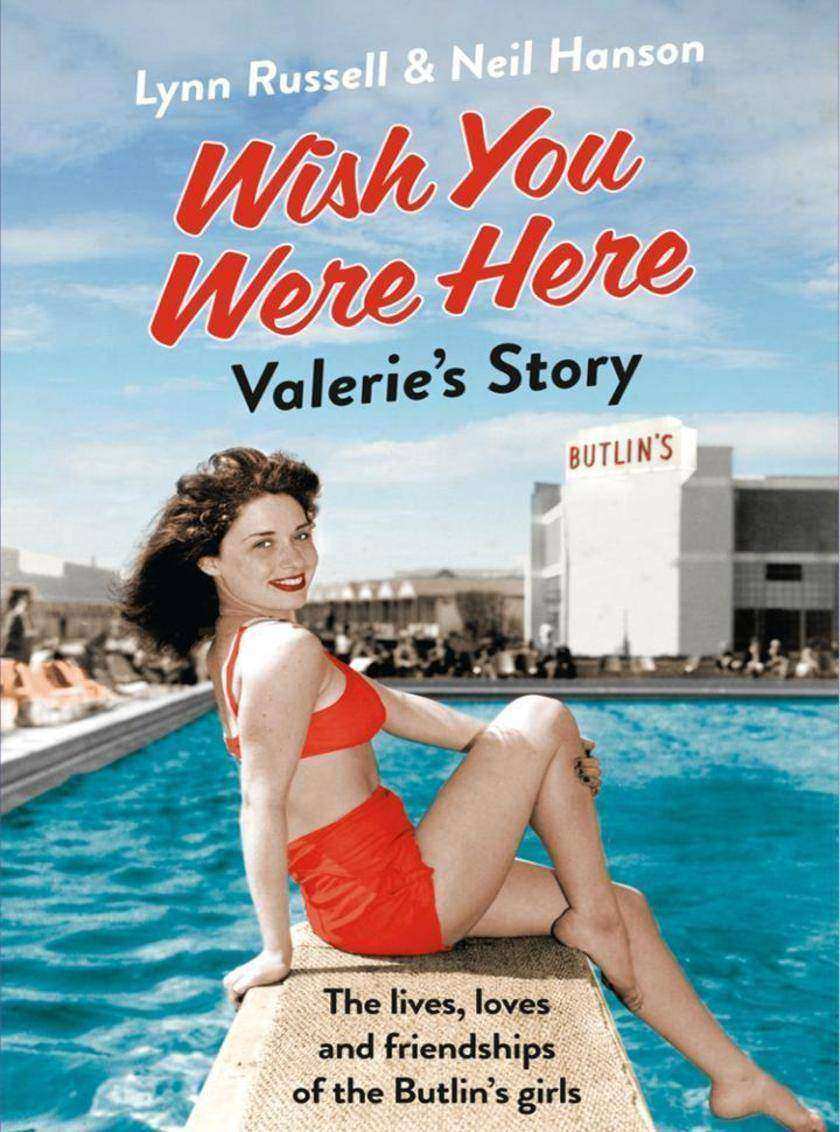
Valerie’s Story (Individual stories from WISH YOU WERE HERE!, Book 3)
¥11.77
One of seven touching true stories from Wish You Were Here!, the tale of Butlin’s holiday camps. ‘When I got to the camp I felt as if I’d suddenly walked into Utopia – it was so colourful, so warm, so friendly. There were lights across the roads, there were banners fluttering in the breeze… There seemed to be laughter coming from every building.’ With grey post-WWII skies hanging low over Britain, factories lining the streets and smoke stacks dotting the horizon, there was one way that ordinary families could escape: the ever-cheerful holiday camps of Butlin’s. When Billy Butlin founded his holiday camps in 1936, they were bastions of community spirit and havens of luxury. Here, for one week, wives and mothers were freed from the toil and drudgery of housework, children ran free through the grounds, fathers and husbands hung up their work clothes. Ever-helpful redcoats were on hand all hours of the day, dinner halls ready with plentiful food for old and young alike, bars stocked to quench any level of thirst, ballrooms waiting to be flooded with shiny shoes, rustling dresses and peals of laughter. And, as the sun went down on another exhausting, happy day, a chorus line was ready to sing holidaymakers back to their beds. Rich in period detail and highly evocative, Wish You Were Here! follows the lives of seven of the camps’ key figures through the highs and lows of the holiday season: from redcoats searching for stardom to young families who returned year after year, to pensioners who rediscovered an inner youth. The laughter and tears, the loves and losses, and the fun and friendships that have lasted a lifetime – it's all here. Funny, moving and heartwarming, they are tales of swimming pools and sing-a-longs, Glamorous Grannies and bicycle rides, and of a community spirit that burned brightly in a much-loved British institution.
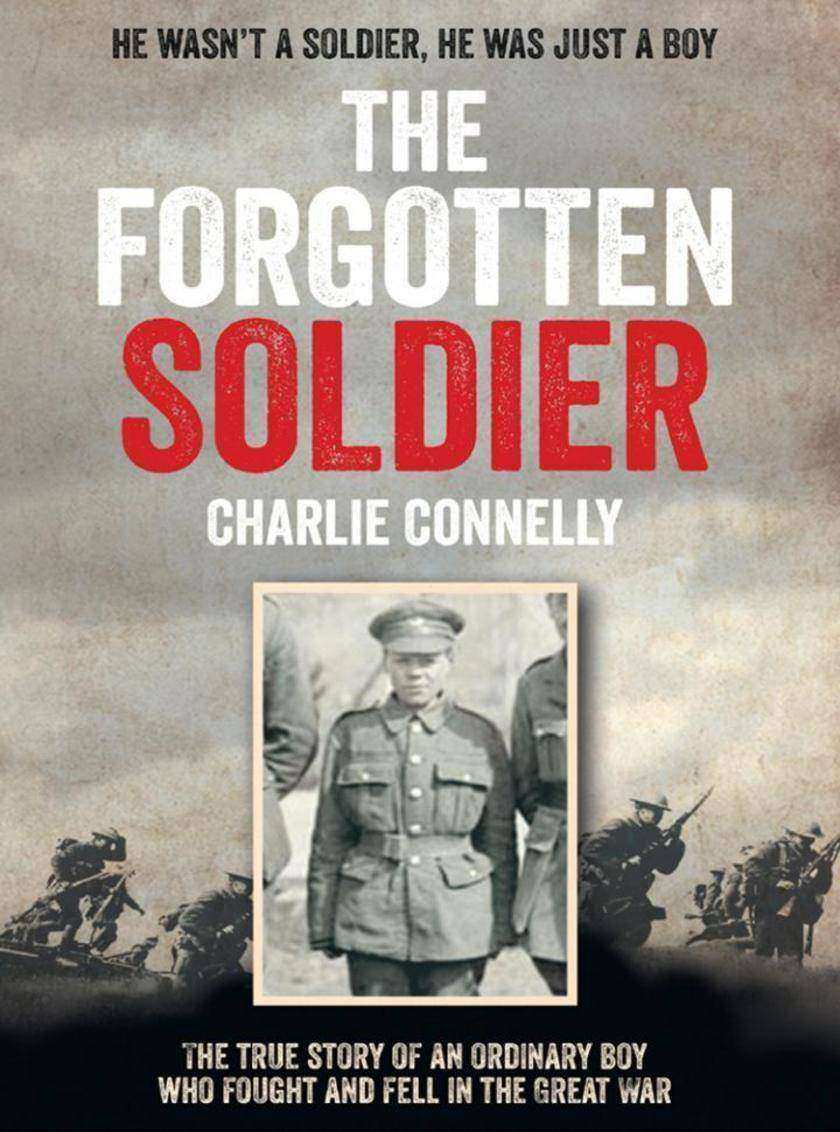
The Forgotten Soldier: He wasn’t a soldier, he was just a boy
¥58.86
Bestselling author Charlie Connelly returns with a First World War memoir of his great uncle, Edward Connelly, who was an ordinary boy sent to fight in a war the likes of which the world had never seen. But this is not just his story; it is the story of all the young forgotten soldiers who fought and bravely died for their country The Forgotten Soldier tells the story of Private Edward Connelly, aged 19, killed in the First World War a week before the Armistice and immediately forgotten, even, it seems, by his own family. Edward died on exactly the same day, and as part of the same military offensive, as Wilfred Owen. They died only a few miles apart and yet there cannot be a bigger contrast between their legacies. Edward had been born into poverty in west London on the eve of the twentieth century, had a job washing railway carriages, was con*ed into the army at the age of eighteen and sent to the Western Front from where he would never return. He lies buried miles from home in a small military cemetery on the outskirts of an obscure town close to the French border in western Belgium. No-one has ever visited him. Like thousands of other young boys, Edward’s life and death were forgotten. By delving into and uncovering letters, poems and war diaries to reconstruct his great uncle’s brief life and needless death; Charlie fills in the blanks of Edward’s life with the experiences of similar young men giving a voice to the voiceless. Edward Connelly’s tragic story comes to represent all the young men who went off to the Great War and never came home. This is a book about the unsung heroes, the ordinary men who did their duty with utmost courage, and who deserve to be remembered.

The Last Highlander
¥73.58
Fans of Outlander must read this Saltire Society Literary Awards Scottish First Book of the Year – a great non-fiction adventure about Scotland’s most notorious clan chief. Simon Fraser, Lord Lovat, was the last of the great Scottish chiefs – and the last nobleman executed for treason. Determined to seek his fortune with the exiled Jacobite king in France, Fraser acted as a spy for both the Stuarts and the Hanoverians; claimed to be both Protestant and Roman Catholic. In July 1745, Bonnie Prince Charlie launched his last attempt to seize back the throne, supported by Fraser and his clans. They were defeated at Culloden. Fraser was found hiding in a tree. This swashbuckling spy story recreates an extraordinary period of history in its retelling of Fraser’s life. He is surely one of Scotland’s most notorious and romantic figures, a cunning and ambitious soldier who died a martyr for his country and an independent Scotland.

Terri’s Story (Individual stories from WISH YOU WERE HERE!, Book 7)
¥11.77
One of seven touching true stories from Wish You Were Here!, the tale of Butlin’s holiday camps. ‘When I got to the camp I felt as if I’d suddenly walked into Utopia – it was so colourful, so warm, so friendly. There were lights across the roads, there were banners fluttering in the breeze… There seemed to be laughter coming from every building.’ With grey post-WWII skies hanging low over Britain, factories lining the streets and smoke stacks dotting the horizon, there was one way that ordinary families could escape: the ever-cheerful holiday camps of Butlin’s. When Billy Butlin founded his holiday camps in 1936, they were bastions of community spirit and havens of luxury. Here, for one week, wives and mothers were freed from the toil and drudgery of housework, children ran free through the grounds, fathers and husbands hung up their work clothes. Ever-helpful redcoats were on hand all hours of the day, dinner halls ready with plentiful food for old and young alike, bars stocked to quench any level of thirst, ballrooms waiting to be flooded with shiny shoes, rustling dresses and peals of laughter. And, as the sun went down on another exhausting, happy day, a chorus line was ready to sing holidaymakers back to their beds. Rich in period detail and highly evocative, Wish You Were Here! follows the lives of seven of the camps’ key figures through the highs and lows of the holiday season: from redcoats searching for stardom to young families who returned year after year, to pensioners who rediscovered an inner youth. The laughter and tears, the loves and losses, and the fun and friendships that have lasted a lifetime – it's all here. Funny, moving and heartwarming, they are tales of swimming pools and sing-a-longs, Glamorous Grannies and bicycle rides, and of a community spirit that burned brightly in a much-loved British institution.

Valda’s Story (Individual stories from WISH YOU WERE HERE!, Book 4)
¥11.77
One of seven touching true stories from Wish You Were Here!, the tale of Butlin’s holiday camps. ‘When I got to the camp I felt as if I’d suddenly walked into Utopia – it was so colourful, so warm, so friendly. There were lights across the roads, there were banners fluttering in the breeze… There seemed to be laughter coming from every building.’ With grey post-WWII skies hanging low over Britain, factories lining the streets and smoke stacks dotting the horizon, there was one way that ordinary families could escape: the ever-cheerful holiday camps of Butlin’s. When Billy Butlin founded his holiday camps in 1936, they were bastions of community spirit and havens of luxury. Here, for one week, wives and mothers were freed from the toil and drudgery of housework, children ran free through the grounds, fathers and husbands hung up their work clothes. Ever-helpful redcoats were on hand all hours of the day, dinner halls ready with plentiful food for old and young alike, bars stocked to quench any level of thirst, ballrooms waiting to be flooded with shiny shoes, rustling dresses and peals of laughter. And, as the sun went down on another exhausting, happy day, a chorus line was ready to sing holidaymakers back to their beds. Rich in period detail and highly evocative, Wish You Were Here! follows the lives of seven of the camps’ key figures through the highs and lows of the holiday season: from redcoats searching for stardom to young families who returned year after year, to pensioners who rediscovered an inner youth. The laughter and tears, the loves and losses, and the fun and friendships that have lasted a lifetime – it's all here. Funny, moving and heartwarming, they are tales of swimming pools and sing-a-longs, Glamorous Grannies and bicycle rides, and of a community spirit that burned brightly in a much-loved British institution.
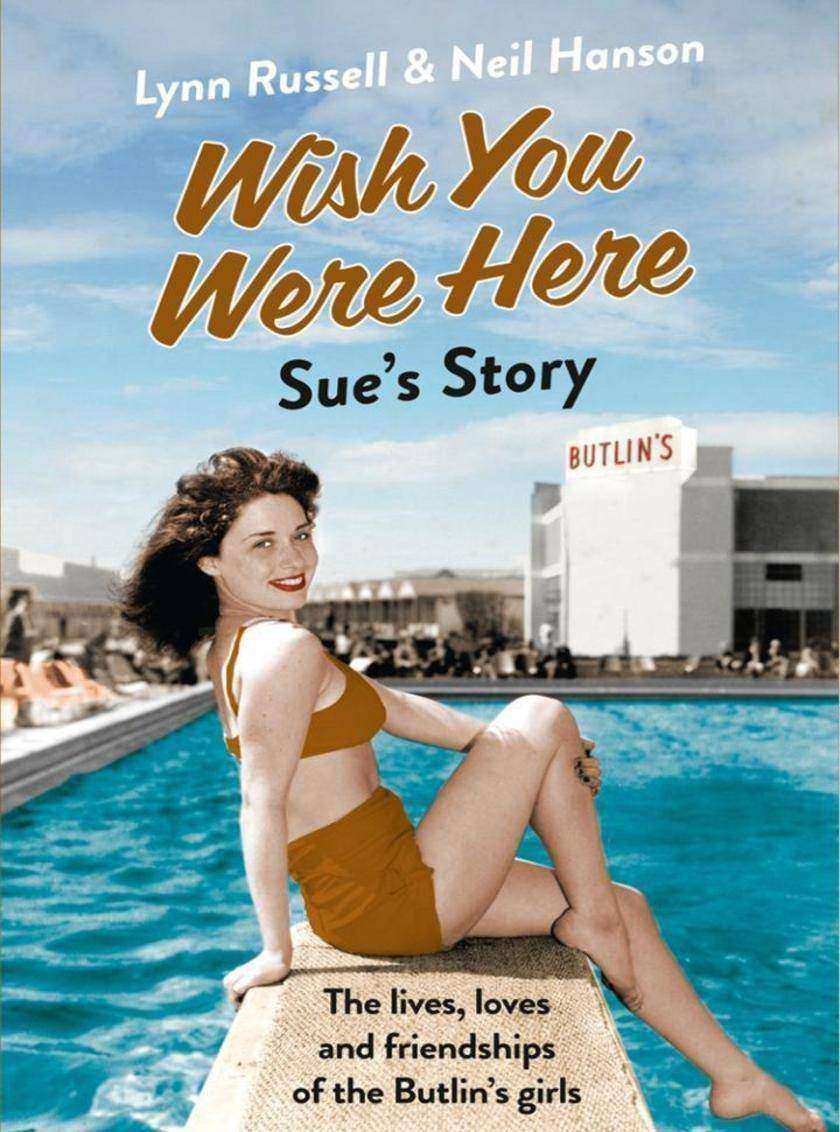
Sue’s Story (Individual stories from WISH YOU WERE HERE!, Book 5)
¥11.77
One of seven touching true stories from Wish You Were Here!, the tale of Butlin’s holiday camps. ‘When I got to the camp I felt as if I’d suddenly walked into Utopia – it was so colourful, so warm, so friendly. There were lights across the roads, there were banners fluttering in the breeze… There seemed to be laughter coming from every building.’ With grey post-WWII skies hanging low over Britain, factories lining the streets and smoke stacks dotting the horizon, there was one way that ordinary families could escape: the ever-cheerful holiday camps of Butlin’s. When Billy Butlin founded his holiday camps in 1936, they were bastions of community spirit and havens of luxury. Here, for one week, wives and mothers were freed from the toil and drudgery of housework, children ran free through the grounds, fathers and husbands hung up their work clothes. Ever-helpful redcoats were on hand all hours of the day, dinner halls ready with plentiful food for old and young alike, bars stocked to quench any level of thirst, ballrooms waiting to be flooded with shiny shoes, rustling dresses and peals of laughter. And, as the sun went down on another exhausting, happy day, a chorus line was ready to sing holidaymakers back to their beds. Rich in period detail and highly evocative, Wish You Were Here! follows the lives of seven of the camps’ key figures through the highs and lows of the holiday season: from redcoats searching for stardom to young families who returned year after year, to pensioners who rediscovered an inner youth. The laughter and tears, the loves and losses, and the fun and friendships that have lasted a lifetime – it's all here. Funny, moving and heartwarming, they are tales of swimming pools and sing-a-longs, Glamorous Grannies and bicycle rides, and of a community spirit that burned brightly in a much-loved British institution.
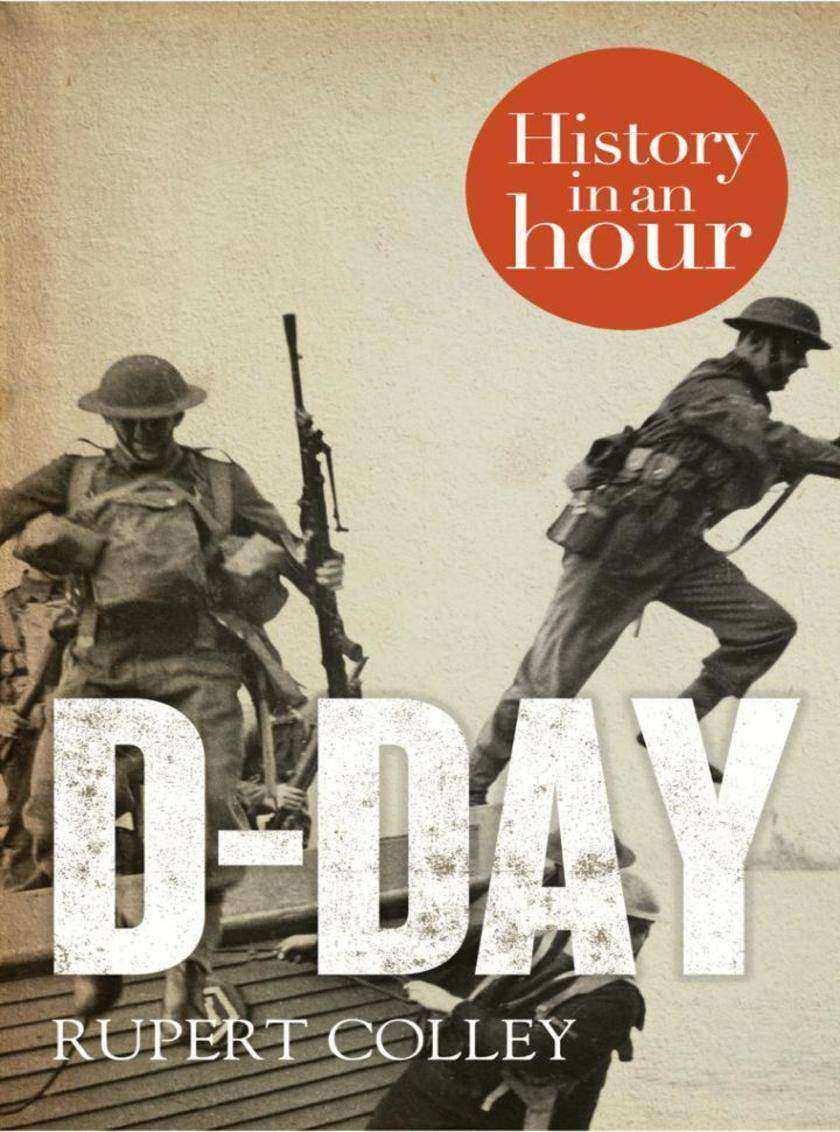
D-Day: History in an Hour
¥18.05
Love history? Know your stuff with History in an Hour. Midnight, Tuesday 6 June 1944: the beginning of D-Day, the operation to invade Nazi-occupied Western Europe and initiate the final phase of World War II. A vast undertaking, it involved 12,000 aircraft and an amphibious assault of almost 7,000 vessels. 160,000 troops would cross the English Channel during Operation Overlord, paving the way for more than three million allied troops to enter France by the end of August 1944. Forces from the United Kingdom, the United States, Canada, the Free French and Poland all heavily participated, alongside contingents from Belgium, Greece, the Netherlands, and Norway, They capitalised on the element of surprise achieved due to bad weather and the success of Operation Bodyguard – a feat of massive deception to convince Hitler that the landings would hit Pas-de-Calais. In just over a year, the war would be won. ‘D-Day: History in an Hour’ is the story of how the largest military operation in history had been planned, practised and executed. Love history? Know your stuff with History in an Hour…

A History of Sweets in 50 Wrappers
¥15.60
A super-sweet guide to all your favourite sweets from years gone by. A History of Sweets in 50 Wrappers is a colourful and comical history of sweets and chocolates. If you ever dreamt of being the Milkybar Kid, if you remember when Snickers were Marathons and Double Deckers had raisins in them, if you ever checked the colour of your next Fruit Pastille before offering it out, this book is for you. It will lead you down memory lane until you reach the corner shop and load up a 10p mix-up bag. Fully illustrated, with hundreds of classic wrappers and adverts, A History of Sweets in 50 Wrappers is packed full of memories, fun facts, historical research … … and lots and lots of sweets!
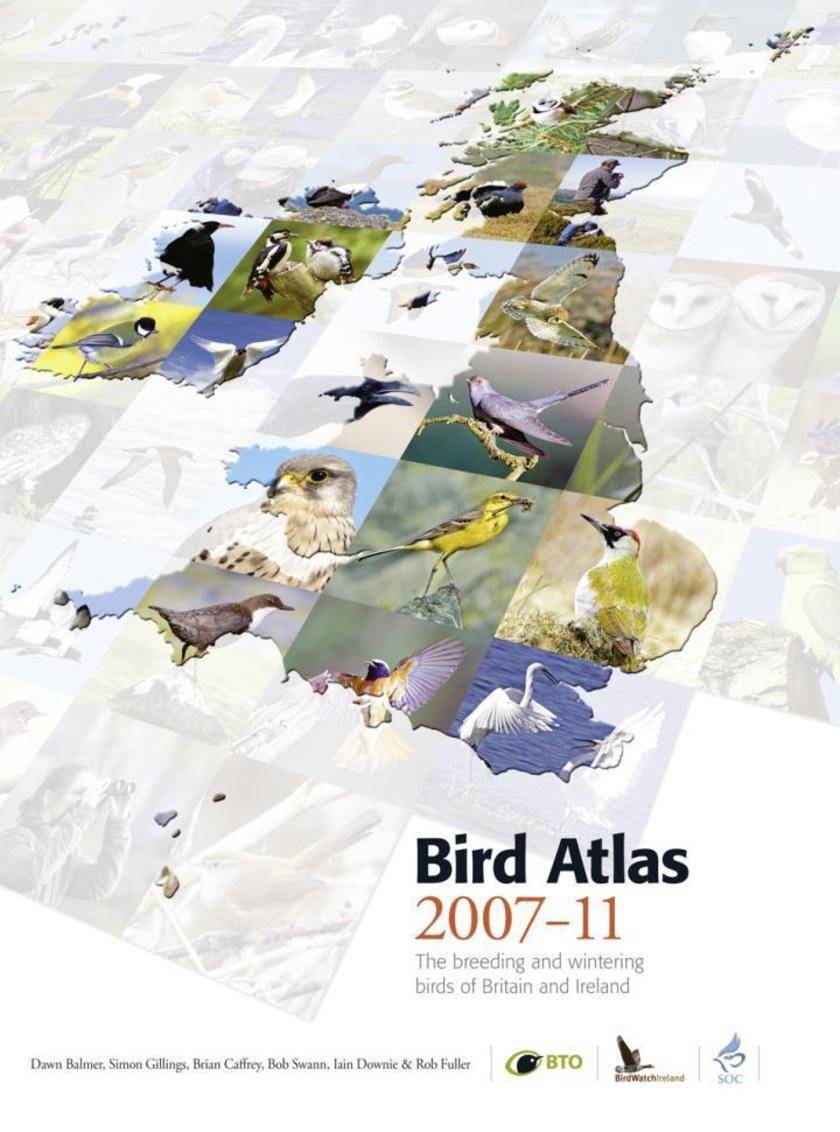
Bird Atlas 2007-11
¥456.07
Bird Atlas 2007-2011 is the definitive statement on breeding and winter bird distributions in Britain and Ireland. It builds on previous atlases (1968-1972 Breeding Atlas, 1981-1984 Winter Atlas, 1988-1991 Breeding Atlas) to show how the fortunes of the birds of Britain and Ireland have changed over the last 40 years. Bird Atlas 2007-2011 presents over 1300 detailed maps for nearly 300 species, showing where each breeds and winters, where they are most and least abundant and where status is changing. The species accounts and chapters bring together the latest scientific findings to explain these patterns and highlight the major issues facing our changing bird faunas.
Whatever it Takes: The Real Story of Gordon Brown and New Labour
¥80.25
At the beginning of the financial crisis, in September 2008, Gordon Brown called an emergency press conference in which he declared, 'we will do whatever it takes to restore stability in the financial markets'. He was to repeated the phrase ‘whatever it takes’ constantly in the following weeks. As Shadow Chancellor Brown would do whatever it took to restore Labour's economic credibility. As leader-in-waiting he would do whatever it took to acquire the crown. As Prime Minister he would do whatever it took to buttress his enfeebled regime, going as far instigating a rapprochement with Peter Mandelson, a figure he had come to despise. Determined, wilful, multi-layered in his complexity, Brown would always do whatever it took to survive. New Labour, as a political force, rootless and defensive in its origins, would similarly do whatever it took to retain support in what its founders regarded as a conservative country. Written by one of the most influential political commentators in the UK, the Independent's chief political commentator, Steve Richards, this political expose examines Gordon Brown's wildly oscillating career and the ruthless and sometimes shallow pragmatism displayed by New Labour as a whole.

The Blitz: The British Under Attack
¥72.40
In a series of powerful accounts drawn from diaries, letters, sound archives and interviews recorded during the period of devastation, discovery and transformation that make the blitz such an outstanding event in Britain's recent past, "The Blitz" brings to life the intense experiences, as they happened all over Britain. The blitz proved to be a highly effective laboratory constructed out of necessity, and intense forcing house for change. Yet, compared to other great events of the Second World War – Dunkirk, D – Day, and even VE Day, the Blitz remains curiously unexamined. A type of cleansing resulted from it. It soon became evident that many of the attitudes in society were outdated. The most obvious inequalities between British society also became clear, and yet with everyone sharing the same devastation, these differences slowly began to lose their importance. As well as a social laboratory, the Blitz was a medical one too. Overworked doctors and scientists were forced to experiment and improvise. It was during the Blitz that the embryonic blood transfusion service grew to become a nation-wide institution. Psychoanalysis took on a new meaning too: the enemy was now external, someone different from "us". It gave coherence to artists and writers at the time such as Cecil Beaton. The Blitz is arranged as a series of chronological chapters, each focusing on an aspect of key importance. The perspective will primarily be that of those who had actual experience of those tumultuous months, when no one knew when or if the bombings would stop. Above all, it will be recounted in the words of the many "ordinary people" across Britain who were caught up in the Blitz, their stories, entries that are taken from the journals that they kept during this difficult time and also interviews with those who are still alive today.
Grouse (Collins New Naturalist Library, Book 107)
¥231.22
With less than twenty species worldwide and only four British and Irish species, the grouse is surprisingly well-known. Its habitats are diverse and relatively remote – ranging from deep forests, through open moorland, to Scotland’s highest peaks. ‘Grouse: The Natural History of British and Irish Species’ covers four of the most emblematic species of our upland regions. Collectively they have the most fascinating life histories of any bird group, individually they have their own stories to tell: the ptarmigan is a resident of our highest mountain areas, the black grouse is famous for its extraordinary mating displays, the capercaillie is one of our largest birds and the red grouse, whilst no-longer one of the few British endemics, is one of the most heavily researched species. All four face similar problems, including habitat loss, predators, pests, disease and food shortage. This is compounded by issues of managed animal populations and controversy surrounding the commercial worth of grouse. This volume in the New Naturalist series, written by two of the world's leading grouse specialists, offers a fascinating insight into the natural history and biology of these birds, including aspects of their behaviour, the historical relevance of their names, the reasons behind population fluctuations and international conservation efforts.

Dartmoor (Collins New Naturalist Library, Book 111)
¥385.34
New Naturalist Dartmoor explores the complex and fascinating history of one of southern England's greatest National Parks, an area of enormous interest to naturalists and tourists alike. Dartmoor is said to be the loneliest wilderness in England. This has been said more often of Dartmoor than any other part of our country. Traditionally in the world of fiction as well as that of fact, Dartmoor has been renowned as a vast and empty moorland area, the property of nature rather than of man. It has always been the public's idea of a lonely place. Not many generations ago it was regarded with a certain amount of awe and nowadays it is one of our most important centres of recreation, an island in upland England of abundant interest to the naturalist. In 1951 it became a National Park, one of the first of several places that have been so designated in Great Britain, helping to conserve and promote both its beauty and cultural heritage. Spanning miles of open moorland, whilst also hiding small secluded river valleys, rare plants and endangered birds, Dartmoor is a place of variety, and has evolved in the public's mind from a forbidding place to that of romance and mystery. In the latest addition to the long-running New Naturalist series, Ian Mercer sets out to explore every aspect of this important area of southern Devon. Focusing not only on its extensive history and physical landscape, but also its cultural place within Great Britain, this is both a comprehensive and engaging look at the wild and rugged landscape that has inspired so many poets, painters and musicians over countless centuries.

Southern England (Collins New Naturalist Library, Book 108)
¥231.22
Illustrated with beautifully detailed photographs throughout, New Naturalist Southern England comprehensively explores the formation of these wonderful landscapes that are so universally admired. Most people share an enthusiasm for beautiful and breathtaking scenery, explored variously through the physical challenge of climbing to the top of the tallest mountains or the joy of viewing the work of a painter; but while easy to admire from a distance, such landscapes are usually difficult to explain in words. Harnessing recent developments in computer technology, the latest New Naturalist volume uses the most up-to-date and accurate maps, diagrams and photographs to analyse the diverse landscapes of Southern England. Peter Friend highlights the many famous and much loved natural landscapes of the southern half of England, ranging from the Chalk Downs to the bays of Cornwall, Devon and Dorset, and provides detailed explanations for the wide variety of natural events and processes that have caused such an exciting range of surroundings. Setting apart the topography that has resulted from natural rather than man-made occurrences, Friend focuses on each region individually, from East Anglia to London and the Thames Valley, and explains the history and development of their land structures through detailed de*ions and colourful diagrams.

Nature Conservation (Collins New Naturalist Library, Book 91)
¥182.47
This latest volume in the New Naturalist series provides a comprehensive study of wildlife conservation in Britain, concentrating on events in the last 30 years. As our environment is subjected to increasing assault from climatic changes and pollutants, conservation has become a growing concern for both specialists and generalists alike. The first chapter of this book considers the political and institutional development of nature conservation and reviews the physical and biological nature of Britain, its geology, climate and wildlife habitats. Subsequent chapters cover the loss of habitats and species, how these losses have been managed and the techniques used to survey and monitor the integration of nature conservation policies in industries from agriculture to forestry and fisheries. Marren continues by discussing how nature conservation has emerged from the sidelines to become a major concern. He addresses the role of the media, weighs up the successes and failures of the conservation movement and looks to what the future may hold.

A Country Parish (Collins New Naturalist Library, Book 9)
¥456.66
The natural history of an ordinary English country parish was one of the first subjects that suggested themselves when the New Naturalist series was planned. Collins are delighted to announce the republication in facsimile form of the first editions of the very first volumes in the New Naturalist Library. Originally planned in the darkest days of World War II and first published in 1945, this series is the longest running nature series in the world. It is a reflection of the quality of the authors and the books they wrote, that they are still sought after 73 years later. The books will be identical in every way to the original first editions, including the iconic jackets by Clifford and Rosemary Ellis. The natural history of an ordinary English country parish was one of the first subjects that suggested themselves when the New Naturalist series was planned. Being chiefly farmland and therefore practically all man-made, most country parishes are extremely complex from the naturalist's point of view and also inevitably contain a vast amount of human history. Any attempt to describe their plants and animals has to be closely related with the ways of man himself, who must be regarded as the chief element in the community - a fact which has been obvious enough to naturalists ever since the days of Gilbert White. For this book we were fortunate to find an author who combined a thorough all-round knowledge of natural history with a sound insight into human customs, history, pastimes and farming methods. Arnold Boyd lived in Cheshire all his life - and in keeping with the best tradition of English amateur naturalists, he excelled as a collector of facts, as is apparent from his previous books, his writing in the Manchester Guardian and other journals, and in his assistant editorship of British Birds. By weaving together his collection of facts he presents us with a book of remarkable unity and which shows a wide grasp of every aspect of the living communities. This charming yet erudite portrait will protect his beloved parish for ever from the ravages of human forgetfulness.

Grass and Grassland (Collins New Naturalist Library, Book 48)
¥456.66
The use of natural and seeded grass pastures for the feeding of livestock and other unfamiliar uses for the ubiquitous grass family are described in this succinct and beautifully illustrated work. This edition is exclusive to newnaturalists.com The New Naturalist series has already covered many facets of the interrelationship between man and nature, but the grass family is probably the most important man in the whole plant kingdom - just how important is shown in this book. Dr. Moore, the Principal of Seale Hayne Agricultural College in Devon, is our leading authority on grasses and their utilization. His special interest is the use of natural and seeded grass pastures for the feeding of livestock. Striking advances have been made in recent years in the improvement of such pastures and Dr. Moore deals very fully with this vital link in the feeding of the human race; but he also covers that other equally important role of the grass family in our economy, the cultivation of cereal crops for the production of grain. Grass lawns and playing fields form a centre-piece in most British gardens and public parks and there is a chapter on these, but the horticultural value of grasses as ornamental plants in herbaceous borders and woodland gardens is less well known. These and many other unfamiliar uses for the ubiquitous grass family are described in this succinct and beautifully illustrated work.


