


 购物车
购物车 个人中心
个人中心
The Real Band of Brothers
¥72.30
Personal stories from the soldiers who volunteered to fight for a cause they passionately believed in The Spanish Civil War, which raged from 1936-9, was brutal and intense, claiming well over 500,000 lives. Rightly predicting that the rise of Fascism in Spain could develop into a more global conflict, almost 2,500 British volunteers travelled to Spain under the banner of the International Brigade to fight for the Spanish Republic in an attempt to stem the tide. Acclaimed oral historian Max Arthur tracked down the eight survivors of this conflict and interviewed them for their unique perspective, their memories of their time fighting and the motives that compelled them to fight. From Union leader to nurse, Egyptologist to IRA activist, theirs is a unique story, of men and women volunteering to lay down their lives for a cause, believing passionately that the Spanish Republic's fight was their fight too. And, in 2009, they were finally granted Spanish nationality as a mark of the importance of that decision. Since the book was first published, two of the people featured have died, but their stories survive. These incredible, compelling and sometimes harrowing tales of their experiences reveal their ideologies, pride, regrets and feelings about the legacy of the actions they took. ‘For most young people there was a feeling of frustration, but some were determined to do anything that seemed possible, even if it meant death, to try to stop the spread of Fascism. It was real, and it had to be stopped.’ Jack Jones (1913-2009) - Volunteer
Death or Victory: The Battle for Quebec and the Birth of Empire
¥81.52
An epic history of the battle of Quebec, the death of General James Wolfe and the beginnings of Britain’s empire in North America. Military history at its best. Perched on top of a tall promontory, surrounded on three sides by the treacherous St Lawrence River, Quebec – in 1759 France’s capital city in Canada – forms an almost impregnable natural fortress. That year, with the Seven Years’ War raging around the globe, a force of 49 ships and nearly 9,000 men commanded by the irascible General James Wolfe, navigated the river, scaled the cliffs and laid siege to the town in an audacious attempt to expel the French from North America forever. In this magisterial first solus book, tying into the 250th anniversary of the battle, Dan Snow tells the story of this famous campaign which was to have far-reaching consequences for Britain’s rise to global hegemony, and the world at large. Snow brilliantly sets the battle within its global context and tells a gripping tale of brutal war quite unlike any fought in Europe, where terrain, weather and native Canadian tribes were as fearsome as any enemy. ‘I never served so disagreeable a campaign as this,’ grumbled one British commander, ‘it is war of the worst shape.’ 1759 was, without question, a year in which the decisions of men changed the world forever. Based on original research and told from all perspectives, this is history – military, political, human – on an epic scale.
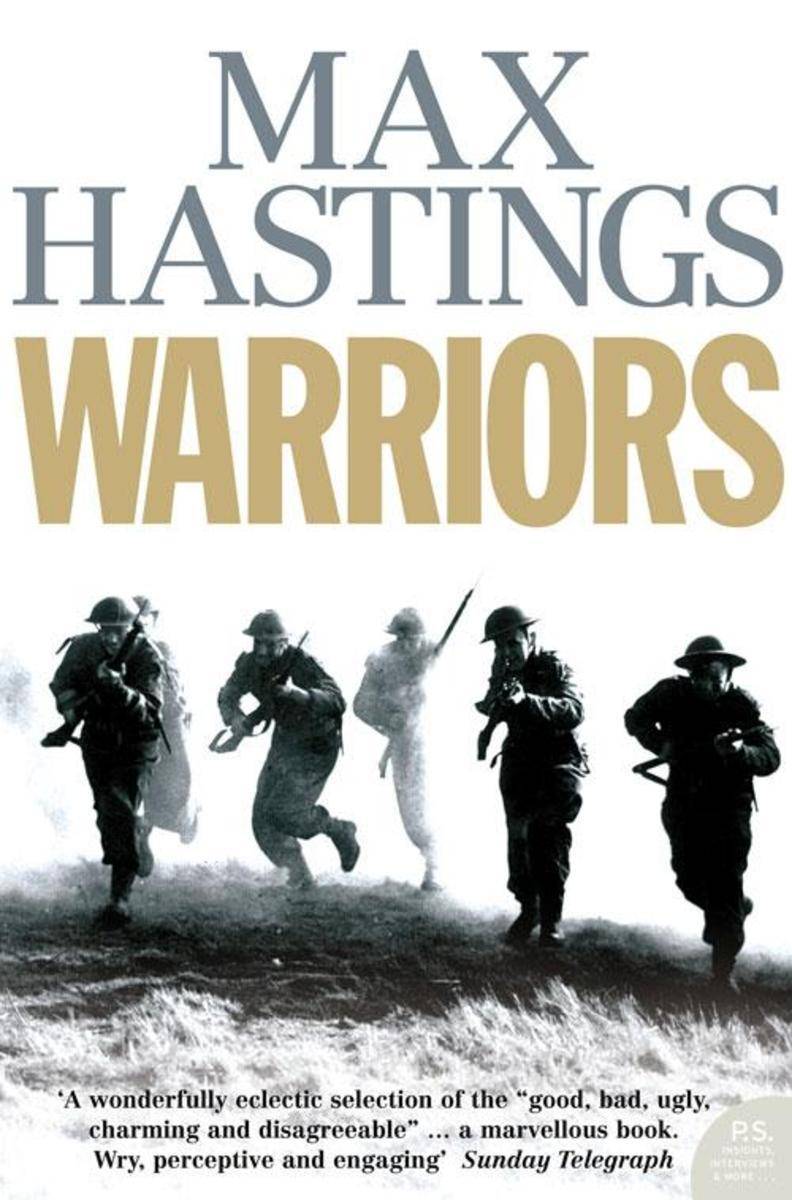
Warriors: Extraordinary Tales from the Battlefield
¥81.03
An exhilarating and uplifting account of the lives of sixteen ‘warriors’ from the last three centuries, hand-picked for their bravery or extraordinary military experience by the eminent military historian, author and ex-editor of the Daily Telegraph, Sir Max Hastings. Over the course of forty years of writing about war, Max Hastings has grown fascinated by outstanding deeds of derring-do on the battlefield (land, sea or air) – and by their practitioners. He takes as his examples sixteen people from different nationalities in modern history – including Napoleon’s ‘blessed fool’ Baron Marcellin de Marbot (the model for Conan Doyle’s Brigadier Gerard); Sir Harry Smith, whose Spanish wife Juana became his military companion on many a campaign in the early 19th-century; Lieutenant John Chard, an unassuming engineer who became the hero of Rorke’s Drift in the Zulu wars; and Squadron Leader Guy Gibson, the ‘dam buster’ whose heroism in the skies of World War II earned him the nation's admiration, but few friends. Every army, in order to prevail on the battlefield, needs a certain number of people capable of courage beyond the norm. In this book Max Hastings investigates what this norm might be – and how it has changed over the centuries. While celebrating feats of outstanding valour, he also throws a beady eye over the awarding of medals for gallantry – and why it is that so often the most successful warriors rarely make the grade as leaders of men.
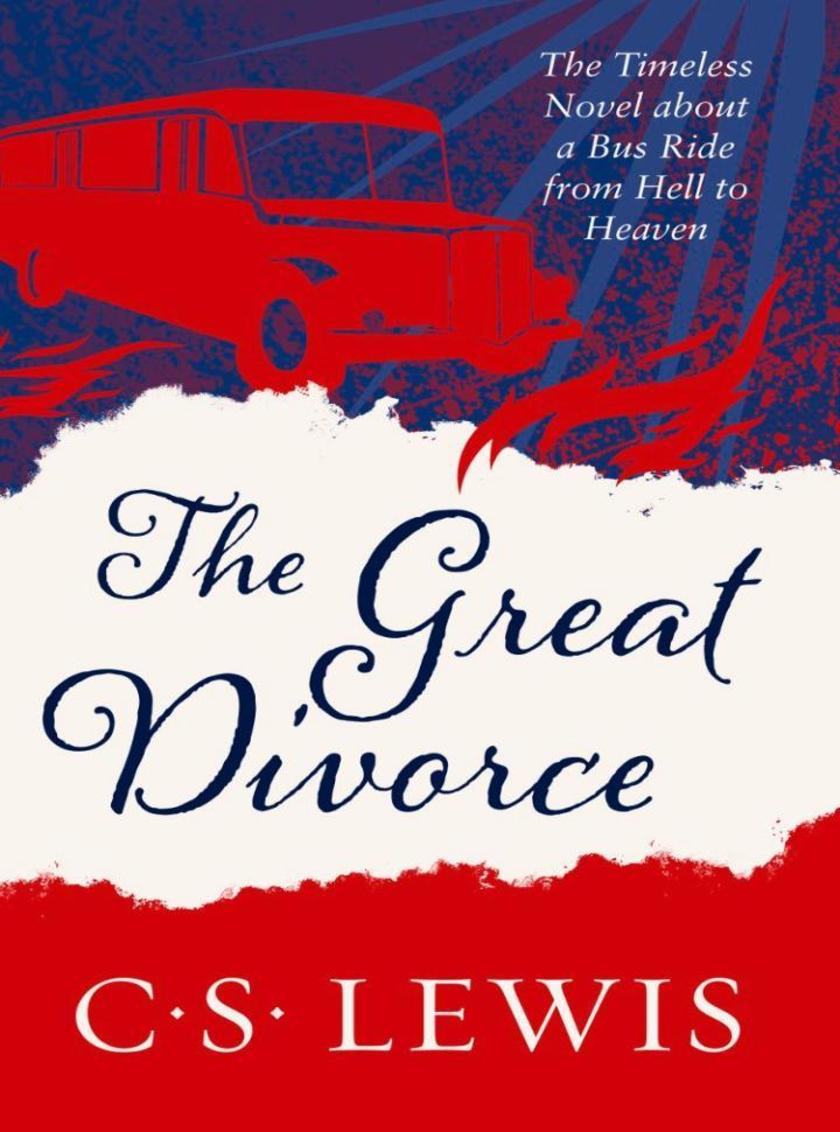
The Great Divorce
¥58.86
A stunning new edition of this timeless allegory of heaven and hell, repackaged and rebranded as part of the C.S. Lewis Signature Classics range. C.S. Lewis’s dazzling allegory about heaven and hell and the chasm fixed between them, is one of his most brilliantly imaginative tales which will appeal to readers of all ages. Lewis communicates deep spiritual truths through the sheer power of the fantastic. In The Great Divorce the writer in a dream boards a bus on a drizzly afternoon and embarks on an incredible voyage through Heaven and Hell. He meets a host of supernatural beings far removed from his expectations and comes to significant realisations about the ultimate consequences of everyday behaviour. This is the starting point for a profound meditation upon good and evil. “If we insist on keeping Hell (or even Earth) we shall not see Heaven: if we accept Heaven we shall not be able to retain even the smallest and most intimate souvenirs of Hell.”
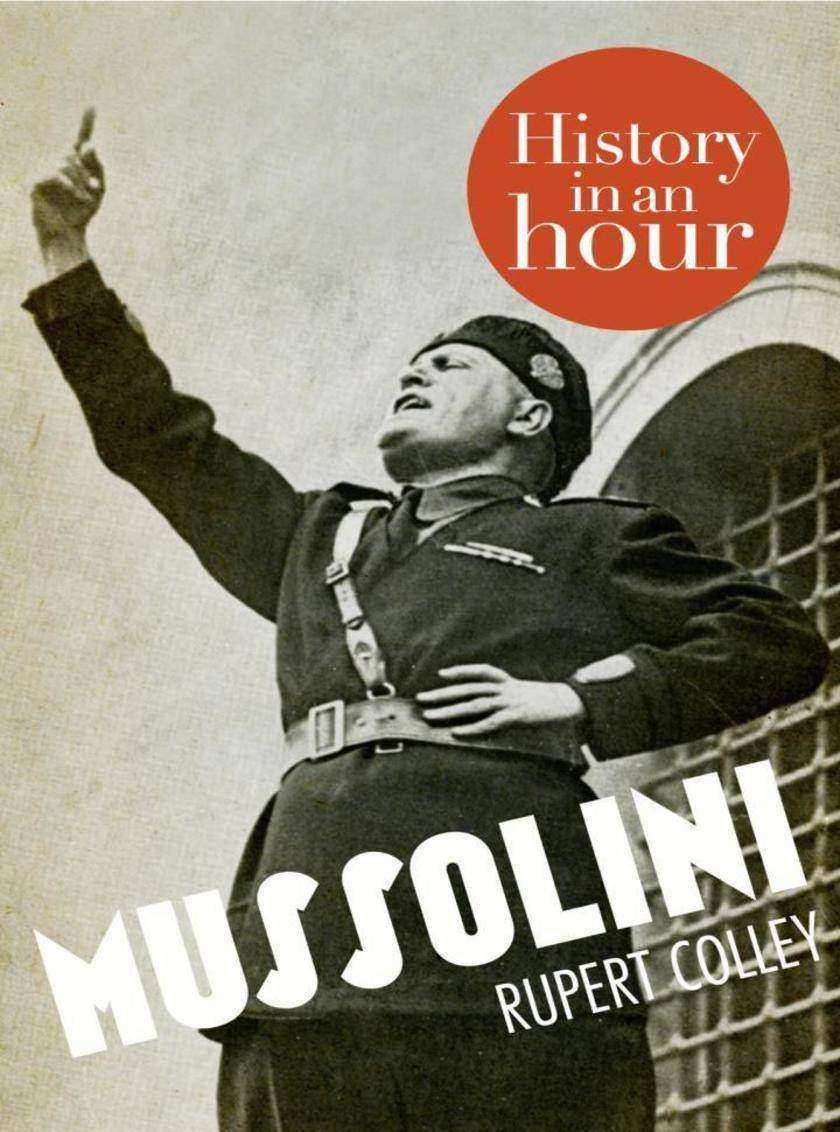
Mussolini: History in an Hour
¥18.05
Love history? Know your stuff with History in an Hour. ‘Il Duce’, Benito Mussolini, was one of the key figures in the creation of fascism. Famed for his dictatorial style, his political cunning and admired – initially – by Hitler, Mussolini led the National Fascist Party and ruled Italy as Prime Minister from 1922 until his ousting in 1943. In so doing, he paved the way towards Italy’s defeat in World War Two, and some of the 20th century’s most destructive ideologies and practices. Following expulsion from Italian Socialist Party, Mussolini denounced all efforts of class conflict, and instead later commanded a Fascist March on Rome to become the youngest Prime Minister in Italian history. Thereafter he set about dismantling the apparatus of democracy and initiated what would become known as the one-party totalitarian state. With World War II came defeat, humiliation and his bloody deposing. Explaining his ideologies, policies, actions and flaws, ‘Mussolini: History in an Hour’ is the concise life of the man whose ideas helped create some of the worst horrors of the modern history. Love history? Know your stuff with History in an Hour…
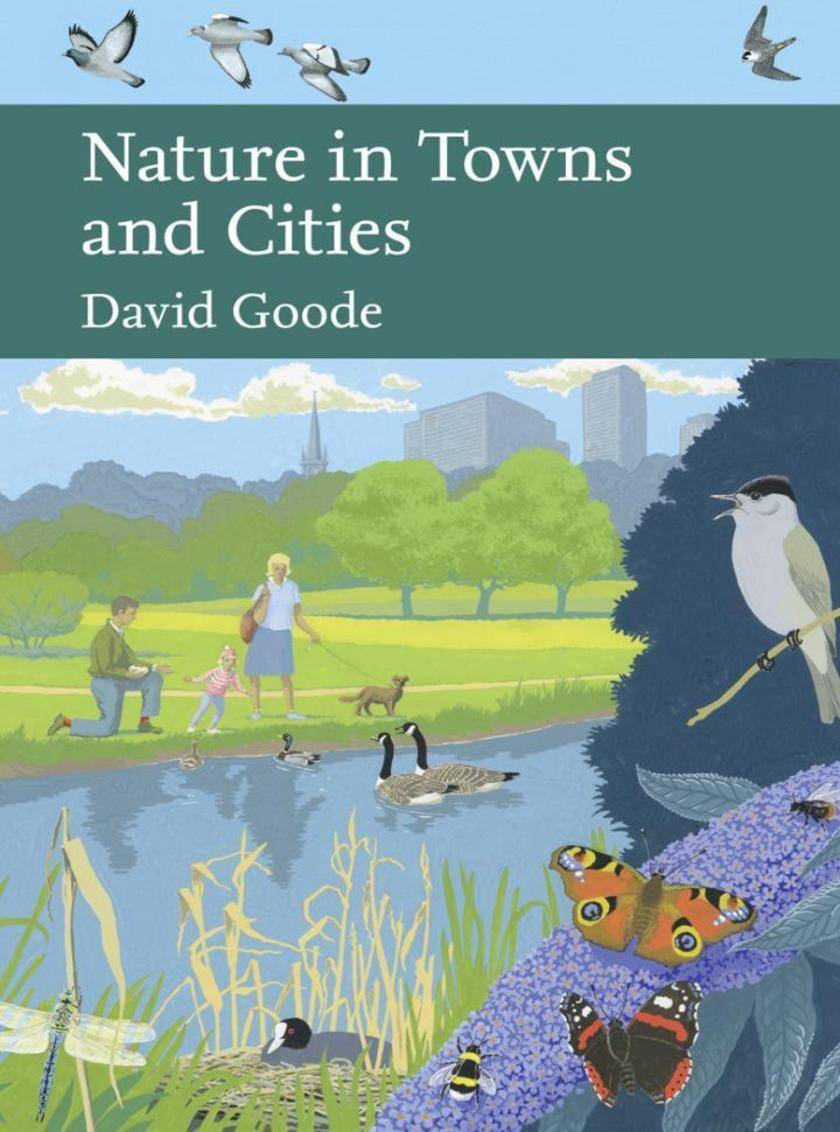
Nature in Towns and Cities (Collins New Naturalist Library, Book 127)
¥269.78
The latest in the New Naturalist series documents the parks and green spaces unique to Britain's cities – and the wildlife that has flourished in these habitats. Not since Richard Fitter’s landmark publication in 1945, ‘London’s Natural History’ – volume 3 in the New Naturalist series – has there been a comprehensive guide to urban natural history. Since then there have been major advances in the conservation of nature in our towns and cities, and there is even more to say about how animals and plants have adapted, in varying degrees, to urbanisation. But this is not merely an exploration of natural history within the urban environment – David Goode uses his knowledge of urban ecology to describe the range of habitats and species which exist within urban areas, and shows how our understanding is being applied to encourage a greater variety of nature into towns and cities. He illustrates how an ecological approach can be incorporated within planning and design to create a range of habitats from tiny oases to extensive new urban woodland and wetlands.
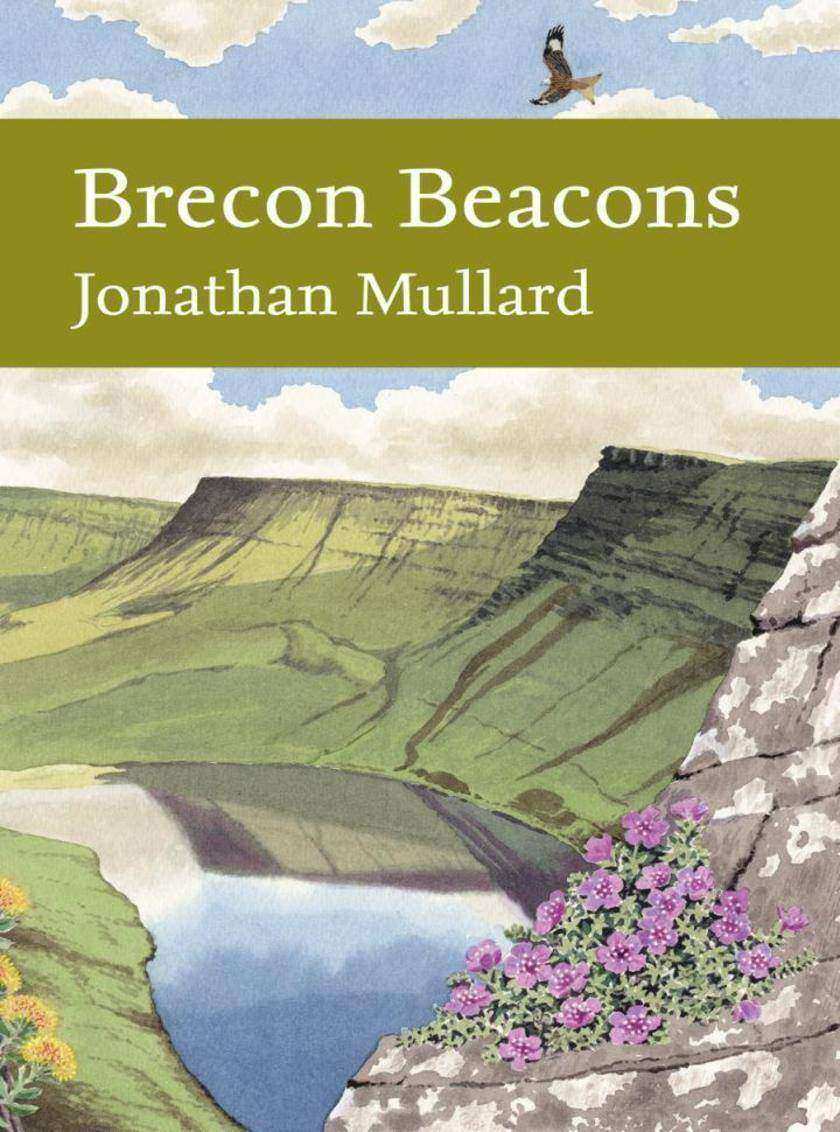
Brecon Beacons (Collins New Naturalist Library, Book 126)
¥257.90
The first comprehensive book to be published about the wildlife of the Brecon Beacons is a much-anticipated addition to the New Naturalist series, and reveals the natural wonders of this seemingly wild and inhospitable mountain landscape. The Brecon Beacons range across upland Wales and create a varied landscape of extensive cave systems, limestone crags and rich meadows. This variety supports thousands of species, some of which are found nowhere else on Earth. The natural history of the Brecon Beacons is like most parts of the British Isles – inextricably linked to the activities of man across many thousand years. Jonathan Mullard explores the evolving landscape and observes its effects on its native species and habitats. He provides a detailed examination of the geology of the region and the integration of the archaeological and historic landscape with the natural landscape and its fauna. Covering the vast diversity of its mountains and moorlands, rivers and waterfalls, caves, woodlands, wetlands and farmland, he provides an overview of man’s influence on the natural environment over the centuries and the ongoing conservation of the area. A landscape rich in legends, the Brecon Beacons play host to a number of myths involving, among others, King Arthur. Mullard explores these rich tales alongside other cultural landmarks of historical interest, such as the churches and chapels of the area. The culmination of years of research, New Naturalist Brecon Beacons is an inspiring exploration of this diverse and fascinating area.
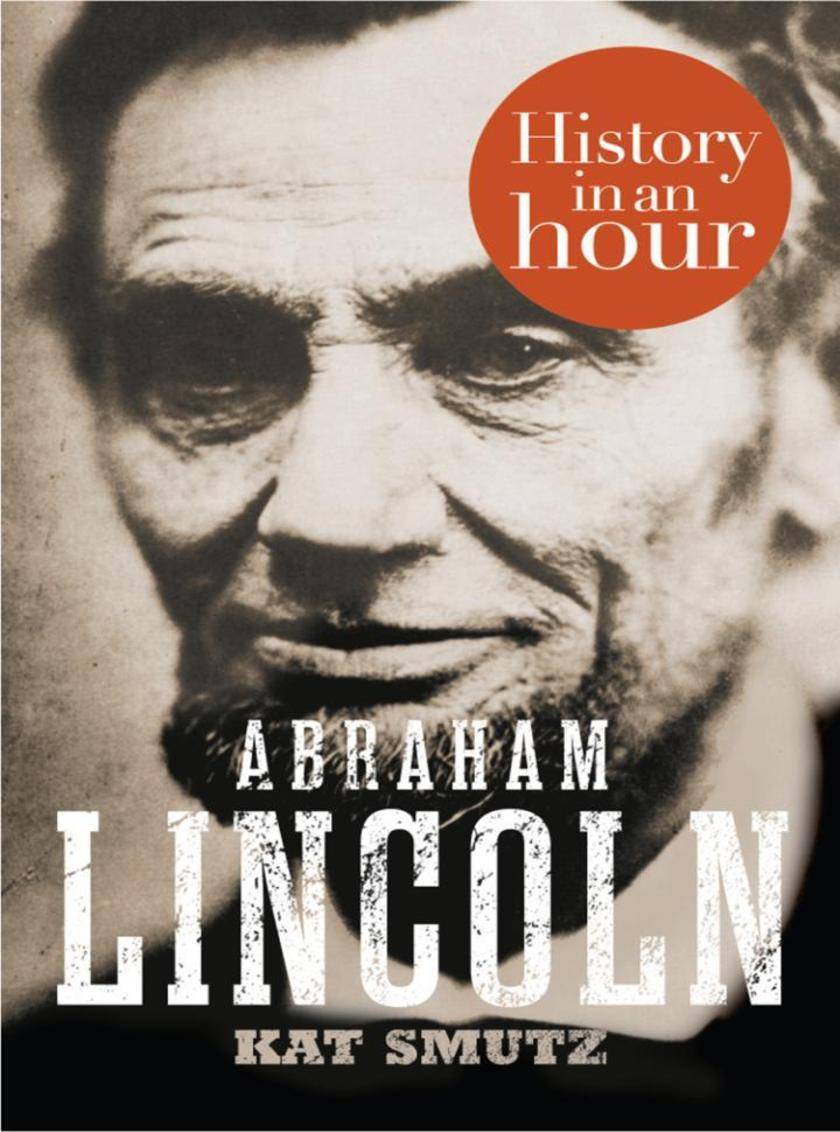
Abraham Lincoln: History in an Hour
¥18.05
Love history? Know your stuff with History in an Hour. Abraham Lincoln, the sixteenth president of the United States, is an American icon. To many, he is a symbol of values, sacrifice and determination. Modern notions of nationalism, liberty, and constitution all owe their debt to Lincoln, as does the unity of the American states. And yet, in his own day, Lincoln was also reviled by many as a traitor, tarnished by his associations with the wrong kind of race and the wrong end of society. Charting his ascent from humble origins to the leader of the United States during its hardest democratic and ethical conflict – the American Civil War – ‘Lincoln: History in an Hour’ is a succinct guide to the life of a great and controversial modernizer. Having educated himself and made good as a lawyer, he embarked on a journey that would see triumph in the abolition of slavery and then tragedy in the final drama of his own assassination. From his struggles as President to his family life and roles as husband, father and friend, this is the story of one of history’s greatest leaders. Love history? Know your stuff with History in an Hour…
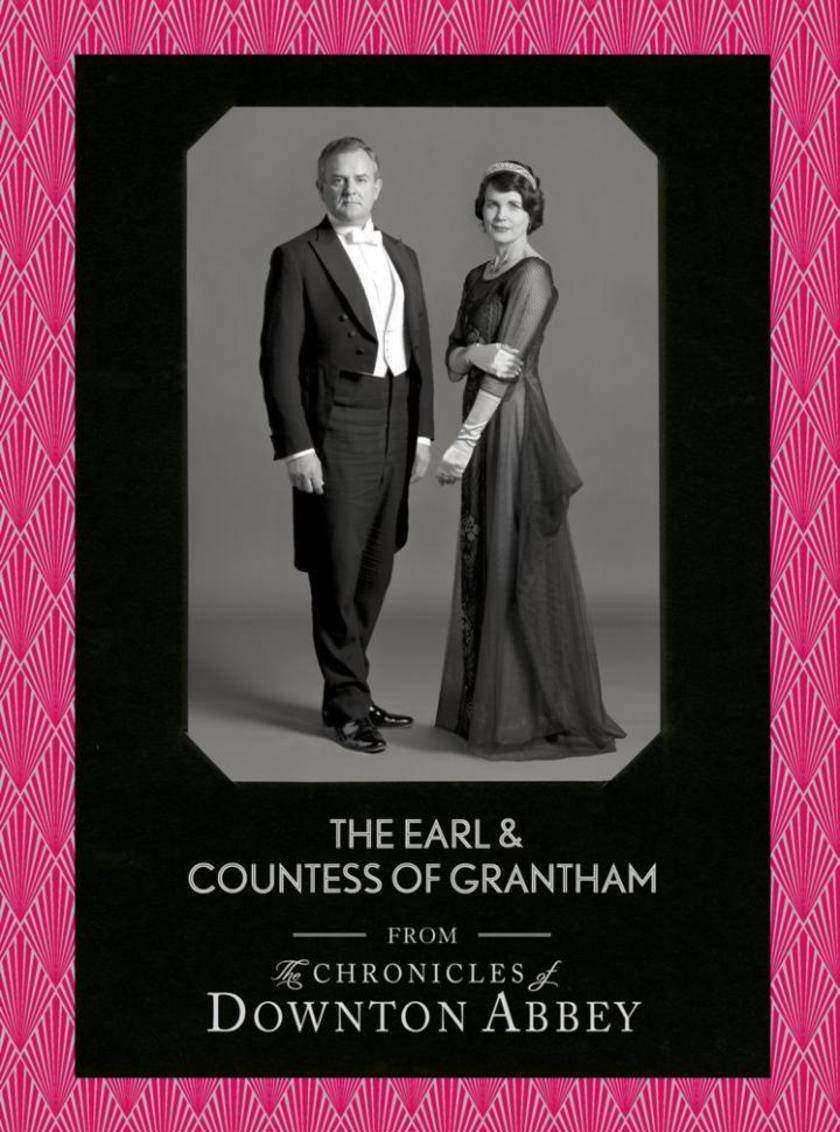
The Earl and Countess of Grantham (Downton Abbey Shorts, Book 3)
¥11.77
This richly illustrated short, extracted from the official book The Chronicles of Downton Abbey, focuses on the characters individually, examining their motivations, their actions and the inspirations behind them. Forwarded by Downton Abbey creator Julian Fellowes. “I think Cora is very much an emotionally connected mother”, says Elizabeth McGovern the actress who plays her. “As an American she would have a distinctive approach, different to the English aristocracy’s way of doing things. Her instinct is to be involved with the day-to-day and to go about things in a more hands-on way.’ Cora is a woman of resilience and unfailing supportiveness. Where Robert is emotionally insecure, she is sure of herself and undaunted by the difficulties they could face. As a mother, she has a role in life, no matter what else is going on, but being Robert’s wife is also very important to her. Lord Grantham – Robert – has many good qualities: he is kind, loyal to his family, loving to his wife, adoring of his daughters, a fair employer and generous to those around him. But, for him, all these things are peripheral in the face of his most important role in life – as the 7th Earl of Grantham. As he sees it, he has been put on this earth with one prime objective: to keep Downton Abbey in its proper state and hand it over in this condition to his heir. Purchase this ebook short and the others in the series to get closer still to the characters at Downton Abbey and to understand more about their social context – from the changing role of the aristocracy to fashion and beauty, American Anglophiles, the Suffragette movement and life below stairs in a big country house like Downton. Search for The Chronicles of Downton Abbey to purchase all shorts combined.
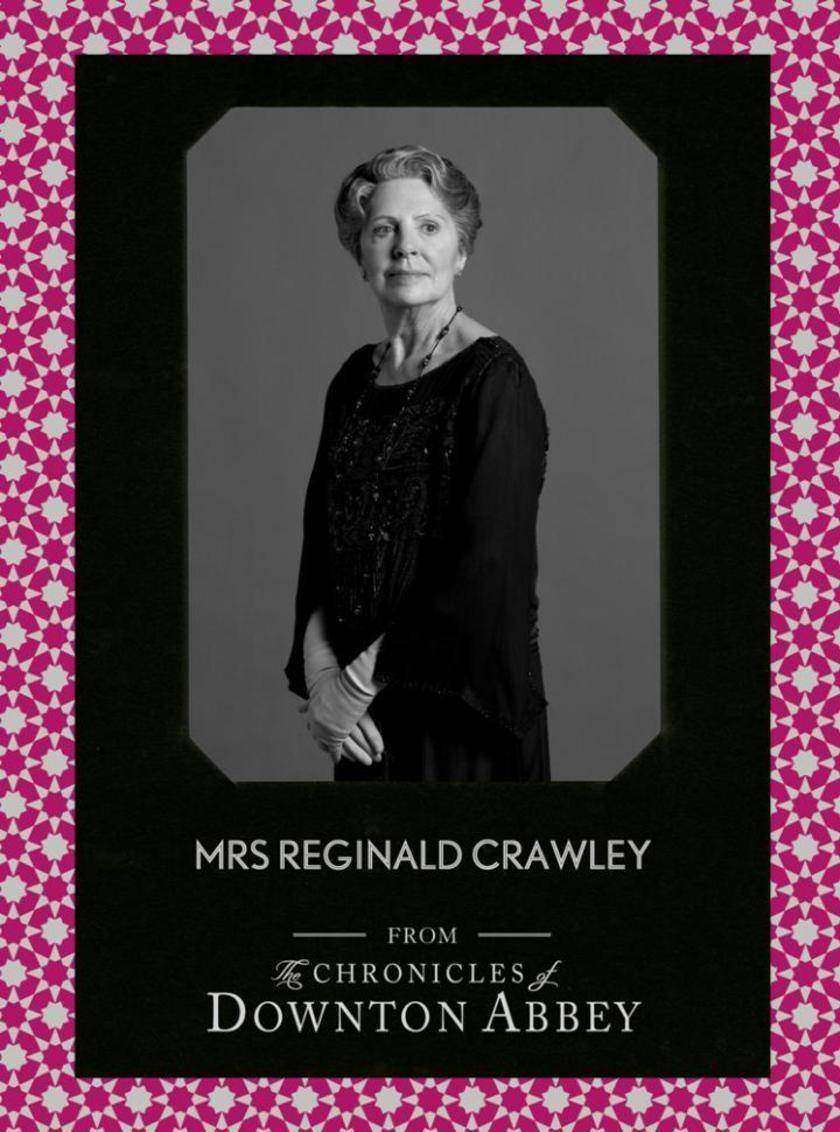
Mrs Reginald Crawley (Downton Abbey Shorts, Book 6)
¥11.77
This richly illustrated short, extracted from the official book The Chronicles of Downton Abbey, focuses on the characters individually, examining their motivations, their actions and the inspirations behind them. Forwarded by Downton Abbey creator Julian Fellowes. Isobel Crawley is a woman with a cause. The cause may change, but she likes to make sure she’s always got one on the go. An educated, forward-thinking woman who lived amongst the professional middle classes of Manchester, she suddenly found herself the mother of an earl-in-waiting. Thrust into this position, she determined that she and Matthew should not be cowed by their new situation. Penelope Wilton, the actress portraying Isobel, explains the subtleties of her character’s motives: ‘She is not the least resentful – or disapproving – of the Downton world. Though she is critical of the wider society and wants to improve it. But she is not a radical socialist. Her desire to help is conceived within the existing structures of her world.’ Purchase this ebook short and the others in the series to get closer still to the characters at Downton Abbey and to understand more about their social context – from the changing role of the aristocracy to fashion and beauty, American Anglophiles, the Suffragette movement and life below stairs in a big country house like Downton. Search for The Chronicles of Downton Abbey to purchase all shorts combined.
Labrador: The Story of the World’s Favourite Dog
¥66.22
Sunday Times Bestseller ‘Passionate and well-researched’ Tatler ‘A must-read’ Independent A social history of Labradors, and how they have become the world’s most beloved dogs, by writer, presenter and long-time dog lover Ben Fogle. Labradors are the most popular breed of dog in the world. Not only a great family companion, they also excel at hunting, tracking, retrieving, guiding and rescuing. But where did the breed originally come from? How did it develop? When did black, yellow and chocolate Labradors first appear? Did they really all come from Labrador in Canada and are they really all related to just one dog? In this first history of the Labrador, Ben Fogle goes in search of what makes Labradors so special. Their extraordinary companionship, intelligence, work ethic and loyalty is captured by Ben as he weaves the story of the breed into his own story of his beloved Inca. Ben visits Canada, discovers hair-raising stories of early Labrador exploits and uncovers stories of RNIB Labradors and Labradors at war, Labradors as working dogs and every other manifestation of the Labrador’s character. Exploring their origin, early characteristics, their use as gun dogs, as therapy dogs, as police dogs, as search and rescue dogs and last – and absolutely not least – as family pets, Ben tells the story of a dog breed which has captured our imagination and love for hundreds of years.
The Slow Fix: Solve Problems, Work Smarter and Live Better in a Fast World
¥68.67
What do we do when things go wrong in a fast world? Many of us go for the quick fix that delays the problem rather than solving it. To make real progress we need real solutions – we need to take time for THE SLOW FIX. People have long been in search of a quick fix. Truth is, it doesn’t work. The problems facing us today are bigger and more urgent than ever before and we need to learn to start fixing things properly, rather than settling for short-term solutions. The Slow Fix offers real, life-changing solutions to tackling these problems and extends the movement defined by Carl Honore in his global bestseller, In Praise of Slow, to offer a recipe for problem-solving that can be applied to every walk of life, from business and politics to relationships, education and health reform.
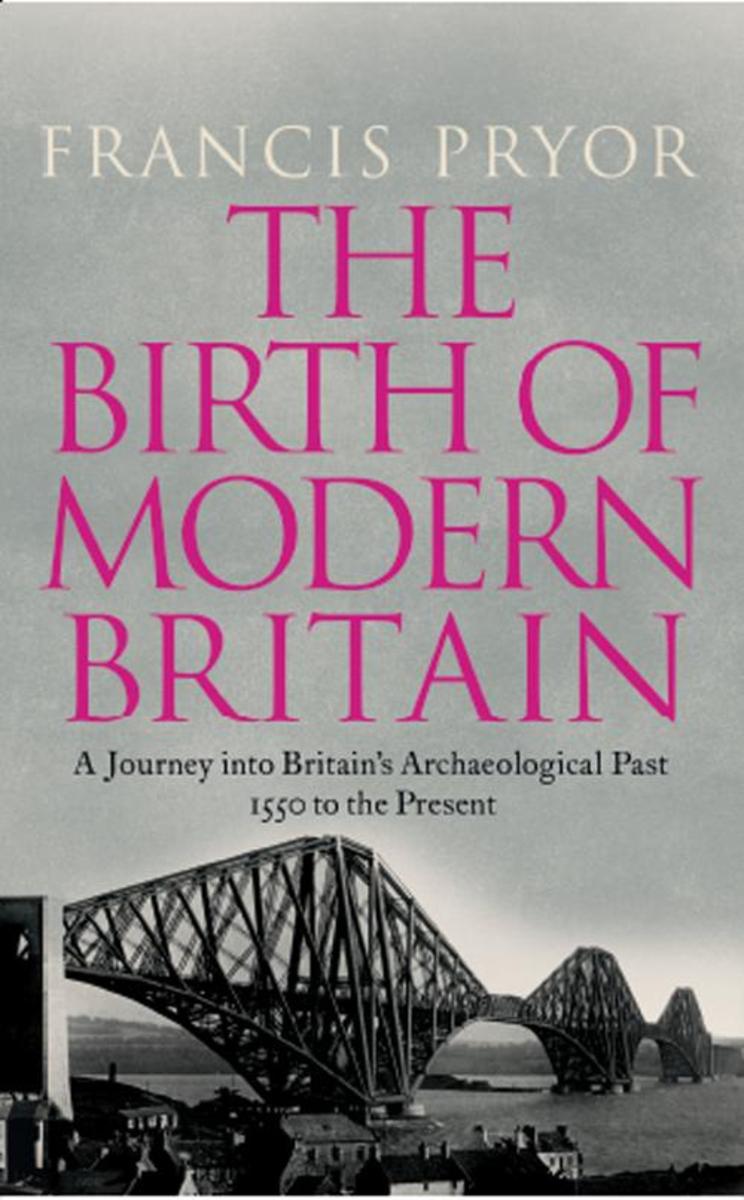
The Birth of Modern Britain: A Journey into Britain’s Archaeological Past
¥76.91
From the author of ‘Britain BC’, ‘Britain AD’ and ‘Britain in the Middle Ages’ comes the fourth and final part in a critically acclaimed series on Britain's hidden past. The relevance of archaeology to the study of the ancient world is indisputable. But, when exploring our recent past, does it have any role to play? In ‘The Birth of Modern Britain’ Francis Pryor highlights archaeology’s continued importance to the world around us. The pioneers of the Industrial Revolution were too busy innovating to record what was happening around them but fortunately the buildings and machines they left behind bring the period to life. During the Second World War, the imminent threat of invasion meant that constructing strong defences was much more important than keeping precise records. As a result, when towns were flattened, archaeology provided the only real means of discovering what had been destroyed. Surveying the whole post-medieval period, from 1550 until the present day, Francis Pryor takes us on an exhilarating journey, bringing to a gripping conclusion his illuminating study of Britain’s hidden past.
Twenty-One: Coming of Age in World War II
¥72.99
World War II affected the lives of ordinary men and women more directly than any other conflict before or since. This is an unprecedented look at the lives of twenty-one young men who answered their country’s call to arms and left their homes to fight in unfamiliar and far-reaching corners of the globe. Many never returned, and those who did found their homes and countries much changed by long years of war. Most discovered they had become different people: having seen death and destruction on a scale they had never imagined they would witness, the return to civilian life was often far from easy. Now, more than sixty years on, this remarkable generation is fading. Most are now over eighty and around the world more than two thousand veterans of the war are passing away every day. In this new book ‘Sunday Times’ bestselling author James Holland recounts the real-life stories of twenty-one young men from around the world who served in different services and theatres of the war. Whether it be the Byers brothers from Canada or Bill Laity from Cornwall, Wlad Rubnikowicz from Poland or Tom Finney from Preston, each began the war with little idea of what lay in store; and yet, each displayed astonishing courage, fortitude and resilience, united by a sense of honour and duty, and bound by the fellowship of their comrades. Often reacting in very different ways to the strange and frequently terrifying situations in which they found themselves, they each suffered hardships and loss, making sacrifices that have ensured a lasting peace amongst the warring nations; and if some of these survivors are perplexed by how the world has developed, none doubts the value of what they did all those years ago. Moving, poignant, and conveying all the drama, tension and fear experienced in war, ‘Twenty-One’ is an uplifting tribute to a passing generation, describing the wide range of experiences and extremes these remarkable men and women witnessed during World War II. Note that it has not been possible to include the same picture content that appeared in the original print version.
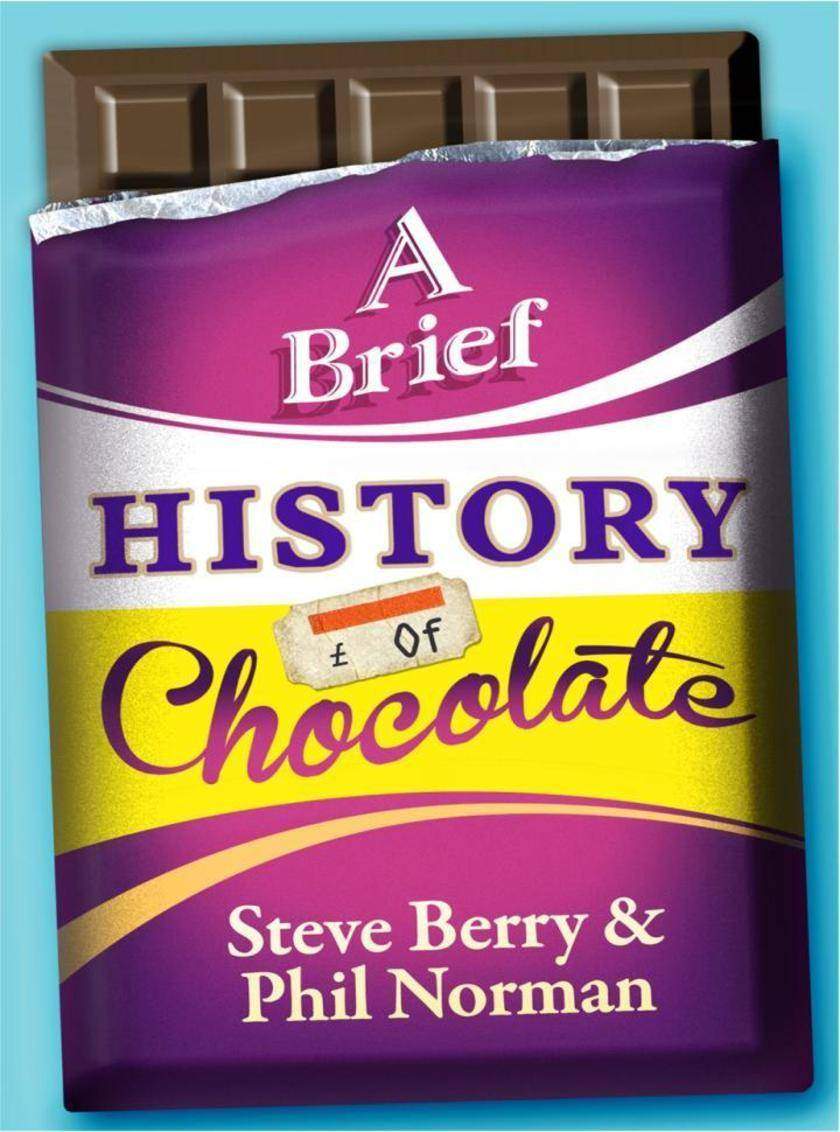
A Brief History of Chocolate
¥22.66
An illustrated guide to chocolate that every self-respecting chocoholic should read. Do you remember when a Snickers was a Marathon? And when you could burst in to a sweet shop and ask for ‘an Oliver Twist, two Tiffins and a Big Wig, please!’ and keep a straight face? Those were the good days: when a Dairy Milk bar was 22p and you’d never seen anything as big as a Wagon Wheel. Revisit some of your forgotten favourites and current addictions, as Steve Berry and Phil Norman take you on a tour of cocoa’s finest moments. Fully illustrated with hundreds of wrappers, ads and pack shots, ‘A Brief History of Chocolate’ brings together research from the archives, factories and warehouses of some of the leading chocolate manufacturers in the country to create a book that is packed full of fascinating historical research… … and lots and lots of chocolate. Warning: may contain nuts A ‘Brief History of Chocolate’ originally featured in ‘The Great British Tuck Shop’, the ultimate book of sweetie nostalgia.
Ancient Greece (Collins Gem)
¥36.79
From theatre to politics, no other single civilisation has influenced the Western world more profoundly than that of ancient Greece. From the roots of democracy to philosophy and mathematics, it’s fascinating to learn how much western civilisation has stemmed from that of ancient Greece. This book offers an introduction to the lives of the ancient Greeks, their mythologies and traditions and their culture and learning. With colour illustrations supporting a clear, informative and engaging text, this guide is a perfect companion for both adults and children alike. Includes: ? Geography – map of Greece ? History – the different civilizations from the Minoans through to the Hellenistic period ? Religion – gods, festivals, oracles and muses ? Mythology – Homer's Odyssey, the Minotaur, Icarus ? Daily life in Ancient Greece – everyday life for all levels of society; the jobs, family life, leisure activities ? Politics – democracy and the Athenian council ? Learning and knowledge – philosophy, science, mathematics, medicine and literature ? War – important wars; the army and navy ? Greece Today – temples, archaeology and the monuments that can still be seen today
Ancient Rome (Collins Gem)
¥38.36
From the Colosseum to Hadrian’s Wall, Gem Ancient Rome shows us how Rome’s vast empire laid the foundations of today’s civilisation. From aqueducts to baths, from gladiators to emperors, the fascinating history of and mythology of ancient Rome are brought to life in this entertaining and highly-readable guide. With their sophisticated army, monuments and roads, the Romans literally paved the way to modern Europe. Learn about the hand-to-hand combat at gladiatorial shows, rediscover the myths and legends of the Roman gods and find out how and why Rome became the conquering superpower that it did. History will come to life in this engaging and comprehensive introduction to one of the most fascinating and influential places the world has ever known. Includes: ? Geography – map of the Roman Empire ? History – a timeline with the accomplishments of the emperors ? Culture – what the Romans did for us ? Religion – Gods and Festivals ? Mythology – Virgil's Aeneid, Romulus and Remus ? Daily life in Ancient Greece – different levels in society, the jobs, family life, leisure activities ? Politics – transition from Republic to Dictatorship ? Learning and knowledge – Law, Science, Architecture, Literature, Art ? War – important wars, the Empire, the army and navy ? Rome Today – temples, archaeology, and modern tourist sites
Fifty Great Things to Come Out of the Midlands
¥9.71
Celebrate the heart of Britain in this fun and informative mini-ebook. Rugby, Walkers Crisps, Conkers. These are just a handful of the many great things to have come out of the Midlands. In this celebratory list, journalist and loyal Midlander Robert Shore counts down fifty of the best gifts the Midlands has given the world. Knowledge no Midlander – nay, Brit! – should be without. From the author of Bang in the Middle.
The Forgotten Soldier (Part 1 of 3)
免费
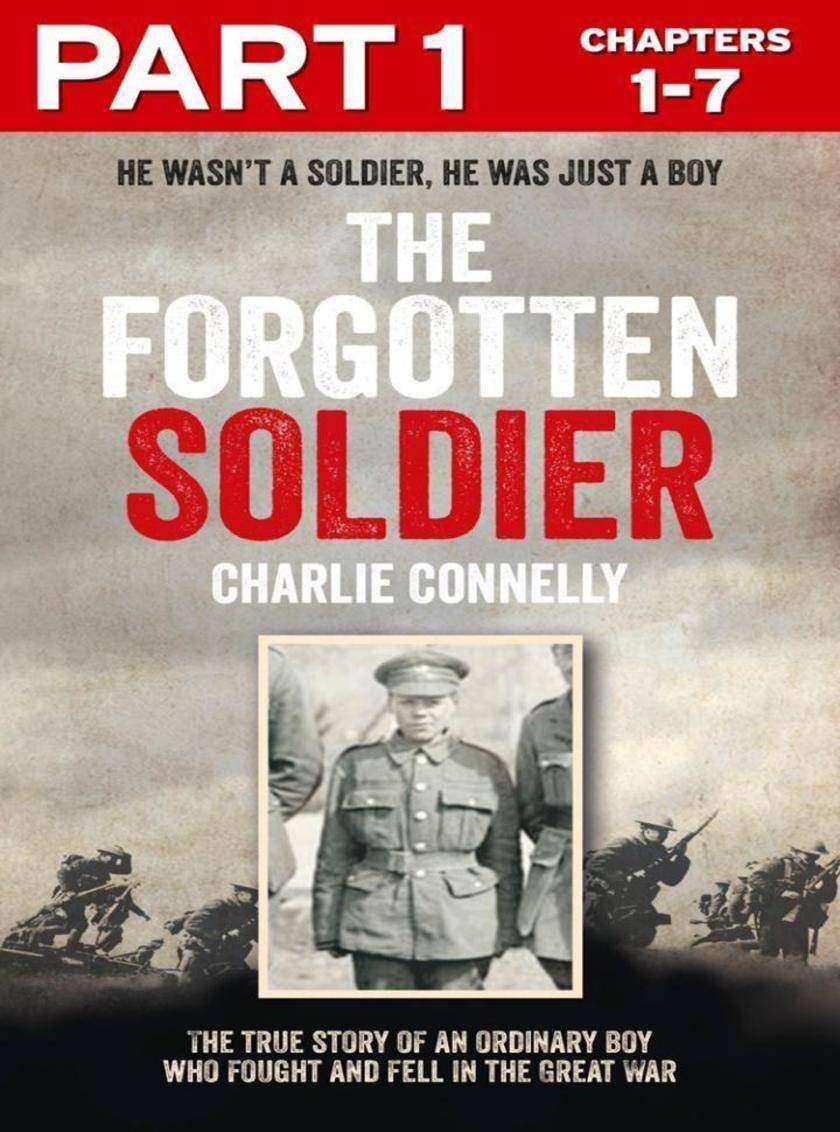
Bestselling author Charlie Connelly returns with a First World War memoir of his great uncle, Edward Connelly, who was an ordinary boy sent to fight in a war the likes of which the world had never seen. But this is not just his story; it is the story of all the young forgotten soldiers who fought and bravely died for their country The Forgotten Soldier tells the story of Private Edward Connelly, aged 19, killed in the First World War a week before the Armistice and immediately forgotten, even, it seems, by his own family. Edward died on exactly the same day, and as part of the same military offensive, as Wilfred Owen. They died only a few miles apart and yet there cannot be a bigger contrast between their legacies. Edward had been born into poverty in west London on the eve of the twentieth century, had a job washing railway carriages, was con*ed into the army at the age of eighteen and sent to the Western Front from where he would never return. He lies buried miles from home in a small military cemetery on the outskirts of an obscure town close to the French border in western Belgium. No-one has ever visited him. Like thousands of other young boys, Edward’s life and death were forgotten. By delving into and uncovering letters, poems and war diaries to reconstruct his great uncle’s brief life and needless death; Charlie fills in the blanks of Edward’s life with the experiences of similar young men giving a voice to the voiceless. Edward Connelly’s tragic story comes to represent all the young men who went off to the Great War and never came home. This is a book about the unsung heroes, the ordinary men who did their duty with utmost courage, and who deserve to be remembered.
The Forgotten Soldier (Part 3 of 3)
¥47.48
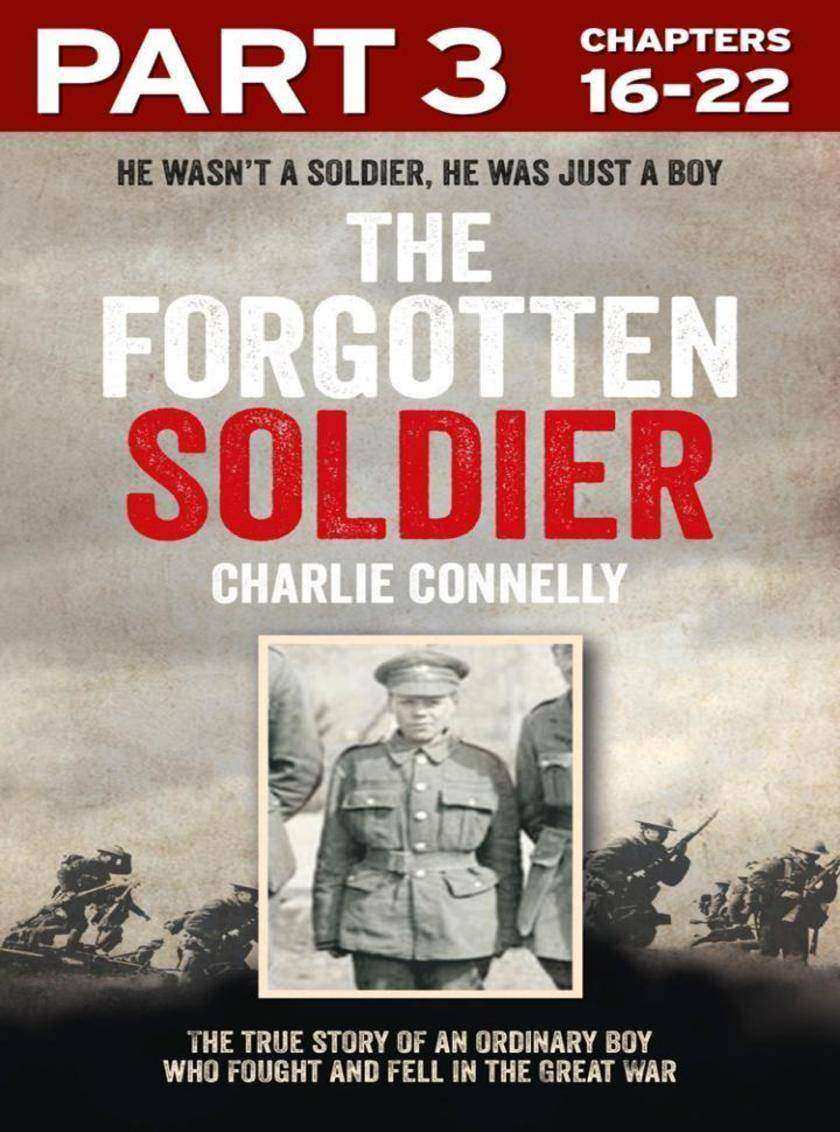
Bestselling author Charlie Connelly returns with a First World War memoir of his great uncle, Edward Connelly, who was an ordinary boy sent to fight in a war the likes of which the world had never seen. But this is not just his story; it is the story of all the young forgotten soldiers who fought and bravely died for their country The Forgotten Soldier tells the story of Private Edward Connelly, aged 19, killed in the First World War a week before the Armistice and immediately forgotten, even, it seems, by his own family. Edward died on exactly the same day, and as part of the same military offensive, as Wilfred Owen. They died only a few miles apart and yet there cannot be a bigger contrast between their legacies. Edward had been born into poverty in west London on the eve of the twentieth century, had a job washing railway carriages, was con*ed into the army at the age of eighteen and sent to the Western Front from where he would never return. He lies buried miles from home in a small military cemetery on the outskirts of an obscure town close to the French border in western Belgium. No-one has ever visited him. Like thousands of other young boys, Edward’s life and death were forgotten. By delving into and uncovering letters, poems and war diaries to reconstruct his great uncle’s brief life and needless death; Charlie fills in the blanks of Edward’s life with the experiences of similar young men giving a voice to the voiceless. Edward Connelly’s tragic story comes to represent all the young men who went off to the Great War and never came home. This is a book about the unsung heroes, the ordinary men who did their duty with utmost courage, and who deserve to be remembered.
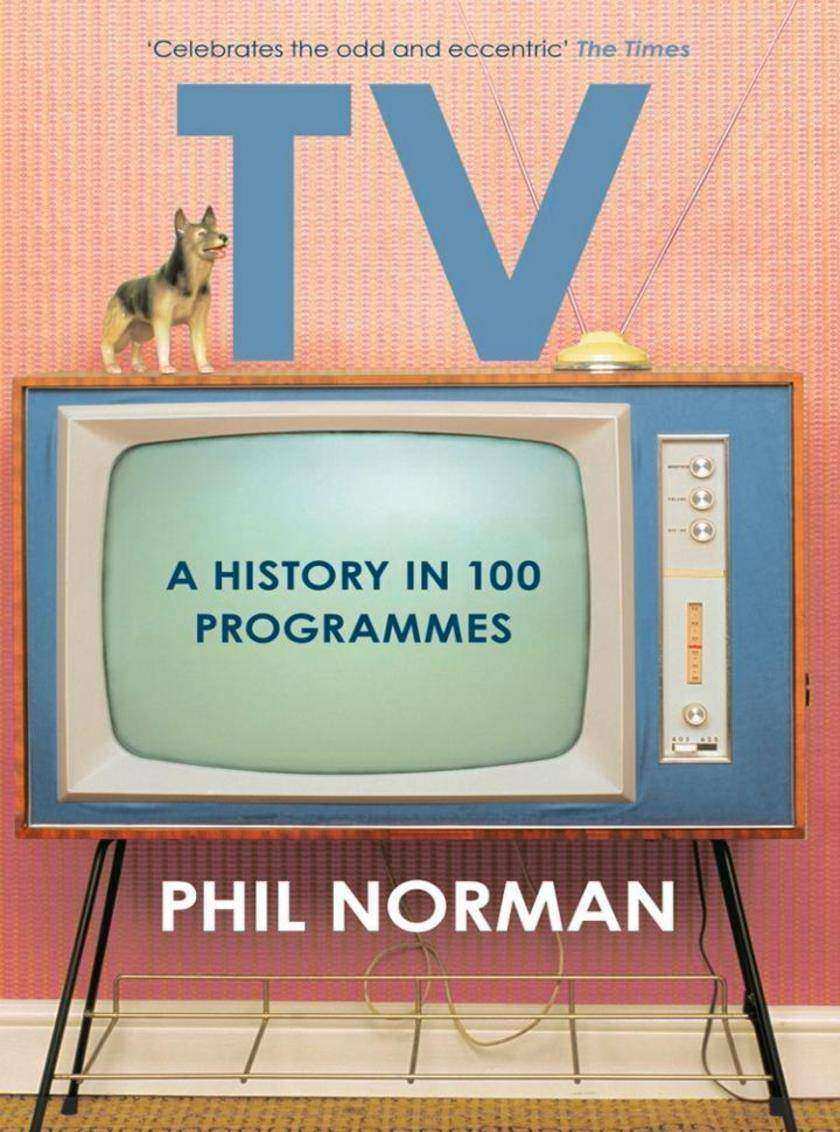
A History of Television in 100 Programmes
¥76.91
An entertaining and illuminating celebration of televisual history by cultural historian Phil Norman For decades, television occupied a unique position in the national imagination. By today’s standards the ‘box’ was tiny, but it dominated the living room in a way its technically superior descendants never quite manage. Has the television lost its power in the internet age? Cultural historian Phil Norman goes in search of such questions as he tells the history of TV through 100 ground-breaking programmes. He celebrates the joy of the TV schedule which, in the days of just a few channels, threw up dizzy juxtapositions on a daily basis: an earnest play might be followed by a variety spectacular; a horror anthology that drove children behind furniture followed a sketch show that chewed the carpet. This riotous mix, now slowly disappearing as themed channels and on-demand services take over, gave television a sense of community that no other media could compete with. The wonderful variety of programmes in the book includes overlooked gems and justly wiped follies, overcooked spectaculars and underfunded experiments – just as much a part of TV history as the national treasures and stone-cold classics. A History of Television in 100 Programmes revels in the days when television was at the most exciting, creative stage of any medium: a cottage industry with the world at its feet.


