


 购物车
购物车 个人中心
个人中心
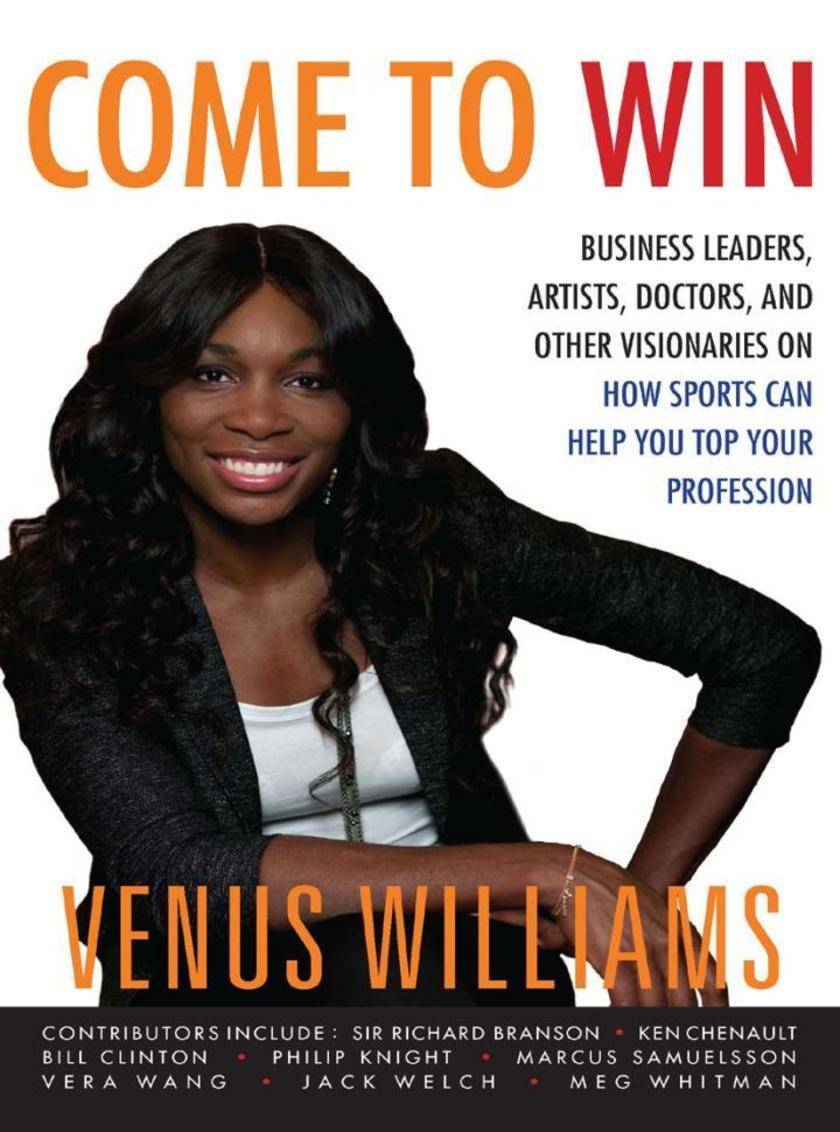
Come to Win
¥83.03
With Come to Win, Venus Williams, the multiple Grand Slam tennis champion and entrepreneur, along with an esteemed group of business leaders, politicians, and acclaimed artists, serves up a book of wisdom that shows how to turn a competitive spirit and athletic background into success off the playing field.Combining talent, drive, and hard work, Venus Williams has mastered the game of tennis. How will that drive serve her off the court in her post-tennis careerFor inspiration, Venus turned to nearly fifty business leaders, politicians, doctors, and artists, all of whom previously played competitive sports and who are now at the top of their professions, and asked them the essential questions: What principles that inspired you toward success as an athlete are helpful in lifeIn businessHere an A-list group of visionaries, including eBay's former CEO Meg Whitman, Nike's co-founder Philip Knight, stateswoman Condoleezza Rice, entrepreneur and former NBA player Earvin "Magic" Johnson, and designer Vera Wang, respond with a useful array of tips woven through anecdotes from their athletic past that have been instrumental in their post sports life success. Whether it's visualizing a course of action before it happens, turning losses into learning tools, figuring out who best plays what position in a team environment, or remembering that there is no substitute for preparation, the advice in Come to Win is knowledge every manager and aspiring professional will want to read. It's also an indispensable tool for parents and coaches looking to build confidence and discipline in their children.Venus also reflects on what she has learned from her own coaches, including her father and mother, and how their wisdom contributes to her own remarkable achievements, from her history-making tennis career to the launch of her own businesses V-Starr Interiors, an interior design firm, and EleVen, an athletic clothing line.
Passages in Caregiving
¥94.10
"I didn't expect this." No one really expects it, but at some time or another, just about everyone has been or will be responsible for giving care, for a sustained period, to someone close to them. Gail Sheehy, who has chronicled every major turning point for twentieth-century Americans, as well as reported on everything from politics to sexuality, knows firsthand the trials, fears, and rare joys of caregiving. In Passages in Caregiving, she takes you by the hand and shows you that you will get through this, and you will do the right things.Sheehy identifies eight crucial stages of caregiving and offers insight for successfully navigating each one. With empathy and intelligence, backed by formidable research, and interspersed with poignant stories of her experience and that of other successful caregivers, Passages in Caregiving addresses the needs of this enormous and growing group. It is sure to become the touchstone for this challenging yet deeply rewarding period in your life journey.Providing invaluable advice and guidance, this book examines the arc of caregiving from the first signs of trouble. Sheehy answers the most important questions to consider: How serious is itWhat do I ask the doctorHow will this be paid forWhat are our optionsAt the same time she offers new tips and strategies that you won't find anywhere else.Most important, however, Passages in Caregiving points out that you don't have to be alone in this process. Included are countless resources and names of advocacy groups that are there to help even the most complicated of situations, many of which are woefully underutilized. With Gail Sheehy as your guide, Passages in Caregiving is sure to help turn a stressful, life-altering situation into a journey that can be safely navigated and from which everyone can benefit.
You Are Not Special
¥94.10
A profound expansion of David McCullough, Jr.'s popular commencement speech a call to arms against a prevailing, narrow, conception of success viewed by millions on YouTube You Are (Not) Special is a love letter to students and parents as well as a guide to a truly fulfilling, happy life.Children today, says David McCullough high school English teacher, father of four, and son and namesake of the famous historian are being encouraged to sacrifice passionate engagement with life for specious notions of success. The intense pressure to excel discourages kids from taking chances, failing, and learning empathy and self-confidence from those failures.In You Are (Not) Special, McCullough elaborates on his now-famous speech exploring how, for what purpose, and for whose sake, we're raising our kids. With wry, affectionate humor, McCullough takes on hovering parents, ineffectual schools, professional college prep, electronic distractions, club sports, and generally the manifestations, and the applications and consequences of privilege. By acknowledging that the world is indifferent to them, McCullough takes pressure off of students to be extraordinary achievers and instead exhorts them to roll up their sleeves and do something useful with their advantages.
William Morrow
¥139.90
Savvy Auntie is the first go-to source for taking delight in the Savvy Auntie lifestyle, based on the popular website and written by America's foremost expert on modern Aunthood, Melanie Notkin. Whether she's an Auntie by Relation or Auntie by Choice, a Long-Distance Auntie or a Gay Auntie, America's fastest growing segment of women, the PANK (Professional Aunt No Kids), needs guidance and advice when it comes to the kids she adores. Why should their parents know all the secretsSavvy Auntie empowers sophisticated, educated, and independent aunts to connect with their inner-Savvy Auntie by sharing everything she needs to know from the minute she discovers her sister or friend is expecting, to confidently lending a hand with a newborn niece or nephew, to keeping up with the walking, talking growing-oh-so-fast bundles of energy, while coping with the occasional meltdown including her own. Notkin provides a wealth of essential information and insight on child development, health and well-being, and spending 'QualAuntie' time with nieces and nephews. Plus she shares tips for baby showers, baby booty, birthdays and big kids. Notkin also addresses the ultimate concern for the modern aunt: to have children or not, and if so, howShe offers savvy advice on living life to the fullest no matter the choice or circumstance. Chock full of sidebars, fun facts, and helpful anecdotes from every day Savvy Aunties, Savvy Auntie is the indispensable handbook for Aunties of all ages, and for every single, married or partnered woman navigating the ultimate celebration of life: children.
HarperCollins e-books
¥145.91
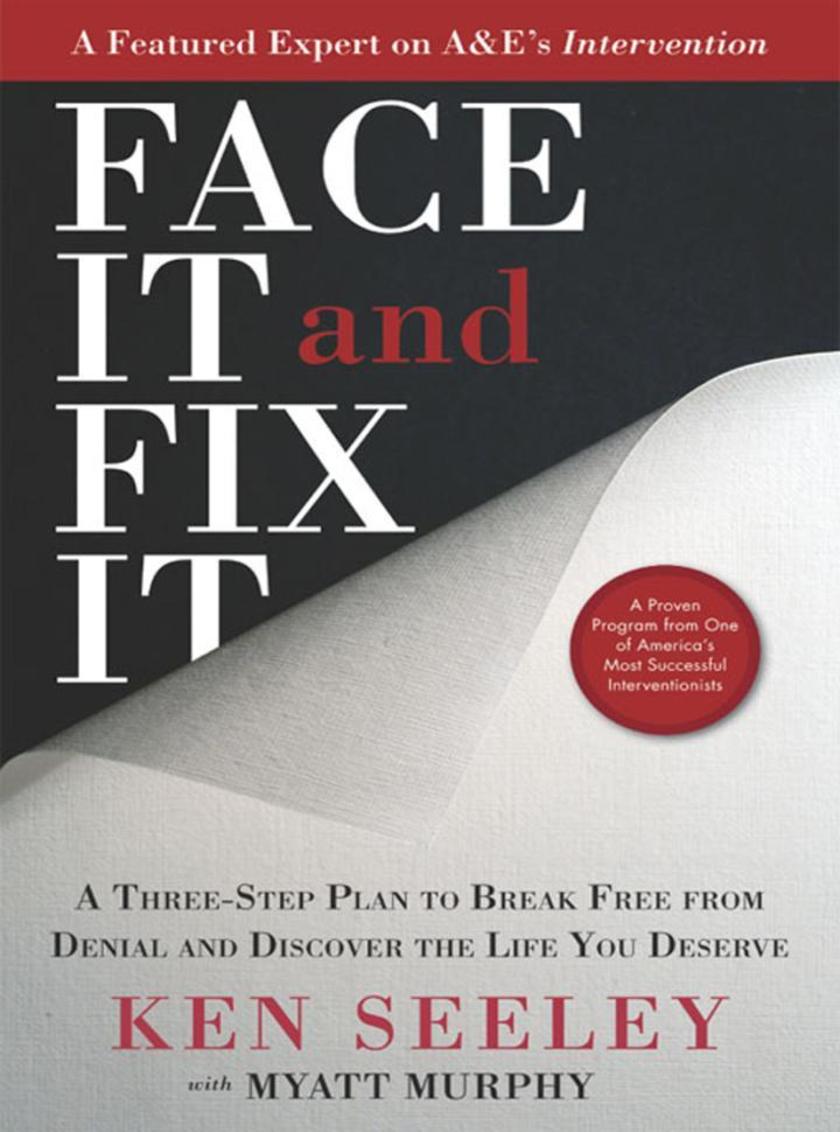
World-renowned interventionist Ken Seeley, one of the hosts of A&E's hit television series Intervention, has spent the past twenty years helping people and their families deal with and overcome life-threatening addictions. His clients have ranged from the homeless to multimillionaires, each needing professional help with every problem imaginable, including alcoholism, drug dependency, excessive gambling, sexual addiction, abusive behavior, and mental disorders. A few years into his career, Ken realized that the one common characteristic with each of his clients was denial. He has since built his success on a proven program for pinpointing and dealing with this core issue. Whether coping with a severe or a soft addiction, a life-threatening situation, or just an impediment to true happiness, we're all in denial about something. It might be small and seemingly innocent, such as the fact that you're not trying to excel in your job as much as you could or should be. Or it could be much larger and even potentially lethal, such as a full-blown addiction that at this very moment is destroying your life. The truth is, no matter who you are, no matter how small or large your problems may seem, denial is holding you back from living your life to the fullest. Denial is the number one symptom of addiction. It's the mask that lets addicts ignore and avoid the consequences of their actions. But what most people don't know is that denial is also the fuel that creates an addiction in the first place as well as nearly every other disorder, behavior, and habit that can negatively affect your life. In Face It and Fix It, Seeley leads readers through a three-step process to remove life-damaging denial in order to live balanced and healthy lives. He helps readers first to identify life-damaging behaviors; next he gives the tools necessary to break down the walls that denial builds up over time; and finally he shows how to maintain balanced lives and relationships.Whether you're looking for help for someone you love or struggling with an addiction of your own, Face It and Fix It will leave you with a greater sense of self-awareness and the skills you need to both improve your relationships and to live the life you deserve.

HarperCollins e-books
¥140.08
Are you a victim of a crime of the heart?Is your relationship an unsolved mystery?It's time to analyze the Dating DNA.In this hilarious and helpful handbook, best-selling author Ian Kerner introduces us to the DSI team, a top-secret unit within the FBI (that's the Federal Bureau of Intimacy) whose sole mission is to investigate dating dilemmas and equip you with the skills you need so you're never again a dating victim.Through humorous and engaging case studies, you'll read about boyfriends who might be gay, gamers who won't step up to the plate, and wimps who won't go down for the count. You'll meet Dating DUPEs (Desperately Under Pressure to Evaluate) and their antagonistic ARSEs (Anti-Relationship Suspect Examinees). You'll gain unprecedented access to previously classified relationship rap sheets: detailed reports that reveal interpersonal infractions, mating misdemeanors, and flirtatious felonies. You'll boldly go where no civilian has gone before as we apply the latest forensic tools to decipher complex dating data: From testing for SPARK (Sexual Potential and Romantic Kinship), to consulting with undercover agents in the MBU (Missing Boyfriends Unit), Kerner ventures above the law and beneath the covers.Because in the end . . . the love life you save may be your own.
Sanity Savers
¥72.70
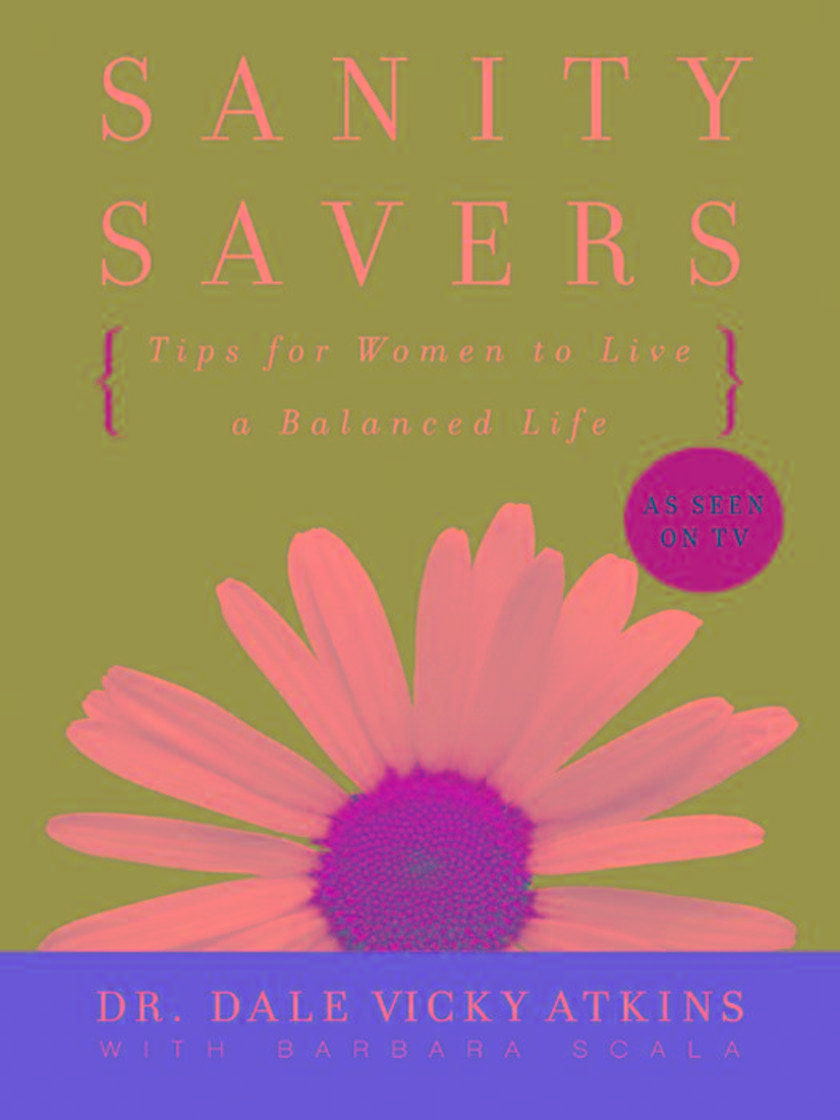
Our world is much more difficult, demanding, and faster-paced than it ever was before. Most women are finding it nearly impossible to escape and wind down even for a few short minutes. Psychologist and author Dr. Dale V. Atkins, the creator and host of television's "Dr. Dale's Life Issues," has the solution: Sanity Savers 52 weeks of invaluable daily tips, thoughts, and suggestions that will help you restore balance, order, simplicity, and, most important, happiness to your over-stimulated life.All it takes is a few minutes each day to save your sanity . . . and improve your life!
Happy Housewives
¥95.39
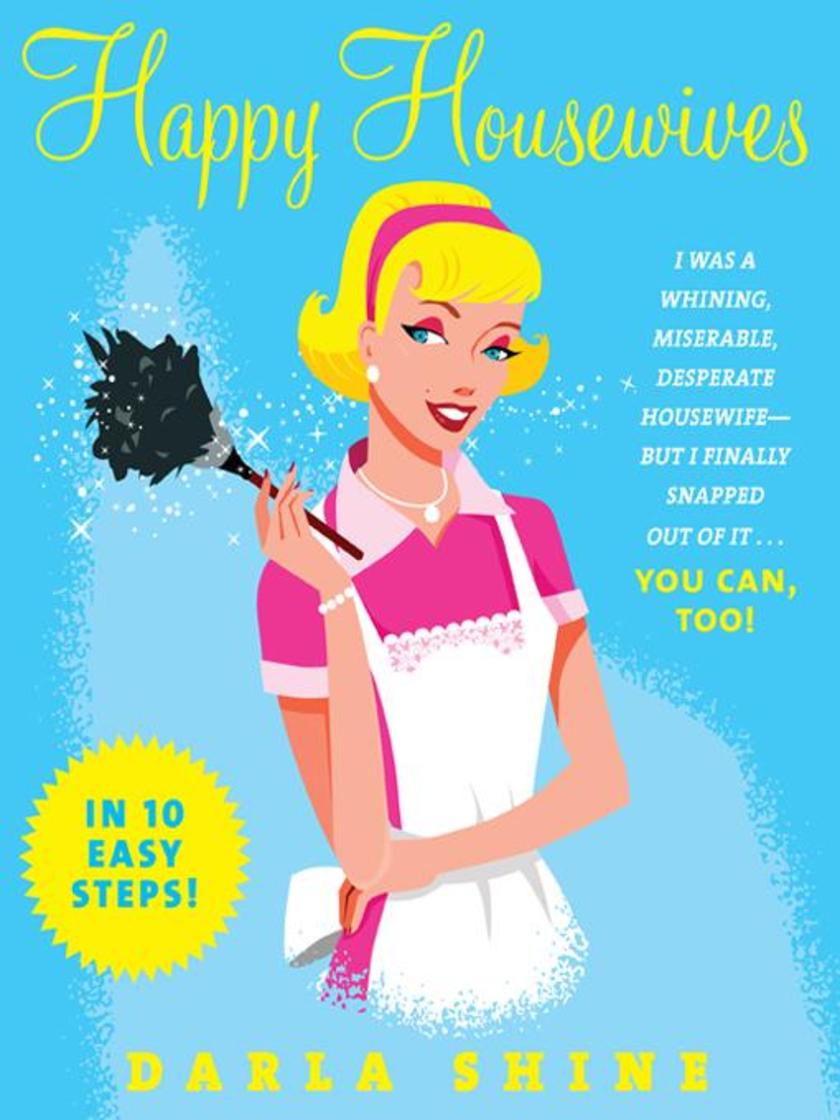
Says former desperate housewife Darla Shine to stay-at-home moms everywhere: What have you got to complain aboutA modern-day guide to keeping house, raising kids, and loving life. Darla Shine was once a desperate housewife. Being at home with two small children and a husband who was rarely home was enough to drive her crazy. She left her high-profile job as a television producer after her son was born, while her husband continued to move up the corporate ladder. Like many of her stay-at-home-mom friends, Shine employed a housekeeper and baby-sitters so she could spend her time running to the salon, the club, and out to lunch. Then one day she was whining to her mother about how terrible her life was, and her mother yelled at her to wake up and stop being so selfish. It was just the wakeup call she needed!The desperate housewife craze of today is sending the wrong message to women and their children everywhere, says Shine. When did being a good mom and being proud to stay home with the kids go out of styleWhen did it become acceptable to cheat on your husbandWhen did mothers start dressing like their teenage daughtersShine finds the standards of today's desperate housewives astonishingly low, and she has set out to teach women how they can be good mothers, look good, and feel good about the choices they make. Being a housewife does not mean you are on house arrest or can't be satisfied in your marriage. So step up, realize that you want to be home with your children, and embrace your life.

A Career Girl's Guide to Becoming a Stepmom
¥90.77
You have an exciting, fulfilling job. You've fallen in love with the man of your dreams and met his three kids! Now whatJacquelyn B. Fletcher shows how any professional woman turned wife and instant stepmother can build on the skills she employs at work organization, team-building, goal-setting, and planning to succeed at home in her new role as stepmom. Drawing on the latest research, her own experiences, and those of other real-life stepmothers, Fletcher offers advice, hope, encouragement, and much-needed answers to common conundrums, including: Why don't I have control over my own scheduleWhat kind of relationship do I want with my stepkidsWhat if I want to have a baby of my ownHow do we create a budget that feels fair if I make more money than my husband doesA Career Girl's Guide to Becoming a Stepmom is essential reading for the professional woman who has it all and then suddenly has more than she expected.
Taming Your Gremlin
¥94.10
This is a completely updated edition of the 1983 classic that introduced a powerful method for gaining freedom from self-defeating behaviors and beliefs. Rick Carson, creator of the renowned Gremlin-Taming Method, has revised the book to include fresh interactive activities, real-life vignettes we can all identify with, and new loathsome gremlins ripe for taming. Carson blends his laid-back style, Taoist wisdom, the Zen Theory of Change, and sound psychology in an easy-to-understand, unique, and practical system for banishing the nemesis within. Among the things you will learn are: Techniques for getting a sliver of light between the natural you and the monster of your mind. The extraordinary power of simply noticing and playing with options. Six keys to maintaining emotional balance amid upheaval.

White Mughals: Love and Betrayal in 18th-century India (Text Only)
¥95.75
From the author of the Samuel Johnson prize-shortlisted ‘Return of a King’, the romantic and ultimately tragic tale of a passionate love affair that transcended all the cultural, religious and political boundaries of its time. James Achilles Kirkpatrick was the British Resident at the court of Hyderabad when he met Khair un-Nissa – ‘Most Excellent among Women’ – the great-niece of the Prime Minister of Hyderabad. He fell in love with her and overcame many obstacles to marry her, converting to Islam and, according to Indian sources, becoming a double-agent working against the East India Company. It is a remarkable story, but such things were not unknown: from the early sixteenth century to the eve of the Indian Mutiny, the ‘white Mughals’ who wore local dress and adopted Indian ways were a source of embarrassment to successive colonial administrations. Dalrymple unearths such colourful figures as ‘Hindoo Stuart’, who travelled with his own team of Brahmins to maintain his temple of idols, and Sir David Auchterlony, who took all 13 of his Indian wives out for evening promenades, each on the back of her own elephant. In ‘White Mughals’, William Dalrymple discovers a world almost entirely unexplored by history, and places at its centre a compelling tale of seduction and betrayal.
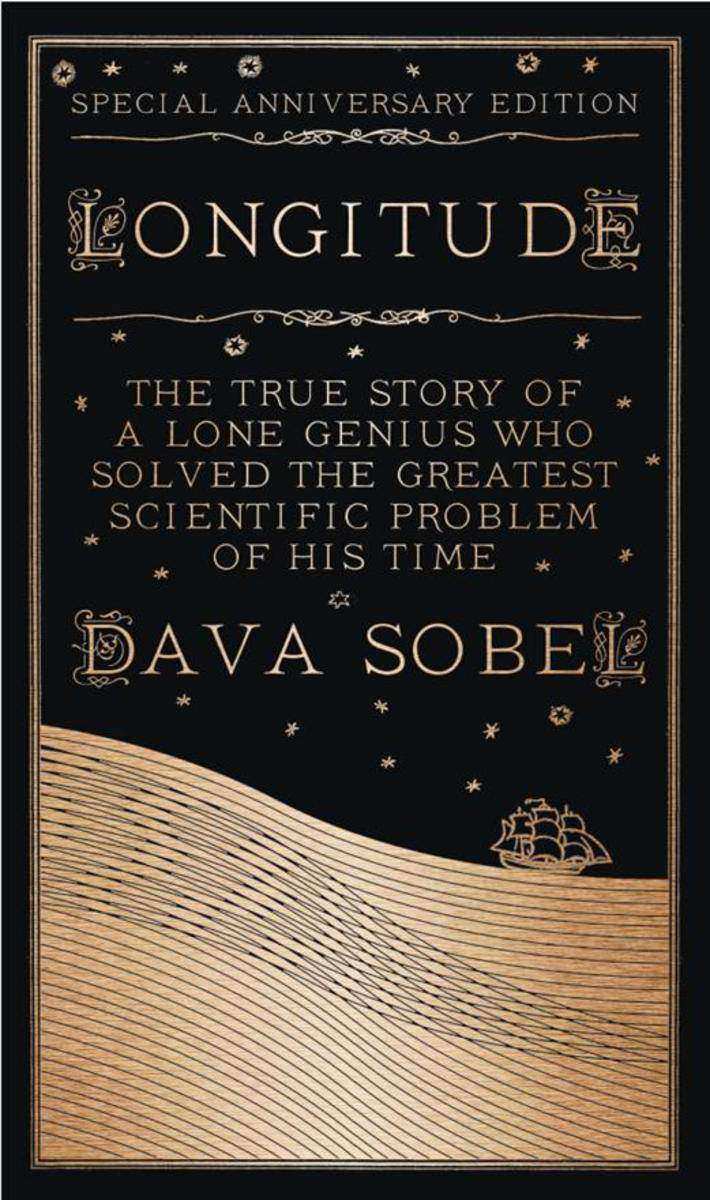
Longitude
¥34.14
The dramatic human story of an epic scientific quest: the search for the solution of how to calculate longitude and the unlikely triumph of an English genius. With a Foreword by Neil Armstrong.

Italian Racing Motorcycles
¥245.17
Above all else, Italy has a reputation for style, having gained fame for its beautiful architecture, up-to-the-minute fashion design, exotic cars, and motorcycles which display a rare combination of sheer style and exciting performance.
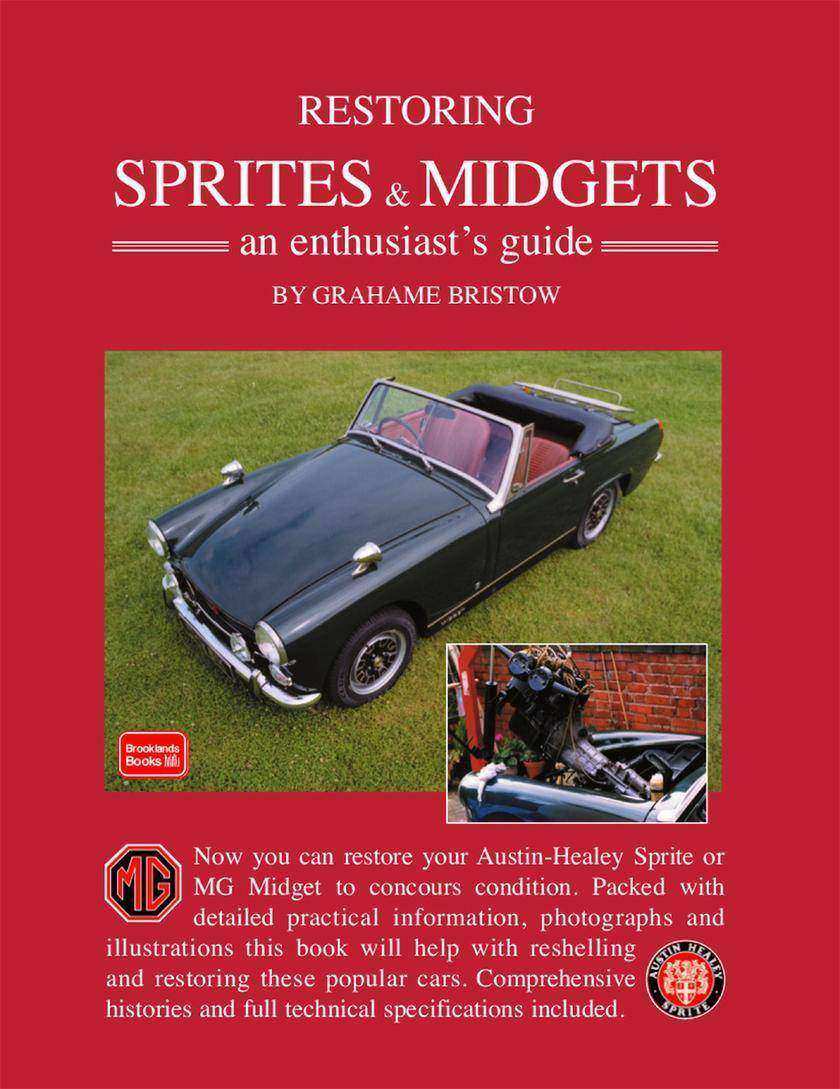
Restoring Sprite & Midgets
¥245.17
Whenever I see a rebuild guide I am impressed by how easy everything looks - every job seems to be so straightforward. Not surprisingly, since they have been written by seasoned professionals who have all the tools, own large workshops and have worked on the same cars for years.
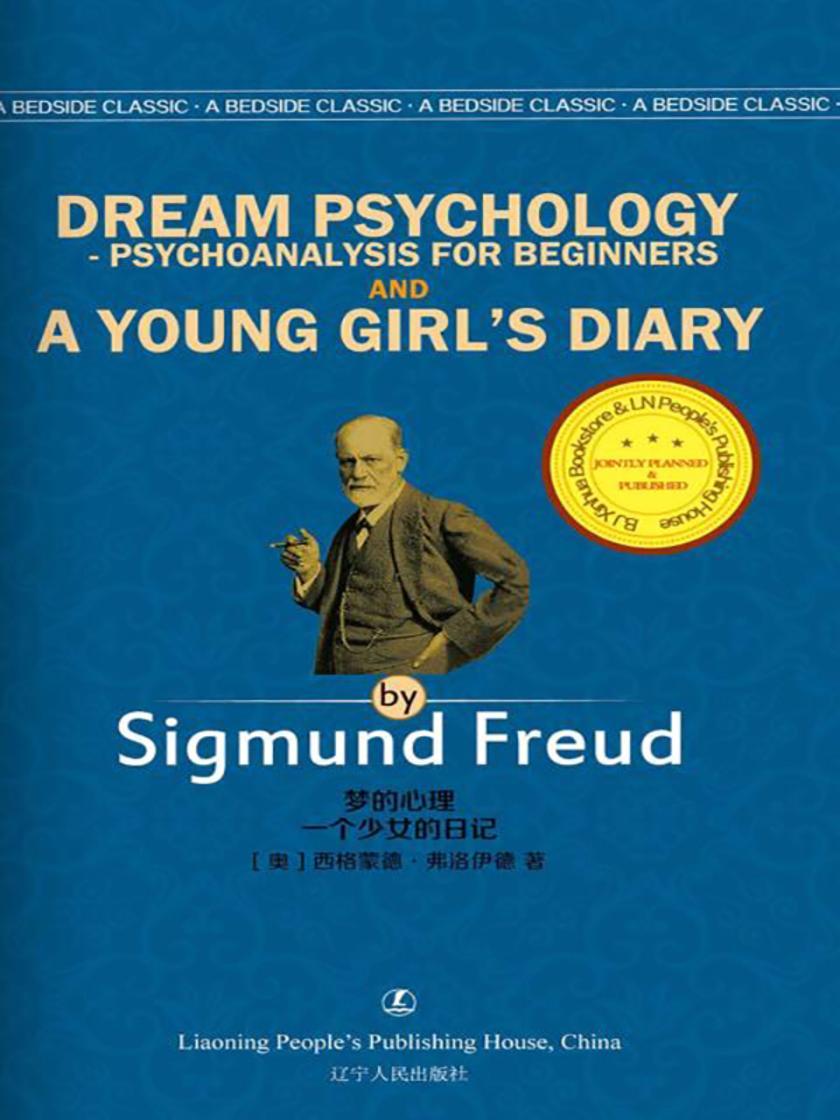
《梦的心理》+《一个少女的日记》
¥6.16
《梦的心理+一个少女的日记》:西格蒙德·弗洛伊德。 《梦的心理+一个少女的日记》:1900年,弗洛伊德开始运用临床个案,致力于分析病人的各种各样的奇怪的梦。他对梦的解释,深入到人的内心深处的潜在动机。他以“性欲论”解释梦。我们现在出版的这本《梦的心理》,则是他精神分析理论体系形成过程中一个很重要的标志性出版物。德国哲学家弗洛姆曾说弗洛伊德对梦的分析,是“现代科学对梦的分析的**原创性、著名与重要的贡献”。《一个少女的日记》记述了少女丽塔从11岁到14岁半期间成长过程中的青春思绪与豆蔻情怀。书中描述了作者与父母、与家庭中其他成员,如何相处,如何更亲密。同时书中也写了作者与别人产生的友情,是如何形成与破裂的;还有,作者也写了早恋的萌芽心态,以及对初恋对象的朦胧情感;写了神秘的性意识是如何启蒙、占据青春期少女的内心世界的;写了怎样惴惴不安地解开心结,探索爱的真谛;写了蠢蠢欲动的各种年少思想;写了家庭内部不公引发作者的愤怒;写了与老师和同学间关系的处理……文字间透露着简单、明快、犀利、爱憎分明的个性,充盈着对亲情、友情、爱情的体悟和思考,揭示出家庭因素在孩童成长和日后观念形成中产生的巨大作用,对我们理解自我曾经走过的成长之路,也大有帮助。
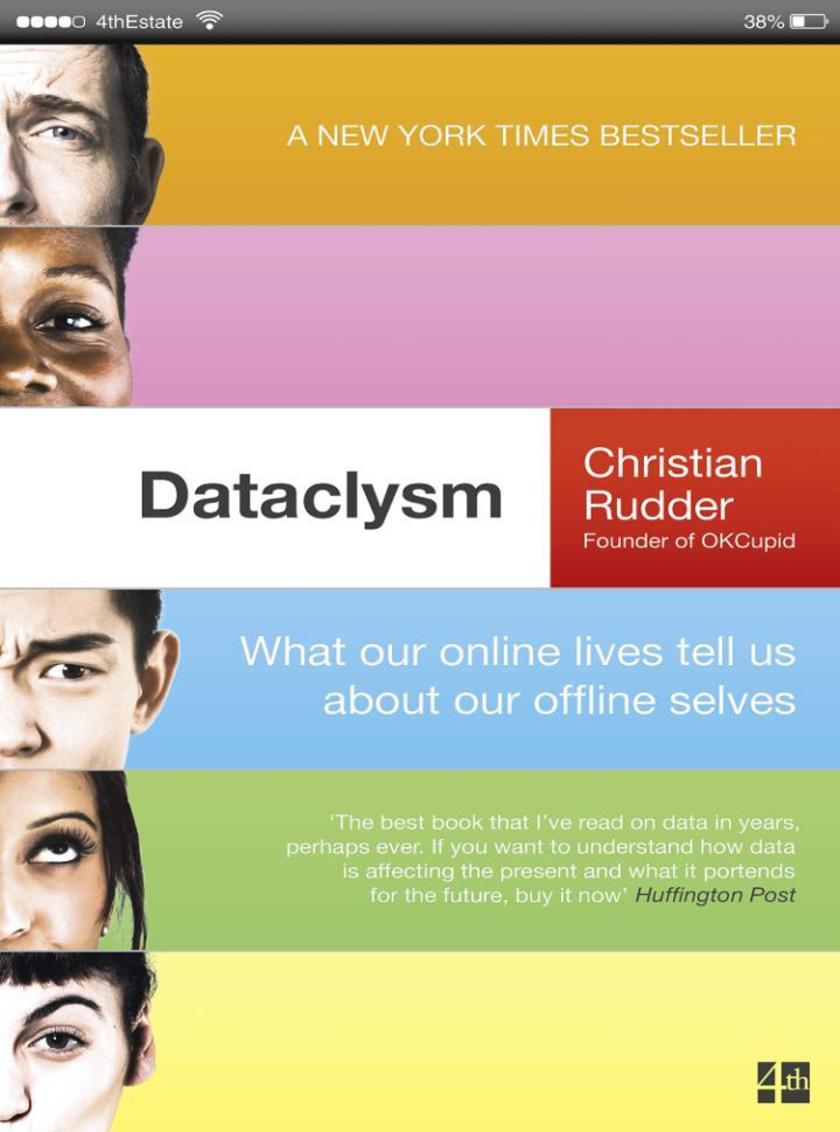
Dataclysm: Who We Are (When We Think No One’s Looking)
¥73.58
An irreverent, provocative, and visually fascinating look at what our online lives reveal about who we really are – and how this deluge of data will transform the science of human behaviour. Big Data is used to spy on us, hire and fire us, and sell us things we don't need. In ‘Dataclysm’, Christian Rudder, founder of one of the world’s biggest dating websites OkCupid, puts this flood of information to an entirely different use: understanding human nature. Drawing on terabytes of data from Twitter, Facebook, Reddit, OkCupid, and many other sites, Rudder examines the terrain of human experience to answer a range of questions: Does it matter where you went to school? How racist are we? How do political views alter relationships? Philosophers, psychologists, gene hunters and neuroscientists have tried to explain our flaws and foibles. Rudder shows that in today's era of social media, a powerful new approach is possible, one that reveals how we actually behave when we think no one's looking. Outrageous and illuminating, ‘Dataclysm’, is a portrait of our essential selves – dark, absurd, occasionally noble – and a first look at a revolution in the making.
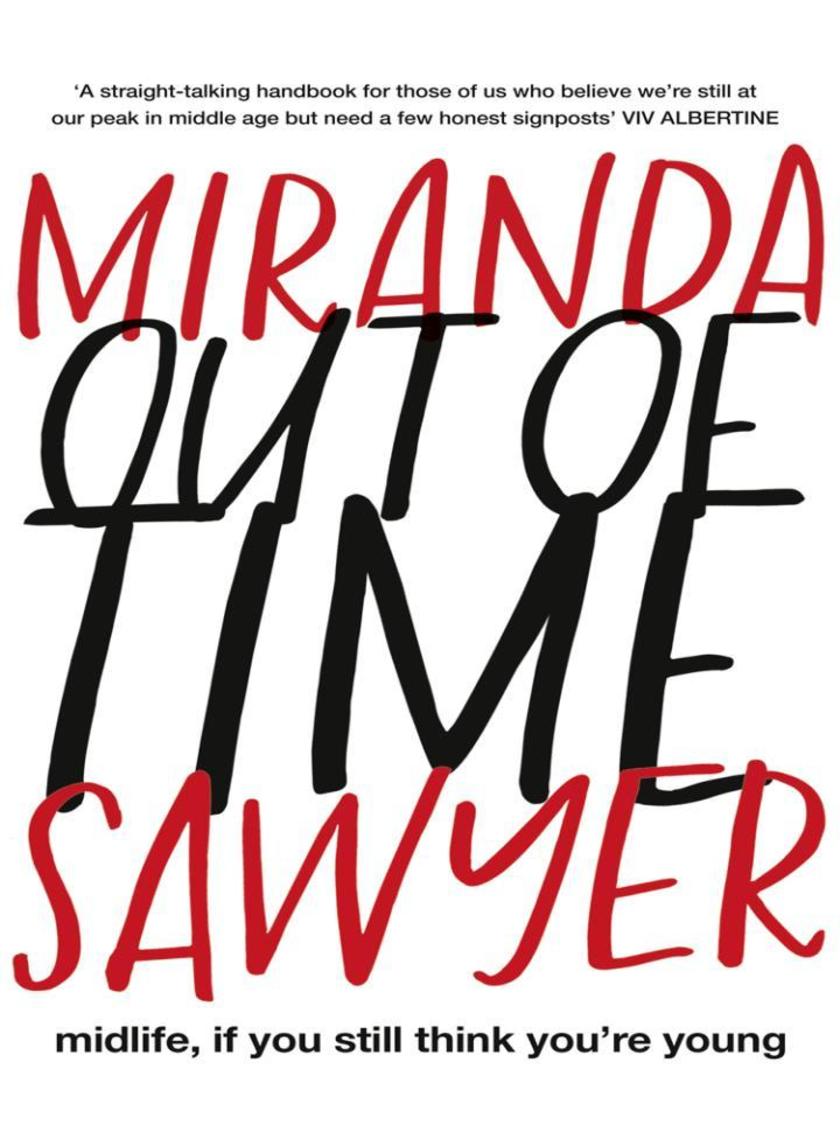
Out of Time
¥66.22
From the hugely respected journalist Miranda Sawyer, a very modern look at the midlife crisis – delving into the truth, and lies, of the experience and how to survive it, with thoughtfulness, insight and humour. ‘You wake one day and everything is wrong. It's as though you went out one warm evening – an evening fizzing with delicious potential, so ripe and sticky-sweet you can taste it on the air – for just one drink … and woke up two days later in a skip. Except you're not in a skip, you're in an estate car, on the way to an out-of-town shopping mall to buy a balance bike, a roof rack and some stackable storage boxes.’ Miranda Sawyer’s midlife crisis began when she was 44. It wasn’t a traditional one. She didn’t run off with a Pilates teacher, or blow thousands on a trip to find herself. From the outside, all remained the same. Work, kids, marriage, mortgage, blah. Days, weeks and months whizzed past as she struggled with feeling – knowing – that she was over halfway through her life. It seemed only yesterday that she was 29, out and about. Out of Time is not a self-help book. It’s an exploration of this sudden crisis, this jolt. It looks at how our tastes, and our bodies, change as we get older. It considers the unexpected new pleasures that the second half of life can offer, from learning to code to taking up running (slowly). Speaking to musicians and artists, friends and colleagues, Miranda asks how they too have confronted midlife, and the lessons, if any, that they’ve learned along the way.

Americans in Paris: Life and Death under Nazi Occupation 1940–44
¥95.75
An elegantly written and highly informative account of a group of Americans living in Paris when the city fell to the Nazis in June 1940. In the early hours of 14 June 1940, Nazi troops paraded through the streets of Paris, marking the beginning of the city’s four-year occupation. French troops withdrew in order to avoid a battle and the potential destruction of their capital. It wasn't long before German tanks rumbled past the Arc de Triomphe and down the Champs Elysees to the Place de la Concorde. The American community in Paris was the largest in Continental Europe, totalling approximately 30,000 before the Second World War. Although Ambassodor Bullitt advised those without vital business in the city to leave in 1939, over half of the Americans in Paris chose to stay. Many had professional and family ties to the city; the majority, though, had a peculiarly American love for the city, rooted in the bravery of the Marquis de la Fayette and the 17,000 Frenchmen who volunteered to fight for American independence in 1776. An eclectic group, they included black soldiers from the Harlem Hellfighters, who were determined not to return to the racial segregation that they faced at home, rich socialites like Peggy Guggenheim and Florence Jay Gould, as well as painters, musicians, bankers and businessmen. There were those whose lives went on as if the Germans were ephemera, those who collaborated and those, like Dr Sumner Jackson and Etta Shiber, who worked underground for the resistance movement. This is a book about adventure, intrigue, passion and deceit, and one which follows its characters into the Maquis, the concentration camps and overseas. Filled with a huge amount of new analysis on the Second World War, ‘Americans in Paris’ is a fascinating, revealing and moving read.
The Perfect Storm: A True Story of Men Against the Sea
¥66.22
The worst storm in history seen from the wheelhouse of a doomed fishing trawler; a mesmerisingly vivid account of a natural hell from a perspective that offers no escape. The ‘perfect storm’ is a once-in-a-hundred-years combination: a high pressure system from the Great Lakes, running into storm winds over an Atlantic island – Sable Island – and colliding with a weather system from the Caribbean: Hurricane Grace. This is the story of that storm, told through the accounts of individual fishing boats caught up in the maelstrom, their families waiting anxiously for news of their return, the rescue services scrambled to save them. It is the story of the old battle between the fisherman and the sea, between man and Nature, that awesome and capricious power which can transform the surface of the Atlantic into an impossible tumult of water walls and gaping voids, with the capacity to break an oil tanker in two. In spare, lyrical prose ‘The Perfect Storm’ describes what happened when the Andrea Gail looked into the wrathful face of the perfect storm.

We Were Young and at War
¥66.22
Never before have the diaries and letters of young people from all sides of World War Two been woven together to provide an account of what it was like to grow up amidst the daily struggles and horrors of this devastating war. We Were Young And At War follows the stories of sixteen teenage boys and girls who write with a disarming directness about their reactions to and experiences of a very adult war. They are British, French, American, Japanese, Polish, German and Russian, each with a unique and heart-rending tale to tell. Only two of them are alive today. Some of them fought and died in the war, others starved to death; many were separated from their families. All were forced to grow up quickly, their lives changed beyond all recognition by their experiences. This is their story.

Atlantic: A Vast Ocean of a Million Stories
¥73.58
The definitive biography of the world's most important body of water – the Atlantic. One hundred and ninety million years ago, the shifting of two of the world's tectonic plates led to the creation of an immense chasm. This giant gash in the flanks of the planet slowly opened up and eventually evolved into the most important and most travelled ocean in our world. In this utterly original biography, Simon Winchester explores the life of the Atlantic; it's birth, its relationship with mankind, and what lies in store for it once man has left the stage. He charts the development of the first settlements by the Oceanside – the communities of Celts and Vikings and whose lives depended on the sea – and delves into the age of exploration, venturing to forgotten worlds. The building of some of the world's most beautiful port cities – London, Rio de Janeiro, New York, Casablanca – is also examined, along with the creation of settlements and colonies in and around the sea. Completely unique and highly readable, Atlantic takes its reader on a wonderful journey through time, along the waves of our planet's most significant ocean.


