


 购物车
购物车 个人中心
个人中心
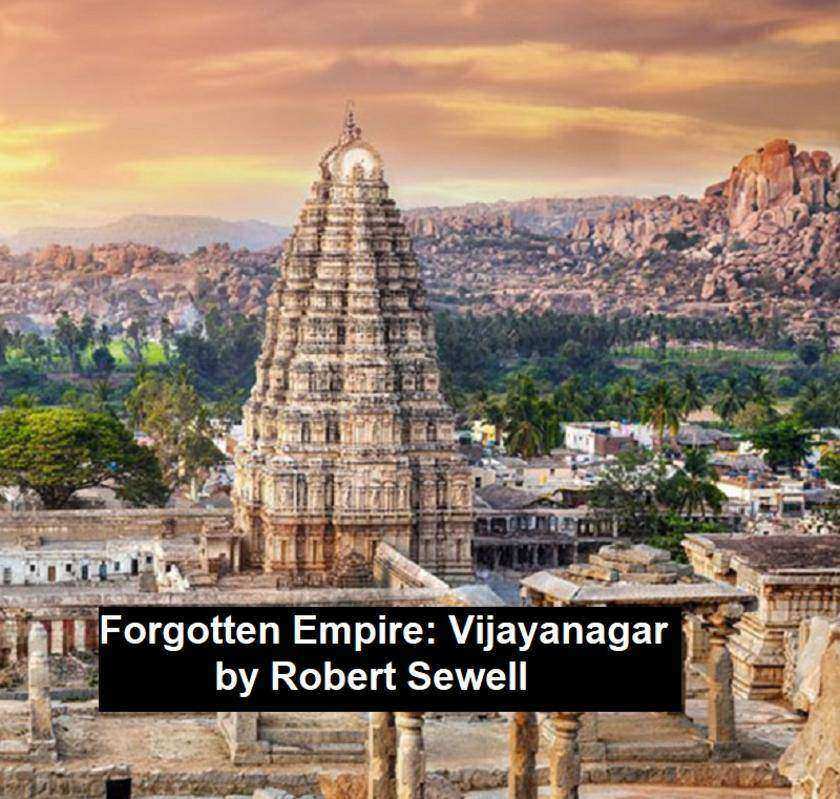
A Forgotten Empire: Vijayanagar
¥8.09
According to Wikipedia: "Robert Sewell (1845–1925) was a civil servant in colonial India. He is the author of the book A Forgotten Empire Vijayanagar: A Contribution to the History of India. He did extensive work on the history of the Vijayanagara Empire, particularly the fall of Hampi, the empire's capital. Sewell also translated The Vijayanagar Empire as seen by Domingo Paes and Fernao Nuniz which is described as an eyewitness account of Portuguese travellers to India in the 16th century and report on the Vijayanagar empire."
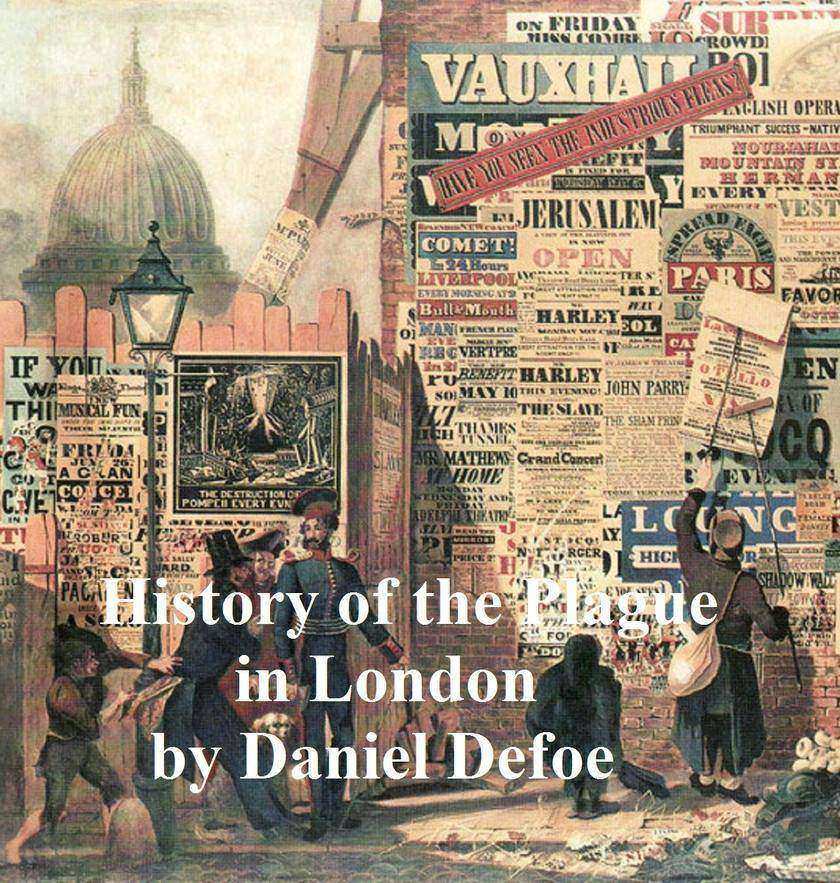
History of a Plague in London
¥8.09
The Introduction begins: "The father of Daniel Defoe was a butcher in the paris h of St. Giles's, Cripplegate, London. In this parish, probably, Daniel Defoe was born in 1661, the year after the restoration of Charles II. The boy's parents wished him to become a dissenting minister, and so intrusted his education to a Mr. Morton who kept an academy for the training of nonconformist divines. How long Defoe staid at this school is not known. He seems to think himself that he staid there long enough to become a good scholar; for he declares that the pupils were "made masters of the English tongue, and more of them excelled in that particular than of any school at that time." If this statement be true, we can only say that the other schools must have been very bad indeed. Defoe never acquired a really good style, and can in no true sense be called a "master of the English tongue."
The Path of the King
¥8.09
The Path of the King is a travel through historic events that traces a band of gold as it is passed from a young Viking to Abraham Lincoln. The following is a quotation from its original publication (AL BURT COMPANY PUBLISHERS, 1921): "We wonder that so great a man as Abraham Lincoln should spring from humble people but who knows what his more distant ancestry might have been In a series of dramatic chapters Mr Buchan tells what he imagines to have been the ancestry of Lincoln The worthy son of a northern chieftain who had come down with his people into Normandy, a Norman knight who fought under Duke William and settled in England, a French knight emissary of Saint Louis to Kubla Khan, a proud demoiselle friend to Jeanne d Arc, a French gentleman who went with Columbus on his second voyage, an avenger of Saint Bartholomew's Day, a friend to Sir Walter Raleigh, a supporter of Cromwell, a soldier of fortune under Marlborough, a mighty hunter in Virginia, all these says Mr Buchan were Lincoln's forebears Their blood ran in his veins and made him in James Russell Lowell's phrase the last of the kings." According to Wikipedia, "John Buchan, 1st Baron Tweedsmuir (26 August 1875 – 11 February 1940) was a Scottish novelist and Unionist politician who served as Governor General of Canada. Buchan's 100 works include nearly thirty novels, seven collections of short stories and biographies of Sir Walter Scott, Caesar Augustus, and Oliver Cromwell. Buchan's most famous of his books were the spy thrillers (including) The 39 Steps (which was converted to a play as well as an Alfred Hitchcock movie starring Robert Donat as Richard Hannay, though with Buchan's story much altered.) The "last Buchan" (as Graham Greene entitled his appreciative review) was the 1941 novel Sick Heart River (American title: Mountain Meadow), in which a dying protagonist confronts in the Canadian wilderness the questions of the meaning of life. The insightful quotation "It's a great life, if you don't weaken" is famously attributed to Buchan, as is "No great cause is ever lost or won, The battle must always be renewed, And the creed must always be restated."
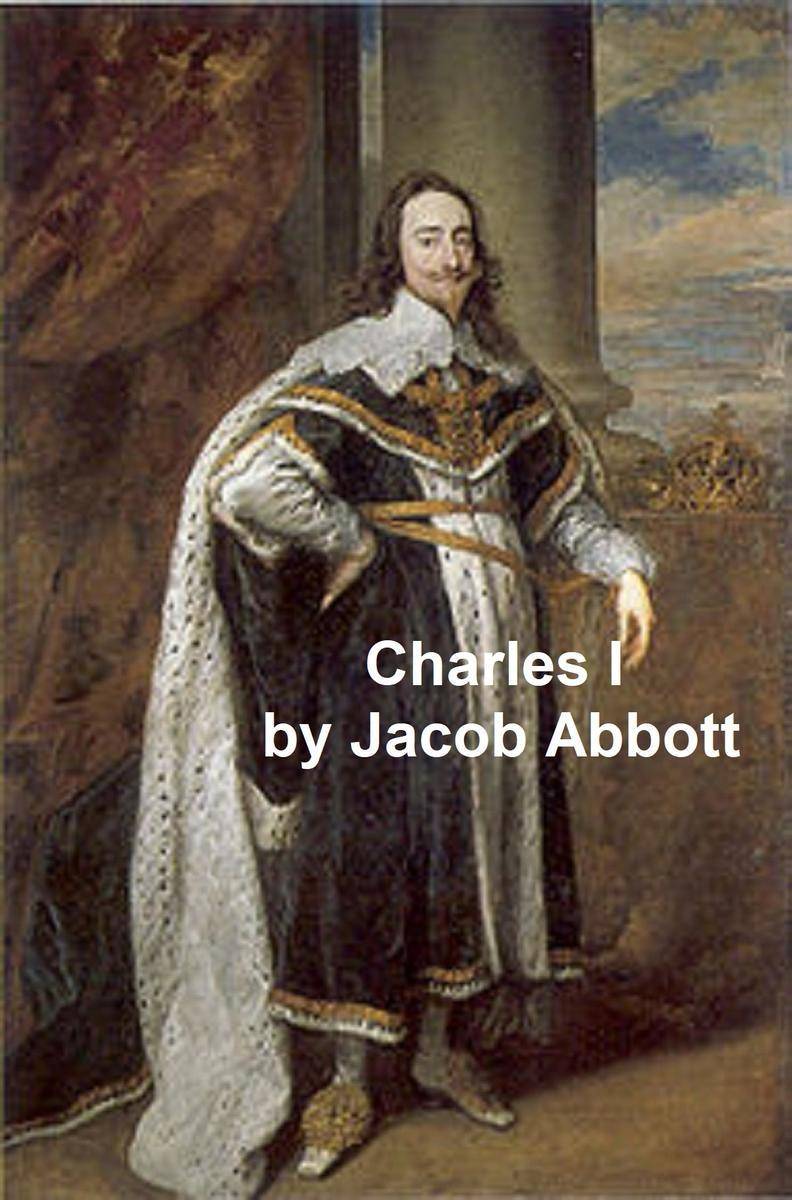
Charles I
¥8.09
According to Wikipedia: "Jacob Abbott (November 14, 1803 – October 31, 1879) was an American writer of children's books. Abbott was born at Hallowell, Maine to Jacob and Betsey Abbott. He graduated from Bowdoin College in 1820; studied at Andover Theological Seminary in 1821, 1822, and 1824; was tutor in 1824-1825, and from 1825 to 1829 was professor of mathematics and natural philosophy at Amherst College; was licensed to preach by the Hampshire Association in 1826; founded the Mount Vernon School for Young Ladies in Boston in 1829, and was principal of it in 1829-1833; was pastor of Eliot Congregational Church (which he founded), at Roxbury, Massachusetts in 1834-1835; and was, with his brothers, a founder, and in 1843-1851 a principal of Abbott's Institute, and in 1845-1848 of the Mount Vernon School for Boys, in New York City. He was a prolific author, writing juvenile fiction, brief histories, biographies, religious books for the general reader, and a few works in popular science. He died in Farmington, Maine, where he had spent part of his time after 1839, and where his brother, Samuel Phillips Abbott, founded the Abbott School."
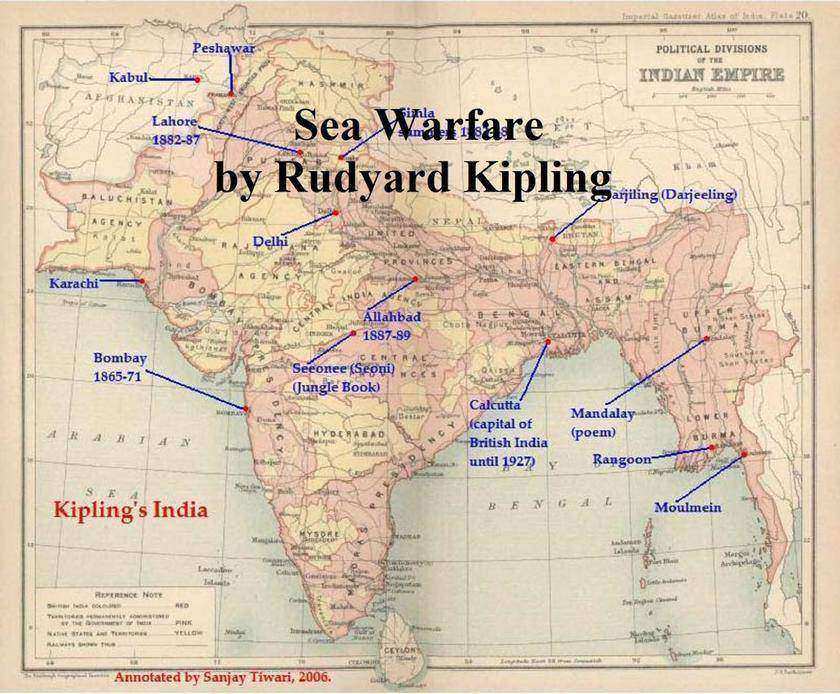
Sea Warfare
¥8.09
Overview of the British Navy, up through World War I. According to Wikipedia: "Joseph Rudyard Kipling (1865 – 1936) was an English author and poet. Born in Bombay, British India (now Mumbai), he is best known for his works The Jungle Book (1894) and Rikki-Tikki-Tavi (1902), his novel, Kim (1901); his poems, including Mandalay (1890), Gunga Din (1890), If— (1910); and his many short stories, including The Man Who Would Be King (1888). He is regarded as a major "innovator in the art of the short story"; his children's books are enduring classics of children's literature; and his best works speak to a versatile and luminous narrative gift. Kipling was one of the most popular writers in English, in both prose and verse, in the late 19th and early 20th centuries.[2] The author Henry James said of him: "Kipling strikes me personally as the most complete man of genius (as distinct from fine intelligence) that I have ever known." In 1907, he was awarded the Nobel Prize in Literature, making him the first English language writer to receive the prize, and to date he remains its youngest recipient. Among other honours, he was sounded out for the British Poet Laureateship and on several occasions for a knighthood, all of which he declined.
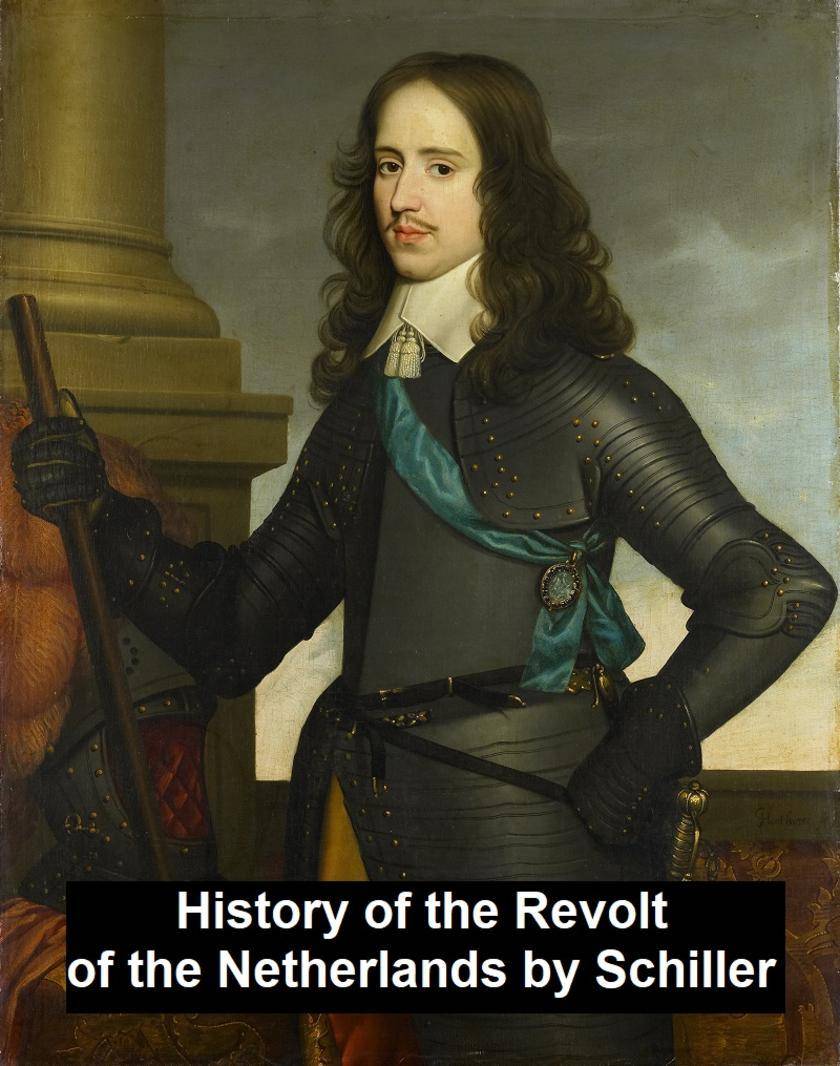
History of the Revolt in the Netherlands
¥8.09
The prequel to the American Revolution. This struggle for political and religious freedom inspired America's Founding Fathers. Schiller tells the tale with a novelist's insight into character. According to Wikipedia: "Johann Christoph Friedrich von Schiller (1759 – 1805) was a German poet, philosopher, historian, and dramatist. During the last few years of his life (1788–1805), Schiller struck up a productive, if complicated, friendship with already famous and influential Johann Wolfgang Goethe, with whom he greatly discussed issues concerning aesthetics, encouraging Goethe to finish works he left merely as sketches; this thereby gave way to a period now referred to as Weimar Classicism."
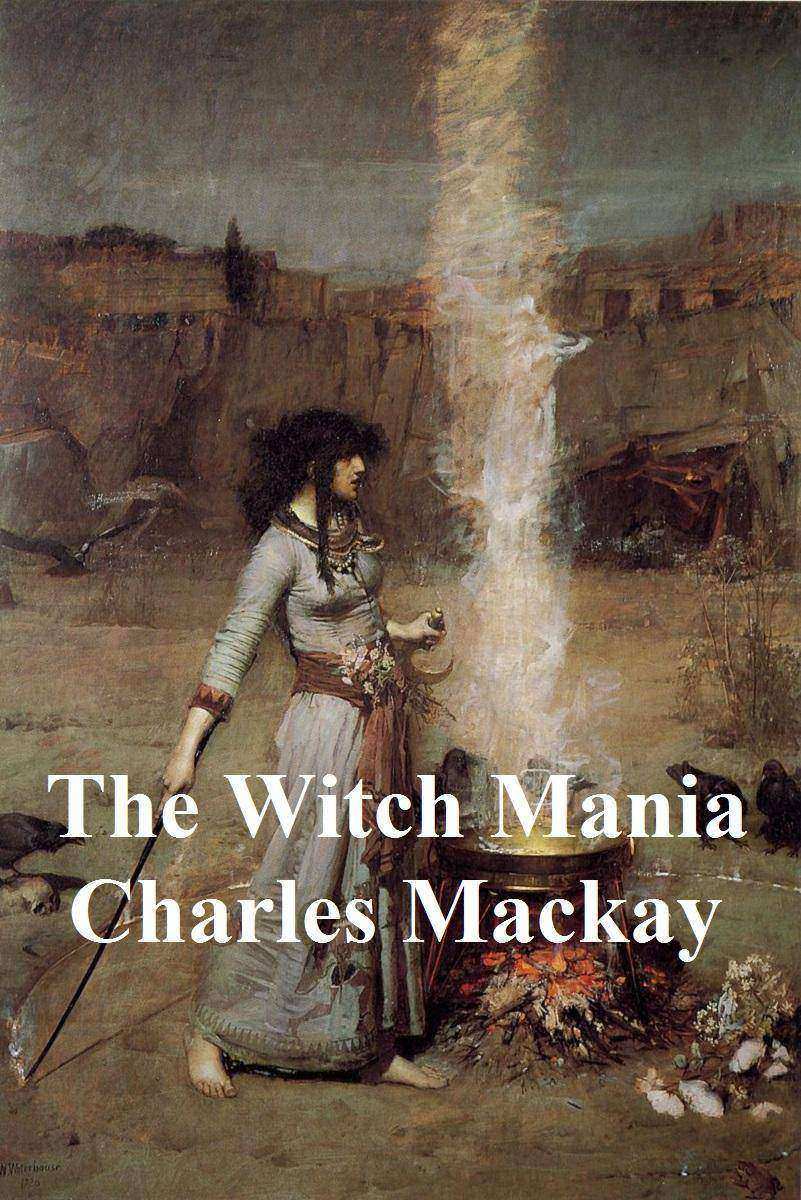
The Witch Mania
¥8.09
Excerpt from Memoirs of Extraordinary Popular Delusions. The essay begins: "The belief that disembodied spirits may be permitted to revisit this world, has its foundation upon that sublime hope of immortality, which is at once the chief solace and greatest triumph of our reason. Even if revelation did not teach us, we feel that we have that within us which shall never die; and all our experience of this life but makes us cling the more fondly to that one repaying hope. But in the early days of "little knowledge," this grand belief became the source of a whole train of superstitions, which, in their turn, became the fount from whence flowed a deluge of blood and horror. Europe, for a period of two centuries and a half, brooded upon the idea, not only that parted spirits walked the earth to meddle in the affairs of men, but that men had power to summon evil spirits to their aid to work woe upon their fellows. An epidemic terror seized upon the nations; no man thought himself secure, either in his person or possessions, from the machinations of the devil and his agents. Every calamity that befell him, he attributed to a witch."
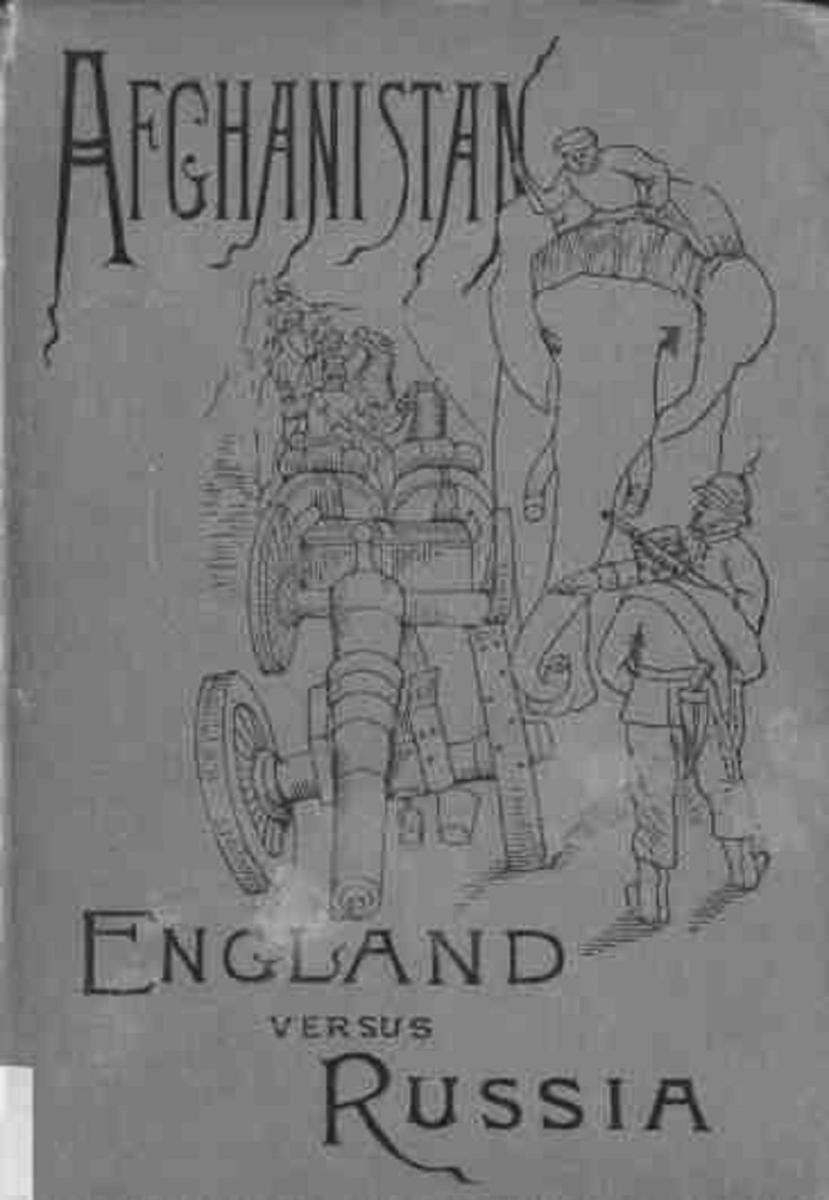
Afghanistan
¥8.09
First published in the 19th century. Written by a brigadier general from the U.S. The book begins: "In universal history there is no more interesting subject for the consideration of the political student than the record of Russian progress through Central Asia. In one sense this advance is a practical reestablishment or extension of the influence of the Aryan race in countries long dominated by peoples of Turki or Mongolian origin; in another sense it has resulted in a transition from the barbarism or rude forms of Asiatic life to the enlightenment and higher moral development of a European age. In a religious sense it embodies a crusade against Oriental fanaticism; and it is a curious feature of the Anglo-Russian dispute, that upon a question of temporal gain, the greatest Christian nation finds itself allied with the followers of Buddha and Mahomet against Russia under the Banner of the Cross."
British Political Leaders
¥8.09
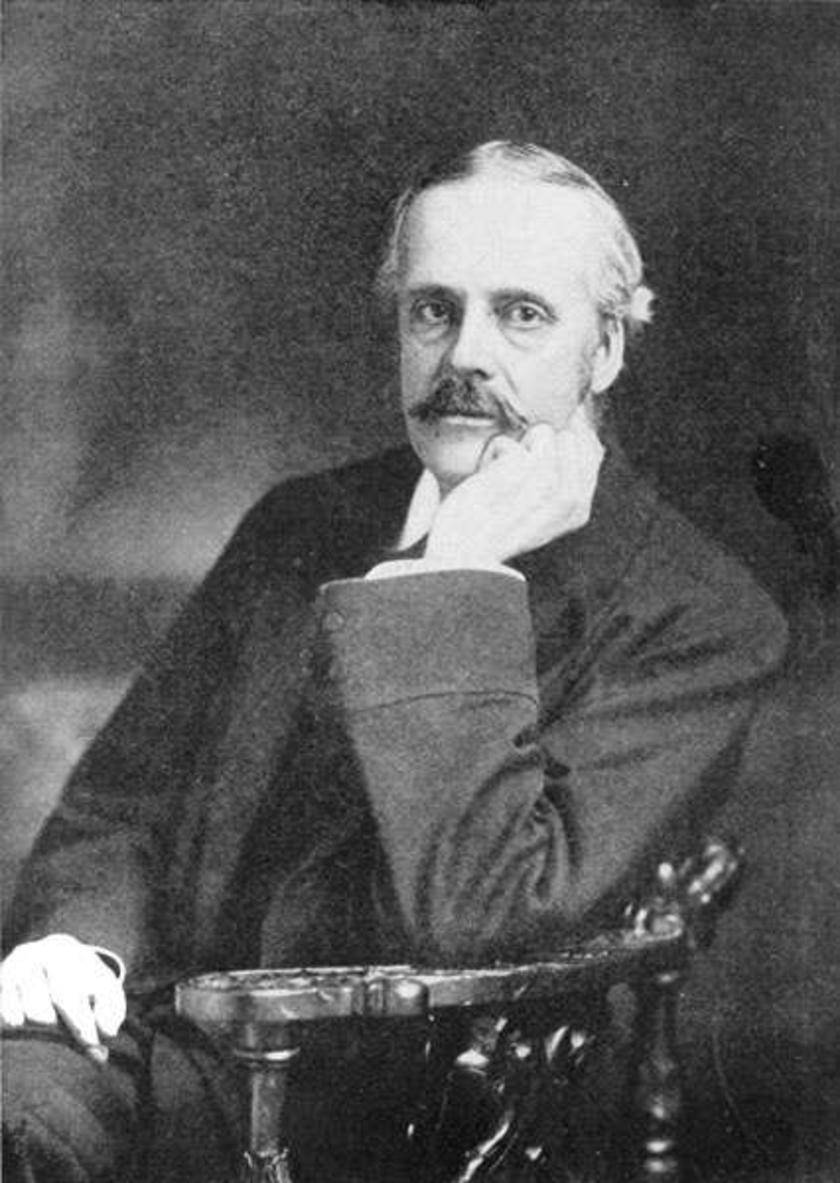
First published in 1903. Biographies of Balfour, Lord Salisbury, Lord Rosebery, Chamberlain, Labourchere, Morley, Burns, Hicks-Beach, Redmond,Harcourt, Bryce, Campbell-Bannerman, and the Earl of Aberdeen.
History of the Zulu War
¥8.09
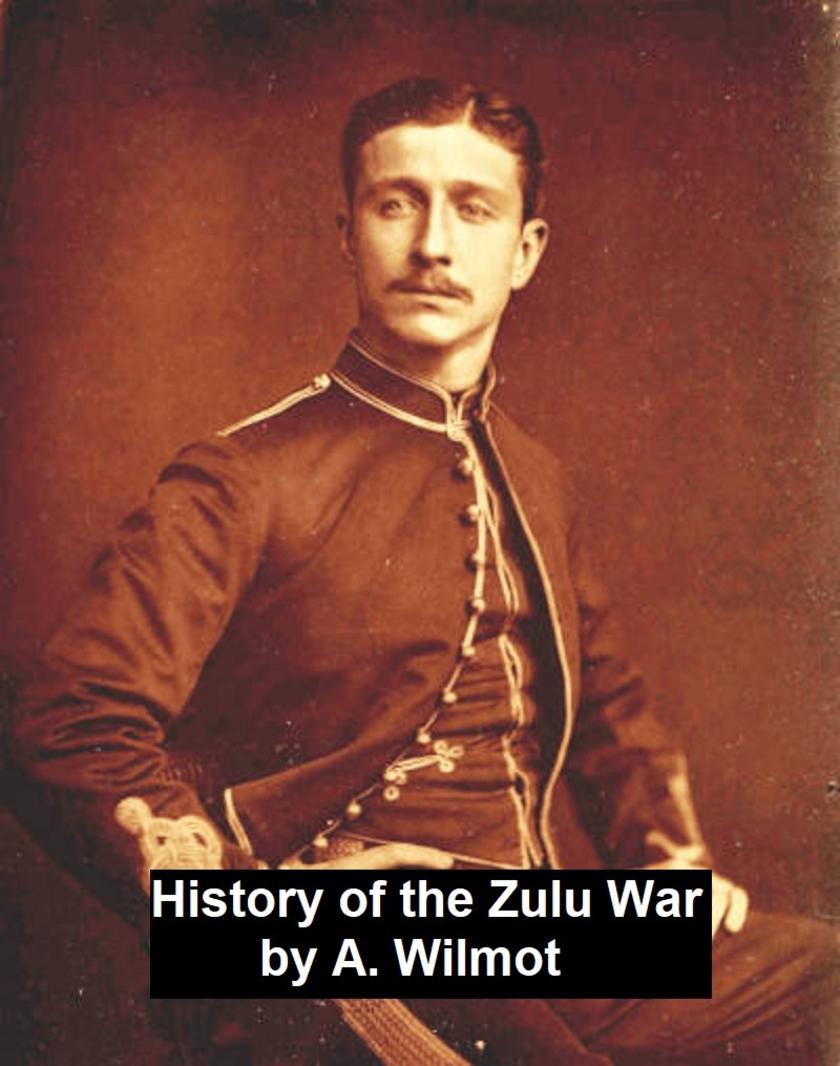
First published in 1880. According to Wikipedia: "The Anglo-Zulu War was fought in 1879 between the British Empire and the Zulu Kingdom. Following Lord Carnarvon's successful introduction of federation in Canada, it was thought that similar political effort, coupled with military campaigns, might succeed with the African kingdoms, tribal areas and Boer republics in South Africa. In 1874, Sir Henry Bartle Frere was sent to South Africa as High Commissioner for the British Empire to bring such plans into being. Among the obstacles were the presence of the independent states of the South African Republic and the Kingdom of Zululand and its army.[6] Frere, on his own initiative, without the approval of the British government[7][8] and with the intent of instigating a war with the Zulu, had presented an ultimatum on 11 December 1878, to the Zulu king Cetshwayo with which the Zulu king could not comply.[9] Cetshwayo did not comply and Bartle Frere sent Lord Chelmsford to invade Zululand.[10] The war is notable for several particularly bloody battles, including a stunning opening victory by the Zulu at Isandlwana, as well as for being a landmark in the timeline of imperialism in the region. The war eventually resulted in a British victory and the end of the Zulu nation's independence."

Predicting the Soviet Invasion of Afghanistan
¥8.09
Originally published by the CIA, as an unclassified public document. Douglas MacEachin served as CIA's Deputy Director for Intelligence from 1993 to 1995 during his thirty-two year career at CIA. Mr. MacEachin was an officer-in-residence at Harvard University's John F. Kennedy School of Government, from 1995 to 1997, subsequently becoming a senior at the Kennedy School.
The Glory of the Trenches
¥8.09
In 1914, Coningsby Dawson went to Ottawa, saw Sir Sam Hughes, and was offered a commission in the Canadian Field Artillery on the completion of his training at the Royal Military College of Canada, at Kingston, Ontario. "His long training at Kingston had been very severe. It included besides the various classes which he attended a great deal of hard exercise, long rides or foot marches over frozen roads before breakfast, and so forth."
The Call of Cthulhu
¥8.09
"The Call of Cthulhu" is one of H. P. Lovecraft's best-known short stories. Written in the summer of 1926, it was first published in Weird Tales, February 1928. It is the only story written by Lovecraft in which the extraterrestrial entity Cthulhu himself makes a major appearance. It is written in a documentary style, with three independent narratives linked together by the device of a narrator discovering notes left by a deceased relative. The narrator pieces together the whole truth and disturbing significance of the information he possesses, illustrating the story's first line: "The most merciful thing in the world, I think, is the inability of the human mind to correlate all its contents. We live on a placid island of ignorance in the midst of black seas of infinity; and it was not meant that we should voyage far."
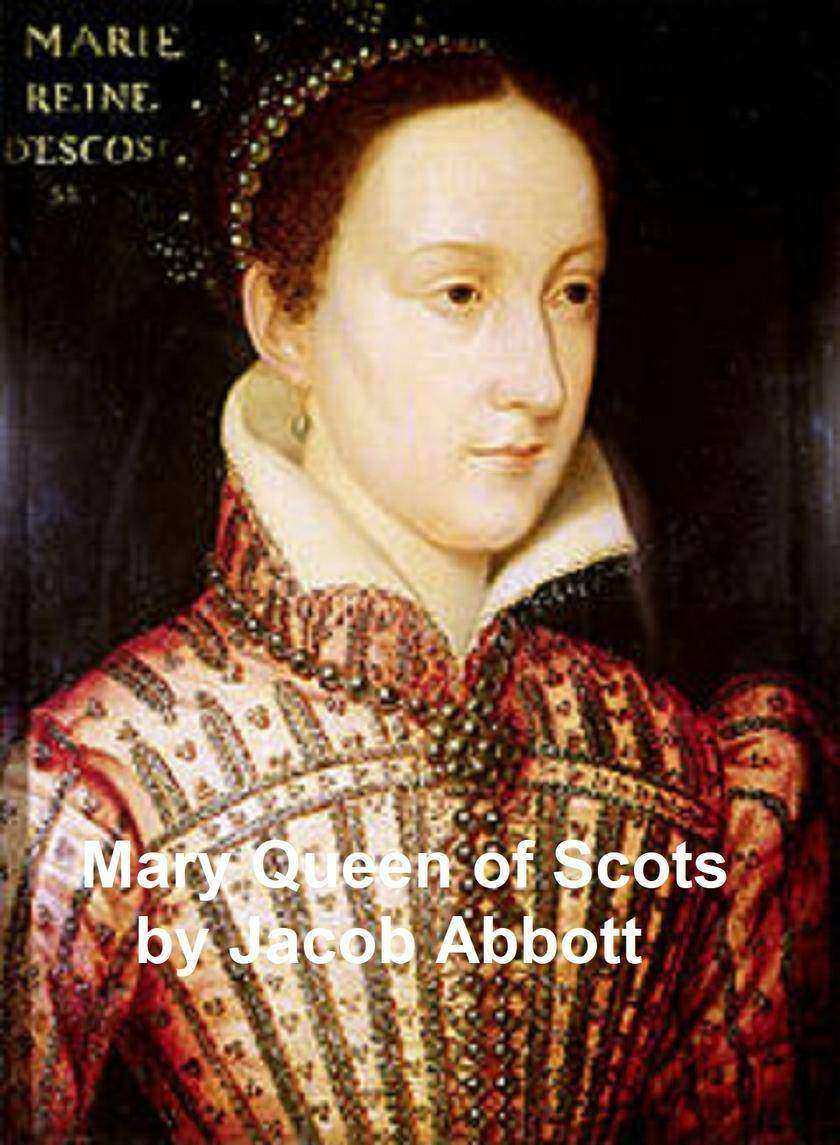
Mary Queen of Scots
¥8.09
According to Wikipedia: "Jacob Abbott (November 14, 1803 – October 31, 1879) was an American writer of children's books. Abbott was born at Hallowell, Maine to Jacob and Betsey Abbott. He graduated from Bowdoin College in 1820; studied at Andover Theological Seminary in 1821, 1822, and 1824; was tutor in 1824-1825, and from 1825 to 1829 was professor of mathematics and natural philosophy at Amherst College; was licensed to preach by the Hampshire Association in 1826; founded the Mount Vernon School for Young Ladies in Boston in 1829, and was principal of it in 1829-1833; was pastor of Eliot Congregational Church (which he founded), at Roxbury, Massachusetts in 1834-1835; and was, with his brothers, a founder, and in 1843-1851 a principal of Abbott's Institute, and in 1845-1848 of the Mount Vernon School for Boys, in New York City. He was a prolific author, writing juvenile fiction, brief histories, biographies, religious books for the general reader, and a few works in popular science. He died in Farmington, Maine, where he had spent part of his time after 1839, and where his brother, Samuel Phillips Abbott, founded the Abbott School."
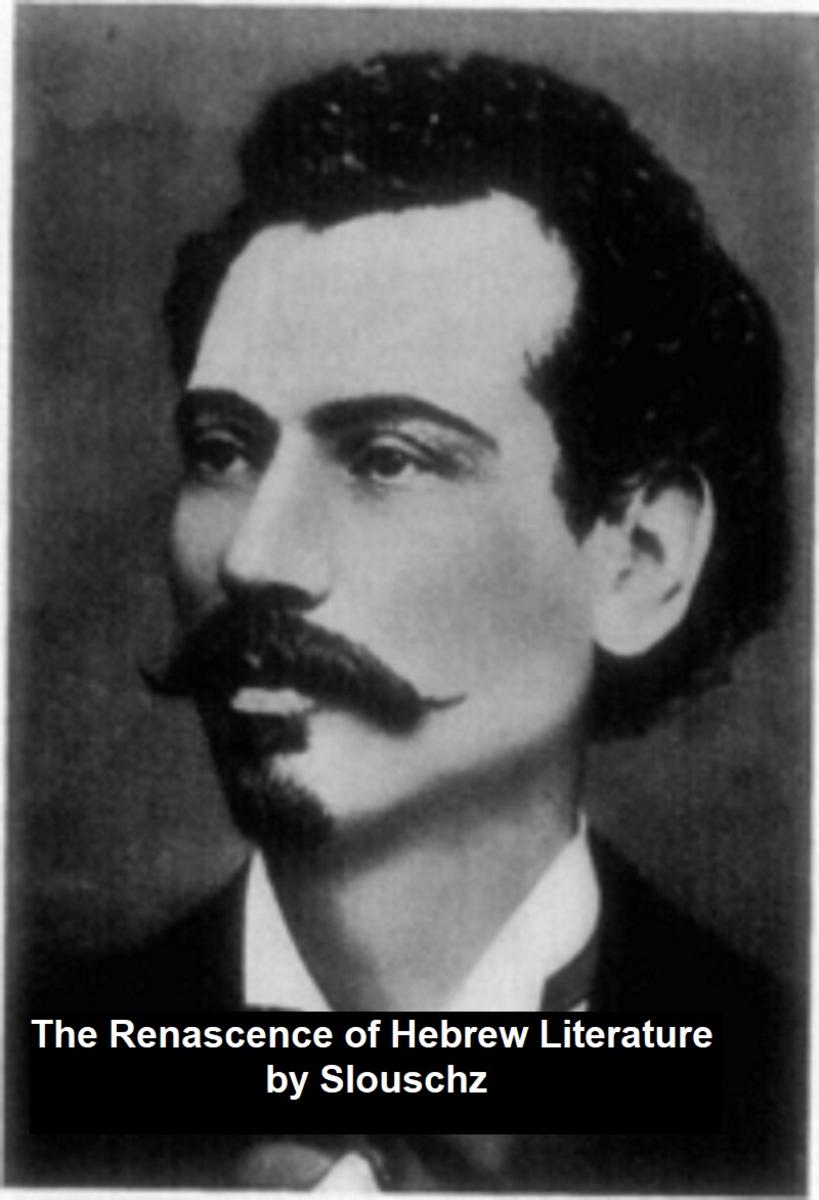
The Renascence of Hebrew Literature
¥8.09
Chapters include: In Italy, In German, In Poland and Austria, in Lithuania, The Romantic Movement, The Emancipation Movement, The Conflict with Rabbinism, Reformers and Conservatives, The National Progressive Movement, The Contributors to Ha-Shahar, The Novels of Smolenskin, and Contemporaneous Literature. From the Translator's Note: "The modern chapter in the history of Hebrew literature herewith presented to English readers was written by Dr. Nahum Slouschz as his thesis for the doctorate at the University of Paris, and published in book form in 1902. A few years later (1906-1907), the author himself put his Essay into Hebrew, and it was brought out as a publication of the _Tushiyah_, under the title _Korot ha-Safrut ha-'Ibrit ha-Hadashah_. The Hebrew is not, however, a mere translation of the French book. The material in the latter was revised and extended, and the presentation was considerably changed, in view of the different attitude toward the subject naturally taken by Hebrew readers, as compared with a Western public, Jewish or non-Jewish."
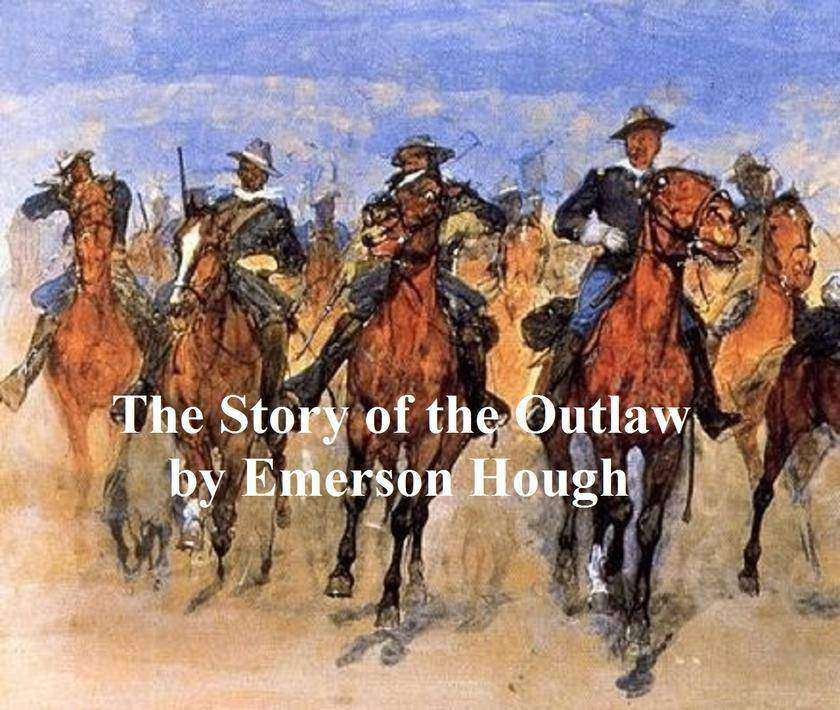
The Story of the Outlaw, A Study of the Western Desperado
¥8.09
"A Study Of The Western Desperado, With Historical Narratives Of Famous Outlaws; The Stories Of Noted Border Wars; Vigilante Movements And Armed Conflicts On The Frontier."According to Wikipedia: "Emerson Hough (1857-1923) was an American author, best known for writing western stories. Hough was born in Newton, Iowa, and graduated from the University of Iowa with a law degree. He moved to White Oaks, New Mexico, and practiced law there but eventually turned to literary work by taking camping trips and writing about them for publication. He is best known as a novelist, writing The Mississippi Bubble as well as The Covered Wagon, about Oregon Trail pioneers, which later became successful as a movie, running 59 weeks at the Criterion Theater in New York City, passing the record set by Birth of a Nation. Other notable works included Story of the Cowboy, Way of the West, Singing Mouse Stories, and Passing of the Frontier, and writing the "Out-of-Doors" column for the Saturday Evening Post."
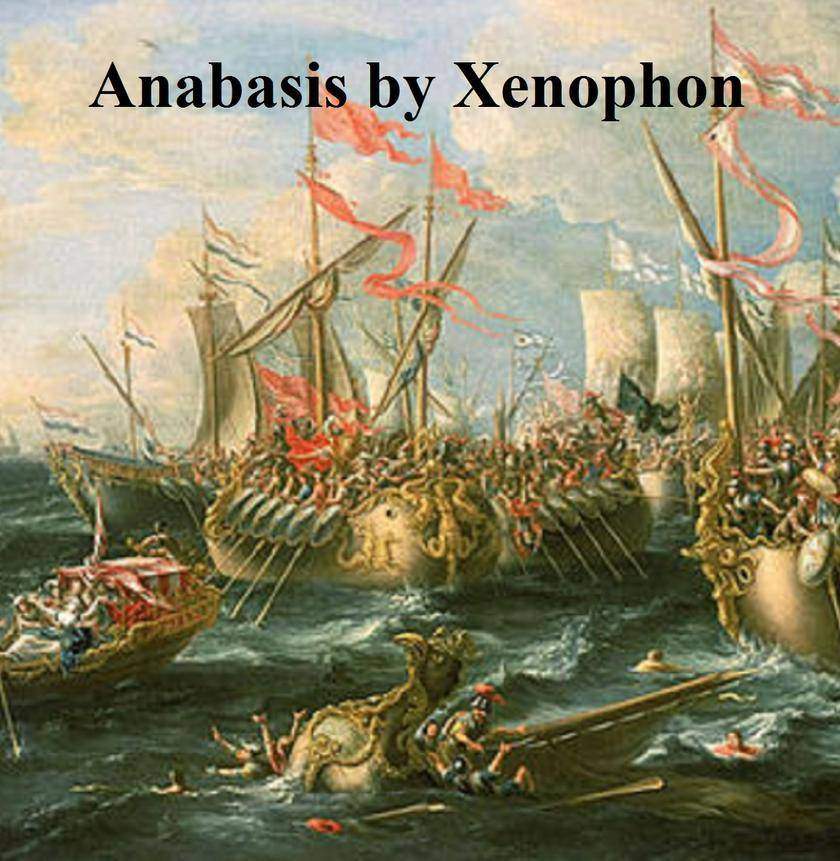
Anabasis
¥8.09
The classic tale of Xenophon's long march through enemy territory from Persia (Iran), through present-day Iraq and Turkey, home to Greece. According to Wikipedia: "Xenophon (ca. 431 – 355 BC), son of Gryllus, of the deme Erchia of Athens, also known as Xenophon of Athens and Xenophon of Thebes, was a soldier, mercenary and a contemporary and admirer of Socrates. He is known for his writings on the history of his own times, preserving the sayings of Socrates, and the life of ancient Greece."
The Borgias
¥8.09
Popular biography of the Borgia family. According to Wikipedia: "Alexandre Dumas, born Dumas Davy de la Pailleterie (24 July 1802 – 5 December 1870)[1] was a French writer, best known for his historical novels of high adventure which have made him one of the most widely read French authors in the world. Many of his novels, including The Count of Monte Cristo, The Three Musketeers, Twenty Years After, and The Vicomte de Bragelonne were originally serialized. He also wrote plays and magazine articles and was a prolific correspondent... From 1839 to 1841 Dumas, with the assistance of several friends, compiled Celebrated Crimes, an eight-volume collection of essays on famous criminals and crimes from European history, including Beatrice Cenci, Martin Guerre, Cesare and Lucrezia Borgia as well as more recent incidents, including the cases of executed alleged murderers Karl Ludwig Sand and Antoine Fran?ois Desrues."

The History of a Crime
¥8.09
Hugo's condemnation of Napoleon III. According to Wikipedia: "Victor-Marie Hugo (26 February 1802 – 22 May 1885) was a French poet, playwright, novelist, essayist, visual artist, statesman, human rights activist and exponent of the Romantic movement in France. In France, Hugo's literary fame comes first from his poetry but also rests upon his novels and his dramatic achievements. Among many volumes of poetry, Les Contemplations and La Légende des siècles stand particularly high in critical esteem, and Hugo is sometimes identified as the greatest French poet. Outside France, his best-known works are the novels Les Misérables and Notre-Dame de Paris (known in English also as The Hunchback of Notre Dame). Though a committed conservative royalist when he was young, Hugo grew more liberal as the decades passed; he became a passionate supporter of republicanism, and his work touches upon most of the political and social issues and artistic trends of his time. He is buried in the Panthéon."
Billy Budd and Other Prose Pieces by Herman Melville - Delphi Classics (Illustra
¥8.09
This eBook features the unabridged text of ‘Billy Budd and Other Prose Pieces by Herman Melville - Delphi Classics (Illustrated)’ from the bestselling edition of ‘The Complete Works of Herman Melville’. Having established their name as the leading publisher of classic literature and art, Delphi Classics produce publications that are individually crafted with superior formatting, while introducing many rare texts for the first time in digital print. The Delphi Classics edition of Melville includes original annotations and illustrations relating to the life and works of the author, as well as individual tables of contents, allowing you to navigate eBooks quickly and easily. eBook features: * The complete unabridged text of ‘Billy Budd and Other Prose Pieces by Herman Melville - Delphi Classics (Illustrated)’ * Beautifully illustrated with images related to Melville’s works * Individual contents table, allowing easy navigation around the eBook * Excellent formatting of the text Please visit www.delphiclassics.com to learn more about our wide range of titles
Of the Nature of Things
¥8.09
Classic work of philosophy, in English translation. Titus Lucretius Carus (ca. 99 BC – ca. 55 BC) was a Roman poet and philosopher. His only known work is an epic philosophical poem laying out the beliefs of Epicureanism, De rerum natura, translated into English as On the Nature of Things or "On the Nature of the Universe".


