


 购物车
购物车 个人中心
个人中心
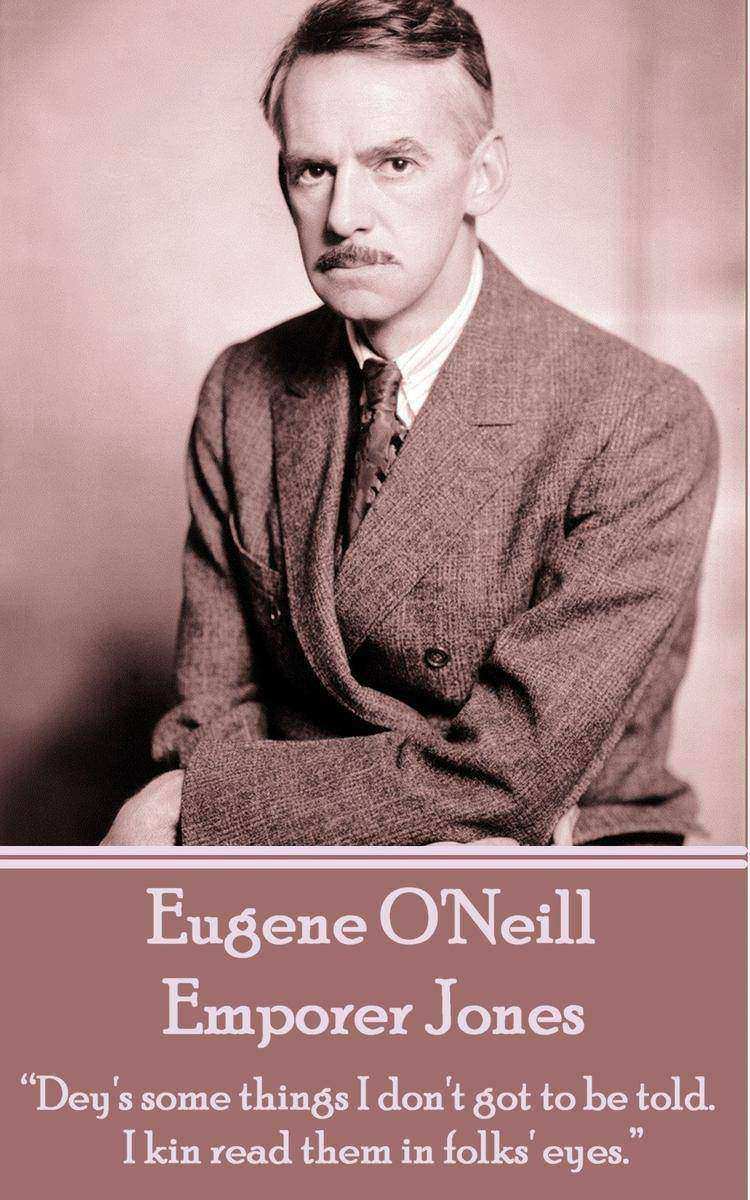
Emporer Jones - Dey's some things I don't got to be told. I kin read them in fol
¥14.03
Eugene Gladstone O'Neill was born on October 16, 1888 in a hotel bedroom in what is now Times Square, New York. Much of his childhood was spent in the comfort of books at boarding schools whilst his actor father was on the road and his Mother contended with her own demons. He spent only a year at University - Princeton - and various reasons have been given for his departure. However whatever his background and education denied or added to his development it is agreed amongst all that he was a playwright of the first rank and possibly America's greatest. His introduction of realism into American drama was instrumental in its development and paved a path for many talents thereafter. Of course his winning of both the Pulitzer Prize (4 times) and the Nobel Prize are indicative of his status. His more famous and later works do side with the disillusionment and personal tragedy of those on the fringes of society but continue to build upon ideas and structures he incorporated in his early one act plays. Eugene O'Neill suffered from various health problems, mainly depression and alcoholism. In the last decade he also faced a Parkinson's like tremor in his hands which made writing increasingly difficult. But out of such difficulties came plays of the calibre of The Iceman Cometh, Long Day's Journey Into Night, and A Moon for the Misbegotten. Eugene O'Neill died in Room 401 of the Sheraton Hotel on Bay State Road in Boston, on November 27, 1953, at the age of 65. As he was dying, he whispered his last words: "e;I knew it. I knew it. Born in a hotel room and died in a hotel room."e;
Bacchae - The good and the wise lead quiet lives
¥14.03
Euripides is rightly lauded as one of the great dramatists of all time. In his lifetime, he wrote over 90 plays and although only 18 have survived they reveal the scope and reach of his genius. Euripides is identified with many theatrical innovations that have influenced drama all the way down to modern times, especially in the representation of traditional, mythical heroes as ordinary people in extraordinary circumstances. As would be expected from a life lived 2,500 years ago, details of it are few and far between. Accounts of his life, written down the ages, do exist but whether much is reliable or surmised is open to debate. Most accounts agree that he was born on Salamis Island around 480 BC, to mother Cleito and father Mnesarchus, a retailer who lived in a village near Athens. Upon the receipt of an oracle saying that his son was fated to win "e;crowns of victory"e;, Mnesarchus insisted that the boy should train for a career in athletics. However, what is clear is that athletics was not to be the way to win crowns of victory. Euripides had been lucky enough to have been born in the era as the other two masters of Greek Tragedy; Sophocles and schylus. It was in their footsteps that he was destined to follow. His first play was performed some thirteen years after the first of Socrates plays and a mere three years after schylus had written his classic The Oristria. Theatre was becoming a very important part of the Greek culture. The Dionysia, held annually, was the most important festival of theatre and second only to the fore-runner of the Olympic games, the Panathenia, held every four years, in appeal. Euripides first competed in the City Dionysia, in 455 BC, one year after the death of schylus, and, incredibly, it was not until 441 BC that he won first prize. His final competition in Athens was in 408 BC. The Bacchae and Iphigenia in Aulis were performed after his death in 405 BC and first prize was awarded posthumously. Altogether his plays won first prize only five times. Euripides was also a great lyric poet. In Medea, for example, he composed for his city, Athens, "e;the noblest of her songs of praise"e;. His lyric skills however are not just confined to individual poems: "e;A play of Euripides is a musical whole....one song echoes motifs from the preceding song, while introducing new ones."e; Much of his life and his whole career coincided with the struggle between Athens and Sparta for hegemony in Greece but he didn't live to see the final defeat of his city. Euripides fell out of favour with his fellow Athenian citizens and retired to the court of Archelaus, king of Macedon, who treated him with consideration and affection. At his death, in around 406BC, he was mourned by the king, who, refusing the request of the Athenians that his remains be carried back to the Greek city, buried him with much splendor within his own dominions. His tomb was placed at the confluence of two streams, near Arethusa in Macedonia, and a cenotaph was built to his memory on the road from Athens towards the Piraeus.
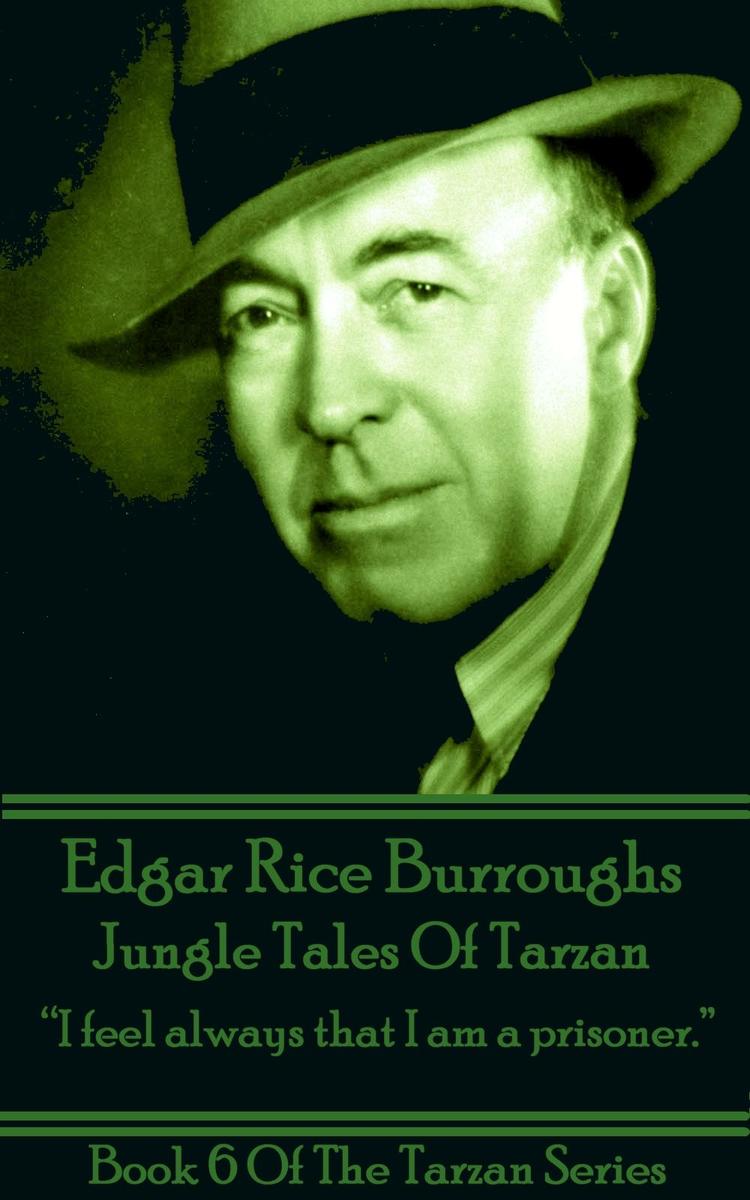
Jungle Tales Of Tarzan - I feel always that I am a prisoner.
¥35.22
Edgar Rice Burroughs was born on September 1, 1875, in Chicago, Illinois. His early career was unremarkable. After failing to enter West Point he enlisted in the 7th Calvary but was discharged after heart problems were diagnosed. A series of short term jobs gave no indication as to a career path but finally, in 1911, married and with two young children, he turned his hand to writing. He aimed his works squarely at the very popular pulp serial magazines. His first effort 'Under The Moons Of Mars' ran in Munsey's Magazine in 1912 under the pseudonym Norman Bean. With its success he began writing full time. A continuing theme of his work was to develop series so that each character had ample opportunities to return in sequels. John Carter was in the Mars series and there was another on Venus and one on Pellucidar among others. But perhaps the best known is Tarzan. Indeed Burroughs wanted so much to capitalise upon the brand that he introduced a syndicated Tarzan comic strip, movies and merchandise. He purchased a large ranch north of Los Angeles, California, which he named "e;Tarzana."e; The surrounding communities outside the ranch voted in 1927 to adopt the name as their own. By 1932 Burroughs set up his own company to print his own books. Here we publish the sixth in the Tarzan series 'Jungle Tales of Tarzan'. Another cultural classic.
A Doll's House (1879)
¥23.45
Henrik Ibsen (20th March, 1828 - 23rd May, 1906) is often referred to as the father of realism and ranked just below Shakespeare as Europe's greatest ever playwright especially as his plays are performed most frequently throughout the world after Shakespeare's. However, according to Russia's leading newspaper, Pravda, the most performed single play in the world is Ibsen's A Doll's House. He was not Russian but actually Norwegian and although set his plays in Norway, he wrote them in Danish and lived mot of his professional life in Italy and Germany. His affect on the theatre is still evident today and shapes the distinction of plays being art as opposed to entertainment since he broke down all previous traditions and explored issues, developed characterisation, revealed uncomfortable truths, challenged assumptions and brokedown facades in ourselves as well as society. These factors, together with a slight psychological introspection, are clearly demonstrated in A Doll's House which strives to portray life accurately and shuns the usual idealised visions of it that had thus far been on stages throughout the world. The play highlights Ibsen's wish for women to have greater rights as the central protagonist is a woman who although leads a privileged life with an adoring husband, beautiful children and everything a woman of station might want, has, a past secret which unravels her precise calibrated life. This play was written in prose and should be read as such whether it be before or after seeing a performance as it is a true masterpiece.
Midummer Nights Dream
¥17.56
William Shakespeare was born in Stratford-upon-Avon in late April 1565 and baptised there on 26th April. He was one of eight children. Little is known about his life but what is evident is the enormous contribution he has made to world literature. His writing was progressive, magnificent in scope and breathtaking in execution. His plays and sonnets helped enable the English language to speak with a voice unmatched by any other. William Shakespeare died on April 23rd 1616, survived by his wife and two daughters. He was buried two days after his death in the chancel of the Holy Trinity Church. The epitaph on the slab which covers his grave includes the following passage, Good friend, for Jesus's sake forbear, To dig the dust enclosed here. Blessed me the man that spares these stones, And cursed be he that moves my bones. Here we publish his comedy from 1595 'A Midsummer Night's Dream'.
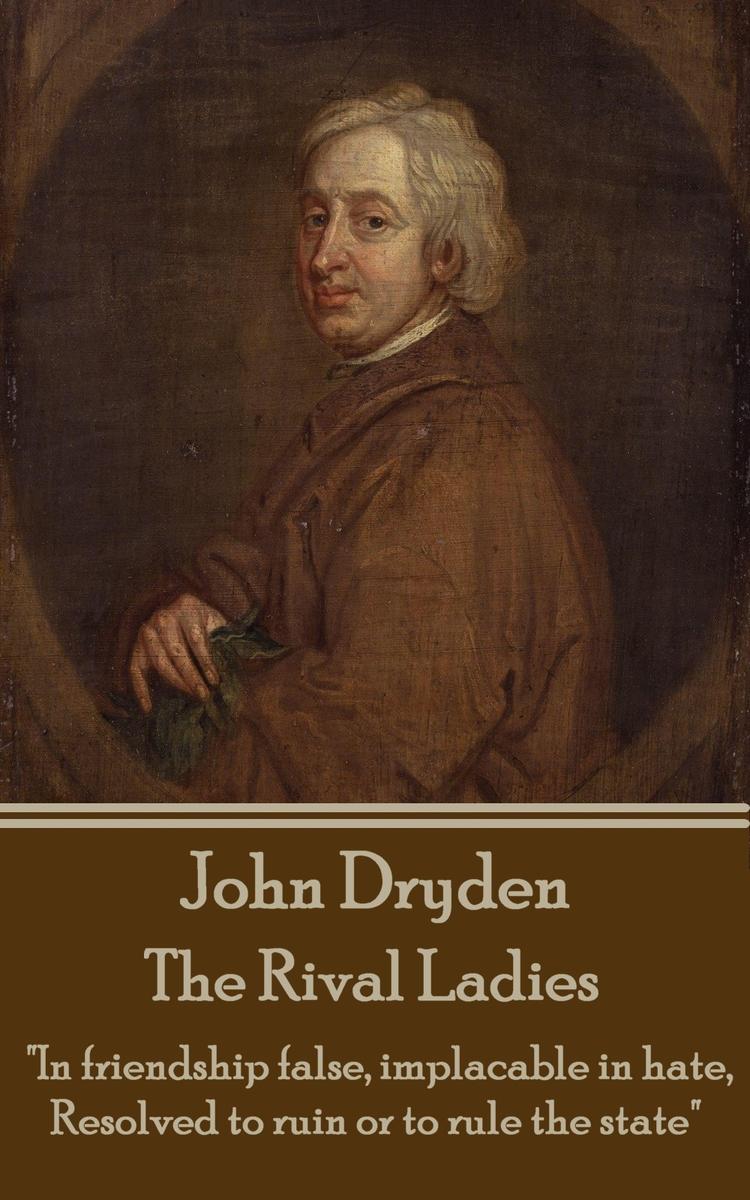
Rival Ladies - Look around the inhabited world; how few know their own good, or
¥26.98
John Dryden was born on August 9th, 1631 in the village rectory of Aldwincle near Thrapston in Northamptonshire. As a boy Dryden lived in the nearby village of Titchmarsh, Northamptonshire. In 1644 he was sent to Westminster School as a King's Scholar. Dryden obtained his BA in 1654, graduating top of the list for Trinity College, Cambridge that year. Returning to London during The Protectorate, Dryden now obtained work with Cromwell's Secretary of State, John Thurloe. At Cromwell's funeral on 23 November 1658 Dryden was in the company of the Puritan poets John Milton and Andrew Marvell. The setting was to be a sea change in English history. From Republic to Monarchy and from one set of lauded poets to what would soon become the Age of Dryden. The start began later that year when Dryden published the first of his great poems, Heroic Stanzas (1658), a eulogy on Cromwell's death. With the Restoration of the Monarchy in 1660 Dryden celebrated in verse with Astraea Redux, an authentic royalist panegyric. With the re-opening of the theatres after the Puritan ban, Dryden began to also write plays. His first play, The Wild Gallant, appeared in 1663 but was not successful. From 1668 on he was contracted to produce three plays a year for the King's Company, in which he became a shareholder. During the 1660s and '70s, theatrical writing was his main source of income. In 1667, he published Annus Mirabilis, a lengthy historical poem which described the English defeat of the Dutch naval fleet and the Great Fire of London in 1666. It established him as the pre-eminent poet of his generation, and was crucial in his attaining the posts of Poet Laureate (1668) and then historiographer royal (1670). This was truly the Age of Dryden, he was the foremost English Literary figure in Poetry, Plays, translations and other forms. In 1694 he began work on what would be his most ambitious and defining work as translator, The Works of Virgil (1697), which was published by subscription. It was a national event. John Dryden died on May 12th, 1700, and was initially buried in St. Anne's cemetery in Soho, before being exhumed and reburied in Westminster Abbey ten days later.
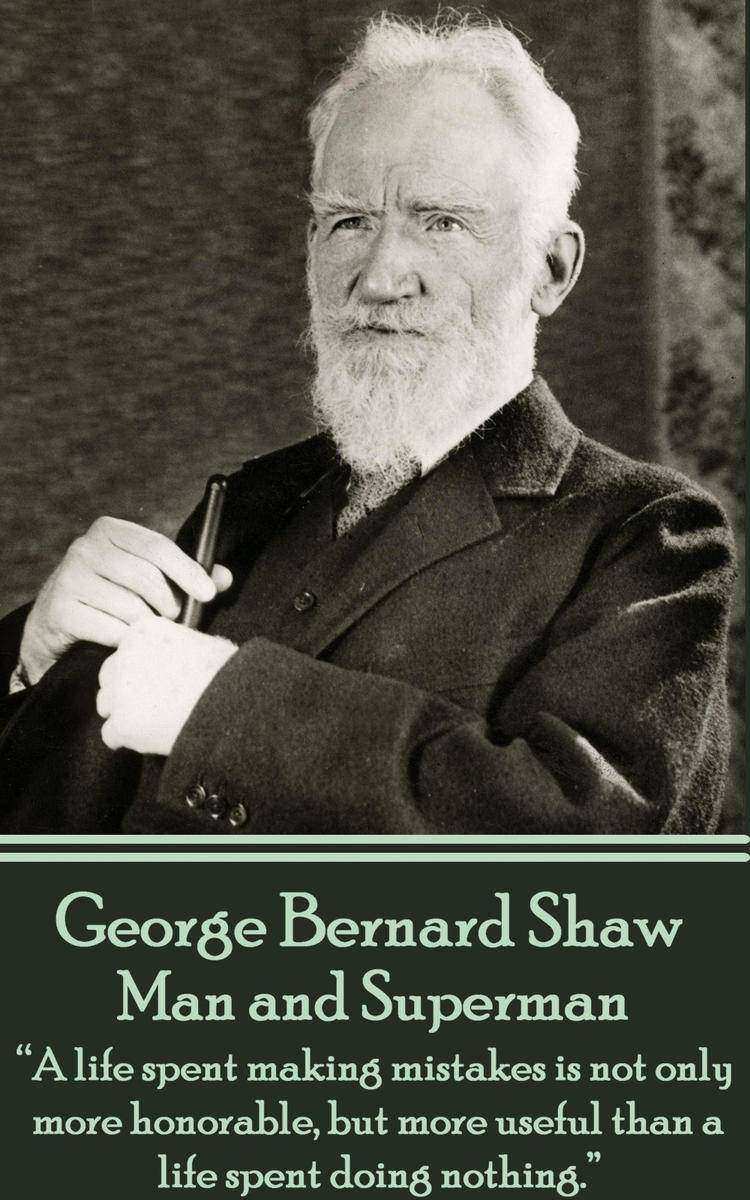
Man and Superman
¥52.88
George Bernard Shaw was born on July 26th, 1856 in Synge Street, Dublin. His career began modestly initially working for some years in an Estate office but a thirst for reading and knowledge moved his career to writing several novels, none of which were published for several years. He wrote as a critic for several years, mainly on the theatre where his campaigning helped moved Victorian theatre towards a more realistic form. Shaw also took up his fervent socialist views at this point, a cause he would be indelibly linked with throughout his long and productive life. An initial foray into writing a play in 1885 only came to fruition in 1892 and with it his path as one of the leading playwrights of the 20th century was set. Shaw was also a fervent Fabian and a co-founder of the London School of Economics. Saint Joan in 1923 gained Shaw yet another international success. This led in 1925 to his being awarded the Nobel Prize for Literature for his contributions to literature. The citation praised his work as "e;... marked by both idealism and humanity, its stimulating satire often being infused with a singular poetic beauty"e;. In 1938 he added an Academy Award for his work on Pygmalion. Shaw remains the only person ever to win a Nobel Prize and an Oscar. He refused all other awards, even a knighthood. George Bernard Shaw died on November 2nd, 1950 at the age of 94, of renal failure precipitated by injuries incurred by a fall whilst pruning a tree.
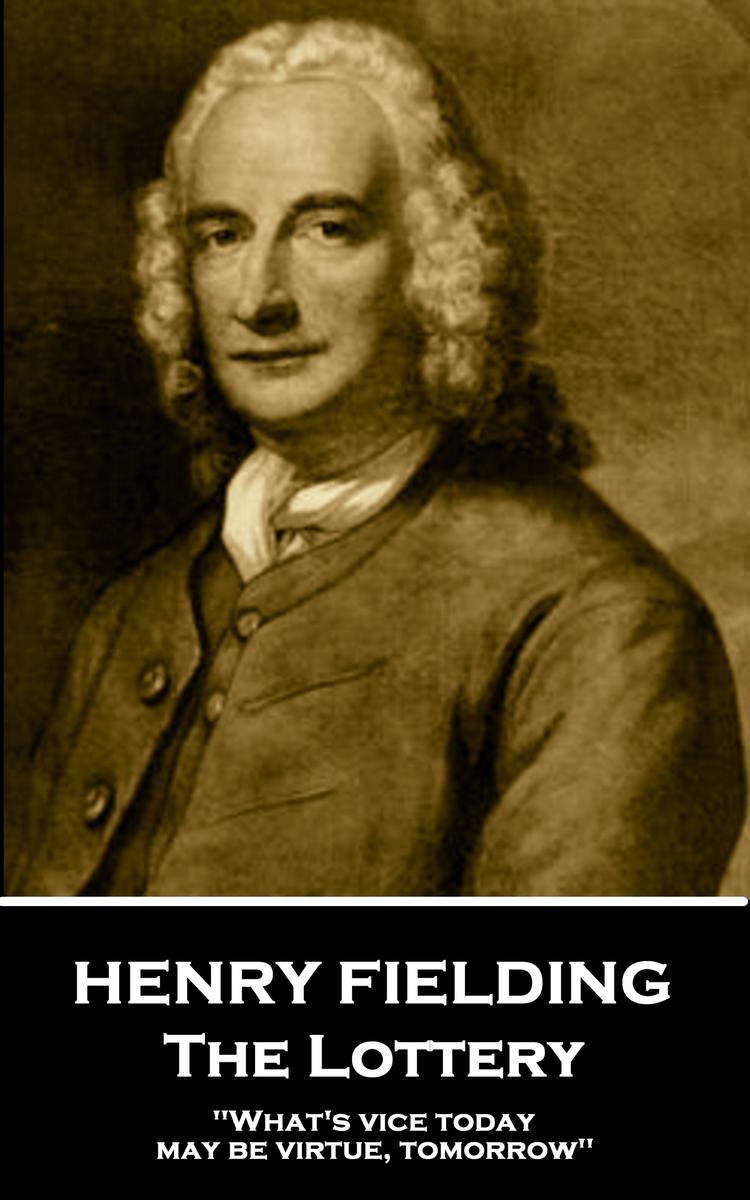
Lottery - What's vice today may be virtue, tomorrow
¥14.03
Henry Fielding was born at Sharpham Park, near Glastonbury, in Somerset on April 22nd 1707. His early years were spent on his parents' farm in Dorset before being educated at Eton.An early romance ended disastrously and with it his removal to London and the beginnings of a glittering literary career; he published his first play, at age 21, in 1728.He was prolific, sometimes writing six plays a year, but he did like to poke fun at the authorities. His plays were thought to be the final straw for the authorities in their attempts to bring in a new law. In 1737 The Theatrical Licensing Act was passed. At a stroke political satire was almost impossible. Fielding was rendered mute. Any playwright who was viewed with suspicion by the Government now found an audience difficult to find and therefore Theatre owners now toed the Government line.Fielding was practical with the circumstances and ironically stopped writing to once again take up his career in the practice of law and became a barrister after studying at Middle Temple. By this time he had married Charlotte Craddock, his first wife, and they would go on to have five children. Charlotte died in 1744 but was immortalised as the heroine in both Tom Jones and Amelia.Fielding was put out by the success of Samuel Richardson's Pamela, or Virtue Rewarded. His reaction was to spur him into writing a novel. In 1741 his first novel was published; the successful Shamela, an anonymous parody of Richardson's novel.Undoubtedly the masterpiece of Fielding's career was the novel Tom Jones, published in 1749. It is a wonderfully and carefully constructed picaresque novel following the convoluted and hilarious tale of how a foundling came into a fortune.Fielding was a consistent anti-Jacobite and a keen supporter of the Church of England. This led to him now being richly rewarded with the position of London's Chief Magistrate. Fielding continued to write and his career both literary and professional continued to climb.In 1749 he joined with his younger half-brother John, to help found what was the nascent forerunner to a London police force, the Bow Street Runners. Fielding's ardent commitment to the cause of justice in the 1750s unfortunately coincided with a rapid deterioration in his health. Such was his decline that in the summer of 1754 he travelled, with Mary and his daughter, to Portugal in search of a cure. Gout, asthma, dropsy and other afflictions forced him to use crutches. His health continued to fail alarmingly.Henry Fielding died in Lisbon two months later on October 8th, 1754.
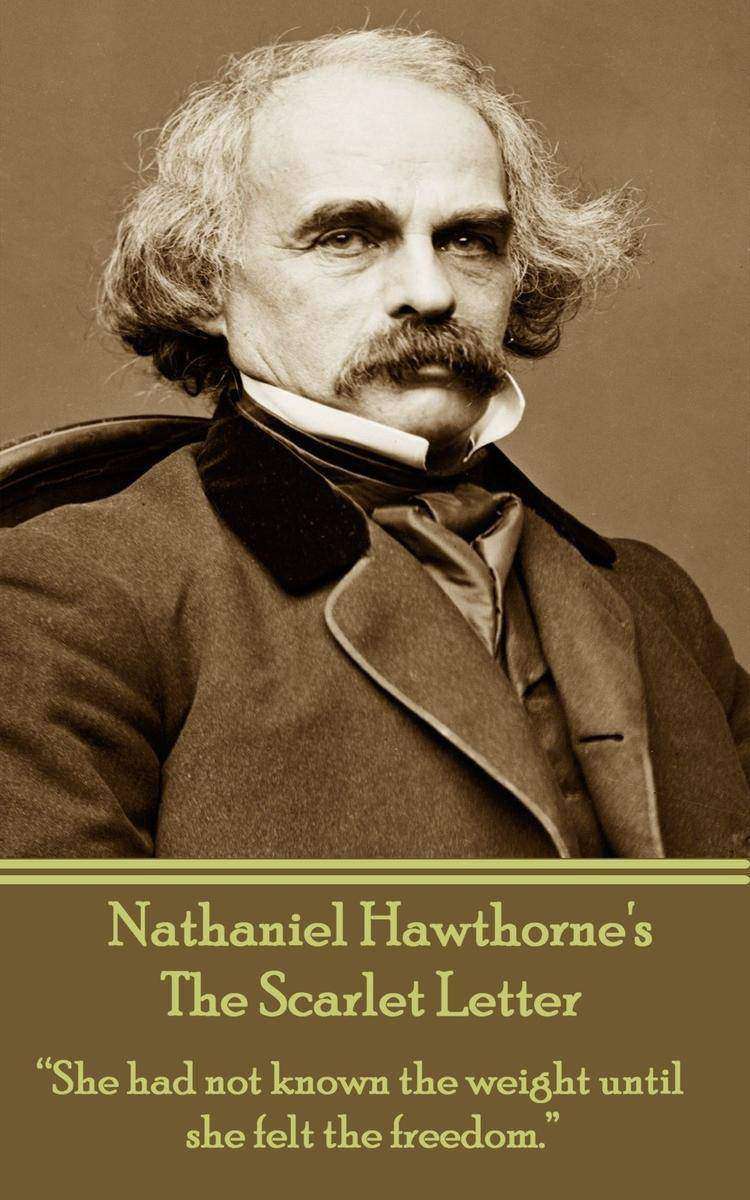
Scarlet Letter - She had not known the weight until she felt the freedom.
¥14.03
Set in 17th-century New England, Nathaniel Hawthorne's masterpiece, The Scarlet Letter, is a novel that combines the romantic style with the historical genre and a number of Gothic conventions and themes, namely the themes of sin, guilt, repentance and mortification. The book tells the tragic story of Hester Prynne who has to wear the letter "e;A"e; on her breast as a token of shame for having committed adultery and given birth to an illegitimate child that she named Pearl . Furthermore, Prynne is doubly punished for not accepting to reveal the identity of her lover. As her stigmatization by the conservative community intensifies, a highly respected minister, Arthur Dimmesdale, intervenes with local authorities to prevent her separation from her child. The narrative then focuses on the character of the churchman who appears to be suffering from poor physical and psychological health. It is only later in the story that readers understand the secret behind Dimmesdale's self-inflicted tortures. Being Pearl's biological father, he lacks the courage to publically assume his responsibilities the way Prynne does. As the narrative approaches its end, one its most emotional climactic scenes shows the three members of the cursed family together on the public scaffold where Dimmesdale finally recognizes his sin and passes away on the spot.
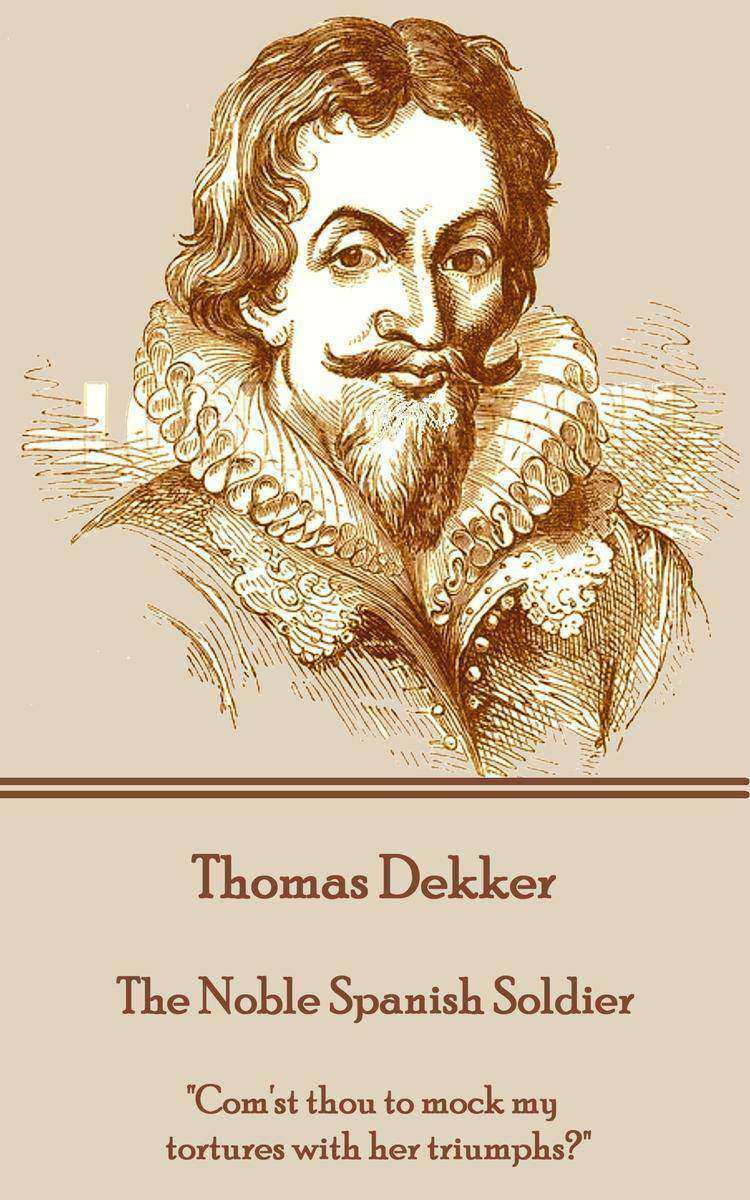
Noble Spanish Soldier - Com'st thou to mock my tortures with her triumphs?
¥26.98
Thomas Dekker was a playwright, pamphleteer and poet who, perhaps, deserves greater recognition than he has so far gained. Despite the fact only perhaps twenty of his plays were published, and fewer still survive, he was far more prolific than that. Born around 1572 his peak years were the mid 1590's to the 1620's - seven of which he spent in a debtor's prison. His works span the late Elizabethan and Caroline eras and his numerous collaborations with Ford, Middleton, Webster and Jonson say much about his work. His pamphlets detail much of the life in these times, times of great change, of plague and of course that great capital city London a swirling mass of people, power, intrigue.
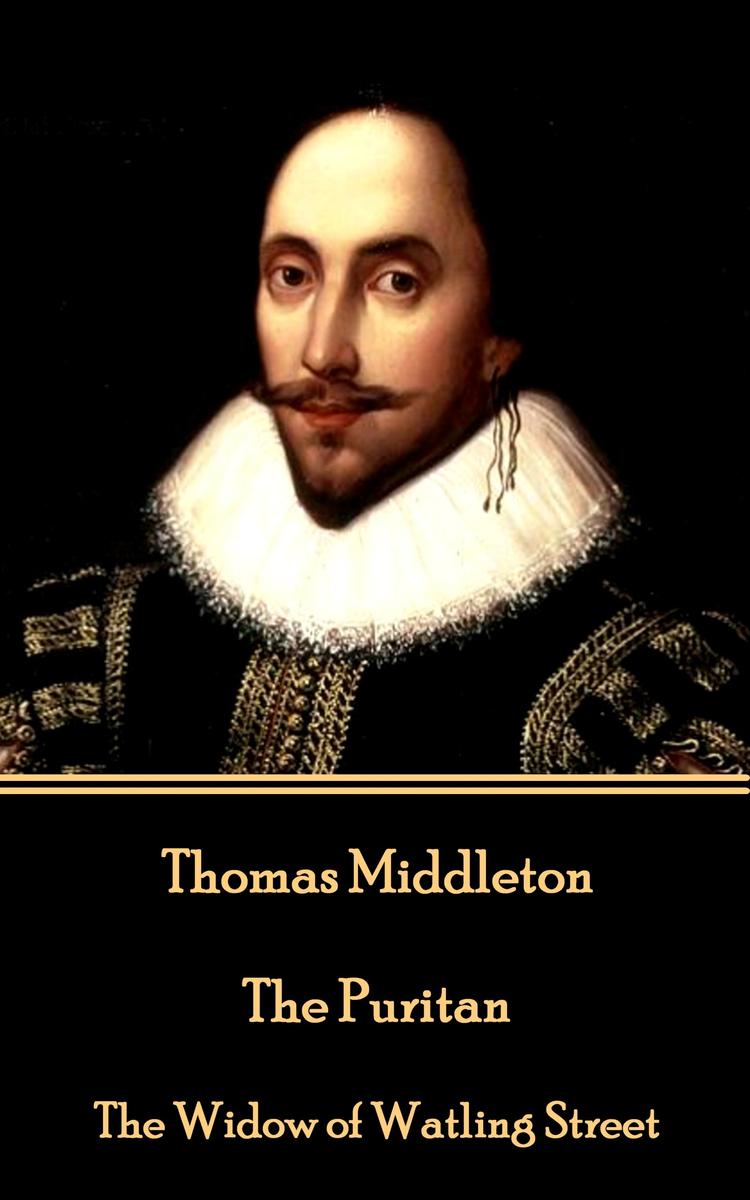
Puritan - The Widow of Watling Street
¥23.45
Thomas Middleton was born in London in April 1580 and baptised on 18th April. Middleton was aged only five when his father died. His mother remarried but this unfortunately fell apart into a fifteen year legal dispute regarding the inheritance due Thomas and his younger sister. By the time he left Oxford, at the turn of the Century, Middleton had and published Microcynicon: Six Snarling Satirese which was denounced by the Archbishop of Canterbury and publicly burned. In the early years of the 17th century, Middleton wrote topical pamphlets. One - Penniless Parliament of Threadbare Poets was reprinted several times and the subject of a parliamentary inquiry. These early years writing plays continued to attract controversy. His writing partnership with Thomas Dekker brought him into conflict with Ben Jonson and George Chapman in the so-called War of the Theatres. His finest work with Dekker was undoubtedly The Roaring Girl, a biography of the notorious Mary Frith. In the 1610s, Middleton began another playwriting partnership, this time with the actor William Rowley, producing another slew of plays including Wit at Several Weapons and A Fair Quarrel. The ever adaptable Middleton seemed at ease working with others or by himself. His solo writing credits include the comic masterpiece, A Chaste Maid in Cheapside, in 1613. In 1620 he was officially appointed as chronologer of the City of London, a post he held until his death. The 1620s saw the production of his and Rowley's tragedy, and continual favourite, The Changeling, and of several other tragicomedies. However in 1624, he reached a peak of notoriety when his dramatic allegory A Game at Chess was staged by the King's Men. Though Middleton's approach was strongly patriotic, the Privy Council silenced the play after only nine performances at the Globe theatre, having received a complaint from the Spanish ambassador. What happened next is a mystery. It is the last play recorded as having being written by Middleton. Thomas Middleton died at his home at Newington Butts in Southwark in the summer of 1627, and was buried on July 4th, in St Mary's churchyard which today survives as a public park in Elephant and Castle.
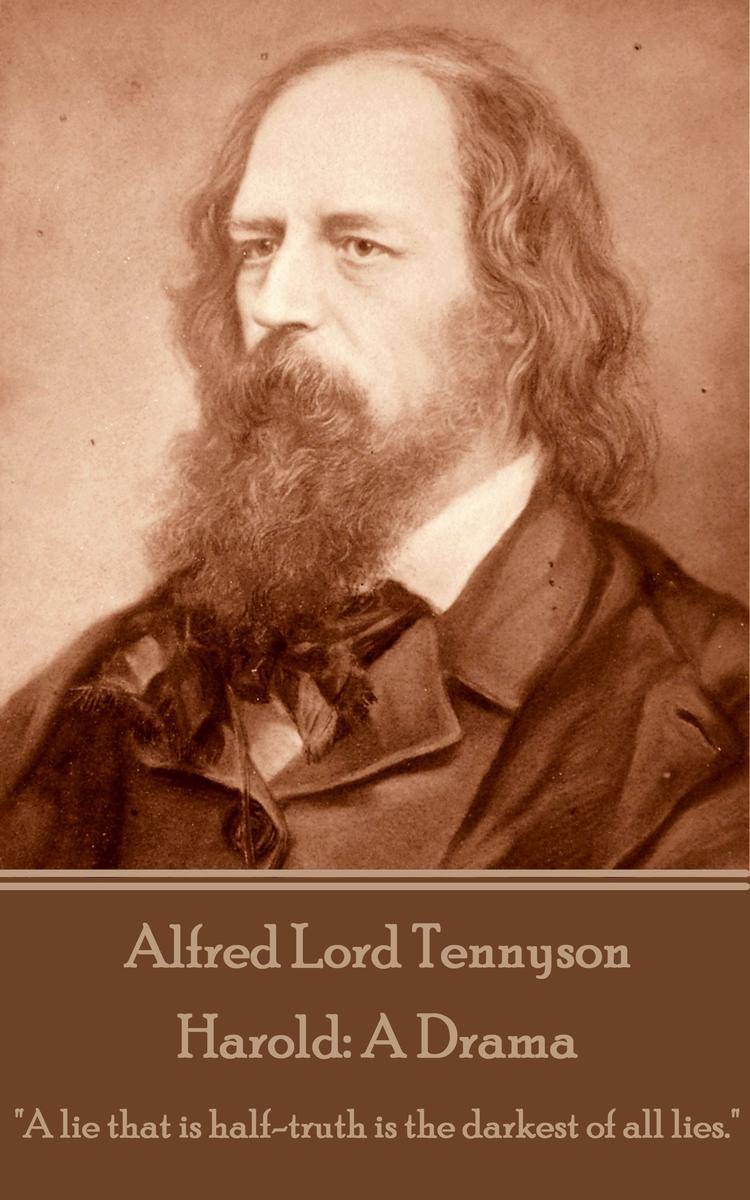
Harold: A Drama - A lie that is half-truth is the darkest of all lies.
¥23.45
Alfred Tennyson was born on August 6th, 1809, in Somersby, Lincolnshire, the fourth of twelve children. Most of Tennyson's early education was under the direction of his father, although he did spend four unhappy years at a nearby grammar school. He left home in 1827 to join his elder brothers at Trinity College, Cambridge, more to escape his father than a desire for serious academic work. At Trinity he was living for the first time among young men of his own age who knew little of his problems. He was delighted to make new friends; he was handsome, intelligent, humorous, a gifted impersonator and soon at the center of those interested in poetry and conversation. That same year, he and his brother Charles published Poems by Two Brothers. Although the poems in the book were of teenage quality, they attracted the attention of the "e;Apostles,"e; a select undergraduate literary club led by Arthur Hallam. The "e;Apostles"e; provided Tennyson with friendship and confidence. Hallam and Tennyson became the best of friends; they toured Europe together in 1830 and again in 1832. Hallam's sudden death in 1833 greatly affected the young poet. The long elegy In Memoriam and many of Tennyson's other poems are tributes to Hallam. In 1830, Tennyson published Poems, Chiefly Lyrical and in 1832 he published a second volume entitled simply Poems. Some reviewers condemned these books as "e;affected"e; and "e;obscure."e; Tennyson, stung by the reviews, would not publish another book for nine years. In 1836, he became engaged to Emily Sellwood. When he lost his inheritance on a failed investment in 1840, the engagement was cancelled. In 1842, however, Tennyson's Poems [in two volumes] was a tremendous critical and popular success. In 1850, with the publication of In Memoriam, Tennyson's reputation was pre-eminent. He was also selected as Poet Laureate in succession to Wordsworth and, to complete a wonderful year, he married Emily Sellwood. At the age of 41, Tennyson had established himself as the most popular poet of the Victorian era. The money from his poetry [at times exceeding 10,000 pounds per year] allowed him to purchase a home in the country and to write in relative seclusion. His appearance-a large and bearded man, he regularly wore a cloak and a broad brimmed hat-enhanced his notoriety. In 1859, Tennyson published the first poems of Idylls of the Kings, which sold more than 10,000 copies in a fortnight. In 1884, he accepted a peerage, becoming Alfred Lord Tennyson. On October 6th, 1892, an hour or so after midnight, surrounded by his family, he died at Aldworth. It is said that the moonlight was streaming through the window and Tennyson himself was holding open a volume of Shakespeare. He was buried in Westminster Abbey.
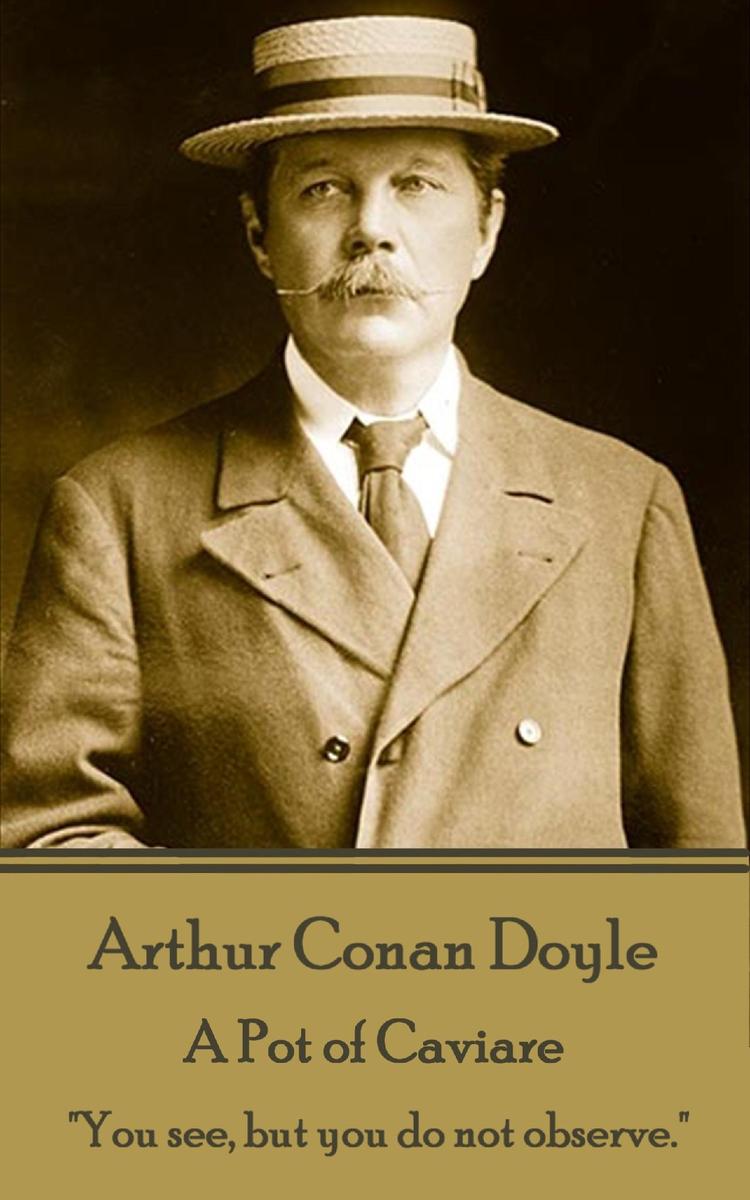
Pot of Caviare - You see, but you do not observe.
¥11.67
If ever a writer needed an introduction Arthur Conan Doyle would not be considered that man. After all, Sherlock Holmes is perhaps the foremost literary detective of any age. Add to this canon his stories of science fiction and his poems, his historical novels, his plays, his political campaigning, his efforts in establishing a Court Of Appeal and there is little room for anything else. Except he was also an exceptional writer of short stories of the horrific and macabre. Something very different from what you might expect. Born in Arthur Conan Doyle was born on 22 May 1859 at 11 Picardy Place, Edinburgh, Scotland. From 1876 - 1881 he studied medicine at the University of Edinburgh following which he was employed as a doctor on the Greenland whaler Hope of Peterhead in 1880 and, after his graduation, as a ship's surgeon on the SS Mayumba during a voyage to the West African coast in 1881. Arriving in Portsmouth in June of that year with less than GBP10 (GBP700 today) to his name, he set up a medical practice at 1 Bush Villas in Elm Grove, Southsea. The practice was initially not very successful. While waiting for patients, Conan Doyle again began writing stories and composed his first novel The Mystery of Cloomber. Although he continued to study and practice medicine his career was now firmly set as a writer. And thereafter great works continued to pour out of him.

Red Room - There are poisons that blind you, and poisons that open your eyes.
¥29.33
Johan August Strindberg was born on January 22nd 1849 in Stockholm in Sweden. It was only at the age of 32 that Strindberg managed to break through as a playwright with 'Master Olef'. Of course with a predecessor as famous as Henrik Ibsen overshadowing everything it was difficult, perhaps, to make headway. However Stringberg took to the task, exploring a wide range of styles, experimenting at every opportunity and with The Red Room wrote what is lauded as the first modern Swedish novel. His career spanned some 60 plays and another 30 novels and associated texts. Whilst he was prolific writer he was also something of a polymath, a telegrapher, theosophist, painter, photographer and alchemist. Much of the 1890's was spent abroad but several psychotic attacks between 1894 to 1896 (referred to as his "e;Inferno crisis"e;) led to his hospitalisation and return to Sweden. His works continued to expand and reshape the boundaries of theatre and many are considered classics and deservedly so. Strindberg became ill with pneumonia during Christmas 1911 and never recovered completely. On April 9th 1912 he at last premiered in New York at the Berkeley Theatre with 'The Father'. He died on 14 May 1912 at the age of 63. Strindberg was interred in the Norra begravningsplatsen in Stockholm.
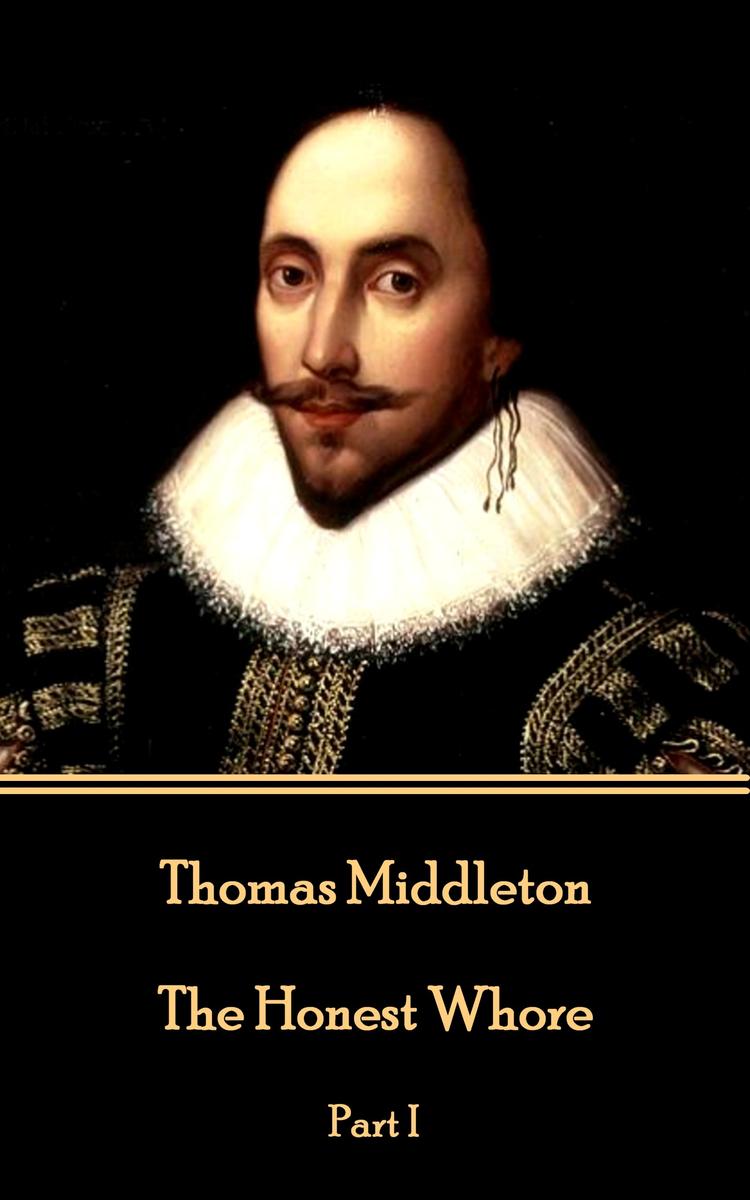
Honest Whore - Part I
¥23.45
Thomas Middleton was born in London in April 1580 and baptised on 18th April. Middleton was aged only five when his father died. His mother remarried but this unfortunately fell apart into a fifteen year legal dispute regarding the inheritance due Thomas and his younger sister. By the time he left Oxford, at the turn of the Century, Middleton had and published Microcynicon: Six Snarling Satirese which was denounced by the Archbishop of Canterbury and publicly burned. In the early years of the 17th century, Middleton wrote topical pamphlets. One - Penniless Parliament of Threadbare Poets was reprinted several times and the subject of a parliamentary inquiry. These early years writing plays continued to attract controversy. His writing partnership with Thomas Dekker brought him into conflict with Ben Jonson and George Chapman in the so-called War of the Theatres. His finest work with Dekker was undoubtedly The Roaring Girl, a biography of the notorious Mary Frith. In the 1610s, Middleton began another playwriting partnership, this time with the actor William Rowley, producing another slew of plays including Wit at Several Weapons and A Fair Quarrel. The ever adaptable Middleton seemed at ease working with others or by himself. His solo writing credits include the comic masterpiece, A Chaste Maid in Cheapside, in 1613. In 1620 he was officially appointed as chronologer of the City of London, a post he held until his death. The 1620s saw the production of his and Rowley's tragedy, and continual favourite, The Changeling, and of several other tragicomedies. However in 1624, he reached a peak of notoriety when his dramatic allegory A Game at Chess was staged by the King's Men. Though Middleton's approach was strongly patriotic, the Privy Council silenced the play after only nine performances at the Globe theatre, having received a complaint from the Spanish ambassador. What happened next is a mystery. It is the last play recorded as having being written by Middleton. Thomas Middleton died at his home at Newington Butts in Southwark in the summer of 1627, and was buried on July 4th, in St Mary's churchyard which today survives as a public park in Elephant and Castle.
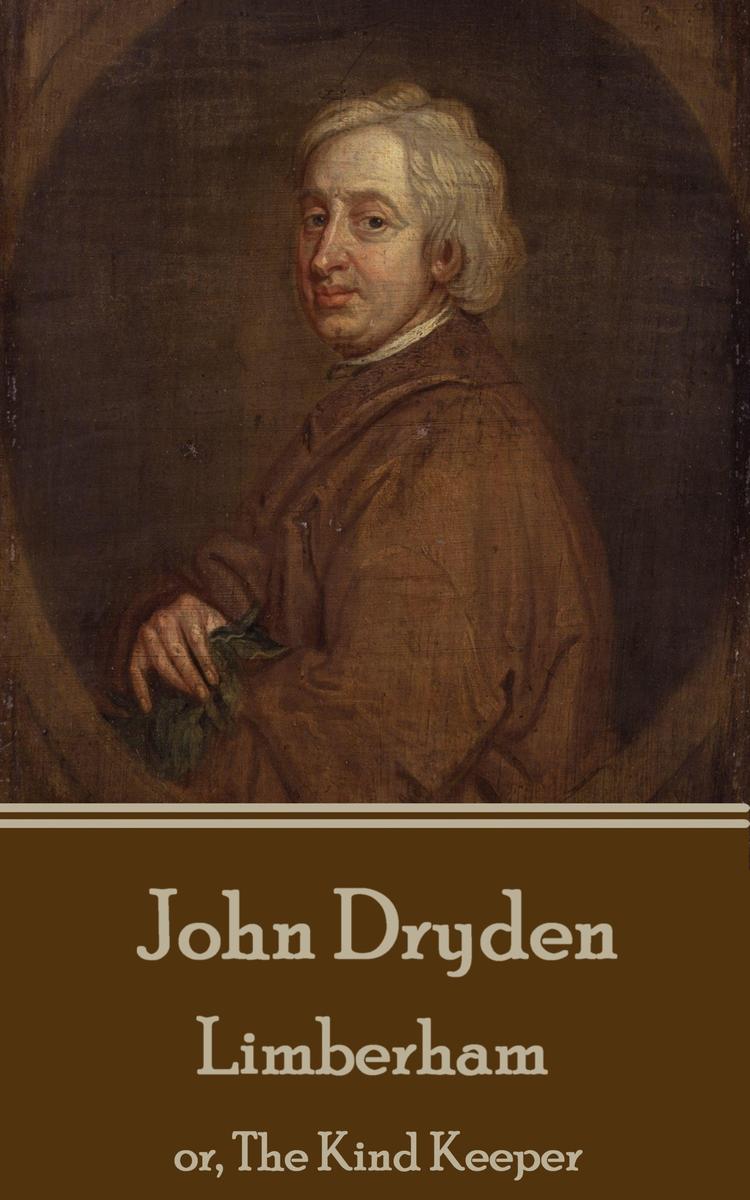
Limberham - or, The Kind Keeper
¥21.09
John Dryden was born on August 9th, 1631 in the village rectory of Aldwincle near Thrapston in Northamptonshire. As a boy Dryden lived in the nearby village of Titchmarsh, Northamptonshire. In 1644 he was sent to Westminster School as a King's Scholar. Dryden obtained his BA in 1654, graduating top of the list for Trinity College, Cambridge that year. Returning to London during The Protectorate, Dryden now obtained work with Cromwell's Secretary of State, John Thurloe. At Cromwell's funeral on 23 November 1658 Dryden was in the company of the Puritan poets John Milton and Andrew Marvell. The setting was to be a sea change in English history. From Republic to Monarchy and from one set of lauded poets to what would soon become the Age of Dryden. The start began later that year when Dryden published the first of his great poems, Heroic Stanzas (1658), a eulogy on Cromwell's death. With the Restoration of the Monarchy in 1660 Dryden celebrated in verse with Astraea Redux, an authentic royalist panegyric. With the re-opening of the theatres after the Puritan ban, Dryden began to also write plays. His first play, The Wild Gallant, appeared in 1663 but was not successful. From 1668 on he was contracted to produce three plays a year for the King's Company, in which he became a shareholder. During the 1660s and '70s, theatrical writing was his main source of income. In 1667, he published Annus Mirabilis, a lengthy historical poem which described the English defeat of the Dutch naval fleet and the Great Fire of London in 1666. It established him as the pre-eminent poet of his generation, and was crucial in his attaining the posts of Poet Laureate (1668) and then historiographer royal (1670). This was truly the Age of Dryden, he was the foremost English Literary figure in Poetry, Plays, translations and other forms. In 1694 he began work on what would be his most ambitious and defining work as translator, The Works of Virgil (1697), which was published by subscription. It was a national event. John Dryden died on May 12th, 1700, and was initially buried in St. Anne's cemetery in Soho, before being exhumed and reburied in Westminster Abbey ten days later.
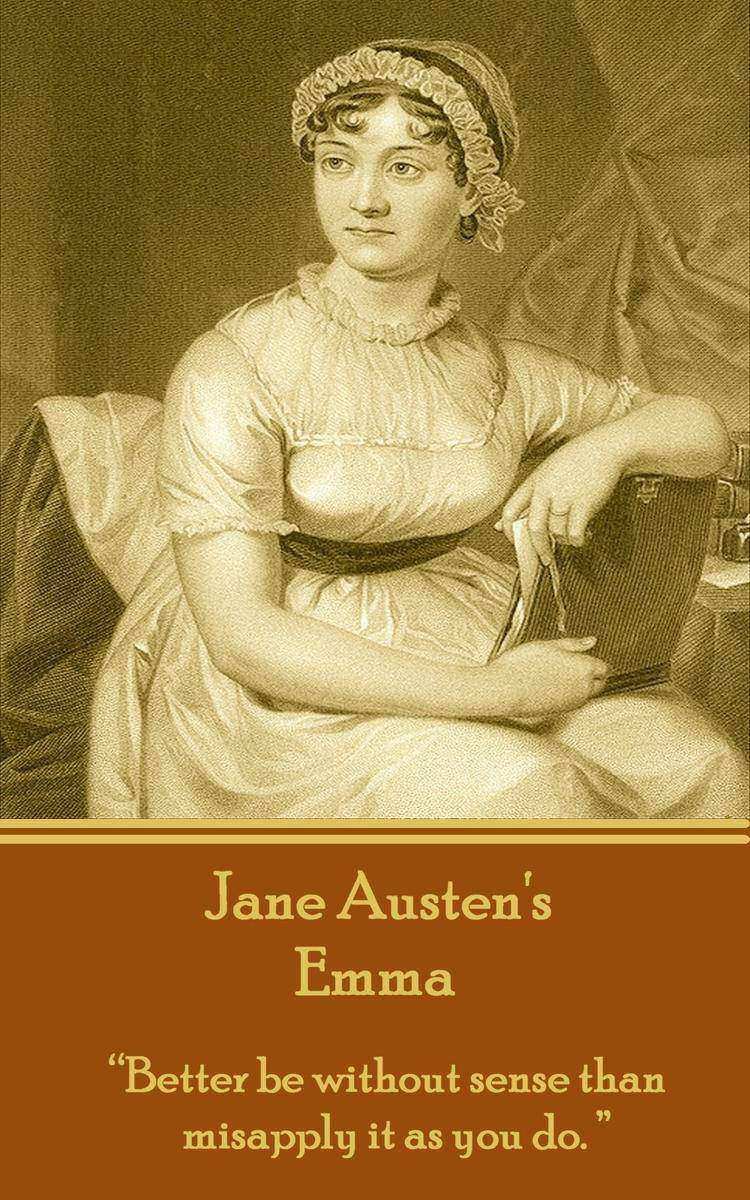
Emma - Better be without sense than misapply it as you do.
¥23.45
Jane Austen's Emma (1815) explores the life of women in Regency England, combining romance with some aspects of the comedy of manners. The story centers around the eponymous character who, unlike Austen's other popular heroines, is an upper middle-class young woman with no pecuniary concerns. Emma Woodhouse is rather a strong-headed, beautiful young woman who lives with her father and who has resolved not to marry. Yet, she spends considerable time and energy trying to make matches for the other people around her and tends to draw amusement and satisfaction from such practice. After one successful experience, Emma tries to match her friend Harriet to a man named Mr. Elton. Her earnest and honest friend George Knightley warns her of Mr. Elton's snobbish nature. Nonetheless, Emma starts by making her friend Harriet reject a marriage proposal. Surprisingly, while she believes Mr. Elton's attention is drawn towards Harriet, the man ends up declaring his love for the match-maker herself. When Emma informs Mr. Elton of her intention to match him to her friend, he feels insulted, considering Harriet's inferior social class. He leaves the town while Emma keeps on trying to find a husband for Harriet. By the end of the novel, Emma marries Mr. Knightley to finally give up her favorite hobby while Harriet marries Robert Martin. We've also included a concise and informative biography of Jane's works and life at the end of the book. We hope it helps to give a little context and colour about how her life interacted with her art.

If Only Politicians Had Brains
¥24.44
Hopefully you are old enough to remember‘Yes Minister.’Does government really work like thatIf it does, you really need a sense of humour to examine not only its workings but also its nonworkings. That is exactly what’ If Only Politicians Had Brains’ does , examine government workings with a sense of humour. Ten years ago BSE was going to destroy mankind (if mankind ate beef ). So far less than 150 people have died – over a twelve year period. ‘If Only Politicians Had Brains ’takes an, often times , humorous look– with serious intents– at the politically manufactured creations designed to divert public attention away from the real issues. Why do so many people“ fall for “the smoke and mirrors trap that makes“ Hustle ” the successful programme that it isTerenceO?Halloran has a thirty (plus) year experience of dealing with government through British Chambers of Commerce and the Federation of Small Businesses at local and central government level . This is a chance to share his insight into the real “ smoke and mirror ” minds of a group of people that will do anything to prove that they, and only they ,know how they should run your life..

Scandal in Spring
¥42.03
"I want you to do everything you've ever imagined doing with me…" With those scandalous words, Daisy Bowman, the sole "Wallflower" yet to be married, seals her fate with the last man she ever expected to tempt her. After spending three London seasons searching for a husband, Daisy Bowman's father has told her in no uncertain terms that she must find a husband. Now. And if Daisy can't snare an appropriate suitor, she will marry the man he chooses the ruthless and aloof Matthew Swift. Daisy is horrified. A Bowman never admits defeat, and she decides to do whatever it takes to marry someone . . . anyone . . . other than Matthew. But she doesn't count on Matthew's unexpected charm . . . or the blazing sensuality that soon flares beyond both their control. And Daisy discovers that the man she has always hated just might turn out to be the man of her dreams. But right at the moment of sweet surrender, a scandalous secret is uncovered . . . one that could destroy both Matthew and a love more passionate and irresistible than Daisy's wildest fantasies.
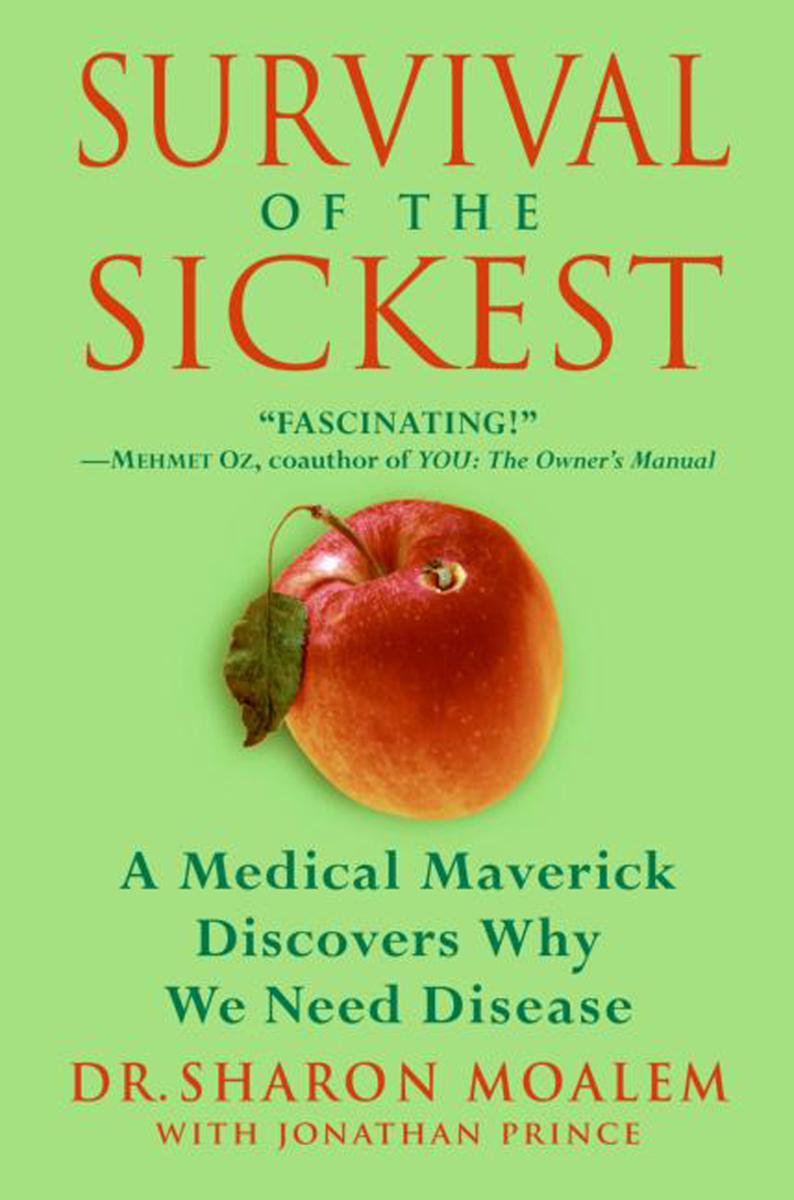
Survival of the Sickest
¥90.51
Read it. You're already living it. Was diabetes evolution's response to the last Ice AgeDid a deadly genetic disease help our ancestors survive the bubonic plagues of EuropeWill a visit to the tanning salon help lower your cholesterolWhy do we ageWhy are some people immune to HIVCan your genes be turned on -- or offJoining the ranks of modern myth busters, Dr. Sharon Moalem turns our current understanding of illness on its head and challenges us to fundamentally change the way we think about our bodies, our health, and our relationship to just about every other living thing on earth, from plants and animals to insects and bacteria. Through a fresh and engaging examination of our evolutionary history, Dr. Moalem reveals how many of the conditions that are diseases today actually gave our ancestors a leg up in the survival sweepstakes. When the option is a long life with a disease or a short one without it, evolution opts for disease almost every time. Everything from the climate our ancestors lived in to the crops they planted and ate to their beverage of choice can be seen in our genetic inheritance. But Survival of the Sickest doesn't stop there. It goes on to demonstrate just how little modern medicine really understands about human health, and offers a new way of thinking that can help all of us live longer, healthier lives. Survival of the Sickest is filled with fascinating insights and cutting-edge research, presented in a way that is both accessible and utterly absorbing. This is a book about the interconnectedness of all life on earth -- and, especially, what that means for us.

AskMen.com Presents The Style Bible
¥94.10
The Style Bible is an indispensable handbook filled with fundamentals that every man can use to improve his dress sense and lifestyle. Divided into 11 rules, The Style Bible helps you build a versatile wardrobe; coordinate different colors, patterns, and accessories; learn which clothes flatter your body type; and navigate the worlds of shoes, jeans, and watches. You'll also learn how to dress appropriately for any occasion or environment, from meetings at the office to first dates and nights on the town. With instructive illustrations and loads of tips, The Style Bible is essential reading for every man who wants to dress to impress.


