


 购物车
购物车 个人中心
个人中心

City for Children
¥370.82
American cities are constantly being built and rebuilt, resulting in ever-changing skylines and neighborhoods. While the dynamic urban landscapes of New York, Boston, and Chicago have been widely studied, there is much to be gleaned from west coast cities, especially in California, where the migration boom at the end of the nineteenth century permanently changed the urban fabric of these newly diverse, plural metropolises.In?A City for Children, Marta Gutman focuses on the use and adaptive reuse of everyday buildings in Oakland, California, to make the city a better place for children. She introduces us to the women who were determined to mitigate the burdens placed on working-class families by an indifferent industrial capitalist economy. Often without the financial means to build from scratch, women did not tend to conceive of urban land as a blank slate to be wiped clean for development. Instead, Gutman shows how, over and over, women turned private houses in Oakland into orphanages, kindergartens, settlement houses, and day care centers, and in the process built the charitable landscape-a network of places that was critical for the betterment of children, families, and public life.The industrial landscape of Oakland, riddled with the effects of social inequalities and racial prejudices, is not a neutral backdrop in Gutman's story but an active player. Spanning one hundred years of history,?A City for Children?provides a compelling model for building urban institutions and demonstrates that children, women, charity, and incremental construction, renovations, alterations, additions, and repurposed structures are central to the understanding of modern cities.
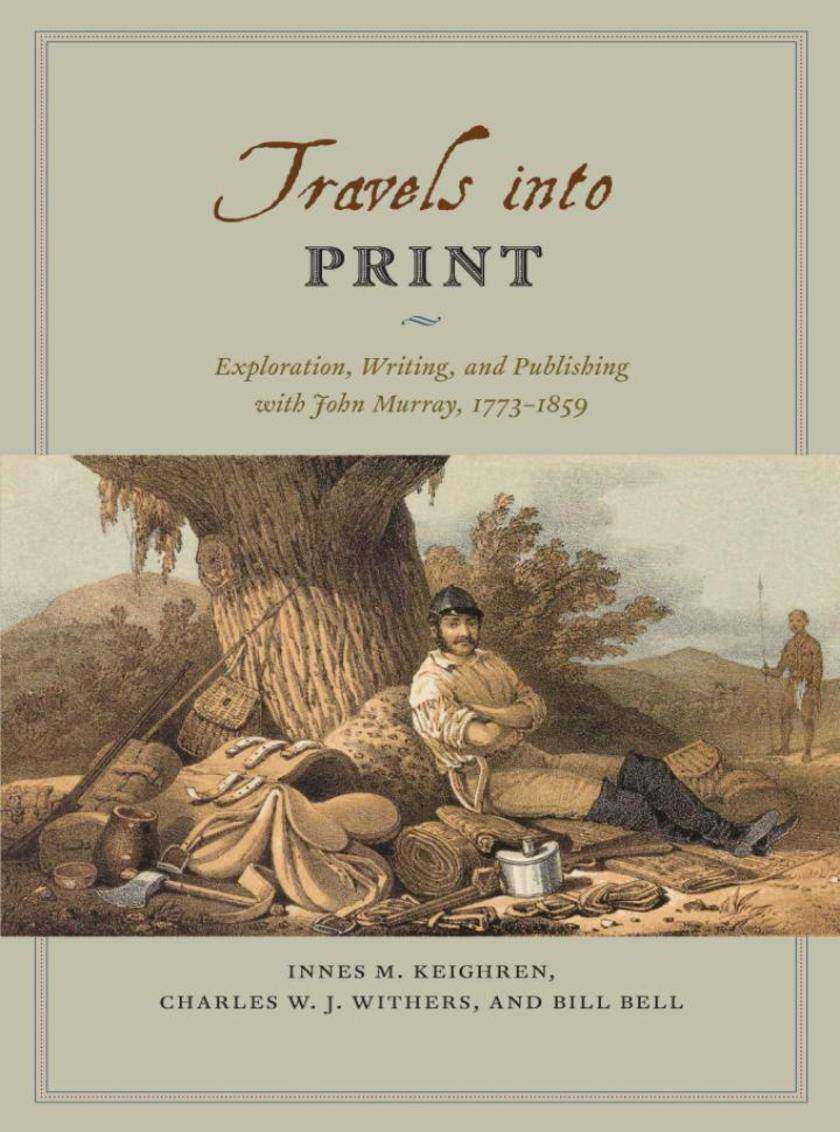
Travels into Print
¥370.82
In eighteenth- and nineteenth-century Britain, books of travel and exploration were much more than simply the printed experiences of intrepid authors. They were works of both artistry and industry-products of the complex, and often contested, relationships between authors and editors, publishers and printers. These books captivated the reading public and played a vital role in creating new geographical truths. In an age of global wonder and of expanding empires, there was no publisher more renowned for its travel books than the House of John Murray.Drawing on detailed examination of the John Murray Archive of manu*s, images, and the firm's correspondence with its many authors-a list that included such illustrious explorers and scientists as Charles Darwin and Charles Lyell, and literary giants like Jane Austen, Lord Byron, and Sir Walter Scott-Travels into Print considers how journeys of exploration became published accounts and how travelers sought to demonstrate the faithfulness of their written testimony and to secure their personal credibility. This fascinating study in historical geography and book history takes modern readers on a journey into the nature of exploration, the production of authority in published travel narratives, and the creation of geographical authorship-a journey bound together by the unifying force of a world-leading publisher.
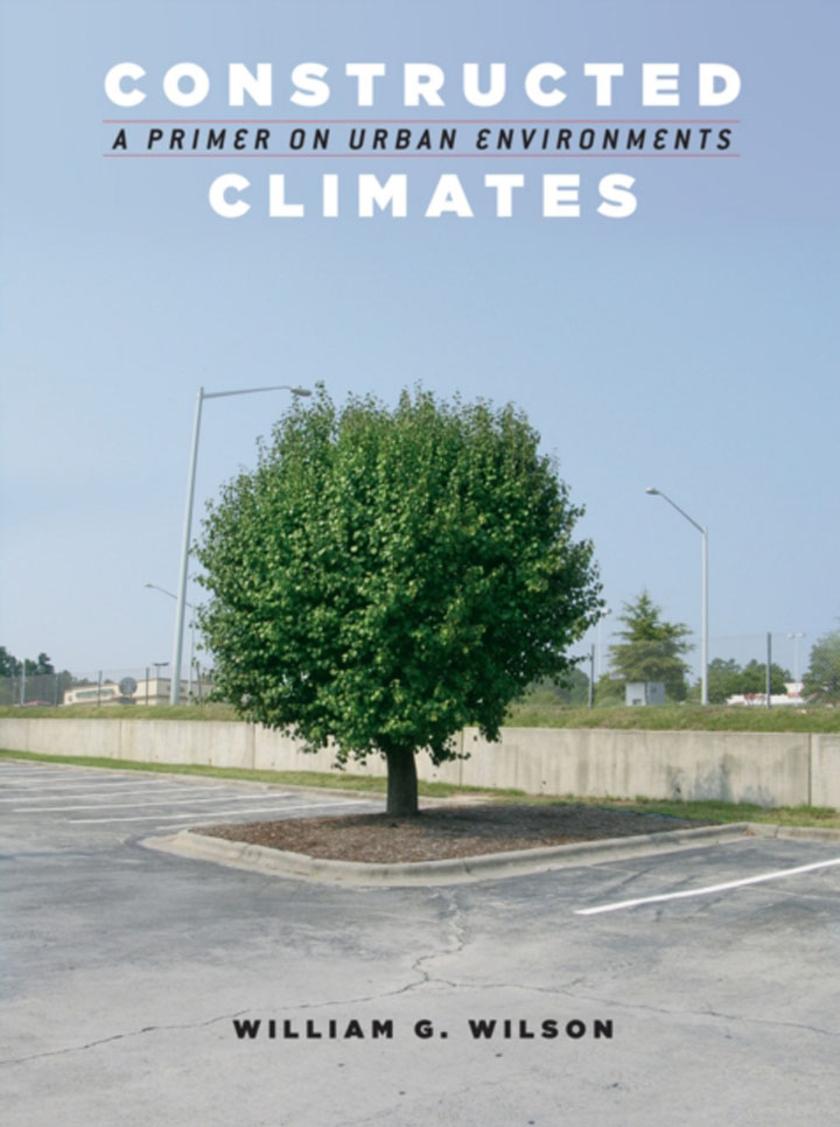
Constructed Climates
¥253.10
As our world becomes increasingly urbanized, an understanding of the context, mechanisms, and consequences of city and suburban environments becomes more critical. Without a sense of what open spaces such as parks and gardens contribute, it's difficult to argue for their creation and maintenance: in the face of schools needing resources, roads and sewers needing maintenance, and people suffering at the hands of others, why should cities and counties spend scarce dollars planting trees and preserving parksIn Constructed Climates, ecologist William G. Wilson demonstrates the value of urban green. Focusing specifically on the role of vegetation and trees, Wilson shows the costs and benefits reaped from urban open spaces, from cooler temperatures to better quality ground water-and why it all matters. While Constructed Climates is a work of science, it does not ignore the social component. Wilson looks at low-income areas that have poor vegetation, and shows how enhancing these areas through the planting of community gardens and trees can alleviate social ills. This book will be essential reading for environmentalists and anyone making decisions for the nature and well-being of our cities and citizens.
Masculine Self in Late Medieval England
¥247.21
What did it mean to be a man in medieval EnglandMost would answer this question by alluding to the power and status men enjoyed in a patriarchal society, or they might refer to iconic images of chivalrous knights. While these popular ideas do have their roots in the history of the aristocracy, the experience of ordinary men was far more complicated. Marshalling a wide array of colorful evidence-including legal records, letters, medical sources, and the literature of the period-Derek G. Neal here plumbs the social and cultural significance of masculinity during the generations born between the Black Death and the Protestant Reformation. He discovers that social relations between men, founded on the ideals of honesty and self-restraint, were at least as important as their domination and control of women in defining their identities. By carefully exploring the social, physical, and psychological aspects of masculinity, The Masculine Self in Late Medieval England offers a uniquely comprehensive account of the exterior and interior lives of medieval men.
The Sound of Poetry / The Poetry of Sound
¥247.21
Sound-one of the central elements of poetry-finds itself all but ignored in the current discourse on lyric forms. The essays collected here by Marjorie Perloff and Craig Dworkinbreak that critical silence to readdress some of thefundamental connections between poetry and sound-connections that go far beyond traditional metrical studies.Ranging from medieval Latin lyrics to a cyborg opera, sixteenth-century France to twentieth-century Brazil, romantic ballads to the contemporary avant-garde, the contributors to The Sound of Poetry/The Poetry of Sound explore such subjects as the translatability of lyric sound, the historical and cultural roles of rhyme,the role of sound repetition in novelistic prose, theconnections between "e;sound poetry"e; and music, between the visual and the auditory, the role of the body in performance, and the impact of recording technologies on the lyric voice. Along the way, the essaystake on the "e;ensemble discords"e; of Maurice Scve's Dlie, Ezra Pound's use of "e;Chinese whispers,"e; the alchemical theology of Hugo Ball's Dada performances, Jean Cocteau's modernist radiophonics, and an intercultural account of the poetry reading as a kind of dubbing.A genuinely comparatist study, The Sound of Poetry/The Poetry of Sound is designed to challenge current preconceptions about what Susan Howe has called "e;articulations of sound forms in time"e; as they have transformed the expanded poetic field of the twenty-first century.
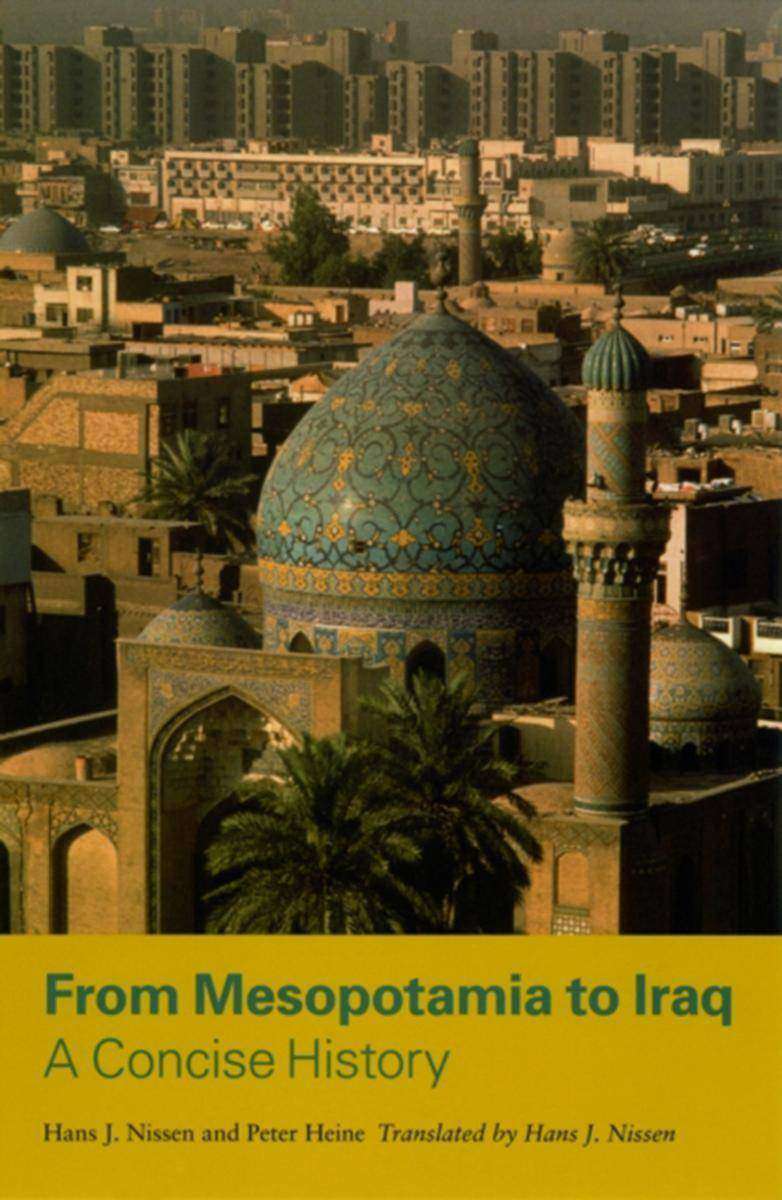
From Mesopotamia to Iraq
¥141.26
In April 2003, the world watched in horror as part of Iraq's cultural heritage disintegrated among the rubble of Saddam Hussein's regime. Looters descended on the Iraq National Museum in Baghdad, Arabic manu*s disappeared from the National Library, and countless Iraqi government records were destroyed. For those to whom Iraq meant only terror, weapons of mass destruction, or oil, several thousand years of history between the Tigris and the Euphrates opened into view. Basic techniques and concepts of civilization, without which human society would not have attained its present level, had their origin there. A writing system, the prerequisite of modern and premodern societies, was part of the human knowledge that spread from Mesopotamia, as were bureaucratic techniques such as archiving, still basic to any modern administration, or early forms of monotheism. Such “firsts” will be highlighted in the following pages. But the uniqueness of the ancient Mesopotamian culture rests not only on countless innovations of this kind but, to an even greater degree, on the fact that we can follow its gradual development and its absorption into the cultural canon over a period of ten thousand years, almost without major gaps.

Church Mother
¥253.10
Imbued with character and independence, strength and articulateness, humor and conviction, abundant biblical knowledge and intense compassion, Katharina Schutz Zell (1498-1562) was an outspoken religious reformer in sixteenth-century Germany who campaigned for the right of clergy to marry and the responsibility of lay people-women as well as men-to proclaim the Gospel. As one of the first and most daring models of the pastor's wife in the Protestant Reformation, Schutz Zell demonstrated that she could be an equal partner in marriage; she was for many years a respected, if unofficial, mother of the established church of Strasbourg in an age when ecclesiastical leadership was dominated by men.Though a commoner, Schtz Zell participated actively in public life and wrote prolifically, including letters of consolation, devotional writings, biblical meditations, catechetical instructions, a sermon, and lengthy polemical exchanges with male theologians. The complete translations of her extant publications, except for her longest, are collected here in Church Mother, offering modern readers a rare opportunity to understand the important work of women in the formation of the early Protestant church.
Class War?
¥141.26
Recent battles in Washington over how to fix America's fiscal failures strengthened the widespread impression that economic issues sharply divide average citizens. Indeed, many commentators split Americans into two opposing groups: uncompromising supporters of unfettered free markets and advocates for government solutions to economic problems. But such dichotomies, Benjamin Page and Lawrence Jacobs contend, ring false. In Class Warthey present compelling evidence that most Americans favor free enterprise and practical government programs to distribute wealth more equitably.At every income level and in both major political parties, majorities embrace conservative egalitarianism-a philosophy that prizes individualism and self-reliance as well as public intervention to help Americans pursue these ideals on a level playing field. Drawing on hundreds of opinion studies spanning more than seventy years, including a new comprehensive survey, Page and Jacobs reveal that this worldview translates to broad support for policies aimed at narrowing the gap between rich and poor and creating genuine opportunity for all. They find, for example, that across economic, geographical, and ideological lines, most Americans support higher minimum wages, improved public education, wider access to universal health insurance coverage, and the use of tax dollars to fund these programs.In this surprising and heartening assessment, Page and Jacobs provide our new administration with a popular mandate to combat the economic inequity that plagues our nation.
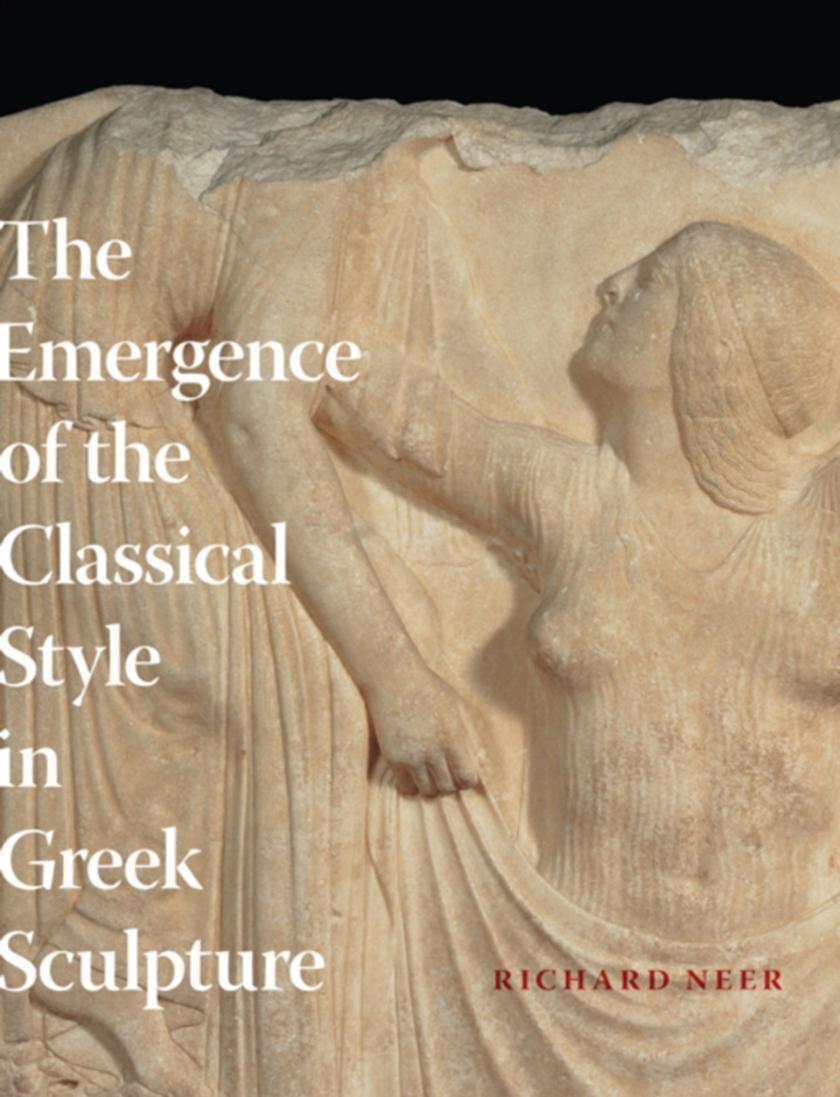
The emergence of the Classical Style in Greek Sculpture
¥353.16
This book was written in Chicago and Rome during the years 2002-2005.Difficulties in obtaining photographs (some insurmountable) delayed publication; the bibliography is reasonably up to date through early 2006 but later additions have been unsystematic.

Rebellion in the Backlands
¥394.36
Euclides da Cunha's classic account of the brutal campaigns against religious mystic Antonio Conselheiro has been called the Bible of Brazilian nationality."e;Euclides da Cunha went on the campaigns [against Conselheiro] as a journalist and what he returned with and published in 1902 is still unsurpassed in Latin American literature. Cunha is a talent as grand, spacious, entangled with knowledge, curiosity, and bafflement as the country itself. . . . On every page there is a heart of idea, speculation, dramatic observation that tells of a creative mission undertaken, the identity of the nation, and also the creation of a pure and eloquent prose style."e;-Elizabeth Hardwick, Bartleby in Manhattan
Frankenstein of 1790 and Other Lost Chapters from Revolutionary France
¥394.36
The French Revolution brings to mind violent mobs, the guillotine, and Madame Defarge, but it was also a publishing revolution: more than 1,200 novels were published between 1789 and 1804, when Napoleon declared the Revolution at an end. In this book, Julia V. Douthwaite explores how the works within this enormous corpus announced the new shapes of literature to come and reveals that vestiges of these stories can be found in novels by the likes of Mary Shelley, E. T. A. Hoffmann, Honore de Balzac, Charles Dickens, Gustave Flaubert, and L. Frank Baum.?Deploying political history, archival research, and textual analysis with eye-opening results, Douthwaite focuses on five major events between 1789 and 1794-first in newspapers, then in fiction-and shows how the symbolic stories generated by Louis XVI, Robespierre, the market women who stormed Versailles, and others were transformed into new tales with ongoing appeal. She uncovers a 1790 story of an automaton-builder named Franknsten, links Baum to the suffrage campaign going back to 1789, and discovers a royalist anthem's power to undo Balzac's Pre Goriot. Bringing to light the missing links between the ancien rgime and modernity, The Frankenstein of 1790 and Other Lost Chapters from Revolutionary France is an ambitious account of a remarkable politico-literary moment and its aftermath.
Demolition Means Progress
¥370.82
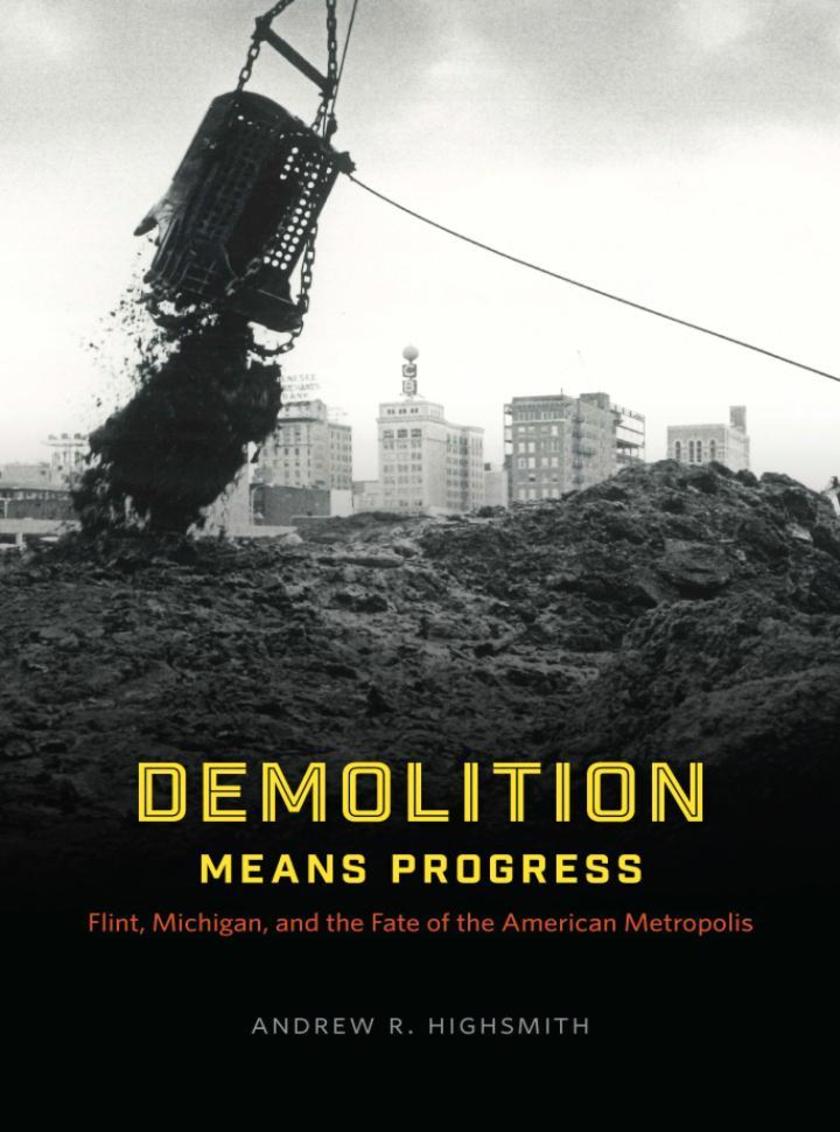
In 1997, after General Motors shuttered a massive complex of factories in the gritty industrial city of Flint, Michigan, signs were placed around the empty facility reading, "e;Demolition Means Progress,"e; suggesting that the struggling metropolis could not move forward to greatness until the old plants met the wrecking ball. Much more than a trite corporate slogan, the phrase encapsulates the operating ethos of the nation's metropolitan leadership from at least the 1930s to the present. Throughout, the leaders of Flint and other municipalities repeatedly tried to revitalize their communities by demolishing outdated and inefficient structures and institutions and overseeing numerous urban renewal campaigns-many of which yielded only more impoverished and more divided metropolises. After decades of these efforts, the dawn of the twenty-first century found Flint one of the most racially segregated and economically polarized metropolitan areas in the nation.In one of the most comprehensive works yet written on the history of inequality and metropolitan development in modern America, Andrew R. Highsmith uses the case of Flint to explain how the perennial quest for urban renewal-even more than white flight, corporate abandonment, and other forces-contributed to mass suburbanization, racial and economic division, deindustrialization, and political fragmentation. Challenging much of the conventional wisdom about structural inequality and the roots of the nation's "e;urban crisis,"e; Demolition Means Progress shows in vivid detail how public policies and programs designed to revitalize the Flint area ultimately led to the hardening of social divisions.
Vital Minimum
¥370.82
What constitutes a needWho gets to decide what people do or do not needIn modern France, scientists, both amateur and professional, were engaged in defining and measuring human needs. These scientists did not trust in a providential economy to distribute the fruits of labor and uphold the social order. Rather, they believed that social organization should be actively directed according to scientific principles. They grounded their study of human needs on quantifiable foundations: agricultural and physiological experiments, demographic studies, and statistics.The result was the concept of the "e;vital minimum"e;--the living wage, a measure of physical and social needs. In this book, Dana Simmons traces the history of this concept, revealing the intersections between technologies of measurement, such as calorimeters and social surveys, and technologies of wages and welfare, such as minimum wages, poor aid, and welfare programs. In looking at how we define and measure need, Vital Minimum raises profound questions about the authority of nature and the nature of inequality.
Enigma of the Aerofoil
¥353.16
Why do aircraft flyHow do their wings support themIn the early years of aviation, there was an intense dispute between British and German experts over the question of why and how an aircraft wing provides lift. The British, under the leadership of the great Cambridge mathematical physicist Lord Rayleigh, produced highly elaborate investigations of the nature of discontinuous flow, while the Germans, following Ludwig Prandtl in Gottingen, relied on the tradition called "e;technical mechanics"e; to explain the flow of air around a wing. Much of the basis of modern aerodynamics emerged from this remarkable episode, yet it has never been subject to a detailed historical and sociological analysis.?In The Enigma of the Aerofoil, David Bloor probes a neglected aspect of this important period in the history of aviation. Bloor draws upon papers by the participants-their restricted technical reports, meeting minutes, and personal correspondence, much of which has never before been published-and reveals the impact that the divergent mathematical traditions of Cambridge and Gttingen had on this great debate. Bloor also addresses why the British, even after discovering the failings of their own theory, remained resistant to the German circulation theory for more than a decade. The result is essential reading for anyone studying the history, philosophy, or sociology of science or technology-and for all those intrigued by flight.
Uncivil Unions
¥353.16
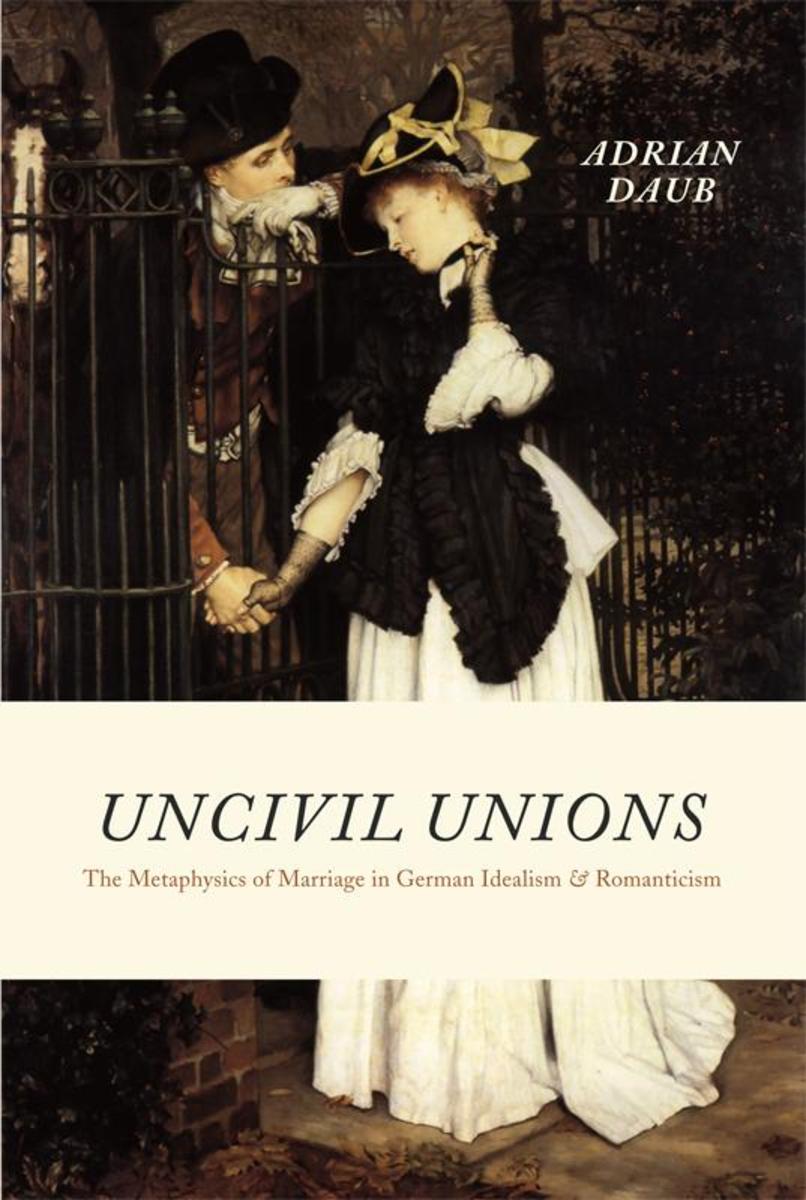
"e;What a strange invention marriage is!"e; wrote Kierkegaard. "e;Is it the expression of that inexplicable erotic sentiment, that concordant elective affinity of souls, or is it a duty or a partnership . . . or is it a little of all that?"e;Like Kierkegaard a few decades later, many of Germany's most influential thinkers at the turn of the eighteenth century wondered about the nature of marriage but rejected the easy answers provided by biology and theology. In Uncivil Unions, Adrian Daub presents a truly interdisciplinary look at the story of a generation of philosophers, poets, and intellectuals who turned away from theology, reason, common sense, and empirical observation to provide a purely metaphysical justification of marriage.Through close readings of philosophers like Fichte and Schlegel, and novelists like Sophie Mereau and Jean Paul, Daub charts the development of this new concept of marriage with an insightful blend of philosophy, cultural studies, and theory. The author delves deeply into the lives and work of the romantic and idealist poets and thinkers whose beliefs about marriage continue to shape ideas about gender, marriage, and sex to the present day.
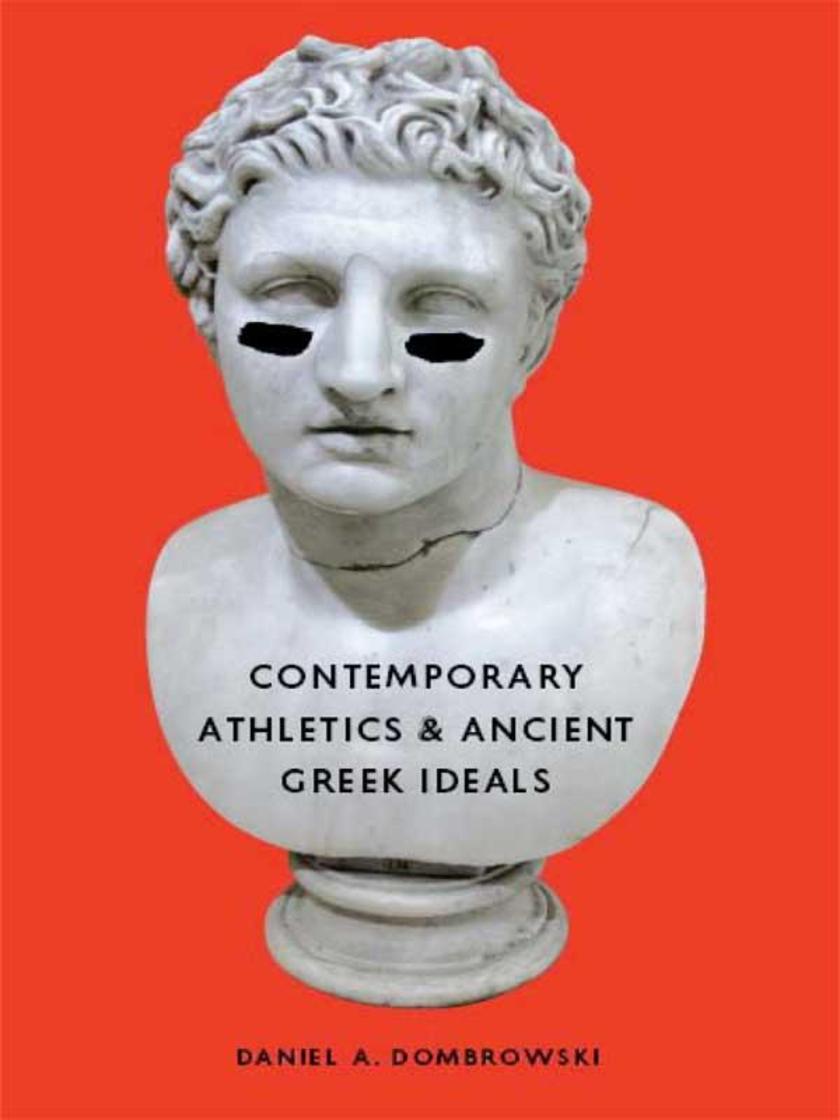
Contemporary Athletics and Ancient Greek Ideals
¥353.16
Despite their influence in our culture, sports inspire dramatically less philosophical consideration than such ostensibly weightier topics as religion, politics, or science. Arguing that athletic playfulness coexists with serious underpinnings, and that both demand more substantive attention, Daniel Dombrowski harnesses the insights of ancient Greek thinkers to illuminate contemporary athletics.Dombrowski contends that the ideas of Plato, Aristotle, and Plotinus shed important light on issues-such as the pursuit of excellence, the concept of play, and the power of accepting physical limitations while also improving one's body-that remain just as relevant in our sports-obsessed age as they were in ancient Greece. Bringing these concepts to bear on contemporary concerns, Dombrowski considers such questions as whether athletic competition can be a moral substitute for war, whether it necessarily constitutes war by other means, and whether it encourages fascist tendencies or ethical virtue. The first volume to philosophically explore twenty-first-century sport in the context of its ancient predecessor, Contemporary Athletics and Ancient Greek Ideals reveals that their relationship has great and previously untapped potential to inform our understanding of human nature.
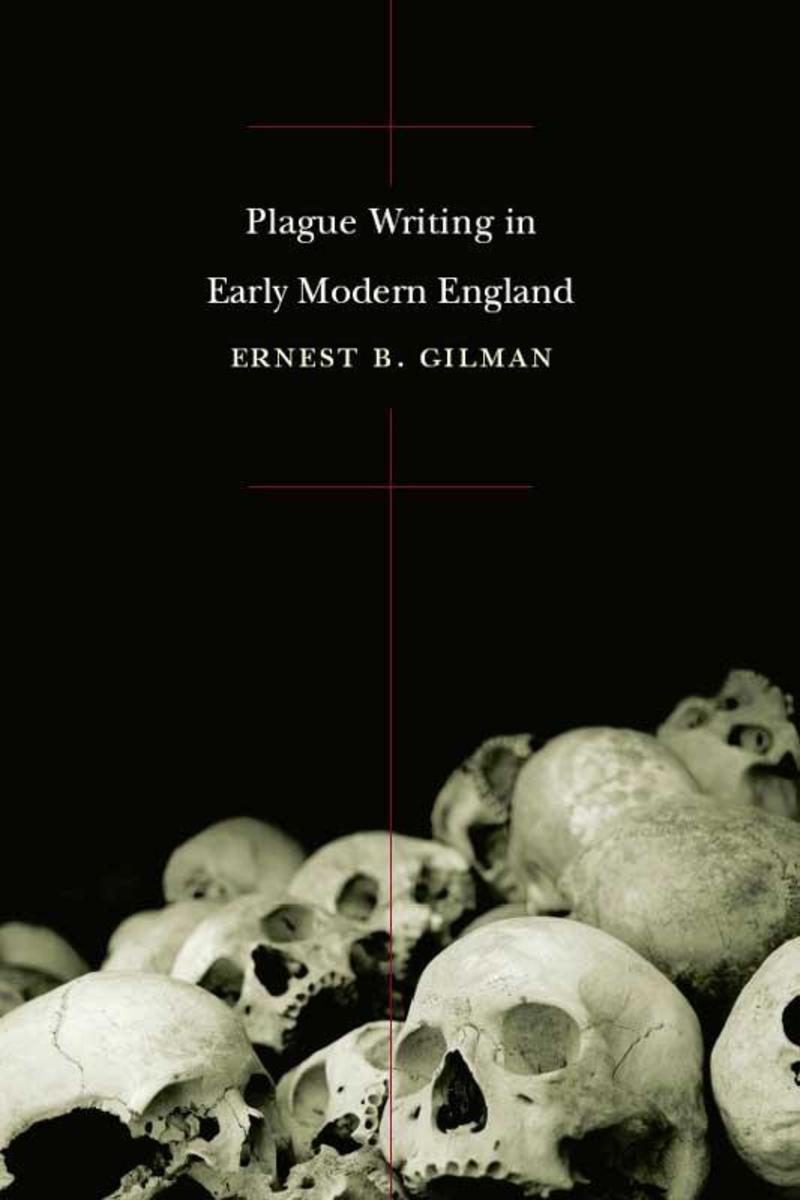
Plague Writing in Early Modern England
¥353.16
During the seventeenth century, England was beset by three epidemics of the bubonic plague, each outbreak claiming between a quarter and a third of the population of London and other urban centers. Surveying a wide range of responses to these epidemics-sermons, medical tracts, pious exhortations, satirical pamphlets, and political commentary-Plague Writing in Early Modern England brings to life the many and complex ways Londoners made sense of such unspeakable devastation.Ernest B. Gilman argues that the plague writing of the period attempted unsuccessfully to rationalize the catastrophic and that its failure to account for the plague as an instrument of divine justice fundamentally threatened the core of Christian belief. Gilman also trains his critical eye on the works of Jonson, Donne, Pepys, and Defoe, which, he posits, can be more fully understood when put into the context of this century-long project to "e;write out"e; the plague. Ultimately, Plague Writing in Early Modern England is more than a compendium of artifacts of a bygone era; it holds up a distant mirror to reflect our own condition in the age of AIDS, super viruses, multidrug resistant tuberculosis, and the hovering threat of a global flu pandemic.
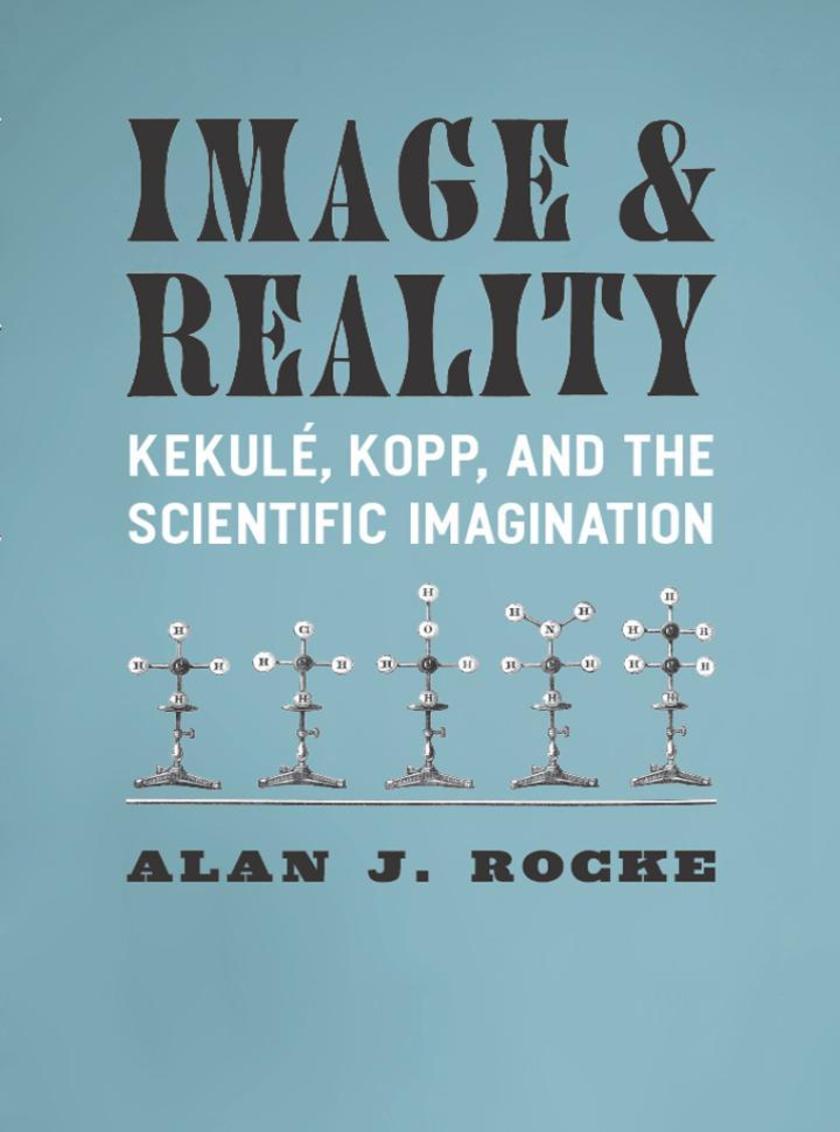
Image and Reality
¥447.34
Nineteenth-century chemists were faced with a particular problem: how to depict the atoms and molecules that are beyond the direct reach of our bodily senses. In visualizing this microworld, these scientists were the first to move beyond high-level philosophical speculations regarding the unseen. In Image and Reality, Alan Rocke focuses on the community of organic chemists in Germany to provide the basis for a fuller understanding of the nature of scientific creativity.?Arguing that visual mental images regularly assisted many of these scientists in thinking through old problems and new possibilities, Rocke uses a variety of sources, including private correspondence, diagrams and illustrations, scientific papers, and public statements, to investigate their ability to not only imagine the invisibly tiny atoms and molecules upon which they operated daily, but to build detailed and empirically based pictures of how all of the atoms in complicated molecules were interconnected. These portrayals of "e;chemical structures,"e; both as mental images and as paper tools, gradually became an accepted part of science during these years and are now regarded as one of the central defining features of chemistry.In telling this fascinating story in a manner accessible to the lay reader, Rocke also suggests that imagistic thinking is often at the heart of creative thinking in all fields.Image and Reality is the first book in the Synthesis series, a series in the history of chemistry, broadly construed, edited by Angela N. H. Creager, John E. Lesch, Stuart W. Leslie, Lawrence M. Principe, Alan Rocke, E.C. Spary, and Audra J. Wolfe, in partnership with the Chemical Heritage Foundation.
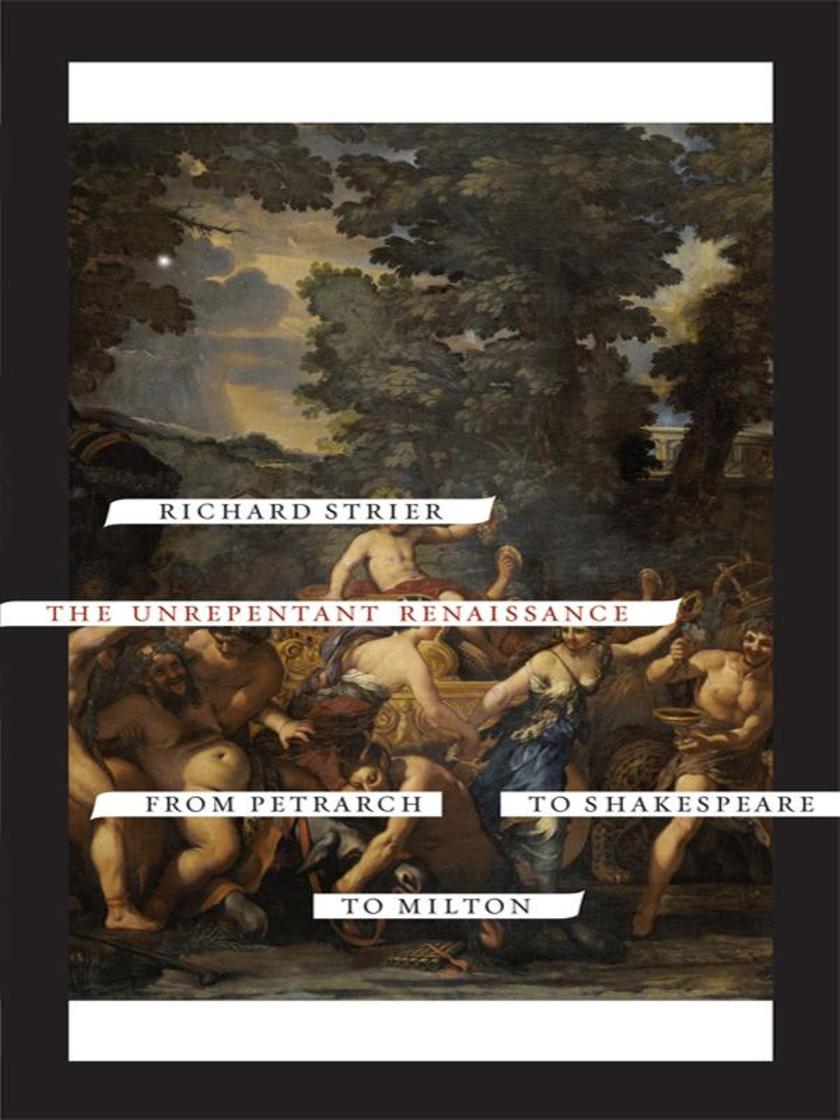
Unrepentant Renaissance
¥447.34
Who during the Renaissance could have dissented from the values of reason and restraint, patience and humility, rejection of the worldly and the physicalThese widely articulated values were part of the inherited Christian tradition and were reinforced by key elements in the Renaissance, especially the revival of Stoicism and Platonism. This book is devoted to those who did dissent from them.?Richard Strier reveals that many long-recognized major texts did question the most traditional values and uncovers a Renaissance far more bumptious and affirmative than much recent scholarship has allowed.The Unrepentant Renaissance counters the prevalent view of the period as dominated by the regulation of bodies and passions, aiming to reclaim the Renaissance as an era happily churning with surprising, worldly, and self-assertive energies. Reviving the perspective of Jacob Burckhardt and Nietzsche, Strier provides fresh and uninhibited readings of texts by Petrarch, More, Shakespeare, Ignatius Loyola, Montaigne, Descartes, and Milton. Strier's lively argument will stir debate throughout the field of Renaissance studies.
Posthumous Love
¥329.62
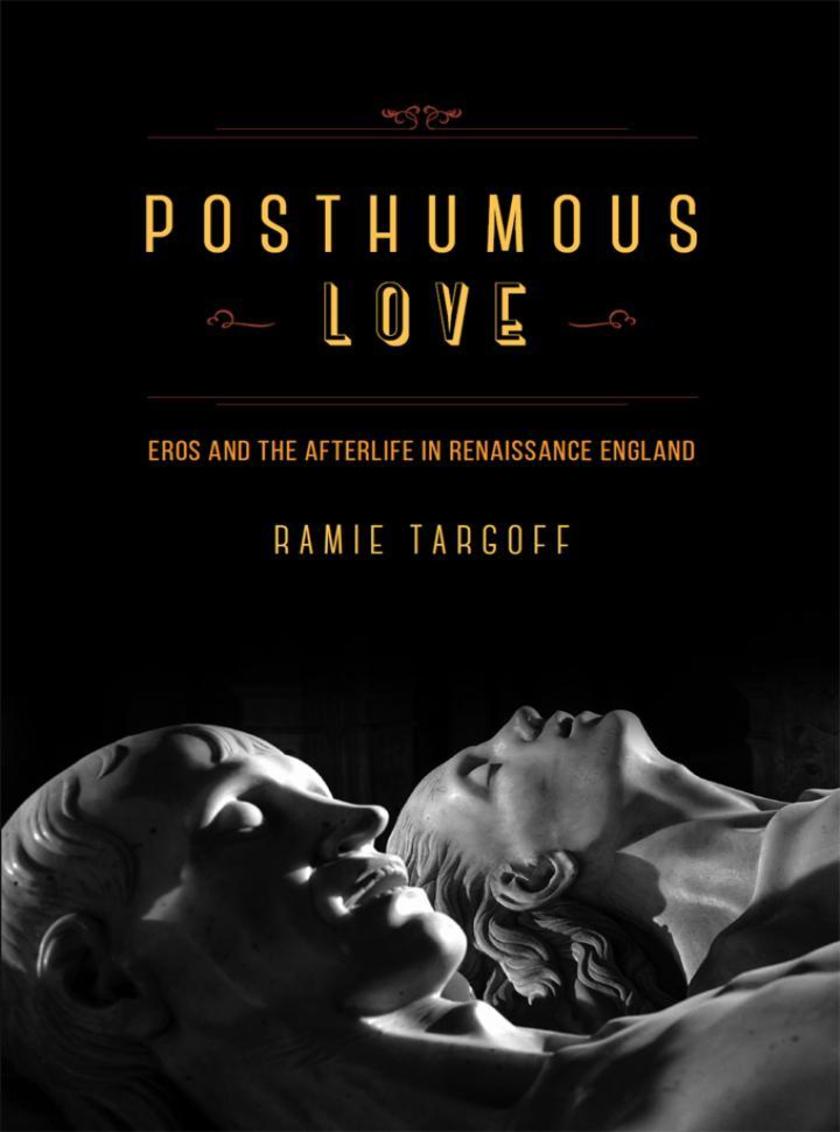
For Dante and Petrarch, posthumous love was a powerful conviction. Like many of their contemporaries, both poets envisioned their encounters with their beloved in heaven-Dante with Beatrice, Petrarch with Laura. But as Ramie Targoff reveals in this elegant study, English love poetry of the Renaissance brought a startling reversal of this tradition: human love became definitively mortal. Exploring the boundaries that Renaissance English poets drew between earthly and heavenly existence, Targoff seeks to understand this shift and its consequences for English poetry.?Targoff shows that medieval notions of the somewhat flexible boundaries between love in this world and in the next were hardened by Protestant reformers, who envisioned a total break between the two. Tracing the narrative of this rupture, she focuses on central episodes in poetic history in which poets developed rich and compelling compensations for the lack of posthumous love-from Thomas Wyatt's translations of Petrarch's love sonnets and the Elizabethan sonnet series of Shakespeare and Spencer to the?carpe diem?poems of the seventeenth century. Targoff's centerpiece is?Romeo and Juliet, where she considers how Shakespeare's reworking of the Italian story stripped away any expectation that the doomed teenagers would reunite in heaven. Casting new light on these familiar works of poetry and drama, this book ultimately demonstrates that the negation of posthumous love brought forth a new mode of poetics that derived its emotional and aesthetic power from its insistence upon love's mortal limits.
Black Metropolis
¥329.62
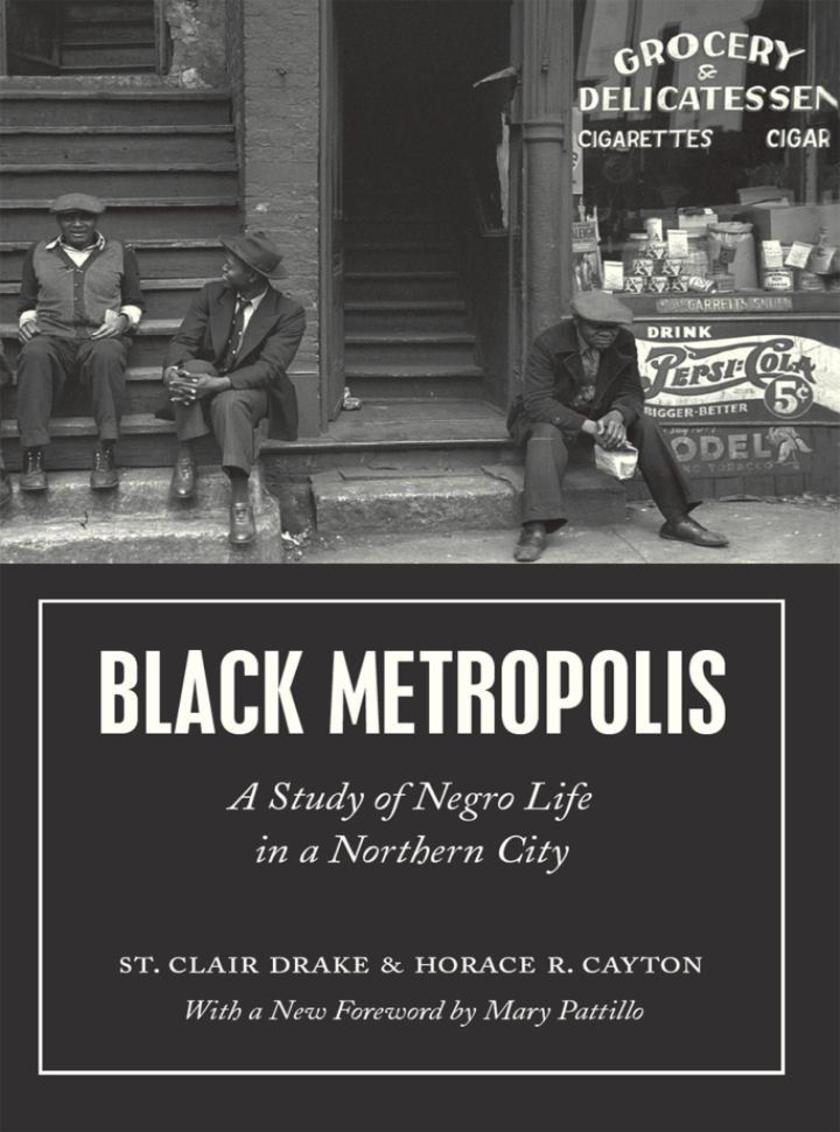
Ground-breaking when first published in 1945, Black Metropolis remains a landmark study of race and urban life. Few studies since have been able to match its scope and magnitude, offering one of the most comprehensive looks at black life in America. Based on research conducted by Works Progress Administration field workers, it is a sweeping historical and sociological account of the people of Chicago's South Side from the 1840s through the 1930s. Its findings offer a comprehensive analysis of black migration, settlement, community structure, and black-white race relations in the first half of the twentieth century. It offers a dizzying and dynamic world filled with captivating people and startling revelations.A new foreword from sociologist Mary Pattillo places the study in modern context, updating the story with the current state of black communities in Chicago and the larger United States and exploring what this means for the future. As the country continues to struggle with race and our treatment of black lives, Black Metropolis continues to be a powerful contribution to the conversation.


