


 购物车
购物车 个人中心
个人中心

American Indianology 101: A profile of Today's American Indian population, tribe
¥40.79
American Indianology 101: A profile of Today's American Indian population, tribes and reservations.
Getting Things Done
¥24.44
Getting Things Done
Marxismo: Promesas Luminosas y Realidades Sombrías
¥24.44
Marxismo: Promesas Luminosas y Realidades Sombrías
A Life of Crime: The Memoirs of a High Court Judge
¥95.75
A frank and witty memoir of life at the Bar and on the Bench, from former High Court Judge The Hon. Sir Harry Ognall. For many years, Harry Ognall enjoyed a formidable reputation as an advocate at the criminal Bar. As counsel, and later as judge, he was involved in numerous high-profile trials, both in Britain and abroad. Among many cases as a QC, he prosecuted Peter Sutcliffe, the so-called ‘Yorkshire Ripper’. He successfully defended six officers of the Air Force of Zimbabwe at their trial in Harare, where they faced a charge of treasonable sabotage. As a judge, he presided over the trial of Colin Stagg (the alleged ‘Wimbledon Common murderer’), the trial arising from the Lyme Bay canoe tragedy and the trial for the first time in the United Kingdom of a doctor’s alleged involvement in euthanasia. Thoughtful and provocative, Sir Harry has advice for the aspiring young advocate, and invests this penetrating memoir with warmth, humour and understanding. His frank portrait of a lifetime in the criminal law offers unique perspectives on some of the most notorious cases of the twentieth century, as well as fascinating insights into a colourful professional life and the burdens and responsibilities that come with the privilege of high judicial office.
Taken
¥58.86
Experienced foster carer, Rosie Lewis, takes on the heart-breaking case of Megan, a baby born with a drug addiction and a cleft palate. Addicted to drugs from birth because of her mother’s substance abuse during pregnancy, new-born Megan is taken into Rosie’s loving care. Rosie is supposed to help Megan find her new permanent home, but it turns out that Megan has already found her ‘forever mummy’ in Rosie. Rosie grows incredibly attached to Megan and applies to adopt her, but the system refuses her in favour of a young couple and Rosie is devastated. Against all her instincts, Rosie does her job and prepares Megan for her new ‘forever family’, but everything about Megan leaving feels wrong. When Rosie learns a few months later that Megan’s adoption has broken down, she is saddened but also filled with hope – will this little girl be allowed to return to her true ‘forever home’?

The Spiral Staircase
¥73.58
A raw, intensely personal memoir of spiritual exploration from one of the world’s great commentators on religion.
Know the Truth (Text only)
¥85.74
In this remarkable and candid memoir the former Archbishop of Canterbury recalls his life and his spiritual quest; this is the first time in history that an Archbishop of Canterbury has written his autobiography.
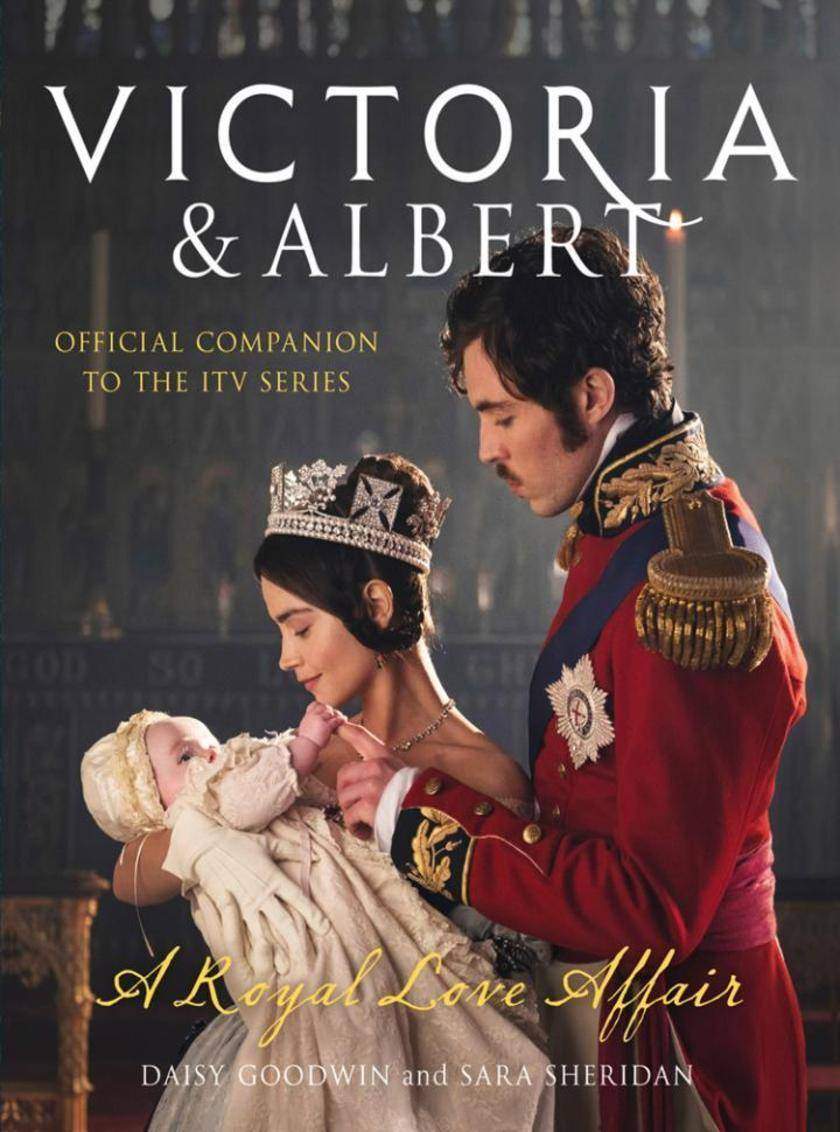
Victoria and Albert - A Royal Love Affair: Official companion to the ITV series
¥147.35
The second tie-in to ITV drama Victoria unveils the complex, passionate relationship of Victoria and Albert. What happened after the Queen married her handsome prince? Did they live happily ever after, or did their marriage, like so many royal marriages past and present fizzle into a loveless bond of duty? Victoria and Albert were the royal couple that broke the mould – it may have been an arranged match, yet their union was a passionate, tempestuous relationship between two extremely strong-willed individuals. Despite the fact that they were first cousins they could not have been more different people – she was impulsive, emotional, capricious, while he was cautious, self-controlled, and logical. But together they became the most successful royal couple there had ever been, and this book reveals the private and the public face of Victoria and Albert’s marriage. Using their letters and diaries, Victoria and Albert charts the constant ebb and flow of power between the couple, and presents a picture of a very modern marriage. This companion book, full of rich historical detail, takes fans deeper into that period than ever before. Discover the inner workings behind the scenes, with profiles of all the major characters, interviews with the actors and fascinating, in-depth information on the production, the costumes and the props.
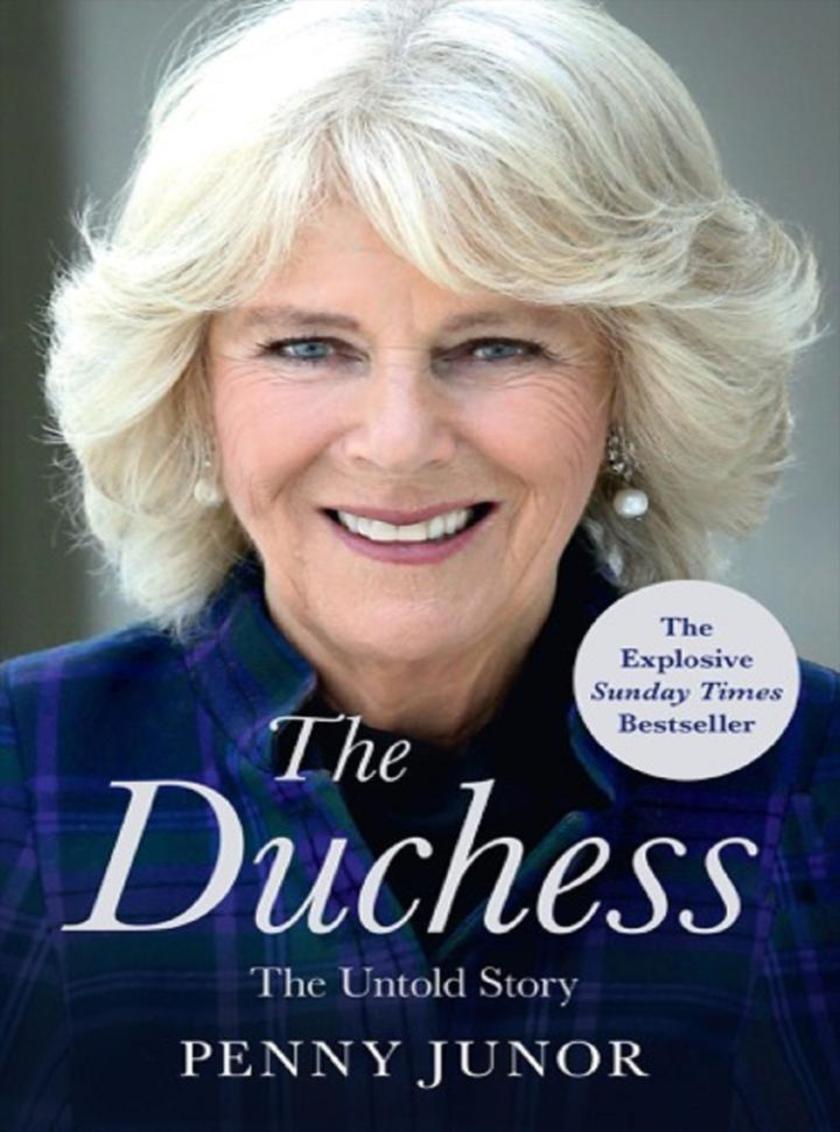
The Duchess: The Untold Story – the explosive biography, as seen in the Daily Ma
¥73.58
THE #2 SUNDAY TIMES BESTSELLER ‘The last untold account of the biggest crisis to hit the royals since the abdication … Explosive biography by Britain’s top royal author … A gripping story of human frailty, love, loss, sadness, and tragedy’ Daily Mail In her relationship with Charles that has survived for more than forty years, Camilla’s story has seen a great many myths. This book is the definitive account. The relationship between Charles, Prince of Wales and Camilla, Duchess of Cornwall, is one of the most remarkable love stories of the age. It has endured against all the odds, and in the process nearly destroyed the British monarchy. It is a rich and remarkable story that has never been properly told – indeed, it is one of the most extraordinary, star-crossed love stories of the past fifty years.
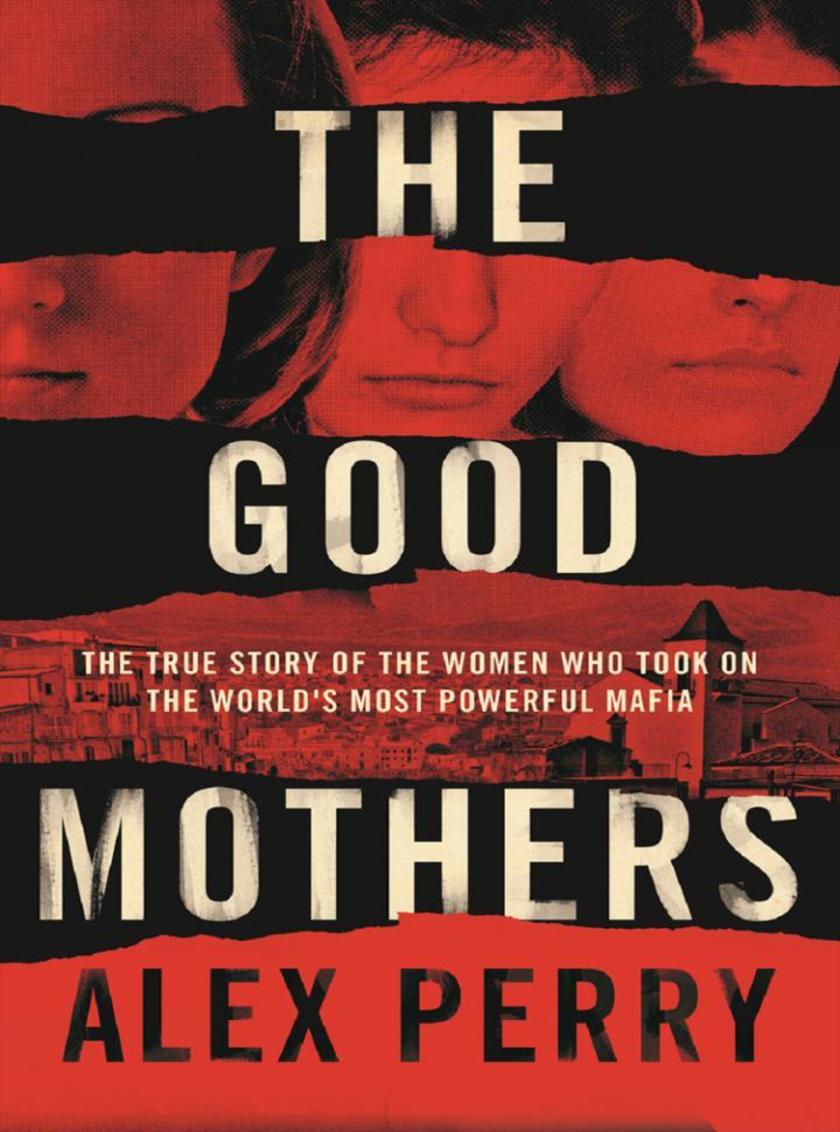
The Good Mothers: The True Story of the Women Who Took on The World's Most Power
¥147.35
You are born into it or marry in. Loyalty is absolute, bloodshed revered and you kill or go to your grave before betraying The Family. This code of omertà is how the 'Ndrangheta became the world’s most powerful mafia. The Good Mothers is the story of the women who broke the silence. We live in their buildings, work in their companies, shop in their stores, eat in their restaurants and elect politicians they fund. Founded more than 150 years ago by shepherding families in the toe of Italy, the ’Ndrangheta is today the world’s most powerful mafia, with a crushing presence in southern Italy, a market-moving size in global finance and a reach that extends to fifty countries around the world. And yet, remarkably, few of us have ever heard of it. The ’Ndrangheta’s power rests on a code of silence, omertà, enforced by a claustrophobic family hierarchy and murderous misogyny. Men and boys rule. Girls are married off as teenagers in arranged clan alliances. Beatings are routine. A woman who is ‘unfaithful’ – even to a dead husband – can expect her sons, brothers or father to kill her to erase the ‘family shame’. In 2009, when abused wife Lea Garofalo ‘disappears’ after giving evidence against her mafiosi husband, prosecutor Alessandra Cerreti realises the ’Ndrangheta’s bigotry may be its great flaw. The key to bringing down this criminal empire is to free its women and allow them to speak out and testify. When Alessandra finds two collaborators inside Italy’s biggest crime families, she must persuade them to cooperate, and save themselves and their children. The stakes could not be higher. Alessandra is fighting to save a nation. The mafiosi are fighting for their existence. The women are fighting for their lives. Not all will survive.
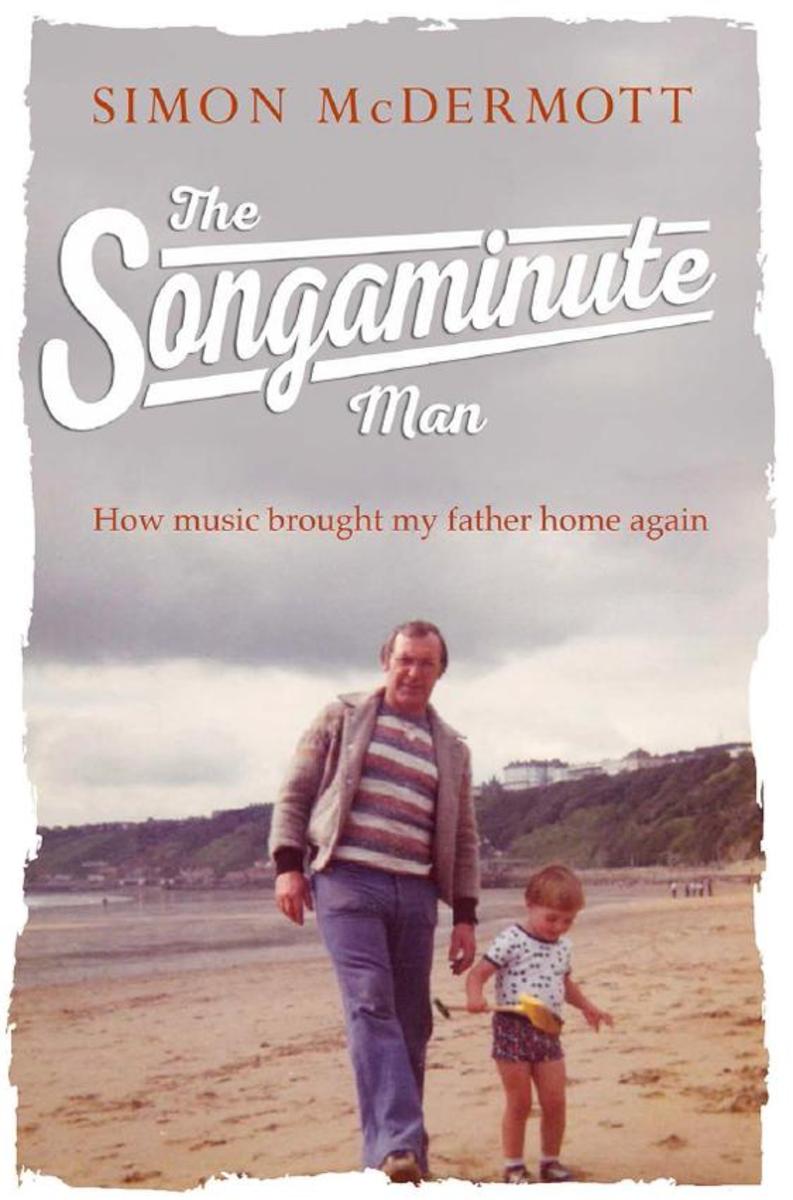
The Songaminute Man: How music brought my father home again
¥117.52
The nostalgic memoir of a young man, eldest of fourteen, growing up in 40s Wednesbury. The heartbreaking true account of his son struggling to come to terms with his father’s dementia. A tribute to the unbreakable bond between father and son. When Simon McDermott first noticed his dad Ted’s sudden flares of temper and fits of forgetfulness, he couldn’t have guessed what lay ahead. Then came the devastating, inevitable diagnosis. As Ted retreated into his own world, Simon and his mum Linda desperately tried to reach him until at last: an idea. Turning the ignition in his mum’s little runaround, Simon hit play on Ted’s favourite song Quando Quando Quando. And like that, they were just two mates driving around Blackburn, singing at the top of their lungs. Simon filmed their adventure, uploaded the video to YouTube and woke up to messages, tweets and his phone ringing off the hook. Their carpool karaoke had gone viral all the way across the globe. But a record deal, Pride of Britain Awards, over ?130,000 raised for The Alzheimer’s Society and a Top 10 single later, Simon was still losing Ted. That’s when he made a decision. His Dad – the storyteller of his childhood and his best friend – couldn’t tell his own story, so Simon would tell it for him. This is that story. Set in the heart of the Black Country just before WWII, and written with the help of Ted’s friends and family, The Songaminute Man recalls a boy who became a gutsy and fiercely loyal man. It remembers a childhood of sleeping top-to-toe, rationing, adventure in the woods and making-do-and-mending, a close-knit community, and a life-long passion for music. Full of poignant moments, the ups and downs of family life and treasured memories, The Songaminute Man is a story of two halves: a celebration of the man Ted was, and a powerful and moving account of caring for a loved one.
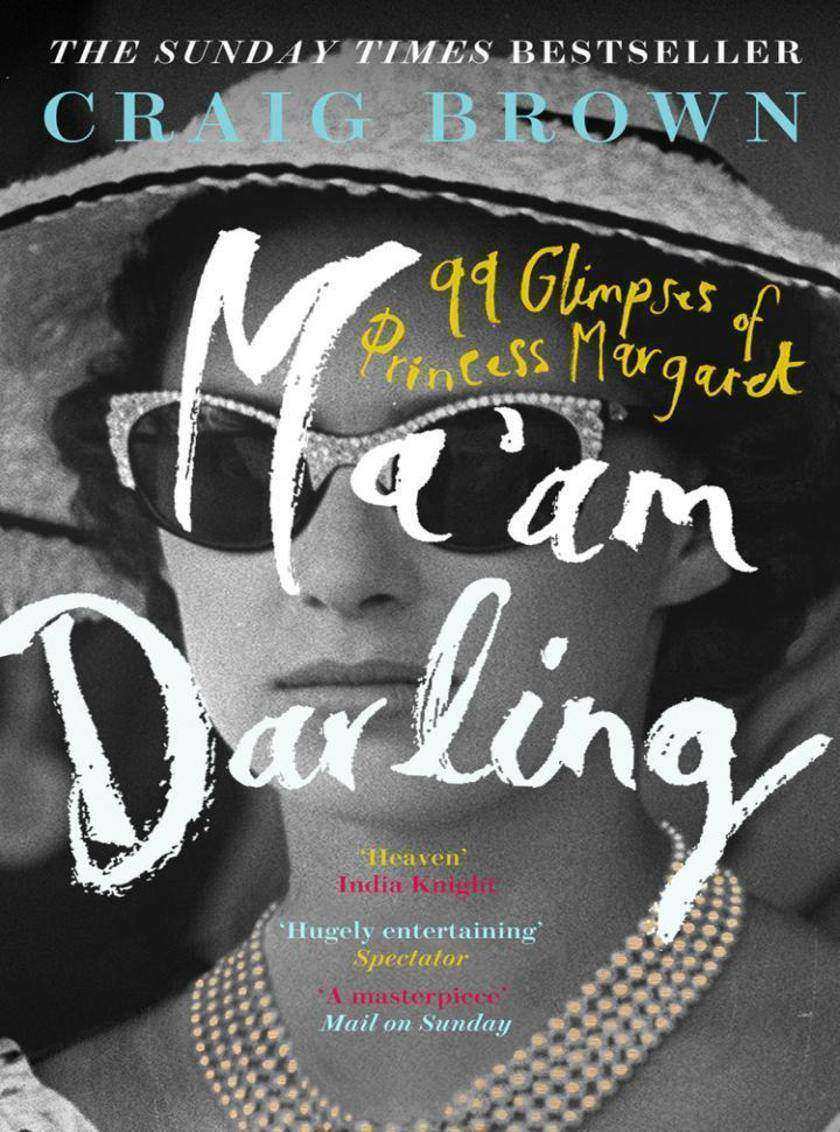
Ma’am Darling: 99 Glimpses of Princess Margaret
¥73.58
WINNER OF THE SOUTH BANK SKY ARTS LITERATURE AWARD 2018 A GUARDIAN BOOK OF THE YEAR ? A TIMES BOOK OF THE YEAR ? A SUNDAY TIMES BOOK OF THE YEAR ? A DAILY MAIL BOOK OF THE YEAR ‘A masterpiece’ Mail on Sunday ‘I honked so loudly the man sitting next to me dropped his sandwich’ Observer She made John Lennon blush and Marlon Brando clam up. She cold-shouldered Princess Diana and humiliated Elizabeth Taylor. Andy Warhol photographed her. Jack Nicholson offered her cocaine. Gore Vidal revered her. John Fowles hoped to keep her as his sex-slave. Dudley Moore propositioned her. Francis Bacon heckled her. Peter Sellers was in love with her. For Pablo Picasso, she was the object of sexual fantasy. “If they knew what I had done in my dreams with your royal ladies” he confided to a friend, “they would take me to the Tower of London and chop off my head!” Princess Margaret aroused passion and indignation in equal measures. To her friends, she was witty and regal. To her enemies, she was rude and demanding. In her 1950’s heyday, she was seen as one of the most glamorous and desirable women in the world. By the time of her death, she had come to personify disappointment. One friend said he had never known an unhappier woman. The tale of Princess Margaret is pantomime as tragedy, and tragedy as pantomime. It is Cinderella in reverse: hope dashed, happiness mislaid, life mishandled. Combining interviews, parodies, dreams, parallel lives, diaries, announcements, lists, catalogues and essays, Ma’am Darling is a kaleidoscopic experiment in biography, and a witty meditation on fame and art, snobbery and deference, bohemia and high society. ‘Brown has been our best parodist and satirist for decades now … Ma’am Darling is, as you would expect, very funny; also, full of quirky facts and genial footnotes. Brown has managed to ingest huge numbers of royal books and documents without losing either his judgment or his sanity. He adores the spectacle of human vanity’ Julian Barnes, Guardian
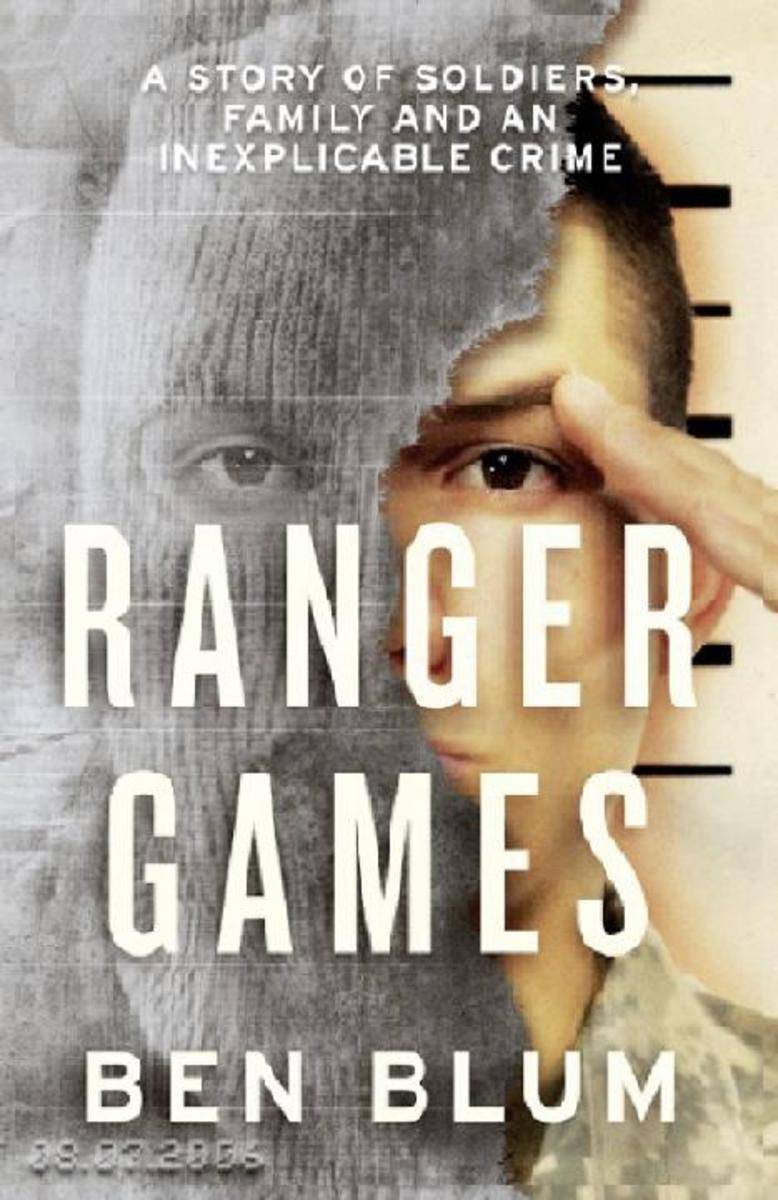
Ranger Games: A Story of Soldiers, Family and an Inexplicable Crime
¥125.18
A tense and layered true-crime story about an all-American soldier boy turned bank robber Alex Blum was a clean-cut all-American kid with one unshakeable goal in life: to serve his country in the military. He was accepted into the elite Rangers regiment, but on the first day of his leave before deployment to Iraq, Alex got into his car with two fellow soldiers and two strangers, drove to a local bank in Tacoma, and committed armed robbery. The Blum family was devastated and mystified. How could he have done such a thing? Alex’s attorney presented a defence based on the theory that trainee Rangers are indoctrinated on a level akin to the brainwashing in an extreme religious cult, and Alex insisted that he had believed the robbery was just another exercise in the famously daunting Ranger program. But Luke Elliot Sommer, the charismatic soldier behind the robbery, maintained that Alex knew exactly what he was doing, and had, in fact, planned it all with him. Who was lying? What had happened to Alex during those gruelling months of training? How accountable was he?
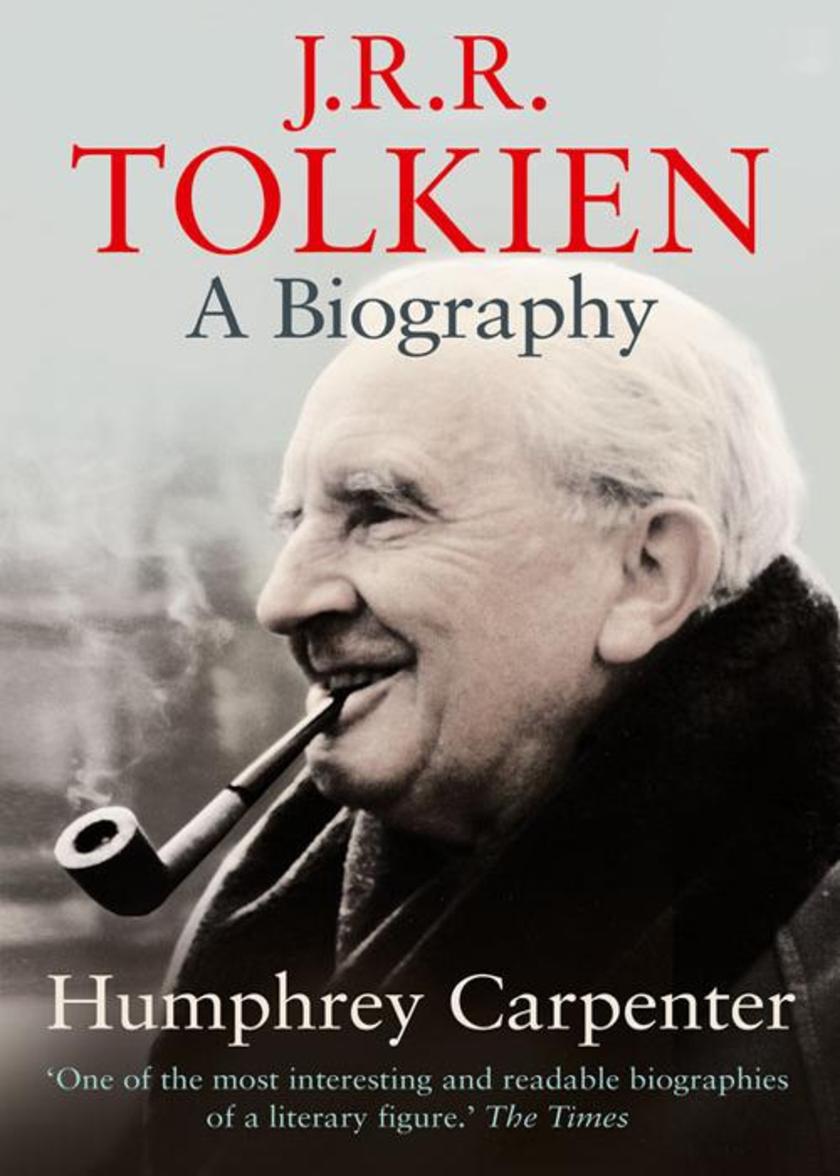
J. R. R. Tolkien: A Biography
¥57.09
The only authorised biography, and the only one written by an author who actually met J.R.R. Tolkien, with a redesigned cover to match the distinctive paperback editions of The Lord of the Rings, The Silmarillion and Unfinished Tales. In the 25 years since Tolkien's death in September 1973, millions have read The Hobbit, The Lord of the Rings and The Silmarillion and become fascinated about the very private man behind the books. Born in Bloemfontein in January 1892, John Ronald Reuel Tolkien was orphaned in childhood, brought up in near-poverty and almost thwarted in adolescent romance. He served in the First World War, surviving the Battle of the Somme, where he lost some of his closest friends, and returned to academic life, achieving high repute as a scholar and university teacher, eventually becoming Merton Professor of English at Oxford. Then suddenly his life changed dramatically. One day while marking essay papers he found himself writing 'In a hole in the ground there lived a hobbit' -- and worldwide renown awaited him. Humphrey Carpenter was given unrestricted access to all Tolkien's papers, and interviewed his friends and family. From these sources he follows the long and painful process of creation that produced The Lord of the Rings and The Silmarillion and offers a wealth of information about the life and work of the twentieth century's most cherished author.
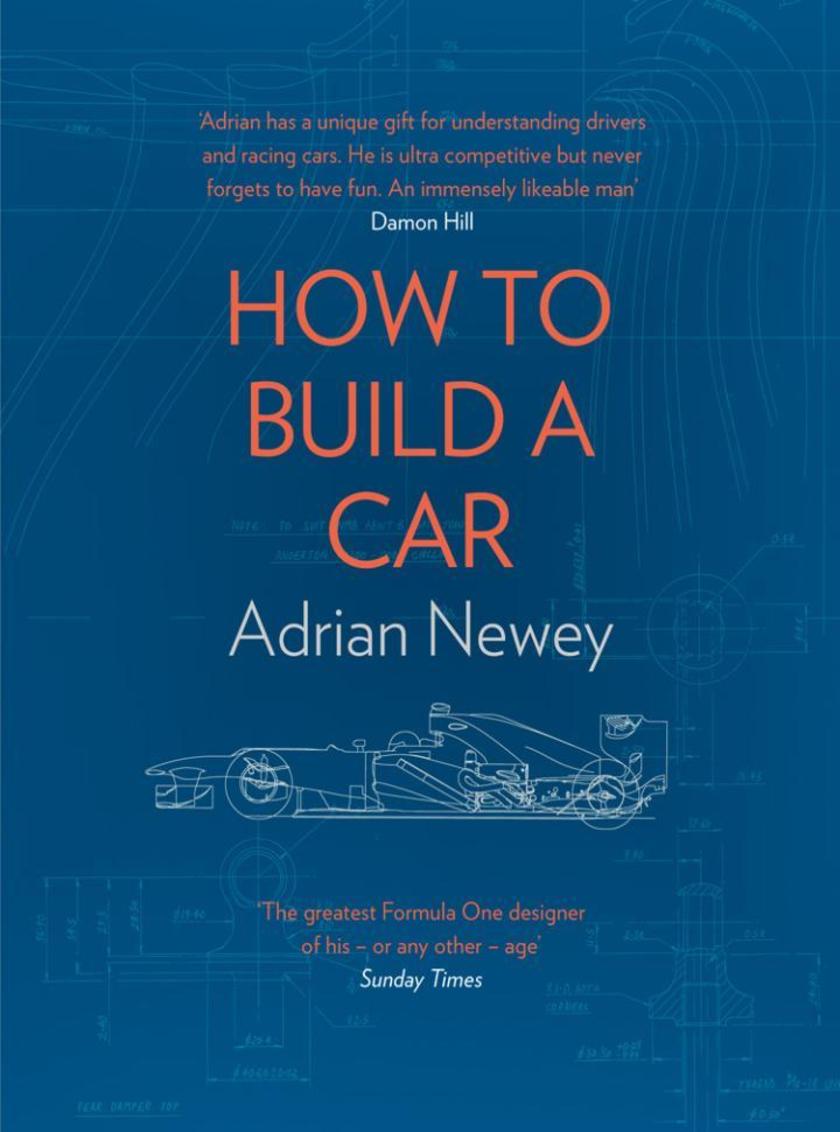
How to Build a Car: The Autobiography of the World’s Greatest Formula 1 Designer
¥138.32
Adrian has a unique gift for understanding drivers and racing cars. He is ultra competitive but never forgets to have fun. An immensely likeable man.' Damon Hill The world’s foremost designer in Formula One, Adrian Newey OBE is arguably one of Britain’s greatest engineers and this is his fascinating, powerful memoir. How to Build a Car explores the story of Adrian’s unrivalled 35-year career in Formula One through the prism of the cars he has designed, the drivers he has worked alongside and the races in which he’s been involved. A true engineering genius, even in adolescence Adrian’s thoughts naturally emerged in shape and form – he began sketching his own car designs at the age of 12 and took a welding course in his school summer holidays. From his early career in IndyCar racing and on to his unparalleled success in Formula One, we learn in comprehensive, engaging and highly entertaining detail how a car actually works. Adrian has designed for the likes of Mario Andretti, Nigel Mansell, Alain Prost, Damon Hill, David Coulthard, Mika Hakkinen, Mark Webber and Sebastian Vettel, always with a shark-like purity of purpose: to make the car go faster. And while his career has been marked by unbelievable triumphs, there have also been deep tragedies; most notably Ayrton Senna’s death during his time at Williams in 1994. Beautifully illustrated with never-before-seen drawings, How to Build a Car encapsulates, through Adrian’s remarkable life story, precisely what makes Formula One so thrilling – its potential for the total synchronicity of man and machine, the perfect combination of style, efficiency and speed.
The Genius of Jane Austen: Her Love of Theatre and Why She Is a Hit in Hollywood
¥73.58
Paula Byrne is the author the bestselling biographies ‘Perdita’, ‘Mad World’, ‘The Real Jane Austen’, ‘Belle’ and ‘Kick’. She is founder and chief executive of ReLit, the Bibliotherapy Foundation, a charity devoted to the mental health benefits of reading. She is married to Sir Jonathan Bate and lives in Oxford.
We: A Manifesto for Women Everywhere
¥66.22
Imagine a sisterhood – across all creeds and cultures. An unspoken agreement that we, as women, will support and encourage one another. That we will remember we don't know what struggles each of us may be facing elsewhere in our lives and so we will assume that each of us is doing our best… So begins WE: an inspiring, empowering and provocative manifesto for change. Change which we can all effect, one woman at a time. Change which provides a crucial and timely antidote to the 'have-it-all' Superwoman culture and instead focusses on what will make each and every one of us happier and more free. Change which provides an answer to the nagging sense of 'is that it?' that almost all of us can succumb to when we wake in the dead of night. Written by actress Gillian Anderson and journalist Jennifer Nadel – two friends who for the last decade have stumbled along together, learning, failing, crying, laughing and trying again – WE is a not a theoretical treatise but instead a rallying cry to create a life that has greater meaning and purpose. Combining tools which are practical, psychological and spiritual, it is both a process and a vision for a more fulfilling way of living. And a truly inspiring vision of a happier, more emotionally rewarding future we can all create together…
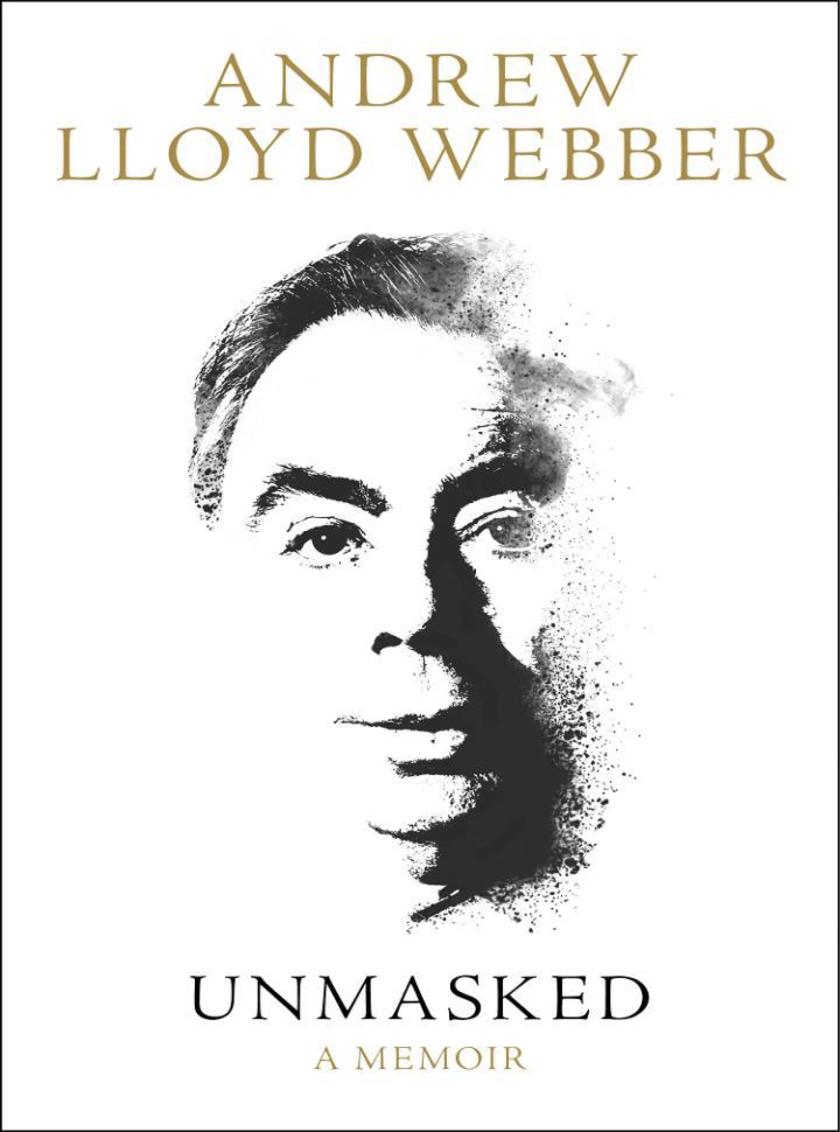
Unmasked
¥147.35
“You have the luck of Croesus on stilts (as my Auntie Vi would have said) if you’ve had the sort of career, ups and downs, warts and all that I have in that wondrous little corner of show business called musical theatre.” One of the most successful and distinguished artists of our time, Andrew Lloyd Webber has reigned over the musical theatre world for nearly five decades. The winner of numerous awards, including multiple Tonys and an Oscar, Lloyd Webber has enchanted millions worldwide with his music and numerous hit shows, including Jesus Christ Superstar, Evita, Cats, The Phantom of the Opera―Broadway’s longest running show―and most recently, School of Rock. In Unmasked, written in his own inimitable, quirky voice, the revered, award-winning composer takes stock of his achievements, the twists of fate and circumstance which brought him both success and disappointment, and the passions that inspire and sustain him. The son of a music professor and a piano teacher, Lloyd Webber reveals his artistic influences, from his idols Rodgers and Hammerstein and the perfection of South Pacific’s ‘Some Enchanted Evening,’ to the pop and rock music of the 1960s and Puccini’s Tosca, to P. G. Wodehouse and T. S. Eliot. Lloyd Webber recalls his bohemian London youth, reminiscing about the happiest place of his childhood, his homemade Harrington Pavilion―a make-believe world of musical theatre in which he created his earliest entertainments. A record of several exciting and turbulent decades of British and American musical theatre and the transformation of popular music itself, Unmasked is ultimately a chronicle of artistic creation. Lloyd Webber looks back at the development of some of his most famous works and illuminates his collaborations with luminaries such as Tim Rice, Robert Stigwood, Harold Prince, Cameron Mackintosh, and Trevor Nunn. Taking us behind the scenes of his productions, Lloyd Webber reveals fascinating details about each show, including the rich cast of characters involved with making them, and the creative and logistical challenges and artistic political battles that ensued. Lloyd Webber shares his recollections of the works that have become cultural touchstones for generations of fans: writings songs for a school production that would become his first hit, Joseph and the Amazing Technicolor Dreamcoat; finding the coterie of performers for his classic rock opera Jesus Christ Superstar; developing his first mega-hit, Evita, which would win seven Tonys Awards, including Best Musical; staking his reputation and fortune on the groundbreaking Cats; and making history with the dazzling The Phantom of the Opera. Reflecting a life that included many passions (from architecture to Turkish Swimming Cats), full of witty and revealing anecdotes, and featuring cameo appearances by numerous celebrities―Elaine Paige, Sarah Brightman, David Frost, Julie Covington, Judi Dench, Richard Branson, A.R. Rahman, Mandy Patinkin, Patti LuPone, Richard Rodgers, Norman Jewison, Milos Forman, Plácido Domingo, Barbra Streisand, Michael Crawford, Gillian Lynne, Betty Buckley, and more―Unmasked at last reveals the true face of the extraordinary man beneath the storied legend.
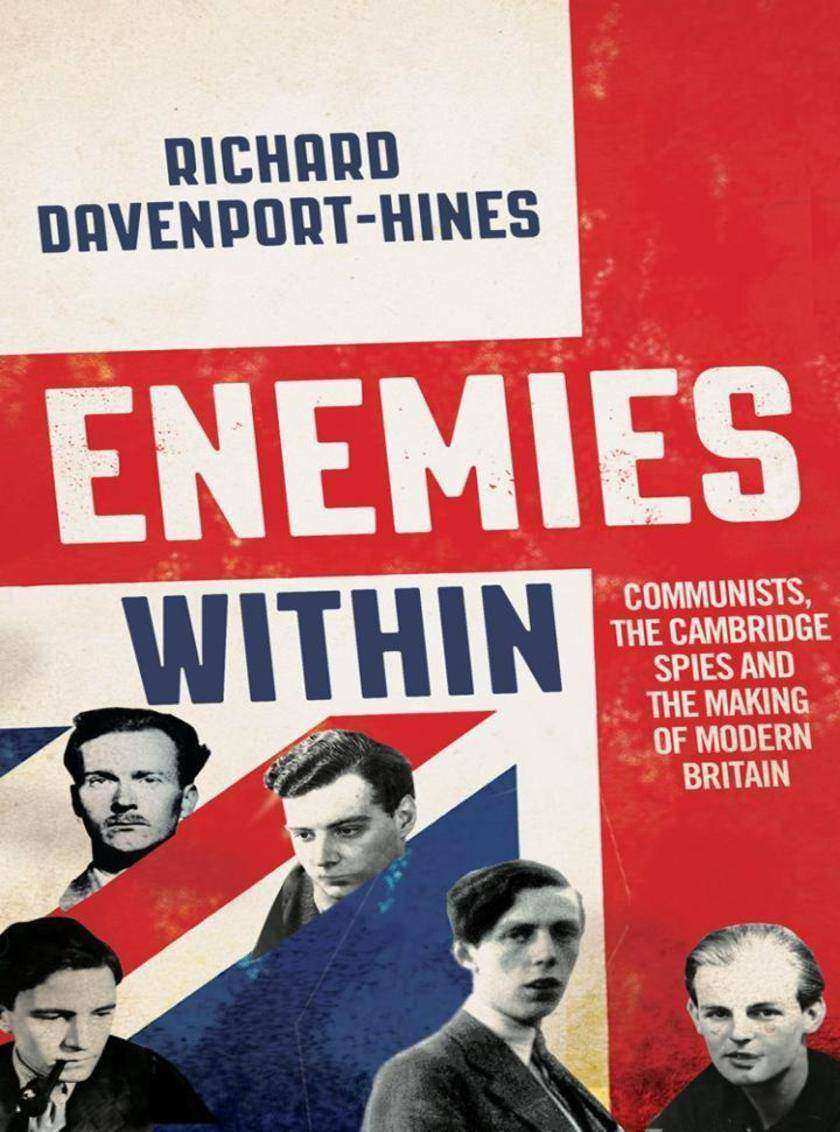
Enemies Within: Communists, the Cambridge Spies and the Making of Modern Britain
¥184.23
What pushed Blunt, Burgess, Cairncross, Maclean and Philby into Soviet hands? With access to recently released papers and other neglected documents, this sharp analysis of the intelligence world examines how and why these men and others betrayed their country and what this cost Britain and its allies. Enemies Within is a new history of the influence of Moscow on Britain told through the stories of those who chose to spy for the Soviet Union. It also challenges entrenched assumptions about abused trust, corruption and Establishment cover-ups that began with the Cambridge Five and the disappearance of Guy Burgess and Donald Maclean on the night boat to Saint-Malo in 1951. In a book that is as intellectually thrilling as it is entertaining and illuminating, Richard Davenport-Hines traces the bonds between individuals, networks and organisations over generations to offer a study of character, both individual and institutional. At its core lie the operative traits of boarding schools, the universities of Oxford and Cambridge, the Intelligence Division, Foreign Office, MI5, MI6 and Moscow Centre. Davenport-Hines tells many stories of espionage, counter-espionage and treachery. With its vast cope, ambition and scholarship, Enemies Within charts how the undermining of authority, the rejection of expertise and the suspicion of educational advantages began, and how these have transformed the social and political temper of modern Britain.
Part 3 of 3: The true story of a lonely little girl abused by those she trusted
¥25.60
The moving true story of a little girl with Asperger syndrome, controlled and abused by the one person she called her friend. Taylor had always struggled to make friends – she felt ‘different’. Taylor never knew her father and her mother wasn’t around much. She just didn’t understand people, and was alone and scared much of the time. That was until, aged just 11, an older married man called Tom befriended her. She loved having someone who would talk to her, listen to her, a protector. But when he moved away a few months later she was easy prey to the gang of drug dealers and petty criminals who groomed and abused her, using her as a form of currency to appease their debtors and amuse their friends. Increasingly isolated and desperate, it began to look as though the pattern of Taylor's life had been set – until she started to fight back, determined to build a safe future for herself, however long it took.
Blood Sisters: Part 1 of 3: Can a pledge made for life endure beyond death?
¥23.45
It’s 1983 and best friends Vicky and Lucy swear that they will always be there for each other, that they’ll never let anyone come between them. But fast forward 4 years and life on the Canterbury Estate has gotten very messy.


