


 购物车
购物车 个人中心
个人中心
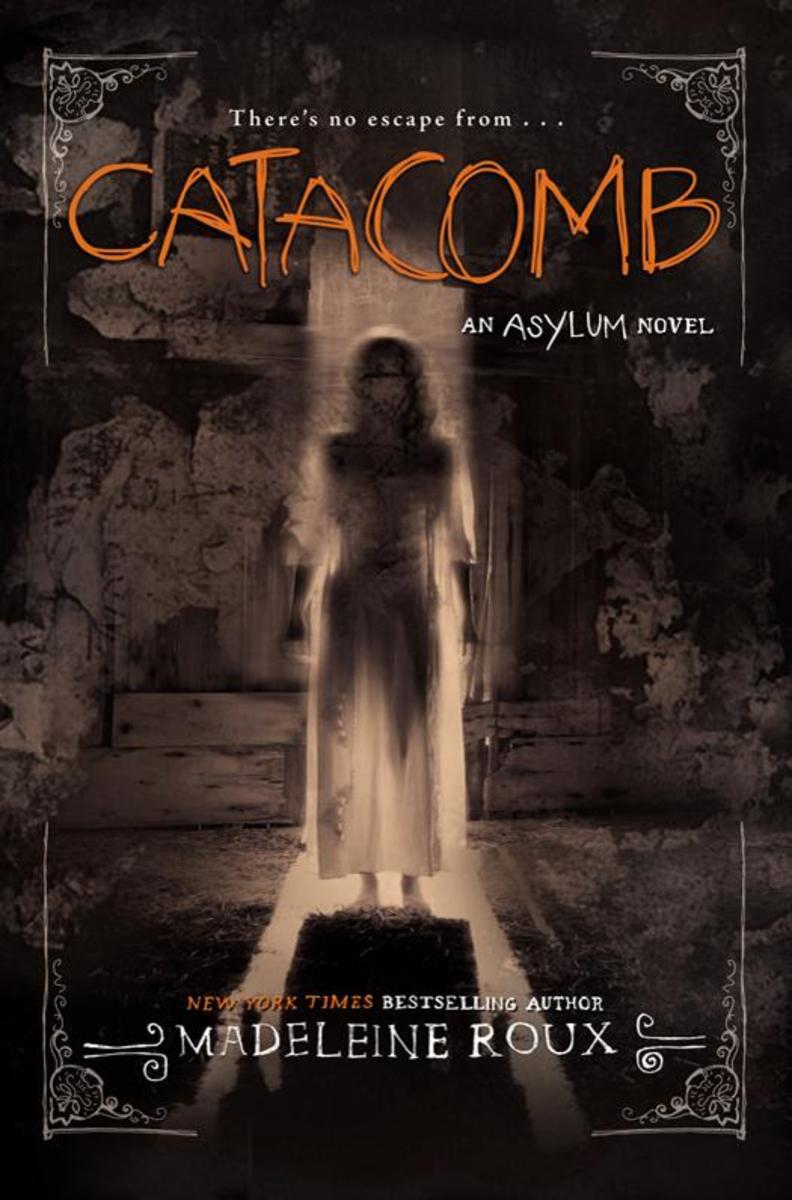
Catacomb
¥61.52
The heart-stopping third book in the New York Times bestselling Asylum series follows three teens as they take a senior year road trip to one of America's most haunted cities, uncovering dangerous secrets from their past along the way. With all the thrills, chills, and eerie found photographs that led Publishers Weekly to call Asylum "a strong YA debut," Catacomb is perfect for fans for Miss Peregrine's Home for Peculiar Children.Sometimes the past is better off buried.Senior year is finally over. After all they've been through, Dan, Abby, and Jordan are excited to take one last road trip together, and they're just not going to think about what will happen when the summer ends. But on their way to visit Jordan's uncle in New Orleans, the three friends notice that they're being followed . . . and photographed. Then Dan starts receiving messages from someone he didn't expect to hear from again—someone who died last Halloween.When the trio arrives in New Orleans and the strange occurrences only escalate, Dan is forced to accept that everything that has happened to him in the past year may not be a coincidence, but fate—a fate that ties Dan to a group called the Bone Artists, who have a sinister fascination with notorious killers of the past.Now Dan's only hope is that he will make it out of his senior trip alive.

Nothing Real Volume 1: A Collection of Stories
¥21.51
The first of three digital-only short story collections from teacher and frequent contributor to the New York Times Claire Needell, about coming of age in contemporary America. These refreshing stories are written with humor, honesty, and without judgment.This outstanding first digital-only collection includes the memorable stories "Nothing Real," "Change Your Life," "The Bubblemen," and "My Name is Adam." Each story is told from a unique perspective and tells of teenagers looking for love—from others, and from themselves.Epic Reads Impulse is a digital imprint with new releases each month.

Saving Lucas Biggs
¥38.72
Perfect for fans of Margaret Peterson Haddix, When You Reach Me, and Savvy, this charming time-travel story from husband-and-wife team Marisa de los Santos and David Teague follows one girl's race to change the past in order to save her father's future.Thirteen-year-old Margaret knows her father is innocent, but that doesn't stop the cruel Judge Biggs from sentencing him to death. Margaret is determined to save her dad, even if it means using her family's secret—and forbidden—ability to time travel. With the help of her best friend, Charlie, and his grandpa Josh, Margaret goes back to a time when Judge Biggs was a young boy and tries to prevent the chain of events that transformed him into a corrupt, jaded man. But with the forces of history working against her, will Margaret be able to change the pastOr will she be pushed back to a present in which her father is still doomed?Told in alternating voices between Margaret and Josh, this heartwarming story shows that sometimes the forces of good need a little extra help to triumph over the forces of evil.
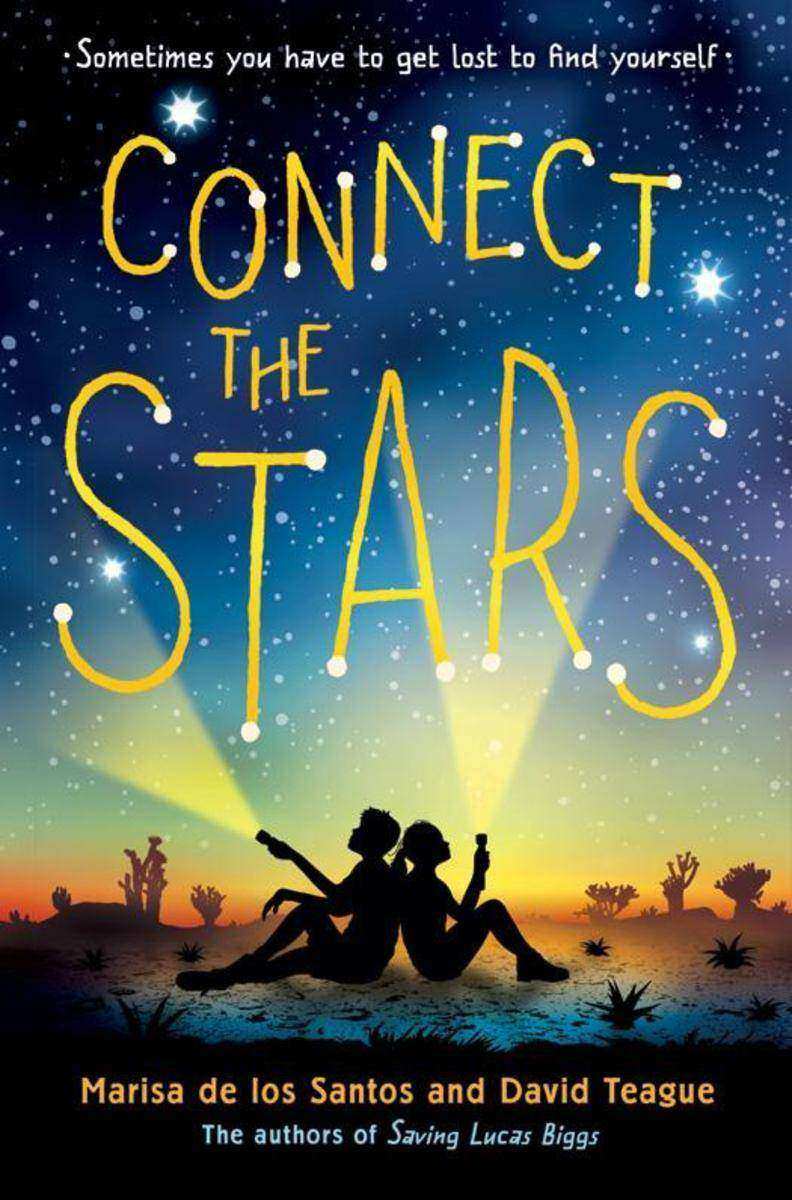
Connect the Stars
¥95.39
From Saving Lucas Biggs authors Marisa de los Santos and David Teague comes a heartwarming middle grade adventure about two misfits discovering the importance of just being themselves.When thirteen-year-olds Aaron and Audrey meet at a wilderness camp in the desert, they think their quirks are enough to prevent them from ever having friends. But as they trek through the challenging and unforgiving landscape, they learn that they each have what it takes to make the other whole.Luminous and clever, Connect the Stars takes on some hefty topics of the day—bullying, understanding where you fit in, and learning to live with physical and mental challenges—all in a joyous adventure kids will love!
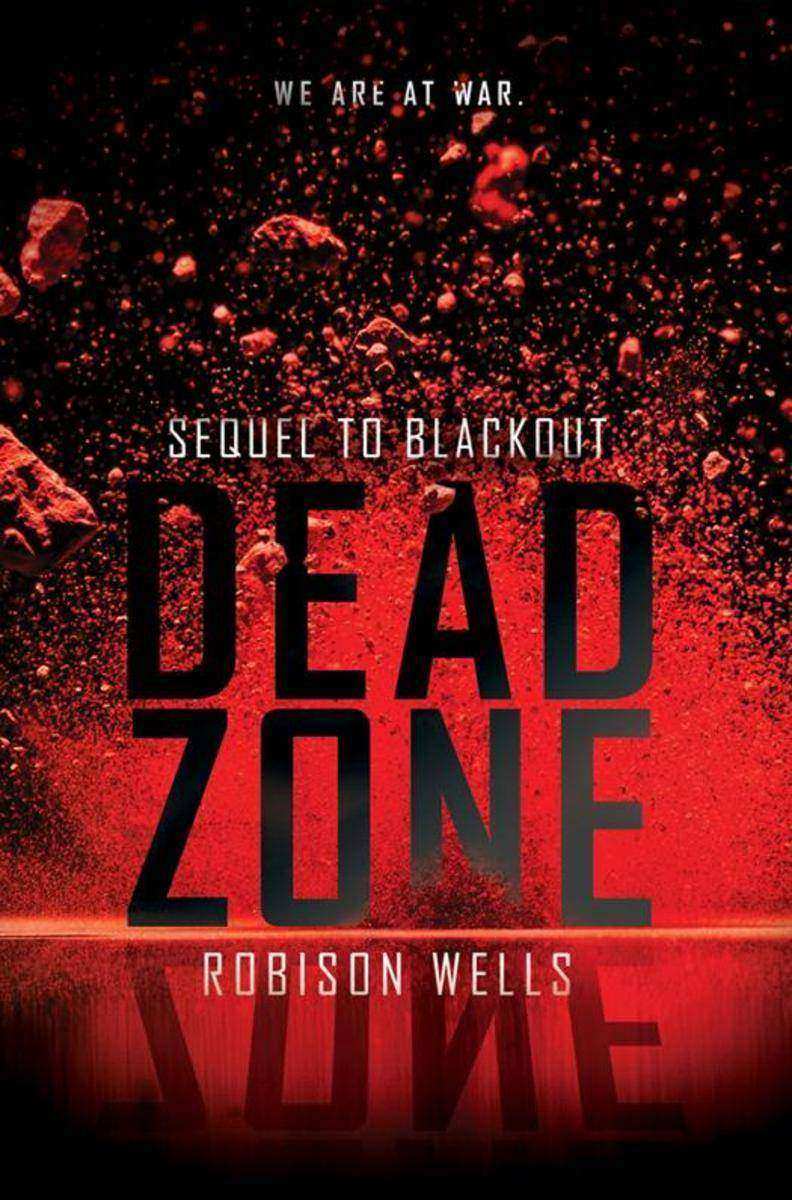
Dead Zone
¥60.87
Homeland?meets Marie Lu’s?Legend?in the explosive sequel to?Blackout, which #1?New York Times?bestselling author Ally Condie called “a thrilling combination of Wells’s trademark twists and terror. Fantastic!”It began with a virus. Then a series of attacks erupted across the nation. Now America is at war—and a handful of teens with impossible powers are its only defense.In?Dead Zone, Robison Wells delivers his most nail-bitingly tense read yet—and an electrifying conclusion to a two-book series that’s perfect for fans of?The Maze Runner?and?I Am Number Four.

Epic Reads Impulse
¥108.99
This 50-page digital original novella introduces readers to Blackout, a series by acclaimed author Robison Wells that combines the high-stakes intensity of television's Homeland with the lightning-fast action of Marie Lu's Legend.Something strange is happening to Krezi. She has a dangerously high fever her doctors can't explain, and objects keep bursting into flames around her—but the fire doesn't seem to hurt her at all. Krezi wants nothing more than to control her mysterious abilities. But what she doesn't know is that there are others like her out there . . . and in the wrong hands, this power could be deadly.Going Dark also features a teaser to Blackout.Epic Reads Impulse is a digital imprint with new releases each month.

Ten Thousand Skies Above You
¥99.65
In this sequel to A Thousand Pieces of You by New York Times bestselling author Claudia Gray, Marguerite races through various dimensions to save the boy she loves.Ever since she used the Firebird, her parents' invention, to cross through to alternate dimensions, Marguerite has caught the attention of enemies who will do anything to force her into helping them dominate the multiverse—even hurt the people she loves. She resists until her boyfriend, Paul, is attacked, and his consciousness is scattered across multiple dimensions.The hunt for each splinter of Paul's soul sends Marguerite racing through a war-torn San Francisco, the criminal underworld of New York City, and a glittering Paris where another Marguerite hides a shocking secret. Each dimension brings Marguerite one step closer to rescuing Paul. But with every trial she faces, she begins to question the one constant she's found between the worlds: their love for each other.

The Promise of Amazing
¥56.08
Robin Constantine's New Jersey romance The Promise of Amazing is a sexy, poignant, funny, and authentic debut novel that will appeal to fans of books by Stephanie Perkins, Sarah Mlynowski, and Jennifer E. Smith.Wren Caswell is average. Ranked in the middle of her class at Sacred Heart, she's not popular, not a social misfit. Wren is the quiet good girl who's always done what she's supposed to—only now, in her junior year, this passive strategy is backfiring. She wants to change but doesn't know how.Grayson Barrett was the king of St. Gabe's: star of the lacrosse team, top of his class, and on the fast track to a brilliant future—until he was expelled for being a "term-paper pimp." Now Gray is in a downward spiral and needs to change but doesn't know how.One fateful night, their paths cross at Wren's family's Arthurian-themed catering hall. What follows is the complicated, awkward, hilarious, and tender tale of two teens shedding their pasts, figuring out who they are—and falling in love.
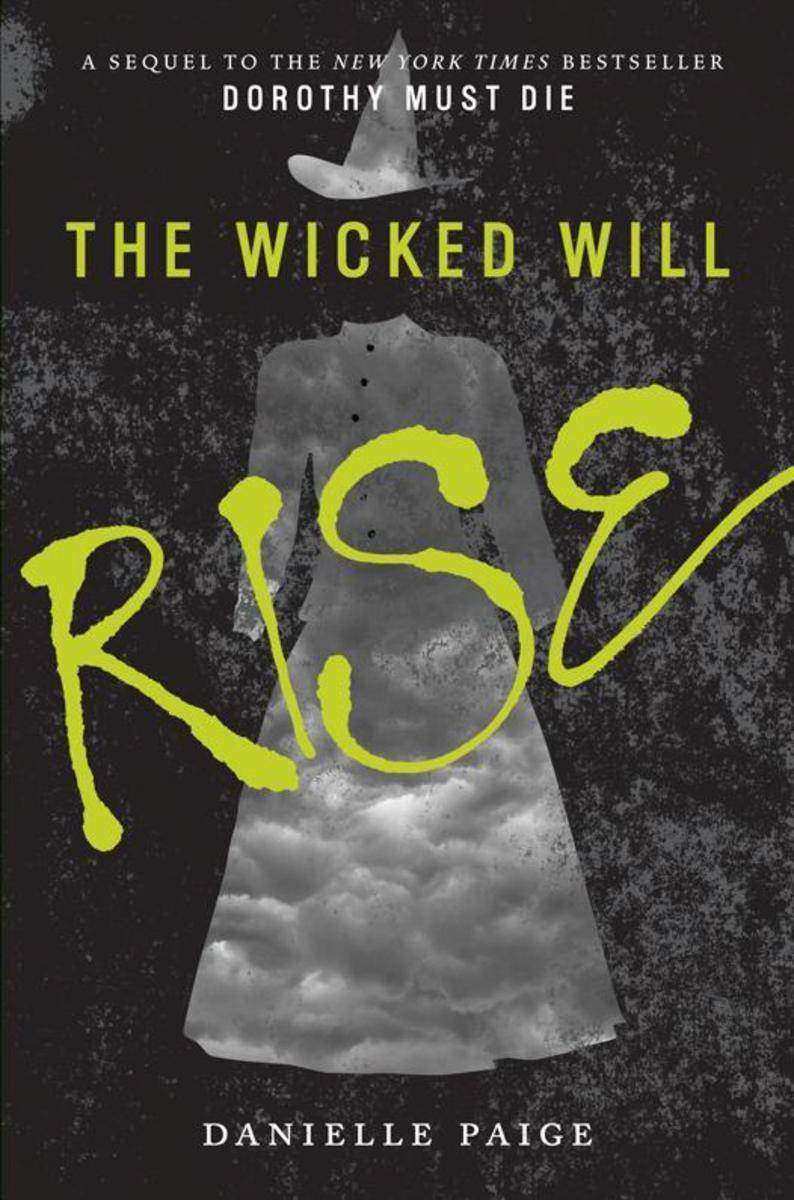
The Wicked Will Rise
¥56.08
In this New York Times bestselling sequel to Dorothy Must Die, who is good—and who is actually WickedThe Wicked Will Rise is perfect for fans of richly reimagined fairy tales and classic tales like Marissa Meyer’s Lunar Chronicles and Gregory Maguire’s Wicked.My name is Amy Gumm—and I’m the other girl from Kansas. After a tornado swept through my trailer park, I ended up in Oz. But it wasn’t like the Oz I knew from books and movies. Dorothy had returned, but she was now a ruthless dictator. Glinda could no longer be called the Good Witch. And the Wicked Witches who were leftThey’d joined forces as the Revolutionary Order of the Wicked, and they wanted to recruit me.My missionKill Dorothy. Except my job as assassin didn’t work out as planned. Dorothy is still alive. The Order has vanished. And the home I couldn’t wait to leave behind might be in danger.Somehow, across a twisted and divided land, I have to find the Order, protect the true ruler of Oz, take Dorothy and her henchmen down—and try to figure out what I’m really doing here.

The Witch Must Burn
¥65.33
There’s a new Wicked Witch in Oz—and her name is Dorothy. This digital original novella is the second installment in the prequel arc to the edgy and exciting New York Times bestseller Dorothy Must Die.Dorothy Gale is back . . . and she’s not the sweet little heroine of Oz anymore. She’s power-hungry and vicious, and she leaves a trail of destruction beneath her spike-heeled, magical shoes. But behind the scenes, there’s someone else pulling the strings. Someone who doesn’t want fame or glory—just control.Glinda of the North brought Dorothy back to Oz for a reason. And in The Witch Must Burn, a young maid is about to discover that a witch who says she’s Good might be the most dangerous kind of Wicked.The Witch Must Burn, by debut author Danielle Paige, is a dark and compelling reimagining of a beloved classic and is perfect for fans of Cinder by Marissa Meyer, Beastly by Alex Flinn, and Wicked by Gregory Maguire.
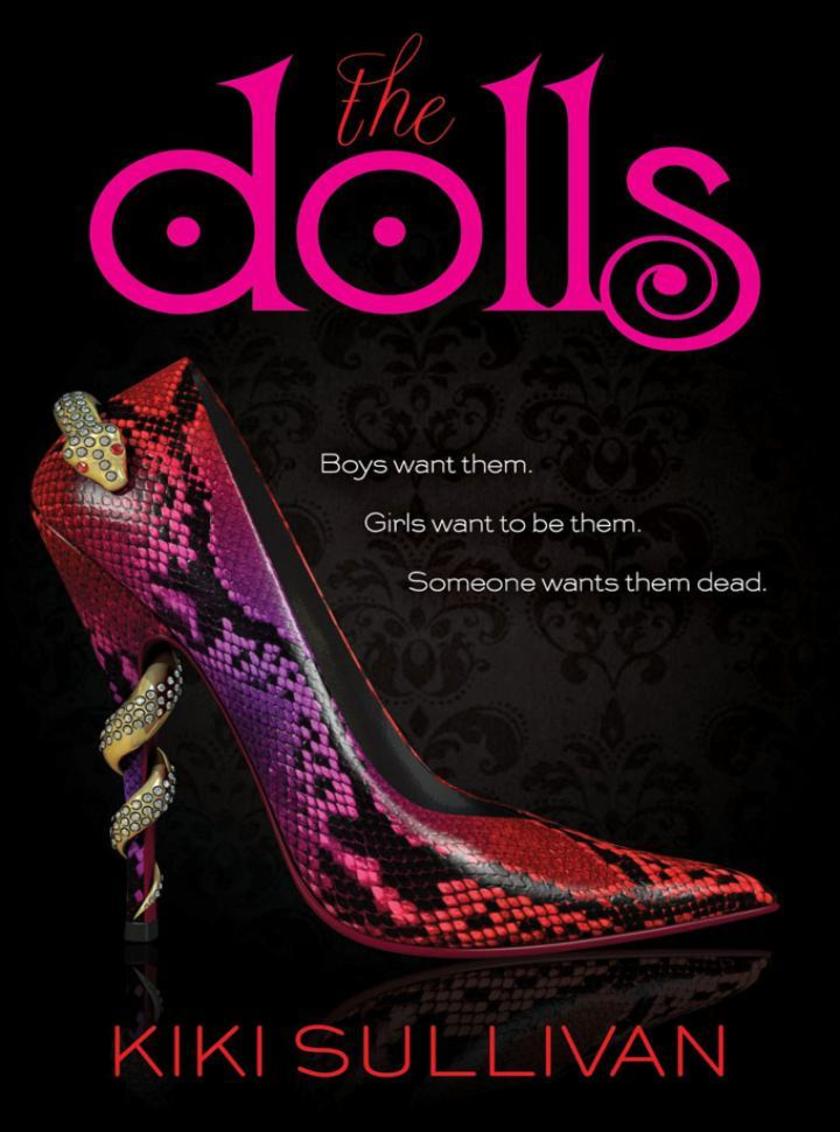
The Dolls
¥55.33
Pretty Little Liars meets Beautiful Creatures in this steamy southern suspense novel about a group of powerful teen voodoo queens who will do anything to get what they want.Eveny Cheval has just moved back to Carrefour, Louisiana—a town she left fourteen years ago in the wake of her mother's suicide. An outsider at first, Eveny quickly finds herself embroiled in a web of intrigue, betrayal, and lies. Enter Peregrine Marceau, Chloe St. Pierre, and their group of rich, sexy friends collectively known as the Dolls. They want to bring Eveny into their circle and share their darkest truths with her.Eveny is wary of these girls, but after murder strikes and she discovers that everything she believes about herself, her family, and her life is a lie, she's forced to turn to the Dolls for answers. Something's wrong in paradise, and it's up to Eveny, Chloe, and Peregrine to save Carrefour and make it right.
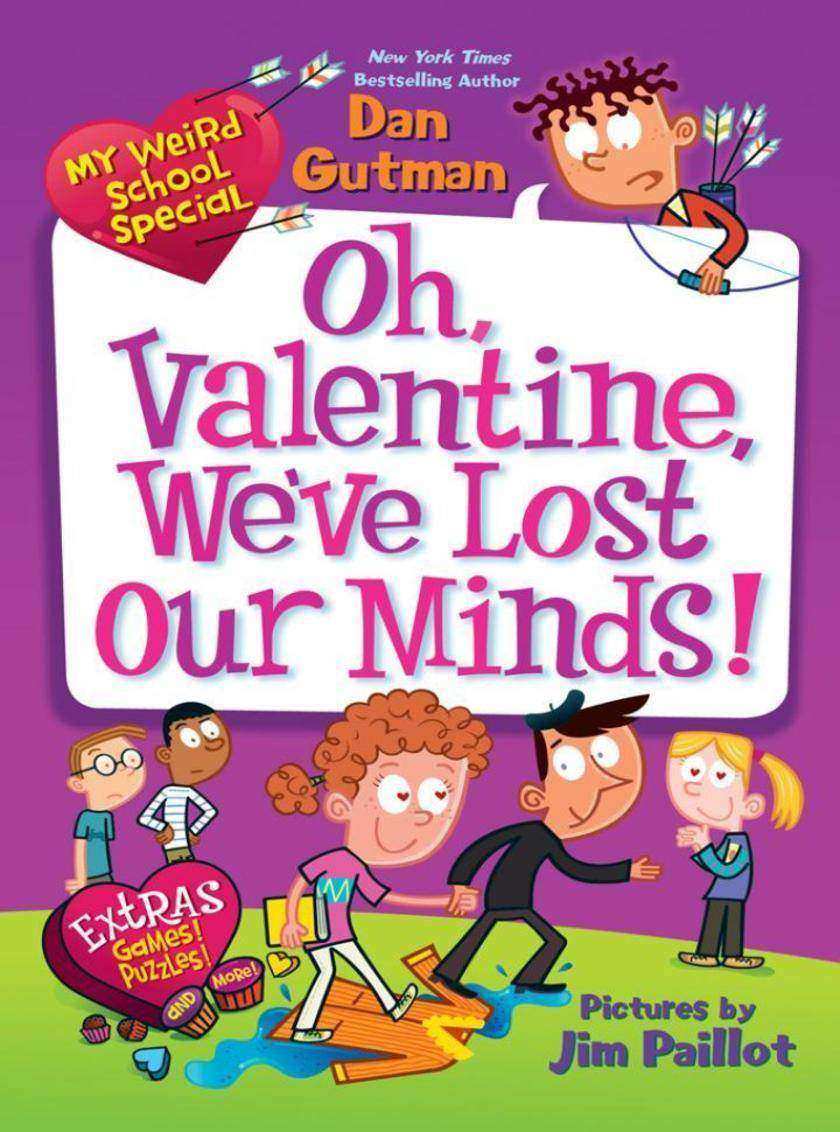
My Weird School Special: Oh, Valentine, We've Lost Our Minds!
¥33.53
A.J. and the gang from My Weird School star in this series of after-school, holiday-themed chapter books featuring all-new hilarious stories and thirty-two pages of games, puzzles, and more.It's the week of Valentine's Day, and A.J.'s class is getting a foreign exchange student! His name is Pierre, and he's from France. But what happens when Pierre challenges A.J. to a duel (or at least a thumb war) over AndreaOne thing's for sure: when L-O-V-E comes to Ella Mentry, it spells the weirdest Valentine's Day story in the history of the world!Bestselling author Dan Gutman brings his kid-friendly sense of humor to this all-new series of holiday adventures. With My Weird School checklists and trivia plus tons of Valentine-themed facts and puzzles, this is one weird Valentine special you don't want to miss!
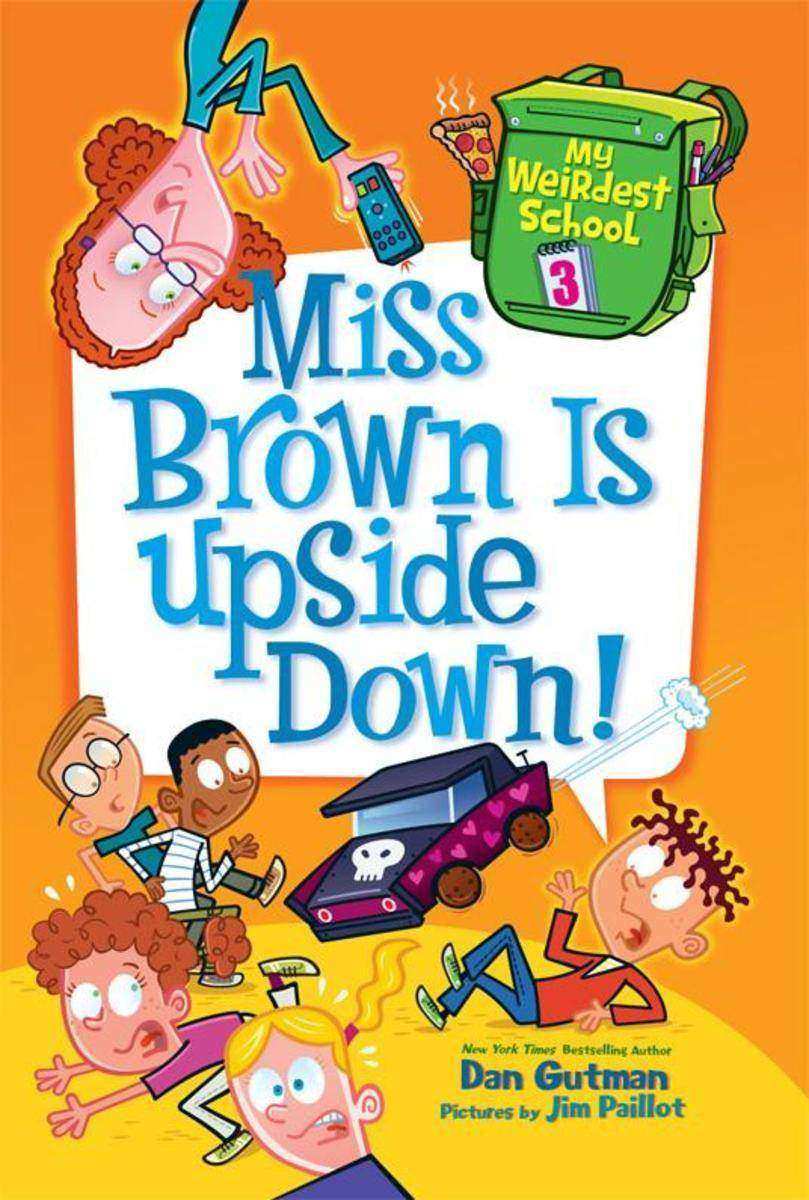
My Weirdest School #3: Miss Brown Is Upside Down!
¥27.94
With more than 9 million books sold, the My Weird School series really gets kids reading!In this third book in the new My Weirdest School series, the Brain Games are coming to Ella Mentry School! Miss Brown will help the kids do creative projects, like building a bridge out of toothpicks and designing a remote control car. But the kids are up against some tough competition. They will have to compete against the students of Dirk School to win the grand prize: a free trip to PizzaWorld!Perfect for reluctant readers and word lovers alike, Dan Gutman's hugely popular My Weird School series has something for everyone. Don't miss the hilarious adventures of A.J. and the gang.
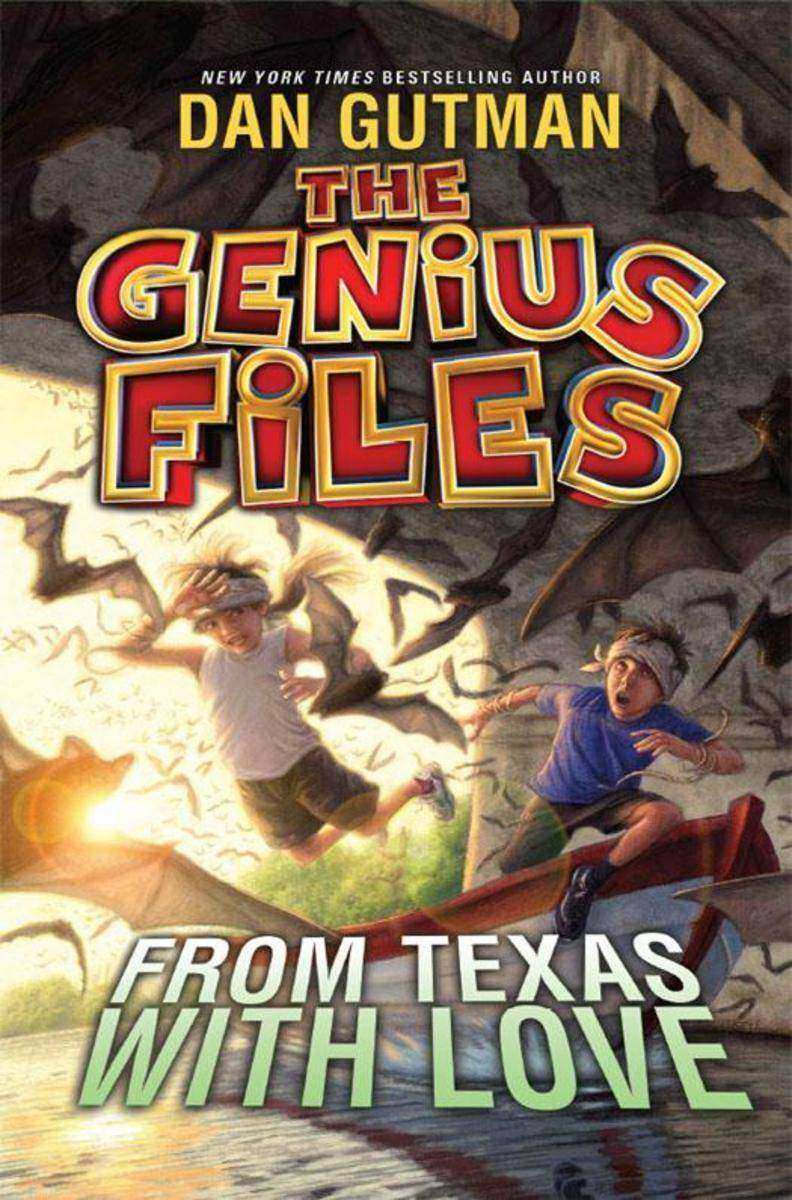
The Genius Files #4: From Texas with Love
¥39.13
The wackiest road trip in history continues in book four of the New York Times bestselling Genius Files series, following twins Coke and Pepsi as they dodge villains and visit weird-but-true landmarks from Texas all the way to Roswell, New Mexico!After their explosive escape at Graceland, twins Coke and Pepsi are ready to resume their trip across America—only now in a convertible instead of the RV. They travel through Arkansas and Oklahoma, visiting weird-but-true tourist stops along the way, and finally end up in Texas, home of the Weird Capital of the Country, Austin. The twins' many enemies—the bowler dudes, Mrs. Higgins, and Dr. Warsaw—all swear that they're done chasing Coke and Pepsi for good. But when the twins start receiving more codes and ciphers from a mysterious robotic voice, they know someone's after them. They just have to figure out who before the mystery villain finds them first.With the real-kid humor that has earned him millions of readers around the world, and featuring all new weird-but-true locations around America, this fourth book in the New York Times bestselling Genius Files series is absolutely batty!
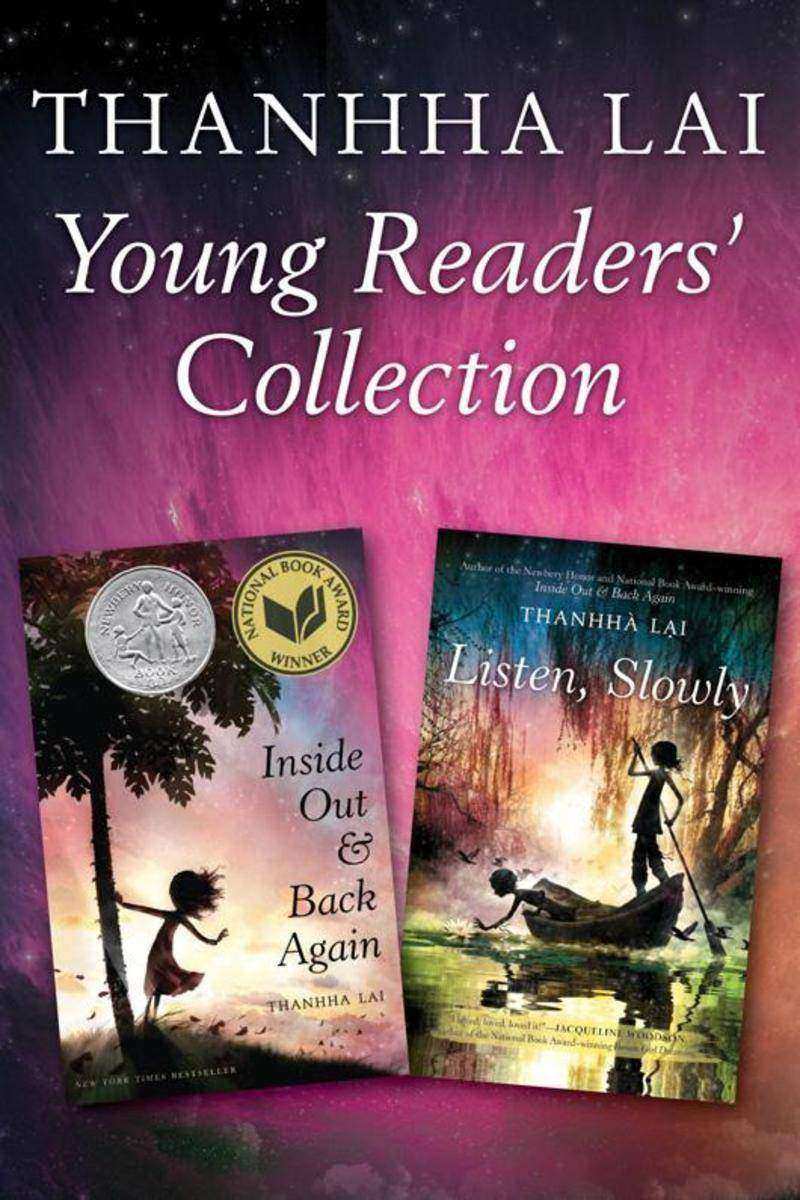
Thanhha Lai Young Readers' Collection
¥107.82
Acclaimed New York Times bestselling author Thanhha Lai won the National Book Award for Young People's Literature and the Newbery Honor for her debut novel, Inside Out and Back Again. This collection includes Inside Out and Back Again along with her newest novel, Listen, Slowly. Inside Out and Back Again: Inspired by the author's childhood experience of fleeing Vietnam after the Fall of Saigon and immigrating to Alabama, this coming-of-age debut novel told in verse has been celebrated for its touching child's-eye view of family and immigration. For all the ten years of her life, Hà has only known Saigon: the thrills of its markets, the joy of its traditions, and the warmth of her friends close by. But now the Vietnam War has reached her home. Hà and her family are forced to flee as Saigon falls, and they board a ship headed toward hope. In America, Hà discovers the foreign world of Alabama: the coldness of its strangers, the dullness of its food . . . and the strength of her very own family.Listen, Slowly: Twelve-year-old Mia's parents are sending her, along with her father, on a trip to Vietnam so she can learn more about her roots—and also help her grandmother figure out what really happened to Mia's grandfather during the Vietnam War. Since Mia barely knows the language or customs, she is desperately counting down the days until she can go back home. But the next few weeks are a life-changing experience. As time passes, Mia begins to have a change of heart, growing closer to her family and developing an understanding of a culture and an entire world which that she never really knew about.
Cassie Binegar
¥33.63
After her grandfather's death, Cassie longs for an orderliness to life -' a pattern -' that doesn't exist among her raucous, loving family. But during an eventful summer by the sea, she begins to learn that some things do not stay the same forever. Colorful characters [and] Cassie's continuing and believable growth in understanding herself and others [make] this novel so distinctive." 'C.
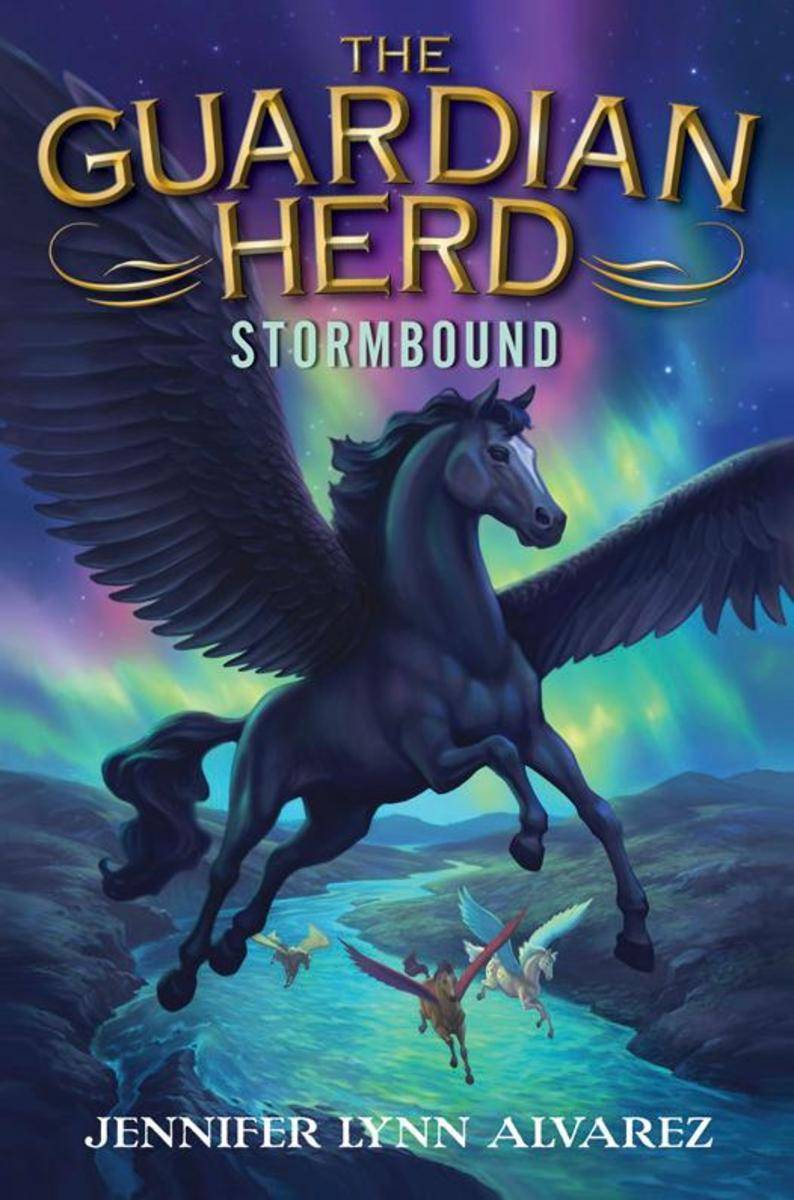
The Guardian Herd: Stormbound
¥39.13
Perfect for fans of the Warriors, Survivors, and Guardians of Ga'hoole series, this sequel to The Guardian Herd: Starfire, which Peter Lerangis called "an epic tale," will have readers eagerly turning the pages.When Star received his powers on his first birthday, he became the most powerful pegasus in Anok. However, many were afraid to follow him, and felt safer staying with their over-stallions. The rest unified with Star and formed River Herd.But now, not only does a horrible plague threaten the five herds, but Mountain Herd's over-stallion, Rockwing, has plans to kidnap Morningleaf, Star's closest companion, and take back Sky Meadow. Star begins to question his ability to keep his herd safe, especially with the threat of Nightwing the Destroyer's return. As much as Star wants to rely on his friends again for support, he's afraid of the starfire he's inherited. Star can heal, but he can also destroy. And the question is, will his dark powers overcome him?
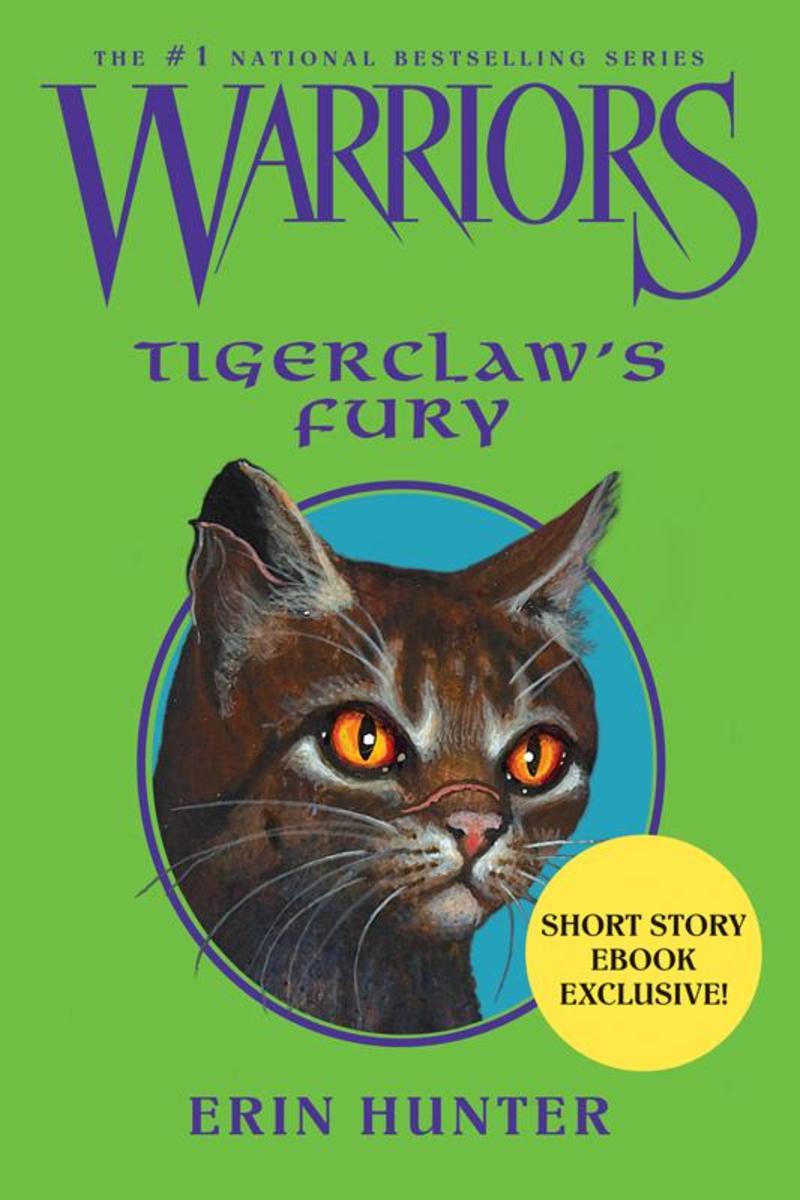
Warriors: Tigerclaw's Fury
¥87.15
In this seventy-five-page novella from the world of Erin Hunter's #1 nationally bestselling Warriors series, discover the story behind Tigerclaw's rise to power as leader of ShadowClan. Cast out of ThunderClan as a traitor, Tigerclaw will not rest until he has his revenge on Bluestar, Fireheart, and the rest of his former Clanmates. But first he must become Tigerstar of ShadowClan. . . .Readers will be thrilled at this look into the ruthless heart of one of the most infamous cats in the Warriors series. Warriors: Tigerclaw's Fury also includes teaser chapters of Warriors: Leafpool's Wish and Dawn of the Clans #1: The Sun Trail.
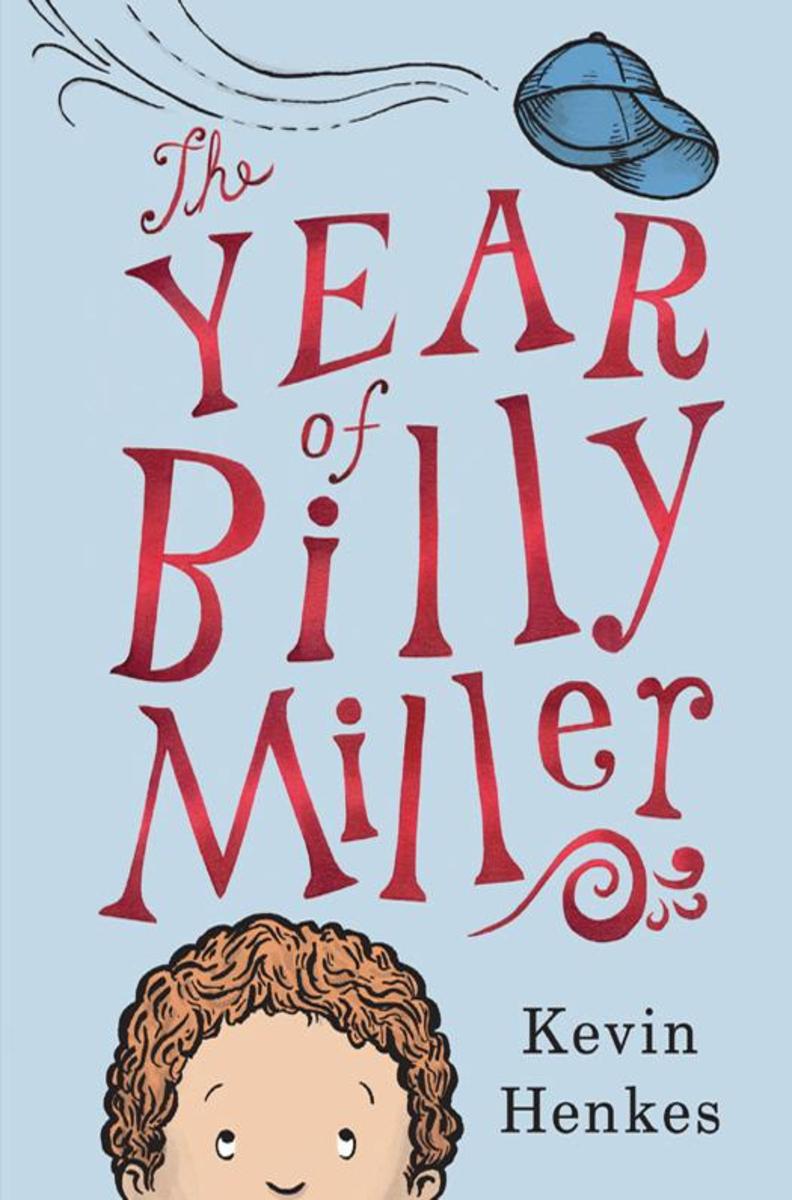
The Year of Billy Miller
¥44.85
A 2014 Newbery Honor BookA New York Times BestsellerAward-winning, nationally bestselling author Kevin Henkes introduces second-grader Billy Miller in this fast-paced and funny story about friendship, sibling rivalry, and elementary school. The Year of Billy Miller includes black-and-white art by Kevin Henkes and is perfect for fans of the Ramona books; Frindle, by Andrew Clements; and the Clementine series.The New York Times declared: "Henkes's delightful story is restrained and vivid . . . forgoing the overdramatic or zany, it shows the substance, warmth and adaptability of beautifully common family love." When Billy Miller has a mishap at the statue of the Jolly Green Giant at the end of summer vacation, he ends up with a big lump on his head. What a way to start second grade, with a lump on your head! As the year goes by, though, Billy figures out how to navigate elementary school, how to appreciate his little sister, and how to be a more grown up and responsible member of the family and a help to his busy working mom and stay-at-home dad. Newbery Honor author and Caldecott Medalist Kevin Henkes delivers a short, satisfying, laugh-out-loud-funny school and family story that features a diorama homework assignment, a school poetry slam, cancelled sleepovers, and epic sibling temper tantrums. This is a perfect short novel for the early elementary grades.

Epic Reads Impulse
¥107.82
The enticing world of Valkyrie Rising, Ingrid Paulson's debut teen novel, is introduced in Valkyrie Symptoms, a prequel short story.This twenty-page original story introduces the characters from the perspective of the ever-flippant, if undeniably alluring, Tucker Halloway. It also includes a teaser to Valkyrie Rising, a novel in which deadly legends, hidden identities, and tentative romance swirl together into an unexpectedly epic adventure when seventeen-year-old Ellie travels to Norway with her big brother and Tuck, his best friend, and encounters Valkyries: the legendary women warriors of Norse mythology.Epic Reads Impulse is a digital imprint with new releases each month.

The End Is Here: Teen Romance Sampler
¥38.06
The end is here! At least, the end of these popular series is almost here. Before they reach their conclusion, read selections from the first books. You'll fall in love with the paranormal worlds of Angelfire by Courtney Allison Moulton, Once in a Full Moon by Ellen Schreiber, A Touch Mortal by Leah Clifford, and Unearthly by Cynthia Hand.


