


 购物车
 个人中心

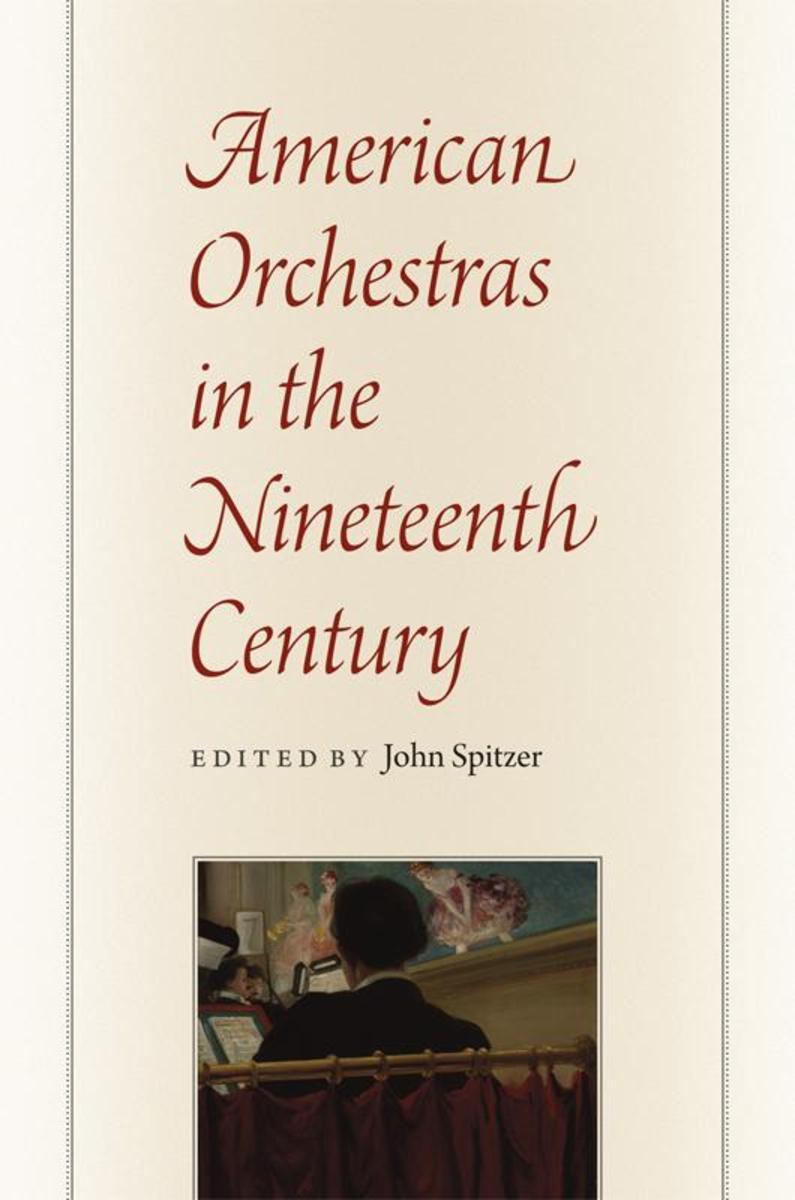
American Orchestras in the Nineteenth Century
¥529.74
Studies of concert life in nineteenth-century America have generally been limited to large orchestras and the programs we are familiar with today. But as this book reveals, audiences of that era enjoyed far more diverse musical experiences than this focus would suggest. To hear an orchestra, people were more likely to head to a beer garden, restaurant, or summer resort than to a concert hall. And what they heard weren't just symphonic works-programs also included opera excerpts and arrangements, instrumental showpieces, comic numbers, and medleys of patriotic tunes.This book brings together musicologists and historians to investigate the many orchestras and programs that developed in nineteenth-century America. In addition to reflecting on the music that orchestras played and the socioeconomic aspects of building and maintaining orchestras, the book considers a wide range of topics, including audiences, entrepreneurs, concert arrangements, tours, and musicians' unions. The authors also show that the period saw a massive influx of immigrant performers, the increasing ability of orchestras to travel across the nation, and the rising influence of women as listeners, patrons, and players. Painting a rich and detailed picture of nineteenth-century concert life, this collection will greatly broaden our understanding of America's musical history.
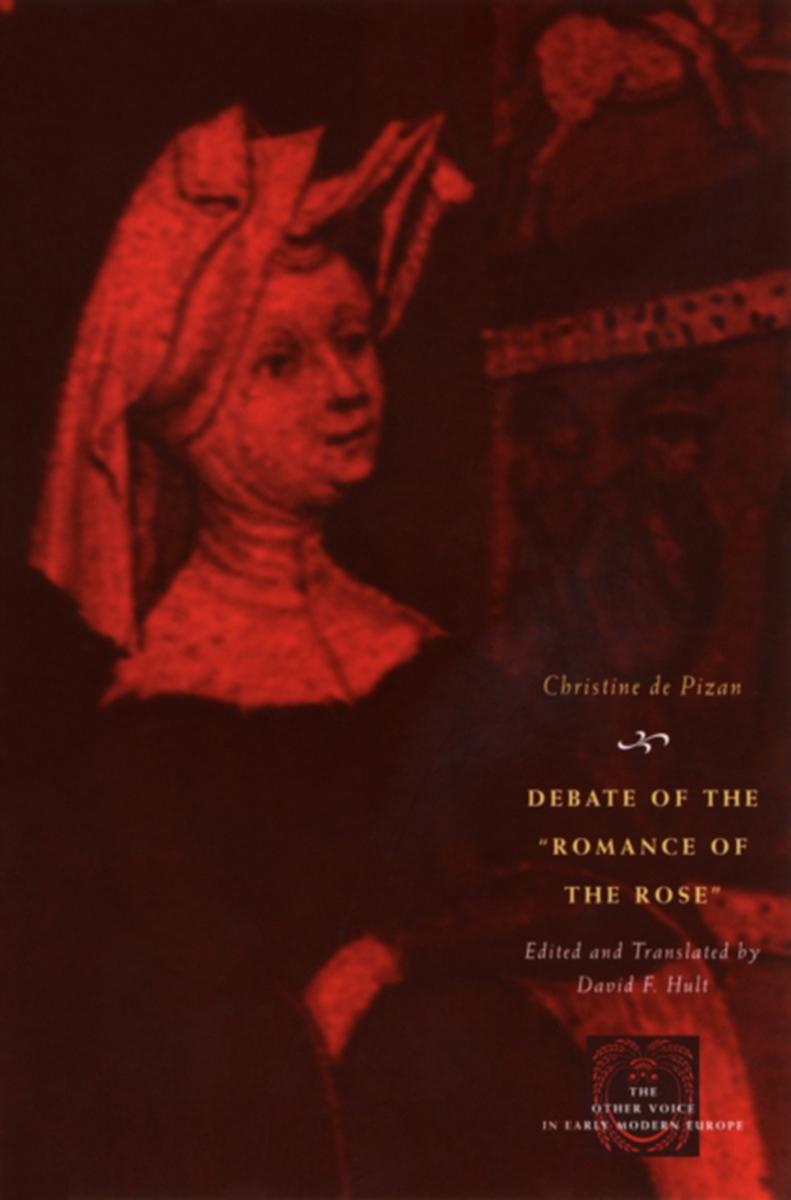
Debate of the Romance of the Rose
¥353.16
In 1401, Christine de Pizan (1365-1430?), one of the most renowned and prolific woman writers of the Middle Ages, wrote a letter to the provost of Lille criticizing the highly popular and widely read Romance of the Rose for its blatant and unwarranted misogynistic depictions of women. The debate that ensued, over not only the merits of the treatise but also of the place of women in society, started Europe on the long path to gender parity. Pizan's criticism sparked a continent-wide discussion of issues that is still alive today in disputes about art and morality, especially the civic responsibility of a writer or artist for the works he or she produces.In Debate of the "e;Romance of the Rose,"e; David Hult collects, along with the debate documents themselves, letters, sermons, and excerpts from other works of Pizan, including one from City of Ladies-her major defense of women and their rights-that give context to this debate.?Here, Pizan's supporters and detractors are heard alongside her own formidable, protofeminist voice.The resulting volume affords a rare look at the way people read and thought about literature in the period immediately preceding the era of print.
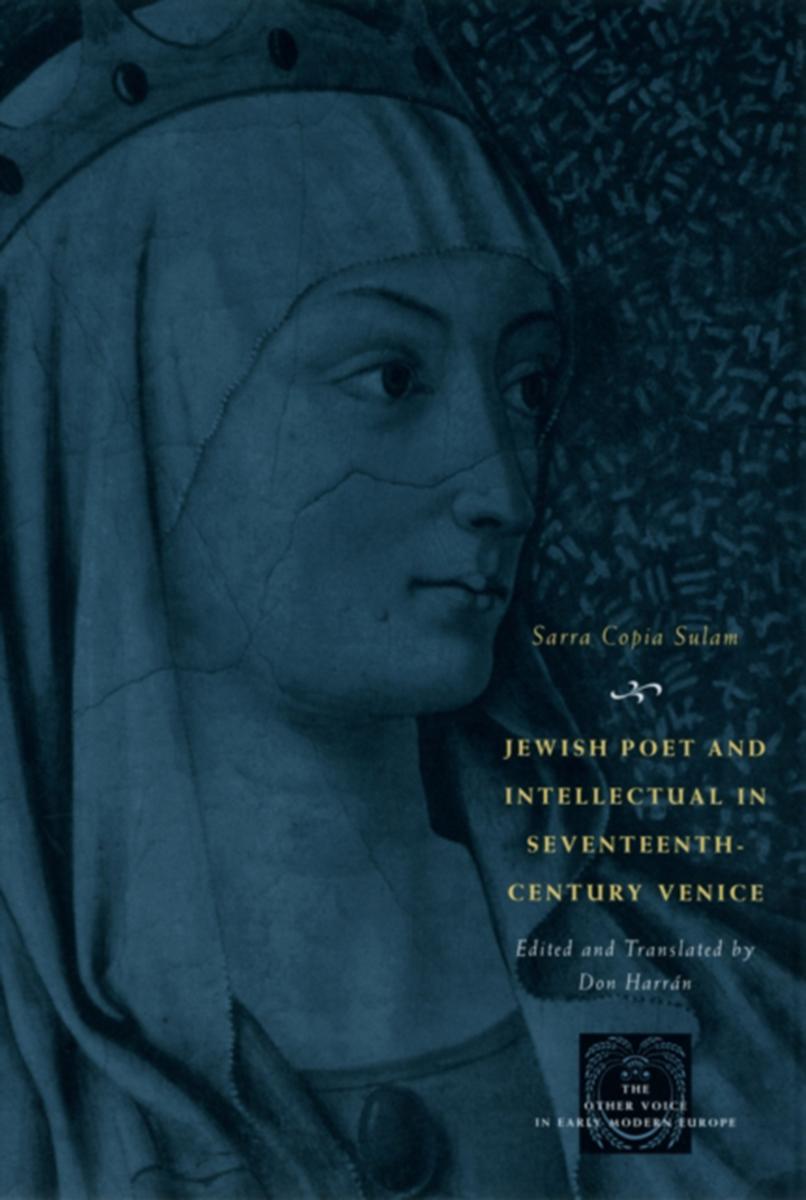
Jewish Poet and Intellectual in Seventeenth-Century Venice
¥353.16
These recent achievements have their origins in things women (and some male supporters) said for the first time about six hundred years ago. Theirs is the “other voice,” in contradistinction to the “first voice,” the voice of the educated men who created Western culture. Coincident with a general reshaping of European culture in the period 1300- 1700 (called the Renaissance or early modern period), questions of female equality and op-portunity were raised that still resound and are still unresolved.
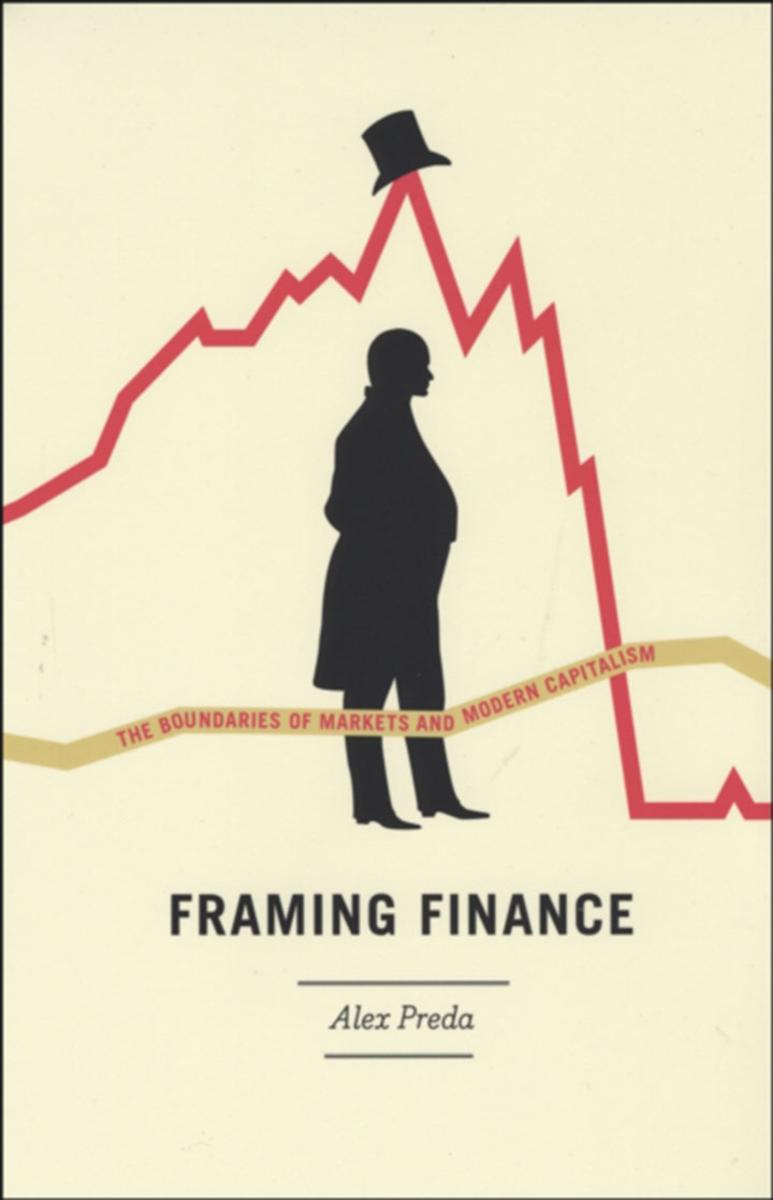
Framing Finance
¥253.10
As the banking crisis and its effects on the world economy have made plain, the stock market is of colossal importance to our livelihoods. In Framing Finance, Alex Preda looks at the history of the market to figure out how we arrived at a point where investing is not only commonplace, but critical, as market fluctuations threaten our plans to send our children to college or retire comfortably. As Preda discovers through extensive research, the public was once much more skeptical. For investing to become accepted, a deep-seated prejudice against speculation had to be overcome, and Preda reveals that over the course of the eighteenth and nineteenth centuries groups associated with stock exchanges in New York, London, and Paris managed to redefine finance as a scientific pursuit grounded in observational technology. But Preda also notes that as the financial data in which they trafficked became ever more difficult to understand, charismatic speculators emerged whose manipulations of the market undermined the benefits of widespread investment. And so, Framing Finance ends with an eye on the future, proposing a system of public financial education to counter the irrational elements that still animate the appeal of finance.
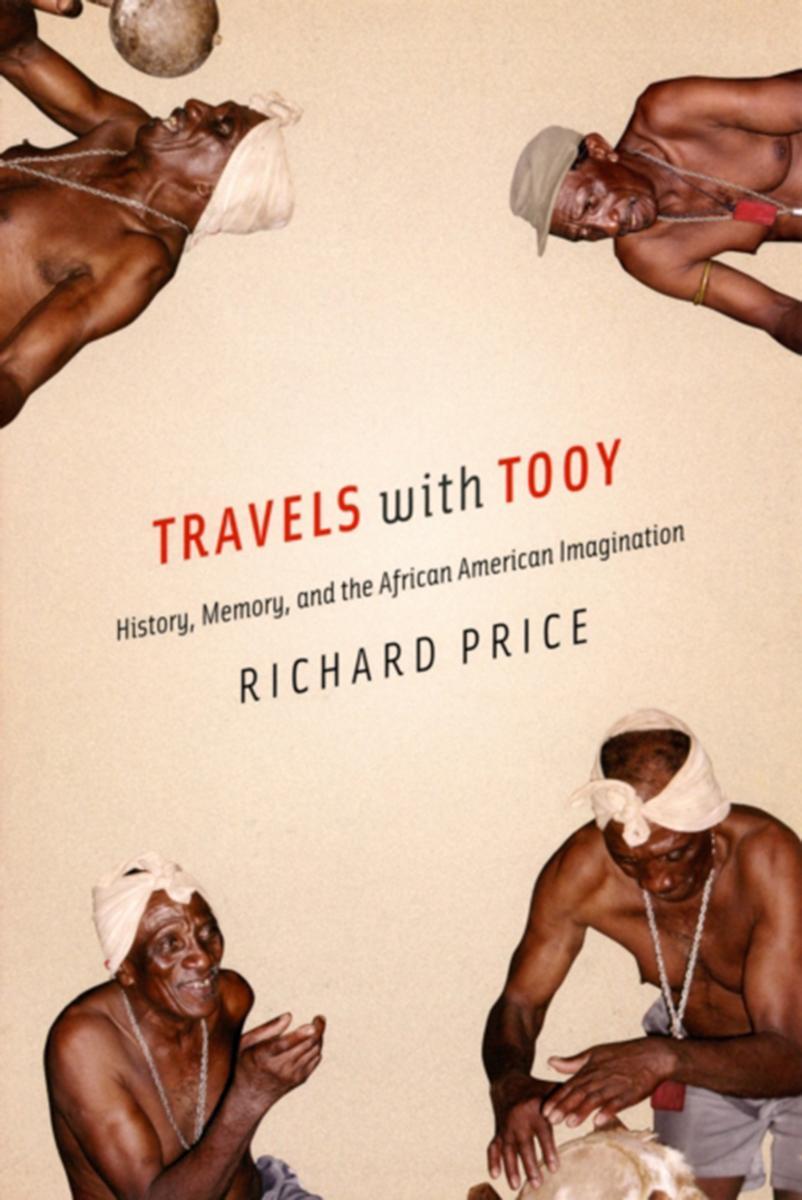
Travels with Tooy
¥265.87
At first glance, the rough shantytowns that ring Cayenne, where Haitian, Brazilian, Guyanese, and Suriname migrants live cheek by jowl, might seem the least likely of places to meet a fellow intellectual. And yet . . . The poverty that threatens to crush the spirit of both the hardworking and the unemployed can leave largely untouched the richness of the imagination. Amidst the mud and stench and random violence, Tooy—captain of the Saramakas of Cayenne—runs a household in which spiritual and rhetorical gifts abound. I’ve felt privileged to play a part in it during the past seven years.

Bloodtaking and Peacemaking
¥241.33
Dubbed by the New York Times as "e;one of the most sought-after legal academics in the county,"e; William Ian Miller presents the arcane worlds of the Old Norse studies in a way sure to attract the interest of a wide range of readers. Bloodtaking and Peacemaking delves beneath the chaos and brutality of the Norse world to discover a complex interplay of ordering and disordering impulses. Miller's unique and engaging readings of ancient Iceland's sagas and extensive legal code reconstruct and illuminate the society that produced them.People in the saga world negotiated a maze of violent possibility, with strategies that frequently put life and limb in the balance. But there was a paradox in striking the balance-one could not get even without going one better. Miller shows how blood vengeance, law, and peacemaking were inextricably bound together in the feuding process.This book offers fascinating insights into the politics of a stateless society, its methods of social control, and the role that a uniquely sophisticated and self-conscious law played in the construction of Icelandic society."e;Illuminating."e;-Rory McTurk, Times Literary Supplement"e;An impressive achievement in ethnohistory; it is an amalgam of historical research with legal and anthropological interpretation. What is more, and rarer, is that it is a pleasure to read due to the inclusion of narrative case material from the sagas themselves."e;-Dan Bauer, Journal of Interdisciplinary History

On Creaturely Life
¥241.33
In his Duino Elegies, Rainer Maria Rilke suggests that animals enjoy direct access to a realm of being-the open-concealed from humans by the workings of consciousness and self-consciousness. In his own reading of Rilke, Martin Heidegger reclaims the open as the proper domain of human existence but suggests that human life remains haunted by vestiges of an animal-like relation to its surroundings. Walter Benjamin, in turn, was to show that such vestiges-what Eric Santner calls the creaturely-have a biopolitical aspect: they are linked to the processes that inscribe life in the realm of power and authority.?Santner traces this theme of creaturely life from its poetic and philosophical beginnings in the first half of the twentieth century to the writings of the enigmatic German novelist W. G. Sebald. Sebald's entire oeuvre, Santner argues, can be seen as an archive of creaturely life. For Sebald, the work on such an archive was inseparable from his understanding of what it means to engage ethically with another person's history and pain, an engagement that transforms us from indifferent individuals into neighbors.?An indispensable book for students of Sebald, On Creaturely Life is also a significant contribution to critical theory.
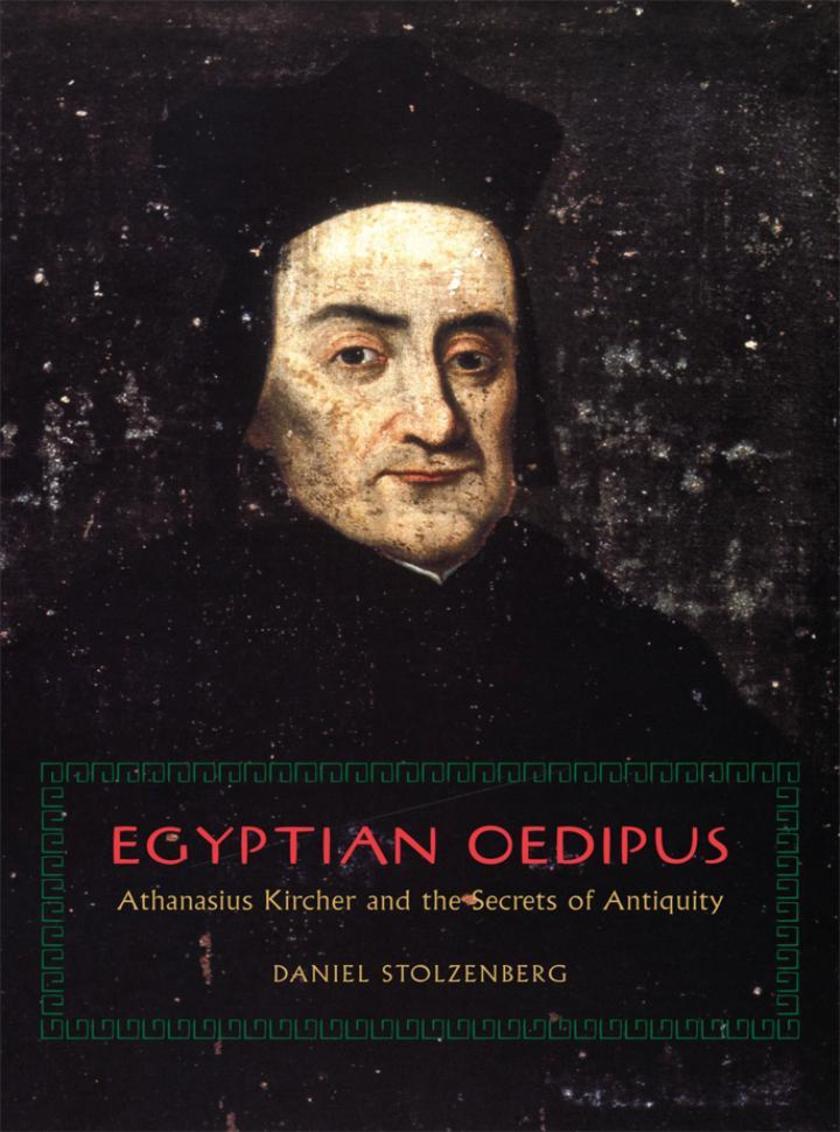
Egyptian Oedipus
¥247.21
A contemporary of Descartes and Newton, Athanasius Kircher, S. J. (1601/2-80), was one of Europe's most inventive and versatile scholars in the baroque era. He published more than thirty works in fields as diverse as astronomy, magnetism, cryptology, numerology, geology, and music. But Kircher is most famous-or infamous-for his quixotic attempt to decipher the Egyptian hieroglyphs and reconstruct the ancient traditions they encoded. In 1655, after more than two decades of toil, Kircher published his solution to the hieroglyphs, Oedipus Aegyptiacus, a work that has been called "e;one of the most learned monstrosities of all times."e; Here Daniel Stolzenberg presents a new interpretation of Kircher's hieroglyphic studies, placing them in the context of seventeenth-century scholarship on paganism and Oriental languages.?Situating Kircher in the social world of baroque Rome, with its scholars, artists, patrons, and censors, Stolzenberg shows how Kircher's study of ancient paganism depended on the circulation of texts, artifacts, and people between Christian and Islamic civilizations. Along with other participants in the rise of Oriental studies, Kircher aimed to revolutionize the study of the past by mastering Near Eastern languages and recovering ancient manu*s hidden away in the legendary libraries of Cairo and Damascus. The spectacular flaws of his scholarship have fostered an image of Kircher as an eccentric anachronism, a throwback to the Renaissance hermetic tradition. Stolzenberg argues against this view, showing how Kircher embodied essential tensions of a pivotal phase in European intellectual history, when pre-Enlightenment scholars pioneered modern empirical methods of studying the past while still working within traditional frameworks, such as biblical history and beliefs about magic and esoteric wisdom.
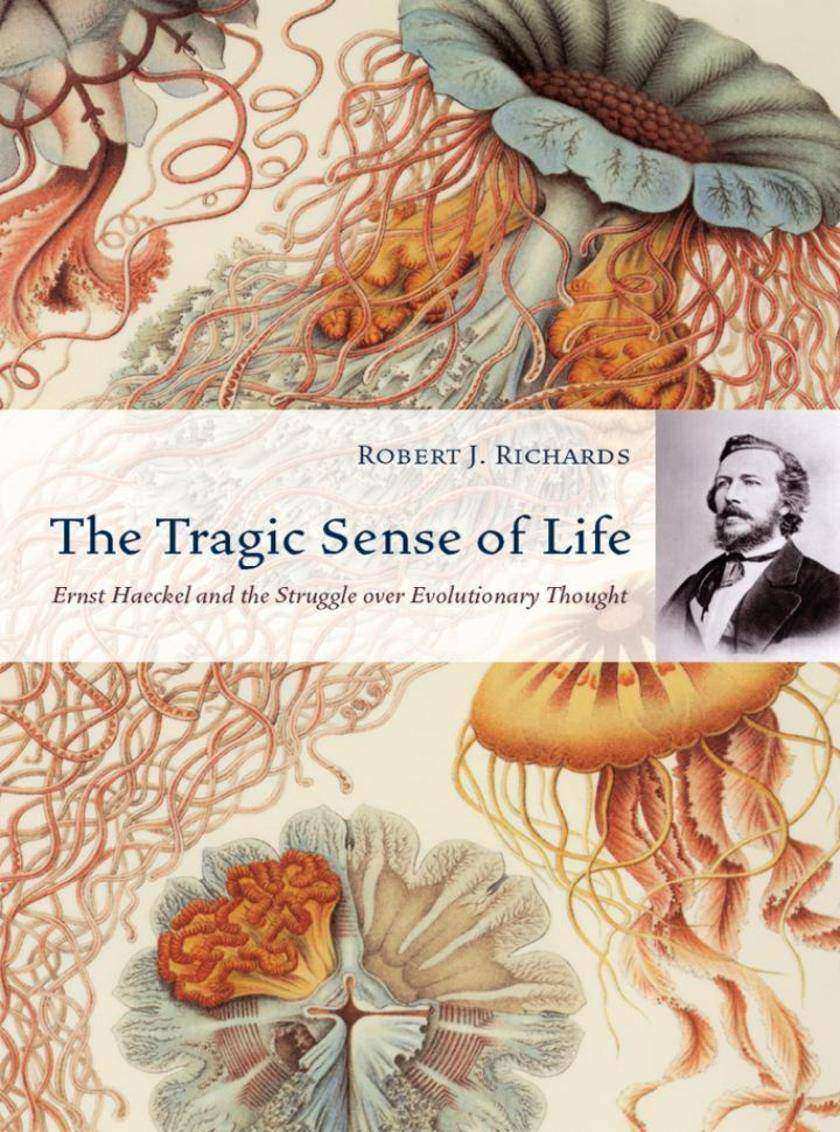
Tragic Sense of Life
¥253.10
Prior to the First World War, more people learned of evolutionary theory from the voluminous writings of Charles Darwin's foremost champion in Germany, Ernst Haeckel (1834-1919), than from any other source, including the writings of Darwin himself. But, with detractors ranging from paleontologist Stephen Jay Gould to modern-day creationists and advocates of intelligent design, Haeckel is better known as a divisive figure than as a pioneering biologist. Robert J. Richards's intellectual biography rehabilitates Haeckel, providing the most accurate measure of his science and art yet written, as well as a moving account of Haeckel's eventful life.

Africa as a Living Laboratory
¥270.76
Tropical Africa was one of the last regions of the world to experience formal European colonialism, a process that coincided with the advent of a range of new scientific specialties and research methods. Africa as a Living Laboratory is a far-reaching study of the thorny relationship between imperialism and the role of scientific expertise-environmental, medical, racial, and anthropological-in the colonization of British Africa.A key source for Helen Tilley's analysis is the African Research Survey, a project undertaken in the 1930s to explore how modern science was being applied to African problems. This project both embraced and recommended an interdisciplinary approach to research on Africa that, Tilley argues, underscored the heterogeneity of African environments and the interrelations among the problems being studied. While the aim of British colonialists was unquestionably to transform and modernize Africa, their efforts, Tilley contends, were often unexpectedly subverted by scientific concerns with the local and vernacular. Meticulously researched and gracefully argued, Africa as a Living Laboratory transforms our understanding of imperial history, colonial development, and the role science played in both.
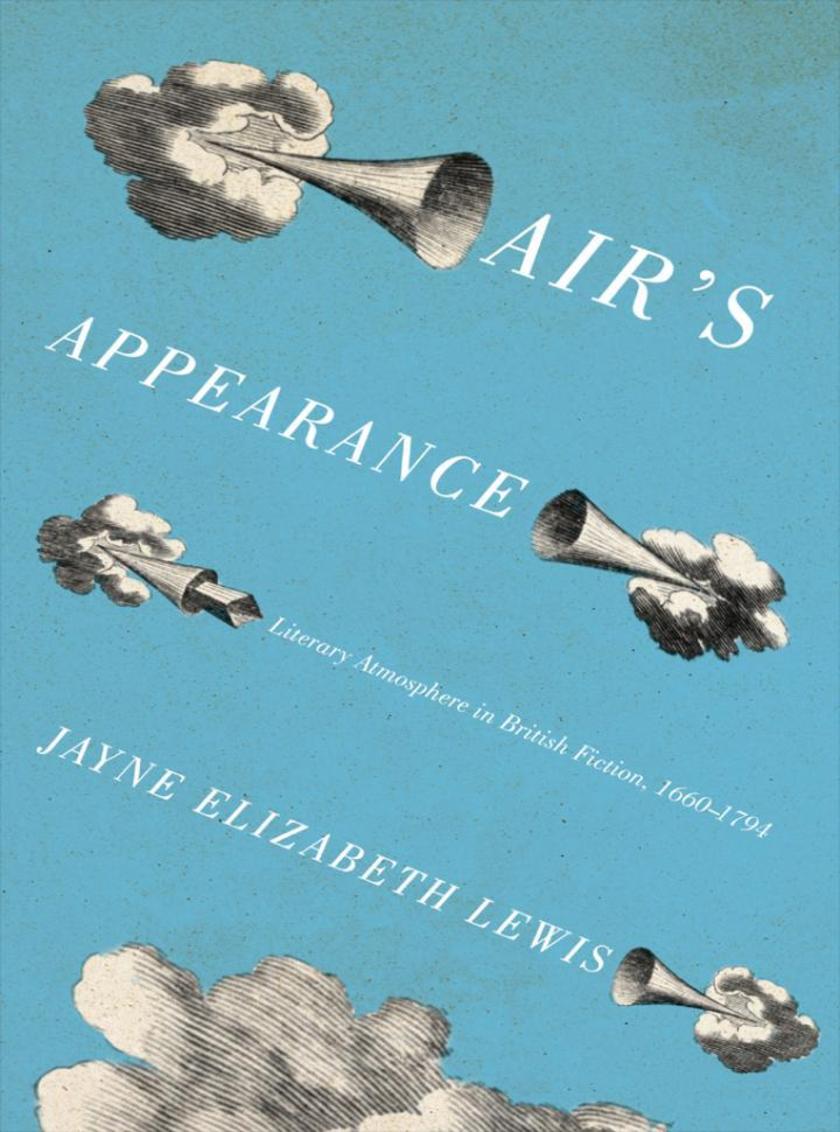
Air's Appearance
¥394.36
In Air's Appearance, Jayne Elizabeth Lewis enlists her readers in pursuit of the elusive concept of atmosphere in literary works. She shows how diverse conceptions of air in the eighteenth century converged in British fiction, producing the modern literary sense of atmosphere and moving novelists to explore the threshold between material and immaterial worlds.?Air's Appearance links the emergence of literary atmosphere to changing ideas about air and the earth's atmosphere in natural philosophy, as well as to the era's theories of the supernatural and fascination with social manners-or, as they are now known, "e;airs."e; Lewis thus offers a striking new interpretation of several standard features of the Enlightenment-the scientific revolution, the decline of magic, character-based sociability, and the rise of the novel-that considers them in terms of the romance of air that permeates and connects them. As it explores key episodes in the history of natural philosophy and in major literary works like Paradise Lost, "e;The Rape of the Lock,"e; Robinson Crusoe, and The Mysteries of Udolpho, this book promises to change the atmosphere of eighteenth-century studies and the history of the novel.

Trams or Tailfins?
¥394.36
In the years that followed World War II, both the United States and the newly formed West German republic had an opportunity to remake their economies. Since then, much has been made of a supposed "e;Americanization"e; of European consumer societies-in Germany and elsewhere. Arguing against these foggy notions, Jan L. Logemann takes a comparative look at the development of postwar mass consumption in West Germany and the United States and the emergence of discrete consumer modernities.?In Trams or Tailfins?, Logemann explains how the decisions made at this crucial time helped to define both of these economic superpowers in the second half of the twentieth century. While Americans splurged on private cars and bought goods on credit in suburban shopping malls, Germans rebuilt public transit and developed pedestrian shopping streets in their city centers-choices that continue to shape the quality and character of life decades later. Outlining the abundant differences in the structures of consumer society, consumer habits, and the role of public consumption in these countries, Logemann reveals the many subtle ways that the spheres of government, society, and physical space define how we live.
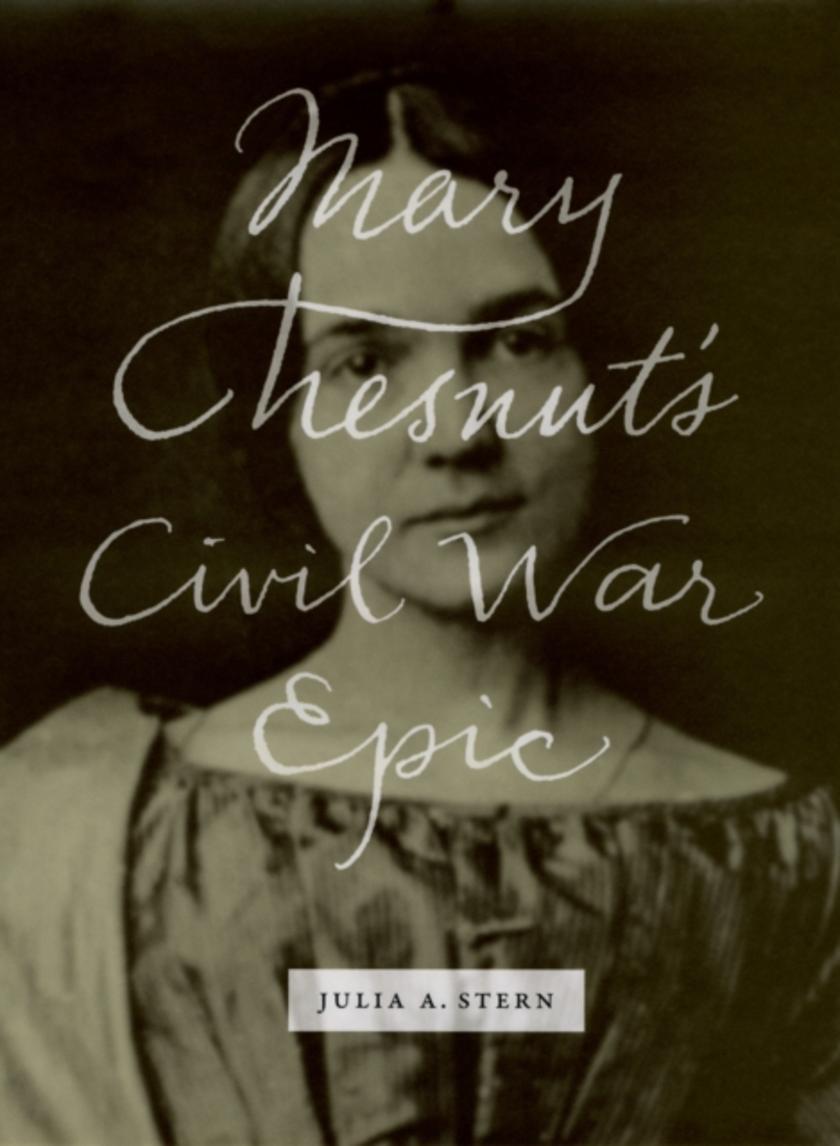
Mary Chesnut's Civil War Epic
¥447.34
A genteel southern intellectual, saloniste, and wife to a prominent colonel in Jefferson Davis's inner circle, Mary Chesnut today is remembered best for her penetrating Civil War diary. Composed between 1861 and 1865 and revised thoroughly from the late 1870s until Chesnut's death in 1886, the diary was published first in 1905, again in 1949, and later, to great acclaim, in 1981. This complicated literary history and the questions that attend it-which edition represents the real ChesnutTo what genre does this text belong?-may explain why the document largely has, until now, been overlooked in literary studies.Julia A. Stern's critical analysis returns Chesnut to her rightful place among American writers. In Mary Chesnut's Civil War Epic, Stern argues that the revised diary offers the most trenchant literary account of race and slavery until the work of Faulkner and that, along with his Yoknapatawpha novels, it constitutes one of the two great Civil War epics of the American canon. By restoring Chesnut's 1880s revision to its complex, multidecade cultural context, Stern argues both for Chesnut's reinsertion into the pantheon of nineteenth-century American letters and for her centrality to the literary history of women's writing as it evolved from sentimental to tragic to realist forms.
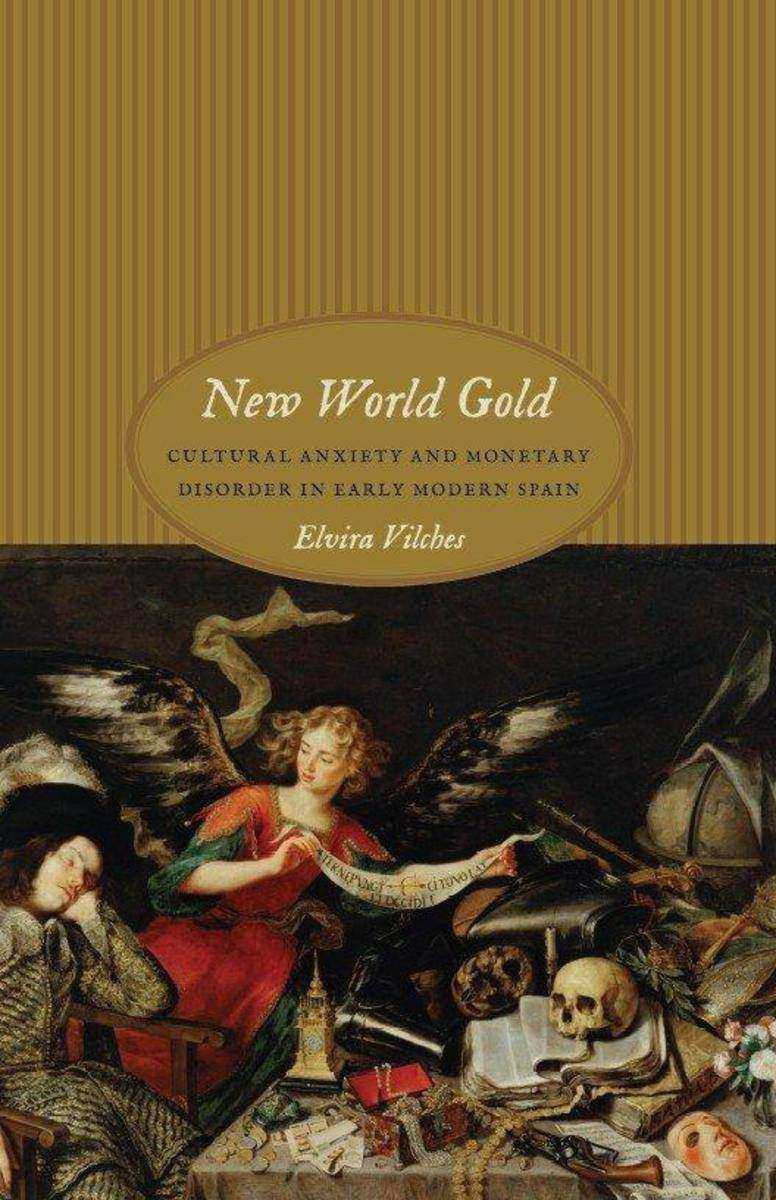
New World Gold
¥447.34
The discovery of the New World was initially a cause for celebration. But the vast amounts of gold that Columbus and other explorers claimed from these lands altered Spanish society. The influx of such wealth contributed to the expansion of the Spanish empire, but also it raised doubts and insecurities about the meaning and function of money, the ideals of court and civility, and the structure of commerce and credit. New World Gold shows that, far from being a stabilizing force, the flow of gold from the Americas created anxieties among Spaniards and shaped a host of distinct behaviors, cultural practices, and intellectual pursuits on both sides of the Atlantic.Elvira Vilches examines economic treatises, stories of travel and conquest, moralist writings, fiction, poetry, and drama to reveal that New World gold ultimately became a problematic source of power that destabilized Spain's sense of trust, truth, and worth. These cultural anxieties, she argues, rendered the discovery of gold paradoxically disastrous for Spanish society. Combining economic thought, social history, and literary theory in trans-Atlantic contexts, New World Gold unveils the dark side of Spain's Golden Age.
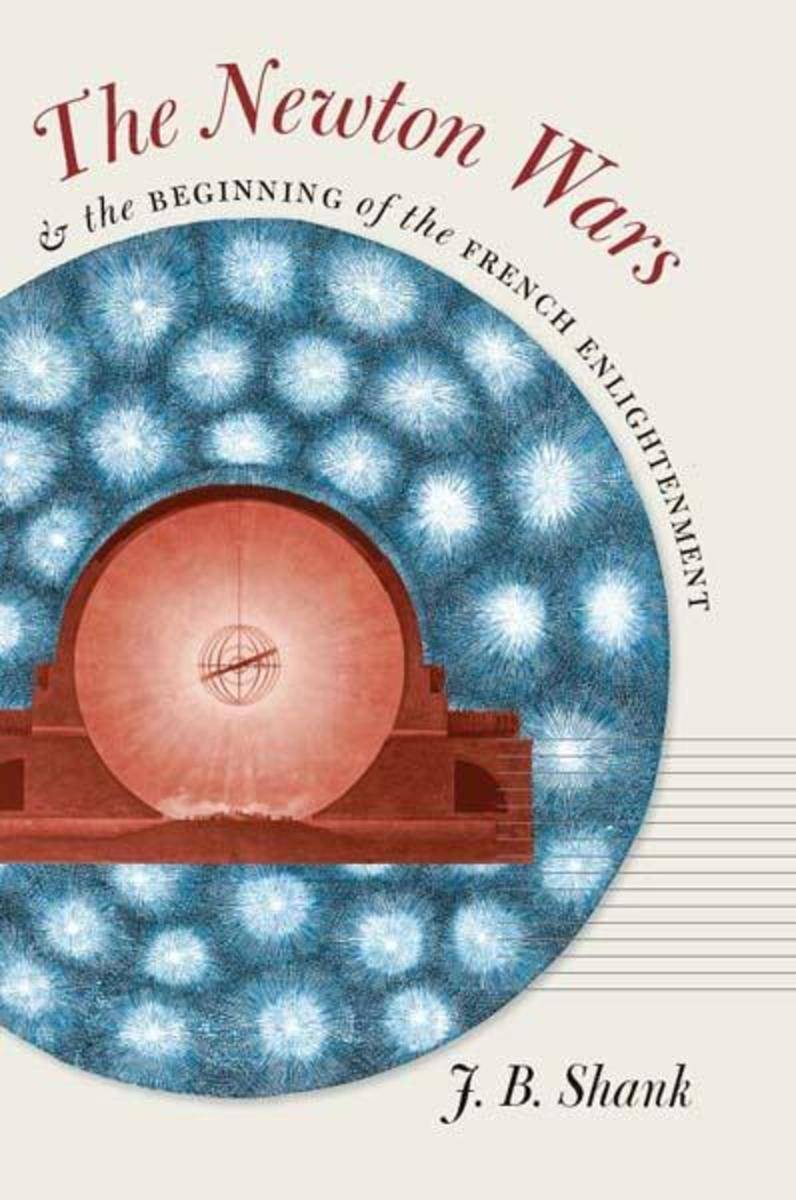
Newton Wars and the Beginning of the French Enlightenment
¥529.74
Nothing is considered more natural than the connection between Isaac Newton's science and the modernity that came into being during the eighteenth-century Enlightenment. Terms like "e;Newtonianism"e; are routinely taken as synonyms for "e;Enlightenment"e; and "e;modern"e; thought, yet the particular conjunction of these terms has a history full of accidents and contingencies. Modern physics, for example, was not the determined result of the rational unfolding of Newton's scientific work in the eighteenth century, nor was the Enlightenment the natural and inevitable consequence of Newton's eighteenth-century reception. Each of these outcomes, in fact, was a contingent event produced by the particular historical developments of the early eighteenth century.A comprehensive study of public culture, The Newton Wars and the Beginning of the French Enlightenment digsbelow the surface of the commonplace narratives that link Newton with Enlightenment thought to examine the actual historical changes that brought them together in eighteenth-century time and space. Drawing on the full range of early modern scientific sources, from studied scientific treatises and academic papers to book reviews, commentaries, and private correspondence, J. B. Shank challenges the widely accepted claim that Isaac Newton's solitary genius is the reason for his iconic status as the father of modern physics and the philosophemovement.
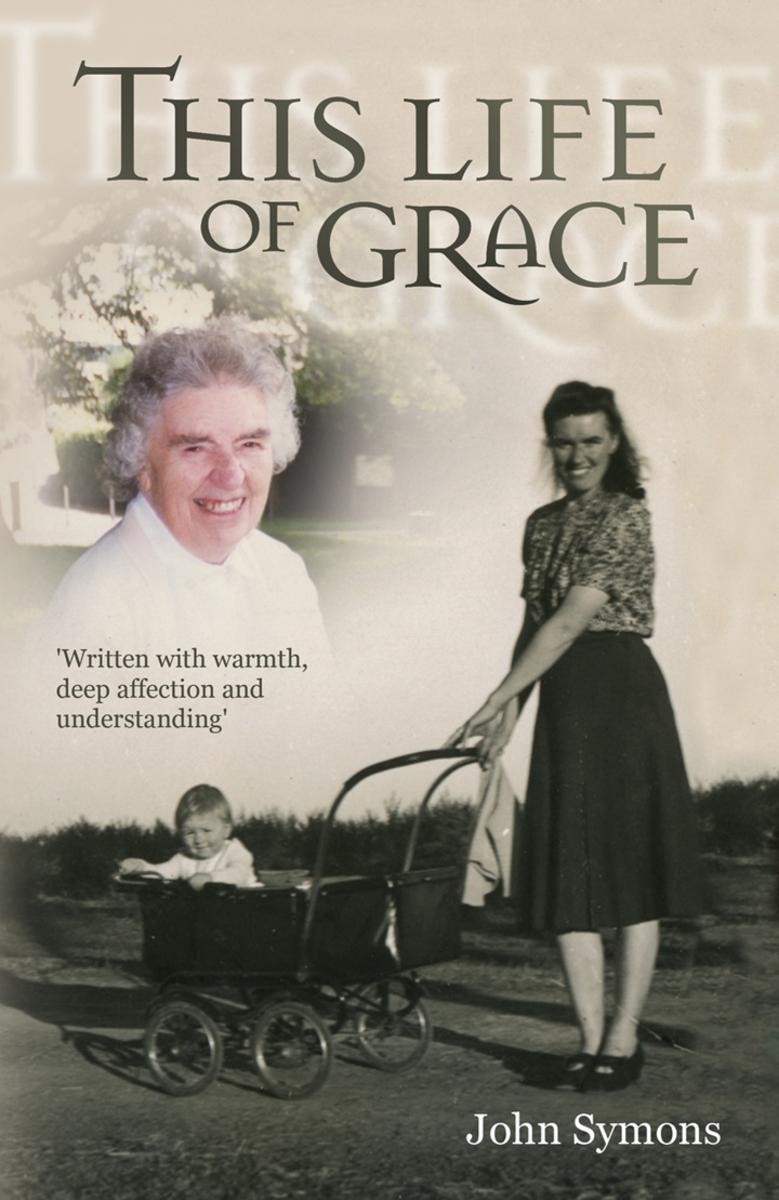
This Life Of Grace
¥24.44
This Life of Grace is a biography and a history. It tells the story of Grace Jarrold, the youngest of eight children, who lived for almost ninety years in the village of Plympton in Devon. It also tells the story of the village over the last century, beginning with the Great War of 1914-1918, school life at that time as revealed in original documents, the building of ‘homes fit for heroes’ in the 1920s, and the General Strike of 1926. It describes the dwindling of the old ‘upstairs-downstairs’ life, the approach of the Second World War and the Blitz of Plymouth. After the tranquil period of fifteen years that followed the War, things changed at great speed. The influence of farming declined, leading to the closure of Plympton Market in 2002. The village grew to ten times its size at the time of Grace’s birth and it was absorbed into the City of Plymouth. All the events are recorded as they affected local people. Grace is at the heart of the story, much of it told in her words, related remarkably to the author in frank conversations as she relived her life when it was drawing to its close, during almost three years in a hospital bed. The life of her husband, Major William John Symons, of the Indian Army, is told by the same author in Stranger on the Shore, published in 2009. In a pre-publication review, Peter Smith of Crane Books, writes, ‘I liked This Life of Grace even more than Stranger, which I had found engrossing and very moving. This Life of Grace is written with such warmth and deep affection and understanding, bringing the characters vividly to life. Grace was a person of dignity and humility, an unusual combination, to which I felt a sense of eloquence, wit and humour should be added. She was very much a Grace.’
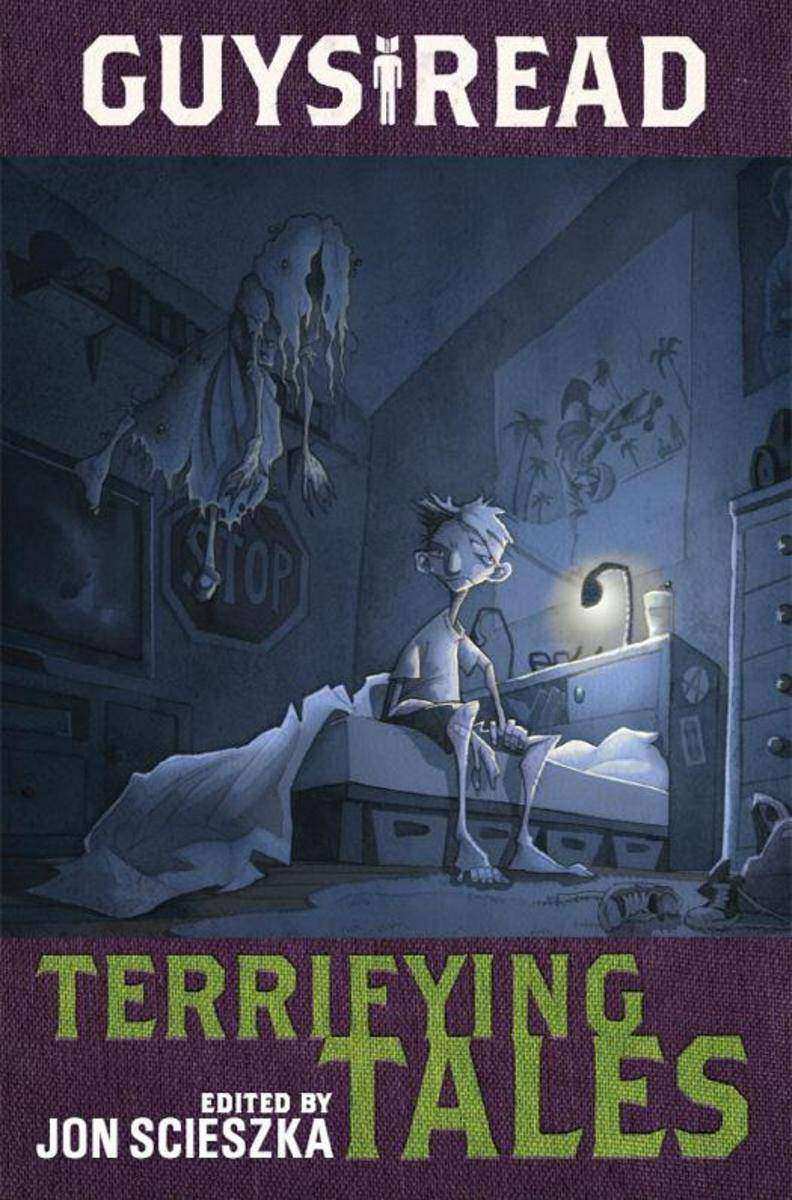
Guys Read: Terrifying Tales
¥44.73
Be afraid, be very afraid of Terrifying Tales, the sixth volume in the Guys Read Library of Great Reading.Eleven masters of suspense—Kelly Barnhill, Michael Buckley, Adam Gidwitz, Adele Griffin and Lisa Brown, Claire Legrand, Nikki Loftin, Daniel José Older, Dav Pilkey, R.L. Stine, and Rita Williams-Garcia—have come together to bring you a bone-chilling collection of original ghost stories with illustrations by Gris Grimly, perfect for sharing around the campfire, reading under the covers with a flashlight, and scaring your friends’ pants off.Compiled and edited by kid-lit madman Jon Scieszka, Guys Read: Terrifying Tales is a creepy-fun read (if you’re brave enough, that is).?
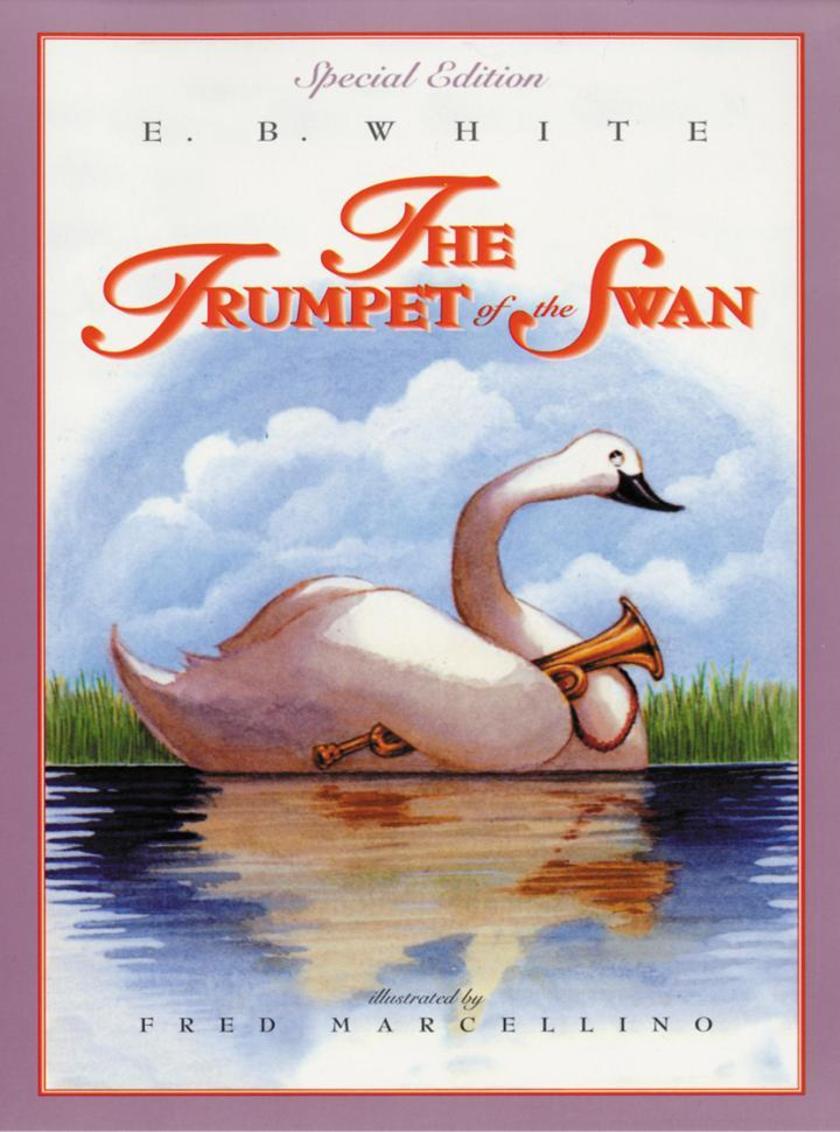
The Trumpet of the Swan
¥44.73
Now available for the first time as an ebook! Illustrations in this ebook appear in vibrant full color on a full-color device and in rich black-and-white on all other devices.This beloved book by E. B. White, author of Charlotte's Web and Stuart Little, is a classic of children's literature that perfectly describes what it's like to march to the beat of your own drummer.Louis is a trumpeter swan, but unlike the rest of his family, he can't make a sound. And since he can't trumpet his love, the beautiful swan Serena pays no attention to him. But when his father steals him a real brass trumpet, Louis has to find out if it's the key to what he's wanted all along.E. B. White's classic book is a tender novel of overcoming the odds and learning to do things on your own terms. It will continue to be enjoyed by generations to come. It contains evocative illustrations by Fred Marcellino, the acclaimed illustrator of Puss in Boots and I, Crocodile, among many other books.Correlates to the Common Core State Standards in English Language Arts
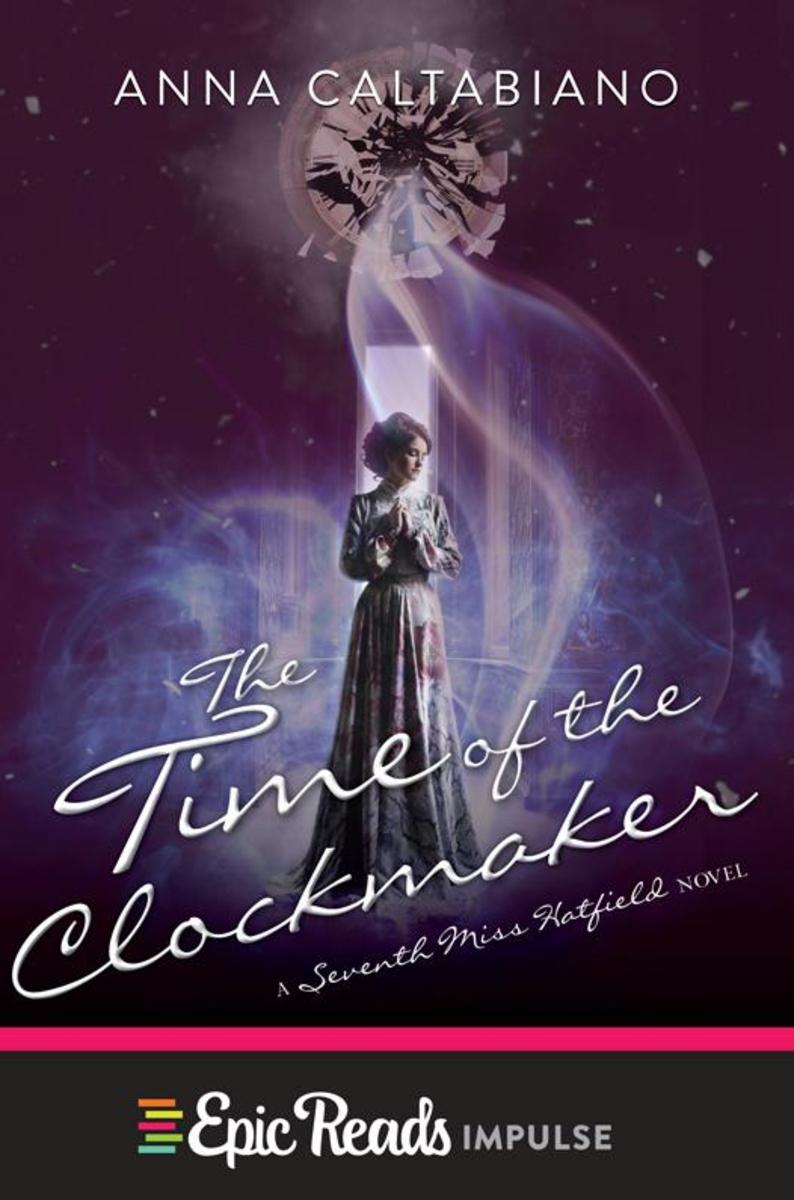
The Time of the Clockmaker
¥54.42
The Time of the Clockmaker, the sequel to The Seventh Miss Hatfield, is set in the lush court of Henry VIII and continues Rebecca's romantic and action-packed time-traveling adventures. With an epic romance that cannot be stopped by the bounds of time as well as deeper questions regarding immortality, this is perfect for fans of love stories such as The Time Traveler's Wife, as well as historical fiction with a fantastical twist, like Grave Mercy by Robin LaFevers.Cynthia, who is now known only as the seventh Rebecca Hatfield, has settled in to the regular routine of traveling with the sixth Miss Hatfield. But when Rebecca's mentor is shockingly killed in front of her, Rebecca must flee the place and time she knows. She has lost her family, her dearest love, and her ability to live a normal life. All she has left is the gift—or curse—of immortality, and the bizarre clock that allows her to travel in time.Just when Rebecca thinks she might be safe, she is attacked too. The mysterious black-clad figure steals the clock, but not before it transports them to a new time: Tudor England. Without her clock, Rebecca is stranded in the past. Alone, without friends or resources, she must find a way to survive in the beautiful—but dangerous—court of Henry VIII.And what of her love, Henley, a boy Rebecca met in another time and place, but whose ghostly figure follows Rebecca wherever she goes, even when she begins a whirlwind romance with a dashing apprentice to the king's alchemist?The mysterious attacker—someone who seems to possess the same powers as Rebecca—could be anyone at the lavish court. Can Rebecca escape him and find a way homeWould that mean once again sacrificing her heart for the sake of keeping the secret of immortality safe?Epic Reads Impulse is a digital imprint with new releases each month.
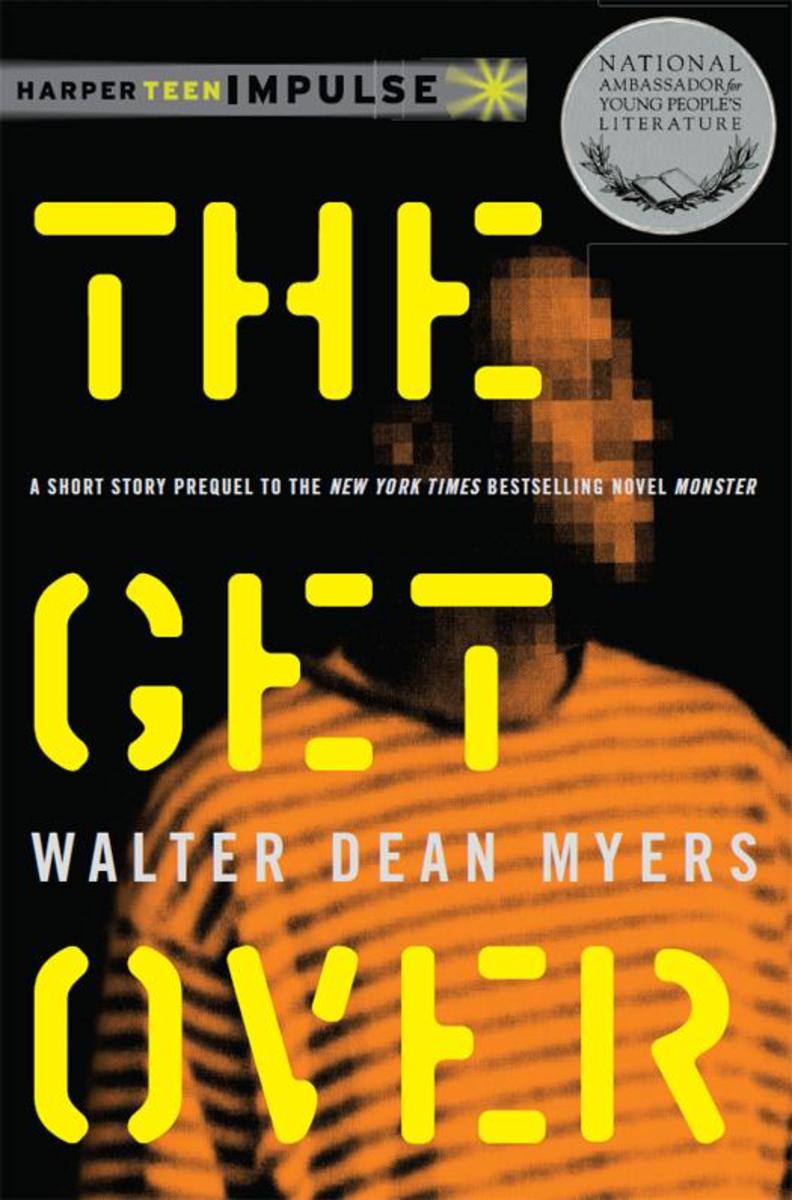
The Get Over
¥10.83
From beloved author Walter Dean Myers, this original 20-page short story serves as a prequel to his award-winning novel Monster, which has been read and loved by millions of readers.Word on the street is that a robbery is about to go down in Harlem, and Steve Harmon is right in the middle of it. Everyone is trying to prove who's the toughest. Steve gets caught up in the talk and wonders about the difference between right and wrong. Should he turn these guys inStay quietWhat choice will Steve make?Walter Dean Myers was the New York Times bestselling author of Monster, the winner of the first Michael L. Printz Award; a former National Ambassador for Young People's Literature; and an inaugural NYC Literary Honoree. Myers received every single major award in the field of children's literature. He was the author of two Newbery Honor Books and six Coretta Scott King Awardees. He was the recipient of the Margaret A. Edwards Award for lifetime achievement in writing for young adults, a three-time National Book Award Finalist, as well as the first-ever recipient of the Coretta Scott King–Virginia Hamilton Award for Lifetime Achievement.Epic Reads Impulse is a digital imprint with new releases each month.
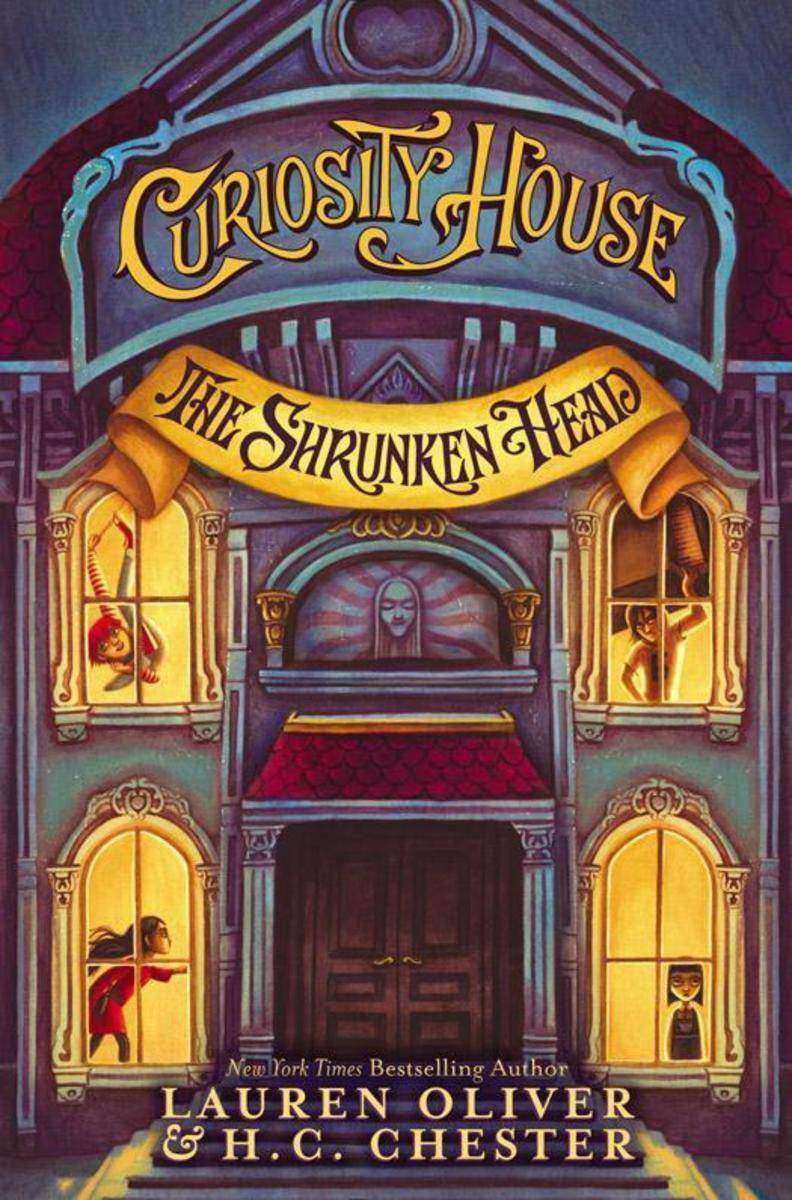
Curiosity House: The Shrunken Head
¥38.72
The book is about, among other things: the strongest boy in the world, a talking cockatoo, a faulty mind reader, a beautiful bearded lady and a nervous magician, an old museum, and a shrunken head.Blessed with extraordinary abilities, orphans Philippa, Sam, and Thomas have grown up happily in Dumfrey’s Dime Museum of Freaks, Oddities, and Wonders. But when a fourth child, Max, a knife-thrower, joins the group, it sets off an unforgettable chain of events.When the museum’s Amazonian shrunken head is stolen, the four are determined to get it back. But their search leads them to a series of murders and an explosive secret about their pasts. This sensational new series combines the unparalleled storytelling gifts of Lauren Oliver with the rich knowledge of the notorious relics collector H. C. Chester.What you will find in this book:A rather attractive bearded ladySeveral scandalous murdersA deliciously disgusting Amazonian shrunken headFour extraordinary children with equally extraordinary abilitiesA quite loquacious talking birdWhat you will NOT find in this book:An accountant named SeymourA never-ending line at the post officeBrussels sprouts (shudder)A lecture on finishing all your homework on timeA sweet, gooey story for nice little girls and boysLearn more about the series online at www.thecuriosityhouse.com.


