


 购物车
购物车 个人中心
个人中心
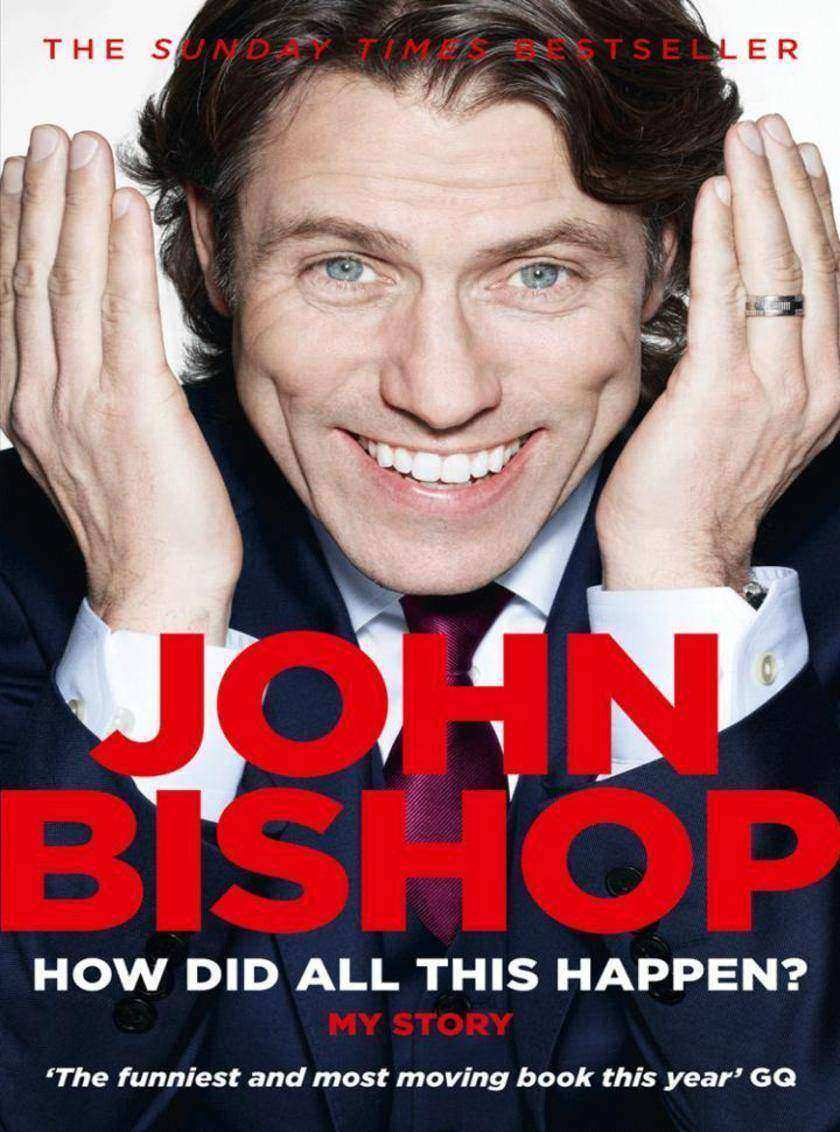
How Did All This Happen?
¥69.26
If you’re a man of a certain age you’ll know there comes a point in life when getting a sports car and over-analysing your contribution to society sounds like a really good idea. With a good job in sales and marketing and a nice house in Manchester that he shared with his wife and kids, John Bishop was no different when he turned the dreaded 4-0. But instead of spanking a load of cash on a car that would have made him look like a senior stylist at Vidal Sassoon, he stumbled onto a pathway that ultimately lead him to become one of the nation’s best loved comedians. It was a gamble, but boy, did it pay off. How Did All This Happen? is the story of how a boy who, growing up on a council estate dreaming of ousting Kenny Dalglish from Liverpool FC’s starting line-up, suddenly found himself on stage in front of thousands of people nationwide, at an age when he should have known better. In his own inimitable style, John guides us through his life from leaving the estate and travelling the globe on a shoe string, to marriage, kids and the split that led him to being on a stage complaining to strangers one night – the night that changed his life and started his journey to stardom. Wonderfully entertaining and packed with colourful reminiscences and comical anecdotes, this is a heart-warming, life-affirming and ultimately very, very funny memoir from one of the nation’s greatest comedians.
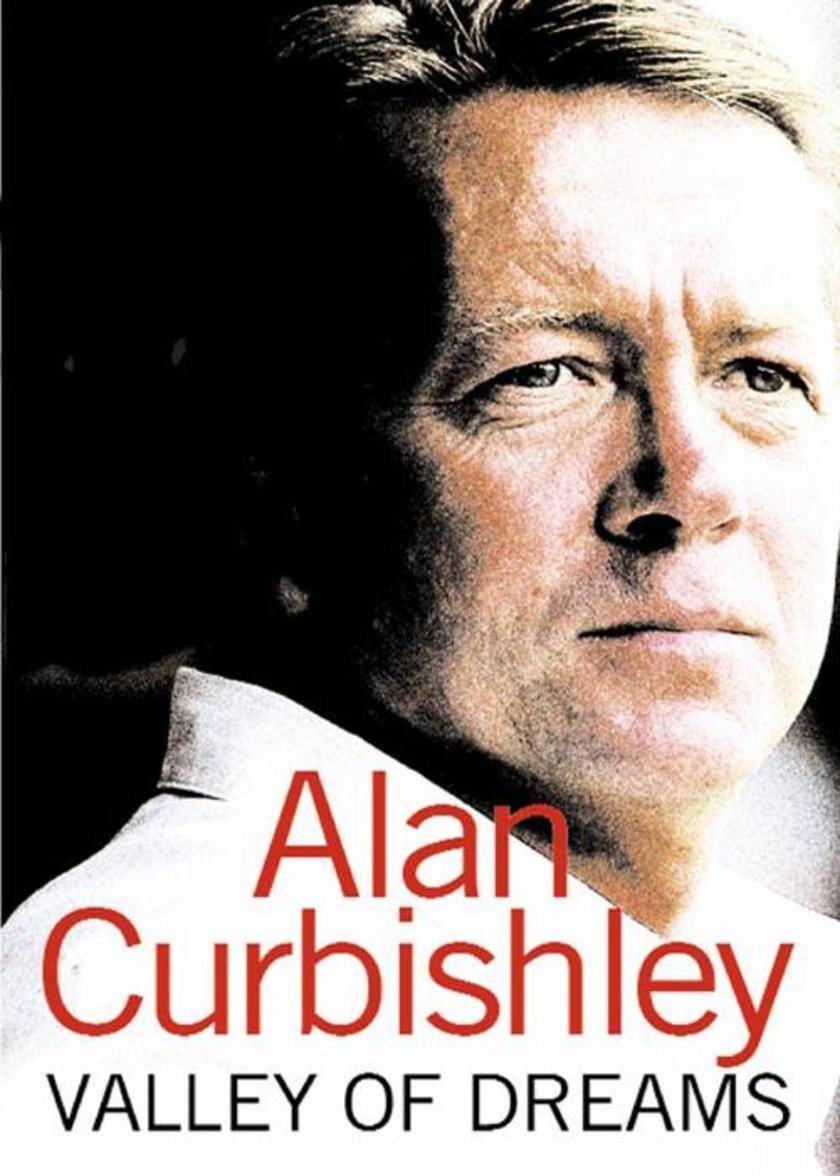
Valley of Dreams (Text Only)
¥125.18
Charlton Athletic represent a model of how a Premiership football club should be run. Former manager Alan Curbishley reveals the secrets of the club’s success – from the boardroom and manager’s office down to the dressing room and pitchside – and reflects on how the club went from homeless strugglers to challenging football’s elite. Alan Curbishley encountered most of football's ill winds during the 15 years he was coach, co-manager, then sole manager of Charlton – a club once homeless, with gates of less than 3000, forced to sell players to pay the wages and to buy replacement kit for the first team, and teetering on the brink of extinction. Galvanised by fans, staff, forward-thinking board members and a shrewd manager, the Addicks now find themselves firmly established with the Premiership big boys and a shining example of how a successful football club should be run. In his book, Curbishley opens the lid on the soap opera that is Charlton FC. He writes about the political manoeuvrings behind the club's departure and then emotional return to The Valley. He describes how the they were torn asunder by drugs allegations involving three of its players, including a youthful Lee Bowyer. He re-lives the tortuous rollercoaster ride of falling out of the Premiership two years later before returning in 1999/2000. And he gives an insider's view of the club's success in establishing itself in the world’s toughest league, including a full update on their 2005/06 season. He also talks candidly about being shortlisted for the England manager’s job. His book is a radical insight into the workings of a football club and its staff, and is sure to attract widespread interest from football fans across the country. Note that it has not been possible to include the same picture content that appeared in the original print version.
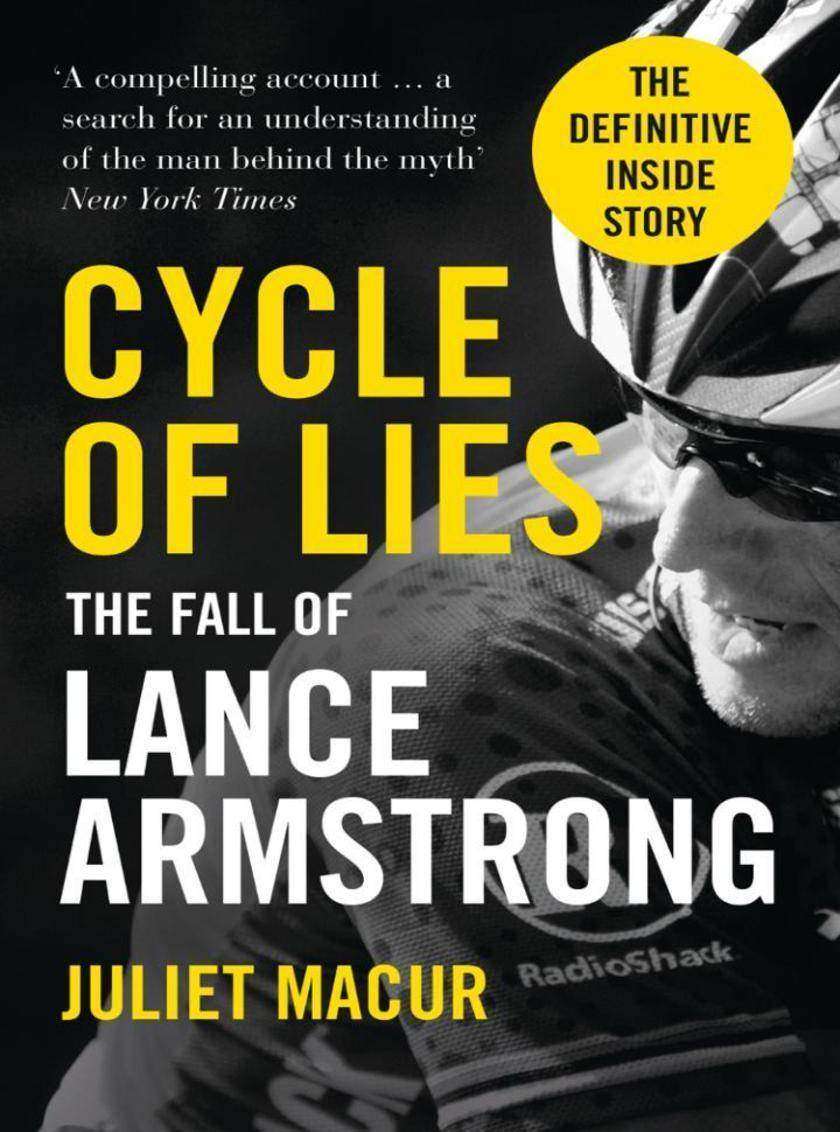
Cycle of Lies: The Fall of Lance Armstrong
¥81.03
A fly-on-the-wall account of the greatest drama in modern sporting history by the New York Times cycling correspondent. As Lance Armstrong’s precipitous fall from grace continues, New York Times sports reporter Juliet Macur takes the reader behind the scenes to bring to life the astonishing twists and turns of the scandal that has rocked the world of cycling. With unprecedented access to the key players in the drama – from Armstrong’s fellow cyclists and top cycling officials to doctors, trainers and wives – Cycle of Lies reveals how Armstrong built a fortress of people around him to protect his image and upend the lives of anybody who stood in his way. As America’s fallen idol faces potential perjury charges, Cycle of Lies widens the focus to expose corruption at all levels of the sport in a thrilling, page-turning work of contemporary narrative history.
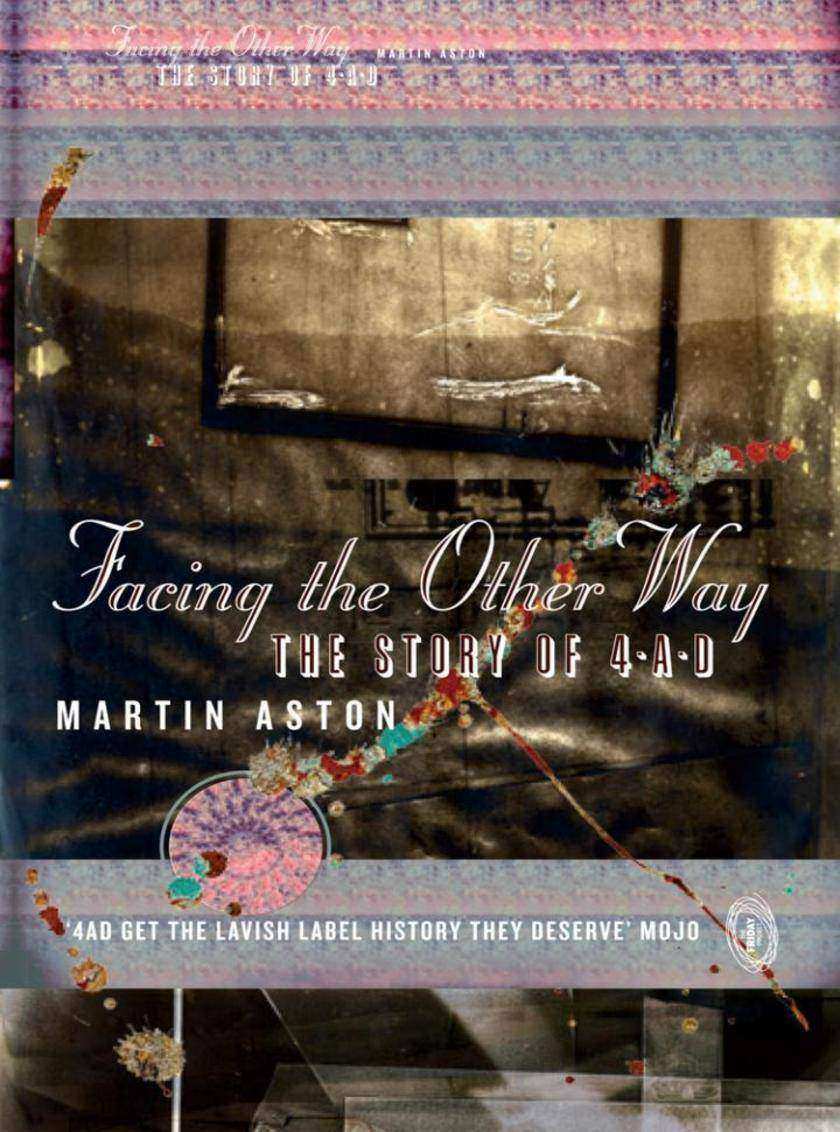
Facing the Other Way: The Story of 4AD
¥103.10
The first official account of the iconic record label. An NME Book of the Year 2013 ? A Rough Trade Book of the Year 2013 ? A Times Literary Supplement Book of the Year 2013 This Mortal Coil, Birthday Party, Bauhaus, Cocteau Twins, Pixies, Throwing Muses, Breeders, Dead Can Dance, Lisa Germano, Kristin Hersh, Belly, Red House Painters. Just a handful of the bands and artists who started out recording for 4AD, a record label founded by Ivo Watts-Russell and Peter Kent in 1979, a label which went on to be one of the most influential of the modern era. Combining the unique tastes of Watts-Russell and the striking design aesthetic of Vaughan Oliver, 4AD records were recognisable by their look as much their sound. In this comprehensive account concentrating on the label’s first two decades (up to the point that Watts-Russell left), music journalist Martin Aston explores the fascinating story with unique access to all the key players and pretty much every artist who released a record on 4AD during that time, and to its notoriously reclusive founder. With a cover designed by Vaughan Oliver this is an essential book for all 4AD fans and anyone who loved the music of that time.

The Rest Is Noise Series: Beethoven Was Wrong
¥11.77
This is a chapter from Alex Ross’s groundbreaking history of twentieth-century classical music, ‘The Rest is Noise’. Further extracts are available as digital shorts, accompanying the London Southbank festival programme. After Paul McCartney listened to the electronic layering and looping of Stockhausen, the Beatles used the same effects on Revolver’s ‘Tomorrow Never Knows’ and put an image of the composer on Sgt. Pepper’s Lonely Hearts Club Band. For a split second during ‘Revolution 9’ the final chords of Sibelius’s Seventh Symphony can be heard. Even the most jaded veteran of twentieth century music must have been startled by the influence of the post-war avant-garde on the psychedelic generation. Now a major festival running throughout 2013 at London’s Southbank, The Rest is Noise is an intricate commentary not just on the sounds that defined the century, but on art’s troublesome dance with politics, social and cultural change. Alex Ross is the New Yorker’s music critic, and the winner of the Guardian First Book Award and the National Book Critics Circle Award for The Rest is Noise, which was also shortlisted for the Samuel Johnson and Pulitzer prizes for non-fiction.
Sven-Goran Eriksson
¥82.01
A major in-depth biography of Sven-Goran Eriksson - the first foreign manager of the England football team - which chronicles his time in the hot seat, from taking over from Kevin Keegan, the story of the 2002 World Cup Finals in Japan and South Korea, through to the 2004 European Championships. Reserved - some would say introvert - by nature, he has so far dismissed as intrusive almost all questions about anything other than the England team. There is a fascinating story to be told about the moderate full-back who failed in his own country, retired from playing at 27, then went on to become one of the best coaches in the world. The son of a truck driver from a small provincial town in Sweden, Eriksson left school early and worked in a social security office. He went to college to study PE and played football as an amateur before being persuaded by an older teammate Tord Grip (now his assistant with England) that his career lay elsewhere in management. Modest success at Roma and Fiorentina was followed by a renewal of Sampdoria's fortunes. It wasn't long before Lazio came knocking - but not before an acrimonious fallout with Blackburn when his surprise about-turn left the Lancashire club without a new manager. He enjoyed phenomenal success in Rome, however, where he led Lazio to the scudetto, and this eventually paved the way to the England manager's job. Since then Eriksson has come under the microscope from the English press, as much for his private affairs as for his team's stuttering performances. Despite his achievements in leading England to the quarter-finals of the World Cup in 2002, his methods, formations and team selections are the subject of fierce debate up and down the country. Joe Lovejoy's book captures the essence of the man and goes some way to explaining his influence behind England. This paperback edition explores his thoughts about his captain playing his football in Spain and documents England's rocky road to the 2004 European Championship finals.

The Bad Mother
¥22.66
A hilariously honest, and rather sweary, book about parenting from the author of The Bad Cook. From play dates to potty training, from weening to whining or whether to have two, or three, or more! Esther Walker focuses her unique humour on the art of parenting. Fans of Esther’s blog and journalism, or her bestselling Bad Cook book, will not be disappointed. This is every bit as funny, sweary and just plain honest as you would expect. Esther offers up her occasional successes and many failures as examples to parents everywhere: look, this is what happens, you’ll just have to deal with it! Harassed mums and dads will read this and smile, as well as sighing with ‘it isn’t just me’ relief.

The Military Wives: Wherever You Are – Claire’s Story
¥12.95
This is Claire’s story, one of four individual journeys taken from Wherever You Are by The Military Wives. Claire Balneaves never thought she’d end up as a military wife. But when she met a young medical assistant, Dave Balneaves, at a naval hospital, everything changed. Before long Claire and Dave had tied the knot and moved into married quarters – and Claire began to settle into the unique life of a military wife. Moving from house to house, from country to country, often solitary – in many ways Claire lived as a single mother. When family and medical difficulties cast a cloud over her personal life, Claire had no one to turn to. But from the moment she joined a nascent choir of military wives, that changed: wives with similar stories came together to sing, and there they found solace and strength. They found each other. Mere months later, the Military Wives choir would have met Gareth Malone, performed for the Queen, recorded a bestselling album and achieved a Christmas number 1. This is one woman’s true story of heartbreak and hope, and of how the choir changed the course of her life. Sales of this book will benefit the Military Wives Choirs Foundation, a network of choirs that reaches across the military community to provide support, guidance and funding for individual choirs, but first and foremost to bring women closer together through singing. The Foundation is a registered subsidiary charity of SSAFA Forces Help.
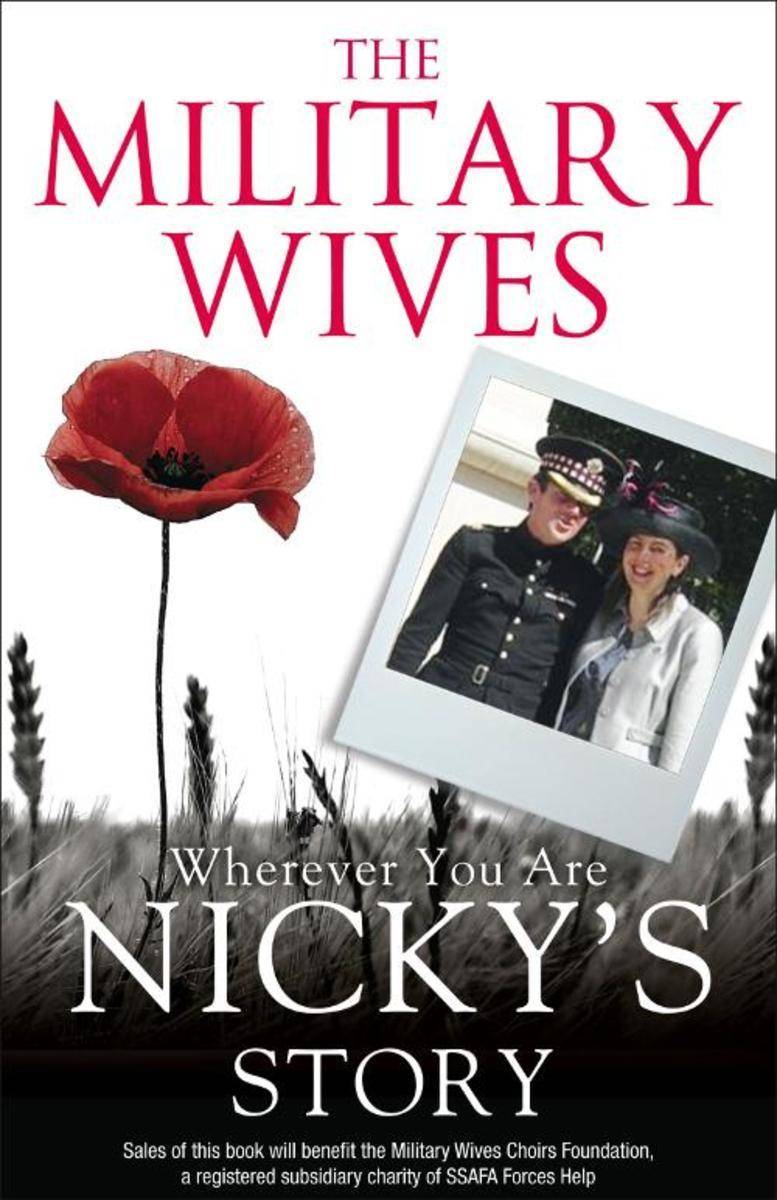
The Military Wives: Wherever You Are – Nicky’s Story
¥12.95
This is Nicky’s story, one of four individual journeys taken from Wherever You Are by The Military Wives. At 33, Nicky Clarke had stopped thinking she would ever fall in love. But they say when you stop looking, love happens – and that was the year she was swept off her feet by Hugo Clarke, a major in the Scots Guards. A year later Hugo and Nicky were married. But life in the military is never calm for long, and the next few years saw Hugo leave for Iraq and Afghanistan for months at a time. In married quarters Nicky met other military wives quickly, but forging friendships proved difficult: the occasional coffee morning just wasn’t enough. Nicky decided that this community needed to be brought together. With the help of a friend and a local choirmistress, Nicky set a time for the local wives to gather and sing. Before she knew it, a family was growing and a support network was formed. The first Military Wives choir was born. Mere months later, the choir would become a nationwide phenomenon. The Wives would go on to perform for the Queen, record a bestselling album and achieve a Christmas number 1. This is one woman’s true story of heartbreak and hope; of how singing changed the course of her life. Sales of this ebook will benefit the Military Wives Choirs Foundation, a network of choirs that reaches across the military community to provide support, guidance and funding for individual choirs, but first and foremost to bring women closer together through singing. The Foundation is a registered subsidiary charity of SSAFA Forces Help.

DOG Is GOD Spelt Backwards:Bonnie
¥15.60
An inspiring and heart-warming short story of canine devotion and bravery. When Corporal Jenny Chester was matched with Arms and Explosives search dog Bonnie it felt like the best Christmas present ever. Friends from day one, partners beyond doubt, through service in Bosnia and Iraq they shared food on the run, sleeping in bags in the cold and shade of the same tree. A bond made in wartime that created a partnership for life. Extracted from the bestselling title The Dog That Saved My Life.

Fearless Under Fire:Tangye
¥15.60
An inspiring and heart-warming short story of canine devotion and bravery. A brave and loyal companion to the British soldiers in conflict in Afghanistan, Tangye began his years as a puppy mascot. Before long he was inseparable from the servicemen on the base, who he lived and patrolled with for five years. He accompanied the bomb disposal unit several times and became a target for the enemy. But he was also a much loved companion for soldiers in the time of need. Extracted from the bestselling title Beyond The Call Of Duty, this is the story of dog who was a resident comedian and constant comforter, and the fight of the men he accompanied to bring him back with them to the UK.
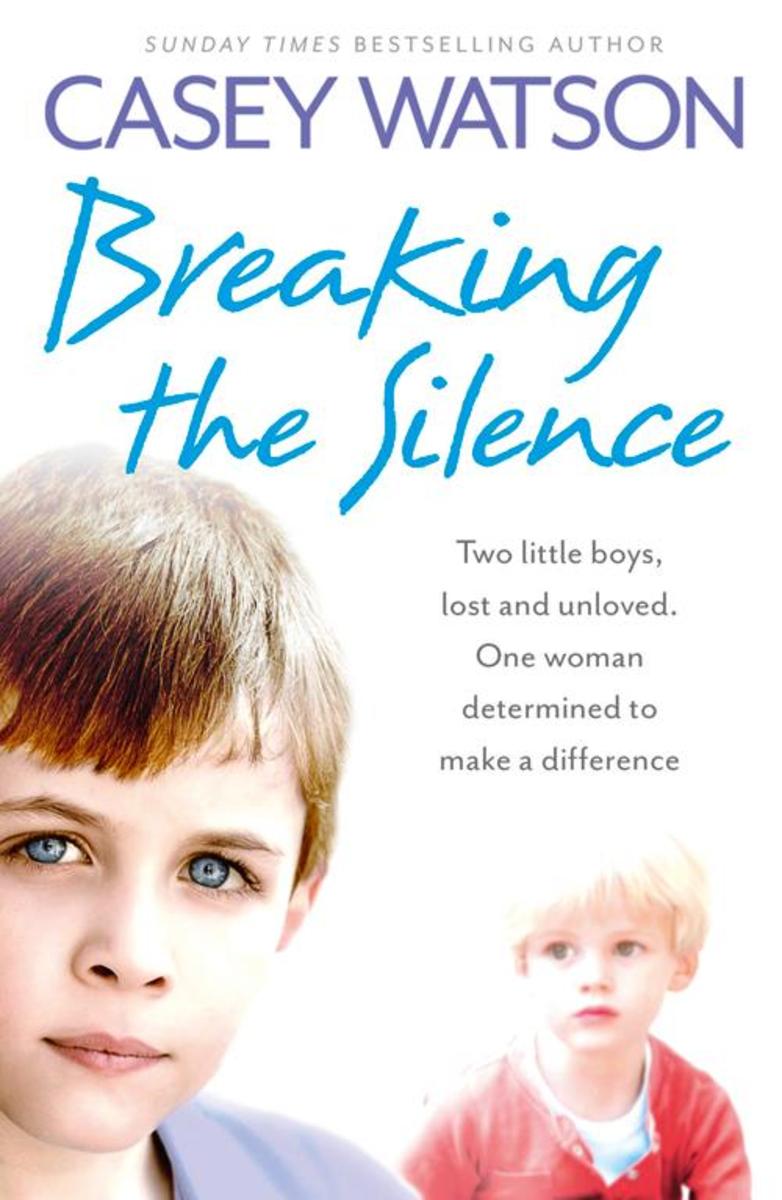
Breaking the Silence
¥58.86
From the Sunday Times bestselling author comes a true story of two deeply troubled boys both in need of a loving home. This is the sixth title in the series. The Watsons are astonished when they answer their front door to find their case worker with a small boy on the doorstep. Jenson is just nine years old. He was removed from his home thirty minutes earlier when it was discovered his mother had left him at home while she went on holiday with her boyfriend. A couple of weeks later Casey is in for a second shock when she is asked to take a second nine-year-old boy, Georgie. Georgie is autistic and has been in a children’s home since he was a toddler. The home is closing and social services need somewhere temporary for him to stay. With her own grown up son, Kieron, having Asperger’s (a mild form of autism), Casey knows this is one child she cannot say no to. The relationship between Jenson and Georgie is difficult from the outset. Jenson is rebellious and full of attitude and he kicks off at anything, constantly winding Georgie up. Georgie doesn’t cope well with change and is soon in a permanent state of stress. Despite Casey’s best efforts, her innate love for the children is being tested and she begins to question if she can handle Jenson’s cruelty. But over time it becomes clear that the boys have formed an unlikely bond. Could this be the solution to all of their troubles?

When Sophie Met Darcy Day
¥63.77
A heartwarming collection of stories from a woman who brings together disadvantaged children and abandoned racehorses, with remarkable results. Thirteen-year-old Sophie hadn’t uttered a word to anyone for over two years when she got out of her parents car at a remote farm in Devon. Her parents were beside themselves with worry, and at the end of their tether, but try as they might, nothing seemed to make a difference. They’d heard about a place called Greatwood through friends - where owners Helen and Michael Yeadon looked after retired racehorses - and decided to take Sophie along for a visit. Helen asked Sophie to help her change the dressings on the infected cuts on the legs of Darcy Day, one of their more troubled horses, and it was instantly clear that these two had some kind of special connection. Darcy Day would normally back away from people, but this time she lowered her head and stepped forward, to let Sophie stroke her nose. It was the start of an incredible relationship that would transform both horse and child, and it gave Michael and Helen an idea. They registered as a charity, moved to bigger premises, and began inviting children with a wide range of learning disabilities to volunteer to help with the animals. The results were amazing - traumatised horses and anxious or disturbed children bonded with each other, and every week little miracles were happening before their eyes. Boys with diagnoses such as Asperger’s Syndrome or Attention-Deficit Hyperactivity Disorder, or those who’d been excluded from school for unruly behaviour, flourished through the discipline of working on the farm. Girls made timid and anxious by abusive backgrounds or school bullies came out of the shells. In this book are twenty of the most incredible tales of children who were given back their futures by the unique and extraordinary institution of Greatwood.
The Pale Abyssinian: The Life of James Bruce, African Explorer and Adventurer (T
¥61.51
The biography of one of Britain’s greatest explorers by a brilliant young writer. The achievements of James Bruce are the stuff of legends. In a time when Africa was an unexplored blank on the map, he discovered the source of the Blue Nile, lived with the Emperor of Abyssinia at court in Gondar, commanded the Emperor’s horse guard in battle and fell in love with a princess. After twelve years of travels, and having cheated death on countless occasions, Bruce returned to England from his Herculean adventures only to be ridiculed and despised as a fake by Samuel Johnson and the rest of literary London. It was only when explorers penetrated the African Interior one hundred years later and were asked if they were friends with a man called Bruce, that it was finally confirmed that Bruce really had achieved what he had claimed. The Pale Abyssinian is the brilliantly told story of a man’s battle against almost insurmountable odds in a world nobody in Europe knew existed. Born in 1730, the son of a Scottish laird, James Bruce was an enormous man of six foot four with dark red hair, and he had to use all of his bearing and his wits to survive the ferocious physical battles and vicious intrigues at court in Abyssinia (Ethiopia today). His biographer, Miles Bredin, through ingenious detective work both in Bruce’s journals and in Ethiopia itself, has also unearthed a darker mission behind his travels: a secret quest to find the lost Ark of the Covenant. A highly talented and daring young writer, Miles Bredin has created a stunning account of the life and adventures of an extraordinary man. The Pale Abyssinian will re-establish once and for all the name of one of Britain’s greatest explorers who penetrated the African Interior over a century before the likes of Stanley, Livingstone and Burton set foot on the continent. Note that it has not been possible to include the same picture content that appeared in the original print version.

Browning (Text Only)
¥72.99
This edition does not include illustrations. A major biography of the most modern and the most underrated of English Literature's Great Victorians. Henry James called Robert Browning (1812–89) 'a tremendous and incomparable modern', and the immediacy and colloquial energy of his poetry has ensured its enduring appeal. This biography sets out to do the same for his life, animating the stereotypes (romantic hero, poetic exile, eminent man of letters) that have left him neglected by modern biographers. He has been seen primarily as one half of that romantic pair, the Brownings; and while the courtship, elopement and marriage of Elizabeth Barrett and Robert Browning remains a perennially seductive subject (and one Finlayson evokes vividly, quoting extensively from their daily letters and contemporary accounts) there is far more to Browning than that. Chronological in structure, this book is divided into three sections which deal with his life's major themes: adolescence and ambition, marriage and money, paternity and poetry. Browning explores the many experiences that inspired his writing, his education and passions, his relationships with family and friends, his continual financial struggles and revulsion at being seen as a fortune-hunter, his most unVictorian approach to marriage (sexual equality, his helping wean Elizabeth off morphine and nursing her through various illnesses), fatherhood and fame (inviting a leading member of the Browning Society to watch him burning a trunk of personal letters): all of which contribute to a fascinating portrait of a highly unconventional Victorian. At once witty and moving, this critical biography will revolutionise perceptions of the poet – and of the man.
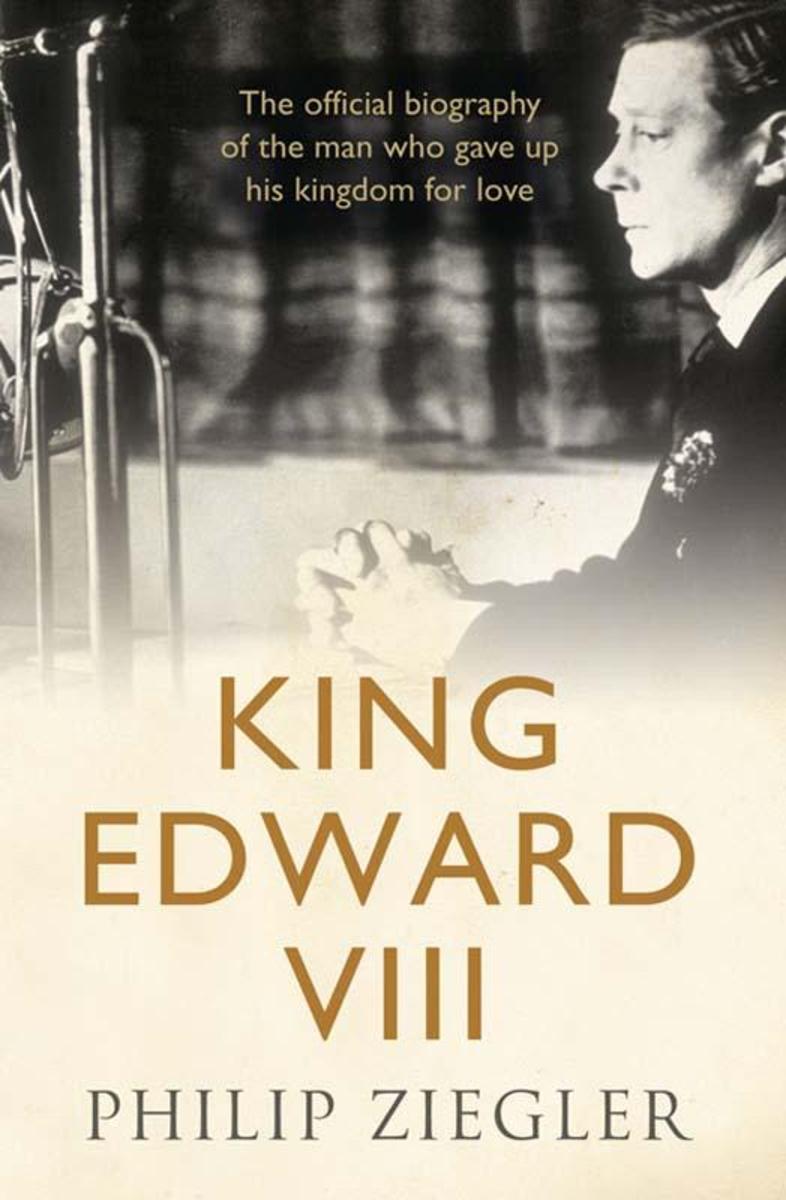
King Edward VIII
¥104.48
The authorised life story of the king who gave up his throne for love, by one of our most distinguished biographers. In this masterly authorized biography, Philip Ziegler reveals the complex personality of Edward VIII, the only British monarch to have voluntarily renounced the throne. With unique access to the Royal Archives, Ziegler overturns many myths about Edward and tells his side of the story – from his glamorous existence as Prince of Wales to his long decline in semi-exile in France. At the heart of the book is an unflinchingly honest examination of Edward’s all-consuming passion for Wallis Simpson, which led to his dramatic abdication. Elegant and devastating, this is the most convincing portrait of Edward ever published.
Lost in France:The Story of England's 1998 World Cup Campaign
¥57.09
An essential fly-on-the-wall account of the biggest World Cup tournament ever staged. 1998 is the year the World Cup comes home. Almost 70 years since Jules Rimet’s dream first came to fruition, France plays host for the first time to the greatest sporting event in the world. And, with a record-breaking 32 nations competing, the 1998 tournament will be the largest and most widely publicised football extravaganza in history. While following the sporting action, Mark Palmer will also travel around France to speak to fans, players, coaches, competition organisers and journalists, to present the inside story of the World Cup as the drama unfolds. With unrivalled access to the English and French FAs, as well as world regulating body FIFA, Palmer will balance the official view of the tournament with fans’ own experiences – all the while comparing the breaking story to how it is being reported back home.

Laugh or You’ll Cry
¥11.77
For most mothers, keeping up with the washing, the mess and the irrepressible energy of two young boys is a challenge in itself. But when Sue Askin’s eldest son was diagnosed with autism, only to be followed by her own diagnosis of MS the next year, the challenge became ever so slightly harder… Told in her own upbeat words, this is the heart-warming and funny account of one woman’s determination to do the best for her child, whilst learning to cope with her own diagnosis without any fuss. Packed with funny anecdotes and familiar challenges to which all families will relate, you’ll be uplifted and inspired as much as you’ll be smiling.

I Blame The Hormones
¥9.71
I Blame the Hormones follows the story of one woman battling long-term depression, her determination to root out the cause, and her ultimate discovery which freed her from its prison. Caroline Church suffered from a depression so chronic she experienced hallucinations, delusions and even suicidal inclinations. Yet through exploring the correlation between her depressive episodes and the basic elements of female nature, over many years she discovered that what she thought was a mental disorder was actually due to a hormonal imbalance. And the best bit? She learnt what she could do and take to control it. Shocking, vivid, and a must read for women, their partners and healthcare professionals alike, I Blame the Hormones is the uplifting memoir of Caroline’s journey to pull herself through despite all the odds.
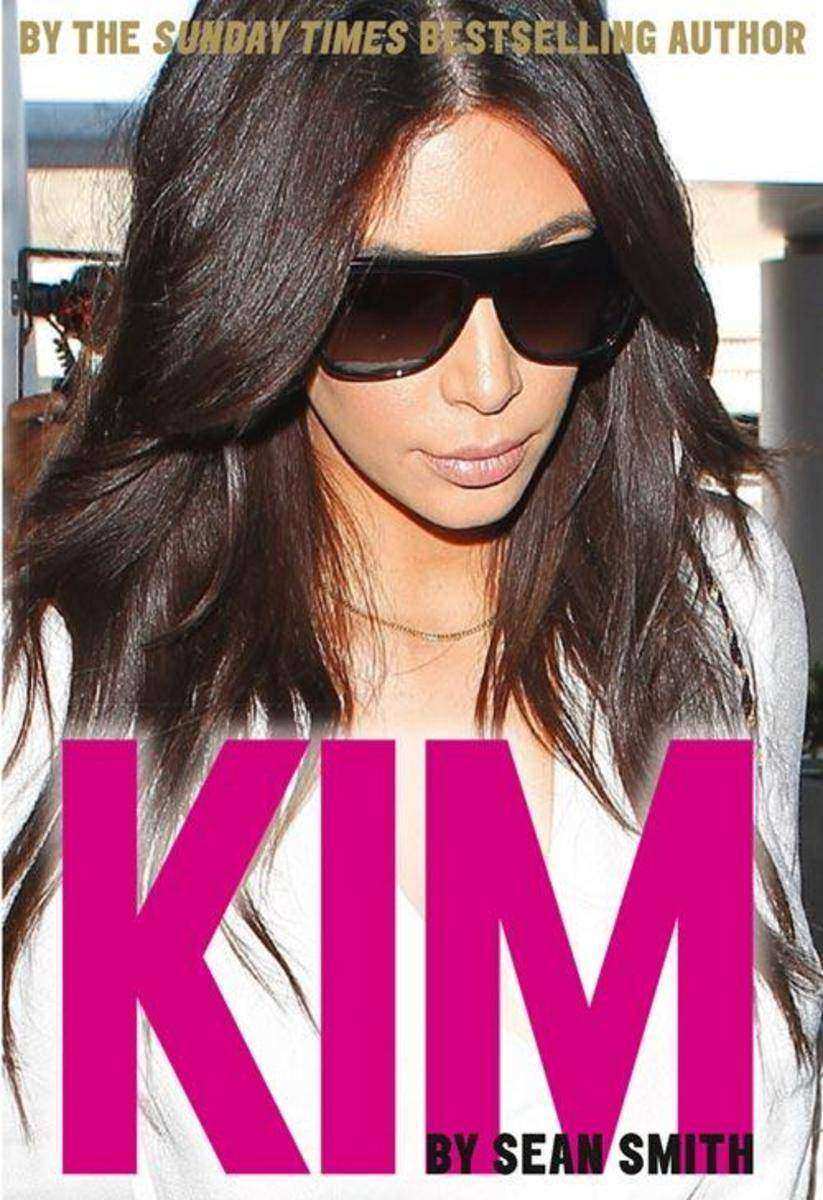
Kim Kardashian
¥58.86
Bestselling biographer Sean Smith takes on the world’s number one reality star, Kim Kardashian West. This is the ultimate insight into the reality behind the woman who has defined fame in our modern culture – her childhood, her family, her turbulent love life and the multi-millionaire lifestyle. Kim Kardashian West is a thoroughly modern woman. She enjoyed a privileged upbringing in a Beverley Hills mansion and, ironically, her childhood ambition was to appear in the long-running US reality series Real World. Instead she became the star of Keeping Up With the Kardashians while her own life story read like an X rated version of Dynasty…murder, elopement, domestic violence, sex tape, quickie divorce, churchgoing and impossibly glamorous designer dresses. Now married to one of the biggest stars on the planet, Kanye West, she has begun her own dynasty with the birth of daughter, North, and her son, Saint. In a world that follows her every move, Sean Smith uncovers what it took to get her to the top and how she intends to stay there. From her Armenian heritage and devotion to her family to the fabulous fashions and a body to die for, this is the truth behind the undisputed Queen of celebrity – the real story.
Lewis Hamilton: My Story
¥73.58
Lewis Hamilton’s explosive arrival on the Formula 1 scene has made front-page headlines. In My Story, for the first time Lewis opens up about his stunning debut season in grand prix racing, as well as his dad Anthony, his home life and his early years. The only book with the real story, as told by Lewis. In his first season in F1, Lewis Hamilton thrilled the world of motor racing by finishing on the podium in his first nine consecutive races – the first driver to do so in the sport's 57-year history – and drove to victories in Canada, America, Hungary and Japan. But bare statistics alone do scant justice to the amazing impact Lewis Hamilton has had on the sporting landscape. My Story gives the real account from Lewis himself, as he sets the record straight about his colourful life on and off the track. Given a grounded upbringing by his dedicated father in unremarkable Stevenage, Lewis tells about how he first tried out go-karting while on a cut-price family holiday in Ibiza. In his book he gives the real version of events at a motor sport dinner where, as a nine-year-old wearing a borrowed suit, he approached McLaren team boss Ron Dennis with the immortal words that were to change his life forever. He rose rapidly through the Junior and Formula ranks, dominating every series with his raw speed and canny race craft. Here Lewis candidly recalls those key moments that shaped his career and went some way towards compensating for the sacrifices made by his father Anthony in getting his son to the top. Lewis also charts how he got into the sport and was signed up by Ron Dennis, what motivates him, who are his closest friends, how he copes with the constant travelling, and the physical and mental challenges of driving a state-of-the-art Formula 1 car. He looks back in detail at the 2007 World Championship – the race wins, the frightening crash in Germany, his intense rivalry with team-mate Fernando Alonso, his special relationship with Ron Dennis, and the furore over the Ferrari allegations – right up to the dramatic last race of the season in Brazil.


