


 购物车
购物车 个人中心
个人中心

Collected Letters Volume One: Family Letters 1905–1931
¥104.48
This collection brings together the best of C.S. Lewis’s letters – some published for the first time. Arranged in chronological order, this is the first volume covering Family Letters: 1905-1931. C.S. Lewis was a most prolific letter writer and his personal correspondence reveals much of his private life, reflections, friendships and feelings. This collection, carefully chosen and arranged by Walter Hooper, is the most extensive ever published. In this great and important collection are the letters Lewis wrote to J.R.R. Tolkien, Dorothy L. Sayers, Owen Barfield, Arthur C. Clarke, Sheldon Vanauken and Dom Bede Griffiths. To some particular friends, such as Dorothy L. Sayers, Lewis wrote over fifty letters alone. The letters deal with all of Lewis’s interests: theology, literary criticism, poetry, fantasy, children’s stories as well as revealing his relationships with family members and friends. This first volume of Family Letters: 1905-1931 covers Lewis’s boyhood and early manhood, his army years, undergraduate life at Oxford and his election to a fellowship at Magdalen College. Lewis became an atheist when he was 13 years old and his dislike of Christianity is evident in many of his letters. The volume concludes with a letter describing an evening spent with J.R.R. Tolkien and Hugo Dyson when he came to see that he was wrong to think of Christianity as one of ‘many myths.’ ‘What Dyson and Tolkien showed me was that… the story of Christ is simply a true myth… but with this tremendous difference that it really happened.
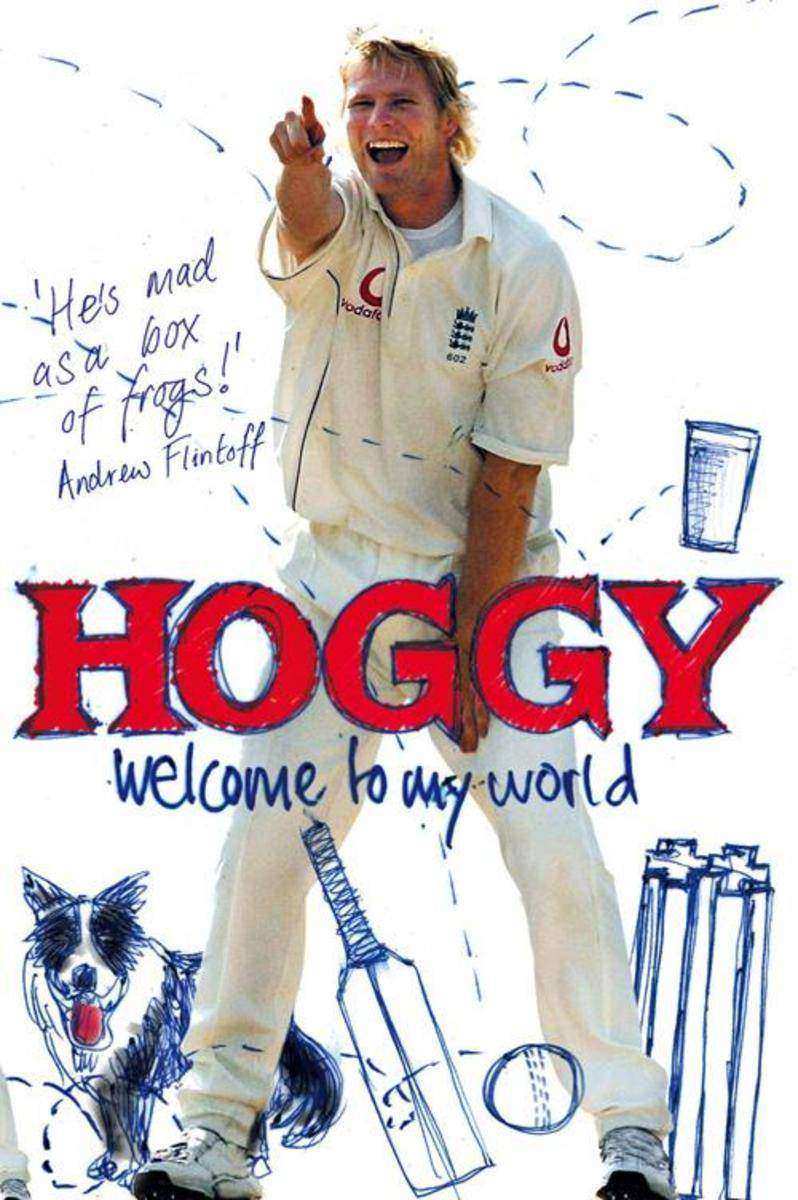
Hoggy: Welcome to My World
¥66.22
The quintessential barking-mad Yorkshire cricketer, 'Hoggy's' record-breaking bowling exploits for England allied to his humorous, uniquely oddball yet hugely endearing attitude to sport and life makes this essential reading for all lovers of the game. More than just a line-and-length cricketer's biography, Hoggy offers an entertaining insight into the weird and wonderful world of one of cricket's true characters. From the pub to the wicket and everywhere in-between, the dogged nightwatchman and wicket-taker looks beyond the runs and wickets to reveal what cricketers really get up to on tour and in the dressing room …
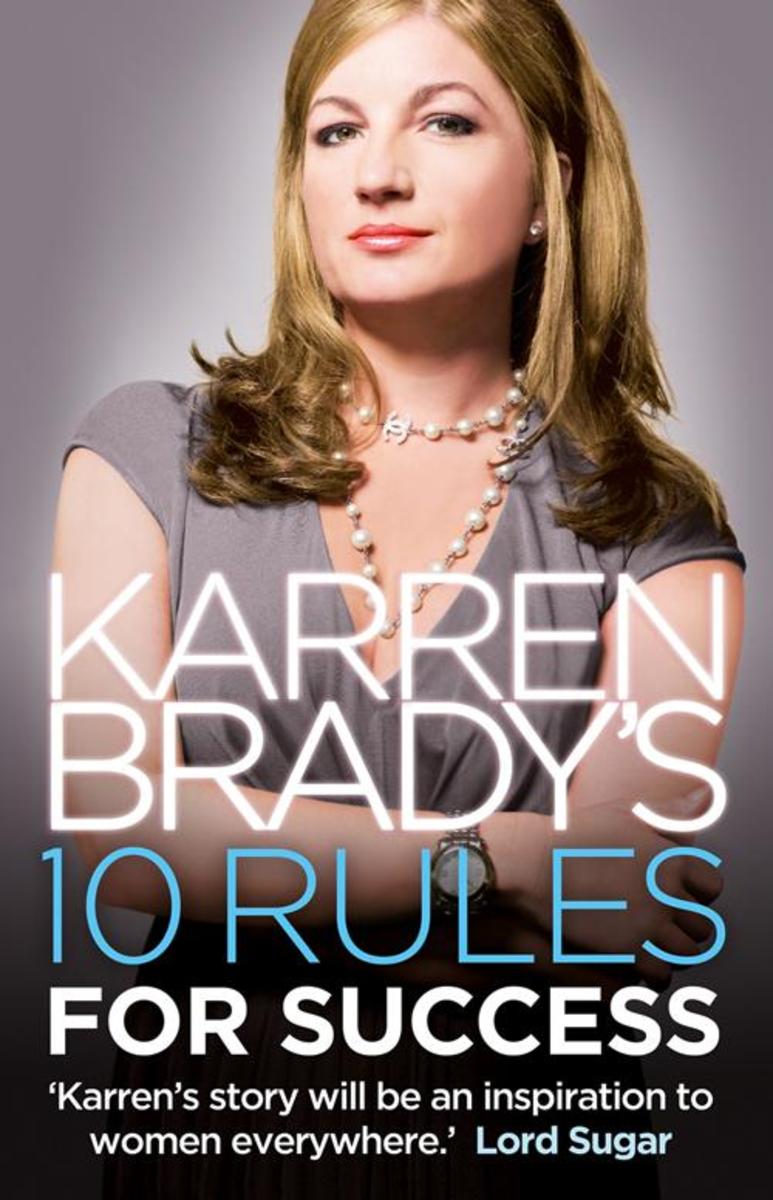
Karren Brady’s 10 Rules for Success
¥9.71
Karren Brady’s 10 Rules for Success are the secret to getting ahead for working women everywhere! Combining advice on how to balance a family and career with tips on how to embrace ambition, this short guide boils down Karren’s advice for women everywhere into a manageable list of ten key rules for work and life that have helped her become successful, independent and Britain’s best-known business woman. These ten rules reflect Karren’s belief that being a successful woman isn’t about aiming for the mythical ‘having it all’, it’s about working what you want, aiming high and digging in your heels. “Over my working life, I have learnt that certain skills, habits and attributes are essential to achieving success. You will not instantly master them all. It will take time and practice. But if you follow these ten rules – and importantly keep trying to follow them – you will get very far along the road to where you want to go. That I can promise you.” Karren Brady Karren Brady’s 10 Rules for Success is an extract from Karren Brady’s business autobiography, Strong Woman.

Choir:Gareth Malone
¥68.67
The hugely popular Gareth Malone recounts the heart-warming stories and transformations behind the award-winning BBC2 series The Choir For the first time, Gareth reveals everything he has learned from working with so many groups of memorable people, including the record-breaking Military Wives and latest series of The Choir being shown this Autumn. Gareth was an unknown Choirmaster when he arrived on British TV screens five years ago. Boyish, irrepressible and determined, Gareth took on a collection of kids from the most unlikely comprehensive and turned them into a talented performing choir. This was the beginning of a national love affair with a bow-tied and undeniably charming young man, and it was also the start of a national rediscovery of the joy to be found in choirs. Since then, each series of The Choir has gone on to even more demanding challenges, taking young offenders to Glyndebourne, regenerating disparate and far from affluent communities, and finally in an extraordinarily emotional journey, Gareth took a group of women whose partners were serving in Afghanistan to a Christmas Number One. This Autumn, in a new four-part series, The Choir: Sing While you Work, Gareth will be challenging four new Choirs to compete against each other. This is his memoir of a period in which he transformed the lives of thousands but also gained a lifetime’s worth of experience in human frailty and strength. Written with real joy, emotion and amusement, the twenty chapters each deal with an individual moment – both break-throughs and disasters – or an individual character that has contributed to this extraordinary adventure. Whether he is explaining the importance of biscuits or the role of the elderly in a community undertaking, remembering the scrappy kid who never quite delivered or the mother who had most to prove this is an incredibly moving journey. It is his adventure… and ours.
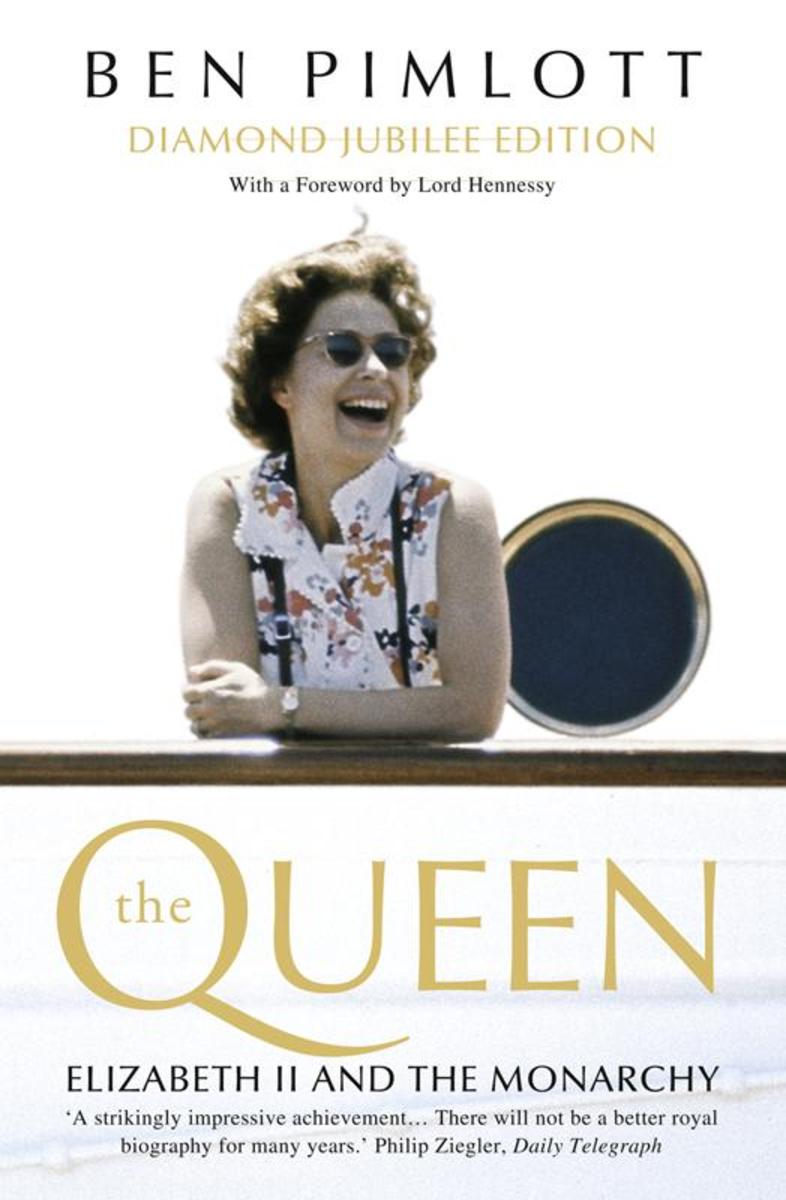
The Queen:Elizabeth II and the Monarchy (Text Only)
¥80.25
An updated edition of Ben Pimlott’s classic biography of the Queen: ‘There is no better biography of Elizabeth II.’ PETER HENNESSY, Independent on Sunday The royal family have been through a tumultuous decade, but with the wedding of Prince William to Kate Middleton, Prince Philip’s 90th birthday and the forthcoming Diamond Jubilee celebrations, there is renewed interest and appreciation of our monarchy. The Queen is an in-depth look at the woman at the centre of it all and is the only biography to take Elizabeth II seriously as the subject of historical biography, or to examine the influences that formed her and the ideas she represents. Ben Pimlott (described by Andrew Marr in the Independent as ‘the best writer of political biography now writing’) treats the Head of State to the rigorous and objective scrutiny he applied to major political personalities, using a wide range of sources, including interviews, diaries and letters, and papers in the Royal Archives. The Queen looks at the social, political and psychological aspects of his subject in detail, as well as at the changing role of Monarchy in the British Constitution. In the process, the book displays all the author’s formidable analytic and narrative skills, and provides a gripping yet sensitive account of one of the most publicised – yet least known – figures of our time. It is vital reading for all those who care about public life in Britain – past, present and to come. Note that it has not been possible to include the same picture content that appeared in the original print version.
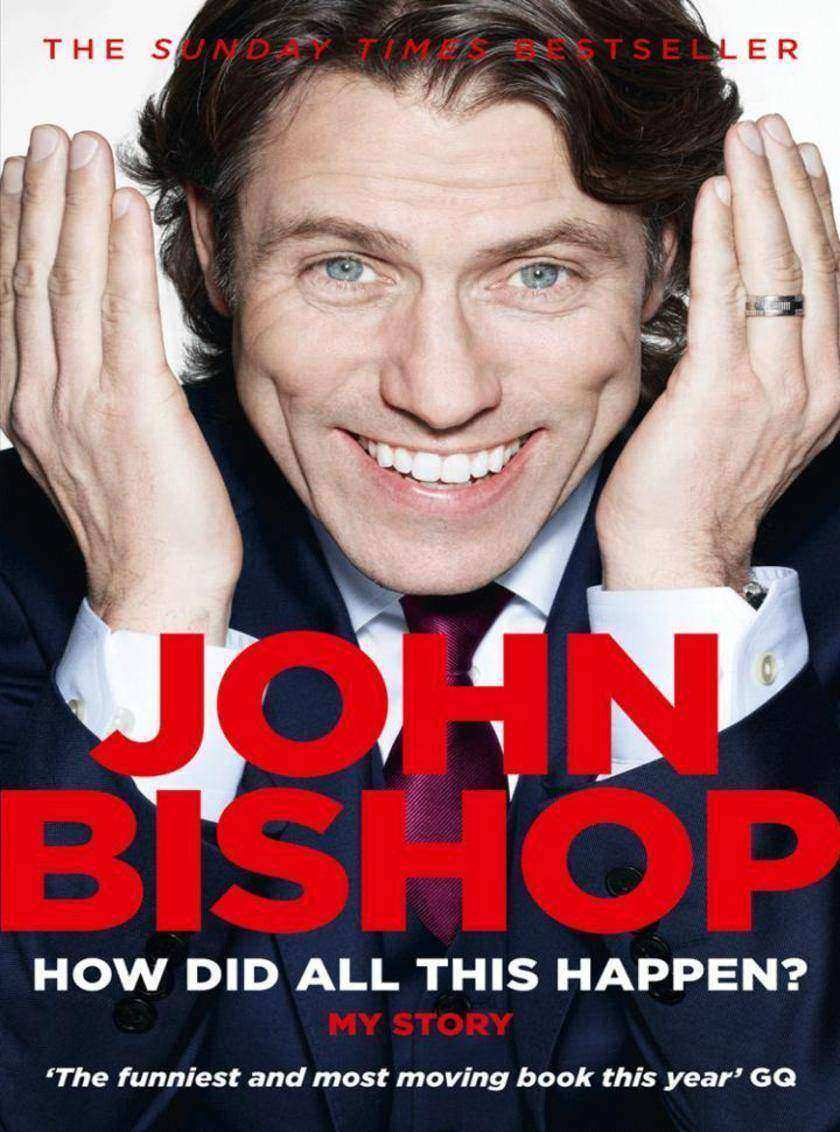
How Did All This Happen?
¥69.26
If you’re a man of a certain age you’ll know there comes a point in life when getting a sports car and over-analysing your contribution to society sounds like a really good idea. With a good job in sales and marketing and a nice house in Manchester that he shared with his wife and kids, John Bishop was no different when he turned the dreaded 4-0. But instead of spanking a load of cash on a car that would have made him look like a senior stylist at Vidal Sassoon, he stumbled onto a pathway that ultimately lead him to become one of the nation’s best loved comedians. It was a gamble, but boy, did it pay off. How Did All This Happen? is the story of how a boy who, growing up on a council estate dreaming of ousting Kenny Dalglish from Liverpool FC’s starting line-up, suddenly found himself on stage in front of thousands of people nationwide, at an age when he should have known better. In his own inimitable style, John guides us through his life from leaving the estate and travelling the globe on a shoe string, to marriage, kids and the split that led him to being on a stage complaining to strangers one night – the night that changed his life and started his journey to stardom. Wonderfully entertaining and packed with colourful reminiscences and comical anecdotes, this is a heart-warming, life-affirming and ultimately very, very funny memoir from one of the nation’s greatest comedians.

Lost in France:The Story of England's 1998 World Cup Campaign
¥57.09
An essential fly-on-the-wall account of the biggest World Cup tournament ever staged. 1998 is the year the World Cup comes home. Almost 70 years since Jules Rimet’s dream first came to fruition, France plays host for the first time to the greatest sporting event in the world. And, with a record-breaking 32 nations competing, the 1998 tournament will be the largest and most widely publicised football extravaganza in history. While following the sporting action, Mark Palmer will also travel around France to speak to fans, players, coaches, competition organisers and journalists, to present the inside story of the World Cup as the drama unfolds. With unrivalled access to the English and French FAs, as well as world regulating body FIFA, Palmer will balance the official view of the tournament with fans’ own experiences – all the while comparing the breaking story to how it is being reported back home.
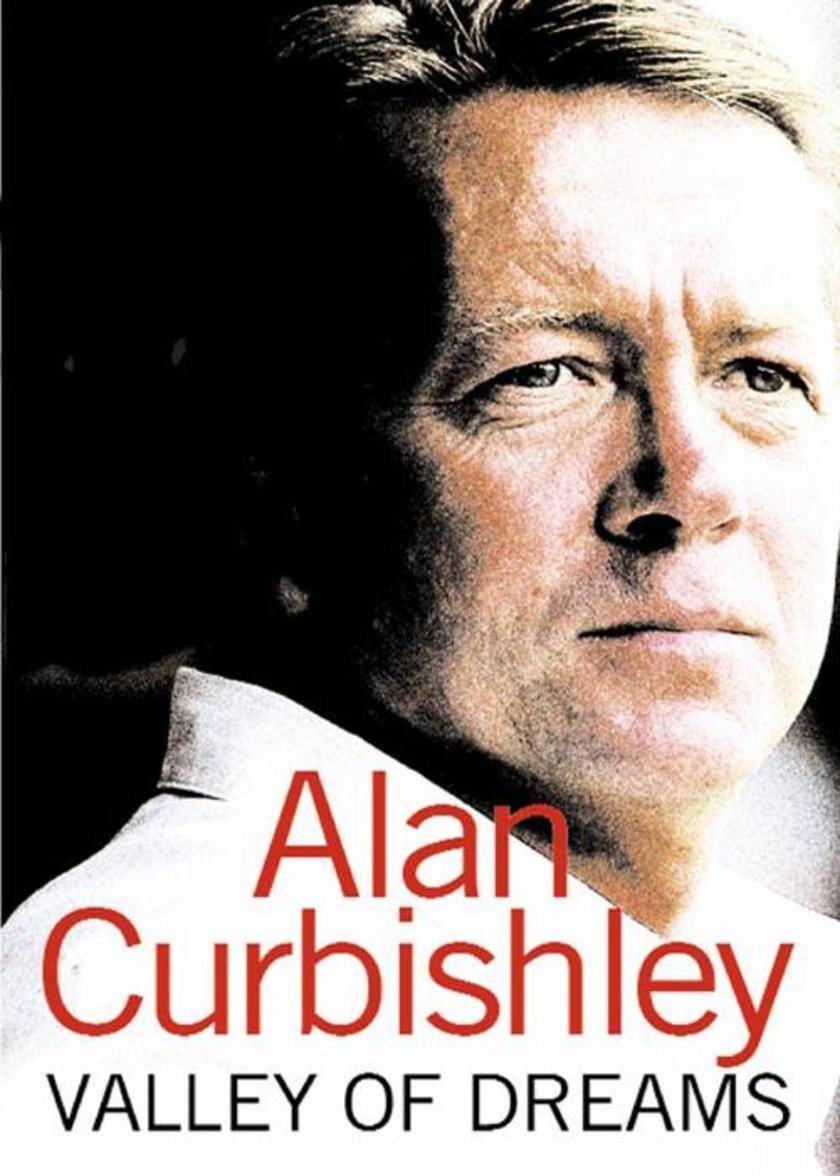
Valley of Dreams (Text Only)
¥125.18
Charlton Athletic represent a model of how a Premiership football club should be run. Former manager Alan Curbishley reveals the secrets of the club’s success – from the boardroom and manager’s office down to the dressing room and pitchside – and reflects on how the club went from homeless strugglers to challenging football’s elite. Alan Curbishley encountered most of football's ill winds during the 15 years he was coach, co-manager, then sole manager of Charlton – a club once homeless, with gates of less than 3000, forced to sell players to pay the wages and to buy replacement kit for the first team, and teetering on the brink of extinction. Galvanised by fans, staff, forward-thinking board members and a shrewd manager, the Addicks now find themselves firmly established with the Premiership big boys and a shining example of how a successful football club should be run. In his book, Curbishley opens the lid on the soap opera that is Charlton FC. He writes about the political manoeuvrings behind the club's departure and then emotional return to The Valley. He describes how the they were torn asunder by drugs allegations involving three of its players, including a youthful Lee Bowyer. He re-lives the tortuous rollercoaster ride of falling out of the Premiership two years later before returning in 1999/2000. And he gives an insider's view of the club's success in establishing itself in the world’s toughest league, including a full update on their 2005/06 season. He also talks candidly about being shortlisted for the England manager’s job. His book is a radical insight into the workings of a football club and its staff, and is sure to attract widespread interest from football fans across the country. Note that it has not been possible to include the same picture content that appeared in the original print version.

DOG Is GOD Spelt Backwards:Bonnie
¥15.60
An inspiring and heart-warming short story of canine devotion and bravery. When Corporal Jenny Chester was matched with Arms and Explosives search dog Bonnie it felt like the best Christmas present ever. Friends from day one, partners beyond doubt, through service in Bosnia and Iraq they shared food on the run, sleeping in bags in the cold and shade of the same tree. A bond made in wartime that created a partnership for life. Extracted from the bestselling title The Dog That Saved My Life.

Fearless Under Fire:Tangye
¥15.60
An inspiring and heart-warming short story of canine devotion and bravery. A brave and loyal companion to the British soldiers in conflict in Afghanistan, Tangye began his years as a puppy mascot. Before long he was inseparable from the servicemen on the base, who he lived and patrolled with for five years. He accompanied the bomb disposal unit several times and became a target for the enemy. But he was also a much loved companion for soldiers in the time of need. Extracted from the bestselling title Beyond The Call Of Duty, this is the story of dog who was a resident comedian and constant comforter, and the fight of the men he accompanied to bring him back with them to the UK.
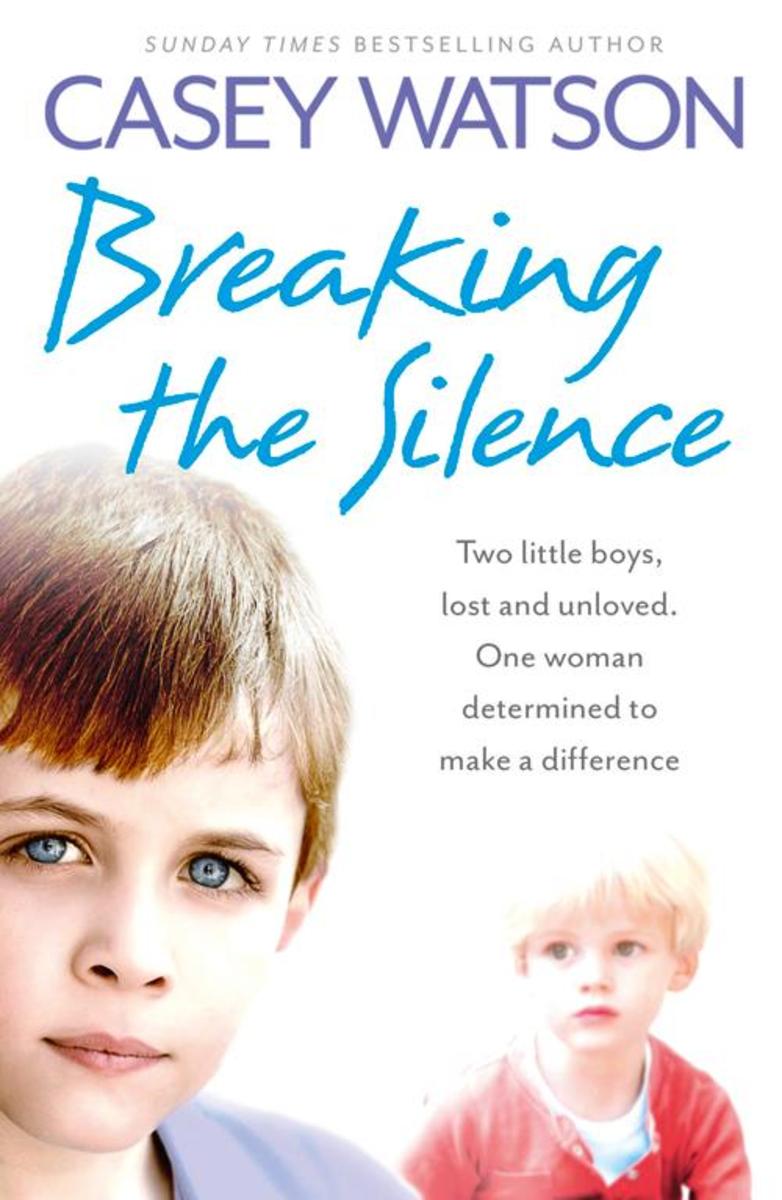
Breaking the Silence
¥58.86
From the Sunday Times bestselling author comes a true story of two deeply troubled boys both in need of a loving home. This is the sixth title in the series. The Watsons are astonished when they answer their front door to find their case worker with a small boy on the doorstep. Jenson is just nine years old. He was removed from his home thirty minutes earlier when it was discovered his mother had left him at home while she went on holiday with her boyfriend. A couple of weeks later Casey is in for a second shock when she is asked to take a second nine-year-old boy, Georgie. Georgie is autistic and has been in a children’s home since he was a toddler. The home is closing and social services need somewhere temporary for him to stay. With her own grown up son, Kieron, having Asperger’s (a mild form of autism), Casey knows this is one child she cannot say no to. The relationship between Jenson and Georgie is difficult from the outset. Jenson is rebellious and full of attitude and he kicks off at anything, constantly winding Georgie up. Georgie doesn’t cope well with change and is soon in a permanent state of stress. Despite Casey’s best efforts, her innate love for the children is being tested and she begins to question if she can handle Jenson’s cruelty. But over time it becomes clear that the boys have formed an unlikely bond. Could this be the solution to all of their troubles?
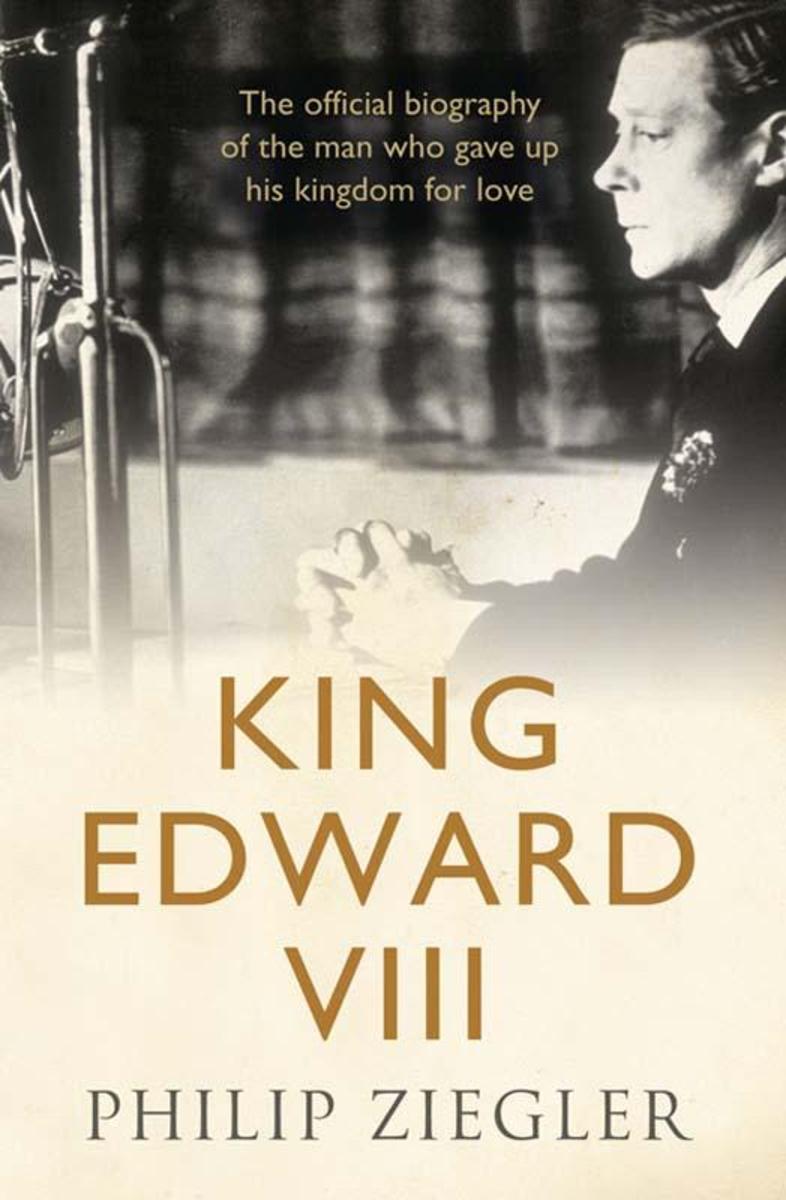
King Edward VIII
¥104.48
The authorised life story of the king who gave up his throne for love, by one of our most distinguished biographers. In this masterly authorized biography, Philip Ziegler reveals the complex personality of Edward VIII, the only British monarch to have voluntarily renounced the throne. With unique access to the Royal Archives, Ziegler overturns many myths about Edward and tells his side of the story – from his glamorous existence as Prince of Wales to his long decline in semi-exile in France. At the heart of the book is an unflinchingly honest examination of Edward’s all-consuming passion for Wallis Simpson, which led to his dramatic abdication. Elegant and devastating, this is the most convincing portrait of Edward ever published.
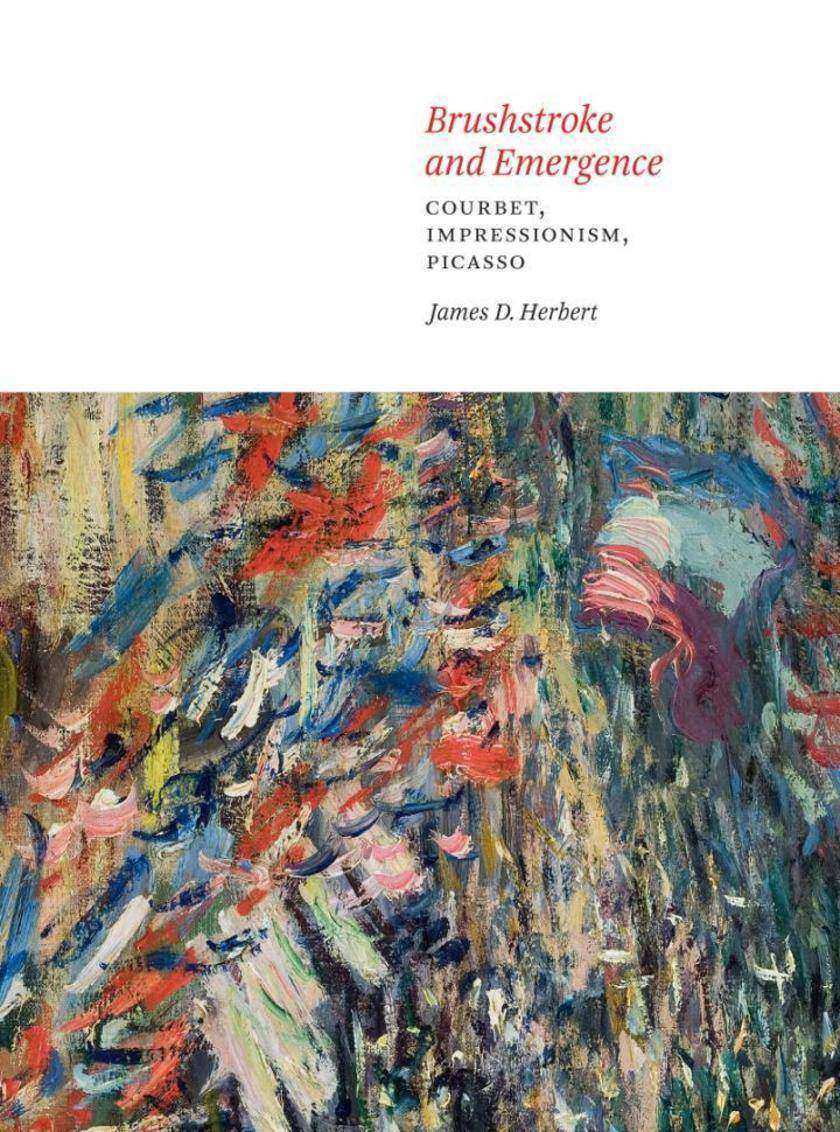
Brushstroke and Emergence
¥247.21
No pictorial device in nineteenth-century French painting more clearly represented the free-ranging self than the loose brushstroke. From the romantics through the impressionists and post-impressionists, the brushstroke bespoke autonomous artistic individuality and freedom from convention.Yet the question of how much we can credit to the individual brushstroke is complicated-and in?Brushstroke and Emergence, James D. Herbert uses that question as a starting point for an extended essay that draws on philosophy of mind, the science of emergence, and art history. Brushstrokes, he reminds us, are as much creatures of habit and embodied experience as they are of intent. When they gather in great numbers they take on a life of their own, out of which emerge complexity and meaning. Analyzing ten paintings by Courbet, Manet, Czanne, Monet, Seurat, and Picasso, Herbert exposes vital relationships between intention and habit, the singular and the complex. In doing so, he uncovers a space worthy of historical and aesthetic analysis between the brushstroke and the self.

Back to the Breast
¥247.21
After decades of decline during the twentieth century, breastfeeding rates began to rise again in the 1970s, a rebound that has continued to the present. While it would be easy to see this reemergence as simply part of the naturalism movement of the '70s, Jessica Martucci reveals here that the true story is more complicated. Despite the widespread acceptance and even advocacy of formula feeding by many in the medical establishment throughout the 1940s, '50s, and '60s, a small but vocal minority of mothers, drawing upon emerging scientific and cultural ideas about maternal instinct, infant development, and connections between the body and mind, pushed back against both hospital policies and cultural norms by breastfeeding their children. As Martucci shows, their choices helped ideologically root a "e;back to the breast"e; movement within segments of the middle-class, college-educated population as early as the 1950s.?That movement-in which the personal and political were inextricably linked-effectively challenged midcentury norms of sexuality, gender, and consumption, and articulated early environmental concerns about chemical and nuclear contamination of foods, bodies, and breast milk. In its groundbreaking chronicle of the breastfeeding movement, Back to the Breast provides a welcome and vital account of what it has meant, and what it means today, to breastfeed in modern America.
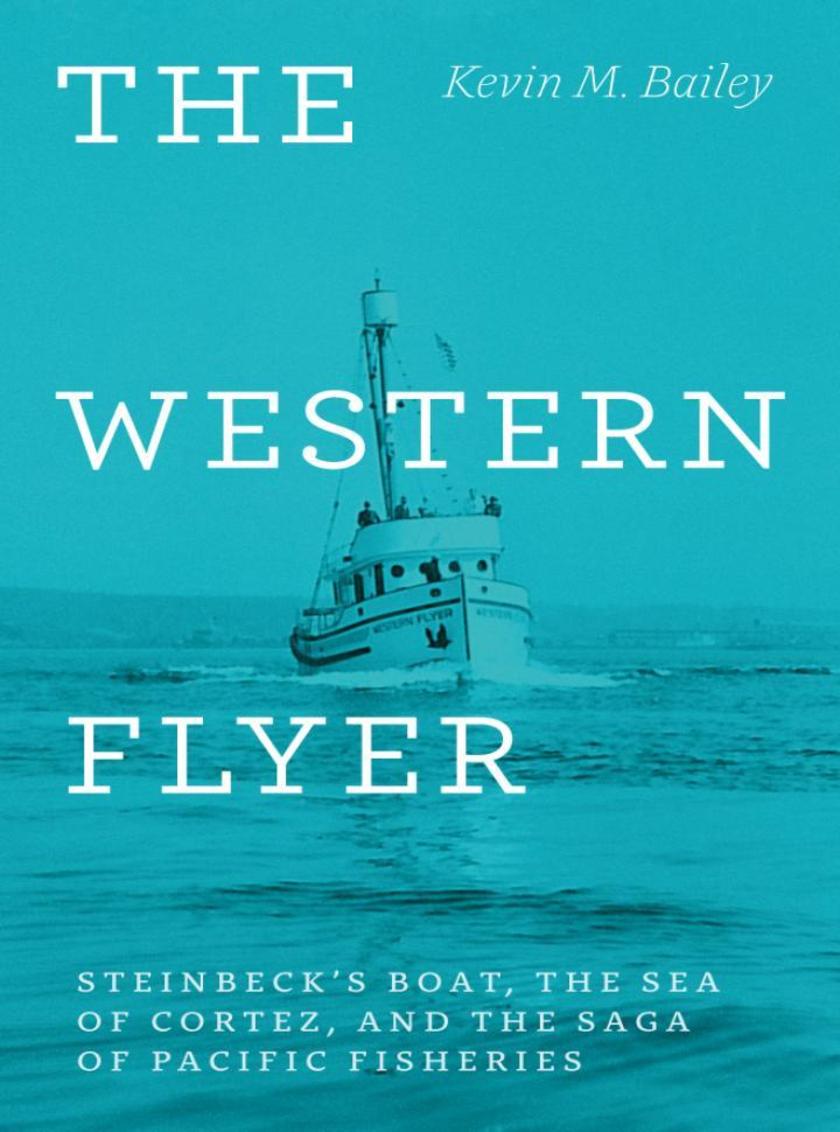
Western Flyer
¥147.15
In January 2010, the Gemini was moored in the Swinomish Slough on a Native American reservation near Anacortes, Washington. Unbeknownst to almost everyone, the rusted and dilapidated boat was in fact the most famous fishing vessel ever to have sailed: the original Western Flyer, immortalized in John Steinbeck's nonfiction classic The Log from the Sea of Cortez.In this book, Kevin M. Bailey resurrects this forgotten witness to the changing tides of Pacific fisheries. He draws on the Steinbeck archives, interviews with family members of crew, and more than three decades of working in Pacific Northwest fisheries to trace the depletion of marine life through the voyages of a single ship. After Steinbeck and his friend Ed Ricketts-a pioneer in the study of the West Coast's diverse sea life and the inspiration behind "e;Doc"e; in Cannery Row-chartered the boat for their now-famous 1940 expedition, the Western Flyer returned to its life as a sardine seiner in California. But when the sardine fishery in Monterey collapsed, the boat moved on: fishing for Pacific ocean perch off Washington, king crab in the Bering Sea off Alaska, and finally wild Pacific salmon-all industries that would also face collapse.As the Western Flyer herself faces an uncertain future-a businessman has bought her, intending to bring the boat to Salinas, California, and turn it into a restaurant feature just blocks from Steinbeck's grave-debates about the status of the California sardine, and of West Coast fisheries generally, have resurfaced. A compelling and timely tale of a boat and the people it carried, of fisheries exploited, and of fortunes won and lost, The Western Flyer is environmental history at its best: a journey through time and across the sea, charting the ebb and flow of the cobalt waters of the Pacific coast.
Music between Us
¥206.01
From our first social bonding as infants to the funeral rites that mark our passing, music plays an important role in our lives, bringing us closer to one another. In?The Music between Us, philosopher Kathleen Marie Higgins investigates this role, examining the features of human perception that enable music's uncanny ability to provoke, despite its myriad forms across continents and throughout centuries, the sense of a shared human experience.Drawing on disciplines such as philosophy, psychology, musicology, linguistics, and anthropology, Higgins's richly researched study showcases the ways music is used in rituals, education, work, healing, and as a source of security and-perhaps most importantly-joy. By participating so integrally in such meaningful facets of society, Higgins argues, music situates itself as one of the most fundamental bridges between people, a truly cross-cultural form of communication that can create solidarity across political divides. Moving beyond the well-worn takes on music's universality,?The Music between Us?provides a new understanding of what it means to be musical and, in turn, human.?
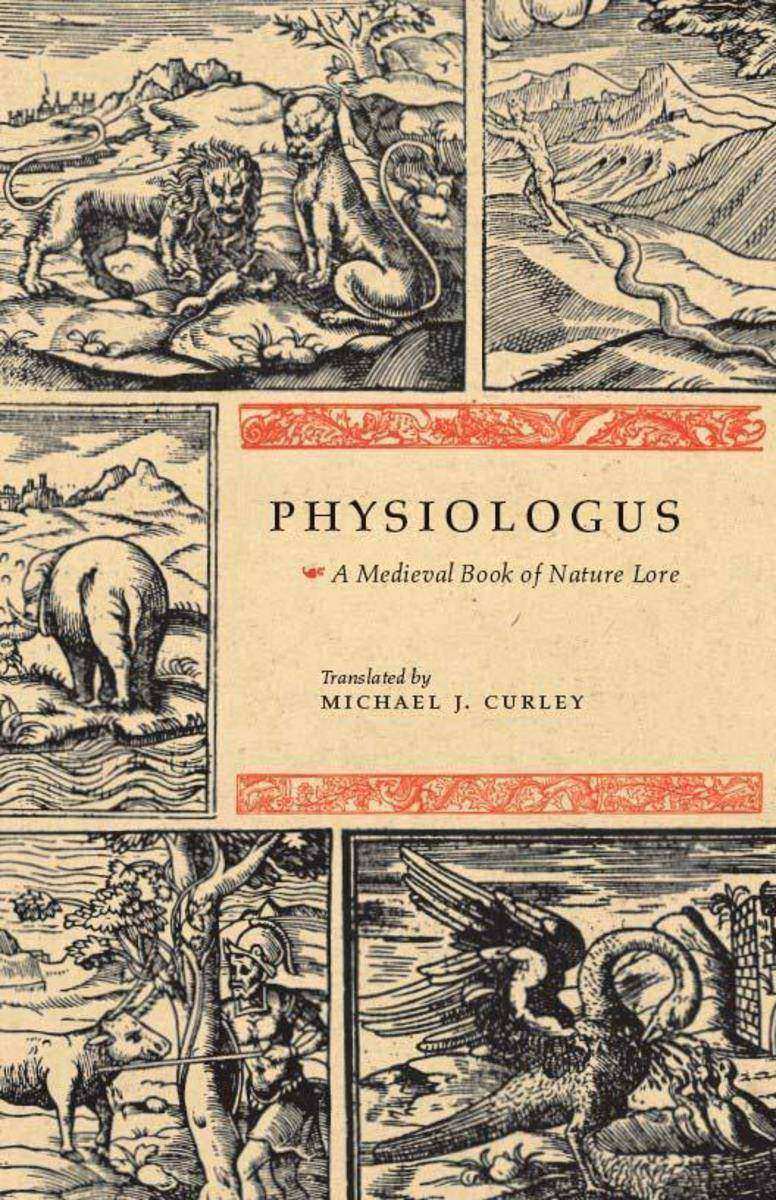
Physiologus
¥188.35
One of the most popular and widely read books of the Middle Ages, Physiologus contains allegories of beasts, stones, and trees both real and imaginary, infused by their anonymous author with the spirit of Christian moral and mystical teaching.Accompanied by an introduction that explains the origins, history, and literary value of this curious text, this volume also reproduces twenty woodcuts from the 1587 version. Originally composed in the fourth century in Greek, and translated into dozens of versions through the centuries, Physiologus will delight readers with its ancient tales of ant-lions, centaurs, and hedgehogs-and their allegorical significance."e;An elegant little book . . . still diverting to look at today. . . . The woodcuts reproduced from the 1587 Rome edition are alone worth the price of the book."e;-Raymond A. Sokolov, New York Times Book Review
Erring
¥188.35
"e;Erring is a thoughtful, often brilliant attempt to describe and enact what remains of (and for) theology in the wake of deconstruction. Drawing on Hegel, Nietzsche, Derrida, and others, Mark Taylor extends-and goes well beyond-pioneering efforts. . . . The result is a major book, comprehensive and well-informed."e;-G. Douglas Atkins, Philosophy and Literature"e;Many have felt the need for a study which would explicate in coherent and accessible fashion the principal tenets of deconstruction, with particular attention to their theological implications. This need the author has addressed in a most impressive manner. The book's effect upon contemporary discussion is apt to be, and deserves to be, far-reaching."e;-Walter Lowe, Journal of Religion

Accounts
¥147.15
The death of a mother alters forever a family's story of itself. Indeed, it taxes the ability of a family to tell that story at all. The Accounts narrates the struggle to speak with any clear understanding in the wake of that loss. The title poem attempts three explanations of the departure of a life from the earth-a physical account, a psychological account, and a spiritual account. It is embedded in a long narrative sequence that tries to state plainly the facts of the last days of the mother's life, in a room that formerly housed a television, next to a California backyard. The visual focus of that sequence, a robin's nest, poised above the family home, sings in a kind of lament, giving its own version of ways we can see the transformation of the dying into the dead. In other poems, called "e;Arguments,"e; two voices exchange uncertain truths about subjects as high as heaven and as low as crime. Grief is a problem that cannot be solved by thinking, but that doesn't stop the mind, which relentlessly carries on, trying in vain to settle its accounts. The death of a well-loved person creates a debt that can never be repaid. It reminds the living of our own psychological debts to each other, and to the dead. In this sense, the death of this particular mother and the transformation of this particular family are evocative of a greater struggle against any changing reality, and the loss of all beautiful and passing forms of order.

El Dorado
¥147.15
In El Dorado, Peter Campion explores what it feels like to live in America right now, at the beginning of the twenty-first century. Splicing cell-phone chatter with translations of ancient poems, jump-cutting from traditional to invented forms, and turning his high-res lens on everything from box stores to trout streams to airport lounges, Campion renders both personal and collective experience with capacious and subtle skill.

Reel to Reel
¥147.15
Reel to Reel, Alan Shapiro's twelfth collection of poetry, moves outward from the intimate spaces of family and romantic life to embrace not only the human realm of politics and culture but also the natural world, and even the outer spaces of the cosmos itself. In language richly nuanced yet accessible, these poems inhabit and explore fundamental questions of existence, such as time, mortality, consciousness, and matter. How did we get hereWhy is there something rather than nothingHow do we live fully and lovingly as conscious creatures in an unconscious universe with no ultimate purpose or destination beyond returning to the abyss that spawned usShapiro brings his humor, imaginative intensity, characteristic syntactical energy, and generous heart to bear on these ultimate mysteries. In ways few poets have done, he writes from a premodern, primal sense of wonder about our postmodern world.


