


 购物车
购物车 个人中心
个人中心
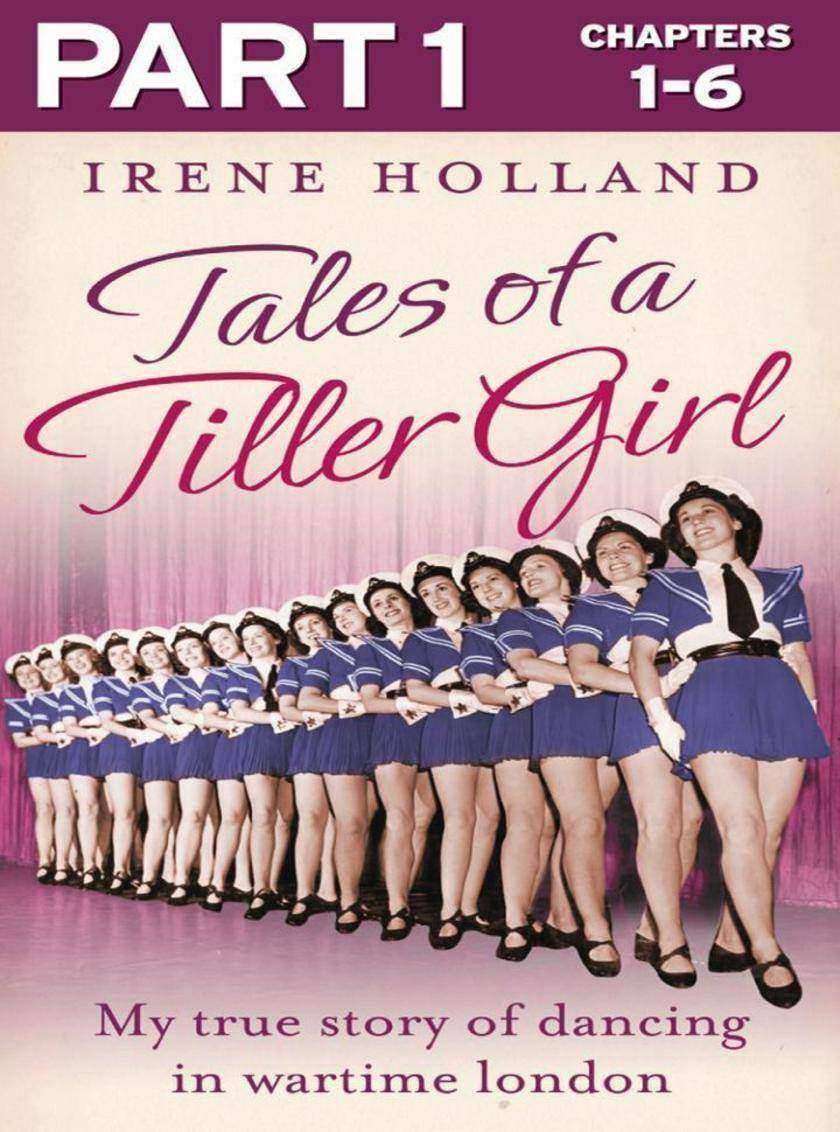
Tales of a Tiller Girl Part 1 of 3
免费
A heart-warming nostalgia memoir from a member of the world famous dance troupe, The Tiller Girls. Based in London in the 1930s, 40s and 50s, Irene’s story will transport readers back to a more innocent, simple way of life. This is the story of a little girl who loved to dance. Growing up in London in the 1930s, dancing was so much more to Irene than just a hobby. It was her escape and it took her off into another world away from the harsh realities of life. A fairytale world away from the horrors of WW2, from the grief of losing her father and missing her mother who she didn’t see for three years while she was drafted to help with the war effort. And far away from her cold-hearted grandparents who treated her like an inconvenience. Finally it led to her winning a place as a Tiller Girl; the world’s most famous dance troupe known for their 32-and-a-half high kicks a minute and precise, symmetrical routines. For four years she opened and closed the show at the prestigious London Palladium and performed on stage alongside huge stars such as Frank Sinatra, Nat King Cole and Judy Garland. It was a strange mixture of glamour and bloody hard work but it was certainly never dull. And being a Tiller Girl also gave Irene the opportunity to see firsthand the devastating effects of WW2, both here and abroad. Heart-warming, enlightening and wonderfully uplifting, Irene’s evocative story will transport readers back to a time when every town and holiday resort had several theatres and when dance troupes like The Tiller Girls were the epitome of glitz and glamour.

Care for Your Kitten (RSPCA Pet Guide)
¥31.59
ublished in association with the RSPCA, the UK’s leading animal welfare charity, this practical family guide is full of expert advice on how to choose a kitten and how best to look after it. If you already own or are planning to buy a kitten this easy-to-use introductory guide is a must. Clearly illustrated with colour photographs throughout, it covers all aspects of daily care including housing, feeding, handling, hygiene, grooming, health and first aid. Published in association with the experts at the RSPCA, this book will help you ensure that you are giving your kitten the best possible start in life.
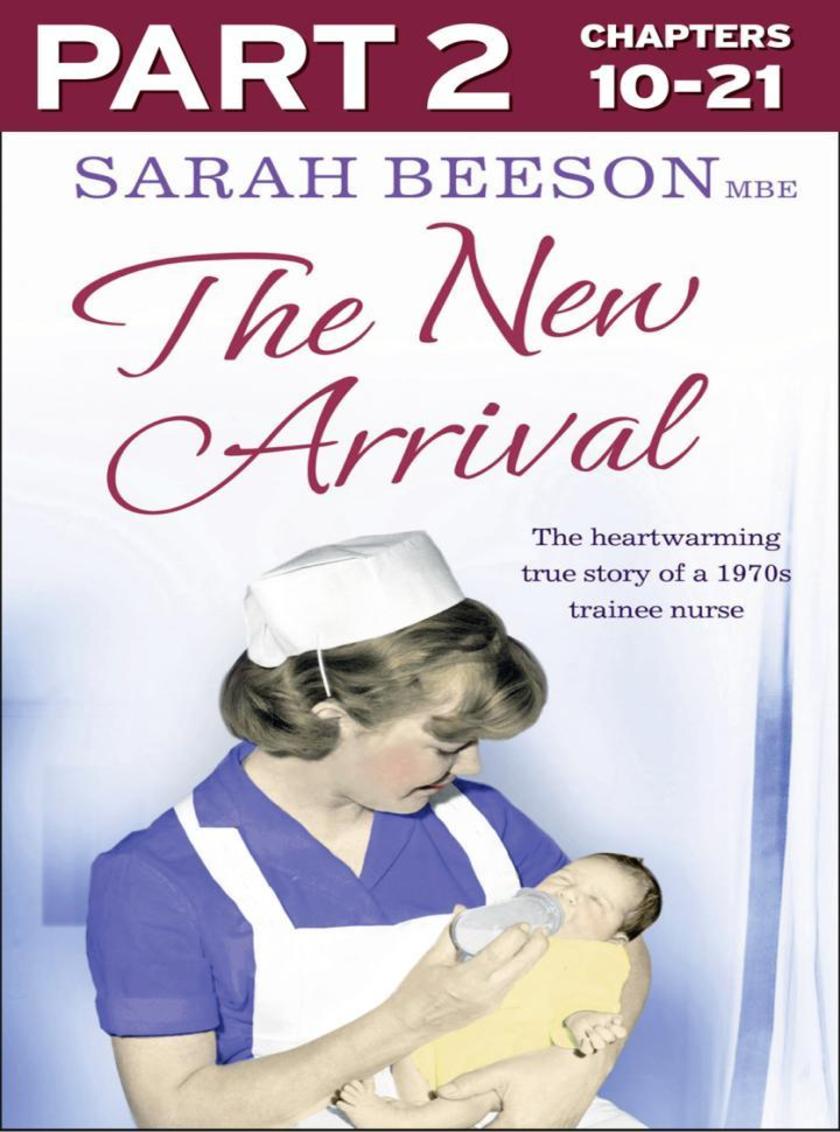
The New Arrival: Part 2 of 3
¥23.45
The New Arrival can either be read as a full-length eBook or in 3 serialised eBook-only parts. This is PART 2 of 3 (Chapters 10-21 of 30). You can read Part 2 one week ahead of release of the full-length eBook and paperback. Sarah completes her preliminary nurse training, and finds her feet with staff and patients alike, under the watchful eye of the stern matron. It’s the end of the swinging sixties, Britain is changing and the everyday life of the nurses and patients plays out against a backdrop of a failing government, strikes, immigration and women’s lib. Nurse Sarah Hill, together with her companions – the serious minded, politicised Maddox, the quick-witted Lynch, who falls in love with an upper-crust young doctor, golden girl Nursery Nurse Appleton, and ex-musical hall star turned midwife Wade – is thrown in straight at the deep end. Funny, warm and deeply moving, Sarah Beeson’s poignant memoir captures both the heartache and happiness of hospital life and 1970s London through the eyes of a gentle but determined young nurse.

A Gift from Heaven
¥9.71
Millions of people around the world have experienced contact from the other side. In this inspiring and uplifting short story leading expert Jacky Newcomb shares some of the stories she’s received about contact and life after death. When a loved one is taken away suddenly, people often tell Jacky of their regrets about not having the opportunity to say goodbye. Yet people all over the world have stories of loved ones who come back to say Hello or Goodbye from heaven. They appear in dreams, visions, meditation and sometimes when we’re wide awake. Those who are lucky enough to experience it consider it a gift they will remember for the rest of their lives. Here for the first time Jacky will share these extraordinary stories along with the amazing and bizarre reasons for why our loved ones visit.

Messages from Angels
¥11.77
In our deepest darkest hours, we are not alone. The spirits of our loved ones continue to exist after the body dies and many thousands of people around the world have experienced extraordinary signs from heaven to prove this. Afterlife expert and bestselling author Jacky Newcomb knows that the spirit world is real. In this short story she shares some of the thousands of tales she has heard about messages from the other side. ?The spontaneous angel gift that gave a woman courage to leave an abusive relationship ?The mysterious disappearing doctor who saved a pregnant woman and her premature baby son ?The grandma and great grandma who protected their grandson, from heaven Ordinary people from all over the world have experienced signs that their angels are listening and supporting them in their time of need. In Messages from Angels, Jacky will bring hope and comfort and share some of the little signs that can bring magic into your life.

Touching Heaven: True stories of spiritual experiences
¥9.71
Have you ever wondered where we go when we cross through the light at the end of the tunnel? Or what – and who – is waiting for us on the other side? Angel expert Jacky Newcomb brings light where there was darkness with more unique and incredible true stories from the world beyond the veil. Through the miraculous accounts of those brought back from the brink of death, and the astonishing stories of those who’ve experienced visits from loved ones who’ve passed on, Jacky shares with us the glimpses of heaven we could only imagine until now – and the life changing effects they have had on those lucky enough to experience them. Beautifully told and compelling in nature, “Touching Heaven” is as beguiling as it is revealing.

Dogs in Heaven: and Other Animals
¥9.71
Our pets are our family. They love us, comfort us and make us laugh – so it’s no wonder that letting them go is so hard. But amazing and inspirational true stories from Jacky Newcomb show that we will be reunited with them again. From dreams to visitations, there have been numerous accounts of furry friends appearing to their owners from heaven. Old dogs have been rejuvenated to puppies, injured cats restored to their former selves, and there have even been stories of horses being cared for by loved ones who have gone ahead before us. Magical, comforting and truly incredible, Dogs in Heaven reveals the uplifting truth behind your prayers.
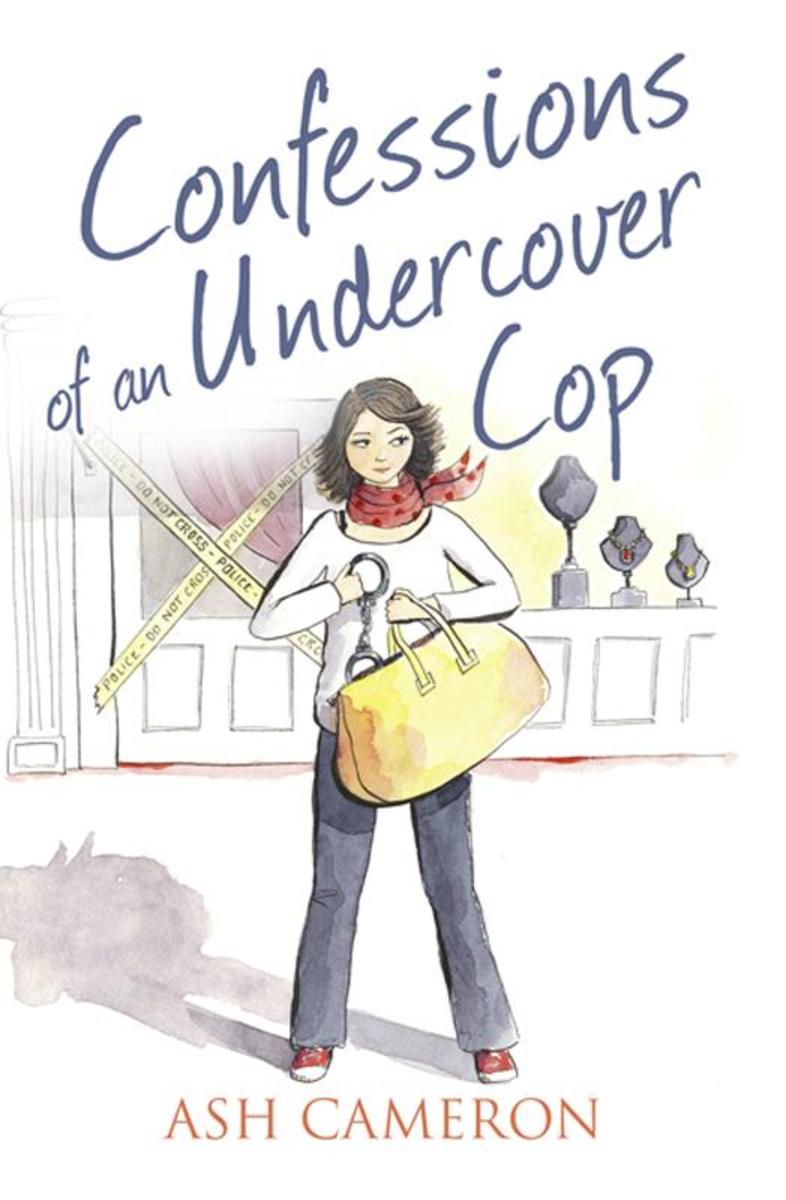
Confessions of an Undercover Cop (The Confessions Series)
¥66.22
The sixth book in the bestselling Confessions series. What is life like for a female Undercover Cop? Ash Cameron gives readers a behind-the-scenes look at life in the Police. Funny, moving and irreverent, you’ll never look at a bobby the same way again…! What is life like for an Undercover Cop? Ash Cameron joined the police in the 70s – think Life on Mars with added ladders in her tights. From arresting East End gangsters, dealing out justice to football hooligans and coping with sexism on the job, Ash did it all. So when she was asked to go undercover, well, it was just another job, wasn’t it? Told with warmth and humour, these ‘confessions’ will make you laugh, make you cry, and make you roll your eyes as you learn exactly what goes on behind-the-scenes in the police…
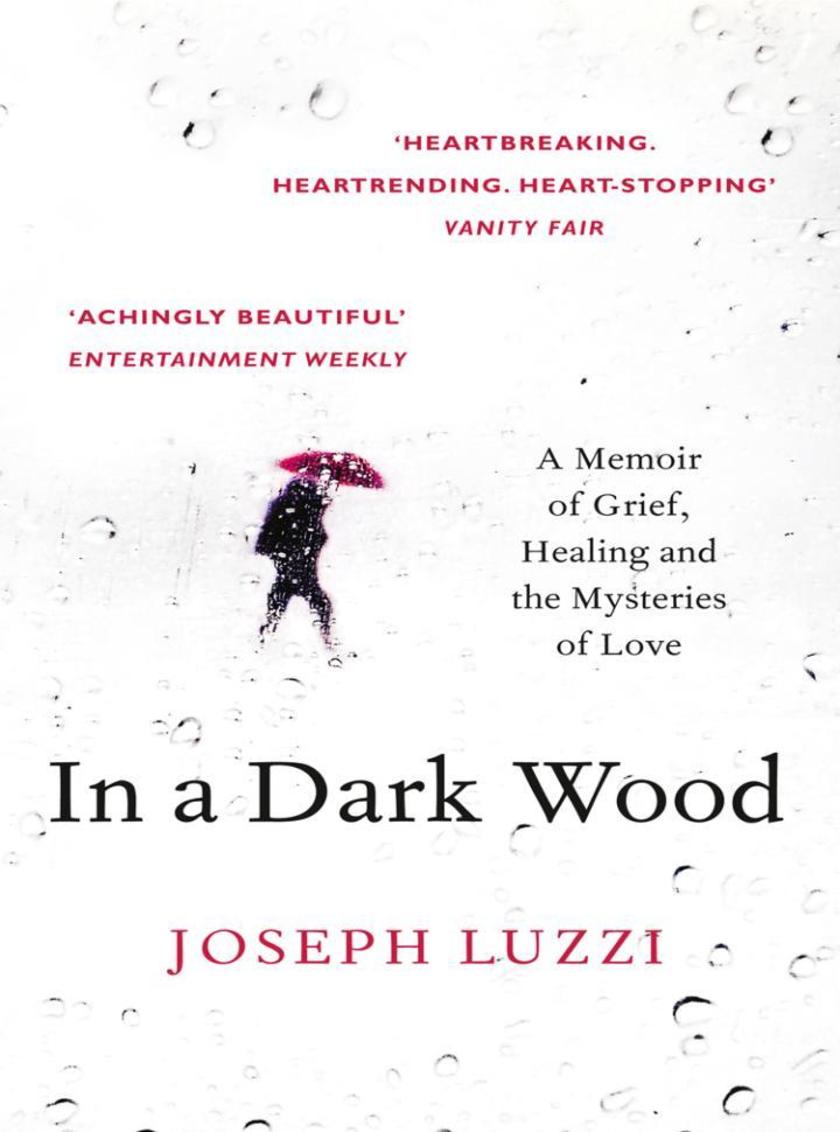
In a Dark Wood
¥66.22
A story of love and grief. ‘I became a widower and a father on the same day’ says Joseph Luzzi. His book tells how Dante’s ‘The Divine Comedy’ helped him to endure his grief, raise their infant daughter, and rediscover love. On a cold November morning, Joseph Luzzi, a Dante professor, found himself racing to hospital – his wife, eight-and-a-half months pregnant, had been in a horrible car accident. In one terrible instant, Luzzi became both a widower and a first-time father. Adrift and grieving, Luzzi found himself sharing Dante’s dark wood with an intimacy that years of reading had never shown him: the words became a wise companion through the Inferno of his grief, his healing, and ultimately his rediscovered love.

Two More Sleeps
¥9.71
This is the heart-breaking tale of Angell, a young girl desperately loved but inadequately cared for by her troubled mother Nicki. Abandoned and left barely clothed beneath a park bench on a freezing cold day in winter, the bewildered child is rescued by police and passed into the loving and compassionate care of the Lewis family. But when foster carer Rosie takes Angell into her home and heart, she wonders whether Angell’s mother will ever return for her daughter? Or will Angell be destined to spend the rest of her childhood in care?
Unexpected: A True Short Story
¥9.71
A dramatic and heartwarming story from foster carer, Rosie Lewis. Ellen, a 28-year-old office worker is so shocked by the sudden birth of her baby that she abandons the newborn in hospital. Foster carer Rosie Lewis begins visiting baby Hope in hospital, then a week later she is released into her care. At first Rosie struggles to understand how any mother could abandon a small baby, but when Ellen begins daily visits with Hope, Rosie sees a young woman traumatised by a dark secret. Rosie wants to help the young woman and the baby in her care and must fight to bring them together.

Our Vinnie - Part 3 of 3
¥18.93
Our Vinnie can either be read as a full-length eBook or in 3 serialised eBook-only parts. This is PART 3 of 3. You can read Part 3 one week ahead of the full-length eBook and paperback. The infamous Canterbury Estate in Bradford, a hotbed of crime, drink and drugs, was a law unto itself in the ’70s. So when one of their own was wronged in any way, the community always had its own way of dealing with it. The first title in a series of gritty family sagas, Our Vinnie accounts the dramatic true story of a brother’s determination to avenge his younger sister’s rape. Josie was just 11 when her Vinnie, then 14, was taken away to a detention centre. Distraught by his absence and left alone with indifferent parents, when she escapes from one of their rows she naively enters the house of a neighbour, Melvin, who – horrifically – leads her upstairs and overpowers her. Convinced by her friend Carol, Josie tells her sister Lyndsey about the rape but, with Vinnie out of the picture, Lyndsey uses the information for her own ends. When Vinnie returns, hardened by years inside the system, his outrage on discovering the truth is severe. And with new abuses continually coming to light, a cataclysmic series of violent events begins to spiral out of control… Dramatic and shocking, Our Vinnie is an unbelievable page-turner, documenting a community forsaken by society, and one brother’s unrelenting determination to take justice into his own hands.

My Mam Shirley - Part 3 of 3
¥18.93
My Mam Shirley can either be read as a full-length eBook or in 3 serialised eBook-only parts. This is PART 3 of 3. You can read Part 3 one week ahead of the full-length eBook and paperback.

HOLLYWOOD SHAPED MY HAIR
¥22.66
A humorous look at the influence of celebrity style, charting the hairdos (and hair don’ts) James King has fashioned over the years. From the classic ‘Rachel from Friends’ to the questionable David Beckham mohawk, most of us, probably unwisely, have tried to emulate our favourite star’s hairstyles at some point. In HOLLYWOOD SHAPED MY HAIR, James King takes us on a hair-history of cinema.
City Kid
¥58.86
From the author of international bestsellers A Circle of Children and Lovey comes an inspiring true story of a gifted teacher’s determination to understand the ‘rotten’ city kid everyone has given up on. Sitting quiet and withdrawn at a battered school desk, Luke had the looks of a shy angel – and a past that special needs teacher Mary MacCracken could barely believe. Already Luke had been picked up 24 times by the police. He’d set over a dozen major fires, and had a staggering record of thefts. No adult could reach him, no teacher could control him, and no policeman could cow him. All this – and Luke was only seven and a half years old. Trying to help Luke was Mary MacCracken’s job – and a seemingly impossible challenge. This is the remarkable story of how the impossible came true.
Our Vinnie
¥58.86
The infamous Canterbury Estate in Bradford, a hotbed of crime, drink and drugs, was a law unto itself in the ’70s. So when one of their own was wronged in any way, the community always had its own way of dealing with it. The first title in a series of gritty family sagas, Our Vinnie accounts the dramatic true story of a brother’s determination to avenge his younger sister’s rape. Josie was just 11 when her Vinnie, then 14, was taken away to a detention centre. Distraught by his absence and left alone with indifferent parents, when she escapes from one of their rows she naively enters the house of a neighbour, Melvin, who – horrifically – leads her upstairs and overpowers her. Convinced by her friend Carol, Josie tells her sister Lyndsey about the rape but, with Vinnie out of the picture, Lyndsey uses the information for her own ends. When Vinnie returns, hardened by years inside the system, his outrage on discovering the truth is severe. And with new abuses continually coming to light, a cataclysmic series of violent events begins to spiral out of control… Dramatic and shocking, Our Vinnie is an unbelievable page-turner, documenting a community forsaken by society, and one brother’s unrelenting determination to take justice into his own hands.
My Mam Shirley (Tales of the Notorious Hudson Family, Book 3)
¥58.86
Behind the notorious Hudson men who dominated the Canterbury Estate for over 30 years were the girls, and my mam Shirley. Whether marrying into or determined to escape from it, the third instalment of this gritty series recounts the incredible stories of the unflinching women behind the legendary Hudson family. The Canterbury Estate in Bradford during the ’50s and ’60s was a tight-knit community reared on poverty, crime and violence, and at the top of the heap were the infamous Hudson family. But it wasn’t just the boys who had a story to tell: from matriarch Annie, who gave birth to 13 children, to daughters Margaret and Eunice, who married up and out, each had a personality as indomitable as the last. Then came Shirley Read, who was just 17 when she fell in love with Keith, one of the Hudson lads. To Shirley, the only child of affluent parents, the poverty of the unruly estate was as exciting as it was mysterious; newspapers for tablecloths, jam jars for cups, and, even by that time, no electricity. But it was a friendship forged with Annie and June, the younger Hudson sisters, that would teach Shirley not only to how to survive, Canterbury-style, but would also give her the strength to overcome an unexpected personal tragedy that would soon become a nightmare for women across the world… Eye-opening and warm, this is the vivid account of the ‘Tucker’ girls; the resourceful women at the helm of a notorious Bradford family who will never be forgotten.
Proud Man Walking
¥72.99
Betrayed by his club but beloved by the fans, former Chelsea manager Claudio Ranieri has been a constant headline-maker in 2004. Occasionally puzzling, often eccentric, but always fascinating and refreshing, the Italian describes the highs and lows of an extraordinary season at Stamford Bridge - and the dramatic end to his English journey. 'Hello, my sharks. Welcome to the funeral.' 'People have said I am a dead man walking - but I am still moving!' 'Tonight I am a crazy man and Roman Abramovich is also going mad like me!' We rejoiced with him. We laughed with him. And we cried with him. In what turned out to be a year for the Blues resembling more a soap opera than a season of football, Claudio Ranieri reveals the highlights and the hurt of his farewell twelve months in England. This collaboration between Italian journalist Massimo Marianella and Ranieri promises to reveal the inside story of a rollercoaster year at Stamford Bridge, with a first-hand account of coaching the most expensively assembled team in the Premiership, alongside the increasing pressures of satisfying his bosses as Chelsea's season threatened to turn into anticlimax. How did Ranieri keep all his players contented, when the value of his subs bench often exceeded that of most Premiership teams? What were the skills required to mould a group of exciting individuals into a team capable of challenging the likes of Arsenal and Manchester United at the top of the tree? With the media suggesting an uneasy alliance between Ranieri and Roman Abramovich, what was it that drove their complex relationship? What was the real truth behind the allegations that Ranieri's position was being undermined by his bosses? And when did the 'Tinkerman' discover his final denouement? Just some of the questions that will be answered in this book by arguably the most talked-about man in English football in 2004.
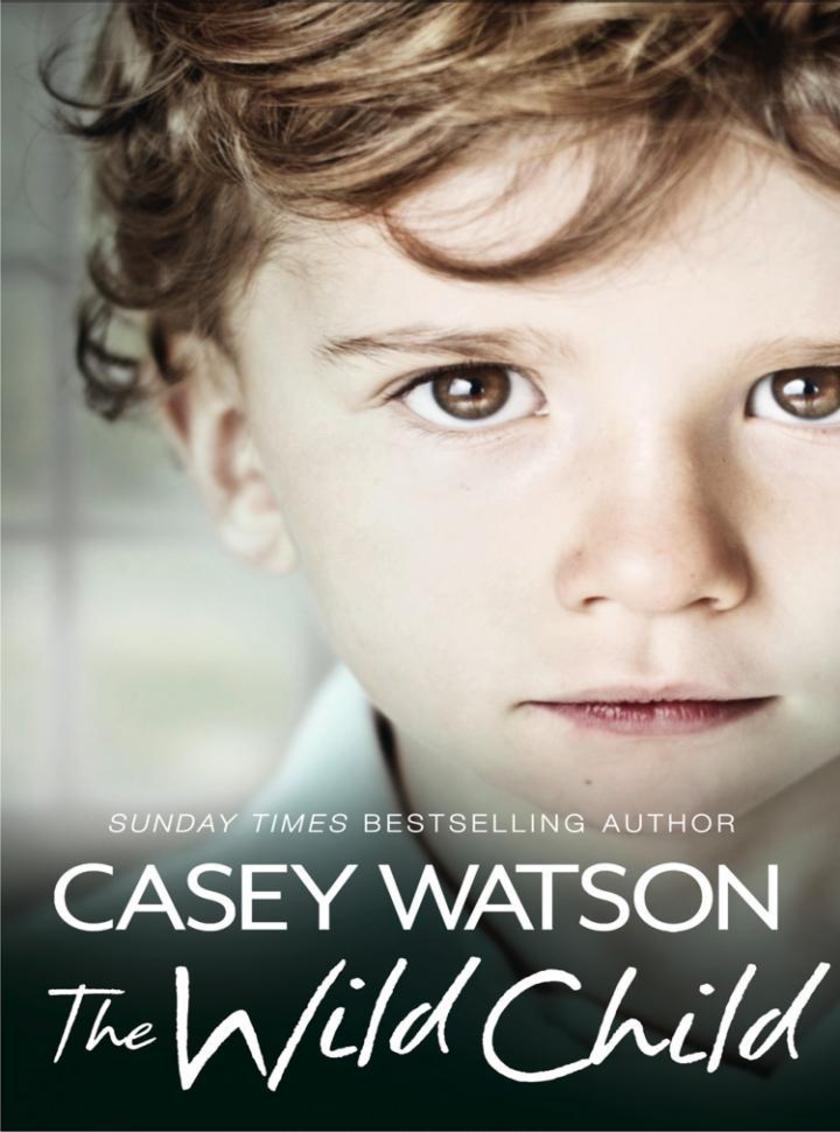
The Wild Child
¥11.77
Casey tells the harrowing story of Connor, an eight year old boy from a broken home who comes to stay with her family. It’s a Saturday morning when Casey and Mike are asked to take in eight year old Connor – an emergency placement, just for a couple of days, following a violent incident at his now former care home. And Casey’s instinct, as ever, is to say yes. With long term foster son Tyler off to football, and no particular plans for the weekend, even the fact that Connor arrives in what looks like a prison van doesn’t phase her – after all, challenging children are what she and Mike have trained for. And how much trouble can he really be? He’s eight. A lot, as it turns out. Connor is as streetwise as they come, and, hurt and angry, seems determined to cause trouble from the off. But despite the attitude, there’s something strangely endearing about their little visitor that makes Casey want to tease out the frightened child behind the swagger. So much so that, with Connor and Tyler getting on so well, she wonders – should they say they’ll keep him longer? It seems like the easiest decision in the world …
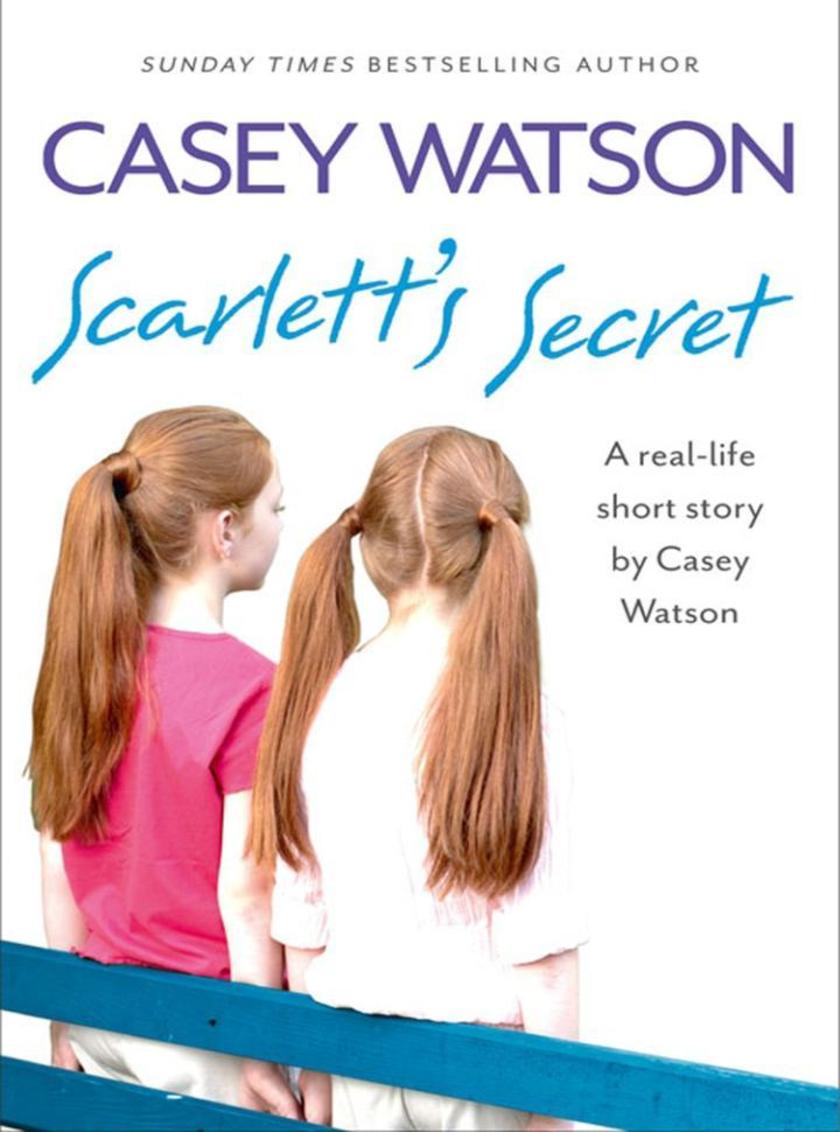
Scarlett’s Secret: A real-life short story by Casey Watson
¥14.81
Bestselling author and foster carer Casey Watson tells the shocking and deeply moving true story of two sisters who carry a terrible secret. This is a first taste of the ‘Unit’ series: several stories about ‘difficult’ children Casey helped during her time as a behaviour manager at her local comprehensive. Casey doesn’t know what to expect when seventeen-year-old twins Scarlett and Jade join her class. The girls seem grounded but they never leave each other’s side, although there seems to be an underlying tension between them that Casey can’t quite put her finger on. What’s more, Jade has a strong, unpleasant smell about her that further isolates her from the other teenagers. Eager to help the girls, Casey starts digging and finds out that Jade was pregnant and that the girls were taken into care when they were sixteen. But it’s not until a violent argument during class that Casey truly realises the anger the two girls harbour towards the rest of the world. And when Scarlett finally reveals the truth, it suddenly all makes sense. Can Casey find a way to bring Scarlett and Jade closer together? And can she break down Jade’s walls and get the girls the help they have craved since their childhood? Dark, disturbing and heartbreaking, this is a story of two sisters who just needed someone to believe in them.
Jack Russell Terrier: An Owner’s Guide
¥57.00
A comprehensive guide to all aspects of owning a Jack Russell Terrier, this highly illustrated book is full of practical information and expert advice for pet owners and breeders. Jack Russell Terriers are very intelligent, high-energy dogs whose compact size and friendly nature make them great pets. If you are considering getting a Jack Russell, or are an existing owner who wants to learn more about the care of your dog, then this book will be an invaluable resource. Contents include: ? History of the breed ? Acquiring a puppy ? Behaviour and training ? Showing a Jack Russell ? Healthcare


