


 购物车
购物车 个人中心
个人中心
![My Inventions: [Illustrated & Biography Added]](https://platform-permanent.ddimg.cn/pt-media-info-soa-resource/digital/product/54/27/1901165427_ii_cover.jpg?version=a8779e71-e376-471c-8d55-4deaa3f269be)
My Inventions: [Illustrated & Biography Added]
¥27.80
NIKOLA TESLA (1856 ~ 1943) was a Serbian American inventor, electrical engineer, mechanical engi-neer, physicist, and futurist best known for his contributions to the design of the modern alternating current (AC) electricity supply system. Tesla gained experience in telephony and electrical engineering before emigrating to the United States in 1884 to work for Thomas Edison in New York City. He soon struck out on his own with financial backers, setting up laboratories and companies to develop a range of electrical devices. His patented AC induction motor and transformer were licensed by George Westinghouse, who also hired Tesla for a short time as a consultant. His work in the formative years of electric power development was involved in a corporate alternating current/direct current "War of Currents" as well as various patent battles.The investors showed little interest in Tesla's ideas for new types of motors and electrical transmission equipment and also seemed to think it was better to develop an electrical utility than invent new systems. They eventually forced Tesla out leaving him penniless. He even lost control of the patents he had generated since he had assigned them to the company in lieu of stock. He had to work at various electrical repair jobs and even as a ditch digger for $2 per day. Tesla considered the winter of 1886/1887 as a time of "terrible headaches and bitter tears." During this time, he questioned the value of his education. Chapter 1 My Early Life: The progressive development of man is vitally dependent on invention. It is the most important product of his creative brain. Its ultimate purpose is the complete mastery of mind over the material world, the harnessing of the forces of nature to human needs. This is the difficult task of the inventor who is often misunderstood and unrewarded. But he finds ample compensation in the pleasing exercises of his powers and in the knowledge of being one of that exceptionally privileged class without whom the race would have long ago perished in the bitter struggle against pitiless elements.Speaking for myself, I have already had more than my full measure of this exquisite enjoyment, so much that for many years my life was little short of continuous rapture. I am credited with being one of the hardest workers and perhaps I am, if thought is the equivalent of labor, for I have devoted to it almost all of my waking hours. But if work is interpreted to be a definite performance in a specified time according to a rigid rule, then I may be the worst of idlers. Every effort under compulsion demands a sacrifice of life-energy. I never paid such a price. On the contrary, I have thrived on my thoughts.In attempting to give a connected and faithful account of my activities in this series of articles which will be presented with the assistance of the Editors of the Electrical Experimenter and are chiefly addressed to our young men readers, I must dwell, however reluctantly, on the impressions of my youth and the circumstances and events which have been instrumental in determining my career. Our first endeavors are purely instinctive, promptings of an imagination vivid and undisciplined. As we grow older reason asserts itself and we become more and more sys-tematic and designing. But those early impulses, although not immediately productive, are of the greatest moment and may shape our very destinies. Indeed, I feel now that had I understood and cultivated instead of suppressing them, I would have added substantial value to my bequest to the world. But not until I had attained manhood did I realize that I was an inventor..

Lezzetten ?dün Vermeyen Diyet
¥27.88
Pek ?ok diyet program? ve kitab? sizlere diyet listeleri vermekte bunlar? uygulaman?z? sizlerden istemektedir. Peki siz bu listeleri uygulayabiliyor musunuz? ?al??t???n?z yerde tabldot yemek servisi yapan g?revliye bu listeleri verebiliyor musunuz? D??ar?da büfede veya lokantada yemek yerken garsondan sizin günlük diyet listenizi size haz?rlamas?n? isteyebiliyor musunuz? Günlük hayatta uygulayamad???n?z bu listelerin size ne faydas? var? Biz size liste vermeyece?iz. Biz sizi diyet listelerine uymak zorunda b?rakmayaca??z, sizin günlük ya?amda ?evrenizde size sunulan yemekleri nas?l diyetinize uygun hale getirilebilece?ini g?stermek istiyoruz.Kitab?m?z? haz?rlarken hekimlik bilgilerimizi de sizlere sunmay? ama?lad?k. Kitab?n haz?rlanmas?nda bana yard?mc? olan sevgili e?im Uzm. Dr. Candan Engin’e ?ok te?ekkür ediyorum.Kitab?m?z? olabildi?ince k?sa tutmay? hedefledik. Uzun yaz?lan kitaplar okuyucuya s?k?c? gelebiliyor ve kitap ?zümsenme-yebiliyor. Amac?m?z sizi s?kmadan gerekli bilgileri verebilmektir.Keyifli okumalar dile?iyle, Uz. Dr. ?mer Engin Genel Cerrahi Uzman?

Life and Habit
¥27.88
One more point deserves notice. Butler often refers in “Life and Habit” to Darwin’s “Variations of Animals and Plants under Domestication.” When he does so it is always under the name “Plants and Animals.” More often still he refers to Darwin’s “Origin of Species by means Natural Selection,” terming it at one time “Origin of Species” and at another “Natural Selection,” sometimes, as on p. 278, using both names within a few lines of each other. Butler was as a rule scrupulously careful about quotations, and I can offer no explanation of this curious confusion of titles.? Since Samuel Butler published “Life and Habit” thirty-three [vii] years have elapsed—years fruitful in change and discovery, during which many of the mighty have been put down from their seat and many of the humble have been exalted. I do not know that Butler can truthfully be called humble, indeed, I think he had very few misgivings as to his ultimate triumph, but he has certainly been exalted with a rapidity that he himself can scarcely have foreseen. During his lifetime he was a literary pariah, the victim of an orga-nized conspiracy of silence. He is now, I think it may be said without exaggeration, universally accepted as one of the most remarkable English writers of the latter part of the nineteenth century. ??I will not weary my readers by quoting the numerous tributes paid by distinguished contemporary writers to Butler’s originality and force of mind, but I cannot refrain from illustrating the changed attitude of the sci-entific world to Butler and his theories by a reference to “Darwin and Modern Science,” the collection of essays published in 1909 by the University of Cambridge, in commemoration of the Darwin centenary. ??In that work Professor Bateson, while referring repeatedly to Butler’s biological works, speaks of him as “the most brilliant and by far the most interesting of Darwin’s opponents, whose works are at length emerging from oblivion.” ??R. A. STREATFEILD.?November, 1910.

Pygmalion
¥33.03
Majoritatea deceselor cauzate de cancer ar putea fi evitate ?Marele c?l?u“ al secolului XXI, cancerul este ?n mod gre?it perceput ca o calamitate ce love?te la ?nt?mplare, o nenorocire ?mpotriva c?reia suntem neputincio?i. Cartea arat? c? exist? o leg?tur? ?ntre tabagism, surplusul de greutate, sedentarism, alimenta?ie, expunerea la razele ultraviolete, lipsa de somn ?i cancer, precum ?i c? majoritatea deceselor cauzate de aceast? boal? ar putea fi evitate prin modific?ri simple ale stilului de via??. Cele 10 reguli pentru reducerea riscurilor, izvor?te din analiza mai multor decenii de cercet?ri ?tiin?ifice, reprezint? o arm? puternic? ?mpotriva cancerului ?i le ofer? pentru prima dat? celor care au supravie?uit bolii un instrument concret de prevenire a recidivelor, ?n scopul cre?terii speran?ei de via??. ? excesul de zah?r ?i gr?simi din produsele alimentare industriale ar putea induce o dependen?? similar? celei asociate consumului de droguri ? dou? ore ?i jum?tate de activitate fizic? de intensitate moderat?, s?pt?m?nal, reduc riscul de mortalitate al bolnavilor de cancer ? cei care consum? trei por?ii de legume crucifere pe s?pt?m?n? prezint? un risc de recidiv? redus la jum?tate

Ionesco
¥40.79
Renun?a?i la p?ine, nu mai m?nca?i cereale, abandona?i glutenul! Mesajul este c?t se poate de simplu – fugi de gluten ?i nu numai c? te vei sim?i mai bine, dar ?i vei face o favoare creierului. Aceast? teorie extrem de controversat?, care demonteaz? toate ipotezele nutri?ionale moderne, propulseaz? cartea lui Perlmutter pe primul loc ?n topul bestsellerurilor New York Time, ajuns? la al nou?lea tiraj ?i publicat? ?n 15 ??ri. Renumitul neurolog David Perlmutter dezv?luie un adev?r ?ngropat foarte mult timp ?n literatura de specialitate: carbohidra?ii distrug creierul. ?i nu numai carbohidra?ii nes?n?to?i, dar chiar ?i cei s?n?to?i, precum cerealele integrale care pot provoca demen??, ADHD, anxietate, migrene, depresie ?i multe altele. Dr. Perlmutter explic? mecanismele care au loc la nivelul creierului atunci c?nd acesta are de a face cu ingredientele comune din p?inea cea de toate zilele ?i din bolul cu fructe, de ce gr?simea ?i colesterolul sunt benefice pentru creier ?i cum pot stimula acestea regenerarea celular? la orice v?rst?. Oferind o privire ?n profunzime asupra felului ?n care putem prelua controlul ?genelor noastre inteligente“ prin alegeri specifice alimentare ?i de stil de via??, autorul demonstreaz? cum se pot fi ?nfr?nge cele mai de temut maladii ale noastre f?r? medicamente. ?n sus?inerea teoriilor expuse ?n prima parte a c?r?ii, dr. Perlmutter a definitivat un plan revolu?ionar de 4 s?pt?m?ni prin care ne ?nva?? cum s? reprogram?m destinul nostru genetic pentru ob?inerea performan?elor ?n ceea ce prive?te starea de s?n?tate. Concluzia este ?ncurajatoare – nu depinde dec?t de noi s? r?m?nem ?n deplin?tatea facult??ilor mintale p?n? la sf?r?itul vie?ii.
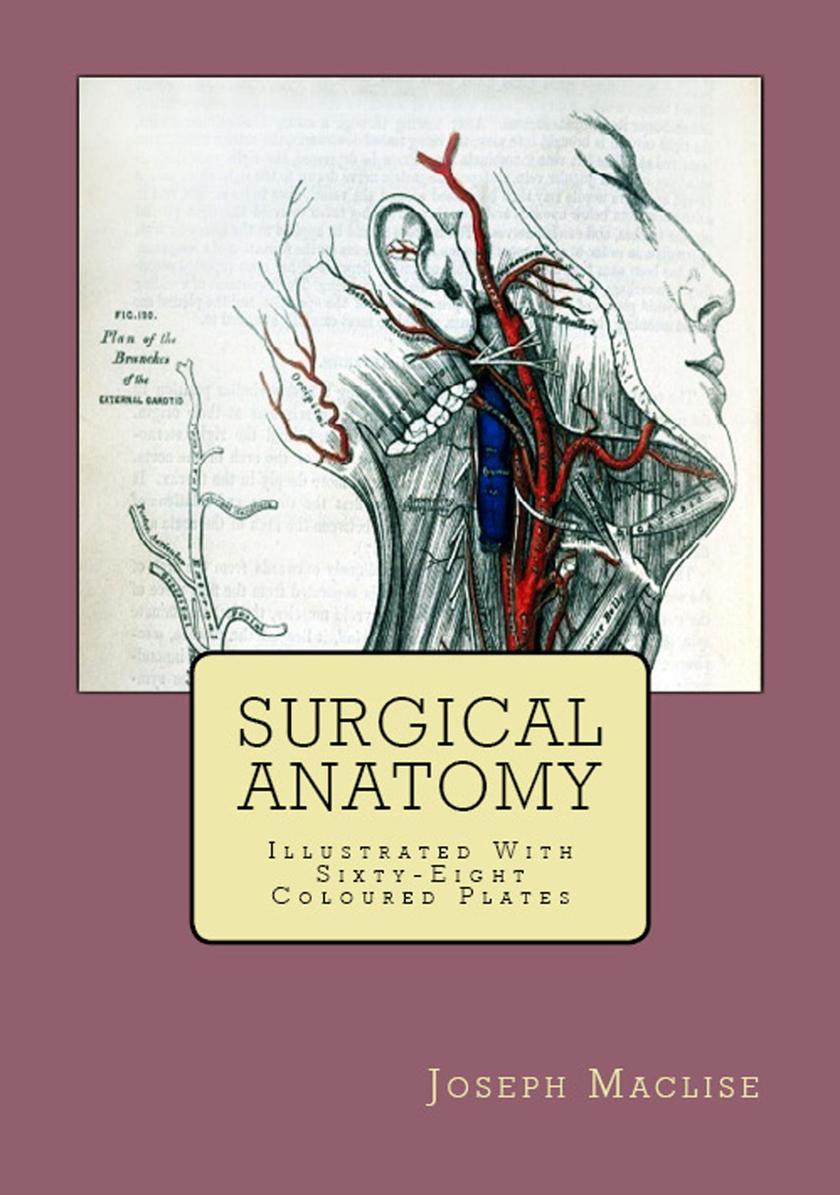
Surgical Anatomy: "With Sixty-Eight Coloured Plates"
¥37.20
The object of this work is to present to the student of medicine and the practitioner removed from the schools, a series of dissections demonstrative of the relative anatomy of the principal regions of the human body. Whatever title may most fittingly apply to a work with this intent, whether it had better be styled surgical or medical, regional, relative, descriptive, or topographical anatomy, will matter little, provided its more salient or prominent character be manifested in its own form and feature. The work, as I have designed it, will itself show that my intent has been to base the practical upon the anatomical, and to unite these wherever a mutual dependence was apparent.That department of anatomical research to which the name topographical strictly applies, as confining itself to the mere account of the form and relative location of the several organs comprising the animal body, is almost wholly isolated from the main questions of physiological and transcendental interest, and cannot, therefore, be supposed to speak in those comprehensive views which anatomy, taken in its widest signification as a science, necessarily includes. While the anatomist contents himself with describing the form and position of organs as they appear exposed, layer after layer, by his dissecting instruments, he does not pretend to soar any higher in the region of science than the humble level of other mechanical arts, which merely appreciate the fitting arrangement of things relative to one another, and combinative to the whole design of the form or machine of whatever species this may be, whether organic or inorganic. The descriptive anatomist of the human body aims at no higher walk in science than this, and hence his nomenclature is, as it is, a barbarous jargon of words, barren of all truthful signification, inconsonant with nature, and blindly irrespective of the cognitio certa ex principiis certis exorta. Still, however, this anatomy of form, although so much requiring purification of its nomenclature, in order to clothe it in the high reaching dignity of a science, does not disturb the medical or surgical practitioner, so far as their wants are concerned. Although it may, and actually does, trammel the votary who aspires to the higher generalizations and the development of a law of formation, yet, as this is not the object of the surgical anatomist, the nomenclature, such as it is, will answer conveniently enough the present purpose. The anatomy of the human form, contemplated in reference to that of all other species of animals to which it bears comparison, constitutes the study of the comparative anatomist, and, as such, establishes the science in its full intent. But the anatomy of the human figure, considered as a species, per se, is confessedly the humblest walk of the understanding in a subject which, as anatomy, is relationary, and branches far and wide through all the domain of an animal kingdom. While restricted to the study of the isolated human species, the cramped judgment wastes in such narrow confine; whereas, in the expansive gaze over all allying and allied species, the intellect bodies forth to its vision the full appointed form of natural majesty; and after having experienced the manifold analogies and differentials of the many, is thereby enabled, when it returns to the study of the one, to view this one of human type under manifold points of interest, to the appreciation of which the understanding never wakens otherwise. If it did not happen that the study of the human form (confined to itself) had some practical bearing, such study could not deserve the name of anatomical, while anatomical means comparative, and whilst comparison implies inductive reasoning. ? ABOUT AUTHOR: Joseph Maclise:FELLOW OF THE ROYAL COLLEGE OF SURGEONS I INSCRIBE THIS WORK TO THE GENTLEMENWITH WHOM AS A FELLOW-STUDENT I WAS ASSOCIATED AT THELondon University College: AND IN AN ESPECIAL MANNER, IN THEIR NAME AS WELL AS MY OWN,I AVAIL MYSELF OF THE OPPORTUNITY TO RECORD, ON THIS PAGE,ALBEIT IN CHARACTERS LESS IMPRESSIVE THAN THOSE WHICH AREWRITTEN ON THE LIVING TABLET OF MEMORY,THE DEBT OF GRATITUDE WHICH WE OWE TO THE LATE SAMUEL COOPER, F.R.S., AND ROBERT LISTON, F.R.S., TWO AMONG THE MANY DISTINGUISHED PROFESSORS OF THATINSTITUTION, WHOSE PUPILS WE HAVE BEEN,AND FROM WHOM WE INHERIT THAT BETTER POSSESSION THAN LIFEITSELF, AN ASPIRATION FOR THE LIGHT OF SCIENCE. JOSEPH MACLISE.

Menekülés a F?ldr?l
¥37.44
A Magyarország f?ldtana cím? k?nyv els?sorban az egyetemi szint? áttekint? f?ldtani oktatás számára készült tank?nyvként. Az elektronikus kiadás lehet?ségeit kihasználva a k?tet a legfrissebb ismereteket szintetizálja és ad hazánk f?ldtani felépítésér?l korszer? áttekintést, amelyet haszonnal forgathatják nemcsak egyetemi hallgatók, hanem a téma iránt érdekl?d? nem szakmabeliek egyaránt. A k?tet szerz?i, Budai Tamás és Konrád Gyula aktív és nagy tapasztalattal rendelkez? terepi geológusok, akik oktatási tapasztalatokkal egyaránt rendelkezve megfelel? arányban vegyítik a terepi tapasztalatokat az oktatás igényeivel.A megértést számos ábra teszi teljessé. (a Kiadó)

Zuhanás: 50 után csak a csodában bízhatsz?
¥51.50
Lambrecht Kálmán k?nyve ma is lebilincsel? stílusban és tudományt?rténeti korrektséggel mutatja be ezen csodálatos tudomány kialakulását és fejl?dését, tárja elénk nagy alakjainak eredményeit. Mégsem száraz adatfelsorolás ez a k?nyv, hanem izgalmas utazás, ahol a tárgy ellenére az ember, a kutató, a gyarló tudós áll a k?zéppontban. Megismerjük vívódásait, harcát az anyaggal, tévedéseit és csatáit hasonló lelk? vetélytársaikkal. Az ?svilági élet tehát igencsak evilági szellemeken keresztül jutott el oda, hogy aJurassic park megszülethetett. K?vessük ezt a t?bb évszázados fejl?dést egy magával ragadó tollú ismeretterjeszt? vezetésében. Lehet, hogy néhány k?vetkeztetése ma már nem állja meg a helyét, ám ez mit sem von le abból az értékb?l, amit stílusa és tudományt?rténeti ?sszefoglalója ma is jelent. Izgalmas olvasmány egy ma igen népszer? tudomány kezdeteir?l.

Jar. Amandoi
¥13.08
ntr-un trafic incontrolabil, a intra pe contrasens nu e un lucru de mirare. Ce te faci ns dac exist riscul s dai nas n nas cu… favorita preedintelui Cine pltete asigurarea“Liviu Brtescu nu se teme de sanciuni. Nu folosete cuvinte dantelate, nu ridic pe nimeni n slvi. El doar se strduiete s conduc atent…
A kapitány
¥8.67
CURIOUS creatures of Animal Life have been objects of interest to mankind in all ages and countries; the universality of which may be traced to that feeling which "makes the whole world kin." The Egyptian records bear testimony to a familiarity not only with the forms of a multitude of wild animals, but with their habits and geographical distribution." The collections of living animals, now popularly known as Zoological Gardens, are of considerable antiquity. We read of such gardens in China as far back as 2,000 years; but they consisted chiefly of some favourite animals, such as stags, fish, and tortoises. The Greeks, under Pericles, introduced peacocks in large numbers from India. The Romans had their elephants; and the first giraffe in Rome, under C?sar, was as great an event in the history of zoological gardens at its time as the arrival in 1849 of the Hippopotamus was in London. The first zoological garden of which we have any detailed account is that in the reign of the Chinese Emperor, Wen Wang, founded by him about 1150 A.D., and named by him "The Park of Intelligence;" it contained mammalia, birds, fish, and amphibia. The zoological gardens of former times served their masters occasionally as hunting-grounds. This was constantly the case in Persia; and in Germany, so late as 1576, the Emperor Maximilian II. kept such a park for different animals near his castle, Neugebah, in which he frequently chased.Alexander the Great possessed his zoological gardens. We find from Pliny that Alexander had given orders to the keepers to send all the rare and curious animals which died in the gardens to Aristotle. Splendid must have been the zoological gardens which the Spaniards found connected with the Palace of Montezuma. The letters of Ferdinand Cortez and other writings of the time, as well as more recently "The History of the Indians," by Antonio Herrera, give most interesting and detailed accounts of the menagerie in Montezuma's park. The collections of animals exhibited at fairs have added little to Zoological information; but we may mention that Wombwell, one of the most noted of the showfolk, bought a pair of the first Boa Constrictors imported into England: for these he paid 75l., and in three weeks realised considerably more than that sum by their exhibition. At the time of his death, in 1850, Wombwell was possessed of three huge menageries, the cost of maintaining which averaged at least 35l. per day; and he used to estimate that, from mortality and disease, he had lost, from first to last, from 12,000l. to 15,000l. Our object in the following succession of sketches of the habits and eccentricities of the more striking animals, and their principal claims upon our attention, is to present, in narrative, their leading characteristics, and thus to secure a willing audience from old and young.

Virusologie, bacteriologie ?i parazitologie pentru asisten?i medicali
¥65.32
Geriatrie ?i geropatologie pentru asisten?i medicali vine ?n sprijinul elevilor ?colilor postliceale sanitare, la baza sa afl?ndu-se nevoia de cunoa?tere ?i perfec?ionare a viitorului asistent medical. Cre?terea demografic? a popula?iei v?rstnice impune o bun? cunoa?tere a particularit??ilor v?rstei a treia, at?t de publicul larg, c?t mai ales de personalul sanitar.Aceast? lucrare respect? programa de preg?tire a asisten?ilor medicali, ad?ug?nd ?i o serie de informa?ii care s? confere o perspectiv? unitar? asupra particularit??ilor fiziologice, patologice ?i terapeutice ale v?rstei a treia. Sunt abordate aspectele medico-sociale complexe ale procesului de ?mb?tr?nire, dar ?i evenimente cu un important r?sunet ?n via?a psiho-afectiv? a individului, precum pensionarea sau integrarea v?rstnicului ?n institu?ii specializate.Abordarea medico-psiho-social? a problematicii v?rstnicului ofer? o viziune integrat? a informa?iei, util? at?t elevilor ?colilor sanitare, c?t ?i asisten?ilor medicali. Totodat?, poate fi considerat un ?ndrumar util ?i studen?ilor facult??ilor de medicin? general? ?i farmacie, asisten?ilor sociali, psihologilor, medicilor de familie sau de alte specialit??i etc.

Paradigm? ?i incomensurabilitate
¥24.44
Aceast? carte, bazat? pe 20 de ani de cercetare clinic? ?i ?tiin?ific? ?n ce prive?te rolul apei ?n organism, prezint? descoperirea extraordinar? c? deshidratarea cronic? neinten?ionat? produce stres, dureri cronice ?i multe boli degenerative ?nso?ite de durere. Gura uscat? nu este singurul semn de deshidratare; este gre?it s? a?tepta?i p?n? vi se face sete. Ve?i afla care sunt semnalele emise de organism c?nd duce lips? de ap?. Corectarea aportului de ap? – da, de ap?! ap? natural?, c?t mai curat? – v? poate ajuta s? tr?i?i mai s?n?tos, bucur?ndu-v? de o via?? lipsit? de durere. Ve?i ?nv??a: cum s? preveni?i ?n mod natural boli precum astmul bron?ic, alergiile, hipertensiunea arterial?; cum s? ameliora?i durerile, inclusiv pirozisul, durerea de spate, durerea artritic?, durerea din colit? ?i migrenele; cum s? folosi?i apa pentru a preveni ?i combate ?mb?tr?nirea prematur?; cum s? elimina?i f?r? efort kilogramele ?n plus, natural ?i f?r? restric?ii alimentare.

Semiologie medical? pentru asisten?i medicali
¥65.32
Medicin? este un domeniu aflat ?ntr-o continu? schimbare, prin experien?a clinic? ?i studiile care l?rgesc mereu orizontul de cunoa?tere.Cartea de fa?? ?i ofer? viitorului asistent medical oportunitatea ?nsu?irii unor no?iuni de baz? din domeniul medicinii de laborator, la care se adaug? modalit??ile de prevenire ?i combatere a bolilor infec?ioase, precum ?i posibilit??ile actuale de tratare a acestora.Lucrarea comprim? ?i integreaz? informa?ii importante din domeniul virusologiei, bacteriologiei, parazitologiei, micologiei ?i imunologiei, fiecare dintre aceste ramuri cunosc?nd o dezvoltare independent? remarcabil? ?n ultimele decade.?ntregul material respect? programa de preg?tire a asisten?ilor medicali, adres?ndu-se tuturor elevilor ?colilor sanitare, indiferent de specialitate.
The Voyage of the Beagle
¥8.09
102 black-and-white illustrations. According to Wikipedia: "The Voyage of the Beagle is a title commonly given to the book written by Charles Darwin and published in 1839 as his Journal and Remarks, bringing him considerable fame and respect. The title refers to the second survey expedition of the ship HMS Beagle, which set sail from Plymouth Sound on 27 December 1831 under the command of Captain Robert FitzRoy, R.N.
The Theory of the Leisure Class
¥8.09
According to Wikipedia: "Thorstein Bunde Veblen, born Tosten Bunde Veblen (July 30, 1857 – August 3, 1929) was a Norwegian-American sociologist and economist and a primary mentor, along with John R. Commons, of the institutional economics movement. He was an impassioned critic of the performance of the American economy, and is most famous for his book The Theory of the Leisure Class (1899)."

The Souls of Black Folk
¥8.09
According to Wikipedia: "William Edward Burghardt Du Bois (February 23, 1868 – August 27, 1963) was an American civil rights activist, public intellectual, Pan-Africanist, professor of sociology, historian, writer, and editor. At the age of 95, in 1963, he became a naturalized citizen of Ghana. David Levering Lewis, a biographer, wrote, 'In the course of his long, turbulent career, W. E. B. Du Bois attempted virtually every possible solution to the problem of twentieth-century racism— scholarship, propaganda, integration, national self-determination, human rights, cultural and economic separatism, politics, international communism, expatriation, third world solidarity.'"

Unity 2017 Game Optimization - Second Edition: Optimize all aspects of Unity per
¥334.25
Master a series of performance-enhancing coding techniques and methods that help them improve the performance of their Unity3D applications About This Book Discover features and techniques to optimize Unity Engine's CPU cycles, memory usage, and the GPU throughput of any application Explore multiple techniques to solve performance issues with your VR projects Learn the best practices for project organization to save time through an improved workflow Who This Book Is For This book is intended for intermediate and advanced Unity developers who have experience with most of Unity's feature-set, and who want to maximize the performance of their game. Familiarity with the C# language will be needed. What You Will Learn Use the Unity Profiler to find bottlenecks anywhere in your application, and discover how to resolve them Implement best practices for C# scripting to avoid common pitfalls Develop a solid understanding of the rendering pipeline, and maximize its performance by reducing draw calls and avoiding fill rate bottlenecks Enhance shaders in a way that is accessible to most developers, optimizing them through subtle yet effective performance tweaks Keep your scenes as dynamic as possible by making the most of the Physics engine Organize, filter, and compress your art assets to maximize performance while maintaining high quality Discover different kinds of performance problems that are critical for VR projects and how to tackle them Use the Mono Framework and C# to implement low-level enhancements that maximize memory usage and avoid garbage collection Get to know the best practices for project organization to save time through an improved workflow In Detail Unity is an awesome game development engine. Through its massive feature-set and ease-of-use, Unity helps put some of the best processing and rendering technology in the hands of hobbyists and professionals alike. This book shows you how to make your games fly with the recent version of Unity 2017, and demonstrates that high performance does not need to be limited to games with the biggest teams and budgets. Since nothing turns gamers away from a game faster than a poor user-experience, the book starts by explaining how to use the Unity Profiler to detect problems. You will learn how to use stopwatches, timers and logging methods to diagnose the problem. You will then explore techniques to improve performance through better programming practices. Moving on, you will then learn about Unity's built-in batching processes; when they can be used to improve performance, and their limitations. Next, you will import your art assets using minimal space, CPU and memory at runtime, and discover some underused features and approaches for managing asset data. You will also improve graphics, particle system and shader performance with a series of tips and tricks to make the most of GPU parallel processing. You will then delve into the fundamental layers of the Unity3D engine to discuss some issues that may be difficult to understand without a strong knowledge of its inner-workings. The book also introduces you to the critical performance problems for VR projects and how to tackle them. By the end of the book, you will have learned to improve the development workflow by properly organizing assets and ways to instantiate assets as quickly and waste-free as possible via object pooling. Style and approach This practical book will help readers understand the essentials of the Unity3D engine and how to build games while improving the performance of their applications.

Delphi Works of Alexander Pushkin (Illustrated)
¥16.27
Russia's Father of Literature deserves a place in all digital libraries. This comprehensive eBook presents the major works of Alexander Pushkin, with beautiful illustrations, informative introductions and the usual Delphi bonus material. * Beautifully illustrated with images relating to Pushkin's life and works * Concise introductions to the poetry and other works * Images of how the books were first printed, giving your eReader a taste of the original texts * A selection of many of Pushkin's greatest poems, first time in digital print. * Excellent formatting of the texts * Almost the complete short fiction, including rare short stories appearing for the first time in digital print * Rare plays, with contents tables * Special criticism section, with three essays evaluating Pushkin's contribution to literature * Features a bonus biography - discover Pushkin's literary life * Scholarly ordering of texts into chronological order and literary genres Please visit www.delphiclassics.com to browse our range of exciting titles CONTENTS: The Poetry SHORT POEMS THE FOUNTAIN OF BAKHCHISARAY THE GIPSIES POLTAVA THE BRONZE HORSEMAN RUSLAN AND LYUDMILA LIST OF POEMS IN ALPHABETICAL ORDER The Verse Novel EUGENE ONEGIN The Short Stories and Unfinished Novels PETER THE GREATS NEGRO MARIE THE SHOT THE SNOWSTORM THE UNDERTAKER THE POSTMASTER MISTRESS INTO MAID THE QUEEN OF SPADES KIRDJALI THE CAPTAINS DAUGHTER EGYPTIAN NIGHTS DUBROVSKY The Plays BORIS GODUNOV THE STONE GUEST MOZART AND SALIERI The Criticism THE ROMANTIC POETS: POUSHKIN by Rosa Newmarch POUSHKIN: HIS WORKS by Rosa Newmarch LECTURES ON RUSSIAN LITERATURE: PUSHKIN by Ivan Panin The Biography A SHORT BIOGRAPHICAL NOTICE OF ALEXANDER PUSHKIN by Henry Spalding

The Story of Doctor Dolittle
¥40.79
Doctor Dolittle lives in a little town called Puddleby. He is a doctor who shuns human patients in favour of animals, with whom he can speak in their own languages. He later becomes a naturalist, using his abilities to speak with animals to better understand nature and the history of the world.
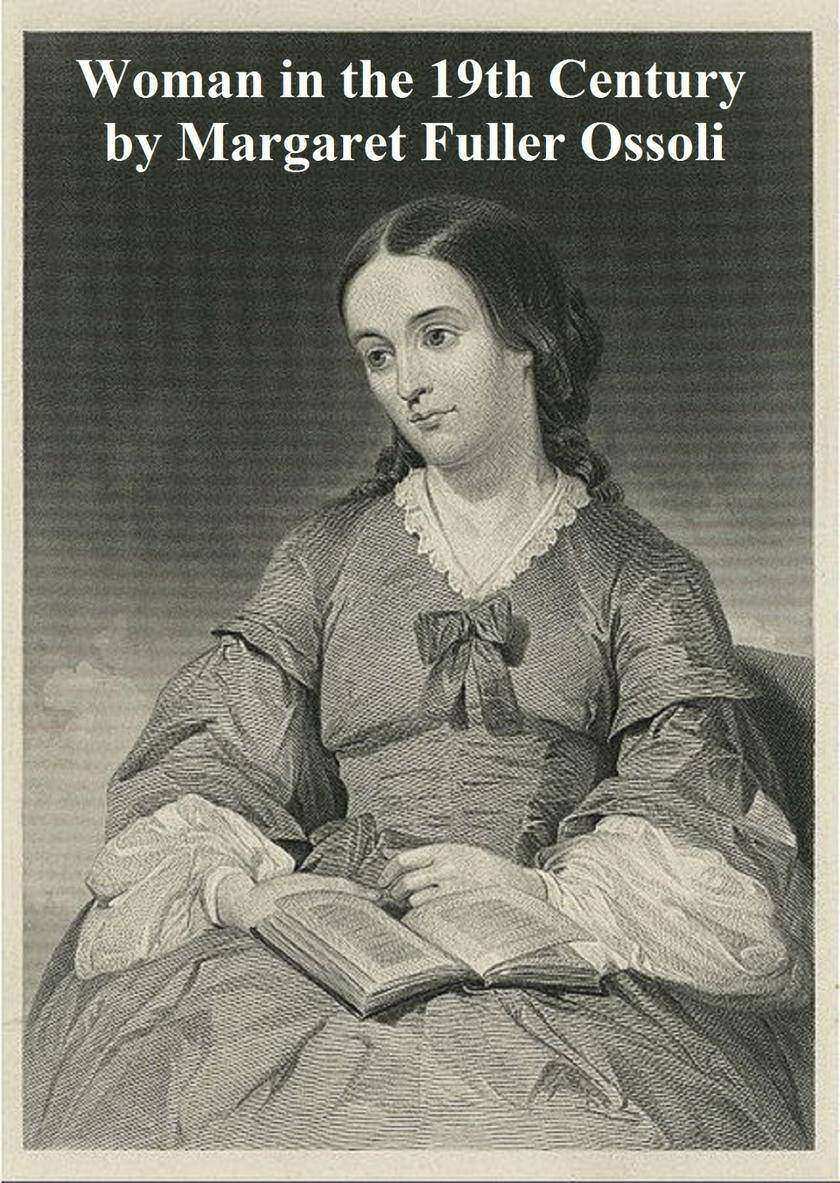
Woman in the 19th Century
¥8.09
According to Wikipedia: "Sarah Margaret Fuller Ossoli (May 23, 1810 – July 19, 1850) was a journalist, critic and women's rights activist associated with the American transcendental movement. She was the first full-time female book reviewer in journalism. Her book Woman in the Nineteenth Century is considered the first major feminist work in the United States."

Hands-On Android UI Development
¥297.10
Master the art of creating impressive and reactive UIs for mobile applications on the latest version of Android Oreo. About This Book A comprehensive guide to designing and developing highly interactive user interfaces for your app. Design responsive and agile applications targeting multiple Android devices (up to Android Oreo) using Android Studio 3.0 Write reactive user interfaces with minimal effort by leveraging the latest Android technologies, such as Architecture components and the Lifecycle API Avoid common design problems and pitfalls with the help of shared UI design patterns and best practices. Who This Book Is For This book is for novice Android and Java developers who have a basic knowledge of Android development and want to start developing stunning user interfaces. What You Will Learn Create effective and efficient user interfaces that allow users to carry out tasks smoothly Understand the fundamentals of Android UI design, and take a look at the basic layouts, Inputs, and controls Learn about various UI components provided by Android, which include structured layout objects and UI controls that allow you to build the graphical user interface for your app Explore various styles and themes that allow you to customize the look and feel of your app Leverage the animation and graphics APIs to improve user experience and draw custom 2D graphics In Detail A great user interface (UI) can spell the difference between success and failure for any new application. This book will show you not just how to code great UIs, but how to design them as well. It will take novice Android developers on a journey, showing them how to leverage the Android platform to produce stunning Android applications. Begin with the basics of creating Android applications and then move on to topics such as screen and layout design. Next, learn about techniques that will help improve performance for your application. Also, explore how to create reactive applications that are fast, animated, and guide the user toward their goals with minimal distraction. Understand Android architecture components and learn how to build your application to automatically respond to changes made by the user. Great platforms are not always enough, so this book also focuses on creating custom components, layout managers, and 2D graphics. Also, explore many tips and best practices to ease your UI development process. By the end, you'll be able to design and build not only amazing UIs, but also systems that provide the best possible user experience. Style and approach This book takes an easy tutorial approach to help you learn how to create consistent and efficient user interfaces for your apps. The book first takes you through the basics of user interfaces such as basic layouts, inputs, and controls, and also covers animations and graphics. By the end of the book, you will have learned best practices and will be able to develop inspired interfaces that look good and also work subtly in the background.


