


 购物车
购物车 个人中心
个人中心

出发——我在法院当法警
¥31.90
中国非物质文化遗产数字传播研究报告(2018-2022年)
¥59.90

聊斋志异选 中华书局出品
¥31.20
《聊斋志异》是清初蒲松龄创作的一部著名文言短篇小说集,收录狐ghost故事、奇文异事近五百篇,主要包括四类内容,一是批评科举弊病,二是描写男女爱情,三是批判吏治腐败社会黑暗,四是褒扬民间智慧和美德。以精炼又生动曲折的文笔,寄托了对世事民情的认识和期待。 《聊斋志异选》从中撷取思想价值和艺术成就突出,并兼顾可读性的作品46篇,辅以精当的注释,以提供给读者阅读《聊斋》的基础性选本。其文字以手稿本为底本,手稿本阙者以康熙抄本为底本,手稿本、康熙抄本皆无者以青柯亭本为底本,三者皆无者以《异史》本为底本,并以二十四卷抄本、铸雪斋抄本等参校,文字准确。 其注释特长有三。一是长于精准深地说解,尤其长于所涉名物制度、科举制背景、有关清人生平仕宦经历的介绍。二是对疑难字注音。三是每篇首注的解题,说明本篇主旨,对蒲松龄的创作意图多所发明,对读者意义尤大。 全书平装16,每页上文下注,版式疏朗,内容丰富,且精心选配彩插27张,手工插特定故事中,以便展现故事情节。
马克思主义为什么行:中国化时代化的视角(“中国之治的成功密码”丛书)
¥28.80
不管对马克思主义持何种态度,我们都没办法否定一个事实,那就是这一学说改变了世界的程,尤其是改变了中国社会发展的程。 马克思主义为什么行?中国化时代化的马克思主义为什么行?本书力求提供系统的有说服力的答案,序言直正题讲清楚马克思主义究竟行在哪里,然后分十章全方位展示马克思主义之所以行的理论特质,结语部分则突出强调马克思主义中国化时代化的意蕴。马克思主义之所以引领时代、改变世界,就在于它坚持改变世界的哲学观,提供唯物辩证的思维法则,贯穿立足实践的认识智慧;它从现实的个人出发,揭示人类社会的结构,洞察人类历史的发展规律,诊断现代社会的根本问题,预见未来社会的走向,指明通往理想的路,塑造能动的主体力量。 本书坚持用学理回答问题,以理论结合现实,对相关的一些模糊观行回应,展示了马克思主义这一学说与当代中国实践的密切关联,提供了一个理解马克思主义行、中国化时代化的马克思主义行的整体框架。
春秋后期霸权兴衰大起底(中华历史小丛书)
¥29.40
晋楚争霸,是春秋历史的一条主线。它延续到春秋晚期,已呈现出新的气象,新的契机,旧的礼乐文明走到了尽头,而新的社会政治文化生态已是呼之欲出。 在这个转型的过程中,战争起着关键的作用。众所周知,战争是政治的继续,但是我们同时更要看到,战争也影响和决定着政治嬗变的方向。春秋战国战争的本质差异,是春秋战争就性质而言,是争霸,战国战争就性质而言,是兼并。冰冻三尺非一日之寒,这种性质上的改变,渊源于春秋晚期的吴楚战争和吴越战争。它们是争霸战争的回光返照,又是兼并战争的牛刀小试。它们依附于晋楚争霸的战略大格局,又按自己的逻辑改变着中国历史嬗变的轨迹。
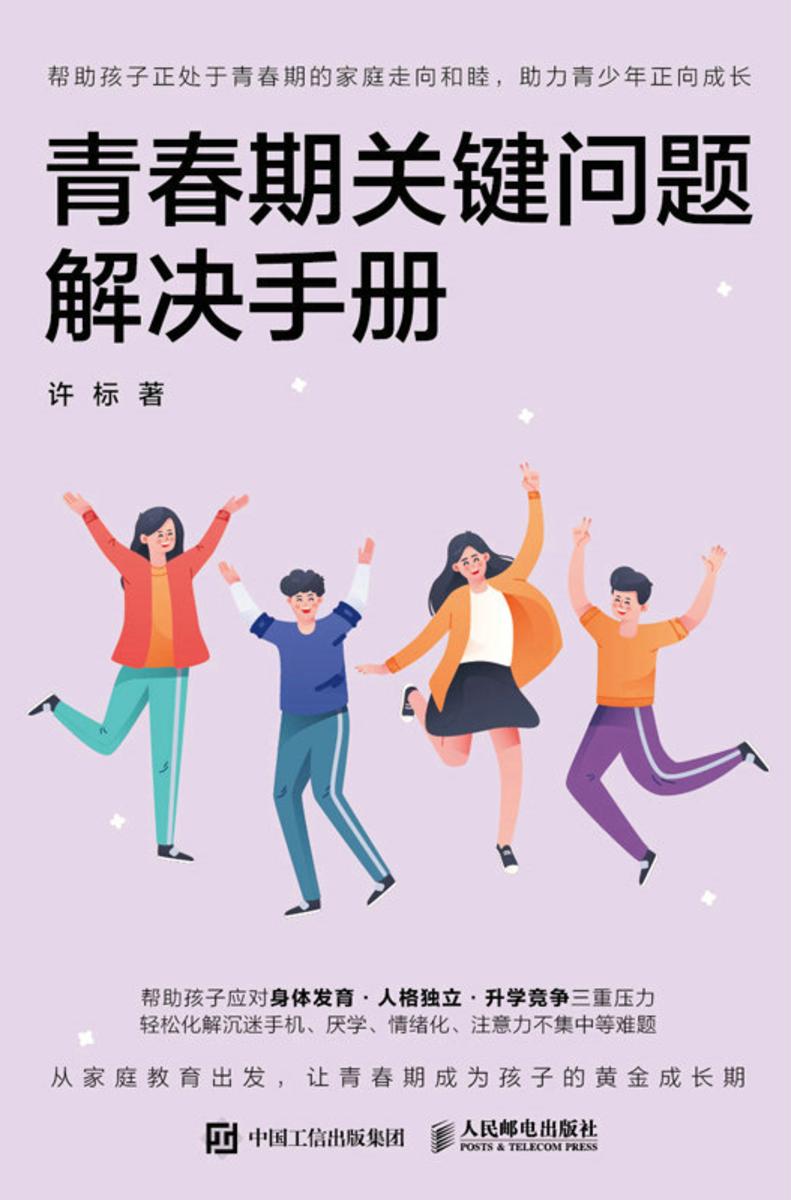
青春期关键问题解决手册
¥39.80
面对青春期孩子的种种问题,很多父母会感到困惑:自己在青春期时,父母也不讲究什么教育方法,并没有出什么问题,怎么现在的孩子就需要注意这么多方面,有着这么多问题? 时代发生了变化,当今时代更加追求精神文明,有着更多的诱惑。时代的发展对父母提出了更高要求,为了令青春期的孩子健康成长,父母需要学习更多有关家庭教育方面的知识。 本书作者结合多年来为上千个家庭做心理咨询的经验,将全书分为三个部分,*部分讲述了青春期孩子的心理特征,帮助父母更好地了解“我的孩子为什么会变成这样”;第二部分帮助父母学会改善亲子关系,与孩子沟通,好的亲子关系是正向引导孩子的基础;第三部分针对孩子厌学、自制力差、网瘾、早恋、叛逆、注意力不集中、情绪不稳定等具体问题,为父母提供了解决方法。将孩子培育成自信、独立、有进取心的成年人,需要父母花费大量时间与精力,父母只有学会与孩子共情,方能给予其成长所需要的陪伴,成为支持型父母。
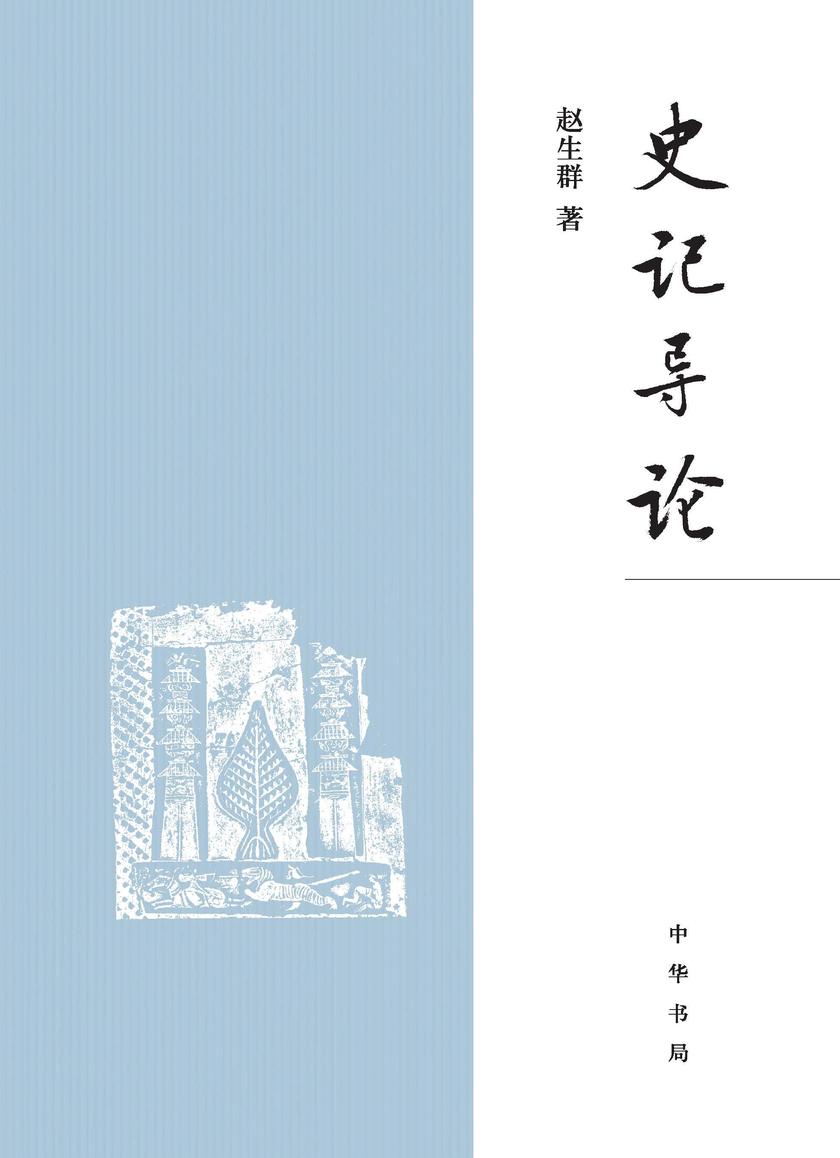
《史记》导论(精) 中华书局出品
¥39.00
《史记》作为“二十四史”之首,奠定了中国史学的基本格局。在史学、文学等诸多方面,都深刻地影响了后世。本书从《史记》的成书过程、内容、体例、取材、史料运用与价值、述史框架、书法、史学理论、编纂、《史记》纪传与传记文学等方面,探讨《史记》的创作方法和过程等。在熟稔《史记》的基础上,作者对相关史料行了详细梳理与认真辨析,于前人旧说去粗存精,于己立新说详明其故,自成一家之言。 本书为作者在《<史记>编纂学导论》(凤凰出版社2006年初版)的基础上修订、增补而成,本次再版,对正文行了增删润色,增写了绪论,重新核校全书引文并完善出处,另相应添加了部分图片,以使本书臻于完善。
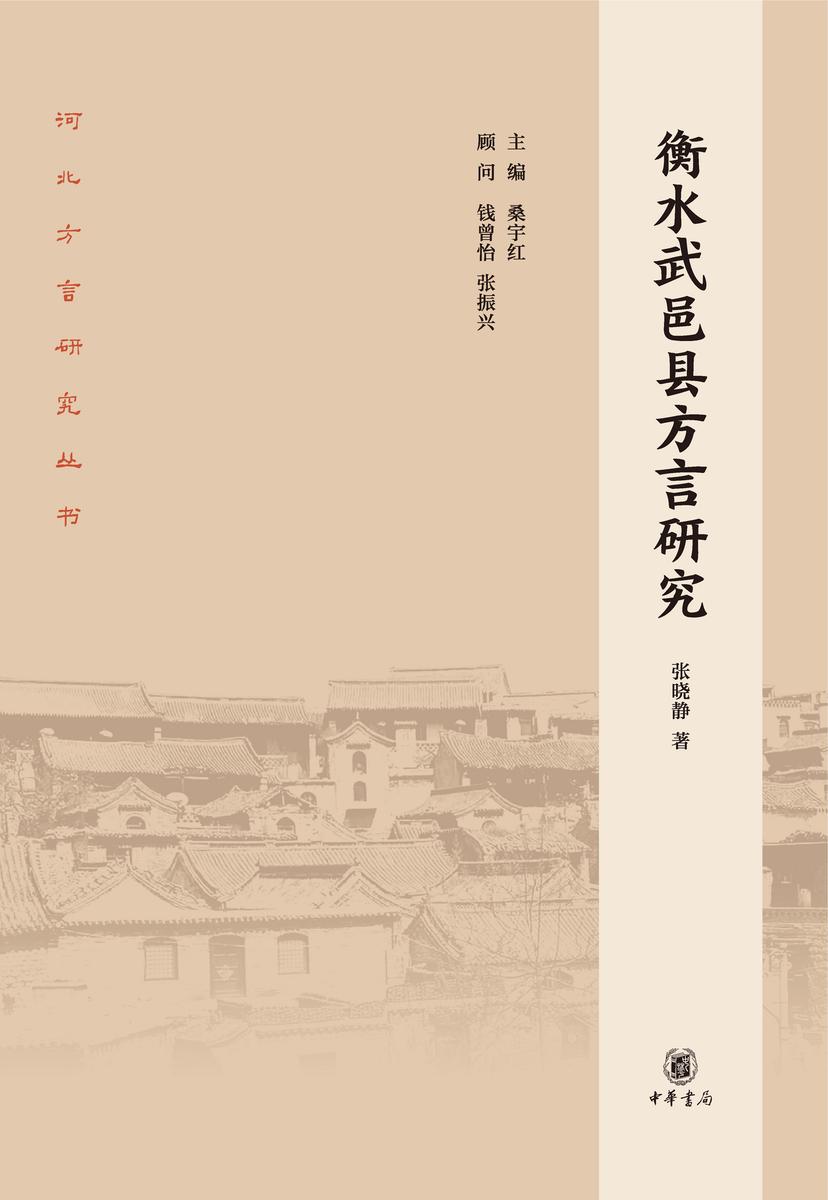
衡水武邑县方言研究 中华书局出品
¥34.80
本书是《河北方言研究丛书》系列的第四种,是河北衡水武邑县方言的单研究。 武邑县方言隶属于冀鲁官话石济片赵深小片,方言内部语音方面河东、河西差异较大,语音上具有突出的特。语法上,其复数标记“们”几乎可以用于所有体词性成分之后,是方言自身语法化发展的结果,也被学界所关注。本书运用结构主义描写语言学的方法,对武邑县方言行共时描写;也从历史语言学的视角,将武邑县方言音系与中古音系行比较,归纳了方言声韵调演变的特。此外,本书还提供了详实的分类词表和语料记音。本书作者母语即为武邑方言,聘请发音人老中青三代齐全,兼顾不同年龄层语音特,语料真实可信。 ?
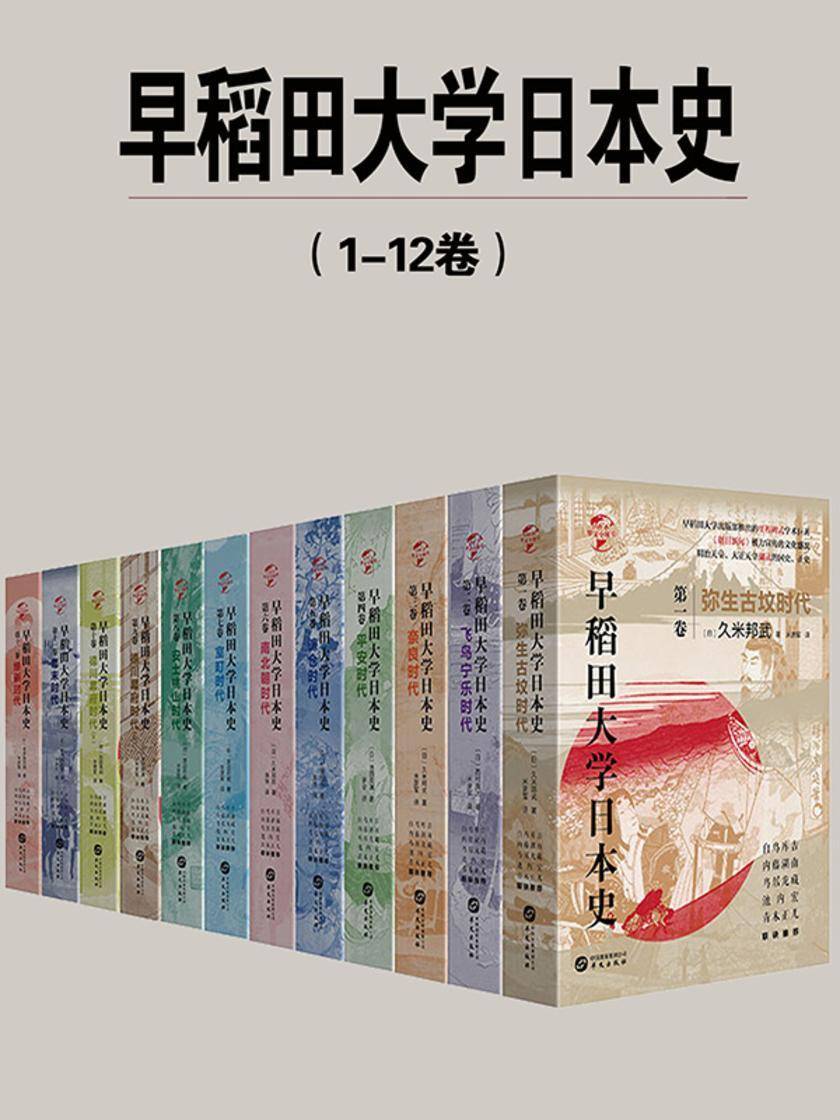
早稻田大学日本史(1-12卷)
¥999.99
《早稻田大学日本史(卷一):弥生古坟时代》从日本史前社会一直写到天武天皇在位时期。作者久米邦武教授旁征博引《古事记》《日本书纪》及中国史籍、正仓院珍藏的相关资料与明治时期日本史学界、欧洲史学界的研究成果,将日本史置于以中国史为中心的古代亚洲史中,详细阐述了日本的古代疆域、日本宗教和政治的起源、伊奘诺尊和伊奘冉尊循服八洲、朝鲜与闽地的上古时期、萤蝇之乱、日本的统一、高千穗宫时代、大倭肇国、大倭的缺史时代、大倭的第二次肇国、设置国县、倭国扩张版图、京师贵族倾轧、任那筑紫之变动、国教国政改革、天智帝中兴大业、天武天皇整顿朝纲等内容。久米邦武教授从人种学、人类文化学角度对日本人的起源、发展进行了考察,从实证角度对《古事记》《日本书纪》进行了解读,挖掘出不少史实,耐人寻味。 《早稻田大学日本史(卷二):飞鸟宁乐时代》内容简介更新:从时代的运转及其动力、佛教文化的浸润、佛教的起源及其传播、政体的改变、改造社会组织、飞鸟时代的文化现象、宁乐时代初期的社会状况、日本致力于建设成为佛教国家、宁乐时代艺术的内涵及外延、宁乐时代末期的堕落等角度讲述了飞鸟时代(公元592年至公元710年)和宁乐时代(公元710年至公元782年)的日本历史。 《早稻田大学日本史(卷三):奈良时代》以正仓院珍藏的*手资料、中国史籍及明治时期*新研究成果等为依据,从奈良迁都前的贵族僧侣,朝廷贵族的经济情况,修建平城,奈良时代*初的政治,奈良盛世,迁都和创立国分寺,东大寺大佛铸造,圣武天皇出家,惠美押胜擅权与伏诛,道镜擅权,光仁天皇整顿朝政等角度讲述了奈良时代(公元710年至公元794)年的历史。 《早稻田大学日本史(卷四):平安时代》池田晃渊教授的代表作品。池田晃渊教授详查正史,从浩如烟海的典籍中,将历史转折的关键节点串联成线,深度解析建造平安京、征服虾夷、药子之乱、应天门之变、将门纯友之乱、保元平治之乱等重大历史事件,*展现桓武天皇、菅原道真、藤原道长、后白河院、平清盛等身处权力漩涡中的人物。 《早稻田大学日本史(卷五):镰仓时代》讲述了镰仓幕府由兴起到衰亡的全过程。源赖朝是如何在镰仓开创幕府、建立武士政权的?为什么镰仓幕府是武家政治和公家政治对立的必然结果?日本为什么会出现实权归幕府、天皇成虚君的奇特历史现象?镰仓时代是如何从将军独裁政权转变为合议制政权的?御家人制度为什么会瓦解?本书将深入解读。 《早稻田大学日本史(卷六):南北朝时代》讲述了从花园天皇让位至后光严天皇即位南朝与北朝对峙复杂的历史过程。日本为何会出现两支皇统轮流执政的局面?两支皇统又怎样演变成四支皇统并*终造成南朝与北朝各自为政的事实的?权倾天下的北条家族是如何走向灭亡的?北条家族的灭亡与南北朝分立存在怎样的关系?倒幕大将足利尊氏为何与南朝天皇反目?南北朝分立为何会使日本六十六国陷入战火?南北两朝为何必然走向统一?本书将一一解答。 《早稻田大学日本史(卷七):室町时代》*、多层次、宽视角地讲述了1336年到1573年日本历史。足利氏是如何顺应天时、乘势而起的?在南朝与北朝合并的过程中,足利氏起到了哪些作用?足利义满执政时期,室町幕府是如何进入全盛时期的?从足利义持到足利义教,室町幕府为什么开始陷入统治危机?应仁之乱是如何导致室町幕府衰落的?为什么日本会进入群雄割据的时代?本书将一一解答。 《早稻田大学日本史(卷八):安土桃山时代》是日本历史上可歌可泣、大放异彩的时代,是群雄逐鹿、走向统一的时代,是奠定日本向现代转型基础的时代。安土时代与桃山时代关系密切,相辅相成。前者有所失,后者有所得。安土时代是探索、试错的时代,桃山时代是纠错、成功的时代。安土时代的活动舞台集中在畿内、东海、东山、山阴、山阳,桃山时代的活动舞台扩展到日本全国,远及朝鲜、中国、南洋群岛。也就是说,安土时代具有地方性特征,桃山时代具有国际性特征。政权是如何自上而下由将军向管领,由管领向家宰,由家宰向其亲信转移的?“下克上”现象的出现与日本乱世的形成存在怎样的关系?社会失序是如何打破“流动藩篱”,从而使英雄辈出的?织田信长与丰臣秀吉对日本从分裂走向统一、从衰落走向复兴起到了哪些作用?本书将详细解答。《早稻田大学日本史(卷九):德川幕府时代(上)》是研究德川幕府历史的重要文献,系统地讲述了德川家康、德川秀忠、德川家光、德川家纲四代将军执政时期的历史。既是德川幕府前期巩固统一的历史,也是进行制度设计、有序统治的历史。丰臣秀吉死后,日本政坛风云突变,德川家康是如何脱颖而出的?德川家康通过哪些方式获得大权,建立幕府统治的?德川家康、德川秀忠是如何奠定二百六十多年统治基础的?参勤交代和幕藩体制是如何确立的?德川幕府的财政问题是如何解决的?本书将一一解答。 《早稻田大学日本史(卷十):德川幕府时代(下)》是研究德川幕府历史的重要文献,系统地讲述了德川纲吉、德川吉宗、德川家重、德川家治、德川家齐等将军执政时期的历史。德川纲吉是如何处理幕府与大名之间关系的?从德川纲吉到德川家宣,日本对朝鲜的政策发生了哪些微妙的变化?从德川吉宗到德川家重,日本为什么兴起了王政复古论?德川家治执政时期,为什么出现了田沼意次专权的现象?德川家齐的经济政策是如何促使幕府统治走向鼎盛的?本书将一一解答。 ·······
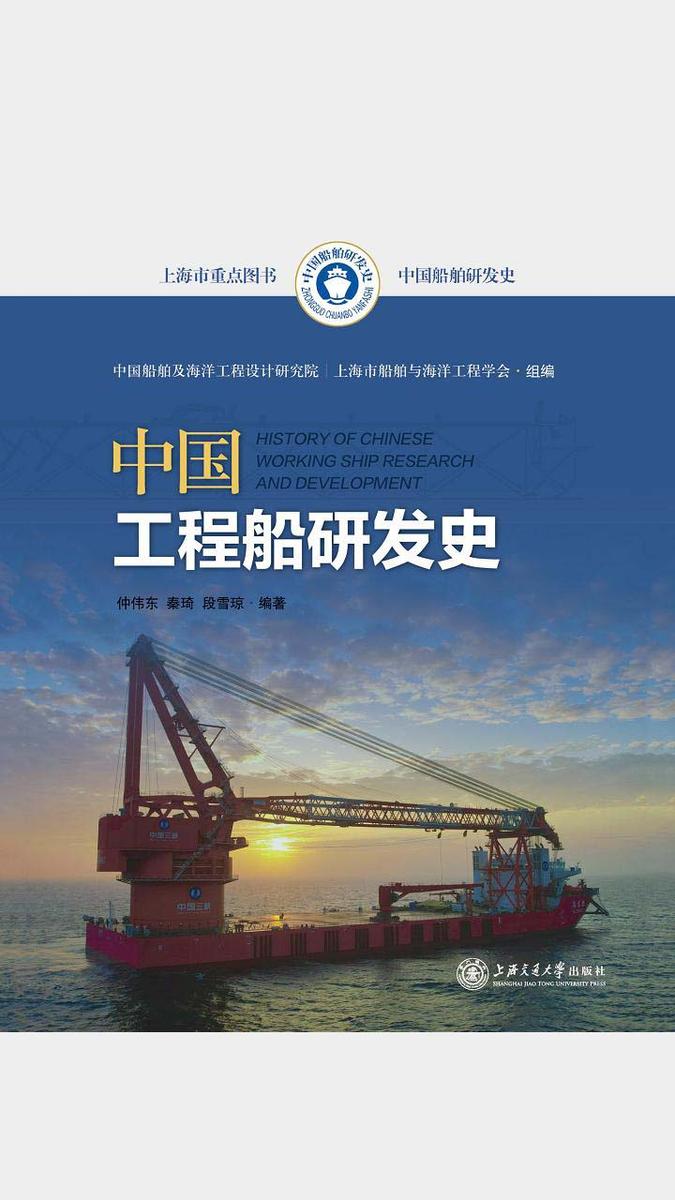
中国工程船研发史
¥99.80
本书是中国船舶研发史丛书之一。 工程船是专门用于各种水上、水下工程建设的船舶。本书从工程船定义、分类、关键设备、船型发展入手,重点介绍我国具有代表性的起重船、半潜运输船、铺管船、布缆船、潜水工程船、风机安装船等工程船的发展历程,展现新中国成立70年来我国工程船取得的成就,展现研制团队自力更生、艰苦奋斗、勇攀高峰、追求卓越的精神风貌,使读者从中受到启迪。
中国传统祭祀仪式的道德整合机制(精) 中华书局出品
¥34.80
书稿为国家社科基金项目中国传统祭祀仪式的道德整合机制研究(15BZX092)结项成果。作者梳理了中国传统祭祀仪式的基本形态,重点研究了中国传统祭祀仪式道德整合的社会基础,主要包括农耕生活、天人关系、宗族社会、礼乐文明和政治权力等五个方面;中国传统祭祀仪式道德整合的外部机制,主要包括祭司体系、仪式规范、情境熏染、榜样示范、重复固化等方面;中国传统祭祀仪式道德整合的内部机制,主要包括文化心理、思维统合、情感共鸣、价值整合、人格导向等方面。此外,对中国传统祭祀仪式道德整合机制做了调查,选取了具有代表性的三个重大祭祀仪式,即黄帝陵祭典仪式、中国抗战胜利纪念仪式、南京大屠杀死难者国家公祭仪式作为调查对象进行重点研究、分析。
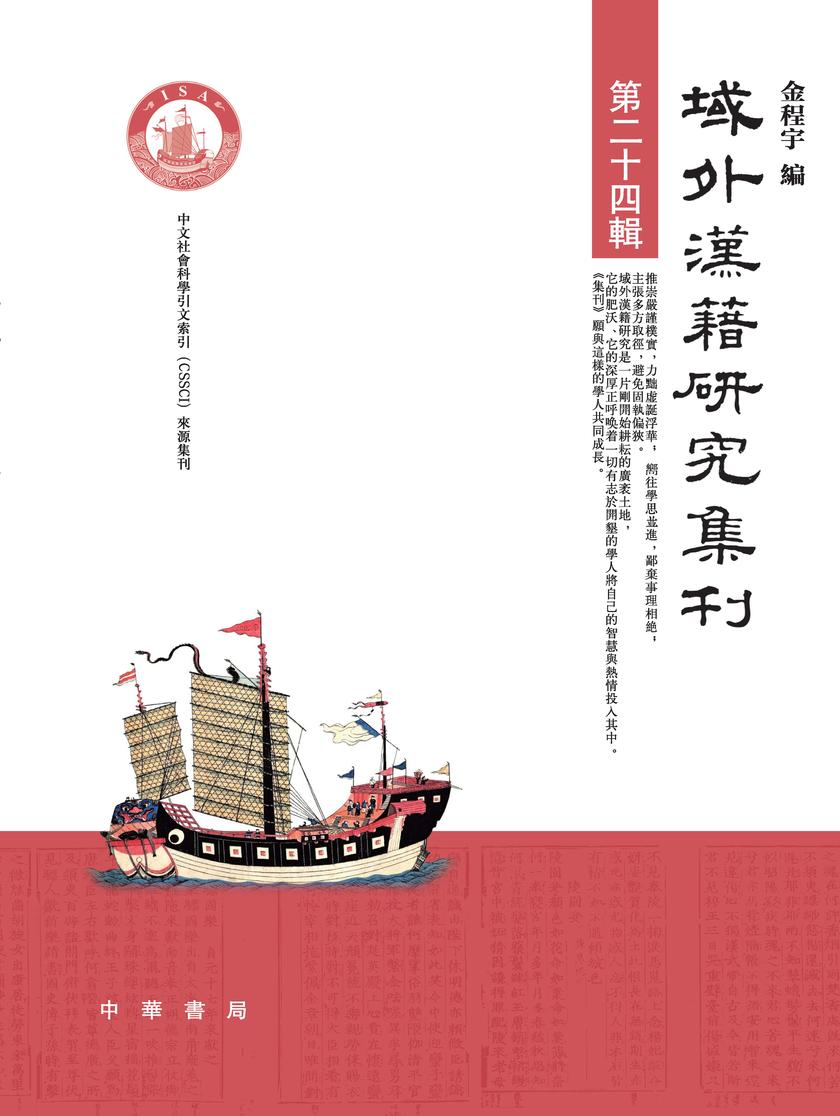
域外汉籍研究集刊(第二十四辑) 中华书局出品
¥76.80
《域外汉籍研究集刊》自2005年张伯伟教授创刊出版第1辑以来,一直秉持“推崇严谨朴实,力黜虚诞浮华;向往学思并,鄙弃事理相绝;主张多方取径,避免固执偏狭”的学术导向,内容主要为域外汉籍中有关语言、文学、历史、宗教、思想研究的学术论文及书评。本辑设有朝鲜—韩国汉籍研究、日本汉籍研究、域外古逸汉籍研究、汉籍交流研究等几个专题。其中朝鲜—韩国汉籍研究专题文章有《李植<俪文程选>的源与流》《科举制度视域下的高丽律赋考察》等,日本汉藉研究专题有《日本<罗陵王>汉文曲辞及其辞、乐关系考论》《新见日本经学家佐藤一斋词六首考述》等,域外古逸汉藉研究专题文章有《日藏中土佚失疑伪经<灌顶度星招魂断绝复连经>研考》《日藏神宫文库本<明文抄>所见<唐历>佚文》等,汉藉交流研究专题文章有《新发现的无逸克勤写经与明初对日外交的若干问题再考》《苏州江氏家族来舶清人考》等。
江苏供销合作社改革发展报告2020
¥26.00
【内容简介】 本年度调研报告介绍了2020年江苏省供销合作总社的主要工作、改革发展大事,材料取自2020年度完成的重点工作、重大项目(活动)、重要文件、调研报告、分析研究文章等,点面结合达成供销社在田野、在村庄、在社区的“全覆盖”效应,彰显报告的实用性、实操性。报告由大事要情、综述、主体、附录等构成,体现“年报”与“年鉴”*融合、主体与附录交相融合的特色;主体内容分全国性专项改革、农业社会化经营服务、农产品现代流通服务、绿色生态服务、基层组织建设、社有企业发展、财政扶持资金、系统自身建设、挑战与展望等部分。
历史唯物主义的空间化问题
¥22.66
本书是一部用历史唯物主义观专题研究20世纪下半叶以来西方社会及思想文化界“空间化转向”现象的哲学论著。在相当一段时间内,历史唯物主义与空间是互不相干的:当人们讨论空间问题时,社会历史是在视野之外的;而在人们思考历史问题时,空间又消失了。这就需要我们首先从空间观与历史观彻底统一的角度,把空间问题提升为“空间化”问题。一方面把空间动态化地理解为历史发生的前提与结果,另一方面把历史具体化地理解为具有持存性、共存性形态的社会空间关系存在。其次,把空间化问题从一个哲学范畴与社会理论问题提升为历史唯物主义的当代特征与核心课题。 本书首先从讨论历史唯物主义视野中的空间化概念问题手,而从空间化视野把握当代人类社会特别是资本主义全球化、城市化与国家的“再区域化”发展的趋势与特征等问题。着重探讨历史唯物主义的空间化理论来源与基础问题,并专题性与个案性地研究西方马克思主义的空间化理论。后集中讨论空间化视野中的现实哲学问题,包括城市哲学问题与中国道路的空间化历史与逻辑等问题。

道德情感现象学———透过儒学哲学的阐明
¥26.00
以马克斯·舍勒与儒家尤其是心学的相关描述为中心,本研究澄清了我们个人与人格间的体验,旨在促对情感、价值与德性深而全面的理解。本书细致地分析了关键道德情感(如同情-爱、羞恶、恭敬、信任)以及它们与儒家核心价值德性(如仁、义、礼、信)的关联。心的秩序被展示为情感秩序,而非逻辑或理性秩序。基于对“心有其理”之具体内容的阐发,本书希望推道德认知与道德实践,并推动现象学、中国哲学、跨文化诠释学、心理学等领域的研究与发展。

道路交通事故认定分析
¥19.33
【内容简介】 在道路交通事故处理实践中,交通事故责任认定标准、认定程序、认定结论等时常被当事人质疑,可以说,交通事故责任认定是道路交通事故处理实务中*为复杂、*为疑难。《道路交通事故责任认定》一书以道路交通事故认定的性质为切入点,着重就道路交通事故认定的定性、道路交通事故事实认定、道路交通事故成因分析、当事人责任认定规则的地方实践、道路交通事故当事人责任认定理论、道路交通事故认定程序以及道路交通事故认定救济等道路交通事故责任认定的主要问题进行了探讨。
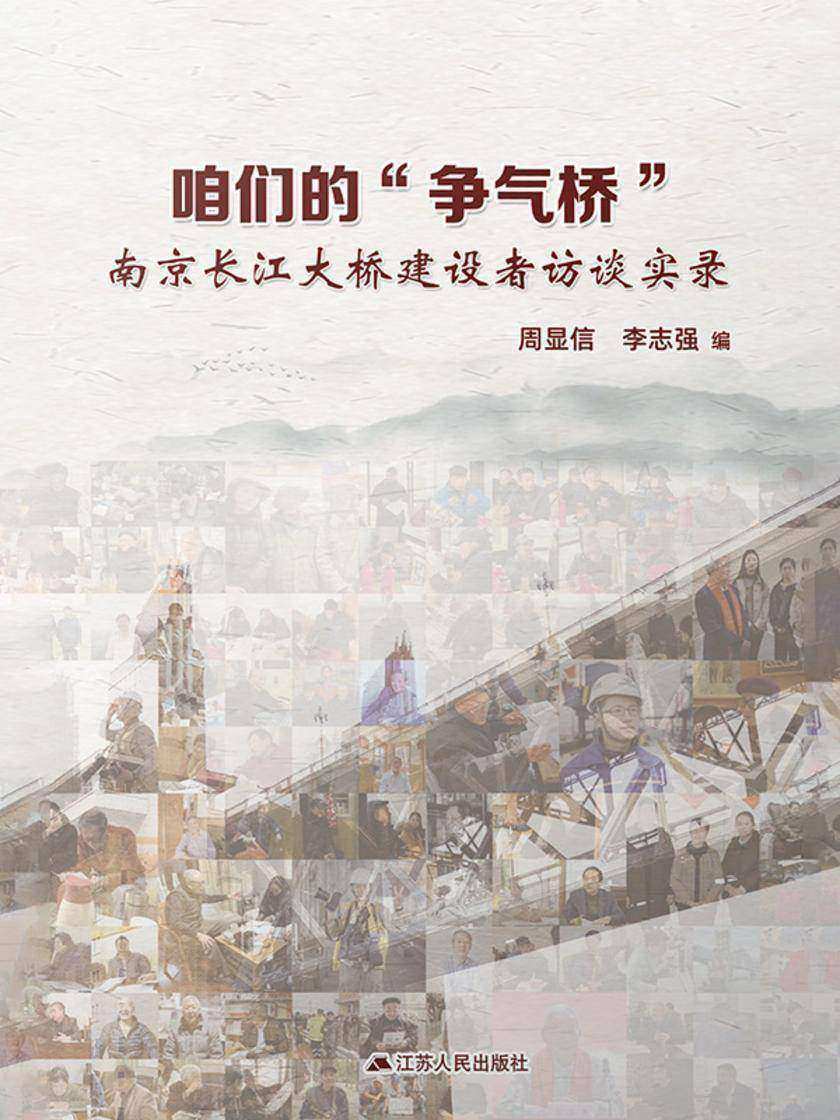
咱们的 “争气桥” ———南京长江大桥建造者访谈实录
¥32.66
【内容简介】 20世纪70年代,南京长江大桥被周恩来总理誉为“新中国的两大奇迹之一”。它不仅是一个国家地标,更是一座精神丰碑。本书主要记录了近60位南京长江大桥建造者的采访实录,受访者既有设计桥头堡的老院士、总工程师的子女,也有大桥建设*基层的铆工、钳工。本书以口述史的方式将那段大桥建设的峥嵘岁月用“大桥系列故事”的形式呈现出来,汇聚了新时代青年人与老一辈大桥人的心灵碰撞与文化共鸣,旨在记录那段光荣历史,记住那些动人回忆,留下令人振奋的“大桥精神”。
今天怎样教写作
¥19.33
本书贴近前沿,植根实际;走教材,让教有凭借;看准方向,让教有目标;琢磨教学,让教有实效;引导再写,让教有成长。 针对今天怎么教写作的理论与实践问题,作者行了谈心式的短章分享、新概念的长篇辨识、教与考发展的历史留痕、境外国外写作资料的荟萃举隅, 希望能够助力广大教师在写作教学上迈向有序有效的理想台阶。
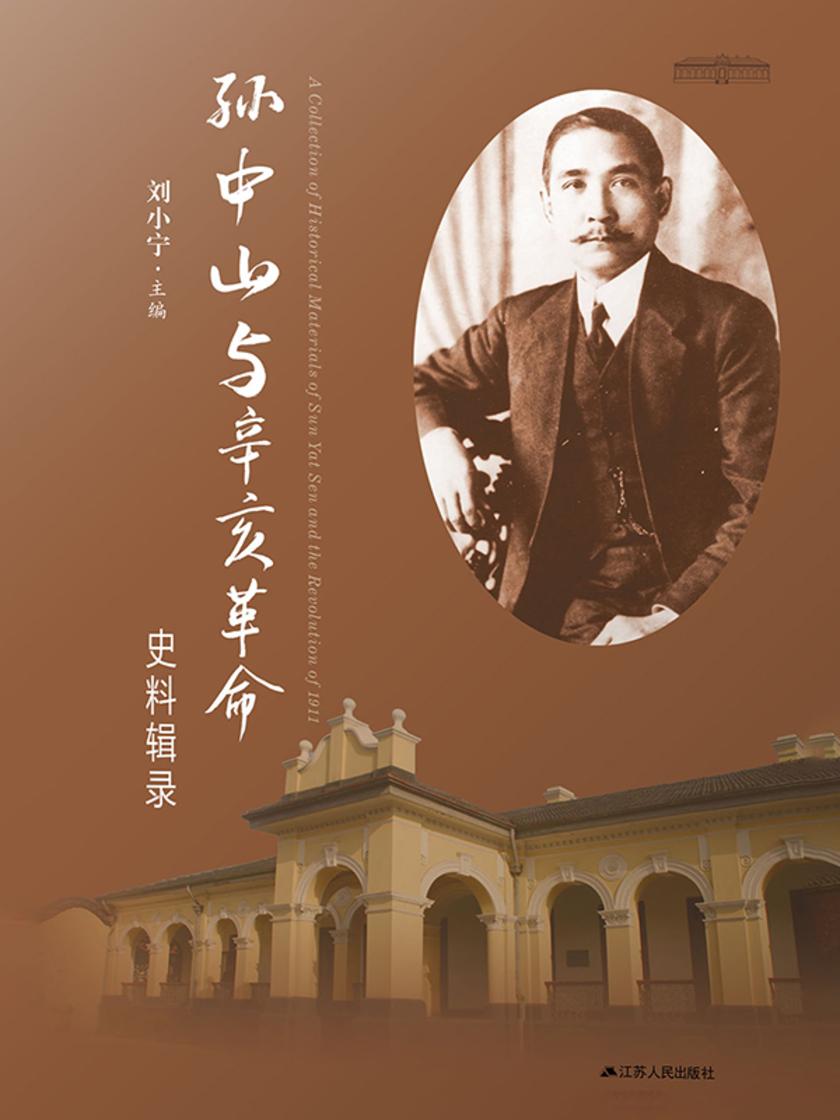
孙中山与辛亥革命史料辑录
¥26.00
《孙中山与辛亥革命史料辑录》以编年体辅以纪事本末体的形式,收历史照片及档案、实物、报道等,主要来源于档案馆、图书馆、博物馆等部门,分20个章节。内容主要包括武昌首义、南京鏖兵、共和黎明、设总统府、除旧布新、南北议和、清帝退位等,全景展示辛亥武装起义,各地光复,孙中山肇建共和制国家政权、厉行社会变革、立志实业救国等的全过程,具有较高的研究、应用、收藏价值。
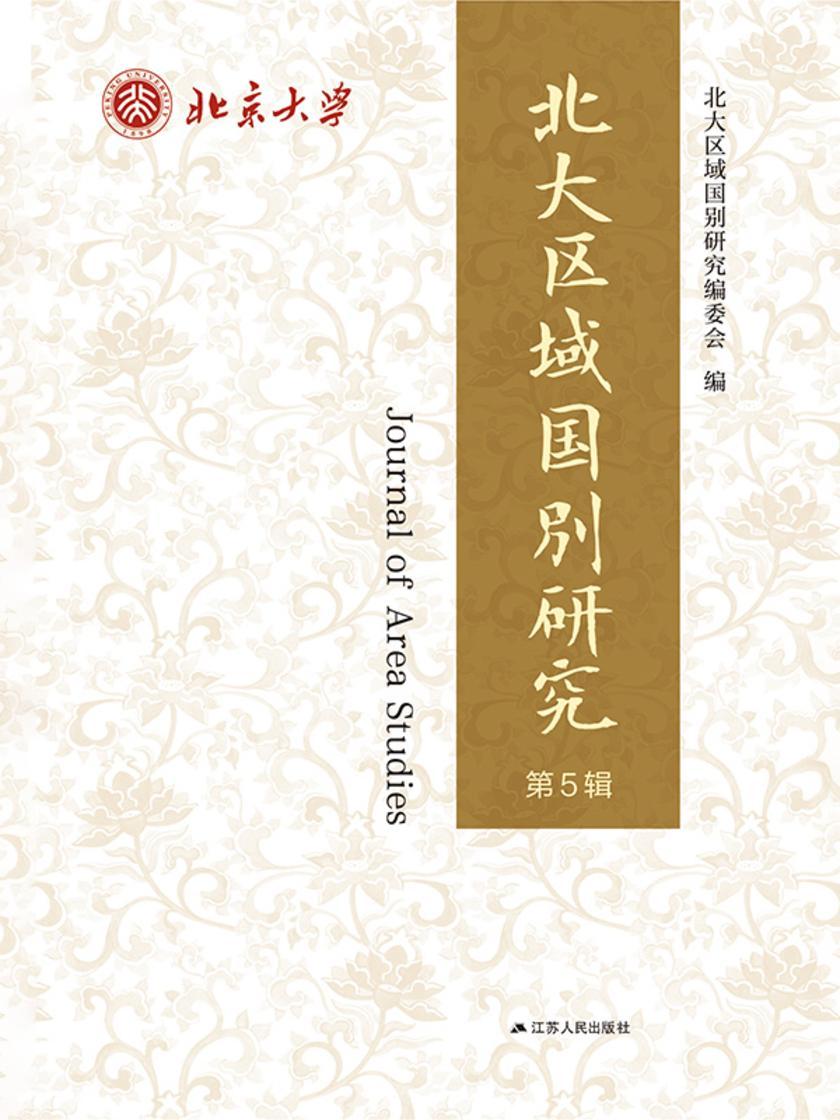
北大区域国别研究 第5辑
¥22.66
本书由北京大学区域与国别研究院组织编写,为国内区域与国别研究的学术步提供助力。本书意在提供一个跨学科的平台,让不同背景的学者在这个平台上演绎研究的成果;以基础研究为思想导向,面向世界重国家、重地区的人文、社会知识及经济、科学技术发展展基础性、前瞻性的跨学科研究。推动形成中国特色、北大优势的区域与国别研究范式,为我国的区域与国别研究及国际学术交流与发展贡献力量。 第5辑分设“高校智库专题”“主题论文”“学科建设笔谈”“燕南66青年视”“学术活动”“书评”6个版块。其主题涉及高校智库的定位与发展、区域国别学科的建设与未来,指出高校智库应保持自己的学术特色,加强对外交流,并推动区域国别学成为一级学科;还有涉及美国外交的理论与现实的《现实主义、地理政治和大战略研究》(吴征宇)、《理想和现实之间:美国外交实践的折中主义》(王玮)、《自由国际主义对后冷战时代美国外交政策的影响:以国际关系理论为例》(周桂银),以及《在中国体验东南亚研究:一次逆向文化冲》(谢侃侃)等主题论文、书评等,共20篇文章。本书所选文章资料扎实,观独到,逻辑清晰,体现了国内学者在该领域的研究成果。
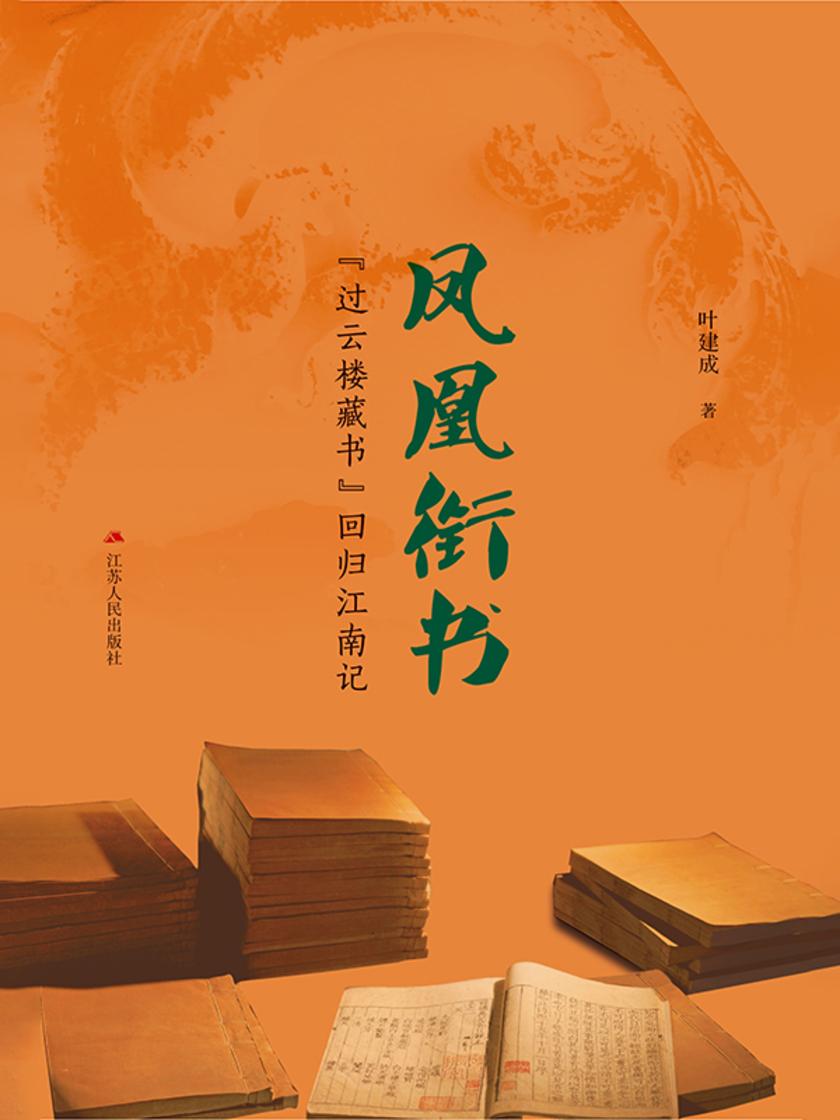
凤凰衔书——“过云楼藏书”回归江南记
¥62.66
过云楼,是一座位于江苏省苏州市、至今已有160多年历史的顾氏私家藏书楼,以藏有大量宋元佳椠、名抄秘本、书画古玩而声名远播,时有“江南收藏甲天下,过云楼收藏甲江南”的美誉。1949年以后,顾氏后人多次将珍藏的大批古籍善本、名人字画、青铜器、瓷器等捐献给国家,现多收藏于故宫博物院、上海博物馆、苏州博物馆、南京图书馆等。 2012年6月,凤凰出版传媒集团以2.16亿元人民币“天价”,成功竞得一批以现存部头宋刻孤本《锦绣万花谷》领衔的“过云楼藏书”,创下中华古籍拍卖价格的世界纪录,继而又因“优先权”之争,引发了一起轰动全国的“‘过云楼藏书’公共文化事件”。本书作者叶建成先生作为当事人亲历了整个过程。他以亲历者的视角,以图文并茂的日记形式,分“惊世一拍”“凤凰衔书”“显赫前世”三个篇章,讲述过云楼的百年文化传奇,将“过云楼”的前世今生娓娓道来。


