


 购物车
购物车 个人中心
个人中心

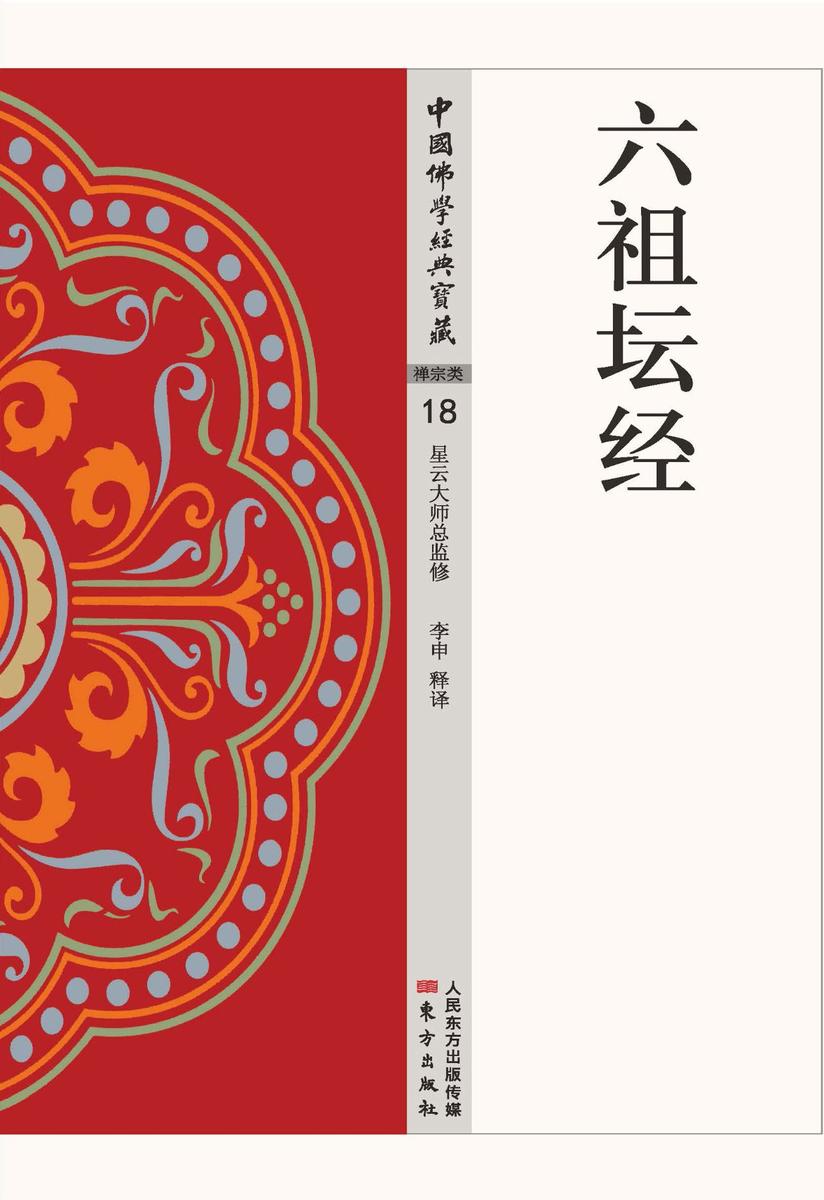
六祖坛经
¥18.00
《六祖坛经》亦称《坛经》、《六祖大师法宝坛经》,全称《南宗顿教*上大乘摩诃般若波罗蜜经六祖惠能大师于韶州大梵寺施法坛经》,是佛教禅宗六祖惠能说、弟子法海集录的一部经典。作为一部中国僧人撰着、且被冠以“经”的佛教典籍,其*核心的思想是在教人如何才能成就佛道,其*的特则是把一切归结于自心自性。本书选用的是李申的敦煌坛经合校本。
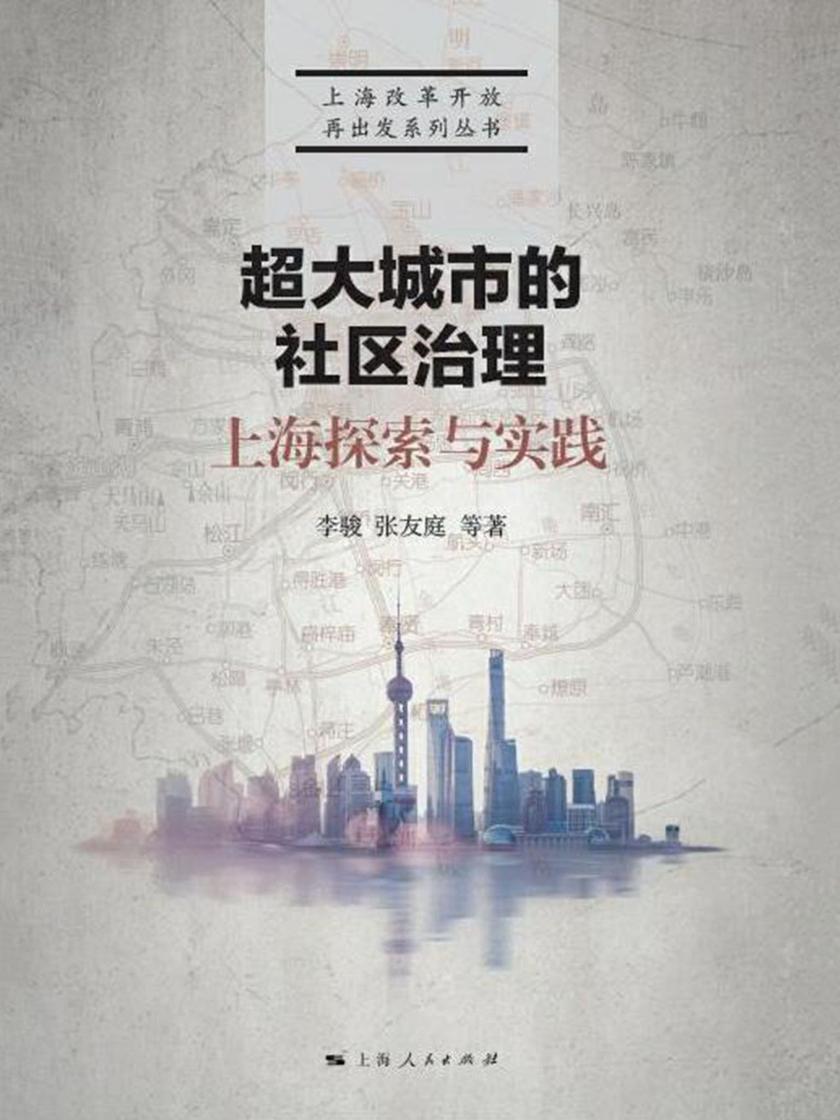
超大城市的社区治理:上海探索与实践
¥29.99
本书系统梳理、全面概括改革放40年尤其是近10年来,上海在社区治理领域所取得的经验与成就。*章为绪论,是本书的总体纲要。余下七章分为两大部分,共同勾勒出上海社区治理的主要面向。*部分是社区体制改革研究,包括街道体制改革、镇管社区体制改革两章。第二部分是社区治理专题研究,包括社区党建、居委会与居民自治、业委会与物业管理、社区社会组织、社区工作者五章。本书稿文字质量较好,学术规范,所引用的资料数据较为翔实,是一本具有较强借鉴意义的政府指导性著作。
释迦牟尼佛传
¥18.00
本书叙述了佛陀自住世至涅槃生命的全过程。包括佛陀住世时的印度社会,佛陀的家世,佛陀出家和修行的经过,佛陀的传法和教团的成立,佛陀在世时所得的尊荣,佛陀的涅槃,等等。
星云禅话
¥18.00
《星云禅话》系为佛光山山宗长星云大师应各方对于禅的需渴反应,将刊载于报纸的“星云禅话”编集成书。该书从已出版的禅话一至四集,精心选辑了一百三十二则公案,希望透过生活性、人间性的“禅话”,为忙碌、紧张的今日社会,投下一剂清凉散。
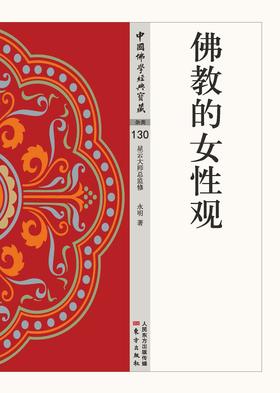
佛教的女性观
¥18.00
本书主要是透过经典中记载的佛陀的平等思想、教育方法,客观探讨佛教的女性观。 其重有四: 一、佛教兴起时代的印度社会和女性:主要以印度低落的女性地位和不平等的四姓差别制度为背景,一一说明佛陀的众生平等观,从而奠定佛教的男女平等思想。 二、原始佛教时代的女性观:由原始经典中一再出现的母亲、妻子、媳妇、女人四种形象,分别说明佛陀对女性的教化,以及佛教对在家女性理想典范的树立,而从生活伦理中显示男女的平等性。 三、小乘佛教时代的女性观:对女人五障说、佛的三十二相和女人不能成佛说等思想做一全面深的探讨,以澄清佛陀的平等真义。 四、大乘佛教时代的女性观:由诸多经典中示现的女性成佛观、师子吼乃至大乘菩萨与女性的关系,显现佛教对女权的倡导和发展,以及女性的智慧和慈悲的特质。
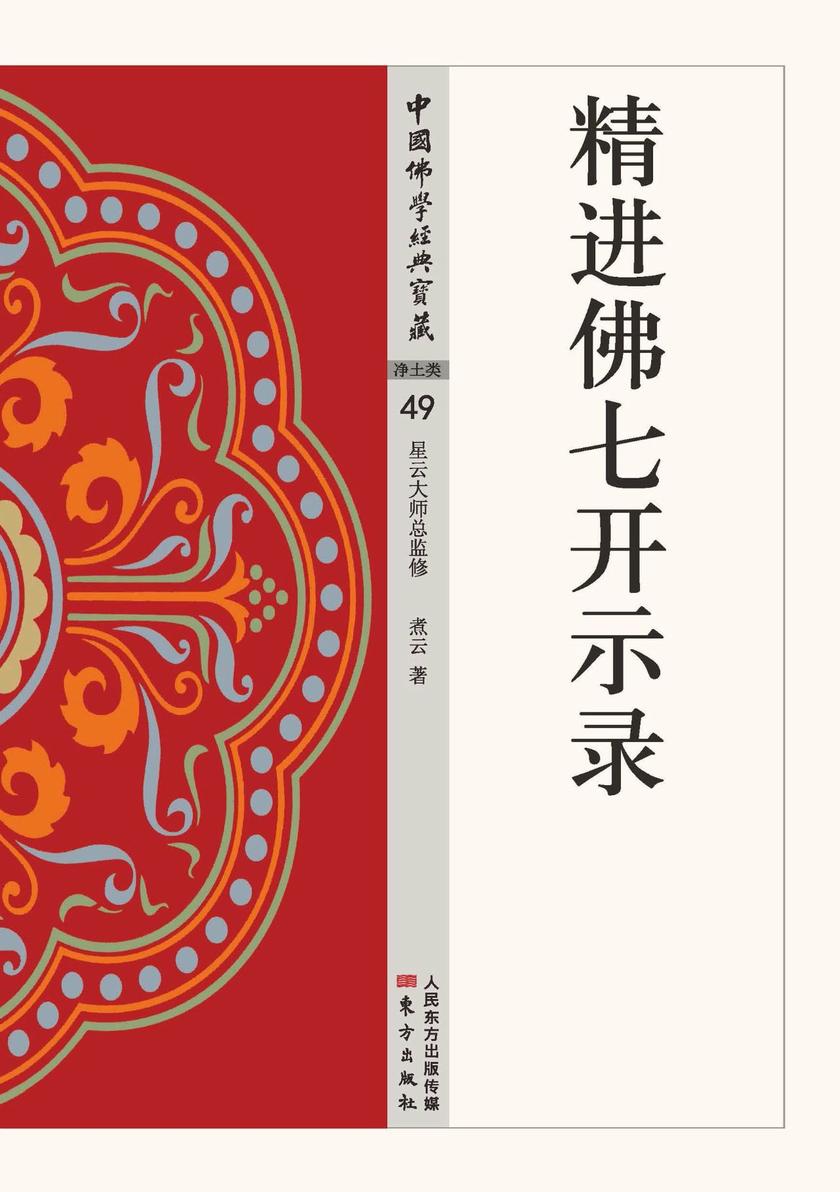
精进佛七开示录
¥18.00
煮云法师关于佛七的示,近代念佛的实录,记载佛七中的各种事迹,可作为研究近代念佛法门演变的材料。
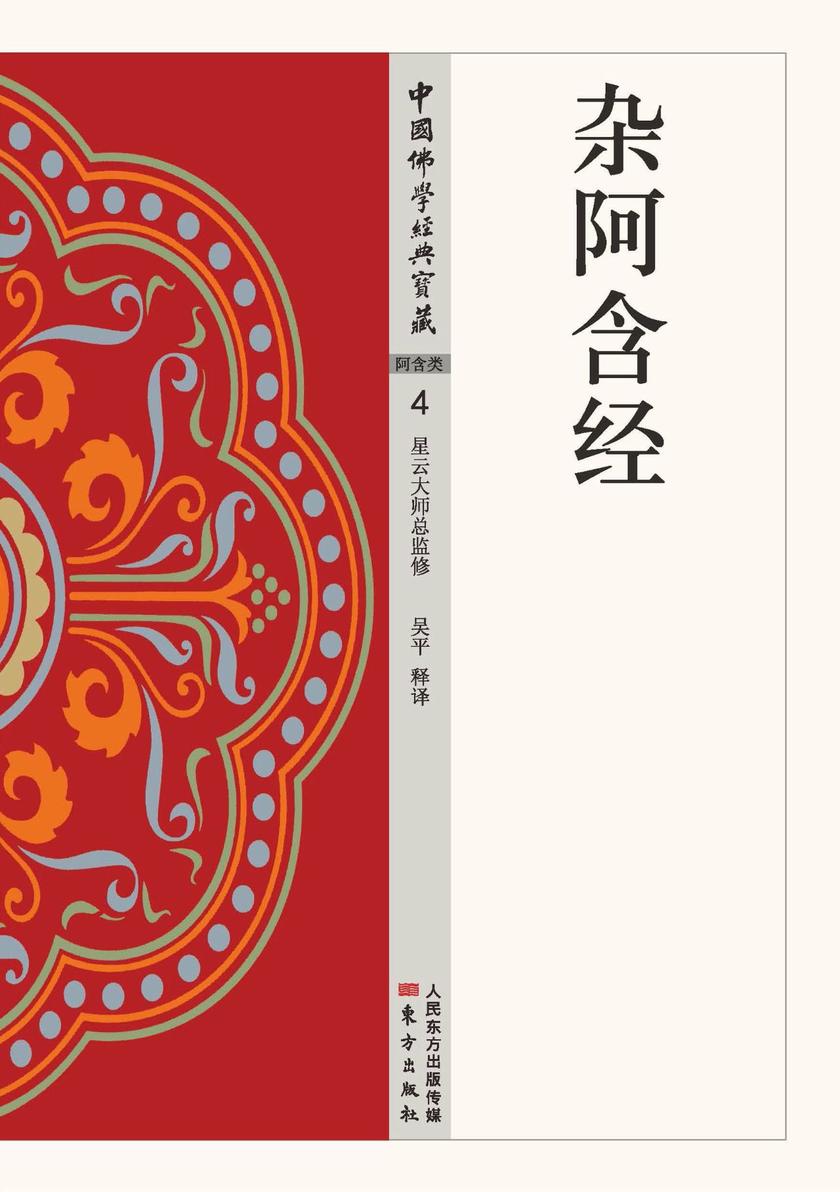
杂阿含经
¥18.00
《杂阿含经》是以言行录的体裁,记述佛陀和他的弟子们的修行与弘法活动。经中揭示了佛教的基本教义,如缘起、十二因缘、三法印、四圣谛、八正道、四念处等,故被称为“佛教圣典”。由于《杂阿含经》不重玄理、义解,重视的是修行实践,因而诵读此经,有助于现代人修行佛法。
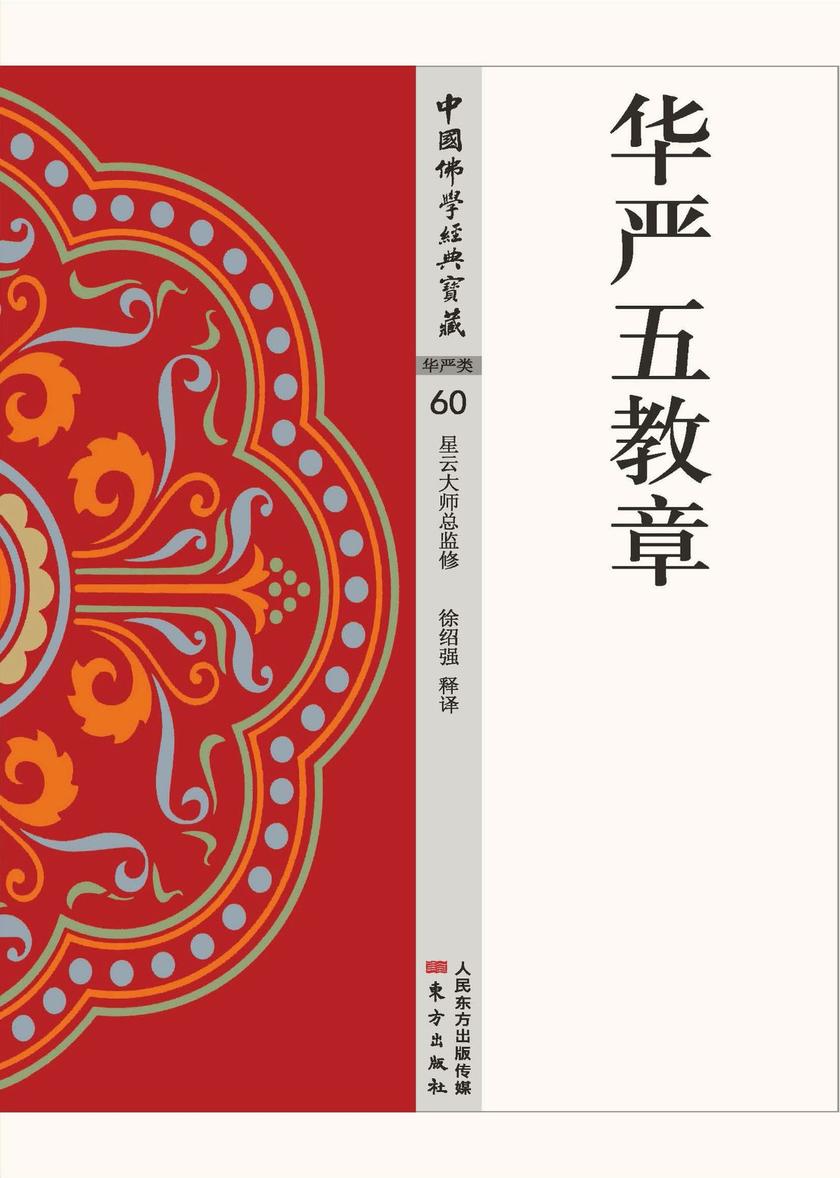
华严五教章
¥18.00
《华严五教章》是华严宗创始人法藏宗立教的论著,内容丰富,思辨性极高,是华严宗哲学思想的著名代表作。此书体系完备,是研究华严学的门及书,也可说是佛教概论书。
华严金师子章
¥18.00
《华严金师子章》乃唐代佛教华严宗三祖法藏贤首大师为武则天讲解《华严经》的“十重玄门”、“六相圆融”等教义时,为了使其能够理解空与色、心与境之间的种种关系,法藏大师以殿前的金狮子为譬喻,故有了《华严金师子章》。《华严金师子章》是由法藏大师为武则天讲解《华严经》的记录稿整理而成,此文虽短,但却集中简要地概括了佛教的核心思想。《华严金师子章》在论述真理的方式上简单通俗,层次分明,但又细致微,理精髓。浓缩了《华严经》的思想精华,涵盖了佛教的核心思想。此经不仅可以使学佛者了解佛教的真实义理,而且为学佛者获得究竟的圆满和解脱,指明了道路和方向。
胜鬘经
¥18.00
《胜鬘经》弘传于南北朝,备受教内教外的重视。本经为大乘如来藏系经典中代表作之一。内容叙述胜?N夫人对释尊立十大誓愿、三大愿,并自说大乘一乘法门,阐释圣谛、法身、如来藏等。 经中认为三乘之教归于大乘之一乘,得一乘即得如来法身。众生虽被烦恼所缠,然其本性清净无垢,与如来同等,故皆具有如来之性(佛性、如来藏)。且以如来藏为基础,即使在生死轮回之世界,亦有获得涅槃之可能。本经之一乘思想,即是承继法华经者,而成为大乘佛教之重所在。又本经之特色乃在以在家妇人说法,故与维摩居士所说之“维摩经”,并为大乘佛教在家佛教之代表作。 全书共分十五章,包括如来真实功德、十受、三愿、摄受、一乘、无边圣谛、如来藏、法身、空义隐覆真实、一谛、一依、颠倒真实、自性清净、真子、胜?N等。
文化的江山04:中国轴心期
¥32.99
公元前500—前200年,文化中国的诸子时代,确立了中国人生活和思考的轴心。春秋的诸侯和家臣都不重要,主角是“素王”孔子,然而孔子的“礼”在战国刚刚到来时就饱受挫折,兵家、纵横家以用计取代礼,其后有变法,西河之学与稷下之学交相辉映,启了热闹的诸子时代。孟子、庄子、老子、墨子互相辩驳,他们创造的思想观念,至今流淌在中国人的血液中。这个时代终结于“儒家圣化”和“儒门王圣运动”,终局也就是荀子的门徒韩非子的帝王学。 ------------- 《文化的江山》系列共3辑12册,中信出版集团·见识城邦出品: 第—辑:文化中国的起源 文化的江山01:文化中国的来源 文化的江山02:王朝中国的确立 文化的江山03:中国风雅颂 文化的江山04:中国轴心期 第二辑:走出王朝的中国史 文化的江山05:走向世界历史的国度 文化的江山06:通往文艺复兴的岁月 文化的江山07:追求思想共和的时代 文化的江山08:近代化与中国大航海 第三辑:告别晚清的近代史 文化的江山09:世界近代史的中国影响 文化的江山10:被西洋与东洋夹的天下 文化的江山11:告别晚清的中国近代史 文化的江山12:文化中国里的新文化运动
格差社会(岩波新书精选02)研究贫富分化的经典之作,直指现代社会之痛。
¥22.99
父母的职业决定子女的职业,父母的收决定子女的收,父母的阶层决定子女的阶层,寒门再难出贵子?私立学校贵族化,公立学校精英化;职业教育缺失,大学生毕业即失业;年轻人没有存款,养老金杯水车薪;人人平等的机会被剥夺——教育、就业等各个方面的不平等与阶层差距都在扩大。 日本经济学会会长,用翔实的数据揭示了一直不受重视的年轻人失业、女性贫困、老年人无依无靠等格差社会的严峻状况,并提出解决之道。作者不拘于经济学家的立场,以人文主义的关怀,试图为弱势群体发声。
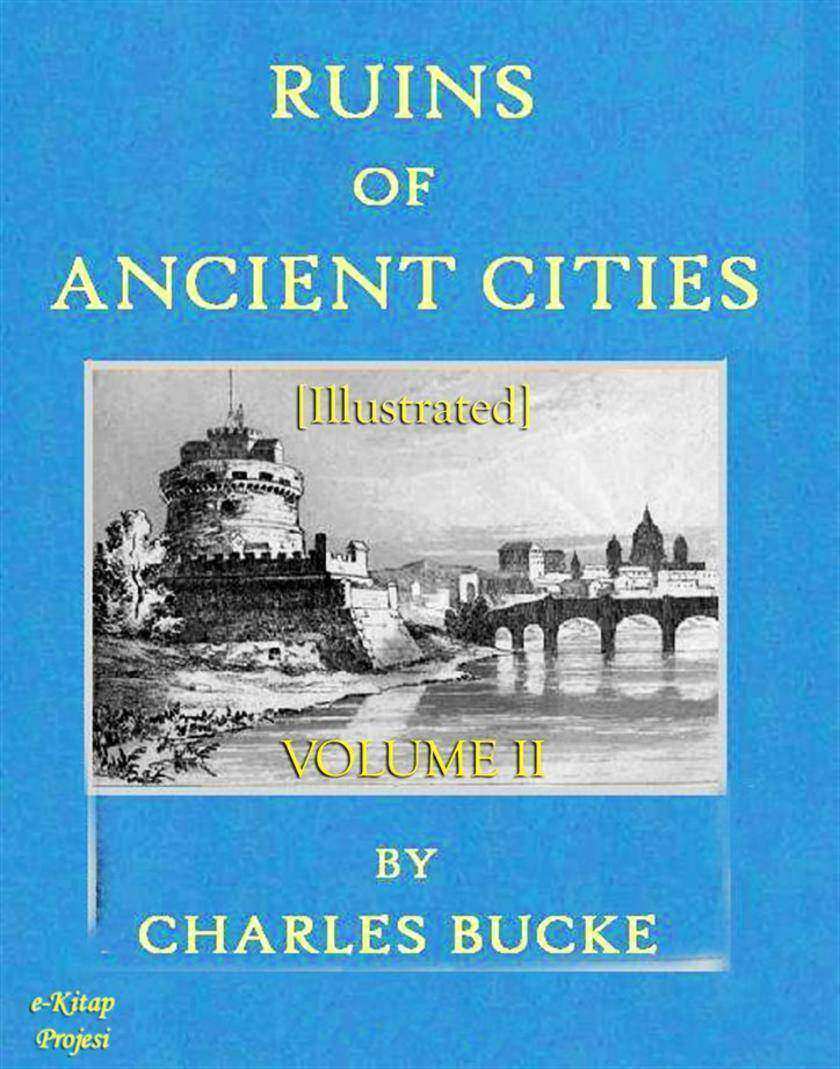
Ruins of Ancient Cities: (Volume -II)
¥28.61
More’s “Utopia” was written in Latin, and is in two parts, of which the second, describing the place ([Greek text]—or Nusquama, as he called it sometimes in his letters—“Nowhere”), was probably written towards the close of 1515; the first part, introductory, early in 1516. The book was first printed at Louvain, late in 1516, under the editorship of Erasmus, Peter Giles, and other of More’s friends in Flanders. It was then revised by More, and printed by Frobenius at Basle in November, 1518. It was reprinted at Paris and Vienna, but was not printed in England during More’s lifetime. Its first publication in this country was in the English translation, made in Edward’s VI.’s reign (1551) by Ralph Robinson. It was translated with more literary skill by Gilbert Burnet, in 1684, soon after he had conducted the defence of his friend Lord William Russell, attended his execution, vindicated his memory, and been spitefully deprived by James II. of his lectureship at St. Clement’s. Burnet was drawn to the translation of “Utopia” by the same sense of unreason in high places that caused More to write the book. Burnet’s is the translation given in this volume. The name of the book has given an adjective to our language—we call an impracticable scheme Utopian. Yet, under the veil of a playful fiction, the talk is intensely earnest, and abounds in practical suggestion. It is the work of a scholarly and witty Englishman, who attacks in his own way the chief political and social evils of his time. Beginning with fact, More tells how he was sent into Flanders with Cuthbert Tunstal, “whom the king’s majesty of late, to the great rejoicing of all men, did prefer to the office of Master of the Rolls;” how the commissioners of Charles met them at Bruges, and presently returned to Brussels for instructions; and how More then went to Antwerp, where he found a pleasure in the society of Peter Giles which soothed his desire to see again his wife and children, from whom he had been four months away. Then fact slides into fiction with the finding of Raphael Hythloday (whose name, made of two Greek words [Greek text] and [Greek text], means “knowing in trifles”), a man who had been with Amerigo Vespucci in the three last of the voyages to the new world lately discovered, of which the account had been first printed in 1507, only nine years before Utopia was written. Designedly fantastic in suggestion of details, “Utopia” is the work of a scholar who had read Plato’s “Republic,” and had his fancy quickened after reading Plutarch’s account of Spartan life under Lycurgus. Beneath the veil of an ideal communism, into which there has been worked some witty extravagance, there lies a noble English argument. Sometimes More puts the case as of France when he means England. Sometimes there is ironical praise of the good faith of Christian kings, saving the book from censure as a political attack on the policy of Henry VIII. Erasmus wrote to a friend in 1517 that he should send for More’s “Utopia,” if he had not read it, and “wished to see the true source of all political evils.” And to More Erasmus wrote of his book, “A burgomaster of Antwerp is so pleased with it that he knows it all by heart.” Sir Thomas More, son of Sir John More, a justice of the King’s Bench, was born in 1478, in Milk Street, in the city of London. After his earlier education at St. Anthony’s School, in Threadneedle Street, he was placed, as a boy, in the household of Cardinal John Morton, Archbishop of Canterbury and Lord Chancellor. It was not unusual for persons of wealth or influence and sons of good families to be so established together in a relation of patron and client. The youth wore his patron’s livery, and added to his state. The patron used, afterwards, his wealth or influence in helping his young client forward in the world.
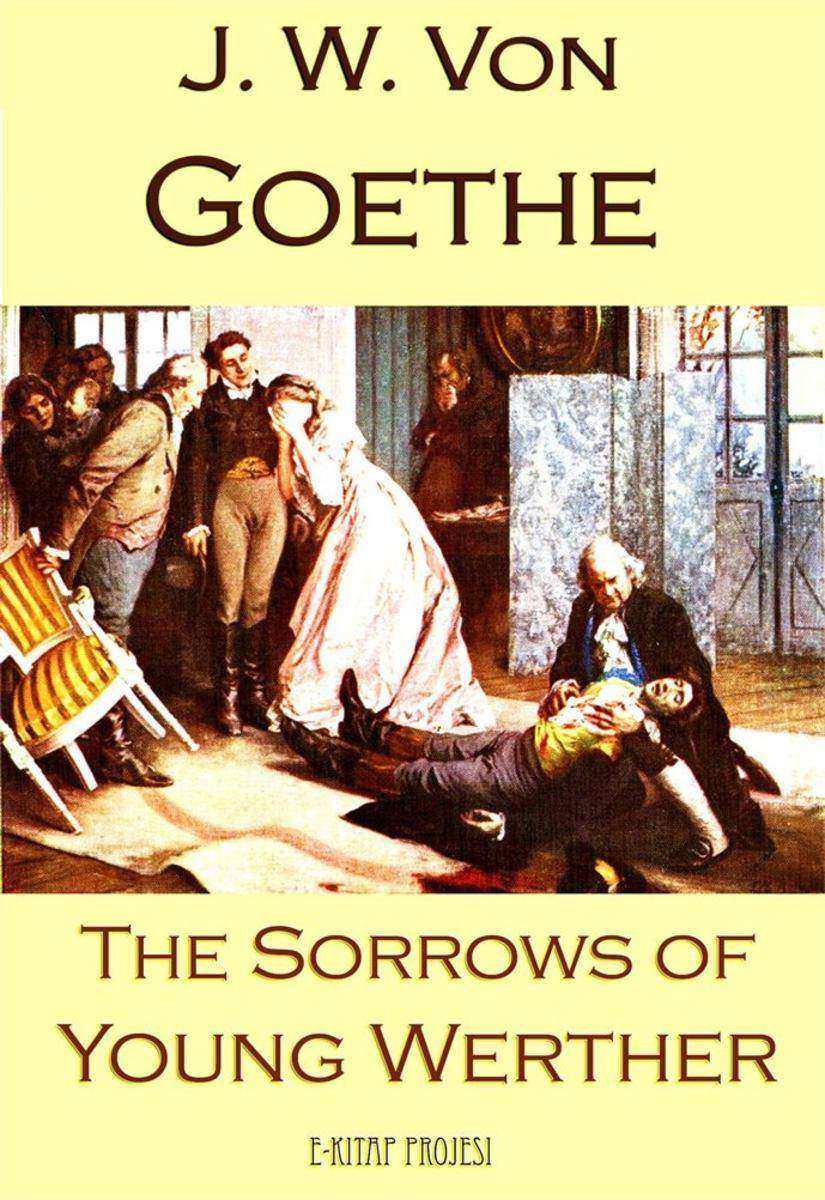
The Sorrows of Young Werther
¥18.74
Among the notable books of later times-we may say, without exaggeration, of all time--must be reckoned The Confessions of Jean Jacques Rousseau. It deals with leading personages and transactions of a momentous epoch, when absolutism and feudalism were rallying for their last struggle against the modern spirit, chiefly represented by Voltaire, the Encyclopedists, and Rousseau himself--a struggle to which, after many fierce intestine quarrels and sanguinary wars throughout Europe and America, has succeeded the prevalence of those more tolerant and rational principles by which the statesmen of our own day are actuated. On these matters, however, it is not our province to enlarge; nor is it necessary to furnish any detailed account of our author's political, religious, and philosophic axioms and systems, his paradoxes and his errors in logic: these have been so long and so exhaustively disputed over by contending factions that little is left for even the most assiduous gleaner in the field. The inquirer will find, in Mr. John Money's excellent work, the opinions of Rousseau reviewed succinctly and impartially. The 'Contrat Social', the 'Lattres Ecrites de la Montagne', and other treatises that once aroused fierce controversy, may therefore be left in the repose to which they have long been consigned, so far as the mass of mankind is concerned, though they must always form part of the library of the politician and the historian. One prefers to turn to the man Rousseau as he paints himself in the remarkable work before us. That the task which he undertook in offering to show himself--as Persius puts it--'Intus et in cute', to posterity, exceeded his powers, is a trite criticism; like all human enterprises, his purpose was only imperfectly fulfilled; but this circumstance in no way lessens the attractive qualities of his book, not only for the student of history or psychology, but for the intelligent man of the world. Its startling frankness gives it a peculiar interest wanting in most other autobiographies. Many censors have elected to sit in judgment on the failings of this strangely constituted being, and some have pronounced upon him very severe sentences. Let it be said once for all that his faults and mistakes were generally due to causes over which he had but little control, such as a defective education, a too acute sensitiveness, which engendered suspicion of his fellows, irresolution, an overstrained sense of honour and independence, and an obstinate refusal to take advice from those who really wished to befriend him; nor should it be forgotten that he was afflicted during the greater part of his life with an incurable disease. Lord Byron had a soul near akin to Rousseau's, whose writings naturally made a deep impression on the poet's mind, and probably had an influence on his conduct and modes of thought: In some stanzas of 'Childe Harold' this sympathy is expressed with truth and power; especially is the weakness of the Swiss philosopher's character summed up in the following admirable lines: "Here the self-torturing sophist, wild Rousseau, The apostle of affliction, he who threw Enchantment over passion, and from woe Wrung overwhelming eloquence, first drew The breath which made him wretched; yet he knew How to make madness beautiful, and cast O'er erring deeds and thoughts a heavenly hue Of words, like sunbeams, dazzling as they passed The eyes, which o'er them shed tears feelingly and fast. "His life was one long war with self-sought foes, Or friends by him self-banished; for his mind Had grown Suspicion's sanctuary, and chose, For its own cruel sacrifice, the kind, 'Gainst whom he raged with fury strange and blind. But he was frenzied,-wherefore, who may know? Since cause might be which skill could never find; But he was frenzied by disease or woe To that worst pitch of all, which wears a reasoning show."
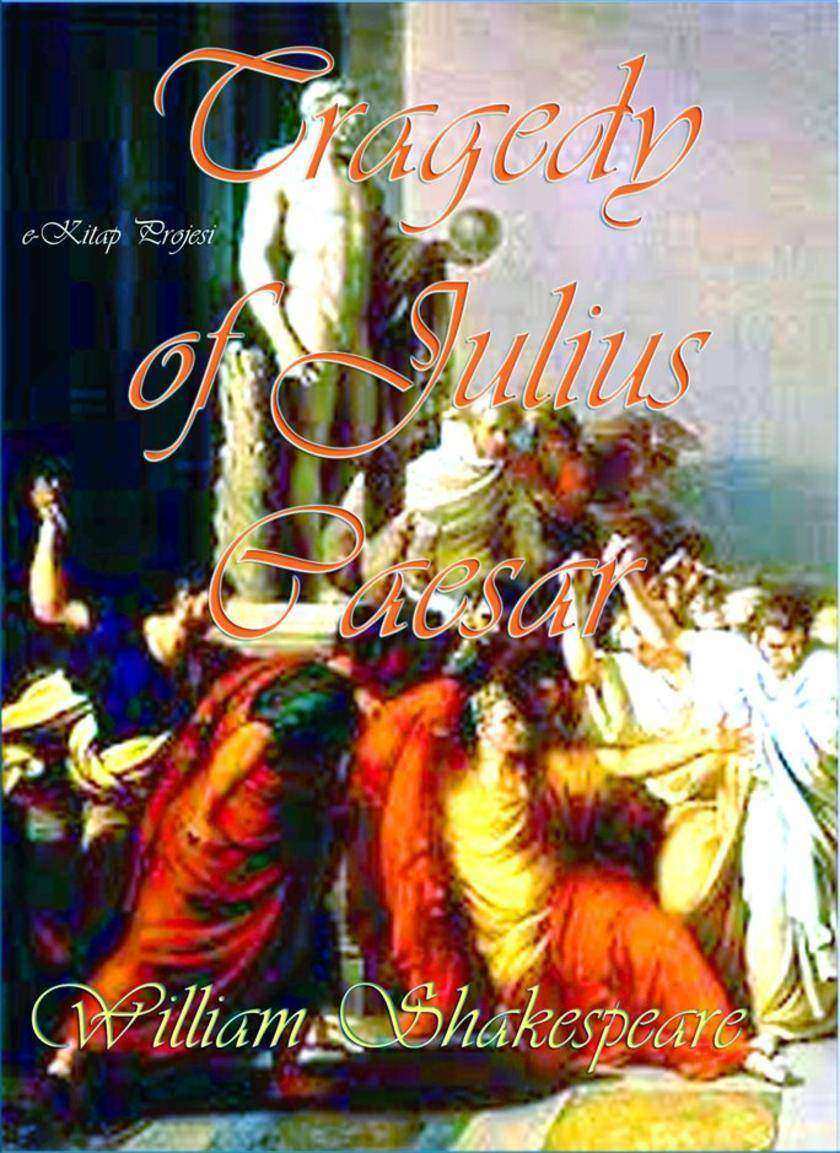
The Tragedy of Julius Caesar
¥18.74
Mülkiyet kar??t? ya?l? anar?ist, hayat?n?n son y?llar?nda ironik bir durumda kald?. ?svi?re vatanda?l???na girmenin yollar?n? arayan Bakunin'e sunulan se?enek, orada bir ev sahibi olmas?yd? ve belki de en hazini, sahip olaca?? bu ev nedeniyle, polisin, resm? tutanaklara “Michael Bakunin, rantiye” notunu dü?mesiydi. 18 May?s 1814'te Rusya'da do?an Michael Aleksandrovich Bakunin, 1 Temmuz 1876'da ?ldü?ünde ülkesinden ?ok uzaklardayd? ve cenazesinde yaln?zca 30–40 ki?i vard?. Gen? Bakunin i?in, “A?k, insan?n yeryüzündeki en üst misyonuydu. Bir insan?n kendini a?ks?z vermesi, Kutsal Ruh’a kar?? i?lenmi? bir günaht?”.. ?Kad?nlar taraf?ndan olduk?a ?ekici bulunan Mihail'in ise kad?nlarla ili?kisi hep ruhsal bir a?k olarak kald?.??svi?re'nin muhte?em manzaras? e?li?inde George Sand romanlar? okuyan Bakunin, Frans?z dü?üncesinin Alman dü?üncesinden üstün oldu?u inanc?n? sa?lamla?t?r?yordu. ? Bakunin, Marx i?in, “O, beni duygusal idealist olarak adland?r?yordu; hakl?yd?. Ben de onu, hoyrat, kendini be?enmi? ve ac?mas?z olarak de?erlendiriyordum; ben de hakl?yd?m” diyordu.. ? Kendisine ili?kin konularda kindar olmayan Bakunin, Herzen'in kar?s?na g?sterdi?i so?uklu?u hayat?n?n sonuna kadar unutamad?.?“Art?k reaksiyonun muzaffer gü?lerine kar?? Sisifos'un ta??n? yuvarlamak i?in ne gerekli güce ne de güvene sahibim. Bu yüzden, mücadeleden ?ekiliyor ve arkada?lar?mdan tek bir iyilik bekliyorum: "Unutulmak”,?Orta ve ge? on dokuzuncu yüzy?lda, radikal sol –yani, a?g?zlü kapitalizm ele?tirmenleri ve sanayi i??ilerinin ?zgürlü?ünün savunucular?– iki temel franksiyona ayr?l?yordu: Marksistler ve anar?istler. Kabaca s?ylemek gerekirse (ki bu son derece kar???k bir hik?yedir), kazanan Marksistler oldu ve yirminci yüzy?l?n tüm ba?ar?l? sol devrimleri –Rus, ?in ve Küba, ?rne?in– Marksist ilkelere ba?l?l?klar?n? ilan ettiler. ? Marksistler ile anar?istler aras?ndaki sava? bu noktada tarihsel bir meraktan ?te devam eden bir meseledir. Pi?man olmayan ya da ele?tirilmeyen tek ger?ek Marksist sol Kim Jong Il ve taraf etraftaki birka? entelektüel ve profes?rdür. Anar?izm ise uygulanabilir bir toplumsal hareket olarak ?kinci Dünya Sava??yla yava? yava? tükenmeye yüz tutmu?ken küreselle?me kar??t? hareket ve d?nemimizin di?er radikalizmleri i?inde yeniden dirilmeye ba?lam??t?r. ? Ne var ki, d?neminde –Marx’?n di?erleriyle aras?ndaki– bu sava? bir ?lüm kal?m meselesiydi ve Marksizm muhtemel kapitalizm kar??t? olarak ve yan? s?ra anar?izm kar??t? olarak tan?mlan?yordu. Asl?nda, Marx’?n yazarl??? anar?izme y?nelik sald?r?lar? a??s?ndan handiyse gülün? bir geni?li?e ula?m??t?r. Marx’?n Alman ?deolojisi kitab?n?n büyük b?lümü –yüzlerce sayfas?– bireyci/anar?ist Max Stirner’e y?nelik bir sald?r?dan ibarettir. Felsefenin Sefaleti Proudhon’a kar?? büyük?e bir fikir sava??d?r. Marx onca zaman ve enerjisini Bakunin’e sald?rmaya harcam??t?r: ?“dangalak!”?“canavar, et ve ya? y???n?,” “sap?k” vesaire: ?bu tabirler, has?mlar? s?z konusu oldu?unda Marx’?n bildik üslubudur: yazarl??? yar? bilimsel inceleme, yar? s?zlü tacizdir. Marx’?n, gerek kendi a?z?ndan gerekse de kimi s?zcülerini kullanarak ony?llar boyunca y?neltti?i ve muhtemelen di?erleri denli e?lenceli olmayan var olan su?lamas?, Bakunin’in bir muhbir oldu?u y?nündeydi ve Marx’?n bu ba?ar?l? sald?r?lar? nihayetinde Bakunin’in Enternasyonal ???i Z?mb?rt?s?ndan tasfiyesine yol a?t?.. ?

制怒心理学:正向消除怒气的情绪管理手册
¥19.99
遇到不顺心的事情,我们很容易产生愤怒情绪,有时候甚至会莫名地发怒。愤怒情绪不仅会影响我们的工作、生活,还会给我们身边的人带来诸多困扰。 《制怒心理学》阐述了愤怒的根源,介绍了7种常见的愤怒类型,以及如何通过摆脱扭曲的思维、重建内心的管理方式等方法摆脱愤怒。一旦我们了解了愤怒的“运作机制”,就可以更好地处理愤怒情绪,并将愤怒转化为美好生活的积极动力,从而获得幸福与平和的生活!

原生家庭生存指南:如何摆脱非正常家庭环境的影响(拆解人生前6年,从父母手中拿回人生主导权,成为自己人生剧本的描述者。)
¥18.99
家人对你的期待是否让你困扰? 你的生活中充满了嫉妒、竞争或不自信等元素吗? 与别人交往时,你是否总会陷入同一种破坏性的模式中? 作者将多年研究成果整合成本书,将人生早的6年拆解开,为我们分别展示了一个人因何变得严厉或和善、冷淡或黏人、病态或健康。0~6个月的主题是自体感与自我界限,理应感受到自我价值和能力,否则可能自恋或产生反社会心理;0~3岁的主题是关系模式,理应养成健康的依恋模式,否则可能面临与人相处的问题;3~6岁主要涉及良心,理应学会兼顾自己和他人,否则可能过于墨守成规或叛逆。通过阅读本书,读者可以解读自己的童年经历,认清真实的自己,探索出一套更健康的模式以处理原生家庭问题。
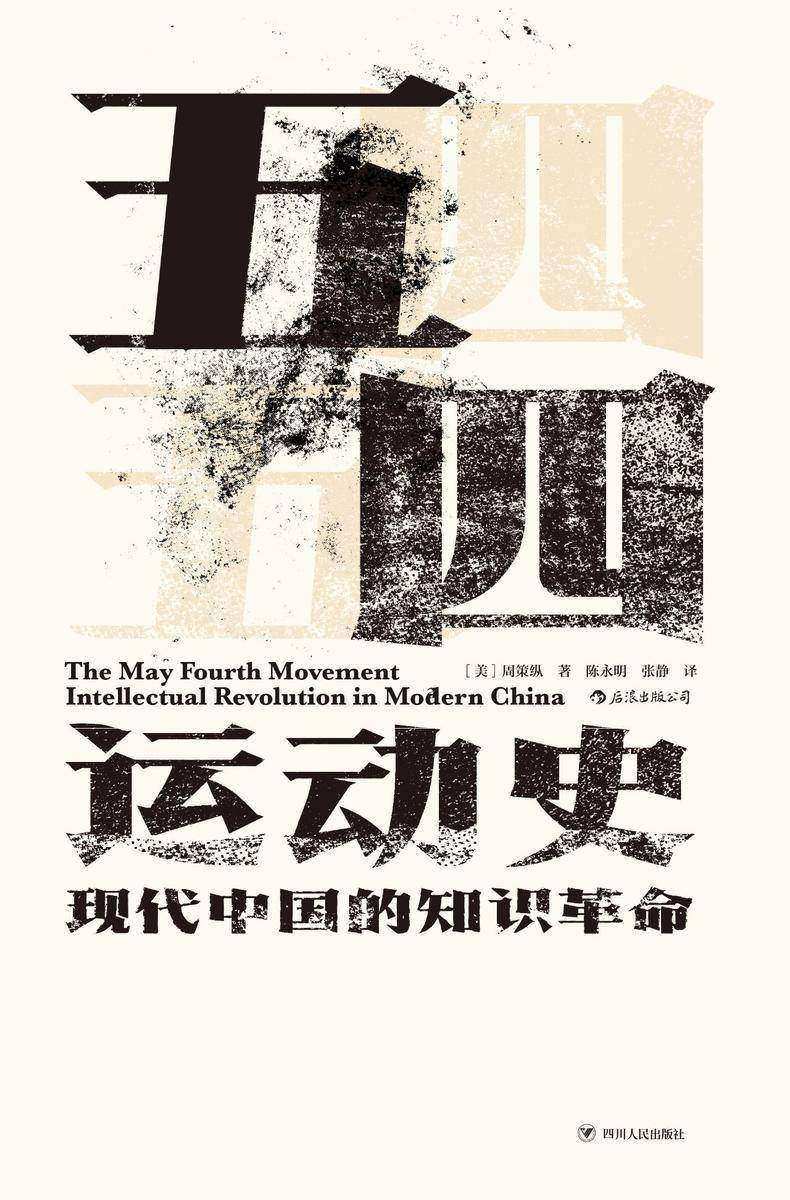
五四运动史:现代中国的知识革命(史家巨擘弃政从学的心血之作,海外汉学界权威的五四研究。汗青堂系列。)
¥34.99
本书是著名历史学家周策纵先生的代表作。全书分为上、下两编,上编集中细致地描述了五四运动的成因、社会支持力量和发展经过,厘清了由学生发动的“五四”事件如何一步步扩展为一场全国性的政治爱国运动;下编剖析了五四运动对政治、社会、文学和思想领域的影响,全面而系统地论述了新文化运动、文学革命以及当时的各种社会政治思潮。作者引用的资料翔实,论证客观,对新式知识分子的社会功能和历史命运行了深的分析和研究。本书呈现了一幅完整的“五四”历史图景。

哲学是很好玩儿的(套装共15册)
¥229.99
《哲学是很好玩儿的》(套装共15册)包括生命哲学、心灵哲学等多种哲学思想结晶,读者可以从入门开始,通过通俗易懂的方式学会如何用哲学思维思考,感受哲学里的自我和世界,帮读者重新审视自我和我们栖居的世界,以及和这个世界的关系,捕捉心中迸发的迷惑与感悟,进而把它们锤炼为人生的智慧。
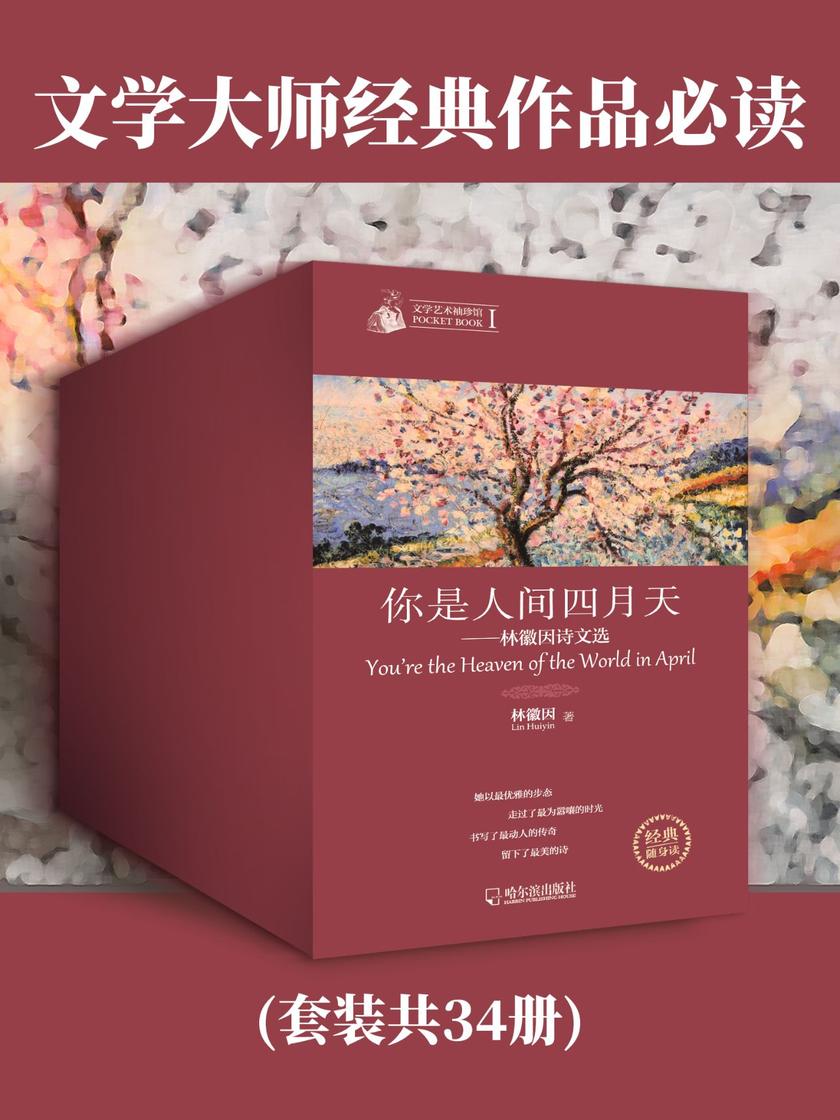
文学大师经典作品(套装共34册)
¥502.99
《文学大师经典作品***》(套装共34册)遴选了徐志摩、胡适、傅雷、泰戈尔、朱自清、周作人等的经典文学作品,包括散文诗歌、名画欣赏等,大师们或婉约,或温情,或浪漫,为读者们展开了一幅幅生动着迷的文学画卷。
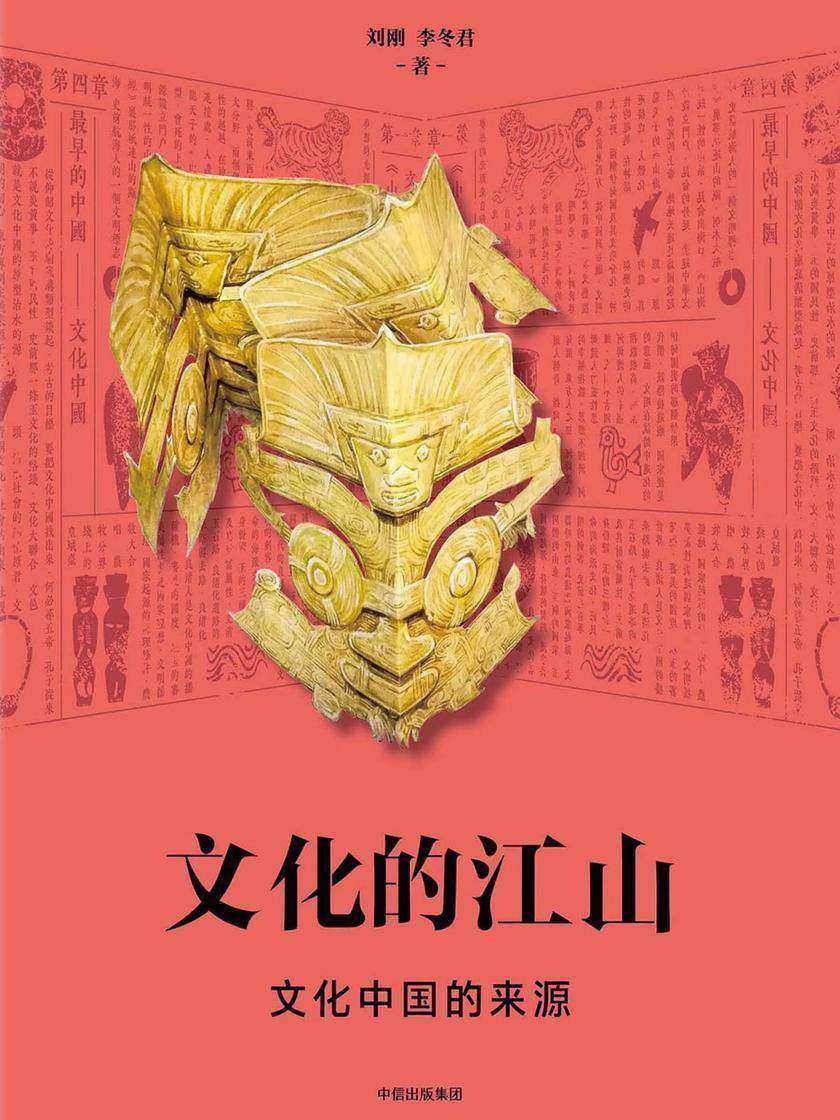
文化的江山01:文化中国的来源
¥40.80
公元前4000—前2500年,彩陶和玉器时代,孕育出文化中国。8000年前的全新世大暖期启,为整个亚欧大陆带来了一个长达三四千年的温暖时代。8000—6000年前,是中国《山海经》的神话传说时代,当与考古和艺术资料结合考察时,河姆渡的伊甸园、史前闽越人的生活一一呈现在我们眼前。而6000—4000年前北方的彩陶文化和南方的玉文化,经由良渚人从东南到西北的扩散,构建了一个良渚化世界,这就是一个以玉作为核心的礼制文明和审美国度——文化中国。这是文化中国的源头。 ------------- 《文化的江山》系列共3辑12册,中信出版集团·见识城邦出品: *辑:文化中国的起源 文化的江山01:文化中国的来源 文化的江山02:王朝中国的确立 文化的江山03:中国风雅颂 文化的江山04:中国轴心期 第二辑:走出王朝的中国史 文化的江山05:走向世界历史的国度 文化的江山06:通往文艺复兴的岁月 文化的江山07:追求思想共和的时代 文化的江山08:近代化与中国大航海 第三辑:告别晚清的近代史 文化的江山09:世界近代史的中国影响 文化的江山10:被西洋与东洋夹的天下 文化的江山11:告别晚清的中国近代史 文化的江山12:文化中国里的新文化运动


