


 购物车
购物车 个人中心
个人中心

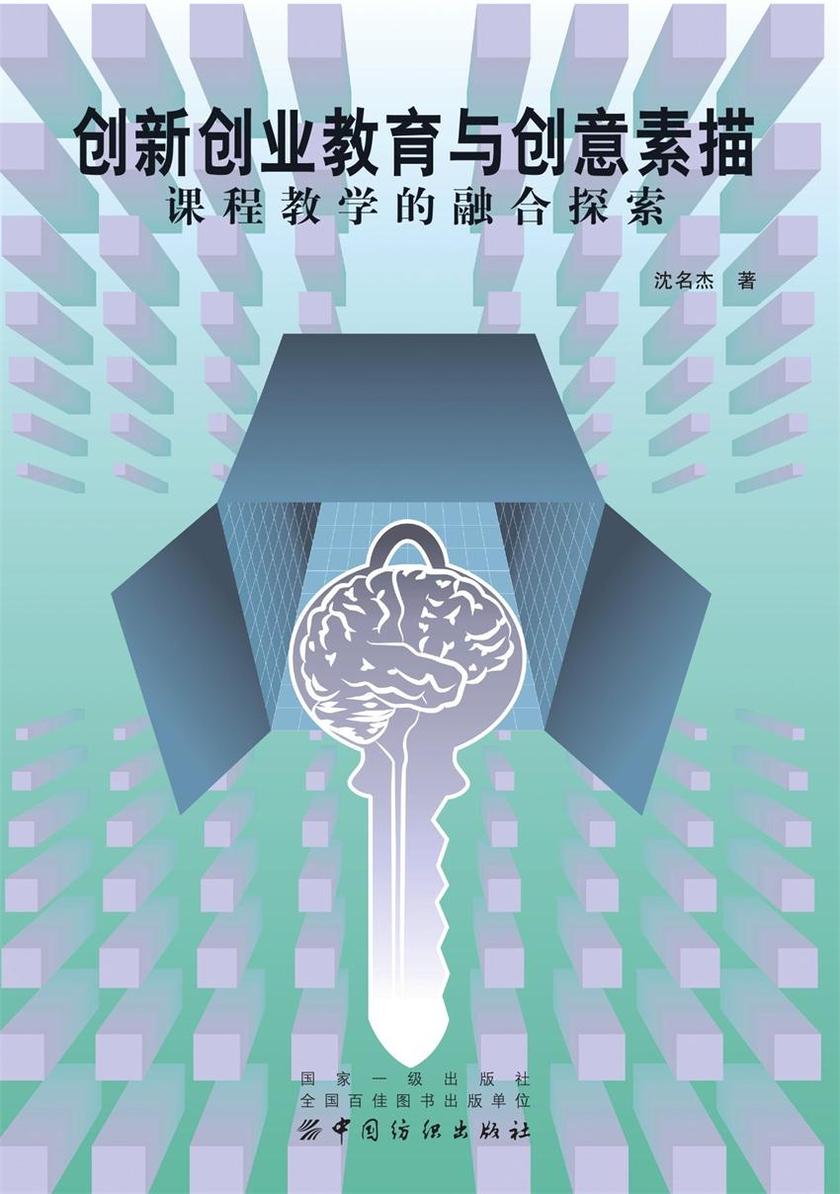
创新创业教育与创意素描课程教学的融合探索
¥31.20
《创新创业教育与创意素描课程教学的融合探索》共分为数篇,其中一篇主要针对创新创业教育的基本概念进行解释,以“创新创业”教育的相关国家政策文件为依据,阐释创新创业教育的概念、内涵;其次是介绍国内外高校创新创业教育的现状及解决方案。另一篇从传统素描的起源与历史开始,讲述传统素描的基本概念、理论和基本特点,分析传统素描的基本观察方法与表现方法以及目前高考考前培训班的创意素描教学实践。后分析、总结如何从素描“考生”转化为素描“学生”。还有的篇章重点介绍创新创业教育与创意素描课程教学的融合探索。作者通过分析创意素描中的点、线、面等画面元素,阐释创意空间的拓展方法以及创意素描的创意表现手法等内容。
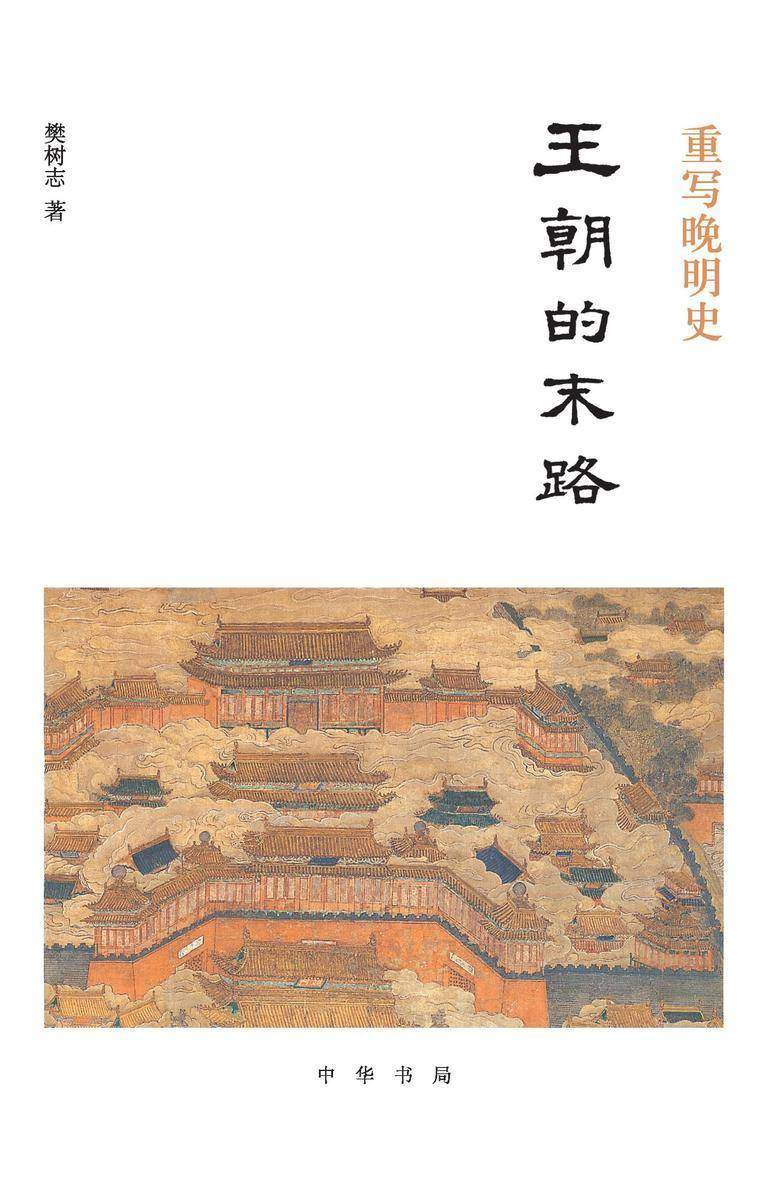
重写晚明史:王朝的末路
¥16.80
《重写晚明史:王朝的末路》是樊树志先生“重写晚明史”系列的一种,讲述了崇祯帝虽然不是“亡国之君”,却终不免遭遇亡国的历史事实。几十年间大明王朝被吞没于历史的烟尘,是内忧,是外患,是君臣有隙,还是人心尽失? 崇祯帝在匮于兵力、财力的情况下,面对攘外与安内的两难之境,回天无术。阉党余孽温体仁为内阁首辅八年,假装“无党”以攻陷害他人,使得崇祯帝和大臣之间信任殆失,对朝纲秩序造成了难以挽回的破坏。无可奈何花落去,是非功过,留于青史在人间。 本书分三章:*章《攘外与安内的两难选择》,第二章《无可奈何花落去:明朝的覆亡》,第三章《改朝换代,谁主沉浮》。
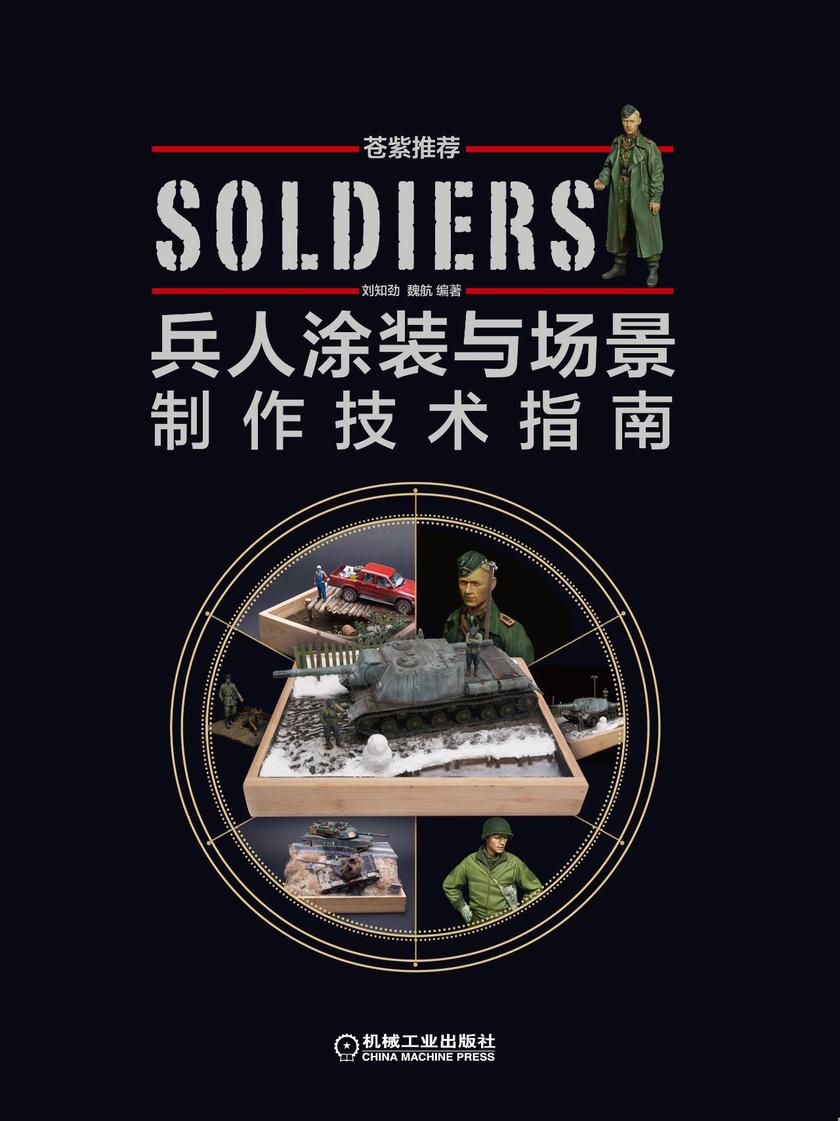
兵人涂装与场景制作技术指南
¥49.99
《兵人涂装与场景制作技术指南》包括“森林深处的皮卡车”“冰雪中的ISU-152 重型突击炮”“伊拉克沙漠中的M1A1 坦克”三个场景的制作流程,以及苏军、德军、美军等兵人的制作技巧。从车辆的制作到人物的涂装,从场景的设计到制作的步骤,从小到大、由易到难地详细介绍了如何去制作场景中各种常见的故事元素,包含夏日的溪流和植物、冬季的积雪与结冰的河流等。而且在制作过程中,尽可能选择了身边常见的原材料。希望可以通过这本书,给大家在场景制作的过程中带来一些启发。 《兵人涂装与场景制作技术指南》适合对兵人涂装,以及各种陆地场景感兴趣的读者阅读。 目 录 第1 章 森林深处的皮卡车 1.1 车辆制作 1.2 场景制作 1.3 经过涂装后的蚀刻片植物 1.4 人物涂装 第2 章 冰雪中的ISU-152 重型突击炮 2.1 场景构思 2.2 车辆的制作 2.3 车辆介绍 2.4 素组阶段 2.5 旧化阶段 2.6 排气管的旧化 2.7 兵人涂装 2.8 人物上衣涂装 2.9 场景制作流程 第3 章 伊拉克沙漠中的M1A1 坦克 3.1 场景设定的思路 3.2 M1A1 坦克制作过程 3.3 T-54B 坦克制作过程 3.3.1 背景介绍 3.3.2 制作过程 3.3.3 场景制作 第4 章 兵人涂装技巧 4.1 德国军官涂装技巧 4.2 美军士兵涂装技巧 4.3 德军士兵与场景涂装技巧
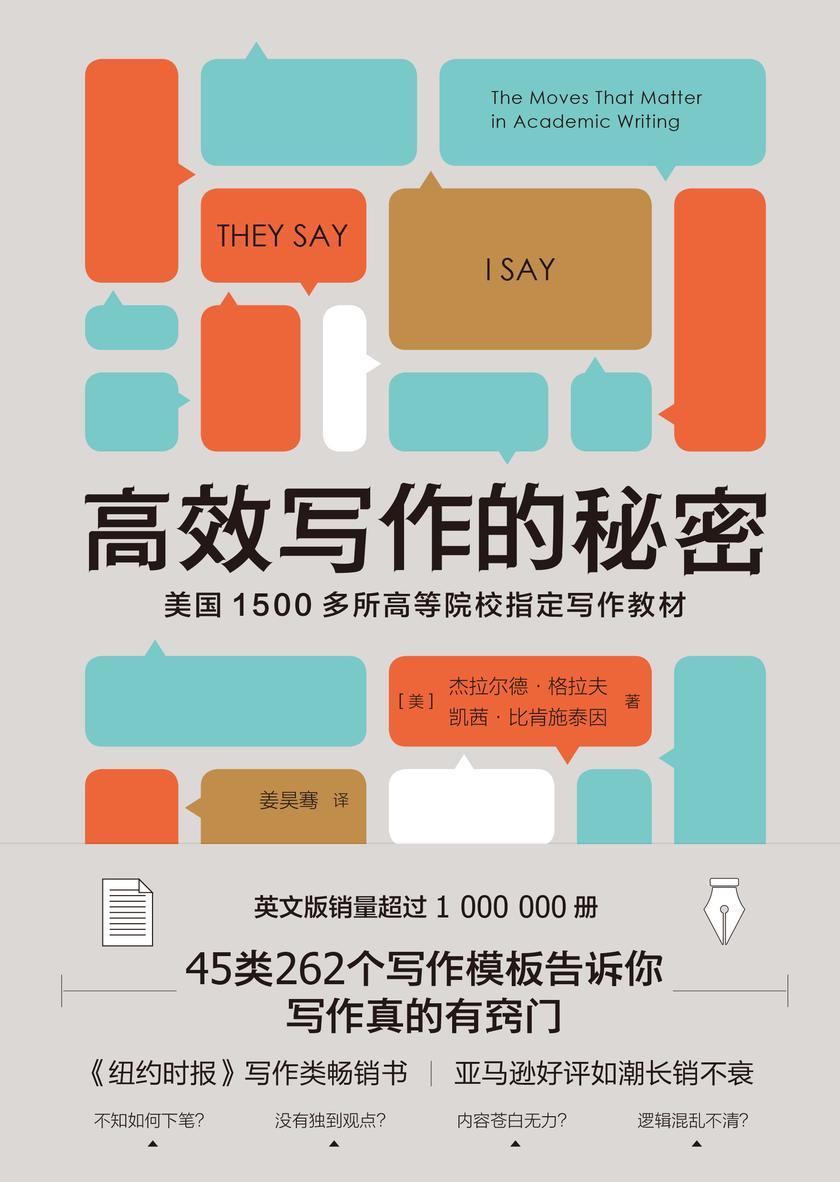
高效写作的秘密
¥39.99
本书是美国 1500 多所高等院校指定的写作教材。一经出版,便受到学生和教师的广泛推崇,多次再版。作者之一杰拉尔德·格拉夫曾为美国现代语言协会主席,出版过多部对教师影响巨大的书籍。 ?? 作者指明了在写作中以文字为媒介说服性论证的关键技法,并将其总结为易懂实用的 45类262个模板,适用于指导各个学科领域的写作。作者主张首先倾听他人的观,归纳和引述文献,然后灵活运用相应技法回应他人观,着提出自己的主张,*后将“他说”与“我说”加以恰当地整合,使整个文章连贯通畅;同时,具体地探索和拨了课堂讨论、线上交流、文本阅读等与写作密切相关的技能,阐述了文学评论写作、社会科学写作与自然科学写作要领。 ? 本书有助于读者掌握写作的基本方法,写出见解独到、逻辑清晰、结构完备的佳作。
宪法(第七版)(高职高专法律系列教材)
¥21.00
2018年3月11日,第十三届全国人大*次会议通过了21条宪法修正案。本次修订以宪法修正案的精神为指导,主要修订了以下四个方面的内容:*,调整、补充了各章节的内容。把关于国家发展指导思想、发展目标、党的领导、五大文明建设等宪法*修改内容补充教材,以体现新时代依宪治国、依宪执政的新理论、新主张和新观。第二,调整了原有的部分章节安排。在第六章中央国家机构和第七章地方国家机构中各增加一节、分别介绍国家监察委员会和地方监察委员会的相关制度,增加第八章人民法院和人民检察院专门介绍国家审判机关和国家法律监督机关的相关制度,以突出国家机构体系的重大变化。第三,调整了部分教学辅助材料。根据我国国家和社会制度建设的发展情况,增加了一些新的宪法资料和事例,调整了部分习题,以保持教材的新颖性和与现实社会联系的紧密性。第四,调整了部分文字表述。订正了一些文字、标的错讹,以保持教材的准确性。
高校辅导员职业之道
¥15.60
结合高校辅导员工作实战,访谈并记录了211、985、省属高校优秀辅导员们在实际展大学生思想政治教育、心理健康教育、日常管理、职业生涯教育、班团建设、新生学教育等工作中的真实经历。详细记录了辅导员们在展大学生教育管理服务具体工作中,所面临的挑战,解决问题的思考与过程,以及反思与成长。在案例的回忆与真实讲述中,还原了辅导员这一职业的真实工作场景、职业能力要求、内心与现实的冲撞。每个案例,邀请了高校学生工作管理者,从得失方面给予了评,是全面了解辅导员职业特的门手册,也是培训辅导员的案例式教材。
教练听说(第二版)(上下册)
¥22.44
“听”和“说”是构建企业教练理论的两个基本概念,掌握了“听”和“说”的能力,也就掌握了企业教练的核心。“听”应该听心,听情绪,听事实与真相,听假设,听渴望与真正的需要,听障碍,听偏差与矛盾。从这个角度来说,“听”实际上是一种专业的洞察能力,是需要用心灵的耳朵感知被教练者的整个人。“说”的学问就更大了,包括如何发问,问放性问题还是封闭性问题,如何通过“说”来帮助客户厘清目标,反映真相,实现激励和挑战,并*终令其达成目标。
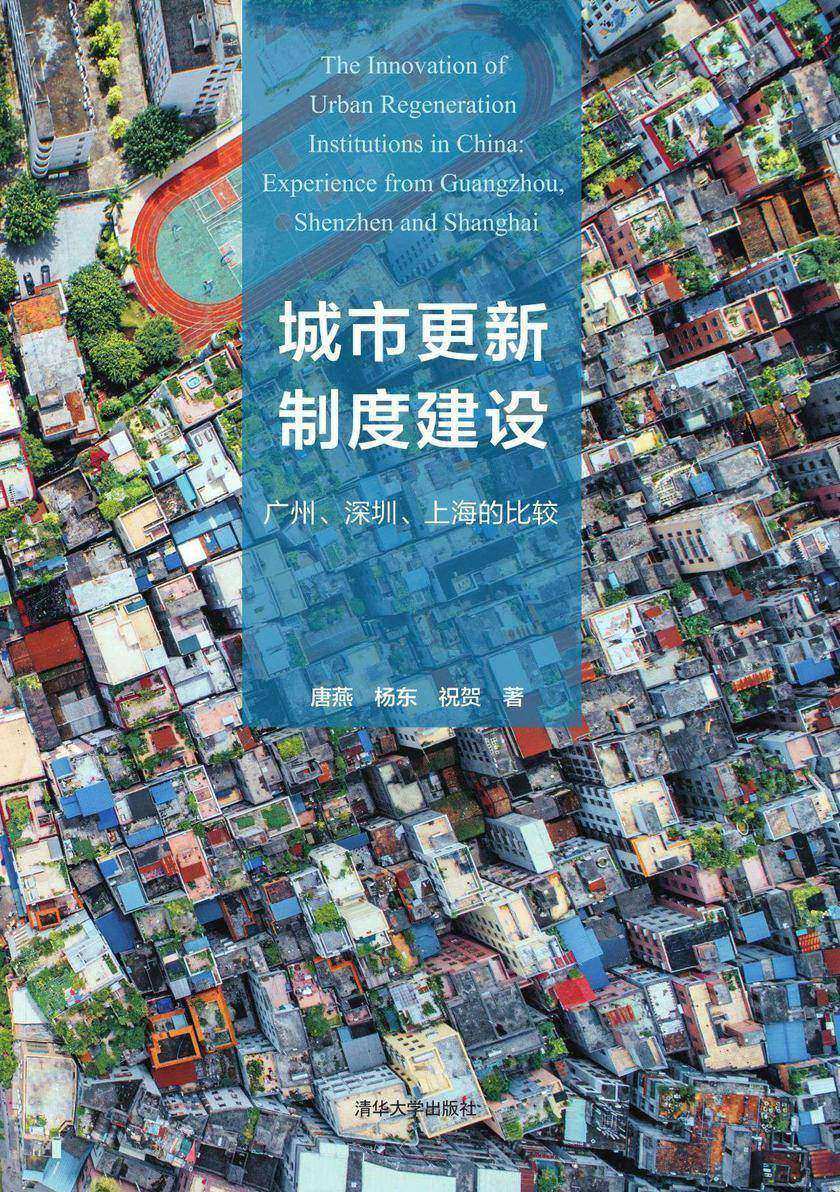
城市更新制度建设:广州、深圳、上海的比较
¥32.45
城市更新是我国当代城市发展的重要主题,其制度建设是核心和难。当前我国少数先行城市已经建立起基本制度框架,而绝大多数城市仍在探索。如何破解城市更新制度建设的难题,建立起完善的城市更新制度体系,是各个城市亟待解决的现实问题与重大挑战。 本书选取走在城市更新制度改革前沿的广州、深圳、上海三座城市作为研究对象,分析三地城市更新的核心政策和实施路径;对比三地城市更新制度的体系建构、运作特、形成原因;展示三地在更新机构设置、管理模式、规划编制、空间管控、政策配套上的异同;总结三地在功能引导、强度管控、公共设施配置和公共要素清单等方面的创新经验,揭示面临的问题和挑战;提出我国城市更新制度创新的未来走向和建议,从而为我国的城市更新提供有益的借鉴与参照。 本书视野阔、案例丰富、研究深,对于城市规划师、建筑师、政策决策者和城市发管理者而言,它是宝贵的经验总结和实践指南,极具启发意义和实用价值。对于想要把握当代中国城市发展方向的读者来说,它又是不可或缺的深度读本。
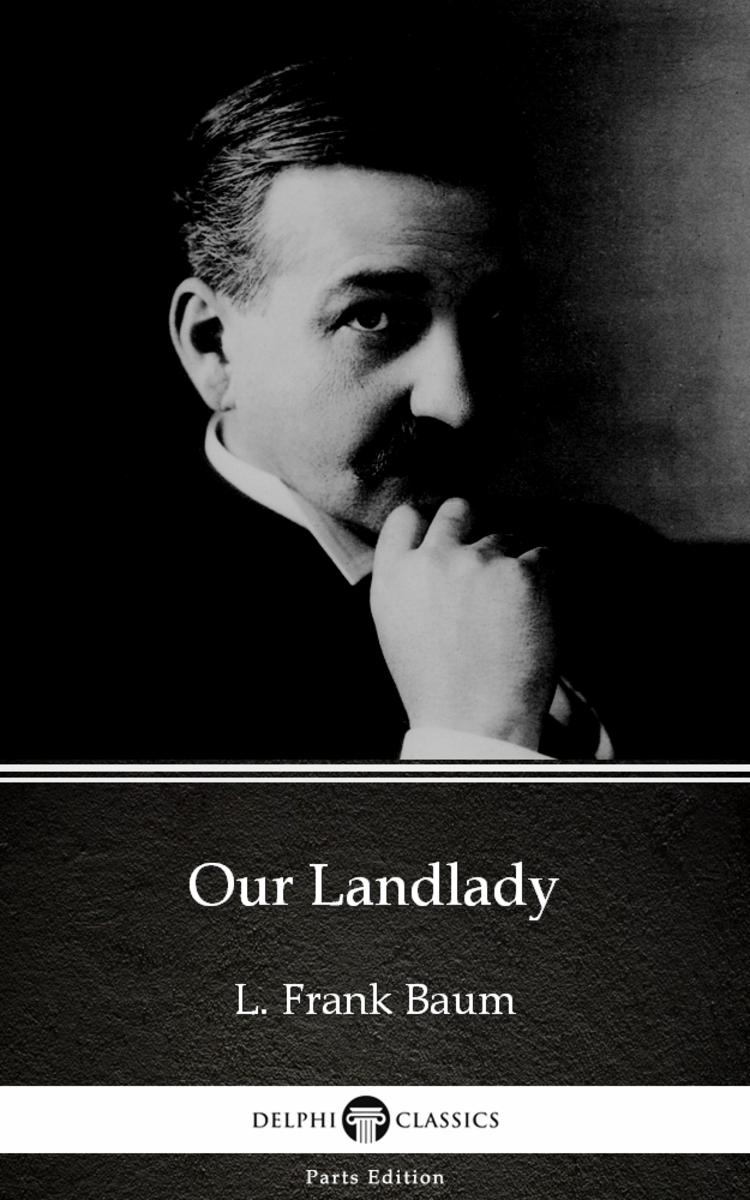
Our Landlady by L. Frank Baum - Delphi Classics (Illustrated)
¥8.09
This eBook features the unabridged text of ‘Our Landlady by L. Frank Baum - Delphi Classics (Illustrated)’ from the bestselling edition of ‘The Complete Works of L. Frank Baum’. Having established their name as the leading publisher of classic literature and art, Delphi Classics produce publications that are individually crafted with superior formatting, while introducing many rare texts for the first time in digital print. The Delphi Classics edition of Baum includes original annotations and illustrations relating to the life and works of the author, as well as individual tables of contents, allowing you to navigate eBooks quickly and easily. eBook features: * The complete unabridged text of ‘Our Landlady by L. Frank Baum - Delphi Classics (Illustrated)’ * Beautifully illustrated with images related to Baum’s works * Individual contents table, allowing easy navigation around the eBook * Excellent formatting of the text Please visit www.delphiclassics.com to learn more about our wide range of titles
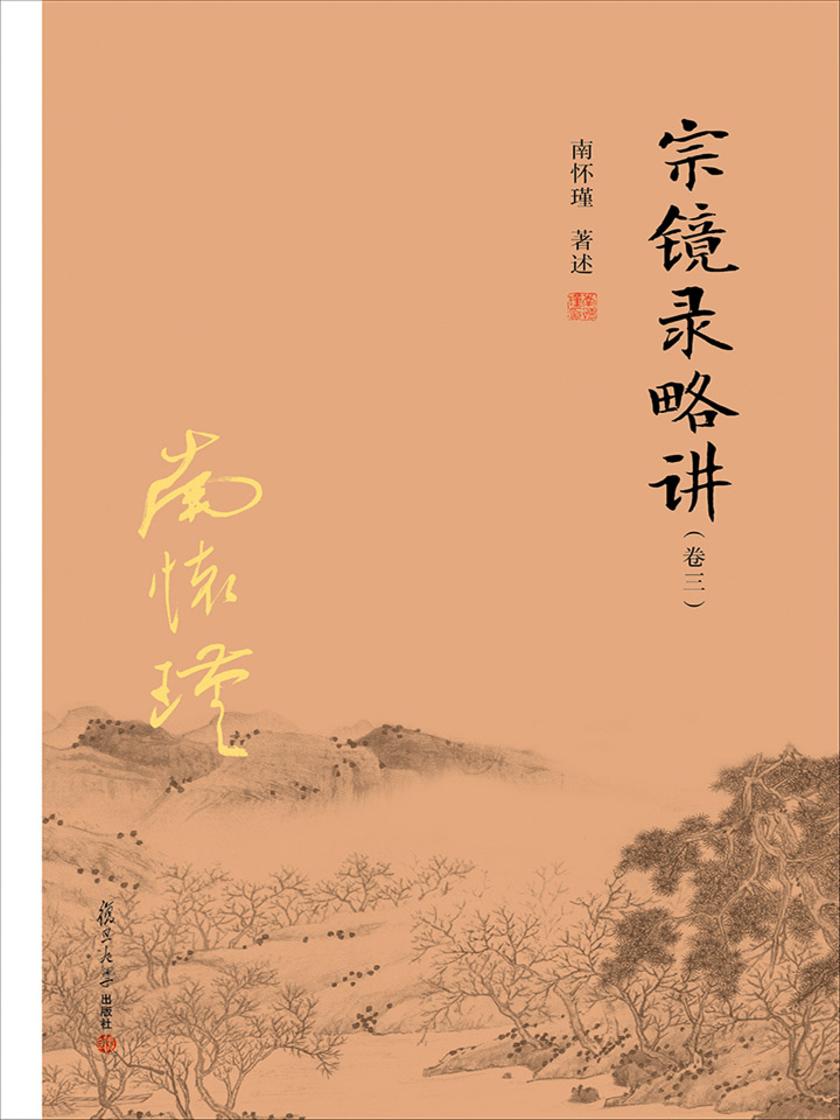
宗镜录略讲(卷三)
¥21.60
《列子》为道家重要典籍之一,与老庄并列。它高深莫测,易读而难懂,以故事、神话的形态,阐释道家的学术及观念。 《列子臆说》是南怀瑾先生关于《列子》的讲记,共分上中下三册。南怀瑾先生讲述列子,深浅出、生动自在,以《列子》的内容为研究重,带领读者广阔的视野、深难测的奇妙境界,并破了意识的种种局限。列子,这个御风而行的人,要我们从一切自设的框架中突围,成就天地间的自在逍遥。
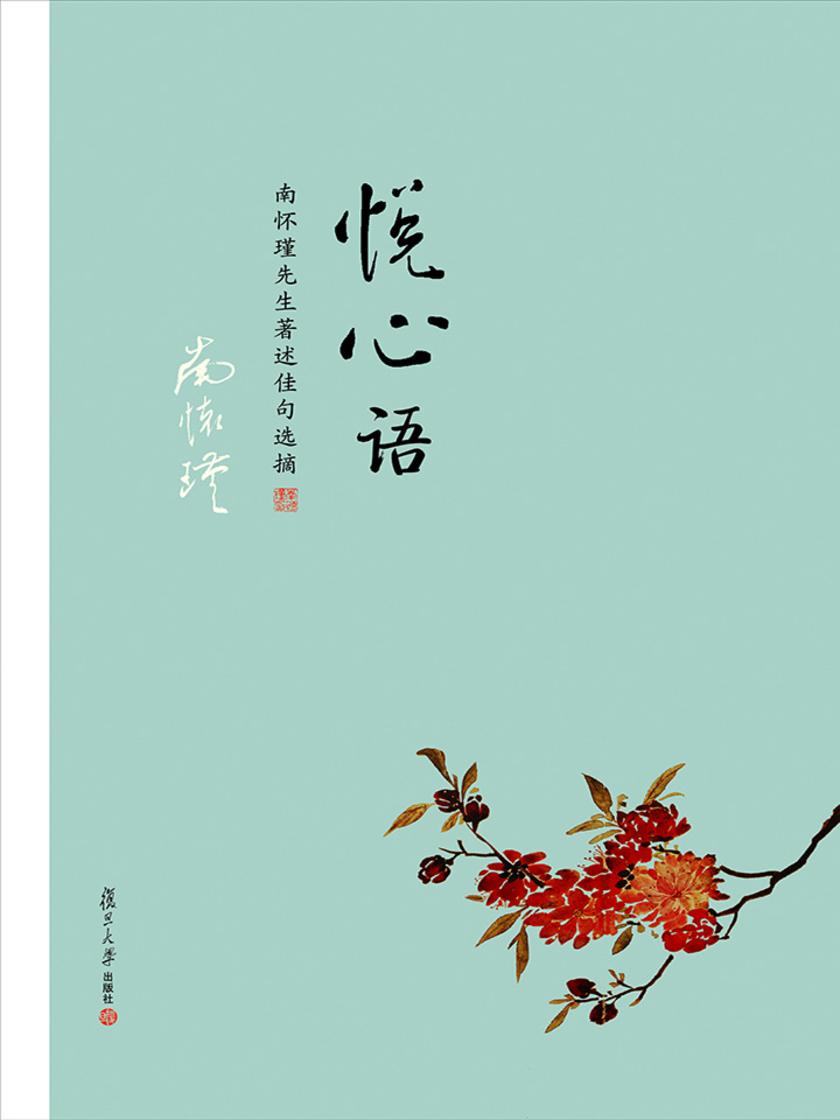
悦心语
¥21.00
《悦心语(南怀瑾先生*述佳句选摘)(精)》是南怀瑾先生语录集,以笔记形式呈现。取材自南先生《论语别裁》、《孟子旁通》、《老子他说》、《禅宗与道家》等*作。编者“断章取义”,稍加整理。本书内容博大精深,文字简短,通俗易懂,便于现代读者阅读。 《悦心语》是南怀瑾先生的语录集,从《论语别裁》《孟子旁通》等南怀瑾先生代表作中精选经典章句而成,浓缩南师智慧精华。 南怀瑾先生是海内外享有盛誉的儒释道大师,将中华文化各种思想融会贯通,带领国人重读中国古代儒、释、道典籍,引导人们关注人的内心,关注人伦世界,关注人文教化。 南师*作不是象牙塔里不食人间烟火的精密考校疏证,处处体现着对现实世界的深切关怀,和芸芸众生的生活与命运紧密相连。南怀瑾先生认为,人生的*高境界是:佛为心,道为骨,儒为表,大度看世界;技在手,能在身,思在脑,从容过生活。这正是夫子自道。 谨以《悦心语》一书,深切缅怀敬爱的南怀瑾先生。
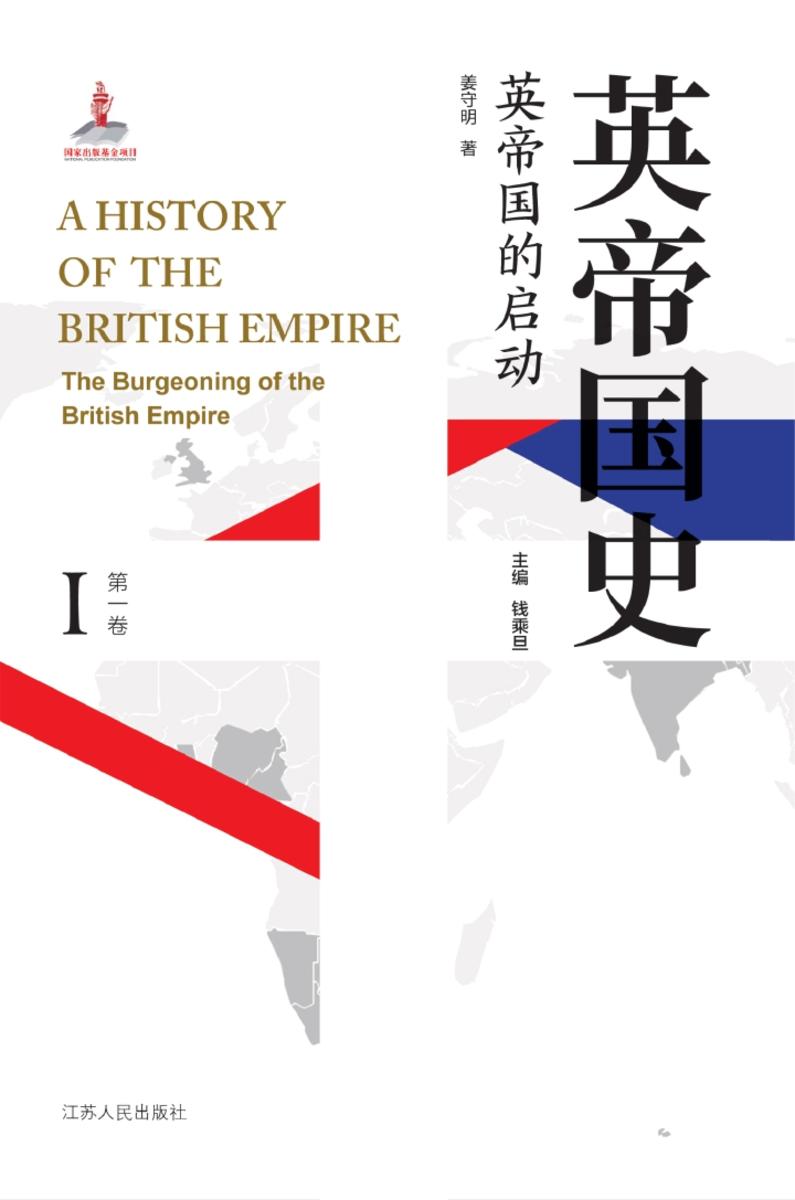
英帝国史·第一卷 英帝国的启动
¥36.00
【内容简介】 本书是国内学界部多卷本的英帝国史之卷。本卷主要研究大英帝国的肇始阶段,即都铎时期英国的海外殖民活动,相当于大英帝国前史,包含着对英国早期殖民思想、民族国 家与大英帝国的关系、重商主义国策、新君主制和民间力量在殖民活动中的作用、从民族国家走向帝国的道路等一系列问题的思考。
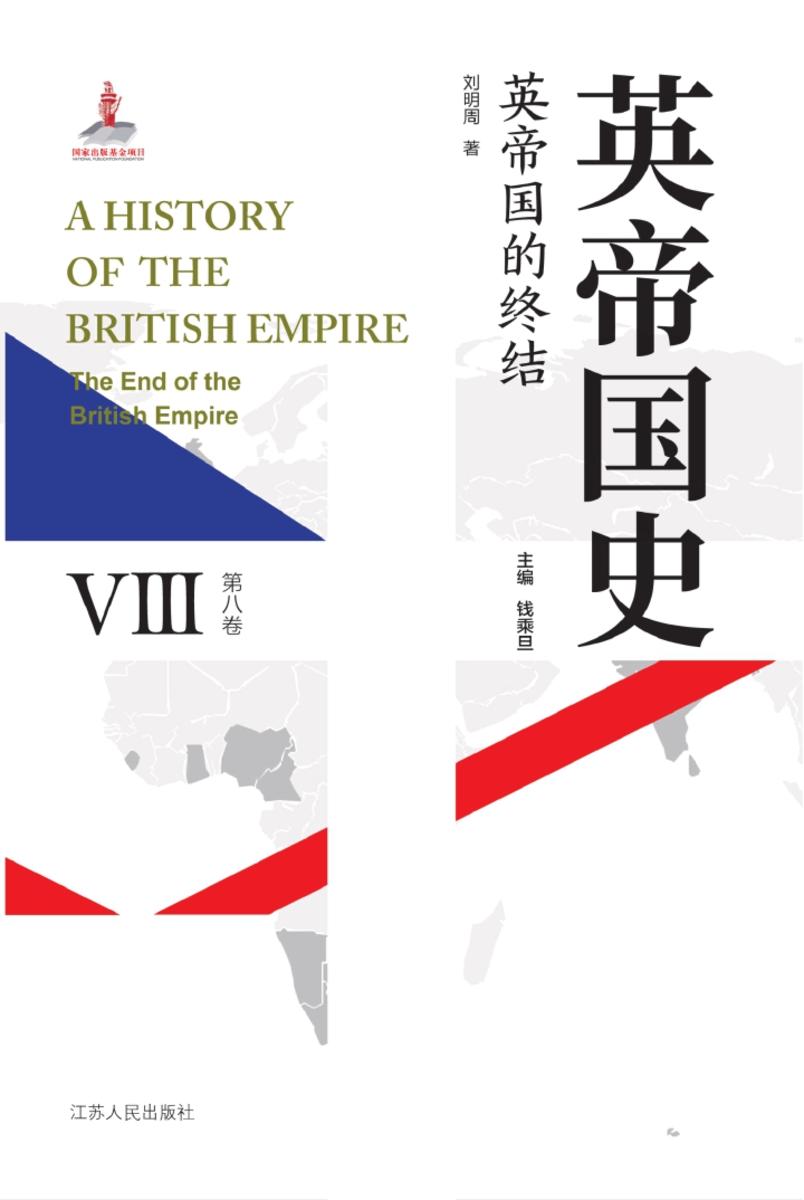
英帝国史·第八卷 英帝国的终结
¥36.00
本书是中国学者撰写英帝国史的扛鼎之作。 二战后,“帝国”与“后殖民”研究已成为国际学术界的热门之一,成果赫然。但西方的研究都站在西方的立场上、弘扬西方的价值观念。这在英帝国研究中也是如此,以致今天的英帝国研究领域中,西方话语充斥其间,形成西方的一统天下。本书对英帝国的历史作细致的剖析,通过深研究,提出中国学者自己的诠释体系。 全书根据英帝国史的客观演,分八个阶段行讨论。 *阶段是英帝国的萌生期,这一时期,英国民族国家始形成,为海外扩张提供了制度保障。英帝国的萌生是民族国家的派生物,都铎王朝是英帝国的孕育人。本卷主要解释民族国家与英帝国萌生的关系,以及英国走上帝国扩张之路的背景与条件。 17世纪,英帝国从初生到形成。17世纪英国经历了政治大动荡,各种政体走马灯似地替换。但所有政府在帝国问题上却立场一致,都尽力扩张殖民地。这种现象背后是这样一个事实,即英国从民族国家形成起,就成为重商主义性质的国家。重商主义要求殖民地,早期英帝国是重商主义帝国。 18世纪是英帝国的第三阶段,是重商主义帝国战争的阶段,战争的规模逐渐从欧洲扩展到世界,始出现“世界的”大战。所有这些战争都是重商主义性质,英国与其他重商主义国家(西、葡、荷、法等)争夺海洋控制权,为重商主义而鏖战。本卷主要研究帝国战争的本质,重商主义是战争的根源。 就在英国败所有对手、几乎赢得海洋霸权的时刻,美国革命却瓦解了英帝国。这是殖民帝国内在危机的*次大暴露:宗主国与殖民地之间必定要对抗,结局一定是帝国解体。不过在那个时代,人们没有意识到这一,相反,英国政府从美国革命中吸取教训,调整了殖民政策,以致短短三十年之间,又形成一个崭新的帝国,即“第二帝国”。这是英帝国的第四阶段:新旧交替的阶段。在这个阶段上,重商主义帝国渐次退出,新理念和新地域构成了新帝国。本卷主要研究了导致帝国生命更新的机制。 新帝国的基础是工业革命,其巨大的生产力和廉价的工业品成为新帝国的力量源泉。英国在实现自由贸易的过程中夺取了世界霸权,它着“自由贸易”的旗帜,将触角伸向全世界。就在这个时候,“自由帝国主义”理论出现了,它提倡“无形帝国”,认为英国不需要殖民地,只需要“自由贸易”。一个老牌的殖民国家,却“不要殖民地”了,这是为什么?这是英帝国的第五个阶段。 19世纪下半叶,就在帝国的旗帜高高飘扬、大英帝国如日中天时,英国却始走下坡路了。其他国家追赶工业化,破了英国的工业霸权,也破了它的殖民霸权。英国再一次调整殖民政策,投到争夺殖民地的斗争中去,“无形帝国”又变成“有形帝国”,英帝国也完成了“日不落”的使命。可是,帝国的内在逻辑仍然在起作用:就在英帝国看似*辉煌时,新的解体又始了。对英帝国的第六阶段,本卷重分析了帝国内在逻辑的必然性。 为拯救帝国,英国政治家再一次使尽解数,试图用“帝国联邦”来代替帝国,建立世界性的“联邦共同体”,在大世界中建立一个“英国的”小世界。英帝国在第七个阶段上试图完成这个转型,但转型没有成功。本卷解释了这一转型失败的原因和实质,涉及英国的观念、价值、制度结构等等。 二战结束后,英帝国骤然瓦解,其速度令人诧异。尽管有政治家构想出“第三帝国”的方案,试图在苏伊士以西维持帝国;但人们普遍以为:英国人深知时务,主动撤离,完成了“非殖民化”。果真如此吗?并不是。本卷研究发现,英国人在不同地区的撤离方式是不同的,有和平退出,有战争对抗。原因是,和平与战争都服从相同的帝国目标:构建一个实质性的“英联邦”,以维护英国的大国地位,这就是所谓“非殖民化”的本质。不过英国的梦想还是破灭了,英国的大国地位也随之破灭:英帝国寿终就寝。
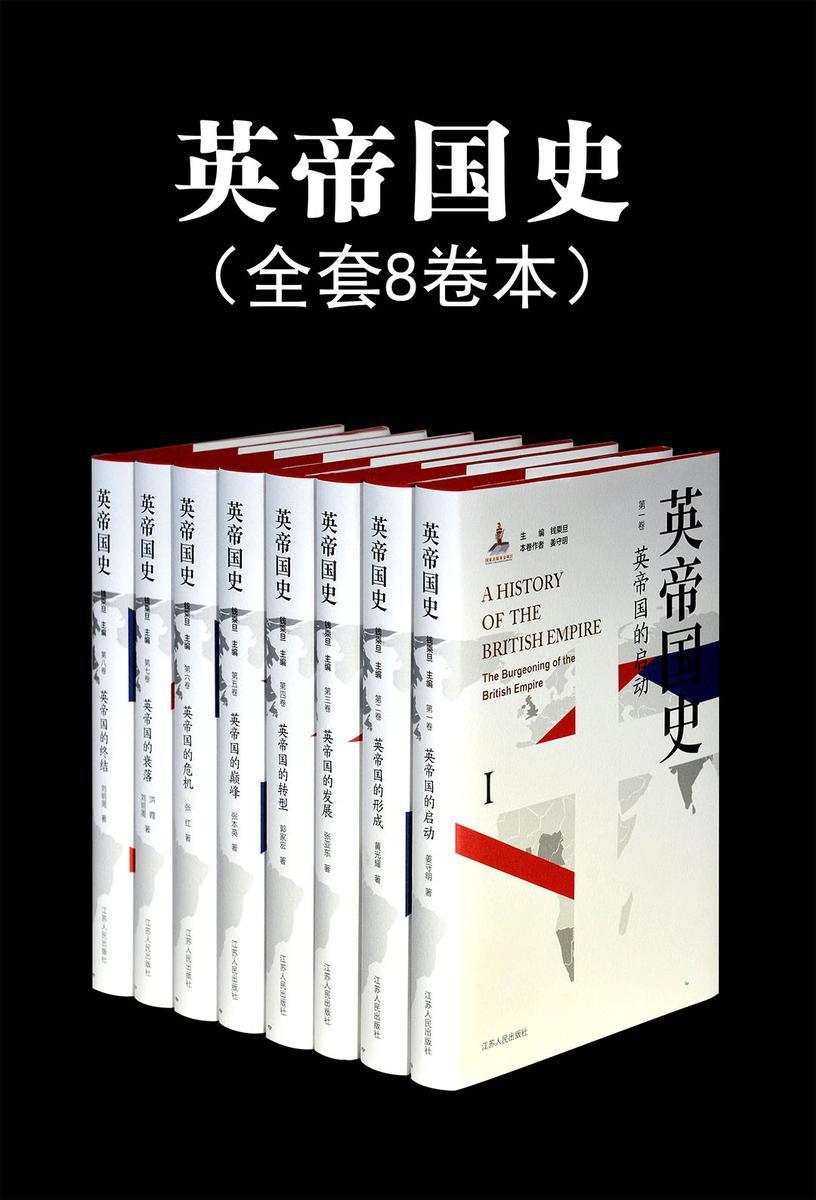
英帝国史(八卷本)得到罗振宇“双十一”直播推荐图书! 中国学者撰写的全景式英帝国史!英国史权威学者钱乘旦教授领衔,十余位专家历时二十年写作!
¥290.00
本书是中国学者撰写英帝国史的扛鼎之作。 二战后,“帝国”与“后殖民”研究已成为国际学术界的热门之一,成果赫然。但西方的研究都站在西方的立场上、弘扬西方的价值观念。这在英帝国研究中也是如此,以致今天的英帝国研究领域中,西方话语充斥其间,形成西方的一统天下。本书对英帝国的历史作细致的剖析,通过深研究,提出中国学者自己的诠释体系。 全书根据英帝国史的客观演,分八个阶段行讨论。 *阶段是英帝国的萌生期,这一时期,英国民族国家始形成,为海外扩张提供了制度保障。英帝国的萌生是民族国家的派生物,都铎王朝是英帝国的孕育人。本卷主要解释民族国家与英帝国萌生的关系,以及英国走上帝国扩张之路的背景与条件。 17世纪,英帝国从初生到形成。17世纪英国经历了政治大动荡,各种政体走马灯似地替换。但所有政府在帝国问题上却立场一致,都尽力扩张殖民地。这种现象背后是这样一个事实,即英国从民族国家形成起,就成为重商主义性质的国家。重商主义要求殖民地,早期英帝国是重商主义帝国。 18世纪是英帝国的第三阶段,是重商主义帝国战争的阶段,战争的规模逐渐从欧洲扩展到世界,始出现“世界的”大战。所有这些战争都是重商主义性质,英国与其他重商主义国家(西、葡、荷、法等)争夺海洋控制权,为重商主义而鏖战。本卷主要研究帝国战争的本质,重商主义是战争的根源。 就在英国败所有对手、几乎赢得海洋霸权的时刻,美国革命却瓦解了英帝国。这是殖民帝国内在危机的*次大暴露:宗主国与殖民地之间必定要对抗,结局一定是帝国解体。不过在那个时代,人们没有意识到这一,相反,英国政府从美国革命中吸取教训,调整了殖民政策,以致短短三十年之间,又形成一个崭新的帝国,即“第二帝国”。这是英帝国的第四阶段:新旧交替的阶段。在这个阶段上,重商主义帝国渐次退出,新理念和新地域构成了新帝国。本卷主要研究了导致帝国生命更新的机制。 新帝国的基础是工业革命,其巨大的生产力和廉价的工业品成为新帝国的力量源泉。英国在实现自由贸易的过程中夺取了世界霸权,它着“自由贸易”的旗帜,将触角伸向全世界。就在这个时候,“自由帝国主义”理论出现了,它提倡“无形帝国”,认为英国不需要殖民地,只需要“自由贸易”。一个老牌的殖民国家,却“不要殖民地”了,这是为什么?这是英帝国的第五个阶段。 19世纪下半叶,就在帝国的旗帜高高飘扬、大英帝国如日中天时,英国却始走下坡路了。其他国家追赶工业化,破了英国的工业霸权,也破了它的殖民霸权。英国再一次调整殖民政策,投到争夺殖民地的斗争中去,“无形帝国”又变成“有形帝国”,英帝国也完成了“日不落”的使命。可是,帝国的内在逻辑仍然在起作用:就在英帝国看似*辉煌时,新的解体又始了。对英帝国的第六阶段,本卷重分析了帝国内在逻辑的必然性。 为拯救帝国,英国政治家再一次使尽解数,试图用“帝国联邦”来代替帝国,建立世界性的“联邦共同体”,在大世界中建立一个“英国的”小世界。英帝国在第七个阶段上试图完成这个转型,但转型没有成功。本卷解释了这一转型失败的原因和实质,涉及英国的观念、价值、制度结构等等。 二战结束后,英帝国骤然瓦解,其速度令人诧异。尽管有政治家构想出“第三帝国”的方案,试图在苏伊士以西维持帝国;但人们普遍以为:英国人深知时务,主动撤离,完成了“非殖民化”。果真如此吗?并不是。本卷研究发现,英国人在不同地区的撤离方式是不同的,有和平退出,有战争对抗。原因是,和平与战争都服从相同的帝国目标:构建一个实质性的“英联邦”,以维护英国的大国地位,这就是所谓“非殖民化”的本质。不过英国的梦想还是破灭了,英国的大国地位也随之破灭:英帝国寿终就寝。
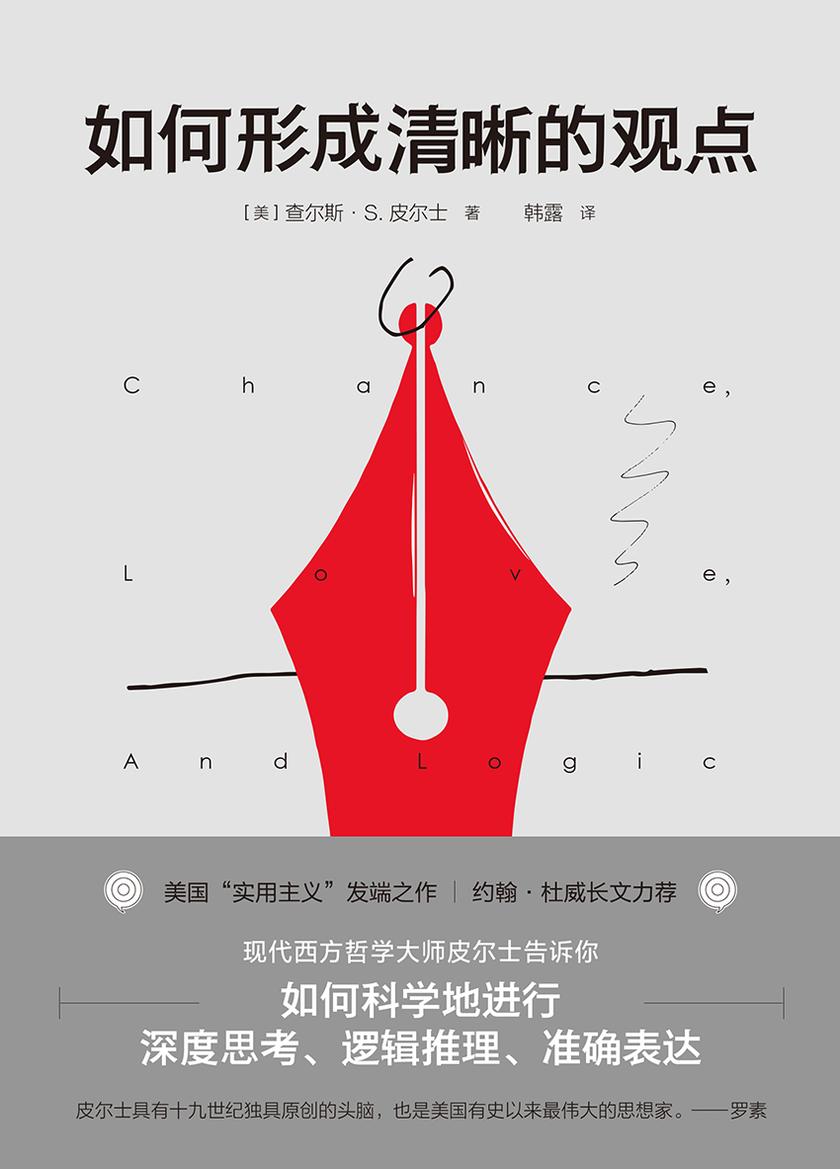
如何形成清晰的观点(美国实用主义创始人皮尔士告诉你:如何科学地进行深思考、逻辑推理、准确表达)
¥24.99
在人们的思维活动中,有许多种想法,却不知怎样表达。该如何形成自己清晰的观?这种观又是怎样决定人们的习惯从而影响人们的现实生活?什么样的观是有效的观? 美国实用主义哲学创始人查尔斯·S.皮尔士(Charles Sanders Peirce)在本书中有效地回答了这些问题。他系统阐述了自己对此问题的见解:首先探讨了人们在面对纷繁复杂的世界时,是如何一步一步形成清晰的观;其次对人们在形成具体而清晰的观过程中常用的几种方法行了分析。查尔斯·S.皮尔士认为,在面对具体情形时,人们不仅仅要找到所隐藏的前提条件或原则,更要有意识地把它们表达出来,这样才有利于行分析和表达,而积极、有效地影响或改变生活和工作。 阅读本书,可以培养人们在学习和工作中科学地行深度思考、逻辑推理与准确表达。?
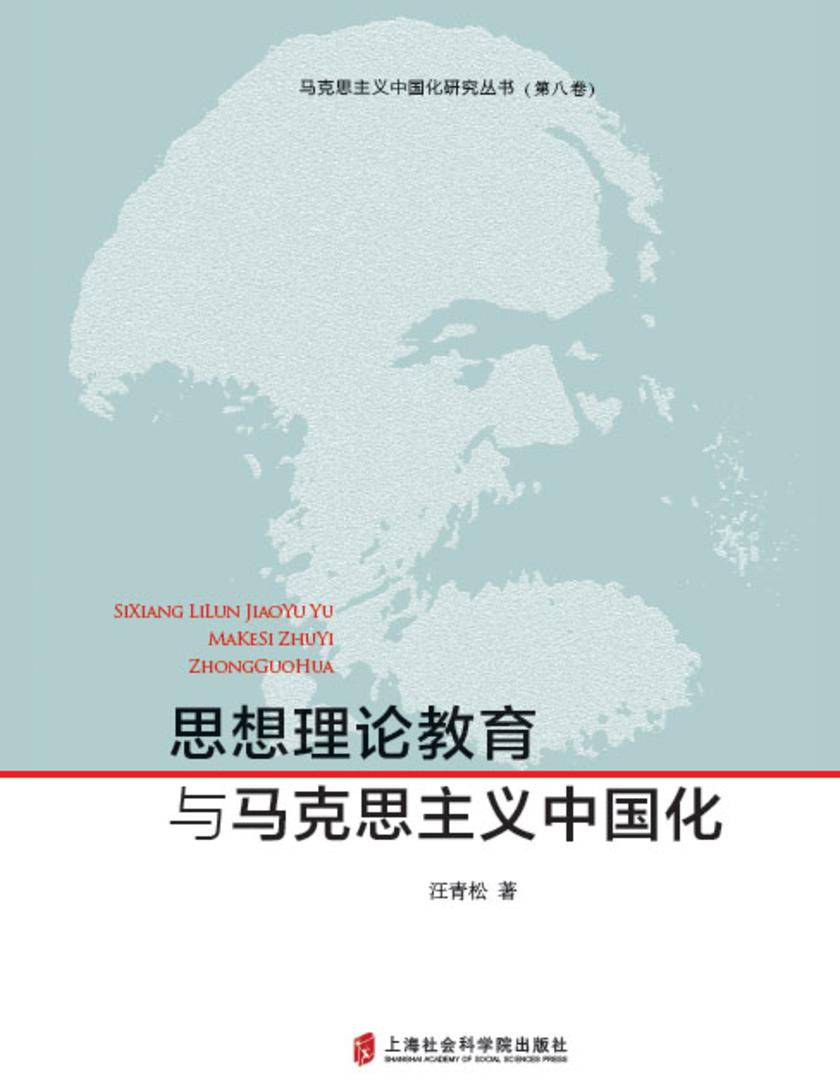
思想理论教育与马克思主义中国化
¥41.40
《思想理论教育与马克思主义中国化》选编了笔者发表的关于“思想理论教育的马克思主义中国化”、“马克思主义中国化的思想理论教育”的文章。有些看法与观曾引起学界的关注。2012年发表于《思想理论教育导刊》第6期的“马克思主义‘三化’与思想政治教育学科建设”一文提出,思想政治教育的学科属性姓“马”,是马克思主义思想政治教育;思想政治教育的马克思主义属性是马克思主义理论学科的题中应有之义。在当代中国,拓展思想政治教育的学科领域,应该在马克思主义“三化”背景下强化思想政治教育学科属性。思想政治教育坚持马克思主义中国化时代化大众化,才能根据中国社会的需要,在解答与解决中国革命、建设和改革问题过程中,发挥思想政治教育传播科学理论、武装头脑的功能。
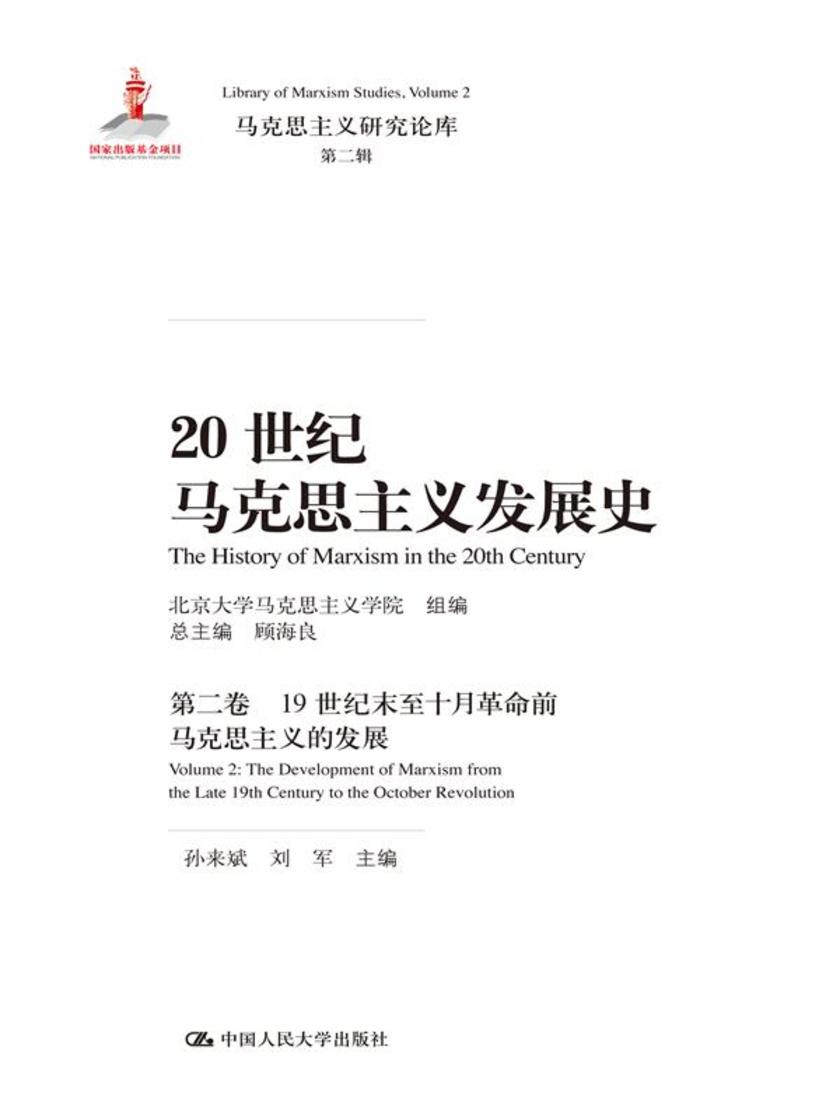
20世纪马克思主义发展史·第二卷(马克思主义研究论库·第二辑)
¥74.00
19世纪末20世纪初,是人类社会发生深刻变化的关键时期,也是马克思主义发展的重要时期。如何认识资本主义新变化的本质?马克思主义在时代新变化面前还有没有生命力?在新的历史条件下无产阶级面临的*紧迫任务及其实现路径是什么?以列宁为代表的马克思主义者,科学地回答了时代提出的重大问题,与各种错误思潮展了坚决斗争,有力地推了马克思主义的重大发展,为马克思主义在20世纪波澜壮阔的历史揭了精彩的序幕。 在《20世纪马克思主义发展史》(九卷本)的体系结构中,本卷具有反映历史承、时代转换和内容综合的特殊性质,总体遵循逻辑与历史相统一的思路,采用史论结合的叙述方法,着力考察19世纪末至十月革命前马克思主义发展史上的重大事件、重要人物、重著作,力图全面、准确地反映这一时期马克思主义发展的历史风貌。
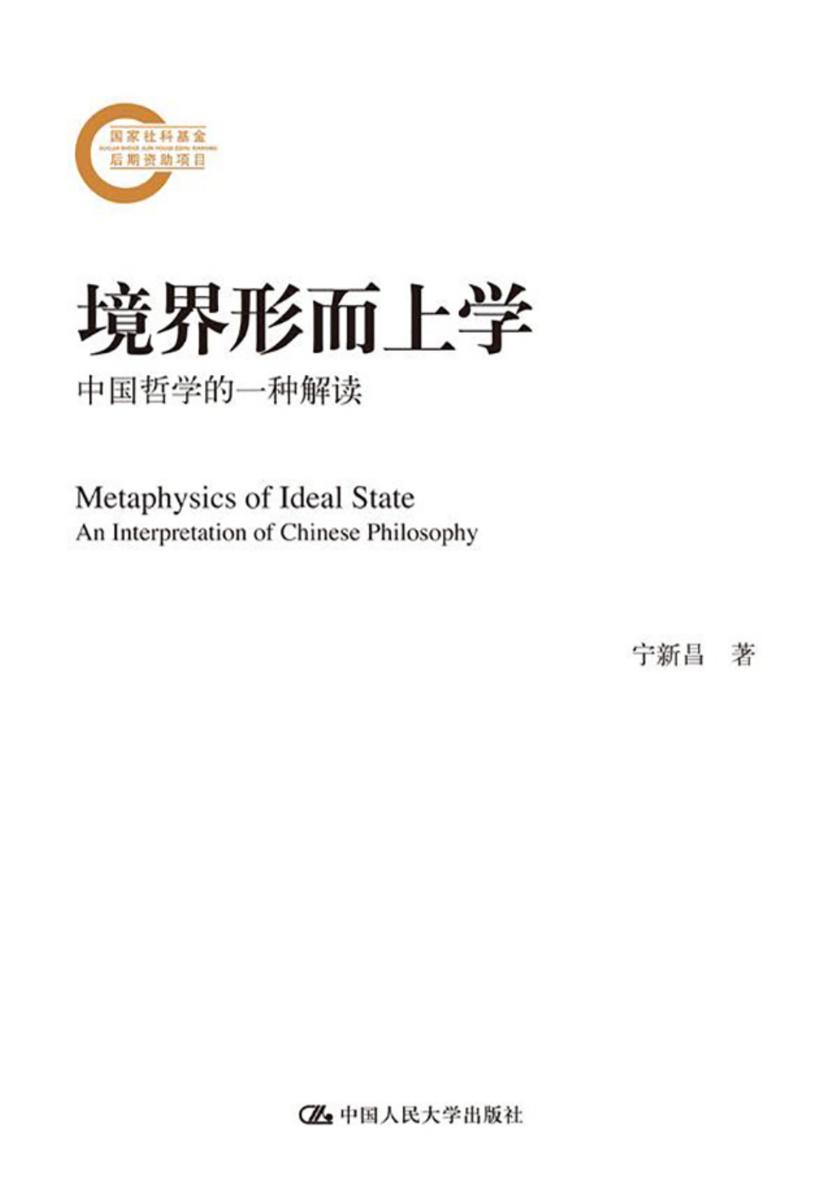
境界形而上学——中国哲学的一种解读
¥39.90
本书论述了形而上学的基本含义,比较说明了中西形而上学的差异与会通,探讨了境界形而上学的内涵,主张哲学意义上的实事求是与真善美的自由人格的内在统一。本书通过境界形而上学的视角探索中国哲学中儒释道的本体、工夫、境界三者的统一,揭示了儒释道所说的本体与人的关系,即本体与人的存在内在相连,并由人的道德实践而呈现在精神境界上。
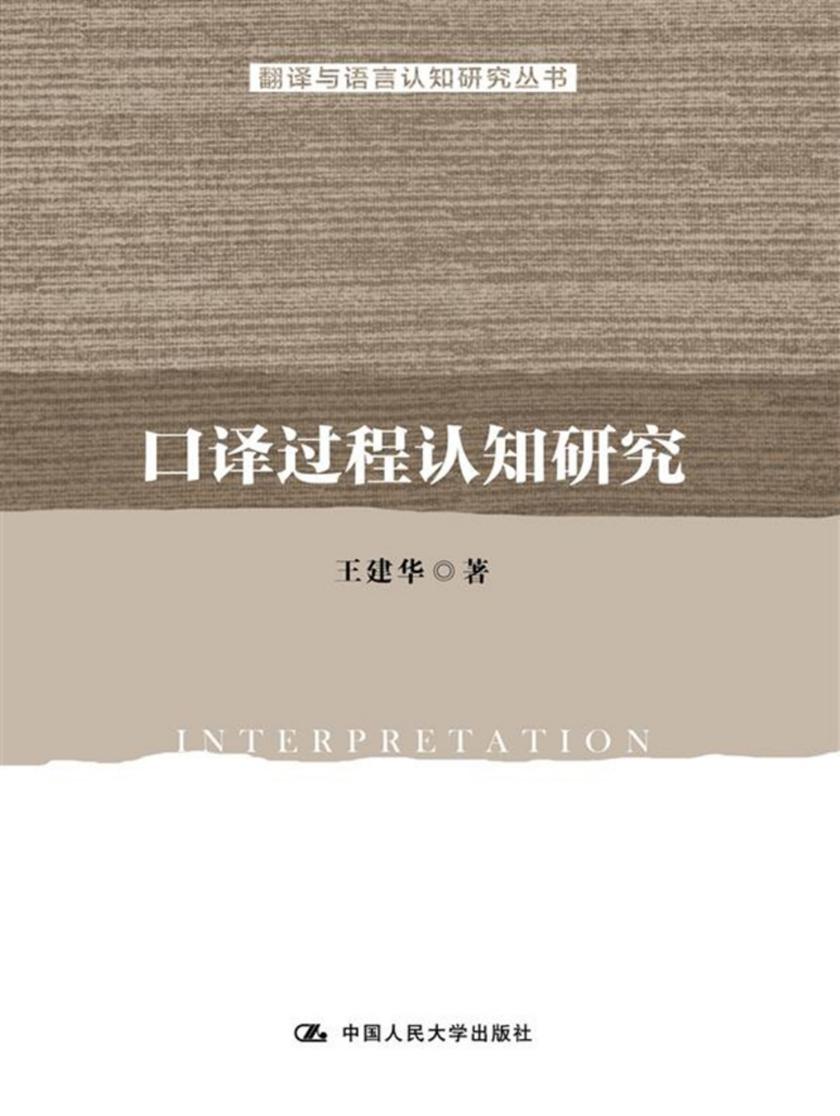
口译过程认知研究(翻译与语言认知研究丛书)
¥29.00
口译过程认知是近年来比较热门的研究领域,口译过程包括信息输、信息加工与信息输出几个基本的阶段,每个阶段下又分为不同的子阶段,这些认知过程研究会*终揭示口译过程语言转换这个黑匣子,源语转换到目的语的过程是语言认知的研究的核心内容,会为未来机器翻译和信息技术发展提供科学的支撑。该书分为口译过程的信息输理解、信息转换加工即口译的双语转换和信息输出即口译的表达三大部分。
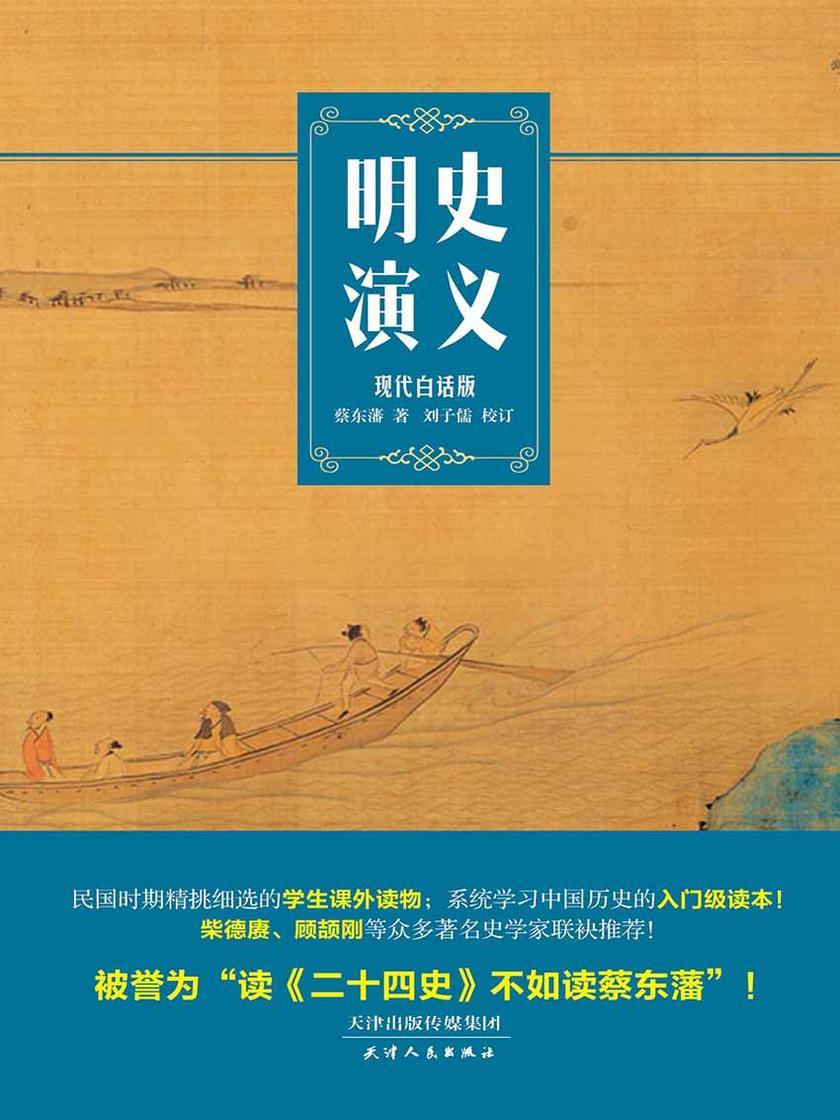
明史演义(一本书读懂大明王朝的权利游戏)
¥27.99
《明史演义(现代白话版)》是《历朝通俗演义(现代白话版)》的明朝部分,详细记叙了朱元璋从平民发迹到建立大明王朝,再到明朝灭亡二百七十六年间的历史。作者将历史人物行艺术再加工,以人物演义的形式生动描述了明朝的政治、经济、军事等面貌;采纳众多历史典籍,咏叹大明王朝的兴亡,并启发后世引以为鉴。 全书旁征博引,文史详备,真实可靠,行文张弛有度,自批自评,妙趣横生,其人物丰富,主次分明,故事生动,评独到,集文学性与历史性、趣味性于一体,让人读来不忍释卷,可谓通俗史著的经典之作。不但可以作为一般的休闲读物,也可以作为历史爱好者的参考书。
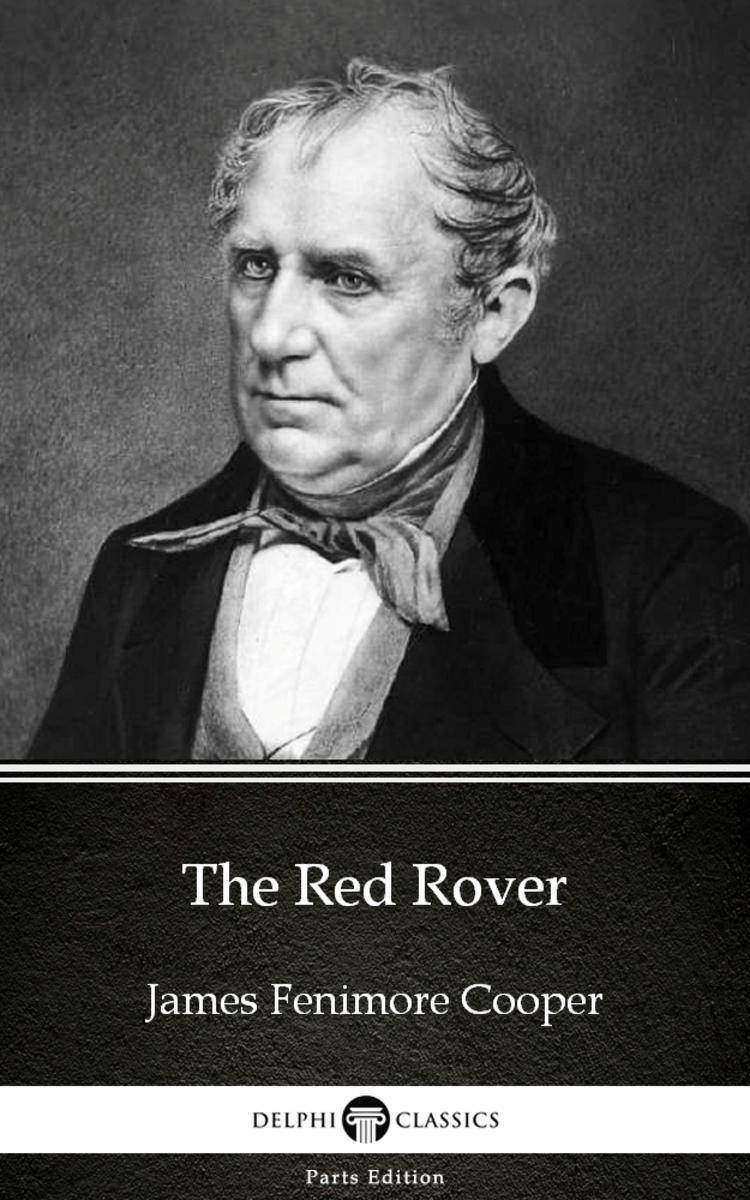
The Red Rover by James Fenimore Cooper - Delphi Classics (Illustrated)
¥8.09
This eBook features the unabridged text of ‘The Red Rover by James Fenimore Cooper - Delphi Classics (Illustrated)’ from the bestselling edition of ‘The Complete Works of James Fenimore Cooper’. Having established their name as the leading publisher of classic literature and art, Delphi Classics produce publications that are individually crafted with superior formatting, while introducing many rare texts for the first time in digital print. The Delphi Classics edition of Cooper includes original annotations and illustrations relating to the life and works of the author, as well as individual tables of contents, allowing you to navigate eBooks quickly and easily. eBook features: * The complete unabridged text of ‘The Red Rover by James Fenimore Cooper - Delphi Classics (Illustrated)’ * Beautifully illustrated with images related to Cooper’s works * Individual contents table, allowing easy navigation around the eBook * Excellent formatting of the text Please visit www.delphiclassics.com to learn more about our wide range of titles


