


 购物车
购物车 个人中心
个人中心
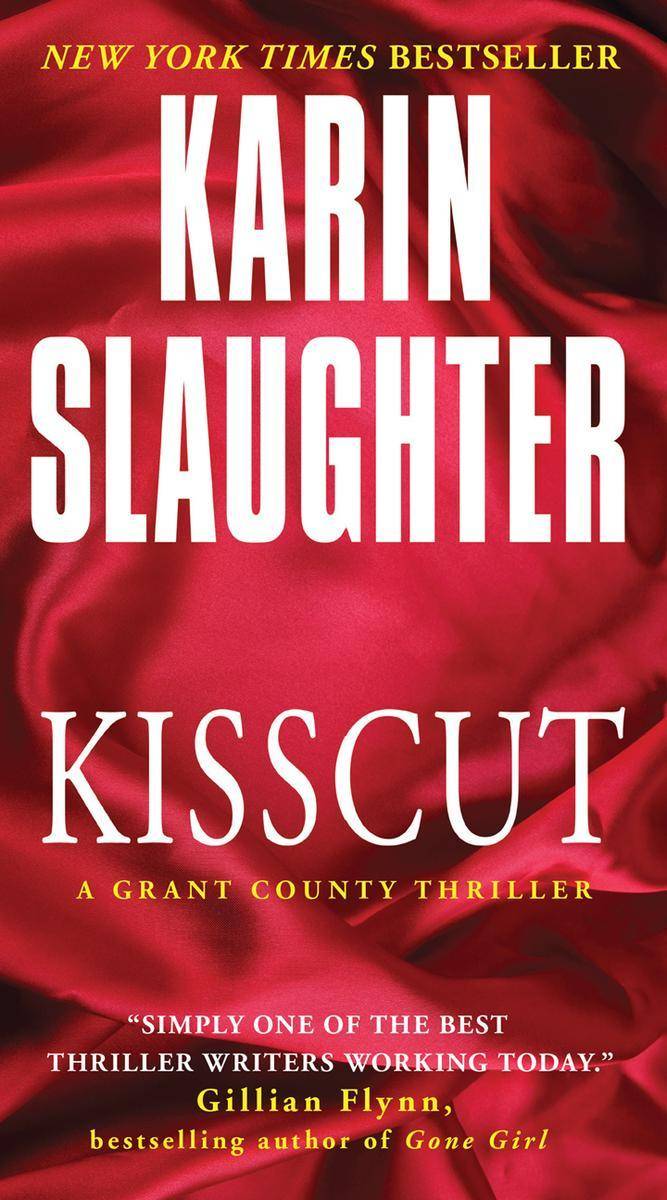
Kisscut
¥69.90
Gillian Flynn says, "Karin Slaughter is simply one of the best thriller writers working today."Saturday night dates at the skating rink have been a tradition in the small southern town of Heartsdale for as long as anyone can remember, but when a teenage quarrel explodes into a deadly shoot-out, Sara Linton—the town's pediatrician and medical examiner—finds herself entangled in a terrible tragedy.What seemed at first to be a horrific but individual catastrophe proves to have wider implications. The autopsy reveals evidence of long-term abuse, of ritualistic self -mutilation, but when Sara and police chief Jeffrey Tolliver start to investigate, they are frustrated at every turn.The children surrounding the victim close ranks. The families turn their backs. Then a young girl is abducted, and it becomes clear that the first death is linked to an even more brutal crime, one far more shocking than anyone could have imagined. Meanwhile, detective Lena Adams, still recovering from her sister's death and her own brutal attack, finds herself drawn to a young man who might hold the answers. But unless Lena, Sara, and Jeffrey can uncover the deadly secrets the children hide, it's going to happen again . . .

The Ape Who Guards the Balance
¥69.16
After eluding a kidnapper in London, an unperturbed Amelia Peabody accompanies her unconventional family to Cairo once more—only to be ensnared almost immediately in a web of stolen treasures and bloodthirsty cults. Villainy is running rampant in Egypt this 1907 archaeological season, but the members of the intrepid Peabody-Emerson clan have already proven themselves to be formidable adversaries. However, when a mint-condition papyrus of the Book of the Dead falls into their hands, and the corpse of an unscrupulous dealer in stolen antiquities is found floating in the Nile, the Emersons' prospects for surviving this excavation season unscathed appear increasingly dim.
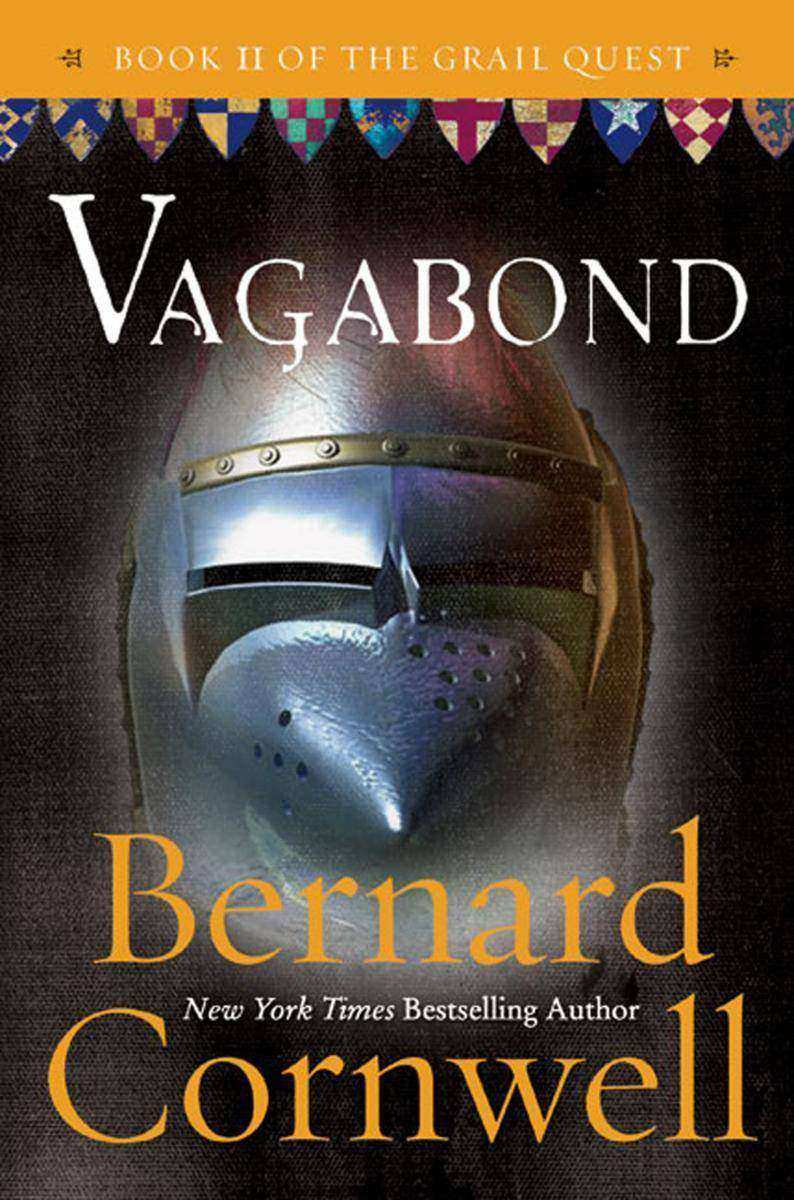
Vagabond
¥90.77
From internationally bestselling author Bernard Cornwell comes the eagerly anticipated sequel in his acclaimed Grail Quest series, in which a young archer sets out to avenge his family's honor on the battlefields of the Hundred Years' War and winds up on a quest for the Holy Grail.1347: a year of war and unrest. England's army is fighting in France, and its absence encourages the Scots to invade the old enemy. Thomas of Hookton, sent back to England to follow an ancient trail that suggests his family once owned the Holy Grail, instead becomes embroiled in the savage fight when the Scots come to Durham. Out of the horror he finds a new companion for the quest but also discovers a new and sinister enemy in a Dominican Inquisitor.All Europe wants the grail. Many may doubt it even exists, but no one would willingly allow an enemy to find Christendom's most precious relic, and Thomas finds himself in a murderous race with the Inquisitor and with Guy de Vexille, the mysterious black rider who murdered Thomas's father (in The Archer's Tale).Thomas appears to have an advantage in the race. His father bequeathed him a mysterious notebook that confirms the grail's existence and offers clues to where the relic might be hidden. But his rivals, inspired by a fanatical religious fervor, have their own advantage—the torture chamber of the Inquisition. Thomas, seeking help to decipher the book's cryptic pages, is delivered instead to his worst enemies.He finds refuge in Brittany, with Jeanette, the Countess of Armorica, but fate will not let him rest. He is thrust into one of the bloodiest and most desperate fights of the Hundred Years' War, the Battle of la Roche-Derrien, and amid the flames, arrows, and butchery of that night, he faces his enemies again.
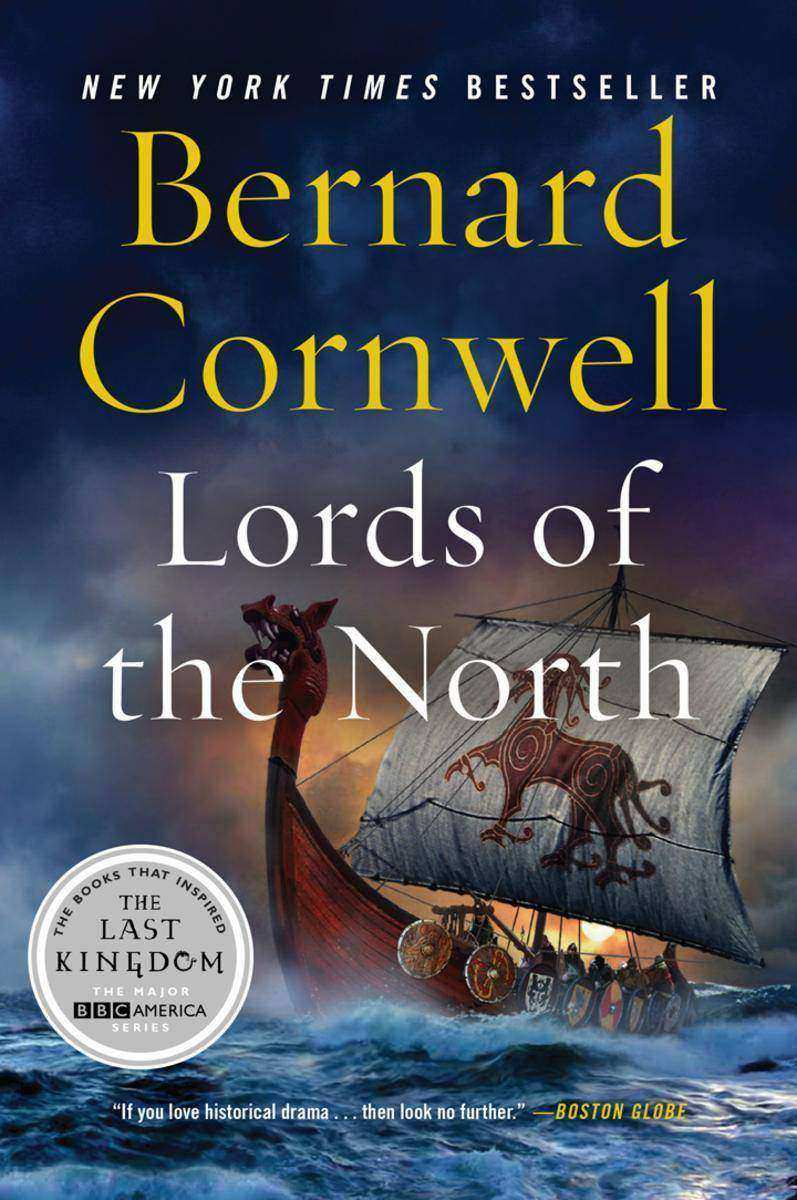
Lords of the North
¥94.10
The year is 878. Uhtred, the dispossessed son of a Northumbrian lord, has helped the Saxons of Wessex defeat the invading Danes. Now, finally free of his allegiance to the victorious, ungrateful King Alfred, he is heading home to rescue his stepsister, a prisoner of Kjartan the Cruel in the formidable Danish stronghold of Dunholm. Uhtred's best hope is his sword, Serpent-Breath, for his only allies are Hild, a West Saxon nun fleeing her calling, and Guthred, a slave who believes himself king. Rebellion, chaos, fear, and betrayal await them in the north, forcing Uhtred to turn once more, reluctantly, to the liege he formerly served in battle and blood: Alfred the Great.
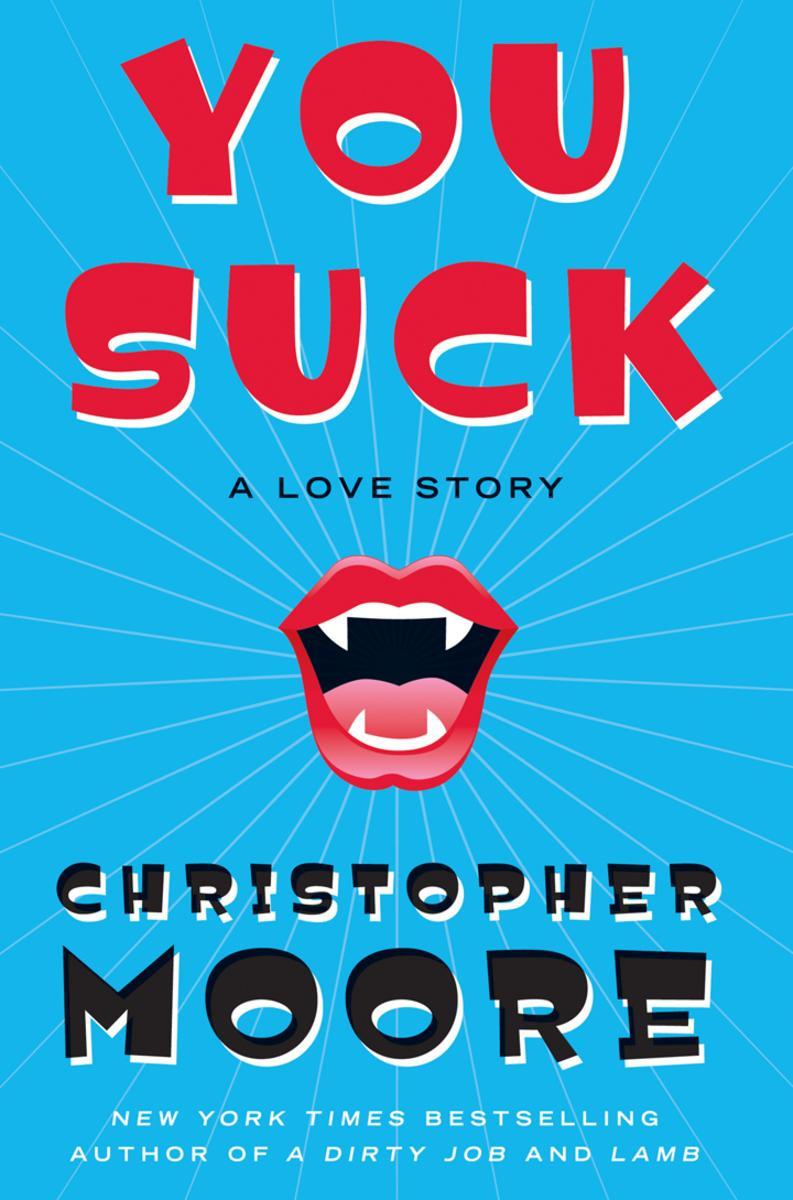
You Suck
¥78.32
Being undead sucks. Literally.Just ask C. Thomas Flood. Waking up after a fantastic night unlike anything he's ever experienced, he discovers that his girlfriend, Jody, is a vampire. And surprise! Now he's one, too. For some couples, the whole biting-and-blood thing would have been a deal breaker. But Tommy and Jody are in love, and they vow to work through their issues.But word has it that the vampire who initially nibbled on Jody wasn't supposed to be recruiting. Even worse, Tommy's erstwhile turkey-bowling pals are out to get him, at the urging of a blue-dyed Las Vegas call girl named (duh) Blue. And that really sucks.
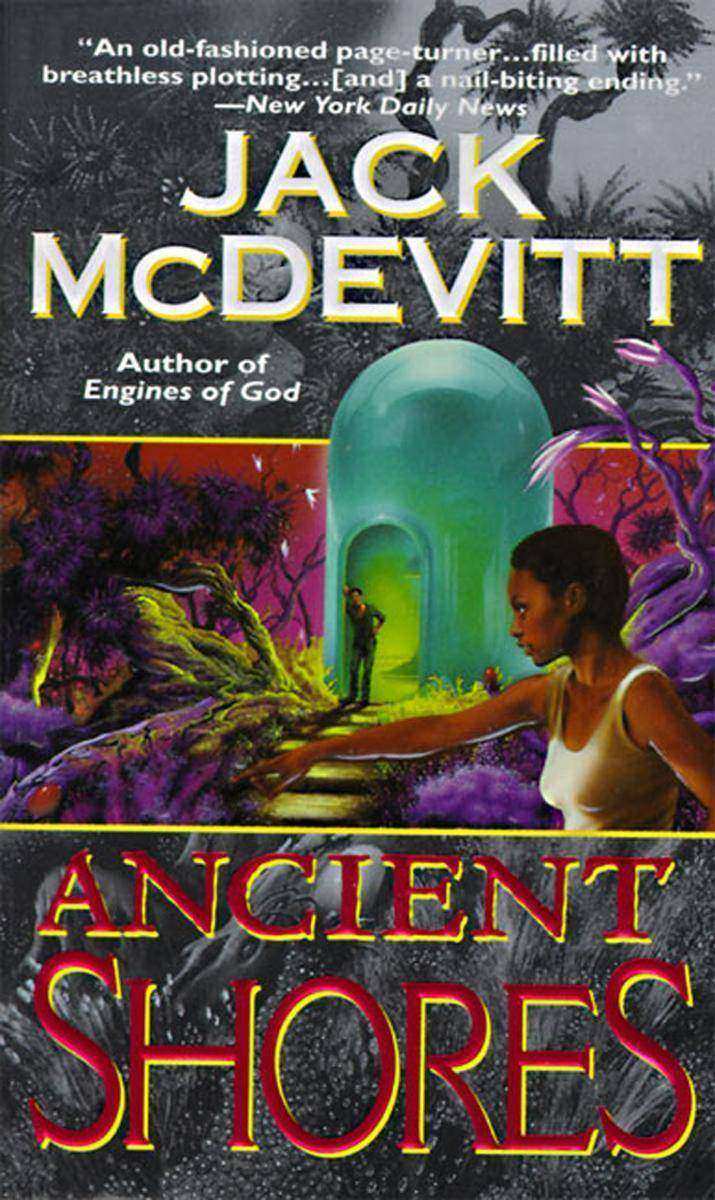
Ancient Shores
¥55.31
It turned up in a North Dakota wheat field: a triangle, like a shark's fin, sticking up from the black loam. Tom Lasker did what any farmer would have done. He dug it up. And discovered a boat, made of a fiberglass-like material with an utterly impossible atomic number. What it was doing buried under a dozen feet of prairie soil two thousand miles from any ocean, no one knew. True, Tom Lasker's wheat field had once been on the shoreline of a great inland sea, but that was a long time ago -- ten thousand years ago.A return to science fiction on a grand scale, reminiscent of the best of Heinlein, Simak, and Clarke, Ancient Shores is the most ambitious and exciting SF triumph of the decade, a bold speculative adventure that does not shrink from the big questions -- and the big answers.
Gold
¥88.56
Gold is the final and crowning achievement of the fifty-year career of science fiction's transcendent genius, the world-famous author who defined the field of science fiction for its practitioners, its millions of readers, and the world at large.The first section contains stories that range from the humorous to the profound, at the heart of which is the title story, "Gold," a moving and revealing drama about a writer who gambles everything on a chance at immortality: a gamble Asimov himself made -- and won. The second section contains the grand master's ruminations on the SF genre itself. And the final section is comprised of Asimov's thoughts on the craft and writing of science fiction.
Savannah Breeze
¥94.10
Southern belle BeBe Loudermilk has lost all her worldly possessions, thanks to a brief but disastrous relationship with the gorgeous Reddy, an "investment counselor" who turns out to be a con man. All that's left is a ramshackle 1950s motel on Tybee Island—an eccentric beach town that calls itself a drinking village with a fishing problem.Breeze Inn is a place where the very classy BeBe wouldn't normally be caught dead, but with no alternative, she moves into the manager's unit, vowing to make magic out of mud. The work is grueling, especially dealing with the bad-tempered caretaker, a fishing captain named Harry who's trying to earn enough dough to get his boat out of hock. With the help of Harry and her junking friend Weezie, BeBe soon has the motel spiffed up and attracting paying guests.Then there's a sighting of Reddy in Fort Lauderdale, and BeBe decides to go after him. She puts together a posse, and with the irrepressible Granddaddy Loudermilk snoring in the backseat of the Buick, heads south. The plan is to carry out a sting that may be just a little bit outside the law but that, with any luck at all, will retrieve BeBe's fortune and put the dastardly Reddy in jail, where he belongs. And maybe Harry, who's looking more hunky every day, will finally get his boat back.
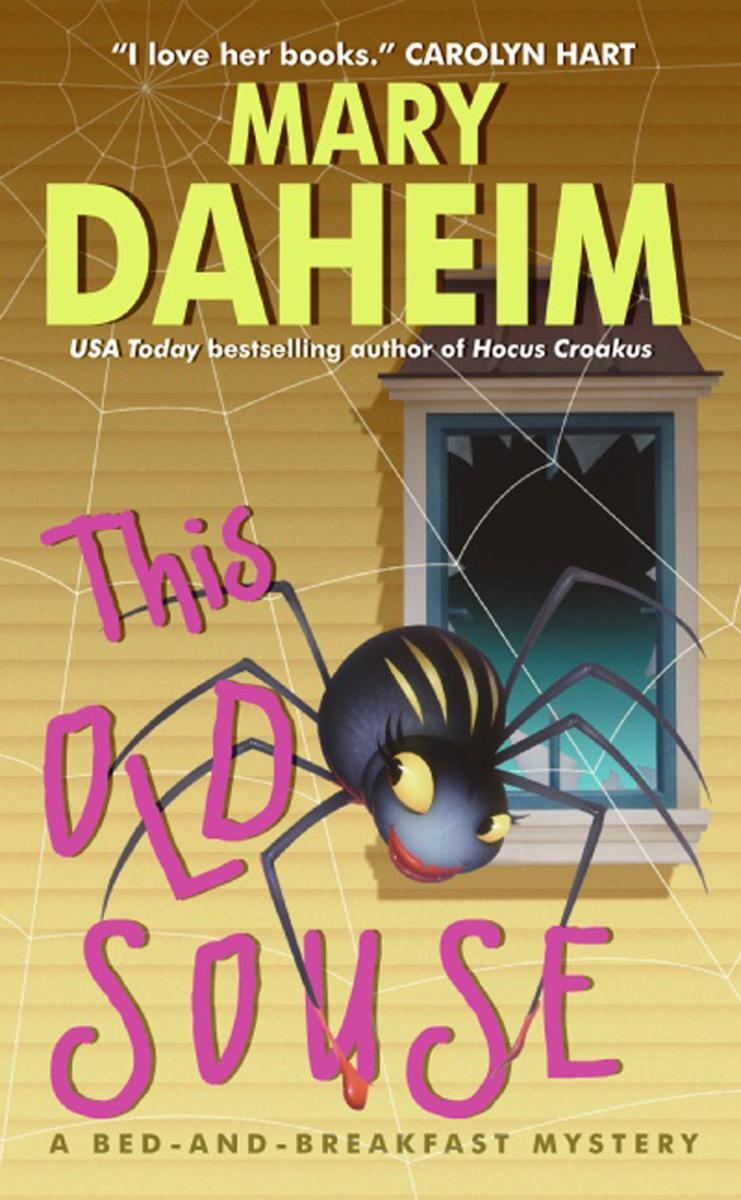
This Old Souse
¥55.31
USA Today bestselling mystery maven Mary Daheim brings us another intriguing tale in her cherished Bed-and-Breakfast mystery series in which a trip down memory lane brings Judith and Renie back to their old neighbourhood, and they are drawn to a seemingly deserted house that is much more than meets the eye.On a trip to Renie's old neighbourhood, the cousins' curiosity is piqued by a mysterious brick Tudor house that always looked deserted during Renie's junior high school days. Surprised that the house still looks abandoned after all these years, Judith and Renie, of course, cannot resist an opportunity to snoop around. They discover that Mr. and Mrs. Bland have lived in the house since 1947, and after cornering the mailman and milkman, Judith and Renie also learn that the Blands receive regular mail and food deliveries, but no one has ever seen the occupants who simply pay the bills with cash they leave in the milk box. Although intrigued by these strange, but definitely not sinister, occurrences, Judith is ready to focus her attention once more on her neglected husband Joe and the busy B&B business. Until one day Judith finds a dead body in the trunk of her car. And it's the Blands' milkman...
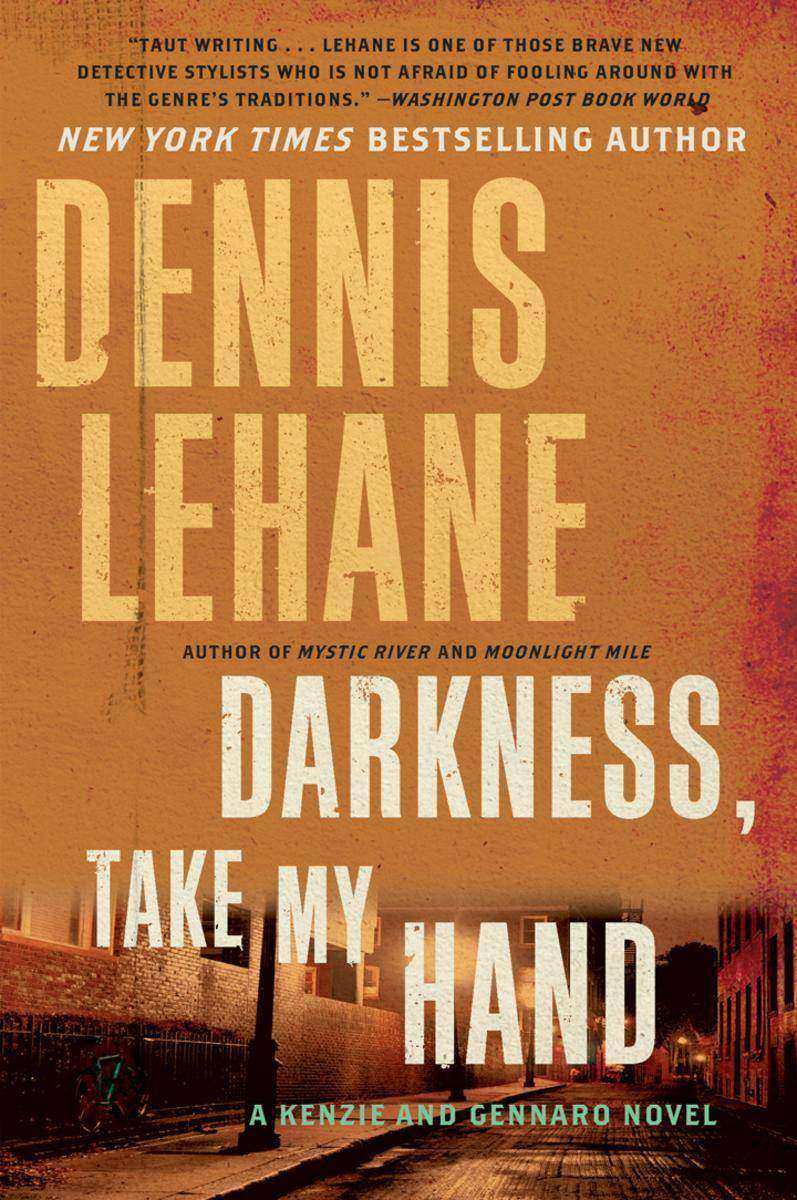
Darkness, Take My Hand
¥69.16
The master of the new noir, Dennis Lehane magnificently evokes the dignity and savagery of working-class Boston in this terrifying tale of darkness and redemption.Patrick Kenzie and Angela Gennaro's latest client is a prominent Boston psychiatrist running scared from a vengeful Irish mob. The private investigators know something about cold-blooded retribution. Born and bred on the mean streets of blue-collar Dorchester, they've seen the darkness that lives in the hearts of the unfortunate. But an evil for which even they are unprepared is about to strike as secrets long-dormant erupt, setting off a chain of violent murders that will stain everything—including the truth.

The Septembers of Shiraz
¥77.49
In the aftermath of the Iranian revolution, rare-gem dealer Isaac Amin is arrested, wrongly accused of being a spy. Terrified by his disappearance, his family must reconcile a new world of cruelty and chaos with the collapse of everything they have known. As Isaac navigates the tedium and terrors of prison, forging tenuous trusts, his wife feverishly searches for him, suspecting, all the while, that their once-trusted housekeeper has turned on them and is now acting as an informer. And as his daughter, in a childlike attempt to stop the wave of baseless arrests, engages in illicit activities, his son, sent to New York before the rise of the Ayatollahs, struggles to find happiness even as he realizes that his family may soon be forced to embark on a journey of incalculable danger.A page-turning literary debut, The Septembers of Shiraz simmers with questions of identity, alienation, and love, not simply for a spouse or a child, but for all the intangible sights and smells of the place we call home.
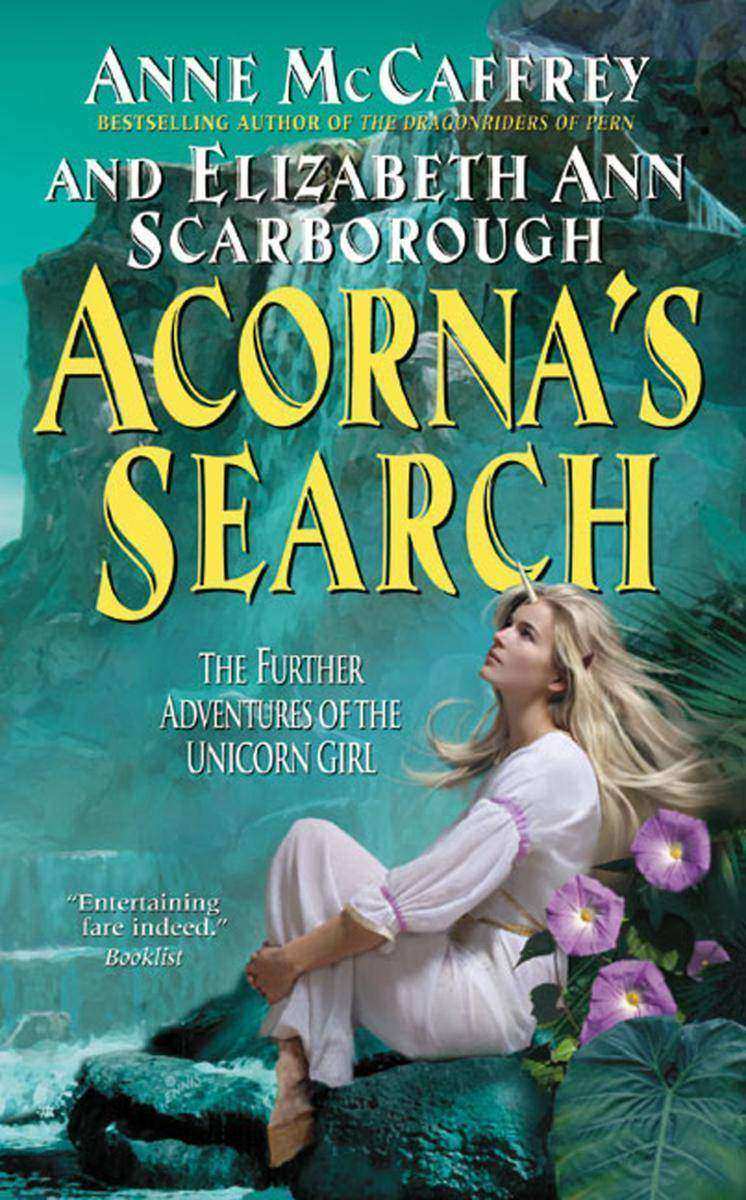
Acorna's Search
¥51.92
The homeworld Acorna has never known was horribly scarred in the brutal attack by the cold-blooded Khleevi, but the Linyaari -- the unicorn girl's gentle, spiritual race -- live on. Now is the time for healing and rebuilding, for restoring the natural beauty corrupted by the savage insectile oppressors. But Acorna's Linyaari friends and colleagues begin mysteriously disappearing soon after work gets under way, among them her beloved Aari. And her desperate search for answers will lead courageous Acorna to a shocking discovery beneath the surface of her people's world -- and deep into the realms of limitless space, where the truth of the origin of everything awaits.

Boy Meets Girl
¥77.49
Meet Kate Mackenzie. She:works for the T.O.D. (short for TyrannicalOffice Despot, also known as Amy Jenkins,Director of the Human Resources Divisionat the New York Journal)is sleeping on the couch because herboyfriend of ten years refuses to commitcan't find an affordable studio apartmentanywhere in New York Citythinks things can't get any worse.They can. Because:the T.O.D. is making her fire the most popularemployee in the paper's senior staff dining roomthat employee is now suing Kate for wrongfultermination, andnow Kate has to give a deposition in front ofMitch Hertzog, the scion of one of Manhattan's wealthiest law families,who embraces everything Kate most despises ... but also happens to have a nice smile and a killer bod.The last thing anybody -- least of all Kate Mackenzie -- expects to findin a legal arbitration is love. But that's the kind of thing that canhappen when ... Boy Meets Girl.
Split Images
¥88.56
Quintessential Elmore Leonard, Split Images stars Palm Beach playboy Robbie Daniels. He's the kind of guy who gets away with everything -- even murder -- until a vacationing Motown cop, Bryan Hurd, starts asking questions. When this millionaire reptile reveals the psychopath beneath his slippery skin, Hurd finds out this is one helluva way for an out-of-town lawman to spend his vacation.
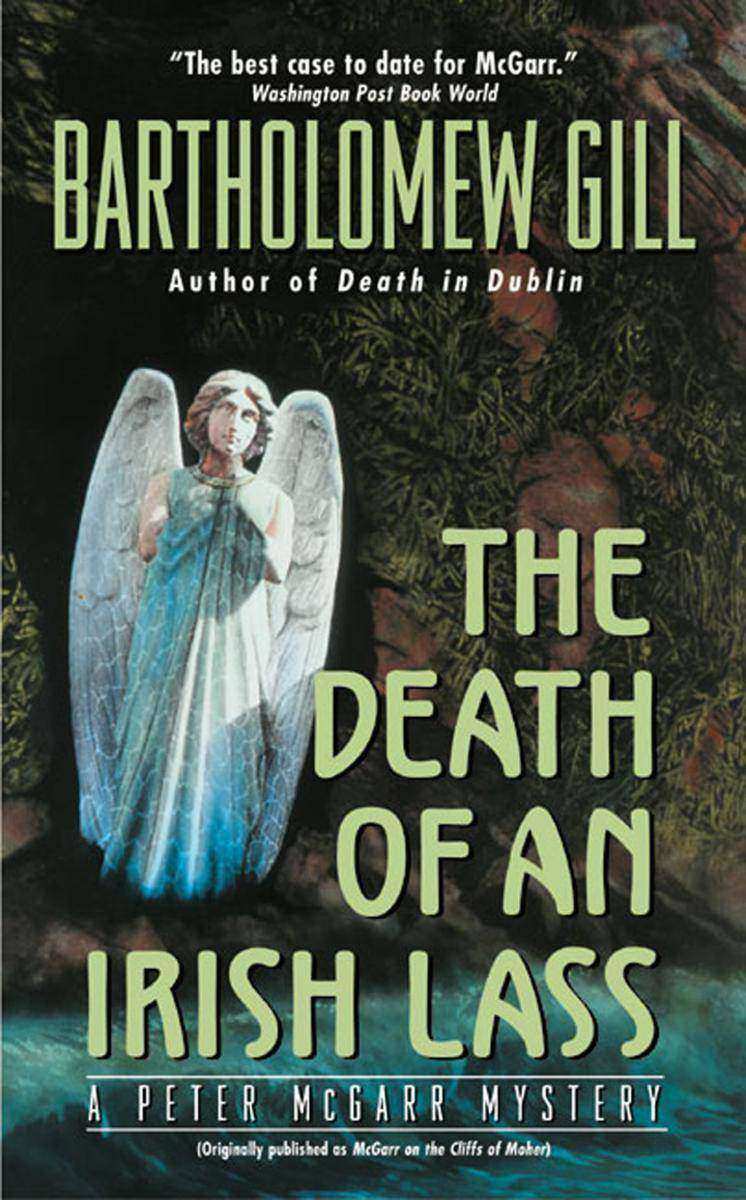
The Death of an Irish Lass
¥49.05
The dead woman is an enigma a local lass who emigrated to America some years back, now perched atop a seven hundred foot cliff high above the pounding Irish surf . . . with two passports, a pistol, and $27,000 U.S. dollars in her coat pocket. The brutality of May Quirk's murder along with the accompanying death of her unborn child haunts Chief Superintendent Peter McGarr of the Special Crimes Unit. What was it that brought her home to County Clare to dieMcGarr is determined to find out, as his investigation carries him into the twisted core of a deadly conspiracy centered around money, madness, and lethal politics . . . and leads him far from his own home to a dark place where a dedicated Irish policeman is easy prey.

The CR Way
¥88.56
When it comes to living longer, scientists are discovering that less is more. By following Calorie Restriction, a revolutionary diet that provides the body with fewer calories than is traditionally required, people are getting dramatic benefits. Now, with The CR Way, you too can slow the aging process; protect against cardiovascular disease, cancer, and diabetes; and increase your energy and mental capabilities. And, if needed, you'll lose weight and keep it off. Paul McGlothin and Meredith Averill, leaders of the Calorie Restriction Society, provide quick and easy menus and recipes so delicious that you will wonder why you ever wanted to eat more than you need. And for those who want some of the benefits without sacrificing all the calories, the authors will show you how to plan a diet that works for you. Groundbreaking and controversial, The CR Way is your key to a happier, healthier life.

The Fires
¥90.77
Smoke has as many different scents as skin. Part of the pleasure is not knowing what it will be -- sulfurous or closer to incense or airier and sweeter as I imagine the smell of clouds.Ella is a connoisseur of fire, a woman enthralled by it as other women are by love. She savors the seductive promise of a spark, the caress of a curling wisp of smoke, the all-consuming hunger of a spreading blaze. Ella's heart seethes with a rage that can be spoken only with tongues of flame.In her remarkable first novel, Rene Steinke has created a narrator so lyrical and lucid in her madness as to raise the book to the level of romance. Trapped in a sleepy Indiana town, torn by inner demons that drive her to pyromania and promiscuity, Ella is at once entirely original and unforgettably real.As she struggles to come to terms with her family's tormented past and her own uncertain future, she draws the mesmerized reader ever deeper into her scorched soul, revealing a sensuality that will spiral into final, fiery destruction -- unless it can be quenched by love.

Holy Skirts
¥84.16
No one in 1917 New York had ever encountered a woman like the Bar-oness Elsa von Freytag-Loringhoven -- poet, artist, proto-punk rocker, sexual libertine, fashion avatar, and unrepentant troublemaker. When she wasn't stalking the streets of Greenwich Village wearing a brassiere made from tomato cans, she was enthusiastically declaiming her poems to sailors in beer halls or posing nude for Man Ray or Marcel Duchamp. In an era of brutal war, technological innovation, and cataclysmic change, the Baroness had resolved to create her own destiny -- taking the center of the Dadaist circle, breaking every bond of female propriety . . . and transforming herself into a living, breathing work of art.

Play Dates
¥84.16
With her sharp wit and riveting style, Leslie Carroll plunges us deep into the world of the overscheduled children of New York, and the oversexed, over-lipoed, overpaid people who raise them -or pay their nannies!What happens when a trophy wife gets turned in for someone even younger, blonder, and prettierClaire Marsh doesn't take it lying down. She may have lost both husband and housekeeper in the horrible divorce, but even if she's not able to keep living in the manner to which she's accustomed, she'll do what it takes so that her daughter will with a little help from her slightly wild, slightly out-of-control sister MiMi.
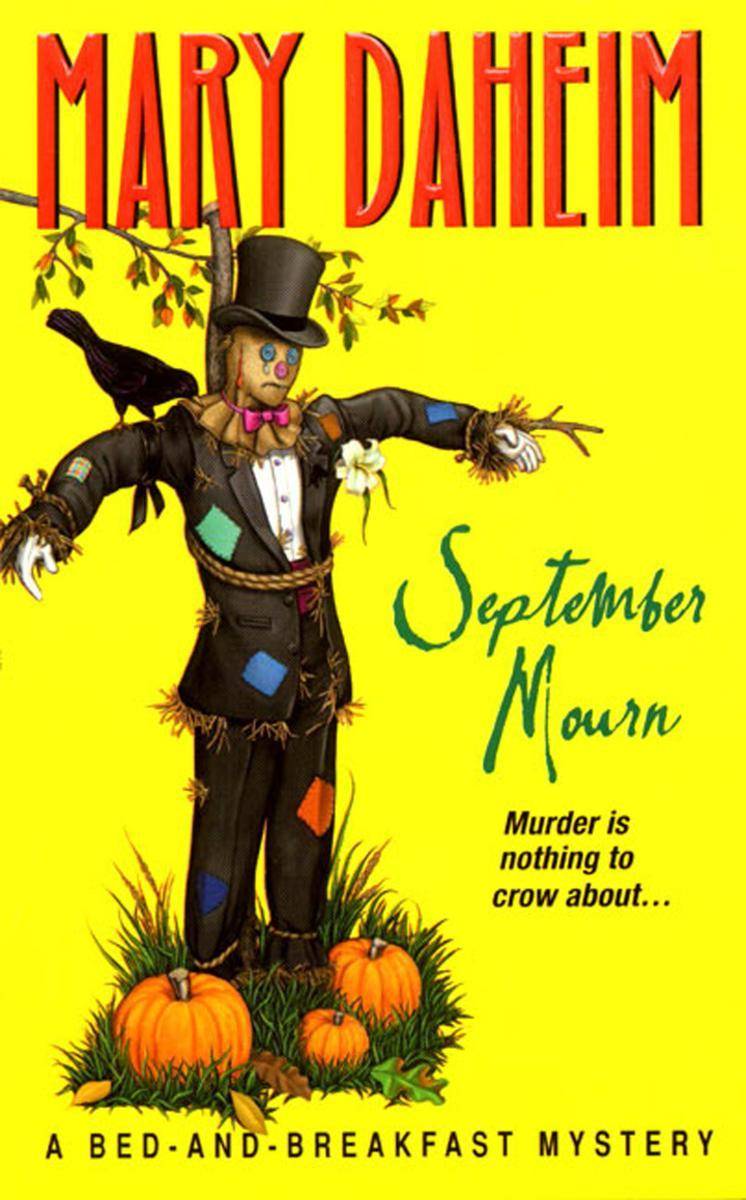
September Mourn
¥55.31
Fall has fallen upon Judith McMonigle Flynn, leaving her Hillside Manor nearly devoid of guests. And what better cure for the off-season blahs than a brief bout of BB sifting for a friend amid the quiet rustic splendor of secluded Chavez IslandJudith and cousin Renie both are more than ready for some relaxation. But their peace goes to pieces when Renie conks an odious interloping blowhard on the noggin with a heavy china dish-and, moments later, the woozy lout takes a fatal tumble down an inconvenient staircase. Judith suspects that death by dinnerware was not the real cause of this fellow's demise. But to prove her cantankerous cuz innocent, she'll have to uncover the real killer from among the motley island crew. And that could pile a lot more nastiness on Judith's plate than the harried bed-and-breakfast hostess can consume in one sitting!
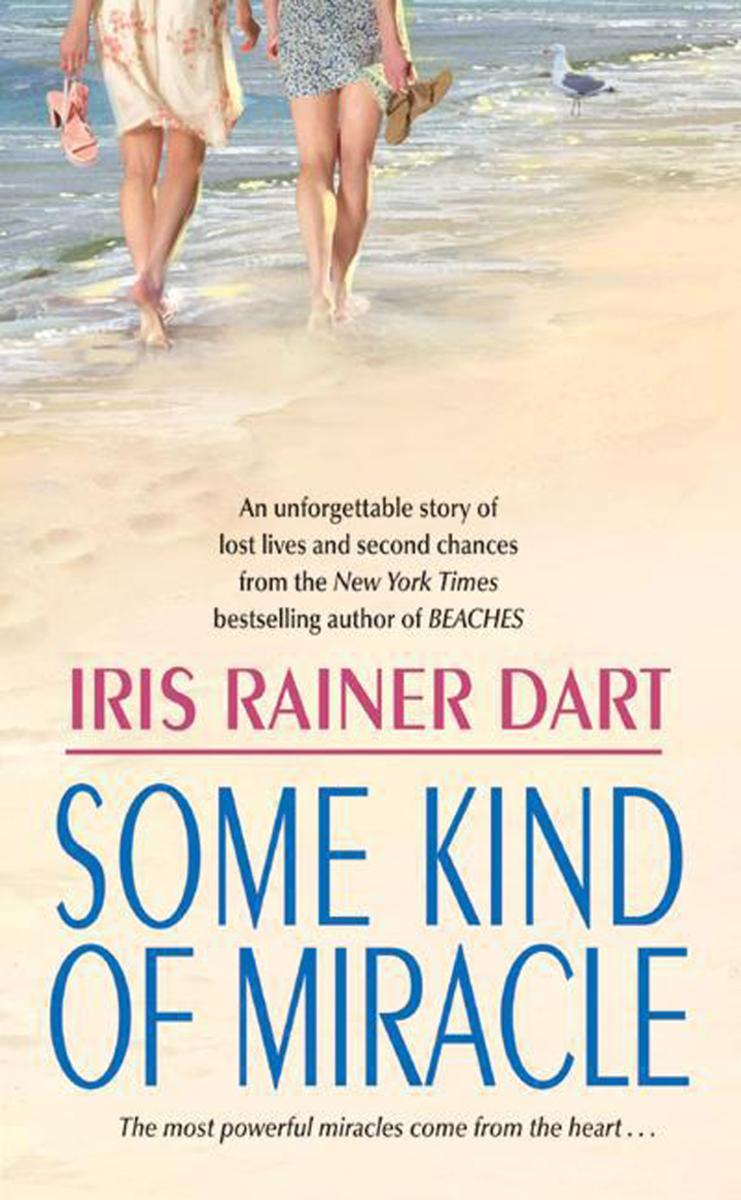
Some Kind of Miracle
¥52.63
From the mega-bestselling author of Beaches , a new novel, available in mass market for the first time, once again celebrating female relationships. Two very different women fulfil a childhood promise to take care of one another no matter what.Dahlia Green is a struggling songwriter in Los Angeles who has fallen on hard times. She's had few of her songs recorded, but lately there's been a long pause between sales and she's starting to believe she'll never sell another song. As a child Dahlia and her cousin Annie wrote duets together as child play. Then Annie was diagnosed with schizophrenia and for all of her adult life has cycled in and out of mental hospitals where no one ever goes to visit her. Now twenty-five years later Dahlia has a chance to shine again by selling a song she and Annie wrote. So she tracks Annie in an institution and brings her home in hopes of convincing her to sign away her rights to the tune. But what starts out as a scheme to get ahead and exploit her cousin results in Dahlia putting someone else's needs above her own for the first time in her life. She fulfils a childhood promise made long ago to take care of one another no matter what.


