


 购物车
 个人中心


Unbeatables
¥39.14
Shy boy Amadeo reigns supreme at table football in his local cafe. Taking on all comers he is one of "e;the unbeatables"e; with his loyal team of tiny foosballers. But there's another "e;unbeatable"e; in town. Aggrieved by his only ever defeat at the hands of Amadeo in a foosball match when they were kids, Flash the town bully returns to seek revenge. Not only does he destroy the foosball table, but he challenges Amadeo to a game of actual football. Amadeo has never played real football - and Flash, with his insatiable quest for glory, has subsequently risen to become the world's most famous soccer star. With the future of the village at stake and his foosballers scattered, the situation looks hopeless for Amadeo. Unless he can recruit the help of his eccentric fellow villagers and the girl he loves, Lara, to take on the world's best football team captained by his nemesis Flash. And unless the foossballers can be reunited. "e;It'll be like Barcelona against a non-league team with an injury crisis,"e; predicts Lara. What nobody predicts, however, is how Amadeo's foosballers will affect the game... The Unbeatables novel is the ultimate fantasy football story. Expanding upon the original movie, the novel includes additional adventures and characters. Written for young adults (and not so young adults), the book is a scintillating, action-packed 90 minutes of end-to-end incident, comedic flair, goalmouth scrambles and dubious off the ball challenges on the ethos of the modern game. Praise for The Unbeatables: "e;The witty dialogue and banter makes for some very funny moments, while the digs at the excesses of modern footballers will ring true to followers of the Beautiful Game."e; - Radio Times"e;The Unbeatables is great fun for young and old."e; - Daily Express"e;Nice jokes at the expense of FIFA, overpaid prima donna footballers and slimy agents."e; - Daily Mail"e;Lively and consistently funny."e; - Irish Times"e;An utterly charming gem. Deft one-liners. Back of the net!"e; - Irish Independent

Kyoto
¥88.19
Kyoto, the ancient former capital of Japan, breathes history and mystery. Its temples, gardens and palaces are testimony to many centuries of aristocratic and religious grandeur. Under the veneer of modernity, the city remains filled with countless reminders of a proud past. John Dougill explores this most venerable of Japanese cities, revealing the spirit of place and the individuals that have shaped its often dramatic history. Courtiers and courtesans, poets and priests, samurai and geisha people the pages of his account. Covering twelve centuries in all, the book not only provides a historical overview but brings to life the cultural magnificence of the city of "e;Purple Hills and Crystal Streams"e;. City of Power: The seat of aristocrats and warriors; military might and spiritual authority; unification and the transition to modernity. City of Ritual: Buddhist sects and Shinto festivals; tea ceremony; the role of the geisha; the influence of Zen. City of Arts: Poetry and fiction; architecture and garden design; Heian verse and Noh theatre; art and handicrafts; the Japanese Hollywood.

Never Again
¥98.00
Elderly British men display a variety of annoying habits. They write letters to the newspapers; they drink too much; they reminisce about the old days; they make lewd comments to younger women; they shout at the television screen; and they go for long walks and get lost. Jeremy Cameron chose the last of these options. Trying to emulate Patrick Leigh Fermor's feat of 1933, he walked from Hook of Holland to Istanbul. Leigh Fermor was a legendary figure. Scholar, multilinguist, beautiful prose stylist, war hero, tough guy, charmer and famous lover: Cameron is none of these things and he also suffers from a heart condition. Rest assured that there will be no tedious details of operations or stoicism in this book. Nor will there be descriptions of understated generosity, quiet irony or British phlegm. The main point of travel is to recognise the virtues of staying at home. When at home, it is not possible to get bogged down in Alpine snow, fall over on one's face on Kosovan tarmac or suffer a comprehensive mugging on deserted roads in Greece. Nor does one have to speak foreign languages, eat foreign food or, above all, drink terrible tea. It is about two thousand miles from Hook of Holland to Istanbul. Thirteen countries lie in wait for the walker. They have many wonderful sights and much fascinating history. Readers will not find them in this book. They will, however, find a number of stories of varying authenticity and some very dubious observations about life. By the time Turkey arrived, Cameron was utterly and completely fed up with the whole process. Never again would he do anything quite so stupid. He is currently walking round all the places in England beginning with the letter Q.
Frontline Madrid
¥73.48
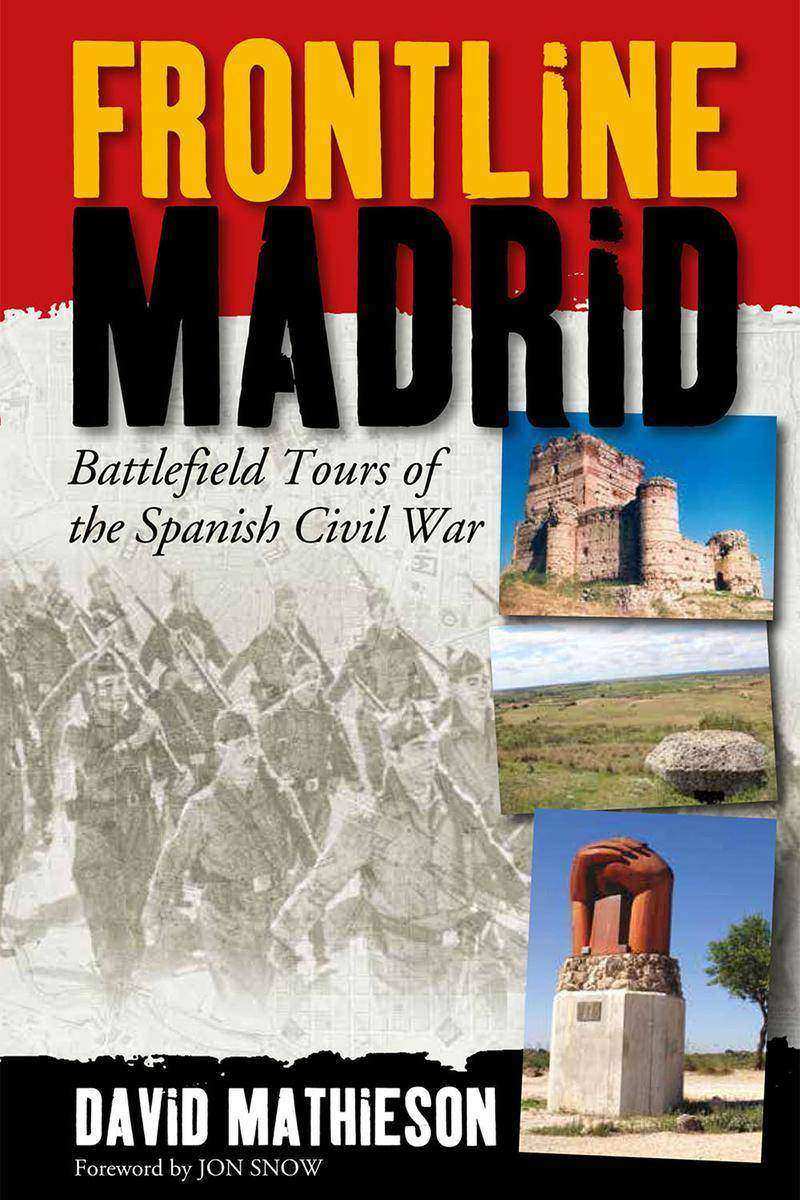
In July 1936 insurgent Spanish troops organized a military coup to oust the elected Republican government in Madrid. The rebel generals expected to force a quick, clean regime change but they failed. The botched uprising turned into a bloody civil war. Hundreds of thousands died in a bitter conflict which tore the country apart and rapidly turned into the prelude for an even greater conflict yet to come--the Second World War. The siege of Madrid was the key battle of the war. The world watched and waited for the city to surrender as General Franco's Nationalist army, backed by Hitler and Mussolini, closed in on the Spanish capital. But Madrid did not fall. Madrilenos fought tooth and nail to defend their city. Helped by volunteers from fifty other countries--the International Brigades--they held out against all the odds until the end of the conflict in 1939. Despite its central role in twentieth-century history, the siege of Madrid is an episode largely hidden from today's visitor. There is no guide to the war sites and few clues for the inquisitive traveller who wants to know more. Frontline Madrid fills that gap. This unique guide book explains what life was like in the city under siege and what happened in the battlefield dramas. The simple to follow maps and diagrams make it easy to visit the frontline sites. The vividly written descriptions bring events and people compellingly to life. The role of prominent individuals, British and American--Orwell, Hemingway, John Cornford is explored. Off the beaten track, from the University district in the city centre to the mountains of Guadarrama less than an hour away, the remains of the war in Madrid can still be found--gun emplacements, bunkers, trenches and occasional debris. Frontline Madrid retraces the footsteps of those who lived through the conflict to take the reader on a tour in time. The usual tourist traps are left far behind to enter the gripping world of a war which shaped modern European history.
Me and My Hair
¥73.48
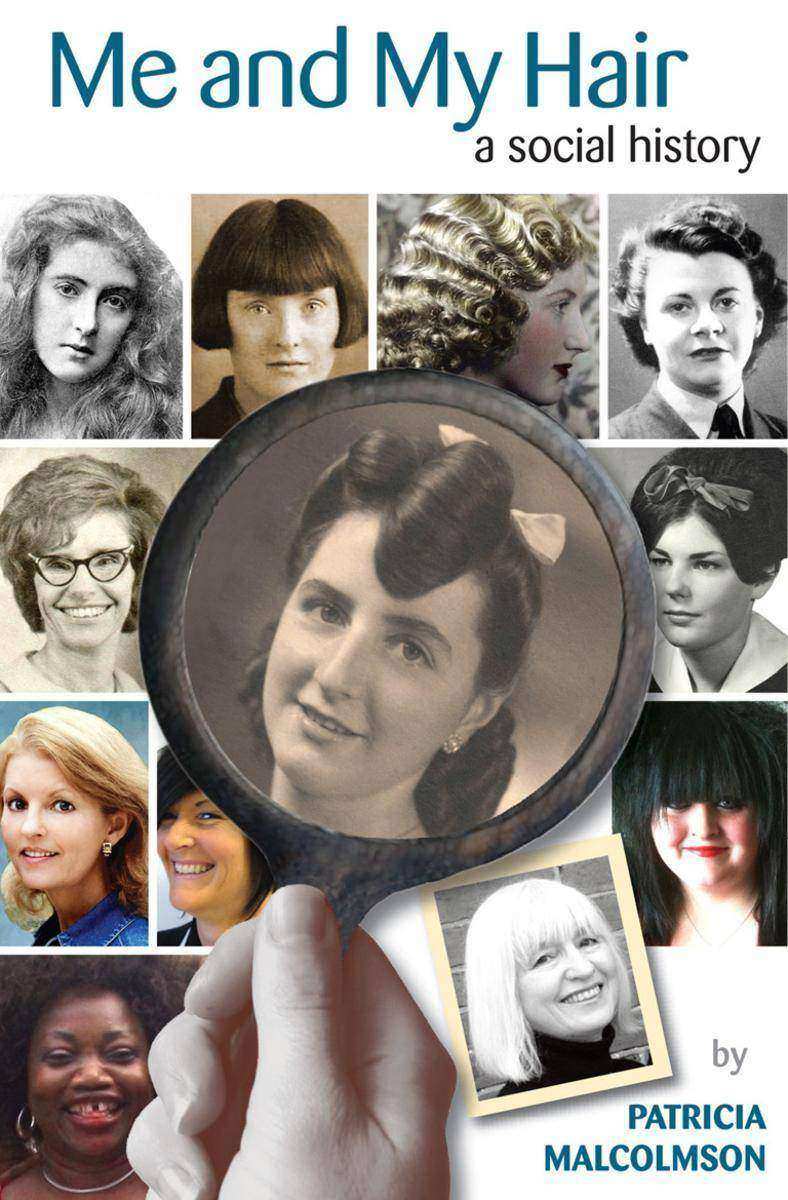
Good hair day? Bad hair day? Hair has always evoked strong emotions.In this fascinating book, Patricia Malcolmson examines how British women over the past 150 years have managed their hair, from the extravagant styles of the late nineteenth century to the 'anything goes' attitude of today, taking in along the way the daring bobs of the 1920s, the wartime styles of women in uniform, the slavish copying of Hollywood stars, the beehive, the hippy and the Goth. In Me and My Hair you'll hear the voices of women from around Britain talking about their hair - whether it's their longing to have 'Shirley Temple' curls, the visits of the nit nurse, their first home perm, roasting under hood dryers, going platinum blonde, hilarious experiments with hair extensions, or fears of going grey.

That's Racist!
¥73.48
Twenty-first century British kids are more comfortable with ethnic diversity than ever before. The 'mixed race' population is rising exponentially. In school playgrounds across Britain, kids are inventing a version of colour-blind, multi-ethnic interaction that should teach the adult world a thing or two - not least about the amazing, superdiverse generation that is to come.And yet, for over a decade, playgrounds and classrooms have endured unprecedented interference in the form of official racist-incident reporting, training on the importance of racial etiquette, and the reinforcement of racial identities. Such interference is viewed by modern day anti-racists as a necessary bulwark against the creeping influence of the far-right, 'Islamophobia', and more generally the supposed covert racism of the wider population. Many official policy documents written under the influence of this approach insist a failure to tackle racist behaviour at the earliest age will allow racism to incubate and grow. Here, 'racism' is something defined by the notion of what constitutes hate speech or wounding words. Often it can be detected from an entirely innocent phrase, so long as the phrase is perceived by the offence-taker or another party or policy as 'racist'.This mindset has, in recent years, permeated public discourse on the subject. Evidence of racism - such as a gaffe by a politician or celebrity, or a footballer's on-pitch insult - is always 'the tip of iceberg' (the moment that racist society breaks the surface and is revealed to all). The idea of a hidden mass of racists in our midst explains the advent of a racism-watch approach that turns up the attenuator and trawls the nooks and crannies of everyday life for tell-tale signs. Moreover, PC anti-racism synthesises many of today's worst cultural trends: the erosion of free speech and of adult moral authority; the elevation of victimhood and of identity politics (particularly the reinstatement of racial identity); the misanthropic view of rotten, vulnerable humanity (where the state becomes purifier); the cult of child protection and the emergence of a degraded and vulgar conception of child development.It is with some irony, then, that modern day anti-racism can be argued as having taken over from old-fashioned racism as the dominant racialising force in British society.

Mrs Handbag and the Magic Seed
¥29.33
Emily had planted a tiny sunflower seed in her garden but it was not growing. So her Daddy took her to visit Mrs Handbag, a colourful lady with crazy hair and a sparkly dress. Could Mrs Handbag work some magic on Emily's seed? An ideal story for reading aloud to small children, with delightful colour illustrations.

How to Achieve Good Fortune
¥53.86
Is good fortune just a matter of luck? Or being born under the right star? In this compelling book, Murdo MacLeod shows how you can load the dice in your own favour. Murdo MacLeod's easy-to-follow programme demonstrates how to harness the power within you in order to achieve:material wealthperfect healthpersonal charmthe conquest of anxietyFirst published in 1932, How to Achieve Good Fortune is strikingly modern in its approach, not just in its promotion of the 'power of positive thinking', but also in the method of picturing what it is that you desire. Many of the ideas that Murdo MacLeod proposed have since been taken up in New Age philosophy, particularly the concept of 'Cosmic Mind'.
Moral Mind
¥63.67
The reality and validity of the moral sense - which ordinary people take for granted - took a battering in the last century. Materialist trends in philosophy, decline in religious faith, and a loosening of traditional moral constraints contributed to a shift in public attitudes, with many decent honest folk both aware of a questioning of moral claims and uneasy with a world that has no place for the moral dimension. Haslam shows how important the moral sense is to the human personality and exposes the weakness in much current thinking that suggests otherwise. His goal is to help the reader to a mature and confident understanding of the moral mind, which constitutes an essential part of what it is to be human.
Exploring the History of Lee-on-the-Solent
¥63.67
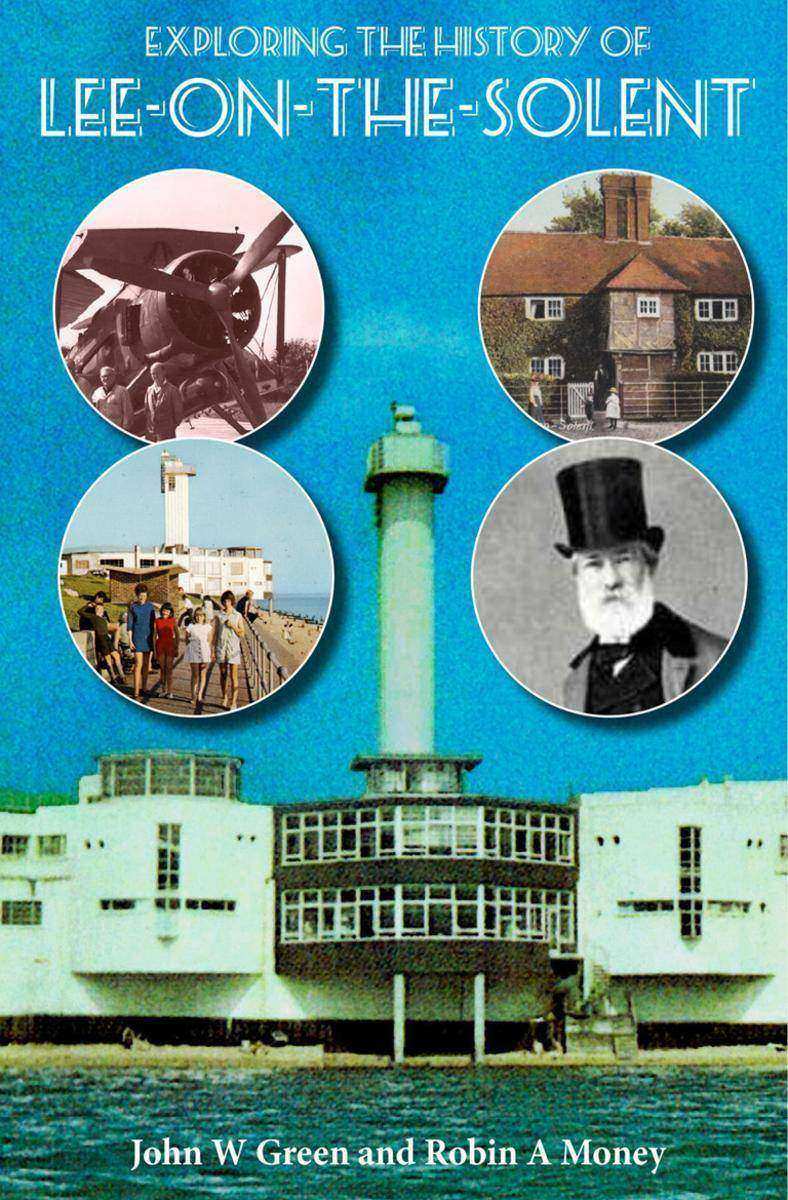
Walking around Lee-on-the-Solent provides tantalising glimpses into its past - whether it's the balconied Victorian buildings in Pier Street, the Art Deco frontages above the shops in Marine Parade West, the airfield with its gliders soaring peacefully overhead, the hovercraft museum, the sight of yachts on the sparkling waters of the Solent, or the lengthy list of names on the War Memorial. And perhaps you remember, or have heard talk of, the Tower with its ballroom and cinema, the Pier Hotel in its heyday, and the outdoor swimming pool?But what's the real story behind the history of Lee-on-the-Solent? Whether you are a resident or a visitor, you are bound to discover something new in this fascinating account. Why would Isle of Wight monks build a windmill at Lee? Why would you have needed the help of the baker's boy if you wanted to get a train at Elmore Halt? What was on offer at Bulson's Stores and Pleasure Retreat? Why was a rainstorm so popular at the Anglican church? Why did the last two Englishmen to fight a duel choose Browndown as the venue? What made prefabs the envy of many residents? And why was a patch of grass in the wildgrounds always tended in the shape of a cross? You'll find the answer to these questions and many more in Exploring the History of Lee-on-the-Solent.Best of all, you'll discover why you should raise a glass to John Robinson, the Victorian entrepreneur without whom Lee-on-the-Solent would surely not exist.
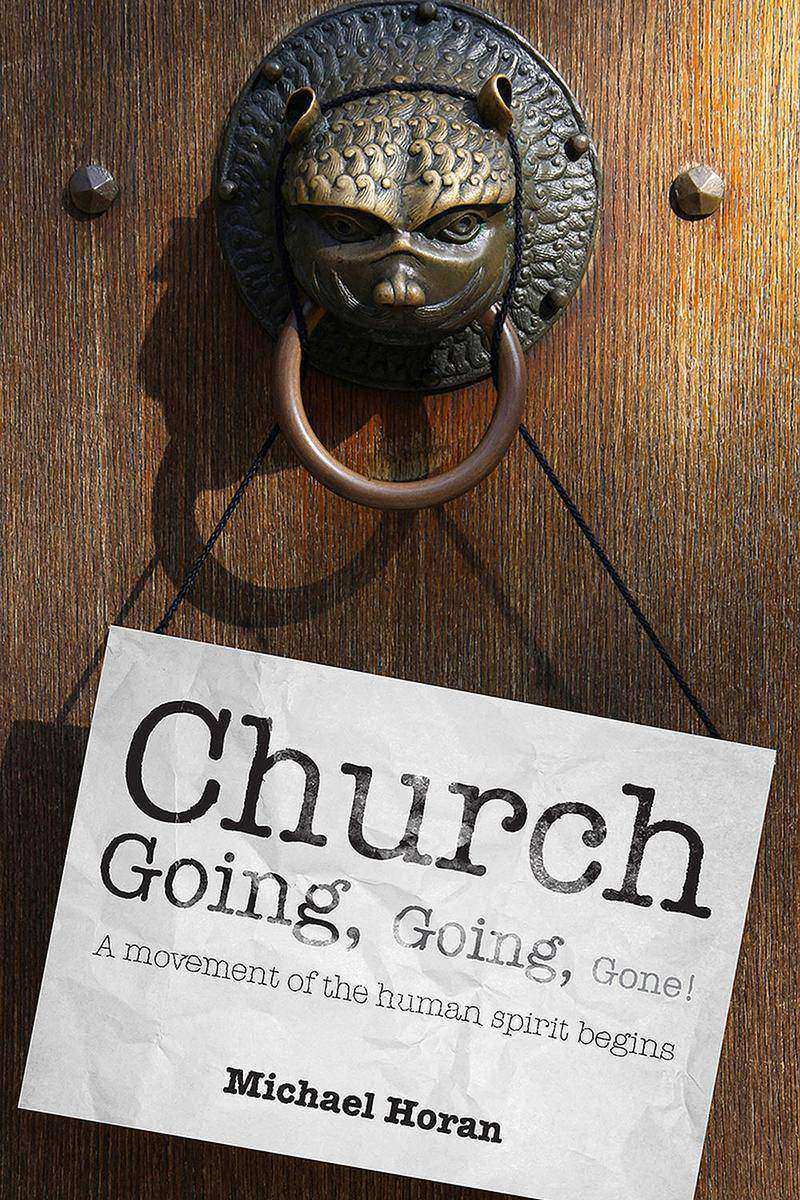
Church-going, Going, Gone!
¥107.81
In Church-going, Going, Gone! Michael Horan argues that although the Christian church in Britain may be in terminal decline, that is not to be equated with a national decline in spiritual values. Most if not all people have some level of awareness of what he calls the 'Other-than-oneself', even though they have rejected, or never accepted, the church's now outdated teaching. Church-going, Going, Gone! is concerned less with teaching than with learning. The book provides atheists, agnostics and believers-in-exile, as well as those who have given little thought to belief, with a framework for collaborating as learners, working toward equality, peace and reconciliation, and dedicated to unselfish and imaginative social action. A new movement of the human spirit is beginning.
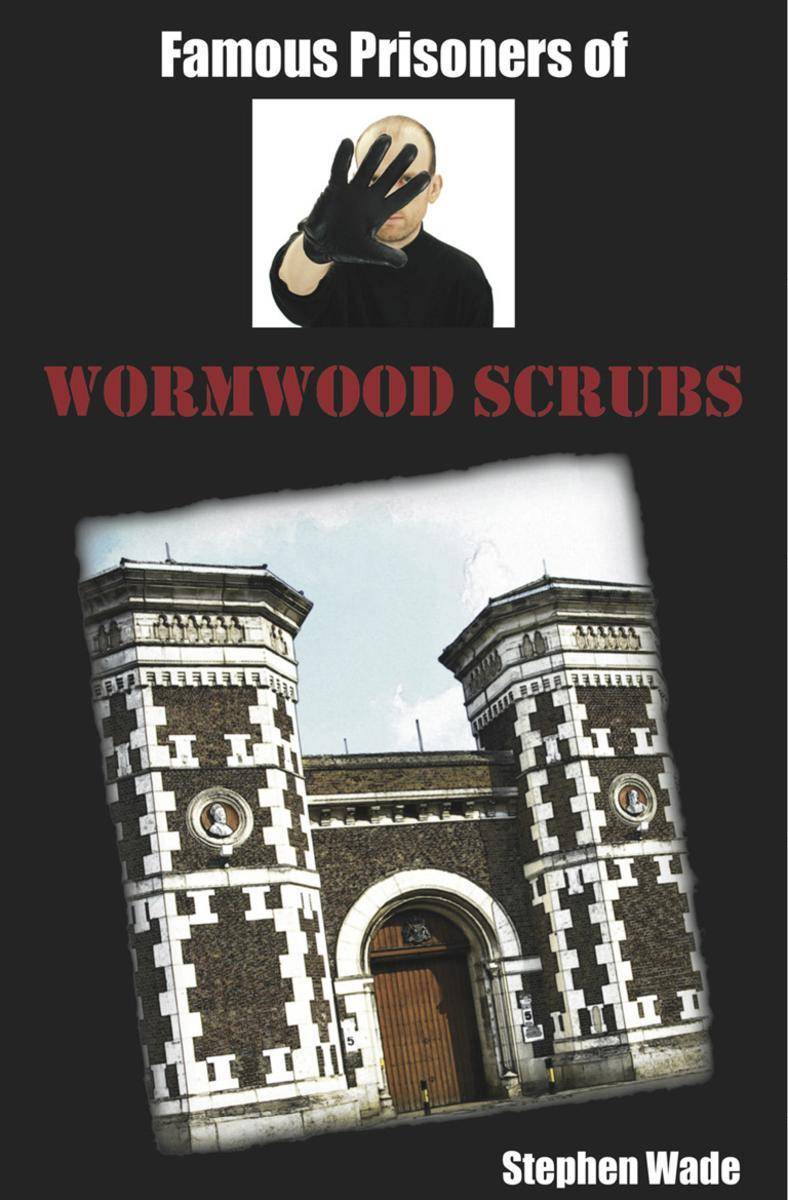
Famous Prisoners of Wormwood Scrubs
¥63.67
Wormwood Scrubs is Britain's most 'media-soaked' prison. Its celebrity inmates have provided the tabloids with many good stories, from Rolling Stone Keith Richards - banged up for drugs offences - to notorious spy George Blake, whose escape enthralled the country. It has entertained the Master of the Queen's music, Sir Michael Tippett, socialist scrapper Fred Copeman, rebellious soul Pete Doherty, influential writer Joe Orton, lifetime litigant Lord Alfred Douglas, fraudster John Stonehouse and professional con Charles Bronson.In this book, you'll read about the forgotten, as well as the famous; the plain as well as the extraordinary. It is an enthralling gallery of rogues, liars, spies, mountebanks, lovers of courtroom strife and general, all-round villains who did anything to get rich.

Growing up in Lee-on-the-Solent
¥58.76
John Green's family moved to Lee-on-the-Solent just in time for the outbreak of war in 1939. For a seven-year-old, war sounded like an exciting adventure, but as he sheltered with his mother and sister under the stairs during an air-raid, someone said they thought they heard machine-gun fire. They all held their breath and listened, but the noise turned out to be the rhythmic rat-a-tat of his mother's trembling knee knocking against the panelling. In this delightful memoir, John W Green describes what it was like to grow up in a 'village of two halves', with the western end inhabited by well-to-do families, and the eastern end by the people who served them. It was commonly thought that the shopkeepers reserved the better-quality groceries and nicer cuts of meat for the west-enders and for the officers' hoity-toity wives.He vividly describes how he became a rebellious child, going bird-nesting, running wild in Court Barn, scrumping apples, collecting ammunition, scavenging on the Ranges, and 'borrowing' a boat to row on the Alver. As he grew up, his hang-outs changed and he met his friends 'up the Tower', at the Bluebird Cafe or in the amusement arcade. Despite his reputation for being a rebel, John followed in his father's footsteps by joining the RAF before becoming a 'Marconi man' in the merchant navy, sailing to every corner of the world.
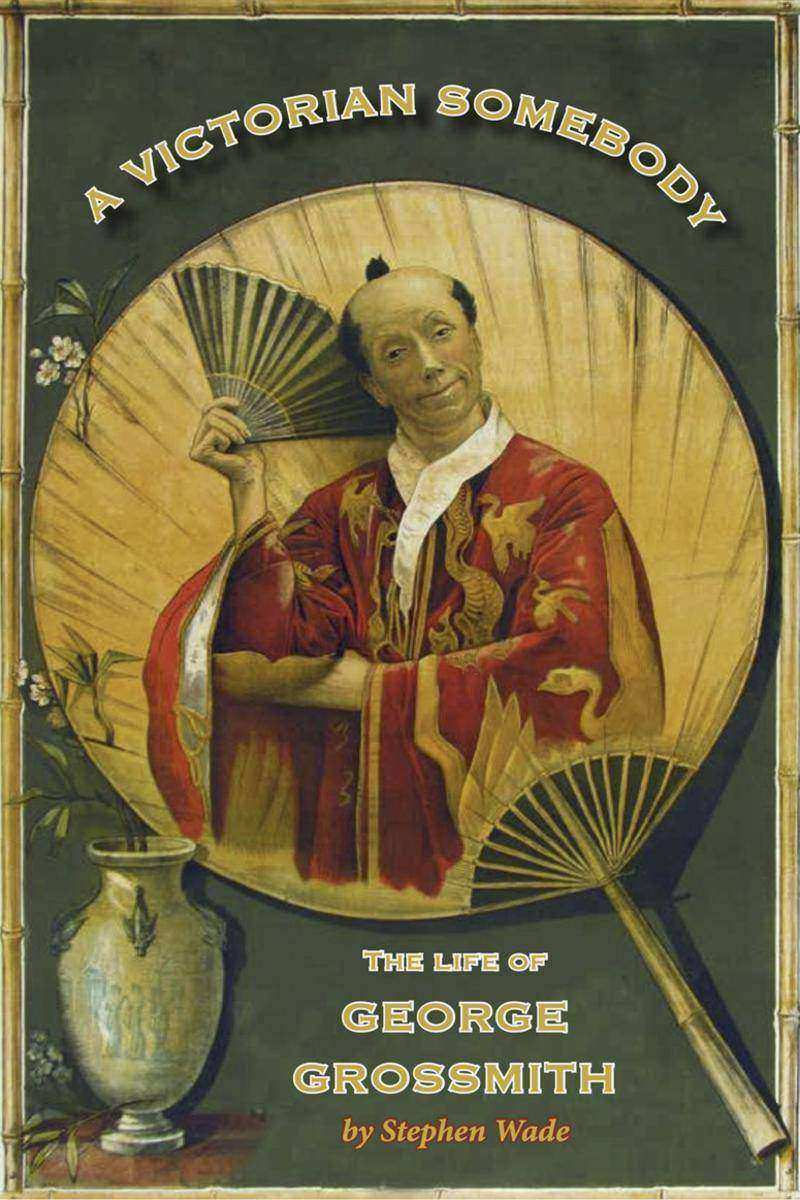
Victorian Somebody
¥58.76
In the 1880s, George Grossmith was the dazzling comic star of Gilbert and Sullivan's immensely popular Savoy operas. London theatregoers waited excitedly for the next production, knowing that George would be cast in the lead role of the 'patter man'. He was also many other things in his life, including Bow Street court reporter, piano entertainer for high society, and in the 1890s, with his brother Weedon, the author of the humorous classic work of fiction, The Diary of a Nobody, which has never been out of print and continues to inspire other writers.In this fascinating book, Stephen Wade tells the story of Grossmith's life, from Penny Reading entertainer to self-styled 'society clown.' A Victorian Somebody places him firmly in context, recalls the many friends and colleagues who worked with George, and puts him once again centre stage, exactly where he should be.
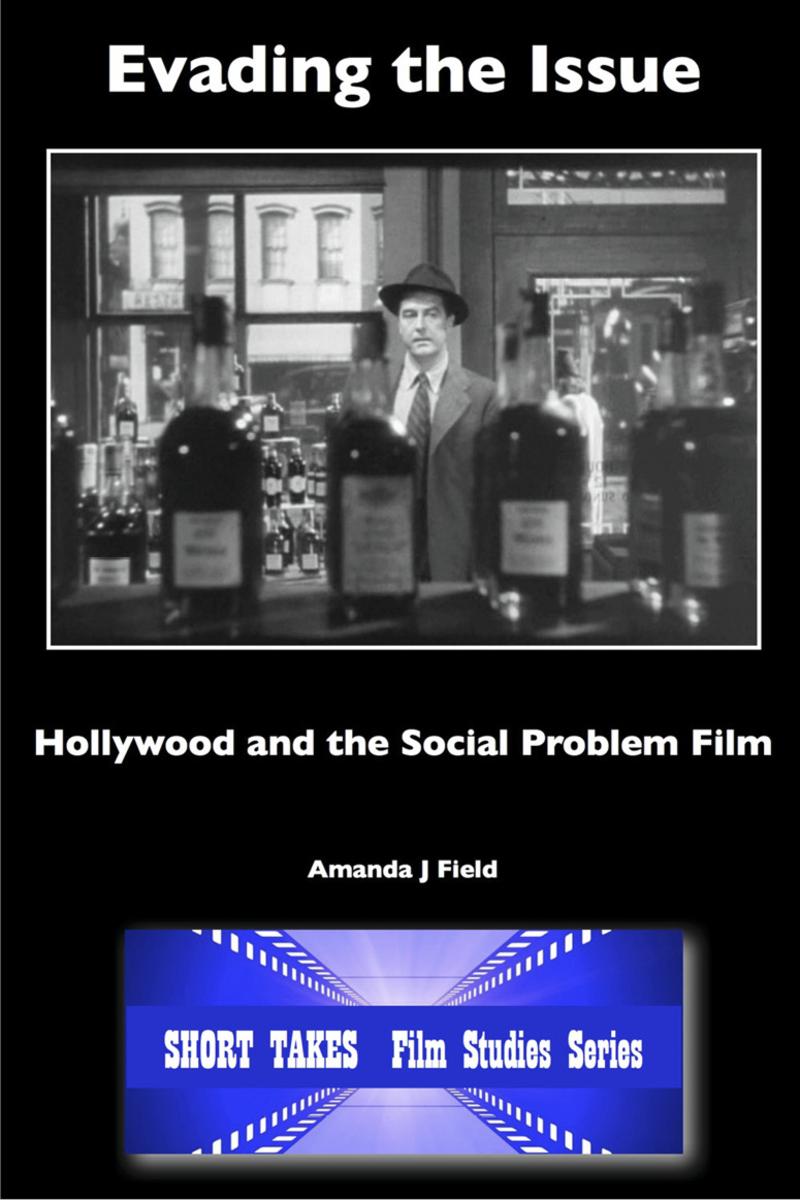
Evading the Issue
¥19.52
Tino Balio, in his book The American Film Industry, said that the Production Code meant that American films could not deal with political or social issues 'in an honest and truthful fashion'. This incisive essay tests out the legitimacy of Balio's claims, using The Lost Weekend (directed by Billy Wilder, 1945) as an example of the Hollywood 'problem film'. Rather than treating the film as being an entity with a single, unchanging meaning, it is put into its historical and social context, in particular the commercial context within which the studios were working. The commercial imperatives hardly sat well with the reality of a social problem such as alcoholism and this essay reminds us that the prime aim of the industry was to entertain: many of these 'problem films', therefore, were as honest and truthful within these confines as it was possible to be.

Social Radicalism and Liberal Education
¥147.05
Liberal education used to command wide political support. Radicals disagreed with conservatives on whether the best culture could be appreciated by everyone, and they disagreed, too, on whether the barriers to understanding it were mainly social and economic, but there was no dispute that any worthwhile education ought to hand on the best that has been thought and said. That consensus has vanished since the 1960s. The book examines why social radicals supported liberal education, why they have moved away from it, and what the implications are for the future of an intellectually stimulating and culturally literate education.

Alone in the Crowd
¥19.52
Alone in the Crowd discusses the identity of nineteenth-century Paris, one of the most widely imaged cities in the modern world, whose most enduring attribute is that of a city of spectacle - a city of the pleasure of looking and being looked at simultaneously. Did Haussmann's re-figuring of the city, with its unrelenting straight boulevards, stirring vistas and uniform buildings, create a 'mass produced' image of Paris? If so, who benefited - and who lost out - in the construction of this new identity? Did the boulevards represent dystopia as well as utopia?

Együgy? lexikon
¥19.87
Együgy? lexikon

Eltitkolt származás
¥42.92
Eltitkolt származás

Tamás
¥22.73
Tamás

Drámák ecetben és olajban
¥19.87
Drámák ecetben és olajban


