


 购物车
购物车 个人中心
个人中心
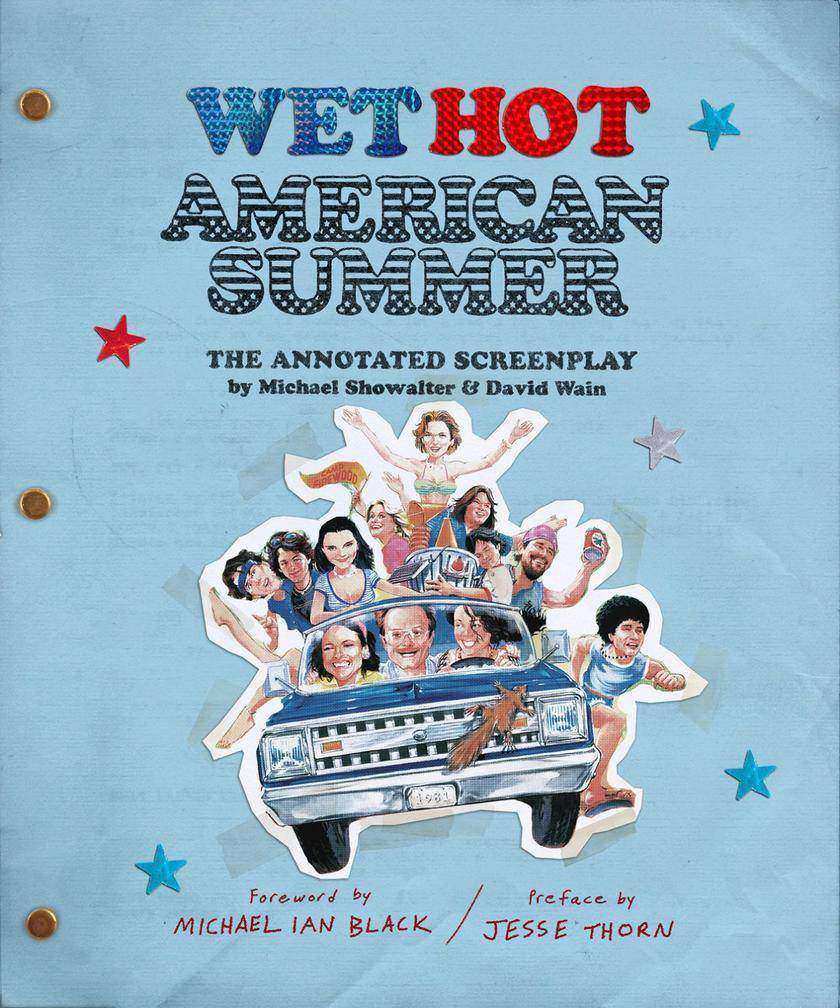
Wet Hot American Summer - The Annotated Screenplay
¥169.03
At long last, this is the definitive Wet Hot American Summer book fans have been clamoring for! Screenwriters David Wain and Michael Showalter take pen to page and create a hilarious, behind-the-scenes annotated version of the original screenplay that launched a thousand Halloween costumes. They provide commentary on and insight into how and why they made the artistic decisions they did while writing and filming the movie that went on to become a true cult classic, as well as an ongoing Netflix series. The book will also feature reproduced ephemera from filming-photos, original (and scathing) reviews, AIM chat conversations, marked up script pages, and so much more. Written and curated by Wain and Showalter, this will be the must-have guide to all things Wet Hot.
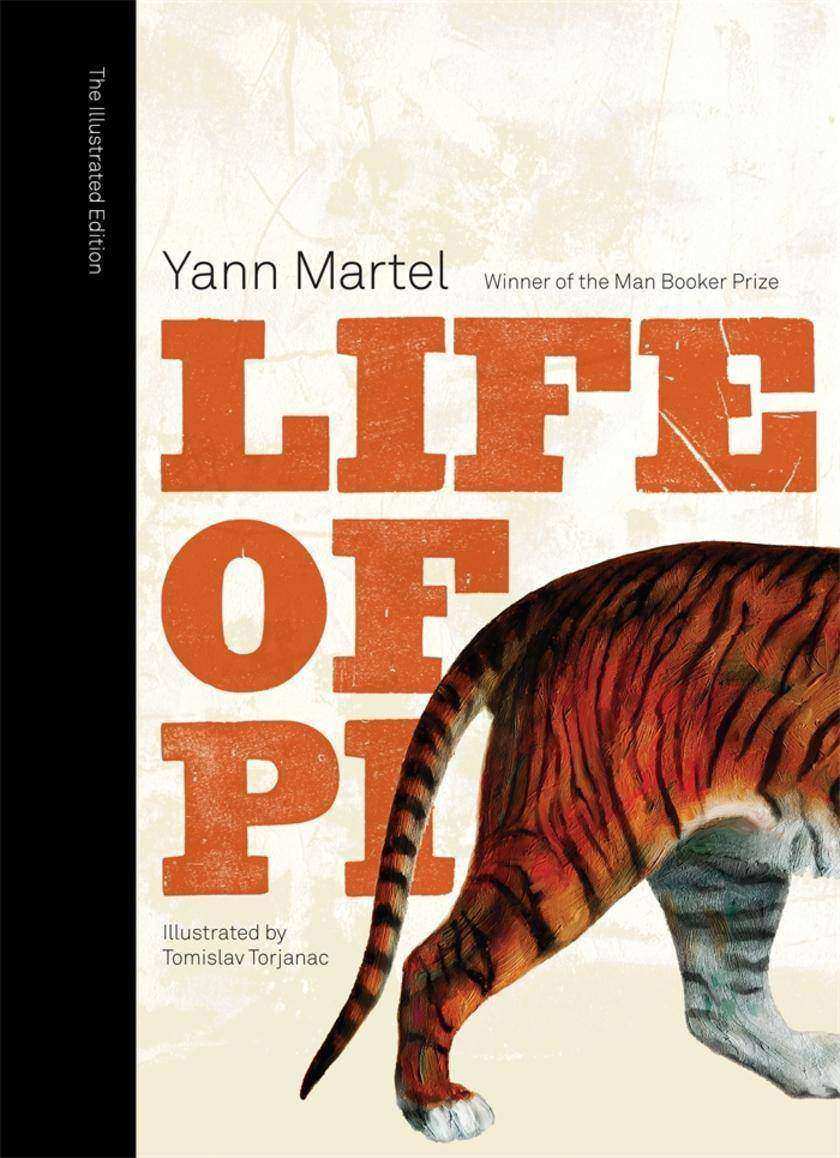
Life Of Pi, Illustrated
¥86.33
After the tragic sinking of a cargo ship, one solitary lifeboat remains bobbing on the wild, blue Pacific. The only survivors from the wreck are a sixteen-year-old boy named Pi, a hyena, a zebra with a broken leg, a female orang-utan - and a 450-pound Royal Bengal tiger. Since it was first published in 2002, Life of Pi has entered mainstream consciousness and remains one of the most extraordinary works of fiction in recent years. In October 2005 Canongate launched a competition with The Times to find an artist to illustrate Yann Martel's international bestseller. Soon the competition expanded as the Globe and Mail and The Age newspapers also launched a search in Canada and Australia. From thousands of entries, Croatian artist Tomislav Torjanac was chosen as the illustrator for this new edition of Life of Pi. Now readers can enjoy this extraordinary tale with his glorious colour illustrations.
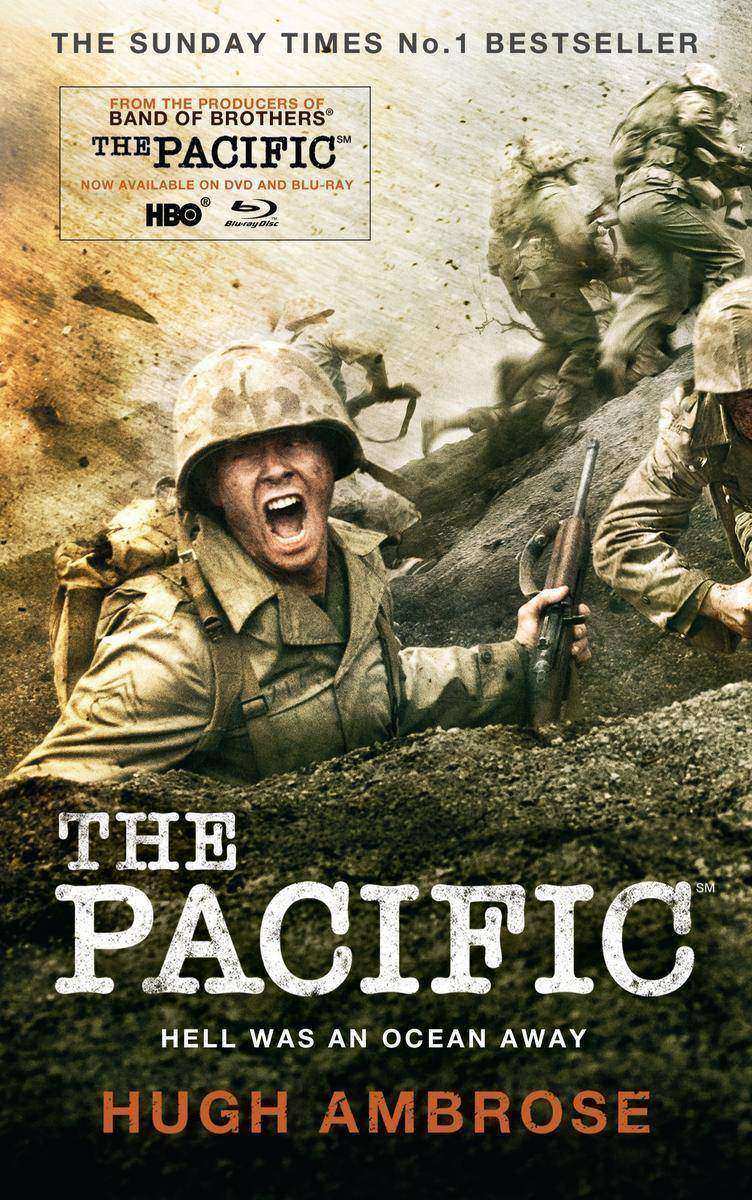
Pacific (The Official HBO/Sky TV Tie-In)
¥78.38
Sidney C. Philips, an easygoing Alabama teenager, enlisted along with a friend. 'Manila John' Basilone was the son of immigrants who found happiness in the rough-and-ready life of a marine. Eugene B. Sledge watched his best friend and brother go off to war - and finally rebelled against his parents to follow them. 'Shifty' Shofner was the scion of a prominent family with a long record of military service. Ensign Vernon 'Mike' Micheel left the family farm to complete flight school. Between America's retreat from China in late 1941 and the moment that MacArthur's plane landed in Japan in August 1945, these five men fought many of the key battles of the war in the Pacific. Here, Hugh Ambrose focuses on their real-life experiences and those of their fellow servicemen, enhancing and expanding upon the story told in the HBO miniseries. Covering nearly four years of combat with unprecedented access to military records, letters, journals, memoirs, photographs and interviews, this volume offers a unique historical perspective on the war against Japan, from the debacle in Bataan to the miracle of Midway, the relentless vortex of Guadalcanal, the black terraces of Iwo Jima and the killing fields of Okinawa - and ultimately the triumphant yet uneasy return home. These are the true stories of the men who put their lives on the line for their country, who were dispatched to the other side of the world to fight an enemy who preferred suicide to surrender; men who suffered hardship and humiliation in POW camps; men who witnessed casualties among soldiers and civilians alike; and men whose medals came at a shocking price - a price paid in full by all.
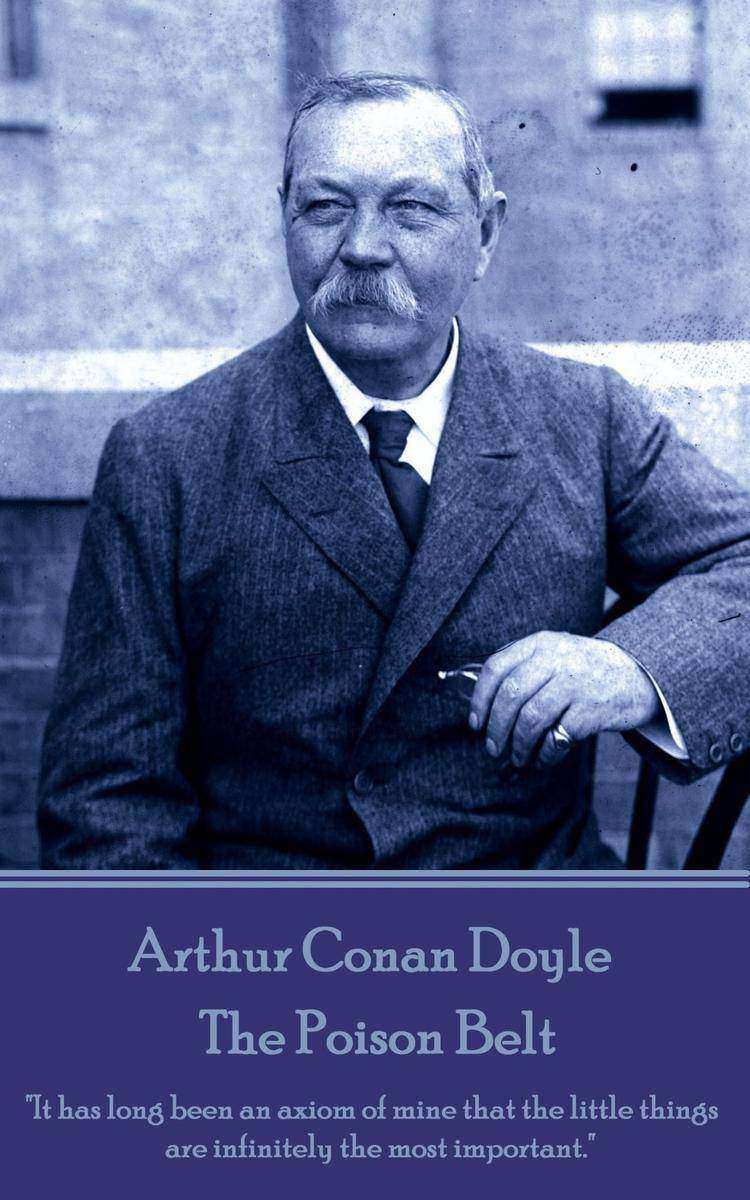
Arthur Conan Doyle
¥21.09
Arthur Conan Doyle's The Poison Belt is another work of fiction by the author of the celebrated masterpiece The Adventures of Sherlock Holmes. The novella centers around apocalyptic disasters that threaten to end human existence on Earth. Professor Challenger, an English scientist who is interested in preserving nature and human life, anticipates the Earth's contact with a poison belt of ether. The dangerous gas is believed to have the power to suffocate all living beings to death. Professor Challenger invites his closest companions, Malone, Roxton and Summerlee, to join him and his wife in his house. They are asked to bring oxygen tanks with them to find that Challenger has prepared a sealed room to protect their lives. Later, from their little shelter, Challenger's team watch the destruction of the outside world and the dying of almost everything. When they finally run out of oxygen, they are pushed to get out of the sealed room. Yet, to their surprise, they do not die. The Earth has passed through the poison belt and humanity has survived.
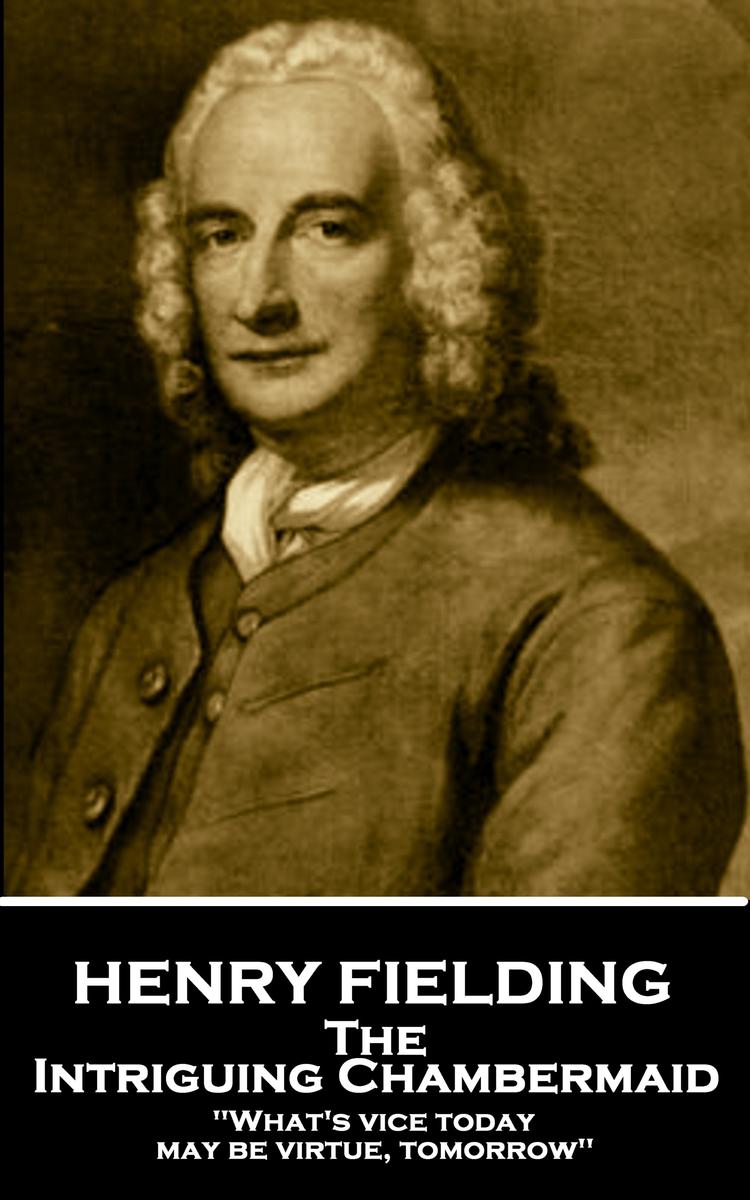
Intriguing Chambermaid - What's vice today may be virtue, tomorrow
¥14.03
Henry Fielding was born at Sharpham Park, near Glastonbury, in Somerset on April 22nd 1707. His early years were spent on his parents' farm in Dorset before being educated at Eton.An early romance ended disastrously and with it his removal to London and the beginnings of a glittering literary career; he published his first play, at age 21, in 1728.He was prolific, sometimes writing six plays a year, but he did like to poke fun at the authorities. His plays were thought to be the final straw for the authorities in their attempts to bring in a new law. In 1737 The Theatrical Licensing Act was passed. At a stroke political satire was almost impossible. Fielding was rendered mute. Any playwright who was viewed with suspicion by the Government now found an audience difficult to find and therefore Theatre owners now toed the Government line.Fielding was practical with the circumstances and ironically stopped writing to once again take up his career in the practice of law and became a barrister after studying at Middle Temple. By this time he had married Charlotte Craddock, his first wife, and they would go on to have five children. Charlotte died in 1744 but was immortalised as the heroine in both Tom Jones and Amelia.Fielding was put out by the success of Samuel Richardson's Pamela, or Virtue Rewarded. His reaction was to spur him into writing a novel. In 1741 his first novel was published; the successful Shamela, an anonymous parody of Richardson's novel.Undoubtedly the masterpiece of Fielding's career was the novel Tom Jones, published in 1749. It is a wonderfully and carefully constructed picaresque novel following the convoluted and hilarious tale of how a foundling came into a fortune.Fielding was a consistent anti-Jacobite and a keen supporter of the Church of England. This led to him now being richly rewarded with the position of London's Chief Magistrate. Fielding continued to write and his career both literary and professional continued to climb.In 1749 he joined with his younger half-brother John, to help found what was the nascent forerunner to a London police force, the Bow Street Runners. Fielding's ardent commitment to the cause of justice in the 1750s unfortunately coincided with a rapid deterioration in his health. Such was his decline that in the summer of 1754 he travelled, with Mary and his daughter, to Portugal in search of a cure. Gout, asthma, dropsy and other afflictions forced him to use crutches. His health continued to fail alarmingly.Henry Fielding died in Lisbon two months later on October 8th, 1754.
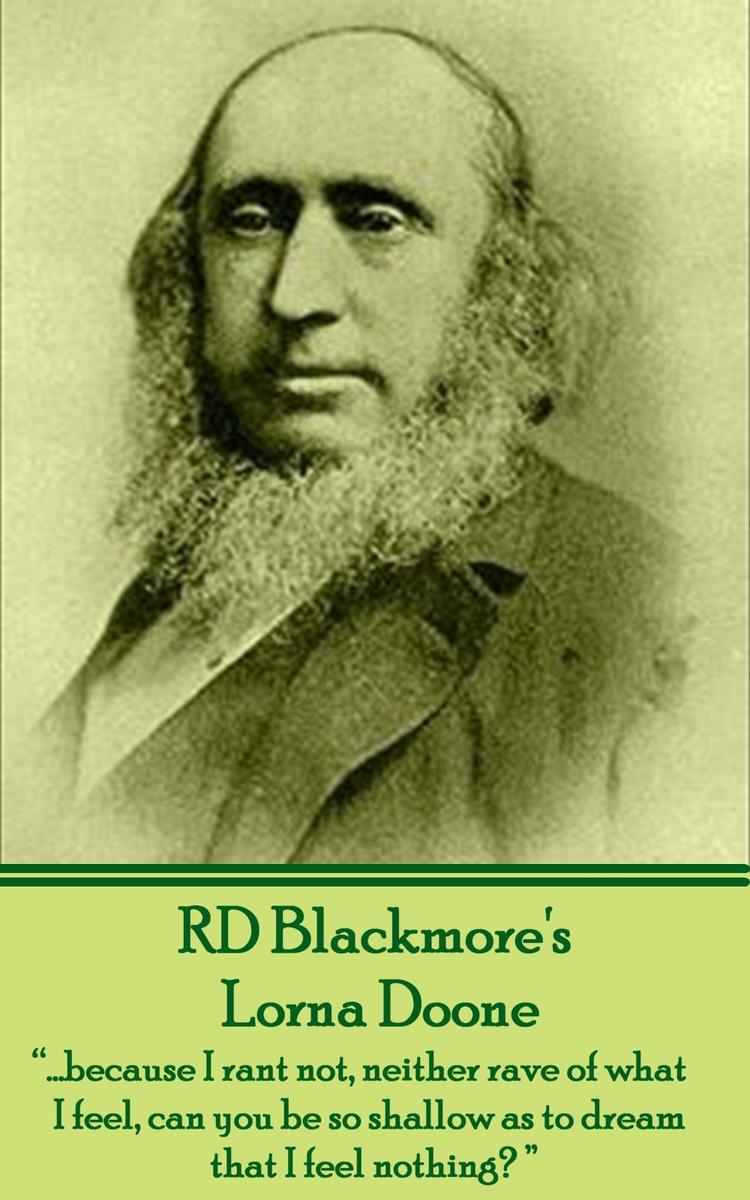
Lorna Doone - ....because I rant not, neither rave of what I feel
¥23.45
Lorna Doone is a romance that tells the story of a seventeenth-century successful farmer, John Ridd, whose father is killed by the Doones, a clan of unruly brigands living in the wilderness. When John once accidently ventures into the clan's area, he meets the beautiful Lorna and falls in love with her. In order to rescue his beloved from the life that she hates, he has to go through a long and violent struggle with his rival Carver Doone who also claims Lorna's hand. He eventually succeeds in helping her escape from the clan to his family's home which is later attacked by Carver. Later, a family friend reveals to them that Lorna does not really belong to the Doone clan and that she was kidnapped after a raid during which her noble and extremely wealthy mother was murdered. As an heiress to her mother's fortunes, Lorna is now legally asked to leave for London and become her great-uncle's ward. Political upheaval shakes the whole kingdom and John is arrested for false accusations. After being brought to London and absolved from guilt, he meets Lorna who is still in love with him. Lorna is eventually allowed to go back to the country and marry John. In the midst of their wedding ceremony, Carver suddenly enters the church and hits Lorna. John follows him and they engage in a fight that ends in Carver's death.
Wounds of Civil War
¥21.09
As can be easily understood presenting an exact chronicle of the facts in the life of a 16th Century playwright is often difficult. Thomas Lodge is no exception. Thomas Lodge, born around 1558 in west Ham, was the second son of Sir Thomas Lodge, the Lord Mayor of London, and his third wife Anne. Lodge was educated at Merchant Taylors' School and thence to Trinity College, Oxford; taking his BA in 1577 and his MA in 1581. Lodge, disregarded his parents career wishes in order to take up literature. When the penitent Stephen Gosson published his Schoole of Abuse in 1579, Lodge responded with Defence of Poetry, Music and Stage Plays (1579 or 1580). His pamphlet was banned, but appears to have been circulated privately. Already in 1580 Lodge had published a volume of poems entitled Scillaes Metamorphosis, Enterlaced with the Unfortunate Love of Glaucus, also more briefly known as Glaucus and Scilla. Lodge seems to have married his first wife Joan in or shortly before 1583, when, "e;impressed with the uncertainty of human life"e;, he made a will. That his family viewed his conduct at the time with disdain may be noted by the absence of his name from his father's will in 1583. The marriage of Lodge and Joan produced a daughter, Mary. However, without an income from his family Lodge would have to provide it by other means. The debate in pamphlets between Lodge and Gosson continued with Gosson's Playes Confuted in Five Actions; and Lodge retorting with his Alarum Against Usurers (1585)-a "e;tract for the times"e;. That same year, 1585, he produced his first tale written in prose and verse, The Delectable History of Forbonius and Prisceria. Lodge appears to have been at sea on a number of long voyages. Usually these are described as 'freebooting voyages', an interchangeable term also used for piracy and plunder. Many nations endorsed these tactics and it seems fairly safe to suggest that these voyages were a source of revenue which would keep Joan and Mary with their heads above water. These long voyages also provided something else that Lodge would have been keen to gather and usefully use; time. During the expedition to Terceira and the Canaries (around 1586), to set aside the tedium of his voyage, Lodge composed his prose tale of Rosalynde, Euphues Golden Legacie, which, printed in 1590, would later be used by Shakespeare as the basis for As You Like It. Before starting on his next voyage, this time to South America, Lodge published a historical romance, The History of Robert, Second Duke of Normandy, surnamed Robert the Devil; and he left behind him for publication Catharos Diogenes in his Singularity, a discourse on the immorality of Athens (London). Both appeared in 1591. By now Lodge was on a voyage with Thomas Cavendish to Brazil and the Straits of Magellan and would only be able to return home in 1593. Whilst he was travelling another romance in the manner of Lyly, Euphues Shadow, the Battaile of the Sences, appeared in 1592. At either end of this voyage Lodge appears to have worked on some dramas, most notably with Robert Greene. It is thought that in 1590, together with Greene, he wrote A Looking Glass for London and England (published 1594). He had already written The Wounds of Civil War (produced perhaps as early as 1587, and published in 1594, and put on as a play reading at the Globe Theatre on 7 February 1606), a good second-rate piece in the half-chronicle fashion of its age. His second historical romance, the Life and Death of William Longbeard (1593), was more successful than the first. Lodge also brought back with him from the new world voyage A Margarite of America (published 1596), a romance between a Peruvian prince and a daughter of the king of Muscovy interspersed with many lyrics. The composition of Phillis, a volume and an early sonnet cycle sequence (an increasingly popular format in Elizabethan times), was published with the narrative poem, The Complaynte of Elsired, in 1593. A Fig for Momus was published in 1595 and gained him the accolade of being the earliest English satirist. This work contains eclogues addressed to Daniel and others as well as an epistle addressed to Michael Drayton. In the latter part of his life-possibly about 1596, when he published his Wits Miserie and the World's Madnesse, which is dated from Low Leyton in Essex, and the religious tract Prosopopeia (if, as seems probable, it was his), in which he repents of his "e;lewd lines"e; of other days-he became a Catholic and engaged in the practice of medicine, for which Wood says he qualified himself by a degree at Avignon, in France, in 1600. Two years later he received the degree of M.D. from Oxford University. Early in 1606 he seems to have left England, to escape the persecution then directed against the Catholics; and a letter from him dated 1610 thanks the English ambassador in Paris for enabling him to return in safety. At some point in his later life Lodge appears to have married again. T
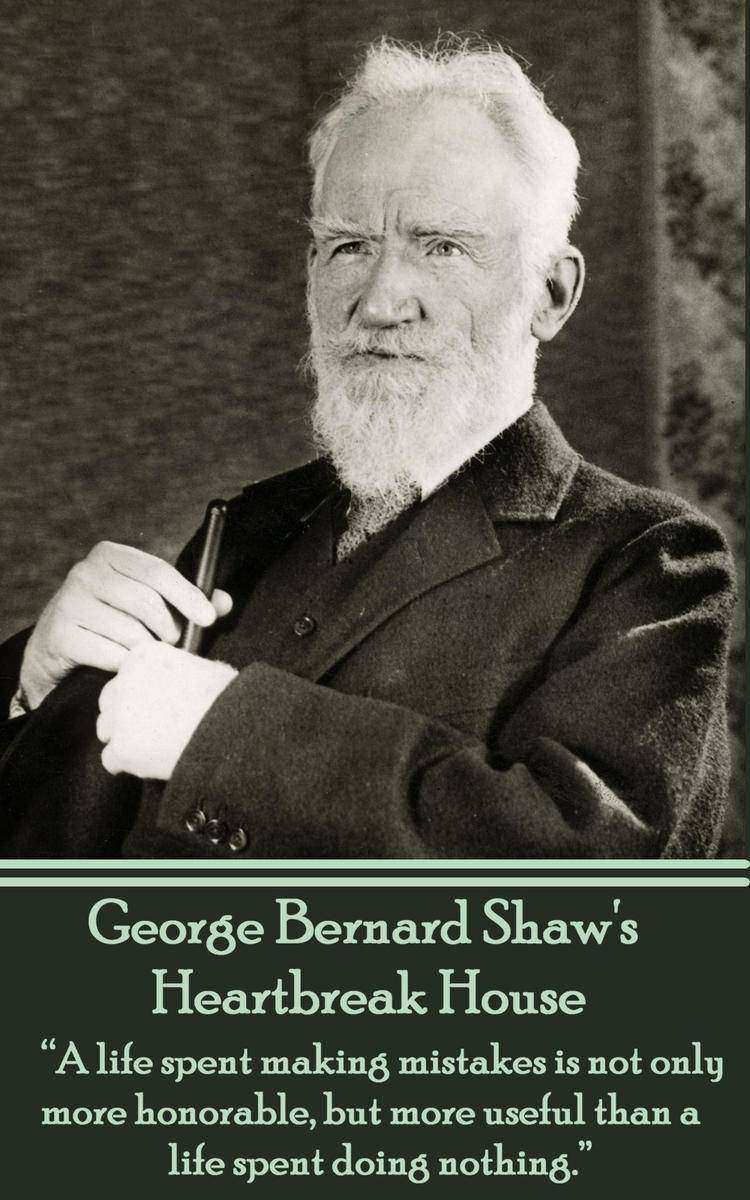
Heartbreak House (Nobel Prize)
¥23.45
Heartbreak House is a play written by George Bernard Shaw one of the truly great literary figures of our age. First published in 1919 and first played at the New York's Garrick Theatre in 1920. It is not often performed due to its complex structure. Based around a dinner party it's a mixture of farce, social manners and British Society's sad decline with their indifferent self-indulgent attitude. As the play progresses Shaw reveals each character as somewhat different to their starting position.
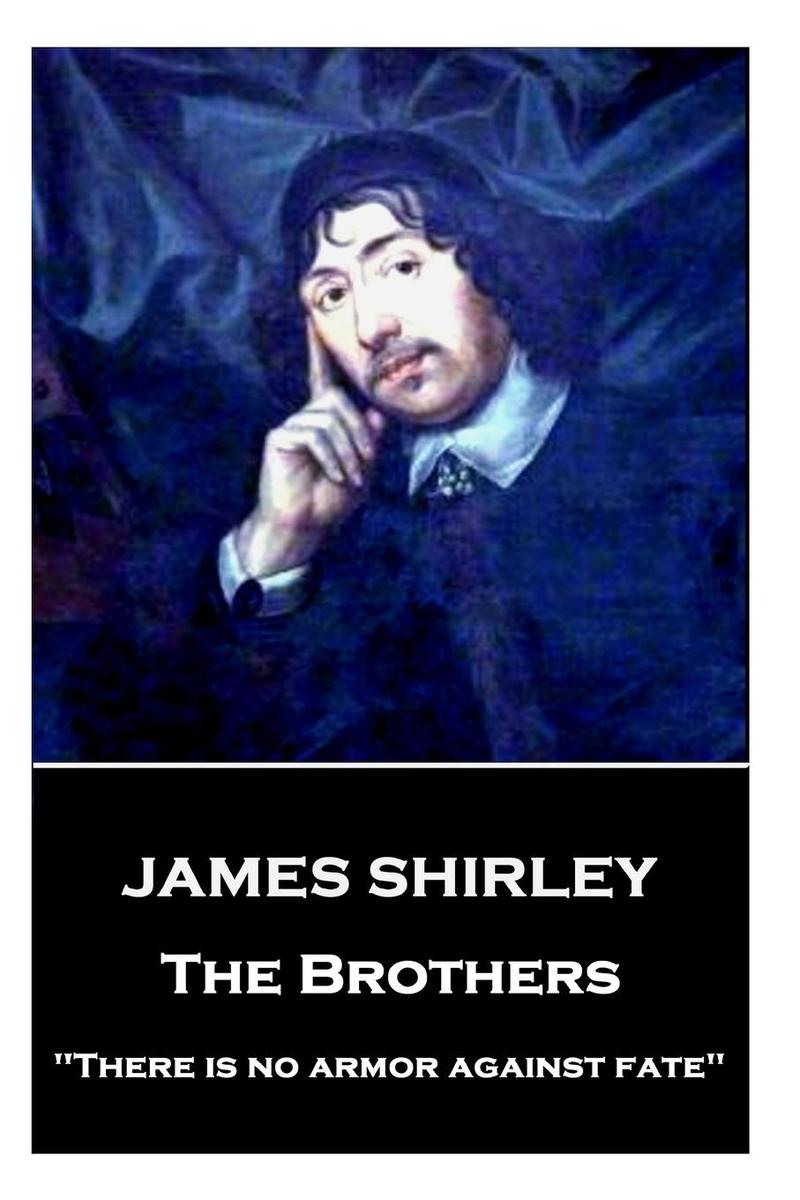
Brothers - There is no armor against fate
¥25.80
James Shirley was born in London in September 1596. His education was through a collection of England's finest establishments: Merchant Taylors' School, London, St John's College, Oxford, and St Catharine's College, Cambridge, where he took his B.A. degree in approximately 1618. He first published in 1618, a poem entitled Echo, or the Unfortunate Lovers. As with many artists of this period full details of his life and career are not recorded. Sources say that after graduating he became "e;a minister of God's word in or near St Albans."e; A conversion to the Catholic faith enabled him to become master of St Albans School from 1623-25. He wrote his first play, Love Tricks, or the School of Complement, which was licensed on February 10th, 1625. From the given date it would seem he wrote this whilst at St Albans but, after its production, he moved to London and to live in Gray's Inn. For the next two decades, he would write prolifically and with great quality, across a spectrum of thirty plays; through tragedies and comedies to tragicomedies as well as several books of poetry. Unfortunately, his talents were left to wither when Parliament passed the Puritan edict in 1642, forbidding all stage plays and closing the theatres. Most of his early plays were performed by Queen Henrietta's Men, the acting company for which Shirley was engaged as house dramatist. Shirley's sympathies lay with the King in battles with Parliament and he received marks of special favor from the Queen. He made a bitter attack on William Prynne, who had attacked the stage in Histriomastix, and, when in 1634 a special masque was presented at Whitehall by the gentlemen of the Inns of Court as a practical reply to Prynne, Shirley wrote the text-The Triumph of Peace. Shirley spent the years 1636 to 1640 in Ireland, under the patronage of the Earl of Kildare. Several of his plays were produced by his friend John Ogilby in Dublin in the first ever constructed Irish theatre; The Werburgh Street Theatre. During his years in Dublin he wrote The Doubtful Heir, The Royal Master, The Constant Maid, and St. Patrick for Ireland. In his absence from London, Queen Henrietta's Men sold off a dozen of his plays to the stationers, who naturally, enough published them. When Shirley returned to London in 1640, he finished with the Queen Henrietta's company and his final plays in London were acted by the King's Men. On the outbreak of the English Civil War Shirley served with the Earl of Newcastle. However when the King's fortunes began to decline he returned to London. There his friend Thomas Stanley gave him help and thereafter Shirley supported himself in the main by teaching and publishing some educational works under the Commonwealth. In addition to these he published during the period of dramatic eclipse four small volumes of poems and plays, in 1646, 1653, 1655, and 1659. It is said that he was "e;a drudge"e; for John Ogilby in his translations of Homer's Iliad and the Odyssey, and survived into the reign of Charles II, but, though some of his comedies were revived, his days as a playwright were over. His death, at age seventy, along with that of his wife, in 1666, is described as one of fright and exposure due to the Great Fire of London which had raged through parts of London from September 2nd to the 5th. He was buried at St Giles in the Fields, in London, on October 29th, 1666.
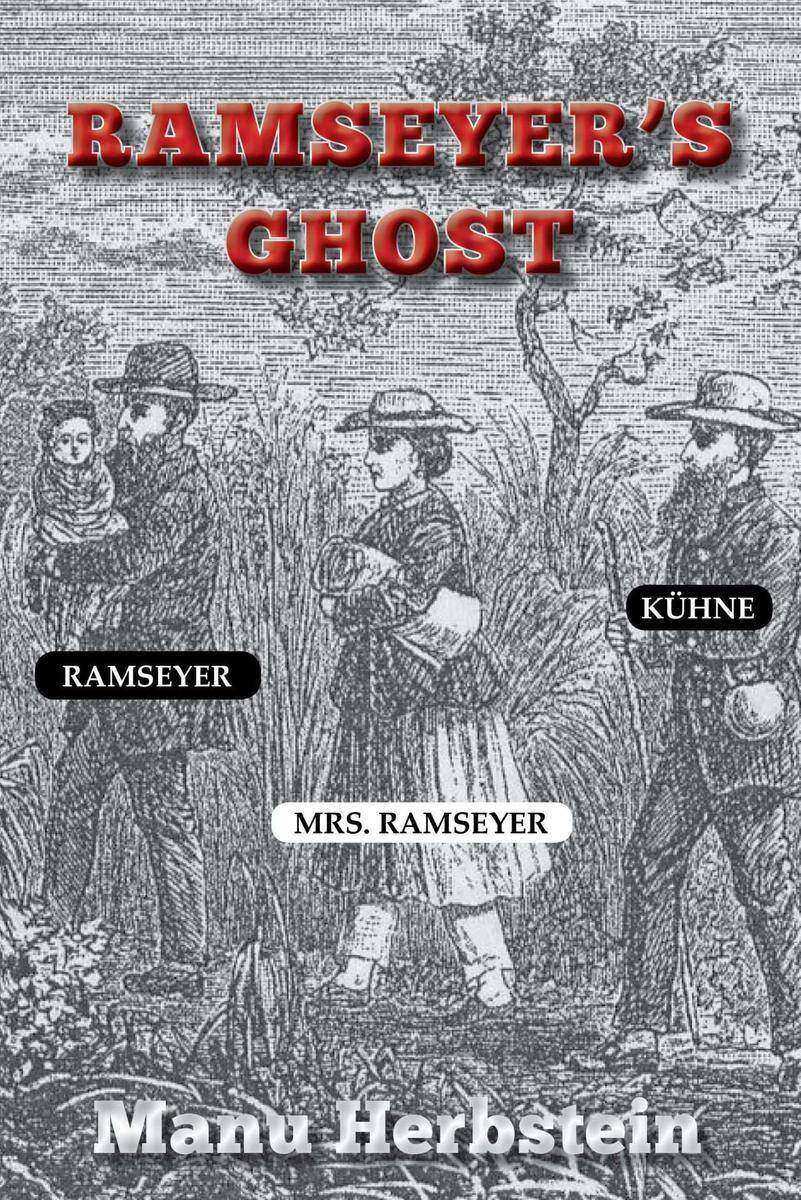
Ramseyer's Ghost
¥8.63
2050. The global village has disintegrated. The Third World War, ending in a stalemate, has left the planet split between two hostile powers, each with a captive sphere of influence. The Atlantic Ocean has become an American sea. West Africa is a desert of failed states and anarchy, dotted with mines and oil rigs, stockaded and armed by U. S. corporations. From their island outpost of St. Thomas, the Americans dispatch expeditions of geologists and mining engineers into the dangerous interior of the Dark Continent to search for untapped mineral resources. One such expedition has gone missing. Ekem “Crash” Ferguson, born in the U.S. in 2008 of African parents and abandoned to the care of foster parents, is a Captain in the Marine Corps. His career blocked and his marriage failing, he accepts an offer to proceed to Ghana on a one-man mission to find the missing experts. Unknown to his handlers, he has another mission. His arrival in Africa is inauspicious: in a shack amongst the coconut palms he comes across two human skeletons. This is only the first incident in what turns out to be a journey of discovery and self-discovery. “Magnificently crafted political fiction.” Andre Vltchek, author of Aurora and Exposing the Lies of the Empire.
Steadman's Blind: An explosive adventure brimming with peril and suspense
¥43.51
Called to a crime scene, caught in a pursuit that will change his life forever. Or end it. Chief Deputy Randall Steadman knows how to read people, making him tough to face in the interrogation room. He learns the hard way those tactics don't apply at the poker table. Watching the last of his money disappear in a pile of plastic chips, Steadman thinks it can’t get worse. Then new disaster strikes, spinning him off on a quest to catch a killer and protect an innocent girl, aided only by his new and untried partner, Detective Cory Frost. Extortion, a deadly volcano, and a triple homicide mark the beginning of a long and winding road for Steadman and Frost. If you like books by C.J. Box, Thomas Perry, and Jeffery Deaver, you’ve just found a new favorite in Steadman’s Blind!
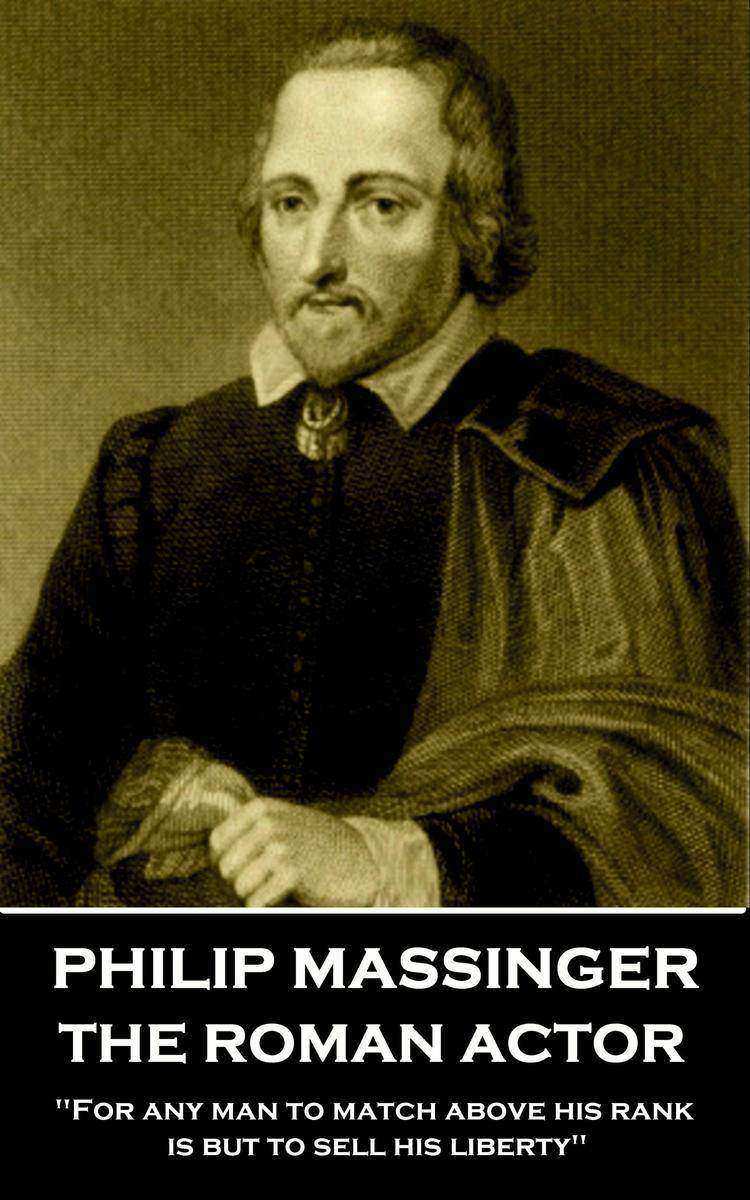
Roman Actor - For any man to match above his rank is but to sell his liberty
¥23.45
Philip Massinger was baptized at St. Thomas's in Salisbury on November 24th, 1583.Massinger is described in his matriculation entry at St. Alban Hall, Oxford (1602), as the son of a gentleman. His father, who had also been educated there, was a member of parliament, and attached to the household of Henry Herbert, 2nd Earl of Pembroke. The Earl was later seen as a potential patron for Massinger.He left Oxford in 1606 without a degree. His father had died in 1603, and accounts suggest that Massinger was left with no financial support this, together with rumours that he had converted to Catholicism, meant the next stage of his career needed to provide an income.Massinger went to London to make his living as a dramatist, but he is only recorded as author some fifteen years later, when The Virgin Martyr (1621) is given as the work of Massinger and Thomas Dekker.During those early years as a playwright he wrote for the Elizabethan stage entrepreneur, Philip Henslowe. It was a difficult existence. Poverty was always close and there was constant pleading for advance payments on forthcoming works merely to survive.After Henslowe died in 1616 Massinger and John Fletcher began to write primarily for the King's Men and Massinger would write regularly for them until his death.The tone of the dedications in later plays suggests evidence of his continued poverty. In the preface of The Maid of Honour (1632) he wrote, addressing Sir Francis Foljambe and Sir Thomas Bland: "e;I had not to this time subsisted, but that I was supported by your frequent courtesies and favours."e;The prologue to The Guardian (1633) refers to two unsuccessful plays and two years of silence, when the author feared he had lost popular favour although, from the little evidence that survives, it also seems he had involved some of his plays with political characters which would have cast shadows upon England's alliances.Philip Massinger died suddenly at his house near the Globe Theatre on March 17th, 1640. He was buried the next day in the churchyard of St. Saviour's, Southwark, on March 18th, 1640. In the entry in the parish register he is described as a "e;stranger,"e; which, however, implies nothing more than that he belonged to another parish.
In the Year of Jubilee
¥8.09
Classic novel. According to Wikipedia: "George Robert Gissing (November 22, 1857 – December 28, 1903) was an English novelist who wrote twenty-three novels between 1880 and 1903. From his early naturalistic works, he developed into one of the most accomplished realists of the late-Victorian era. ... In 1880 when his first novel, Workers in the Dawn, proved to be an abject failure, he became a private tutor to keep poverty from the door. In 1883, he separated from his wife, now an alcoholic, but gave her a weekly income on what little money he had until her death in 1888. In 1884 his second novel, The Unclassed, which saw a marked improvement in style and characterisation, met with moderate critical acclaim. After this Gissing published novels almost on a yearly basis, but so little money did they bring him, that for several more years he had to continue working as a tutor. Although notoriously exploited by his publishers, he was able to visit Italy in 1889 from the sale of the copyright of The Nether World, his most pessimistic book. Between 1891 and 1897 (his so-called middle period) Gissing produced his best works, which include New Grub Street, Born in Exile, The Odd Women, In the Year of Jubilee, and The Whirlpool. In advance of their time, they variously deal with the growing commercialism of the literary market, religious charlatanism, the situation of emancipated women in a male-dominated society, the poverty of the working classes, and marriage in a decadent world. During this period, having belatedly become aware of the financial rewards of writing short stories for the press, he produced almost seventy stories. As a result he was able to give up teaching. ... The middle years of the decade saw Gissing's reputation reach new heights: by some critics he is counted alongside George Meredith and Thomas Hardy as one of the best three novelists of his day. He also enjoyed new friendships with fellow writers such as Henry James, and H.G. Wells, and came into contact with many other up and coming writers such as Joseph Conrad and Stephen Crane. ... In 1903 Gissing published The Private Papers of Henry Ryecroft, which brought him much acclaim. This is his most autobiographical work. It is the memoir of the last happy years of a writer who had struggled much like Gissing, but thanks to a late legacy had been able to give up writing to retire to the countryside."
The Town Traveller
¥8.09
Classic novel. According to Wikipedia: "George Robert Gissing (November 22, 1857 – December 28, 1903) was an English novelist who wrote twenty-three novels between 1880 and 1903. From his early naturalistic works, he developed into one of the most accomplished realists of the late-Victorian era. ... In 1880 when his first novel, Workers in the Dawn, proved to be an abject failure, he became a private tutor to keep poverty from the door. In 1883, he separated from his wife, now an alcoholic, but gave her a weekly income on what little money he had until her death in 1888. In 1884 his second novel, The Unclassed, which saw a marked improvement in style and characterisation, met with moderate critical acclaim. After this Gissing published novels almost on a yearly basis, but so little money did they bring him, that for several more years he had to continue working as a tutor. Although notoriously exploited by his publishers, he was able to visit Italy in 1889 from the sale of the copyright of The Nether World, his most pessimistic book. Between 1891 and 1897 (his so-called middle period) Gissing produced his best works, which include New Grub Street, Born in Exile, The Odd Women, In the Year of Jubilee, and The Whirlpool. In advance of their time, they variously deal with the growing commercialism of the literary market, religious charlatanism, the situation of emancipated women in a male-dominated society, the poverty of the working classes, and marriage in a decadent world. During this period, having belatedly become aware of the financial rewards of writing short stories for the press, he produced almost seventy stories. As a result he was able to give up teaching. ... The middle years of the decade saw Gissing's reputation reach new heights: by some critics he is counted alongside George Meredith and Thomas Hardy as one of the best three novelists of his day. He also enjoyed new friendships with fellow writers such as Henry James, and H.G. Wells, and came into contact with many other up and coming writers such as Joseph Conrad and Stephen Crane. ... In 1903 Gissing published The Private Papers of Henry Ryecroft, which brought him much acclaim. This is his most autobiographical work. It is the memoir of the last happy years of a writer who had struggled much like Gissing, but thanks to a late legacy had been able to give up writing to retire to the countryside."
The Whirlpool
¥8.09
Classic novel. According to Wikipedia: "George Robert Gissing (November 22, 1857 – December 28, 1903) was an English novelist who wrote twenty-three novels between 1880 and 1903. From his early naturalistic works, he developed into one of the most accomplished realists of the late-Victorian era. ... In 1880 when his first novel, Workers in the Dawn, proved to be an abject failure, he became a private tutor to keep poverty from the door. In 1883, he separated from his wife, now an alcoholic, but gave her a weekly income on what little money he had until her death in 1888. In 1884 his second novel, The Unclassed, which saw a marked improvement in style and characterisation, met with moderate critical acclaim. After this Gissing published novels almost on a yearly basis, but so little money did they bring him, that for several more years he had to continue working as a tutor. Although notoriously exploited by his publishers, he was able to visit Italy in 1889 from the sale of the copyright of The Nether World, his most pessimistic book. Between 1891 and 1897 (his so-called middle period) Gissing produced his best works, which include New Grub Street, Born in Exile, The Odd Women, In the Year of Jubilee, and The Whirlpool. In advance of their time, they variously deal with the growing commercialism of the literary market, religious charlatanism, the situation of emancipated women in a male-dominated society, the poverty of the working classes, and marriage in a decadent world. During this period, having belatedly become aware of the financial rewards of writing short stories for the press, he produced almost seventy stories. As a result he was able to give up teaching. ... The middle years of the decade saw Gissing's reputation reach new heights: by some critics he is counted alongside George Meredith and Thomas Hardy as one of the best three novelists of his day. He also enjoyed new friendships with fellow writers such as Henry James, and H.G. Wells, and came into contact with many other up and coming writers such as Joseph Conrad and Stephen Crane. ... In 1903 Gissing published The Private Papers of Henry Ryecroft, which brought him much acclaim. This is his most autobiographical work. It is the memoir of the last happy years of a writer who had struggled much like Gissing, but thanks to a late legacy had been able to give up writing to retire to the countryside."
Vandover and the Brute
¥8.09
Classic novel. According to Wikipedia: "Benjamin Franklin Norris, Jr. (March 5, 1870 – October 25, 1902) was an American novelist, during the Progressive Era, writing predominantly in the naturalist genre. His notable works include McTeague (1899), The Octopus: A California Story (1901), and The Pit (1903). Although he did not openly support socialism as a political system, his work nevertheless evinces a socialist mentality and influenced socialist/progressive writers such as Upton Sinclair. Like many of his contemporaries, he was profoundly influenced by the advent of Darwinism, and Thomas Henry Huxley's philosophical defense of it. Norris was particularly influenced by an optimistic strand of Darwinist philosophy taught by Joseph LeConte, whom Norris studied under while at the University of California, Berkeley. Through many of his novels, notably McTeague, runs a preoccupation with the notion of the civilized man overcoming the inner "brute," his animalistic tendencies. His peculiar, and often confused, brand of Social Darwinism also bears the influence of the early criminologist Cesare Lombroso and the French naturalist Emile Zola."
England, My England
¥8.09
Classic novel. According to Wikipedia: "David Herbert Richards Lawrence (11 September 1885 – 2 March 1930) was an English author, poet, playwright, essayist and literary critic. His collected works represent an extended reflection upon the dehumanizing effects of modernity and industrialization. In them, Lawrence confronts issues relating to emotional health and vitality, spontaneity, human sexuality and instinct. Lawrence's opinions earned him many enemies and he endured official persecution, censorship, and misrepresentation of his creative work throughout the second half of his life, much of which he spent in a voluntary exile he called his "savage pilgrimage." At the time of his death, his public reputation was that of a pornographer who had wasted his considerable talents. E. M. Forster, in an obituary notice, challenged this widely held view, describing him as, "The greatest imaginative novelist of our generation." Later, the influential Cambridge critic F. R. Leavis championed both his artistic integrity and his moral seriousness, placing much of Lawrence's fiction within the canonical "great tradition" of the English novel. Lawrence is now generally valued as a visionary thinker and significant representative of modernism in English literature, although some feminists object to the attitudes toward women and sexuality found in his works."
The Club of Queer Trades
¥8.09
Classic novel. According to Wikipedia: "Gilbert Keith Chesterton (1874 - 1936) was an influential English writer of the early 20th century. His prolific and diverse output included journalism, philosophy, poetry, biography, Christian apologetics, fantasy and detective fiction. Chesterton has been called the "prince of paradox."[1] He wrote in an off-hand, whimsical prose studded with startling formulations. For example: "Thieves respect property. They merely wish the property to become their property that they may more perfectly respect it."[2] He is one of the few Christian thinkers who are equally admired and quoted by both liberal and conservative Christians, and indeed by many non-Christians. Chesterton's own theological and political views were far too nuanced to fit comfortably under the "liberal" or "conservative" banner."
Marm Lisa
¥8.09
Classic novel. According to Wikipedia: "Kate Douglas Wiggin ( 1856 - 1923) was an American children's author and educator. Kate Douglas Smith Wiggin was born in Philadelphia, and was of Welsh descent. She started the first free kindergarten in San Francisco in 1878 (the Silver Street Free Kindergarten). With her sister in the 1880s she also established a training school for kindergarten teachers. She was also a writer of children's books, the best known being The Birds' Christmas Carol (1887) and Rebecca of Sunnybrook Farm (1903)."
Memoirs of Charles J. Yellowplush
¥8.09
Classic novel. According to Wikipedia: "Thackeray is most often compared to one other great novelist of Victorian literature, Charles Dickens. During the Victorian era, he was ranked second only to Dickens, but he is now much less read and is known almost exclusively for Vanity Fair. In that novel he was able to satirize whole swaths of humanity while retaining a light touch. It also features his most memorable character, the engagingly roguish Becky Sharp. As a result, unlike Thackeray's other novels, it remains popular with the general reading public; it is a standard fixture in university courses and has been repeatedly adapted for movies and television. In Thackeray's own day, some commentators, such as Anthony Trollope, ranked his History of Henry Esmond as his greatest work, perhaps because it expressed Victorian values of duty and earnestness, as did some of his other later novels. It is perhaps for this reason that they have not survived as well as Vanity Fair, which satirizes those values."
They Call Me Carpenter: A Tale of the Second Coming
¥8.09
Classic novel. According to Wikipedia: "Upton Beall Sinclair, Jr. (1878 - 1968), was a prolific American author who wrote over 90 books in many genres and was widely considered to be one of the best investigators advocating socialist views. He achieved considerable popularity in the first half of the 20th century. He gained particular fame for his 1906 novel The Jungle, which dealt with conditions in the U.S. meat packing industry and caused a public uproar that partly contributed to the passage of the Pure Food and Drug Act and the Meat Inspection Act in 1906."


