


 购物车
购物车 个人中心
个人中心

Microsoft Azure: Enterprise Application Development
¥80.65
This fast-paced guide enables developers to design and build Enterprise applications for the cloud. You will find it easy to follow this book, as the authors use an actual online portal application for the case study. Throughout the development of the sample application there is discussion of important considerations for moving an application into the cloud. If you provide technological leadership to their enterprise—senior developers, architects, CIO/CTO and you want or need to guide your enterprise's application design to Azure, this is the perfect book for you! Since the examples are in .NET, the book will skew to MS-oriented developers. But a lot of what is discussed will be applicable to anyone wanting to work with Azure. No matter what language you use, you provision the application fabric the same way, and all the underlying concepts will be the same. You will need experience with Visual Studio, and some basic SQL Server knowledge.
Drupal 7 First Look
¥71.93
This hands-on guide takes a look at the main functional areas of Drupal that have significant new features. It explains these new features and how to use them, drawing attention to significant differences from how things used to behave, and giving the reader an idea of the kind of consequences these changes will bring to them. Drupal 7 First Look is written for site administrators, themers, and developers who have some experience with Drupal 6 (or even Drupal 5) and want to upgrade their sites, themes, or modules to Drupal 7 or just learn more about Drupal 7. No programming experience is required, but several code examples are covered for readers that want more in-depth information about building themes and modules.
OmniGraffle 5 Diagramming Essentials
¥80.65
This is a very visual book with more than 750 illustrations and screenshots, never leaving any intermediate steps out from the tutorials. It contains precise tutorials that explain the various tools, how to use them, and the visual results. The examples used in the book are an excellent starting point for your own diagrams, both as ideas and as true diagrams – all the diagrams in the book can be downloaded for your own use. This book is written for both beginners and seasoned users of OmniGraffle. If you are new to the software, then this book will teach you everything you need to know to make stunning diagrams. For seasoned OmniGraffle users, this book contains a lot of tricks and techniques that will save their work and time.
Microsoft Windows Communication Foundation 4.0 Cookbook for Developing SOA Appli
¥90.46
The recipes in this book are easy to understand and follow as the author discusses real-world scenarios. The range of topics covered in this book will bring out the forward-thinking WCF developer in you. It is not a comprehensive reference to the whole of WCF, but a practical guide that boosts proficiency when working with the various features of WCF. The examples are supported by relevant background information for ease of understanding. If you work with Windows Communication Foundation 4.0 and you want to be efficient when working with WCF features such as interoperability, proxy generation, and security, you will find this book very useful. With this book you will be able to find quick and handy solutions for various kinds of service development scenarios using Microsoft Windows Communication Foundation 4.0. To follow the recipes you will need to be comfortable with .NET Framework, C# programming, and the basics of SOA and how to develop them.
Microsoft Dynamics NAV 2009 Programming Cookbook
¥107.90
You won't find any fluff here. This book is written in a direct, to-the-point style to help you get what you need and continue working in NAV. At the same time it provides enough explanation so that you understand what we are doing and why it is necessary. In many programming books you will find yourself searching through paragraph after paragraph to try to find what you are looking for. That's not the case here. Each recipe starts with a short de*ion of what it will teach. It is immediately followed with directions, usually with illustrations, of how to perform the task. You will find the explanation of the code at the end, along with some advice for further reading or other tasks you might be interested in. If you are a junior / entry-level NAV developer then the first half of the book is designed primarily for you. You may or may not have any experience programming. It focuses on the basics of NAV programming. It would be best if you have gone through a brief introduction to the NAV client. If you are a mid-level NAV developer, you will find the second half more useful. These chapters explain how to think outside of the NAV box when building solutions. There are also recipes here and there that senior developers will find useful.
Moodle 2.0 First Look
¥71.93
The book looks at the main functional areas of Moodle that have significant new features, explains the new features and how to use them. It draws attention to significant differences from how things used to behave, and gives the reader an idea of the kind of consequences these changes will bring to them. If you are an existing Moodle user, tutor, or administrator, then this book is for you. You are expected to be familiar with the operation of Moodle.
OpenStreetMap
¥71.93
This book introduces the OSM project, its aims and objectives, and its history, then guides you through the process of gathering, editing, and using OpenStreetMap data using a series of real-world examples. This book is the perfect aid for geographic-information professionals interested in using OpenStreetMap in their work and web designers and developers who want to include mapping in their sites, and want a distinctive style. It is for you if you have a need to use maps and geographic data for work or leisure, and want accurate, up-to-date maps showing the information you're interested in, without details you don't need. If you want to use maps for navigation and want more or less detail than traditional printed maps give this book is perfect for you.
IBM Lotus Sametime 8 Essentials: A User's Guide
¥80.65
As a user, you will learn, using real-world scenarios and tasks, exactly how to use all the features of Sametime. Beginning with how to install Sametime, we've included step-by-step de*ions and screen prints for each topic area in a clear easy-to-follow format. Each chapter builds on what you learn in earlier chapters and guides you into using the more advanced features of Sametime, but if you only want to develop your skills in one particular area, each chapter acts as a stand-alone module. If you want to learn how to use IBM Lotus Sametime, then this book is for you. No matter if you're new to Sametime or want to become a Sametime power user, this book contains something for you. The focus is on using Sametime as a user and does not include information about development or administration of a Sametime environment; but any user of Sametime in an organization will be able to take this book, sit down at their computer, and learn how to use each feature of Sametime from start to finish.
Building job sites with Joomla!
¥71.93
This will be a step-by-step tutorial - a workbook with practical approach. The book starts by looking at the important features that make a professional job site: adding and managing jobs, jobseekers and employers, providing online recruitment services, selling credits and managing credit system, SEO to drive huge traffic to your job site, and so on. This book includes a lot of screenshots which not only illustrate tasks but also create a visual impact. This book contains overall necessary information that is important for the understanding of job site development. If you are looking for building and managing a job site using Joomla! extensions then this book is for you. Prior knowledge of using extensions is not expected but Joomla! basics will be required.
Tcl 8.5 Network Programming
¥90.46
The book is written so that both experienced and novice Tclers can find useful information inside. It starts with quick introduction to Tcl and its networking support for those who are less familiar with them. Authors focus on showing practical, yet simple examples for each module and command described so that reader understands how to use them when solving the real life problems. The examples given are useful programs that try to solve real-world needs. All sample programs are clear and concise yet nothing essential is left out and the programming style focuses on readability rather than on stylistic rigor or efficiency. This book is for Tcl developers with basic network programming concepts, who want to add networking capabilities to their applications. Working knowledge of Tcl and basic experience of network protocols will be useful. The reader should be familiar with basic concepts used in modern networking – keywords like TCP, HTTP or XML should not be a mystery. The book does not require advanced knowledge of Tcl – the first chapters will swiftly introduce the reader into it, allowing refreshing the information or gaining a quick overview of the Tcl language abilities.
PrestaShop 1.3 Beginner's Guide
¥80.65
The book is structured so that following the chapters in order leads to building a fully functioning and live trading PrestaShop. Guidance is also given should you wish to learn or practice your skills in an offline, non-trading environment. Every chapter contains clearly structured and illustrated step-by-step explanation to achieve the goals discussed. Nothing is left for readers to work out themselves, but it would be very simple for them to use the information to go beyond the specific tutorials, should they wish to do so. There is optional additional reading, including more than a dozen specifically written downloadable e-books made available on the book's support website just for readers of PrestaShop 1.3 Beginners Guide. This book is for anybody who wants a fully functioning e-commerce store using PrestaShop. You do not have to have any previous knowledge of PrestaShop or any aspect of e-commerce or business in general. If you do, then you will probably find this guide really valuable as well. The book covers all you need to know about starting your own e-commerce business.
IT Inventory and Resource Management with OCS Inventory NG 1.02
¥71.93
This book closely follows the style of a practical, hands-on "how to" guide on working with OCS Inventory NG. The step-by-step approach, coupled with the use of visual aids, clear instructions, and real-world examples, makes it a fast-paced book. Upon the completion of this book, you will have the necessary skill set, know-how, and confidence to implement OCS Inventory NG to meet the demanding asset management needs of any organization. Then you can carry on using the book as reference material. This book targets an audience of system administrators and IT professionals who are required to implement, configure, customize, and work with IT Inventory and Asset Management solutions. The book does not presume any prior knowledge of inventory management, just a solid grasp of the server/client model and familiarity with the chosen operating system along with the necessary web server and database server terminologies. Anyone with an interest in inventorying IT assets and solving real-world resource management dilemmas will enjoy this book.

38 Love Lies and Marriage
¥24.44
Teresa is everything her father Sir Hubert Bryan could wish for – clever, loyal and sharp-witted. The only problem is that she was born a girl and not the son he hoped would follow in his footsteps. But Teresa sees no reason why her gender should prevent her from being an asset to him in his mighty shipping empire, and tells him so. Sir Hubert is astounded at her request – he is far more concerned that his beautiful daughter will fall prey to the scavengers and fortune hunters amongst London Society. Having made his own vast fortune the hard way he is only too aware of what men will do to have access to the kind of wealth his lovely daughter will inherit. So when his dear friend the Marquess of Walstoke begs for help to prevent his heir Harry, the Earl of Lanbourne, making a disastrous marriage to a notorious actress he sees an opportunity to help his friend, and set a test of intelligence for his daughter too. Together, the two men hatch a plot to ‘save’ Harry from himself and prevent him from ruining his life. Promising her work in the family business, Teresa agrees to her father’s pleas to play a central character in a daring deception. But Harry is not a fool, and astounded at his uncle’s lack of faith in him he storms off to Bourne Hall, his family estate, taking Teresa with him. Teresa is torn; she loves her father but the longer she spends with Harry the more her loyalties are tested. Experiencing strange new feelings, she begins to have her own reasons to make sure that Harry puts the past behind him. But are these reciprocatedOr is Harry destined to shake the foundations of Society by making his flame-haired actress the new Countess of Lanbourne?
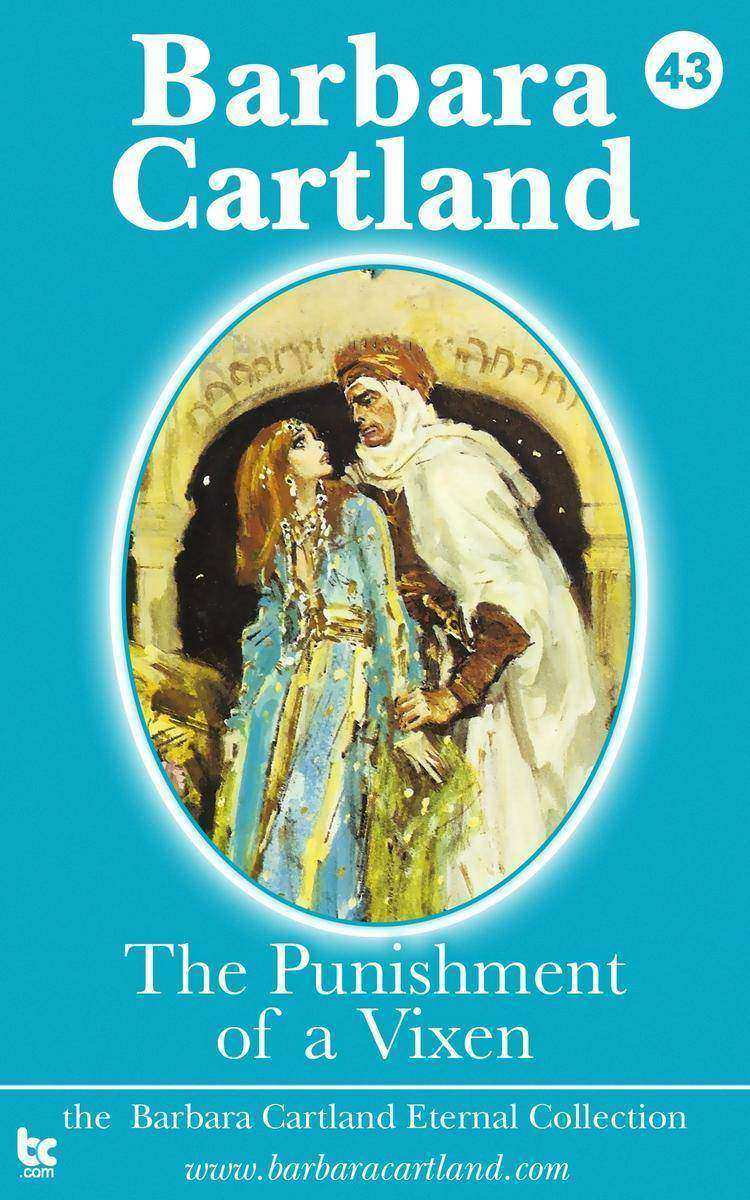
43 The Punishment of a Vixen
¥24.44
While staying at Lady Merrill’s French Riviera villa, flame haired and beautiful American heiress Nevada van Arden passes her time by casually breaking the hearts of her many ardent suitors – particularly that of young David, Lord Merrill. When his uncle, intrepid explorer and diplomat Tyrone Strome, overhears her cruel humiliation of his lovelorn nephew, he resolves to teach this ‘vixen’ a lesson – and save David from his misery. Tyrone Strome abducts Nevada, spiriting her away in his luxury yacht to Morocco. There the reluctant voyager, swaddled in native clothing, is terrified by the perils of the Sahara and its nomadic tribesmen. But, as they flee from certain death or worse, they find sanctuary in a beautiful hidden valley, a second Garden of Eden, where to Nevada’s surprise, love begins to blossom in the desert.
44 Secret of the Glen
¥24.44
While staying at Lady Merrill’s French Riviera villa, flame haired and beautiful American heiress Nevada van Arden passes her time by casually breaking the hearts of her many ardent suitors – particularly that of young David, Lord Merrill. When his uncle, intrepid explorer and diplomat Tyrone Strome, overhears her cruel humiliation of his lovelorn nephew, he resolves to teach this ‘vixen’ a lesson – and save David from his misery. Tyrone Strome abducts Nevada, spiriting her away in his luxury yacht to Morocco. There the reluctant voyager, swaddled in native clothing, is terrified by the perils of the Sahara and its nomadic tribesmen. But, as they flee from certain death or worse, they find sanctuary in a beautiful hidden valley, a second Garden of Eden, where to Nevada’s surprise, love begins to blossom in the desert.
46 For all Eternity
¥24.44
The Marquis of Stowe is on the verge of a dreadful scandal that threatens to ruin both him and the lovely, but married, Lady Burnham. Knowing that their secret is out and that her husband will be plotting revenge, the Marquis casts about desperately for a way to avoid the scandal, which he knows is inevitable despite the wealth and good looks that have made him a darling of the Beau Monde. Seeing a perfect solution, he decides to offer marriage to the Duke of Dawlish’s daughter and leaves for the country. Surely the Duke will be grateful for his daughter to make such a matchThere is only one problem – marrying the Duke’s daughter might provide a way out of his current dilemma, but having met her the Marquis is dismayed by her dullness. Horrified at the sacrifice he would have to make, he suddenly realises that there is another way to put the cuckolded husband off the scent and preserve his freedom – as long as he can find a young woman happy to go along with his seemingly foolproof idea. Eager to renew his acquaintance with Ajanta Tiverton, the beautiful daughter of a local Vicar, the Marquis hurtles to the Vicarage to tell her his plan and the role that only she can play. Certain that this will get him out of immediate danger and sure that he can offer an attractive financial incentive to help the impoverished family, it seems that if their daring charade is successful everyone involved will benefit. All Ajanta has to do is play her part and all will be well. Swept into a rich luxurious world they have never known before, the Marquis sets out to charm the Vicar and Ajanta’s sisters. Delighted by their new surroundings and excited by the attention of the eloquent Marquis they cannot believe the happiness Ajanta has bought into their lives. But the Marquis is not the only one masking the truth – Ajanta too has a family secret she would prefer not to share and, as the deception continues and feelings run high, she cannot help but worry what will happen in the final Act of their play and where the curtain will fall.

48 A Marriage Made In Heaven
¥24.44
The Duke of Buckhurst, handsome, wealthy, a brilliant horseman and known to everyone as ‘Buck’ has sworn that he will never marry. Cutting a swathe through the sophisticated beauties of the Beau Monde, who are drawn to his sardonic charm like social butterflies to a bright light, he has only one requirement for his amours – that they are safely married to someone else. That is until he discovers that his heir apparent, his dissolute cousin Edmund, has married an actress. Horrified that a common showgirl will become the next Duchess and bring his family name into disrepute, the Duke is forced by his family into finding a bride. Bored by the very thought of being tied to a young, inexperienced young woman, he sets his loyal sisters the daunting task of choosing a suitable wife within the month, so that he can be married before the Royal races at Ascot. With time running out, Buck’s sisters are in despair – until they meet Lady Samala Wynn, the daughter of the honorable but impoverished Earl of Kenwyn. Lovely, innocent and angel-faced, she seems the ideal bride, but can they persuade her to marry their rakish brother, BuckFor Samala is a young woman with her own ideas about marriage – and they include love and romance. But can a marriage between two strangers, built on a foundation of the groom’s resentment and the bride’s family duty, ever bring happiness and loveAs the Duke, furious at the prospect of losing his freedom, dallies with the latest married woman to fall all too eagerly into his arms and Samala worries how her beloved father will cope living alone in his crumbling estate, it seems that this is a match that is doomed to bring nothing but sadness.

62 The Prisoner Of Love
¥24.44
Amidst the exciting preparations for the grand opening of Prince Albert’s prized Crystal Palace, a young orphan, Sorilda, is being forced into marriage by her recently cuckolded uncle, the Duke of Nuneaton. Having sheltered lovely Sorilda since the tragic death of her parents, the usually fair-minded Duke has been driven to jealous retaliation by his deceitful new Duchess. Suspecting his close neighbour, the Earl of Winsford, of ungentlemanly conduct with his beautiful wife, the Duke issues an ultimatum. The Earl must renounce the Duchess and marry the Duke’s flame-haired niece or face the public embarrassment of a scandal. Handsome, intelligent and fabulously wealthy, the Earl makes his choice and reluctantly marries Sorilda, his helpless bride. Angry at being pressured into such a union and aghast that he does not know, let alone love, his wife, the Earl remains distant and determined not to let Sorilda into his life. Enjoying the freedom from the miserable prison of her uncle’s home, Sorilda’s natural charm and positive nature soon force their way to the surface, despite the coldness of her bridegroom. Delighted by everything around her, it is not long before she has made her way into the hearts of everyone she meets. But, as London Society eagerly awaits the Great Exhibition, a spurned Duchess is busy plotting. Furious at being caught in a compromising situation, and filled with hatred for Sorilda, who has married the man she desires, she will not rest until she has her revenge.
63 Ola and the Sea Wolf
¥24.44
The Marquis of Elvington, heartbroken to discover the woman he intended to marry has deceived him, decides to leave England and put as many miles as possible between them. Handsome, intelligent and a great favourite at the Court of King William IV and Queen Adelaide, the Marquis is used to the admiration of women and respect of men, so the duplicity of his intended wife strikes him a cruel blow. However, a thick fog makes it impossible for his yacht to leave Dover Harbour, so he is forced to remain on British soil another night. Anger swiftly chasing his sadness, he decides to visit a cheap quayside inn to escape the loneliness he feels and drown his sorrows. Sitting alone, his mind firmly fixed on how the woman he loved has betrayed him, he vows never to love or trust again. But Fate seems determined to challenge him as almost immediately he is forced to act as a ‘Good Samaritan’ to protect a young lady, Ola, intent on escaping the clutches of her hateful stepmother and dishonourable cousin. Blaming his act of charity on the vast quantities of brandy he consumed and against his better judgement, he offers to sail her in his yacht, The Sea Wolf, to Calais. Ola is brave, opinionated and daring – as well as possessing the most flaming red hair he has ever seen. From the moment she steps aboard, decrying men and their dastardly intentions, the Marquis is hard put to keep in step with her wild ideas and brave deeds. In turn admiring her free spirit and amazed at her lack of understanding of the ways of the world, they form a strange truce based on the fact that both vow never to marry. But Fate has not finished meddling yet and they are soon embroiled in incredible adventures, too fantastic for either of them ever to have imagined, that push their friendship to its very limits.
Swift Essentials
¥90.46
Whether you are a seasoned Objective-C developer or new to the Xcode platform, Swift Essentials will provide you with all you need to know to get started with the language. Prior experience with iOS development is not necessary, but will be helpful to get the most out of the book.
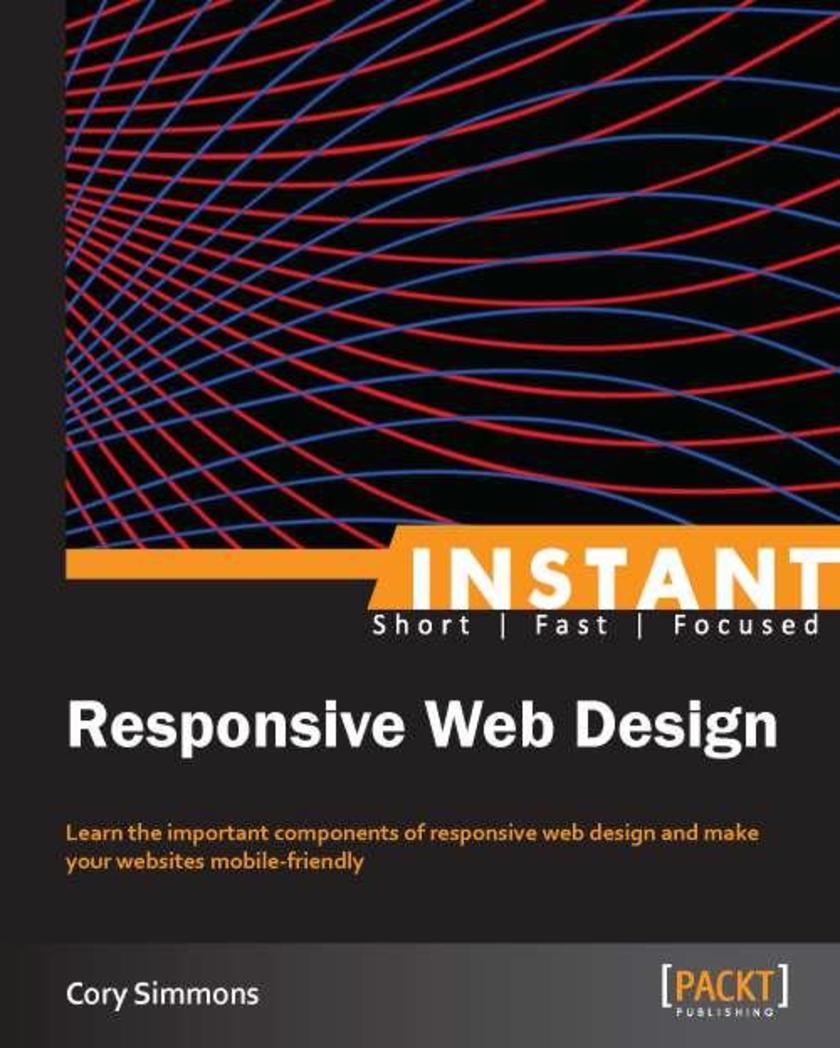
Instant Responsive Web Design
¥41.41
A step-by-step tutorial approach which will teach the readers what responsive web design is and how it is used in designing a responsive web page.If you are a web-designer looking to expand your skill set by learning the quickly growing industry standard of responsive web design, this book is ideal for you. Knowledge of CSS is assumed.


