


 购物车
购物车 个人中心
个人中心

The Sheriff's Second Chance (Mills & Boon Cherish)
¥31.10
The Sheriff’s Second Chance She’d left him to pursue her dreams right after high school, but now Caitlyn Cavanaugh is back. Deputy Sheriff Nathan Jeffries doesn’t know what to do, but it’s his job to rescue this damsel in distress from a series of minor mishaps. The single dad’s strategy: keep it professional and don’t fall for Caitie again!
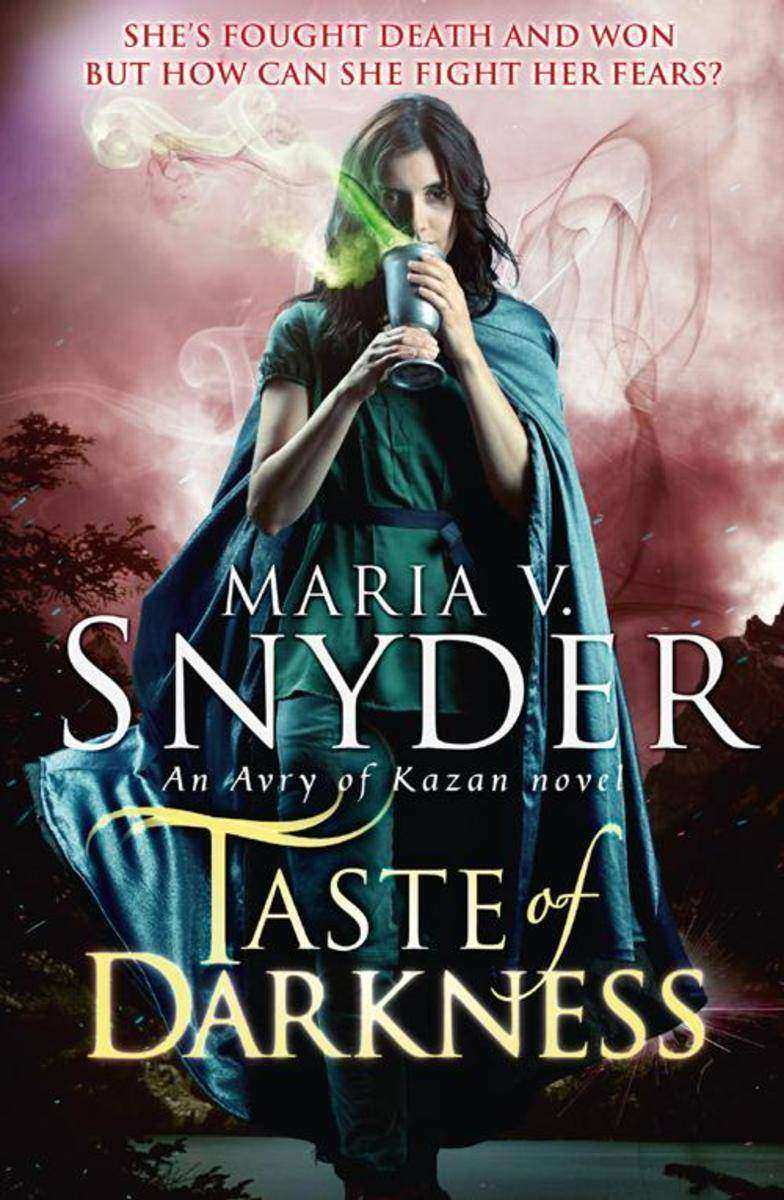
Taste of Darkness (An Avry of Kazan Novel, Book 3)
¥62.59
‘A compelling new fantasy series.’- SFX on Sea Glass ‘Snyder delivers another excellent adventure.’ - Publishers Weekly 'Spellbinding romantic adventure that will leave readers salivating for the next book in the series.’-USA Today on Touch of Power-USA TODAY THE FINAL BATTLE BEGINS… Powerful healer Avry knows hardship and trouble. She fought a plague and survived. She took on corrupt King Tohon and defeated him. But now her true love, Kerrick, is missing and Avry fears he’s gone forever. Yet she faces a more immediate – and deadly – threat. The Skeleton King plots to claim the Fifteen Realms for his own. With the territories’ armies in disarray and the dead not staying dead, Avry’s powers are needed now more than ever. Torn between love and loyalty, she must choose her path carefully. For the future of Avry’s world depends on her decision…

Looking For Alex
¥39.24
They were supposed to be best friends… It’s the summer of 1977, Beth and Alex did everything together. Until the day seventeen year old Alex ran away from home. A missing persons report has been filed, but Beth knows that there must be more to Alex’s disappearance. So she follows Alex, to punk-era London, determined to bring her best friend back home. But the Alex she finds living in a Camden squat isn’t the same Alex. And memories of those weeks in London haunt her to this day; falling for Fitz, her first love; tasting a new kind of freedom, and the fateful day that her parents finally tracked them down and took her away. Alex knew then that Beth had betrayed her trust, and disappeared once more, severing their friendship for good. And now, years later, it’s time for forgotten secrets to be shared once and for all. Because after all this time, Beth’s never given up on finding Alex… Don’t miss the new brilliant story from Marian Dillon - The Lies Between Us out now!

Twilight
¥62.59
For former private investigator Dana Miller, there can be no peace of mind until she finds the person who killed her husband. Now a single mother to three boys, Dana wants closure. But it turns out she’ll need to form an alliance with the man she holds responsible for the death. And uncovering answers may mean bringing down the program her husband believed in. Rick Sanchez has no intention of letting Dana destroy all the good he and Ken Miller worked for. As he and Dana try to learn the truth about what happened, he discovers that he and his old friend have something else in common – an undeniable attraction toward this intrepid, high-spirited woman who fights for the people she loves.

Wake to Darkness (A Brown and De Luca novel, Book 3)
¥54.74
Rachel de Luca’s uncanny sense of perception is the key to her success as a self-help celebrity. Even before she regained her sight, she had a gift for seeing people’s most carefully hidden secrets. But the secret she shares with Detective Mason Brown is one she has promised to keep. As for Mason, he sees Rachel more clearly than she’d like to admit. After a single night of adrenaline-fueled passion, they have agreed to keep their distance—until a string of murders brings them together again. Mason thinks that he can protect everyone he loves, including Rachel, by taking them to a winter hideaway, but danger follows them up the mountain. As guests disappear from the snowbound resort, the race to find the murderer intensifies. Rachel knows she’s a target. Will acknowledging her feelings for Mason destroy her—or save them both and stop a killer?
The Wild Adventure of Jasper Renn
¥12.75
After surviving a triumph-turned-tragedy in New York City, Jasper is determined to secure a happier future with his gifted band of friends. So when the group’s mechanical genius Emily is abducted, he’ll plunge into England’s darkest places to rescue her…. But his old flame Wildcat is turning London town upside down to find her missing sister, and Jasper finds the attraction between himself and the fierce beauty as tempting and dangerous as ever. Their trail leads deep into the city’s most unusual circus. Soon, Jasper will find his loyalties— and future—tested more than he could ever imagine…. And don’t miss Jasper’s continuing exploits in The Girl with the Iron Touch by Kady Cross available now

Another Chance for Daddy (Mills & Boon Vintage Cherish)
¥31.10
Marriage Ties Once smitten, twice wed. She still loved him–but could she marry him again? When Clay Saunders finally realized that his adventurous life-style was no substitute for his ex-wife and son, it was too late. Rebecca was all set to marry the reliable new man in her life. Clay, she decided, would just have to accept that he'd lost her forever… Then she made the fatal mistake of taking him back for a spell while he recovered from an accident. Playing the perfect patient, Clay began his campaign to win her back! Six-year-old Jimmy clearly wanted his daddy to stay for good. Could Rebecca be persuaded to give him another chance, too? The four Kelleher women, bound together by family and love.

Bargaining With The Boss (Mills & Boon Vintage Cherish)
¥23.05
PENNINGTON Moment of truth! Eleri worked hard at being levelheaded, to make up for one solitary mistake in her teens. But there were times when being sensible was difficult! Take the situation with James Kincaid…. Eleri had been in love with James, her former boss, for ages, and now not only was James begging her to return to the job from which she'd resigned, he made it clear he found her very attractive, too! Eleri longed to give in to her feelings for James, but forced herself to keep her distance. She had to, because of her secret: what if James discovered that Nico, the boy he thought of as her younger brother, was actually her son? PENNINGTON A place where dreams come true
Rose Elliot’s New Complete Vegetarian
¥184.23
Britain's foremost vegetarian cook and bestselling author, Rose Elliot, offers over 1000 simple and delicious recipes in this fully updated and beautifully illustrated edition of her definitive Complete Vegetarian Cookbook. Combining timeless classic dishes with modern recipes, Rose Elliot's New Complete Vegetarian is an essential cookbook for every kitchen - whether vegetarian or not. As well as many mouth-watering main course recipes and imaginative side dishes, this book also includes hundreds of great pasta, pulse and rice dishes; tempting hot and cold desserts; pizza and bread making; and tried-and-tested cakes, biscuits and scrumptious teabreads. Rose's practical and creative approach to cooking has been praised for over 35 years. Her easy-to-follow recipes and warm, unhurried writing encourage readers to try new flavours and attempt new recipes. She offers something for everyone, whether it's a warming French Onion Soup or a filling Root Vegetable and Lentil Pie. In this impressive fully revised edition, Rose includes fantastic new recipes - try Purple Sprouting Broccoli with Lemon Butter Sauce, Wild Mushrooms en Croute or Boozy Banoffee Pie. Whether you're a long-time vegetarian looking for new inspiration or a non-vegetarian who enjoys cooking and eating great food, this book has exciting ideas for all occasions.

The Allotment Book
¥110.46
A wonderfully illustrated celebration of the blood, sweat and joy to be had ‘growing your own’ in an allotment – with the in-depth, practical gardening know-how for which Collins is renowned. No longer considered the preserve of old men in sheds, allotment gardening is currently enjoying a renaissance of interest. People of all ages and from all walks of life are digging their own plots in search of the ultimate in fresh, organic produce – and you cannot get more locally-sourced than your own allotment! This book testifies to the vibrancy of allotment culture, aiming both to inspire the next generation of plot-holders and to provide all the practical knowledge needed to turn a patch of soil into a lifelong adventure. Open to all the eco-gardening techniques, and the various weird and wonderful ways people make use of their plots, contents include: ? the history of allotments – from 19th century origins, through wartime ‘Dig for Victory’, to the cosmopolitan communities of today; features photos and interviews with current plot-holders ? planning your perfect allotment – finding it, assessing it, clearing the ground and working out what to grow ? the brown stuff – all you need to know about soil management, the key to growing success ? choosing a gardening method – organic, biodynamic, rotation beds, companion planting, greenhouse, multi-level, potager, cottage garden, and so on… ? the hard stuff – constructing sheds, compost bins, cold frames, fruit cages, ponds, seating and play areas ? selecting crops – what and how to grow, from parsnips and peas to chilli peppers and lemon grass ? cultivation techniques – digging, sowing, feeding, weeding and harvesting, plus troubleshooting pests and diseases ? the allotment calendar – extensive, month-by-month look at what’s in season, jobs for now and looking ahead

The Devious Book for Cats: Cats have nine lives. Shouldn’t they be lived to the
¥56.11
Cats once were proud, shrewd, independent animals who lived life on our own terms. But then came a life of domestication, comfort and free health care. And now cats are in danger of losing our sense of adventure completely. Fluffy and Bonkers say it's time to fight back and regain control of your rightful place as ruler of the roost once again. Cats once ruled the alleys, galleys and the valleys. Rodents trembled in fear. Birds steered clear. Cats took chances. Some lived fast and died young… We were on the prowl. But then came a life of domestication that was simply too good to pass up. Humans gave us everything we desired, from ear massages and shelter from the rain to cuddle sessions and free health care. In return, they were permitted to bask in the majesty of our presence. It seemed like a fair trade. Or was it? Has domesticity really been good for cats? What has become of our sense of adventure, our sense of independence? Did you know that because of boredom and indolence, the average feline today uses up a mere 2-3 of its 9 lives? Fluffy and Bonkers think its time to get out of the comfortable back seat of life and regain control of your destiny. They created this manual to teach discerning cats how to wake up a human when they want to get fed, how to stare like a pro, how to carry yourself in a catfight and - most importantly - how to get away with practically anything. With The Devious Book for Cats you can return to the noble creature you once were and assume your rightful place as the ruler of your household once again.

Darkmans
¥68.67
Shortlisted for the 2007 Man Booker Prize, an epic novel of startling originality which confirms Nicola Barker as one of Britain's most exciting literary talents. If history is a sick joke which keeps on repeating, then who keeps on telling it? Could it be John Scogin, Edward IV's jester, whose favourite skit was to burn people alive? Or could it be Andrew Boarde, physician to Henry VIII, who wrote John Scogin's biography? Or could it be a Kurd called Gaffar whose days are blighted by an unspeakable terror of salad? Or a beautiful bulimic with brittle bones? Or a man who guards Beckley Woods with a Samurai sword and a pregnant terrier? Darkmans is a very modern book, set in ridiculously modern Ashford, about two old-fashioned subjects: love and jealousy. And the main character? The past, creeping up on the present and whispering something quite dark into its ear. Darkmans is the third of Nicola Barker's visionary Thames Gateway novels. Following Wide Open (winner Dublin IMPAC award 2000) and Behindlings it confirms one of Britain's most original literary talents.

The Fields of Grief
¥53.76
A terrifying psychological thriller in which a spate of suicides could just be the work of a serial killer; featuring homicide detectives Cardinal and Delorme from the award-winning ‘Forty Words for Sorrow’. Photographer Catherine Cardinal’s fatal fall from a high building one moonlit night is ruled an act of suicide. She has a history of depression, a note is found and her psychiatrist is not surprised. But her husband, John Cardinal, won’t accept this conclusion. Driven by grief and guilt, he launches his own investigation, helped by his reluctant colleagues. And when vicious notes appear, taunting him for his loss, his theory that she was murdered suddenly seems to be credible. Cardinal revisits his past, searching for a possible suspect among his previous arrests. Someone with a grudge, a person twisted enough to target his innocent wife in revenge. But could he be looking in the wrong place? The mystery deepens when he uncovers a spate of tragic suicides, leading him to investigate a startling new possibility – one so shocking, it has never been suspected…
Black Fly Season
¥65.53
The third atmospheric psychological thriller featuring detectives Cardinal and Delorme, from the award-winning author of FORTY WORDS FOR SORROW. Sacrifice for the spirits or brutal murder? Someone in Algonquin Bay is out for blood. A young woman has been shot in the head. She can't remember why anyone wants to hurt her, or even her own name. Then a body turns up – Wombat Guthrie, biker and drug dealer, has taken his last ride. It's unlikely that the two cases are linked, but detectives Cardinal and Delorme keep encountering a name – 'Red Bear'. A Chippewa shaman, Red Bear has recently moved into drugs and has enlisted the help of the spirit world. In return the 'spirits' demand sacrifice – human sacrifice. As the woman regains her memory, Cardinal suspects that she may not be as innocent as she appears. And what of Red Bear? Really a shaman? Or just another dealer with an appetite for murder? The truth must be found before the spirits claim another 'sacrifice'…

The Tyranny of Numbers: Why Counting Can’t Make Us Happy
¥82.01
Never before have we attempted to measure as much as we do today. Why are we so obsessed with numbers? What can they really tell us? Too often we try to quantify what can’t actually be measured. We count people, but not individuals. We count exam results rather than intelligence, benefit claimants instead of poverty. The government has set itself 10,000 new targets. Politicians pack their speeches with skewed statistics: crime rates are either rising or falling depending on who is doing the counting. We are in a world in which everything designed only to be measured. If it can’t be measured it can be ignored. But the big problem is what numbers don’t tell you. They won’t interpret. They won’t inspire, and they won’t tell you precisely what causes what. In this passionately argued and thought-provoking book, David Boyle examines our obsession with numbers. He reminds us of the danger of taking numbers so seriously at the expense of what is non-measurable, non-calculable: intuition, creativity, imagination, happiness… Counting is a vital human skill. Yardsticks are a vital tool. As long as we remember how limiting they are if we cling to them too closely. Americans who claim to have been abducted by aliens = 3.7 million Average time spent by British people in traffic jams every year = 11 days Number of Americans shot by children under six between 1983 and 1993 = 138, 490

Heading For Trouble! (Mills & Boon Vintage Cherish)
¥31.10
Man trouble! The second time Morgan met Richard Kavanagh she was supposed to be helping charm the television heartthrob into giving her sister a job. Unfortunately, Morgan suspected that careering into Richard's car wasn't exactly the "good impression" that Elaine had had in mind! Worse, Richard thought it was an elaborate plan to get an autograph. She didn't even like the man! He was rude, opinionated and far too sexy for his own good–and hers! And if he ever remembered the first time they had met, Morgan would really be heading for trouble!

Her Mistletoe Husband (Mills & Boon Vintage Cherish)
¥31.10
His kisses were irresistible Alex D'Amour was an unexpected–and decidedly unwelcome!–guest in Elissa Crosby's home. Not wanting to spoil the Christmas mood for her two younger sisters and their families, she asked Alex to pretend they were friends. But he got carried away by his part and what her sisters actually saw was Alex–the affectionate lover! Had independent Elissa finally met her match? Only she knew that Alex was not wanting her so much as her beautiful home. But under the spell of the Christmas mistletoe–and Alex's magical kisses–miracles could happen…. ENCHANTED BRIDES– Wanted: three dream husbands for three loving sisters

The GL Diet Cookbook: Over 150 tasty recipes for easy weight loss
¥57.09
GL, or Glycaemic Loading, is the dieting sensation taking the nation by storm. Nigel Denby, the UK's No.1 authority on GL and author of ‘The 7-Day GL Diet’ brings you an exciting new cookbook with over 100 simple and delicious recipes. Every taste is catered for – fish lovers, meat connoisseurs, vegetarian, sweet. Love your food AND lose weight! GL is the diet for people who want permanent results fast without going hungry. It's simpler than GI – and more effective, too. This is because it doesn't just look at the GI (Glycaemic Index) of a food: it also takes into account the amount of it we eat. This means that many high GI banned foods are back on the menu – yes, even chocolate! In this exciting new cookbook Nigel Denby, author of ‘The 7-Day GL Diet’, shows you how easy it is to cook healthy and delicious meals in minutes. It's packed with over 100 tasty recipes and full of handy tips to keep you on track. Love your food with the GL Diet Cookbook – and watch the pounds melt away.

Tell Me Everything
¥27.17
Discover a novelist that Neil Gaiman describes as ‘an astonishingly smart writer’. When a chance meeting with a stranger leads to an offer of a room in exchange for telling her stories, Molly jumps at the chance. Slowly she builds a new, eccentric family around herself: Tim, her secretive boyfriend, who just might be a spy; Miranda, the lovelorn hairstylist; Liz, the lusty librarian; Mr. Roberts, landlord and listener; and his French wife, Mrs. Roberts. Much to Molly's surprise, she finds the stories she tells now are her key to creating a completely different life. Suddenly, her future is full of endless possibilities. The trouble is, Molly's not the only one telling tales. And the truth is always stranger than fiction. Sarah Salway's witty, finely-tuned and poignant story of many stories is a uniquely entrancing chronicle.

My Kitchen
¥95.75
My Kitchen is a collection of James Martin's favourite seasonal recipes. Be inspired in your kitchen all year round with more than 100 of James's tried-and-tested favourites. As the face of British food, James Martin knows how to cook for an audience. But what happens when the cameras are turned off and it's time to feed himself and his friends? Here James shares the recipes that see him through the year, with plenty of easy and irresistible ideas for fantastic food, even when there's no occasion. James firmly believes that fresh, local ingredients are always the best, and he often uses his own home-grown fruit and veg in his everyday cooking. His recipes are organised by the seasons, so that whether your produce hails from the garden, the greengrocer or the supermarket, you'll never be short of ways to celebrate delicious seasonal food. A vocal supporter of traditional British grub, James also includes ideas for using different cuts of meat, harking back to an era of 'waste not, want not'. Determined to prove that game, such as grouse, rabbit and venison, is not only affordable but also very delicious, he finds versatile ways to turn these meats into mouth-watering dishes that everyone will love. Discover over 100 no-nonsense recipes from James's personal repertoire, all explained in his straightforward and easy-to-follow manner. Accompanied by beautiful food photography and seasonal reportage images which offer a view of James's own house and garden, this is a book which cannot fail to inspire healthy, hearty home-cooked food. RECIPES INCLUDE: ? Leek and Potato Soup with Smoked Salmon and Poached Egg ? Cromer Crab Toastie ? Beef and Fennel Koftas with Corn on the Cob ? Marinated Loin of Lamb with Warm Figs, Coriander and Honey ? Herb-crusted Baked Cod with Spiced Cauliflower Cheese ? Roasted Turkey with Guinness Glaze ? Rabbit Casserole with Grapes and White Wine ? Thyme-roasted Apricots with Honey Madelines ? Swiss-style Hazelnut Meringue with Coffee Cream ? Christmas Pudding Ice Cream with Warm Satsumas and Caramel Sauce

Wilfred Thesiger: The Life of the Great Explorer
¥80.25
Wilfred Thesiger, the last of the great gentlemen explorer-adventurers, became a legend in his own lifetime. This authorised biography by a longstanding friend and associate delves into his little-known character and motivations, as well as recounting the details of his extraordinary life. Wilfred Thesiger, the great explorer-adventurer and author of ‘Arabian Sands’ and ‘The Marsh Arabs’, and one work of autobiography ‘The Life of my Choice’, became a legend in his own lifetime, but his character and motivations have remained an intriguing enigma. In this authorised biography – written with Thesiger’s support before he died in 2003 and with unique access to the rich Thesiger archive – Alexander Maitland investigates this fascinating figure’s family influences, his wartime experiences, his philosophy as a hunter and conservationist, his writing and photography, his friendships with Arabs and Africans amongst whom he lived, and his now-acknowledged homosexuality.


