


 购物车
 个人中心

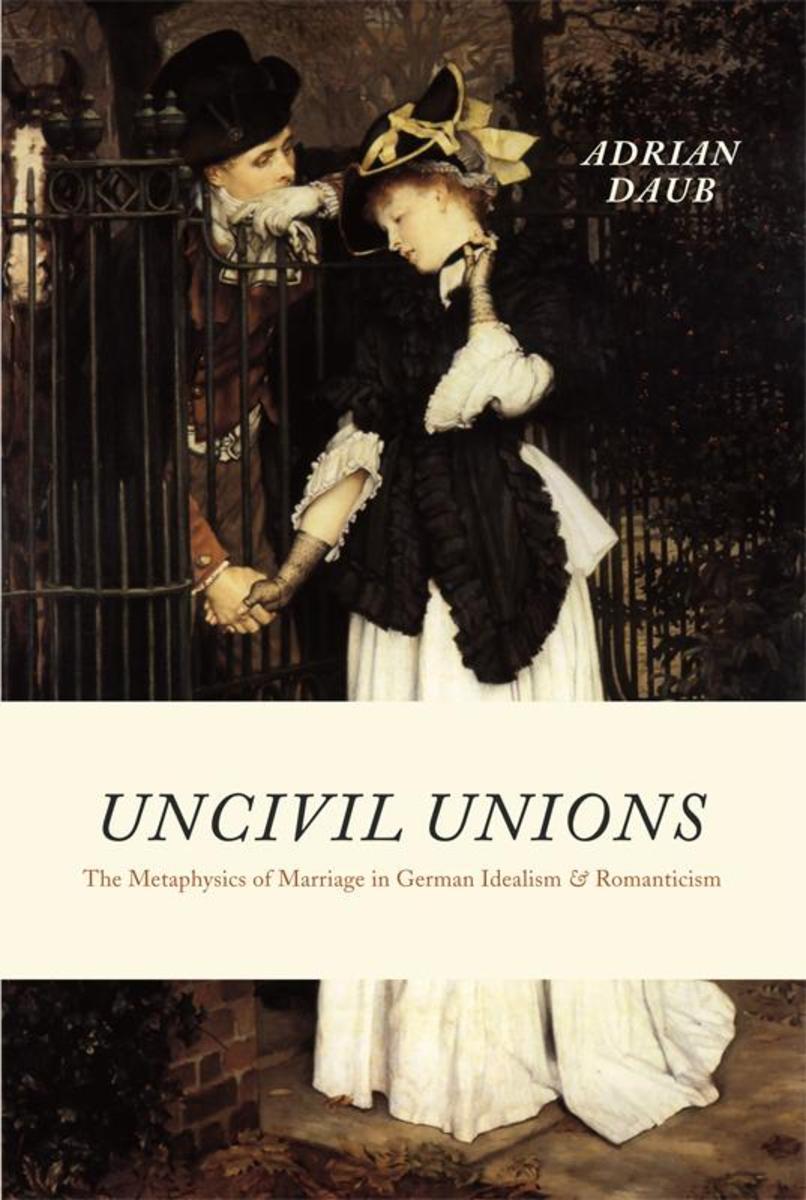
Uncivil Unions
¥353.16
"e;What a strange invention marriage is!"e; wrote Kierkegaard. "e;Is it the expression of that inexplicable erotic sentiment, that concordant elective affinity of souls, or is it a duty or a partnership . . . or is it a little of all that?"e;Like Kierkegaard a few decades later, many of Germany's most influential thinkers at the turn of the eighteenth century wondered about the nature of marriage but rejected the easy answers provided by biology and theology. In Uncivil Unions, Adrian Daub presents a truly interdisciplinary look at the story of a generation of philosophers, poets, and intellectuals who turned away from theology, reason, common sense, and empirical observation to provide a purely metaphysical justification of marriage.Through close readings of philosophers like Fichte and Schlegel, and novelists like Sophie Mereau and Jean Paul, Daub charts the development of this new concept of marriage with an insightful blend of philosophy, cultural studies, and theory. The author delves deeply into the lives and work of the romantic and idealist poets and thinkers whose beliefs about marriage continue to shape ideas about gender, marriage, and sex to the present day.
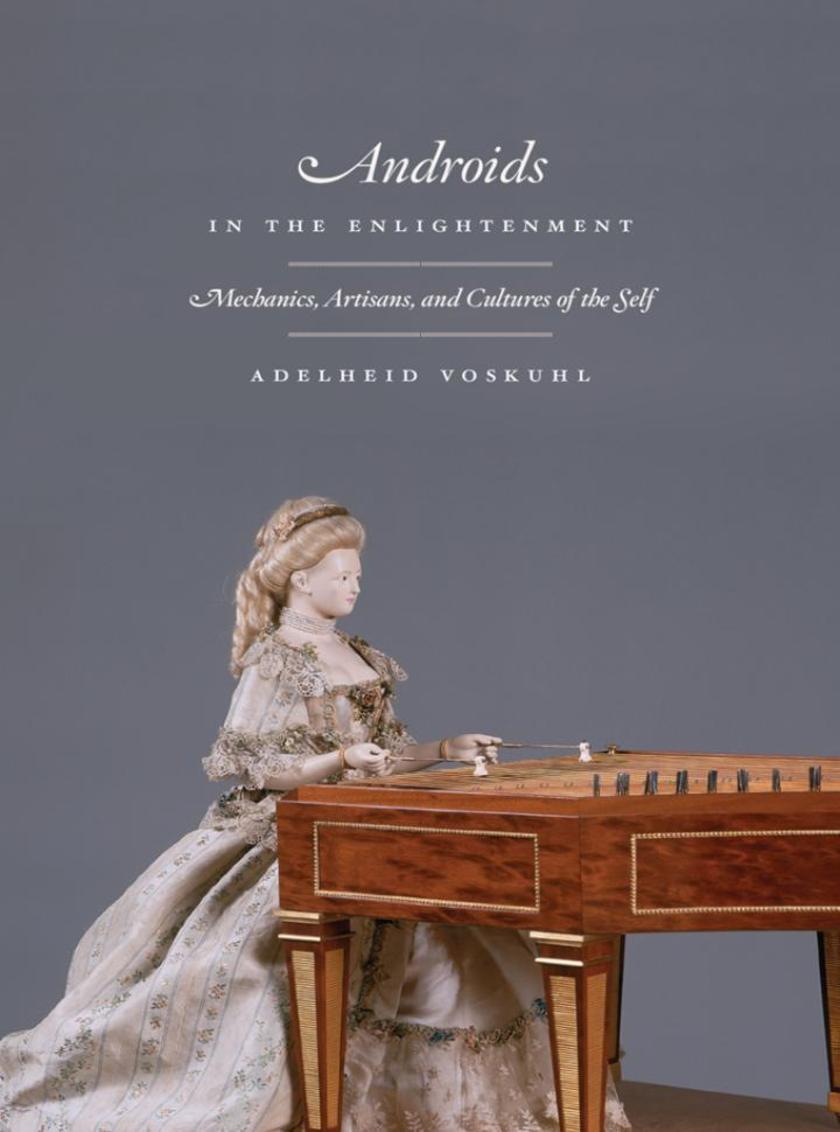
Androids in the Enlightenment
¥223.67
The eighteenth century saw the creation of a number of remarkable mechanical androids: at least ten prominent automata were built between 1735 and 1810 by clockmakers, court mechanics, and other artisans from France, Switzerland, Austria, and the German lands. Designed to perform sophisticated activities such as writing, drawing, or music making, these "e;Enlightenment automata"e; have attracted continuous critical attention from the time they were made to the present, often as harbingers of the modern industrial age, an era during which human bodies and souls supposedly became mechanized.?In Androids in the Enlightenment, Adelheid Voskuhl investigates two such automata-both depicting piano-playing women. These automata not only play music, but also move their heads, eyes, and torsos to mimic a sentimental body technique of the eighteenth century: musicians were expected to generate sentiments in themselves while playing, then communicate them to the audience through bodily motions. Voskuhl argues, contrary to much of the subsequent scholarly conversation, that these automata were unique masterpieces that illustrated the sentimental culture of a civil society rather than expressions of anxiety about the mechanization of humans by industrial technology. She demonstrates that only in a later age of industrial factory production did mechanical androids instill the fear that modern selves and societies had become indistinguishable from machines.?
After Freud Left
¥206.01
From August 29 to September 21, 1909, Sigmund Freud visited the United States, where he gave five lectures at Clark University in Worcester, Massachusetts. This volume brings together a stunning gallery of leading historians of psychoanalysis and of American culture to consider the broad history of psychoanalysis in America and to reflect on what has happened to Freud's legacy in the United States in the century since his visit.There has been a flood of recent scholarship on Freud's life and on the European and world history of psychoanalysis, but historians have produced relatively little on the proliferation of psychoanalytic thinking in the United States, where Freud's work had monumental intellectual and social impact. The essays in After Freud Left provide readers with insights and perspectives to help them understand the uniqueness of Americans' psychoanalytic thinking, as well as the forms in which the legacy of Freud remains active in the United States in the twenty-first century. After Freud Left will be essential reading for anyone interested in twentieth-century American history, general intellectual and cultural history, and psychology and psychiatry.?
Art and Truth after Plato
¥288.41
Despite its foundational role in the history of philosophy, Plato's famous argument that art does not have access to truth or knowledge is now rarely examined, in part because recent philosophers have assumed that Plato's challenge was resolved long ago. In Art and Truth after Plato, Tom Rockmore argues that Plato has in fact never been satisfactorily answered-and to demonstrate that, he offers a comprehensive account of Plato's influence through nearly the whole history of Western aesthetics.?Rockmore offers a cogent reading of the post-Platonic aesthetic tradition as a series of responses to Plato's position, examining a stunning diversity of thinkers and ideas. He visits Aristotle's Poetics, the medieval Christians, Kant's Critique of Judgment, Hegel's phenomenology, Marxism, social realism, Heidegger, and many other works and thinkers, ending with a powerful synthesis that lands on four central aesthetic arguments that philosophers have debated. More than a mere history of aesthetics, Art and Truth after Plato presents a fresh look at an ancient question, bringing it into contemporary relief.
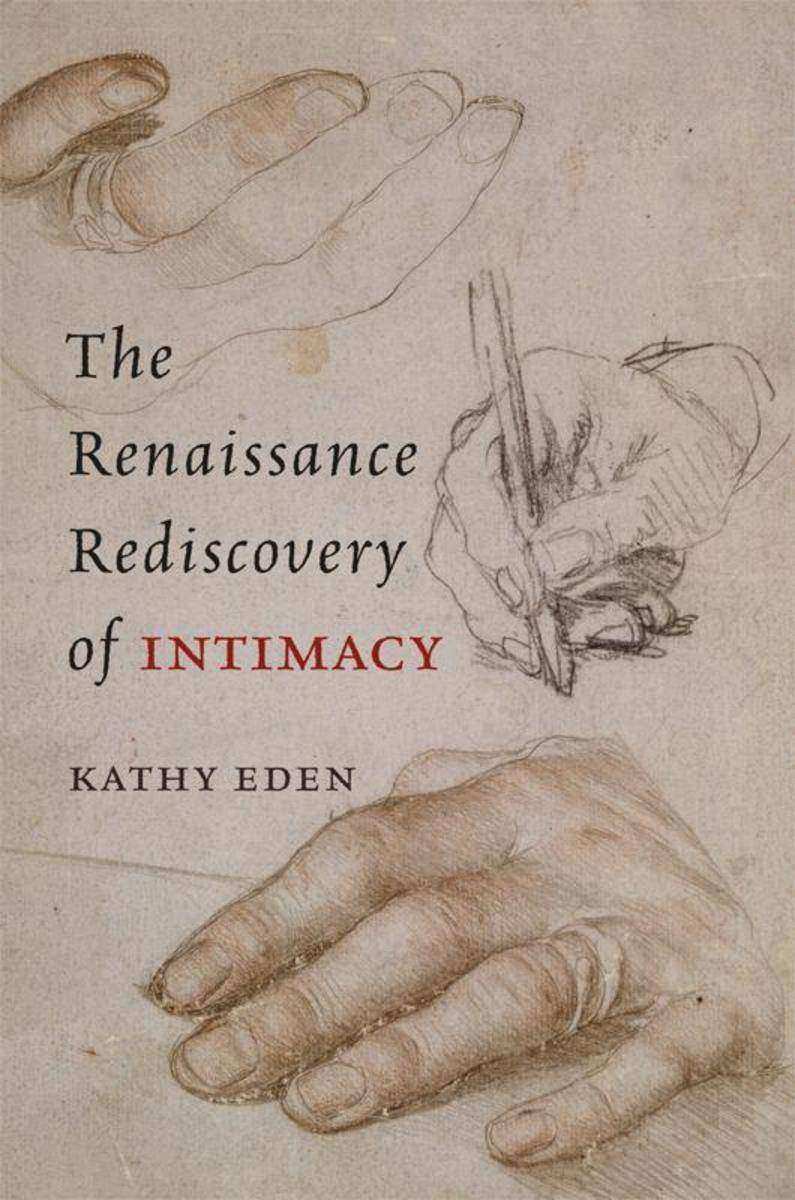
Renaissance Rediscovery of Intimacy
¥353.16
In 1345, when Petrarch recovered a lost collection of letters from Cicero to his best friend Atticus, he discovered an intimate Cicero, a man very different from either the well-known orator of the Roman forum or the measured spokesman for the ancient schools of philosophy. It was Petrarch's encounter with this previously unknown Cicero and his letters that Kathy Eden argues fundamentally changed the way Europeans from the fourteenth through the sixteenth centuries were expected to read and write.The Renaissance Rediscovery of Intimacy explores the way ancient epistolary theory and practice were understood and imitated in the European Renaissance.Eden draws chiefly upon Aristotle, Cicero, and Seneca-but also upon Plato, Demetrius, Quintilian, and many others-to show how the classical genre of the "e;familiar"e; letter emerged centuries later in the intimate styles of Petrarch, Erasmus, and Montaigne. Along the way, she reveals how the complex concept of intimacy in the Renaissance-leveraging the legal, affective, and stylistic dimensions of its prehistory in antiquity-pervades the literary production and reception of the period and sets the course for much that is modern in the literature of subsequent centuries. Eden's important study will interest students and scholars in a number of areas, including classical, Renaissance, and early modern studies; comparative literature; and the history of reading, rhetoric, and writing.
Plague Writing in Early Modern England
¥353.16
During the seventeenth century, England was beset by three epidemics of the bubonic plague, each outbreak claiming between a quarter and a third of the population of London and other urban centers. Surveying a wide range of responses to these epidemics-sermons, medical tracts, pious exhortations, satirical pamphlets, and political commentary-Plague Writing in Early Modern England brings to life the many and complex ways Londoners made sense of such unspeakable devastation.Ernest B. Gilman argues that the plague writing of the period attempted unsuccessfully to rationalize the catastrophic and that its failure to account for the plague as an instrument of divine justice fundamentally threatened the core of Christian belief. Gilman also trains his critical eye on the works of Jonson, Donne, Pepys, and Defoe, which, he posits, can be more fully understood when put into the context of this century-long project to "e;write out"e; the plague. Ultimately, Plague Writing in Early Modern England is more than a compendium of artifacts of a bygone era; it holds up a distant mirror to reflect our own condition in the age of AIDS, super viruses, multidrug resistant tuberculosis, and the hovering threat of a global flu pandemic.
Posthumous Love
¥329.62
For Dante and Petrarch, posthumous love was a powerful conviction. Like many of their contemporaries, both poets envisioned their encounters with their beloved in heaven-Dante with Beatrice, Petrarch with Laura. But as Ramie Targoff reveals in this elegant study, English love poetry of the Renaissance brought a startling reversal of this tradition: human love became definitively mortal. Exploring the boundaries that Renaissance English poets drew between earthly and heavenly existence, Targoff seeks to understand this shift and its consequences for English poetry.?Targoff shows that medieval notions of the somewhat flexible boundaries between love in this world and in the next were hardened by Protestant reformers, who envisioned a total break between the two. Tracing the narrative of this rupture, she focuses on central episodes in poetic history in which poets developed rich and compelling compensations for the lack of posthumous love-from Thomas Wyatt's translations of Petrarch's love sonnets and the Elizabethan sonnet series of Shakespeare and Spencer to the?carpe diem?poems of the seventeenth century. Targoff's centerpiece is?Romeo and Juliet, where she considers how Shakespeare's reworking of the Italian story stripped away any expectation that the doomed teenagers would reunite in heaven. Casting new light on these familiar works of poetry and drama, this book ultimately demonstrates that the negation of posthumous love brought forth a new mode of poetics that derived its emotional and aesthetic power from its insistence upon love's mortal limits.
All Edge
¥329.62
Work is changing. Speed and flexibility are more in demand than ever before thanks to an accelerating knowledge economy and sophisticated communication networks. These changes have forced a mass rethinking of the way we coordinate, collaborate, and communicate. Instead of projects coming to established teams, teams are increasingly converging around projects. These "e;all-edge adhocracies"e; are highly collaborative and mostly temporary, their edge coming from the ability to form links both inside and outside an organization. These nimble groups come together around a specific task, recruiting personnel, assigning roles, and establishing objectives. When the work is done they disband their members and take their skills to the next project.Spinuzzi offers for the first time a comprehensive framework for understanding how these new groups function and thrive. His rigorous analysis tackles both the pros and cons of this evolving workflow and is based in case studies of real all-edge adhocracies at work. His provocative results will challenge our long-held assumptions about how we should be doing work.
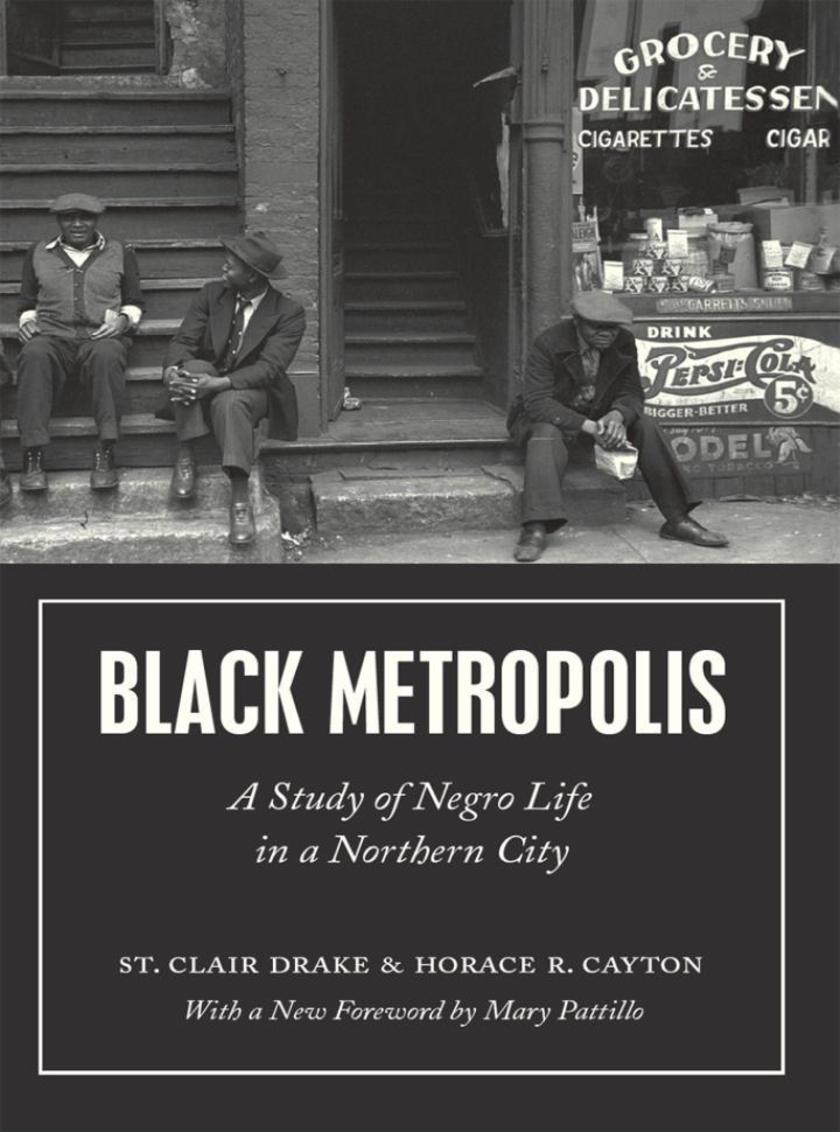
Black Metropolis
¥329.62
Ground-breaking when first published in 1945, Black Metropolis remains a landmark study of race and urban life. Few studies since have been able to match its scope and magnitude, offering one of the most comprehensive looks at black life in America. Based on research conducted by Works Progress Administration field workers, it is a sweeping historical and sociological account of the people of Chicago's South Side from the 1840s through the 1930s. Its findings offer a comprehensive analysis of black migration, settlement, community structure, and black-white race relations in the first half of the twentieth century. It offers a dizzying and dynamic world filled with captivating people and startling revelations.A new foreword from sociologist Mary Pattillo places the study in modern context, updating the story with the current state of black communities in Chicago and the larger United States and exploring what this means for the future. As the country continues to struggle with race and our treatment of black lives, Black Metropolis continues to be a powerful contribution to the conversation.
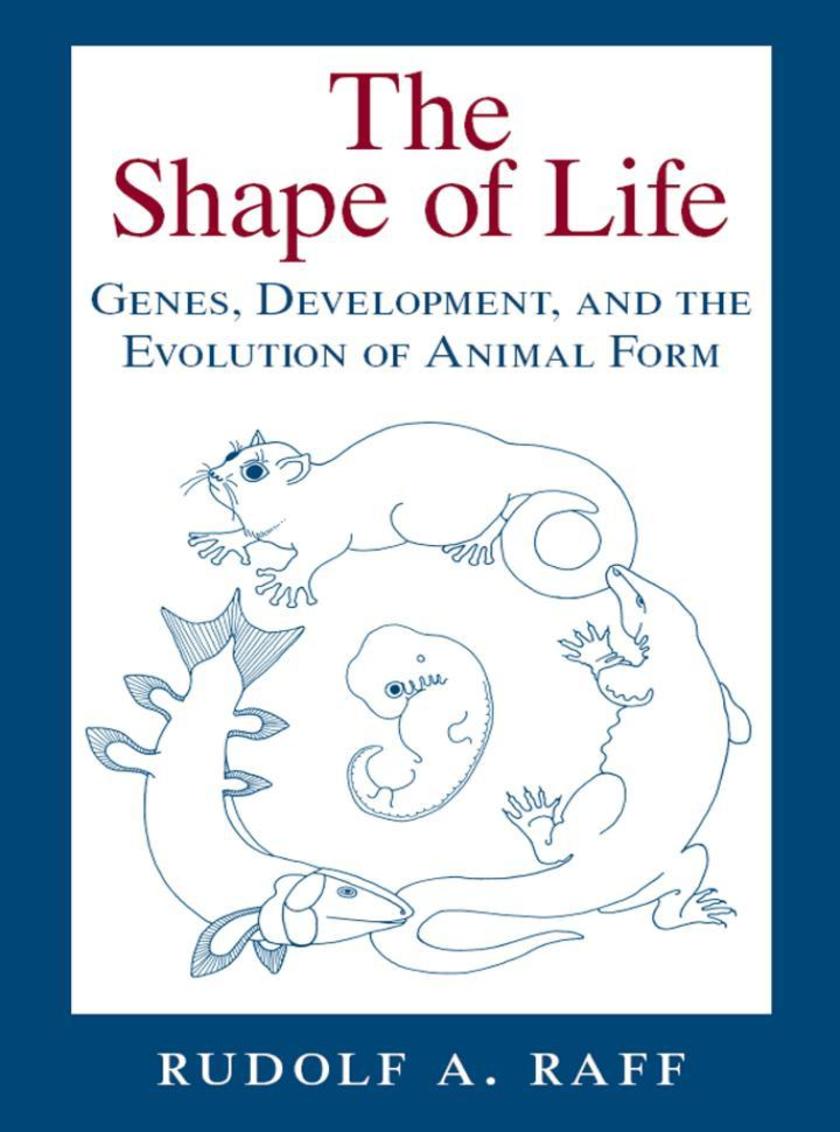
Shape of Life
¥329.62
Rudolf Raff is recognized as a pioneer in evolutionary developmental biology. In their 1983 book, Embryos, Genes, and Evolution, Raff and co-author Thomas Kaufman proposed a synthesis of developmental and evolutionary biology. In The Shape of Life, Raff analyzes the rise of this new experimental discipline and lays out new research questions, hypotheses, and approaches to guide its development.Raff uses the evolution of animal body plans to exemplify the interplay between developmental mechanisms and evolutionary patterns. Animal body plans emerged half a billion years ago. Evolution within these body plans during this span of time has resulted in the tremendous diversity of living animal forms.Raff argues for an integrated approach to the study of the intertwined roles of development and evolution involving phylogenetic, comparative, and functional biology. This new synthesis will interest not only scientists working in these areas, but also paleontologists, zoologists, morphologists, molecular biologists, and geneticists.
Deconstructing Dignity
¥311.96
The right-to-die debate has gone on for centuries, playing out most recently as a spectacle of protest surrounding figures such as Terry Schiavo. In?Deconstructing Dignity, Scott Cutler Shershow offers a powerful new way of thinking about it philosophically. Focusing on the concepts of human dignity and the sanctity of life, he employs Derridean deconstruction to uncover self-contradictory and damaging assumptions that underlie both sides of the debate.Shershow examines texts from Cicero's?De Officiis?to Kant's?Groundwork of the Metaphysics of Morals?to court decisions and religious declarations. Through them he reveals how arguments both supporting and denying the right to die undermine their own unconditional concepts of human dignity and the sanctity of life with a hidden conditional logic, one often tied to practical economic concerns and the scarcity or unequal distribution of medical resources. He goes on to examine the exceptional case of self-sacrifice, closing with a vision of a society-one whose conditions we are far from meeting-in which the debate can finally be resolved. A sophisticated analysis of a heated topic,?Deconstructing Dignity?is also a masterful example of deconstructionist methods at work.?
Geographic Mosaic of Coevolution
¥311.96
Coevolution-reciprocal evolutionary change in interacting species driven by natural selection-is one of the most important ecological and genetic processes organizing the earth's biodiversity: most plants and animals require coevolved interactions with other species to survive and reproduce. The Geographic Mosaic of Coevolution analyzes how the biology of species provides the raw material for long-term coevolution, evaluates how local coadaptation forms the basic module of coevolutionary change, and explores how the coevolutionary process reshapes locally coevolving interactions across the earth's constantly changing landscapes.Picking up where his influential The Coevolutionary Process left off, John N. Thompsonsynthesizes the state of a rapidly developing science that integrates approaches from evolutionary ecology, population genetics, phylogeography, systematics, evolutionary biochemistry and physiology, and molecular biology. Using models, data, and hypotheses to develop a complete conceptual framework, Thompson also draws on examples from a wide range of taxa and environments, illustrating the expanding breadth and depth of research in coevolutionary biology.
Why We Need Ordinary Language Philosophy
¥288.41
Sandra Laugier has long been a key liaison between American and European philosophical thought, responsible for bringing American philosophers such as Ralph Waldo Emerson, Henry David Thoreau, and Stanley Cavell to French readers-but until now her books have never been published in English. Why We Need Ordinary Language Philosophy rights that wrong with a topic perfect for English-language readers: the idea of analytic philosophy.?Focused on clarity and logical argument, analytic philosophy has dominated the discipline in the United States, Australia, and Britain over the past one hundred years, and it is often seen as a unified, coherent, and inevitable advancement. Laugier questions this assumption, rethinking the very grounds that drove analytic philosophy to develop and uncovering its inherent tensions and confusions. Drawing on J. L. Austin and the later works of Ludwig Wittgenstein, she argues for the solution provided by ordinary language philosophy-a philosophy that trusts and utilizes the everyday use of language and the clarity of meaning it provides-and in doing so offers a major contribution to the philosophy of language and twentieth- and twenty-first-century philosophy as a whole.
Crucibles of Black Empowerment
¥288.41
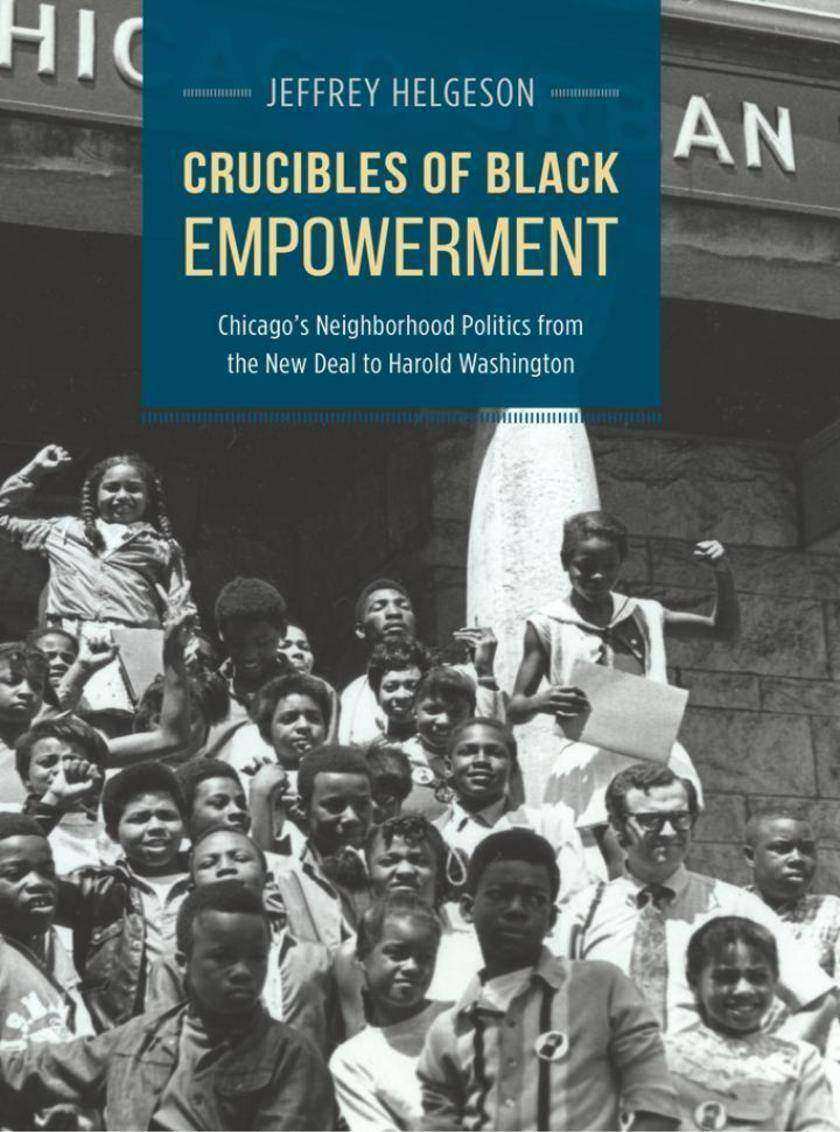
The term "e;community organizer"e; was deployed repeatedly against Barack Obama during the 2008 presidential campaign as a way to paint him as an inexperienced politician unfit for the presidency. The implication was that the job of a community organizer wasn't a serious one, and that it certainly wasn't on the list of credentials needed for a presidential?resume.?In reality, community organizers have played key roles in the political lives of American cities for decades, perhaps never more so than during the 1970s in Chicago, where African Americans laid the groundwork for further empowerment as they organized against segregation, discrimination, and lack of equal access to schools, housing, and jobs.In?Crucibles of Black Empowerment, Jeffrey Helgeson recounts the rise of African American political power and activism from the 1930s onward, revealing how it was achieved through community building. His book tells stories of the housewives who organized their neighbors, building tradesmen who used connections with federal officials to create opportunities in a deeply discriminatory employment sector, and the social workers, personnel managers, and journalists who carved out positions in the white-collar workforce. ?Looking closely at black liberal politics at the neighborhood level in Chicago, Helgeson explains how black Chicagoans built the networks that eventually would overthrow the city's seemingly invincible political machine.
Virtue Is Knowledge
¥288.41
The relation between virtue and knowledge is at the heart of the Socratic view of human excellence, but it also points to a central puzzle of the Platonic dialogues: Can Socrates be serious in his claims that human excellence is constituted by one virtue, that vice is merely the result of ignorance, and that the correct response to crime is therefore not punishment but educationOr are these assertions mere rhetorical ploys by a notoriously complex thinker?Lorraine Smith Pangle traces the argument for the primacy of virtue and the power of knowledge throughout the five dialogues that feature them most prominently-the Apology, Gorgias, Protagoras, Meno, and Laws-and reveals the truth at the core of these seemingly strange claims. She argues that Socrates was more aware of the complex causes of human action and of the power of irrational passions than a cursory reading might suggest. Pangle's perceptive analyses reveal that many of Socrates's teachings in fact explore the factors that make it difficult for humans to be the rational creatures that he at first seems to claim. Also critical to Pangle's reading is her emphasis on the political dimensions of the dialogues. Underlying many of the paradoxes, she shows, is a distinction between philosophic and civic virtue that is critical to understanding them.Ultimately, Pangle offers a radically unconventional way of reading Socrates's views of human excellence: Virtue is not knowledge in any ordinary sense, but true virtue is nothing other than wisdom.

Seeing Like a Rover
¥288.41
In the years since the Mars Exploration Rover Spirit and Opportunity first began transmitting images from the surface of Mars, we have become familiar with the harsh, rocky, rusty-red Martian landscape. But those images are much less straightforward than they may seem to a layperson: each one is the result of a complicated set of decisions and processes involving the large team behind the Rovers.With Seeing Like a Rover, Janet Vertesi takes us behind the scenes to reveal the work that goes into creating our knowledge of Mars. Every photograph that the Rovers take, she shows, must be processed, manipulated, and interpreted-and all that comes after team members negotiate with each other about what they should even be taking photographs of in the first place. Vertesi's account of the inspiringly successful Rover project reveals science in action, a world where digital processing uncovers scientific truths, where images are used to craft consensus, and where team members develop an uncanny intimacy with the sensory apparatus of a robot that is millions of miles away. Ultimately, Vertesi shows, every image taken by the Mars Rovers is not merely a picture of Mars-it's a portrait of the whole Rover team, as well.
Sound Diplomacy
¥265.87
The German-American relationship was special long before the Cold War; it was rooted not simply in political actions, but also long-term traditions of cultural exchange that date back to the nineteenth century. Between 1850 and 1910, the United States was a rising star in the international arena, and several European nations sought to strengthen their ties to the republic by championing their own cultures in America. While France capitalized on its art and Britain on its social ties and literature, Germany promoted its particular breed of classical music.Delving into a treasure trove of archives that document cross-cultural interactions between America and Germany, Jessica Gienow-Hecht retraces these efforts to export culture as an instrument of nongovernmental diplomacy, paying particular attention to the role of conductors, and uncovers the remarkable history of the musician as a cultural symbol of German cosmopolitanism. Considered sexually attractive and emotionally expressive, German players and conductors acted as an army of informal ambassadors for their home country, and Gienow-Hecht argues that their popularity in the United States paved the way for an emotional elective affinity that survived broken treaties and several wars and continues to the present.
After Preservation
¥147.15
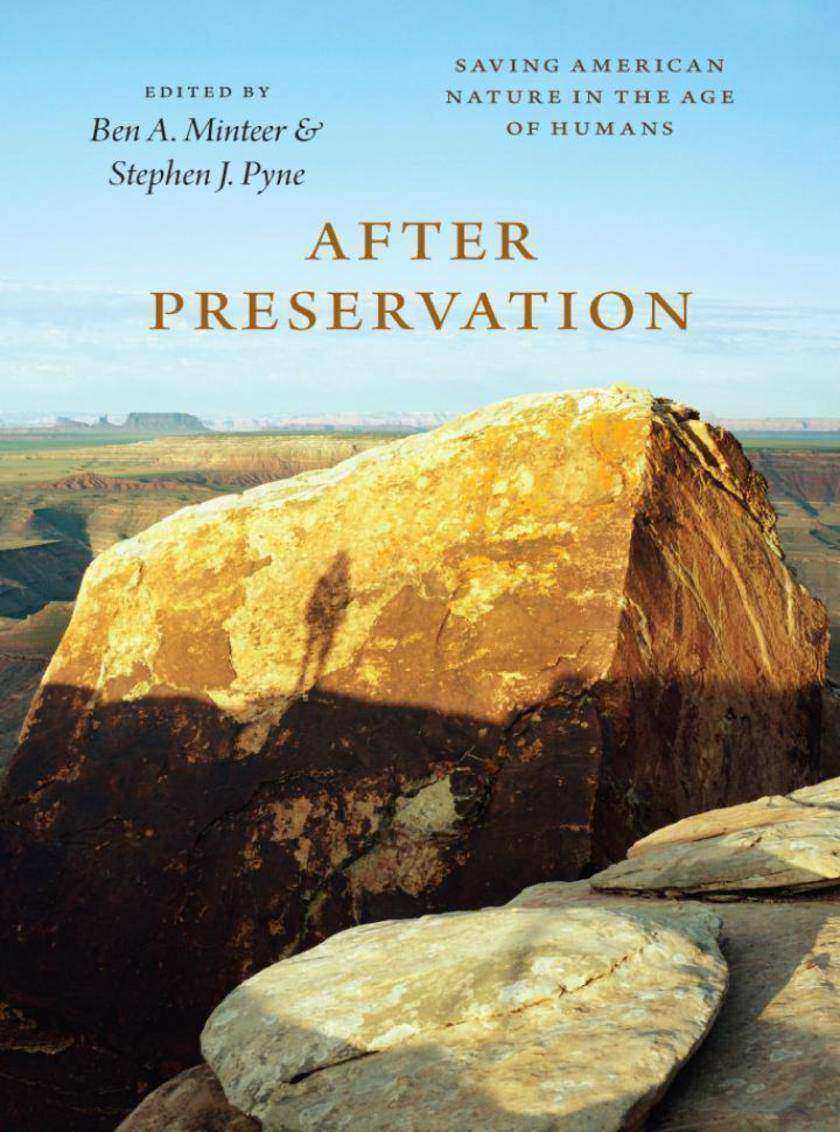
From John Muir to David Brower, from the creation of Yellowstone National Park to the Endangered Species Act, environmentalism in America has always had close to its core a preservationist ideal. Generations have been inspired by its ethos-to encircle nature with our protection, to keep it apart, pristine, walled against the march of human development. But we have to face the facts. Accelerating climate change, rapid urbanization, agricultural and industrial devastation, metastasizing fire regimes, and other quickening anthropogenic forces all attest to the same truth: the earth is now spinning through the age of humans. After Preservation takes stock of the ways we have tried to both preserve and exploit nature to ask a direct but profound question: what is the role of preservationism in an era of seemingly unstoppable human development, in what some have called the AnthropoceneBen A. Minteer and Stephen J. Pyne bring together a stunning consortium of voices comprised of renowned scientists, historians, philosophers, environmental writers, activists, policy makers, and land managers to negotiate the incredible challenges that environmentalism faces. Some call for a new, post-preservationist model, one that is far more pragmatic, interventionist, and human-centered. Others push forcefully back, arguing for a more chastened and restrained vision of human action on the earth. Some try to establish a middle ground, while others ruminate more deeply on the meaning and value of wilderness. Some write on species lost, others on species saved, and yet others discuss the enduring practical challenges of managing our land, water, and air.From spirited optimism to careful prudence to critical skepticism, the resulting range of approaches offers an inspiring contribution to the landscape of modern environmentalism, one driven by serious, sustained engagements with the critical problems we must solve if we-and the wild garden we may now keep-are going to survive the era we have ushered in. ?Contributors include: Chelsea K. Batavia, F. Stuart (Terry) Chapin III, Norman L. Christensen, Jamie Rappaport Clark, William Wallace Covington, Erle C. Ellis, Mark Fiege, Dave Foreman, Harry W. Greene, Emma Marris, Michelle Marvier, Bill McKibben, J. R. McNeill, Curt Meine, Ben A. Minteer, Michael Paul Nelson, Bryan Norton, Stephen J. Pyne, Andrew C. Revkin, Holmes Rolston III, Amy Seidl, Jack Ward Thomas, Diane J. Vosick, John A. Vucetich, Hazel , and Donald Worster.?
Divas and Scholars
¥147.15
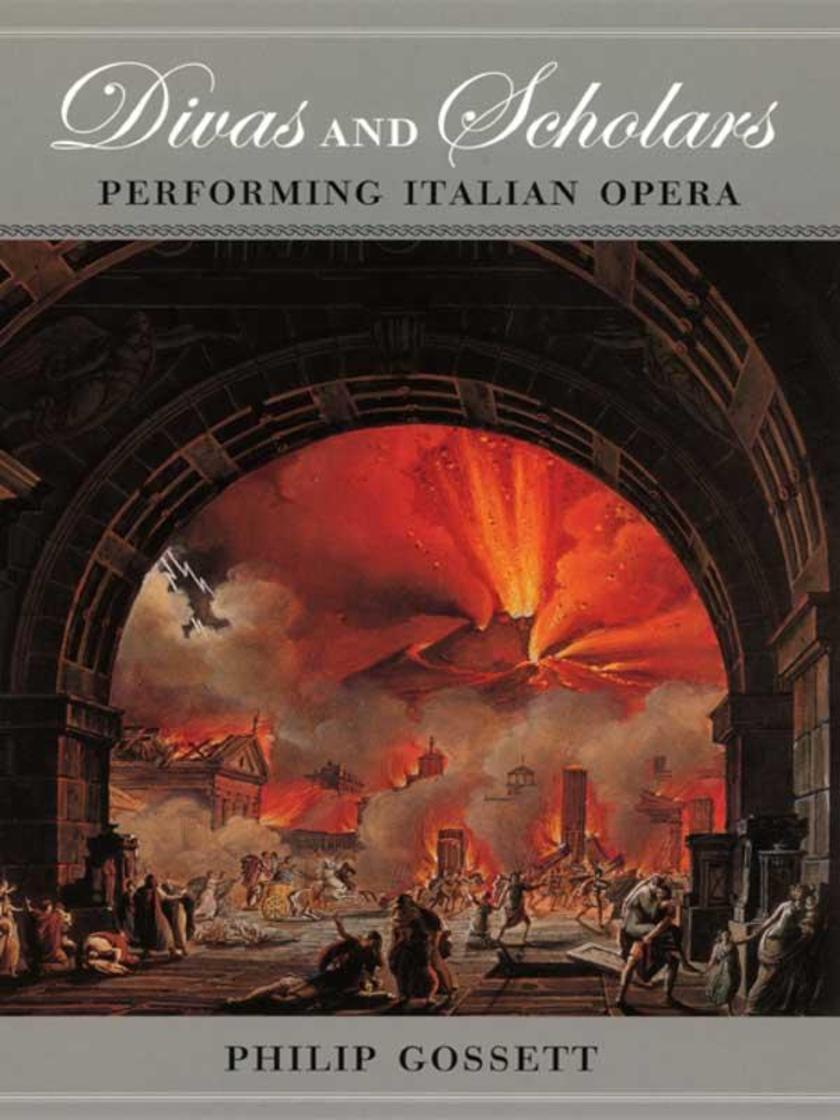
Winner of the 2007 Otto Kinkeldey Award from the American Musicological Society and the 2007 Deems Taylor Award from the American Society of Composers, Authors, and Publishers.Divas and Scholars is a dazzling and beguiling account of how opera comes to the stage, filled with Philip Gossett's personal experiences of triumphant-and even failed-performances and suffused with his towering and tonic passion for music. Writing as a fan, a musician, and a scholar, Gossett, the world's?leading authority on the performance of Italian opera, brings colorfully to life the problems, and occasionally the scandals, that attend the production of some of our most favorite operas.?Gossett begins by tracing the social history of nineteenth-century Italian theaters in order to explain the nature of the musical scores from which performers have long worked. He then illuminates the often hidden but crucial negotiations opera scholars and opera conductors and performers: What does it mean to talk about performing from a critical editionHow does one determine what music to perform when multiple versions of an opera existWhat are the implications of omitting passages from an opera in a performanceIn addition to vexing questions such as these, Gossett also tackles issues of ornamentation and transposition in vocal style, the matters of translation and adaptation, and even aspects of stage direction and set design.?Throughout this extensive and passionate work, Gossett enlivens his history with reports from his own experiences with major opera companies at venues ranging from the Metropolitan and Santa Fe operas to the Rossini Opera Festival at Pesaro. The result is a book that will enthrall both aficionados of Italian opera and newcomers seeking a reliable introduction to it-in all its incomparable grandeur and timeless allure.?

57 Ways to Screw Up in Grad School
¥123.61
Don't think about why you're applying. Select a topic for entirely strategic reasons. Choose the coolest supervisor. Write only to deadlines. Expect people to hold your hand. Become "e;that"e; student.When it comes to a masters or PhD program, most graduate students don't deliberately set out tofail. Yet, of the nearly 500,000 people who start a graduate program each year, up to half will never complete their degree. Books abound on acing the admissions process, but there is little on what to do once the acceptance letter arrives. Veteran graduate directors Kevin D. Haggerty and Aaron Doyle have set out to demystify the world of advanced education. Taking a wry, frank approach, they explain the common mistakes that can trip up a new graduate student and lay out practical advice about how to avoid the pitfalls. Along the way they relate stories from their decades of mentorship and even share some slip-ups from their own grad experiences.The litany of foul-ups is organized by theme and covers the grad school experience from beginning to end: selecting the university and program, interacting with advisors and fellow students, balancing personal and scholarly lives, navigating a thesis, and creating a life after academia. Although the tone is engagingly tongue-in-cheek, the lessons are crucial to anyone attending or contemplating grad school. 57 Ways to Screw Up in Grad School allows you to learn from others' mistakes rather than making them yourself.
What Editors Want
¥188.35
Research publications have always been key to building a successful career in science, yet little if any formal guidance is offered to young scientists on how to get research papers peer reviewed, accepted, and published by leading scientific journals. With What Editors Want, Philippa J. Benson and Susan C. Silver, two well-respected editors from the science publishing community, remedy that situation with a clear, straightforward guide that will be of use to all scientists.Benson and Silver instruct readers on how to identify the journals that are most likely to publish a given paper, how to write an effective cover letter, how to avoid common pitfalls of the submission process, and how to effectively navigate the all-important peer review process, including dealing with revisions and rejection. With supplemental advice from more than a dozen experts, this book will equip scientists with the knowledge they need to usher their papers through publication.


