


 购物车
 个人中心

Digital Barbarism
¥84.16
World-renowned novelist Mark Helprin offers a ringing Jeffersonian defense of private property in the age of digital culture, with its degradation of thought and language, and collectivist bias against the rights of individual creators. Mark Helprin anticipated that his 2007 New York Times op-ed piece about the extension of the term of copyright would be received quietly, if not altogether overlooked. Within a week, the article had accumulated 750,000 angry comments. He was shocked by the breathtaking sense of entitlement demonstrated by the commenters, and appalled by the breadth, speed, and illogic of their responses. Helprin realized how drastically different this generation is from those before it. The Creative Commons movement and the copyright abolitionists, like the rest of their generation, were educated with a modern bias toward collaboration, which has led them to denigrate individual efforts and in turn fueled their sense of entitlement to the fruits of other people's labors. More important, their selfish desire to stick it to the greedy corporate interests who control the production and distribution of intellectual property undermines not just the possibility of an independent literary culture but threatens the future of civilization itself.
Don't Know Much About Literature
¥83.92
From Homer to Harry Potter, from Chaucer to Charlotte's Web, acompelling book of quizzes on history's most influential literary worksand writers Did a whale named "Mocha Dick" inspire Melville's masterpieceWho was the first poet to speak at a presidential inaugurationWhich French-speaking high school football star shook up the literary worldDo you freeze when someone mentions FaulknerWhen the conversation turns to the Odyssey, do you want to take a hikeHave no fear. For years, Kenneth C. Davis's New York Times bestselling Don't Know Much About books have enlightened and enthralled us with a winning blend of fascinating facts and wonderfully irreverent fun. Now he sets his sights on our literary IQ in Don't Know Much About Literature. With this rich treasure trove of knowledge and intriguing information about the world's great books and authors, Kenneth Davis and his daughter, Jenny, demystify Dracula, capture Kafka, and help you brush up on your Bront in the inimitable and endlessly entertaining Don't Know Much About style.

Mr. S
¥83.03
"Mr. S: My Life with Frank Sinatra, by former valet-aide George Jacobs with an oh-so-able assist by William Stadiem, has at least five quotable and shocking remarks about the famous on every page. The fifteen years Jacobs toiled for Frank produces a classic of its genre -- a gold-star gossip-lover's dream.... "The rest is showbiz history as it was, and only Ava Gardner, Humphrey Bogart, and Betty Bacall are spared. Marilyn Monroe, Judy Garland, Juliet Prowse, Noel Coward, Cole Porter, Mia Farrow, Elvis Presley, Swifty Lazar, Dean Martin, Peggy Lee, Sammy Davis Jr., Marlene Dietrich, Greta Garbo, Jimmy van Heusen, Edie Goetz, Peter Lawford, and all of the Kennedys come in for heaping portions of 'deep dish,' served hot. Sordid, trashy, funny, and so rat-a-tat with its smart inside info and hip instant analysis that some of it seems too good to be true....
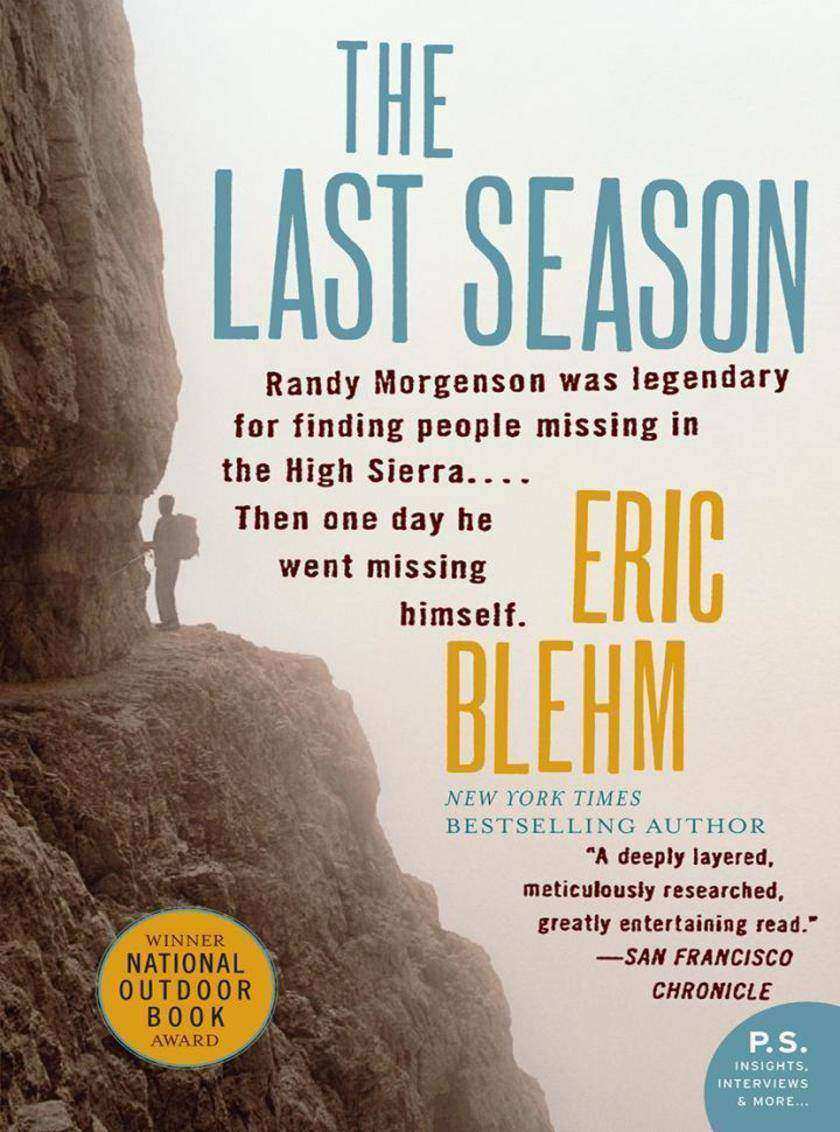
The Last Season
¥95.39
Destined to become a classic of adventure literature, The Last Season examines the extraordinary life of legendary backcountry ranger Randy Morgenson and his mysterious disappearance in California's unforgiving Sierra Nevada mountains as perilous as they are beautiful. Eric Blehm's masterful work is a gripping detective story interwoven with the riveting biography of a complicated, original, and wholly fascinating man.

Things I Want My Daughters to Know
¥95.39
Thus Alexandra Stoddard introduces this book of simple, profound truths for joyful living. Stoddard, a mother, grandmother, and noted author on personal fulfillment, offers new ways to nurture ourselves, celebrate life's joys, and grow through its challenges. By turns wise ("Give anonymously"), controversial ("Unplug technology with no apologies"), affirming ("Tell yourself you have done nothing wrong"), and humorous ("When you discover something you love, stock up"), these are insights from a woman who has truly lived and learned and found happiness along the way.
Raising the Perfect Child Through Guilt and Manipulation
¥83.03
Raising the Perfect Child Through Guilt and Manipulation is not one of those traditional, all-too-earnest parenting guides that, for generations, have sucked all the fun out of child rearing. The foundation of Elizabeth Beckwith's Guilt and Manipulation family philosophy is simple: We do things a certain way, and everyone else is an a**hole. Is that something you should put on a bumper sticker and slap on your minivanOf course not that would be trashy. But in the privacy of your own home, you can employ these essential components of Guilt and Manipulation to mold the little runts ruthlessly yet effectively into children you won't be embarrassed to admit are yours: Creating a Team: "Us" vs. "Them" How to Scare the Crap Out of Your Child (in a Positive Way) Don't Be Afraid to Raise a Nerd Mind Control: Why It's a Good Thing

AWOL
¥83.03
Military service was once taken for granted as a natural part of good citizenship, and Americans of all classes served during wartime.Not anymore.As Kathy Roth-Douquet and Frank Schaeffer assert in this groundbreaking work, there is a glaring disconnect between the "all volunteer military" and the rest of us. And as that gap between the cultural "elite" and military rank-and-file widens, our country faces a dangerous lack of understanding between those in power and those who defend our way of life.In America, it is increasingly the case that the people who make, support, or protest military policy have no military experience. As a result, the privileged miss the benefits of military service -- leadership, experience helpful to their future roles in public life, and exposure to a broader cross section of citizens -- while the military feels under-supported and morally distanced from the rest of the country. And when only a handful of members of Congress have military experience or a personal link to someone in uniform, perhaps it becomes too easy (or too hard) to send the military into combat.Based on research and including the voices of many young military members who understand firsthand the value of service, AWOL is also a very personal book. Frank Schaeffer, father of a former enlisted Marine, knows the anguish and pride that millions of American parents feel every day as their children are off fighting a war in a foreign land. Kathy Roth-Douquet, wife of a career officer, has experienced the struggle of trying to keep the family together with a husband at war as well as the often untold satisfaction of raising children in an ethic of service. To the authors and numerous other families who are intimately acquainted with the glory and the sacrifice of military service, America needs a wake-up call before it's too late.
Judgment Ridge
¥83.03
A riveting investigation of the brutal murders of two Dartmouth professors a book that, like In Cold Blood, reveals the chilling reality behind a murder that captivated the nation. On a cold night in January 2001, the idyllic community of Dartmouth College was shattered by the discovery that two of its most beloved professors had been hacked to death in their own home. Investigators searched helplessly for clues linking the victims, Half and Susanne Zantop, to their murderer or murderers. A few weeks later, across the river, in the town of Chelsea, Vermont, police cars were spotted in front of the house of high school senior Robert Tulloch. The police had come to question Tulloch and his best friend, Jim Parker. Soon , the town discovered the incomprehensible reality that Tulloch and Parker, two of Chelsea's brightest and most popular sons, were now fugitives, wanted for the murders of Half and Susanne Zantop. Authors Mitchell Zuckoff and Dick Lehr provide a vivid explication of a murder that captivated the nation, as well as dramatic revelations about the forces that turned two popular teenagers into killers. Judgement Ridge conveys a deep appreciation for the lives (and the devastating loss) of Half and Susanne Zantop, while also providing a clear portrait of the killers, their families, and their community and, perhaps, a warning to any parent about what evil may lurk in the hearts of boys.

Someone Will Be with You Shortly
¥84.16
Lisa Kogan is a forty-nine-year-old single woman who maintains that every human being deserves a great mattress, a comfortable pair of shoes, and a very smart shrink, and that no one has grown a decent tomato since 1963. She used to think the world wasn't all that complicated, but along came AIDS and crack and Rush Limbaugh, and she had to think again. Still, she's nostalgic for that time when you had to walk all the way across the room to change channels and there was no such thing as a spy satellite capable of spotting a precancerous mole on her left thigh.In Someone Will Be with You Shortly, Kogan grapples with issues big (her six-year-old daughter, Julia, and the 8,000 miles that separate them from Julia's father) and small (her recent apartment renovation, which consisted of turning over the sofa cushions and then realizing that they looked better the other way) with the self-deprecating humor and deep appreciation for what really matters that have made her column in O, The Oprah Magazine so beloved. Here is a book for anyone who has ever been unnerved by pleather pants, lunch meat, or ambivalent men (not necessarily in that order), but believes that life is a fragile bit of luck well worth living.

American Son
¥83.92
From Oscar De La Hoya, one of the most celebrated fighters in the history of boxing, comes a frank and touching memoir about achieving the American Dream: his rise to the top, the power of a solid work ethic, his mother's painful death from cancer, the pitfalls of stardom, and a very personal take on what it means to be an American The son of Mexican-born parents, Oscar "The Golden Boy" De La Hoya has had an astonishing career. From boxing to business, from the recording industry to the charitable accomplishments of his foundation, his success is a testament to what one can achieve in the United States. But who is this man who has changed the lives of so manyWho has imprinted a positive mark upon the sport of boxing, for which many have all but given up hopeWho has become a symbol of success for an entire community, without many heroes to call their own?American Son answers these questions.Born into a boxing family, De La Hoya has defeated more than a dozen world champions and won six world titles as well as an Olympic gold medal a moment forever marked in the memory of anyone who has followed his career. Yet within the maelstrom of this success lay a man whose earnest belief in the goodness of everyone around him sometimes led him to stray far from his intended path. This book is The Golden Boy, and he bares his most heartbreaking mistakes as well as his most stunning triumphs for all of the world to see. This thrilling tale of an immigrant's son a quintessentially American story is the chronicle of an amazing journey that will provide readers with new insight into the private life of a figure who has to many reached iconic status.
The Last Face You'll Ever See
¥85.05
In fascinating detail, Ivan Solotaroff introduces us to the men who carry out executions. Although the emphasis is on the personal lives of these men and of those they have to put to death, The Last Face You'll Ever See also addresses some of the deeper issues of the death penalty and connects the veiled, elusive figure of the executioner to the vast majority of Americans who, since 1977, have claimed to support executions. Why do we do itOr, more exactly, why do we want to?The Last Face You'll Ever See is not about the polarizing issues of the death penalty -- it is a firsthand report about the culture of executions: the executioners, the death-row inmates, and everyone involved in the act. An engrossing, unsettling, and provocative book, this work will forever affect anyone who reads it.
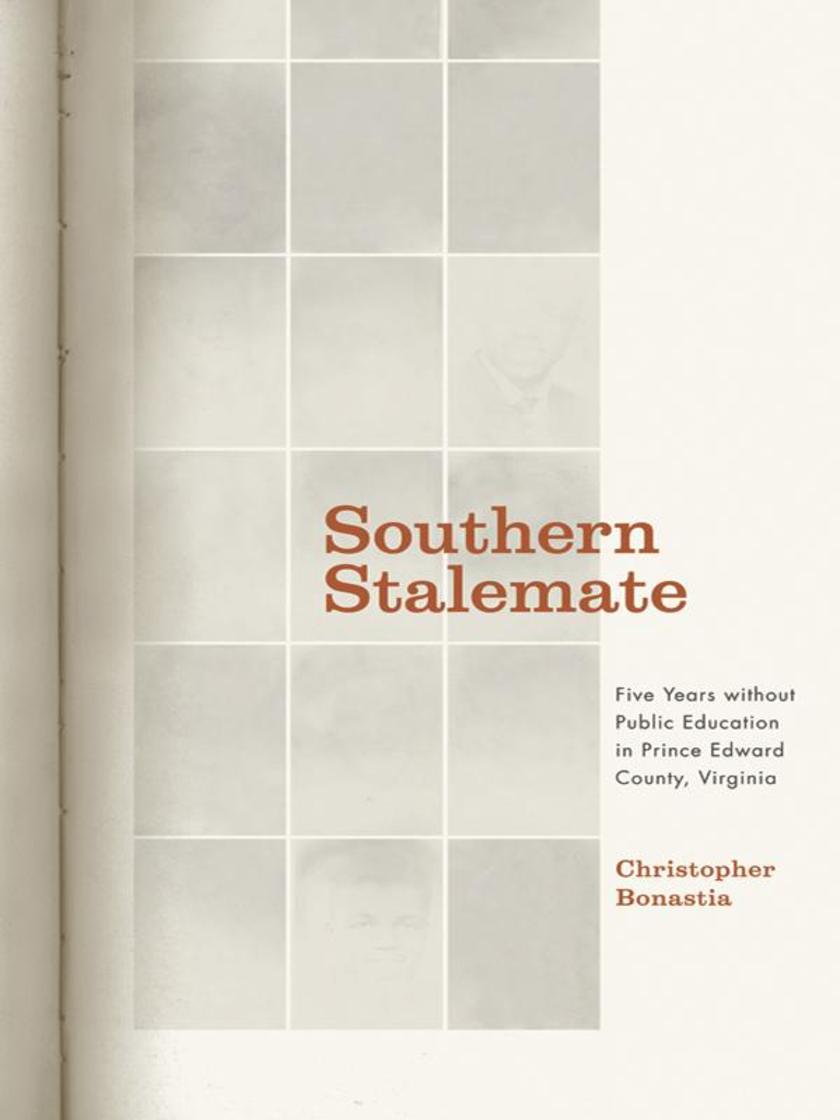
Southern Stalemate
¥447.34
In 1959, Virginia's Prince Edward County closed its public schools rather than obey a court order to desegregate. For five years, black children were left to fend for themselves while the courts decided if the county could continue to deny its citizens public education. Investigating this remarkable and nearly forgotten story of local, state, and federal political confrontation, Christopher Bonastia recounts the test of wills that pitted resolute African Americans against equally steadfast white segregationists in a battle over the future of public education in America.?Beginning in 1951 when black high school students protested unequal facilities and continuing through the return of whites to public schools in the 1970s and 1980s, Bonastia describes the struggle over education during the civil rights era and the human suffering that came with it, as well as the inspiring determination of black residents to see justice served. Artfully exploring the lessons of the Prince Edward saga, Southern Stalemate unearths new insights about the evolution of modern conservatism and the politics of race in America.
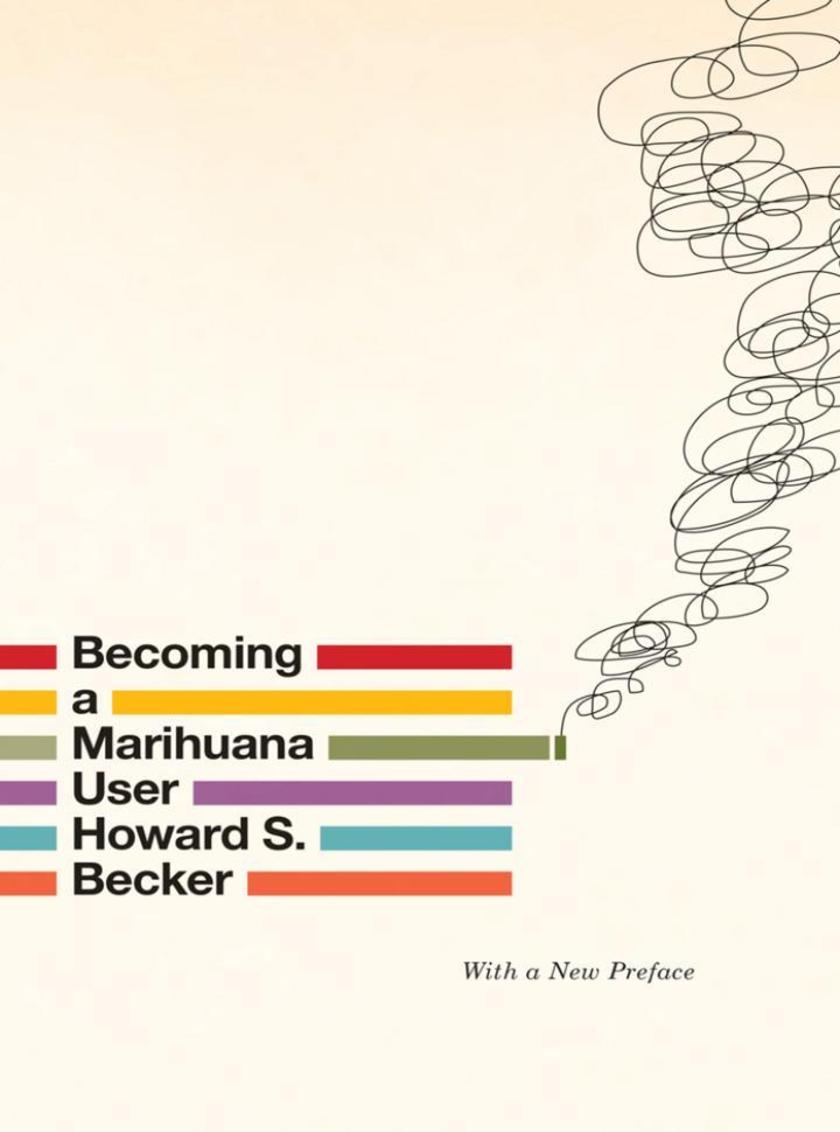
Becoming a Marihuana User
¥82.40
OG Kush. Sour Diesel. Wax, shatter, and vapes. Marijuana has come a long way since its seedy days in the back parking lots of our culture. So has Howard S. Becker, the eminent sociologist, jazz musician, expert on "e;deviant"e; culture, and founding NORML board member. When he published Becoming a Marihuana User more than sixty years ago, hardly anyone paid attention-because few people smoked pot. Decades of Cheech and Chong films, Grateful Dead shows, and Cannabis Cups later, and it's clear-marijuana isn't just an established commodity, it's an entire culture. And that's just the thing-Becker totally called it: pot has everything to do with culture. It's not a blight on culture, but a culture itself-in fact, you'll see in this book the first use of the term "e;users,"e; rather than "e;abusers"e; or "e;addicts."e; Come along on this short little study-now a famous timestamp in weed studies-and you will be astonished at how relevant it is to us today.?Becker doesn't judge, but neither does he holler for legalization, tell you how to grow it in a hollowed-out dresser, or anything else like that for which there are plenty of other books you can buy. Instead, he looks at marijuana with a clear sociological lens-as a substance that some people enjoy, and that some others have decided none of us should. From there he asks: so how do people decide to get high, and what kind of experience do they have as a result of being part of the marijuana worldWhat he discovers will bother some, especially those who proselytize the irrefutably stunning effects of the latest strain: chemistry isn't everything-the important thing about pot is how we interact with it. We learn to be high. We learn to like it. And from there, we teach others, passing the pipe in a circle that begins to resemble a bona fide community, defined by shared norms, values, and definitions just like any other community.?All throughout this book, you'll see the intimate moments when this transformation takes place. You'll see people doing it for the first time and those with considerable experience. You'll see the early signs of the truths that have come to define the marijuana experience: that you probably won't get high at first, that you have to hold the hit in, and that there are other people here who are going to smoke that, too.?
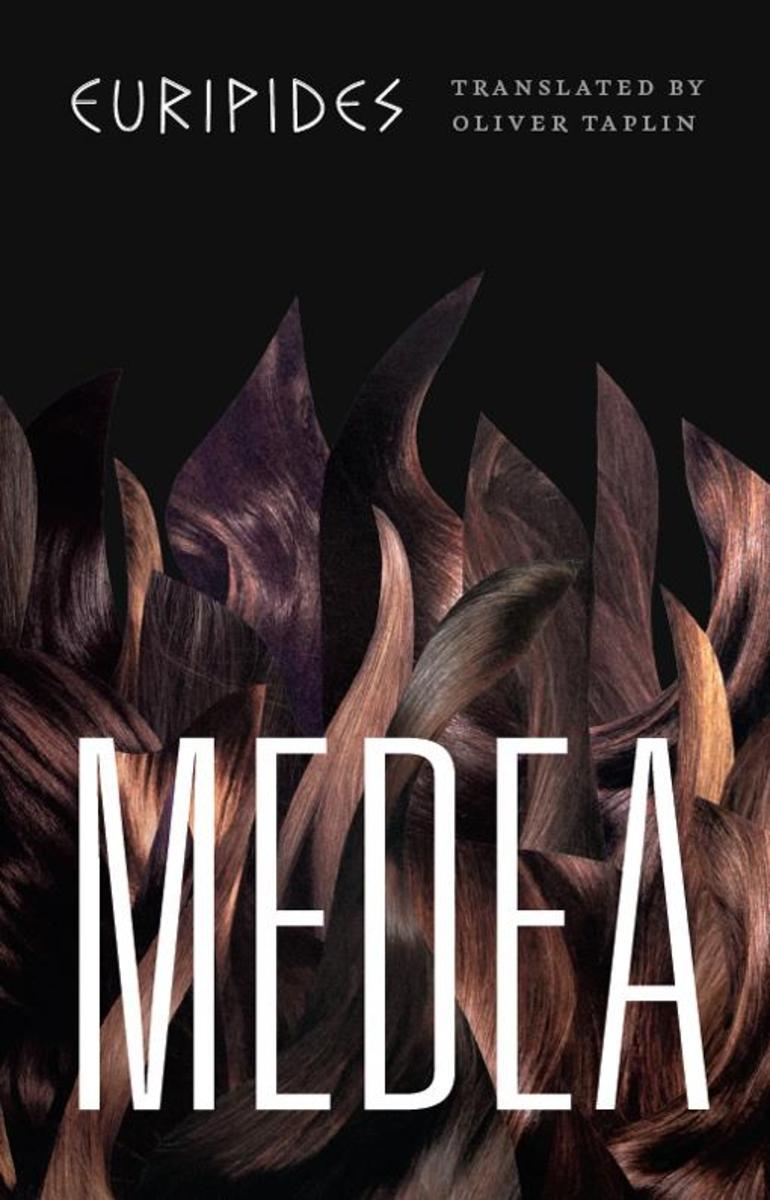
Medea
¥65.75
In the centuries since it was first performed, Euripides's Medea has established itself as one of the most influential of the Greek tragedies. The story of the wronged wife who seeks revenge against her unfaithful husband by murdering their children is lodged securely in the popular imagination, a touchstone for politics, law, and psychoanalysis and the subject of constant retellings and reinterpretations.This new translation of Medea by classicist Oliver Taplin, originally published as part of the acclaimed third edition of Chicago's Complete Greek Tragedies, brilliantly replicates the musicality and strength of Euripides's verse while retaining the play's dramatic and emotional impact.?Taplin has created an edition of Medea that is particularly suited to performance, while not losing any of the power it has long held as an object of reading or study. This edition is poised to become the new standard, and to introduce a new generation of readers to the heights and depths of Greek tragedy.

Hidden Wealth of Nations
¥147.15
We are well aware of the rise of the 1% as the rapid growth of economic inequality has put the majority of the world's wealth in the pockets of fewer and fewer. One much-discussed solution to this imbalance is to significantly increase the rate at which we tax the wealthy. But with an enormous amount of the world's wealth hidden in tax havens-in countries like Switzerland, Luxembourg, and the Cayman Islands-this wealth cannot be fully accounted for and taxed fairly. No one, from economists to bankers to politicians, has been able to quantify exactly how much of the world's assets are currently hidden-until now. Gabriel Zucman is the first economist to offer reliable insight into the actual extent of the world's money held in tax havens. And it's staggering.In The Hidden Wealth of Nations, Zucman offers an inventive and sophisticated approach to quantifying how big the problem is, how tax havens work and are organized, and how we can begin to approach a solution. His research reveals that tax havens are a quickly growing danger to the world economy. In the past five years, the amount of wealth in tax havens has increased over 25%-there has never been as much money held offshore as there is today. This hidden wealth accounts for at least $7.6 trillion, equivalent to 8% of the global financial assets of households. Fighting the notion that any attempts to vanquish tax havens are futile, since some countries will always offer more advantageous tax rates than others, as well the counter-argument that since the financial crisis tax havens have disappeared, Zucman shows how both sides are actually very wrong. In The Hidden Wealth of Nations he offers an ambitious agenda for reform, focused on ways in which countries can change the incentives of tax havens. Only by first understanding the enormity of the secret wealth can we begin to estimate the kind of actions that would force tax havens to give up their practices.Zucman's work has quickly become the gold standard for quantifying the amount of the world's assets held in havens. In this concise book, he lays out in approachable language how the international banking system works and the dangerous extent to which the large-scale evasion of taxes is undermining the global market as a whole. If we are to find a way to solve the problem of increasing inequality, The Hidden Wealth of Nations is essential reading.

Last Asylum
¥147.15
In the late 1970s, Barbara Taylor, then an acclaimed young historian, began to suffer from severe anxiety. In the years that followed, Taylor's world contracted around her illness. Eventually, her struggles were severe enough to lead to her admission to what had once been England's largest psychiatric institution, the infamous Friern Mental Hospital in North London.The Last Asylum is Taylor's breathtakingly blunt and brave account of those years. In it, Taylor draws not only on her experience as a historian, but also, more importantly, on her own lived history at Friern- once known as the Colney Hatch Lunatic Asylum and today the site of a luxury apartment complex. Taylor was admitted to Friern in July 1988, not long before England's asylum system began to undergo dramatic change: in a development that was mirrored in America, the 1990s saw the old asylums shuttered, their patients left to plot courses through a perpetually overcrowded and underfunded system of community care. But Taylor contends that the emptying of the asylums also marked a bigger loss, a loss of community. She credits her own recovery to the help of a steadfast psychoanalyst and a loyal circle of friends- from Magda, Taylor's manic-depressive roommate, to Fiona, who shares tips for navigating the system and stories of her boyfriend, the "e;Spaceman,"e; and his regular journeys to Saturn. The forging of that network of support and trust was crucial to Taylor's recovery, offering a respite from the "e;stranded, homeless feelings"e; she and others found in the outside world.A vivid picture of mental health treatment at a moment of epochal change, The Last Asylum is also a moving meditation on Taylor's own experience, as well as that of millions of others who struggle with mental illness.
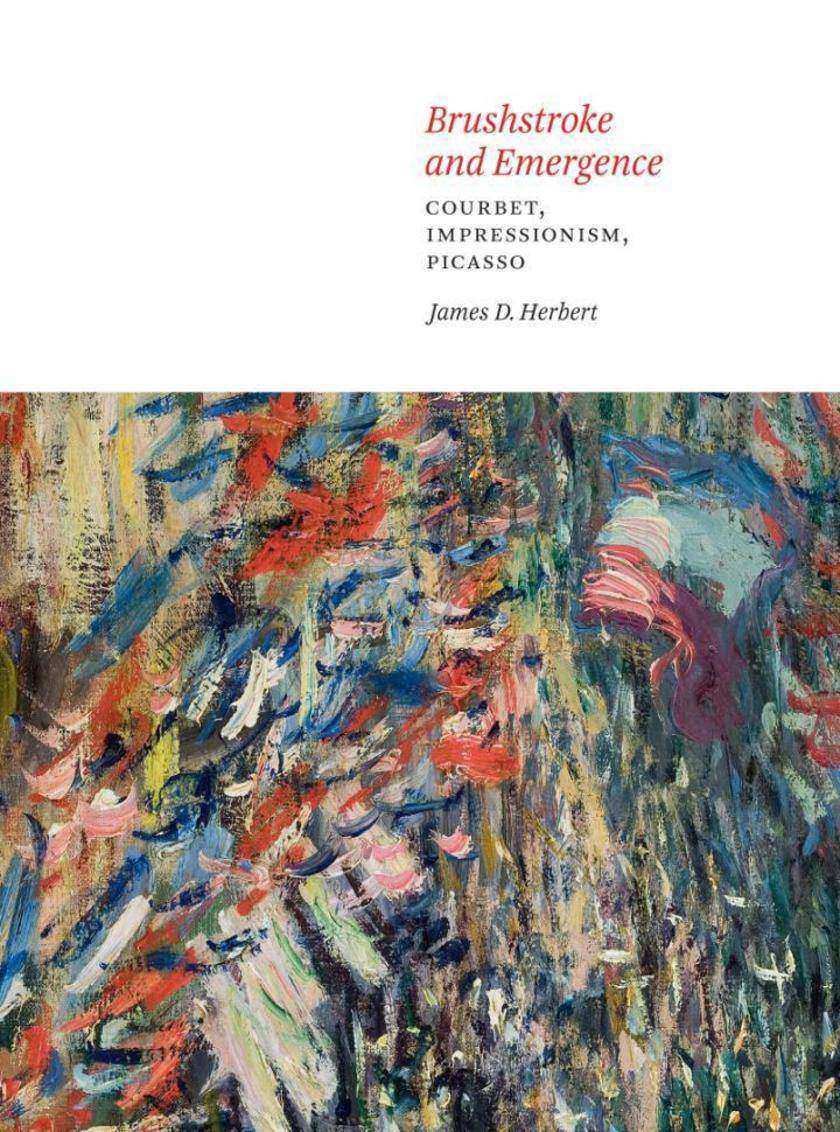
Brushstroke and Emergence
¥247.21
No pictorial device in nineteenth-century French painting more clearly represented the free-ranging self than the loose brushstroke. From the romantics through the impressionists and post-impressionists, the brushstroke bespoke autonomous artistic individuality and freedom from convention.Yet the question of how much we can credit to the individual brushstroke is complicated-and in?Brushstroke and Emergence, James D. Herbert uses that question as a starting point for an extended essay that draws on philosophy of mind, the science of emergence, and art history. Brushstrokes, he reminds us, are as much creatures of habit and embodied experience as they are of intent. When they gather in great numbers they take on a life of their own, out of which emerge complexity and meaning. Analyzing ten paintings by Courbet, Manet, Czanne, Monet, Seurat, and Picasso, Herbert exposes vital relationships between intention and habit, the singular and the complex. In doing so, he uncovers a space worthy of historical and aesthetic analysis between the brushstroke and the self.
Back to the Breast
¥247.21
After decades of decline during the twentieth century, breastfeeding rates began to rise again in the 1970s, a rebound that has continued to the present. While it would be easy to see this reemergence as simply part of the naturalism movement of the '70s, Jessica Martucci reveals here that the true story is more complicated. Despite the widespread acceptance and even advocacy of formula feeding by many in the medical establishment throughout the 1940s, '50s, and '60s, a small but vocal minority of mothers, drawing upon emerging scientific and cultural ideas about maternal instinct, infant development, and connections between the body and mind, pushed back against both hospital policies and cultural norms by breastfeeding their children. As Martucci shows, their choices helped ideologically root a "e;back to the breast"e; movement within segments of the middle-class, college-educated population as early as the 1950s.?That movement-in which the personal and political were inextricably linked-effectively challenged midcentury norms of sexuality, gender, and consumption, and articulated early environmental concerns about chemical and nuclear contamination of foods, bodies, and breast milk. In its groundbreaking chronicle of the breastfeeding movement, Back to the Breast provides a welcome and vital account of what it has meant, and what it means today, to breastfeed in modern America.
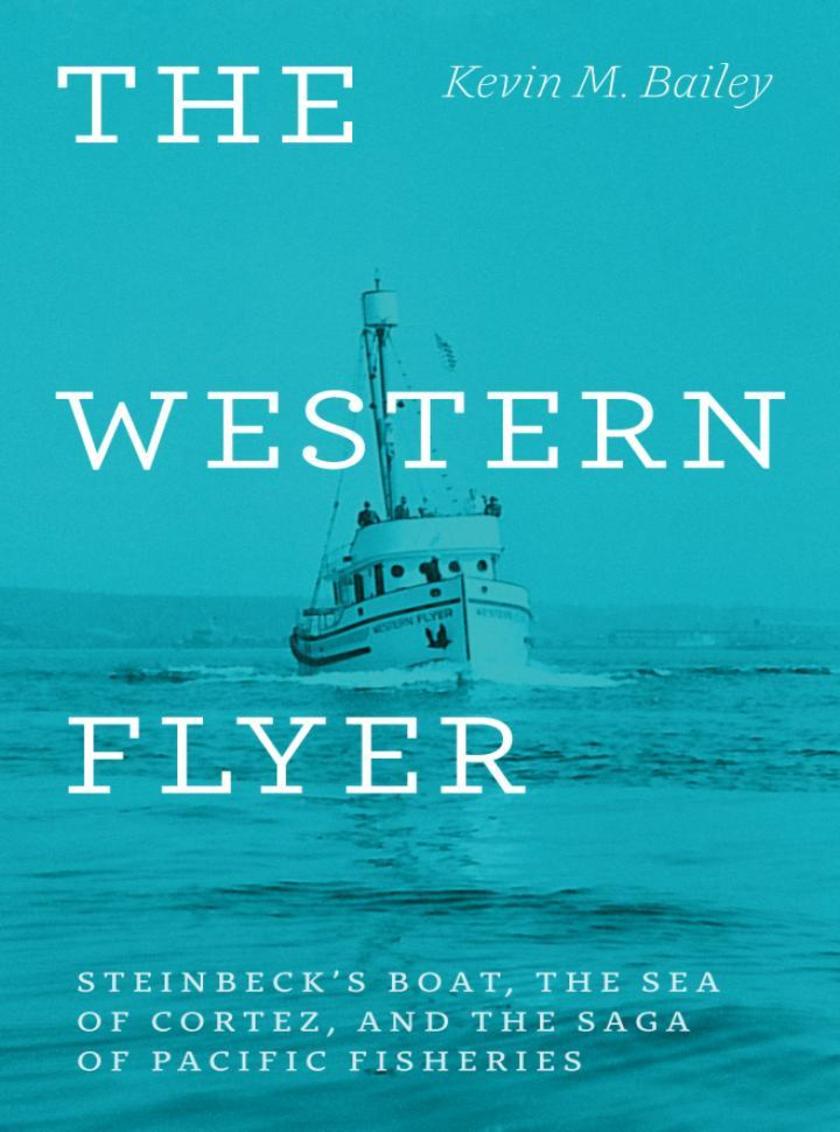
Western Flyer
¥147.15
In January 2010, the Gemini was moored in the Swinomish Slough on a Native American reservation near Anacortes, Washington. Unbeknownst to almost everyone, the rusted and dilapidated boat was in fact the most famous fishing vessel ever to have sailed: the original Western Flyer, immortalized in John Steinbeck's nonfiction classic The Log from the Sea of Cortez.In this book, Kevin M. Bailey resurrects this forgotten witness to the changing tides of Pacific fisheries. He draws on the Steinbeck archives, interviews with family members of crew, and more than three decades of working in Pacific Northwest fisheries to trace the depletion of marine life through the voyages of a single ship. After Steinbeck and his friend Ed Ricketts-a pioneer in the study of the West Coast's diverse sea life and the inspiration behind "e;Doc"e; in Cannery Row-chartered the boat for their now-famous 1940 expedition, the Western Flyer returned to its life as a sardine seiner in California. But when the sardine fishery in Monterey collapsed, the boat moved on: fishing for Pacific ocean perch off Washington, king crab in the Bering Sea off Alaska, and finally wild Pacific salmon-all industries that would also face collapse.As the Western Flyer herself faces an uncertain future-a businessman has bought her, intending to bring the boat to Salinas, California, and turn it into a restaurant feature just blocks from Steinbeck's grave-debates about the status of the California sardine, and of West Coast fisheries generally, have resurfaced. A compelling and timely tale of a boat and the people it carried, of fisheries exploited, and of fortunes won and lost, The Western Flyer is environmental history at its best: a journey through time and across the sea, charting the ebb and flow of the cobalt waters of the Pacific coast.
Integrating the Inner City
¥265.87
For many years Chicago's looming large-scale housing projects defined the city, and their demolition and redevelopment-via the Chicago Housing Authority's Plan for Transformation-has been perhaps the most startling change in the city's urban landscape in the last twenty years. The Plan, which reflects a broader policy effort to remake public housing in cities across the country, seeks to deconcentrate poverty by transforming high-poverty public housing complexes into mixed-income developments and thereby integrating once-isolated public housing residents into the social and economic fabric of the city. But is the Plan an ambitious example of urban regeneration or a not-so-veiled effort at gentrification?In the most thorough examination of mixed-income public housing redevelopment to date, Robert J. Chaskin and Mark L. Joseph draw on five years of field research, in-depth interviews, and volumes of data to demonstrate that while considerable progress has been made in transforming the complexes physically, the integrationist goals of the policy have not been met. They provide a highly textured investigation into what it takes to design, finance, build, and populate a mixed-income development, and they illuminate the many challenges and limitations of the policy as a solution to urban poverty. Timely and relevant, Chaskin and Joseph's findings raise concerns about the increased privatization of housing for the poor while providing a wide range of recommendations for a better way forward.

Great Paleolithic War
¥365.93
Following the discovery in Europe in the late 1850s that humanity had roots predating known history and reaching deep into the Pleistocene era, scientists wondered whether North American prehistory might be just as ancient. And why notThe geological strata seemed exactly analogous between America and Europe, which would lead one to believe that North American humanity ought to be as old as the European variety. This idea set off an eager race for evidence of the people who might have occupied North America during the Ice Age-a long, and, as it turned out, bitter and controversial search.?In The Great Paleolithic War, David J. Meltzer tells the story of a scientific quest that set off one of the longest-running feuds in the history of American anthropology, one so vicious at times that anthropologists were deliberately frightened away from investigating potential sites. Through his book, we come to understand how and why this controversy developed and stubbornly persisted for as long as it did; and how, in the process, it revolutionized American archaeology.


