


 购物车
 个人中心

All Those Moments
¥78.32
He came to mainstream prominence as a machine more human than his creators in Blade Runner, terrified us as a hitchhiker bent on his own death and the death of anyone who got in his way in The Hitcher, and unforgettably portrayed a lonely king roaming the night as a wolf and pining for the love of a hawk during the day in Ladyhawke. Rutger Hauer has dazzled audiences for years with his creepy, inspiring, and villainous portrayals of everyone from a cold-blooded terrorist in Nighthawks to a blind martial arts master in Blind Fury, but his movie career was nothing compared to his real-life adventures of riding horses, sword fighting, and leaving home at fifteen to scrub decks on a freighter and explore the world.From poverty to working with a traveling theater troupe to his breakout European performance in Turkish Delight and working with legendary directors such as Paul Verhoeven (RoboCop and Basic Instinct) and Ridley Scott (Alien and Gladiator), Hauer has collected All Those Moments here.

The First 30 Days
¥83.03
The First 30 Days reveals the nine principles of change that will revolutionize how you face transition times. With real-life stories, practical exercises, and inspiring action points, this book teaches the skills you need to face or make any change in your life, including how to: Use your Change Muscle Combat fear, doubt, and all your change demons Get in touch with your spiritual side Create a plan that will get you results

Building for the Arts
¥370.82
Over the past two decades, the arts in America have experienced an unprecedented building boom, with more than sixteen billion dollars directed to the building, expansion, and renovation of museums, theaters, symphony halls, opera houses, and centers for the visual and performing arts. Among the projects that emerged from the boom were many brilliant successes. Others, like the striking addition of the Quadracci Pavilion to the Milwaukee Art Museum, brought international renown but also tens of millions of dollars of off-budget debt while offering scarce additional benefit to the arts and embodying the cultural sector's worst fears that the arts themselves were being displaced by the big, status-driven architecture projects built to contain them.?With Building for the Arts, Peter Frumkin and Ana Kolendo explore how artistic vision, funding partnerships, and institutional culture work together-or fail to-throughout the process of major cultural construction projects. Drawing on detailed case studies and in-depth interviews at museums and other cultural institutions varying in size and funding arrangements, including the Art Institute of Chicago, Atlanta Opera, and AT&T Performing Arts Center in Dallas, Frumkin and Kolendo analyze the decision-making considerations and challenges and identify four factors whose alignment characterizes the most successful and sustainable of the projects discussed: institutional requirements, capacity of the institution to manage the project while maintaining ongoing operations, community interest and support, and sufficient sources of funding. How and whether these factors are strategically aligned in the design and execution of a building initiative, the authors argue, can lead an organization to either thrive or fail. The book closes with an analysis of specific tactics that can enhance the chances of a project's success.A practical guide grounded in the latest scholarship on nonprofit strategy and governance, Building for the Arts will be an invaluable resource for professional arts staff and management, trustees of arts organizations, development professionals, and donors, as well as those who study and seek to understand them.
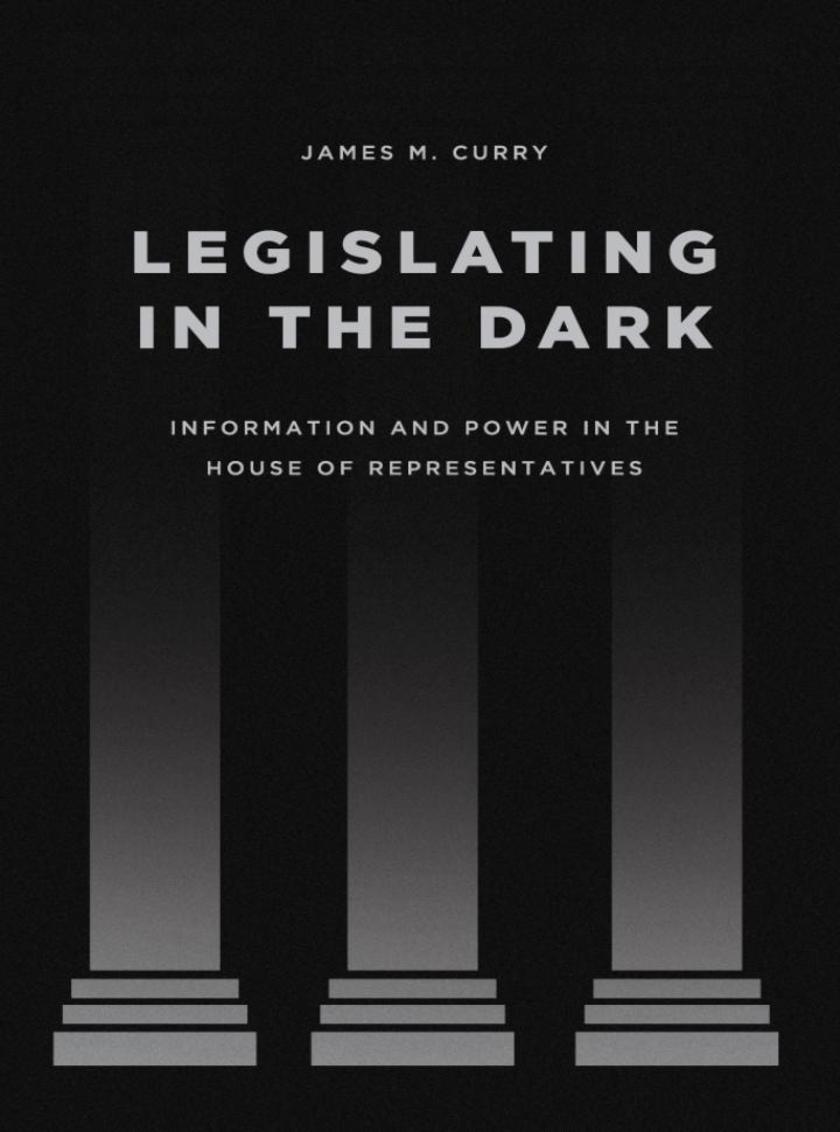
Legislating in the Dark
¥247.21
The 2009 financial stimulus bill ran to more than 1,100 pages, yet it wasn't even given to Congress in its final form until thirteen hours before debate was set to begin, and it was passed twenty-eight hours later. How are representatives expected to digest so much information in such a short time.The answerThey aren't. With Legislating in the Dark, James M. Curry reveals that the availability of information about legislation is a key tool through which Congressional leadership exercises power. Through a deft mix of legislative analysis, interviews, and participant observation, Curry shows how congresspersons-lacking the time and resources to study bills deeply themselves-are forced to rely on information and cues from their leadership. By controlling their rank-and-file's access to information, Congressional leaders are able to emphasize or bury particular items, exploiting their information advantage to push the legislative agenda in directions that they and their party prefer.Offering an unexpected new way of thinking about party power and influence, Legislating in the Dark will spark substantial debate in political science.

Ethical Condition
¥247.21
Written over a thirty-year span, Michael Lambek's essays in this collection point with definitive force toward a single central truth: ethics is intrinsic to social life. As he shows through rich ethnographic accounts and multiple theoretical traditions, our human condition is at heart an ethical one-we may not always be good or just, but we are always subject to their criteria. Detailing Lambek's trajectory as one anthropologist thinking deeply throughout a career on the nature of ethical life, the essays accumulate into a vibrant demonstration of the relevance of ethics as a practice and its crucial importance to ethnography, social theory, and philosophy.Organized chronologically, the essays begin among Malagasy speakers on the island of Mayotte and in northwest Madagascar. Building from ethnographic accounts there, they synthesize Aristotelian notions of practical judgment and virtuous action with Wittgensteinian notions of the ordinariness of ethical life and the importance of language, everyday speech, and ritual in order to understand how ethics are lived. They illustrate the multiple ways in which ethics informs personhood, character, and practice; explore the centrality of judgment, action, and irony to ethical life; and consider the relation of virtue to value. The result is a fully fleshed-out picture of ethics as a deeply rooted aspect of the human experience.?
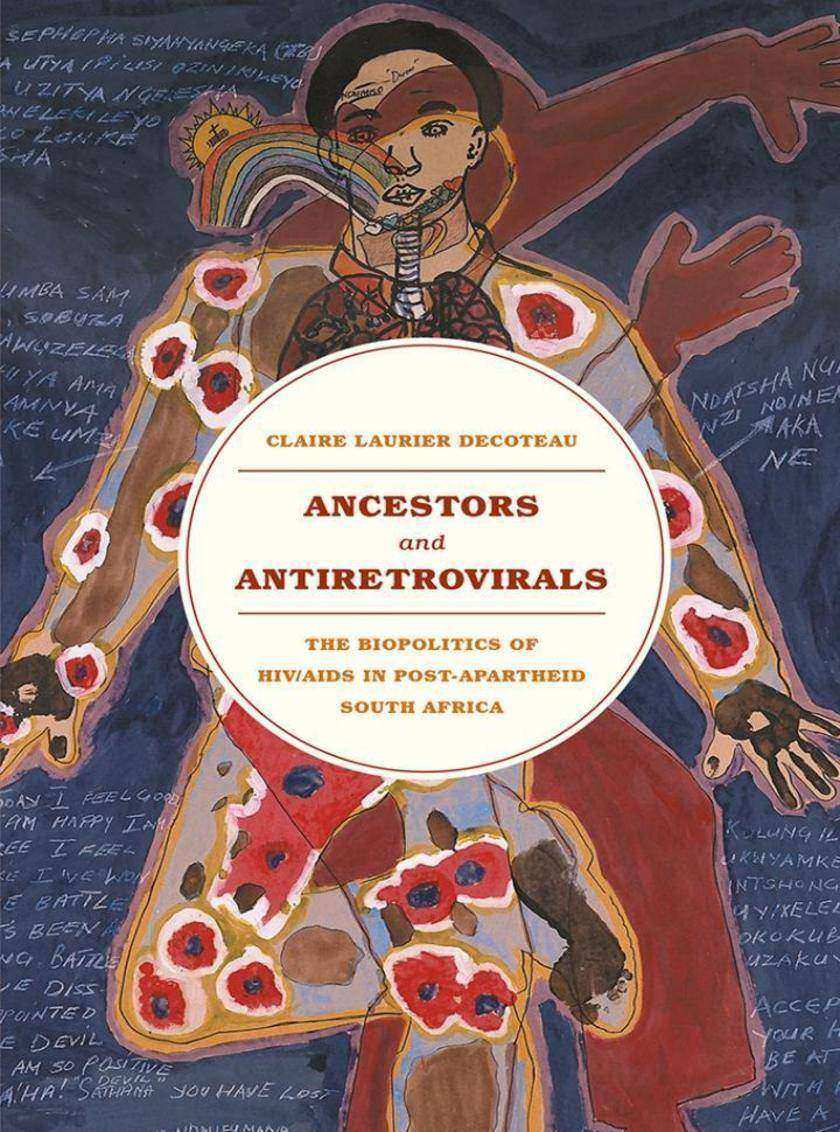
Ancestors and Antiretrovirals
¥265.87
In the years since the end of apartheid, South Africans have enjoyed a progressive constitution, considerable access to social services for the poor and sick, and a booming economy that has made their nation into one of the wealthiest on the continent. At the same time, South Africa experiences extremely unequal income distribution, and its citizens suffer the highest prevalence of HIV in the world. As Archbishop Desmond Tutu has noted, "e;AIDS is South Africa's new apartheid."e;In Ancestors and Antiretrovirals, Claire Laurier Decoteau backs up Tutu's assertion with powerful arguments about how this came to pass. Decoteau traces the historical shifts in health policy after apartheid and describes their effects, detailing, in particular, the changing relationship between biomedical and indigenous health care, both at the national and the local level. Decoteau tells this story from the perspective of those living with and dying from AIDS in Johannesburg's squatter camps. At the same time, she exposes the complex and often contradictory ways that the South African government has failed to balance the demands of neoliberal capital with the considerable health needs of its population.

Philosophy of Pseudoscience
¥288.41
What sets the practice of rigorously tested, sound science apart from pseudoscienceIn this volume, the contributors seek to answer this question, known to philosophers of science as "e;the demarcation problem."e; This issue has a long history in philosophy, stretching as far back as the early twentieth century and the work of Karl Popper. But by the late 1980s, scholars in the field began to treat the demarcation problem as impossible to solve and futile to ponder. However, the essays that Massimo Pigliucci and Maarten Boudry have assembled in this volume make a rousing case for the unequivocal importance of reflecting on the separation between pseudoscience and sound science. Moreover, the demarcation problem is not a purely theoretical dilemma of mere academic interest: it affects parents' decisions to vaccinate children and governments' willingness to adopt policies that prevent climate change. Pseudoscience often mimics science, using the superficial language and trappings of actual scientific research to seem more respectable. Even a well-informed public can be taken in by such questionable theories dressed up as science. Pseudoscientific beliefs compete with sound science on the health pages of newspapers for media coverage and in laboratories for research funding. Now more than ever the ability to separate genuine scientific findings from spurious ones is vital, and The Philosophy of Pseudoscience provides ground for philosophers, sociologists, historians, and laypeople to make decisions about what science is or isn't.
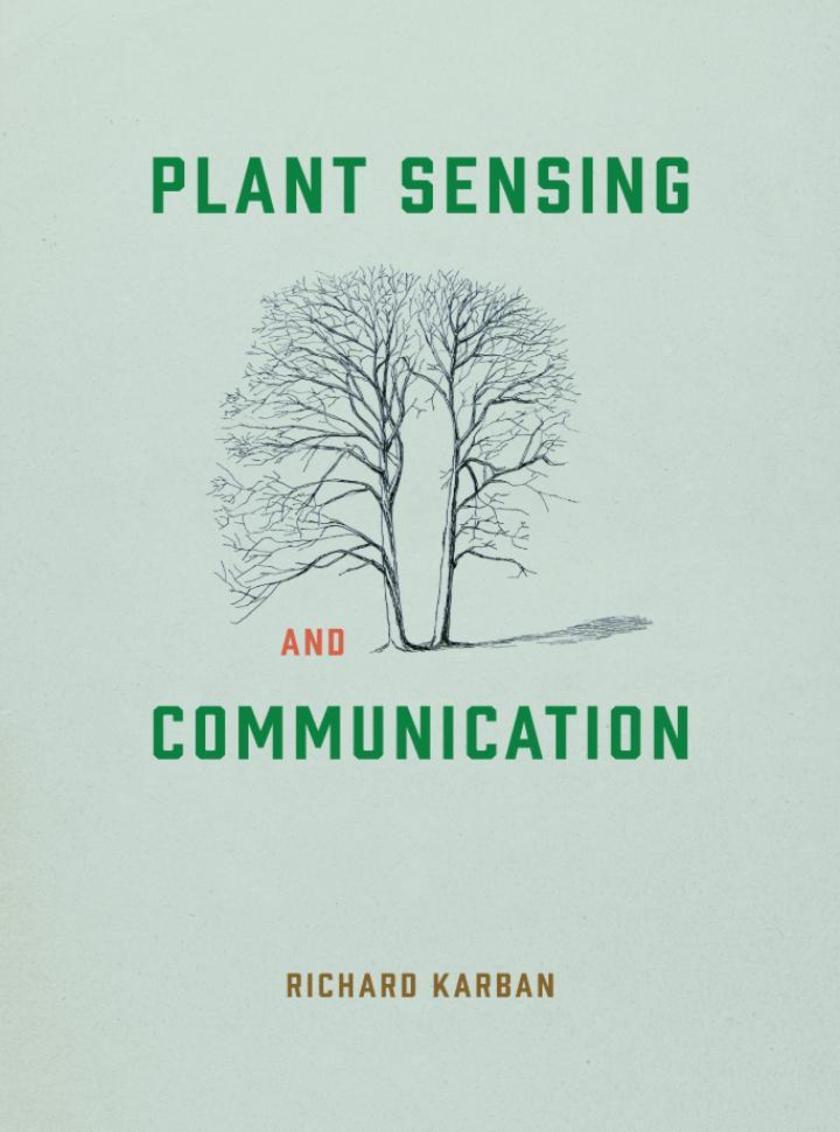
Plant Sensing and Communication
¥288.41
The news that a flowering weed-mousear cress (Arabidopsis thaliana)-can sense the particular chewing noise of its most common caterpillar predator and adjust its chemical defenses in response led to headlines announcing the discovery of the first "e;hearing"e; plant. As plants lack central nervous systems (and, indeed, ears), the mechanisms behind this "e;hearing"e; are unquestionably very different from those of our own acoustic sense, but the misleading headlines point to an overlooked truth: plants do in fact perceive environmental cues and respond rapidly to them by changing their chemical, morphological, and behavioral traits.In Plant Sensing and Communication, Richard Karban provides the first comprehensive overview of what is known about how plants perceive their environments, communicate those perceptions, and learn. Facing many of the same challenges as animals, plants have developed many similar capabilities: they sense light, chemicals, mechanical stimulation, temperature, electricity, and sound. Moreover, prior experiences have lasting impacts on sensitivity and response to cues; plants, in essence, have memory. Nor are their senses limited to the processes of an individual plant: plants eavesdrop on the cues and behaviors of neighbors and-for example, through flowers and fruits-exchange information with other types of organisms. Far from inanimate organisms limited by their stationary existence, plants, this book makes unquestionably clear, are in constant and lively discourse.
Deep Rhetoric
¥311.96
"e;Rhetoric is the counterpart of logic,"e; claimed Aristotle. "e;Rhetoric is the first part of logic rightly understood,"e; Martin Heidegger concurred. "e;Rhetoric is the universal form of human communication,"e; opined Hans-Georg Gadamer. But in Deep Rhetoric, James Crosswhite offers a groundbreaking new conception of rhetoric, one that builds a definitive case for an understanding of the discipline as a philosophical enterprise beyond basic argumentation and is fully conversant with the advances of the New Rhetoric of Chaim Perelman and Lucie Olbrechts-Tyteca.Chapter by chapter, Deep Rhetoric develops an understanding of rhetoric not only in its philosophical dimension but also as a means of guiding and conducting conflicts, achieving justice, and understanding the human condition. Along the way, Crosswhite restores the traditional dignity and importance of the discipline and illuminates the twentieth-century resurgence of rhetoric among philosophers, as well as the role that rhetoric can play in future discussions of ontology, epistemology, and ethics. At a time when the fields of philosophy and rhetoric have diverged, Crosswhite returns them to their common moorings and shows us an invigorating new way forward.
Doctors and Demonstrators
¥353.16
Since Roe v. Wade, abortion has continued to be a divisive political issue in the United States. In contrast, it has remained primarily a medical issue in Britain and Canada despite the countries' shared heritage. Doctors and Demonstrators looks beyond simplistic cultural or religious explanations to find out why abortion politics and policies differ so dramatically in these otherwise similar countries.?Drew Halfmann argues that political institutions are the key. In the United States, federalism, judicial review, and a private health care system contributed to the public definition of abortion as an individual right rather than a medical necessity. Meanwhile, Halfmann explains, the porous structure of American political parties gave pro-choice and pro-life groups the opportunity to move the issue onto the political agenda. A groundbreaking study of the complex legal and political factors behind the evolution of abortion policy, Doctors and Demonstrators will be vital for anyone trying to understand this contentious issue.

Far Afield
¥288.41
Anthropology has long had a vexed relationship with literature, and nowhere has this been more acutely felt than in France, where most ethnographers, upon returning from the field, write not one book, but two: a scientific monograph and a literary account. In?Far Afield-brought to English-language readers here for the first time-Vincent Debaene puzzles out this phenomenon, tracing the contours of anthropology and literature's mutual fascination and the ground upon which they meet in the works of thinkers from Marcel Mauss and Georges Bataille to Claude Levi-Strauss and Roland Barthes.?The relationship between anthropology and literature in France is one of careful curiosity. Literary writers are wary about anthropologists' scientific austerity but intrigued by the objects they collect and the issues they raise, while anthropologists claim to be scientists but at the same time are deeply concerned with writing and representational practices. Debaene elucidates the richness that this curiosity fosters and the diverse range of writings it has produced, from Proustian memoirs to proto-surrealist diaries. In the end he offers a fascinating intellectual history, one that is itself located precisely where science and literature meet.
Ecology of Place
¥447.34
Ecologists can spend a lifetime researching a small patch of the earth, studying the interactions between organisms and the environment, and exploring the roles those interactions play in determining distribution, abundance, and evolutionary change. With so few ecologists and so many systems to study, generalizations are essential. But how do you extrapolate knowledge about a well-studied area and apply it elsewhere?Through a range of original essays written by eminent ecologists and naturalists, The Ecology of Place explores how place-focused research yields exportable general knowledge as well as practical local knowledge, and how society can facilitate ecological understanding by investing in field sites, place-centered databases, interdisciplinary collaborations, and field-oriented education programs that emphasize natural history. This unique patchwork of case-study narratives, philosophical musings, and historical analyses is tied together with commentaries from editors Ian Billick and Mary Price that develop and synthesize common threads. The result is a unique volume rich with all-too-rare insights into how science is actually done, as told by scientists themselves.

Discovery of Insulin
¥265.87
In a brilliant, definitive history of one of the most significant and controversial medical events of modern times, award-winning historian Michael Bliss brings to light a bizarre clash of scientific personalities. When F. G. Banting and J. J. R. Macleod won the 1923 Nobel Prize for discovering and isolating insulin, Banting immediately announced that he was dividing his share of the prize with his young associate, C. H. Best. Macleod divided his share with a fourth member of the team, J. B. Collip. For the next sixty years medical opinion was intensely divided over the allotment of credit for the discovery of insulin. In resolving this controversy, Bliss also offers a wealth of new detail on such subjects as the treatment of diabetes before insulin and the life-and-death struggle to manufacture insulin.
Interaction and Coevolution
¥165.81
"e;It is not only the species that change evolutionarily through interactions . . . the interactions themselves also change."e; Thus states John N. Thompson in the foreword to Interaction and Coevolution, the first title in his series of books exploring the relentless nature of evolution and the processes that shape the web of life. Originally published in 1982 more as an idea piece-an early attempt to synthesize then academically distinct but logically linked strands of ecological thought and to suggest avenues for further research-than as a data-driven monograph, Interaction and Coevolution would go on to be considered a landmark study that pointed to the beginning of a new discipline. Through chapters on antagonism, mutualism, and the effects of these interactions on populations, speciation, and community structure, Thompson seeks to explain not only how interactions differ in the selection pressures they exert on species, but also when interactions are most likely to lead to coevolution. In this era of climate change and swiftly transforming environments, the ideas Thompson puts forward in Interaction and Coevolution are more relevant than ever before.
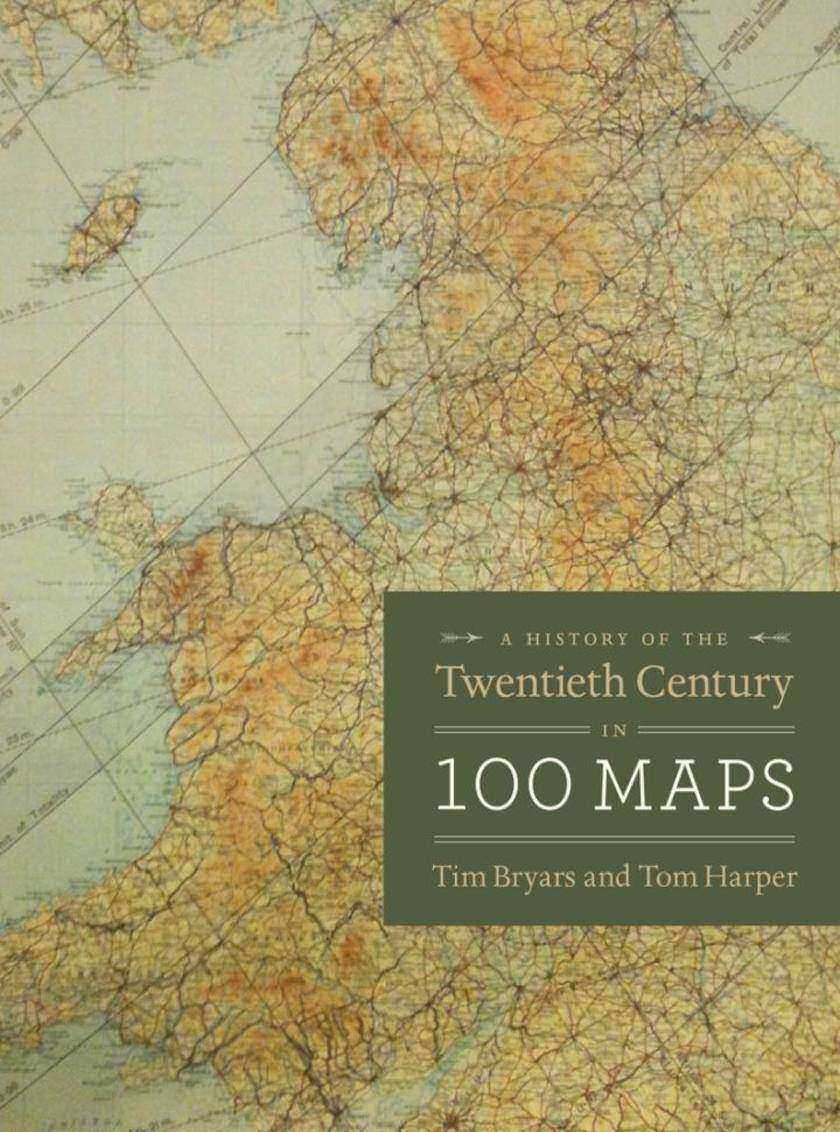
History of the Twentieth Century in 100 Maps
¥317.84
The twentieth century was a golden age of mapmaking, an era of cartographic boom. Maps proliferated and permeated almost every aspect of daily life, not only chronicling geography and history but also charting and conveying myriad political and social agendas. Here Tim Bryars and Tom Harper select one hundred maps from the millions printed, drawn, or otherwise constructed during the twentieth century and recount through them a narrative of the century's key events and developments.?As Bryars and Harper reveal, maps make ideal narrators, and the maps in this book tell the story of the 1900s-which saw two world wars, the Great Depression, the Swinging Sixties, the Cold War, feminism, leisure, and the Internet. Several of the maps have already gained recognition for their historical significance-for example, Harry Beck's iconic London Underground map-but the majority of maps on these pages have rarely, if ever, been seen in print since they first appeared. There are maps that were printed on handkerchiefs and on the endpapers of books; maps that were used in advertising or propaganda; maps that were strictly official and those that were entirely commercial; maps that were printed by the thousand, and highly specialist maps issued in editions of just a few dozen; maps that were envisaged as permanent keepsakes of major events, and maps that were relevant for a matter of hours or days.?As much a pleasure to view as it is to read, A History of the Twentieth Century in 100 Maps celebrates the visual variety of twentieth century maps and the hilarious, shocking, or poignant narratives of the individuals and institutions caught up in their production and use.
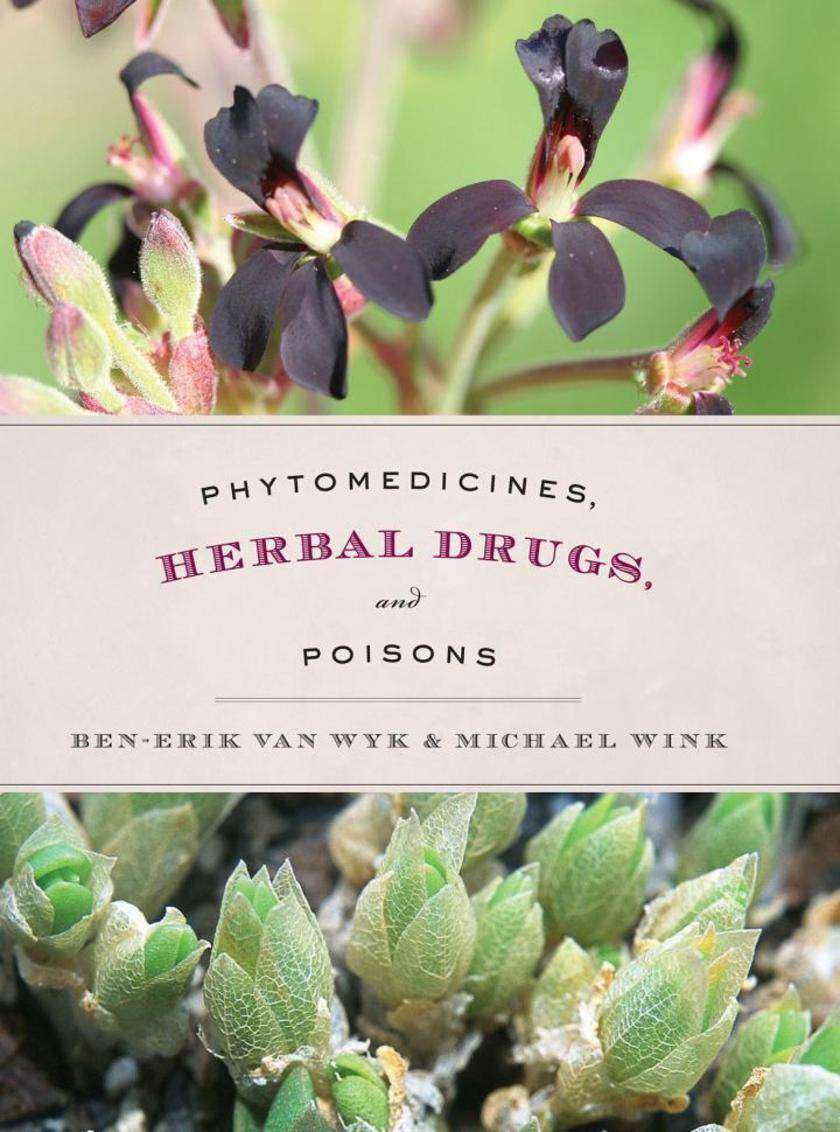
Phytomedicines, Herbal Drugs, and Poisons
¥317.84
Plants have been used to treat disease throughout human history. On a clay slab that dates back approximately five thousand years, the Sumerians recorded medicinal recipes that made use of hundreds of plants, including poppy, henbane, and mandrake. During the Middle Ages, monks commonly grew and prescribed plants such as sage, anise, and mint in their monasteries. And as the market for herbal remedies and natural medicine grows, we continue to search the globe for plants and plant compounds to combat our various ailments.?In Phytomedicines, Herbal Drugs, and Poisons, Ben-Erik van Wyk offers a richly illustrated, scientific guide to medicinal and poisonous plants, including those used for their mind-altering effects. Van Wyk covers approximately 350 species-from Aloe vera and Ephedra sinica to Cannabis sativa and Coffea arabica-detailing their botanical, geographical, pharmacological, and toxicological data as well as the chemical structures of the active compounds in each. Readers learn, for example, that Acacia senegal, or gum acacia, is used primarily in Sudan and Ethiopia as a topical ointment to protect the skin and mucosa from bacterial and fungal infections, and that Aconitum napellus, more commonly known as aconite, is used in cough syrups but can be psychedelic when smoked or absorbed through the skin. With 350 full-color photographs featuring the plants and some of their derivative products, Phytomedicines, Herbal Drugs, and Poisons will be an invaluable reference not only for those in the health care field but also for those growing their own medicinal herb gardens, as well as anyone who needs a quick answer to whether a plant is a panacea or a poison.
Political Economy of Pipelines
¥576.83
With global demand for energy poised to increase by more than half in the next three decades, the supply of safe, reliable, and reasonably priced gas and oil will continue to be of fundamental importance to modern economies. Central to this supply are the pipelines that transport this energy. And while the fundamental economics of the major pipeline networks are the same, the differences in their ownership, commercial development, and operation can provide insight into the workings of market institutions in various nations.?Drawing on a century of the world's experience with gas and oil pipelines, this book illustrates the importance of economics in explaining the evolution of pipeline politics in various countries. It demonstrates that institutional differences influence ownership and regulation, while rents and consumer pricing depend on the size and diversity of existing markets, the depth of regulatory institutions, and the historical structure of the pipeline businesses themselves. The history of pipelines is also rife with social conflict, and Makholm explains how and when institutions in a variety of countries have controlled pipeline behavior-either through economic regulation or government ownership-in the public interest.
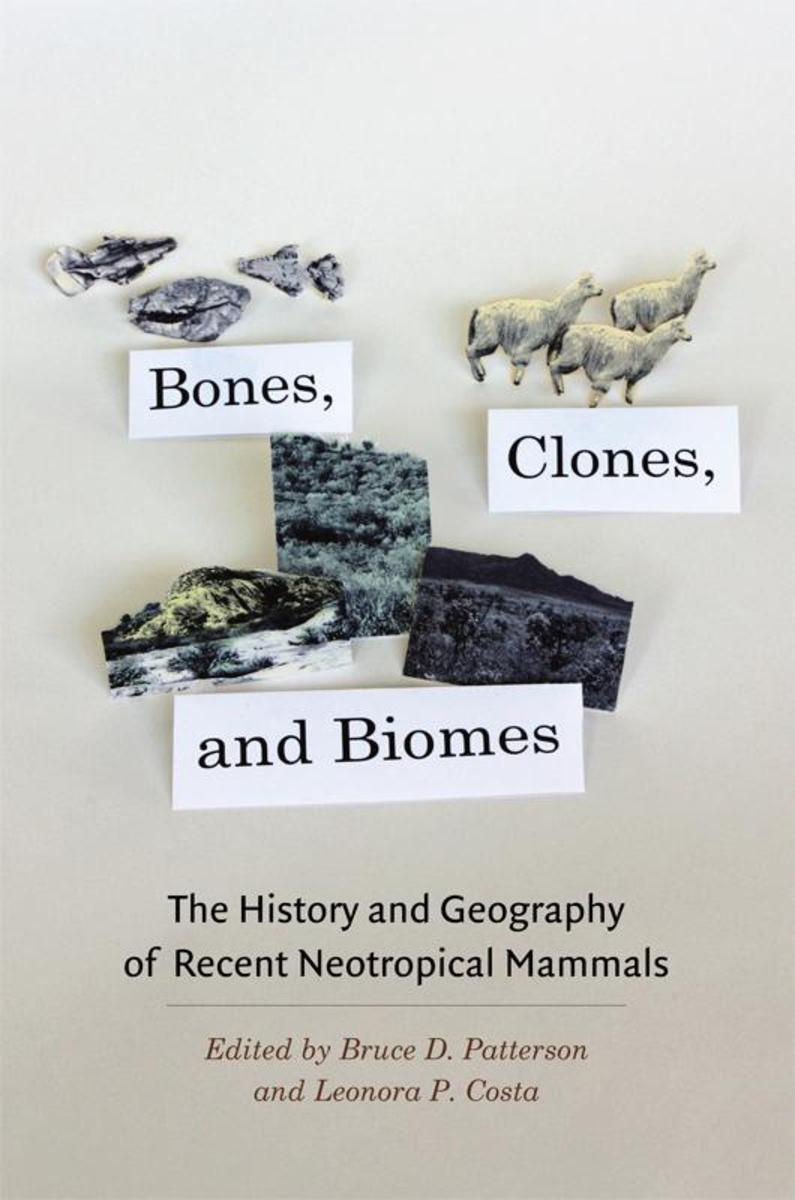
Bones, Clones, and Biomes
¥618.03
As explorers and scientists have known for decades, the Neotropics harbor a fantastic array of our planet's mammalian diversity, from capybaras and capuchins to maned wolves and mouse opossums to sloths and sakis. This biological bounty can be attributed partly to the striking diversity of Neotropical landscapes and climates and partly to a series of continental connections that permitted intermittent faunal exchanges with Africa, Antarctica, Australia, and North America. Thus, to comprehend the development of modern Neotropical mammal faunas requires not only mastery of the Neotropics' substantial diversity, but also knowledge of mammalian lineages and landscapes dating back to the Mesozoic.Bones, Clones, and Biomes offers just that-an exploration of the development and relationships of the modern mammal fauna through a series of studies that encompass the last 100 million years and both Central and South America. This work serves as a complement to more taxonomically driven works, providing for readers the long geologic and biogeographic contexts that undergird the abundance and diversity of Neotropical mammals. Rather than documenting diversity or distribution, this collection traverses the patterns that the distributions and relationships across mammal species convey, bringing together for the first time geology, paleobiology, systematics, mammalogy, and biogeography. Of critical importance is the book's utility for current conservation and management programs, part of a rapidly rising conservation paleobiology initiative.

Making Modern Japanese-Style Painting
¥535.63
The Western discovery of Japanese paintings at nineteenth-century world's fairs and export shops catapulted Japanese art to new levels of international popularity. With that popularity, however, came criticism, as Western writers began to lament a perceived end to pure Japanese art and a rise in westernized cultural hybrids. The Japanese response: nihonga, a traditional style of painting that reframed existing techniques to distinguish them from Western artistic conventions.?Making Modern Japanese-Style Painting?explores the visual characteristics and social functions of nihonga and traces its relationship to the past, its viewers, and emerging notions of the modern Japanese state.Chelsea Foxwell sheds light on interlinked trends in Japanese nationalist discourse, government art policy, American and European commentary on Japanese art, and the demands of export. The seminal artist Kano Hogai (1828-88) is one telling example: originally a painter for the shogun, his art eventually evolved into novel, eerie images meant to satisfy both Japanese and Western audiences. Rather than simply absorbing Western approaches, nihonga as practiced by Hogai and others broke with pre-Meiji painting even as it worked to neutralize the rupture.By arguing that fundamental changes to audience expectations led to the emergence of nihonga-a traditional interpretation of Japanese art for a contemporary, international market-Making Modern Japanese-Style Painting?offers a fresh look at an important aspect of Japan's development into a modern nation.

Population Fluctuations in Rodents
¥488.54
How did rodent outbreaks in Germany help to end World War IWhat caused the destructive outbreak of rodents in Oregon and California in the late 1950s, the large population outbreak of lemmings in Scandinavia in 2010, and the great abundance of field mice in Scotland in the spring of 2011Population fluctuations, or outbreaks, of rodents constitute one of the classic problems of animal ecology, and in Population Fluctuations in Rodents, Charles J. Krebs sifts through the last eighty years of research to draw out exactly what we know about rodent outbreaks and what should be the agenda for future research.?Krebs has synthesized the research in this area, focusing mainly on the voles and lemmings of the Northern Hemisphere-his primary area of expertise-but also referring to the literature on rats and mice. He covers the patterns of changes in reproduction and mortality and the mechanisms that cause these changes-including predation, disease, food shortage, and social behavior-and discusses how landscapes can affect population changes, methodically presenting the hypotheses related to each topic before determining whether or not the data supports them. He ends on an expansive note, by turning his gaze outward and discussing how the research on rodent populations can apply to other terrestrial mammals. Geared toward advanced undergraduate students, graduate students, and practicing ecologists interested in rodent population studies, this book will also appeal to researchers seeking to manage rodent populations and to understand outbreaks in both natural and urban settings-or, conversely, to protect endangered species.
Regimens of the Mind
¥488.54
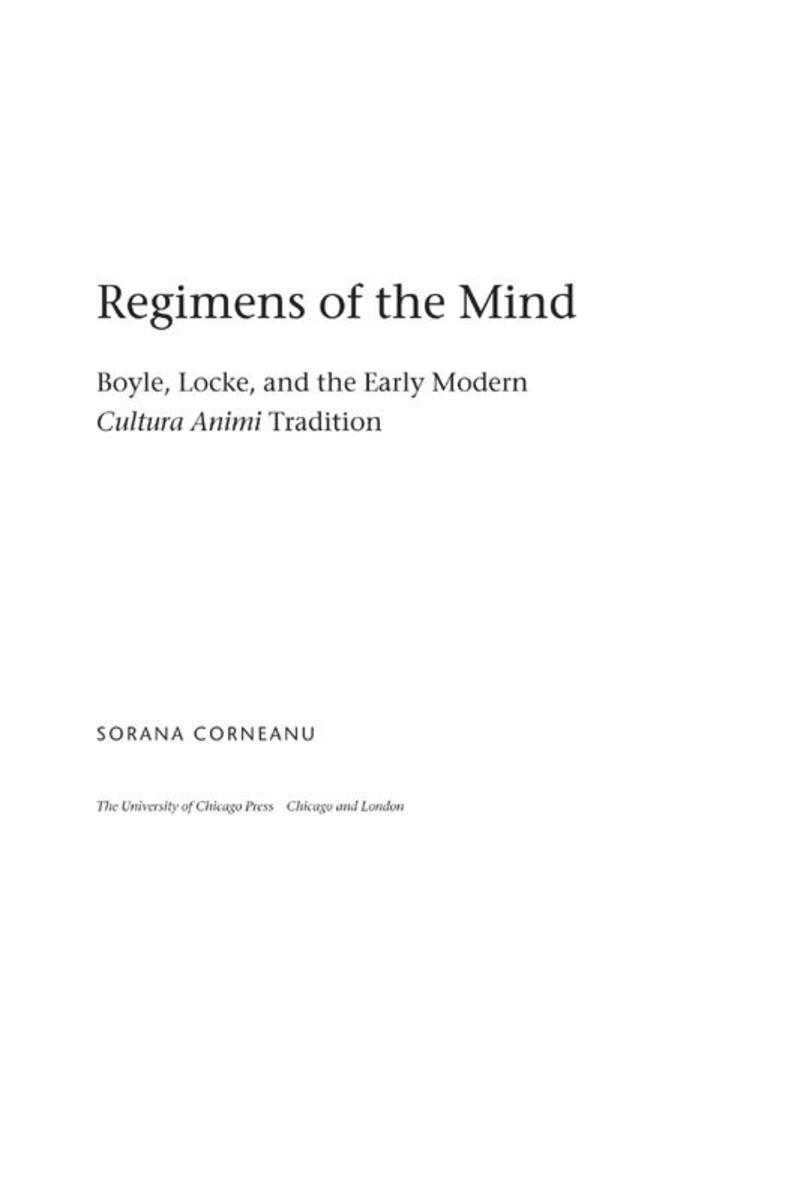
In Regimens of the Mind, Sorana Corneanu proposes a new approach to the epistemological and methodological doctrines of the leading experimental philosophers of seventeenth-century England, an approach that considers their often overlooked moral, psychological, and theological elements. Corneanu focuses on the views about the pursuit of knowledge in the writings of Robert Boyle and John Locke, as well as in those of several of their influences, including Francis Bacon and the early Royal Society virtuosi. She argues that their experimental programs of inquiry fulfill the role of regimens for curing, ordering, and educating the mind toward an ethical purpose, an idea she tracks back to the ancient tradition of cultura animi. Corneanu traces this idea through its early modern revival and illustrates how it organizes the experimental philosophers' reflections on the discipline of judgment, the study of nature, and the study of Scripture. It is through this lens, the author suggests, that the core features of the early modern English experimental philosophy-including its defense of experience, its epistemic modesty, its communal nature, and its pursuit of "e;objectivity"e;-are best understood.


