


 购物车
 个人中心

Theatricality of Greek Tragedy
¥394.36
Ancient Greek tragedy has been an inspiration to Western culture, but the way it was first performed has long remained in question. In The Theatricality of Greek Tragedy, Graham Ley provides an illuminating discussion of key issues relating to the use of the playing space and the nature of the chorus, offering a distinctive impression of the performance of Greek tragedy in the fifth century BCE. Drawing on evidence from the surviving texts of tragedies by Aeschylus, Sophocles, and Euripides, Ley explains how scenes with actors were played in the open ground of the orchestra, often considered as exclusively the dancing place of the chorus. In reviewing what is known of the music and dance of Greek antiquity, Ley goes on to show that in the original productions the experience of the chorus-expressed in song and dance and in interaction with the characters-remained a vital characteristic in the performance of tragedy.Combining detailed analysis with broader reflections about the nature of ancient Greek tragedy as an art form, this volume-supplemented with a series of illustrative drawings and diagrams-will be a necessary addition to the bookshelf of anyone interested in literature, theater, or classical studies.
Collateral Knowledge
¥265.87
It has been more than twelve years since this project began.This book draws upon seventeen months of fieldwork conducted in Tokyo between summer 1997 and fall 2001 followed by frequent research visits in the years that followed.Research and writing were supported by the American Bar Foundation, a Howard Fellowship, an American Council of Learned Societies Fellowship, a residential fellowship at Girton College, Cambridge, and research grants from the Social Science Research Council, the Japan Foundation, and the National Endowment for the Humanities.During that time, I held visiting positions at the University of Tokyo Faculty of Law, the Department of Anthropology at Keio University, and the Institute of Social Science at the University of Tokyo.I am grateful to each of these institutions for their hospitality, and in particular to professors Yoshiko Terao, Satoshi Tanahashi, and Yuji Genda, respectively, for making each of these affiliations possible.

From Mesopotamia to Iraq
¥141.26
In April 2003, the world watched in horror as part of Iraq's cultural heritage disintegrated among the rubble of Saddam Hussein's regime. Looters descended on the Iraq National Museum in Baghdad, Arabic manu*s disappeared from the National Library, and countless Iraqi government records were destroyed. For those to whom Iraq meant only terror, weapons of mass destruction, or oil, several thousand years of history between the Tigris and the Euphrates opened into view. Basic techniques and concepts of civilization, without which human society would not have attained its present level, had their origin there. A writing system, the prerequisite of modern and premodern societies, was part of the human knowledge that spread from Mesopotamia, as were bureaucratic techniques such as archiving, still basic to any modern administration, or early forms of monotheism. Such “firsts” will be highlighted in the following pages. But the uniqueness of the ancient Mesopotamian culture rests not only on countless innovations of this kind but, to an even greater degree, on the fact that we can follow its gradual development and its absorption into the cultural canon over a period of ten thousand years, almost without major gaps.

Church Mother
¥253.10
Imbued with character and independence, strength and articulateness, humor and conviction, abundant biblical knowledge and intense compassion, Katharina Schutz Zell (1498-1562) was an outspoken religious reformer in sixteenth-century Germany who campaigned for the right of clergy to marry and the responsibility of lay people-women as well as men-to proclaim the Gospel. As one of the first and most daring models of the pastor's wife in the Protestant Reformation, Schutz Zell demonstrated that she could be an equal partner in marriage; she was for many years a respected, if unofficial, mother of the established church of Strasbourg in an age when ecclesiastical leadership was dominated by men.Though a commoner, Schtz Zell participated actively in public life and wrote prolifically, including letters of consolation, devotional writings, biblical meditations, catechetical instructions, a sermon, and lengthy polemical exchanges with male theologians. The complete translations of her extant publications, except for her longest, are collected here in Church Mother, offering modern readers a rare opportunity to understand the important work of women in the formation of the early Protestant church.
Biology's First Law
¥211.90
So certain is this that we may boldly state that it is absurd for human beings even to attempt it, or to hope that perhaps some day another Newton might arise who would explain to us, in terms of natural laws unordered by intention, how even a mere blade of grass is produced.Kant, Critique of Judgment (1790)

Class War?
¥141.26
Recent battles in Washington over how to fix America's fiscal failures strengthened the widespread impression that economic issues sharply divide average citizens. Indeed, many commentators split Americans into two opposing groups: uncompromising supporters of unfettered free markets and advocates for government solutions to economic problems. But such dichotomies, Benjamin Page and Lawrence Jacobs contend, ring false. In Class Warthey present compelling evidence that most Americans favor free enterprise and practical government programs to distribute wealth more equitably.At every income level and in both major political parties, majorities embrace conservative egalitarianism-a philosophy that prizes individualism and self-reliance as well as public intervention to help Americans pursue these ideals on a level playing field. Drawing on hundreds of opinion studies spanning more than seventy years, including a new comprehensive survey, Page and Jacobs reveal that this worldview translates to broad support for policies aimed at narrowing the gap between rich and poor and creating genuine opportunity for all. They find, for example, that across economic, geographical, and ideological lines, most Americans support higher minimum wages, improved public education, wider access to universal health insurance coverage, and the use of tax dollars to fund these programs.In this surprising and heartening assessment, Page and Jacobs provide our new administration with a popular mandate to combat the economic inequity that plagues our nation.

Lawyers of the Right
¥200.12
A timely and multifaceted portrait of the lawyers who serve the diverse constituencies of the conservative movement, Lawyers of the Right explains what unites and divides lawyers for the three major groups-social conservatives, libertarians, and business advocates-that have coalesced in recent decades behind the Republican Party. Drawing on in-depth interviews with more than seventy lawyers who represent conservative and libertarian nonprofit organizations, Ann Southworth explores their values and identities and traces the implications of their shared interest in promoting political strategies that give lawyers leading roles. She goes on to illuminate the function of mediator organizations-such as the Heritage Foundation and the Federalist Society for Law and Public Policy-that have succeeded in promoting cooperation among different factions of conservative lawyers. Such cooperation, she finds, has aided efforts to drive law and the legal profession politically rightward and to give lawyers greater prominence in the conservative movement. Southworth concludes, though, that tensions between the conservative law movement's elite and populist elements may ultimately lead to its undoing.
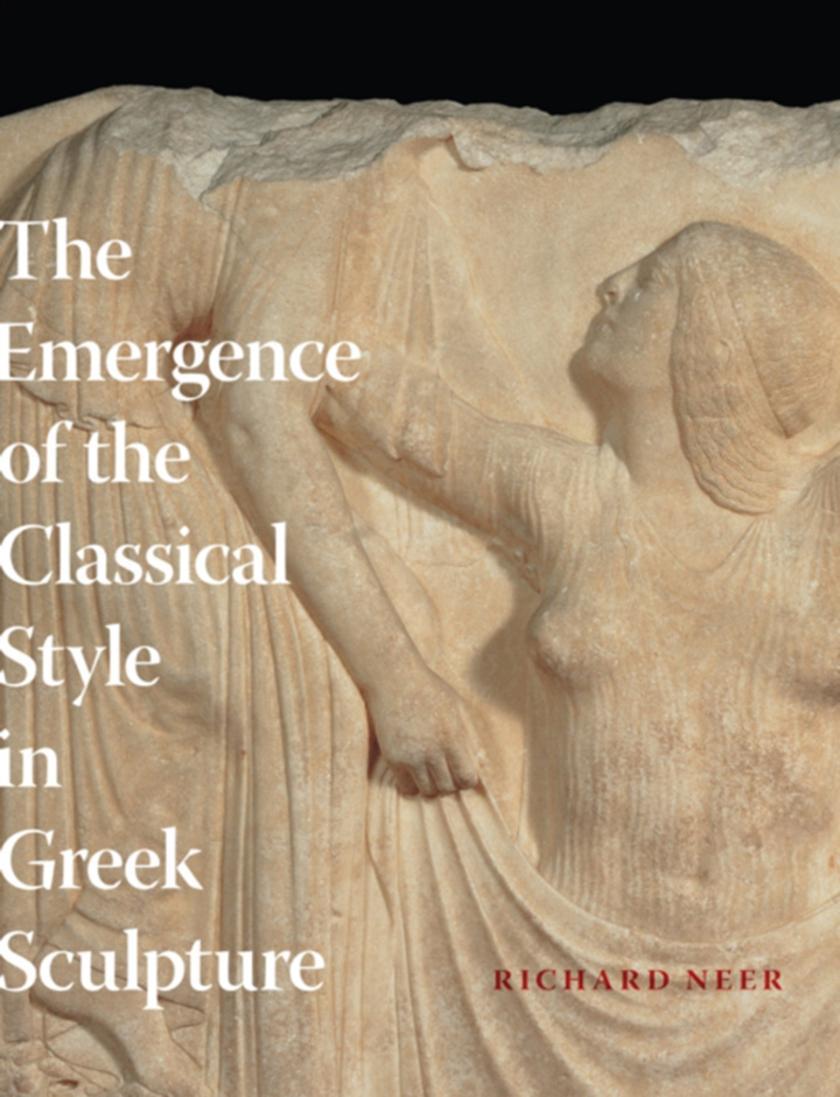
The emergence of the Classical Style in Greek Sculpture
¥353.16
This book was written in Chicago and Rome during the years 2002-2005.Difficulties in obtaining photographs (some insurmountable) delayed publication; the bibliography is reasonably up to date through early 2006 but later additions have been unsystematic.
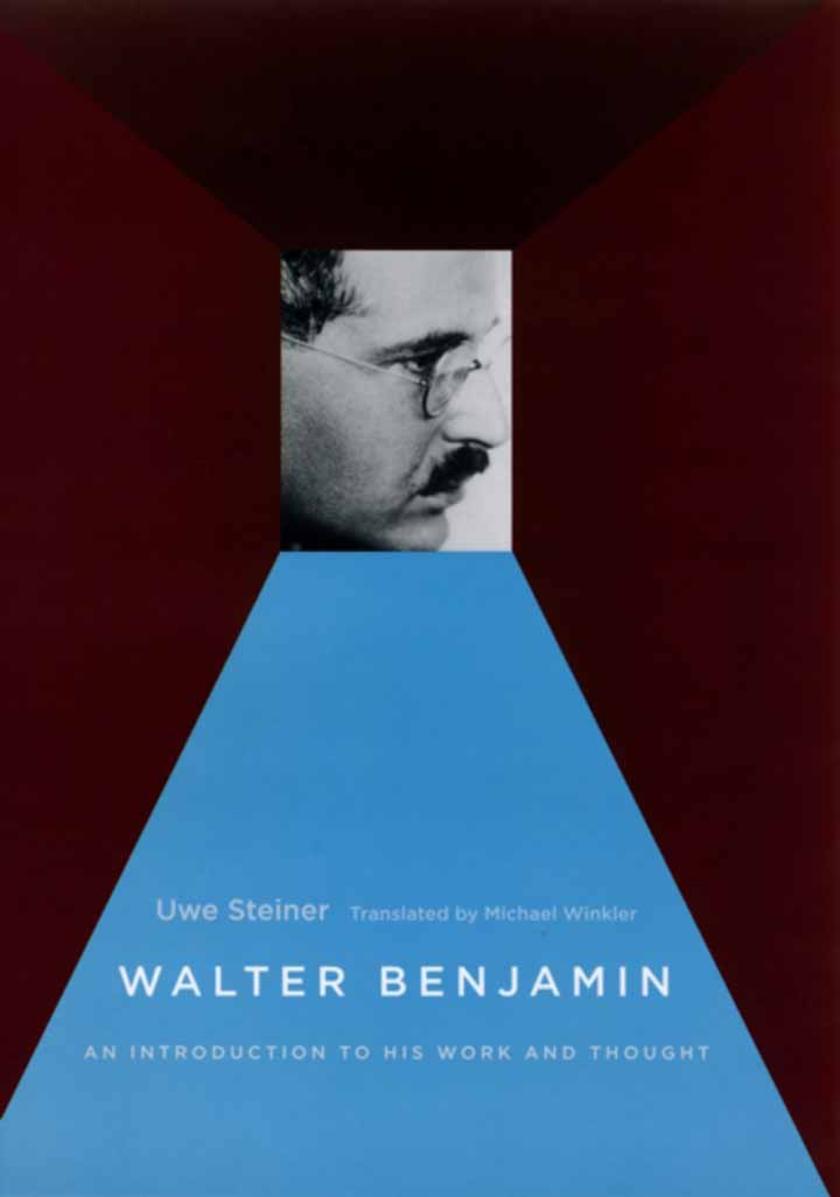
Walter Benjamin
¥188.35
Seven decades after his death, German Jewish writer, philosopher, and literary critic Walter Benjamin (1892-1940) continues to fascinate and influence. Here Uwe Steiner offers a comprehensive and sophisticated introduction to the oeuvre of this intriguing theorist.Acknowledged only by a small circle of intellectuals during his lifetime, Benjamin is now a major figure whose work is essential to an understanding of modernity. Steiner traces the development of Benjamin's thought chronologically through his writings on philosophy, literature, history, politics, the media, art, photography, cinema, technology, and theology. Walter Benjamin reveals the essential coherence of its subject's thinking while also analyzing the controversial or puzzling facets of Benjamin's work. That coherence, Steiner contends, can best be appreciated by placing Benjamin in his proper context as a member of the German philosophical tradition and a participant in contemporary intellectual debates.As Benjamin's writing attracts more and more readers in the English-speaking world, Walter Benjamin will be a valuable guide to this fascinating body of work.
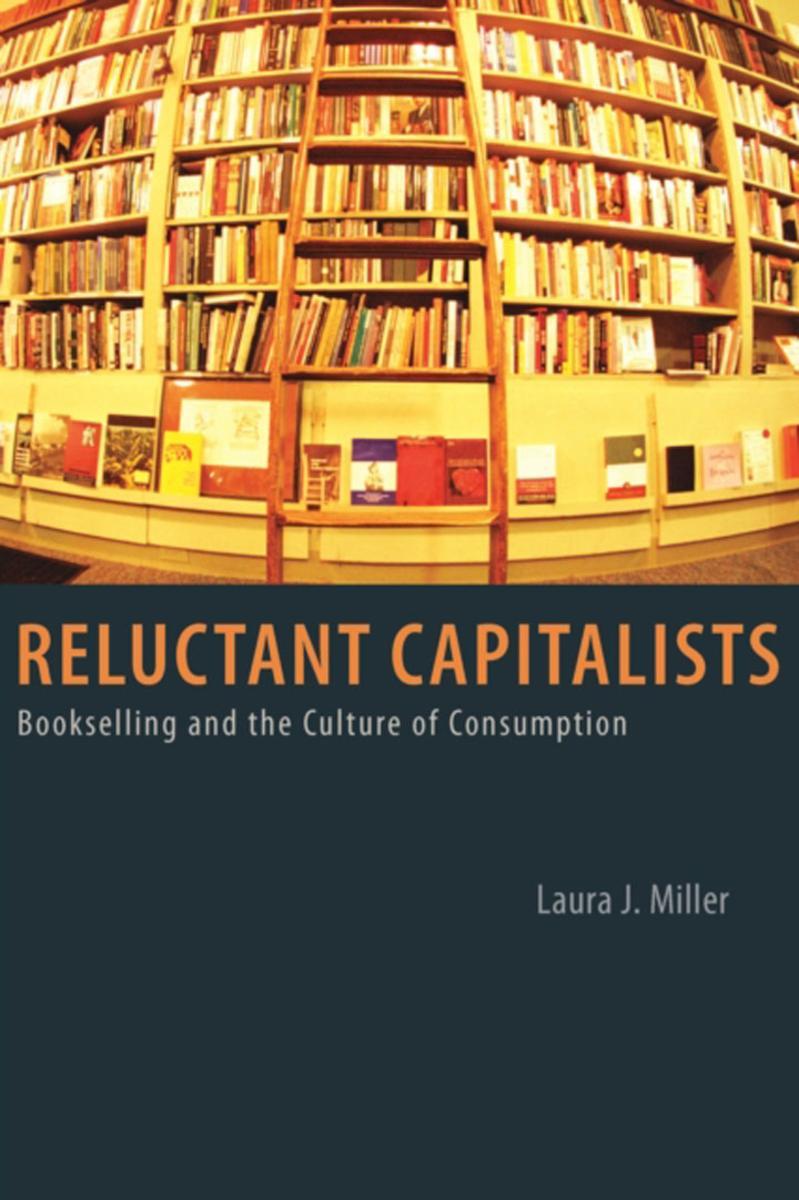
Reluctant Capitalists: Bookselling and the Culture of Consumption
¥229.55
Over the past half-century, bookselling, like many retail industries, has evolved from an arena dominated by independent bookstores to one in which chain stores have significant market share. And as in other areas of retail, this transformation has often been a less-than-smooth process. This has been especially pronounced in bookselling, argues Laura J. Miller, because more than most other consumer goods, books are the focus of passionate debate. What drives that debateAnd why do so many people believe that bookselling should be immune to questions of profit?In Reluctant Capitalists, Miller looks at a century of book retailing, demonstrating that the independent/chain dynamic is not entirely new. It began one hundred years ago when department stores began selling books, continued through the 1960s with the emergence of national chain stores, and exploded with the formation of "e;superstores"e; in the 1990s. The advent of the Internet has further spurred tremendous changes in how booksellers approach their business. All of these changes have met resistance from book professionals and readers who believe that the book business should somehow be "e;above"e; market forces and instead embrace more noble priorities.Miller uses interviews with bookstore customers and members of the book industry to explain why books evoke such distinct and heated reactions. She reveals why customers have such fierce loyalty to certain bookstores and why they identify so strongly with different types of books. In the process, she also teases out the meanings of retailing and consumption in American culture at large, underscoring her point that any type of consumer behavior is inevitably political, with consequences for communities as well as commercial institutions.
Microsoft System Center 2016 Service Manager Cookbook - Second Edition
¥107.90
Discover over 100 practical recipes to help you master the art of IT service management for your organization About This Book Unleash the capabilities of Microsoft System Center 2016 Service Manager Master the skills of configuring, deploying, managing, and troubleshooting your Service Manager 2016 This book contains practical recipes that leverage the key and newly added features and functionalities of Microsoft System Center 2016 Service Manager Who This Book Is For This book will be useful to IT professionals including SCSM administrators who want to configure and administer System Center Service Manager 2016 and understand how to solve specific problems and scenarios that arise. It will also be useful to users of Service Manager 2012 who want to learn about the new features and capabilities of the Service Manager 2016 release. It will be ideal if you have Service Manager experience as well as experience with other System Center products. What You Will Learn See a practical implementation of the ITSM framework and processes based on ITIL Deploy and configure the new Service Manager HTML5 Self-Service Portal along with Service Catalog design and configuration Get to know about Incident, Problem, and Change Management processes and configuration Get to grips with performing advanced personalization in Service Manager Discover how to set up and use automation with and within Service Manager 2016 Work with Service Manager Data Warehouse Find out what Security Roles are and how to implement them Learn how to upgrade from SCSM 2012 R2 to SCSM 2016 In Detail System Center Service Manager (SCSM) is an integrated platform that offers a simplified data center management experience by implementing best practices such as Incident Management, Service Request, and Change Control to achieve efficient service delivery across your organization. This book provides you with real-world recipes that can be used immediately and will show you how to configure and administer SCSM 2016. You’ll also find out how to solve particular problems and scenarios to take this tool further. You’ll start with recipes on implementing ITSM frameworks and processes and configuring Service Level Agreements (SLAs). Then, you'll work through deploying and configuring the HTML5 Self-Service Portal, configuring Incident and Problem Management, and designing and configuring Change and Release Management. You'll also learn about security roles and overall Microsoft SCSM 2016 administration. Toward the end of the book, we’ll look at advanced topics, such as presenting the wealth of information stored within the Service Manager Data Warehouse, standardizing SCSM deployments, and implementing automation. Style and approach This book will enlighten you on Microsoft System Center 2016 Service Manager through recipes that can be implemented directly in any enterprise. You can read the book from start to end if you’re a beginner, or just open up any chapter and start following the recipes as a reference for advanced users. This book consists of a pool of step-by-step recipes on how to perform activities in Service Manager.
Alfresco One 5.x Developer’s Guide - Second Edition
¥80.65
Discover what it means to be an expert developer by exploring the latest features available to you in Alfresco One 5.x About This Book Create reliable and secure enterprise apps with the latest Alfresco One 5.x platform Explore all the latest Alfresco One 5.x APIs such as the CMIS API, Alfresco One API, and the integrated RESTful API to get more out of your enterprise apps Unleash the power of the latest JavaScript engine and the JavaScript API for Alfresco to customize your existing apps for the Alfresco 5 platform Who This Book Is For If you’re an enterprise app developer who wants to create custom applications with Alfresco, then this book is for you. Previous knowledge with Alfresco would be helpful but is not necessary. What You Will Learn Create and manage a custom content model Configure the Alfresco Share user interface Build a new AngularJS 2.0 application Create business process definitions using Activiti Designer Discover the most common extensions provided by Alfresco Configure Alfresco to authenticate against LDAP, including & chaining" LDAP with Alfresco authentication Get familiar with the latest features of Alfresco Mobile SDK, Smart Search, and the new Angular framework In Detail Do you want to create more reliable and secure solutions for enterprise appsAlfresco One 5.x is your gateway to developing the best industry-standard enterprise apps and this book will help you to become a pro with Alfresco One 5.x development. This book will help you create a complete fully featured app for your organization and while you create that perfect app, you will explore and implement the new and intriguing features of Alfresco. The book starts with an introduction to the Alfresco platform and you’ll see how to configure and customize it. You will learn how to work with the content in a content management system and how you can extend it to your own use case. Next, you will find out how to work with Alfresco Share, an all-purpose user interface for general document management, and customize it. Moving on, you write web *s that create, read, and delete data in the back-end repository. Further on from that, you’ll work with a set of tools that Alfresco provides; to generate a basic AnglularJS application supporting use cases, to name a few authentication, document list, document view. Finally, you’ll learn how to develop your own Alfresco Mobile app and understand how Smart Folders and Search manager work. By the end of the book, you’ll know how to configure Alfresco to authenticate against LDAP, be able to set up Single Sign-On (SSO), and work with Alfresco’s security services. Style and approach This book takes a step-by-step practical tutorial-style approach helping you create a complete enterprise app using Alfresco.
Learning PySpark
¥80.65
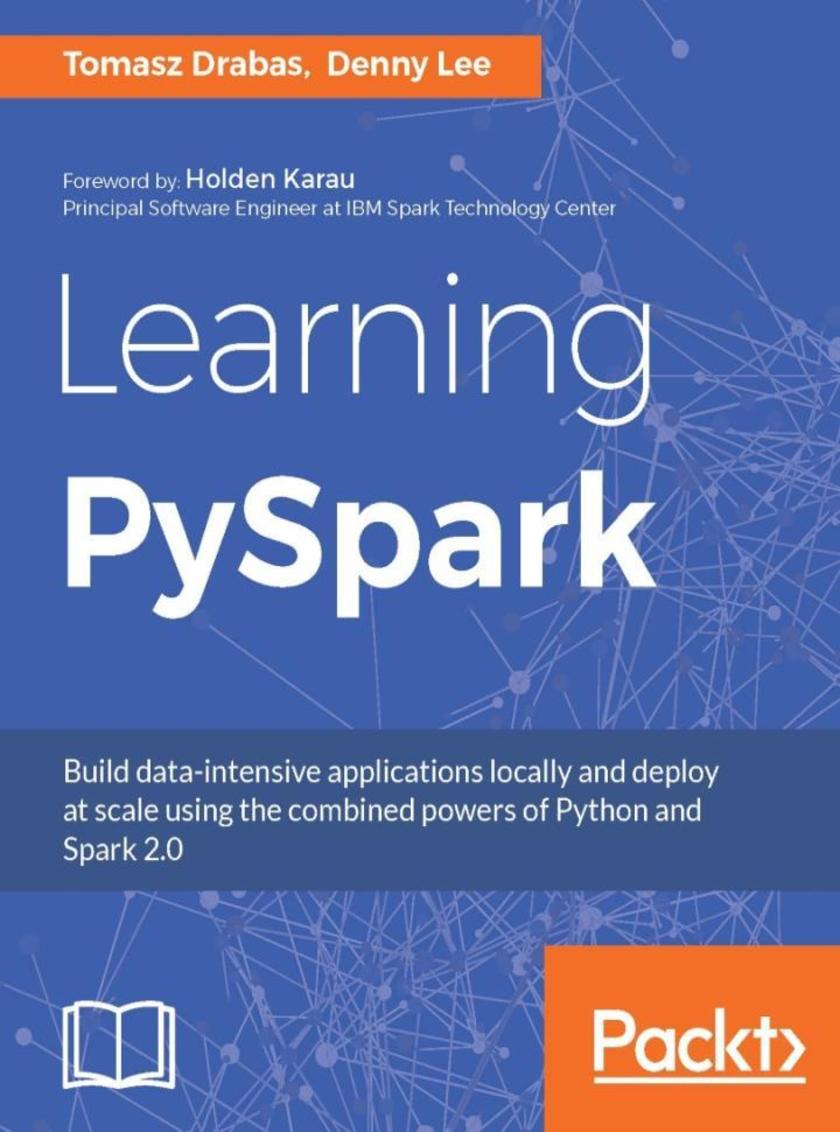
Build data-intensive applications locally and deploy at scale using the combined powers of Python and Spark 2.0 About This Book Learn why and how you can efficiently use Python to process data and build machine learning models in Apache Spark 2.0 Develop and deploy efficient, scalable real-time Spark solutions Take your understanding of using Spark with Python to the next level with this jump start guide Who This Book Is For If you are a Python developer who wants to learn about the Apache Spark 2.0 ecosystem, this book is for you. A firm understanding of Python is expected to get the best out of the book. Familiarity with Spark would be useful, but is not mandatory. What You Will Learn Learn about Apache Spark and the Spark 2.0 architecture Build and interact with Spark DataFrames using Spark SQL Learn how to solve graph and deep learning problems using GraphFrames and TensorFrames respectively Read, transform, and understand data and use it to train machine learning models Build machine learning models with MLlib and ML Learn how to submit your applications programmatically using spark-submit Deploy locally built applications to a cluster In Detail Apache Spark is an open source framework for efficient cluster computing with a strong interface for data parallelism and fault tolerance. This book will show you how to leverage the power of Python and put it to use in the Spark ecosystem. You will start by getting a firm understanding of the Spark 2.0 architecture and how to set up a Python environment for Spark. You will get familiar with the modules available in PySpark. You will learn how to abstract data with RDDs and DataFrames and understand the streaming capabilities of PySpark. Also, you will get a thorough overview of machine learning capabilities of PySpark using ML and MLlib, graph processing using GraphFrames, and polyglot persistence using Blaze. Finally, you will learn how to deploy your applications to the cloud using the spark-submit command. By the end of this book, you will have established a firm understanding of the Spark Python API and how it can be used to build data-intensive applications. Style and approach This book takes a very comprehensive, step-by-step approach so you understand how the Spark ecosystem can be used with Python to develop efficient, scalable solutions. Every chapter is standalone and written in a very easy-to-understand manner, with a focus on both the hows and the whys of each concept.
Data Visualization with D3 4.x Cookbook - Second Edition
¥80.65
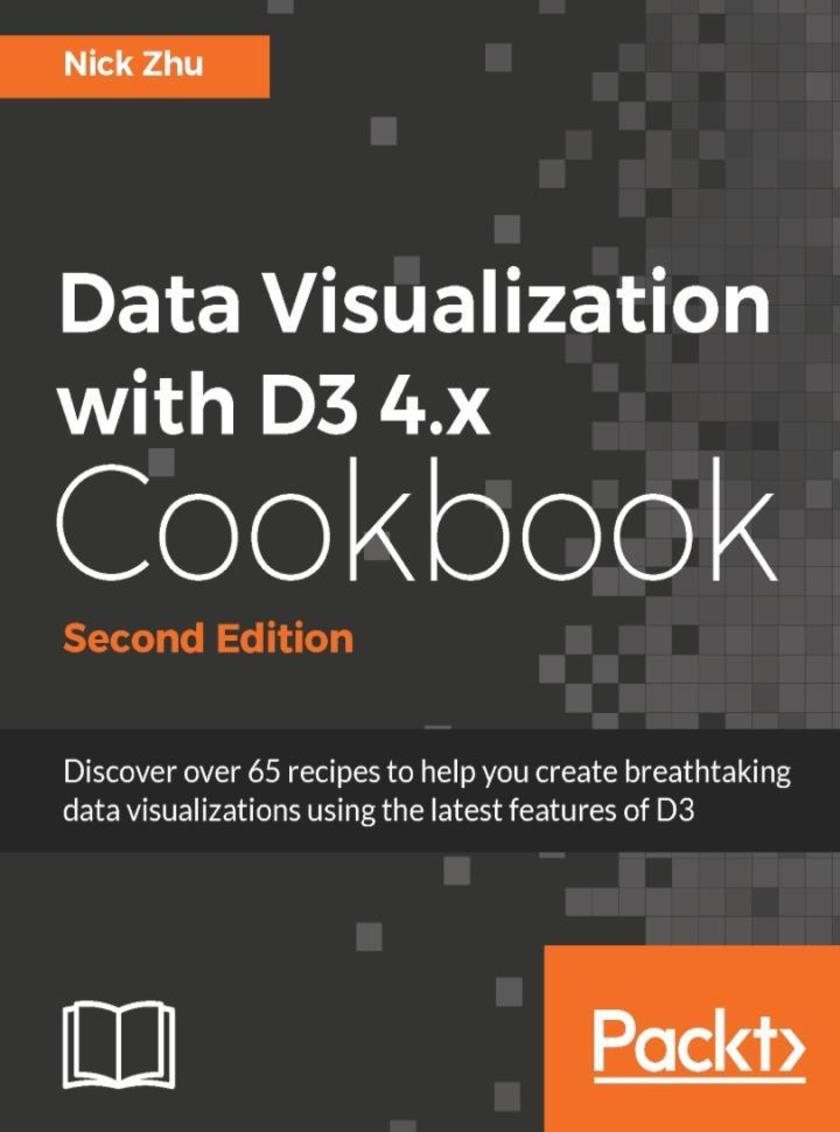
Discover over 65 recipes to help you create breathtaking data visualizations using the latest features of D3 About This Book Learn about D3 4.0 from the inside out and master its new features Utilize D3 packages to generate graphs, manipulate data, and create beautiful presentations Solve real-world visualization problems with the help of practical recipes Who This Book Is For If you are a developer familiar with HTML, CSS, and JavaScript, and you wish to get the most out of D3, then this book is for you. This book can serve as a desktop quick-reference guide for experienced data visualization developers. You’ll also find this book useful if you’re a D3 user who wants to take advantage of the new features introduced in D3 4.0. You should have previous experience with D3. What You Will Learn Get a solid understanding of the D3 fundamentals and idioms Use D3 to load, manipulate, and map data to any kind of visual representation on the web Create data-driven dynamic visualizations that update as the data does Leverage the various modules provided by D3 to create sophisticated, dynamic, and interactive charts and graphics Create data-driven transitions and animations within your visualizations Understand and leverage more advanced concepts such as force, touch, and Geo data visualizations In Detail This book gives you all the guidance you need to start creating modern data visualizations with D3 4.x that take advantage of the latest capabilities of JavaScript. The book starts with the basic D3 structure and building blocks and quickly moves on to writing idiomatic D3-style JavaScript code. You will learn how to work with selection to target certain visual elements on the page, then you will see techniques to represent data both in programming constructs and its visual metaphor. You will learn how map values in your data domain to the visual domain using scales, and use the various shape functions supported by D3 to create SVG shapes in visualizations. Moving on, you’ll see how to use and customize various D3 axes and master transition to add bells and whistles to otherwise dry visualizations. You’ll also learn to work with charts, hierarchy, graphs, and build interactive visualizations. Next you’ll work with Force, which is one of the most awe-inspiring techniques you can add to your visualizations, and you’ll implement a fully functional Choropleth map (a special purpose colored map) in D3. Finally, you’ll learn to unit test data visualization code and test-driven development in a visualization project so you know how to produce high-quality D3 code. Style and approach This step-by-step guide to mastering data visualizations with D3 will help you create amazing data visualizations with professional efficiency and precision. It is a solution-based guide in which you learn through practical recipes, illustrations, and code samples.
Big Data Visualization
¥80.65
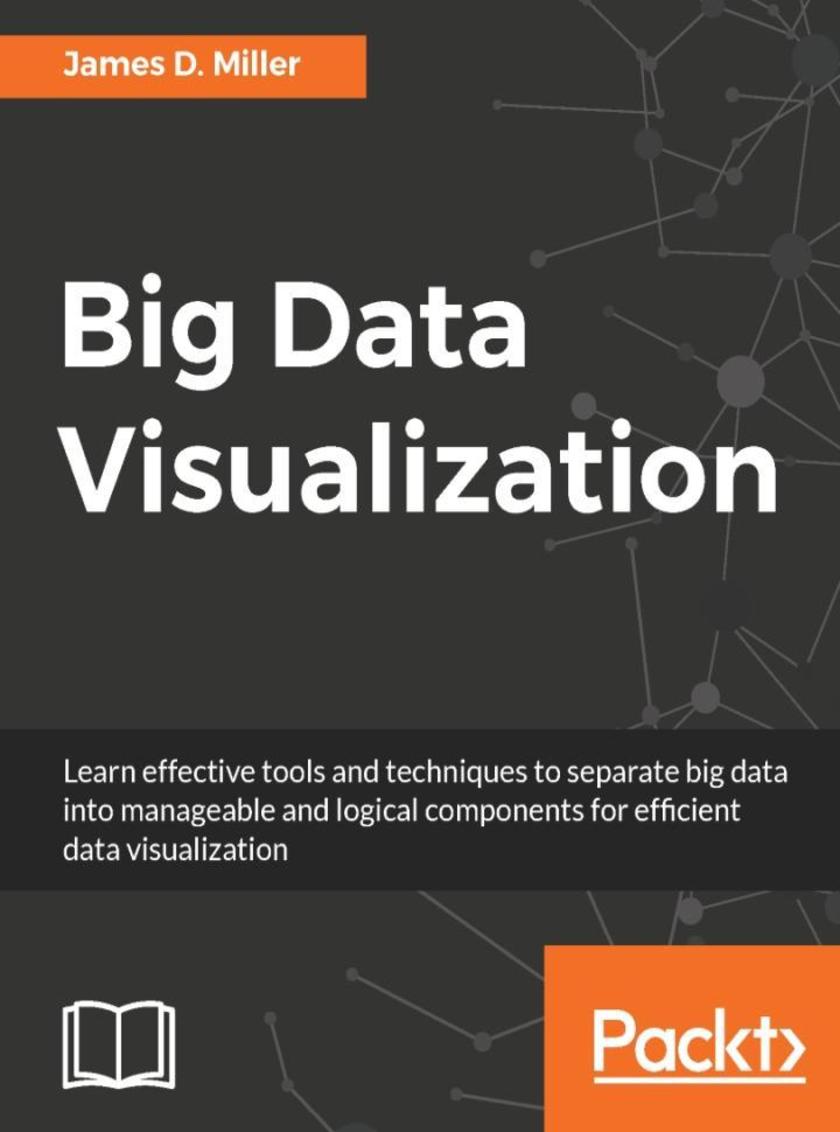
Learn effective tools and techniques to separate big data into manageable and logical components for efficient data visualization About This Book This unique guide teaches you how to visualize your cluttered, huge amounts of big data with ease It is rich with ample options and solid use cases for big data visualization, and is a must-have book for your shelf Improve your decision-making by visualizing your big data the right way Who This Book Is For This book is for data analysts or those with a basic knowledge of big data analysis who want to learn big data visualization in order to make their analysis more useful. You need sufficient knowledge of big data platform tools such as Hadoop and also some experience with programming languages such as R. This book will be great for those who are familiar with conventional data visualizations and now want to widen their horizon by exploring big data visualizations. What You Will Learn Understand how basic analytics is affected by big data Deep dive into effective and efficient ways of visualizing big data Get to know various approaches (using various technologies) to address the challenges of visualizing big data Comprehend the concepts and models used to visualize big data Know how to visualize big data in real time and for different use cases Understand how to integrate popular dashboard visualization tools such as Splunk and Tableau Get to know the value and process of integrating visual big data with BI tools such as Tableau Make sense of the visualization options for big data, based upon the best suited visualization techniques for big data In Detail When it comes to big data, regular data visualization tools with basic features become insufficient. This book covers the concepts and models used to visualize big data, with a focus on efficient visualizations. This book works around big data visualizations and the challenges around visualizing big data and address characteristic challenges of visualizing like speed in accessing, understanding/adding context to, improving the quality of the data, displaying results, outliers, and so on. We focus on the most popular libraries to execute the tasks of big data visualization and explore "big data oriented" tools such as Hadoop and Tableau. We will show you how data changes with different variables and for different use cases with step-through topics such as: importing data to something like Hadoop, basic analytics. The choice of visualizations depends on the most suited techniques for big data, and we will show you the various options for big data visualizations based upon industry-proven techniques. You will then learn how to integrate popular visualization tools with graphing databases to see how huge amounts of certain data. Finally, you will find out how to display the integration of visual big data with BI using Cognos BI. Style and approach With the help of insightful real-world use cases, we’ll tackle data in the world of big data. The scalability and hugeness of the data makes big data visualizations different from normal data visualizations, and this book addresses all the difficulties encountered by professionals while visualizing their big data.
ServiceNow Cookbook
¥80.65
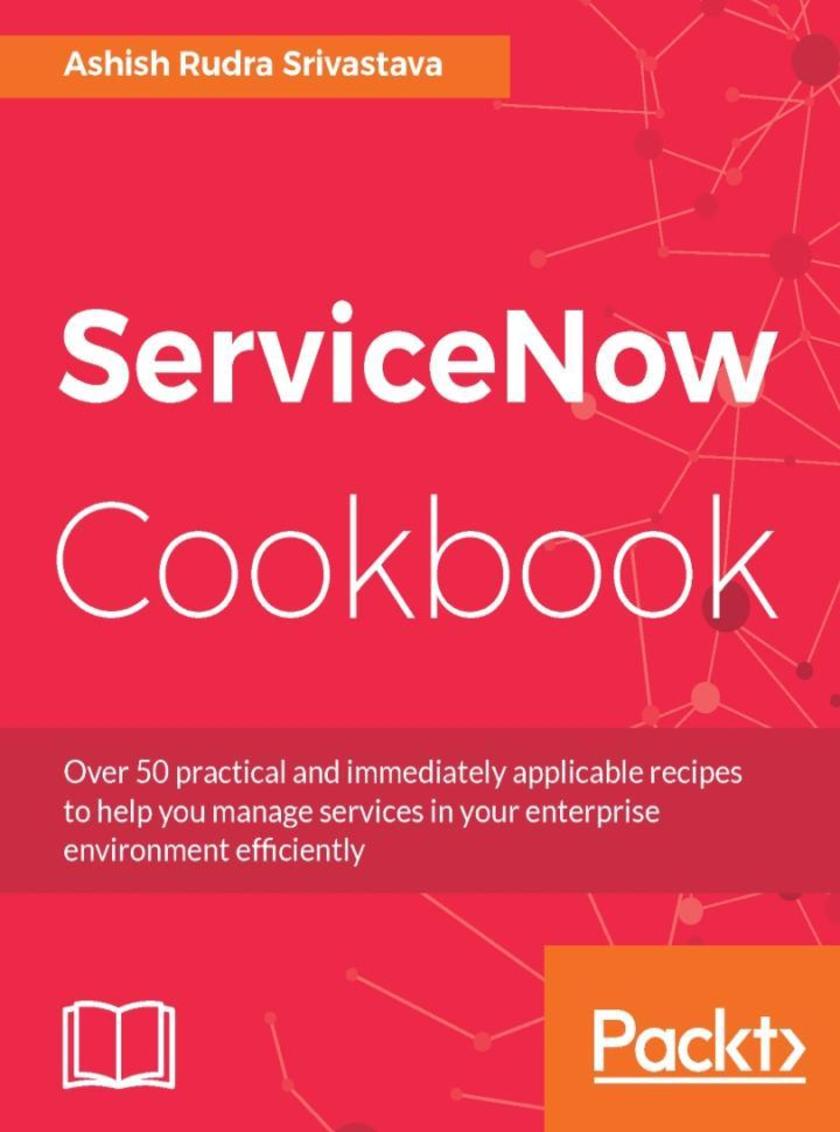
Over 50 practical and immediately applicable recipes to help you manage services in your enterprise environment efficiently About This Book Solve problems and challenges encountered while implementing or using ServiceNow in your organization Helps you build core administration, management, and maintenance skills to automate and orchestrate your IT environment Comes with recipes to improve the way you design and create automated workflows Who This Book Is For This book targets IT professionals and administrators who have some experience of working with ServiceNow already and are looking to solve regular or unique problems that surface when using ServiceNow. It’s advisable to have a basic level of administration experience with ServiceNow. Familiarity with JavaScript is assumed. What You Will Learn Grasp the basics, such as entering and navigation, required to implement ServiceNow Perform core configuration and management tasks Use the ServiceNow plugins to manage development Build and publish custom applications for service management Design data-driven apps to connect with outside worlds by getting into Client and server *ing Configure alerts and notifications and understand e-mail troubleshooting and watermarking Build and configure reports to set up your dashboard as per the requirement Create and configure workflow activities In Detail ServiceNow is the ideal platform for you to create enterprise-level applications, giving borh requesters and fulfillers better visibility and access to a process. With this title we’ll guide you through the world of ServiceNow, letting you take on the best the platform offers you with the least amount of hassle. Starting with the core configuration and management tasks, this book will help you build data-driven apps and it will also explore development best practices. You will learn to set up email notifications for users and work with the database view for reporting. Next, the book will guide you through creating various tasks from the workflow and show you how to make the most of the workflow utilities available in ServiceNow. Finally, the book will drive you through the auditing and diagnosing aspects of ServiceNow. By the end of this book, you will acquire immediately applicable skills to rectify everyday problems encountered on the ServiceNow platform. Style and approach This book follows a recipe-based problem-solution approach to address and dispel challenges faced when implementing and using ServiceNow on a regular basis. It will act as a quick solution when trying to solve specific problems without having to read an exhaustive tutorial.
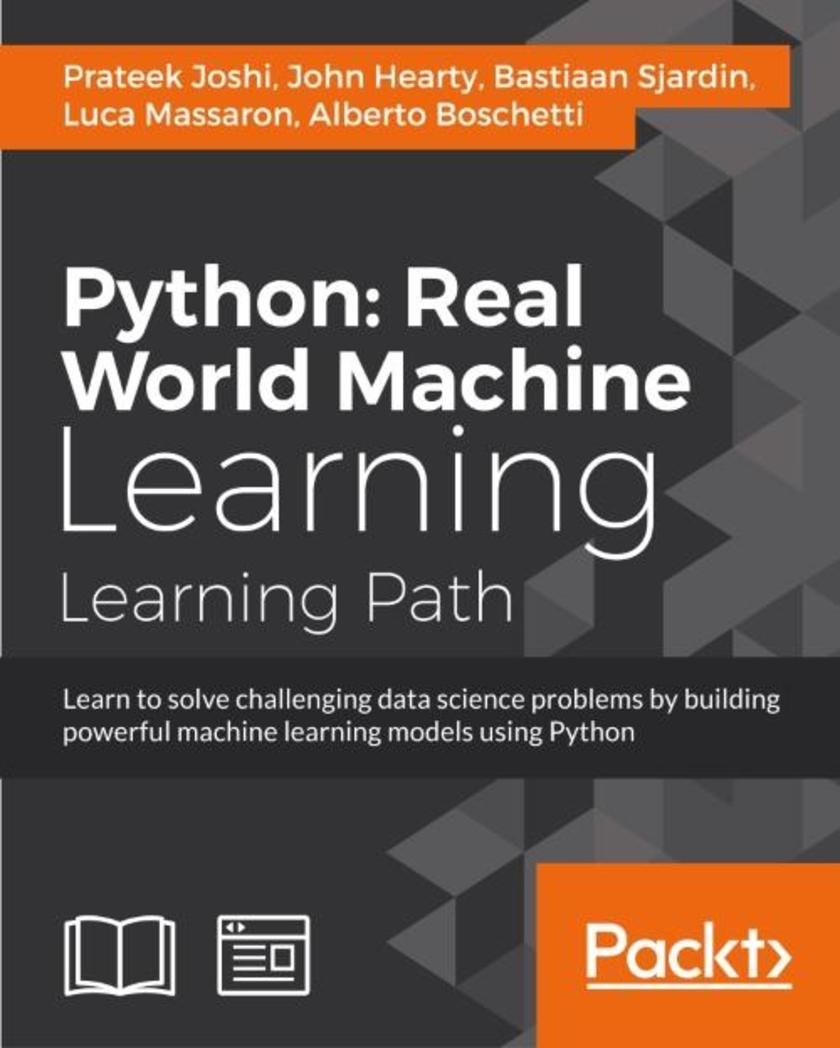
Python: Real World Machine Learning
¥161.31
Learn to solve challenging data science problems by building powerful machine learning models using Python About This Book Understand which algorithms to use in a given context with the help of this exciting recipe-based guide This practical tutorial tackles real-world computing problems through a rigorous and effective approach Build state-of-the-art models and develop personalized recommendations to perform machine learning at scale Who This Book Is For This Learning Path is for Python programmers who are looking to use machine learning algorithms to create real-world applications. It is ideal for Python professionals who want to work with large and complex datasets and Python developers and analysts or data scientists who are looking to add to their existing skills by accessing some of the most powerful recent trends in data science. Experience with Python, Jupyter Notebooks, and command-line execution together with a good level of mathematical knowledge to understand the concepts is expected. Machine learning basic knowledge is also expected. What You Will Learn Use predictive modeling and apply it to real-world problems Understand how to perform market segmentation using unsupervised learning Apply your new-found skills to solve real problems, through clearly-explained code for every technique and test Compete with top data scientists by gaining a practical and theoretical understanding of cutting-edge deep learning algorithms Increase predictive accuracy with deep learning and scalable data-handling techniques Work with modern state-of-the-art large-scale machine learning techniques Learn to use Python code to implement a range of machine learning algorithms and techniques In Detail Machine learning is increasingly spreading in the modern data-driven world. It is used extensively across many fields such as search engines, robotics, self-driving cars, and more. Machine learning is transforming the way we understand and interact with the world around us. In the first module, Python Machine Learning Cookbook, you will learn how to perform various machine learning tasks using a wide variety of machine learning algorithms to solve real-world problems and use Python to implement these algorithms. The second module, Advanced Machine Learning with Python, is designed to take you on a guided tour of the most relevant and powerful machine learning techniques and you’ll acquire a broad set of powerful skills in the area of feature selection and feature engineering. The third module in this learning path, Large Scale Machine Learning with Python, dives into scalable machine learning and the three forms of scalability. It covers the most effective machine learning techniques on a map reduce framework in Hadoop and Spark in Python. This Learning Path will teach you Python machine learning for the real world. The machine learning techniques covered in this Learning Path are at the forefront of commercial practice. This Learning Path combines some of the best that Packt has to offer in one complete, curated package. It includes content from the following Packt products: Python Machine Learning Cookbook by Prateek Joshi Advanced Machine Learning with Python by John Hearty Large Scale Machine Learning with Python by Bastiaan Sjardin, Alberto Boschetti, Luca Massaron Style and approach This course is a smooth learning path that will teach you how to get started with Python machine learning for the real world, and develop solutions to real-world problems. Through this comprehensive course, you’ll learn to create the most effective machine learning techniques from scratch and more!
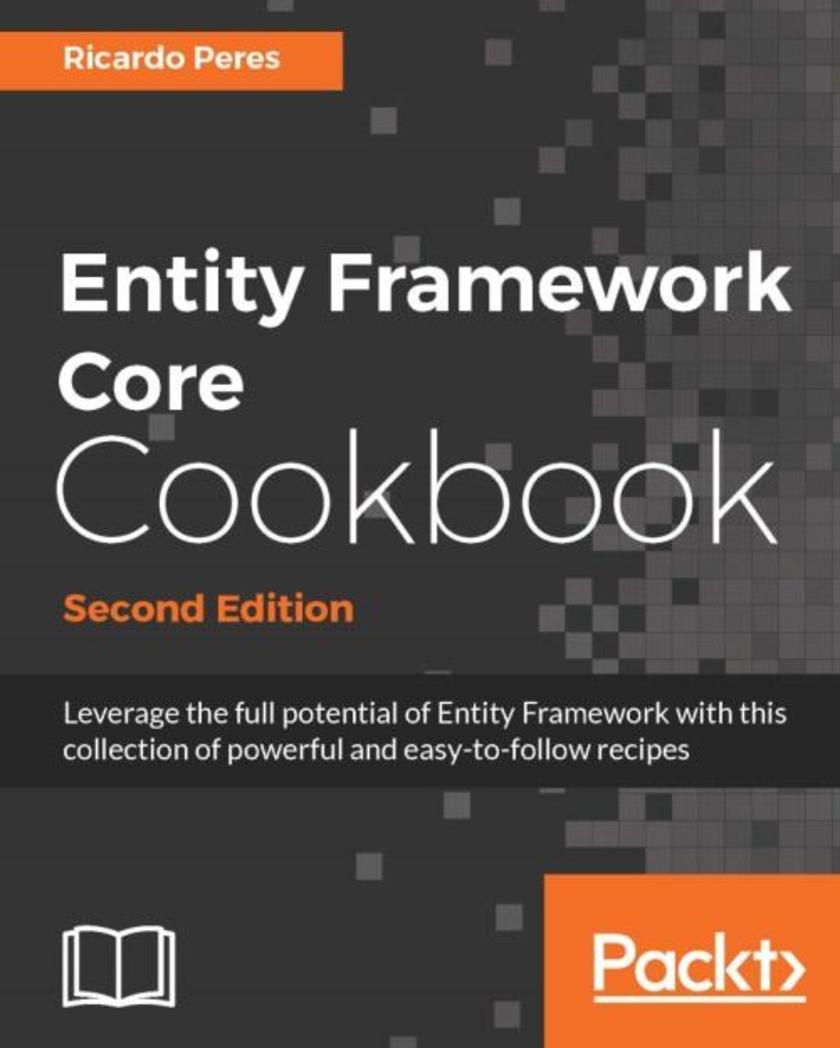
Entity Framework Core Cookbook - Second Edition
¥90.46
Leverage the full potential of Entity Framework with this collection of powerful and easy-to-follow recipes About This Book Learn how to use the new features of Entity Framework Core 1 Improve your queries by leveraging some of the advanced features Avoid common pitfalls Make the best of your .NET APIs by integrating with Entity Framework Who This Book Is For This book is for .NET developers who work with relational databases on a daily basis and understand the basics of Entity Framework, but now want to use it in a more efficient manner. You are expected to have some prior knowledge of Entity Framework. What You Will Learn Master the technique of using sequence key generators Validate groups of entities that are to be saved / updated Improve MVC applications that cover applications developed using ASP.NET MVC Core 1 Retrieve database information (table, column names, and so on) for entities Discover optimistic concurrency control and pessimistic concurrency control. Implement Multilatency on the data side of things. Enhance the performance and/or scalability of Entity Framework Core Explore and overcome the pitfalls of Entity Framework Core In Detail Entity Framework is a highly recommended Object Relation Mapping tool used to build complex systems. In order to survive in this growing market, the knowledge of a framework that helps provide easy access to databases, that is, Entity Framework has become a necessity. This book will provide .NET developers with this knowledge and guide them through working efficiently with data using Entity Framework Core. You will start off by learning how to efficiently use Entity Framework in practical situations. You will gain a deep understanding of mapping properties and find out how to handle validation in Entity Framework. The book will then explain how to work with transactions and stored procedures along with improving Entity Framework using query libraries. Moving on, you will learn to improve complex query scenarios and implement transaction and concurrency control. You will then be taught to improve and develop Entity Framework in complex business scenarios. With the concluding chapter on performance and scalability, this book will get you ready to use Entity Framework proficiently. Style and approach Filled with rich code-based examples, this book takes a recipe-based approach that will teach .NET developers to improve their understanding of Entity Framework and help them effortlessly apply this knowledge in everyday situations.
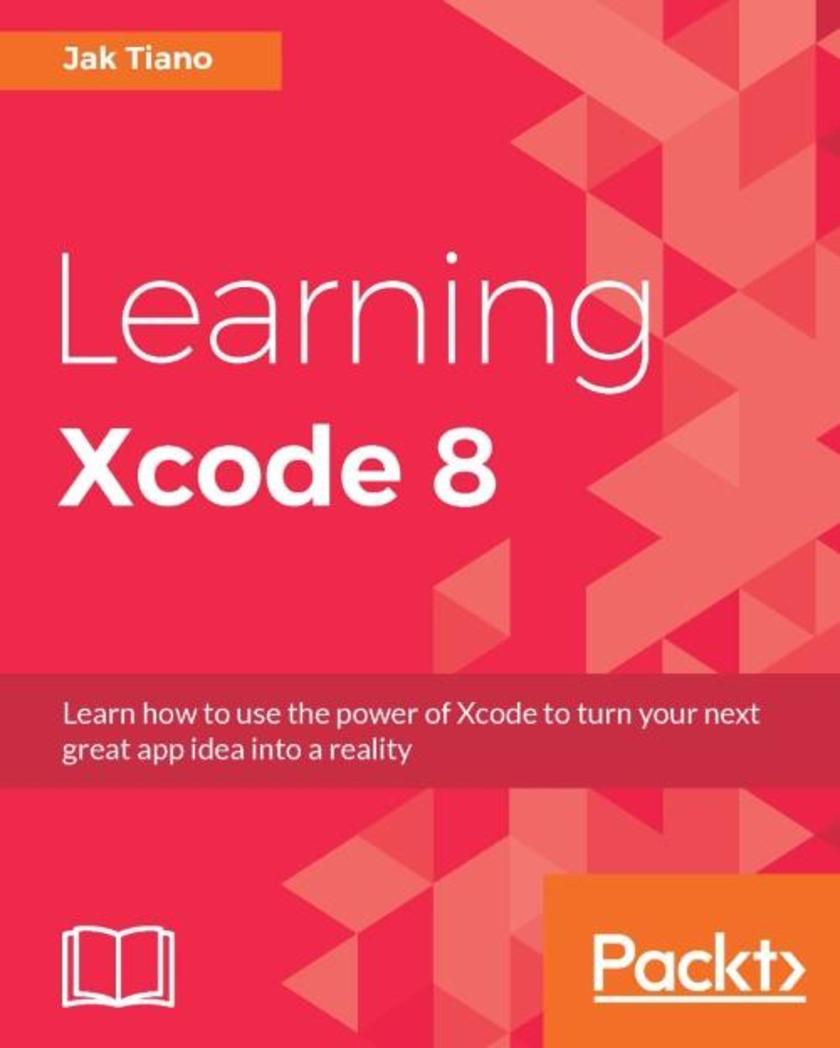
Learning Xcode 8
¥90.46
Learn how to use the power of Xcode to turn your next great app idea into a reality About This Book Learn the theory and tools behind app development using Swift 3 and Xcode 8 Build a fully featured iOS app, including a companion app for the Apple Watch Optimize, debug, and ultimately release your app on Test Flight and the App Store Who This Book Is For This book is intended for programmers looking to get a jump-start into the world of iOS development. Whether you’re a young student who has only spent a few months with Java, or a seasoned developer who has spent their career developing for a different platform, all that is expected is a basic understanding of a programming language such as C++, C#, or Java. What You Will Learn Understand the most important features of the Xcode IDE Write Swift 3 code for application data models and view controllers Prepare visual layouts for an iOS application using storyboards, size classes, and auto-layout Integrate many common technologies into an app, such as multi-touch gestures, CoreData, and notifications Build companion applications for the Apple Watch with watchOS 3 Debug applications using Xcode’s suite of debugging tools, and prevent bugs with unit testing Optimize an application using Xcode 8’s profiling tools and asset catalogs Distribute a beta application through TestFlight, and a finished application through the App Store In Detail Over the last few years, we’ve seen a breakthrough in mobile computing and the birth of world-changing mobile apps. With a reputation as one of the most user-centric and developer-friendly platforms, iOS is the best place to launch your next great app idea. As the official tool to create iOS applications, Xcode is chock full of features aimed at making a developer’s job easier, faster, and more fun. This book will take you from complete novice to a published app developer, and covers every step in between. You’ll learn the basics of iOS application development by taking a guided tour through the Xcode software and Swift programming language, before putting that knowledge to use by building your first app called “Snippets.” Over the course of the book, you will continue to explore the many facets of iOS development in Xcode by adding new features to your app, integrating gestures and sensors, and even creating an Apple Watch companion app. You’ll also learn how to use the debugging tools, write unit tests, and optimize and distribute your app. By the time you make it to the end of this book, you will have successfully built and published your first iOS application. Style and approach This easy-to-follow guide presents topics in a hands-on lecture format where concepts are introduced and explained, then used in an example as reinforcement. The first third of the book covers the separate building blocks of development, while the second two thirds cover the development of an app from start to finish.
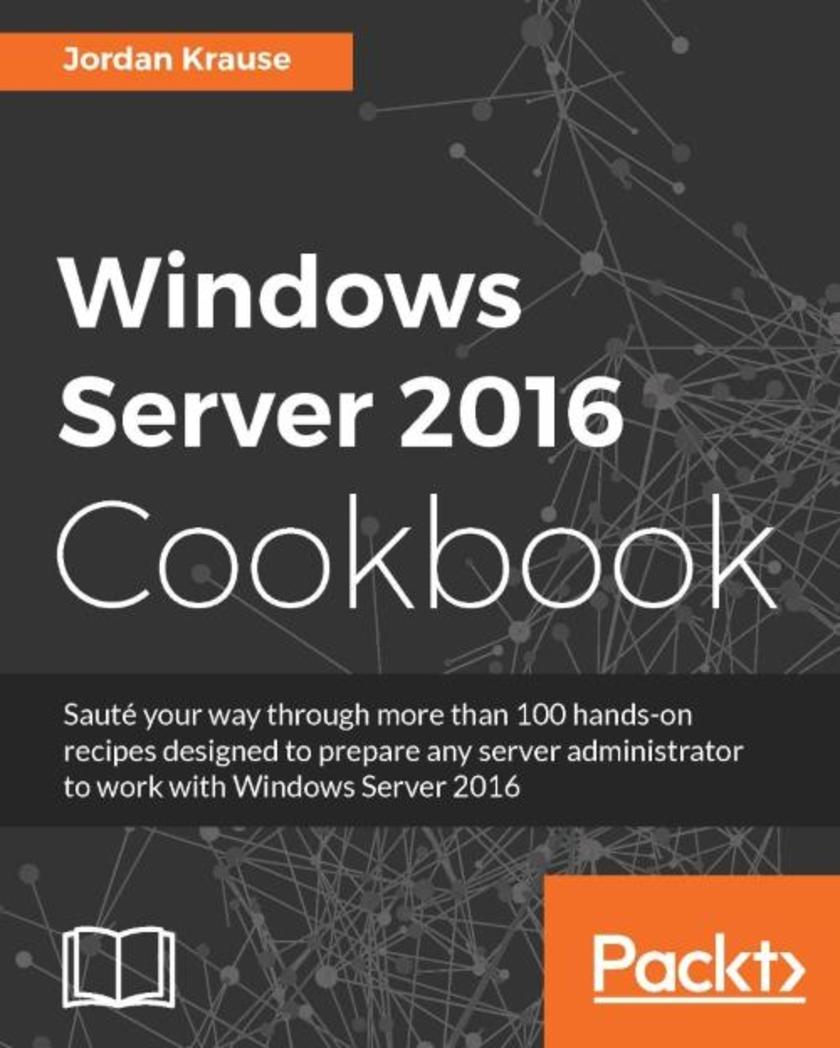
Windows Server 2016 Cookbook
¥107.90
Sauté your way through more than 100 hands-on recipes designed to prepare any server administrator to work with Windows Server 2016 About This Book Get the first book on the market to unleash the power of Windows Server 2016, which improves the lives of thousands of enterprise users Be the first to leverage the advent of Containers and Nano Server on Windows Server 2016, which utilizes the resources efficiently and increases productivity. This practical, recipe-based approach helps you to delivering global-scale cloud services into your infrastructure using Windows Server 2016 Who This Book Is For This book is for system administrators and IT professionals with experience in Windows Server 2012 R2 environments who are looking to acquire the skills and knowledge necessary to manage and maintain the core infrastructure required for a Windows Server 2016 environment. What You Will Learn Build the infrastructure required for a successful Windows network Navigate the new Server 2016 interface efficiently Implement solid networking and security practices into your Windows Server environment Design your own PKI and start issuing certificates today Explore the brand-new Nano Server functionality Enable nested virtualization on Hyper-V and Server Connect your remote laptops back to the corporate network using Microsoft's own remote access technologies, including DirectAccess Provide a centralized point for users to access applications and data by configuring Remote Desktop Services Compose optimal Group Policies Facilitate task automation with PowerShell 5.0 *ing In Detail This hands-on Cookbook is stuffed full of practical recipes that will help you handle the essential administrative tasks in Windows Server 2016. You’ll start by familiarizing yourself with the look and feel of Windows Server 2016, and will then learn how to navigate through some daily tasks using the graphical interface. You will see how to compose optimal Group Policies and facilitate task automation with PowerShell 5.0 *ing. We will also take a look at the functions available to provide remote network access to your traveling users, and explore the much anticipated Nano Server and Hyper-V built-in integration support that is brand new in Windows Server 2016. By the end of this book, you will know how to take your Windows Server 2016-powered server and turn it into any common infrastructure role that might be required in your company. Style and approach The book follows a recipe-based approach that starts with an introduction and the installation of Windows Server 2016, then dives into the powerful features, and then ends with the concept of security.
Blender 3D: Characters, Machines, and Scenes for Artists
¥179.84
Gain the insights and techniques you need to give life to your own custom characters, machines, and scenes in Blender 3D About This Book Learn how to establish the basic shape of a character on the basis of templates, and take it to completion using the tools available in Blender Develop realistic and awesome machines for your 3D projects and animation films Discover advanced techniques by adding fur to a character, creating a grass field, and fine-tuning a shot with post-processing effects to enhance your creations Who This Book Is For This learning path is for those who know the basics of Blender and have hands-on experience with the software. We will directly dive into creating characters first. If you wish to use Blender to create games, animated films, and architecture simulations, this learning path will benefit you. What You Will Learn Use your sculpting skills to carve the character features from the mesh Find the best possible flow for your edge-loops to enhance the character features and to get the best possible range of deformation Mix both the Blender Internal and Cycles rendering engines in order to render materials as quickly as possible Know when and where to use various types of geometry—something that saves time in one instance will pose significant problems in another Create a 3D robot toy model from start to finish using the basic modeling tools of Blender Make a full alien character using the skin mesh modifier and the sculpting tools with an artistic approach Use re-topology techniques to create a clean 3D version of the previously sculpted alien Model a full haunted house and its environment using more advanced modeling tools and techniques such as the Array Modifier, Instance duplication, and Curves In Detail Blender 3D is one of the top 3D animation software available. As the Blender software grows more powerful and popular, there is a demand to take your modeling skills to the next level. This learning path is divided into three modules that will take you on this incredible journey of creating games. The first module will take you on a journey to understand the workflow normally used to create characters, from the modeling to the rendering stages, using the tools of the last official release of Blender exclusively. You will be making production-quality 3D models and characters quickly and efficiently, which will be ready to be added to your very own animated feature or game. The second module will help you develop a comprehensive skill set that covers the key aspects of mechanical modeling. You will create many types of projects, including a pistol, spacecraft, robot, and a racer. By the end of this module, you will have mastered a workflow that you will be able to apply to your own creations. The final module will help you to create many types of projects using a step-by-step approach. Each project in this module will give you more practice and increase your knowledge of the Blender tools and game engine. This learning path combines some of the best that Packt has to offer in one complete, curated package. It includes content from the following Packt products: Blender 3D Cookbook, Second Edition by Enrico Valenza Blender 3D Incredible Machines, Second Edition by Christopher Kuhn Blender 3D By Example by Romain Caudron and Pierre-Armand Nicq Style and approach This easy-to-follow course will teach you how to create complex 3D characters, create incredible machines, and put them together to create a 3D scene. Each topic is explained sequentially in the process of creating various models, and includes detailed explanations of the basic and advanced features.


