


 购物车
购物车 个人中心
个人中心
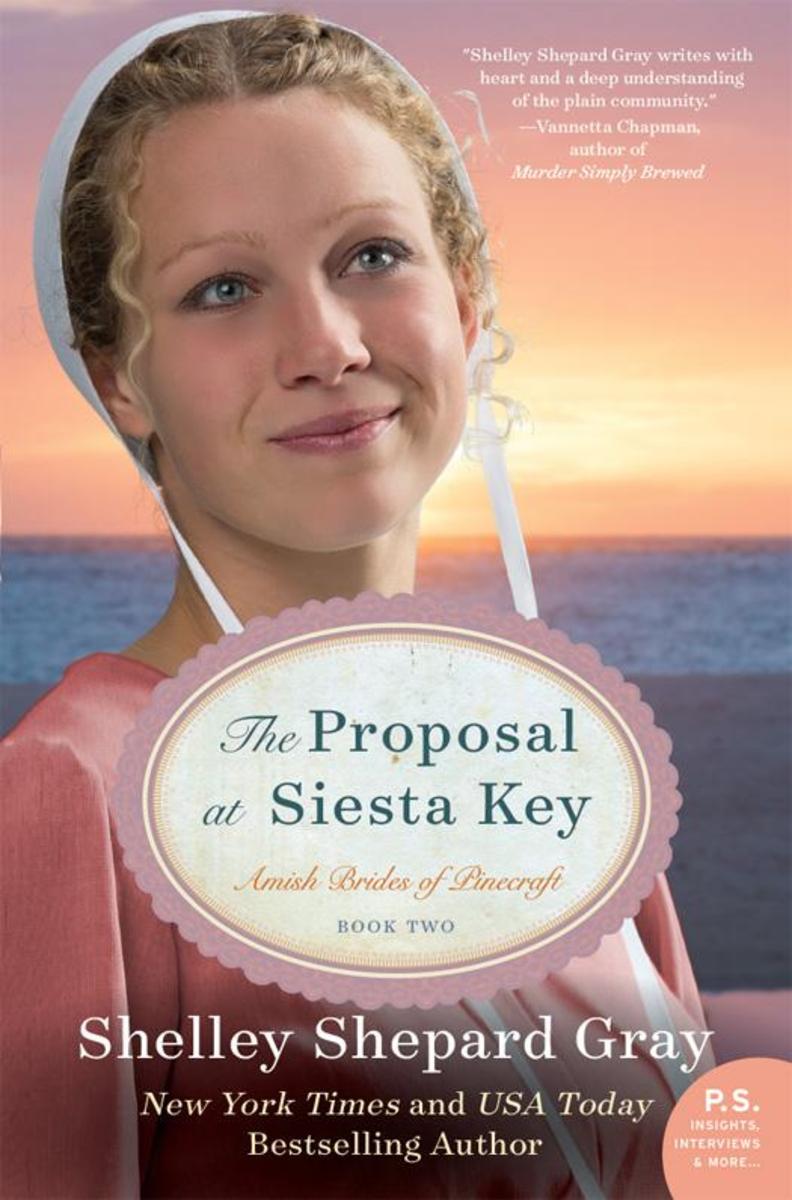
The Proposal at Siesta Key
¥71.94
Beloved bestselling author Shelley Shepard Gray returns with the second book in her Amish Brides of Pinecraft series— a story of finding the strength to follow your dreams . . . and your heartPenny Troyer never disobeys her parents. But tonight she's bending the rules because Michael Knoxx—the most famous member of the Knoxx Family, a traveling Mennonite evangelical family—is scheduled to speak. Penny has heard of Michael—how he lost part of his leg in a terrible accident and uses the experience to inspire others—and knows she must meet him . . . even if it means challenging her parents' strict rules and taking the first step toward her own independence.Though he speaks about living life to the fullest, Michael knows he needs to take his own advice. Life on the road is grueling and Michael wants to slow down, to rest . . . to perhaps meet someone who sees him as a man, not just a celebrity. So when a twist of fate allows him the chance to stay a little longer in Pinecraft, Michael knows God is showing him a new path, especially when he discovers that Penny has also survived a terrible ordeal.But as Michael's time in Pinecraft comes to an end, Michael and Penny are left to wonder what kind of future they could possibly have together. Are they brave enough to take the chance given to themOr will they choose to cling to what is familiar, even if it pushes away their dream of happiness?

Nothing Real Volume 1: A Collection of Stories
¥21.51
The first of three digital-only short story collections from teacher and frequent contributor to the New York Times Claire Needell, about coming of age in contemporary America. These refreshing stories are written with humor, honesty, and without judgment.This outstanding first digital-only collection includes the memorable stories "Nothing Real," "Change Your Life," "The Bubblemen," and "My Name is Adam." Each story is told from a unique perspective and tells of teenagers looking for love—from others, and from themselves.Epic Reads Impulse is a digital imprint with new releases each month.
Nothing Real Volume 3: A Collection of Stories
¥21.51
The third of three digital-only short story collections from Claire Needell, teacher and frequent contributor to the New York Times, about coming of age in contemporary America. These original stories are refreshingly honest, poignant, and humorous.This outstanding third digital-only collection of short stories from Claire Needell includes the memorable stories "Just Tom Kelly," "The Theory of Reward," "Gone for Good," and "Sugarbabies." Each tells a unique and candid story of teenagers looking for love—from others, and from themselves.Epic Reads Impulse is a digital imprint with new releases each month.

Dreamland
¥56.08
From immensely talented debut author Robert L. Anderson comes a stunning, complex, and imaginative story about the fine line between dreams and reality that will appeal to fans of Maggie Stiefvater’s The Raven Cycle.Odea Donahue has been able to travel through people’s dreams since she was six years old. Her mother taught her the three rules of walking: Never interfere. Never be seen. Never walk the same person’s dream more than once. Dea has never broken the rules.Then a mysterious new boy, Connor, comes to town. For the first time in her life, Dea feels normal. But both Dea and Connor have secrets, and as she is increasingly drawn to Connor’s dreams—and nightmares—the boundary between worlds begins to deteriorate, putting everyone she loves in danger.
What We Saw
¥101.00
Critically acclaimed memoirist Aaron Hartzler, author of Rapture Practice, takes an unflinching look at what happens to a small town when some of its residents commit a terrible crime. This honest, authentic debut novel—inspired by the events in the Steubenville rape case—will resonate with readers who've ever walked that razor-thin line between guilt and innocence that so often gets blurred, one hundred and forty characters at a time.The party at John Doone's last Saturday night is a bit of a blur. Kate Weston can piece together most of the details: Stacey Stallard handing her shots, Ben Cody taking her keys and getting her home early. . . . But when a picture of Stacey passed out over Deacon Mills's shoulder appears online the next morning, Kate suspects she doesn't have all the details. When Stacey levels charges against four of Kate's classmates, the whole town erupts into controversy. Facts that can't be ignored begin to surface, and every answer Kate finds leads back to the same questions: Who witnessed what happened to StaceyAnd what responsibility do they have to speak up about what they saw?National Book Award finalist Deb Caletti calls What We Saw "a smart, sensitive, and gripping story about the courage it takes to do what's right."
Like Clockwork
¥21.80
When a beautiful young woman is found murdered on Cape Town's Sea Point promenade, journalist and part-time police profiler Dr. Clare Hart is drawn into the web of a brutal serial killer. As more bodies are discovered, Clare is forced to revisit the brutal rape of her twin sister and the gang ties that bind Cape Town's dark crime rings. Is her investigation into human trafficking linked to the murders, or is the killer just playing a sick game with her?Like Clockwork is a dark and compelling crime story that will thrill fans of Deon Meyer and Tess Gerritsen.

Gallows Hill
¥68.04
How far would you go?Dr. Clare Hart is summoned to investigate a building site where hundreds of centuries-old skeletons have been found—beneath Gallows Hill, where Cape Town's notorious execution grounds once stood. But she discovers that a woman, recently dead, is hidden among these long-buried bones. Who was the woman in the green silk dressWho wanted her deadWho interred her body beside the ancient gravesAs Clare gets closer to revealing the truth about Gallows Hill, she becomes entangled with a fascinating but vulnerable young woman and is drawn into a world of art, desire, and destructive jealousy. Against a backdrop of corporate corruption and seething political tensions, Clare and Riedwaan's complex relationship remains as explosive as ever—and their very lives are at risk, for those who guard the secret of the woman in the silk dress will stop at nothing to keep the truth buried.Gallows Hill is a suspenseful and compelling thriller that will captivate fans of Tess Gerritsen and Deon Meyer.
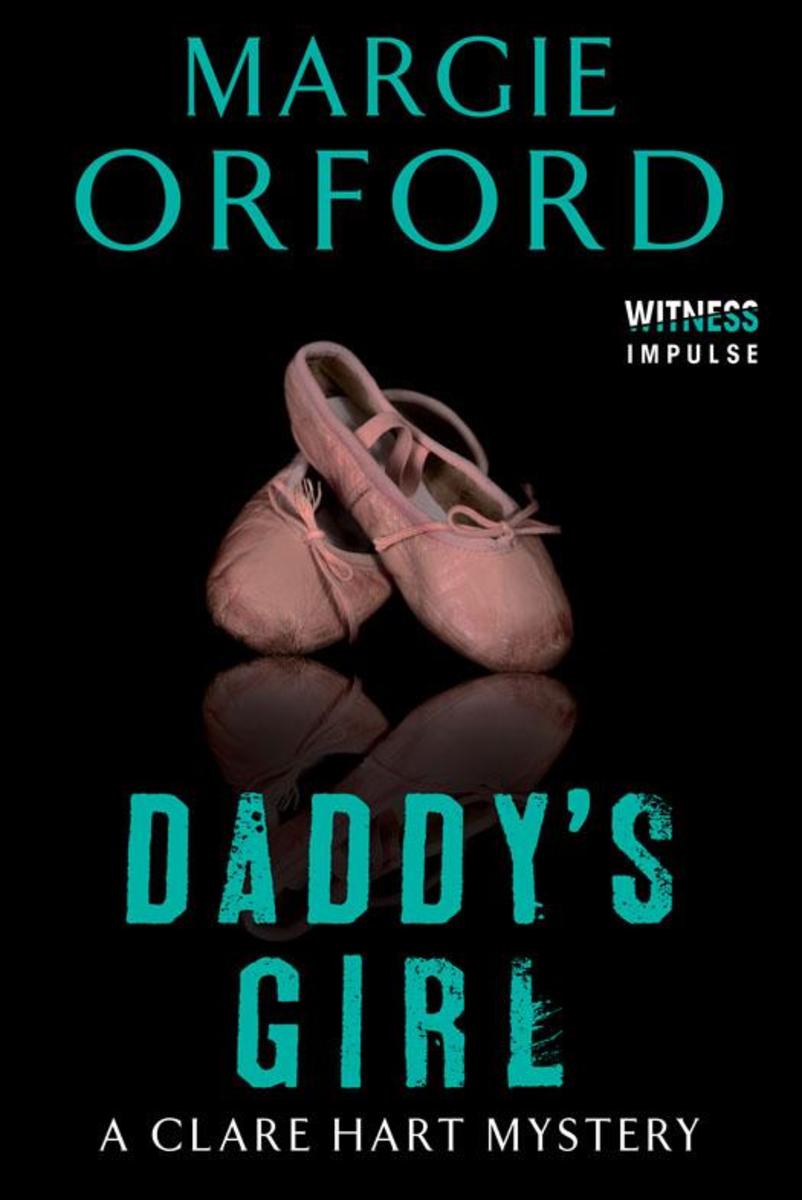
Daddy's Girl
¥67.32
How far would you go?A little girl waits alone to be picked up after ballet class—until an unmarked car approaches, and she is gone.But this little girl is the daughter of Police Captain Riedwaan Faizal. He is desperate to rescue her, but, suspended from the squad, he finds himself powerless.With nobody on his side, the captain turns to investigative journalist and criminal profiler Dr. Clare Hart, whose documentary about Cape Town's missing young girls has made her a local celebrity. Clare knows that the odds of a child's survival dwindle with each passing minute. She knows that hiding her investigation from the police has its own dangers. But she will do anything to help a heartbroken father … even if it puts all their lives at risk.Daddy's Girl is a dark and compelling crime story that will thrill fans of Deon Meyer and Tess Gerritsen.

John the Pupil
¥83.03
Set in thirteenth-century Europe, against the backdrop of a medieval world where beauty and violence, science and mysticism, carnality and faith, exist side by side, this is a masterful novel in the tradition of Umberto Eco, Barry Unsworth, and Michel Faber.Since he was a young boy, John has studied at the Franciscan monastery outside Oxford, under the tutelage of friar and magus Roger Bacon, an inventor, scientist, and polymath. In 1267 Bacon arranges for his young pupil to embark on a journey of penitence to Italy. But the pilgrimage is a guise to deliver scientific instruments and Bacon's great opus to His Holiness, Pope Clement IV. Two companions will accompany John, both Franciscan novices: the handsome, sweet-tempered Brother Andrew, with whom everyone falls in love; and the more brutish Brother Bernard, with his secret compulsion for drawing imaginary monsters. Neither knows the true purpose of their expedition.John the Pupil is a medieval road movie, recounting the journey taken from Oxford to Viterbo in 1267 by John and his two companions. Modeling themselves after Saint Francis, the men trek by foot through Europe, preaching the gospel and begging for sustenance. In addition to fighting off ambushes from thieves hungry for the thing of power they are carrying, the holy trio are tried and tempted by all sorts of sins: ambition, pride, lust—and by the sheer hell and heaven of medieval life.Erudite and earthy, horrifying, comic, humane—David Flusfeder's extraordinary novel reveals to the reader a world very different from, and all too like, the one we live in now.

The Darkest Hour
¥83.03
In this crackling, highly imaginative thriller debut in the vein of W.E.B. Griffin and Philip Kerr, set in German-occupied London at the close of World War II, a hardened, dispirited British detective jeopardizes his own life to save someone else and achieve the impossible—some kind of redemptionLondon, 1946. The Nazis have won the war and now occupy Great Britain, using brutality and fear to control its citizens. They even use it to control those who work for them. John Henry Rossett, a decorated British war hero and former police sergeant, is one of those unlucky souls. He's a man accustomed to obeying commands, but he's now assigned a job he didn't ask for and knows he cannot refuse: rounding up Jews for deportation, including men and women he's known his whole life. Robbed of his family by a Resistance bomb, and robbed of his humanity by the work he is forced to do, fate suddenly presents Rossett with an unexpected challenge that could change everything. He finds a boy hiding in an abandoned building and is faced with a momentous decision—to do something or to look the other way. Yet whatever Rossett does, he will be pushed into a place where he could endanger all he holds dear.Played out against a city in ruin, a place divided between the conquered and the conquerors, The Darkest Hour is a tense, driving adventure thriller, a fascinating alternate history, and the unforgettable story of a man who will be broken—or be given a completely new lease on life.
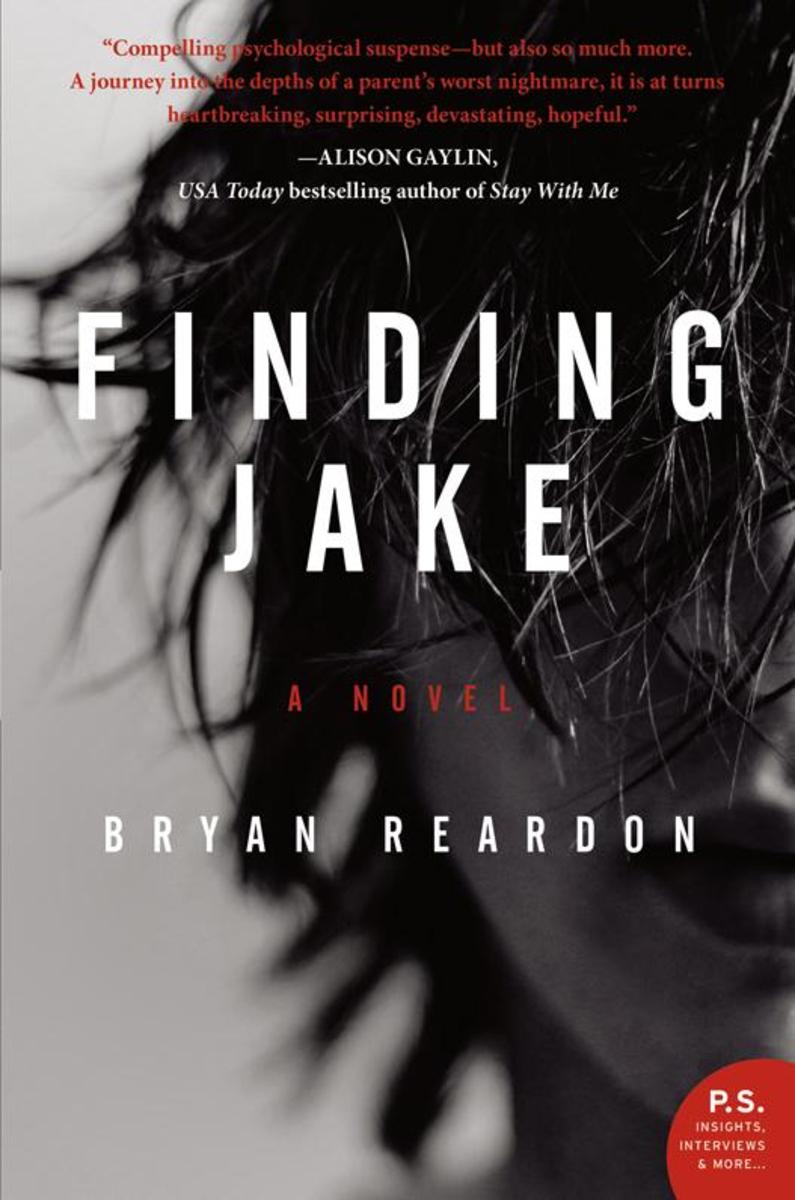
Finding Jake
¥83.03
“I devoured Finding Jake. The tension is almost unbearable in this thriller-cum-character study as layer after layer of a father’s soul are revealed as reflected in the character of his missing son. Utterly engrossing.”—Alice LaPlante, New York Times bestselling author of Circle of Wives and Turn of MindSimon Connolly’s successful wife has gone to her law office each day, while he has stayed home to raise their children—Jake and Laney. He has tried to do the best for the kids. For sunny, outgoing Laney, it’s been easy. But Jake is different. He has always been on the quiet side, preferring the company of his small group of friends to popularity and organized sports. Now that his children are in high school, Simon should be able to relax, to worry less. He’s never given that chance.On a warm November day, he receives a text: There has been a shooting at the high school.Racing to the rendezvous point, Simon is forced to wait with scores of other anxious parents as one by one, they are reunited with their children. Their numbers dwindle, eventually leaving Simon alone. That is when he learns that Jake is the only child missing.As his worst nightmare unfolds, Simon’s thoughts race. Where is JakeWhat happened in those final momentsJake could not have done this—or could heDid Simon miss the signsAs rumors begin to ricochet, amplified by an invasive media and the fear swallowing their community, Simon must find answers.But there is only one way to understand what has happened . . . he must find Jake.“Harrowing.” —New York Times Book Review
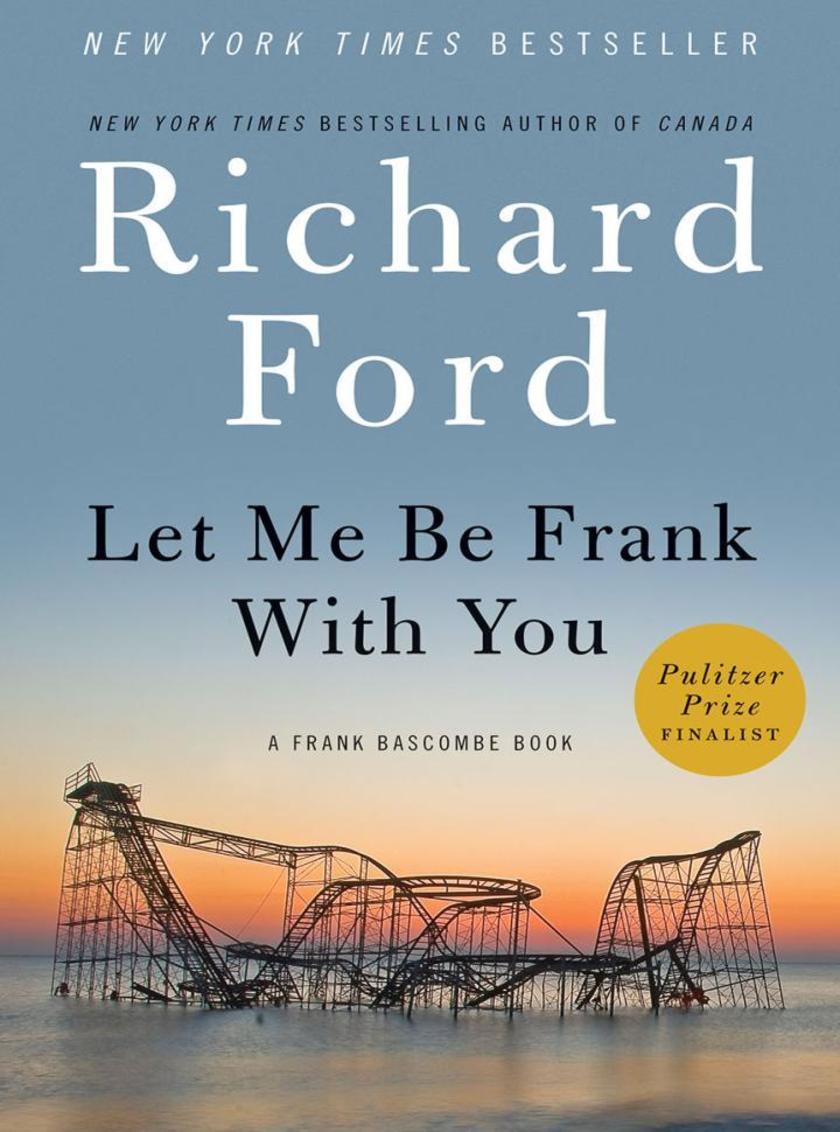
Ecco
¥156.69
A brilliant new work that returns Richard Ford to the celebrated fictional landscape that sealed his reputation as an American master: the world of Frank BascombeIn his trio of critically acclaimed, bestselling novels—The Sportswriter, the Pulitzer Prize and PEN/ Faulkner-winning Independence Day, and The Lay of the Land—Richard Ford, in essence, illuminated the zeitgeist of an entire generation, through the divinings and wit of his now-famous literary chronicler, Frank Bascombe, who is certainly one of the most indelible, provocative, and anticipated characters in modern American literature.Here, in Let Me Be Frank With You, Ford returns with four deftly linked stories narrated by the iconic Bascombe. Now sixty-eight, and again ensconced in the well-defended New Jersey suburb of Haddam, Bascombe has thrived—seemingly if not utterly—in the aftermath of Hurricane Sandy's devastation. As in all of the Bascombe books, Ford's guiding spirit is the old comic's maxim that promises if nothing's funny, nothing's truly serious. The desolation of Sandy, which rendered houses, shorelines, and countless lives unmoored and flattened, could scarcely be more serious as the grist for fiction. Yet it is the perfect backdrop and touchstone for Ford—and Bascombe. With a flawless comedic sensibility and unblinking intelligence, these stories range over the full complement of American subjects: aging, race, loss, faith, marriage, redemption, the real-estate crash—the tumult of the world we live in.Through Bascombe—wry, profane, touching, wise, and often inappropriate—we engage in the aspirations and sorrows, longings, achievements, and failings of American life in the morning of the new century. With his trademark candor and brimming wit, Richard Ford brings Bascombe fully back, in all his imperfect glory, to say (often hilariously) what all of us are thinking but few will voice aloud.Whether you've been a Bascombe insider since The Sportswriter or are encountering Ford's unforgettable inventions newly here, Let Me Be Frank With You is a moving, wondrous, extremely funny odyssey, showcasing the maturity and brilliance of a great writer working at the top of his talents.
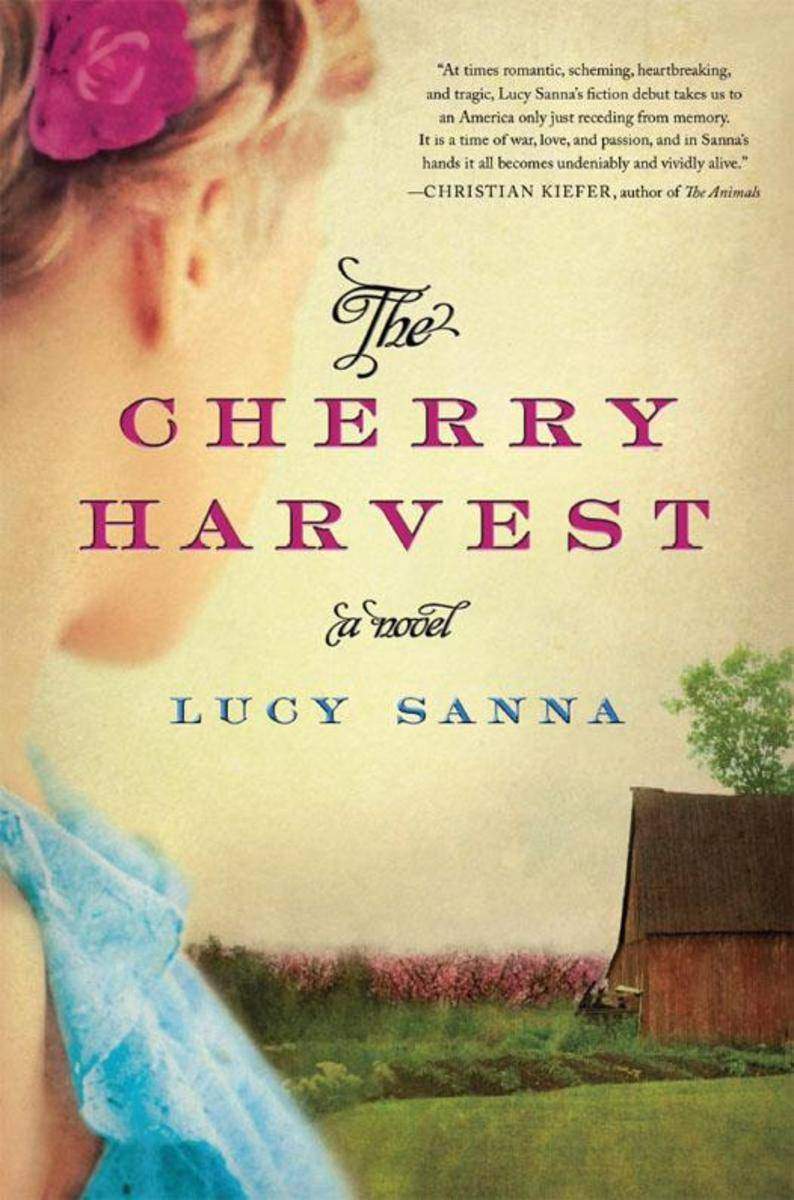
The Cherry Harvest
¥83.03
A powerfully sensuous and gripping debut laced with suspense, The Cherry Harvest reveals a hidden side of World War II's home front, when German POWs are put to work in a Wisconsin farm community . . . with dark and unexpected consequencesIt's the summer of 1944 in Door County, Wisconsin, where even the lush cherry orchards and green lakeside farms can't escape the ravages of war. With food rationed and money scarce, the Christiansen family struggles to hold on. The family's teenage daughter, Kate, raises rabbits to save money for college, while her mother, Charlotte, barters what she can to make ends meet. Charlotte's husband, Thomas, strives to keep the orchard going while their son—along with most of the other able-bodied men—is fighting overseas. With the upcoming harvest threatened by the labor shortage, strong-willed Charlotte helps persuade local authorities to allow German war prisoners from a nearby POW camp to pick the fruit.But when Thomas befriends one of the prisoners, a math teacher named Karl, and invites him to tutor Kate, both Charlotte and Kate are swept into a world where love, duty, and honor are not as clear-cut as they might have believed. Charlotte and Thomas fail to see that Kate is becoming a young woman, with dreams and temptations of her own. And when their beloved son, Ben, returns from the battlefield, wounded and bitter, the secrets they've all been keeping threaten to explode their world.
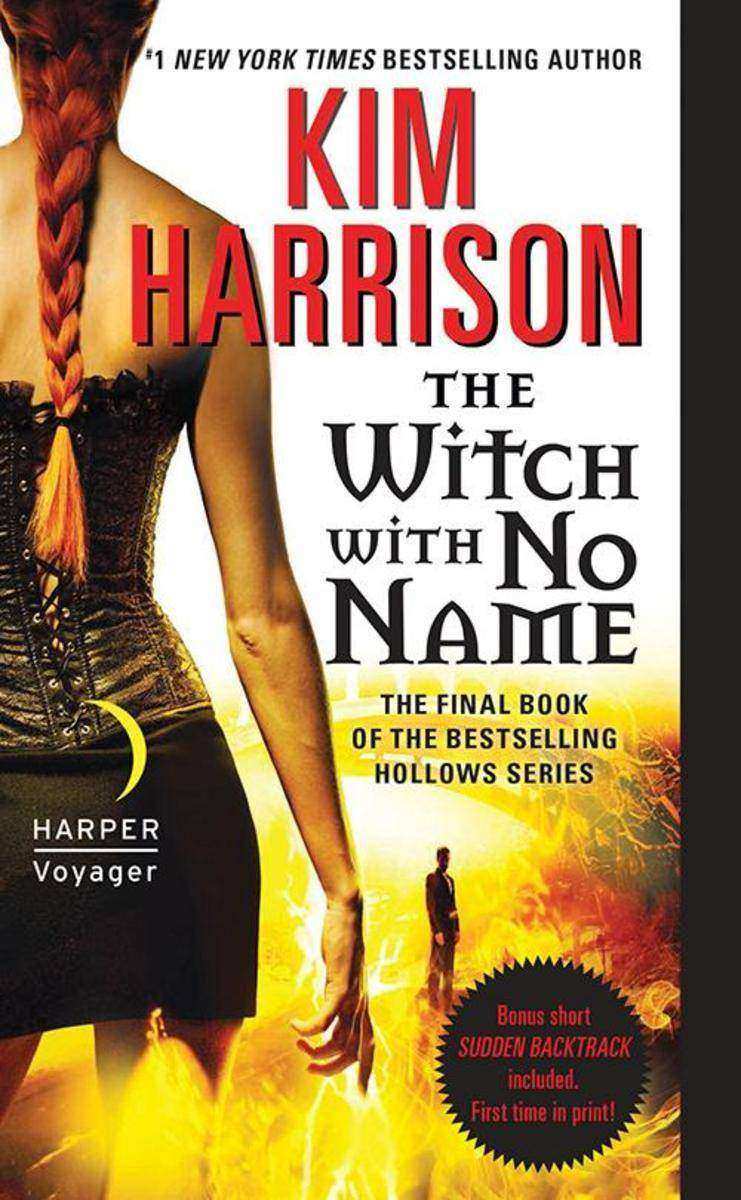
The Witch with No Name
¥56.07
All good things must end . . .After ten years and thirteen adventures, at last the triumphant conclusion to Kim Harrison's #1 New York Times bestselling Hollows series!The Witch with No Name In 2004, Kim Harrison made her debut with Dead Witch Walking, an electrifying urban fantasy novel full of action, mystery, romance, and humor, which introduced bounty hunter and witch Rachel Morgan. Over the course of twelve books, Rachel confronted numerous threats, vanquished a range of cunning and powerful enemies, risked her heart, suffered haunting loss, and nearly lost her life. Now, in The Witch with No Name, Kim Harrison brings back her wildly popular heroine for one final, epic battle.Rachel Morgan's come a long way from the klutzy runner fleeing a bad job. She's faced vampires and werewolves, banshees, witches, and soul-eating demons. She's crossed worlds, channeled gods, and accepted her place as a day-walking demon. She's lost friends and lovers and family, and an old enemy has become something much more.But power demands responsibility, and world-changers must always pay a price.That time is now.To save her best friend Ivy's soul and the rest of the living vampires, to keep the demonic ever-after and our own world from utter destruction at the hands of fanatics, Rachel Morgan will risk everything.
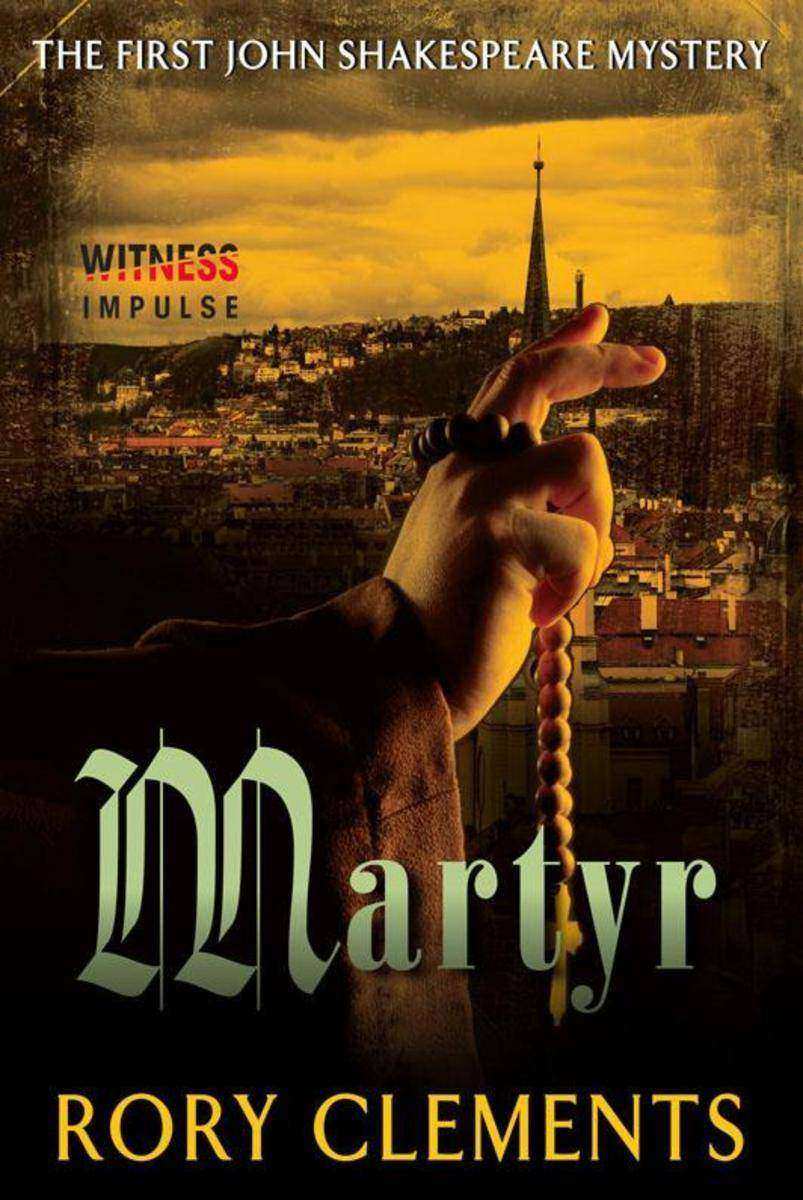
Martyr
¥66.50
England is close to war. Within days the axe could fall on the neck of Mary, Queen of Scots, and Spain is already gathering a battle fleet to avenge her.Tensions in Elizabeth I's government are at the breaking point. At the center of the storm is John Shakespeare, chief intelligencer in the secret service of Sir Francis Walsingham. When an intercept reveals a plot to assassinate England's "sea dragon," Francis Drake, Shakespeare is ordered to protect him. Busy fitting out his ships on land, Drake is frighteningly vulnerable. If he dies, England will be open to invasion.From the splendor and intrigue of the royal court to the sleek warships of Her Majesty's Navy and the teeming brothels of Southwark, Shakespeare soon learns that nothing is as it seems …
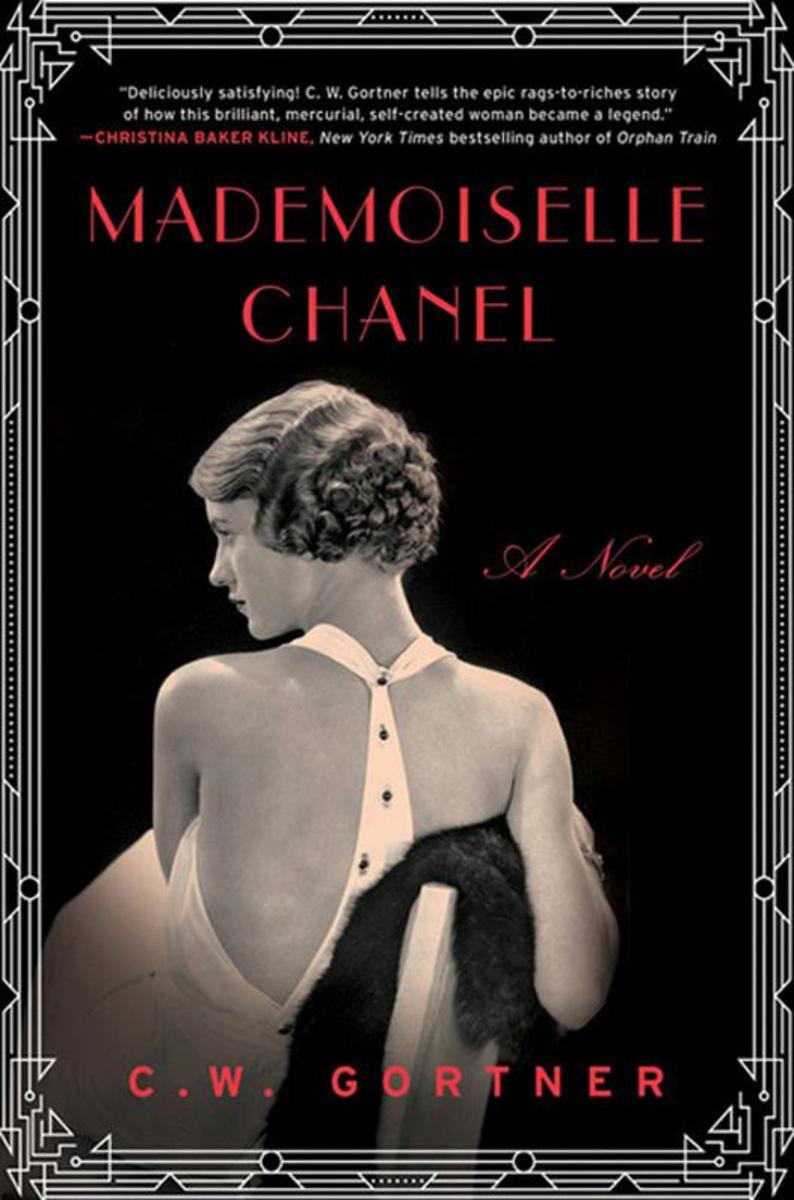
Mademoiselle Chanel
¥90.51
She revolutionized fashion and built an international empire . . . all on her own termsBorn into rural poverty, Gabrielle Chanel and her sisters are sent to a convent orphanage after their mother's death. The nuns of the order nurture Gabrielle's exceptional sewing skills, a talent that would propel the willful young woman into a life far removed from the drudgery of her childhood.Burning with ambition, the petite brunette transforms herself into Coco, by day a hard-working seamstress and by night a singer in a nightclub, where her incandescence draws in a wealthy gentleman who becomes the love of her life. She immerses herself in his world of money and luxury, discovering a freedom that sparks her creativity. But it is only when her lover takes her to Paris that Coco discovers her destiny. Rejecting the frilly, corseted silhouette of the past, Coco's sleek, minimalist styles reflect the youthful ease and confidence of the 1920s modern woman. As her reputation spreads, her couture business explodes, taking her into rarefied circles of society and bohemian salons. But her fame and fortune cannot save her from heartbreak as the years pass. And when Paris falls to the Nazis, Coco is forced to make choices that will haunt her always. An enthralling novel about an entirely self-made woman, Mademoiselle Chanel tells the true story of Coco Chanel's extraordinary ambition, passion, and artistic vision.

Lovely, Dark, Deep
¥94.10
From the legendary literary master, winner of the National Book Award and New York Times bestselling author Joyce Carol Oates, a collection of thirteen spellbinding stories that maps the eerie darkness within us allInsightful, disturbing, and mesmerizing in their lyrical precision, the stories in Lovely, Dark, Deep display Joyce Carol Oates's astonishing ability to make visceral the fear, hurt, and uncertainty that lurks at the edges of ordinary lives.In "Mastiff," a woman and a man are joined in an erotic bond forged out of terror and gratitude. "Sex with Camel" explores how a sixteen-year-old boy realizes the depth of his love for his grandmother—and how vulnerable those feelings make him. Fearful that her husband is vanishing from their life, a woman becomes obsessed with keeping him in her sight in "The Disappearing." "A Book of Martyrs" reveals how the end of a pregnancy brings with it the end of a relationship. And in the title story, the elderly Robert Frost is visited by an interviewer, a troubling young woman who seems to know a good deal more about his life than she should.A piercing and evocative collection, Lovely, Dark, Deep reveals Joyce Carol Oates at her most imaginative and unsettling.
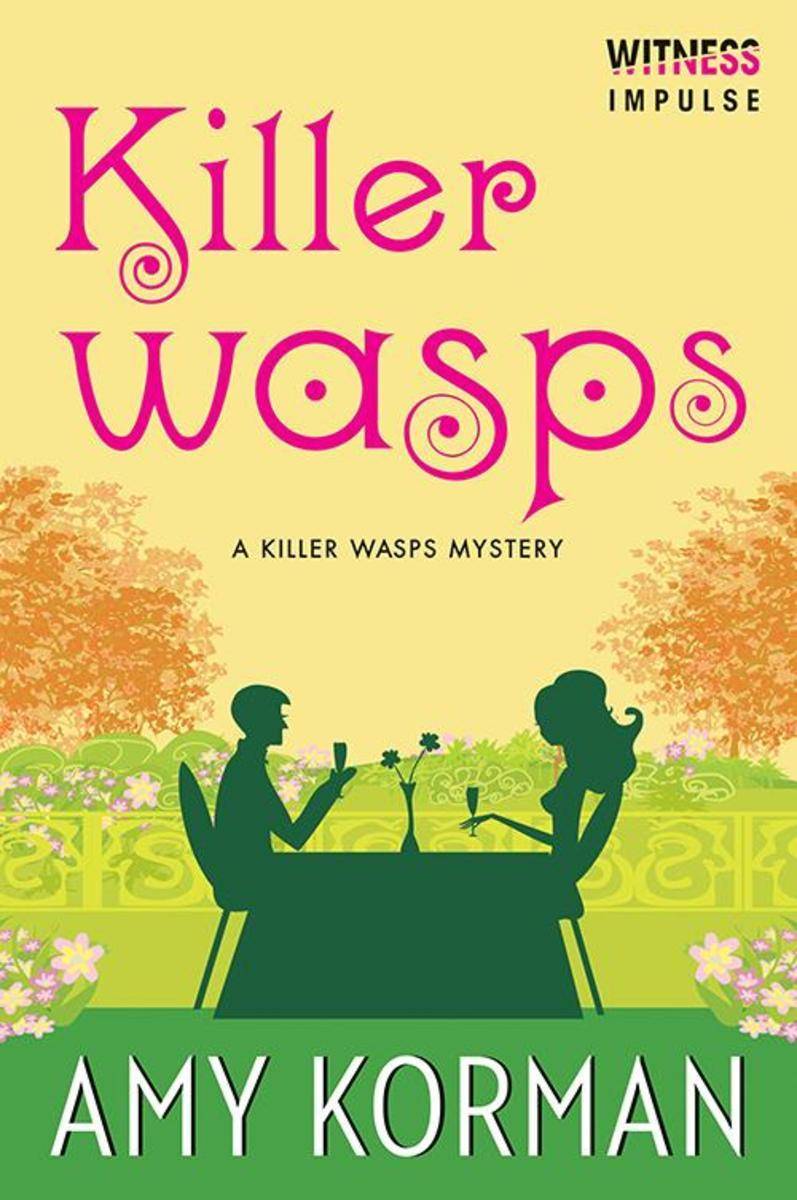
Killer WASPs
¥84.16
Crime really stings in Killer WASPsBryn Mawr, Pennsylvania, is a haven for East Coast WASPs, where tennis tournaments and cocktails at the club are revered traditions. Little happens in the sleepy suburb, and that is the way the Lilly Pulitzer–clad residents prefer it. So when antiques store owner Kristin Clark and her portly basset hound stumble upon the area's newest real estate developer lying unconscious beneath the hydrangea bushes lining the driveway of one of Bryn Mawr's most distinguished estates, the entire town is abuzz with gossip and intrigue.When the attacker strikes again just days later, Kristin and her three best friends—Holly, a glamorous chicken nugget heiress with a penchant for high fashion; Joe, a decorator who's determined to land his own HGTV show; and Bootsie, a preppy but nosy newspaper reporter—join forces to solve the crime. While their investigation takes them to cocktail parties, flea markets, and the country club, they must unravel the mystery before the assailant claims another victim.Fans of Janet Evanovich's Stephanie Plum series will enjoy shaking up the Philadelphia Main Line
Killer Getaway
¥68.04
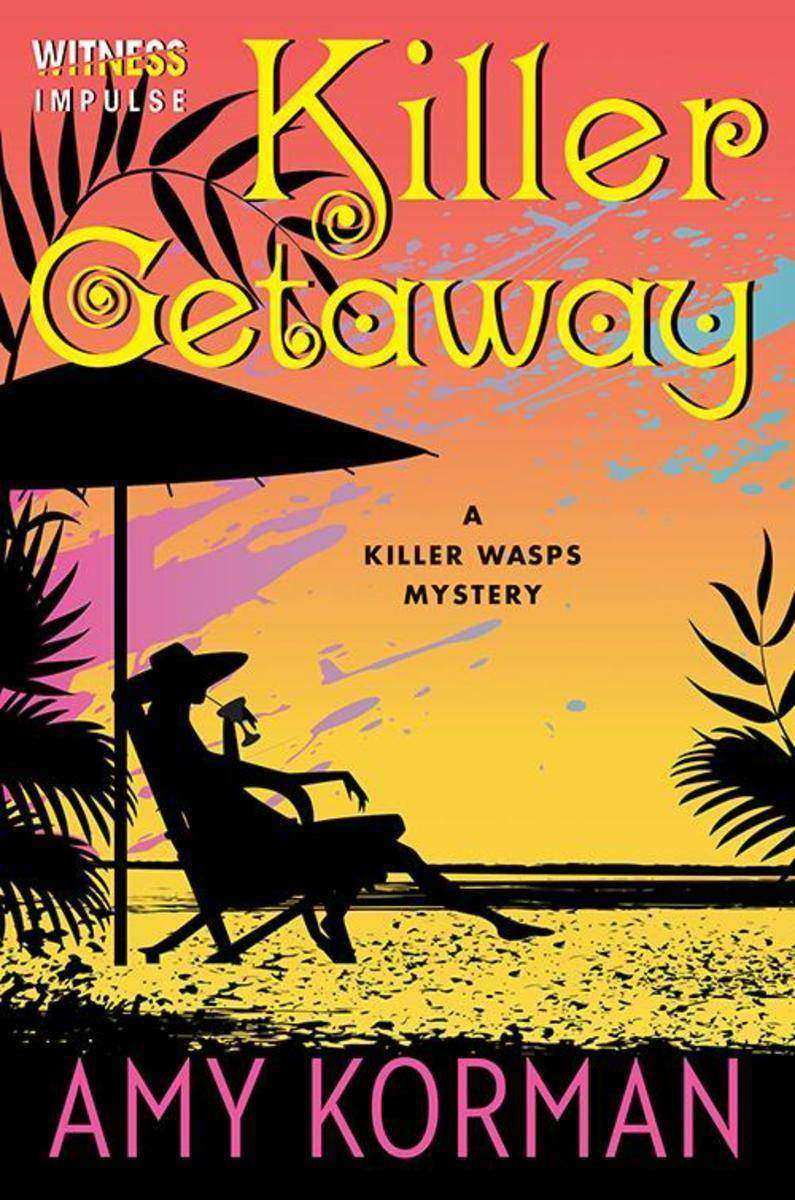
With a storm brewing in Bryn Mawr, Pennsylvania, the Killer WASPs head south to Palm Beach, Florida. And what could be better than fabulous friends, Lilly Pulitzer beachwear, frozen cocktails, and high-society drama?Kristin Clark and her basset hound, Waffles, are ready to escape the doldrums of winter to bask in the warm Florida sun and dine at her friends' new restaurant, Vicino. But when a rival restaurant undergoes an HGTV makeover and attempts to steal Vicino's spotlight and its patrons, the town is abuzz with gossip, and Kristin and her friends—Bootsie, a nosy reporter; Holly, a chicken nugget heiress; and Sophie, the soon-to-be ex-wife of a mobster—have parties to attend.Everything is going swimmingly in the glitz and glamour of Palm Beach until a bad batch of clams threatens to shut down Vicino and their vacation for good. When it becomes clear that the clams may be more than an innocent mishap, the ladies must unravel the mystery before there are deadly consequences.Perfect for fans of Janet Evanovich's Stephanie Plum series!

Happily Never After
¥21.73
Once upon, once again …The dragon has been slain, but the problems have just begun for Prince Charming. Disowned by his father, the King, and abandoned by his only friend, William Pickett, Charming must find a new path in life—but he's going to need a lot of help. His love, Liz, barely survived an assassination attempt; his former fling, Rapunzel, is in danger; and William is under an evil spell cast by Princess Gwendolyn.The fate of Castle White hangs in the balance as Charming tries to find himself, while finding new allies along the way—including an odd number of dwarfs (or is it dwarves?) and a reformed beast. But he's running out of time to stop royally ruinous wedding bells from ringing …
To Helen Back
¥34.54
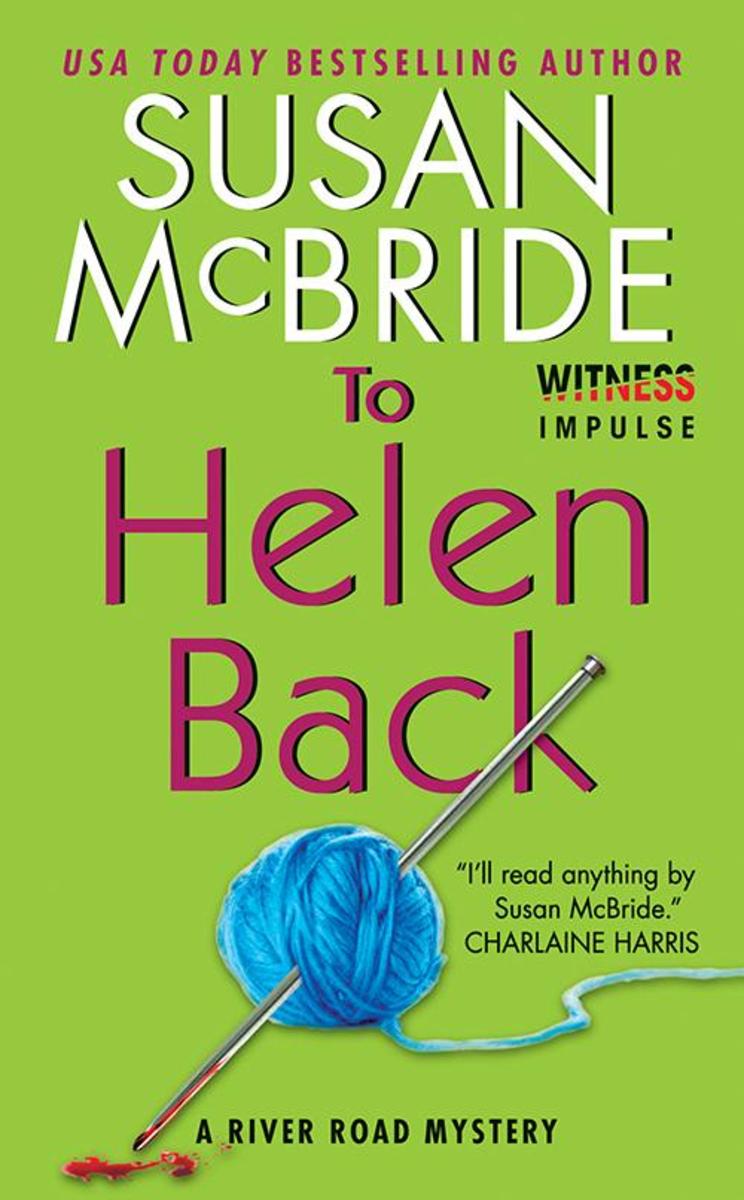
In this fun and sassy new mystery, USA Today bestselling author Susan McBride introduces us to Helen Evans, a modern-day Miss Marple who must expose a murderer in a town full of suspects!When Milton Grone turns up dead in tiny River Bend, Illinois, nearly all the would-be suspects have the perfect alibi: attending Thursday night's town meeting. And as Milton was hardly beloved, plenty of folks had a reason to do him in ... Grone's next-door neighbor was furious about a fence that encroached on her property, among other wicked deeds. A pair of zealous tree huggers wanted Grone's hide for selling a parcel of pristine land to a water park. Grone's current and ex-wife both wanted a cut of the profits, which Grone seemed unwilling to share. Even the town preacher knew Grone's soul was beyond saving. Though most of River Bend would rather reward the killer than hang him, Sheriff Biddle's not about to let this one go … and neither is Helen Evans. With a penchant for puzzles and an ear for innuendo, Helen quickly fingers the culprit before Biddle puts the wrong suspect in jail.


