


 购物车
 个人中心

Picture and Text
¥8.09
Picture and Text
Commentary on the Laws of England. Book the First
¥8.09
Commentary on the Laws of England. Book the First
Jonathan Wild
¥8.09
Jonathan Wild
The Adventures of Sir Launcelot Greaves
¥8.09
The Adventures of Sir Launcelot Greaves
The Adventures of Roderick Random
¥8.09
The Adventures of Roderick Random
Amelia
¥8.09
Amelia
Five Weeks in a Balloon
¥8.09
Five Weeks in a Balloon
The Monk, A Romance
¥8.09
The Monk, A Romance
Lives of the Poets
¥8.09
Lives of the Poets
Admiral Farragut
¥8.09
Admiral Farragut

A Guide to Dinosaurs Their Past and Future
¥8.09
A Guide to Dinosaurs Their Past and Future
Renaissance in Italy: The Age of the Despots
¥8.09
According to Wikipedia: "John Addington Symonds (5 October 1840 - 19 April 1893) was an English poet and literary critic… Meanwhile he was occupied with his major work, Renaissance in Italy, which appeared in seven volumes at intervals between 1875 and 1886. The Renaissance had been the subject of Symonds' prize essay at Oxford, and this had aroused a desire to produce a more complete picture of the reawakening of art and literature in Europe... He practically made his home at Davos. A charming picture of his life there is drawn in Our Life in the Swiss Highlands (1891). Symonds became a citizen of the town; he took part in its municipal business, made friends with the peasants and shared their interests. There he wrote most of his books: biographies of Shelley (1878), Philip Sidney (1886), Ben Jonson (1886) and Michelangelo (1893), several volumes of poetry and essays, and a translation of the Autobiography of Benvenuto Cellini (1887). There, too, he completed his study of the Renaissance, the work for which he is mainly remembered."
Renaissance in Italy: The Fine Arts
¥8.09
According to Wikipedia: "John Addington Symonds (5 October 1840 - 19 April 1893) was an English poet and literary critic… Meanwhile he was occupied with his major work, Renaissance in Italy, which appeared in seven volumes at intervals between 1875 and 1886. The Renaissance had been the subject of Symonds' prize essay at Oxford, and this had aroused a desire to produce a more complete picture of the reawakening of art and literature in Europe... He practically made his home at Davos. A charming picture of his life there is drawn in Our Life in the Swiss Highlands (1891). Symonds became a citizen of the town; he took part in its municipal business, made friends with the peasants and shared their interests. There he wrote most of his books: biographies of Shelley (1878), Philip Sidney (1886), Ben Jonson (1886) and Michelangelo (1893), several volumes of poetry and essays, and a translation of the Autobiography of Benvenuto Cellini (1887). There, too, he completed his study of the Renaissance, the work for which he is mainly remembered."
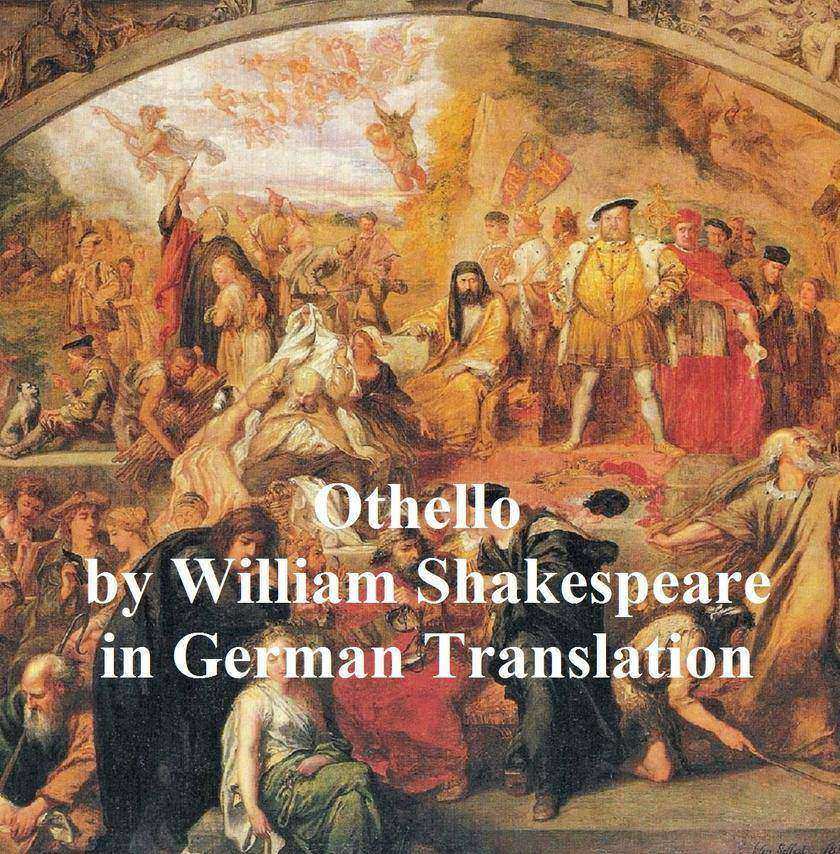
Othello der Mohr von Venedig
¥8.09
Die Shakespeare-Trag?die, übersetzt von Christoph Martin Wieland. Laut Wikipedia: "Die Trag?die von Othello, der Mohr von Venedig ist eine Trag?die von William Shakespeare, vermutlich um 1603 geschrieben, und basiert auf der italienischen Kurzgeschichte Un Capitano Moro (" Ein maurischer Kapit?n ") von Cinthio, ein Schüler von Boccaccio, der erstmals 1565 ver?ffentlicht wurde. Das Werk dreht sich um vier Hauptfiguren: Othello, ein maurischer General in der venezianischen Armee, seine Frau Desdemona, sein Leutnant Cassio und seine vertraute F?hnrich Jago.
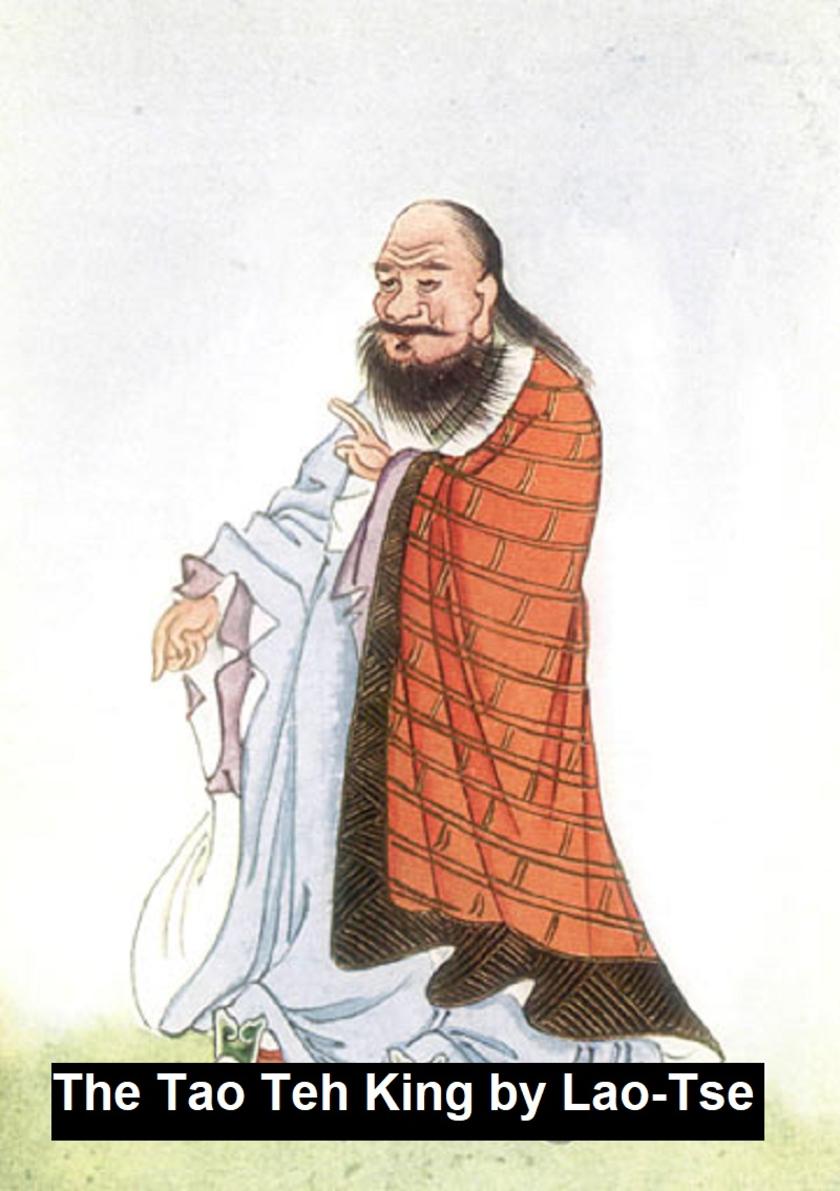
The Tao Teh King or The Tao
¥8.09
According to Wikipedia: "The Tao Te Ching, Dao De Jing, or Daodejing, also simply referred to as the Laozi, is a Chinese classic text. According to tradition, it was written around the 6th century BC by the sage Laozi (or Lao Tzu, "Old Master"), a record-keeper at the Zhou Dynasty court, by whose name the text is known in China. The text's true authorship and date of composition or compilation are still debated, although the oldest excavated text dates back to the late 4th century BC. The text is fundamental to both philosophical and religious Taoism and strongly influenced other schools, such as Legalism, Confucianism and Chinese Buddhism, which when first introduced into China was largely interpreted through the use of Daoist words and concepts. Many Chinese artists, including poets, painters, calligraphers, and even gardeners have used the Daodejing as a source of inspiration. Its influence has also spread widely outside East Asia, and is amongst the most translated works in world literature."
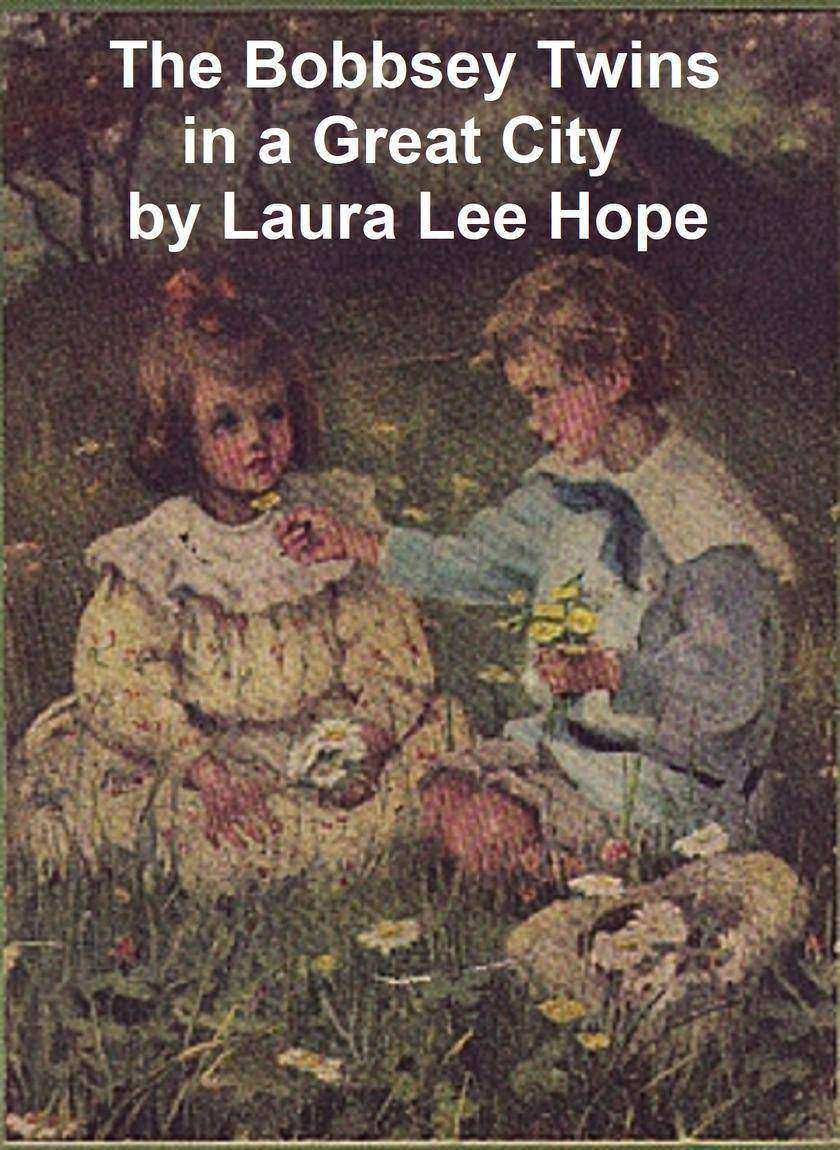
The Bobbsey Twins in a Great City
¥8.09
According to Wikipedia: "Laura Lee Hope is a pseudonym used by the Stratemeyer Syndicate for the Bobbsey Twins and several other series of children's novels. Actual writers taking up the pen of Laura Lee Hope include Edward Stratemeyer, Howard and Lilian Garis, Elizabeth Ward, Harriet (Stratemeyer) Adams, and Nancy Axelrad. Laura Lee Hope was first used as a pseudonym in 1904 for the debut of the Bobbsey Twins. Series: The Bobbsey Twins (1904-), The Outdoor Girls (23 vols. 1913-1933), The Moving Picture Girls (7 vols. 1914-1916), Bunny Brown (20 vols. 1916-1931), Six Little Bunkers (14 vols. 1918-1930), Make Believe Stories (12 vols. c. 1920-1923), Blythe Girls (12 vols. 1925-1932)."
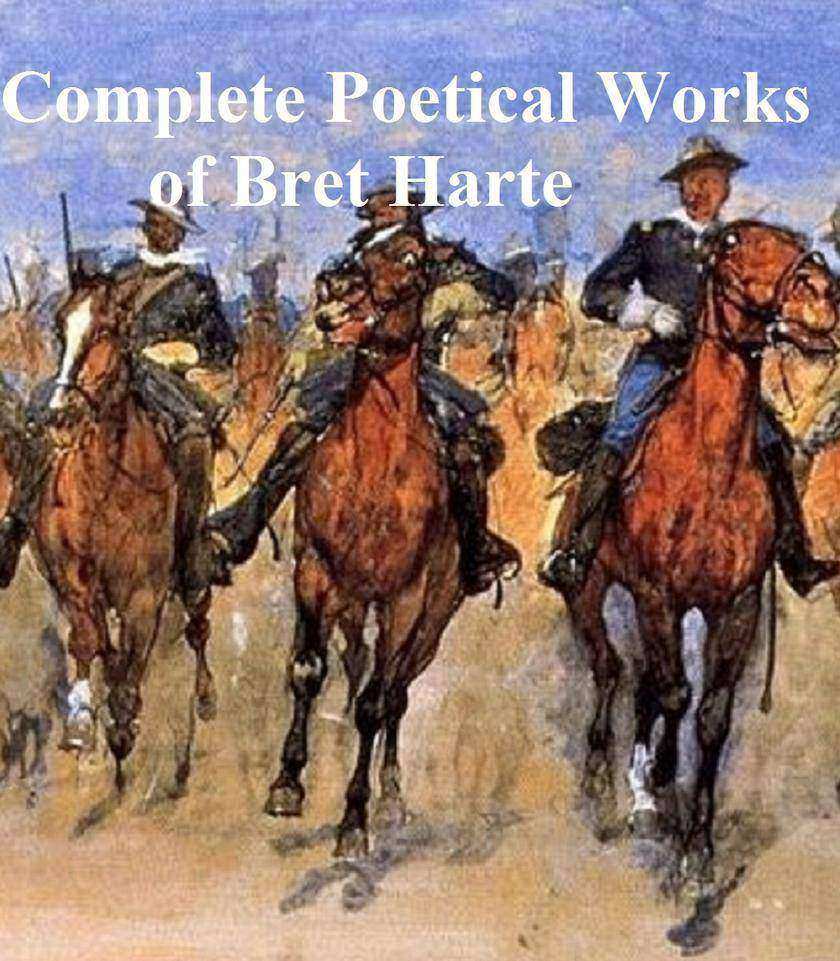
Complete Poetical Works
¥8.09
Collection of poetry. According to Wikipedia: "Bret Harte (August 25, 1836[2] – May 6, 1902) was an American author and poet, best remembered for his accounts of pioneering life in California. He was born in Albany, New York. ... He moved to California in 1853, later working there in a number of capacities, including miner, teacher, messenger, and journalist. He spent part of his life in the northern California coast town now known as Arcata, then just a mining camp on Humboldt Bay. His first literary efforts, including poetry and prose, appeared in The Californian, an early literary journal edited by Charles Henry Webb. In 1868 he became editor of The Overland Monthly, another new literary magazine, but this one more in tune with the pioneering spirit of excitement in California. His story, "The Luck of Roaring Camp," appeared in the magazine's second edition, propelling Harte to nationwide fame... Determined to pursue his literary career, in 1871 he and his family traveled back East, to New York and eventually to Boston, where he contracted with the publisher of The Atlantic Monthly for an annual salary of $10,000, "an unprecedented sum at the time." His popularity waned, however, and by the end of 1872 he was without a publishing contract and increasingly desperate. He spent the next few years struggling to publish new work (or republish old), delivering lectures about the gold rush, and even selling an advertising jingle to a soap company. In 1878 Harte was appointed to the position of United States Consul in the town of Krefeld, Germany and then to Glasgow in 1880. In 1885 he settled in London. During the thirty years he spent in Europe, he never abandoned writing, and maintained a prodigious output of stories that retained the freshness of his earlier work. He died in England in 1902 of throat cancer and is buried at Frimley."
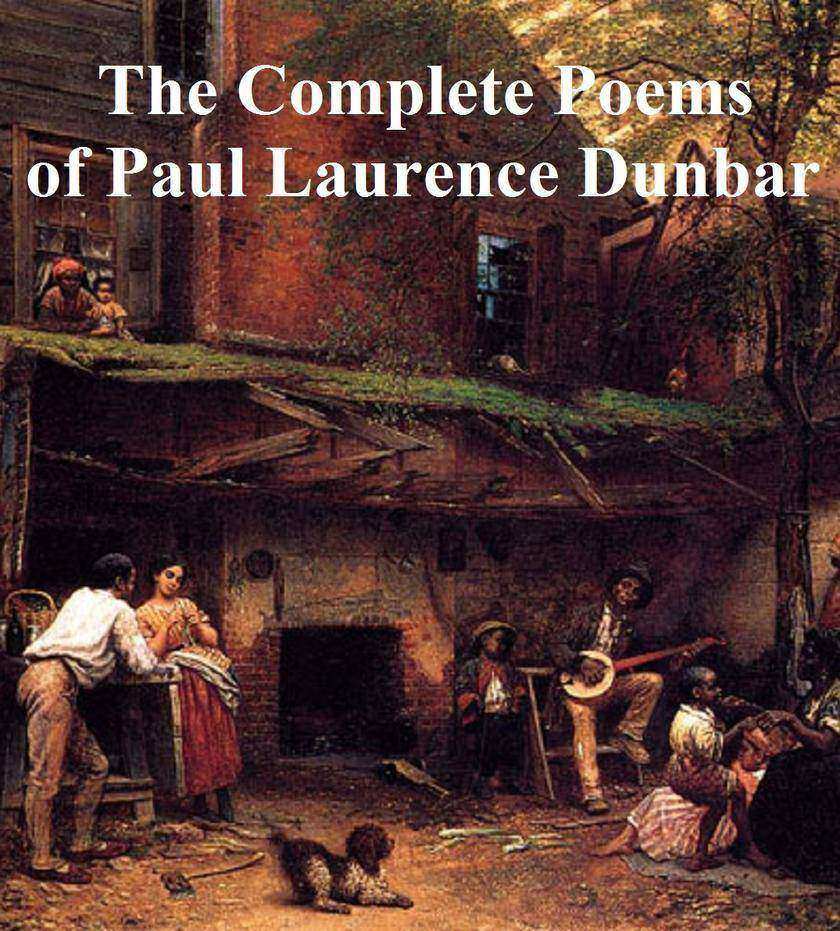
The Complete Poems of Paul Laurence Dunbar
¥8.09
According to Wikipedia: "Paul Laurence Dunbar (June 27, 1872– February 9, 1906) was a seminal African American poet of the late 19th and early 20th centuries. Dunbar gained national recognition for his 1896 Ode to Ethiopia, one poem in the collection Lyrics of Lowly Life."
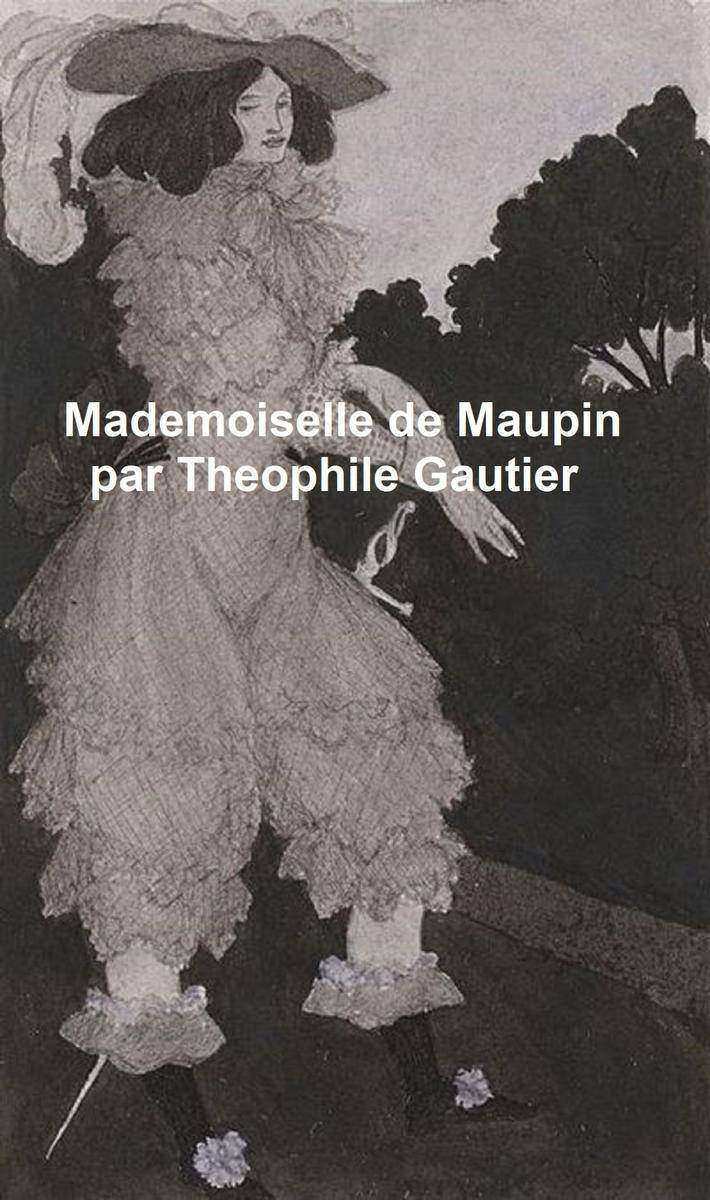
Mademoiselle de Maupin
¥8.09
Selon Wikipédia: "Pierre Jules Théophile Gautier (30 ao?t 1811 - 23 octobre 1872), poète, dramaturge, romancier, journaliste et critique littéraire fran?ais, défenseur ardent du romantisme, est difficile à classer et à classer. point de référence pour de nombreuses traditions littéraires ultérieures telles que le parnassianisme, le symbolisme, la décadence et le modernisme, il a été largement estimé par des écrivains aussi divers que Baudelaire, les frères Goncourt, Flaubert et Oscar Wilde.
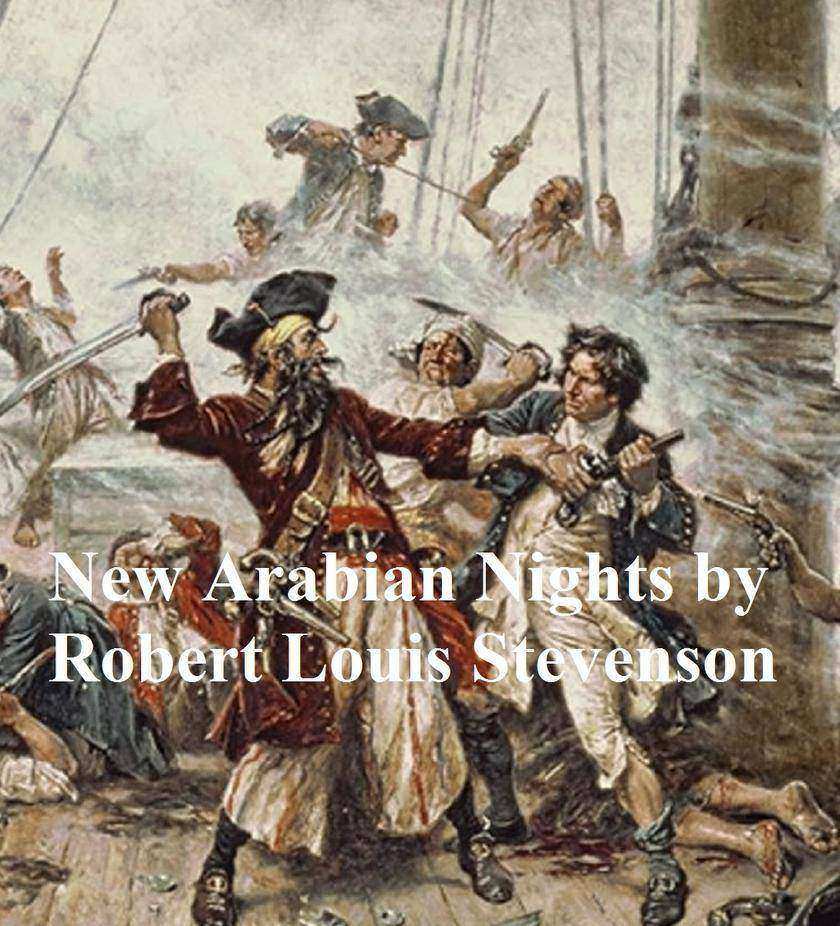
The New Arabian Nights
¥8.09
Collection of short stories, including: The Suicide Club, The Rajah's Diamond, The Pavilion on the Links, A Lodging for the Night - a Story of Francis Villon, The Sire de Maletroit's Door, and Providence and the Guitar. According to Wikipedia: "Robert Louis (Balfour) Stevenson ( 1850 - 1894), was a Scottish novelist, poet, and travel writer, and a leading representative of Neo-romanticism in English literature. He was the man who "seemed to pick the right word up on the point of his pen, like a man playing spillikins", as G. K. Chesterton put it. He was also greatly admired by many authors, including Jorge Luis Borges, Ernest Hemingway, Rudyard Kipling, Vladimir Nabokov, and J. M. Barrie. Most modernist writers dismissed him, however, because he was popular and did not write within their definition of modernism. It is only recently that critics have begun to look beyond Stevenson's popularity and allow him a place in the canon."
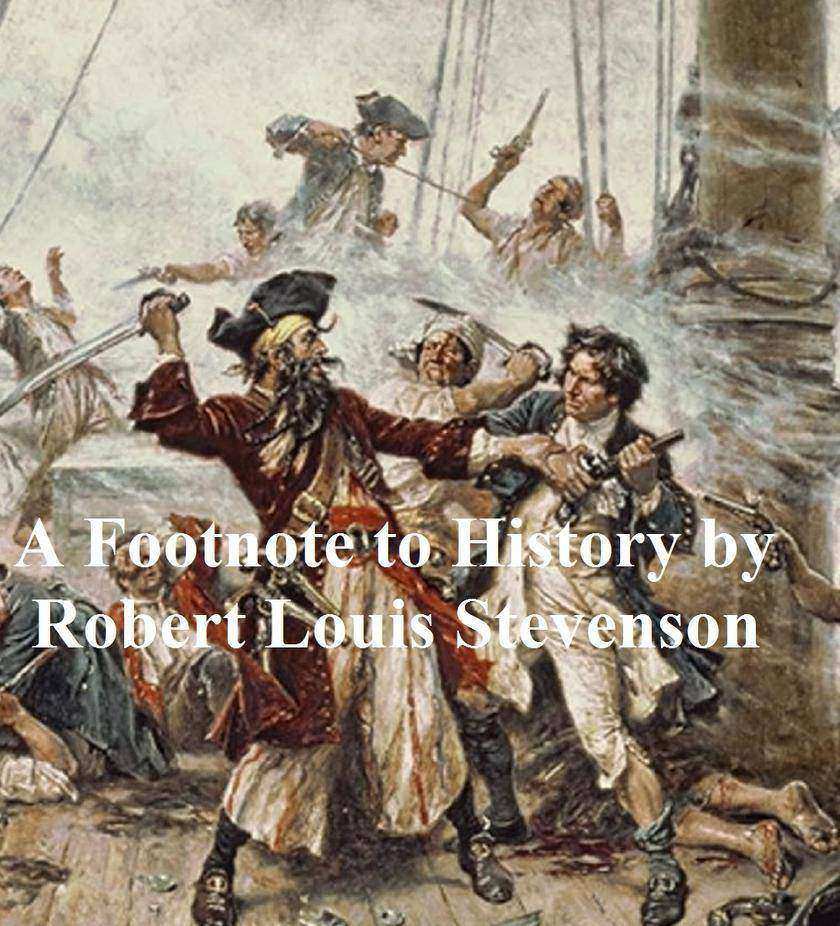
A Footnote to History
¥8.09
According to Wikipedia: "Robert Louis (Balfour) Stevenson ( 1850 - 1894), was a Scottish novelist, poet, and travel writer, and a leading representative of Neo-romanticism in English literature. He was the man who "seemed to pick the right word up on the point of his pen, like a man playing spillikins", as G. K. Chesterton put it. He was also greatly admired by many authors, including Jorge Luis Borges, Ernest Hemingway, Rudyard Kipling, Vladimir Nabokov, and J. M. Barrie. Most modernist writers dismissed him, however, because he was popular and did not write within their definition of modernism. It is only recently that critics have begun to look beyond Stevenson's popularity and allow him a place in the canon."


