


 购物车
购物车 个人中心
个人中心
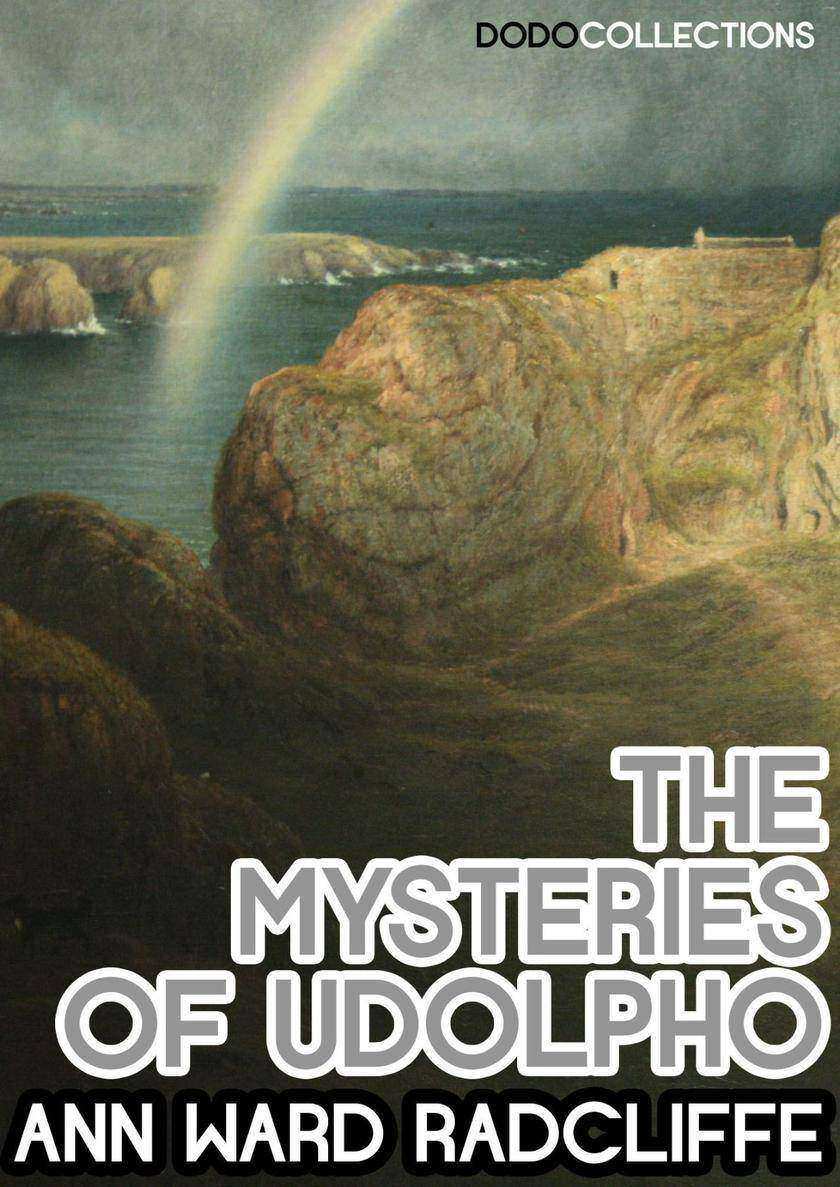
The Mysteries Of Udolpho
¥8.09
The Mysteries of Udolpho follows the fortunes of Emily St. Aubert who suffers, among other misadventures, the death of her father, supernatural terrors in a gloomy castle, and the machinations of an Italian brigand. Often cited as the archetypal Gothic novel, The Mysteries of Udolpho, along with Radcliffe's novel The Romance of the Forest, plays a prominent role in Jane Austen's novel Northanger Abbey, in which an impressionable young woman, after reading Radcliffe's novel, comes to see her friends and acquaintances as Gothic villains and victims with amusing results.
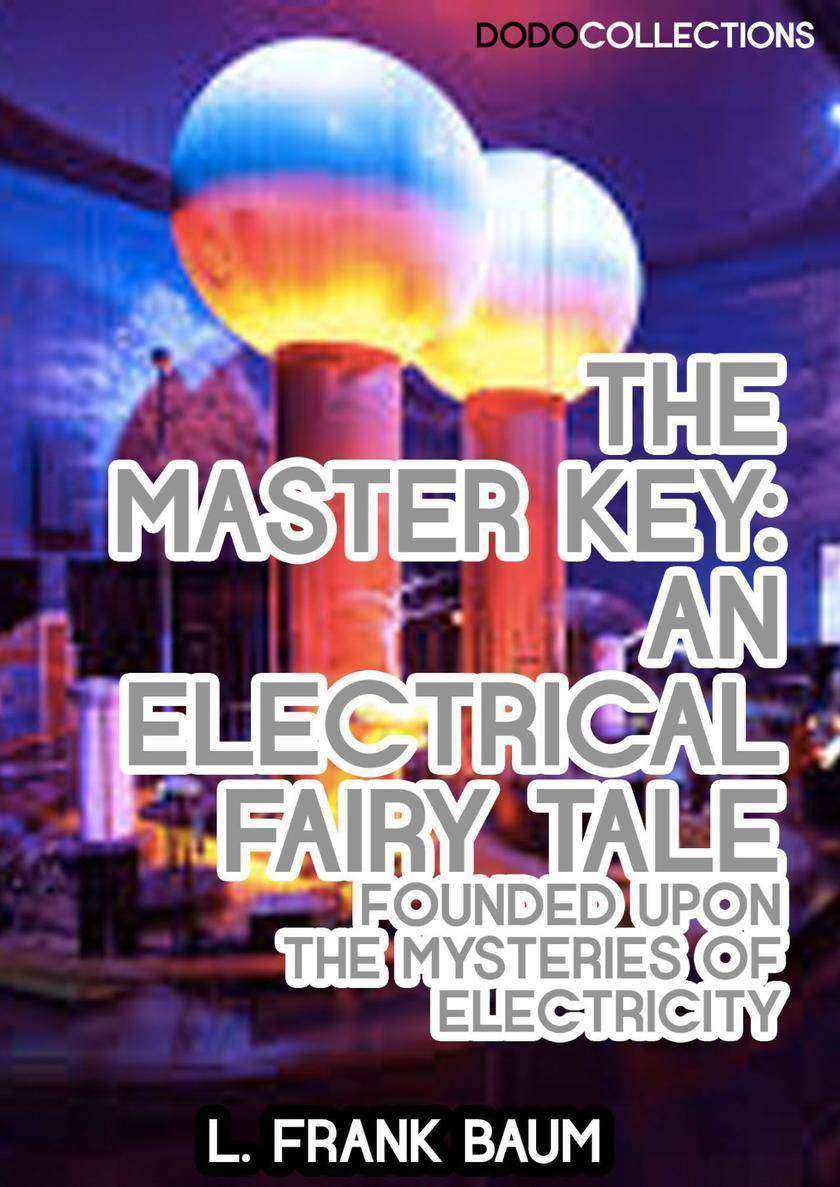
The Master Key
¥8.09
The Master Key: An Electrical Fairy Tale, Founded Upon the Mysteries of Electricity and the Optimism of Its Devotees is a 1901 novel by L. Frank Baum, author of The Wonderful Wizard of Oz. ? The protagonist is a boy named Rob Joslyn. His age is not specified. Baum dedicated the book "To My Son, Robert Stanton Baum," who was born in 1886 and would thus have been about fifteen at the time it was published. ? Rob is an electrical experimenter whose father encourages him and sees that he "never lacked batteries, motors or supplies of any sort." A "net-work[sic] of wires soon ran throughout the house". He loses track of the elaborately interconnected wires, and trying to get a cardboard house to light up, he "experimented in a rather haphazard fashion, connecting this and that wire blindly and by guesswork, in the hope that he would strike the right combination." There is a bright flash, and a being who calls himself the Demon of Electricity appears. He tells Rob that he has accidentally "touched the Master Key of Electricity" and is entitled to "to demand from me three gifts each week for three successive weeks." Rob protests that he does not know what to ask for, and the Demon agrees to select the gifts himself.
Lady Susan
¥8.09
This epistolary novel, an early complete work that the author never submitted for publication, describes the schemes of the main character—the widowed Lady Susan—as she seeks a new husband for herself and one for her daughter. Although the theme, together with the focus on character study and moral issues, is close to Austen's published work (Sense and Sensibility was also originally written in the epistolary form), its outlook is very different, and the heroine has few parallels in 19th-century literature. Lady Susan is a selfish, unscrupulous and scheming woman, highly attractive to men, who tries to trap the best possible husband while maintaining a relationship with a married man. She subverts all the standards of the romantic novel: she has an active role, she is not only beautiful but intelligent and witty, and her suitors are significantly younger than she is (in contrast with Sense and Sensibility and Emma, which feature marriages by their female protagonists to men who are 16 years older). Although the ending includes a traditional reward for morality, Lady Susan herself is treated more leniently than the adulteress in Mansfield Park, who is severely punished.
The Return of the Native
¥8.09
The Return of the Native is Thomas Hardy's sixth published novel. It first appeared in the magazine Belgravia, a publication known for its sensationalism, and was presented in twelve monthly installments from January to December 1878. Because of the novel's controversial themes, Hardy had some difficulty finding a publisher; reviews, however, though somewhat mixed, were generally positive. In the twentieth century, The Return of the Native became one of Hardy's most popular novels. ? The novel takes place entirely in the environs of Egdon Heath, and, with the exception of the epilogue, Aftercourses, covers exactly a year and a day. The narrative begins on the evening of Guy Fawkes Night as Diggory Venn is slowly crossing the heath with his van, which is being drawn by ponies. In his van is a passenger. When darkness falls, the country folk light bonfires on the surrounding hills, emphasising—not for the last time—the pagan spirit of the heath and its denizens.

The Will to Believe, and Other Essays in Popular Philosophy
¥8.09
The work of William James contributed greatly to the burgeoning fields of psychology, particularly in the areas of education, religion, mysticism and pragmatism. The brother of novelist Henry James and of diarist Alice James, William wrote several powerful essays expressing his ideas on the pragmatic theory of truth, sentience, and human beings' right to believe. In "The Will to Believe", James suggests that what a person holds to be true or attainable may exist through that person's belief in them, regardless of a lack of physical evidence. In a sense, he advocates the theory of self-fulfilling prophesies. "Human Immortality" was a speech delivered during the annual Ingersoll Lectureship, given in memory of George Goldthwait Ingersoll, in 1897 at Harvard University. These works are a prime example of the powerful influence William James has had on modern psychology, and are still recognized today for their brilliance and revolutionary impacts on the field.
The Voyage of the Beagle
¥8.09
The Voyage of the Beagle is the title most commonly given to reissues of the book written by Charles Darwin and published in 1839 as his Journal and Remarks, bringing him considerable fame and respect. This was the third volume of The Narrative of the Voyages of H.M. Ships Adventure and Beagle, and covers Darwin's part in the second survey expedition of the ship HMS Beagle, which set sail from Plymouth Sound on 27 December 1831 under the command of Captain Robert FitzRoy, R.N.. Due to the popularity of Darwin's account, the publisher reissued it later in 1839 as Darwin's Journal of Researches, and the revised second edition published in 1845 used this title. A republication of the book in 1905 introduced the title The Voyage of the "Beagle". ? While the expedition was originally planned to last two years, it lasted almost five—the Beagle did not return until 2 October 1836. Darwin spent most of this time exploring on land (three years and three months on land; 18 months at sea). ? The book is a vivid and exciting travel memoir as well as a detailed scientific field journal covering biology, geology, and anthropology that demonstrates Darwin's keen powers of observation, written at a time when Western Europeans were exploring and charting the whole world. Although Darwin revisited some areas during the expedition, for clarity the chapters of the book are ordered by reference to places and locations rather than by date. Darwin's notes made during the voyage include comments illustrating his changing views at a time when he was developing his theory of evolution by natural selection and includes some suggestions of his ideas, particularly in the second edition of 1845.
Considerations on Representative Government
¥8.09
Considerations on Representative Government is a book by John Stuart Mill published in 1861. As the title suggests, it is an argument for representative government, the ideal form of government in Mill's opinion. One of the more notable ideas Mill puts forth in the book is that the business of government representatives is not to make legislation. Instead Mill suggests that representative bodies such as parliaments and senates are best suited to be places of public debate on the various opinions held by the population and to act as watchdogs of the professionals who create and administer laws and policy. In his words: ? Their part is to indicate wants, to be an organ for popular demands, and a place of adverse discussion for all opinions relating to public matters, both great and small; and, along with this, to check by criticism, and eventually by withdrawing their support, those high public officers who really conduct the public business, or who appoint those by whom it is conducted.
New Atlantis
¥8.09
New Atlantis is an incomplete utopian novel by Sir Francis Bacon, published in 1627. In this work, Bacon portrayed a vision of the future of human discovery and knowledge, expressing his aspirations and ideals for humankind. The novel depicts the creation of a utopian land where "generosity and enlightenment, dignity and splendour, piety and public spirit" are the commonly held qualities of the inhabitants of the mythical Bensalem. The plan and organisation of his ideal college, Salomon's House (or Solomon's House), envisioned the modern research university in both applied and pure sciences.

The Motor Boys on Road and River
¥8.09
The Motor Boys were the heroes of a popular series of adventure books for boys at the turn of the 20th century issued by the Stratemeyer Syndicate under the pseudonym of Clarence Young. This series was published by Cupples & Leon and was issued with dustjackets and glossy frontispiece. Howard Garis (author of the Uncle Wiggily stories) wrote many, if not all, of these stories.
Peter Pan in Kensington Gardens
¥8.09
Peter Pan in Kensington Gardens is a novel by J. M. Barrie, published in 1906; it is one of four major literary works by Barrie featuring the widely known literary character he created, Peter Pan. ? Peter is a seven-day-old infant who, "like all infants", used to be part bird. Peter has complete faith in his flying abilities, so, upon hearing a discussion of his adult life, he is able to escape out of the window of his London home and return to Kensington Gardens. Upon returning to the Gardens, Peter is shocked to learn from the crow Solomon Caw that he is not still a bird, but more like a human – Solomon says he is crossed between them as a "Betwixt-and-Between". Unfortunately, Peter now knows he cannot fly, so he is stranded in Kensington Gardens. At first, Peter can only get around on foot, but he commissions the building of a child-sized thrush's nest that he can use as a boat to navigate the Gardens by way of the Serpentine, the large lake that divides Kensington Gardens from Hyde Park.
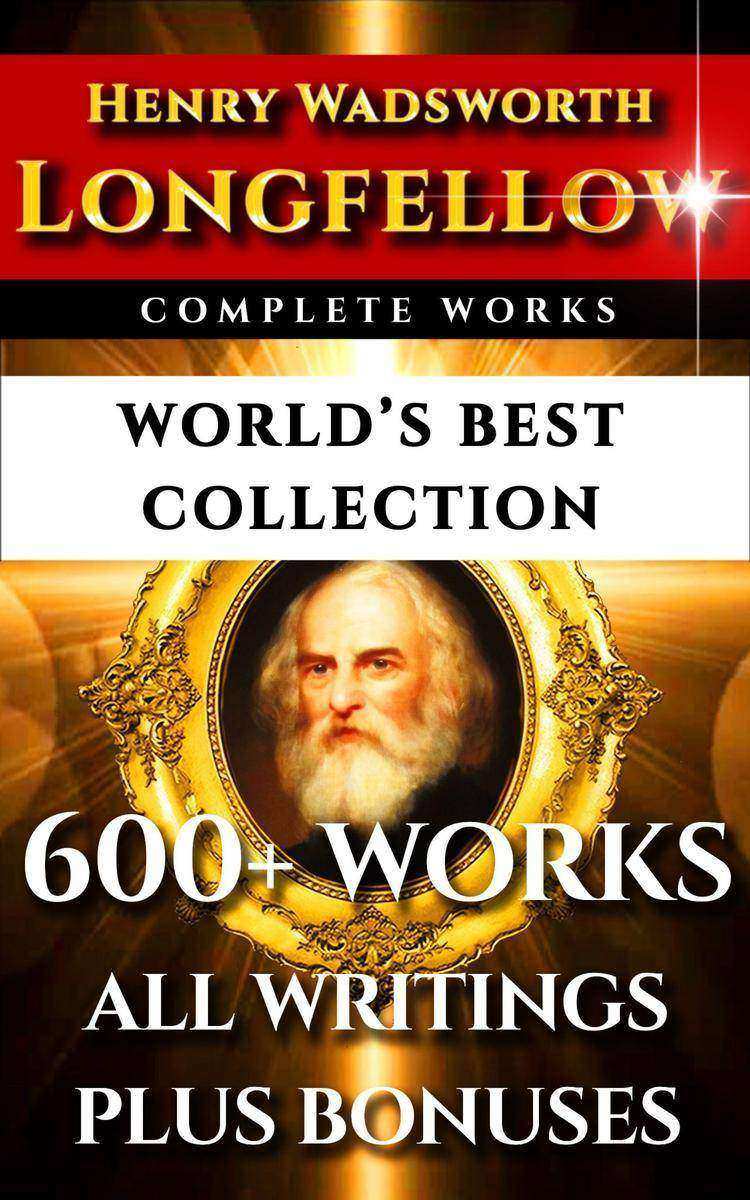
Longfellow Complete Works – World’s Best Collection: 600+ Works
¥8.09
Henry Wadsworth Longfellow Complete Works World's Best Collection This is the world’s best Longfellow collection, including the most complete set of Longfellow’s works available plus many free bonus materials. Henry Wadsworth Longfellow Henry Wadsworth Longfellow was an American poet and educator, a Professor at Harvard College. Longfellow wrote predominantly lyric poems, known for their musicality, presenting amazing stories of mythology and legend. He became the most popular American poet of his day and also had success overseas. The ‘Must-Have’ Complete Collection In this irresistible collection you get a full set of Longfellow’s work - more than 600 works, including All his poems, All his Epic Poetry, All his Prose, and All his poetry collections. Plus this collection includes a comprehensive biography so you can experience the life of the man behind the words. There is also free bonus material. Works Including: Prose Works, Including: Kavanagh Hyperion Poetical Works, Including: Evangeline Hiawatha The Wayside In Paul Revere’s Ride Legend Of Rabbi Ben Levi Christus: A Mystery Part I. The Divine Tragedy Part Ii. The Golden Legend Part Iii. The New England Tragedies Other Works, Including: Ultima Thule In The Harbor Birds Of Passage Flight the First to Flights the Fifth Voices Of The Night The Spanish Student Juvenile Poems. Translations - Full set of all Longfellow’s translations from Italian, French, Portuguese, German and Anglo-Saxon sources. Your Free Special Bonuses The Divine Comedy?- Longfellow’s translation of Dante’s Vision Of Inferno, Purgatory And Paradise, including Six Sonnets On Dante’s Divine Comedy By Longfellow himself. Henry Wadsworth Longfellow’s Life?- A biography of Milton’s intriguing life. A Visit To Hiawatha’s People?- Written by Alice Longfellow. Get This Collection Right Now This is the best Longfellow collection you can get, so get it now and start enjoying and being inspired by his world like never before!
The Divine Comedy – World’s Best Collection
¥8.09
The Divine Comedy World's Best Collection This is the best Divine Comedy Collection available, including the most famous translations of this legendary works plus many extra free bonus materials. The Divine Comedy The Divine Comedy (Italian: Divina Commedia), better known sometimes as ‘Dante’s Inferno’, ‘Dante’s Purgatory’ or ‘Dante’s Paradise’, is an epic poem written by Dante Alighieri, considered the preeminent work of Italian literature, and one of the greatest works of world literature. The poem’s imaginative and allegorical vision is divided into three parts: Inferno, Purgatorio, and Paradiso.On the surface, the poem describes Dante’s travels through Hell, Purgatory, and Heaven, but is a deep metaphor for the soul’s journey towards God The ‘Must-Have’ Complete Collection In this irresistible collection you get the 4 most famous and well known translations of Dante’s immortal work, in Prose and Verse, Plus Notes on the Poem, as well as a biography so you can experience the life of the man behind the words. We also include other bonus material. Works Included: Translated by Courtney Langdon Dante’s The Divine Comedy - Verse Hell (Inferno), Purgatory And Paradise Translated by Henry Wadsworth Longfellow Dante’s The Divine Comedy - Verse Hell (Inferno), Purgatory And Paradise Plus Six Sonnets On Dante’s Divine Comedy By Henry Wadsworth Longfellow Translated by Rev. H. F. Cary, A.M. Dante’s The Divine Comedy - Verse Hell (Inferno), Purgatory And Paradise Translated by Charles Eliot Norton Dante’s The Divine Comedy - Prose Hell (Inferno), Purgatory And Paradise Your Free Special Bonuses Other Poetry Of Dante -?Dante’s lesser known, but equally as intriguing and important poetry, including: Love and the Gentle Heart O Intelligence Moving The Third Heaven Of Beauty and Duty The Thorn Forest Eclogues Dante - The Central Man Of All The World -?Biography of Dante?and Analysis of The Divine Comedy. Get This Collection Right Now This is the best Dante and Divine Comedy collection you can get, so get it now and start delving into this magnificent epic poem like never before!
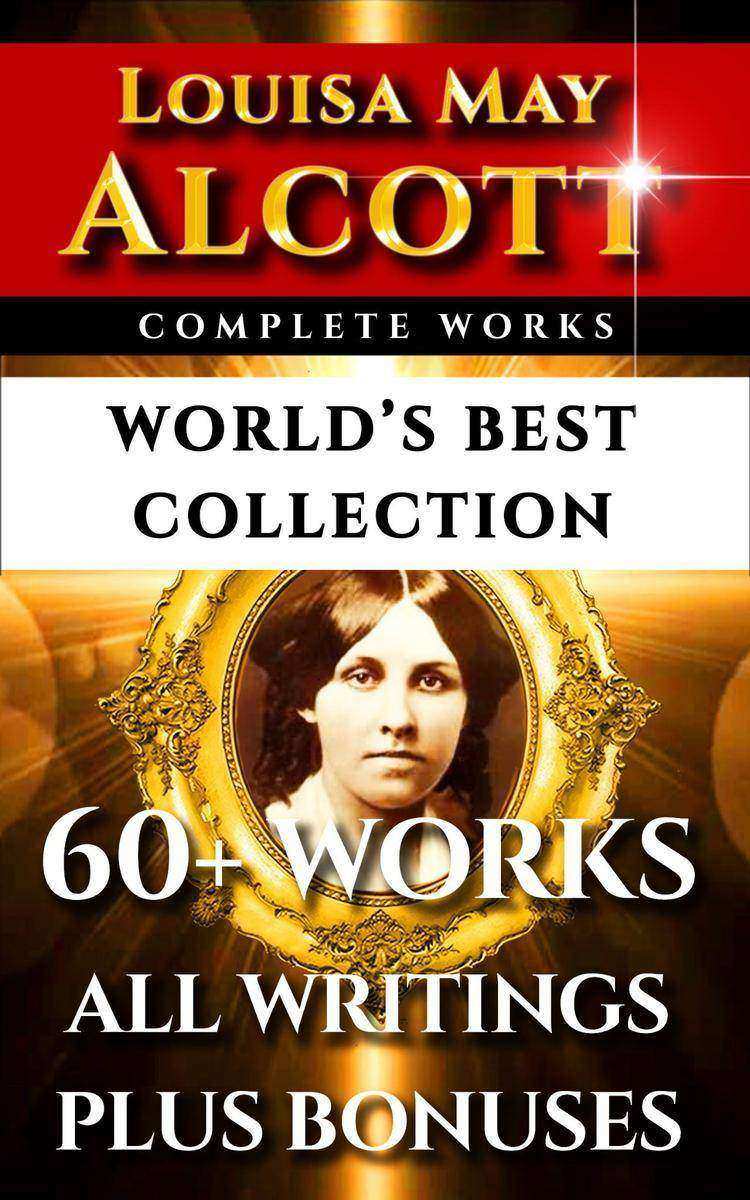
Louisa May Alcott Complete Works – World’s Best Collection: 60+ Works
¥8.09
Louisa May Alcott Complete Works World's Best Collection This is the world’s best Louisa May Alcott collection, including the most complete set of Alcott’s works available plus many free bonus materials. Louisa May Alcott Louisa May Alcott was an American novelist best known as author of the novel Little Women. She was raised by her transcendentalist parents and she grew up among many of the well-known intellectuals of the day such as Ralph Waldo Emerson, Nathaniel Hawthorne, and Henry David Thoreau. Nevertheless, her family suffered severe financial difficulties and Alcott worked to help support the family from an early age. The ‘Must-Have’ Complete Collection In this irresistible collection you get a full set of Louisa May Alcott’s work with more than 100 works - All her books, All her novels, and All her short stories. Plus there is Extra Bonus Material and a full length Biography. Works Including: Little Women and its sequel Good Wives Little Men: Life At Plumfield With Jo’s Boys Jo’s Boys: Sequel To Little Men? Under The Lilacs? Flower Fables? A Modern Cinderella; Or The Little Old Shoe And Other Stories? The Candy Country Eight Cousins and??Rose In Bloom - A Sequel To ‘Eight Cousins' An Old-Fashioned Girl Your Free Special Bonuses Louisa May Alcott - Her Life, Letters, And Journals?- Edited By Ednah D. Cheney – A biography and collection of Alcott’s intriguing correspondence. The Poetry Of Louisa May Alcott?- A complete set of Alcott’s rare poems. Get This Collection Right Now This is the best Alcott collection you can get, so get it now and start enjoying and being inspired by her world like never before!

Odd Family Out:A Collection Of Short Stories
¥8.09
In 'Odd Family Out', Nick Nwaogu tells over a score of short-stories about his unusually odd family, using twenty-five chapters to introduce twenty-five fictional family members with contrasting personalities, including a fictional version of himself. The book starts with the introduction of his mother. "I always knew I came from a very odd family. There was mother—too short, too old-fashion, too simple, and too intelligent for a woman with no University education." He goes on to introduce himself in the following chapter. "And there was me—too short that I had to stand in the front row of every family photograph."??Auntie Stacy discovers that Darren is also in love with her, but unfortunately he is just few seconds away from being married. Nick's cousin Adaeze moves to Lagos and falls in love with immature Ebuka. Sasha's celebrity obsession swings from ‘cuties with crazy abs’ to ‘hooligans who rapped about birthdays and candies’. In other words, Sasha dumps Trey Songz for 50 Cent. Little Vivian asks God to make her teacher choke on his breakfast and be left in a three-day coma, so she could make friends at school. Dera gets and loses ladies like breathing in and out. At thirty-nine, Auntie Florence meets her?future husband at her mother's funeral. Little Michelle takes her life because she couldn't stop eating and gaining weight. Eddy falls in love at first sight (for the first time) with the girl next door. ??Amaka quits prostitution and completes medical school. Sixteen-year-old Bella loses her baby on Independence's Day. Mandy confesses that she had felt heartbroken all her life and it wasn't seeming to go away. Ethan gives Tessa her first kiss at the girl's bathroom. Uncle Humphrey marries the 'sweep in a peacoat'. Jane kisses Uncle Martin on her wedding day to Stanley. At twenty-five, Nnenna takes Sarah's advice and starts dating for the first time. Auntie Rose questions if she is in love with Richie while wearing the wedding ring of another man. Finally, Nick gets it right, and buys the perfect gift for his fictional wife Mary Joy. Nneka is abandoned by her husband who she is seven-months pregnant for. Young Alfred, born with autism, dies.??'Odd Family Out' is a fine blend of love, heartbreak, comedy, new-beginnings, betrayal, and lust.
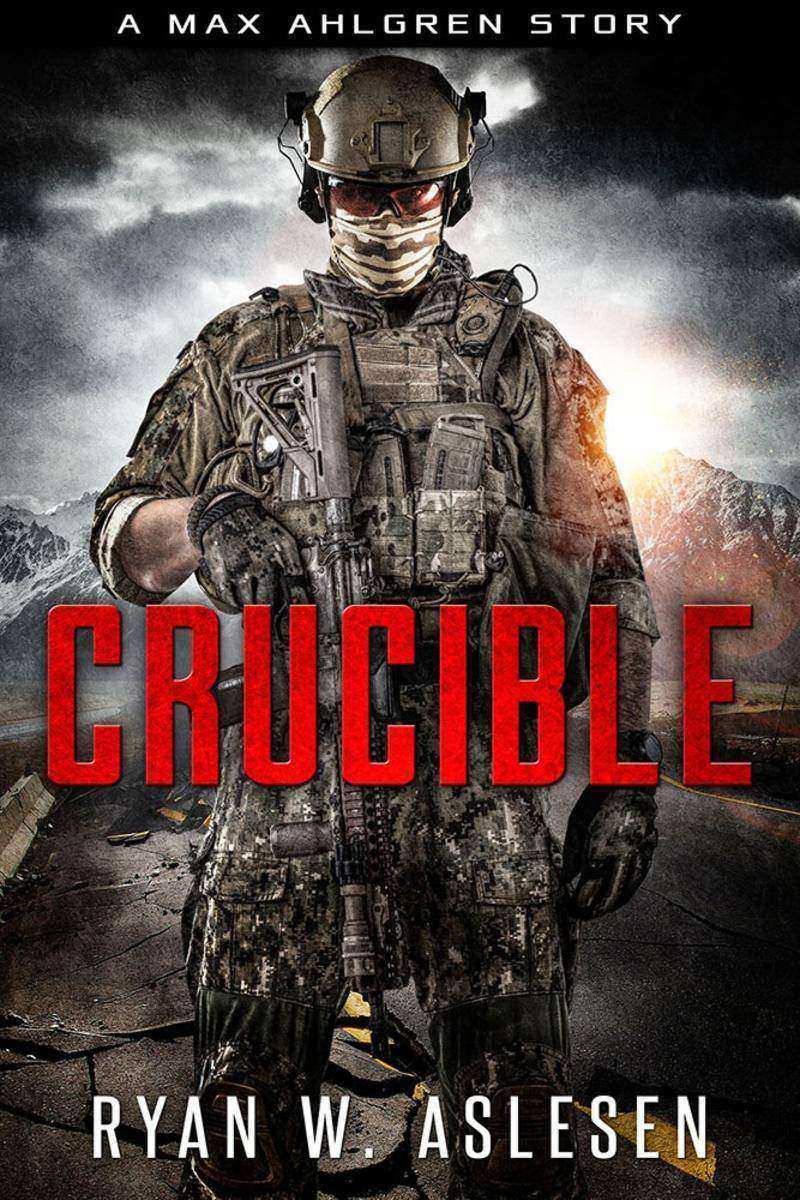
Crucible:A Max Ahlgren Story
¥8.09
The War on Terror provides the backdrop for the thriller that introduces the roots of ultimate antihero, Max Ahlgren. Captain Max Ahlgren is proud to be one of the first team commanders in the Marine Corps’ nascent MARSOC detachment. Finally, the Corps’ elite warriors are working alongside those of other branches, battling insurgents, not on the front lines but behind them. After his first mission, however, Max learns he will be replaced as team commander.The new commander, Major Whitbeck, comes from 8th and I: Marine Barracks, Washington DC. His late father, a revered general, died in a terrorist car bombing. The commander is in Afghanistan for vengeance—and redemption. When the team infiltrates the ancient desert fortress of Kazindrak, hunting an elusive Al-Qaeda terrorist, Whitbeck reveals his ineptitude in combat. Max’s fury grows as the body count rises. When the actual nature of the mission is revealed, Max gets a good look at the sordid underbelly of the War on Terror and sees first-hand what monsters men can become. If he is to survive, however, he may have no choice but to become one.Sometimes the greatest enemy is within…
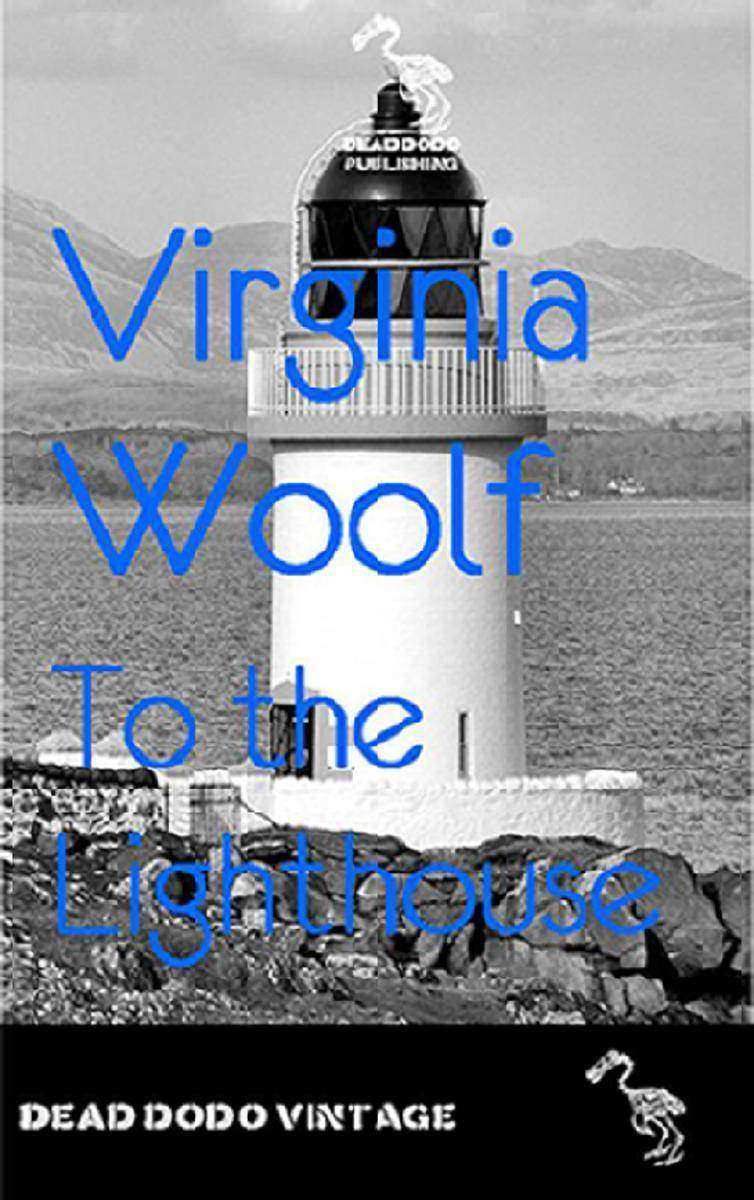
To the Lighthouse
¥8.09
This unique edition of To the Lighthouse from Dead Dodo Vintage includes the full original text as well as exclusive features not available in other editions.

A Tale of Two Cities
¥8.09
This Point Blank Classics edition includes the full original text as well as exclusive images exclusive to this edition and an easy to use interactive table of contents.
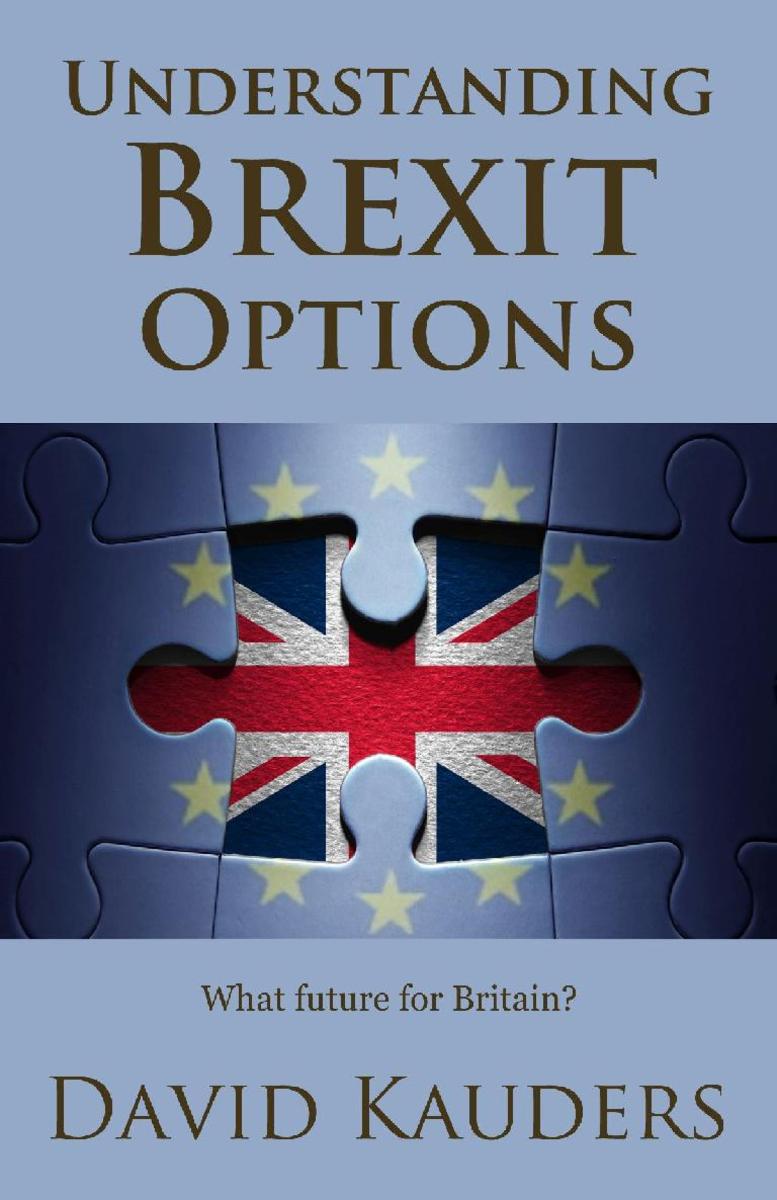
Understanding Brexit Options: What future for Britain?
¥8.09
The crucial decision the British government has taken will have enormous consequences for our children, grandchildren and all future generations. This book clearly describes the different options available, their impact on the UK economy and on individual Britons resident both in the UK and Europe.? It asks how realistic politicians are being about the detrimental effect on trade in both goods and services that will be caused by leaving the single market. What consequences will their decision have for the United Kingdom and its unity? Table of Contents Introduction 1 Britain's options 2 The importance of free trade 3 A British view of non-trade factors 4 Britain and Europe 5 The state of Britain 6 What now? Appendix: Examples of political misconceptions The author David Kauders FRSA was educated at Latymer Upper School, Jesus College Cambridge and Cranfield School of Management. He is an investment manager and also contributes occasional articles to the UK financial press. Reviews "The need for a reasoned and sensible debate about the impact of Brexit has never been higher, with continued Government obfuscation about what Britain's exit from the EU will entail. David Kauders' well-researched book concisely explains the different Brexit options available and details their implications, with the case for Britain's continued access to the single market shining through. Kauders' work should be required reading for all those wishing to quickly grasp the consequences of Brexit" - Lord Bilimoria, Chairman, Cobra Beer Partnership and Cross Bench member of the House of Lords "With little clarity over what Brexit entails, 'Understanding Brexit Options' takes its reader through the options open to the UK in its future relationship with the EU. It helps lift the fog hanging over the toughest decision the UK will have to take in this generation." - Tom Brake "A useful addition to the current debate and has the benefit of being a short read" - Lord Bruce of Bennachie "'Understanding Brexit Options' by David Kauders illuminates the complexity of the options involved: staying within the single market, within the customs union, or either, or both. Or neither, which is what a hard Brexit would mean, or some sort of associated agreement (which seems the least likely). Brexiteers gave voters no idea of what they had in mind, and for that matter still seem to be at sixes and sevens over what they hope to achieve. Kauders exposes the facile promises of a free trade bonanza after Brexit in an increasingly protectionist world, and the illusion that we can stay in the single market and control our own borders - "have our cake and eat it" in Boris Johnson's dream world. In fact, anyone who wants to be better informed about the best solution, or the least bad, or feels they should be, could do no better than to read this clear analysis." - Lord Taverne
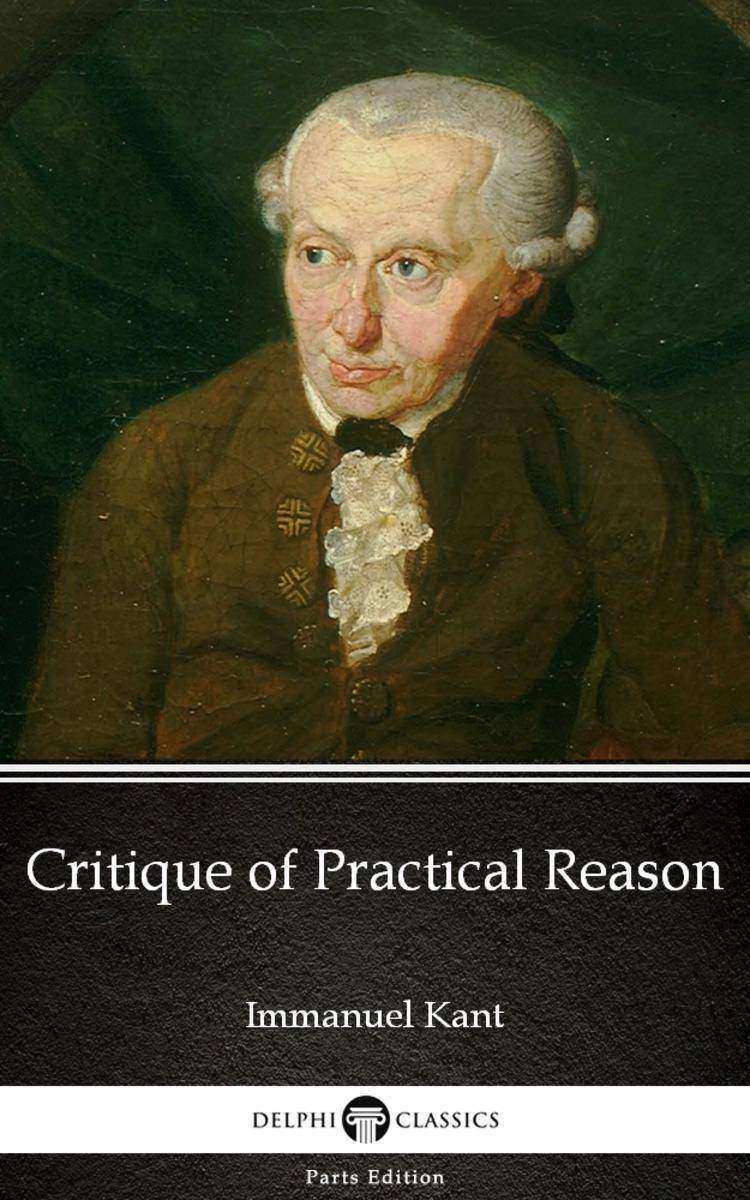
Critique of Practical Reason by Immanuel Kant - Delphi Classics (Illustrated)
¥8.09
This eBook features the unabridged text of ‘Critique of Practical Reason by Immanuel Kant - Delphi Classics (Illustrated)’ from the bestselling edition of ‘The Collected Works of Immanuel Kant’. Having established their name as the leading publisher of classic literature and art, Delphi Classics produce publications that are individually crafted with superior formatting, while introducing many rare texts for the first time in digital print. The Delphi Classics edition of Kant includes original annotations and illustrations relating to the life and works of the author, as well as individual tables of contents, allowing you to navigate eBooks quickly and easily. eBook features: * The complete unabridged text of ‘Critique of Practical Reason by Immanuel Kant - Delphi Classics (Illustrated)’ * Beautifully illustrated with images related to Kant’s works * Individual contents table, allowing easy navigation around the eBook * Excellent formatting of the text Please visit www.delphiclassics.com to learn more about our wide range of titles
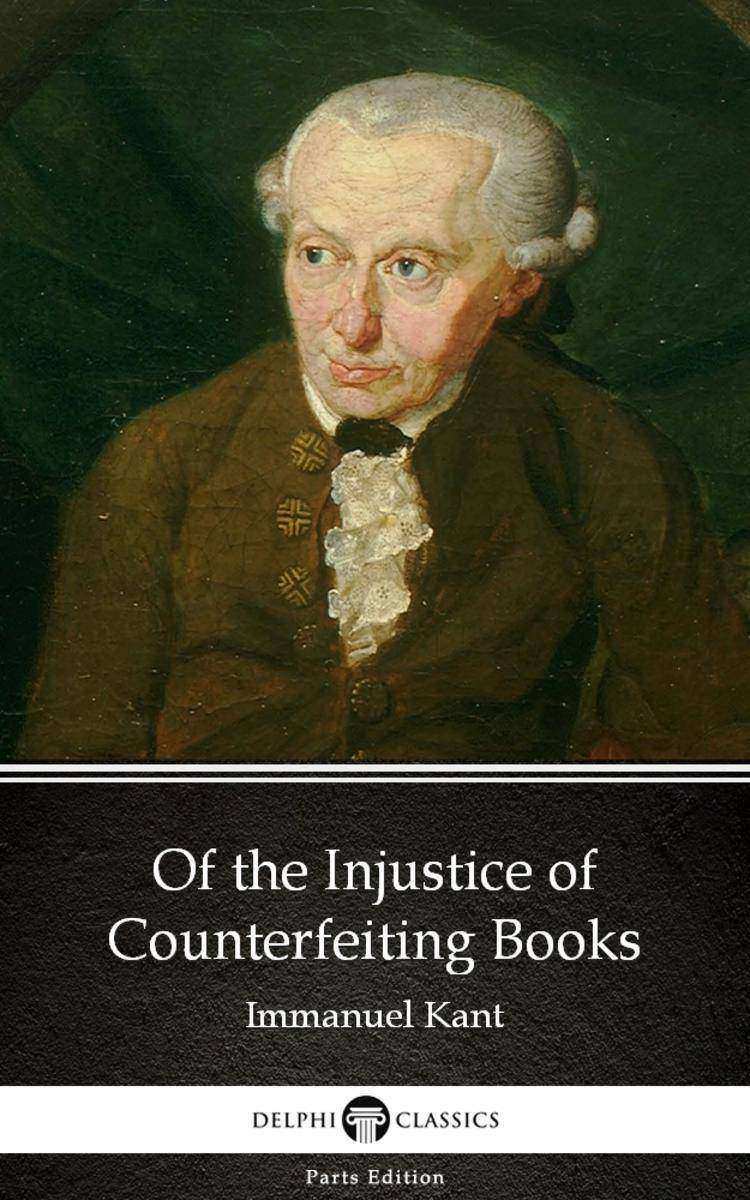
Of the Injustice of Counterfeiting Books by Immanuel Kant - Delphi Classics (Ill
¥8.09
This eBook features the unabridged text of ‘Of the Injustice of Counterfeiting Books by Immanuel Kant - Delphi Classics (Illustrated)’ from the bestselling edition of ‘The Collected Works of Immanuel Kant’. Having established their name as the leading publisher of classic literature and art, Delphi Classics produce publications that are individually crafted with superior formatting, while introducing many rare texts for the first time in digital print. The Delphi Classics edition of Kant includes original annotations and illustrations relating to the life and works of the author, as well as individual tables of contents, allowing you to navigate eBooks quickly and easily. eBook features: * The complete unabridged text of ‘Of the Injustice of Counterfeiting Books by Immanuel Kant - Delphi Classics (Illustrated)’ * Beautifully illustrated with images related to Kant’s works * Individual contents table, allowing easy navigation around the eBook * Excellent formatting of the text Please visit www.delphiclassics.com to learn more about our wide range of titles
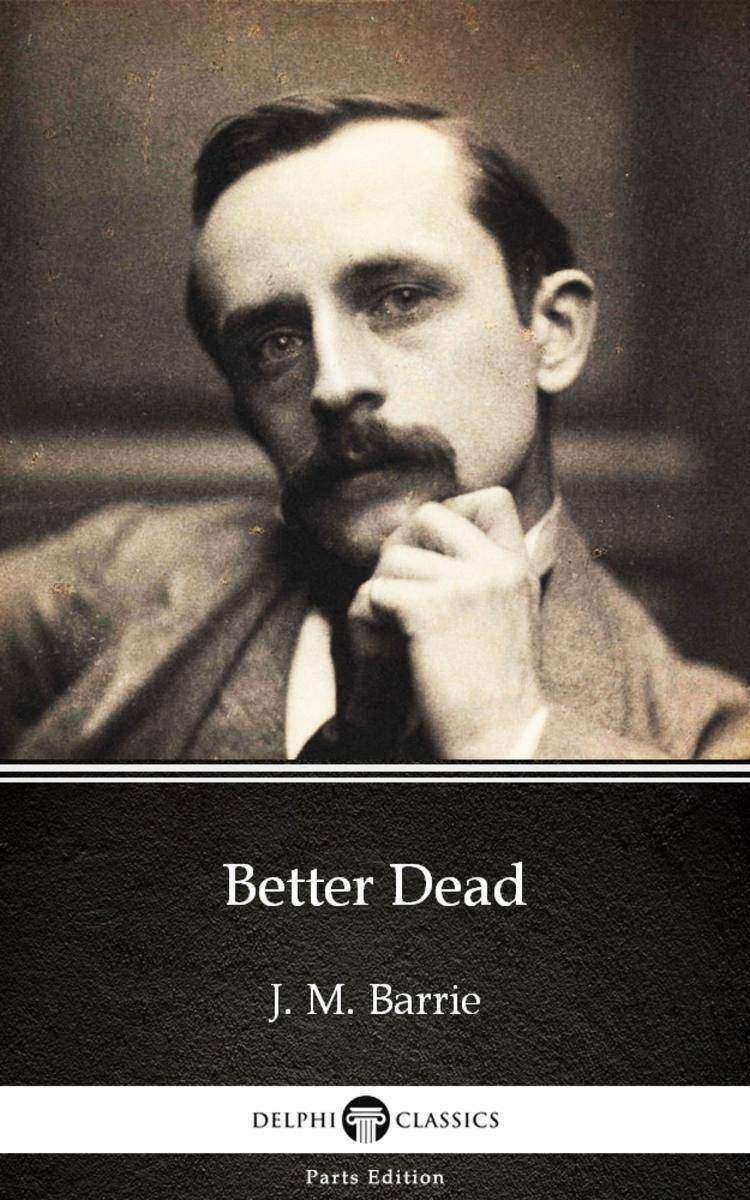
Better Dead by J. M. Barrie - Delphi Classics (Illustrated)
¥8.09
This eBook features the unabridged text of ‘Better Dead by J. M. Barrie - Delphi Classics (Illustrated)’ from the bestselling edition of ‘The Complete Works of J. M. Barrie’. Having established their name as the leading publisher of classic literature and art, Delphi Classics produce publications that are individually crafted with superior formatting, while introducing many rare texts for the first time in digital print. The Delphi Classics edition of Barrie includes original annotations and illustrations relating to the life and works of the author, as well as individual tables of contents, allowing you to navigate eBooks quickly and easily. eBook features: * The complete unabridged text of ‘Better Dead by J. M. Barrie - Delphi Classics (Illustrated)’ * Beautifully illustrated with images related to Barrie’s works * Individual contents table, allowing easy navigation around the eBook * Excellent formatting of the text Please visit www.delphiclassics.com to learn more about our wide range of titles


