


 购物车
购物车 个人中心
个人中心
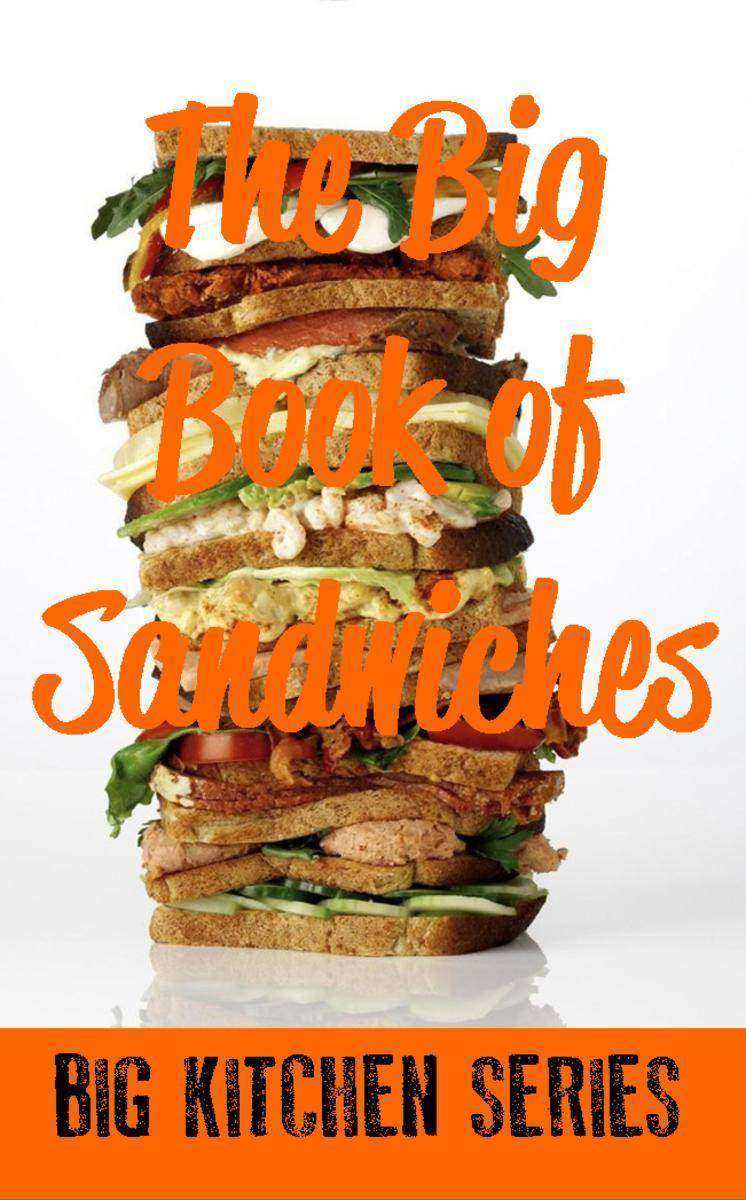
The Big Book of Sandwiches
¥8.09
Big Kitchen Series is proud to bring you The Big Book of Sandwiches. This full edition is all you will ever need for your favourite sandwich recipes. Including the most loved set-ups as well as some more unusual ideas, you can be sure that you will never be stuck for a sandwich to knock up ever again! It is packed with great ideas and variety. Be sure to check out other new titles from the Big Kitchen Series releasing throughout 2014.
The Almost Kiss:A Novel
¥8.09
The Almost Kiss, set in modern Nigeria, narrates the story of Chioma Okafor who is pressured by her over-ambitious mother into an unwanted romantic relationship with Uche, a young, sophisticated university lecturer. Chioma yields to her mother’s pressure, hoping she would eventually fall in love with Uche as her mother had assured her, but she never did. On a Valentine date with Uche, she gets a glimpse of what her relationship has been missing as she feels love for the first time with Emeka, a handsome stranger who’s unfortunately expecting a baby with Amara, a girl who Uche used to date in his university days.?Shocking and ugly truths are set loose that night.?Uche turns a relationship that he intended to blow up into an engagement to Chioma on Valentine’s Day, into a blood bath before midnight. Chioma who survives the near-death experience, narrates her Valentine dilemma to Femi, a clever Police Sergeant. Everybody thinks Uche died that night, but Femi discovers a strange text message sent from Chioma’s phone to Emeka, which triggers a series of twisted events that proves that the jealous and malicious Uche is still alive, and that the life of Chioma is now hanging down by a thin thread.?The ultimate question is: 'Since Uche is still alive, then who is the man laying lifeless in the mortuary?'?Chioma is certainly not pleased with the answer. Femi forcefully becomes Chioma’s personal bodyguard, while he hunts down Uche, an innocent-looking man who he met a day ago and poorly judged. Follow Femi as he uncovers an intriguing murder mystery that nobody even knew happened.?The Almost Kiss is an oddly unusual story of love, betrayal, lies, pretense, jealousy, conspiracy, and ambition.

Delphi Collected Works of Sara Teasdale US (Illustrated)
¥8.09
Winner of the first Pulitzer Prize for poetry, the American poet Sara Teasdale composed short, personal lyrics, noted for their classical simplicity and quiet intensity. In 1918 she won the Columbia University Poetry Society prize (forerunner of the Pulitzer Prize for poetry) and the annual prize of the Poetry Society of America for her pioneering collection of verse, ‘Love Songs’. The Delphi Poets Series offers readers the works of literature's finest poets, with superior formatting. This volume presents Teasdale’s collected poetical works, with related illustrations and the usual Delphi bonus material. (Version 1) * Beautifully illustrated with images relating to Teasdale's life and works* Concise introduction to Teasdale’s life and poetry* Include all the poems available in the US public domain* Images of how the poetry books were first printed, giving your eReader a taste of the original texts* Excellent formatting of the poems* Special chronological and alphabetical contents tables for the poetry* Easily locate the poems you want to read* Scholarly ordering of texts into chronological order and literary genres Please visit www.delphiclassics.com to see our wide range of poet titles CONTENTS: The Life and Poetry of Sara TeasdaleBrief Introduction: Sara TeasdaleSonnets to Duse and Other Poems, 1907Helen of Troy and Other Poems, 1911Rivers to the Sea, 1915Love Songs, 1917Flame and Shadow, 1920 The PoemsList of Poems in Chronological OrderList of Poems in Alphabetical Order Please visit www.delphiclassics.com to browse through our range of poetry titles or buy the entire Delphi Poets Series as a Super Set
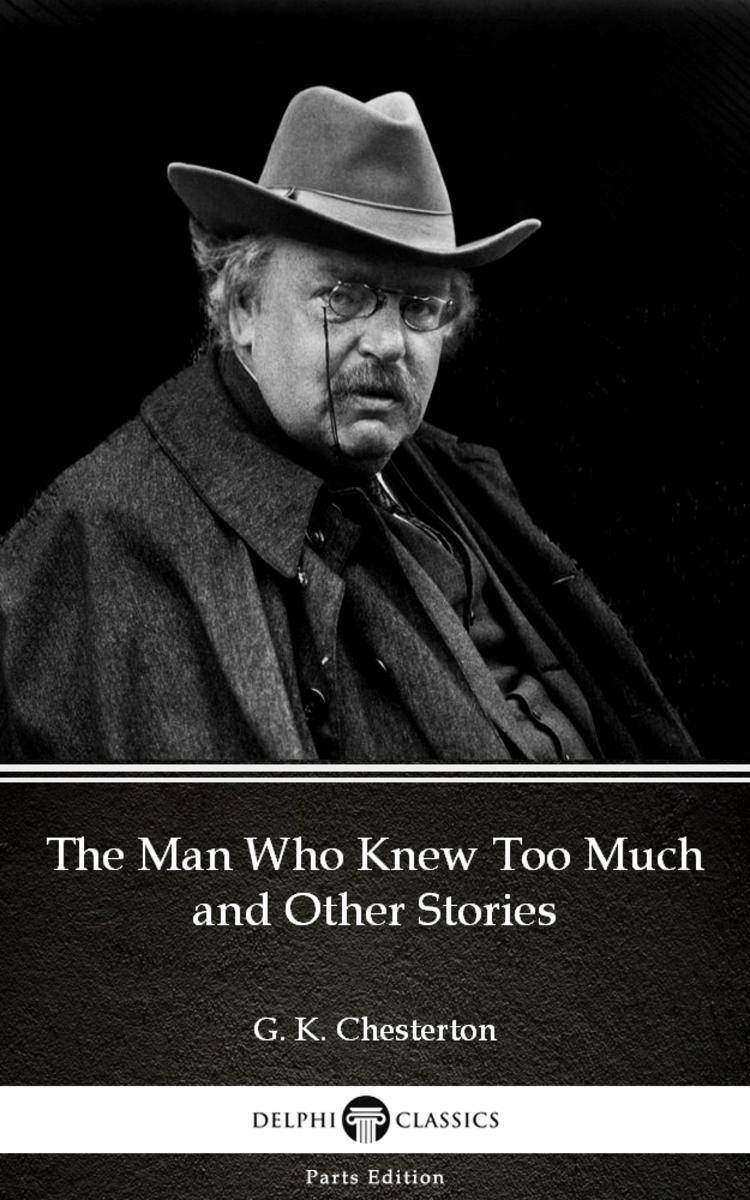
The Man Who Knew Too Much and Other Stories by G. K. Chesterton (Illustrated)
¥8.09
This eBook features the unabridged text of ‘The Man Who Knew Too Much and Other Stories’ from the bestselling edition of ‘The Complete Works of G. K. Chesterton’. Having established their name as the leading publisher of classic literature and art, Delphi Classics produce publications that are individually crafted with superior formatting, while introducing many rare texts for the first time in digital print. The Delphi Classics edition of Chesterton includes original annotations and illustrations relating to the life and works of the author, as well as individual tables of contents, allowing you to navigate eBooks quickly and easily.eBook features:* The complete unabridged text of ‘The Man Who Knew Too Much and Other Stories’* Beautifully illustrated with images related to Chesterton’s works* Individual contents table, allowing easy navigation around the eBook* Excellent formatting of the textPlease visit www.delphiclassics.com to learn more about our wide range of titles
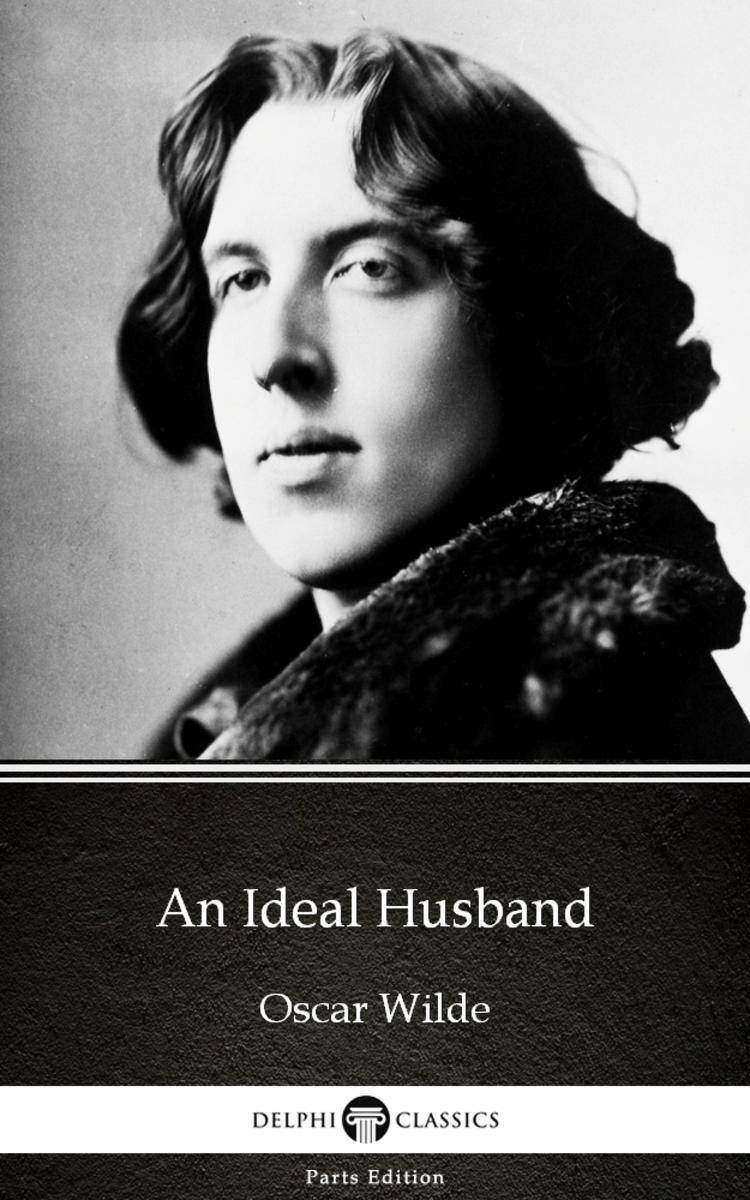
An Ideal Husband by Oscar Wilde (Illustrated)
¥8.09
This eBook features the unabridged text of ‘An Ideal Husband’ from the bestselling edition of ‘The Complete Works of Oscar Wilde’. Having established their name as the leading publisher of classic literature and art, Delphi Classics produce publications that are individually crafted with superior formatting, while introducing many rare texts for the first time in digital print. The Delphi Classics edition of Wilde includes original annotations and illustrations relating to the life and works of the author, as well as individual tables of contents, allowing you to navigate eBooks quickly and easily.eBook features:* The complete unabridged text of ‘An Ideal Husband’* Beautifully illustrated with images related to Wilde’s works* Individual contents table, allowing easy navigation around the eBook* Excellent formatting of the textPlease visit www.delphiclassics.com to learn more about our wide range of titles
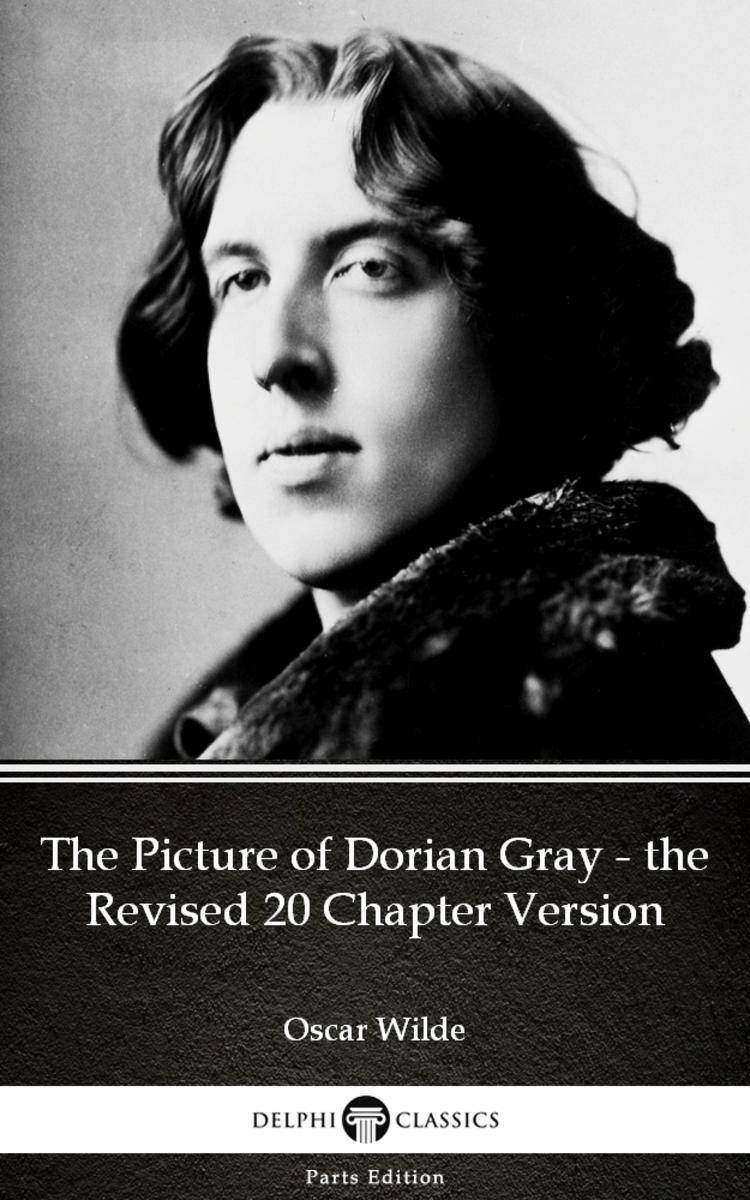
The Picture of Dorian Gray - the Revised 20 Chapter Version by Oscar Wilde
¥8.09
This eBook features the unabridged text of ‘The Picture of Dorian Gray - the Revised 20 Chapter Version’ from the bestselling edition of ‘The Complete Works of Oscar Wilde’. Having established their name as the leading publisher of classic literature and art, Delphi Classics produce publications that are individually crafted with superior formatting, while introducing many rare texts for the first time in digital print. The Delphi Classics edition of Wilde includes original annotations and illustrations relating to the life and works of the author, as well as individual tables of contents, allowing you to navigate eBooks quickly and easily.eBook features:* The complete unabridged text of ‘The Picture of Dorian Gray - the Revised 20 Chapter Version’* Beautifully illustrated with images related to Wilde’s works* Individual contents table, allowing easy navigation around the eBook* Excellent formatting of the textPlease visit www.delphiclassics.com to learn more about our wide range of titles
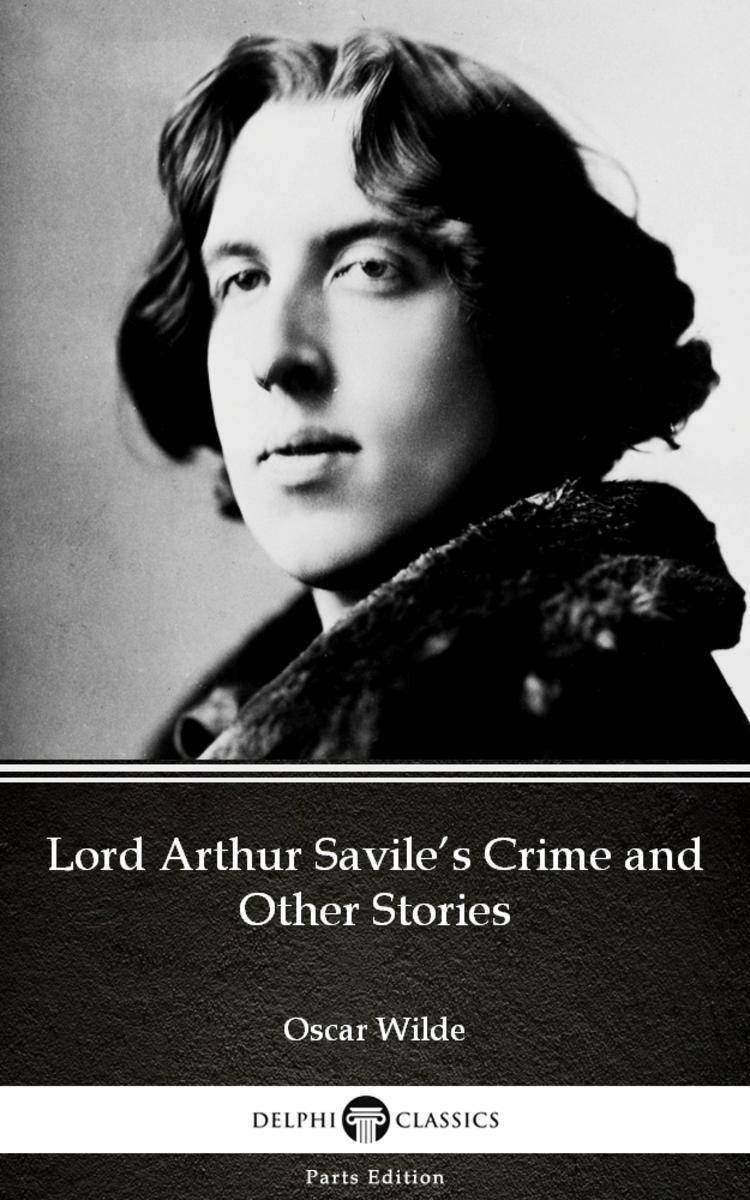
Lord Arthur Savile’s Crime and Other Stories by Oscar Wilde (Illustrated)
¥8.09
This eBook features the unabridged text of ‘Lord Arthur Savile’s Crime and Other Stories’ from the bestselling edition of ‘The Complete Works of Oscar Wilde’. Having established their name as the leading publisher of classic literature and art, Delphi Classics produce publications that are individually crafted with superior formatting, while introducing many rare texts for the first time in digital print. The Delphi Classics edition of Wilde includes original annotations and illustrations relating to the life and works of the author, as well as individual tables of contents, allowing you to navigate eBooks quickly and easily.eBook features:* The complete unabridged text of ‘Lord Arthur Savile’s Crime and Other Stories’* Beautifully illustrated with images related to Wilde’s works* Individual contents table, allowing easy navigation around the eBook* Excellent formatting of the textPlease visit www.delphiclassics.com to learn more about our wide range of titles
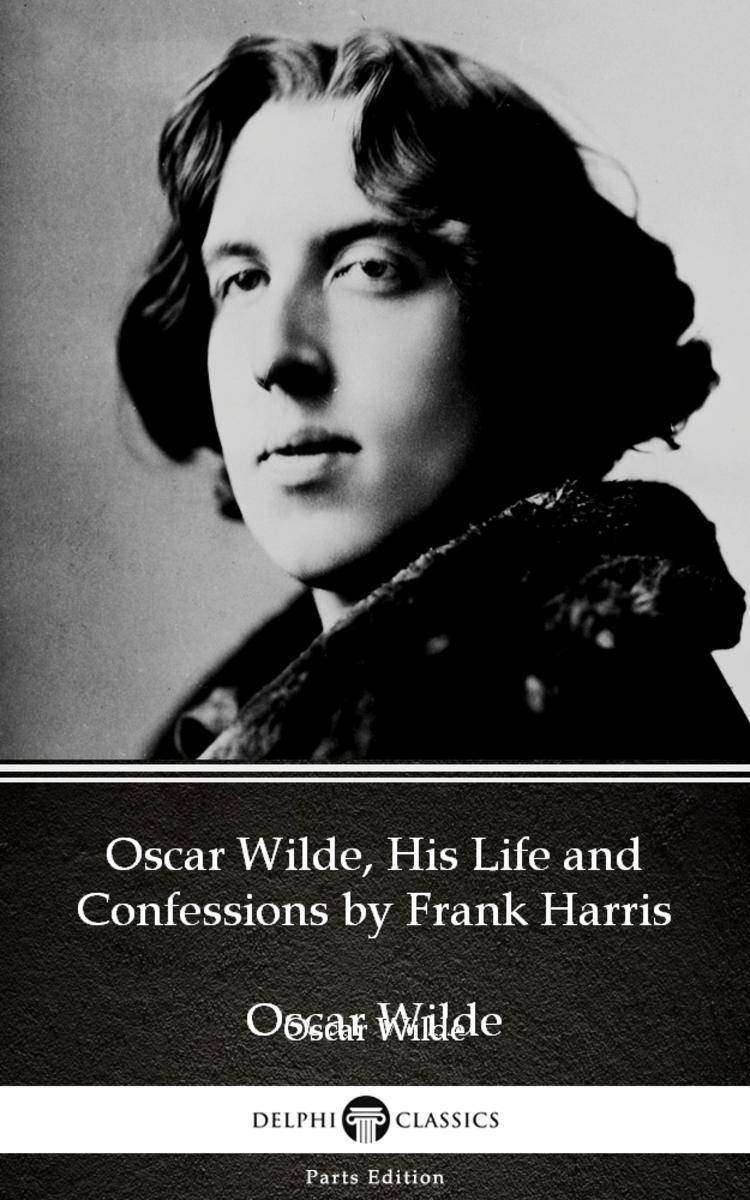
Oscar Wilde, His Life and Confessions by Frank Harris (Illustrated)
¥8.09
This eBook features the unabridged text of ‘Oscar Wilde, His Life and Confessions by Frank Harris’ from the bestselling edition of ‘The Complete Works of Oscar Wilde’. Having established their name as the leading publisher of classic literature and art, Delphi Classics produce publications that are individually crafted with superior formatting, while introducing many rare texts for the first time in digital print. The Delphi Classics edition of Wilde includes original annotations and illustrations relating to the life and works of the author, as well as individual tables of contents, allowing you to navigate eBooks quickly and easily.eBook features:* The complete unabridged text of ‘Oscar Wilde, His Life and Confessions by Frank Harris’* Beautifully illustrated with images related to Wilde’s works* Individual contents table, allowing easy navigation around the eBook* Excellent formatting of the textPlease visit www.delphiclassics.com to learn more about our wide range of titles

Before Adam by Jack London (Illustrated)
¥8.09
This eBook features the unabridged text of ‘Before Adam’ from the bestselling edition of ‘The Complete Works of Jack London’. Having established their name as the leading publisher of classic literature and art, Delphi Classics produce publications that are individually crafted with superior formatting, while introducing many rare texts for the first time in digital print. The Delphi Classics edition of London includes original annotations and illustrations relating to the life and works of the author, as well as individual tables of contents, allowing you to navigate eBooks quickly and easily.eBook features:* The complete unabridged text of ‘Before Adam’* Beautifully illustrated with images related to London’s works* Individual contents table, allowing easy navigation around the eBook* Excellent formatting of the textPlease visit www.delphiclassics.com to learn more about our wide range of titles
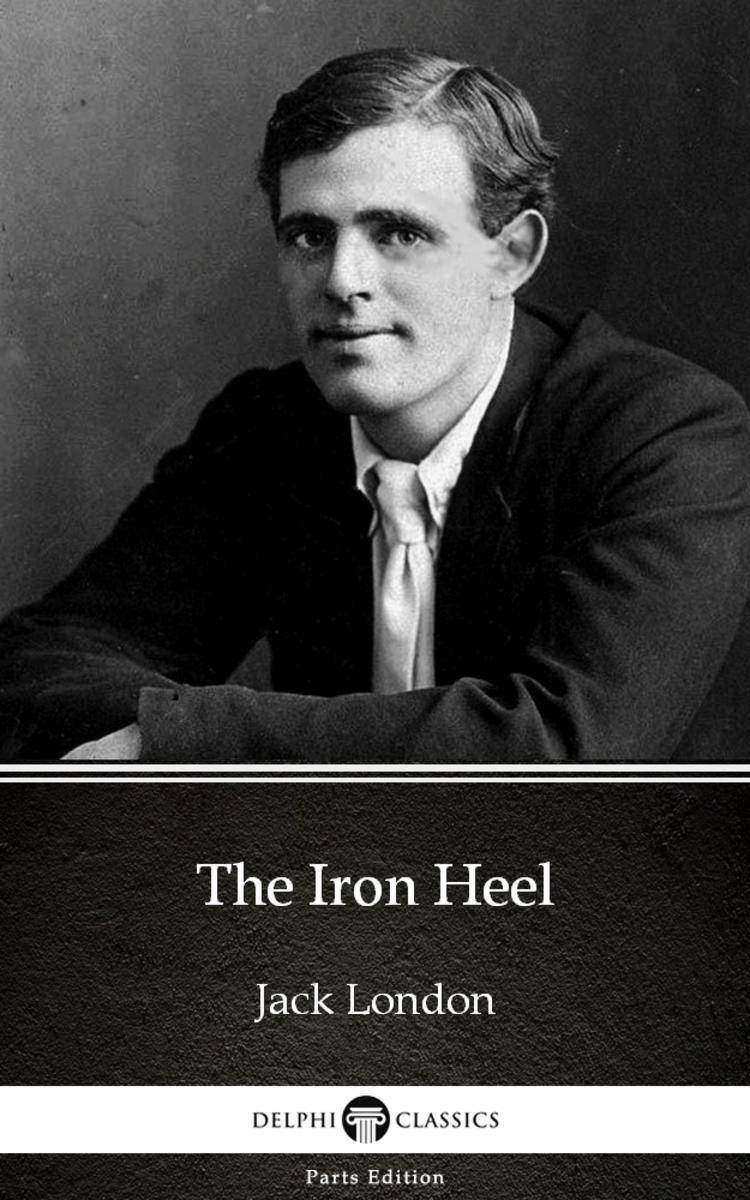
The Iron Heel by Jack London (Illustrated)
¥8.09
This eBook features the unabridged text of ‘The Iron Heel’ from the bestselling edition of ‘The Complete Works of Jack London’. Having established their name as the leading publisher of classic literature and art, Delphi Classics produce publications that are individually crafted with superior formatting, while introducing many rare texts for the first time in digital print. The Delphi Classics edition of London includes original annotations and illustrations relating to the life and works of the author, as well as individual tables of contents, allowing you to navigate eBooks quickly and easily.eBook features:* The complete unabridged text of ‘The Iron Heel’* Beautifully illustrated with images related to London’s works* Individual contents table, allowing easy navigation around the eBook* Excellent formatting of the textPlease visit www.delphiclassics.com to learn more about our wide range of titles
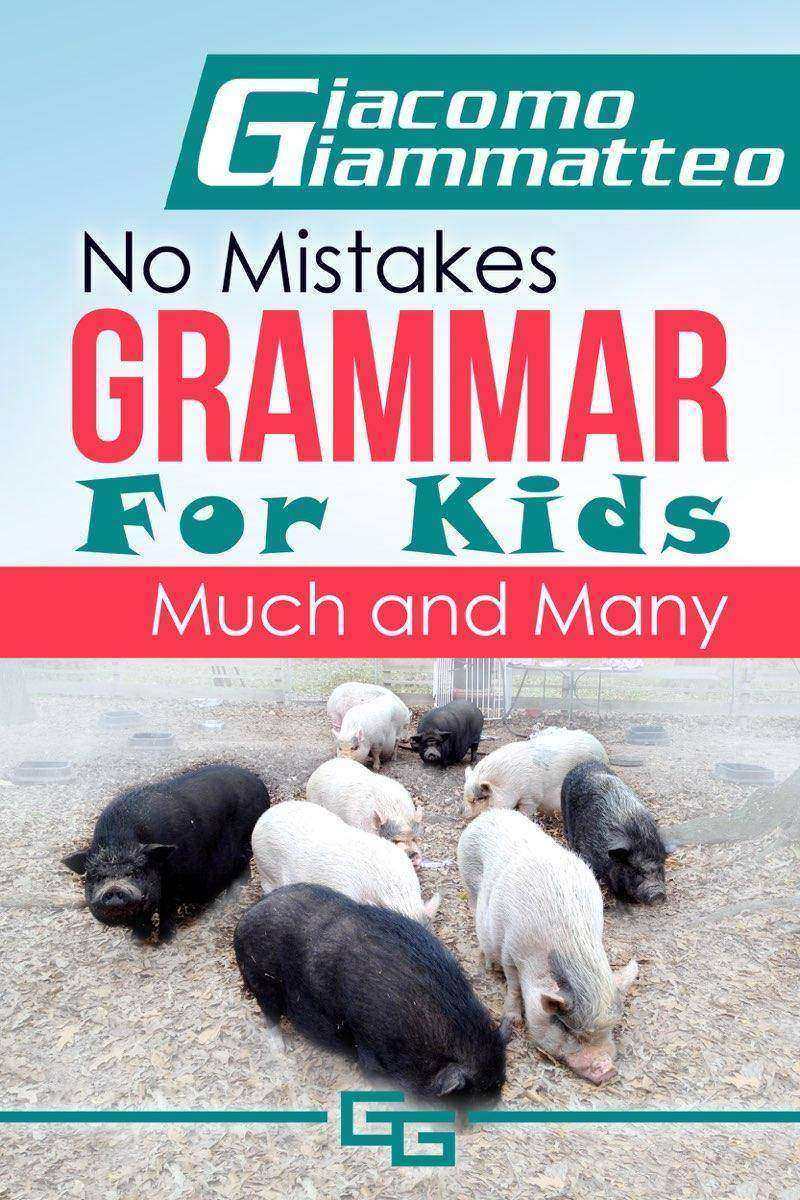
No Mistakes Grammar for Kids: Much and Many
¥8.09
How many times have you heard your kids misuse much and many. If it's once, it's too many. It may be time to get them help. Let Queen Shinobi teach them a thing or two.? Everyone knows pigs are smart. And Shinobi is one of the smartest. She's been around for twenty-four years, so she's learned a thing or two. She even went to school one time.? And if you think the children know much and many, how about then and than. I know they get that mixed up. Get the book and watch them learn. Their education is worth a few bucks. ?
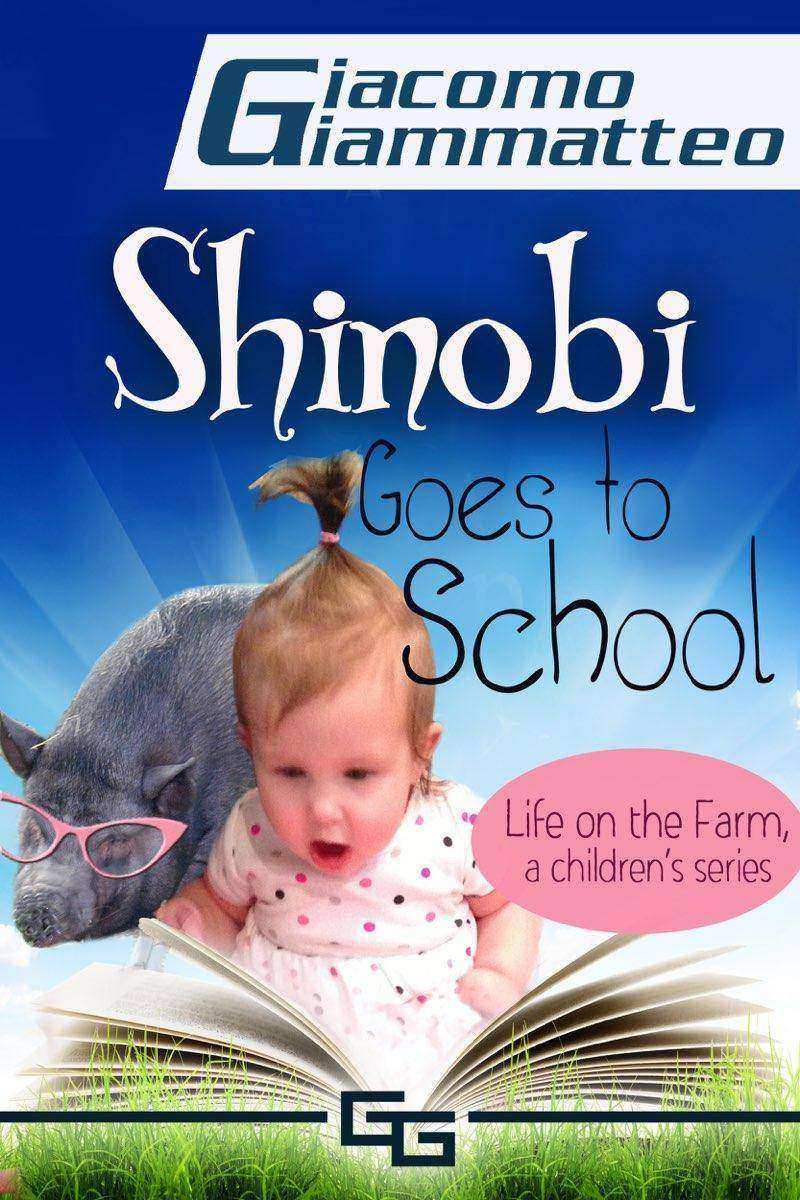
Life on the Farm for Kids: Shinobi Goes To School
¥8.09
The school needed a pig and they needed one badly. Finally, someone told them about Queen Shinobi and they called to arrange a visit. Queen Shinobi was asked to participate in a kiss-the-pig contest with the principal. This is her story. The story of how Shinobi went to school. ?

Life on the Farm for Kids, Volume III: Coco Gets a Donut
¥8.09
“She’s got two days,” Animal Control told my wife. “After that, we have to shoot her.” My wife was upset. How was she going to catch a pig who was living in the woods in two days? Faced with a seemingly impossible task, my wife began to plan. She recruited my son to help, and they set out to rescue Coco.?
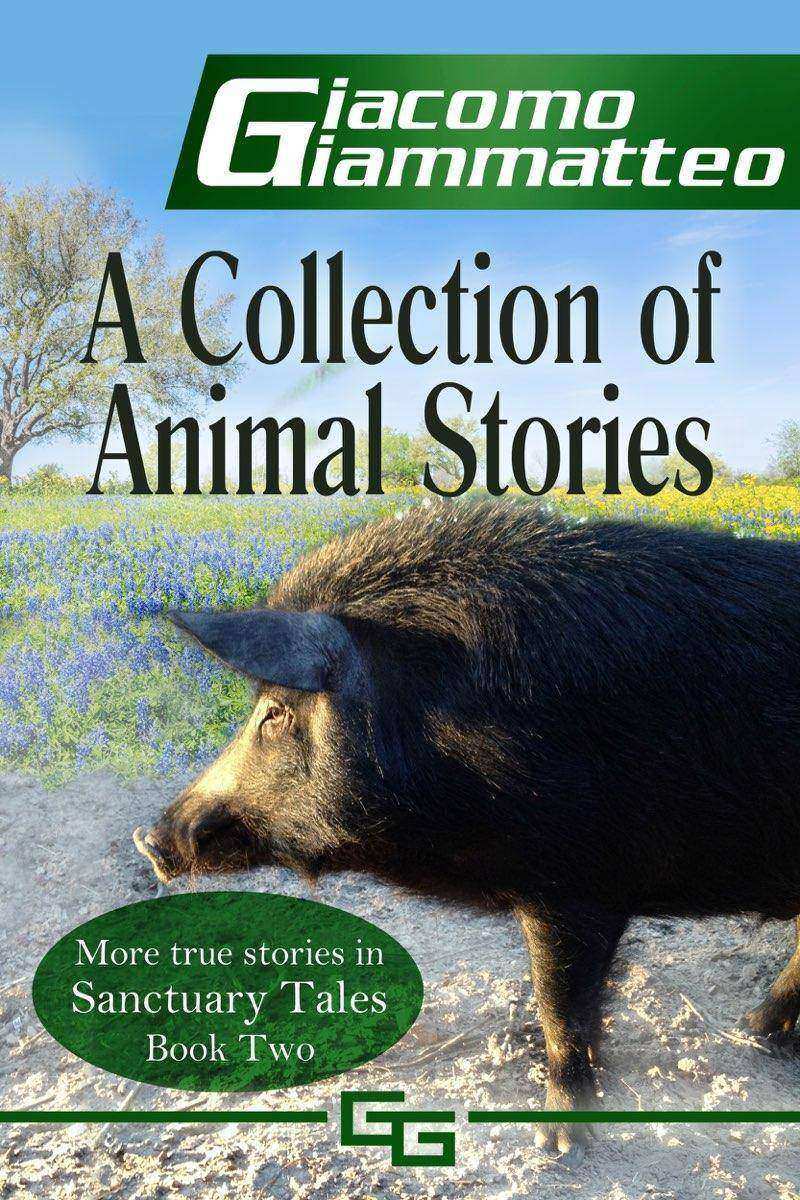
A Collection of Animal Stories: Sanctuary Tales, Volume II
¥8.09
Life on the sanctuary is not always easy, but no matter what, it's better than where we were before. This is a collection of animal stories, some funny and some not. They are all true and they tell the tales of dogs, cats, pigs, and others. Open up your heart and take a read. ??
No Mistakes Grammar Bites, Volume I: Lie, Lay, Laid, and It's and Its
¥8.09
Guaranteed Not to Be Confusing Don't Ever Be Confused by Grammar Again. Take a "bite" out of Grammar with No Mistakes Grammar Bites. It seems as if many dictionaries and books on grammar do their best to confuse people. Words and explanations are defined using grammatical terminology that is difficult to understand; in fact, if you knew that terminology, you probably wouldn't have to look up the words to begin with. We're aiming to get rid of that and explain things in plain English, using language that is easy to understand. Try it out and see for yourself. If you find these books confusing, write to me and get a refund; they're guaranteed.
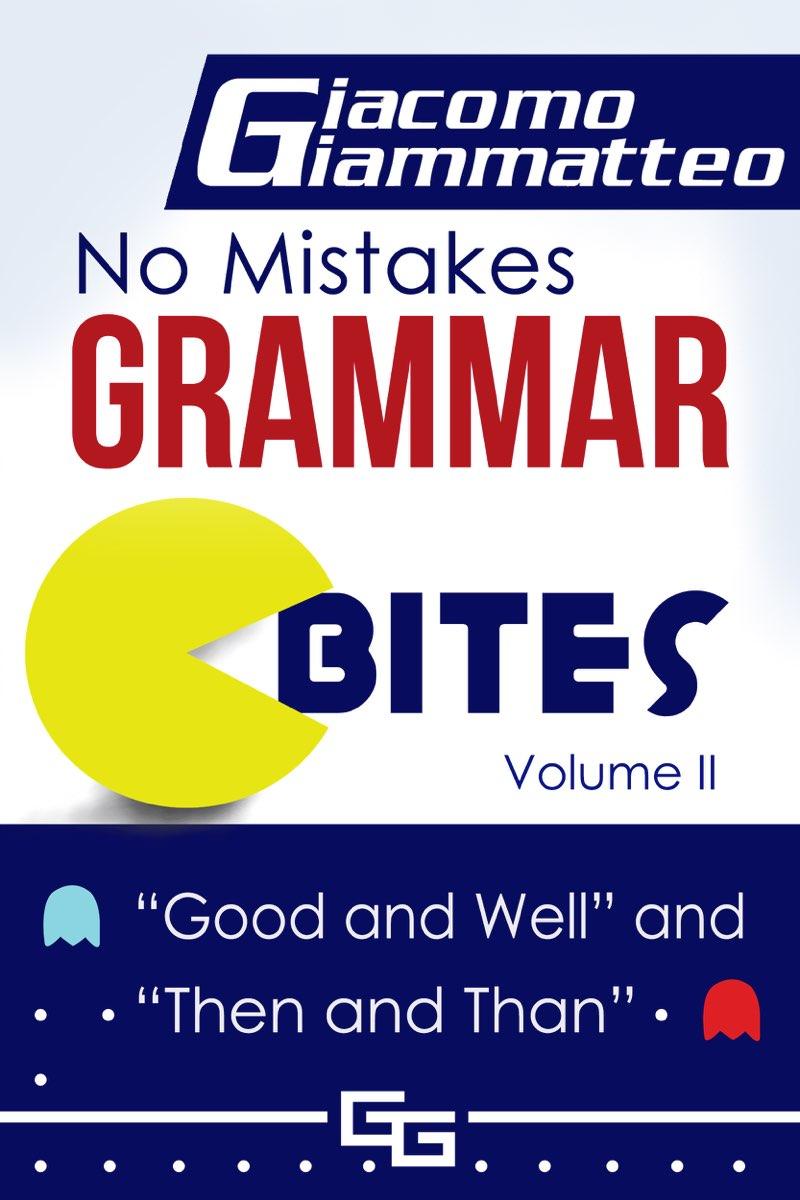
No Mistakes Grammar Bites, Volume II: Good and Well, and Then and Than
¥8.09
Guaranteed Not to Be Confusing Don't Ever Be Confused by Grammar Again. Take a "bite" out of Grammar with No Mistakes Grammar Bites. It seems as if many dictionaries and books on grammar do their best to confuse people. Words and explanations are defined using grammatical terminology that is difficult to understand; in fact, if you knew that terminology, you probably wouldn't have to look up the words to begin with. We're aiming to get rid of that and explain things in plain English, using language that is easy to understand. Try it out and see for yourself. If you find these books confusing, write to me and get a refund; they're guaranteed.

The Boys Are Back In Town
¥8.09
Paulo and Dino run a quiet little bar in Toronto, happily retired from their former gig of being immortal gods on Olympus…and Asgard…and… Well, let’s just say they’ve been around. But their peaceful retirement ends when Pop drops in. And the Father of the Gods has brought company. Unwanted company. "The Zelazny-inspired 'The Boys Are Back in Town' nicely toes the line between quirky humor and pathos." —Publishers Weekly "A partly funny, partly dark story … I enjoyed this one a lot; one of the most 'pure entertainment' tales of the [Chimerascope] collection." —Fantasy Book Critic

Through The Looking-Glass
¥8.09
The sequel to Alice's Adventures in Wonderland (1865). Set some six months later than the earlier book, Alice again enters a fantastical world, this time by climbing through a mirror into the world that she can see beyond it. Through the Looking-Glass includes such celebrated verses as "Jabberwocky" and "The Walrus and the Carpenter", and the episode involving Tweedledum and Tweedledee.
The Leavenworth Case
¥8.09
The Leavenworth Case (1878), subtitled A Lawyer's Story, is an American detective novel and the first novel by Anna Katharine Green. Set in New York City, it concerns the murder of a retired merchant, Horatio Leavenworth, in his New York mansion. The novel introduced the detective Ebenezer Gryce, and was influential in the development of the detective novel. In her autobiography, Agatha Christie cited it as an influence on her own fiction.
The Middle Of Things
¥8.09
A wealthy man named Ashton is found murdered in an alley, apparently robbed for his jewelry and pocketbook. The police believe they have the killer, a young man who the next morning tries to pawn one of the stolen rings. Viner, however, the man who discovered the body and who is friends with the accused, believes otherwise. It is a quick race to find the real guilty party in order to save an innocent man. But none of the information is completely clear; the victim has a mysterious past and there is no rational motive. His charge, a young girl named Miss Wickham, proves to be of little help and Ashton had no close friendships. It is up to the lawyers and Viner to unravel the mystery that has roots in royalty. ? Another exciting J. S. Fletcher murder mystery, The Middle of Things keeps the reader guessing until the very end. The story features several Fletcher staples, such as a curious and bored average citizen, a case of mistaken identities, and a believable ending. The style is a bit dated, but it is not so antiquated as to be foreign or difficult. Fans of mysteries and Fletcher's writing alike will not be disappointed.
The Talleyrand Maxim
¥8.09
"It's old Mr. Bartle, sir," he whispered. "He's in your room there -- dead " "Dead?" exclaimed Eldrick. "Dead " Pratt shook his head again. "He came up not so long after you'd gone, sir," he said. "Everybody had gone but me -- I was just going. Wanted to see you about something I don't know what. He was very tottery when he came in -- complained of the stairs and the fog. I took him into your room, to sit down in the easy chair. And -- he died straight off. Just," concluded Pratt, "just as if he was going quietly to sleep "


