


 购物车
购物车 个人中心
个人中心

Two Poets by Honoré de Balzac - Delphi Classics (Illustrated)
¥8.09
This eBook features the unabridged text of ‘Two Poets by Honoré de Balzac - Delphi Classics (Illustrated)’ from the bestselling edition of ‘The Collected Works of Honoré de Balzac’. Having established their name as the leading publisher of classic literature and art, Delphi Classics produce publications that are individually crafted with superior formatting, while introducing many rare texts for the first time in digital print. The Delphi Classics edition of Balzac includes original annotations and illustrations relating to the life and works of the author, as well as individual tables of contents, allowing you to navigate eBooks quickly and easily. eBook features: * The complete unabridged text of ‘Two Poets by Honoré de Balzac - Delphi Classics (Illustrated)’ * Beautifully illustrated with images related to Balzac’s works * Individual contents table, allowing easy navigation around the eBook * Excellent formatting of the text Please visit www.delphiclassics.com to learn more about our wide range of titles
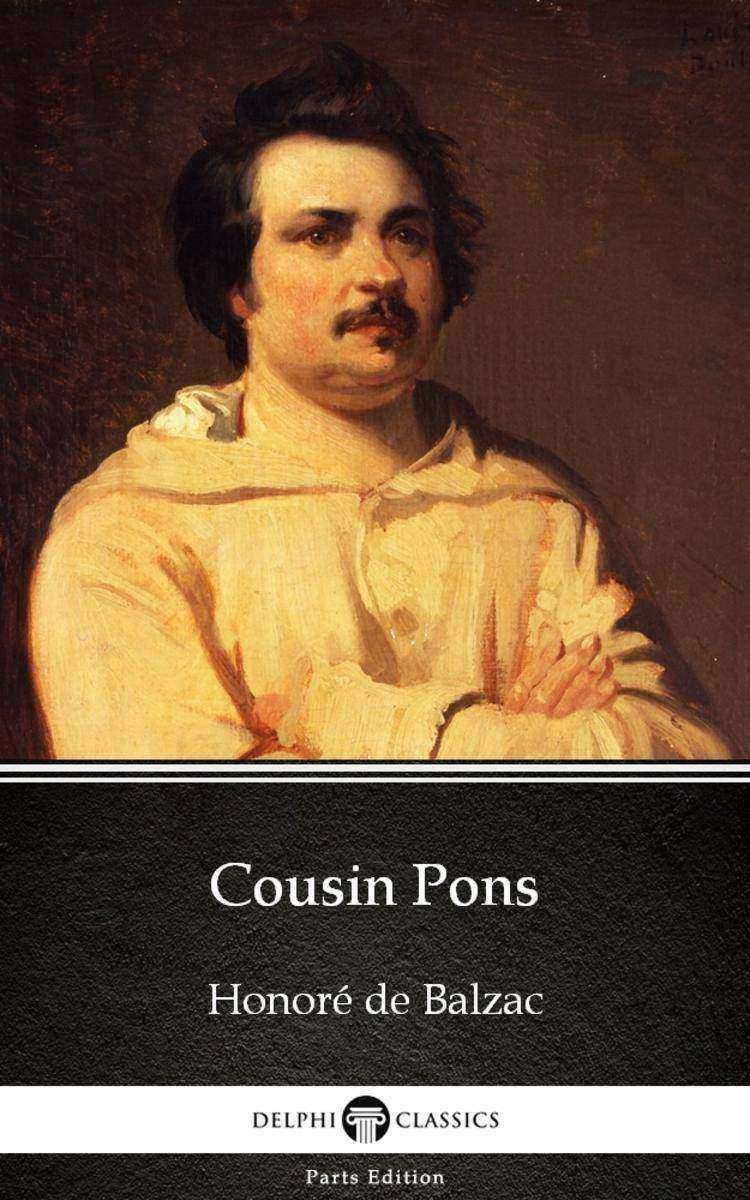
Cousin Pons by Honoré de Balzac - Delphi Classics (Illustrated)
¥8.09
This eBook features the unabridged text of ‘Cousin Pons by Honoré de Balzac - Delphi Classics (Illustrated)’ from the bestselling edition of ‘The Collected Works of Honoré de Balzac’. Having established their name as the leading publisher of classic literature and art, Delphi Classics produce publications that are individually crafted with superior formatting, while introducing many rare texts for the first time in digital print. The Delphi Classics edition of Balzac includes original annotations and illustrations relating to the life and works of the author, as well as individual tables of contents, allowing you to navigate eBooks quickly and easily. eBook features: * The complete unabridged text of ‘Cousin Pons by Honoré de Balzac - Delphi Classics (Illustrated)’ * Beautifully illustrated with images related to Balzac’s works * Individual contents table, allowing easy navigation around the eBook * Excellent formatting of the textPlease visit www.delphiclassics.com to learn more about our wide range of titles

The Beasts of Tarzan by Edgar Rice Burroughs - Delphi Classics (Illustrated)
¥8.09
This eBook features the unabridged text of ‘The Beasts of Tarzan by Edgar Rice Burroughs - Delphi Classics (Illustrated)’ from the bestselling edition of ‘The Complete Works of Edgar Rice Burroughs’. Having established their name as the leading publisher of classic literature and art, Delphi Classics produce publications that are individually crafted with superior formatting, while introducing many rare texts for the first time in digital print. The Delphi Classics edition of Burroughs includes original annotations and illustrations relating to the life and works of the author, as well as individual tables of contents, allowing you to navigate eBooks quickly and easily. eBook features: * The complete unabridged text of ‘The Beasts of Tarzan by Edgar Rice Burroughs - Delphi Classics (Illustrated)’ * Beautifully illustrated with images related to Burroughs’s works * Individual contents table, allowing easy navigation around the eBook * Excellent formatting of the text Please visit www.delphiclassics.com to learn more about our wide range of titles
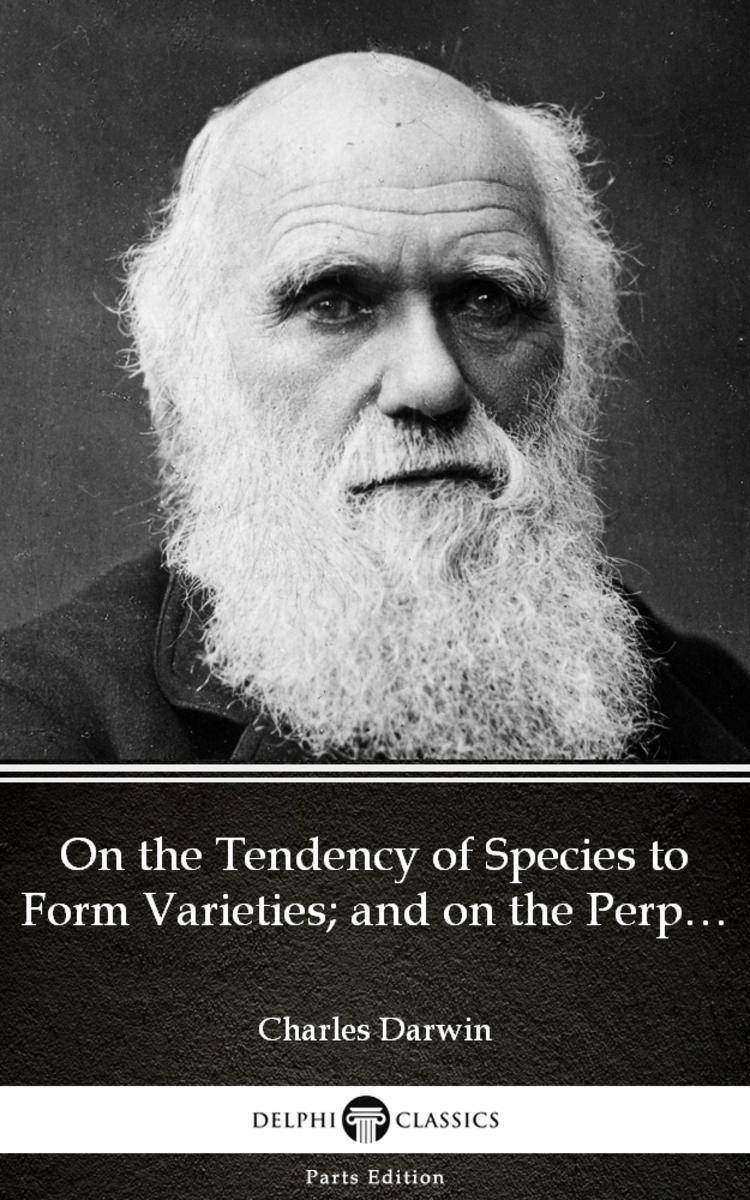
On the Tendency of Species to Form Varieties; and on the Perpetuation of Varieti
¥8.09
This eBook features the unabridged text of ‘On the Tendency of Species to Form Varieties; and on the Perpetuation of Varieties and Species by Natural Means of Selection by Charles Darwin - Delphi Classics (Illustrated)’ from the bestselling edition of ‘The Complete Works of Charles Darwin’. Having established their name as the leading publisher of classic literature and art, Delphi Classics produce publications that are individually crafted with superior formatting, while introducing many rare texts for the first time in digital print. The Delphi Classics edition of Darwin includes original annotations and illustrations relating to the life and works of the author, as well as individual tables of contents, allowing you to navigate eBooks quickly and easily. eBook features: * The complete unabridged text of ‘On the Tendency of Species to Form Varieties; and on the Perpetuation of Varieties and Species by Natural Means of Selection by Charles Darwin - Delphi Classics (Illustrated)’ * Beautifully illustrated with images related to Darwin’s works * Individual contents table, allowing easy navigation around the eBook * Excellent formatting of the text Please visit www.delphiclassics.com to learn more about our wide range of titles
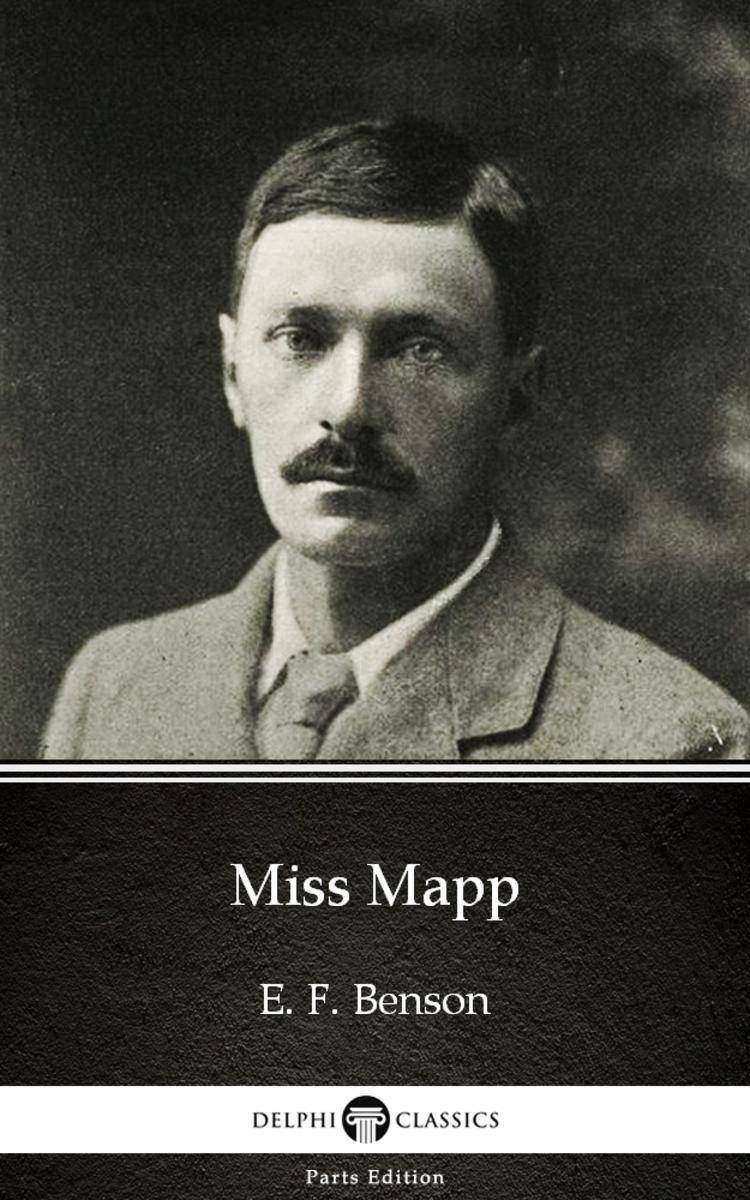
Miss Mapp by E. F. Benson - Delphi Classics (Illustrated)
¥8.09
This eBook features the unabridged text of ‘Miss Mapp by E. F. Benson - Delphi Classics (Illustrated)’ from the bestselling edition of ‘The Collected Works of E. F. Benson’. Having established their name as the leading publisher of classic literature and art, Delphi Classics produce publications that are individually crafted with superior formatting, while introducing many rare texts for the first time in digital print. The Delphi Classics edition of Benson includes original annotations and illustrations relating to the life and works of the author, as well as individual tables of contents, allowing you to navigate eBooks quickly and easily. eBook features: * The complete unabridged text of ‘Miss Mapp by E. F. Benson - Delphi Classics (Illustrated)’ * Beautifully illustrated with images related to Benson’s works * Individual contents table, allowing easy navigation around the eBook * Excellent formatting of the text Please visit www.delphiclassics.com to learn more about our wide range of titles
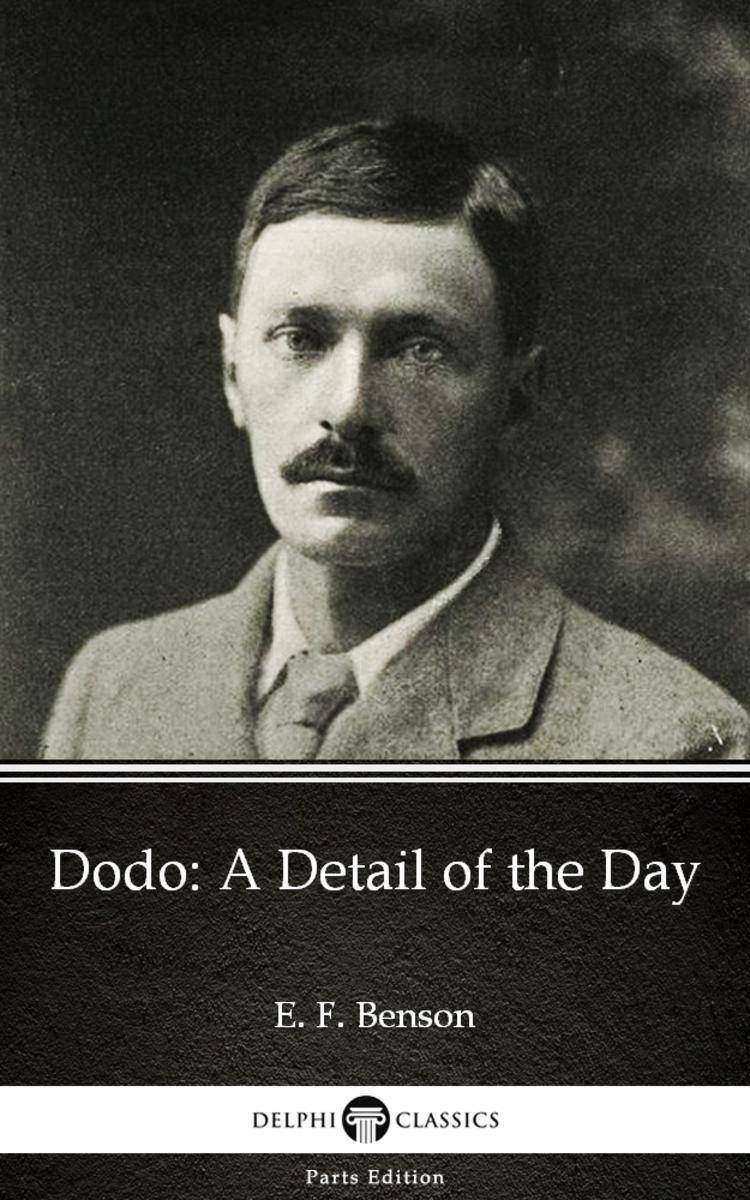
Dodo A Detail of the Day by E. F. Benson - Delphi Classics (Illustrated)
¥8.09
This eBook features the unabridged text of ‘Dodo A Detail of the Day by E. F. Benson - Delphi Classics (Illustrated)’ from the bestselling edition of ‘The Collected Works of E. F. Benson’. Having established their name as the leading publisher of classic literature and art, Delphi Classics produce publications that are individually crafted with superior formatting, while introducing many rare texts for the first time in digital print. The Delphi Classics edition of Benson includes original annotations and illustrations relating to the life and works of the author, as well as individual tables of contents, allowing you to navigate eBooks quickly and easily. eBook features: * The complete unabridged text of ‘Dodo A Detail of the Day by E. F. Benson - Delphi Classics (Illustrated)’ * Beautifully illustrated with images related to Benson’s works * Individual contents table, allowing easy navigation around the eBook * Excellent formatting of the text Please visit www.delphiclassics.com to learn more about our wide range of titles
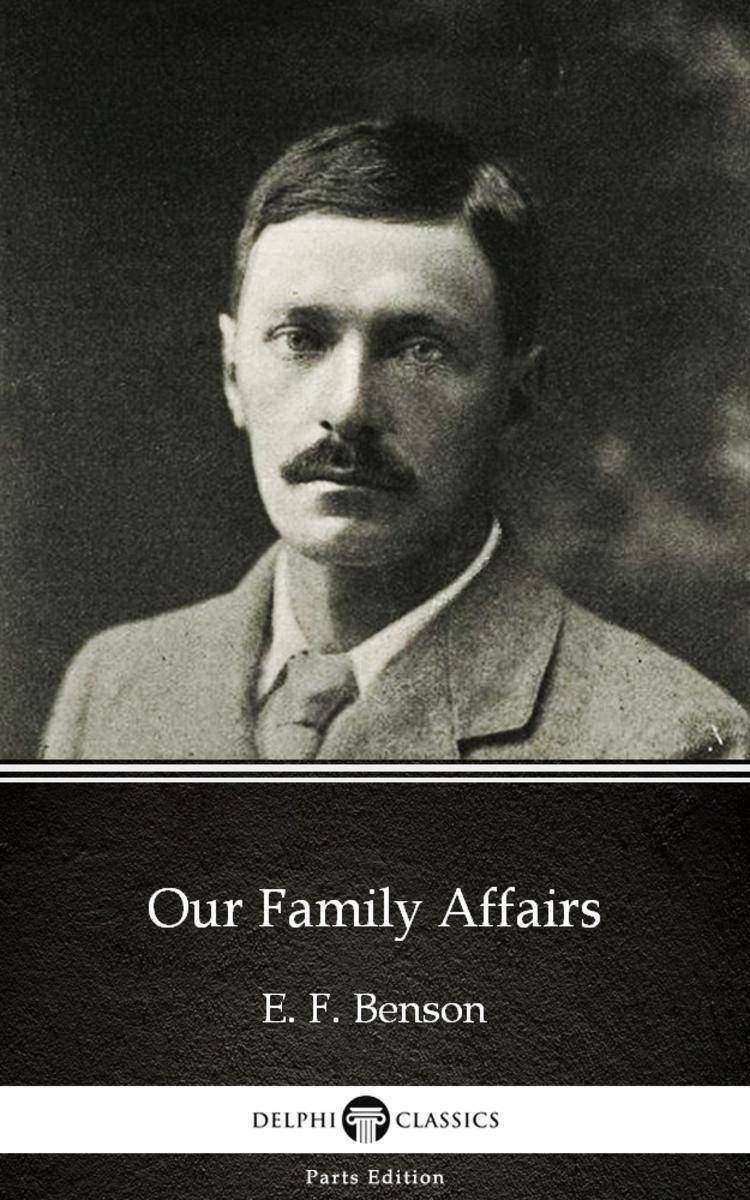
Our Family Affairs by E. F. Benson - Delphi Classics (Illustrated)
¥8.09
This eBook features the unabridged text of ‘Our Family Affairs by E. F. Benson - Delphi Classics (Illustrated)’ from the bestselling edition of ‘The Collected Works of E. F. Benson’. Having established their name as the leading publisher of classic literature and art, Delphi Classics produce publications that are individually crafted with superior formatting, while introducing many rare texts for the first time in digital print. The Delphi Classics edition of Benson includes original annotations and illustrations relating to the life and works of the author, as well as individual tables of contents, allowing you to navigate eBooks quickly and easily. eBook features: * The complete unabridged text of ‘Our Family Affairs by E. F. Benson - Delphi Classics (Illustrated)’ * Beautifully illustrated with images related to Benson’s works * Individual contents table, allowing easy navigation around the eBook * Excellent formatting of the text Please visit www.delphiclassics.com to learn more about our wide range of titles

Moll Flanders by Daniel Defoe - Delphi Classics (Illustrated)
¥8.09
This eBook features the unabridged text of ‘Moll Flanders by Daniel Defoe - Delphi Classics (Illustrated)’ from the bestselling edition of ‘The Complete Works of Daniel Defoe’. Having established their name as the leading publisher of classic literature and art, Delphi Classics produce publications that are individually crafted with superior formatting, while introducing many rare texts for the first time in digital print. The Delphi Classics edition of Defoe includes original annotations and illustrations relating to the life and works of the author, as well as individual tables of contents, allowing you to navigate eBooks quickly and easily. eBook features: * The complete unabridged text of ‘Moll Flanders by Daniel Defoe - Delphi Classics (Illustrated)’ * Beautifully illustrated with images related to Defoe’s works * Individual contents table, allowing easy navigation around the eBook * Excellent formatting of the text Please visit www.delphiclassics.com to learn more about our wide range of titles
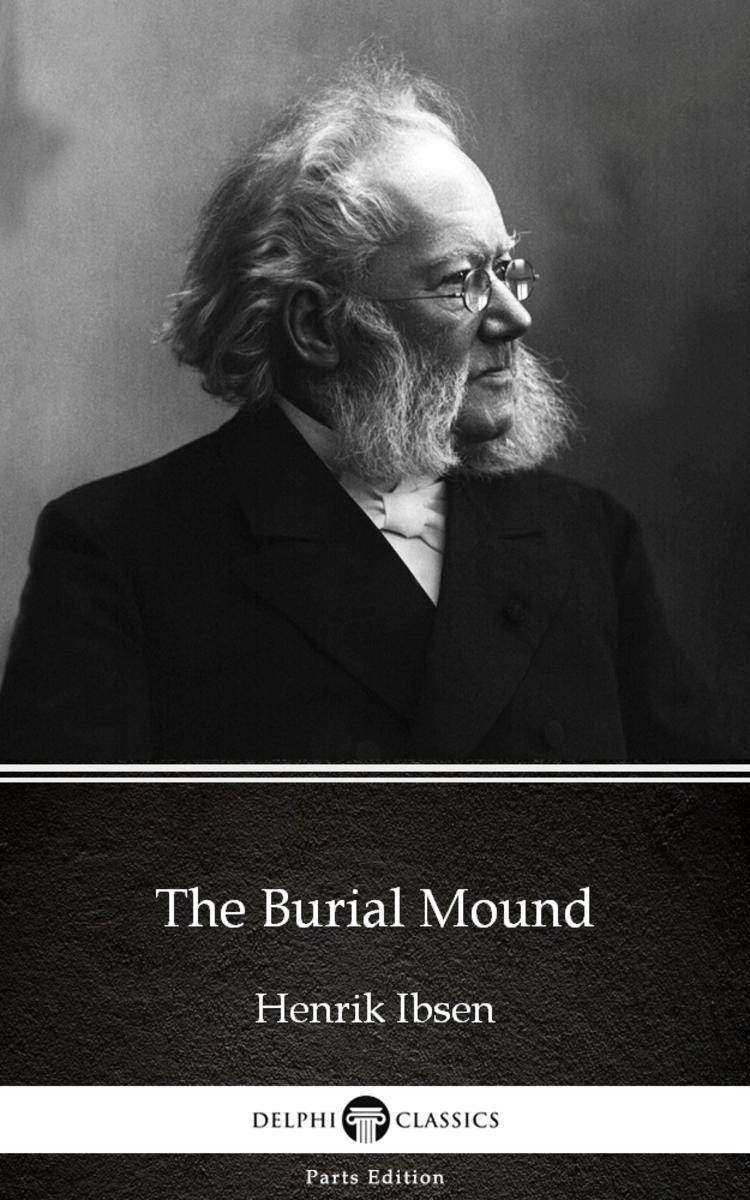
The Burial Mound by Henrik Ibsen - Delphi Classics (Illustrated)
¥8.09
This eBook features the unabridged text of ‘The Burial Mound by Henrik Ibsen - Delphi Classics (Illustrated)’ from the bestselling edition of ‘The Complete Works of Henrik Ibsen’. Having established their name as the leading publisher of classic literature and art, Delphi Classics produce publications that are individually crafted with superior formatting, while introducing many rare texts for the first time in digital print. The Delphi Classics edition of Ibsen includes original annotations and illustrations relating to the life and works of the author, as well as individual tables of contents, allowing you to navigate eBooks quickly and easily. eBook features: * The complete unabridged text of ‘The Burial Mound by Henrik Ibsen - Delphi Classics (Illustrated)’ * Beautifully illustrated with images related to Ibsen’s works * Individual contents table, allowing easy navigation around the eBook * Excellent formatting of the text Please visit www.delphiclassics.com to learn more about our wide range of titles
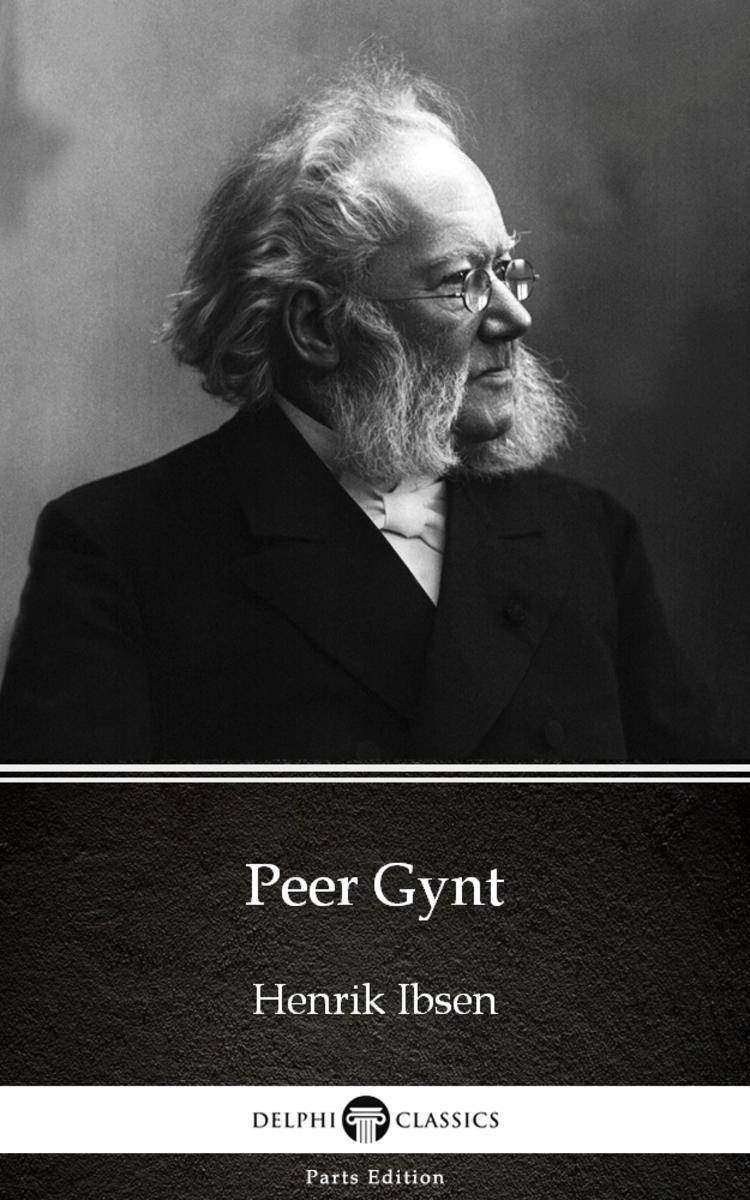
Peer Gynt by Henrik Ibsen - Delphi Classics (Illustrated)
¥8.09
This eBook features the unabridged text of ‘Peer Gynt by Henrik Ibsen - Delphi Classics (Illustrated)’ from the bestselling edition of ‘The Complete Works of Henrik Ibsen’. Having established their name as the leading publisher of classic literature and art, Delphi Classics produce publications that are individually crafted with superior formatting, while introducing many rare texts for the first time in digital print. The Delphi Classics edition of Ibsen includes original annotations and illustrations relating to the life and works of the author, as well as individual tables of contents, allowing you to navigate eBooks quickly and easily. eBook features: * The complete unabridged text of ‘Peer Gynt by Henrik Ibsen - Delphi Classics (Illustrated)’ * Beautifully illustrated with images related to Ibsen’s works * Individual contents table, allowing easy navigation around the eBook * Excellent formatting of the text Please visit www.delphiclassics.com to learn more about our wide range of titles
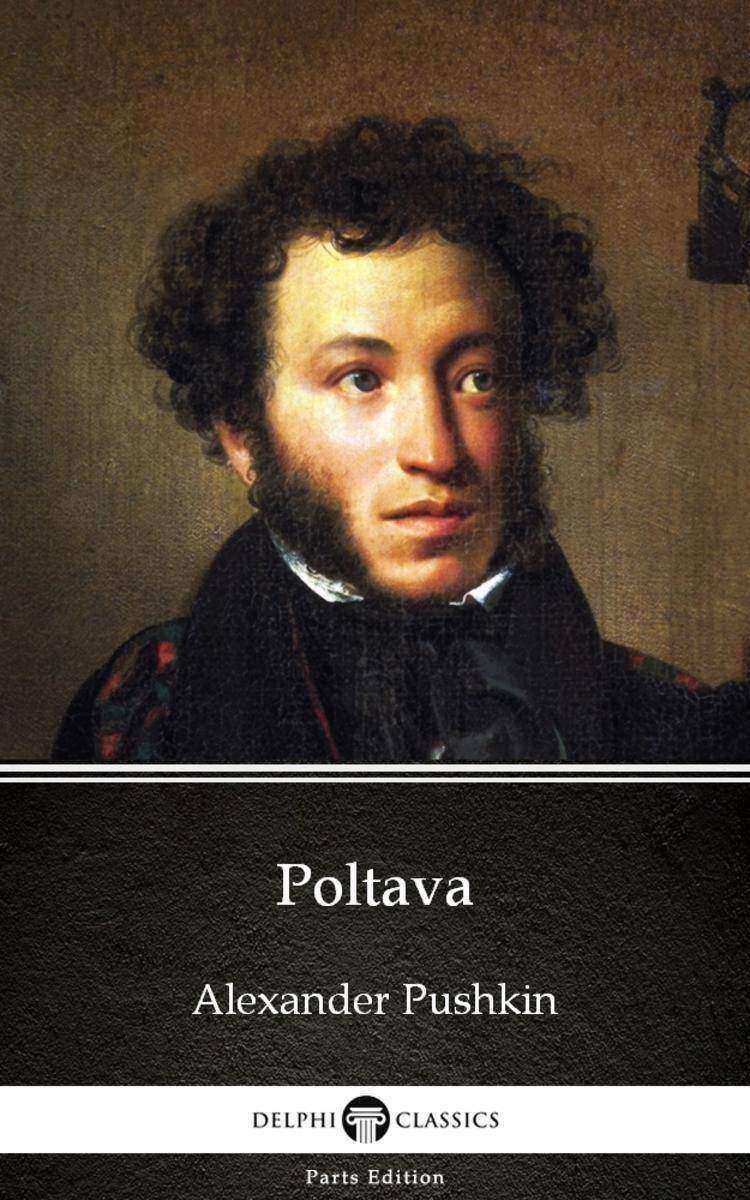
Poltava by Alexander Pushkin - Delphi Classics (Illustrated)
¥8.09
This eBook features the unabridged text of ‘Poltava by Alexander Pushkin - Delphi Classics (Illustrated)’ from the bestselling edition of ‘The Collected Works of Alexander Pushkin’. Having established their name as the leading publisher of classic literature and art, Delphi Classics produce publications that are individually crafted with superior formatting, while introducing many rare texts for the first time in digital print. The Delphi Classics edition of Pushkin includes original annotations and illustrations relating to the life and works of the author, as well as individual tables of contents, allowing you to navigate eBooks quickly and easily. eBook features: * The complete unabridged text of ‘Poltava by Alexander Pushkin - Delphi Classics (Illustrated)’ * Beautifully illustrated with images related to Pushkin’s works * Individual contents table, allowing easy navigation around the eBook * Excellent formatting of the text Please visit www.delphiclassics.com to learn more about our wide range of titles
Ghosts by Henrik Ibsen - Delphi Classics (Illustrated)
¥8.09
This eBook features the unabridged text of ‘Ghosts by Henrik Ibsen - Delphi Classics (Illustrated)’ from the bestselling edition of ‘The Complete Works of Henrik Ibsen’. Having established their name as the leading publisher of classic literature and art, Delphi Classics produce publications that are individually crafted with superior formatting, while introducing many rare texts for the first time in digital print. The Delphi Classics edition of Ibsen includes original annotations and illustrations relating to the life and works of the author, as well as individual tables of contents, allowing you to navigate eBooks quickly and easily. eBook features: * The complete unabridged text of ‘Ghosts by Henrik Ibsen - Delphi Classics (Illustrated)’ * Beautifully illustrated with images related to Ibsen’s works * Individual contents table, allowing easy navigation around the eBook * Excellent formatting of the text Please visit www.delphiclassics.com to learn more about our wide range of titles
The Rayner-Slade Amalgamation
¥8.09
Complex murder mystery in the classic style of the time.

Scarhaven Keep
¥8.09
It takes place in northern England. Oliver Bassett, an acter and director of a theater company is missing. A young author Mr. Copplestone, who has come to meet with Bassett and the business manager start out to find him. They track him to Scarhaven, where Copplestone meets Audrey Greyle, the cousin of the Squire of Scarhaven Heep. Bassett has disappeared in Scarhaven and murder is suspected. Of course, there is more than the missing man; another criminal act is discovered as the clues come in, and typical of the 20's mysteries, there is a love interest as well.
A Portrait of the Artist as a Young Man
¥8.09
This unique edition of A Portrait of the Artist as a Young Man from Dead Dodo Vintage includes the full original text as well as exclusive features not available in other editions.

John Carter
¥8.09
This unique edition of John Carter from Dead Dodo Vintage includes the full original text as well as exclusive features not available in other editions.
The Face And The Mask
¥8.09
Novel by the teacher, journalist, editor and novelist, born in Glasgow, Scotland and educated in Canada. In 1876 he became a member of the staff of the Detroit Free Press, in which his contributions appeared under the signature "Luke Sharp." In 1881 he removed to London, to establish the weekly English edition of the Free Press, and in 1892 he joined Jerome K. Jerome in founding the Idler magazine, from whose co-editorship he retired in 1895. He was a prolific author, producing many popular novels of the day.

Bleak House
¥8.09
This Point Blank Classics edition includes the full original text as well as exclusive images exclusive to this edition and an easy to use interactive table of contents.
Sixes and Sevens
¥8.09
O. Henry was the pen name of American writer William Sydney Porter whose clever use of twist endings in his stories popularized the term "O. Henry Ending." ? In compilation only. ? 1) The Last of the Troubadours 2) The Sleuths 3) Witches' Loaves 4) The Pride of the Cities 5) Holding Up a Train 6) Ulysses and the Dogman 7) The Champion of the Weather 8) Makes the Whole World Kin 9) At Arms with Morpheus 10) A Ghost of a Chance 11) Jimmy Hayes and Muriel 12) The Door of Unrest 13) The Duplicity of Hargraves 14) Let Me Feel Your Pulse 15) October and June 16) The Church with an Over-Shot-Wheel 17) New York by Camp Fire Light 18) The Adventures of Shamrock Jolnes 19) The Lady Higher Up 20) The Great Coney 21) Law and Order 22) Transformation of Martin Burney 23) The Caliph and the Cad 24) The Diamond at Kali 25) The Day we Celebrate
Tales of Terror and Mystery
¥8.09
This volume presents some of Conan Doyle s unduly neglected masterworks. Each begins in a quietly factual way, making all the more dramatic the crescendo of fear and puzzlement that ensues as each new circumstance is revealed. Even without his supremely logical brain child, Sherlock Holmes, Conan Doyle shows that his tales are unbeatable for thrills and excitement. ? Contents: Tales of terror: The horror of the heights The leather funnel The new catacomb The case of Lady Sannox The terror of Blue John Gap The Brazilian cat ? Tales of mystery: The lost special The beetle-hunter The man with the watches The japanned box The black doctor The Jew's breastplate The nightmare room.

The Murders in the Rue Morgue
¥8.09
"The Murders in the Rue Morgue" is a short story by Edgar Allan Poe published in Graham's Magazine in 1841. It has been recognized as the first modern detective story; Poe referred to it as one of his "tales of ratiocination". Two works that share some similarities predate Poe's stories, including Das Fr?ulein von Scuderi (1819) by E. T. A. Hoffmann and Zadig (1747) by Voltaire. ? C. Auguste Dupin is a man in Paris who solves the mystery of the brutal murder of two women. Numerous witnesses heard a suspect, though no one agrees on what language was spoken. At the murder scene, Dupin finds a hair that does not appear to be human. ? As the first fictional detective, Poe's Dupin displays many traits which became literary conventions in subsequent fictional detectives, including Sherlock Holmes and Hercule Poirot. Many later characters, for example, follow Poe's model of the brilliant detective, his personal friend who serves as narrator, and the final revelation being presented before the reasoning that leads up to it. Dupin himself reappears in "The Mystery of Marie Rogêt" and "The Purloined Letter".


