


 购物车
购物车 个人中心
个人中心
On Generation and Corruption
¥40.79
Our next task is to study coming-to-be and passing-away. We are to distinguish the causes, and to state the definitions, of these processes considered in general-as changes predicable uniformly of all the things that come-to-be and pass-away by nature. Further, we are to study growth and 'alteration'. We must inquire what each of them is; and whether 'alteration' is to be identified with coming-to-be, or whether to these different names there correspond two separate processes with distinct natures.
Laws
¥40.79
The Laws are discussed by three representatives of Athens, Crete, and Sparta. The Athenian, as might be expected, is the protagonist or chief speaker, while the second place is assigned to the Cretan, who, as one of the leaders of a new colony, has a special interest in the conversation. At least four-fifths of the answers are put into his mouth. The Spartan is every inch a soldier, a man of few words himself, better at deeds than words. The Athenian talks to the two others, although they are his equals in age, in the style of a master discoursing to his scholars; he frequently praises himself; he entertains a very poor opinion of the understanding of his companions.
The Athenian Constitution
¥40.79
The Constitution of the Athenians describes the political system of ancient Athens. The treatise was composed between 330 and 322 BC.
The Critique of Practical Reason
¥40.79
The Critique of Practical Reason follows on from Kant's Critique of Pure Reason and deals with his moral philosophy. The second Critique exercised a decisive influence over the subsequent development of the field of ethics and moral philosophy, beginning with Johann Gottlieb Fichte's Doctrine of Science and becoming, during the 20th century, the principal reference point for deontological moral philosophy.
Fundamental Principles of the Metaphysic of Morals
¥40.79
The first of Immanuel Kant's mature works on moral philosophy and remains one of the most influential in the field. Kant conceives his investigation as a work of foundational ethics, one that clears the ground for future research by explaining the core concepts and principles of moral theory and showing that they are normative for rational agents. Kant aspires to nothing less than this: to lay bare the fundamental principle of morality and show that it applies to us.
The Great Learning
¥40.79
What the great learning teaches, is to illustrate illustrious virtue; to renovate the people; and to rest in the highest excellence. The point where to rest being known, the object of pursuit is then determined; and, that being determined, a calm unperturbedness may be attained to. To that calmness there will succeed a tranquil repose. In that repose there may be careful deliberation, and that deliberation will be followed by the attainment of the desired end.
The Alexandrian Wars: English and Latin Language
¥40.79
When the war broke out at Alexandria, Caesar sent to Rhodes, Syria, and Cilicia, for all his fleet; and summoned archers from Crete, and cavalry from Malchus, king of the Nabatheans. He likewise ordered military engines to be provided, corn to be brought, and forces dispatched to him. Meanwhile he daily strengthened his fortifications by new works; and such parts of the town as appeared less tenable were strengthened with testudos and mantelets. Openings were made in the walls, through which the battering-rams might play; and the fortifications were extended over whatever space was covered with ruins, or taken by force. For Alexandria is in a manner secure from fire, because the houses are all built without joists or wood, and are all vaulted, and roofed with tile or pavement.
The Civil Wars, Book 3
¥40.79
Julius Caesar, holding the election as dictator, was himself appointed consul with Publius Servilius; for this was the year in which it was permitted by the laws that he should be chosen consul. This business being ended, as credit was beginning to fail in Italy, and the debts could not be paid, he determined that arbitrators should be appointed: and that they should make an estimate of the possessions and properties of the debtors, how much they were worth before the war, and that they should be handed over in payment to the creditors. This he thought the most likely method to remove and abate the apprehension of an abolition of debt, the usual consequence of civil wars and dissensions, and to support the credit of the debtors.
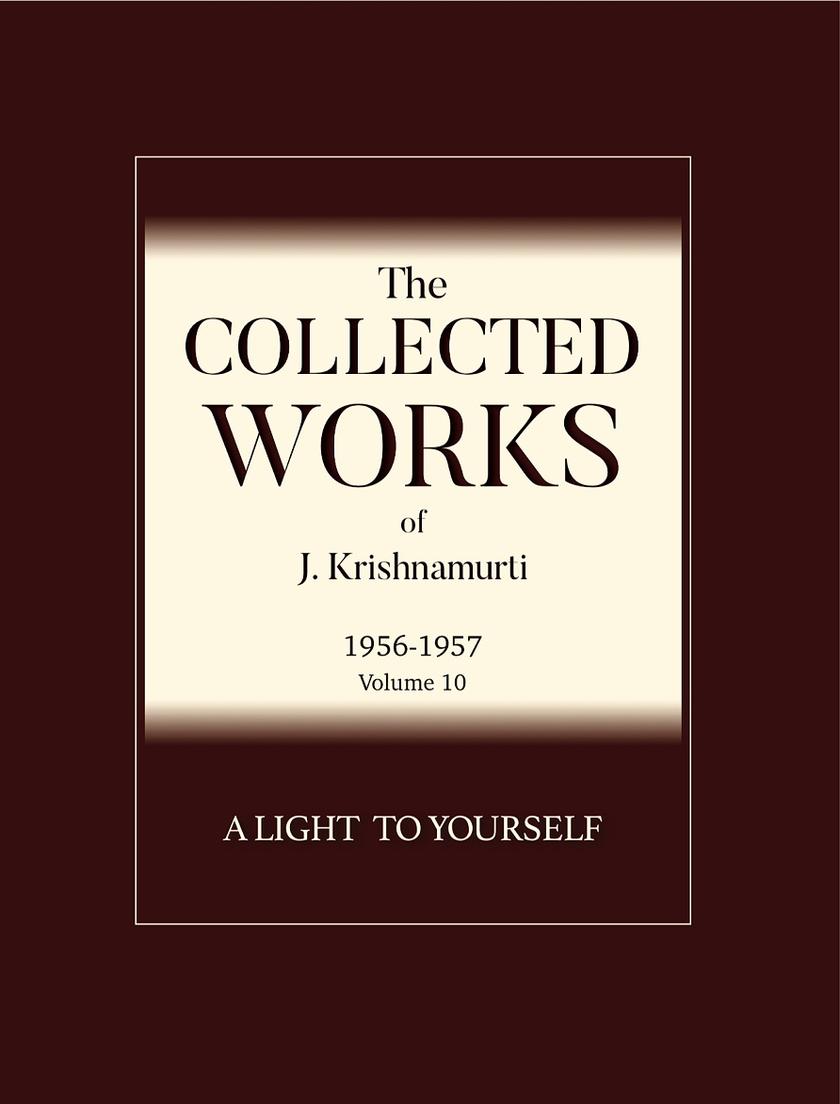
A Light to Yourself
¥57.14
In these talks, given in Europe and India, Krishnamurti goes into the importance of going into problems openly, without conclusions. "..because we approach our problems partially, through all these various forms of conditioning, it seems to me that we are thereby not understanding them. I feel that the approach to any problem is of much more significance than the problem itself, and that if we could approach our many difficulties without any particular form of conditioning or prejudice, then perhaps we would come to a fundamental understanding of them." An extensive compendium of Krishnamurti's talks and discussions in the USA, Europe, India, New Zealand, and South Africa from 1933 to 1967—the Collected Works have been carefully authenticated against existing transcripts and tapes. Each volume includes a frontispiece photograph of Krishnamurti , with question and subject indexes at the end. The content of each volume is not limited to the subject of the title, but rather offers a unique view of Krishnamurti's extraordinary teachings in selected years. The Collected Works offers the reader the opportunity to explore the early writings and dialogues in their most complete and authentic form.
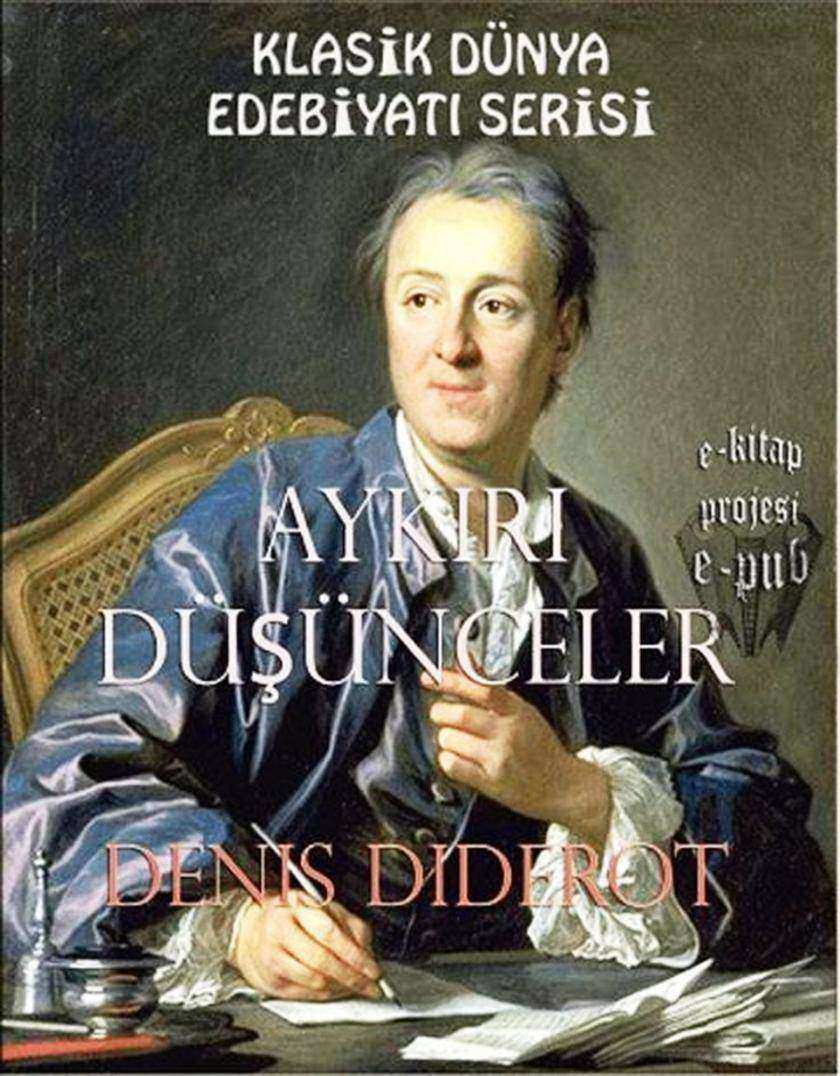
Ayk?r? Dü?ünceler
¥18.80
Diderot, tanr?sal, dinsel inanc?n yerine akl? ge?iren adamd?r, onun sava??m? buydu ve bütün k?r inan?lar? silip süpüren bu ak?l, g?rünen dünyay?, do?ay?, felsefenin, sanat?n, sa? t?renin temel ilkesi durumuna getirdi. Diderot’un yayg?n ?al??ma alan?n? olu?turan ilkedir bu. Maddeci ve gerekirci bir filozoftu. tanr?ya inanan ki?inin filozof olmayaca??n? s?yledi. 'K?rler üstüne mektup'taki k?r, kendini tanr?ya inand?rmaya ?al??an misyonere "bunun i?in tanr?ya parma??mla dokunmam gerekir" der. Diderot, bu yüzden hapse girdi. 'D'alembert'in dü?ü'nde, madde tanr?n?n yerini alm??t?r art?k. Madde devinim ve duyarl?l?kla donat?lm??t?r. Bilim gerekircili?in kan?t?d?r. Bütün varl?klar ?z?e birdir ve bir ge?i?, de?i?im, olu?um süreci i?inde bulunurlar. ?yle ise sa? t?renin temeli do?a olacakt?r. Do?as? gere?i insan iyidir, hristiyan sagtoresinin sand??? gibi do?u?tan günahkar de?il ve iyilikler de, k?tülükler de, düzenin, ko?ullar?n, e?itimin ürünüdür. ?nsan, bu gerekircilik anlay??? i?inde, ?zgür olamayaca?? i?in, su?lu da bulunamaz. bu üslama sonucu olarak sanat, do?ay? ?rnek almal?d?r. roman, resim, oyun ger?ek?i olmal?d?r. Diderot, bunlar? s?ylemekle kalmam??, romanlar? ve oyunlar? ile ?rneklendirmi?tir de ve ?a??n?n sanat??lar?n? bu a??dan de?erlendirmi?tir. Diderot, büyük sava??m? ve e?siz ?abas? ile insanl???n ba?tac?d?r bugün de ve onu b?ylesine unutulmaz k?lan i?lerinin ba??nda ise elbet 'ansiklopedi' gelir. 'Ansiklopedi', yunanca enkyklios paidela'dan yap?lm??t?r ve bütün bilimleri i?ine alan ??retim anlam?na gelir. s?zcü?ü bulan rabelais'dir (1532). Diderot ile d'alembert'in ansiklopedisine temel olan yap?t, ?ng?l?z chambers’?n cyelopaedia’s? idi; fakat diderot'nun etkisi ile ansiklopedi, bir ?eviri yap?t olmaktan ??k?p, gizemcili?e kar?? bilimin sava? alan? durumunu ald?. Bu yüzden de gerici ?evrelerin kar?? koymas?n? sonu?lad?. diderot, ya?am? boyunca ?al??t? 'ansiklopedi' i?in, bir?ok maddeyi kendisi yazd?. bu u?urda yepyeni ara?t?rmalara giri?ti, teknik de?i?mekte oldu?u i?in ortaya yeni ara?-gere?ler ??kmakta idi, bunlar? tan?d?, adland?rd?, tan?tt? ve fransa'y? ayd?nlanma ?a??'n?n avrupa'da g?zbebe?i durumuna getirdi. Ancak unutmamal? ki, bir ansiklopedi ortaya ??karan her ülkeyi ayd?nlanma ?a??'n? alg?lam?? sayamay?z. ?o?u ülkede bu tür yap?tlar, geni?letilmi? s?zlükler olmaktan ileri gidememi?tir. diderot’nun ansiklopedisi, toplu bilgi vermekten ?ok, dinsel inan?lara kar?? bilimlerin ??retimini üstlenmi?ti, demek yans?z de?ildi, metafizikle ve skolastikle ?arp???yordu..
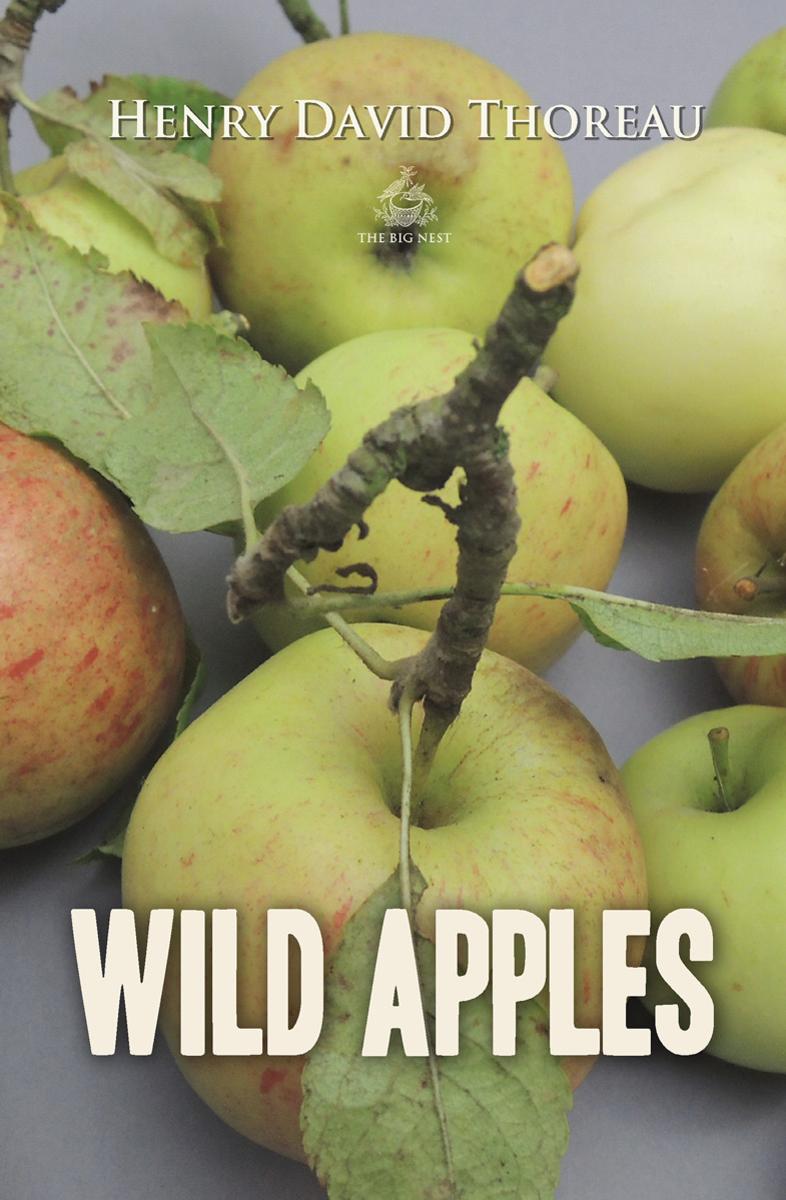
Wild Apples
¥40.79
It is remarkable how closely the history of the Apple-tree is connected with that of man. The geologist tells us that the order of the Rosaceae, which includes the Apple, also the true Grasses, and the Labiatae, or Mints, were introduced only a short time previous to the appearance of man on the globe.

Canoeing in the wilderness
¥40.79
At the time Thoreau made this wilderness canoe trip he was forty years old. The record of the journey is the latter half of his The Maine Woods, which is perhaps the finest idyl of the forest ever written. It is particularly charming in its blending of meditative and poetic fancies with the minute description of the voyager’s experiences.

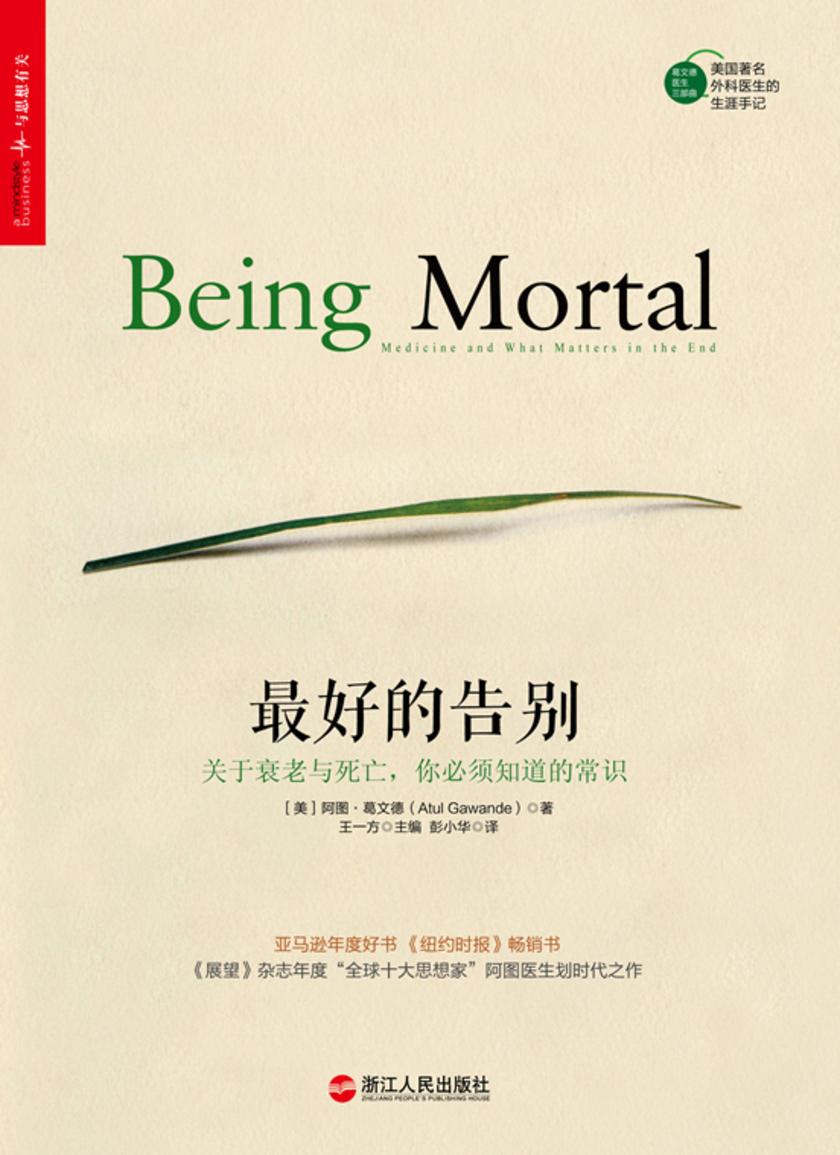
最好的告别
¥24.71
当独立、自助的生活不能再维持时,我们该怎么办?在生命临近终的时刻,我们该和医生谈些什么?应该如何优雅地跨越生命的终?对于这些问题,大多数人缺少清晰的观念,而只是把命运交由医学、技术和陌生人来掌控。影响世界的医生阿图·葛文德结合其多年的外科医生经验与流畅的文笔,讲述了一个个伤感而发人深省的故事,对在21世纪变老意味着什么行了清醒、深的探索。本书富有洞见、感人至深,并为我们提供了实用的路线图,告诉我们为了使生命*后的岁月有意义,我们可以做什么、应该做什么。 作者选择了常人往往不愿面对的话题——衰老与死亡,梳理了美国社会养老的方方面面和发展历程,以及医学界对末期病人的不当处置。书中不只讲述了死亡和医药的局限,也揭示了如何自主、快乐、拥有尊严地活到生命的终。书中对“善终服务”“辅助生活”“生前预嘱”等一系列作者推崇的理念,都穿插在故事中作出了详尽的说明,相信会给老龄化日益加剧的中国社会以启迪。 众多专家、媒体推荐。创新工场CEO李复:作为一名医生,阿图葛文德关注的是医疗的局限以及人的尊严。作为凡人,我们都将面对人生的终,《*好的告别》给我们重要的启示。《新知》杂志主编苗炜:希望大家有机会能看看阿图葛文德医生的著作,他能帮助我们更好地理解医学,知道医学的局限和可能。畅销书作家马尔科姆·格拉德威尔:这是阿图·葛文德*有力,也*感人的一本书。《自然》杂志:难得读到这样一本发人深省的书。
Cine a fost Isaac Newton?
¥32.62
Cartea de fa??, pe care cititorul o ?ine acum ?n m?n?, reprezint? o form? – literar vorbind, foarte complex?, fiindc? ea evolueaz? pe mai multe voci narative, dintre care doar unele ?i apar?in ?n mod direct autoarei – de exorcism. Geniul inimii e r?spunsul unui poet la o experien?? personal? plenitudinar?, ?n care bucuria ?i suferin?a se ?ntrep?trund reciproc pentru a exprima, ?mpreun? ?i tensionat, starea de gra?ie. Exist? o voce a experien?ei biografice ?n aceast? carte scris? febril, o alta de martor sau de participant la istorie, tot a?a cum exist? o voce a puterii ?i una a victimei. Deasupra tuturor st?, ?ns?, nu neap?rat triumf?toare, dar lucid-cerebral?, chemarea celor dou? credin?e pentru care merit? s? tr?ie?ti ?i s?-?i rememorezi via?a atunci c?nd ai ajuns cu ea la r?sp?ntie: credin?a ?n cultura modelelor care te-au precedat ?i credin?a deloc ingenu?, ci ivit? din cunoa?tere, ?n sacralitatea profund? a celor tr?ite ?i ?n transcenden??. (?tefan Borbély) A considera un text drept ?carte a ilumin?rilor mele“ ?i a a?eza ca titlu al primei p?r?i a volumului sintagma Povestea subteranei ne plaseaz? sub semnul aproape imposibil al drumului c?tre Sine, al cuprinderii, al denud?rii ?i al efortului de a ?n?elege un obiect al c?rui adev?r se va afla ?ntotdeauna ?n proximitatea pe?terii lui Platon. E un demers perpetuat, dar niciodat? epuizat ?i aproape exclus din plasma comunic?rii, care – ?n situa?ia ?romanului“ Aurei Christi – nu are coresponden?e, nu se apropie de experien?a budhist?, nici de prerogativele ocultismului de New Age, ci ne aduce ?n vecin?tatea ?ndemnului de pe frontispiciul templului lui Apollo din Delphi, preluat apoi, ca solu?ie ?ntre a fi ?i a p?rea, de c?tre Socrate: ?Cunoa?te-te pe tine ?nsu?i!“. Po?i ?nt?lni, pe acest drum, ?i acel daimonion care a str?juit g?ndirea aceluia?i ?n?elept atenian ca alt? fa?? a ?subteranelor“ fiin?ei, acolo unde lumina se ?ngem?neaz? cu ?ntunericul, stare ?poetizat?“ de Goethe, dar pr?bu?it? ?n tragic de Dostoievski. E o cobor?re spre ?n?elegere prin cuprindere ?i, implicit, prin atingerea nelimitatului. (Mircea Braga) Cartea Aurei Christi Geniul inimii pare o st?nc? masiv?, singuratic?, ?ntr-un peisaj ?mioritic“. Geniul inimii are originalitate ?i for??. Prima parte e liric?, a doua (?ntr-un fel) – o comedie negru-satiric?, a treia – predominant epic-narativ?. Prima parte este excelent?; mi-am ?nsemnat un num?r de poezii memorabile. A doua, ?n centrul ei mai ales, are sec?iuni, pasaje extrem de interesant-pl?cute-amuzante, ?n pofida tonului, uneori, foiletonistic. A treia e impresionant? ?n ansamblu, armonios-coerent?, de o sinceritate sf??ietoare. ?n tot volumul, istoricul, religiosul, subiectivul se leag? foarte frumos ?ntre ele. Nu-mi plac laudele la adresa lui Nietzsche! De fapt, cum se leag? acest autor de Biblie, de Evanghelii?! Aura Christi poate fi m?ndr? de o realizare major?, cu totul original?. Probabil, nu l-a citit pe romanticul britanic Wordsworth; dar el e cel care a scris (sau a ?nceput s? scrie) o memorabil? autobiografie ?n versuri. Pu?ini l-au continuat. Am putea spune c? Aura se num?r? printre cei pu?ini. (Virgil Nemoianu)
Аnalyste
¥11.77
O que somos?De onde viemos?!Para onde vamos? A que caminhos a vida nos leva? Essas e outras quest?es aflitivas e de todos os tempos nos s?o solucionadas por León Denis neste opúsculo. Filho da dor, Denis sabe, como você também, o quanto viver, muitas vezes é sofrer. E por isso apresenta, de modo t?o leve a solu??o espírita, racional, para o problema do existir. Mais do que um livro de Filosofia espírita, você tem em m?os palavras de consolo e estímulo para que cada trope?o do caminho seja compreendido e por assim dizer, aproveitado! Venha acompanhar-nos nesta viagem e descubra, em rápidos parágrafos os porquês de sua vida, da nossa vida, do planeta, do Universo.? Aos poucos, entenderemos com a lógica espírita como tudo esta em seu devido lugar.

Прода?ться все: Джефф Безос та ера Amazon
¥36.79
Dignità o miseria della natura umana? ?C'è un principio supposto prevalere tra molti che è del tutto incompatibile con ogni virtù o senso morale [...] Questo principio è che ogni benevolenza è mera ipocrisia, l'amicizia un inganno, lo spirito pubblico una farsa, la fedeltà un trucco per procurare fiducia e confidenza; e mentre tutti noi, in fondo, perseguiamo solo il nostro interesse privato, indossiamo questi bei travestimenti in modo da abbassare le difese degli altri ed esporli maggiormente alle nostre astuzie e macchinazioni?... Le meditazioni senza tempo di uno dei più grandi filosofi europei. SOMMARIO: Introduzione e avvertenza ai testi / Nota bibliografica: una mappa degli studi (di Fabrizio Pinna) - David Hume: Dignità o miseria della natura umana? / L'Amore di Sé. APPENDICE: Of the Dignity or Meanness of Human Nature; Of Self-love; My Own Life & Letter from Adam Smith, LL. D. to William Strahan, Esq.; Of the Reason of Animals; Of the Immortality of the Soul; Of Superstition and Enthusiasm; Of some Verbal Disputes. LE COLLANE IN/DEFINIZIONI & CON(TRO)TESTI

Пришестя робот?в.
¥31.07
"Wilde è profetico sin dalle prima righe, quando denuncia la prevalenza dell’emozione sulla razionalità, male principe del nostro tempo, e poi del pietismo sull’emancipazione, male di tanta politica di pseudo sinistra" (dall'Introduzione di Alfredo Sgarlato). Wilde: ?perché la vita raggiunga la sua più elevata perfezione, ci vuole qualche cosa di più. Ciò che ci vuole è l'individualismo?, ?Utopia? Una carta geografica del mondo in cui non sia segnato il paese dell'Utopia, non varrebbe la pena d'essere guardata, perché vi mancherebbe il paese in cui l'Umanità atterra ogni giorno. Ma non appena v'è sbarcata, ella guarda più lontano, scorge una terra ancora più bella, e spiega di nuovo le vele. Progredire significa realizzare l'Utopia?. SOMMARIO: Introduzione (di Alfredo Sgarlato) - Postfazione. Breve biblio-nota ai testi e alla traduzione (di Fabrizio Pinna) - OSCAR WILDE Società e libertà: elogio dell'individualismo - APPENDICE I Oscar Wilde, Rapporti fra il socialismo e l'individualismo (di Luigi Fabbri, 1913) - APPENDICE II The Soul of Man under Socialism (1891). LA COLLANA IN/DEFINIZIONI

透明社会
¥19.92
当今社会,到处洋溢着“透明”的热情,而人们的当务之急是培养一下对距离的热情。 距离和羞耻心无法被纳资本、信息及交际的高速循环。因此,人们便以“透明”的名义消除了所有谨慎的回旋余地。它们被照得通亮,被剥夺殆尽。世界也因此变得更加无耻、更加赤裸。 恰恰于信任不在时,人们对“透明”的呼求声才愈发响亮。在以信任为基础的社会中,人们是不会执意要求透明的。透明社会是一个不信任的、怀疑的社会,由于信任日渐消失,社会便始依赖监控。对透明的大声呼求恰恰表明,社会的道德基础已然脆弱不堪,真诚、正直等道德价值越来越失去意义。 作为一项新的社会命令,透明正在取代日渐式微的道德审查机构。 ------------- 韩炳哲作品系列(见识城邦出品)(已出齐) 《精神政治学》(2019年3月) Psychopolitik 《爱欲之死》(2019年3月) Agonie des Eros 《在群中》(2019年3月) Im Schwarm 《他者的消失》(2019年6月) Die Austreibung des Anderen 《倦怠社会》(2019年6月) Müdigkeitsgesellschaft 《娱乐何为》(2019年6月) Gute Unterhaltung 《暴力拓扑学》(2019年10月) Topologie der Gewalt 《透明社会》(2019年10月) Transparenzgesellschaft 《美的救赎》(2019年10月) Die Errettung des Sch?nen

新核心素养系列(套装共8册)
¥24.71
●从未有哪个时代像今天一样,科学让人类社会以肉眼可见的速度向前演化。这场两千多年的长程奔跑似乎来到了冲刺阶段,不断有人做出世界末日的预言,那么,科学*终带给我们的究竟是生存还是毁灭?科学研究的目的究竟是什么?科学能告诉我们*真理吗? 带着这样的终极关怀,《人人都该懂的科学哲学》首先讲述了科学脱离哲学、独立成长的过程,然后以智慧设计论、弦理论、占星术、有神论、社会建构主义、女性主义等充满争议的问题为例,辨析了科学的定义、方法和目的,科学和社会的关系。伟大的科学哲学家亚里士多德、笛卡儿、休谟、培根、波普尔、库恩等纷纷出场,上演了一场绵亘数千年的*辩论。 面对未来的挑战,无论人类能否破解“公地悲剧”、实现星际殖民、活到长生不老,杰弗里·戈勒姆以科学哲学的视角安慰我们:“当生命终结,人类文化仍然存在,只不过是存在于过去。希望它永远存在就太过分了,无异于希望巴黎时时处处是春天。” ●《人人都该懂的科学哲学》属于湛庐文化重磅推出的“新核心素养”系列图书之一。本系列图书致力于推广通识阅读,扩展读者的阅读面,培养批判性思考的能力。其中涵盖了哲学、心理学、法律、艺术、物理学、生物科技等诸多人文科学和自然科学的知识,其中《人人都该懂的科学哲学》的内容涵盖了科学哲学的核心思想,让你一本书了解科学哲学的核心智慧。

老子他说续集
¥21.00
《参同契》又名《周易参同契》,为东汉魏伯阳著。其学说汇融周易、黄老、丹火之功于一体,用《易》的阴阳变化之理,阐述炼丹、内养之道,证明人与天地、宇宙有同体、同功而异用的法则。??《我说<参同契>》是南怀瑾先生继《论语别裁》后用力*深、*有分量的作品之一,共八十余万言,分上、中、下三册。内容涉及广泛,旁征博引,举证极多,更有南师本人所经历的诸多奇特的人和事,是国人了解、解读《参同契》这部“天书”的选择。

宗镜录略讲(卷一)
¥21.00
《列子》为道家重要典籍之一,与老庄并列。它高深莫测,易读而难懂,以故事、神话的形态,阐释道家的学术及观念。 《列子臆说》是南怀瑾先生关于《列子》的讲记,共分上中下三册。南怀瑾先生讲述列子,深浅出、生动自在,以《列子》的内容为研究重,带领读者广阔的视野、深难测的奇妙境界,并破了意识的种种局限。列子,这个御风而行的人,要我们从一切自设的框架中突围,成就天地间的自在逍遥。


